'%3E%3Cpath%20fill='%231B2A47'%20d='M1.605%2016.263c.03-1.139.059-2.482.088-3.971.03-1.49.03-2.832.03-4.03%200-.758%200-1.576-.03-2.51%200-.905-.03-1.84-.03-2.803%200-.496-.028-.964-.028-1.43%200-.468%200-.906-.03-1.315h6.858q2.188%200%203.589.35c.963.234%201.663.643%202.13%201.198.496.555.73%201.372.73%202.394%200%20.788-.176%201.46-.497%201.985-.32.526-.846.935-1.575%201.197-.73.292-1.693.468-2.918.526v.263c1.313.087%202.334.263%203.122.525.758.263%201.342.672%201.692%201.197.35.526.525%201.197.525%202.044%200%201.08-.233%201.927-.67%202.57-.468.642-1.139%201.08-2.102%201.343-.933.262-2.159.408-3.705.408H1.605zm6.537-9.197q1.882%200%202.713-.526c.555-.35.817-.934.817-1.752%200-.905-.292-1.547-.846-1.927s-1.459-.554-2.655-.554H4.757v4.759zm.204%206.92c.934%200%201.663-.088%202.217-.263.555-.176.934-.438%201.197-.818s.38-.876.38-1.518c0-.876-.322-1.49-.934-1.84-.643-.35-1.635-.525-3.035-.525H4.757v4.963zM21.038%2016.555c-1.576%200-2.801-.292-3.618-.905-.817-.614-1.284-1.519-1.372-2.745-.087-1.226.205-2.774.847-4.613s1.43-3.358%202.392-4.584c.963-1.226%202.043-2.131%203.298-2.744C23.839.292%2025.24%200%2026.786%200c1.576%200%202.772.321%203.59.934.816.613%201.283%201.548%201.37%202.774s-.203%202.774-.845%204.613c-.642%201.81-1.43%203.358-2.393%204.584s-2.072%202.132-3.297%202.745a9.8%209.8%200%200%201-4.173.905m.788-2.278c.642%200%201.138-.058%201.371-.116.205-.059.496-.117.847-.322.262-.146.437-.292.554-.408.204-.175.32-.292.438-.41.204-.203.35-.408.496-.583.35-.438.642-.876.963-1.402.233-.408.466-.817.67-1.284.205-.438.38-.905.555-1.372.438-1.198.671-2.278.671-3.183s-.204-1.606-.612-2.131c-.409-.497-1.051-.76-1.897-.76-.467%200-.934.059-1.43.205h-.03c-1.02.292-1.925%201.226-2.042%201.372-.116.117-.467.526-.963%201.343a15.5%2015.5%200%200%200-1.342%202.92c-.408%201.197-.642%202.277-.671%203.182-.03.906.175%201.636.584%202.161q.611.788%201.838.788M14.853%2038.54c-1.576%200-2.802-.292-3.619-.905s-1.284-1.518-1.371-2.744c-.088-1.227.204-2.774.846-4.614s1.43-3.357%202.393-4.584%202.042-2.13%203.297-2.744c1.255-.613%202.655-.905%204.173-.905%201.575%200%202.772.321%203.589.934s1.284%201.548%201.371%202.774c.088%201.226-.204%202.774-.846%204.613-.642%201.81-1.43%203.358-2.393%204.584s-2.072%202.131-3.297%202.745c-1.226.613-2.626.846-4.143.846m.787-2.277c.642%200%201.138-.059%201.372-.117.204-.058.496-.117.846-.321.263-.146.438-.292.554-.409.205-.175.321-.292.438-.409.204-.204.35-.408.496-.584a13%2013%200%200%200%201.634-2.686c.204-.438.38-.905.555-1.372.437-1.197.67-2.277.67-3.182%200-.906-.203-1.606-.612-2.132-.409-.496-1.05-.759-1.897-.759-.467%200-.934.058-1.43.204h-.029c-1.021.292-1.925%201.227-2.042%201.373-.117.116-.467.525-.963%201.343a15.5%2015.5%200%200%200-1.342%202.92c-.409%201.196-.642%202.277-.671%203.182s.175%201.635.583%202.16q.613.789%201.838.789'/%3E%3Cpath%20fill='%23FF515E'%20d='M55.966%2038.57c-1.576%200-2.801-.293-3.618-.906s-1.284-1.518-1.372-2.744c-.087-1.227.204-2.774.846-4.613s1.43-3.358%202.393-4.584c.963-1.227%202.043-2.132%203.297-2.745s2.656-.905%204.173-.905c1.576%200%202.772.321%203.589.934s1.284%201.548%201.371%202.774c.088%201.226-.204%202.774-.846%204.613-.642%201.81-1.43%203.358-2.393%204.584s-2.071%202.131-3.297%202.745c-1.225.613-2.626.846-4.143.846m.788-2.249c.642%200%201.138-.058%201.371-.117.204-.058.496-.116.846-.32.263-.147.438-.293.555-.41a7%207%200%200%200%20.437-.408c.205-.205.35-.41.496-.584a13%2013%200%200%200%201.634-2.686c.205-.438.38-.905.555-1.373.438-1.197.671-2.277.671-3.182s-.204-1.606-.613-2.131c-.408-.497-1.05-.76-1.896-.76-.467%200-.934.059-1.43.205h-.03c-1.02.292-1.925%201.226-2.042%201.372-.117.117-.467.526-.963%201.343a15.5%2015.5%200%200%200-1.342%202.92c-.409%201.197-.642%202.277-.671%203.182s.175%201.635.583%202.16q.614.79%201.839.79'/%3E%3Cpath%20fill='%231B2A47'%20d='M33.06%2016.263c0-.35%200-.935.03-1.81.029-1.051.058-2.103.058-3.154s.03-2.073.03-3.007c0-1.606-.03-3.27-.06-4.993%200-.554-.028-1.08-.028-1.606%200-.525-.03-1.021-.03-1.46h6.828c1.46%200%202.685.117%203.59.38q1.4.394%202.1%201.314.7.963.7%202.628c0%20.992-.174%201.81-.554%202.452-.35.643-.904%201.11-1.604%201.431s-1.576.467-2.627.496v.263q2.058.087%203.064.876c.671.525%201.138%201.372%201.43%202.51.087.41.233%201.023.467%201.84.233.818.408%201.431.554%201.84h-3.414a11%2011%200%200%200-.262-1.022c-.321-1.314-.526-2.19-.584-2.628a5%205%200%200%200-.642-1.46%202.13%202.13%200%200%200-.963-.73c-.408-.146-.934-.233-1.605-.233h-3.326v6.0440000000000005H33.06zm6.332-8.292c1.343%200%202.276-.205%202.86-.613.554-.41.846-1.11.846-2.073%200-.73-.146-1.314-.408-1.723-.263-.409-.671-.7-1.197-.876q-.788-.263-2.1-.263h-3.181v5.519h3.18zM49.4%2016.263l.03-2.745c.029-2.452.029-4.905.029-7.416q0-2.101-.088-5.868h4.085l5.924%2010.335c.087.234.204.438.291.643.117.204.205.408.321.613.38.788.613%201.255.672%201.372h.262c0-.058-.03-.146-.03-.204%200-.059-.028-.117-.028-.175a75%2075%200%200%201-.175-1.314%2010%2010%200%200%201-.088-1.285c0-1.547%200-3.737-.029-6.57V1.84c0-.584-.03-1.11-.03-1.576h2.977c-.03%202.482-.058%205.08-.058%207.766%200%201.694%200%204.438.029%208.292h-4.027l-5.573-9.43c-.875-1.81-1.226-2.511-1.05-2.132-.263-.613-.467-1.08-.613-1.46h-.263c.058.35.117.876.175%201.548.059.7.117%201.168.117%201.46%200%202.978%200%206.306.029%209.985H49.4zM4.698%2038.277c.029-2.627.058-5.255.058-7.883%200-1.576%200-3.503-.029-5.752-1.109%200-2.684%200-4.727.03v-2.453h12.664v2.453c-1.955-.03-3.53-.03-4.756-.03%200%20.584-.03%201.227-.03%201.957s0%201.46-.029%202.218v1.84c0%202.57.03%205.11.059%207.62z'/%3E%3Cpath%20fill='%23FF515E'%20d='M29.441%2038.277c.409-1.05.788-2.102%201.168-3.182s.787-2.16%201.167-3.241c.613-1.693%201.05-2.949%201.342-3.766l1.255-3.65c.116-.38.262-.788.379-1.139.117-.38.263-.73.38-1.05h4.61l-.671%2012.904h.262l8.316-12.905h4.669l-.7%201.869c-.876%202.452-1.343%203.766-1.43%204a501%20501%200%200%200-3.385%2010.16h-2.947c.292-.846.788-2.219%201.459-4.087.175-.526.35-1.08.554-1.606.175-.526.38-1.08.555-1.577.642-1.81%201.342-3.825%202.072-6.014h-.234l-8.724%2013.314h-2.86l.554-13.314h-.175c-.175.496-.38.992-.554%201.489-.175.496-.38%201.022-.555%201.547a163%20163%200%200%200-1.08%203.008c-.145.38-.262.759-.408%201.138-.117.38-.262.73-.408%201.11-.7%201.898-1.284%203.59-1.751%205.05h-2.86zM68.047%2038.277c.175-2.19.32-4.525.467-7.007.058-.905.204-3.912.467-9.051h3.151c-.03.438-.058.934-.088%201.46s-.058%201.08-.087%201.693a264%20264%200%200%201-.409%206.657c-.145%201.986-.35%203.591-.583%204.788h.175Q72.147%2034.892%2073.94%2032a562%20562%200%200%201%204.465-7.066c.32-.496.641-.992.933-1.46s.555-.875.817-1.255h3.268q-.568.832-1.138%201.752c-.408.613-.787%201.255-1.196%201.927-3.88%206.014-6.478%2010.131-7.85%2012.35h-5.193zM79.106%2038.277c.32-.788.758-2.014%201.37-3.65a287%20287%200%200%200%201.577-4.32c.437-1.256.904-2.628%201.4-4.088s.934-2.774%201.313-3.97h11.322l-.846%202.364H87.1l-1.664%204.847%207.645-.088-.612%201.694-7.587-.088-1.75%204.934h8.286l-.846%202.365z'/%3E%3C/g%3E%3Cdefs%3E%3CclipPath%20id='a'%3E%3Cpath%20fill='%23fff'%20d='M0%200h96v40H0z'/%3E%3C/clipPath%3E%3C/defs%3E%3C/svg%3E)
A long distance move is any relocation that crosses state lines or spans more than 100 miles — and the rules governing it differ fundamentally from local moves. Moving companies that move long distance operate under federal authority, carry mandatory insurance minimums, and use weight-based pricing models unfamiliar to most consumers. Understanding this landscape before booking protects both budget and belongings. This guide covers carrier types, cost structures, licensing requirements, and the exact questions that separate reliable operators from those that should be avoided.

Key Takeaways
| Point | Details |
|---|---|
| Federal regulation applies | All interstate movers must hold a USDOT number and MC number issued by the FMCSA — verify any carrier free at fmcsa.dot.gov |
| Pricing is weight-based | Long distance moving cost is calculated by shipment weight in pounds multiplied by distance — not hourly labor rates |
| Book 6–8 weeks ahead | Peak moving season runs May through September; late booking in those months significantly limits carrier availability |
| Full-service movers handle everything | Full service long distance movers pack, load, transport, and deliver — typically 20–40% more expensive than self-load container options |
| Scam risk is real | The FMCSA receives thousands of household goods complaints annually — most involve low-ball estimates followed by inflated final charges at delivery |
What Makes a Moving Company Qualified for Long Distance?
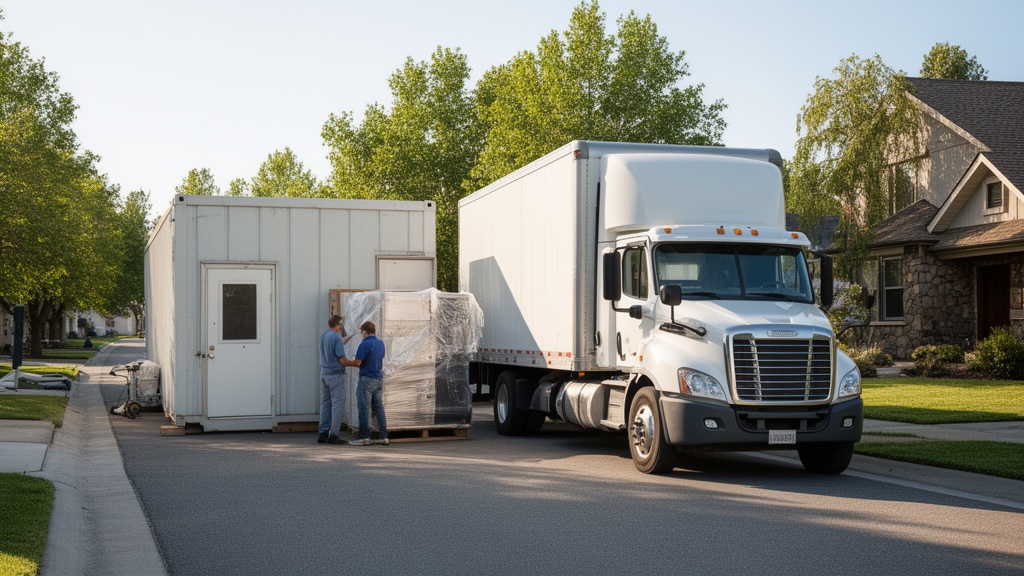
A qualified long distance mover is not simply any company with a large truck. Moving from state to state requires federal operating authority — specifically, registration with the Federal Motor Carrier Safety Administration (FMCSA), the agency that regulates commercial transport of household goods across state lines.
Every legitimate interstate carrier holds two federal identifiers: a USDOT number assigned to commercial vehicles and an MC number granting Motor Carrier authority specific to household goods transport. Companies operating without these identifiers do so illegally and carry no federal consumer protections whatsoever.
Beyond licensing, qualification includes proper cargo insurance, trained crews, and appropriate equipment. Long distance movers handle furniture on trucks for hundreds or thousands of miles — that demands padding, tie-downs, and load distribution techniques distinct from short local hauls. For a full vetting framework, how to choose the right long-distance mover covers the complete evaluation process.

Pro Tip: When evaluating any carrier, search their DOT number on the FMCSA’s Safety and Fitness Electronic Records (SAFER) system at safer.fmcsa.dot.gov. Results show operating status, safety rating, number of inspections, and out-of-service violations — all in under 60 seconds.
Interstate vs. Intrastate Long Distance Moving Companies
The distinction between interstate and intrastate moves determines which regulatory body governs the transaction — and that directly affects consumer rights.
An interstate move crosses at least one state line. It falls under federal FMCSA jurisdiction regardless of distance. A move from Boston to Providence, Rhode Island covers only 50 miles but is still interstate because it crosses a state boundary. All interstate moving companies must hold active federal authority. Moving from state to state without using a federally licensed carrier exposes customers to zero regulatory recourse.
An intrastate move stays within a single state but may still qualify as long distance by mileage — a move from Los Angeles to San Francisco spans roughly 380 miles yet never crosses a state line. These moves fall under the originating state’s transportation authority, not the FMCSA. Intrastate pricing rules, estimate requirements, and complaint procedures vary significantly by state.
Federal protections — including the right to a written binding estimate, the right to be present at weigh-ins, and the right to dispute charges within 180 days — apply automatically to interstate moves but not intrastate ones. For a comprehensive breakdown of what the regulatory distinction means in practice, what to know about interstate moving walks through the rules in detail.
| Move Type | Regulator | Pricing Model | Consumer Rights |
|---|---|---|---|
| Interstate (crosses state line) | FMCSA (federal) | Weight + distance | Federal tariff protections apply |
| Intrastate long distance | State DOT | Varies by state | State-level protections only |
| Local (under 50 miles) | Typically unregulated | Hourly labor | Minimal formal protections |
| International | FMCSA + customs | Volume/container | Subject to international law |
Full-Service Long Distance Movers vs. Container Options
Not all long distance movers provide the same scope of service. The market segments into three main models, each suited to different budgets and logistical needs.
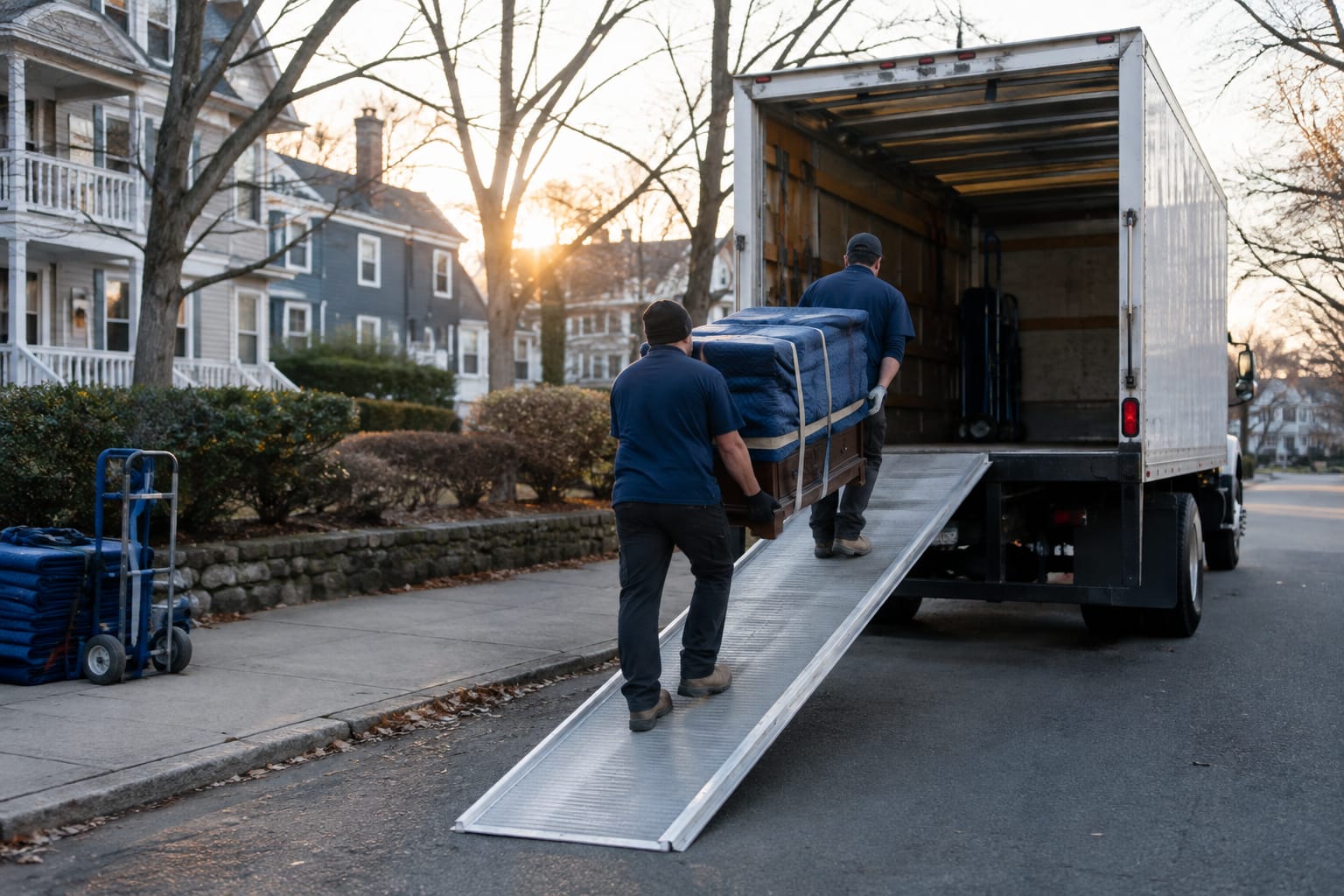
Full service long distance movers handle every step: packing, loading, transport, unloading, and optional unpacking at the destination. This is the most hands-off experience and the highest cost. The crew arrives with all materials, wraps every item, loads the truck, and delivers on the agreed date. For complex moves involving large furniture, specialty items, or multiple bedrooms, this model minimizes physical burden and damage risk.
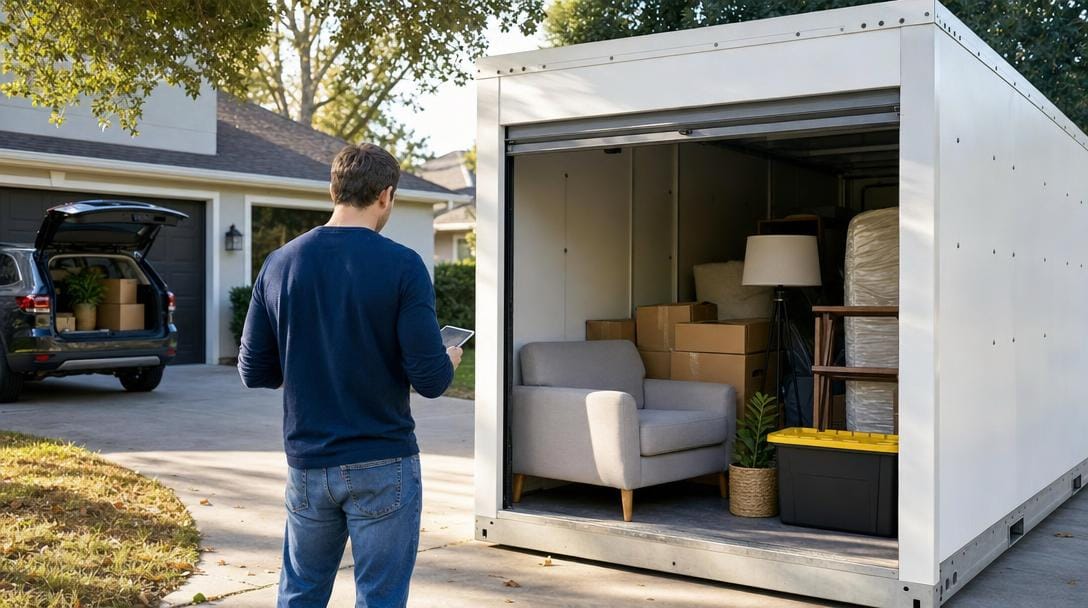
Container/pod services deliver a portable storage unit to the origin address. The customer packs and loads at their own pace. The company then transports the container to the destination. Costs run significantly lower than full service, but the labor burden shifts entirely to the customer.
Freight/consolidated shipping moves belongings on a shared truck alongside other customers’ goods. Transit times are longer and delivery windows wider, but cost per pound drops considerably for large shipments on common corridors.
| Service Type | Who Packs | Who Loads | Transit Model | Relative Cost |
|---|---|---|---|---|
| Full service | Movers | Movers | Dedicated truck | Highest |
| Container/pod | Customer | Customer | Shared or dedicated | Moderate |
| Freight/consolidated | Customer | Customer | Shared truck | Lowest |
| Hybrid (pack-only) | Movers | Customer | Customer-arranged | Mid-range |
Pro Tip: For moves involving antiques, pianos, fine art, or specialty electronics, full service is the only viable model. Container and freight services offer no controlled environment or item-level accountability — damage claims on shared transport shipments are notoriously difficult to substantiate and recover.
How Long Distance Moving Pricing Is Determined
Long distance moving cost operates on fundamentally different logic than local moves. Local movers charge by the hour; long distance movers price by weight and distance. Understanding this before getting long distance moving quotes prevents sticker shock.
The standard formula: shipment weight (pounds) × rate per hundredweight × distance (miles). A household with 5,000 pounds of goods moving 1,000 miles pays more than the same household moving 300 miles, and more than a household with 3,000 pounds traveling the same 1,000 miles. Every pound and every mile compounds.
When comparing cross country moving companies, additional cost variables include:
- Packing materials: Boxes, tape, wrap, and specialty containers for mirrors, TVs, and artwork, added on top of the base transport rate
- Stair and elevator fees: Extra labor for moves above ground floor without elevator access
- Shuttle service: When the destination street cannot accommodate a 53-foot trailer, a smaller shuttle truck handles the last leg — this adds cost
- Long carry fees: Charged when movers must carry items more than a set distance (typically 75 feet) from the truck to the door
- Storage-in-transit: If delivery must be delayed, belongings enter warehouse storage at daily or weekly rates
For a detailed breakdown of every line item carriers include in final invoices, how interstate movers calculate your final price covers the full methodology.
Cross country movers cost for a two-bedroom apartment move spanning coast-to-coast runs substantially higher than most customers anticipate coming from local moving experience. Always secure a binding estimate — not a non-binding one — so the final invoice cannot exceed the agreed amount regardless of actual weight variance.
Cross-Country Moving: What to Expect End to End
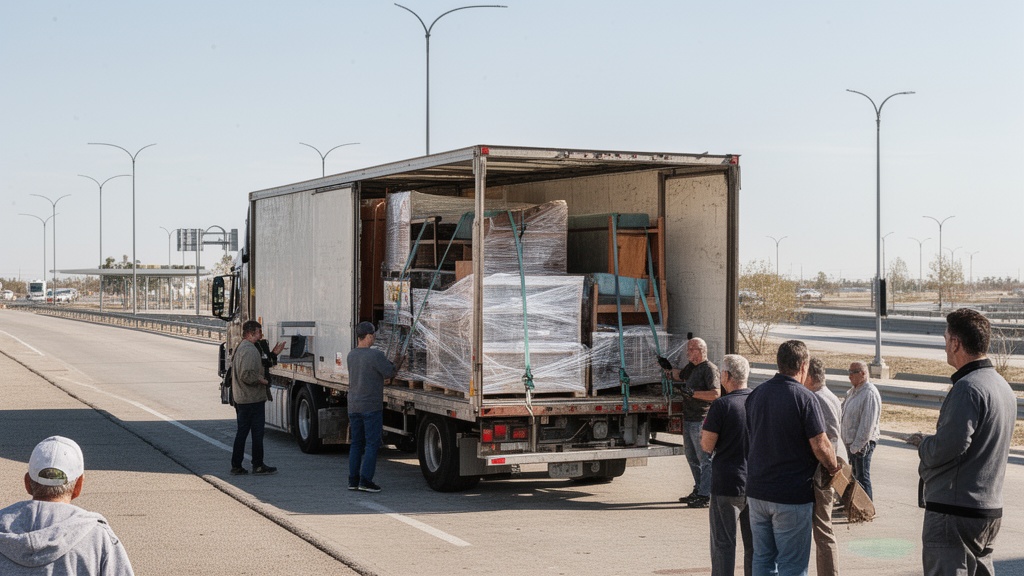
Moving cross country involves more logistics than any other residential move type. The transit window alone spans several days — a truck traveling from Boston to Los Angeles covers roughly 3,000 miles, typically requiring five to seven days in transit. Understanding the process reduces anxiety and prevents costly misunderstandings about delivery timing.
The process runs in five distinct stages:
- Pre-move survey: A qualified estimator visits the home or conducts a virtual walkthrough to inventory belongings and produce an accurate estimate. Never accept a quote based on a phone conversation alone — this is a red flag.
- Packing day: For full service moves, crews arrive one to two days before the load date to pack contents, wrap furniture, and prepare specialty items.
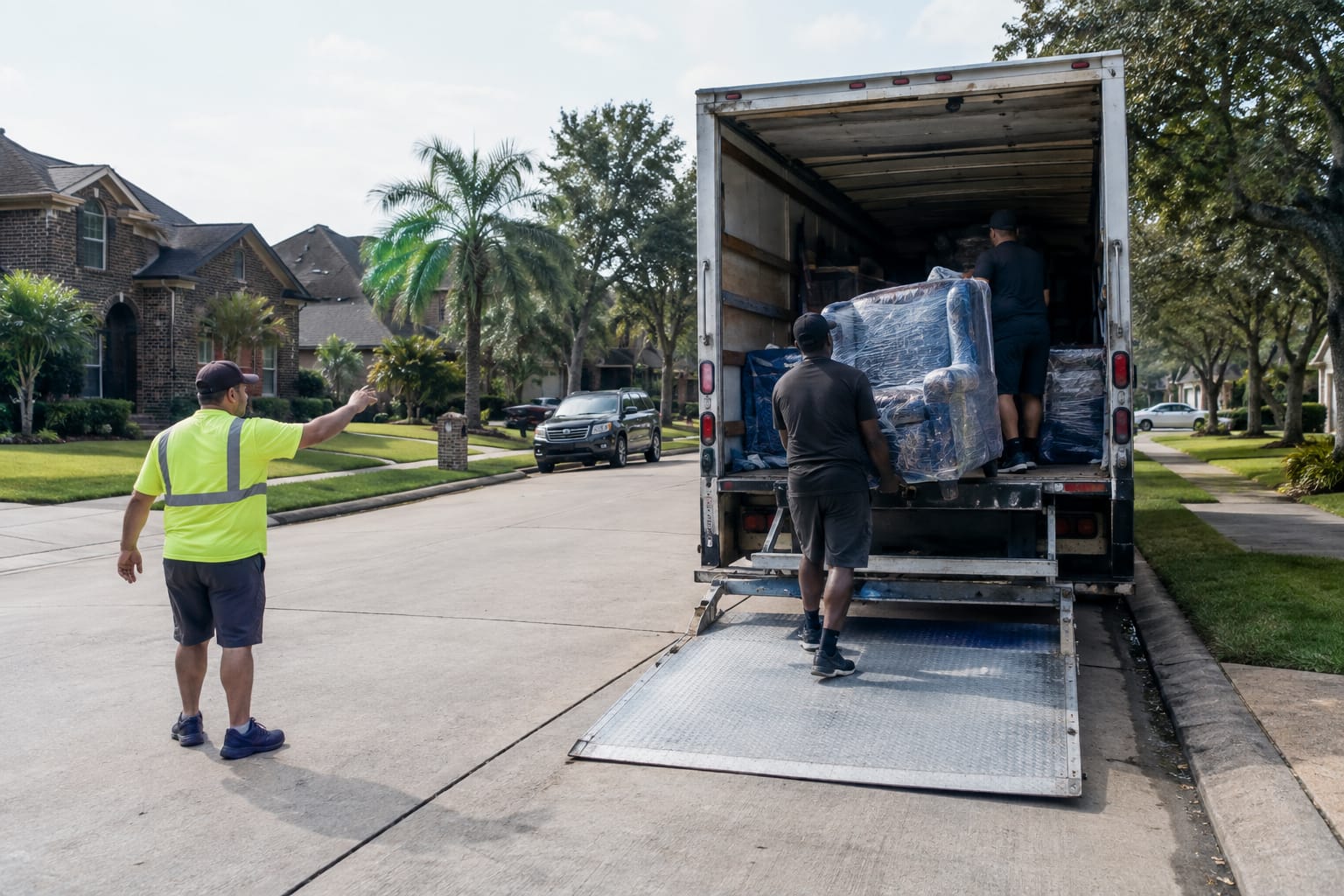
- Load day: Furniture, boxes, and appliances are loaded and documented with an inventory list. Each item receives a numbered sticker corresponding to the bill of lading.
- Transit: The truck departs. Customers should receive a contact number for the driver or dispatcher and a confirmed delivery window.
- Delivery and unload: Goods arrive within the contracted window. The crew unloads and places items per direction. Verify every numbered item against the inventory list before signing the delivery receipt.
For practical preparation at each stage, cross-country moving tips covers 12 essential steps that experienced operators use consistently. Moving cross country tips from professionals emphasize one point above all others: confirm the delivery window in writing before the truck departs, not after.
Out of State Moving: Licensing and Insurance Requirements
Out of state movers must meet specific federal requirements before legally transporting household goods across state lines. This is not bureaucratic formality — it determines what recourse exists if something goes wrong.
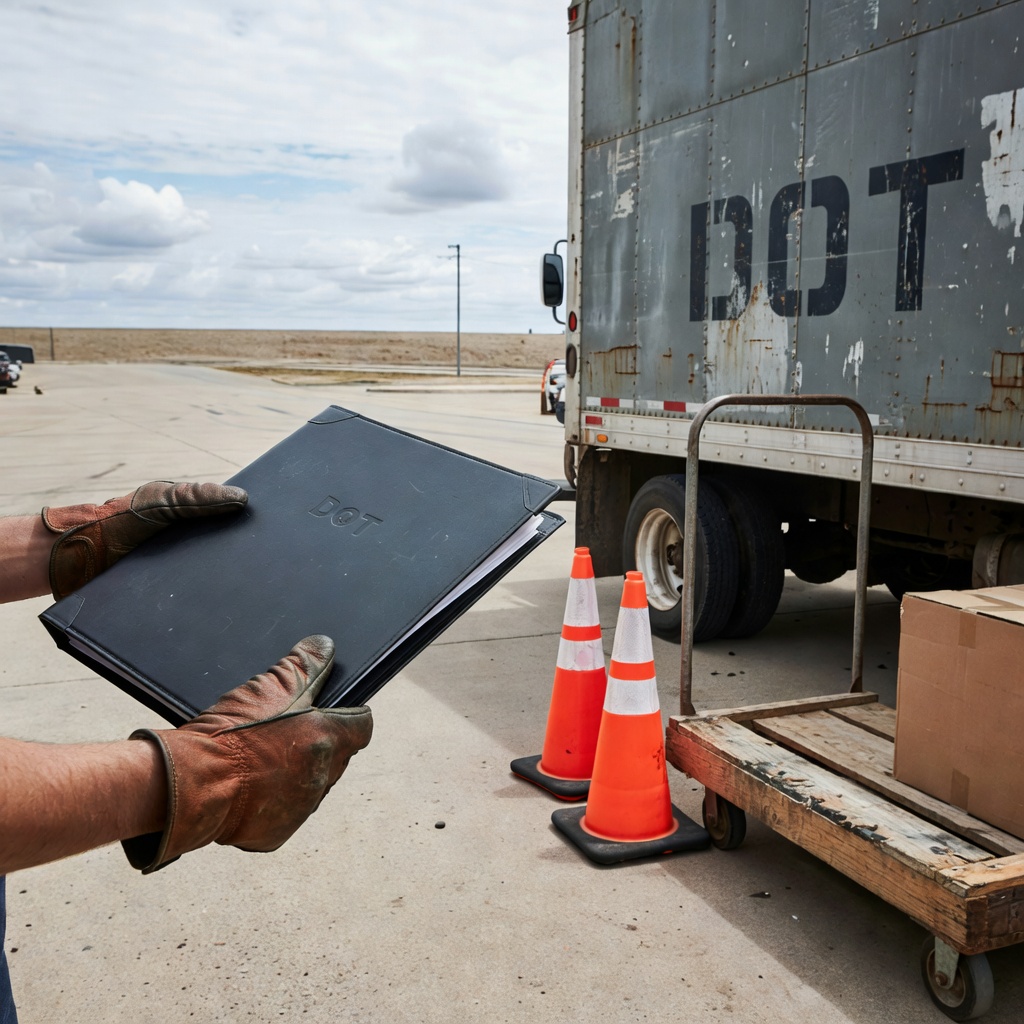
FMCSA licensed movers hold active MC authority and appear in the FMCSA’s national database. The FMCSA’s Protect Your Move consumer portal lets anyone verify a carrier’s license, check complaint history, and confirm insurance coverage before signing a contract. This verification step takes under two minutes and eliminates the majority of fraudulent operators from consideration.
Federal rules require out of state moving companies to offer two coverage levels:
- Released Value Protection: The default coverage, offered at no additional charge. Pays 60 cents per pound per article in the event of loss or damage. A 40-pound television damaged in transit receives $24 in compensation — far below replacement value for most households.
- Full Value Protection: Covers repair, replacement, or cash settlement at current market value. This must be declared and added to the contract before the move. It costs more but is the only meaningful coverage for most shipments.
Licensed long distance movers are also required under federal regulation to provide the booklet Your Rights and Responsibilities When You Move, published by the FMCSA. If a carrier does not provide this document before pickup, that constitutes a regulatory violation.
Understanding how to hire an interstate moving company — from verifying MC numbers to reading the bill of lading line by line — is the single highest-leverage skill for anyone planning an out-of-state relocation.
How to Build Your Long Distance Move Checklist
A structured long distance move checklist reduces the probability of last-minute problems that cost time and money. The timeline runs longer than most people anticipate, and critical tasks cluster at specific intervals.
8–10 weeks before move date
- Research and shortlist 3–5 interstate moving companies
- Request in-home or virtual estimates from each
- Verify FMCSA licensing for every carrier under consideration
- Decide on service level: full service, container, or freight
6–8 weeks before
- Book the preferred carrier with a signed contract
- Confirm binding estimate and delivery window in writing
- Begin sorting and decluttering (weight reduction directly reduces cost)
- Notify employer, bank, utilities, and USPS of address change
4 weeks before
- Begin packing non-essential items
- Obtain specialty boxes: wardrobe, dish packs, mirror boxes
- Confirm travel arrangements: flights, hotels, vehicle transport if needed
1–2 weeks before
- Pack all remaining items except daily essentials
- Confirm truck arrival time and delivery window with the carrier
- Prepare an essentials box: medications, chargers, key documents, 2–3 days of clothing
Day of pickup
- Be physically present during loading
- Review every item on the inventory list before signing
- Photograph the interior of the loaded truck before doors close
- Confirm driver’s direct contact number and final delivery window in writing
Pro Tip: Weigh-in rights are frequently overlooked. Federal regulation grants every customer the right to be present when their interstate shipment is weighed. If the final weight charge seems significantly higher than the estimate, request a reweigh — this is a federally protected option that carriers must accommodate.
How to Get the Best Long Distance Moving Quotes
Long distance moving quotes vary by carrier methodology, season, and shipment complexity. Getting accurate, comparable quotes requires more preparation than most people apply.
Three estimate types govern interstate moves:
- Non-binding estimate: A rough figure that can change based on actual weight. The final charge can exceed the estimate — avoid these on interstate moves unless the carrier has a well-documented reliability record.
- Binding estimate: A fixed price for the services listed. The carrier cannot charge more than this amount, but also cannot charge less even if the actual shipment weighs less than estimated.
- Binding not-to-exceed estimate: The maximum charge is fixed, but the final invoice can come in lower if the actual weight is below the estimate. This is the consumer-favorable option — request it explicitly from every carrier.
To generate comparable quotes across multiple out of state moving companies, every estimate must be based on an identical scope: same inventory, same origin address, same destination, same service level, same dates. Comparing a binding estimate from one carrier to a non-binding estimate from another is not an apples-to-apples comparison.
Best practice: Request quotes from a minimum of three carriers. Verify FMCSA licensing for each. Compare service inclusions, estimate types, and payment terms side by side. Research what distinguishes a reputable moving company before the first phone call — knowing what questions to ask changes the quality of quotes received.
Timing matters. Obtaining long distance moving quotes more than eight weeks out provides leverage — carriers have more availability and are more competitive on price. Quotes obtained two weeks before a peak-season move reflect scarcity pricing, not market pricing.
Questions to Ask Long Distance Movers Before You Sign

How to choose long distance movers comes down to the questions asked before any contract is signed. Six questions filter the field effectively and expose operational weaknesses early.
1. Are you a licensed interstate moving company or a broker?
Brokers arrange moves through third-party subcontractors. The company answering the phone may not be the one that shows up at the door. Both models can work, but broker arrangements require an additional due-diligence layer: verify the actual carrier’s credentials, not just the broker’s.
2. What is your USDOT number and MC number?
Any legitimate operator provides these immediately. Verify both at fmcsa.dot.gov before proceeding with any deposit or contract.
3. Is this a binding or non-binding estimate?
Non-binding estimates on interstate moves leave the final price open. Binding-not-to-exceed is the standard to request and the most customer-favorable structure available.
4. Who physically handles my shipment end to end?
For long distance moves, continuity of crew and truck from pickup to delivery reduces damage risk and accountability gaps. Transfers between multiple carriers or terminals increase both damage probability and claim complexity.
5. What is the delivery window, and what happens if it’s missed?
Interstate moves have legally required delivery windows. Ask for the specific start and end date in writing, and ask what compensation applies for delays outside the agreed window.
6. What insurance options do you offer beyond Released Value?
If a carrier cannot explain Full Value Protection clearly — cost, coverage scope, claims process — that signals operational gaps worth treating as a warning sign.
For a complete framework covering contractual terms and licensing checks, how to hire an interstate moving company covers the full sequence.
Red Flags and Scams in the Long Distance Moving Industry
The long distance moving industry has a documented fraud problem. The FMCSA’s Protect Your Move program exists specifically to address the volume of complaints it receives annually about household goods carriers — the majority involve hostage goods schemes, inflated post-pickup charges, and operators who vanish after collecting deposits.
Hostage goods is the most common long-distance moving scam. The carrier provides a low estimate, loads the belongings, and then demands a higher payment before releasing the truck at the destination. Legally, interstate carriers cannot hold goods hostage for charges exceeding 110% of a non-binding estimate on delivery day. But recovering goods through legal channels takes weeks — time most customers do not have.
Red flags to identify before signing:
- No physical address or only a P.O. Box on the company website or contract
- Quote provided over the phone without any inventory assessment or virtual walkthrough
- Large cash deposit or full payment demanded upfront before the move
- FMCSA license number unavailable, absent, or unverifiable
- Company name change history — some fraudulent operators rotate names to avoid complaint records
- Estimate significantly below all other quotes (low-ball to win the booking, inflate on delivery)
- Refusal to provide the mandatory FMCSA booklet Your Rights and Responsibilities When You Move
The best long distance moving companies maintain consistent DOT numbers across years of operation, verifiable complaint histories, transparent pricing, and crews who handle pickup through delivery without subcontracting. To protect against these tactics, how to avoid moving scams before you sign details the verification sequence and contract clauses that close the most common exploit windows.
Checking the FMCSA SAFER system for any carrier before booking is the single highest-leverage risk-reduction action available to consumers.
National Moving Company vs. Regional Carrier: How to Decide
The choice between a national moving company and a regional carrier reflects real trade-offs in accountability, cost, and service consistency.
A national moving company typically operates under a large brand with standardized processes, dedicated long-haul fleets, and technology-enabled shipment tracking. They serve virtually every origin-destination pair in the country and carry institutional accountability. However, many national brands function as franchise networks — the local agent that loads the truck operates semi-independently, and service quality varies by franchise location.
Regional and independent carriers often provide more direct accountability. The operations manager is typically reachable by phone. For specific corridors — New England to Mid-Atlantic, or Southeast to Southwest — regional specialists sometimes outperform national brands on both price and service continuity because those routes represent their core business, not a marginal service area.
The table below summarizes how to evaluate each model:
| Evaluation Factor | National Brand | Regional/Independent |
|---|---|---|
| Route coverage | All 50 states | Specific corridors |
| Shipment tracking tech | Usually available | Varies by operator |
| Price | Often higher | Often more competitive |
| Accountability layer | Corporate + franchise | Direct with owner/operator |
| Review consistency | Varies by franchise location | Reflects actual crew quality |
| Best for | Complex multi-state moves, high-value goods | Frequent corridors, direct service preference |
For moves spanning multiple regions or involving specialty items requiring crew continuity, evaluate whether the carrier assigns the same truck and crew from pickup to delivery — or transfers goods between terminals. The “same truck, same crew” model eliminates transfer damage risk entirely and simplifies accountability if claims arise.
Frequently Asked Questions
What qualifies as a long distance move?
A long distance move is generally defined as a relocation covering more than 100 miles. However, the more operationally significant threshold is whether the move crosses a state line. Interstate moves — those entering another state — fall under federal FMCSA jurisdiction regardless of mileage, which means federal licensing requirements, standardized estimate rules, and formal consumer protections apply automatically. Some industry definitions treat intrastate moves exceeding 400 miles as long distance for pricing purposes, even when no state line is crossed. The practical implication: determine whether the move is interstate or intrastate first, as this determines the regulatory framework, the type of carrier legally permitted to handle the shipment, and what rights apply if something goes wrong.
How much do moving companies charge for long distance moves?
Long distance moving cost is calculated primarily on two variables: shipment weight in pounds and total mileage. A one-bedroom apartment move of approximately 2,000–3,000 pounds traveling 1,000 miles carries a substantially different cost than a four-bedroom home at 10,000-plus pounds covering the same distance. Additional cost factors include packing services, stair and elevator access, shuttle service requirements, fuel surcharges, and storage-in-transit. The American Moving and Storage Association notes that the average interstate move costs several thousand dollars, but the actual range is broad and highly move-specific. Getting binding estimates from at least three carriers — based on identical scope and inventory — is the only reliable way to establish a genuine price benchmark for a specific move.
How do I find reputable moving companies that move long distance?
Start with the FMCSA’s public database at fmcsa.dot.gov to verify that any candidate carrier holds active MC authority and a valid USDOT number. Cross-reference complaint history through the FMCSA’s complaint database and third-party review platforms. Request binding-not-to-exceed estimates from at least three carriers and compare scope inclusions rather than headline price alone. Ask each carrier directly whether they are a carrier or a broker — if a broker, request the name and USDOT number of the actual carrier handling the move. Verify that every candidate provides the mandatory FMCSA booklet Your Rights and Responsibilities When You Move before pickup. Carriers who are reluctant to share credentials, provide estimates without inventory assessments, or demand large upfront deposits should be eliminated immediately.
How early should I book a long distance moving company?
For peak-season moves from May through September, book a minimum of 6–8 weeks in advance. The most reputable carriers at the most competitive rates fill their peak calendars early — late-stage booking in July or August typically means limited carrier options, wider delivery windows, or premium pricing for remaining availability. For off-peak moves from October through April, 4–6 weeks typically provides sufficient lead time, though complex moves involving specialty items, multi-stop logistics, or long corridors benefit from 8-plus weeks regardless of season. The binding estimate should be locked in at booking. Each additional week of lead time preserves negotiating leverage and increases the probability of securing a delivery window aligned with the move-in schedule.
What is the difference between an interstate and intrastate moving company?
An interstate moving company holds federal operating authority from the FMCSA and is legally permitted to transport household goods across state lines. An intrastate moving company operates only within a single state’s borders and is regulated by that state’s transportation authority, not the federal government. The practical implications are significant: interstate movers must provide written estimates, adhere to federal tariff structures, carry federally mandated insurance minimums, and comply with delivery window regulations enforced by the FMCSA. Intrastate movers follow state-specific rules, which vary considerably across jurisdictions. If the move crosses a state line — even a short distance — only an interstate moving company with active FMCSA authority can legally handle the shipment. Using a purely intrastate carrier for a cross-state move is both illegal and strips the customer of all federal consumer protections.
Related Articles
- Best Interstate Moving Companies — A breakdown of the top-rated interstate carriers by route, service type, and verified customer feedback.
- Local Moving Companies Near Me: How to Choose the Best — How to evaluate and hire local movers using the same rigor applied to long distance carriers.
- Best Cheap Moving Companies — A cost-focused analysis of budget-friendly carriers and the scenarios where they make sense versus where to invest more.
- Best Moving Companies Boston — A deep-dive into the Boston metro moving market, including long distance operators based in New England.
- Appliance Moving Company: How to Move Large Appliances — Specialized guidance on moving refrigerators, washers, and oversized appliances safely across state lines.
Recommended Resources
- Long-Distance Moving Companies: How to Choose the Right Mover
- 12 Essential Cross-Country Moving Tips
- How to Hire an Interstate Moving Company
- How to Avoid Moving Scams
- How Interstate Moving Service Companies Determine the Cost of Your Move