'%3E%3Cpath%20fill='%231B2A47'%20d='M1.605%2016.263c.03-1.139.059-2.482.088-3.971.03-1.49.03-2.832.03-4.03%200-.758%200-1.576-.03-2.51%200-.905-.03-1.84-.03-2.803%200-.496-.028-.964-.028-1.43%200-.468%200-.906-.03-1.315h6.858q2.188%200%203.589.35c.963.234%201.663.643%202.13%201.198.496.555.73%201.372.73%202.394%200%20.788-.176%201.46-.497%201.985-.32.526-.846.935-1.575%201.197-.73.292-1.693.468-2.918.526v.263c1.313.087%202.334.263%203.122.525.758.263%201.342.672%201.692%201.197.35.526.525%201.197.525%202.044%200%201.08-.233%201.927-.67%202.57-.468.642-1.139%201.08-2.102%201.343-.933.262-2.159.408-3.705.408H1.605zm6.537-9.197q1.882%200%202.713-.526c.555-.35.817-.934.817-1.752%200-.905-.292-1.547-.846-1.927s-1.459-.554-2.655-.554H4.757v4.759zm.204%206.92c.934%200%201.663-.088%202.217-.263.555-.176.934-.438%201.197-.818s.38-.876.38-1.518c0-.876-.322-1.49-.934-1.84-.643-.35-1.635-.525-3.035-.525H4.757v4.963zM21.038%2016.555c-1.576%200-2.801-.292-3.618-.905-.817-.614-1.284-1.519-1.372-2.745-.087-1.226.205-2.774.847-4.613s1.43-3.358%202.392-4.584c.963-1.226%202.043-2.131%203.298-2.744C23.839.292%2025.24%200%2026.786%200c1.576%200%202.772.321%203.59.934.816.613%201.283%201.548%201.37%202.774s-.203%202.774-.845%204.613c-.642%201.81-1.43%203.358-2.393%204.584s-2.072%202.132-3.297%202.745a9.8%209.8%200%200%201-4.173.905m.788-2.278c.642%200%201.138-.058%201.371-.116.205-.059.496-.117.847-.322.262-.146.437-.292.554-.408.204-.175.32-.292.438-.41.204-.203.35-.408.496-.583.35-.438.642-.876.963-1.402.233-.408.466-.817.67-1.284.205-.438.38-.905.555-1.372.438-1.198.671-2.278.671-3.183s-.204-1.606-.612-2.131c-.409-.497-1.051-.76-1.897-.76-.467%200-.934.059-1.43.205h-.03c-1.02.292-1.925%201.226-2.042%201.372-.116.117-.467.526-.963%201.343a15.5%2015.5%200%200%200-1.342%202.92c-.408%201.197-.642%202.277-.671%203.182-.03.906.175%201.636.584%202.161q.611.788%201.838.788M14.853%2038.54c-1.576%200-2.802-.292-3.619-.905s-1.284-1.518-1.371-2.744c-.088-1.227.204-2.774.846-4.614s1.43-3.357%202.393-4.584%202.042-2.13%203.297-2.744c1.255-.613%202.655-.905%204.173-.905%201.575%200%202.772.321%203.589.934s1.284%201.548%201.371%202.774c.088%201.226-.204%202.774-.846%204.613-.642%201.81-1.43%203.358-2.393%204.584s-2.072%202.131-3.297%202.745c-1.226.613-2.626.846-4.143.846m.787-2.277c.642%200%201.138-.059%201.372-.117.204-.058.496-.117.846-.321.263-.146.438-.292.554-.409.205-.175.321-.292.438-.409.204-.204.35-.408.496-.584a13%2013%200%200%200%201.634-2.686c.204-.438.38-.905.555-1.372.437-1.197.67-2.277.67-3.182%200-.906-.203-1.606-.612-2.132-.409-.496-1.05-.759-1.897-.759-.467%200-.934.058-1.43.204h-.029c-1.021.292-1.925%201.227-2.042%201.373-.117.116-.467.525-.963%201.343a15.5%2015.5%200%200%200-1.342%202.92c-.409%201.196-.642%202.277-.671%203.182s.175%201.635.583%202.16q.613.789%201.838.789'/%3E%3Cpath%20fill='%23FF515E'%20d='M55.966%2038.57c-1.576%200-2.801-.293-3.618-.906s-1.284-1.518-1.372-2.744c-.087-1.227.204-2.774.846-4.613s1.43-3.358%202.393-4.584c.963-1.227%202.043-2.132%203.297-2.745s2.656-.905%204.173-.905c1.576%200%202.772.321%203.589.934s1.284%201.548%201.371%202.774c.088%201.226-.204%202.774-.846%204.613-.642%201.81-1.43%203.358-2.393%204.584s-2.071%202.131-3.297%202.745c-1.225.613-2.626.846-4.143.846m.788-2.249c.642%200%201.138-.058%201.371-.117.204-.058.496-.116.846-.32.263-.147.438-.293.555-.41a7%207%200%200%200%20.437-.408c.205-.205.35-.41.496-.584a13%2013%200%200%200%201.634-2.686c.205-.438.38-.905.555-1.373.438-1.197.671-2.277.671-3.182s-.204-1.606-.613-2.131c-.408-.497-1.05-.76-1.896-.76-.467%200-.934.059-1.43.205h-.03c-1.02.292-1.925%201.226-2.042%201.372-.117.117-.467.526-.963%201.343a15.5%2015.5%200%200%200-1.342%202.92c-.409%201.197-.642%202.277-.671%203.182s.175%201.635.583%202.16q.614.79%201.839.79'/%3E%3Cpath%20fill='%231B2A47'%20d='M33.06%2016.263c0-.35%200-.935.03-1.81.029-1.051.058-2.103.058-3.154s.03-2.073.03-3.007c0-1.606-.03-3.27-.06-4.993%200-.554-.028-1.08-.028-1.606%200-.525-.03-1.021-.03-1.46h6.828c1.46%200%202.685.117%203.59.38q1.4.394%202.1%201.314.7.963.7%202.628c0%20.992-.174%201.81-.554%202.452-.35.643-.904%201.11-1.604%201.431s-1.576.467-2.627.496v.263q2.058.087%203.064.876c.671.525%201.138%201.372%201.43%202.51.087.41.233%201.023.467%201.84.233.818.408%201.431.554%201.84h-3.414a11%2011%200%200%200-.262-1.022c-.321-1.314-.526-2.19-.584-2.628a5%205%200%200%200-.642-1.46%202.13%202.13%200%200%200-.963-.73c-.408-.146-.934-.233-1.605-.233h-3.326v6.0440000000000005H33.06zm6.332-8.292c1.343%200%202.276-.205%202.86-.613.554-.41.846-1.11.846-2.073%200-.73-.146-1.314-.408-1.723-.263-.409-.671-.7-1.197-.876q-.788-.263-2.1-.263h-3.181v5.519h3.18zM49.4%2016.263l.03-2.745c.029-2.452.029-4.905.029-7.416q0-2.101-.088-5.868h4.085l5.924%2010.335c.087.234.204.438.291.643.117.204.205.408.321.613.38.788.613%201.255.672%201.372h.262c0-.058-.03-.146-.03-.204%200-.059-.028-.117-.028-.175a75%2075%200%200%201-.175-1.314%2010%2010%200%200%201-.088-1.285c0-1.547%200-3.737-.029-6.57V1.84c0-.584-.03-1.11-.03-1.576h2.977c-.03%202.482-.058%205.08-.058%207.766%200%201.694%200%204.438.029%208.292h-4.027l-5.573-9.43c-.875-1.81-1.226-2.511-1.05-2.132-.263-.613-.467-1.08-.613-1.46h-.263c.058.35.117.876.175%201.548.059.7.117%201.168.117%201.46%200%202.978%200%206.306.029%209.985H49.4zM4.698%2038.277c.029-2.627.058-5.255.058-7.883%200-1.576%200-3.503-.029-5.752-1.109%200-2.684%200-4.727.03v-2.453h12.664v2.453c-1.955-.03-3.53-.03-4.756-.03%200%20.584-.03%201.227-.03%201.957s0%201.46-.029%202.218v1.84c0%202.57.03%205.11.059%207.62z'/%3E%3Cpath%20fill='%23FF515E'%20d='M29.441%2038.277c.409-1.05.788-2.102%201.168-3.182s.787-2.16%201.167-3.241c.613-1.693%201.05-2.949%201.342-3.766l1.255-3.65c.116-.38.262-.788.379-1.139.117-.38.263-.73.38-1.05h4.61l-.671%2012.904h.262l8.316-12.905h4.669l-.7%201.869c-.876%202.452-1.343%203.766-1.43%204a501%20501%200%200%200-3.385%2010.16h-2.947c.292-.846.788-2.219%201.459-4.087.175-.526.35-1.08.554-1.606.175-.526.38-1.08.555-1.577.642-1.81%201.342-3.825%202.072-6.014h-.234l-8.724%2013.314h-2.86l.554-13.314h-.175c-.175.496-.38.992-.554%201.489-.175.496-.38%201.022-.555%201.547a163%20163%200%200%200-1.08%203.008c-.145.38-.262.759-.408%201.138-.117.38-.262.73-.408%201.11-.7%201.898-1.284%203.59-1.751%205.05h-2.86zM68.047%2038.277c.175-2.19.32-4.525.467-7.007.058-.905.204-3.912.467-9.051h3.151c-.03.438-.058.934-.088%201.46s-.058%201.08-.087%201.693a264%20264%200%200%201-.409%206.657c-.145%201.986-.35%203.591-.583%204.788h.175Q72.147%2034.892%2073.94%2032a562%20562%200%200%201%204.465-7.066c.32-.496.641-.992.933-1.46s.555-.875.817-1.255h3.268q-.568.832-1.138%201.752c-.408.613-.787%201.255-1.196%201.927-3.88%206.014-6.478%2010.131-7.85%2012.35h-5.193zM79.106%2038.277c.32-.788.758-2.014%201.37-3.65a287%20287%200%200%200%201.577-4.32c.437-1.256.904-2.628%201.4-4.088s.934-2.774%201.313-3.97h11.322l-.846%202.364H87.1l-1.664%204.847%207.645-.088-.612%201.694-7.587-.088-1.75%204.934h8.286l-.846%202.365z'/%3E%3C/g%3E%3Cdefs%3E%3CclipPath%20id='a'%3E%3Cpath%20fill='%23fff'%20d='M0%200h96v40H0z'/%3E%3C/clipPath%3E%3C/defs%3E%3C/svg%3E)
Moving can be one of life's most demanding events, often ranking among the top stressors. A successful packing and moving process, however, hinges entirely on meticulous preparation and strategic execution. From the initial purge to the final box unpacked, every step impacts efficiency and preserves your belongings. This comprehensive guide provides expert insights, practical tools, and essential knowledge to navigate your relocation smoothly and confidently.
Table of Contents
Key Takeaways
| Point | Details |
|---|---|
| Start Early | Begin packing non-essentials at least 8 weeks out for optimal organization. Data shows moves prepared over 60 days in advance report 40% less stress. |
| Inventory Everything | A detailed inventory list reduces the risk of loss, with reports indicating it decreases missing items by up to 25% for self-moves. |
| Utilize Proper Supplies | Investing in quality boxes and specialized materials prevents damage. Studies reveal improper packing causes 70% of item breakage during transit. |
| Label Comprehensively | Labeling boxes by room and contents saves an average of 15-20 hours during unpacking. Detailed labels streamline the process significantly. |
| Plan for Essentials | Prepare a "first-night" box with necessities to ensure immediate comfort and access to critical items. Learn more about crucial items in our frequently asked questions about moving. |
Why Packing Strategy Makes or Breaks Your Entire Move
Moving is complex, with an estimated 31 million Americans relocating annually. Without a solid strategy, the process quickly devolves into chaos, leading to damaged goods, overlooked essentials, and escalating costs. Effective packing tips for moving are not merely suggestions; they are foundational principles that dictate the success and efficiency of your relocation. A well-executed packing plan can reduce overall moving time by as much as 30%.
Conversely, inadequate preparation often results in significant financial burdens. Damaged items alone cost consumers billions each year, with some reports indicating that up to 15% of all household goods are damaged during a typical relocation. This highlights the critical need for methodical packing. Investing time upfront in strategic planning yields considerable returns, safeguarding your possessions and your peace of mind. Effective Born to Move moving resources can further assist in developing a comprehensive packing strategy.
A structured moving packing guide approach helps manage expectations and reduces last-minute stress. It allows for systematic decluttering, ensuring only necessary items make the journey to your new home. This selective process can decrease the volume of items by up to 20%, directly impacting transportation costs and unpacking effort. Understanding the foundational elements of effective packing is the first step toward a smooth transition.
When to Start Packing: A Timeline Leading Up to Moving Day
The question of what to pack first when moving often arises, and the answer is consistently: start early. For an average 3-bedroom home, the packing process alone can consume 60-80 hours. Beginning 8-12 weeks before your move date provides ample time to declutter, gather supplies, and pack systematically without undue rush. This phased approach dramatically reduces stress and improves organization. A recent moving industry survey revealed that only 30% of individuals start packing more than two months in advance, underscoring the common tendency to underestimate preparation time.
| Timeline | Key Actions |
|---|---|
| 8+ Weeks Out | Declutter non-essentials (seasonal decor, rarely used items). Consider donating unwanted items. |
| 6 Weeks Out | Pack off-season items (clothing, guest linens). Secure moving date and get a free packing and moving quote. |
| 4 Weeks Out | Pack most decorative items, art, excess pantry. Consume frozen goods. Confirm utility transfers. |
| 2 Weeks Out | Pack everyday items not needed for final weeks. Prepare dedicated "essentials" box. |
| 1 Week Out | Pack all remaining items, leaving only essentials. Clean as you go. Finalize pet/child arrangements. |
Pro Tip: Create a detailed moving day checklist well in advance. Distribute tasks among family members or assign specific responsibilities to minimize overlap and ensure all critical steps are covered efficiently. This prevents last-minute scrambling and potential oversights.
A structured timeline ensures that the bulk of your packing is completed long before the actual move. This proactive stance is proven to decrease moving-related anxiety by as much as 50%, allowing you to focus on logistics rather than rushed packing. Adhering to a timeline transforms the daunting task into manageable segments.
The Essential Packing Supplies You'll Actually Need
Successful relocation hinges on having the right packing supplies for moving. Skimping on quality materials is a common mistake that leads to damaged goods and added stress. Research indicates that using appropriate, new moving boxes can reduce damage rates by up to 60% compared to recycled or ill-suited containers. High-quality materials provide essential protection.
Invest in a variety of box sizes to accommodate different items. Small boxes are ideal for heavy items like books, while larger boxes suit lighter, bulkier possessions. Specialized boxes, such as dish packs or wardrobe boxes, offer superior protection for fragile or irregularly shaped items. A robust inventory of supplies is a non-negotiable aspect of any efficient packing strategy.
| Supply Category | Essential Items | Purpose |
|---|---|---|
| Containers | Double-wall cardboard boxes (various sizes), plastic totes, wardrobe boxes | Structural integrity; tailored protection for specific items |
| Protective Wrap | Bubble wrap, packing paper (newsprint), foam pouches, moving blankets | Cushioning, scratch prevention, void fill |
| Securing & Sealing | Strong packing tape, tape dispenser, stretch wrap/Saran wrap, rope/bungee cords | Reinforce boxes, keep bundles together, protect furniture |
| Labeling | Permanent markers, color-coded labels, detailed inventory sheets | Organization, identification, streamlined unpacking |
| Tools | Box cutter, scissors, basic toolkit (for disassembly), dollies/hand trucks | Efficiency in packing, disassembling, and moving heavy items |
Standard cardboard boxes, ranging from 1.5 cubic feet (book boxes) to 4.5 cubic feet (linen boxes), form the backbone of your supply list. Consider specialized options like dish pack boxes for kitchenware or wardrobe boxes for clothing that can remain on hangers. Protective materials like bubble wrap are indispensable for electronics and extremely fragile items. Packing paper, or clean newsprint, serves as excellent cushioning and void fill. Moving blankets protect furniture from scratches and dents during transit. Heavy-duty packing tape (2.5-3 inches wide) is crucial for sealing boxes securely. A typical 3-bedroom home requires at least 15-20 rolls of tape.
Room-by-Room Packing Strategy: Where to Start and Why
A structured room-by-room approach is fundamental to a successful how to pack for a move strategy. This method prevents overwhelmed feelings and ensures systematic progress. Begin with rooms that are used least frequently, such as guest bedrooms, formal dining rooms, or storage areas. This allows for concentrated effort without disrupting daily routines.
Storage areas (attic, basement, garage) often contain the most clutter and forgotten items. Start here to tackle large volumes of items that typically have lower sentimental value. Dedicate significant time to decluttering these spaces, as they can contribute up to 30% of your total moving volume. Guest rooms and offices should follow, packing items that are not used daily, including books, decorative items, and specialized equipment. Keep essential work documents separate and secure.
The kitchen is often the most time-consuming room due to its numerous small, fragile, and oddly shaped items. Tackle non-essential kitchenware first, saving everyday dishes, cooking utensils, and pantry items for the last week. Finally, living rooms and bedrooms, being high-traffic areas, should be packed last. Prioritize decorative items, then clothing and linens, leaving only absolute essentials until just before moving day. Create a moving packing list for each room to ensure nothing is overlooked. For those undertaking a significant distance, understanding the nuances of interstate moving services can further refine this strategy.
How to Pack Fragile, Valuable, and Oversized Items Safely
Mastering how to pack boxes for moving, especially with delicate items, is paramount. Fragile possessions are susceptible to damage, necessitating meticulous attention and specialized techniques. Without proper cushioning and structural support, breakages can occur, potentially leading to significant financial loss and emotional distress. Studies show that over 60% of all moving claims involve damage to fragile items, emphasizing the need for robust protection.
For packing fragile items for moving, such as glassware and china, wrap each item individually in several layers of packing paper or bubble wrap. Place heavier, wrapped items at the bottom of the box and lighter ones on top. Fill all empty spaces with crumpled paper or packing peanuts to prevent shifting during transit. A tight, stable pack is crucial for minimizing movement and maximizing protection.
Oversized items, like mirrors, artwork, or large electronics, require unique handling. Custom-built crates provide the most secure transport for high-value art or delicate glass. For furniture, disassemble it where possible, securing all loose parts in a clearly labeled bag attached to the corresponding piece. Protect surfaces with moving blankets and stretch wrap to prevent scratches and dings. Many individuals find reassurance in reading customer reviews of moving services that specialize in handling such items.
Valuables, including jewelry, important documents, and irreplaceable heirlooms, should always be transported personally. Never entrust these items to movers or pack them in boxes that will be loaded onto a truck. Keep them in a dedicated, secure bag that remains with you throughout the move. This minimizes risk and ensures immediate access to critical belongings.
Labeling and Organizing Your Boxes So Unpacking Is Easy
Effective labeling is the cornerstone of a streamlined unpacking process. Without clear identification, locating specific items becomes a frustrating and time-consuming endeavor. A recent survey indicated that nearly 70% of movers regret inadequate labeling, highlighting its critical importance. This step transforms the post-move experience from chaotic to controlled.
Develop a comprehensive moving packing list and a labeling system before you begin. Assign a distinct color to each room in your new home and use matching color-coded labels or markers for boxes destined for that area. This visual cue instantly directs movers and family members, saving considerable time and effort during delivery. Clearly mark "FRAGILE" on boxes containing delicate items.
Beyond room designation, detail the contents of each box. Instead of vague descriptions like "Kitchen stuff," specify "Pots & Pans," "Dinnerware," or "Small Appliances." Number each box and maintain a master inventory list that correlates box numbers with their contents and designated room. This allows you to quickly locate specific items without opening every box. Implement these packing tips for moving to minimize post-move headaches.
Pro Tip: For high-priority rooms like the kitchen or master bedroom, create a "priority" designation on your labels (e.g., "KITCHEN – OPEN FIRST"). This communicates immediate needs to movers and ensures essential items are accessible without delay. This proactive step helps establish normalcy faster in your new residence. You can find more organizational insights and general information by exploring our site map.
What Professional Movers Do That You Should Copy
When observing professional packing services, several best practices emerge that amateur movers can and should emulate. Professionals operate with speed, precision, and a systemized approach that minimizes errors and maximizes protection. Their efficiency is not accidental; it stems from rigorous training and adherence to proven methodologies.
Systematic disassembly is a hallmark of professional moving. They routinely take apart furniture such as bed frames, tables, and desks. All hardware is meticulously bagged and labeled, then attached directly to the corresponding furniture piece. This ensures no small parts are lost and reassembly is straightforward, preventing hours of frustration during unpacking.
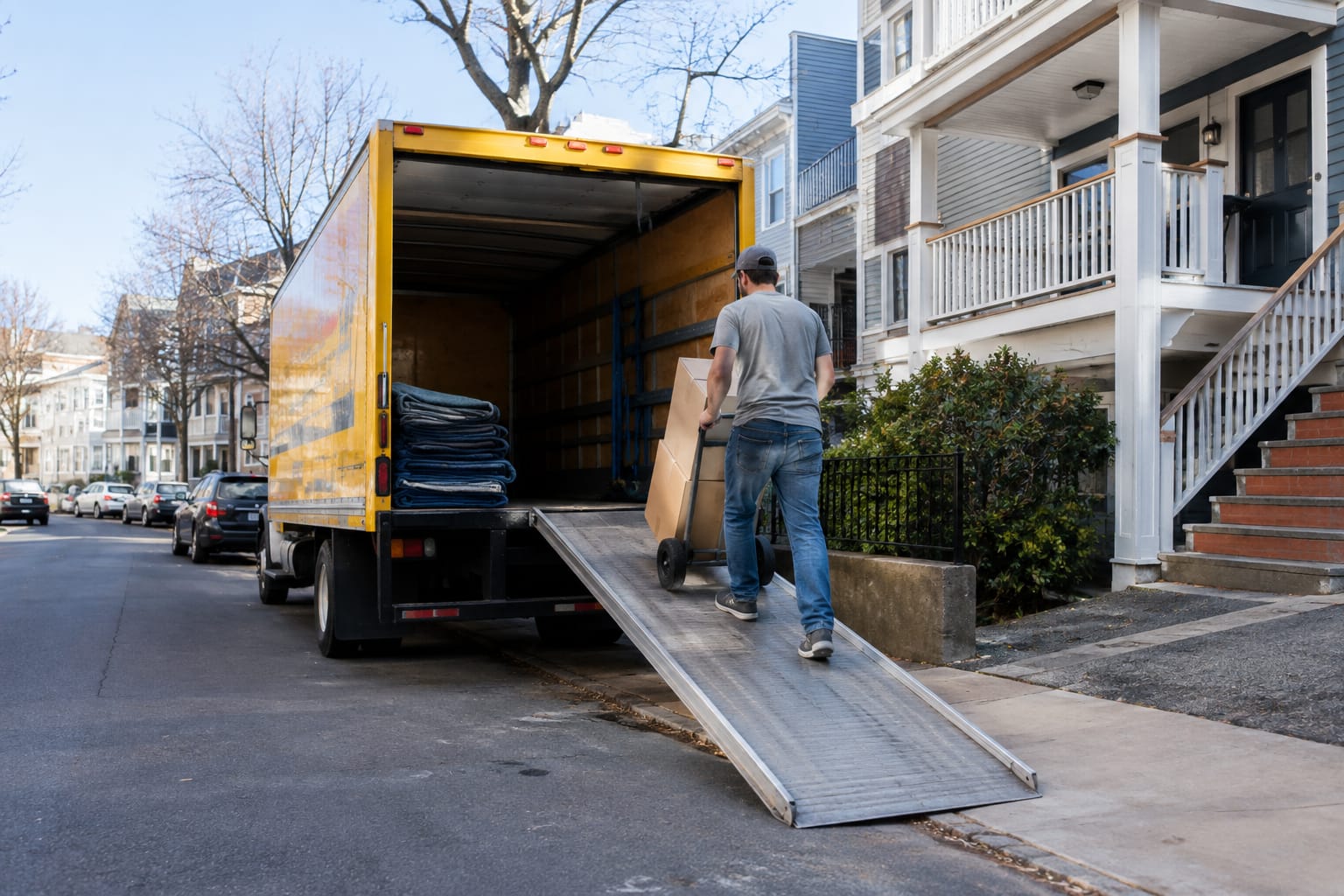
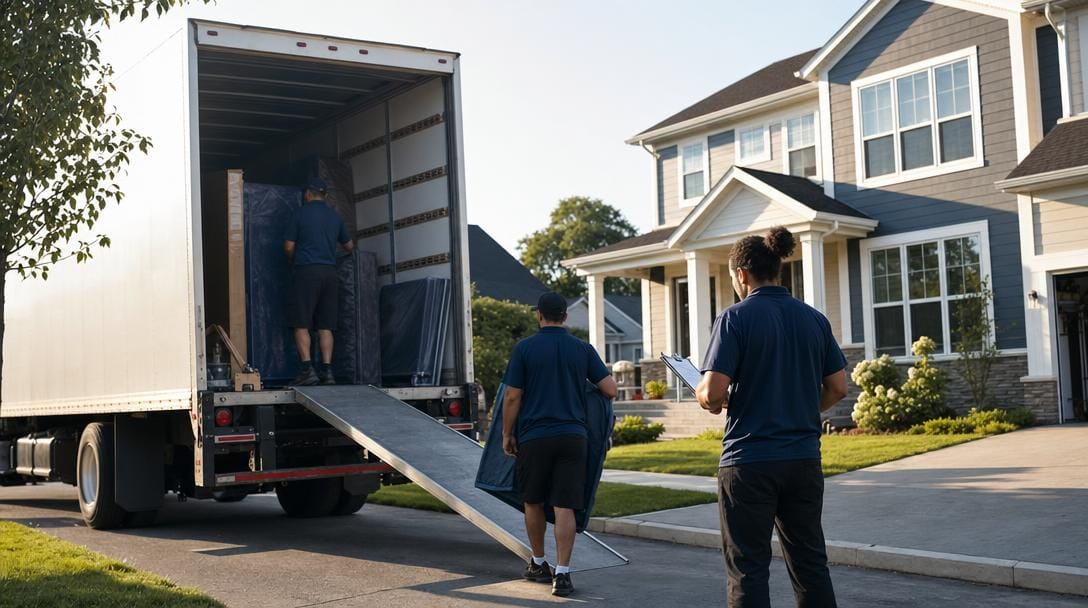
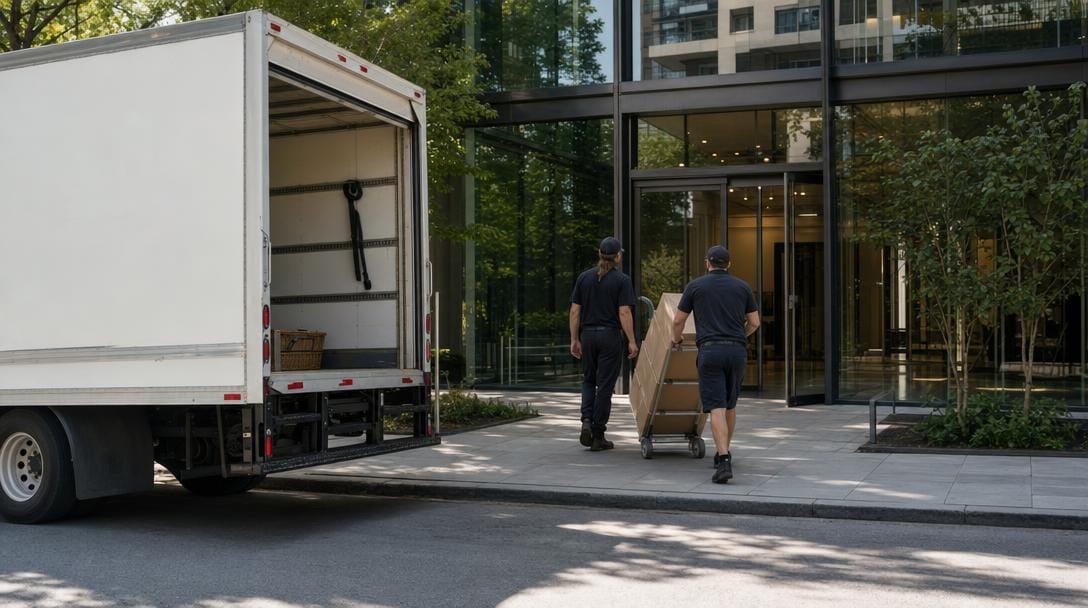
Beyond packing, professional movers excel at strategic loading. They utilize specialized equipment like dollies, furniture pads, and straps to secure items within the moving truck. This prevents shifting and damage during transit, a common issue in self-moves. Heavy items are always positioned first, with lighter boxes stacked strategically to balance the load and maximize space. This rigor contributes to less than 1% loss rate for items entrusted to professional movers, showcasing their expertise.
Many professional services implement detailed inventory systems, often using digital tools or color-coded tags. This allows for precise tracking of every box and item, ensuring nothing is overlooked from pickup to delivery. While hiring full professional packing services incurs additional costs, understanding their techniques can significantly elevate your DIY efforts. Emulating their organizational rigor and protective measures can safeguard your belongings more effectively. For insights into service costs, consider reviewing professional packing service pricing.
Moving Day Essentials: What to Keep Accessible and Off the Truck
Moving day arrives quickly, and having a dedicated "essentials" box or bag is one of the most crucial moving tips and tricks. This bag should contain everything you need immediately upon arrival at your new home, ensuring comfort and functionality before the main unpacking begins. Neglecting this step can lead to frustration and delays when basic necessities are buried in random boxes.
A first-night kit should include toiletries, a change of clothes for each family member, necessary medications, device chargers, and a small snack and water supply. These items guarantee a smoother transition, especially after a long day of travel and physical exertion. All critical paperwork – passports, birth certificates, insurance policies, new home documents, moving contract, and medical records – must be kept with you personally. These are irreplaceable items that should never be packed in a moving box. Data shows that loss of critical documents during a move impacts 5% of households annually.
Pack a small kit with basic cleaning essentials like paper towels, all-purpose cleaner, and sponges. This allows for quick touch-ups or addressing unexpected spills immediately after the movers depart or arrive. For items that are often overlooked, such as pet supplies or infant necessities, dedicate separate, clearly marked bags that remain with you. This prevents frantic searches for pet food or baby formula amidst a mountain of boxes. While considering "how to pack furniture for moving" is important for the truck, these personal essentials are paramount for immediate well-being.
Pro Tip: Fully charge all electronic devices, especially your phone, the night before moving day. Access to communication and navigation can be critical during unexpected delays or when coordinating with movers. It’s a small step that prevents significant frustration. Should you encounter any specific challenges or need immediate assistance, do not hesitate to contact an expert.
How to Unpack and Settle In After the Move
The final phase of any relocation, unpacking and settling in, is often underestimated in its complexity. Proper execution of earlier tips for packing to move directly influences the efficiency of this stage. Rushing through this process can lead to misplacement of items and prolonged disorganization, significantly impacting your comfort in the new space.
Begin by prioritizing essential rooms. Unpack the kitchen first to establish functionality for meals and drinks. Next, tackle bedrooms to ensure comfortable sleeping arrangements. Bathrooms follow, providing immediate access to personal hygiene items. This strategic order facilitates a return to normalcy and establishes foundational routines quickly.
Establish key zones by setting up your internet, electricity, and water utilities immediately upon arrival. Having these services operational dramatically reduces initial stress and allows for communication and basic comfort. Confirming these services are active can save hours of frustration. For systematic unpacking, utilize the labeling system created during packing. Transport boxes for a single room to that room, then unpack fully before moving to the next. This prevents a scattered mess of boxes and ensures that each space becomes functional progressively. As you unpack, make immediate decisions about items. Do not put away anything you no longer need or use. Maintain a "donate/dispose" pile to prevent new clutter from forming in your new home. This reinforces the benefits of an initial purge. For ideas on managing waste sustainably, consider exploring eco-friendly moving options.
Unpacking can feel overwhelming, but a methodical approach, supported by good initial packing habits, transforms it into a manageable process. Studies indicate that households that unpack systematically report 25% less post-move stress compared to those who unpack haphazardly. Taking the time to properly unpack lays the groundwork for a truly settled new beginning.
How to Save Money on Packing Without Risking Your Belongings
Relocation costs can escalate rapidly, making a budget-conscious approach essential. A shrewd DIY moving packing strategy can significantly reduce expenses without compromising the safety of your possessions. Strategic planning and resourcefulness are key to achieving cost savings in your packing efforts.
Source free boxes by exploring local businesses such as grocery stores, liquor stores, and bookstores. Many are happy to offload sturdy, used boxes. Utilizing free boxes can cut packing material costs by 10-20%, a substantial saving on a typical move. Repurpose household items: towels, blankets, and clothing make excellent cushioning materials for fragile items. Use socks to protect glassware and pillows to pad electronics. This not only saves on bubble wrap but also reduces the number of boxes needed for linens.
Declutter ruthlessly; the less you move, the less you spend. A thorough decluttering before packing reduces both the volume of items and the number of packing supplies required. Studies show that homes that aggressively declutter save an average of $300-$500 on moving costs by reducing weight and volume. While professional packing services offer convenience, packing non-fragile items yourself significantly lowers labor costs. Focus on items that require minimal specialized handling, reserving professional assistance for complex or delicate possessions if needed. By implementing these cost-effective measures, you can maintain the integrity of your belongings while adhering to a budget. Every dollar saved on packing materials or labor contributes to the overall affordability of your move. For a detailed breakdown of potential costs, consider exploring our moving cost calculator: estimate your budget and what affects your final price.
1. What is the least expensive way to move?
The least expensive way to move typically involves a combination of a DIY moving packing strategy and careful resource management. This includes sourcing free moving boxes from local businesses, repurposing household items like towels and blankets for cushioning, and undertaking all packing and loading tasks yourself. Renting a moving truck or using a portable moving container is generally more economical than hiring full-service movers. Additionally, aggressively decluttering before you pack reduces the total volume and weight of your belongings, directly lowering transportation costs. A thorough moving packing guide can help you identify cost-saving opportunities at each stage of the process, ensuring you only move what you truly need.
2. What items will movers not move?
Professional movers typically have a list of prohibited items for safety and regulatory reasons. This list often includes hazardous materials such as paints, solvents, propane tanks, aerosols, and highly flammable liquids. Perishable food items, plants, and live animals are also generally not transported. Movers will not move jewelry, important documents (e.g., passports, birth certificates, deeds), cash, or irreplaceable sentimental items due to liability concerns; these should always be transported personally. For any uncertainties regarding specific items, it is best to consult with your chosen moving company well in advance. Understanding these restrictions is a key component of any effective packing and moving plan.
3. When should I start packing for a move?
The ideal time to start packing for a move is 8-12 weeks prior to your moving date, especially for larger homes. This extended timeline allows for a gradual and organized approach, beginning with non-essential items found in storage areas like attics or basements. Gradually progress to less frequently used rooms, reserving essential daily items for the final two weeks. This phased approach minimizes stress, prevents last-minute rushing, and gives you ample time for decluttering. Starting early also allows you to thoroughly implement effective packing tips for moving, such as color-coding and detailed labeling, which streamline the entire relocation process.
4. Is it worth hiring professional packers instead of packing yourself?
Hiring professional packers can be a significant time-saver and stress reducer, especially for individuals with busy schedules, physical limitations, or complex moves involving many fragile items. Professionals are highly efficient, using specialized techniques and materials that can reduce damage rates and ensure proper loading. While it adds to the overall moving cost, the value lies in convenience, expertise, and peace of mind. For those needing help with packing fragile items for moving or large volumes of items, the investment often pays off by preventing damage and freeing up personal time. Weigh the cost against your available time, physical capacity, and the value of your possessions.
5. How do I pack dishes and fragile items so they don't break?
Packing dishes and fragile items requires meticulous care to prevent breakage during transit. Use sturdy, double-walled dish pack boxes designed for this purpose. Wrap each individual item, such as plates, bowls, and glasses, in several layers of packing paper or bubble wrap. For plates, stack them vertically on their sides, like records, rather than flat. Fill all empty spaces within the box with crumpled packing paper or packing peanuts to prevent shifting. Label the box clearly as "FRAGILE" on all sides and mark the top to indicate proper handling. These how to pack boxes for moving techniques are crucial for safeguarding your delicate belongings.
Related Articles
- Affordable and Reliable Local Moving Companies: How to Find the Right Mover for You — Learn how to choose a trustworthy and budget-friendly local moving company for your next relocation.
- What Makes a Reliable Moving Company: A Checklist for Choosing the Right Mover — Discover essential criteria and a comprehensive checklist to ensure you select a professional and dependable moving service.
- Moving Cost Calculator: Estimate Your Budget and What Affects Your Final Price — Gain insights into estimating your moving expenses and understanding the factors that influence the total cost of your move.
- How to Hire Local Movers: A Step-by-Step Guide to Booking with Confidence — Follow this practical guide to confidently navigate the process of hiring local movers for a stress-free experience.
Recommended Reading
- Get a Free Moving Quote with Born to Move
- Moving Resources – Born to Move
- Born to Move Moving Pricing
Frequently Asked Questions