'%3E%3Cpath%20fill='%231B2A47'%20d='M1.605%2016.263c.03-1.139.059-2.482.088-3.971.03-1.49.03-2.832.03-4.03%200-.758%200-1.576-.03-2.51%200-.905-.03-1.84-.03-2.803%200-.496-.028-.964-.028-1.43%200-.468%200-.906-.03-1.315h6.858q2.188%200%203.589.35c.963.234%201.663.643%202.13%201.198.496.555.73%201.372.73%202.394%200%20.788-.176%201.46-.497%201.985-.32.526-.846.935-1.575%201.197-.73.292-1.693.468-2.918.526v.263c1.313.087%202.334.263%203.122.525.758.263%201.342.672%201.692%201.197.35.526.525%201.197.525%202.044%200%201.08-.233%201.927-.67%202.57-.468.642-1.139%201.08-2.102%201.343-.933.262-2.159.408-3.705.408H1.605zm6.537-9.197q1.882%200%202.713-.526c.555-.35.817-.934.817-1.752%200-.905-.292-1.547-.846-1.927s-1.459-.554-2.655-.554H4.757v4.759zm.204%206.92c.934%200%201.663-.088%202.217-.263.555-.176.934-.438%201.197-.818s.38-.876.38-1.518c0-.876-.322-1.49-.934-1.84-.643-.35-1.635-.525-3.035-.525H4.757v4.963zM21.038%2016.555c-1.576%200-2.801-.292-3.618-.905-.817-.614-1.284-1.519-1.372-2.745-.087-1.226.205-2.774.847-4.613s1.43-3.358%202.392-4.584c.963-1.226%202.043-2.131%203.298-2.744C23.839.292%2025.24%200%2026.786%200c1.576%200%202.772.321%203.59.934.816.613%201.283%201.548%201.37%202.774s-.203%202.774-.845%204.613c-.642%201.81-1.43%203.358-2.393%204.584s-2.072%202.132-3.297%202.745a9.8%209.8%200%200%201-4.173.905m.788-2.278c.642%200%201.138-.058%201.371-.116.205-.059.496-.117.847-.322.262-.146.437-.292.554-.408.204-.175.32-.292.438-.41.204-.203.35-.408.496-.583.35-.438.642-.876.963-1.402.233-.408.466-.817.67-1.284.205-.438.38-.905.555-1.372.438-1.198.671-2.278.671-3.183s-.204-1.606-.612-2.131c-.409-.497-1.051-.76-1.897-.76-.467%200-.934.059-1.43.205h-.03c-1.02.292-1.925%201.226-2.042%201.372-.116.117-.467.526-.963%201.343a15.5%2015.5%200%200%200-1.342%202.92c-.408%201.197-.642%202.277-.671%203.182-.03.906.175%201.636.584%202.161q.611.788%201.838.788M14.853%2038.54c-1.576%200-2.802-.292-3.619-.905s-1.284-1.518-1.371-2.744c-.088-1.227.204-2.774.846-4.614s1.43-3.357%202.393-4.584%202.042-2.13%203.297-2.744c1.255-.613%202.655-.905%204.173-.905%201.575%200%202.772.321%203.589.934s1.284%201.548%201.371%202.774c.088%201.226-.204%202.774-.846%204.613-.642%201.81-1.43%203.358-2.393%204.584s-2.072%202.131-3.297%202.745c-1.226.613-2.626.846-4.143.846m.787-2.277c.642%200%201.138-.059%201.372-.117.204-.058.496-.117.846-.321.263-.146.438-.292.554-.409.205-.175.321-.292.438-.409.204-.204.35-.408.496-.584a13%2013%200%200%200%201.634-2.686c.204-.438.38-.905.555-1.372.437-1.197.67-2.277.67-3.182%200-.906-.203-1.606-.612-2.132-.409-.496-1.05-.759-1.897-.759-.467%200-.934.058-1.43.204h-.029c-1.021.292-1.925%201.227-2.042%201.373-.117.116-.467.525-.963%201.343a15.5%2015.5%200%200%200-1.342%202.92c-.409%201.196-.642%202.277-.671%203.182s.175%201.635.583%202.16q.613.789%201.838.789'/%3E%3Cpath%20fill='%23FF515E'%20d='M55.966%2038.57c-1.576%200-2.801-.293-3.618-.906s-1.284-1.518-1.372-2.744c-.087-1.227.204-2.774.846-4.613s1.43-3.358%202.393-4.584c.963-1.227%202.043-2.132%203.297-2.745s2.656-.905%204.173-.905c1.576%200%202.772.321%203.589.934s1.284%201.548%201.371%202.774c.088%201.226-.204%202.774-.846%204.613-.642%201.81-1.43%203.358-2.393%204.584s-2.071%202.131-3.297%202.745c-1.225.613-2.626.846-4.143.846m.788-2.249c.642%200%201.138-.058%201.371-.117.204-.058.496-.116.846-.32.263-.147.438-.293.555-.41a7%207%200%200%200%20.437-.408c.205-.205.35-.41.496-.584a13%2013%200%200%200%201.634-2.686c.205-.438.38-.905.555-1.373.438-1.197.671-2.277.671-3.182s-.204-1.606-.613-2.131c-.408-.497-1.05-.76-1.896-.76-.467%200-.934.059-1.43.205h-.03c-1.02.292-1.925%201.226-2.042%201.372-.117.117-.467.526-.963%201.343a15.5%2015.5%200%200%200-1.342%202.92c-.409%201.197-.642%202.277-.671%203.182s.175%201.635.583%202.16q.614.79%201.839.79'/%3E%3Cpath%20fill='%231B2A47'%20d='M33.06%2016.263c0-.35%200-.935.03-1.81.029-1.051.058-2.103.058-3.154s.03-2.073.03-3.007c0-1.606-.03-3.27-.06-4.993%200-.554-.028-1.08-.028-1.606%200-.525-.03-1.021-.03-1.46h6.828c1.46%200%202.685.117%203.59.38q1.4.394%202.1%201.314.7.963.7%202.628c0%20.992-.174%201.81-.554%202.452-.35.643-.904%201.11-1.604%201.431s-1.576.467-2.627.496v.263q2.058.087%203.064.876c.671.525%201.138%201.372%201.43%202.51.087.41.233%201.023.467%201.84.233.818.408%201.431.554%201.84h-3.414a11%2011%200%200%200-.262-1.022c-.321-1.314-.526-2.19-.584-2.628a5%205%200%200%200-.642-1.46%202.13%202.13%200%200%200-.963-.73c-.408-.146-.934-.233-1.605-.233h-3.326v6.0440000000000005H33.06zm6.332-8.292c1.343%200%202.276-.205%202.86-.613.554-.41.846-1.11.846-2.073%200-.73-.146-1.314-.408-1.723-.263-.409-.671-.7-1.197-.876q-.788-.263-2.1-.263h-3.181v5.519h3.18zM49.4%2016.263l.03-2.745c.029-2.452.029-4.905.029-7.416q0-2.101-.088-5.868h4.085l5.924%2010.335c.087.234.204.438.291.643.117.204.205.408.321.613.38.788.613%201.255.672%201.372h.262c0-.058-.03-.146-.03-.204%200-.059-.028-.117-.028-.175a75%2075%200%200%201-.175-1.314%2010%2010%200%200%201-.088-1.285c0-1.547%200-3.737-.029-6.57V1.84c0-.584-.03-1.11-.03-1.576h2.977c-.03%202.482-.058%205.08-.058%207.766%200%201.694%200%204.438.029%208.292h-4.027l-5.573-9.43c-.875-1.81-1.226-2.511-1.05-2.132-.263-.613-.467-1.08-.613-1.46h-.263c.058.35.117.876.175%201.548.059.7.117%201.168.117%201.46%200%202.978%200%206.306.029%209.985H49.4zM4.698%2038.277c.029-2.627.058-5.255.058-7.883%200-1.576%200-3.503-.029-5.752-1.109%200-2.684%200-4.727.03v-2.453h12.664v2.453c-1.955-.03-3.53-.03-4.756-.03%200%20.584-.03%201.227-.03%201.957s0%201.46-.029%202.218v1.84c0%202.57.03%205.11.059%207.62z'/%3E%3Cpath%20fill='%23FF515E'%20d='M29.441%2038.277c.409-1.05.788-2.102%201.168-3.182s.787-2.16%201.167-3.241c.613-1.693%201.05-2.949%201.342-3.766l1.255-3.65c.116-.38.262-.788.379-1.139.117-.38.263-.73.38-1.05h4.61l-.671%2012.904h.262l8.316-12.905h4.669l-.7%201.869c-.876%202.452-1.343%203.766-1.43%204a501%20501%200%200%200-3.385%2010.16h-2.947c.292-.846.788-2.219%201.459-4.087.175-.526.35-1.08.554-1.606.175-.526.38-1.08.555-1.577.642-1.81%201.342-3.825%202.072-6.014h-.234l-8.724%2013.314h-2.86l.554-13.314h-.175c-.175.496-.38.992-.554%201.489-.175.496-.38%201.022-.555%201.547a163%20163%200%200%200-1.08%203.008c-.145.38-.262.759-.408%201.138-.117.38-.262.73-.408%201.11-.7%201.898-1.284%203.59-1.751%205.05h-2.86zM68.047%2038.277c.175-2.19.32-4.525.467-7.007.058-.905.204-3.912.467-9.051h3.151c-.03.438-.058.934-.088%201.46s-.058%201.08-.087%201.693a264%20264%200%200%201-.409%206.657c-.145%201.986-.35%203.591-.583%204.788h.175Q72.147%2034.892%2073.94%2032a562%20562%200%200%201%204.465-7.066c.32-.496.641-.992.933-1.46s.555-.875.817-1.255h3.268q-.568.832-1.138%201.752c-.408.613-.787%201.255-1.196%201.927-3.88%206.014-6.478%2010.131-7.85%2012.35h-5.193zM79.106%2038.277c.32-.788.758-2.014%201.37-3.65a287%20287%200%200%200%201.577-4.32c.437-1.256.904-2.628%201.4-4.088s.934-2.774%201.313-3.97h11.322l-.846%202.364H87.1l-1.664%204.847%207.645-.088-.612%201.694-7.587-.088-1.75%204.934h8.286l-.846%202.365z'/%3E%3C/g%3E%3Cdefs%3E%3CclipPath%20id='a'%3E%3Cpath%20fill='%23fff'%20d='M0%200h96v40H0z'/%3E%3C/clipPath%3E%3C/defs%3E%3C/svg%3E)
Finding local moving companies near me is the first step millions of people take when planning a residential relocation. The market includes thousands of operators — quality ranges from licensed, insured professionals to unregistered carriers with no accountability. According to the FMCSA, moving fraud generates thousands of federal consumer complaints every year, most involving customers who skipped basic verification steps. This guide delivers a step-by-step evaluation framework covering how to search, what to verify, how to compare quotes, and what questions to ask before any contract is signed.
Key Takeaways
| Point | Details |
|---|---|
| What counts as “local” | Moves under 50–100 miles; priced hourly, not by weight |
| Licensing check | Interstate movers need a USDOT number; verify at FMCSA SaferSys |
| Typical cost | 2-bedroom local move: $600–$1,400 depending on crew size and hours |
| Booking window | 3–4 weeks ahead for May–September moves; 1–2 weeks suffices off-peak |
| Top red flag | Any mover quoting without reviewing your inventory should be disqualified immediately |
What Is a Local Moving Company and What Do They Do?

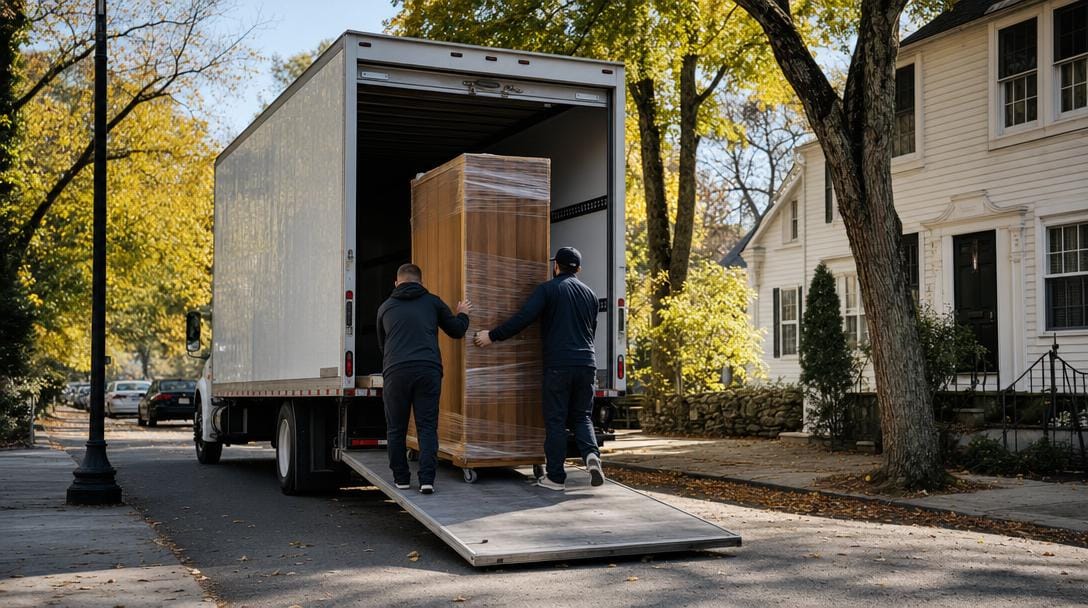
A local moving company is a licensed hauling service that handles relocations within a defined geographic radius — typically under 50 to 100 miles. Unlike long-distance carriers, local movers price services by the hour rather than by shipment weight or mileage.
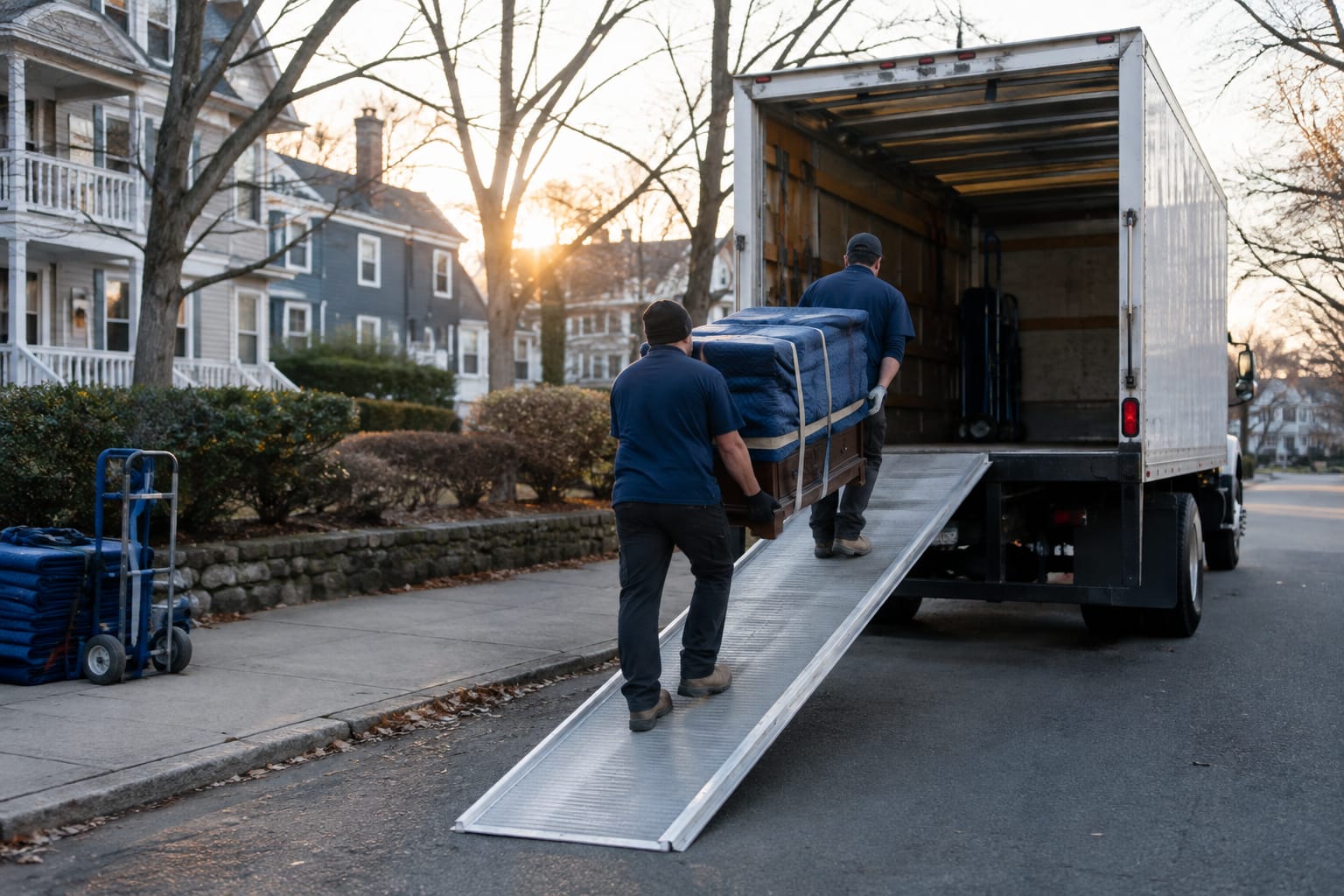
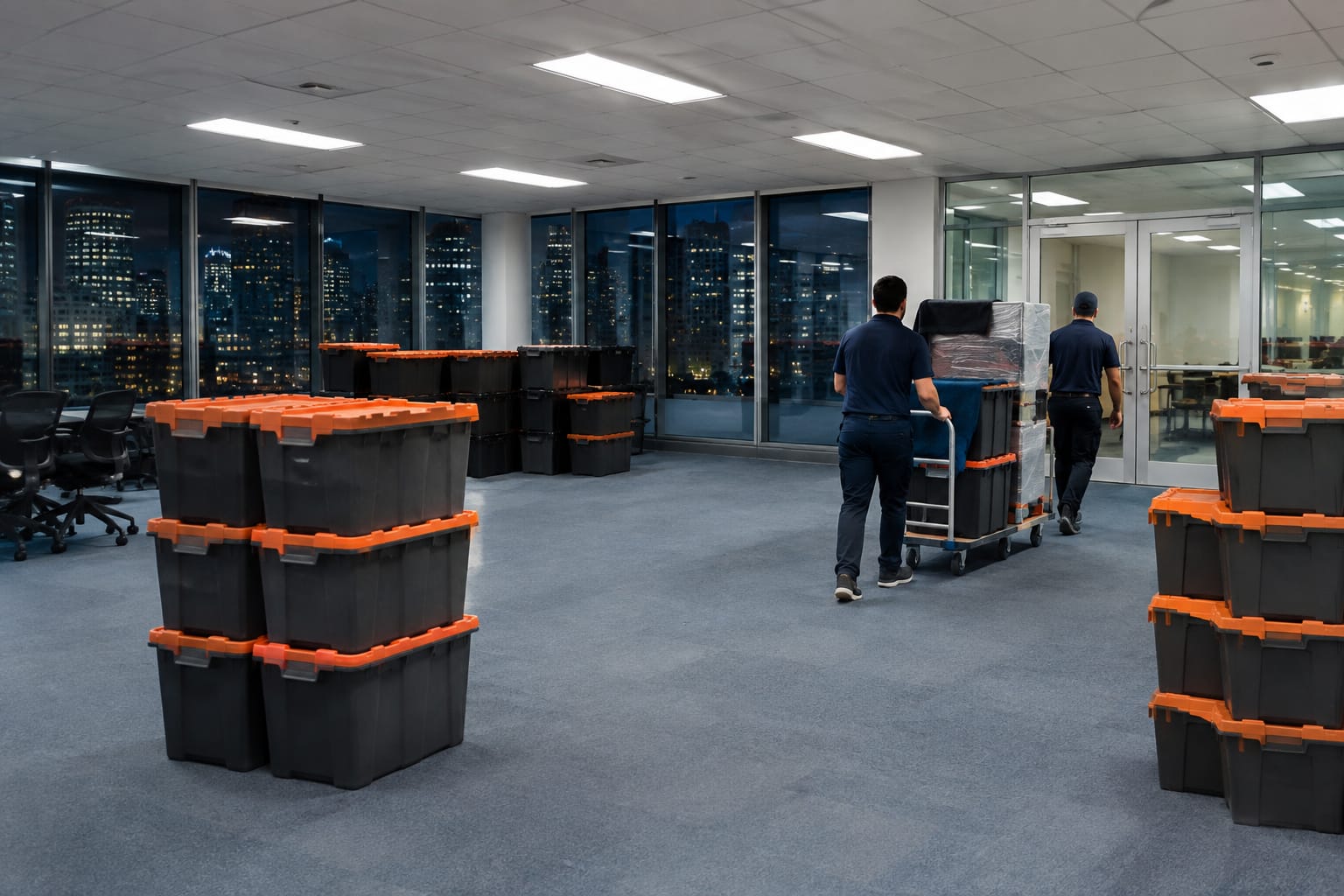
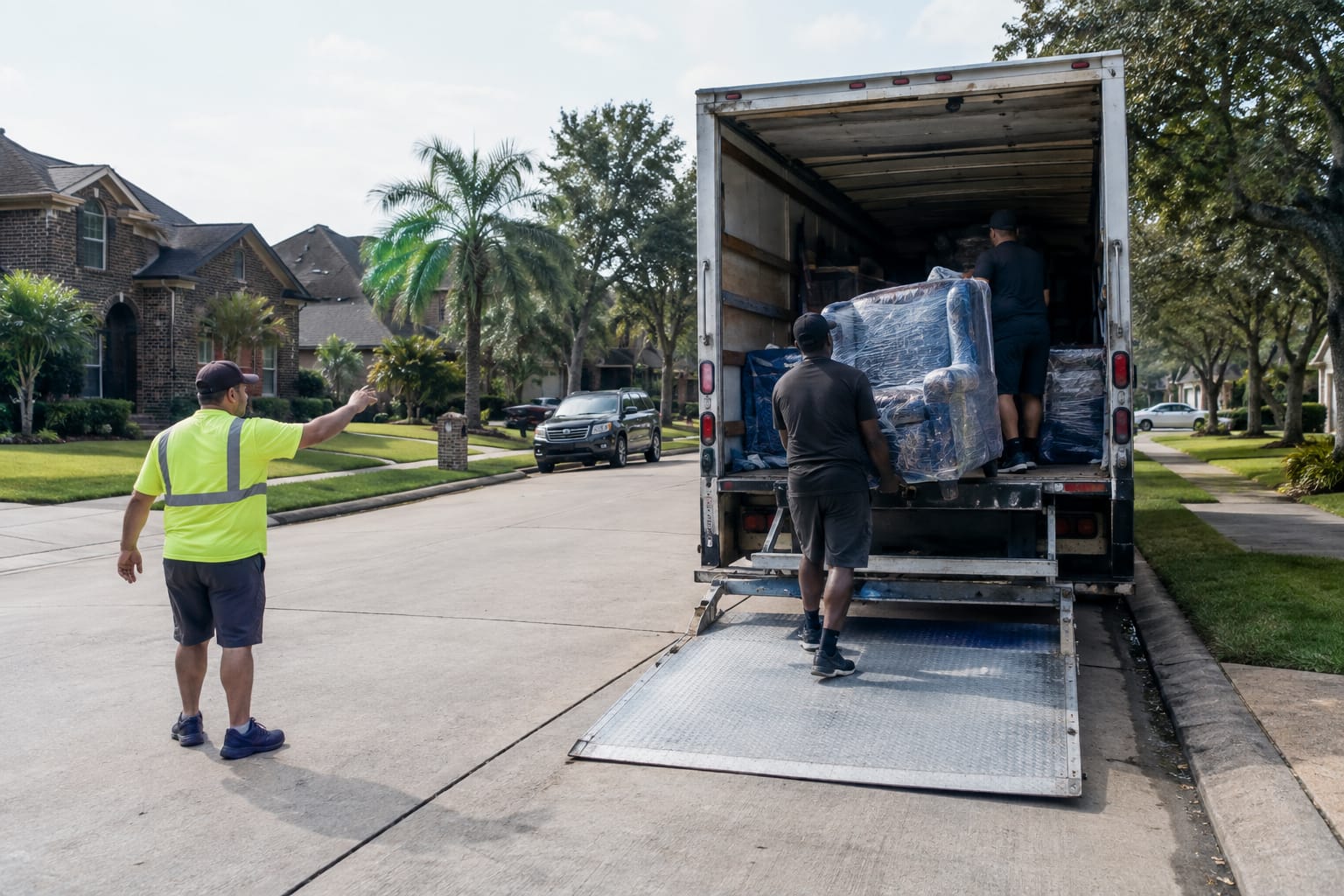
The category known as “moving local moving” covers all short-distance residential and commercial relocations: studio apartments, multi-bedroom homes, offices, and single-item deliveries. A standard crew loads, transports, and unloads household goods; most operators also offer full or partial packing as an add-on.
The Federal Motor Carrier Safety Administration (FMCSA) governs movers crossing state lines, while intrastate movers fall under individual state authority — typically the state Department of Transportation or Public Utilities Commission. This distinction is critical when verifying credentials.

How to Search for Local Moving Companies Near You
Start with a targeted search — “local movers near me” or “moving services near me” — and filter for businesses with a verifiable physical address in your metro area. Google Maps, Yelp, and the Better Business Bureau’s search tool surface verified operators with real reviews.
The most effective approach for how to find honest and reliable local movers is a three-source method: personal referrals from neighbors, cross-referenced on Google and Yelp, then independently verified through licensing records. Movers appearing consistently across all three sources are significantly more trustworthy than those appearing only in paid directories.
When evaluating movers in my area, prioritize companies with a verifiable street address, a publicly listed license number, and at least 20 verified reviews within the past year. Moving companies in my city that meet all three criteria consistently outperform those that do not.
Knowing how to find reliable movers also means checking the American Moving & Storage Association’s ProMover directory, which vets members against ethical and operational standards that aggregator platforms rarely apply.
Pro Tip: Search Google Maps for “moving companies” and apply a 4.2-star minimum filter before reading any individual reviews. This single step removes most unregistered and problematic operators from the candidate list.
Key Criteria for Choosing a Local Mover
The best local moving company in any market demonstrates five measurable qualities: active licensing, cargo insurance, transparent hourly pricing, verifiable recent reviews, and a professional written estimate process.
Evaluate each of these before booking:
- Active licensing — Verify state registration or USDOT number before all other steps
- Insurance coverage — Basic released-value protection is required by law; full-value replacement costs more but covers actual loss
- Pricing transparency — A clearly stated hourly rate with no vague surcharges or unexplained fees
- Review recency — At least 20 reviews, with the most recent posted within 90 days
- Written communication — Responds promptly and provides documentation without prompting
Understanding why choosing a local moving company matters over a national brand comes down to accountability. Neighborhood movers protect their reputation within a specific local market. National franchises can deflect responsibility between corporate and local operators when disputes arise.
Affordable local movers are not automatically lower quality. Owner-operated crews often deliver more consistent care than large firms rotating seasonal staff — the key question is whether standards hold regardless of which crew shows up.
How to Verify Local Movers Are Licensed and Insured
Every mover crossing state lines must hold a valid USDOT number registered with the FMCSA. For intrastate movers, the equivalent credential is issued by the state DOT or Public Utilities Commission — and any legitimate operator provides it without hesitation.
Follow these five verification steps before booking:
- Ask for the USDOT number (interstate) or state license number (intrastate)
- Search the FMCSA SaferSys database to confirm registration, safety rating, and insurance on file
- For intrastate movers, use your state DOT’s carrier search to confirm active registration
- Request a certificate of insurance (COI) confirming active cargo and liability coverage
- Review the mover’s BBB profile for complaint history and accreditation status
Learning how to check a mover’s DOT number takes under five minutes and eliminates the risk of booking an unregistered carrier — one that carries no liability insurance and faces no regulatory consequences if goods are damaged or held for ransom.
Pro Tip: Before any item is loaded, request the mover’s Bill of Lading — the legal contract governing the move. Any legitimate operator provides it without hesitation. Refusal is an immediate disqualifying red flag.
| Verification Method | What It Confirms | Where to Check |
|---|---|---|
| USDOT number lookup | Interstate registration and safety record | FMCSA SaferSys |
| State DOT/PUC search | Intrastate license validity | State transportation authority website |
| Certificate of Insurance | Active cargo and liability coverage | Request directly from the mover |
| BBB profile review | Complaint history and accreditation | BBB.org |
| AMSA ProMover directory | Voluntary ethical standards compliance | Moving.org |
Getting and Comparing Local Moving Quotes


A binding or “not-to-exceed” estimate is the gold standard for local move pricing. Unlike non-binding estimates that can increase on delivery day, a binding quote locks in the maximum price before any item is loaded — eliminating the most common source of moving-day disputes.
Request at least three quotes when comparing local moving cost options. This establishes a competitive baseline and surfaces outliers: a quote 40% below competitors usually signals hidden fees, inadequate insurance, or undertrained staff. For a thorough breakdown of local moving service pricing, compare itemized estimates that separate labor, truck, fuel, and packing materials into distinct line items.
Reputable movers offer two primary estimate formats:
- In-home estimate — A representative visits, catalogs inventory, and delivers a written quote based on direct observation. Most accurate for multi-room or specialty-item moves.
- Virtual estimate — A video walkthrough by phone or tablet. Adequate for studios and small one-bedrooms; less reliable for complex moves involving pianos, aquariums, or heavy safes.
Pro Tip: Always get your estimate in writing via email — never rely on a verbal quote. Verbal commitments are unenforceable. A professional mover sends a digital document within 24 hours of completing an assessment.
What to Ask Before Booking a Local Moving Company
The questions asked before signing reveal as much about a mover’s professionalism as any review platform. Get specific written answers to all of the following:
- What is the hourly rate, and what is the minimum billable period?
- Does the rate include the truck, fuel, dollies, and moving blankets?
- How many movers will be on the crew?
- What is the policy if an item is damaged during transport?
- Is a deposit required, and what is the cancellation policy?
- Are packing materials included or billed separately?
- Can the company share local moving company reviews or references from the past 90 days?
Understanding what makes a moving company reputable comes down to how specifically and confidently these questions are answered. Vague responses, pressure to sign immediately, or refusal to provide references are actionable warning signs.
For urgent timelines, some providers offer same day local movers service at a premium rate — but crew availability must be confirmed explicitly in writing before any payment is made.
| Pre-Booking Question | Why It Matters |
|---|---|
| Hourly rate + minimum | Prevents billing surprises on short moves with a 2-hour minimum |
| Crew size | Determines move pace and total billable hours |
| Damage policy | Sets liability expectations before loading begins |
| Deposit requirements | Deposits above 25% of the estimate total are a red flag |
| Packing material costs | Can add $150–$400 if not included in the base rate |
| References or recent reviews | Validates current performance, not just historical reputation |
How Much Do Local Moving Companies Cost Near Me?
Local moving cost is driven by crew size, time, and any add-on services. Most local moves carry a two-hour minimum billing period. A two man moving crew typically costs $90–$150 per hour depending on market and season; a three-person crew runs $120–$200 per hour.
| Move Type | Typical Hours | Estimated Total Cost |
|---|---|---|
| Studio apartment | 2–3 hours | $200–$500 |
| 1-bedroom apartment | 3–5 hours | $350–$800 |
| 2-bedroom home | 5–8 hours | $600–$1,400 |
| 3-bedroom home | 7–12 hours | $900–$2,200 |
| Small office relocation | 4–8 hours | $500–$1,600 |
When comparing hourly rate movers near me, the posted rate is only part of the equation. Factor in common add-ons: portal-to-portal travel time, stair fees for walkup buildings, long carry fees when the truck cannot park close to the entrance, and packing service charges of $250–$800 for full-home packing.
Understanding how much movers cost in a specific market requires multiple itemized quotes rather than national averages. Major metro prices run significantly higher than national midpoints. Off-peak scheduling — fall and winter, weekday moves — typically reduces total cost by 15–25% compared to peak summer weekends.
Short Distance and Apartment Moves: Special Considerations

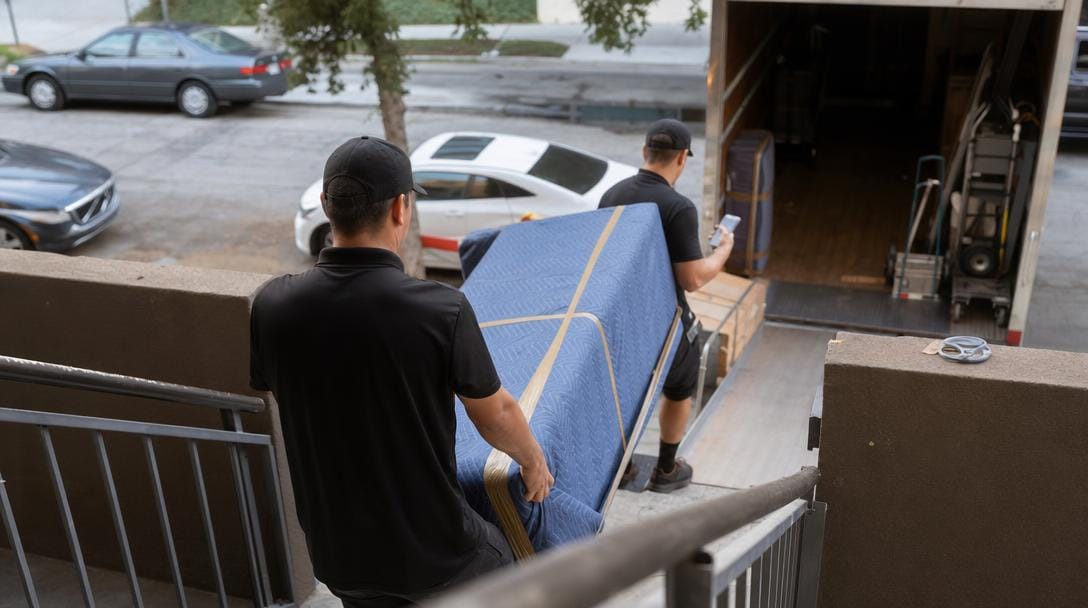
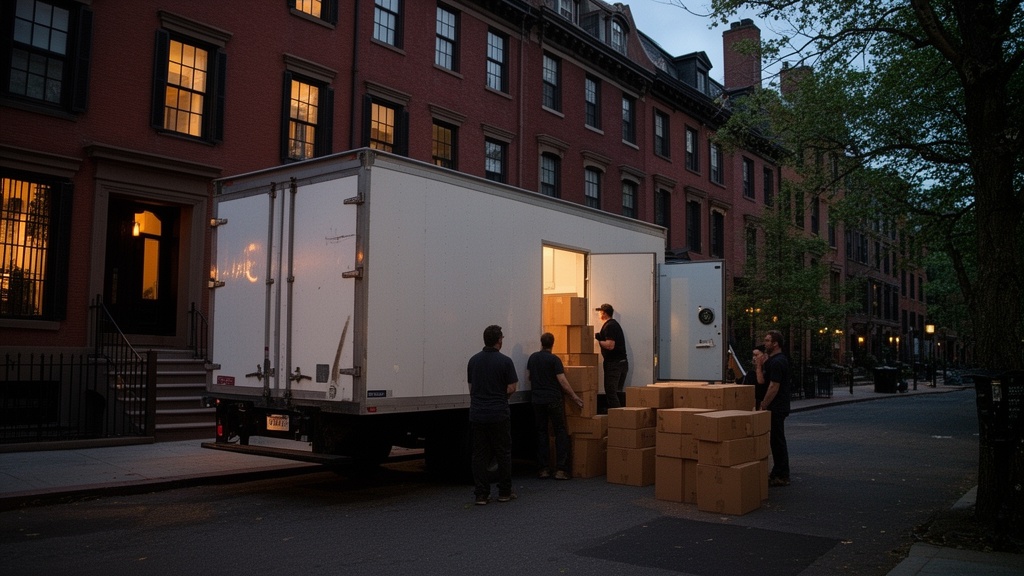
Short distance moving involves logistics that differ from full-scale household relocations. Moves under 10 miles typically complete in 2–4 hours, but urban environments add complexity: elevator reservations, parking restrictions, building COI requirements, and narrow corridors all affect crew efficiency and total cost.
Short distance moving companies near me that specialize in urban apartments understand these variables. They submit certificates of insurance to building management in advance, reserve freight elevators, and secure parking permits — steps an inexperienced generalist mover may skip, causing delays and added expense.
For Boston-area relocations, local movers Boston complete guide covers September 1 lease turnover demand, Storrow Drive height restrictions, and building management timelines that directly affect scheduling.
Apartment move checklist:
- Elevator reservation — Most managed buildings require 48–72 hours advance notice for freight elevator access
- COI submission — Building managers typically require the mover’s certificate of insurance on file before move day
- Parking permits — Large trucks require city-issued permits in most urban areas; apply 3–5 business days ahead
- Move-in hours — Many buildings restrict moves to weekday business hours, typically 9am–5pm
Red Flags When Hiring Local Moving Companies

The moving industry generates substantial consumer complaints annually, many involving companies that look legitimate but engage in bait-and-switch pricing or cargo hostage schemes. The FMCSA’s fraud protection resources document the most common patterns — learning to recognize them before signing is the most effective consumer protection available.
Disqualify any mover that:
- Refuses to provide a physical address or license number
- Quotes a price without reviewing the inventory in person or via video
- Demands a large cash deposit above 25% of the estimate before move day
- Has no verifiable online presence beyond a single advertisement
- Changes the quoted price after loading the truck (“hostage cargo” fraud)
- Cannot produce a certificate of insurance on request
For interstate fraud disputes, file a complaint with the FMCSA’s National Consumer Complaint Database. For intrastate issues, contact the state consumer protection office or DOT.
Moving and Storage Options Near You
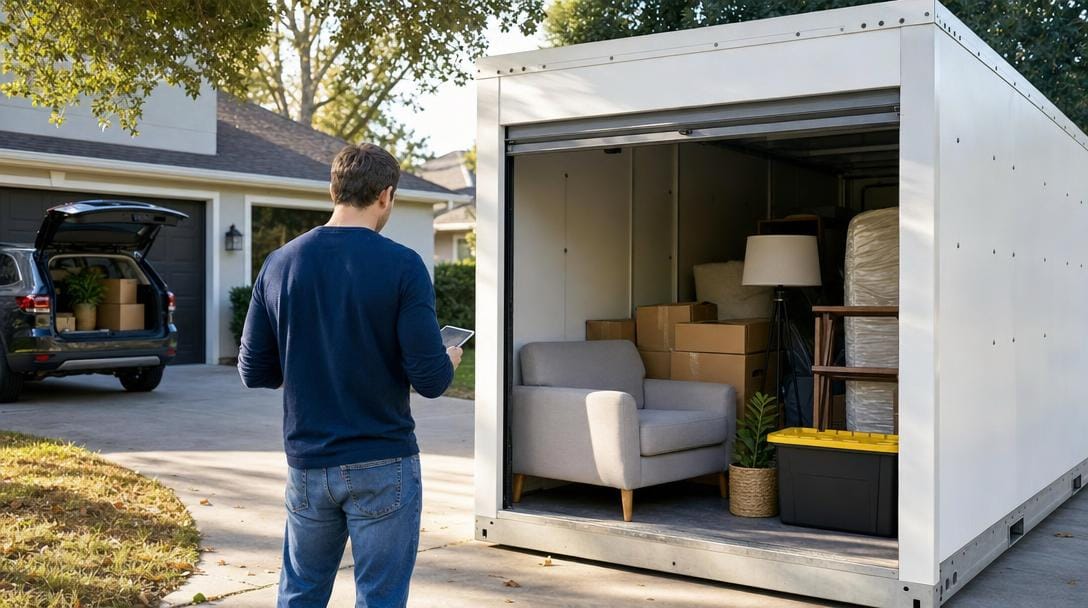
Many local moving companies now offer moving and storage near me solutions — useful when a move-out date does not align with a move-in date, or when staging a phased relocation.
When searching for moving and storage companies near me, verify:
- Climate control — Required for electronics, artwork, wood furniture, and instruments
- Access policy — Whether you can retrieve specific items before final delivery
- Insurance during storage — Goods-in-transit coverage may not extend to the warehouse phase; confirm in writing
- Minimum storage period — Most operators require a minimum of 7–14 days
“Vaulted storage” — sealed individual containers in a secure facility — prevents co-mingling with other customers’ goods and simplifies insurance claims if damage occurs.
For anyone assessing what to look for in a moving company that offers combined services, transparency about warehouse security, access controls, and per-item insurance limits is the most critical factor.
Frequently Asked Questions
How do I find the best local moving companies near me?
Search “local movers near me” on Google Maps and filter for businesses with at least a 4.0-star rating and 20 or more reviews. Cross-reference the top results on Yelp and the BBB. Next, independently verify credentials: confirm a valid state or federal license, active cargo insurance, and no unresolved BBB complaints. Request itemized quotes from at least three companies. Operators that respond promptly, communicate in writing, and answer questions specifically — without deflecting — consistently outperform those competing only on lowest hourly rate. Personal referrals from neighbors or colleagues who have recently moved remain one of the most reliable filters available.
How much do local moving companies typically charge?
Local movers charge by the hour, with a two-hour minimum common across most markets. A two-person crew costs $90–$150 per hour; a three-person crew runs $120–$200 per hour. A studio apartment move typically totals $200–$450; a two-bedroom home relocation usually falls between $600 and $1,400. These figures reflect labor and the truck only — packing services, stair fees, long carry charges, and storage all add to the final bill. Off-peak scheduling (fall and winter, weekdays) typically reduces costs compared to peak summer weekends. Always obtain itemized written quotes to understand exactly what is included in the base rate.
What is the difference between a local and long-distance moving company?
The distinction is regulatory and pricing-based. Local moves cover under 50–100 miles (threshold varies by state) and are priced by the hour. Long-distance or interstate moves cross state lines, are priced by shipment weight and mileage, and are governed by the FMCSA rather than state authorities. Long-distance carriers must provide a binding estimate and a Bill of Lading before loading. Local movers follow state-specific rules that vary by jurisdiction. Both types require insurance, but the liability protection structures differ significantly. For any move crossing a state line — even a short one — verify the mover’s USDOT number through the FMCSA’s SaferSys database before making any payment.
How far in advance should I book a local moving company?
For peak-season moves between May and September, or dates near major holidays, book at least 3–4 weeks in advance to secure a preferred date and crew size. Weekend slots in summer fill quickly across most urban markets. During off-peak months (October through April), 1–2 weeks of lead time is generally sufficient. For urgent needs, some companies offer same day local movers service at a premium, but availability must be confirmed directly — it cannot be assumed. In cities with September 1 lease turnover dates like Boston, some customers reserve summer move dates as early as January to guarantee availability on the most competitive dates.
Do local moving companies provide boxes and packing materials?
Most local moving companies offer packing materials as a separate purchase or add-on — boxes, tape, bubble wrap, and specialty cartons for televisions, wardrobes, and dishes are typically available at additional cost. Full packing service, where the crew packs the entire home, is available from most full-service operators. Some companies include a limited number of moving blankets and furniture pads in the base hourly rate. If a mover claims packing materials are free, confirm exactly what is included in writing before move day. For a detailed breakdown, do moving companies provide boxes covers what is typically included versus billed separately.
What is the average cost for local movers?
The average local moving cost ranges from roughly $300 for a very small move to over $2,000 for a large three-bedroom home relocation. The most common scenario — a two-bedroom apartment or small house moved within 15 miles — typically costs $600–$1,200 including labor and the truck. These figures apply to two-person crews at prevailing market rates. Prices are highest in major metros like New York, Boston, San Francisco, and Chicago, and significantly lower in smaller cities and rural areas. Specialty item handling — pianos, large safes, oversized aquariums — and storage add to the base figure. Multiple itemized quotes are the most reliable benchmark for any specific situation.
What is the cheapest day to hire movers?
Weekdays — Monday through Thursday — are consistently the lowest-cost days to hire local movers. Most companies apply peak pricing to Friday through Sunday moves and to dates near major holidays. Moving during fall and winter (October through March) also reduces rates sharply, as demand drops after Labor Day and stays low through early spring. The most cost-effective combination is a weekday move during off-peak months, avoiding the first and last days of the month when lease turnovers create demand spikes. Requesting an early-morning start time also reduces total billable hours, as crews operate at peak efficiency. Flexible scheduling is the single most effective lever for lowering local moving cost.
Related Articles
- Local Moving: Everything You Need to Know Before You Move — A comprehensive guide to planning, pricing, and executing a local relocation from start to finish.
- Moving Companies That Move Long Distance: A Full Guide — Learn how long-distance movers are regulated, priced, and evaluated differently from local carriers.
- Best Cheap Moving Companies — An independent review of the most affordable full-service moving companies in the United States.
- Best Moving Companies Boston — A market-specific guide to selecting a local mover in the Boston metro area.
- Appliance Moving Company: How to Move Large Appliances — What to know before moving refrigerators, washers, and other large appliances safely.
Recommended Resources
- Why Choose a Local Moving Company? — The case for hiring a local operator over a national chain, with practical quality indicators.
- How to Find Honest and Reliable Local Movers — A step-by-step framework for vetting local movers before committing to a booking.
- Local Moving Service Pricing: What to Expect — How local moving costs are structured and what drives the final bill up or down.
- How to Find a Reputable Moving Company — Key indicators of a trustworthy mover and practical verification steps.
- Local Movers Boston: Complete Guide — Everything to know about hiring local movers in the greater Boston area.