'%3E%3Cpath%20fill='%231B2A47'%20d='M1.605%2016.263c.03-1.139.059-2.482.088-3.971.03-1.49.03-2.832.03-4.03%200-.758%200-1.576-.03-2.51%200-.905-.03-1.84-.03-2.803%200-.496-.028-.964-.028-1.43%200-.468%200-.906-.03-1.315h6.858q2.188%200%203.589.35c.963.234%201.663.643%202.13%201.198.496.555.73%201.372.73%202.394%200%20.788-.176%201.46-.497%201.985-.32.526-.846.935-1.575%201.197-.73.292-1.693.468-2.918.526v.263c1.313.087%202.334.263%203.122.525.758.263%201.342.672%201.692%201.197.35.526.525%201.197.525%202.044%200%201.08-.233%201.927-.67%202.57-.468.642-1.139%201.08-2.102%201.343-.933.262-2.159.408-3.705.408H1.605zm6.537-9.197q1.882%200%202.713-.526c.555-.35.817-.934.817-1.752%200-.905-.292-1.547-.846-1.927s-1.459-.554-2.655-.554H4.757v4.759zm.204%206.92c.934%200%201.663-.088%202.217-.263.555-.176.934-.438%201.197-.818s.38-.876.38-1.518c0-.876-.322-1.49-.934-1.84-.643-.35-1.635-.525-3.035-.525H4.757v4.963zM21.038%2016.555c-1.576%200-2.801-.292-3.618-.905-.817-.614-1.284-1.519-1.372-2.745-.087-1.226.205-2.774.847-4.613s1.43-3.358%202.392-4.584c.963-1.226%202.043-2.131%203.298-2.744C23.839.292%2025.24%200%2026.786%200c1.576%200%202.772.321%203.59.934.816.613%201.283%201.548%201.37%202.774s-.203%202.774-.845%204.613c-.642%201.81-1.43%203.358-2.393%204.584s-2.072%202.132-3.297%202.745a9.8%209.8%200%200%201-4.173.905m.788-2.278c.642%200%201.138-.058%201.371-.116.205-.059.496-.117.847-.322.262-.146.437-.292.554-.408.204-.175.32-.292.438-.41.204-.203.35-.408.496-.583.35-.438.642-.876.963-1.402.233-.408.466-.817.67-1.284.205-.438.38-.905.555-1.372.438-1.198.671-2.278.671-3.183s-.204-1.606-.612-2.131c-.409-.497-1.051-.76-1.897-.76-.467%200-.934.059-1.43.205h-.03c-1.02.292-1.925%201.226-2.042%201.372-.116.117-.467.526-.963%201.343a15.5%2015.5%200%200%200-1.342%202.92c-.408%201.197-.642%202.277-.671%203.182-.03.906.175%201.636.584%202.161q.611.788%201.838.788M14.853%2038.54c-1.576%200-2.802-.292-3.619-.905s-1.284-1.518-1.371-2.744c-.088-1.227.204-2.774.846-4.614s1.43-3.357%202.393-4.584%202.042-2.13%203.297-2.744c1.255-.613%202.655-.905%204.173-.905%201.575%200%202.772.321%203.589.934s1.284%201.548%201.371%202.774c.088%201.226-.204%202.774-.846%204.613-.642%201.81-1.43%203.358-2.393%204.584s-2.072%202.131-3.297%202.745c-1.226.613-2.626.846-4.143.846m.787-2.277c.642%200%201.138-.059%201.372-.117.204-.058.496-.117.846-.321.263-.146.438-.292.554-.409.205-.175.321-.292.438-.409.204-.204.35-.408.496-.584a13%2013%200%200%200%201.634-2.686c.204-.438.38-.905.555-1.372.437-1.197.67-2.277.67-3.182%200-.906-.203-1.606-.612-2.132-.409-.496-1.05-.759-1.897-.759-.467%200-.934.058-1.43.204h-.029c-1.021.292-1.925%201.227-2.042%201.373-.117.116-.467.525-.963%201.343a15.5%2015.5%200%200%200-1.342%202.92c-.409%201.196-.642%202.277-.671%203.182s.175%201.635.583%202.16q.613.789%201.838.789'/%3E%3Cpath%20fill='%23FF515E'%20d='M55.966%2038.57c-1.576%200-2.801-.293-3.618-.906s-1.284-1.518-1.372-2.744c-.087-1.227.204-2.774.846-4.613s1.43-3.358%202.393-4.584c.963-1.227%202.043-2.132%203.297-2.745s2.656-.905%204.173-.905c1.576%200%202.772.321%203.589.934s1.284%201.548%201.371%202.774c.088%201.226-.204%202.774-.846%204.613-.642%201.81-1.43%203.358-2.393%204.584s-2.071%202.131-3.297%202.745c-1.225.613-2.626.846-4.143.846m.788-2.249c.642%200%201.138-.058%201.371-.117.204-.058.496-.116.846-.32.263-.147.438-.293.555-.41a7%207%200%200%200%20.437-.408c.205-.205.35-.41.496-.584a13%2013%200%200%200%201.634-2.686c.205-.438.38-.905.555-1.373.438-1.197.671-2.277.671-3.182s-.204-1.606-.613-2.131c-.408-.497-1.05-.76-1.896-.76-.467%200-.934.059-1.43.205h-.03c-1.02.292-1.925%201.226-2.042%201.372-.117.117-.467.526-.963%201.343a15.5%2015.5%200%200%200-1.342%202.92c-.409%201.197-.642%202.277-.671%203.182s.175%201.635.583%202.16q.614.79%201.839.79'/%3E%3Cpath%20fill='%231B2A47'%20d='M33.06%2016.263c0-.35%200-.935.03-1.81.029-1.051.058-2.103.058-3.154s.03-2.073.03-3.007c0-1.606-.03-3.27-.06-4.993%200-.554-.028-1.08-.028-1.606%200-.525-.03-1.021-.03-1.46h6.828c1.46%200%202.685.117%203.59.38q1.4.394%202.1%201.314.7.963.7%202.628c0%20.992-.174%201.81-.554%202.452-.35.643-.904%201.11-1.604%201.431s-1.576.467-2.627.496v.263q2.058.087%203.064.876c.671.525%201.138%201.372%201.43%202.51.087.41.233%201.023.467%201.84.233.818.408%201.431.554%201.84h-3.414a11%2011%200%200%200-.262-1.022c-.321-1.314-.526-2.19-.584-2.628a5%205%200%200%200-.642-1.46%202.13%202.13%200%200%200-.963-.73c-.408-.146-.934-.233-1.605-.233h-3.326v6.0440000000000005H33.06zm6.332-8.292c1.343%200%202.276-.205%202.86-.613.554-.41.846-1.11.846-2.073%200-.73-.146-1.314-.408-1.723-.263-.409-.671-.7-1.197-.876q-.788-.263-2.1-.263h-3.181v5.519h3.18zM49.4%2016.263l.03-2.745c.029-2.452.029-4.905.029-7.416q0-2.101-.088-5.868h4.085l5.924%2010.335c.087.234.204.438.291.643.117.204.205.408.321.613.38.788.613%201.255.672%201.372h.262c0-.058-.03-.146-.03-.204%200-.059-.028-.117-.028-.175a75%2075%200%200%201-.175-1.314%2010%2010%200%200%201-.088-1.285c0-1.547%200-3.737-.029-6.57V1.84c0-.584-.03-1.11-.03-1.576h2.977c-.03%202.482-.058%205.08-.058%207.766%200%201.694%200%204.438.029%208.292h-4.027l-5.573-9.43c-.875-1.81-1.226-2.511-1.05-2.132-.263-.613-.467-1.08-.613-1.46h-.263c.058.35.117.876.175%201.548.059.7.117%201.168.117%201.46%200%202.978%200%206.306.029%209.985H49.4zM4.698%2038.277c.029-2.627.058-5.255.058-7.883%200-1.576%200-3.503-.029-5.752-1.109%200-2.684%200-4.727.03v-2.453h12.664v2.453c-1.955-.03-3.53-.03-4.756-.03%200%20.584-.03%201.227-.03%201.957s0%201.46-.029%202.218v1.84c0%202.57.03%205.11.059%207.62z'/%3E%3Cpath%20fill='%23FF515E'%20d='M29.441%2038.277c.409-1.05.788-2.102%201.168-3.182s.787-2.16%201.167-3.241c.613-1.693%201.05-2.949%201.342-3.766l1.255-3.65c.116-.38.262-.788.379-1.139.117-.38.263-.73.38-1.05h4.61l-.671%2012.904h.262l8.316-12.905h4.669l-.7%201.869c-.876%202.452-1.343%203.766-1.43%204a501%20501%200%200%200-3.385%2010.16h-2.947c.292-.846.788-2.219%201.459-4.087.175-.526.35-1.08.554-1.606.175-.526.38-1.08.555-1.577.642-1.81%201.342-3.825%202.072-6.014h-.234l-8.724%2013.314h-2.86l.554-13.314h-.175c-.175.496-.38.992-.554%201.489-.175.496-.38%201.022-.555%201.547a163%20163%200%200%200-1.08%203.008c-.145.38-.262.759-.408%201.138-.117.38-.262.73-.408%201.11-.7%201.898-1.284%203.59-1.751%205.05h-2.86zM68.047%2038.277c.175-2.19.32-4.525.467-7.007.058-.905.204-3.912.467-9.051h3.151c-.03.438-.058.934-.088%201.46s-.058%201.08-.087%201.693a264%20264%200%200%201-.409%206.657c-.145%201.986-.35%203.591-.583%204.788h.175Q72.147%2034.892%2073.94%2032a562%20562%200%200%201%204.465-7.066c.32-.496.641-.992.933-1.46s.555-.875.817-1.255h3.268q-.568.832-1.138%201.752c-.408.613-.787%201.255-1.196%201.927-3.88%206.014-6.478%2010.131-7.85%2012.35h-5.193zM79.106%2038.277c.32-.788.758-2.014%201.37-3.65a287%20287%200%200%200%201.577-4.32c.437-1.256.904-2.628%201.4-4.088s.934-2.774%201.313-3.97h11.322l-.846%202.364H87.1l-1.664%204.847%207.645-.088-.612%201.694-7.587-.088-1.75%204.934h8.286l-.846%202.365z'/%3E%3C/g%3E%3Cdefs%3E%3CclipPath%20id='a'%3E%3Cpath%20fill='%23fff'%20d='M0%200h96v40H0z'/%3E%3C/clipPath%3E%3C/defs%3E%3C/svg%3E)
Hiring a moving company without verifying credentials is one of the most preventable mistakes Boston residents make. Fraudulent movers generate thousands of consumer complaints annually through damaged goods, hostage-load schemes, and outright theft. A licensed moving company boston isn't a bureaucratic formality — it's your primary financial protection. This guide provides a concrete, step-by-step process for confirming any mover's legitimacy before a contract is signed.
Why Licensing and Insurance Matter More Than Price When Hiring a Boston Mover
Price dominates most moving conversations. It should not. A low-bid mover without proper licensing can expose you to losses that dwarf any hourly rate savings.
The FMCSA's Protect Your Move program tracks moving fraud nationwide — hostage-load scams, phantom deliveries, and deliberate property damage are all documented consequences of hiring unverified companies. Protecting yourself starts with understanding what credentials legitimate movers boston are required to carry.
Licensing and insurance create legally enforceable protections for your belongings, establish liability frameworks when things go wrong, and give you regulatory channels for filing disputes. Without them, you have no recourse.

What Licenses and Registrations Should a Boston Moving Company Have?
A fully compliant mover in Boston holds credentials at both the state and federal level. Understanding each one is the foundation for evaluating moving company credentials boston.
Federal Registration: USDOT Number and MC Number
Any mover that crosses state lines must register with the Federal Motor Carrier Safety Administration (FMCSA) and receive a USDOT number. USDOT number movers are searchable in FMCSA's public database — their operating status, insurance filings, and safety record are all visible to anyone who looks.
Interstate movers also need operating authority in the form of an MC (Motor Carrier) number. This grants the legal right to transport household goods across state lines. A company without an MC number cannot legally perform interstate moves.
Massachusetts State Registration
Intrastate movers — operating only within Massachusetts — are regulated by the Massachusetts Department of Public Utilities (DPU). Local movers must hold a DPU certificate. Without it, they have no legal authority to move goods within the state.
| Credential | Issued By | Required For | Where to Verify |
|---|---|---|---|
| USDOT Number | FMCSA | Interstate + local operations | FMCSA SAFER System |
| MC Number | FMCSA | Interstate moves only | FMCSA SAFER System |
| DPU Certificate | Massachusetts DPU | In-state (intrastate) moves | Mass.gov DPU portal |
| Certificate of Insurance | Insurance carrier | All moves | Request directly from mover |
| Surety Bond | Bonding company | Required for some license types | Request from mover |
How to Verify a Mover's License and Insurance in 5 Minutes
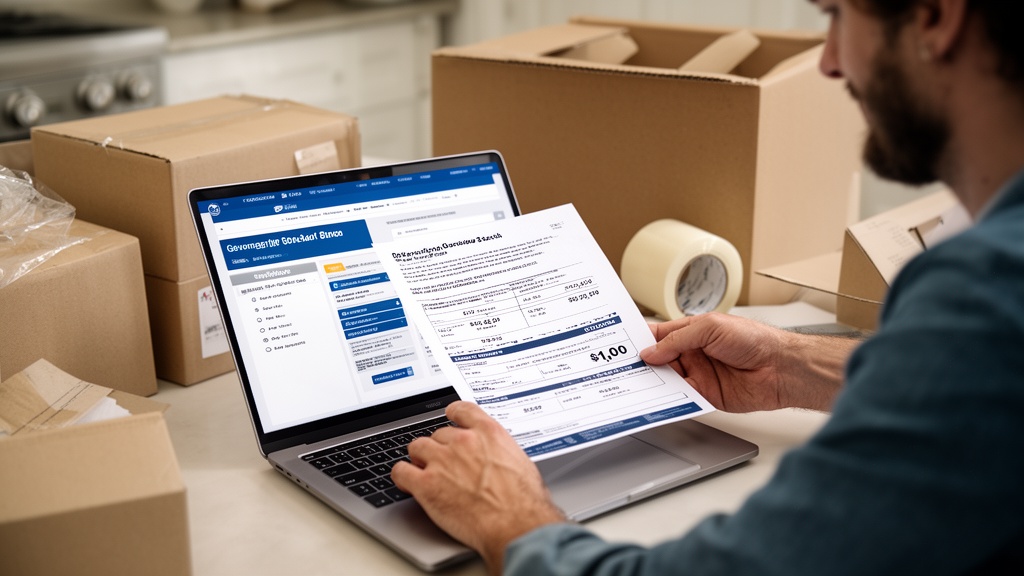
Knowing how to check if a moving company is licensed takes under five minutes with the right approach. Here is the step-by-step process used by consumer advocates and relocation specialists.
Step 1 — Get the USDOT number
Ask every mover for their USDOT number before discussing anything else. Reputable companies display it on their website, trucks, and written estimates. Refusal to provide it is an immediate disqualifying signal.
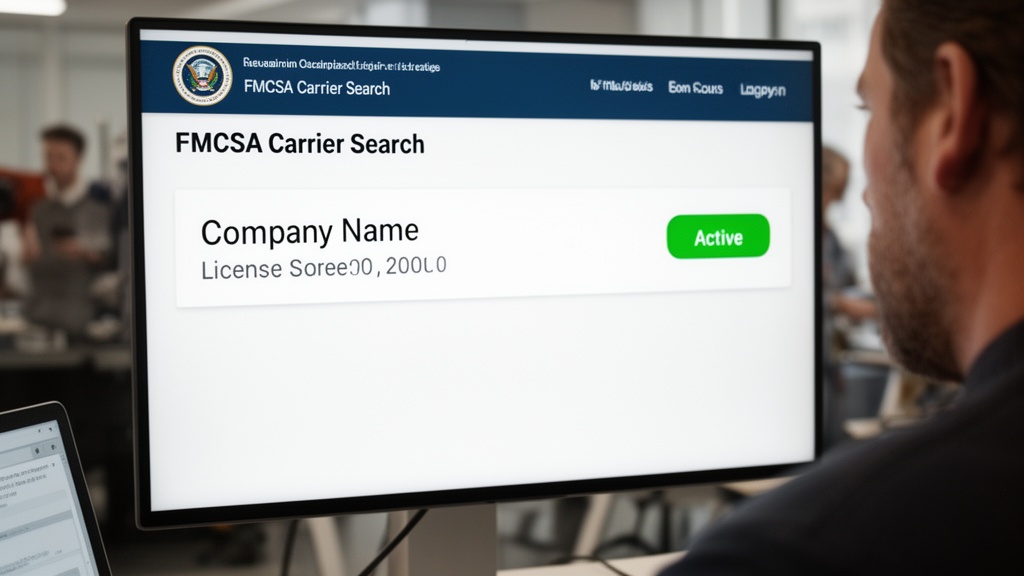
Step 2 — Search the FMCSA SAFER database
Visit the FMCSA SAFER System and enter the USDOT number. Results show operating status, insurance on file, safety rating, and any out-of-service orders. FMCSA registered movers boston will show an Active operating status with current insurance filings visible in the database.
Step 3 — Confirm Massachusetts DPU registration
For local moves, contact the Massachusetts DPU to verify the carrier's state certificate is current. This step is frequently skipped — and it's precisely how rogue movers boston avoid detection.
Step 4 — Request the certificate of insurance
Ask for a certificate of insurance before signing any contract. This document specifies the insurer, coverage types, policy limits, and effective dates. Any reputable company — verified boston movers included — provides this documentation without hesitation.
Step 5 — Cross-check reviews and BBB profile
Search the company on the Better Business Bureau for complaints, patterns of unresolved disputes, and overall rating. Combine this with verified customer reviews to build a complete picture of the company's track record.
Pro Tip: Run every quote through the FMCSA SAFER search before responding to any mover. It takes 90 seconds and immediately filters out unregistered operators. Make this the first step — non-negotiable — before any further conversation.
State vs. Federal Licensing Requirements: What Applies in Massachusetts?
Context matters for moving company insurance requirements massachusetts: interstate and local moves are governed by different authorities, and the legal framework — along with your consumer protections — changes entirely at the state border.
Interstate moves (crossing state lines)
Federal law governs interstate moves under the Carmack Amendment, which establishes the liability framework for interstate household goods carriers. Carriers must offer two valuation options: Released Value Protection (minimal, at no additional charge) and Full Value Protection (replacement cost coverage at an additional charge). Understanding how Boston moving costs are calculated helps clarify how valuation options affect total move pricing.
Intrastate moves (within Massachusetts)
Massachusetts-only moves fall under DPU jurisdiction. Federal Full Value Protection rules do not automatically apply, but reputable insured movers boston carry liability coverage that meets or exceeds state minimums regardless.
A company doing local-only moves needs DPU registration. A company offering both local and long-distance services needs DPU and FMCSA credentials. A company without either is operating illegally — and you have no regulatory recourse if things go wrong.
| Move Type | Governing Authority | Key Regulation | Insurance Requirement |
|---|---|---|---|
| Interstate (MA to another state) | FMCSA (Federal) | Carmack Amendment | Must file insurance with FMCSA |
| Intrastate (within MA) | Massachusetts DPU | State carrier law | Per DPU minimum requirements |
| Both local and interstate | FMCSA + MA DPU | Combined federal + state compliance | Both sets of requirements apply |
Pro Tip: When requesting quotes for a move crossing the Massachusetts state line, ask directly: "Are you registered with both the FMCSA and the Massachusetts DPU?" A qualified company answers yes without hesitation. Redirecting or delaying that answer is a disqualifying signal.
Red Flags That Signal an Unlicensed or Fraudulent Moving Company
The FMCSA's consumer protection resources on moving fraud document a consistent pattern of warning signs. Recognizing them is your most effective tool to avoid moving scams boston before any money changes hands.
Warning signs to watch for:
- No verifiable physical business address — only a PO Box or generic location
- Demands a large cash deposit upfront, typically more than 10–15% of the estimate
- Provides a quote without conducting an in-home or virtual walkthrough
- Answers calls with a generic phrase rather than the company name
- Refuses or delays providing a USDOT number
- Declines to issue a written or binding estimate
- Uses trucks without a visible company name or DOT number
- Quotes dramatically lower than every other estimate — a classic bait-and-switch setup

Hostage-load schemes — where crews demand additional payment before unloading your belongings — are among the most common moving fraud reports according to the Federal Trade Commission's consumer protection resources. These schemes consistently target consumers who skip credential verification. Knowing how to verify a mover license before any commitment is the most effective countermeasure available to consumers.
Questions to Ask Before Hiring a Boston Moving Company
After credentials check out, a structured conversation with the mover reveals operational quality. These questions separate professional moving operations from problematic ones.
- Can you provide your USDOT number and MC number right now?
- Are you registered with the Massachusetts DPU for in-state moves?
- Will you provide a certificate of insurance showing cargo and liability limits?
- What is your process for handling damage or loss claims?
- Do you subcontract any part of the move? Are those crews also licensed?
- Is this a binding or non-binding estimate — and what is the practical difference?
- What additional charges apply if the move takes longer than the estimate?
Check the company's frequently asked questions about moving to gauge their transparency before making first contact. Companies that openly document their process and policies have nothing to conceal.
For a full evaluation of quality standards across Boston's moving market, the guide to local movers in Boston provides a neighborhood-level breakdown of what to expect from vetted operators across the city.
Pro Tip: Ask specifically whether movers are direct employees or day-labor subcontractors. Many fraud cases involve companies that hire unscreened crews with no background checks. A legitimate operation employs its own trained staff and can provide documentation immediately upon request.
What Happens If You Hire an Unlicensed Mover?
The consequences of hiring an unverified mover range from inconvenient to financially devastating. Understanding the specific risks is what makes verification non-negotiable.
No legal recourse for damaged goods
An unregistered mover operates entirely outside the regulatory framework that governs claims. You cannot file a complaint with the FMCSA against an unlicensed carrier. You cannot invoke Carmack Amendment protections. Civil litigation becomes the only option — and collecting from a fraudulent or insolvent operator is rarely successful.
No insurance coverage for losses
A bonded and insured moving company boston carries cargo insurance that pays when belongings are damaged, stolen, or destroyed. An uninsured mover has no coverage to pay. Even a civil court judgment may yield nothing from an operator with no assets or a fictitious business registration.
Liability exposure for on-site injuries
If an uninsured mover's employee is injured on your property during the move, you may face personal liability claims. Moving company insurance requirements massachusetts include workers' compensation for compliant registered operators — but only compliant operators carry it.
The American Moving and Storage Association recommends obtaining at least three written estimates from licensed carriers before committing to any company. This practice alone significantly reduces exposure to fraudulent operators. Request a quote from a licensed Boston mover to start building a comparison set from verified sources.
Key Takeaways: Protecting Yourself When Hiring Movers in Boston
| Point | Details |
|---|---|
| Verify USDOT and MC Numbers | Interstate movers must have a USDOT number searchable in the FMCSA SAFER database — this is the baseline verification step |
| Confirm Massachusetts DPU Registration | Local movers need state DPU certification in addition to any federal FMCSA registration |
| Request the Certificate of Insurance | Before signing, ask for the COI showing cargo, liability, and workers' compensation coverage limits and policy details |
| Know the Warning Signs | No physical address, unmarked trucks, large cash deposits upfront, and credential refusal are all disqualifying signals |
| Federal Law Only Applies to FMCSA-Registered Movers | Carmack Amendment liability protections are unavailable if the mover is not registered with the FMCSA |
Related Articles
- Local Movers Boston: Complete Guide to Boston Moving Companies — Covers the full landscape of vetted Boston movers, service types, and what to expect from professional operators.
- Cheapest Moving Company Boston: Budget Tips and Pricing — Learn how to compare Boston moving quotes intelligently and identify affordable options without sacrificing reliability.
- How to Get an Accurate Quote for a 1-2 Bedroom Apartment Move — Understand what drives pricing for smaller moves and how to get the most precise estimate from any mover.
- Best Movers in the Greater Boston Area: A Neighborhood-by-Neighborhood Breakdown — A detailed guide to moving companies serving specific Boston neighborhoods and surrounding suburbs.
- Movers from Boston to Maine: How to Plan Your New England Relocation — Planning guide for interstate moves from Massachusetts to Maine, including interstate licensing requirements and cost considerations.
Recommended Resources
Frequently Asked Questions