'%3E%3Cpath%20fill='%231B2A47'%20d='M1.605%2016.263c.03-1.139.059-2.482.088-3.971.03-1.49.03-2.832.03-4.03%200-.758%200-1.576-.03-2.51%200-.905-.03-1.84-.03-2.803%200-.496-.028-.964-.028-1.43%200-.468%200-.906-.03-1.315h6.858q2.188%200%203.589.35c.963.234%201.663.643%202.13%201.198.496.555.73%201.372.73%202.394%200%20.788-.176%201.46-.497%201.985-.32.526-.846.935-1.575%201.197-.73.292-1.693.468-2.918.526v.263c1.313.087%202.334.263%203.122.525.758.263%201.342.672%201.692%201.197.35.526.525%201.197.525%202.044%200%201.08-.233%201.927-.67%202.57-.468.642-1.139%201.08-2.102%201.343-.933.262-2.159.408-3.705.408H1.605zm6.537-9.197q1.882%200%202.713-.526c.555-.35.817-.934.817-1.752%200-.905-.292-1.547-.846-1.927s-1.459-.554-2.655-.554H4.757v4.759zm.204%206.92c.934%200%201.663-.088%202.217-.263.555-.176.934-.438%201.197-.818s.38-.876.38-1.518c0-.876-.322-1.49-.934-1.84-.643-.35-1.635-.525-3.035-.525H4.757v4.963zM21.038%2016.555c-1.576%200-2.801-.292-3.618-.905-.817-.614-1.284-1.519-1.372-2.745-.087-1.226.205-2.774.847-4.613s1.43-3.358%202.392-4.584c.963-1.226%202.043-2.131%203.298-2.744C23.839.292%2025.24%200%2026.786%200c1.576%200%202.772.321%203.59.934.816.613%201.283%201.548%201.37%202.774s-.203%202.774-.845%204.613c-.642%201.81-1.43%203.358-2.393%204.584s-2.072%202.132-3.297%202.745a9.8%209.8%200%200%201-4.173.905m.788-2.278c.642%200%201.138-.058%201.371-.116.205-.059.496-.117.847-.322.262-.146.437-.292.554-.408.204-.175.32-.292.438-.41.204-.203.35-.408.496-.583.35-.438.642-.876.963-1.402.233-.408.466-.817.67-1.284.205-.438.38-.905.555-1.372.438-1.198.671-2.278.671-3.183s-.204-1.606-.612-2.131c-.409-.497-1.051-.76-1.897-.76-.467%200-.934.059-1.43.205h-.03c-1.02.292-1.925%201.226-2.042%201.372-.116.117-.467.526-.963%201.343a15.5%2015.5%200%200%200-1.342%202.92c-.408%201.197-.642%202.277-.671%203.182-.03.906.175%201.636.584%202.161q.611.788%201.838.788M14.853%2038.54c-1.576%200-2.802-.292-3.619-.905s-1.284-1.518-1.371-2.744c-.088-1.227.204-2.774.846-4.614s1.43-3.357%202.393-4.584%202.042-2.13%203.297-2.744c1.255-.613%202.655-.905%204.173-.905%201.575%200%202.772.321%203.589.934s1.284%201.548%201.371%202.774c.088%201.226-.204%202.774-.846%204.613-.642%201.81-1.43%203.358-2.393%204.584s-2.072%202.131-3.297%202.745c-1.226.613-2.626.846-4.143.846m.787-2.277c.642%200%201.138-.059%201.372-.117.204-.058.496-.117.846-.321.263-.146.438-.292.554-.409.205-.175.321-.292.438-.409.204-.204.35-.408.496-.584a13%2013%200%200%200%201.634-2.686c.204-.438.38-.905.555-1.372.437-1.197.67-2.277.67-3.182%200-.906-.203-1.606-.612-2.132-.409-.496-1.05-.759-1.897-.759-.467%200-.934.058-1.43.204h-.029c-1.021.292-1.925%201.227-2.042%201.373-.117.116-.467.525-.963%201.343a15.5%2015.5%200%200%200-1.342%202.92c-.409%201.196-.642%202.277-.671%203.182s.175%201.635.583%202.16q.613.789%201.838.789'/%3E%3Cpath%20fill='%23FF515E'%20d='M55.966%2038.57c-1.576%200-2.801-.293-3.618-.906s-1.284-1.518-1.372-2.744c-.087-1.227.204-2.774.846-4.613s1.43-3.358%202.393-4.584c.963-1.227%202.043-2.132%203.297-2.745s2.656-.905%204.173-.905c1.576%200%202.772.321%203.589.934s1.284%201.548%201.371%202.774c.088%201.226-.204%202.774-.846%204.613-.642%201.81-1.43%203.358-2.393%204.584s-2.071%202.131-3.297%202.745c-1.225.613-2.626.846-4.143.846m.788-2.249c.642%200%201.138-.058%201.371-.117.204-.058.496-.116.846-.32.263-.147.438-.293.555-.41a7%207%200%200%200%20.437-.408c.205-.205.35-.41.496-.584a13%2013%200%200%200%201.634-2.686c.205-.438.38-.905.555-1.373.438-1.197.671-2.277.671-3.182s-.204-1.606-.613-2.131c-.408-.497-1.05-.76-1.896-.76-.467%200-.934.059-1.43.205h-.03c-1.02.292-1.925%201.226-2.042%201.372-.117.117-.467.526-.963%201.343a15.5%2015.5%200%200%200-1.342%202.92c-.409%201.197-.642%202.277-.671%203.182s.175%201.635.583%202.16q.614.79%201.839.79'/%3E%3Cpath%20fill='%231B2A47'%20d='M33.06%2016.263c0-.35%200-.935.03-1.81.029-1.051.058-2.103.058-3.154s.03-2.073.03-3.007c0-1.606-.03-3.27-.06-4.993%200-.554-.028-1.08-.028-1.606%200-.525-.03-1.021-.03-1.46h6.828c1.46%200%202.685.117%203.59.38q1.4.394%202.1%201.314.7.963.7%202.628c0%20.992-.174%201.81-.554%202.452-.35.643-.904%201.11-1.604%201.431s-1.576.467-2.627.496v.263q2.058.087%203.064.876c.671.525%201.138%201.372%201.43%202.51.087.41.233%201.023.467%201.84.233.818.408%201.431.554%201.84h-3.414a11%2011%200%200%200-.262-1.022c-.321-1.314-.526-2.19-.584-2.628a5%205%200%200%200-.642-1.46%202.13%202.13%200%200%200-.963-.73c-.408-.146-.934-.233-1.605-.233h-3.326v6.0440000000000005H33.06zm6.332-8.292c1.343%200%202.276-.205%202.86-.613.554-.41.846-1.11.846-2.073%200-.73-.146-1.314-.408-1.723-.263-.409-.671-.7-1.197-.876q-.788-.263-2.1-.263h-3.181v5.519h3.18zM49.4%2016.263l.03-2.745c.029-2.452.029-4.905.029-7.416q0-2.101-.088-5.868h4.085l5.924%2010.335c.087.234.204.438.291.643.117.204.205.408.321.613.38.788.613%201.255.672%201.372h.262c0-.058-.03-.146-.03-.204%200-.059-.028-.117-.028-.175a75%2075%200%200%201-.175-1.314%2010%2010%200%200%201-.088-1.285c0-1.547%200-3.737-.029-6.57V1.84c0-.584-.03-1.11-.03-1.576h2.977c-.03%202.482-.058%205.08-.058%207.766%200%201.694%200%204.438.029%208.292h-4.027l-5.573-9.43c-.875-1.81-1.226-2.511-1.05-2.132-.263-.613-.467-1.08-.613-1.46h-.263c.058.35.117.876.175%201.548.059.7.117%201.168.117%201.46%200%202.978%200%206.306.029%209.985H49.4zM4.698%2038.277c.029-2.627.058-5.255.058-7.883%200-1.576%200-3.503-.029-5.752-1.109%200-2.684%200-4.727.03v-2.453h12.664v2.453c-1.955-.03-3.53-.03-4.756-.03%200%20.584-.03%201.227-.03%201.957s0%201.46-.029%202.218v1.84c0%202.57.03%205.11.059%207.62z'/%3E%3Cpath%20fill='%23FF515E'%20d='M29.441%2038.277c.409-1.05.788-2.102%201.168-3.182s.787-2.16%201.167-3.241c.613-1.693%201.05-2.949%201.342-3.766l1.255-3.65c.116-.38.262-.788.379-1.139.117-.38.263-.73.38-1.05h4.61l-.671%2012.904h.262l8.316-12.905h4.669l-.7%201.869c-.876%202.452-1.343%203.766-1.43%204a501%20501%200%200%200-3.385%2010.16h-2.947c.292-.846.788-2.219%201.459-4.087.175-.526.35-1.08.554-1.606.175-.526.38-1.08.555-1.577.642-1.81%201.342-3.825%202.072-6.014h-.234l-8.724%2013.314h-2.86l.554-13.314h-.175c-.175.496-.38.992-.554%201.489-.175.496-.38%201.022-.555%201.547a163%20163%200%200%200-1.08%203.008c-.145.38-.262.759-.408%201.138-.117.38-.262.73-.408%201.11-.7%201.898-1.284%203.59-1.751%205.05h-2.86zM68.047%2038.277c.175-2.19.32-4.525.467-7.007.058-.905.204-3.912.467-9.051h3.151c-.03.438-.058.934-.088%201.46s-.058%201.08-.087%201.693a264%20264%200%200%201-.409%206.657c-.145%201.986-.35%203.591-.583%204.788h.175Q72.147%2034.892%2073.94%2032a562%20562%200%200%201%204.465-7.066c.32-.496.641-.992.933-1.46s.555-.875.817-1.255h3.268q-.568.832-1.138%201.752c-.408.613-.787%201.255-1.196%201.927-3.88%206.014-6.478%2010.131-7.85%2012.35h-5.193zM79.106%2038.277c.32-.788.758-2.014%201.37-3.65a287%20287%200%200%200%201.577-4.32c.437-1.256.904-2.628%201.4-4.088s.934-2.774%201.313-3.97h11.322l-.846%202.364H87.1l-1.664%204.847%207.645-.088-.612%201.694-7.587-.088-1.75%204.934h8.286l-.846%202.365z'/%3E%3C/g%3E%3Cdefs%3E%3CclipPath%20id='a'%3E%3Cpath%20fill='%23fff'%20d='M0%200h96v40H0z'/%3E%3C/clipPath%3E%3C/defs%3E%3C/svg%3E)
Moving is one of life's most stressful events — and the wrong crew makes it worse. All service moving removes that burden by handing the entire relocation to a trained team, from the first box to the last reassembled bookshelf. The challenge is knowing exactly what "all service" covers, what it leaves out, and whether the price matches the value. This guide breaks down every stage of a full-service move, how the cost is built, and the warning signs that separate a reliable mover from a risky one.

Key Takeaways
| Point | Details |
|---|---|
| Everything is handled | All service moving covers packing, wrapping, disassembly, loading, transport, unloading, unpacking, and reassembly in one package. |
| Verify the license | Interstate movers must hold a USDOT number; you can confirm registration through the FMCSA. |
| Cost reflects labor | Local moves are billed by crew size, hours, and truck count; long-distance moves price by weight and distance. |
| Full vs. partial | Partial service lets you pack yourself; full service adds packing and reassembly. |
| Ask before booking | Get a written estimate and review the questions worth asking before you book. |
What Does All Service Moving Actually Include?
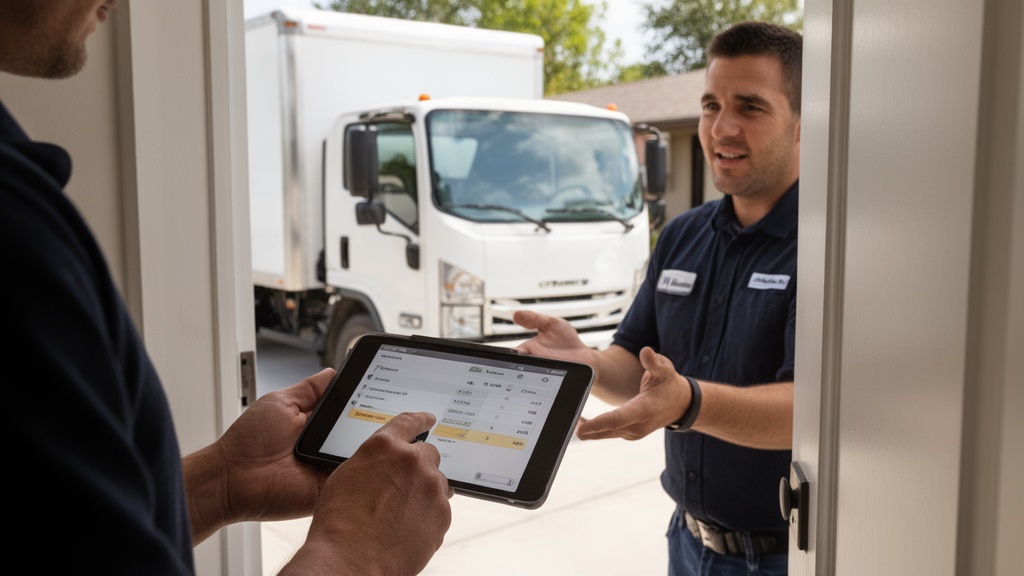
All service moving — sometimes called full service relocation — is a package where a professional crew handles every physical task in your move. You point to your belongings; the movers do the rest. It is the most hands-off way to relocate a home or office.
A reputable full service moving company builds its reputation on this end-to-end model. That includes the parts most people dread: wrapping fragile items, hauling heavy furniture, and rebuilding the bed frame at the other end.
Here is what a standard all-service package covers:
- Packing and moving services using professional-grade boxes, paper, and bubble wrap
- Disassembly of large furniture such as beds, tables, and wardrobes
- Wrapping every item in moving blankets for protection
- Loading and securing the truck
- Transport to your new address
- Unloading and placing boxes in the correct rooms
- Unpacking and a furniture moving service that reassembles each piece
- Removal of packing debris and empty boxes
This level of coverage suits residential moving services and household moving services alike, whether you are leaving a studio or a five-bedroom house. For a deeper look at scope, see the features list from this full service moving company.
Q: What is included in all service moving?
A: All service moving includes packing, furniture disassembly, blanket-wrapping, loading, transport, unloading, unpacking, and reassembly — all handled by the moving crew.
Inside a Professional Move: Packing, Loading, and Delivery
Professional movers follow a repeatable sequence, not improvisation. That consistency is what protects your belongings and keeps the timeline predictable.
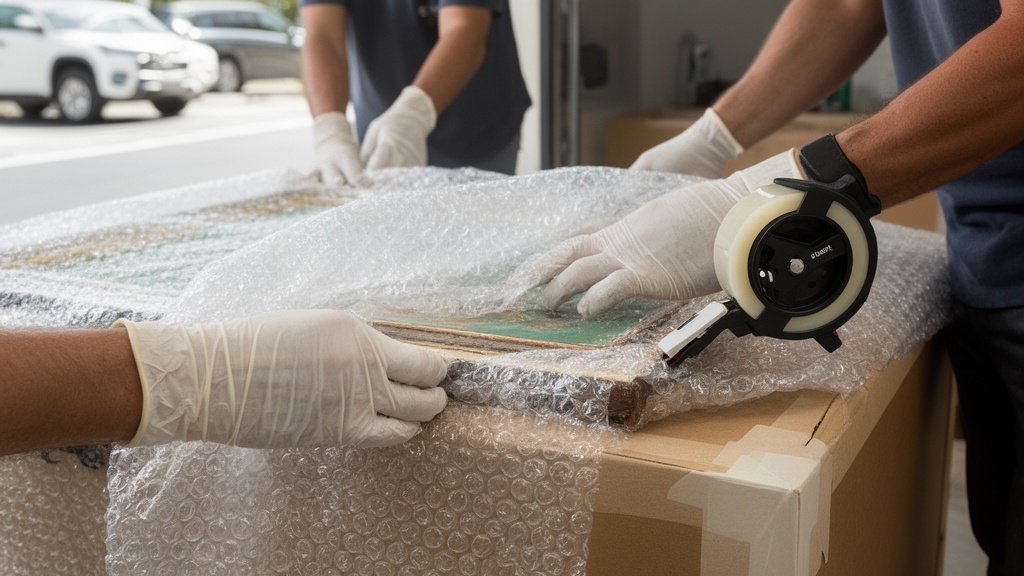
Packing comes first. Crews wrap fragile pieces individually — a framed painting gets bubble wrap and a custom cardboard crate, while a TV is covered in moving blankets and slotted into a dedicated box.
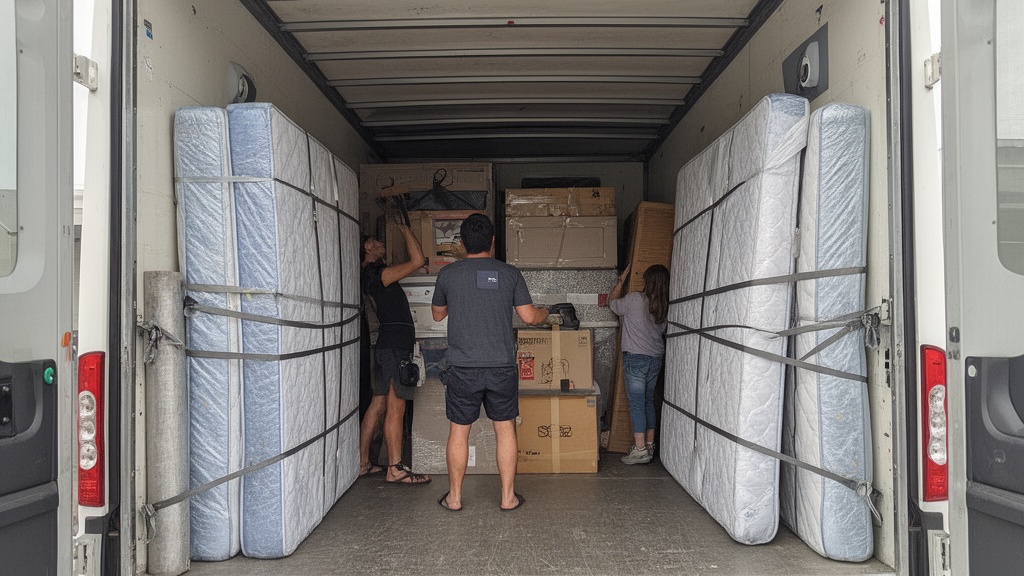
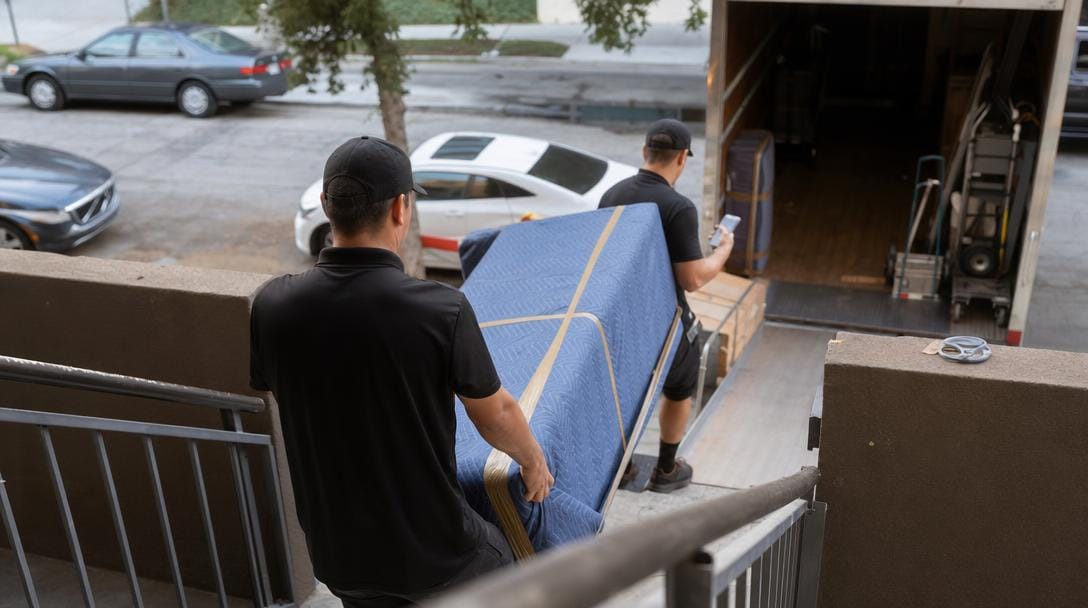
Loading follows a deliberate order. Heavy furniture and appliances go in first along the truck walls, mattresses stand upright on the sides, and boxes fill the gaps. Everything is strapped down so nothing shifts in transit.
Many crews document a written or digital inventory before the truck doors close, giving you a record of every item. To understand the full scope of tasks, review the features of a full-service moving company and what movers with packing services typically deliver.
Pro Tip: Photograph the back panel of every electronic device before the crew disconnects it. Matching cable-to-port photos turns reassembly at the new home into a two-minute job instead of a guessing game.
All Service vs. Partial-Service Moving: Key Differences
The core difference is simple: partial-service movers handle the heavy lifting only, while all service moving covers packing, transport, and reassembly. Choosing between them comes down to budget, time, and how much you want to touch.
With tens of millions of Americans relocating each year, this is a choice nearly everyone faces. Partial service works for people who pack themselves and only need muscle for loading. Full service relocation suits anyone short on time or moving valuable, fragile, or bulky items.
| Criteria | All Service Moving | Partial-Service Moving |
|---|---|---|
| Packing | Crew packs every room | You pack; movers load |
| Furniture disassembly | Included | Often not included |
| Wrapping & protection | Full blanket wrapping | Limited |
| Reassembly at destination | Included | Not included |
| Best for | Busy households, fragile items | Budget movers, small loads |
| Effort required from you | Minimal | Significant |
White glove moving sits at the top of the full-service tier, adding extra care for antiques, art, and high-value items. For most families, standard all service moving hits the balance between cost and convenience.
Q: What is the difference between full service and partial service moving?
A: Full service moving includes packing, disassembly, and reassembly; partial service only covers loading, transport, and unloading while you pack yourself.
How Top Rated Moving Companies Are Vetted and Verified
Top rated moving companies earn that status through verifiable credentials, not marketing. Before you trust a crew with everything you own, confirm three things: licensing, insurance, and a documented track record.
Start with the license. The FMCSA requires interstate movers to carry a USDOT number, and you can look it up in seconds. Licensed and insured movers also carry liability and cargo coverage, which protects you if something breaks.
Reviews tell the rest of the story. Read recent, detailed feedback on Google and the Better Business Bureau, and watch for patterns rather than one-off complaints.
- Confirm an active USDOT or state license number
- Verify general liability and cargo insurance
- Read at least 20 recent reviews across two platforms
- Get a written, itemized estimate before booking
For a step-by-step vetting process, see this guide on how to find a reputable moving company.
Pro Tip: Cross-check the company name on the FMCSA SAFER database against the name on your estimate. Some brokers quote under one name and send a different carrier — a mismatch is your earliest red flag.
GoBorn can help: Born to Move offers full-service residential and interstate moving with packing, wrapping, and reassembly handled by a trained crew. Learn more →
Moving Day With a Full-Service Crew: A Walkthrough
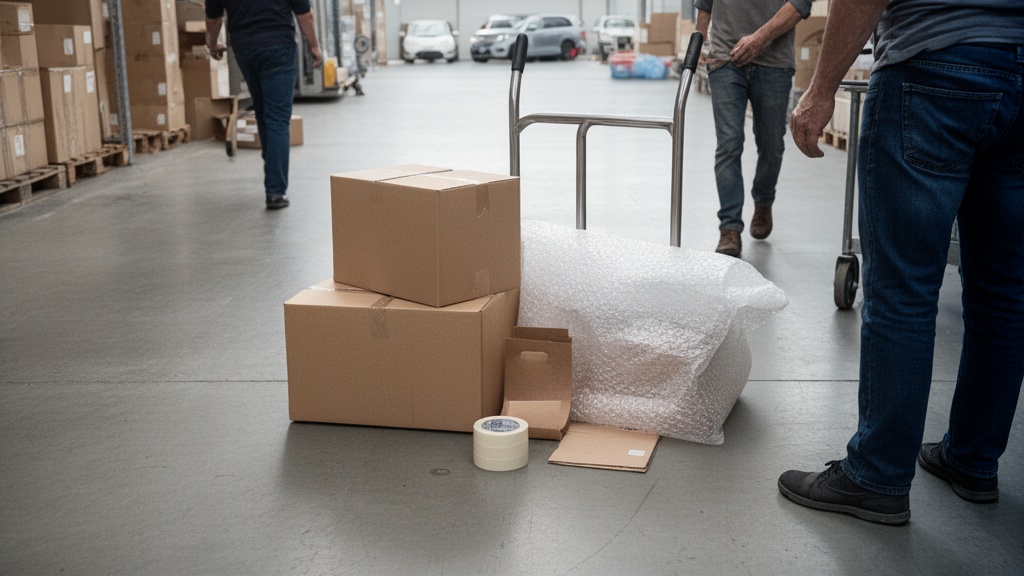
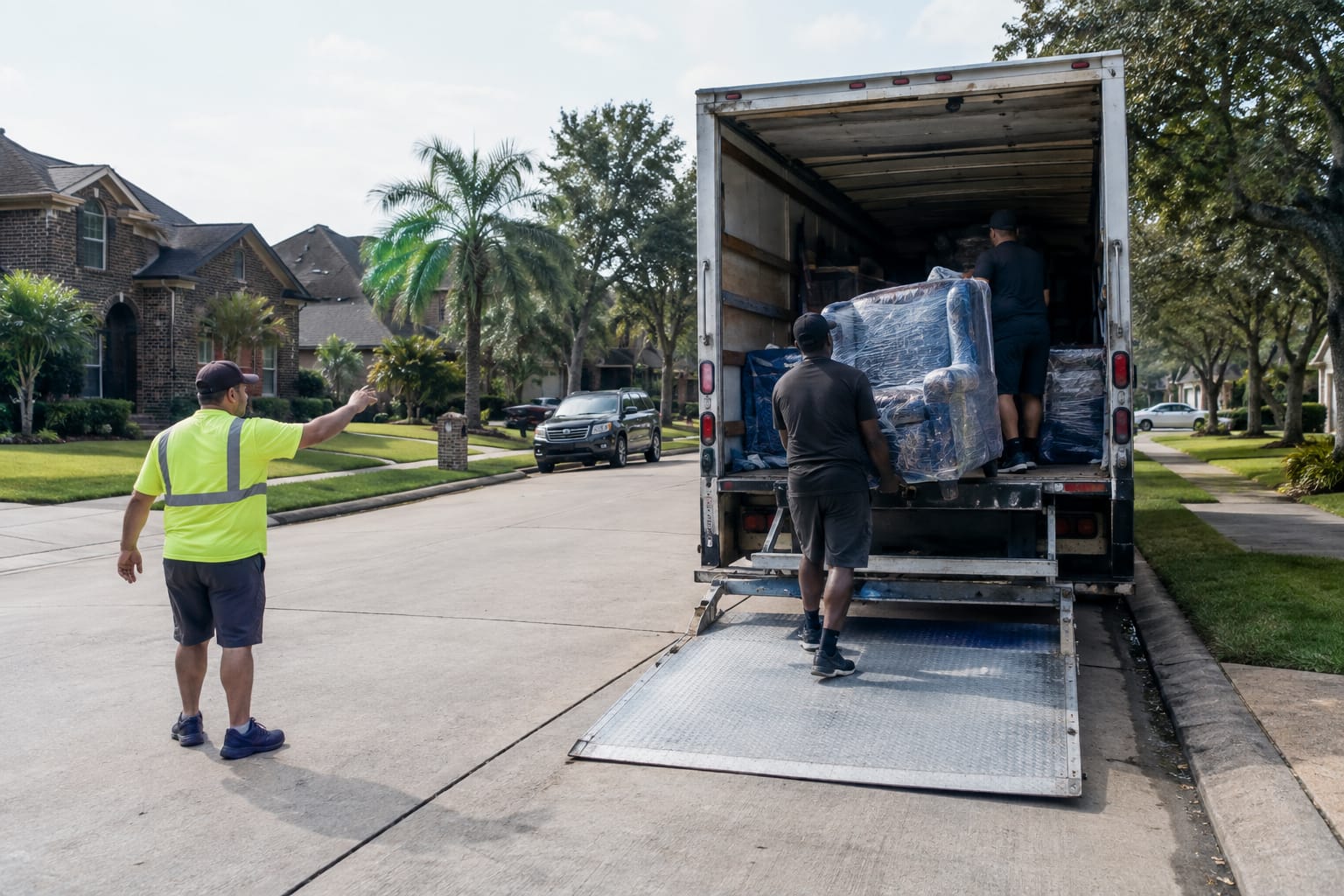
On moving day, a full-service crew arrives with the truck, equipment, and materials ready. The lead walks through your home, confirms the inventory, and assigns rooms to each mover.

From there, the work moves fast. The crew wraps and disassembles, loads in sequence, and protects floors and doorways with runners and padding. At the destination, they reverse the process — unloading, placing boxes by room, and reassembling furniture.

Born to Move's crews, for example, unload the truck, unpack the boxes, unwrap every item, and reassemble large furniture before they leave. A good furniture moving service treats the new-home setup as part of the job, not an afterthought.
Q: How long does a full-service local move take?
A: Most local all service moves finish in a single day; a two- to three-bedroom home typically takes a crew of three to four movers several hours.
Expect to be present for the walkthrough at both ends. A quick final inspection — checking the truck is empty and furniture is reassembled — protects you before you sign off.
Pricing: How Much Does All Service Moving Cost?
All service moving costs more than a DIY move because you are paying for labor, materials, and expertise. The exact price depends on a handful of predictable factors.
Local moves are usually billed by the hour, based on crew size and truck count. Long-distance and interstate moves price by weight and distance, plus any add-on services.
| Cost Factor | Effect on Price | Notes |
|---|---|---|
| Home size | Higher | More rooms mean more hours and materials |
| Distance | Higher | Long-distance adds fuel and travel time |
| Packing services | Moderate | Full packing adds labor and materials |
| Specialty items | Moderate–High | Pianos, safes, and art need extra handling |
| Access | Moderate | Stairs, elevators, and long carries add time |
| Date | Variable | Month-end and summer demand raise rates |
Get quotes from at least three companies and compare what each estimate actually includes. The cheapest number rarely reflects the same scope of work.
Pro Tip: Ask whether your estimate is binding, non-binding, or binding-not-to-exceed. A binding-not-to-exceed estimate caps your cost while letting it drop if the load is lighter — the most customer-friendly structure.
Warning Signs When Booking an All-Service Mover
Even with all service moving, not every provider delivers. A few red flags reliably predict trouble.
When you search for a moving company near me, you will see everyone from national vans to local full service movers and regional brands like amerisafe moving services. Vet each the same way.
Watch for these warning signs:
- A large deposit demanded upfront, especially in cash
- No USDOT number or refusal to provide one
- An estimate given without seeing your home or a video inventory
- Vague answers about what is and isn't included
- No written contract or a blank inventory form
What's not included? Honest movers tell you upfront. Standard all-service packages typically exclude disconnecting gas appliances, moving hazardous materials, and transporting plants across state lines. Knowing the exclusions prevents day-of surprises.
Before you sign, review the questions worth asking before you book so nothing catches you off guard. All service moving trades money for time, safety, and peace of mind — confirm the license, read the reviews, and get the scope in writing, and a full-service crew like Born to Move handles the rest from box one to the final reassembled shelf.
What is included in all service moving?
All service moving includes every physical task in a relocation. A professional crew packs your belongings, disassembles large furniture, wraps each item in moving blankets, loads and secures the truck, transports everything to your new address, unloads, unpacks the boxes, and reassembles your furniture. Many full-service packages also remove the empty boxes and packing debris afterward. The goal is a hands-off move where you supervise rather than lift. Add-ons such as white glove moving for antiques or specialty handling for pianos and safes are available for an extra fee. Always ask for an itemized list so you know exactly which household moving services are part of your quote.
Is all service moving worth the extra cost?
For most people short on time, all service moving is worth the premium. You pay more than a DIY move, but you eliminate the hours spent packing, the risk of injury from heavy lifting, and the cost of buying boxes and equipment. Professional movers also carry insurance, so damaged items are covered rather than your loss. The value is highest for large homes, fragile or high-value belongings, tight timelines, and long-distance relocations. For a small studio with few possessions, partial service may make more financial sense. Weigh the cost against your time, physical ability, and the replacement value of your belongings before deciding which level of service fits.
How do professional movers handle fragile or specialty items?
Professional movers wrap fragile and specialty items individually using materials matched to each piece. Glassware and dishes are wrapped in packing paper and boxed in cushioned dish packs. Framed art and mirrors get bubble wrap and custom cardboard crates. Electronics like TVs are covered in moving blankets and placed in dedicated boxes. Specialty items — pianos, safes, antiques, and chandeliers — require extra crew, equipment, and sometimes custom crating. Reputable companies note these items during the estimate so the right materials and labor are scheduled. If you own high-value pieces, ask about white glove moving, which adds an extra layer of handling and documentation for irreplaceable belongings.
What is the difference between full service and partial service moving?
Full service moving covers the entire relocation: packing, furniture disassembly, wrapping, loading, transport, unloading, unpacking, and reassembly. Partial service covers only part of that — typically loading, transport, and unloading — while you handle the packing yourself. The difference shows up in both effort and price. Full service costs more but requires almost nothing from you on moving day. Partial service is cheaper and works well if you have time to pack and few fragile items. Many companies let you customize a middle ground, such as adding packing and moving services for the kitchen only. Compare written estimates carefully, because the included scope varies widely between providers under both labels.
How do I find a top-rated all service moving company near me?
Start with verified credentials and recent reviews. Confirm the company holds an active USDOT or state license and carries cargo and liability insurance. Read at least 20 recent reviews across Google and the Better Business Bureau, looking for consistent praise of careful handling and on-time delivery. Get written, itemized estimates from at least three local full service movers and compare what each includes, not just the price. Ask whether they use their own trained crews or subcontractors. A search for a moving company near me surfaces many options, so let licensing, insurance, transparent pricing, and a documented track record narrow the field to the genuinely reputable.
Related Articles
- What Professional Movers Do and Why They're Worth It — Learn the specific tasks a trained crew handles and where the value comes from.
- Cheap Moving Companies: How to Find Affordable Movers — Discover how to lower moving costs without sacrificing reliability.
- Flat Rate Moving Company: How It Works and What to Expect — Understand flat-rate pricing and when it beats hourly billing.
- Best Moving Companies in Boston: Local Expert Guide — Compare top-rated movers serving the Boston area.
Recommended Reading
- Full Service Moving Company Details and Features
- Movers with Packing Services: What Full-Service Moving Includes
- Services Typically Offered by a Full Service Moving Company
- Is It Worth Paying for Packing When Moving?
- What Questions Should I Ask When Hiring a Moving Company?
Frequently Asked Questions