'%3E%3Cpath%20fill='%231B2A47'%20d='M1.605%2016.263c.03-1.139.059-2.482.088-3.971.03-1.49.03-2.832.03-4.03%200-.758%200-1.576-.03-2.51%200-.905-.03-1.84-.03-2.803%200-.496-.028-.964-.028-1.43%200-.468%200-.906-.03-1.315h6.858q2.188%200%203.589.35c.963.234%201.663.643%202.13%201.198.496.555.73%201.372.73%202.394%200%20.788-.176%201.46-.497%201.985-.32.526-.846.935-1.575%201.197-.73.292-1.693.468-2.918.526v.263c1.313.087%202.334.263%203.122.525.758.263%201.342.672%201.692%201.197.35.526.525%201.197.525%202.044%200%201.08-.233%201.927-.67%202.57-.468.642-1.139%201.08-2.102%201.343-.933.262-2.159.408-3.705.408H1.605zm6.537-9.197q1.882%200%202.713-.526c.555-.35.817-.934.817-1.752%200-.905-.292-1.547-.846-1.927s-1.459-.554-2.655-.554H4.757v4.759zm.204%206.92c.934%200%201.663-.088%202.217-.263.555-.176.934-.438%201.197-.818s.38-.876.38-1.518c0-.876-.322-1.49-.934-1.84-.643-.35-1.635-.525-3.035-.525H4.757v4.963zM21.038%2016.555c-1.576%200-2.801-.292-3.618-.905-.817-.614-1.284-1.519-1.372-2.745-.087-1.226.205-2.774.847-4.613s1.43-3.358%202.392-4.584c.963-1.226%202.043-2.131%203.298-2.744C23.839.292%2025.24%200%2026.786%200c1.576%200%202.772.321%203.59.934.816.613%201.283%201.548%201.37%202.774s-.203%202.774-.845%204.613c-.642%201.81-1.43%203.358-2.393%204.584s-2.072%202.132-3.297%202.745a9.8%209.8%200%200%201-4.173.905m.788-2.278c.642%200%201.138-.058%201.371-.116.205-.059.496-.117.847-.322.262-.146.437-.292.554-.408.204-.175.32-.292.438-.41.204-.203.35-.408.496-.583.35-.438.642-.876.963-1.402.233-.408.466-.817.67-1.284.205-.438.38-.905.555-1.372.438-1.198.671-2.278.671-3.183s-.204-1.606-.612-2.131c-.409-.497-1.051-.76-1.897-.76-.467%200-.934.059-1.43.205h-.03c-1.02.292-1.925%201.226-2.042%201.372-.116.117-.467.526-.963%201.343a15.5%2015.5%200%200%200-1.342%202.92c-.408%201.197-.642%202.277-.671%203.182-.03.906.175%201.636.584%202.161q.611.788%201.838.788M14.853%2038.54c-1.576%200-2.802-.292-3.619-.905s-1.284-1.518-1.371-2.744c-.088-1.227.204-2.774.846-4.614s1.43-3.357%202.393-4.584%202.042-2.13%203.297-2.744c1.255-.613%202.655-.905%204.173-.905%201.575%200%202.772.321%203.589.934s1.284%201.548%201.371%202.774c.088%201.226-.204%202.774-.846%204.613-.642%201.81-1.43%203.358-2.393%204.584s-2.072%202.131-3.297%202.745c-1.226.613-2.626.846-4.143.846m.787-2.277c.642%200%201.138-.059%201.372-.117.204-.058.496-.117.846-.321.263-.146.438-.292.554-.409.205-.175.321-.292.438-.409.204-.204.35-.408.496-.584a13%2013%200%200%200%201.634-2.686c.204-.438.38-.905.555-1.372.437-1.197.67-2.277.67-3.182%200-.906-.203-1.606-.612-2.132-.409-.496-1.05-.759-1.897-.759-.467%200-.934.058-1.43.204h-.029c-1.021.292-1.925%201.227-2.042%201.373-.117.116-.467.525-.963%201.343a15.5%2015.5%200%200%200-1.342%202.92c-.409%201.196-.642%202.277-.671%203.182s.175%201.635.583%202.16q.613.789%201.838.789'/%3E%3Cpath%20fill='%23FF515E'%20d='M55.966%2038.57c-1.576%200-2.801-.293-3.618-.906s-1.284-1.518-1.372-2.744c-.087-1.227.204-2.774.846-4.613s1.43-3.358%202.393-4.584c.963-1.227%202.043-2.132%203.297-2.745s2.656-.905%204.173-.905c1.576%200%202.772.321%203.589.934s1.284%201.548%201.371%202.774c.088%201.226-.204%202.774-.846%204.613-.642%201.81-1.43%203.358-2.393%204.584s-2.071%202.131-3.297%202.745c-1.225.613-2.626.846-4.143.846m.788-2.249c.642%200%201.138-.058%201.371-.117.204-.058.496-.116.846-.32.263-.147.438-.293.555-.41a7%207%200%200%200%20.437-.408c.205-.205.35-.41.496-.584a13%2013%200%200%200%201.634-2.686c.205-.438.38-.905.555-1.373.438-1.197.671-2.277.671-3.182s-.204-1.606-.613-2.131c-.408-.497-1.05-.76-1.896-.76-.467%200-.934.059-1.43.205h-.03c-1.02.292-1.925%201.226-2.042%201.372-.117.117-.467.526-.963%201.343a15.5%2015.5%200%200%200-1.342%202.92c-.409%201.197-.642%202.277-.671%203.182s.175%201.635.583%202.16q.614.79%201.839.79'/%3E%3Cpath%20fill='%231B2A47'%20d='M33.06%2016.263c0-.35%200-.935.03-1.81.029-1.051.058-2.103.058-3.154s.03-2.073.03-3.007c0-1.606-.03-3.27-.06-4.993%200-.554-.028-1.08-.028-1.606%200-.525-.03-1.021-.03-1.46h6.828c1.46%200%202.685.117%203.59.38q1.4.394%202.1%201.314.7.963.7%202.628c0%20.992-.174%201.81-.554%202.452-.35.643-.904%201.11-1.604%201.431s-1.576.467-2.627.496v.263q2.058.087%203.064.876c.671.525%201.138%201.372%201.43%202.51.087.41.233%201.023.467%201.84.233.818.408%201.431.554%201.84h-3.414a11%2011%200%200%200-.262-1.022c-.321-1.314-.526-2.19-.584-2.628a5%205%200%200%200-.642-1.46%202.13%202.13%200%200%200-.963-.73c-.408-.146-.934-.233-1.605-.233h-3.326v6.0440000000000005H33.06zm6.332-8.292c1.343%200%202.276-.205%202.86-.613.554-.41.846-1.11.846-2.073%200-.73-.146-1.314-.408-1.723-.263-.409-.671-.7-1.197-.876q-.788-.263-2.1-.263h-3.181v5.519h3.18zM49.4%2016.263l.03-2.745c.029-2.452.029-4.905.029-7.416q0-2.101-.088-5.868h4.085l5.924%2010.335c.087.234.204.438.291.643.117.204.205.408.321.613.38.788.613%201.255.672%201.372h.262c0-.058-.03-.146-.03-.204%200-.059-.028-.117-.028-.175a75%2075%200%200%201-.175-1.314%2010%2010%200%200%201-.088-1.285c0-1.547%200-3.737-.029-6.57V1.84c0-.584-.03-1.11-.03-1.576h2.977c-.03%202.482-.058%205.08-.058%207.766%200%201.694%200%204.438.029%208.292h-4.027l-5.573-9.43c-.875-1.81-1.226-2.511-1.05-2.132-.263-.613-.467-1.08-.613-1.46h-.263c.058.35.117.876.175%201.548.059.7.117%201.168.117%201.46%200%202.978%200%206.306.029%209.985H49.4zM4.698%2038.277c.029-2.627.058-5.255.058-7.883%200-1.576%200-3.503-.029-5.752-1.109%200-2.684%200-4.727.03v-2.453h12.664v2.453c-1.955-.03-3.53-.03-4.756-.03%200%20.584-.03%201.227-.03%201.957s0%201.46-.029%202.218v1.84c0%202.57.03%205.11.059%207.62z'/%3E%3Cpath%20fill='%23FF515E'%20d='M29.441%2038.277c.409-1.05.788-2.102%201.168-3.182s.787-2.16%201.167-3.241c.613-1.693%201.05-2.949%201.342-3.766l1.255-3.65c.116-.38.262-.788.379-1.139.117-.38.263-.73.38-1.05h4.61l-.671%2012.904h.262l8.316-12.905h4.669l-.7%201.869c-.876%202.452-1.343%203.766-1.43%204a501%20501%200%200%200-3.385%2010.16h-2.947c.292-.846.788-2.219%201.459-4.087.175-.526.35-1.08.554-1.606.175-.526.38-1.08.555-1.577.642-1.81%201.342-3.825%202.072-6.014h-.234l-8.724%2013.314h-2.86l.554-13.314h-.175c-.175.496-.38.992-.554%201.489-.175.496-.38%201.022-.555%201.547a163%20163%200%200%200-1.08%203.008c-.145.38-.262.759-.408%201.138-.117.38-.262.73-.408%201.11-.7%201.898-1.284%203.59-1.751%205.05h-2.86zM68.047%2038.277c.175-2.19.32-4.525.467-7.007.058-.905.204-3.912.467-9.051h3.151c-.03.438-.058.934-.088%201.46s-.058%201.08-.087%201.693a264%20264%200%200%201-.409%206.657c-.145%201.986-.35%203.591-.583%204.788h.175Q72.147%2034.892%2073.94%2032a562%20562%200%200%201%204.465-7.066c.32-.496.641-.992.933-1.46s.555-.875.817-1.255h3.268q-.568.832-1.138%201.752c-.408.613-.787%201.255-1.196%201.927-3.88%206.014-6.478%2010.131-7.85%2012.35h-5.193zM79.106%2038.277c.32-.788.758-2.014%201.37-3.65a287%20287%200%200%200%201.577-4.32c.437-1.256.904-2.628%201.4-4.088s.934-2.774%201.313-3.97h11.322l-.846%202.364H87.1l-1.664%204.847%207.645-.088-.612%201.694-7.587-.088-1.75%204.934h8.286l-.846%202.365z'/%3E%3C/g%3E%3Cdefs%3E%3CclipPath%20id='a'%3E%3Cpath%20fill='%23fff'%20d='M0%200h96v40H0z'/%3E%3C/clipPath%3E%3C/defs%3E%3C/svg%3E)
Moving and storage services combine professional relocation with a secure place to hold your belongings before, during, or after a move. Most full-service moving companies offer storage in their own warehouse or through a partner facility, so your items stay protected when timelines don't line up. The challenge is matching the right type of storage to your situation without overpaying. This guide explains when storage makes sense, how short- and long-term options differ, what fees to expect, and how to choose a mover that handles both well.
Key Takeaways
| Point | Details |
|---|---|
| When storage helps | A gap between move-out and move-in dates, downsizing, or staging a home for sale are the most common triggers. |
| Short vs. long term | Short-term storage covers days to a few weeks; long-term runs months or longer with the same security standards. |
| Storage-in-transit | A federally regulated form of temporary warehouse storage that movers use when delivery is delayed. |
| Cost drivers | Unit size, climate control, location, and in-and-out handling fees shape the total price. |
| Choosing a mover | Verify the company's USDOT number and valuation coverage before you book anything. |
Why You Might Need Storage During a Move
Storage bridges the gap when your move-out and move-in dates don't match. With tens of millions of Americans relocating each year according to U.S. Census Bureau migration data, timing mismatches are common — and storage is the practical fix. It keeps your belongings safe and out of the way until your new space is ready.
The most frequent reasons people combine moving with storage include:
- Date gaps between leases or closings, sometimes a few days, sometimes a few weeks.
- Downsizing into a smaller home with no room for everything at once.
- Home staging, where decluttering helps a property sell faster.
- Renovations that make part of the house unusable mid-project.
- Long-distance timing, where a truck arrives before you do.
Storing belongings before moving also reduces clutter on packing day, which makes the crew faster and cuts billable hours.
Q: Should you store belongings before or after moving?
A: Store before the move when you're staging or downsizing, and after the move when your new home isn't ready — a full-service movers crew can handle either by routing items through a warehouse.
Short-Term vs. Long-Term Storage: Which Fits Your Move
The difference comes down to time, not security — both use the same facilities and protections. Short-term storage during a move typically covers a few days to about a month. Long-term storage for movers runs several months to a year or more, often at a discounted monthly rate.
Short-term suits closing-date gaps, quick renovations, or a delayed delivery on a cross-country move. You expect to retrieve everything soon, so easy access matters more than price per month.
Long-term suits extended travel, military deployment, a home sale that drags on, or storing inherited furniture you're not ready to part with. Here, lower monthly cost and climate control matter most, since items sit untouched for a while.
Pro Tip: Pack a clearly labeled "first week" box and keep it out of storage entirely. Even short-term storage during a move can run longer than planned, and you don't want your phone chargers and medications locked in a warehouse.
Demand for both options keeps climbing — self-storage has grown into a multibillion-dollar industry in the United States, driven largely by people in transition.
How Storage Fees Work Before, During, and After a Move
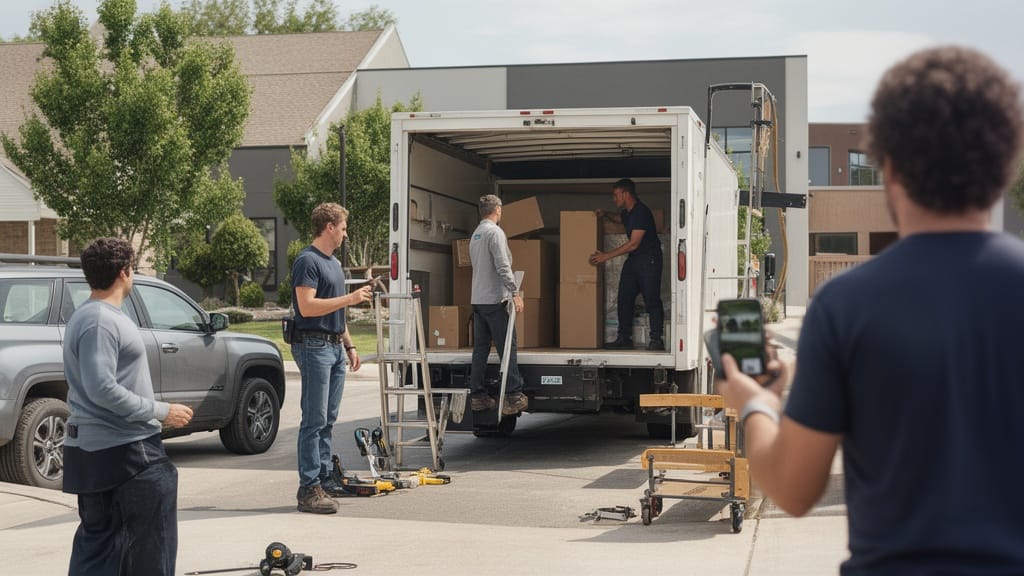
Storage facility moving costs depend on four main factors: unit size, whether the space is climate-controlled, the facility's location, and handling fees for moving items in and out. The storage itself is usually billed monthly, while the labor to load and unload is billed separately.
The biggest hidden cost is double handling. If a mover loads your goods into a truck, unloads them into storage, then reloads them later, you may pay labor charges at each step. Ask whether items are stored in sealed vaults that travel as a unit, which avoids repeated handling.
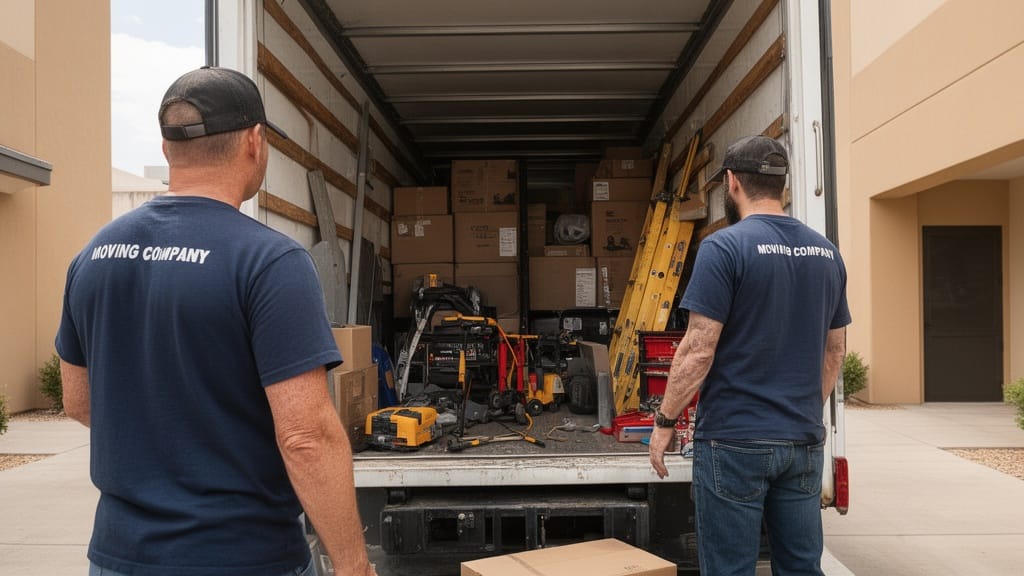
When a long-distance carrier can't deliver on the agreed date, your goods may enter storage-in-transit (SIT). Federal rules require movers to notify you and cap how long SIT can last before it converts to permanent storage, as outlined in FMCSA storage-in-transit guidance. Understanding this protects you from open-ended fees.
Q: How much does it cost to store furniture during a move?
A: Storage facility moving costs vary by unit size and region, but expect a monthly storage charge plus separate labor for loading and unloading — climate-controlled vaults cost more than a standard drive-up unit.
Pro Tip: Get every storage quote in writing with the in-handling fee, out-handling fee, and monthly rate listed as separate lines. A low monthly rate often hides expensive access charges. Comparing it against how much movers cost for your area keeps the full picture honest.
Types of Storage Compared
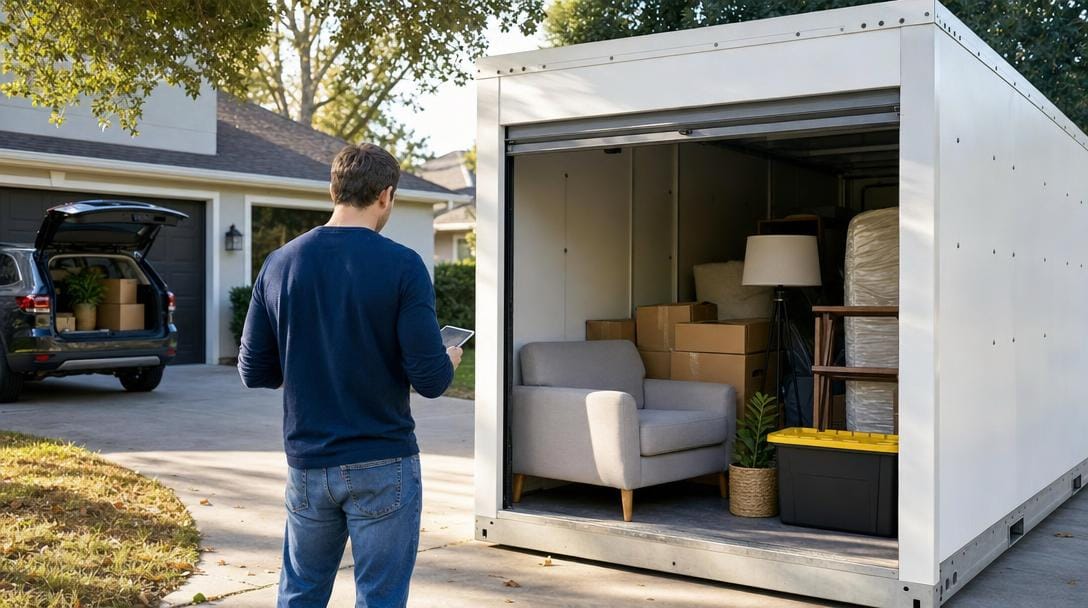
Not all storage is the same. The right choice depends on how often you need access, how delicate your items are, and who you want doing the heavy lifting. The table below compares the three options most movers offer or coordinate.
| Criteria | Self-Storage Unit | Portable Container | Full-Service Warehouse |
|---|---|---|---|
| Who loads it | You | You (delivered to your door) | The moving crew |
| Access | Anytime, on demand | At your home or yard | By appointment |
| Climate control | Sometimes available | Rarely | Usually available |
| Best for | DIY movers, frequent access | Flexible loading time | Long-term, hands-off storage |
| Handling risk | Low (you control it) | Low to medium | Low (sealed vaults) |
The warehousing and storage sector that supports these options employs hundreds of thousands of workers, per the BLS warehousing and storage industry overview — a sign of how standardized professional storage has become.
For fragile or high-value pieces, climate-controlled warehouse storage usually wins. Stable temperature and humidity protect wood, electronics, artwork, and instruments from warping and corrosion.
What to Look for in a Mover That Offers Storage
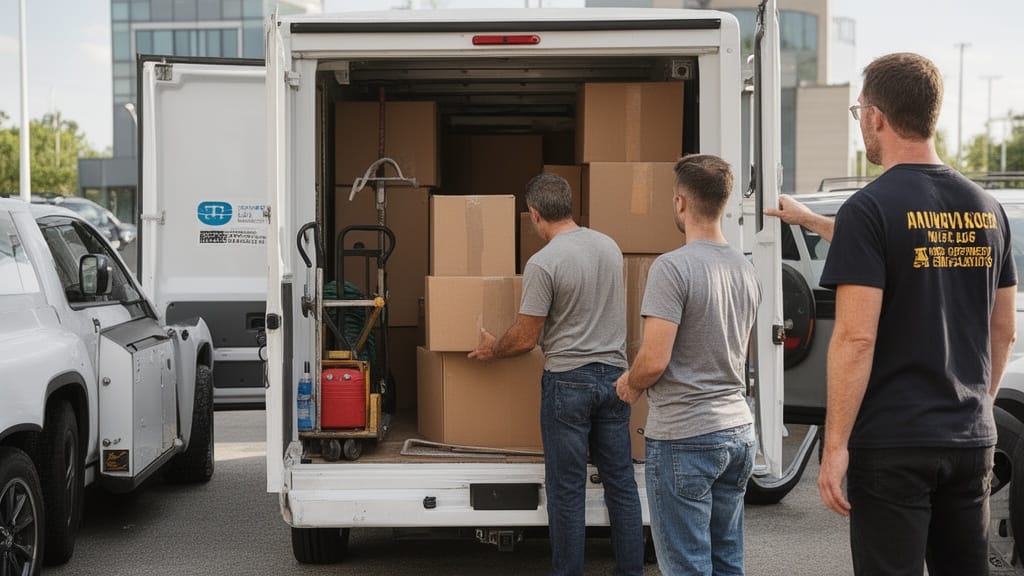
The best movers with storage options make the handoff seamless — one company, one contract, one point of contact. Before booking, confirm the company is properly licensed and that your belongings stay protected the whole way through.
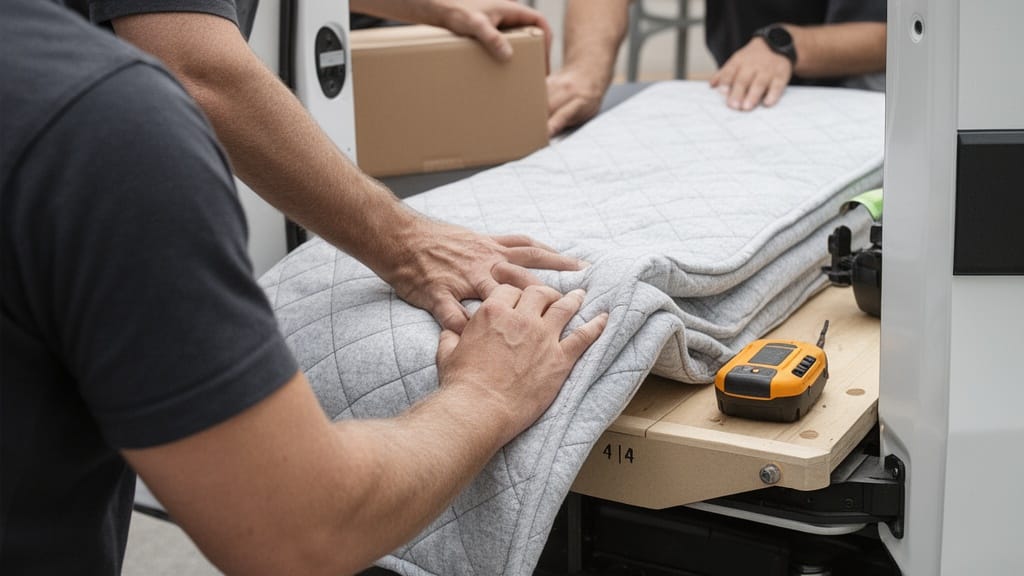
Use this checklist when comparing movers with storage options:
- Verify the USDOT number. Look it up on the FMCSA Protect Your Move tool to confirm the carrier is registered and insured.
- Ask about valuation coverage. Standard released-value protection is minimal; review the FMCSA valuation options and consider full-value protection for stored goods.
- Confirm handling counts. Sealed vaults that travel once reduce damage risk and repeat fees.
- Check climate control for sensitive items.
- Read the storage terms for notice periods, late fees, and access rules.
Pro Tip: Ask the mover how many times your items will be physically handled between pickup and final delivery. Each touch adds risk and potential labor cost — the gold standard is loading once into a vault that goes straight to your new home. The same diligence you'd apply when reviewing what to look for in a moving company applies double when storage is involved.
Making Your Move and Storage Stress-Free
The smoothest combined moves share one trait: a single inventory list that follows the goods from home to warehouse to new address. Insist on a written inventory so nothing disappears between handoffs.
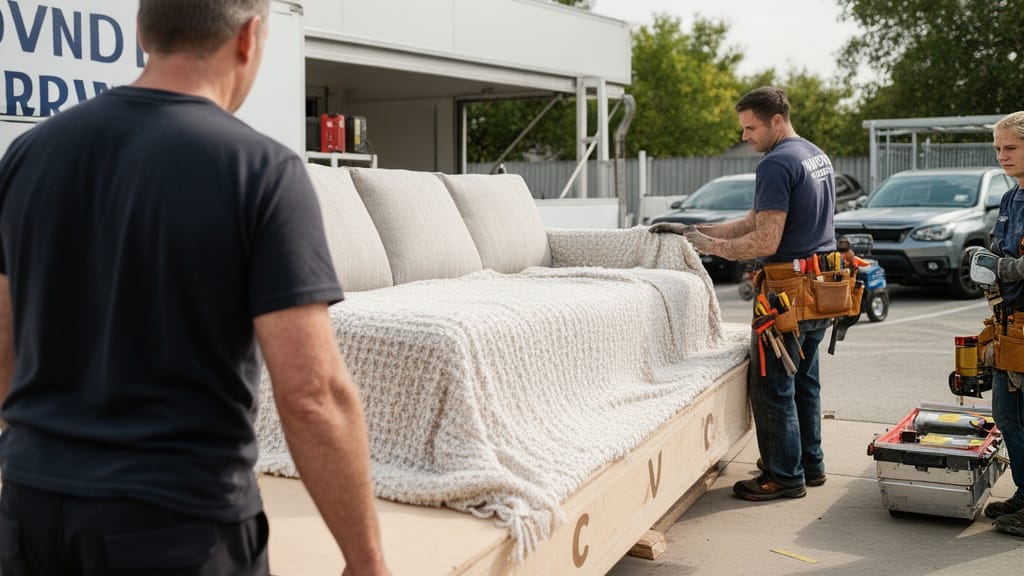
Label boxes by room and contents, not just "misc." When items sit in storage for weeks, clear labels save hours on the other end. Photograph valuable pieces before they go in, and keep that record with your contract.
Finally, plan the retrieval date as carefully as the storage date. Confirm access hours, book the unload crew early, and verify your new home's elevator or loading access in advance. A little coordination turns a two-stage move into one continuous, low-stress process.
Pro Tip: Schedule your storage retrieval and final delivery before you even load the warehouse. Peak moving season fills crew calendars fast, and a confirmed unload date prevents your long-term storage for movers from quietly becoming longer — and pricier — than you intended.
What is storage-in-transit (SIT)?
Storage-in-transit is temporary warehouse storage that a moving company arranges when it cannot deliver your goods on the agreed date — often during a long-distance or interstate move. The carrier holds your shipment in its warehouse and delivers once you're ready. Federal regulations require the mover to notify you in writing and limit how long SIT can last before it becomes permanent storage, with different liability terms. The FMCSA storage-in-transit rules spell out your rights, including notice requirements and how charges accrue. Always get the SIT terms in writing so you understand the daily or monthly rate and the deadline to take delivery before fees change.
Can a moving company store my belongings long term?
Yes. Many full-service movers operate warehouses that handle both short-term storage during a move and long-term storage for movers lasting months or longer. Long-term storage usually comes at a discounted monthly rate and benefits from climate control, since items sit untouched for extended periods. The key questions are how items are stored (sealed vaults are best), whether the space is climate-controlled, and what valuation coverage applies while goods are in the warehouse. Confirm access rules and notice periods too, because retrieving items from long-term storage often requires advance scheduling. Booking storage and moving with one licensed company simplifies billing and keeps a single inventory list following your belongings.
Is climate-controlled storage worth it?
For most short stays of a week or two, a standard unit is fine. Climate-controlled storage becomes worth the higher cost when you store moisture- or temperature-sensitive items: solid-wood furniture, electronics, leather, artwork, documents, photographs, and musical instruments. Stable humidity prevents warping, cracking, mold, and corrosion that uncontrolled units in extreme climates can cause. The longer the storage period, the more the protection matters, so long-term storage almost always justifies climate control. If you live in a region with hot summers or cold, damp winters, the premium is usually small compared with the replacement cost of damaged belongings.
Does insurance cover my belongings while in storage?
Coverage depends on the policy and the storage type. Some homeowners or renters policies extend limited coverage to items in off-site storage, but limits and exclusions vary, so confirm with your insurer in writing. When a mover stores your goods, the carrier's liability is governed by the valuation option you select — basic released-value protection pays only a minimal amount per pound. Review the FMCSA valuation options and consider full-value protection or separate storage insurance for high-value items. Document everything with photos and an inventory before storage begins; that record is essential for any claim.
Related Articles
- Home Appliances Shifting Services: A Full Guide — how appliances are disconnected, protected, and transported safely during a move.
- How Much Does It Cost to Move a Baby Grand Piano? — the pricing factors behind moving heavy, high-value specialty items.
- Moving Trends: What to Expect and How to Plan — current relocation patterns and how to plan around peak demand.
- Two Movers and a Truck: Is a 2-Person Crew Enough? — how to right-size your crew for the job ahead.
- How to Choose a Licensed and Insured Moving Company You Can Trust — verifying credentials before you hand over your belongings.
You May Also Like
- What's Included in All-Inclusive Hourly Moving Rates — a breakdown of what hourly rates actually cover.
- Born to Move Movers: Services and What Sets Us Apart — an overview of available moving and storage capabilities.
- What's Included in Our All-Inclusive Hourly Moving Rates (No Hidden Fees) — how transparent pricing avoids surprise charges.
- Moving Trends: What to Expect and How to Plan — data-driven planning for your next relocation.
Frequently Asked Questions