'%3E%3Cpath%20fill='%231B2A47'%20d='M1.605%2016.263c.03-1.139.059-2.482.088-3.971.03-1.49.03-2.832.03-4.03%200-.758%200-1.576-.03-2.51%200-.905-.03-1.84-.03-2.803%200-.496-.028-.964-.028-1.43%200-.468%200-.906-.03-1.315h6.858q2.188%200%203.589.35c.963.234%201.663.643%202.13%201.198.496.555.73%201.372.73%202.394%200%20.788-.176%201.46-.497%201.985-.32.526-.846.935-1.575%201.197-.73.292-1.693.468-2.918.526v.263c1.313.087%202.334.263%203.122.525.758.263%201.342.672%201.692%201.197.35.526.525%201.197.525%202.044%200%201.08-.233%201.927-.67%202.57-.468.642-1.139%201.08-2.102%201.343-.933.262-2.159.408-3.705.408H1.605zm6.537-9.197q1.882%200%202.713-.526c.555-.35.817-.934.817-1.752%200-.905-.292-1.547-.846-1.927s-1.459-.554-2.655-.554H4.757v4.759zm.204%206.92c.934%200%201.663-.088%202.217-.263.555-.176.934-.438%201.197-.818s.38-.876.38-1.518c0-.876-.322-1.49-.934-1.84-.643-.35-1.635-.525-3.035-.525H4.757v4.963zM21.038%2016.555c-1.576%200-2.801-.292-3.618-.905-.817-.614-1.284-1.519-1.372-2.745-.087-1.226.205-2.774.847-4.613s1.43-3.358%202.392-4.584c.963-1.226%202.043-2.131%203.298-2.744C23.839.292%2025.24%200%2026.786%200c1.576%200%202.772.321%203.59.934.816.613%201.283%201.548%201.37%202.774s-.203%202.774-.845%204.613c-.642%201.81-1.43%203.358-2.393%204.584s-2.072%202.132-3.297%202.745a9.8%209.8%200%200%201-4.173.905m.788-2.278c.642%200%201.138-.058%201.371-.116.205-.059.496-.117.847-.322.262-.146.437-.292.554-.408.204-.175.32-.292.438-.41.204-.203.35-.408.496-.583.35-.438.642-.876.963-1.402.233-.408.466-.817.67-1.284.205-.438.38-.905.555-1.372.438-1.198.671-2.278.671-3.183s-.204-1.606-.612-2.131c-.409-.497-1.051-.76-1.897-.76-.467%200-.934.059-1.43.205h-.03c-1.02.292-1.925%201.226-2.042%201.372-.116.117-.467.526-.963%201.343a15.5%2015.5%200%200%200-1.342%202.92c-.408%201.197-.642%202.277-.671%203.182-.03.906.175%201.636.584%202.161q.611.788%201.838.788M14.853%2038.54c-1.576%200-2.802-.292-3.619-.905s-1.284-1.518-1.371-2.744c-.088-1.227.204-2.774.846-4.614s1.43-3.357%202.393-4.584%202.042-2.13%203.297-2.744c1.255-.613%202.655-.905%204.173-.905%201.575%200%202.772.321%203.589.934s1.284%201.548%201.371%202.774c.088%201.226-.204%202.774-.846%204.613-.642%201.81-1.43%203.358-2.393%204.584s-2.072%202.131-3.297%202.745c-1.226.613-2.626.846-4.143.846m.787-2.277c.642%200%201.138-.059%201.372-.117.204-.058.496-.117.846-.321.263-.146.438-.292.554-.409.205-.175.321-.292.438-.409.204-.204.35-.408.496-.584a13%2013%200%200%200%201.634-2.686c.204-.438.38-.905.555-1.372.437-1.197.67-2.277.67-3.182%200-.906-.203-1.606-.612-2.132-.409-.496-1.05-.759-1.897-.759-.467%200-.934.058-1.43.204h-.029c-1.021.292-1.925%201.227-2.042%201.373-.117.116-.467.525-.963%201.343a15.5%2015.5%200%200%200-1.342%202.92c-.409%201.196-.642%202.277-.671%203.182s.175%201.635.583%202.16q.613.789%201.838.789'/%3E%3Cpath%20fill='%23FF515E'%20d='M55.966%2038.57c-1.576%200-2.801-.293-3.618-.906s-1.284-1.518-1.372-2.744c-.087-1.227.204-2.774.846-4.613s1.43-3.358%202.393-4.584c.963-1.227%202.043-2.132%203.297-2.745s2.656-.905%204.173-.905c1.576%200%202.772.321%203.589.934s1.284%201.548%201.371%202.774c.088%201.226-.204%202.774-.846%204.613-.642%201.81-1.43%203.358-2.393%204.584s-2.071%202.131-3.297%202.745c-1.225.613-2.626.846-4.143.846m.788-2.249c.642%200%201.138-.058%201.371-.117.204-.058.496-.116.846-.32.263-.147.438-.293.555-.41a7%207%200%200%200%20.437-.408c.205-.205.35-.41.496-.584a13%2013%200%200%200%201.634-2.686c.205-.438.38-.905.555-1.373.438-1.197.671-2.277.671-3.182s-.204-1.606-.613-2.131c-.408-.497-1.05-.76-1.896-.76-.467%200-.934.059-1.43.205h-.03c-1.02.292-1.925%201.226-2.042%201.372-.117.117-.467.526-.963%201.343a15.5%2015.5%200%200%200-1.342%202.92c-.409%201.197-.642%202.277-.671%203.182s.175%201.635.583%202.16q.614.79%201.839.79'/%3E%3Cpath%20fill='%231B2A47'%20d='M33.06%2016.263c0-.35%200-.935.03-1.81.029-1.051.058-2.103.058-3.154s.03-2.073.03-3.007c0-1.606-.03-3.27-.06-4.993%200-.554-.028-1.08-.028-1.606%200-.525-.03-1.021-.03-1.46h6.828c1.46%200%202.685.117%203.59.38q1.4.394%202.1%201.314.7.963.7%202.628c0%20.992-.174%201.81-.554%202.452-.35.643-.904%201.11-1.604%201.431s-1.576.467-2.627.496v.263q2.058.087%203.064.876c.671.525%201.138%201.372%201.43%202.51.087.41.233%201.023.467%201.84.233.818.408%201.431.554%201.84h-3.414a11%2011%200%200%200-.262-1.022c-.321-1.314-.526-2.19-.584-2.628a5%205%200%200%200-.642-1.46%202.13%202.13%200%200%200-.963-.73c-.408-.146-.934-.233-1.605-.233h-3.326v6.0440000000000005H33.06zm6.332-8.292c1.343%200%202.276-.205%202.86-.613.554-.41.846-1.11.846-2.073%200-.73-.146-1.314-.408-1.723-.263-.409-.671-.7-1.197-.876q-.788-.263-2.1-.263h-3.181v5.519h3.18zM49.4%2016.263l.03-2.745c.029-2.452.029-4.905.029-7.416q0-2.101-.088-5.868h4.085l5.924%2010.335c.087.234.204.438.291.643.117.204.205.408.321.613.38.788.613%201.255.672%201.372h.262c0-.058-.03-.146-.03-.204%200-.059-.028-.117-.028-.175a75%2075%200%200%201-.175-1.314%2010%2010%200%200%201-.088-1.285c0-1.547%200-3.737-.029-6.57V1.84c0-.584-.03-1.11-.03-1.576h2.977c-.03%202.482-.058%205.08-.058%207.766%200%201.694%200%204.438.029%208.292h-4.027l-5.573-9.43c-.875-1.81-1.226-2.511-1.05-2.132-.263-.613-.467-1.08-.613-1.46h-.263c.058.35.117.876.175%201.548.059.7.117%201.168.117%201.46%200%202.978%200%206.306.029%209.985H49.4zM4.698%2038.277c.029-2.627.058-5.255.058-7.883%200-1.576%200-3.503-.029-5.752-1.109%200-2.684%200-4.727.03v-2.453h12.664v2.453c-1.955-.03-3.53-.03-4.756-.03%200%20.584-.03%201.227-.03%201.957s0%201.46-.029%202.218v1.84c0%202.57.03%205.11.059%207.62z'/%3E%3Cpath%20fill='%23FF515E'%20d='M29.441%2038.277c.409-1.05.788-2.102%201.168-3.182s.787-2.16%201.167-3.241c.613-1.693%201.05-2.949%201.342-3.766l1.255-3.65c.116-.38.262-.788.379-1.139.117-.38.263-.73.38-1.05h4.61l-.671%2012.904h.262l8.316-12.905h4.669l-.7%201.869c-.876%202.452-1.343%203.766-1.43%204a501%20501%200%200%200-3.385%2010.16h-2.947c.292-.846.788-2.219%201.459-4.087.175-.526.35-1.08.554-1.606.175-.526.38-1.08.555-1.577.642-1.81%201.342-3.825%202.072-6.014h-.234l-8.724%2013.314h-2.86l.554-13.314h-.175c-.175.496-.38.992-.554%201.489-.175.496-.38%201.022-.555%201.547a163%20163%200%200%200-1.08%203.008c-.145.38-.262.759-.408%201.138-.117.38-.262.73-.408%201.11-.7%201.898-1.284%203.59-1.751%205.05h-2.86zM68.047%2038.277c.175-2.19.32-4.525.467-7.007.058-.905.204-3.912.467-9.051h3.151c-.03.438-.058.934-.088%201.46s-.058%201.08-.087%201.693a264%20264%200%200%201-.409%206.657c-.145%201.986-.35%203.591-.583%204.788h.175Q72.147%2034.892%2073.94%2032a562%20562%200%200%201%204.465-7.066c.32-.496.641-.992.933-1.46s.555-.875.817-1.255h3.268q-.568.832-1.138%201.752c-.408.613-.787%201.255-1.196%201.927-3.88%206.014-6.478%2010.131-7.85%2012.35h-5.193zM79.106%2038.277c.32-.788.758-2.014%201.37-3.65a287%20287%200%200%200%201.577-4.32c.437-1.256.904-2.628%201.4-4.088s.934-2.774%201.313-3.97h11.322l-.846%202.364H87.1l-1.664%204.847%207.645-.088-.612%201.694-7.587-.088-1.75%204.934h8.286l-.846%202.365z'/%3E%3C/g%3E%3Cdefs%3E%3CclipPath%20id='a'%3E%3Cpath%20fill='%23fff'%20d='M0%200h96v40H0z'/%3E%3C/clipPath%3E%3C/defs%3E%3C/svg%3E)
A U-Haul U-Box is a portable moving container U-Haul delivers to your door, which you load on your own schedule while they handle the driving and storage. A rental truck hands you the keys to move everything yourself. The right choice comes down to two questions: who does the driving, and who controls your timeline?
Most comparisons stop at price. That misses the point. This guide breaks down the real trade-offs — cost, effort, driving, storage, and schedule — and gives you clear "choose this if" verdicts for your specific situation.
| Point | Details |
|---|---|
| Who drives | The U-Box removes highway driving entirely; a truck rental puts you behind the wheel for every mile. |
| Distance matters most | Rental trucks usually win on short local moves; the U-Box math improves over long distances. |
| Container size | One U-Box holds roughly 1 to 1.5 furnished rooms, about 257 cubic feet, per U-Haul. |
| Storage built in | A U-Box can sit in a U-Haul warehouse on a monthly cycle — no separate unit needed. |
| Effort is identical | Both are self-load moving unless you hire loaders or full-service movers. |
What Is a U-Haul U-Box, and How Does It Work?
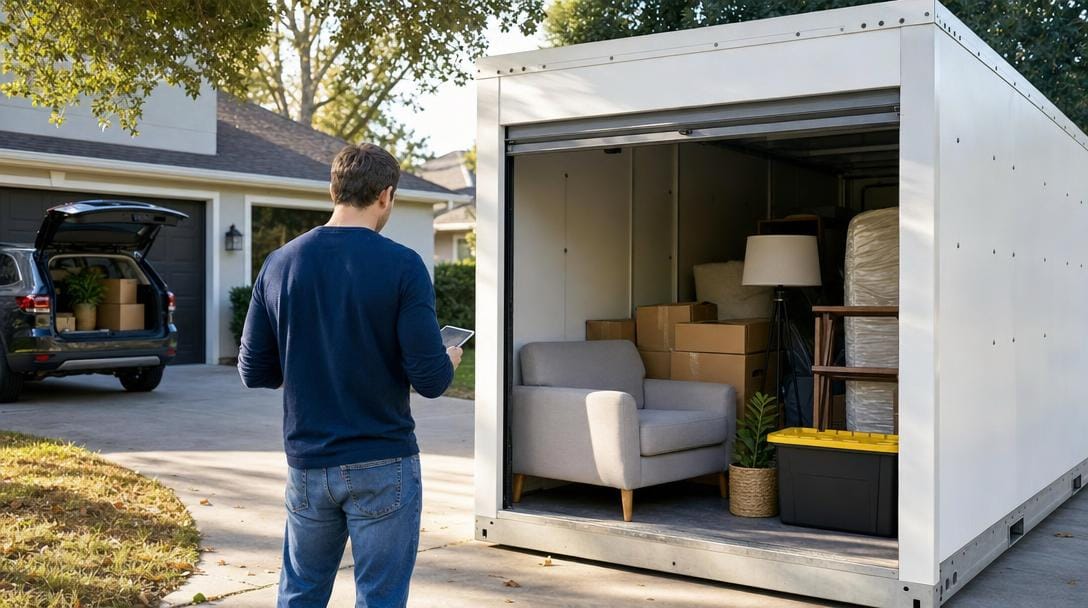
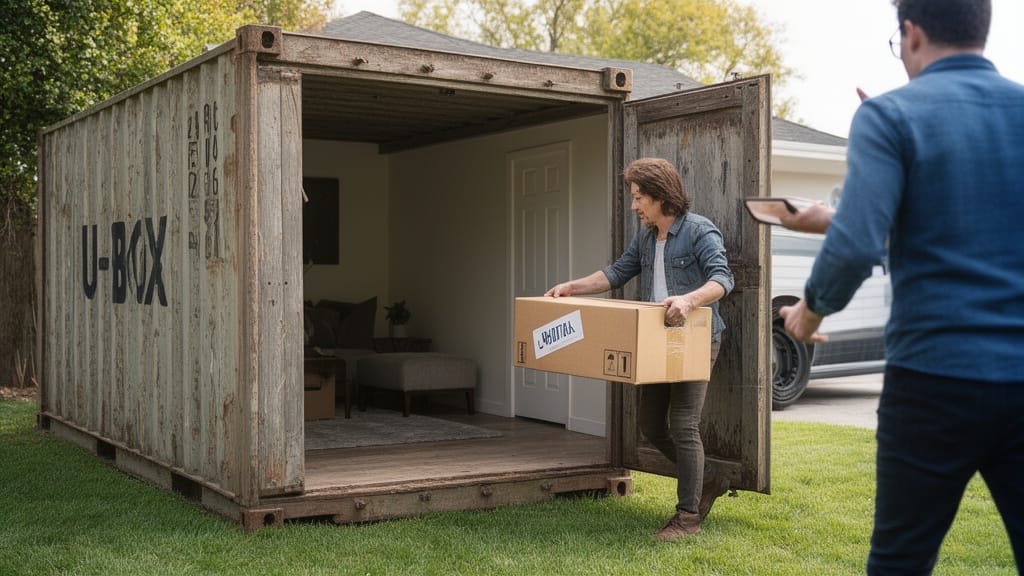
A U-Haul U-Box is a weatherproof wooden shipping container that U-Haul drops at your home, leaves for you to pack at your own pace, then picks up to transport or store. It is U-Haul's answer to PODS and other portable storage brands. You never touch a steering wheel.
The process is simple. You schedule a u-box delivery, U-Haul lowers the container onto your driveway, and you load it over days or weeks. When you are ready, U-Haul retrieves it and ships it to your new city or holds it in a warehouse.
The u-haul u-box dimensions are compact but usable. Each container measures roughly 95" long, 56" wide, and 83.5" high — about 257 cubic feet — and holds up to 2,000 pounds, according to U-Haul's U-Box specs. Need more space? You order multiple boxes.
| Spec | U-Haul U-Box |
|---|---|
| Interior footprint | ~95" L x 56" W x 83.5" H |
| Capacity | ~257 cubic feet |
| Room equivalent | 1 to 1.5 furnished rooms |
| Weight limit | Up to 2,000 lbs |
| Storage cycle | Billed monthly; container can stay in a U-Haul facility |
Q: How many rooms fit in one U-Box?
A: One U-Box holds about 1 to 1.5 furnished rooms — roughly 257 cubic feet — so a typical two-bedroom apartment needs two to three containers.
This is the essence of portable storage container moving: the container comes to you, waits for you, and travels without you.
How a Rental Truck Works: The Familiar DIY Option

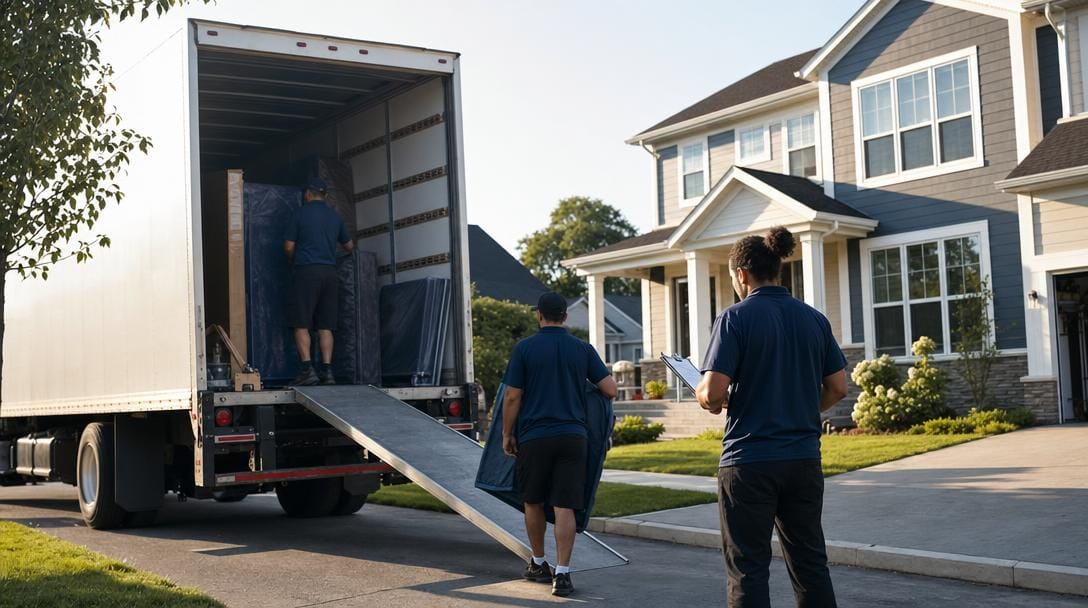
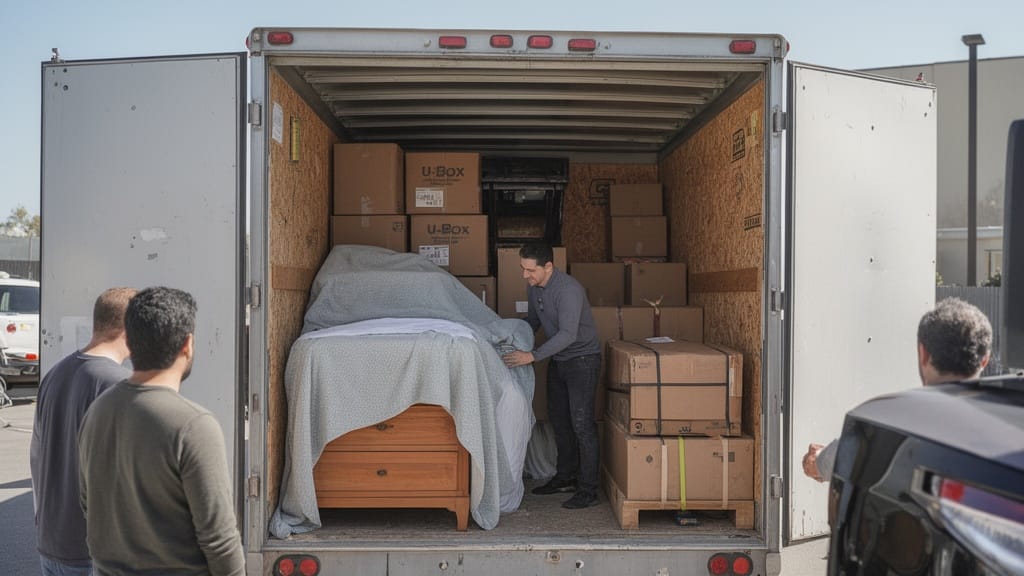
A rental truck is the classic do-it-yourself move. You reserve a truck by size, drive to a U-Haul location to pick it up, load it, drive it to your destination, unload, and return it. Everything happens on one continuous clock.
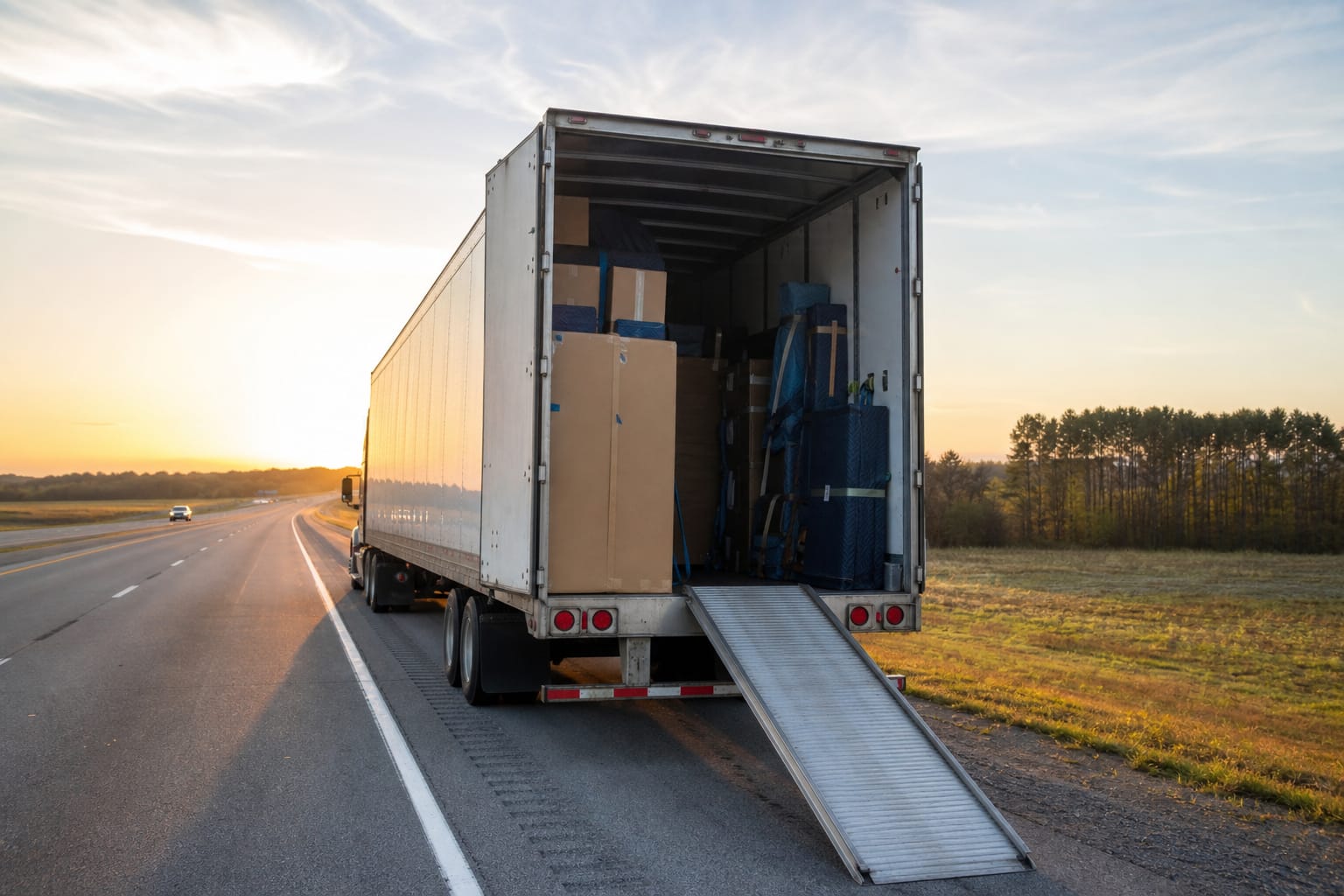
Trucks come in a range of sizes, from cargo vans to 26-foot boxes that swallow a full house. For cross-country relocation, a one-way truck rental lets you drop the vehicle at a location near your new home instead of driving it back.
The defining feature is control paired with responsibility. You set the pace, but you also do the driving, fuel the vehicle, and manage parking. For a deeper look at the trade-offs, see this breakdown of full-service movers versus DIY truck rentals.
The core of the moving container vs truck rental decision is this: a truck compresses your entire move into a single, driving-heavy window, while a container spreads it out and outsources the highway miles.
U-Box vs Rental Truck: A Side-by-Side Cost Comparison
Here is the honest answer on u-box vs u-haul truck cost: it depends almost entirely on distance. For a short local move, a rental truck's day rate plus mileage typically beats a container. Over long distances, the container's flat, all-in transport pricing starts to close the gap.
So, is u-box cheaper than a truck? For a cross-town move under a day, no — the truck usually wins. For a multi-week or long-haul relocation where you would otherwise pay for fuel, hotels, and a one-way drop fee, the U-Box becomes competitive. U-Haul publishes current rates for both on its truck and container pages.
| Factor | U-Haul U-Box | Rental Truck |
|---|---|---|
| Pricing model | Flat per-container rate, billed monthly, plus delivery and pickup | Daily rate plus per-mile charge |
| Best distance | Long-distance and multi-week moves | Short local and one-day moves |
| Storage included | Yes — container can stay in a U-Haul warehouse | No — separate unit required |
| Who drives | U-Haul | You |
| Fuel | Included in transport cost | Paid by you at the pump |
Q: Is a U-Box cheaper than a rental truck for a local move?
A: No. For a short, same-day local move, a rental truck's daily rate plus mileage almost always costs less than a container's monthly rate plus delivery fees.
For context on the third path, professional local movers bill by crew: GoBorn lists 2 movers and a truck at $120/hr, 3 movers at $170/hr, and 4 movers at $210/hr with a 3-hour minimum, per its Thumbtack listing. That flat, all-inclusive rate can undercut the hidden costs of a DIY move once fuel and time are counted.
Pro Tip: Run the mileage math before you book. Multiply the truck's per-mile rate by the round-trip distance you will actually drive — including the trip to return the truck — then add fuel. Long-haul one-way moves are where that number surprises people.
GoBorn can help: If comparing a U-Box, a truck, and hired movers feels overwhelming, GoBorn offers a free, no-pressure cost estimate for your exact route and inventory. Learn more →
Timing and Flexibility: Who Controls Your Schedule?
The biggest difference between these options is not cost — it is who owns the calendar. A rental truck runs on U-Haul's clock: you pick it up, and the meter starts. A U-Box runs on yours.
With a container, you load over days or even weeks. That flexibility is a lifesaver when your lease dates do not line up or you are renovating before move-in. A U-Box also folds storage into the same product, so you are not scrambling to figure out which storage unit you need for your move.
A truck rewards speed. The longer you keep it, the more you pay, so it pushes you to pack, drive, and unload fast. That urgency is efficient for organized movers and stressful for everyone else.
Pro Tip: If your move-out and move-in dates are more than 48 hours apart, price a U-Box before defaulting to a truck. Paying a truck's daily rate to sit idle in a parking lot is pure waste; a container turns that gap into free-form loading time.
Effort and Driving: What You're Actually Signing Up For
The physical labor is nearly identical. Both a U-Box and a truck are self-load moving unless you hire help. You carry, wrap, and stack every box either way.
The real divide is the driving. A 26-foot truck is a large, unfamiliar vehicle to pilot across state lines, through cities, and into tight parking. A U-Box erases that entirely — U-Haul handles container delivery and transport.
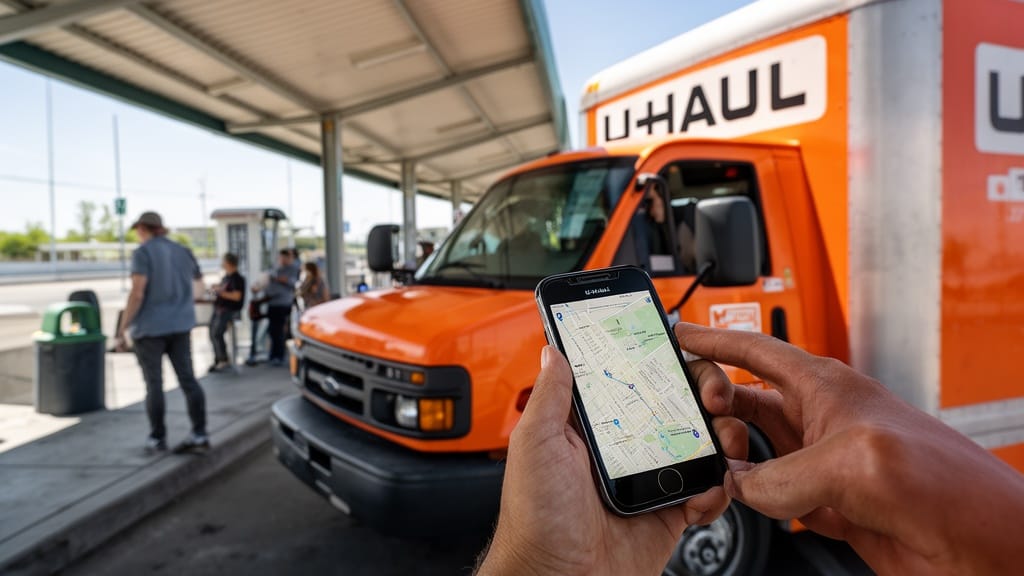
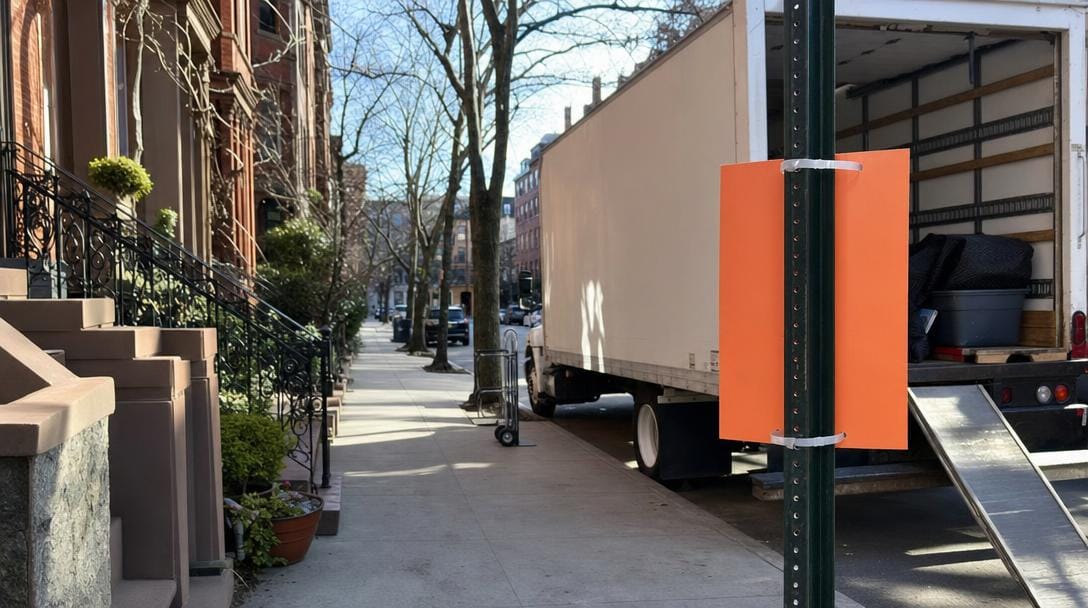
For many movers, that single factor decides it. If the idea of merging a box truck onto a highway at night makes you tense, the container wins on peace of mind alone. Parking is also your problem with a truck — customers are responsible for securing a legal spot, a headache in dense cities.
Pro Tip: However you move, load heaviest items low and against the walls, and strap tiers as you go. Our guide on how to properly load a moving pod applies to both containers and trucks — good weight distribution prevents shifting and damage in transit.
When a U-Box Is the Smarter Choice

Choose a U-Haul U-Box when you want to skip driving, need flexible loading time, or require storage on either end of the move. It shines for long-distance relocations and gap-filled timelines.
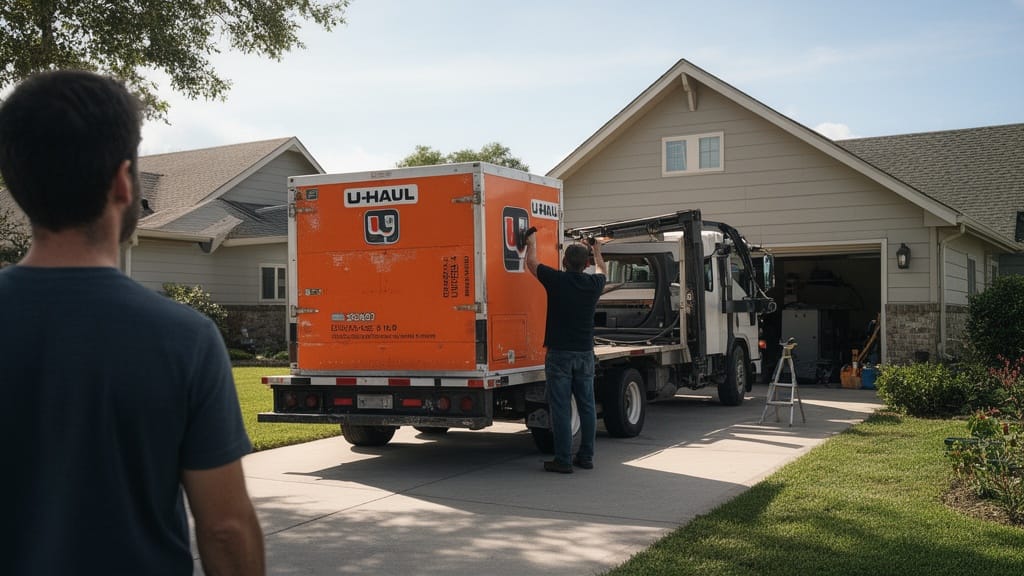
Every honest u-box review lands on the same strengths and the same catch. The container removes the hardest, most stressful part of a DIY move — the highway drive — and rolls storage into one bill. The catch is that transport takes days, not hours, so it is not for last-minute local jobs.
Choose the u-haul moving container if you are:
- Moving across states or the country.
- Facing a gap between your move-out and move-in dates.
- Nervous about driving a large truck.
- Downsizing or storing while you house-hunt.
- Loading slowly around a work schedule.
The U-Box is the answer for anyone who values a controlled timeline over raw speed.
Rental Truck Advantages: When Driving Wins
Choose a rental truck when your move is local, time-sensitive, and you are comfortable driving. For a same-day, cross-town move, nothing beats a truck on cost or speed.
A truck also handles everything in one trip, no waiting on container delivery windows. You load in the morning and sleep in your new place that night. For a one-bedroom apartment moving three miles away, that is the efficient play.
Trucks are the better fit when you:
- Are moving locally, within a single day.
- Have a firm, same-day handoff between homes.
- Want the lowest possible price on a short haul.
- Are confident driving a large vehicle in traffic.
If speed and a tight budget outrank convenience, the truck earns its keep. Just budget honestly for fuel and mileage, which are easy to underestimate.
Can You Combine Both for a Hybrid Move?
Yes. Many movers use a truck for the local heavy lifting and a container for storage or the long-distance leg. This hybrid approach captures the strengths of each.
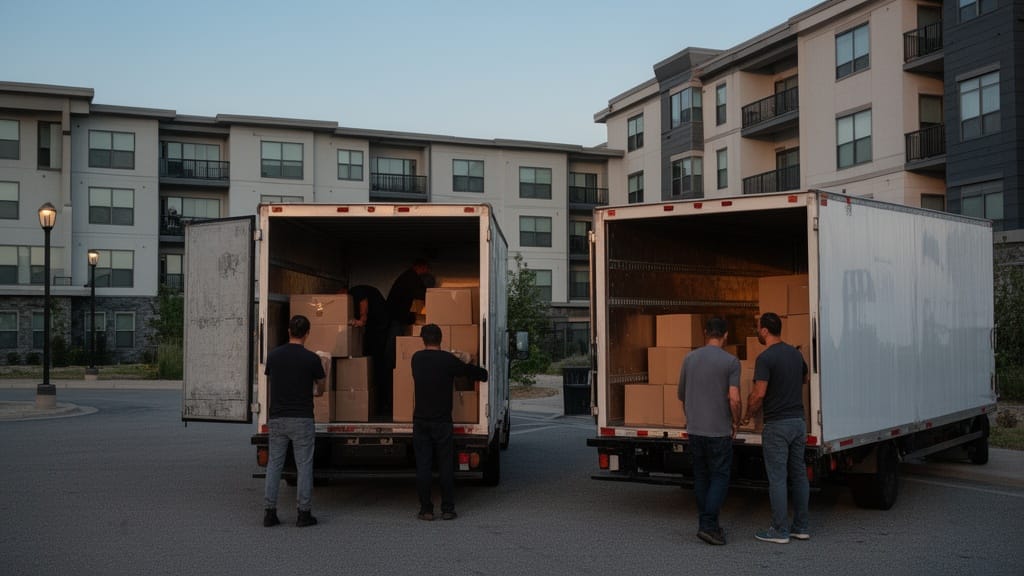
A common pattern: load a U-Box for items going into storage or shipping ahead, then use a rental truck for the furniture you need immediately. Another is hiring a local crew to load your container so you skip both the driving and the lifting.
The smartest moves are rarely all-or-nothing. Match each part of your inventory and timeline to the tool that fits — the container for the slow, storage-bound items, the truck for the fast, same-day essentials. The U.S. government's Protect Your Move resource is worth reviewing before you book any long-distance option, hybrid or not.
Related Articles
- How to Properly Load a Moving Pod — Step-by-step weight distribution and strapping tips that apply to both containers and trucks.
- Full Service Moving Company vs DIY Truck Rentals — Weigh hiring pros against driving yourself and see where each option saves money.
- How Can I Know Which Storage Unit I Need for My Move? — Size your storage correctly so you never overpay for empty space.
- Where Can I Park My Moving Truck? — Plan legal parking before move day and avoid costly tickets.
Recommended Reading
- How to Properly Load a Moving Pod
- Full Service Moving Company vs DIY Truck Rentals
- How Can I Know Which Storage Unit I Need for My Move?
- How Much Do Movers Cost?
- 8 Common Issues With Moving and How to Avoid Them
Frequently Asked Questions