'%3E%3Cpath%20fill='%231B2A47'%20d='M1.605%2016.263c.03-1.139.059-2.482.088-3.971.03-1.49.03-2.832.03-4.03%200-.758%200-1.576-.03-2.51%200-.905-.03-1.84-.03-2.803%200-.496-.028-.964-.028-1.43%200-.468%200-.906-.03-1.315h6.858q2.188%200%203.589.35c.963.234%201.663.643%202.13%201.198.496.555.73%201.372.73%202.394%200%20.788-.176%201.46-.497%201.985-.32.526-.846.935-1.575%201.197-.73.292-1.693.468-2.918.526v.263c1.313.087%202.334.263%203.122.525.758.263%201.342.672%201.692%201.197.35.526.525%201.197.525%202.044%200%201.08-.233%201.927-.67%202.57-.468.642-1.139%201.08-2.102%201.343-.933.262-2.159.408-3.705.408H1.605zm6.537-9.197q1.882%200%202.713-.526c.555-.35.817-.934.817-1.752%200-.905-.292-1.547-.846-1.927s-1.459-.554-2.655-.554H4.757v4.759zm.204%206.92c.934%200%201.663-.088%202.217-.263.555-.176.934-.438%201.197-.818s.38-.876.38-1.518c0-.876-.322-1.49-.934-1.84-.643-.35-1.635-.525-3.035-.525H4.757v4.963zM21.038%2016.555c-1.576%200-2.801-.292-3.618-.905-.817-.614-1.284-1.519-1.372-2.745-.087-1.226.205-2.774.847-4.613s1.43-3.358%202.392-4.584c.963-1.226%202.043-2.131%203.298-2.744C23.839.292%2025.24%200%2026.786%200c1.576%200%202.772.321%203.59.934.816.613%201.283%201.548%201.37%202.774s-.203%202.774-.845%204.613c-.642%201.81-1.43%203.358-2.393%204.584s-2.072%202.132-3.297%202.745a9.8%209.8%200%200%201-4.173.905m.788-2.278c.642%200%201.138-.058%201.371-.116.205-.059.496-.117.847-.322.262-.146.437-.292.554-.408.204-.175.32-.292.438-.41.204-.203.35-.408.496-.583.35-.438.642-.876.963-1.402.233-.408.466-.817.67-1.284.205-.438.38-.905.555-1.372.438-1.198.671-2.278.671-3.183s-.204-1.606-.612-2.131c-.409-.497-1.051-.76-1.897-.76-.467%200-.934.059-1.43.205h-.03c-1.02.292-1.925%201.226-2.042%201.372-.116.117-.467.526-.963%201.343a15.5%2015.5%200%200%200-1.342%202.92c-.408%201.197-.642%202.277-.671%203.182-.03.906.175%201.636.584%202.161q.611.788%201.838.788M14.853%2038.54c-1.576%200-2.802-.292-3.619-.905s-1.284-1.518-1.371-2.744c-.088-1.227.204-2.774.846-4.614s1.43-3.357%202.393-4.584%202.042-2.13%203.297-2.744c1.255-.613%202.655-.905%204.173-.905%201.575%200%202.772.321%203.589.934s1.284%201.548%201.371%202.774c.088%201.226-.204%202.774-.846%204.613-.642%201.81-1.43%203.358-2.393%204.584s-2.072%202.131-3.297%202.745c-1.226.613-2.626.846-4.143.846m.787-2.277c.642%200%201.138-.059%201.372-.117.204-.058.496-.117.846-.321.263-.146.438-.292.554-.409.205-.175.321-.292.438-.409.204-.204.35-.408.496-.584a13%2013%200%200%200%201.634-2.686c.204-.438.38-.905.555-1.372.437-1.197.67-2.277.67-3.182%200-.906-.203-1.606-.612-2.132-.409-.496-1.05-.759-1.897-.759-.467%200-.934.058-1.43.204h-.029c-1.021.292-1.925%201.227-2.042%201.373-.117.116-.467.525-.963%201.343a15.5%2015.5%200%200%200-1.342%202.92c-.409%201.196-.642%202.277-.671%203.182s.175%201.635.583%202.16q.613.789%201.838.789'/%3E%3Cpath%20fill='%23FF515E'%20d='M55.966%2038.57c-1.576%200-2.801-.293-3.618-.906s-1.284-1.518-1.372-2.744c-.087-1.227.204-2.774.846-4.613s1.43-3.358%202.393-4.584c.963-1.227%202.043-2.132%203.297-2.745s2.656-.905%204.173-.905c1.576%200%202.772.321%203.589.934s1.284%201.548%201.371%202.774c.088%201.226-.204%202.774-.846%204.613-.642%201.81-1.43%203.358-2.393%204.584s-2.071%202.131-3.297%202.745c-1.225.613-2.626.846-4.143.846m.788-2.249c.642%200%201.138-.058%201.371-.117.204-.058.496-.116.846-.32.263-.147.438-.293.555-.41a7%207%200%200%200%20.437-.408c.205-.205.35-.41.496-.584a13%2013%200%200%200%201.634-2.686c.205-.438.38-.905.555-1.373.438-1.197.671-2.277.671-3.182s-.204-1.606-.613-2.131c-.408-.497-1.05-.76-1.896-.76-.467%200-.934.059-1.43.205h-.03c-1.02.292-1.925%201.226-2.042%201.372-.117.117-.467.526-.963%201.343a15.5%2015.5%200%200%200-1.342%202.92c-.409%201.197-.642%202.277-.671%203.182s.175%201.635.583%202.16q.614.79%201.839.79'/%3E%3Cpath%20fill='%231B2A47'%20d='M33.06%2016.263c0-.35%200-.935.03-1.81.029-1.051.058-2.103.058-3.154s.03-2.073.03-3.007c0-1.606-.03-3.27-.06-4.993%200-.554-.028-1.08-.028-1.606%200-.525-.03-1.021-.03-1.46h6.828c1.46%200%202.685.117%203.59.38q1.4.394%202.1%201.314.7.963.7%202.628c0%20.992-.174%201.81-.554%202.452-.35.643-.904%201.11-1.604%201.431s-1.576.467-2.627.496v.263q2.058.087%203.064.876c.671.525%201.138%201.372%201.43%202.51.087.41.233%201.023.467%201.84.233.818.408%201.431.554%201.84h-3.414a11%2011%200%200%200-.262-1.022c-.321-1.314-.526-2.19-.584-2.628a5%205%200%200%200-.642-1.46%202.13%202.13%200%200%200-.963-.73c-.408-.146-.934-.233-1.605-.233h-3.326v6.0440000000000005H33.06zm6.332-8.292c1.343%200%202.276-.205%202.86-.613.554-.41.846-1.11.846-2.073%200-.73-.146-1.314-.408-1.723-.263-.409-.671-.7-1.197-.876q-.788-.263-2.1-.263h-3.181v5.519h3.18zM49.4%2016.263l.03-2.745c.029-2.452.029-4.905.029-7.416q0-2.101-.088-5.868h4.085l5.924%2010.335c.087.234.204.438.291.643.117.204.205.408.321.613.38.788.613%201.255.672%201.372h.262c0-.058-.03-.146-.03-.204%200-.059-.028-.117-.028-.175a75%2075%200%200%201-.175-1.314%2010%2010%200%200%201-.088-1.285c0-1.547%200-3.737-.029-6.57V1.84c0-.584-.03-1.11-.03-1.576h2.977c-.03%202.482-.058%205.08-.058%207.766%200%201.694%200%204.438.029%208.292h-4.027l-5.573-9.43c-.875-1.81-1.226-2.511-1.05-2.132-.263-.613-.467-1.08-.613-1.46h-.263c.058.35.117.876.175%201.548.059.7.117%201.168.117%201.46%200%202.978%200%206.306.029%209.985H49.4zM4.698%2038.277c.029-2.627.058-5.255.058-7.883%200-1.576%200-3.503-.029-5.752-1.109%200-2.684%200-4.727.03v-2.453h12.664v2.453c-1.955-.03-3.53-.03-4.756-.03%200%20.584-.03%201.227-.03%201.957s0%201.46-.029%202.218v1.84c0%202.57.03%205.11.059%207.62z'/%3E%3Cpath%20fill='%23FF515E'%20d='M29.441%2038.277c.409-1.05.788-2.102%201.168-3.182s.787-2.16%201.167-3.241c.613-1.693%201.05-2.949%201.342-3.766l1.255-3.65c.116-.38.262-.788.379-1.139.117-.38.263-.73.38-1.05h4.61l-.671%2012.904h.262l8.316-12.905h4.669l-.7%201.869c-.876%202.452-1.343%203.766-1.43%204a501%20501%200%200%200-3.385%2010.16h-2.947c.292-.846.788-2.219%201.459-4.087.175-.526.35-1.08.554-1.606.175-.526.38-1.08.555-1.577.642-1.81%201.342-3.825%202.072-6.014h-.234l-8.724%2013.314h-2.86l.554-13.314h-.175c-.175.496-.38.992-.554%201.489-.175.496-.38%201.022-.555%201.547a163%20163%200%200%200-1.08%203.008c-.145.38-.262.759-.408%201.138-.117.38-.262.73-.408%201.11-.7%201.898-1.284%203.59-1.751%205.05h-2.86zM68.047%2038.277c.175-2.19.32-4.525.467-7.007.058-.905.204-3.912.467-9.051h3.151c-.03.438-.058.934-.088%201.46s-.058%201.08-.087%201.693a264%20264%200%200%201-.409%206.657c-.145%201.986-.35%203.591-.583%204.788h.175Q72.147%2034.892%2073.94%2032a562%20562%200%200%201%204.465-7.066c.32-.496.641-.992.933-1.46s.555-.875.817-1.255h3.268q-.568.832-1.138%201.752c-.408.613-.787%201.255-1.196%201.927-3.88%206.014-6.478%2010.131-7.85%2012.35h-5.193zM79.106%2038.277c.32-.788.758-2.014%201.37-3.65a287%20287%200%200%200%201.577-4.32c.437-1.256.904-2.628%201.4-4.088s.934-2.774%201.313-3.97h11.322l-.846%202.364H87.1l-1.664%204.847%207.645-.088-.612%201.694-7.587-.088-1.75%204.934h8.286l-.846%202.365z'/%3E%3C/g%3E%3Cdefs%3E%3CclipPath%20id='a'%3E%3Cpath%20fill='%23fff'%20d='M0%200h96v40H0z'/%3E%3C/clipPath%3E%3C/defs%3E%3C/svg%3E)
Renting a U-Haul for the first time takes three things: a valid driver's license, a credit or debit card in the renter's name, and a driver at least many years old. Reserve the truck online or by phone, pick the right size, inspect it before driving off, and return it with the same fuel level to avoid extra charges.
First-time nerves are normal. The truck looks enormous, the mirrors feel unfamiliar, and the fear of a surprise damage bill is real. This playbook walks through the whole process in order — reserve, pick up, inspect, drive, return — so a nervous beginner can move with genuine confidence instead of guesswork.

Key Takeaways
| Point | Details |
|---|---|
| Minimum requirements | A valid driver's license, a credit or debit card, and a driver who meets the U-Haul age requirement of 18. |
| Booking window | Reserve several days ahead; moving demand spikes at month-end, when about 8% of Americans relocate in a given year concentrate their moves. |
| Driving difficulty | Manageable for most beginners — the real hazards are height, blind spots, and stopping distance, not speed. |
| Biggest fee traps | Mileage overage and refueling charges; both are fully avoidable with planning. |
| Deposit protection | Photograph every existing scratch before you drive off — see moving day mistakes to avoid. |
What You Need to Rent a U-Haul (Before You Even Book)
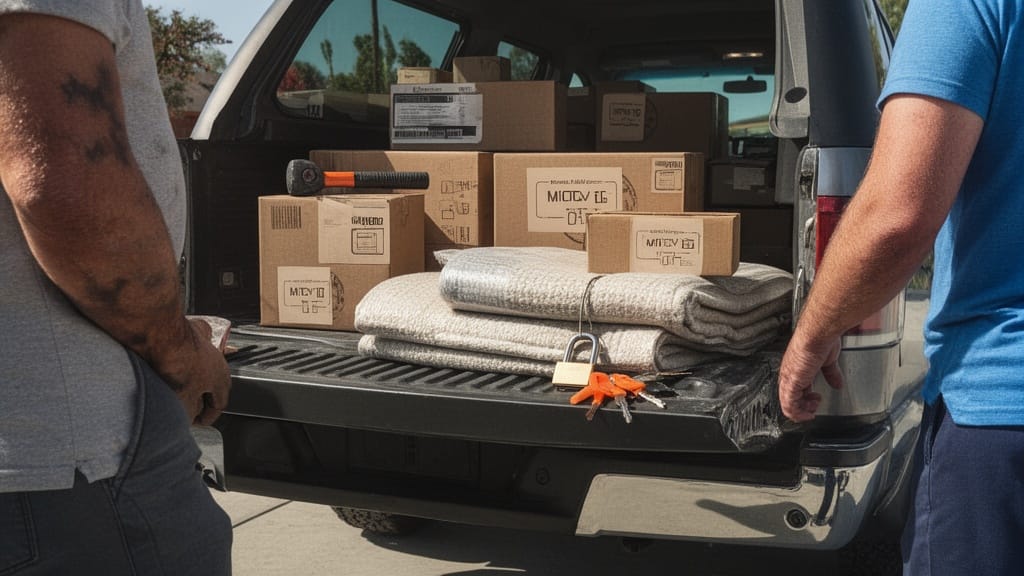
Learning how to rent a U-Haul comes down to a short checklist of documents and eligibility. You do not need a commercial license, a moving permit, or your own truck insurance to drive a standard box truck.
So what do I need to rent a U-Haul? Three items cover almost every rental:
- A valid driver's license — a standard passenger-class license is accepted for all consumer box trucks.
- A credit or debit card in the renter's name to hold the reservation and any deposit.
- Proof of age — the U-Haul age requirement is 18, with no upper limit and no CDL needed.
Q: What is the U-Haul age requirement?
A: U-Haul rents its consumer trucks to drivers 18 and older who hold a valid driver's license — no commercial license required.
Bring a second form of ID as backup. Some locations ask for a phone number of a reference or a passport if the primary card and license names do not match.
Pro Tip: Use a credit card rather than a debit card when possible. Credit holds release faster after return, and debit cards sometimes trigger a larger temporary authorization that ties up cash for days.
Step-by-Step: Making Your First U-Haul Reservation
The U-Haul reservation process is faster than most first-timers expect and takes roughly ten minutes online. You choose a location, a truck size, a pickup date, and whether the move is in-town (round-trip) or one-way.
Here is the sequence for a smooth booking:
- Enter your pickup city and drop-off city to see available inventory.
- Select a truck size based on your home size, not optimism — undersizing forces a second trip.
- Pick a date and a fuel level the truck will be delivered at (note it; you return at the same mark).
- Add optional damage coverage such as SafeMove coverage during checkout.
- Confirm and save the reservation number.
Choosing the right size is the single biggest cost and stress lever. This quick reference helps beginners avoid renting a truck that is too big to park or too small to finish the job:
| U-Haul size | Typical home | First-timer notes |
|---|---|---|
| 10 ft | Studio or 1-bedroom apartment | Easiest to drive and park |
| 15 ft | 1–2 bedrooms | Good balance of space and handling |
| 20 ft | 2–3 bedrooms | Longer turning radius; practice reversing |
| 26 ft | 3–4 bedroom house | Tallest option, roughly 13 feet — watch low clearances |
Q: How far ahead should I book a U-Haul?
A: Reserve at least three to five days early; demand peaks at month-end when about 8% of Americans move each year cluster their moves.
Pickup Day: What Actually Happens at the Counter
At pickup you present your license and card, sign a rental contract, note the odometer and fuel reading, and receive the keys. The counter step usually takes fifteen minutes when your reservation is already in the system.

Keep this U-Haul pickup checklist handy so nothing gets missed under pressure:
- Confirm the truck size and price match your reservation.
- Read the mileage overage rate and how many miles are included.
- Verify the starting fuel level printed on the contract.
- Ask where the emergency roadside number is located.
- Get a walkthrough of the parking brake, mirrors, and cargo latch.
The staff will point out the loading ramp and cargo tie-downs. Ask questions freely — clarifying the fuel policy or drop-off location now prevents disputes later.
Pro Tip: Photograph the odometer and fuel gauge at pickup, timestamp visible. If a billing question comes up at return, that single image settles mileage and fuel disagreements instantly.
The Walk-Around Inspection That Protects Your Deposit
Before turning the key, walk the entire truck and document every existing dent, scratch, and crack. This five-minute habit is the strongest defense against being charged for damage you did not cause.
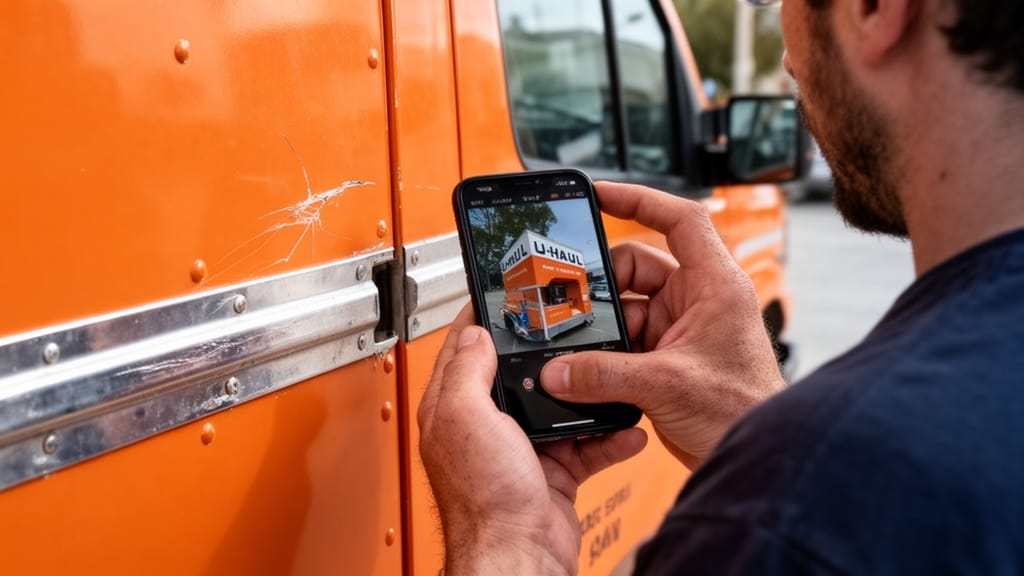
Use your phone to record, not just note:
- Photograph all four sides, the roof line, the bumper, and the cargo box.
- Capture close-ups of any pre-existing scratch, ding, or windshield chip.
- Shoot a short video of the interior cargo walls and floor.
- Note the mileage and fuel one more time on camera.
Any damage waiver, including SafeMove coverage, reduces your financial exposure — but coverage never replaces documentation. A clear, timestamped photo library is what actually wins a disputed charge, because it proves the condition at handoff.
Q: Can photos really dispute a U-Haul damage charge?
A: Yes — timestamped pre-rental photos showing existing damage are the most reliable evidence for reversing a charge for a scratch or dent you did not create.
Is Driving a U-Haul Hard? What First-Timers Should Know
Is driving a U-Haul hard? For most people, no — it is slower and heavier than a car, not more complicated. The genuine challenges are three: height, blind spots, and braking distance.
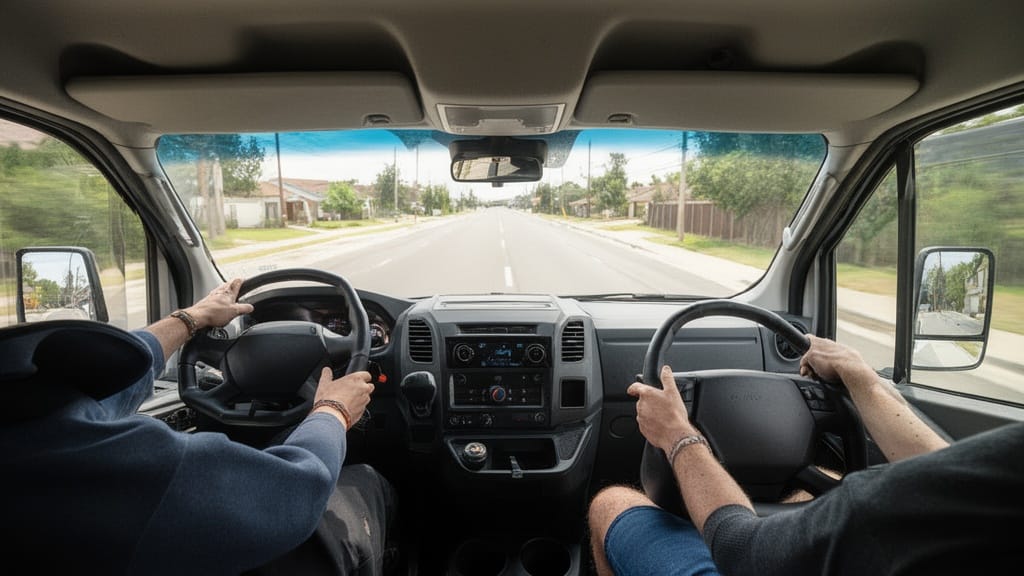
Your first time driving a U-Haul should start with a slow lap of an empty parking lot to feel the width and mirror geometry. Then keep these fundamentals front of mind:
- Height first. The largest box trucks stand around 13 feet tall. Know your clearance before every bridge, garage, and drive-thru, and learn to avoid getting Storrowed on low-clearance roads.
- Mirrors, not the rearview. A loaded box truck has no rear window, and large trucks carry wide no-zone blind spots. Rely on both side mirrors and check them constantly.
- Brake early. A loaded truck needs far more distance to stop, so leave a bigger gap and coast into stops.
- Corner wide and slow. Vehicles with a high center of gravity are more prone to rollover, so take ramps and turns gently.
These U-Haul rental tips for beginners matter most in the first hour. After that, muscle memory takes over and the anxiety fades.
Pro Tip: Never reverse a box truck alone if you can avoid it. Have a spotter stand at the rear corner where you can see them in the mirror, and stop the instant they leave your view.
Common First-Timer Mistakes (and How to Avoid Them)

The most expensive beginner errors are predictable, which makes them easy to sidestep. Rushing the pickup, guessing at truck size, and ignoring the fuel line cause the majority of surprise charges.
Watch for these specific traps:
- Underestimating miles. In-town rentals include a limited allowance; going over triggers a per-mile fee. Map your route and add a buffer.
- Skipping the inspection. No photos means no defense against a damage claim.
- Overpacking the cab. Blocked mirrors and cluttered footwells are a safety hazard on a first drive.
- Forgetting height limits. One low overpass can total a rental and your day.
Many of these overlap with broader relocation errors, so it is worth reviewing the full list of moving day mistakes to avoid before you load a single box.
Returning the Truck Without Surprise Fees
Return the truck on time, at the same fuel level, swept clean, and at the agreed location — do these four things and the final bill matches the estimate. Almost every "surprise" fee traces back to one of them.

Here is how each common charge is triggered and avoided:
| Fee type | What triggers it | How to avoid it |
|---|---|---|
| Mileage overage | Exceeding included miles | Estimate the route and add a cushion |
| Refueling charge | Returning below the start fuel level | Top off near the drop-off point |
| Cleaning fee | Dirt or debris in the cargo box | Sweep it out before return |
| Late fee | Returning after the contract time | Note the exact due time |
| Damage claim | Unexplained new damage | Rely on your pre-rental photos |
Refill the tank within a few miles of the return location and keep the receipt. Snap a final photo of the fuel gauge and odometer as you hand back the keys.
Your First-Time U-Haul Confidence Checklist
Confidence comes from a plan you can see. Print or screenshot this sequence and check off each step on move day.
- Reservation confirmed with size, date, and price.
- Driver's license and payment card in hand.
- Odometer and fuel photographed at pickup.
- Full walk-around inspection documented.
- Mirrors adjusted; clearance height memorized.
- Route mapped, avoiding low bridges.
- Truck returned on time, refueled, and swept.
Work this list top to bottom and the entire rental becomes routine — which is exactly what a first-timer wants a first move to feel like.
Related Articles
- The True Cost of a U-Haul Move: Rental, Mileage, Fuel and Fees — see exactly where your money goes so no fee catches you off guard.
- What Size U-Haul Do You Actually Need? (A Room-by-Room Guide) — match truck size to your home and avoid a costly second trip.
- Moving Cross-Country in a U-Haul: What Nobody Tells You — plan fuel, fatigue, and overnight stops for a long-distance haul.
- U-Haul Moving Help: When to Hire Loaders and When to DIY — decide whether paid loaders are worth it for your move.
Recommended Reading
- Moving Day Mistakes to Avoid
- How to Avoid Getting Storrowed in Boston
- What to Do the Night Before Moving Day
- How to Pack a Truck for a Long Distance Move
Frequently Asked Questions