'%3E%3Cpath%20fill='%231B2A47'%20d='M1.605%2016.263c.03-1.139.059-2.482.088-3.971.03-1.49.03-2.832.03-4.03%200-.758%200-1.576-.03-2.51%200-.905-.03-1.84-.03-2.803%200-.496-.028-.964-.028-1.43%200-.468%200-.906-.03-1.315h6.858q2.188%200%203.589.35c.963.234%201.663.643%202.13%201.198.496.555.73%201.372.73%202.394%200%20.788-.176%201.46-.497%201.985-.32.526-.846.935-1.575%201.197-.73.292-1.693.468-2.918.526v.263c1.313.087%202.334.263%203.122.525.758.263%201.342.672%201.692%201.197.35.526.525%201.197.525%202.044%200%201.08-.233%201.927-.67%202.57-.468.642-1.139%201.08-2.102%201.343-.933.262-2.159.408-3.705.408H1.605zm6.537-9.197q1.882%200%202.713-.526c.555-.35.817-.934.817-1.752%200-.905-.292-1.547-.846-1.927s-1.459-.554-2.655-.554H4.757v4.759zm.204%206.92c.934%200%201.663-.088%202.217-.263.555-.176.934-.438%201.197-.818s.38-.876.38-1.518c0-.876-.322-1.49-.934-1.84-.643-.35-1.635-.525-3.035-.525H4.757v4.963zM21.038%2016.555c-1.576%200-2.801-.292-3.618-.905-.817-.614-1.284-1.519-1.372-2.745-.087-1.226.205-2.774.847-4.613s1.43-3.358%202.392-4.584c.963-1.226%202.043-2.131%203.298-2.744C23.839.292%2025.24%200%2026.786%200c1.576%200%202.772.321%203.59.934.816.613%201.283%201.548%201.37%202.774s-.203%202.774-.845%204.613c-.642%201.81-1.43%203.358-2.393%204.584s-2.072%202.132-3.297%202.745a9.8%209.8%200%200%201-4.173.905m.788-2.278c.642%200%201.138-.058%201.371-.116.205-.059.496-.117.847-.322.262-.146.437-.292.554-.408.204-.175.32-.292.438-.41.204-.203.35-.408.496-.583.35-.438.642-.876.963-1.402.233-.408.466-.817.67-1.284.205-.438.38-.905.555-1.372.438-1.198.671-2.278.671-3.183s-.204-1.606-.612-2.131c-.409-.497-1.051-.76-1.897-.76-.467%200-.934.059-1.43.205h-.03c-1.02.292-1.925%201.226-2.042%201.372-.116.117-.467.526-.963%201.343a15.5%2015.5%200%200%200-1.342%202.92c-.408%201.197-.642%202.277-.671%203.182-.03.906.175%201.636.584%202.161q.611.788%201.838.788M14.853%2038.54c-1.576%200-2.802-.292-3.619-.905s-1.284-1.518-1.371-2.744c-.088-1.227.204-2.774.846-4.614s1.43-3.357%202.393-4.584%202.042-2.13%203.297-2.744c1.255-.613%202.655-.905%204.173-.905%201.575%200%202.772.321%203.589.934s1.284%201.548%201.371%202.774c.088%201.226-.204%202.774-.846%204.613-.642%201.81-1.43%203.358-2.393%204.584s-2.072%202.131-3.297%202.745c-1.226.613-2.626.846-4.143.846m.787-2.277c.642%200%201.138-.059%201.372-.117.204-.058.496-.117.846-.321.263-.146.438-.292.554-.409.205-.175.321-.292.438-.409.204-.204.35-.408.496-.584a13%2013%200%200%200%201.634-2.686c.204-.438.38-.905.555-1.372.437-1.197.67-2.277.67-3.182%200-.906-.203-1.606-.612-2.132-.409-.496-1.05-.759-1.897-.759-.467%200-.934.058-1.43.204h-.029c-1.021.292-1.925%201.227-2.042%201.373-.117.116-.467.525-.963%201.343a15.5%2015.5%200%200%200-1.342%202.92c-.409%201.196-.642%202.277-.671%203.182s.175%201.635.583%202.16q.613.789%201.838.789'/%3E%3Cpath%20fill='%23FF515E'%20d='M55.966%2038.57c-1.576%200-2.801-.293-3.618-.906s-1.284-1.518-1.372-2.744c-.087-1.227.204-2.774.846-4.613s1.43-3.358%202.393-4.584c.963-1.227%202.043-2.132%203.297-2.745s2.656-.905%204.173-.905c1.576%200%202.772.321%203.589.934s1.284%201.548%201.371%202.774c.088%201.226-.204%202.774-.846%204.613-.642%201.81-1.43%203.358-2.393%204.584s-2.071%202.131-3.297%202.745c-1.225.613-2.626.846-4.143.846m.788-2.249c.642%200%201.138-.058%201.371-.117.204-.058.496-.116.846-.32.263-.147.438-.293.555-.41a7%207%200%200%200%20.437-.408c.205-.205.35-.41.496-.584a13%2013%200%200%200%201.634-2.686c.205-.438.38-.905.555-1.373.438-1.197.671-2.277.671-3.182s-.204-1.606-.613-2.131c-.408-.497-1.05-.76-1.896-.76-.467%200-.934.059-1.43.205h-.03c-1.02.292-1.925%201.226-2.042%201.372-.117.117-.467.526-.963%201.343a15.5%2015.5%200%200%200-1.342%202.92c-.409%201.197-.642%202.277-.671%203.182s.175%201.635.583%202.16q.614.79%201.839.79'/%3E%3Cpath%20fill='%231B2A47'%20d='M33.06%2016.263c0-.35%200-.935.03-1.81.029-1.051.058-2.103.058-3.154s.03-2.073.03-3.007c0-1.606-.03-3.27-.06-4.993%200-.554-.028-1.08-.028-1.606%200-.525-.03-1.021-.03-1.46h6.828c1.46%200%202.685.117%203.59.38q1.4.394%202.1%201.314.7.963.7%202.628c0%20.992-.174%201.81-.554%202.452-.35.643-.904%201.11-1.604%201.431s-1.576.467-2.627.496v.263q2.058.087%203.064.876c.671.525%201.138%201.372%201.43%202.51.087.41.233%201.023.467%201.84.233.818.408%201.431.554%201.84h-3.414a11%2011%200%200%200-.262-1.022c-.321-1.314-.526-2.19-.584-2.628a5%205%200%200%200-.642-1.46%202.13%202.13%200%200%200-.963-.73c-.408-.146-.934-.233-1.605-.233h-3.326v6.0440000000000005H33.06zm6.332-8.292c1.343%200%202.276-.205%202.86-.613.554-.41.846-1.11.846-2.073%200-.73-.146-1.314-.408-1.723-.263-.409-.671-.7-1.197-.876q-.788-.263-2.1-.263h-3.181v5.519h3.18zM49.4%2016.263l.03-2.745c.029-2.452.029-4.905.029-7.416q0-2.101-.088-5.868h4.085l5.924%2010.335c.087.234.204.438.291.643.117.204.205.408.321.613.38.788.613%201.255.672%201.372h.262c0-.058-.03-.146-.03-.204%200-.059-.028-.117-.028-.175a75%2075%200%200%201-.175-1.314%2010%2010%200%200%201-.088-1.285c0-1.547%200-3.737-.029-6.57V1.84c0-.584-.03-1.11-.03-1.576h2.977c-.03%202.482-.058%205.08-.058%207.766%200%201.694%200%204.438.029%208.292h-4.027l-5.573-9.43c-.875-1.81-1.226-2.511-1.05-2.132-.263-.613-.467-1.08-.613-1.46h-.263c.058.35.117.876.175%201.548.059.7.117%201.168.117%201.46%200%202.978%200%206.306.029%209.985H49.4zM4.698%2038.277c.029-2.627.058-5.255.058-7.883%200-1.576%200-3.503-.029-5.752-1.109%200-2.684%200-4.727.03v-2.453h12.664v2.453c-1.955-.03-3.53-.03-4.756-.03%200%20.584-.03%201.227-.03%201.957s0%201.46-.029%202.218v1.84c0%202.57.03%205.11.059%207.62z'/%3E%3Cpath%20fill='%23FF515E'%20d='M29.441%2038.277c.409-1.05.788-2.102%201.168-3.182s.787-2.16%201.167-3.241c.613-1.693%201.05-2.949%201.342-3.766l1.255-3.65c.116-.38.262-.788.379-1.139.117-.38.263-.73.38-1.05h4.61l-.671%2012.904h.262l8.316-12.905h4.669l-.7%201.869c-.876%202.452-1.343%203.766-1.43%204a501%20501%200%200%200-3.385%2010.16h-2.947c.292-.846.788-2.219%201.459-4.087.175-.526.35-1.08.554-1.606.175-.526.38-1.08.555-1.577.642-1.81%201.342-3.825%202.072-6.014h-.234l-8.724%2013.314h-2.86l.554-13.314h-.175c-.175.496-.38.992-.554%201.489-.175.496-.38%201.022-.555%201.547a163%20163%200%200%200-1.08%203.008c-.145.38-.262.759-.408%201.138-.117.38-.262.73-.408%201.11-.7%201.898-1.284%203.59-1.751%205.05h-2.86zM68.047%2038.277c.175-2.19.32-4.525.467-7.007.058-.905.204-3.912.467-9.051h3.151c-.03.438-.058.934-.088%201.46s-.058%201.08-.087%201.693a264%20264%200%200%201-.409%206.657c-.145%201.986-.35%203.591-.583%204.788h.175Q72.147%2034.892%2073.94%2032a562%20562%200%200%201%204.465-7.066c.32-.496.641-.992.933-1.46s.555-.875.817-1.255h3.268q-.568.832-1.138%201.752c-.408.613-.787%201.255-1.196%201.927-3.88%206.014-6.478%2010.131-7.85%2012.35h-5.193zM79.106%2038.277c.32-.788.758-2.014%201.37-3.65a287%20287%200%200%200%201.577-4.32c.437-1.256.904-2.628%201.4-4.088s.934-2.774%201.313-3.97h11.322l-.846%202.364H87.1l-1.664%204.847%207.645-.088-.612%201.694-7.587-.088-1.75%204.934h8.286l-.846%202.365z'/%3E%3C/g%3E%3Cdefs%3E%3CclipPath%20id='a'%3E%3Cpath%20fill='%23fff'%20d='M0%200h96v40H0z'/%3E%3C/clipPath%3E%3C/defs%3E%3C/svg%3E)
A U-Haul one-way rental is usually cheaper for a long-distance move to a new city, while a round-trip (in-town) rental almost always wins for local moves under roughly 50 miles. The difference comes down to two pricing models: one-way is a single flat-rate quote, and in-town is a low base fee plus a per-mile charge. The u-haul one-way vs round-trip choice trips up more movers than any other rental decision. This guide shows the exact math, the hidden fuel cost of the empty return leg, and how to pick the cheaper option for your situation.

Key Takeaways
| Point | Details |
|---|---|
| Two pricing models | One-way uses a flat-rate quote; in-town uses a base fee plus a per-mile rate. Mixing them up is the #1 costing error. |
| Distance is the deciding factor | Round-trip typically wins under ~50 miles of total driving; one-way wins for cross-city and cross-state moves. |
| The empty return leg | A round-trip forces you to drive the truck back empty, doubling your miles and fuel burn. |
| Fuel is not included | U-Haul renters pay for their own gas; U.S. prices average around a noticeable amount–a noticeable amount/gal per the EIA. |
| One-way availability varies | One-way trucks depend on Equipment Dispatch inventory and season; peak summer weekends sell out fastest. |
How U-Haul One-Way and Round-Trip Rentals Differ

A one-way rental lets you pick up a truck in one city and drop it off at a different U-Haul return location. A round-trip rental, which U-Haul calls an in-town rental, requires you to return the truck to the same store you rented it from.
That single structural difference drives everything else. With u-haul in-town vs one-way, the return point dictates the pricing model, the mileage terms, and how many days you get the truck.
Here are the core differences at a glance:
- Drop-off point: One-way ends at a different store; in-town returns to the original store.
- Mileage: One-way includes a set mileage allowance; in-town charges per mile driven.
- Duration: One-way quotes a fixed number of travel days; in-town is billed by the day (often 24 hours).
- Best use case: One-way suits relocations; in-town suits local moves and errands.
Q: What is the difference between a U-Haul one-way and in-town rental?
A: A one-way rental is dropped off at a different location and priced as a flat quote with included miles; an in-town (round-trip) rental returns to the same store and costs a base fee plus a per-mile charge.
Two Pricing Models: Flat Rate vs. Base-Plus-Mileage
Understanding how u-haul one-way pricing works starts with the flat rate. One-way is quoted as a single, all-in number that already bundles a generous mileage allowance and the days you need to reach your destination.
In-town works differently. U-Haul advertises an in-town base rate starting around $19.95 for its smallest truck, then adds a per-mile charge that it sets locally — often near $1 per mile in many markets, per U-Haul's published truck rates. This is the heart of the u-haul flat rate vs mileage distinction.

The comparison below shows how the two models stack up:
| Criteria | One-Way Rental | In-Town / Round-Trip |
|---|---|---|
| Pricing model | Flat-rate quote | Base fee + per-mile rate |
| Drop-off location | Different city or store | Same store |
| Mileage | Included up to a mileage cap | Charged per mile driven |
| Rental window | Fixed number of travel days | Billed daily, extendable |
| Cost predictability | High — one quoted number | Varies with distance driven |
| Best for | Long-distance relocations | Local moves under ~50 miles |
Pro Tip: Always price both options on the same reservation date. One-way flat quotes shift with demand and truck availability, so a Tuesday quote can differ sharply from a Saturday quote for the identical route.
When One-Way Saves You Money and Time
A u-haul one way truck rental wins whenever you are relocating and won't need the truck to come back. If you're moving from Boston to Charlotte, driving the truck back would add hundreds of empty miles you'd pay for twice.

So, is u-haul one way cheaper? For any move to a new city or state, yes — the flat quote absorbs the long-haul mileage that would otherwise blow up an in-town per-mile bill. It also saves days, because you're not burning a weekend driving an empty truck home.
One-way makes sense in these scenarios:
- Interstate and cross-country moves — the included mileage cap covers the whole route.
- Permanent relocations — you have no reason to return to the origin city.
- Tight timelines — you drop the truck and you're done, no return leg to schedule.
For a fuller picture of long-distance budgets, see our breakdown of how much interstate moving costs before you lock in a truck size.
Round-Trip: The Cheaper Bet for Local Moves
Round-trip in-town rentals dominate on short, local moves. When you're only driving a few miles across town, the low base rate plus a handful of per-mile charges beats any flat one-way quote.
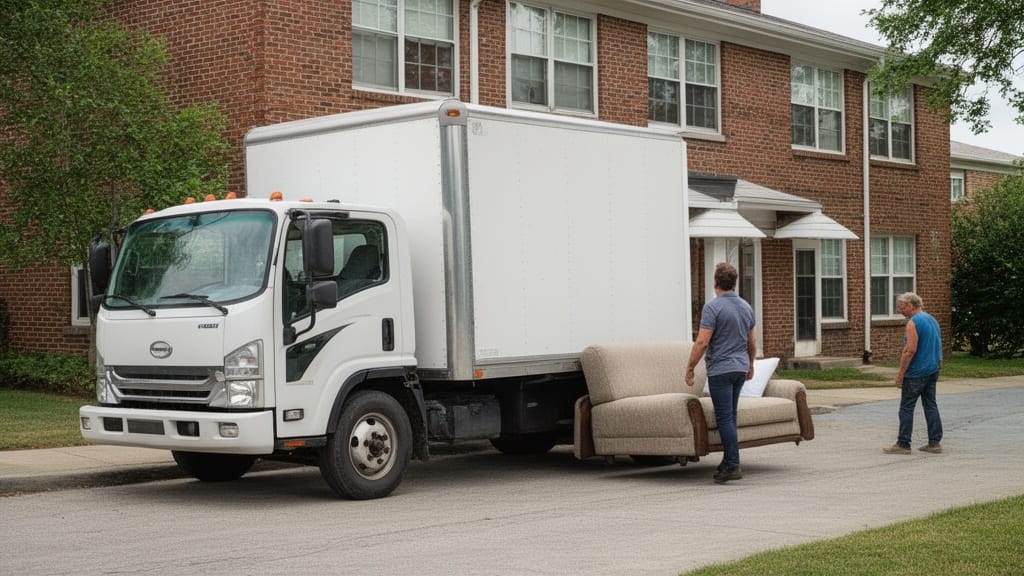
The catch is the u-haul round trip mileage cost: you pay for every mile, including the return drive back to the store. A move that's 8 miles each way becomes 16-plus billable miles once you account for the round trip.
Round-trip is the smart pick when:
- Your total driving stays under roughly 50 miles.
- You're moving within the same city or metro area.
- You need the truck for local errands, a dump run, or furniture pickups.
Pro Tip: For an in-town move, map your exact route before you reserve. Renters routinely underestimate mileage by taking the truck home overnight, adding a second round trip they forgot to budget for.
GoBorn can help: If comparing rental math against hiring pros feels like guesswork, GoBorn offers a free, no-pressure quote so you can weigh a truck rental against full-service movers side by side. Learn more →
Distance to the Nearest Return Location Changes Everything
The most overlooked variable in the u-haul one way rental cost equation is how far you live from a return store. One-way requires a U-Haul dealer at your destination, and rural drop-offs can mean a long final leg.
Equipment Dispatch also controls one-way inventory. Availability tightens during peak season — summer weekends and month-end dates — when demand for one-way trucks outstrips supply and rates climb.
Q: Why is a one-way U-Haul sometimes unavailable?
A: One-way trucks depend on U-Haul's Equipment Dispatch inventory at both cities; during peak summer and end-of-month dates, popular routes sell out and rates rise with demand.
With roughly 1 in 12 Americans moving each year, according to the U.S. Census Bureau, summer bottlenecks are real. Book one-way trucks two to three weeks ahead for the best rate and truck size.
Side-by-Side Cost Example: One-Way vs Round-Trip

Here's the break-even math for a same-metro move of about 25 miles, where either option is available. Round-trip forces you to drive that distance twice — roughly 55 miles once you include the return leg.
The figures below are illustrative, based on U-Haul's advertised in-town base rate and a representative per-mile charge:
| Cost component | In-town round-trip (~55 mi driven) | One-way flat quote |
|---|---|---|
| Base / flat rate | ~$19.95 base | ~a noticeable amount flat |
| Mileage charge | ~55 mi × ~a noticeable amount ≈ ~a noticeable amount | Included to cap |
| Estimated fuel | ~a noticeable amount | ~a noticeable amount |
| Estimated total | ~a noticeable amount | ~a noticeable amount |
At 25 miles, the two land almost even. Shorten the move to 10 miles and round-trip wins easily; stretch it to a different city and one-way pulls ahead fast. The break-even sits near the point where round-trip mileage charges overtake the one-way flat premium.
Fuel, Time, and the Return-Trip Cost People Forget
Fuel is the cost most renters leave out, and it favors one-way. A moving truck's mileage is far lower than a car's, so an empty return leg on a round-trip quietly drains the tank.

With gasoline averaging around a noticeable amount–a noticeable amount per gallon nationally per the U.S. Energy Information Administration, a low-single-digit MPG truck turns even a modest return drive into real money. On a round-trip, half your fuel burn moves an empty box back to the store.
Then there's your time. The return leg on a round-trip can eat a half-day you'd rather spend unpacking. For long hauls, pack the truck efficiently first — our essential cross-country moving tips cover load order and weight distribution that protect your belongings on the road.
Pro Tip: Return any U-Haul with the fuel gauge at the level you received it. U-Haul charges a per-gallon refueling fee plus a service charge if you return the truck low — almost always pricier than filling it yourself at the pump.
Deciding Which Option Fits Your Move
The decision rule is simple. Choose one-way when you're relocating to a new city and won't return the truck; choose round-trip when your total driving stays local and under about 50 miles.
Run both quotes for your actual dates, add fuel for every mile you'll drive, and factor the value of the return trip's lost hours. The u-haul one way rental cost looks higher on paper but often wins once empty return miles and fuel enter the math.
If a rental starts feeling like more logistics than it's worth, a full-service option removes the driving entirely. GoBorn handles residential, commercial, and interstate moves end to end, which sidesteps the one-way-versus-round-trip question altogether for movers who'd rather not tow their own load.
Related Articles
- The True Cost of a U-Haul Move: Rental, Mileage, Fuel and Fees — see every line item that shapes your final U-Haul bill.
- What Size U-Haul Do You Actually Need? (A Room-by-Room Guide) — match truck size to your home so you don't overpay or run out of space.
- Moving Cross-Country in a U-Haul: What Nobody Tells You — the realities of a long-haul one-way drive before you commit.
- U-Haul U-Box vs a Rental Truck: Which Is Right for Your Move? — compare container shipping against driving a truck yourself.
- Renting Your First U-Haul? A Nervous First-Timer's Playbook — a step-by-step walkthrough for your first rental.
Recommended Reading
- How Much Does Interstate Moving Cost?
- 12 Essential Cross-Country Moving Tips
- Full Service Moving Company vs DIY Truck Rentals
- How Movers Determine the Cost of Your Move
Frequently Asked Questions