'%3E%3Cpath%20fill='%231B2A47'%20d='M1.605%2016.263c.03-1.139.059-2.482.088-3.971.03-1.49.03-2.832.03-4.03%200-.758%200-1.576-.03-2.51%200-.905-.03-1.84-.03-2.803%200-.496-.028-.964-.028-1.43%200-.468%200-.906-.03-1.315h6.858q2.188%200%203.589.35c.963.234%201.663.643%202.13%201.198.496.555.73%201.372.73%202.394%200%20.788-.176%201.46-.497%201.985-.32.526-.846.935-1.575%201.197-.73.292-1.693.468-2.918.526v.263c1.313.087%202.334.263%203.122.525.758.263%201.342.672%201.692%201.197.35.526.525%201.197.525%202.044%200%201.08-.233%201.927-.67%202.57-.468.642-1.139%201.08-2.102%201.343-.933.262-2.159.408-3.705.408H1.605zm6.537-9.197q1.882%200%202.713-.526c.555-.35.817-.934.817-1.752%200-.905-.292-1.547-.846-1.927s-1.459-.554-2.655-.554H4.757v4.759zm.204%206.92c.934%200%201.663-.088%202.217-.263.555-.176.934-.438%201.197-.818s.38-.876.38-1.518c0-.876-.322-1.49-.934-1.84-.643-.35-1.635-.525-3.035-.525H4.757v4.963zM21.038%2016.555c-1.576%200-2.801-.292-3.618-.905-.817-.614-1.284-1.519-1.372-2.745-.087-1.226.205-2.774.847-4.613s1.43-3.358%202.392-4.584c.963-1.226%202.043-2.131%203.298-2.744C23.839.292%2025.24%200%2026.786%200c1.576%200%202.772.321%203.59.934.816.613%201.283%201.548%201.37%202.774s-.203%202.774-.845%204.613c-.642%201.81-1.43%203.358-2.393%204.584s-2.072%202.132-3.297%202.745a9.8%209.8%200%200%201-4.173.905m.788-2.278c.642%200%201.138-.058%201.371-.116.205-.059.496-.117.847-.322.262-.146.437-.292.554-.408.204-.175.32-.292.438-.41.204-.203.35-.408.496-.583.35-.438.642-.876.963-1.402.233-.408.466-.817.67-1.284.205-.438.38-.905.555-1.372.438-1.198.671-2.278.671-3.183s-.204-1.606-.612-2.131c-.409-.497-1.051-.76-1.897-.76-.467%200-.934.059-1.43.205h-.03c-1.02.292-1.925%201.226-2.042%201.372-.116.117-.467.526-.963%201.343a15.5%2015.5%200%200%200-1.342%202.92c-.408%201.197-.642%202.277-.671%203.182-.03.906.175%201.636.584%202.161q.611.788%201.838.788M14.853%2038.54c-1.576%200-2.802-.292-3.619-.905s-1.284-1.518-1.371-2.744c-.088-1.227.204-2.774.846-4.614s1.43-3.357%202.393-4.584%202.042-2.13%203.297-2.744c1.255-.613%202.655-.905%204.173-.905%201.575%200%202.772.321%203.589.934s1.284%201.548%201.371%202.774c.088%201.226-.204%202.774-.846%204.613-.642%201.81-1.43%203.358-2.393%204.584s-2.072%202.131-3.297%202.745c-1.226.613-2.626.846-4.143.846m.787-2.277c.642%200%201.138-.059%201.372-.117.204-.058.496-.117.846-.321.263-.146.438-.292.554-.409.205-.175.321-.292.438-.409.204-.204.35-.408.496-.584a13%2013%200%200%200%201.634-2.686c.204-.438.38-.905.555-1.372.437-1.197.67-2.277.67-3.182%200-.906-.203-1.606-.612-2.132-.409-.496-1.05-.759-1.897-.759-.467%200-.934.058-1.43.204h-.029c-1.021.292-1.925%201.227-2.042%201.373-.117.116-.467.525-.963%201.343a15.5%2015.5%200%200%200-1.342%202.92c-.409%201.196-.642%202.277-.671%203.182s.175%201.635.583%202.16q.613.789%201.838.789'/%3E%3Cpath%20fill='%23FF515E'%20d='M55.966%2038.57c-1.576%200-2.801-.293-3.618-.906s-1.284-1.518-1.372-2.744c-.087-1.227.204-2.774.846-4.613s1.43-3.358%202.393-4.584c.963-1.227%202.043-2.132%203.297-2.745s2.656-.905%204.173-.905c1.576%200%202.772.321%203.589.934s1.284%201.548%201.371%202.774c.088%201.226-.204%202.774-.846%204.613-.642%201.81-1.43%203.358-2.393%204.584s-2.071%202.131-3.297%202.745c-1.225.613-2.626.846-4.143.846m.788-2.249c.642%200%201.138-.058%201.371-.117.204-.058.496-.116.846-.32.263-.147.438-.293.555-.41a7%207%200%200%200%20.437-.408c.205-.205.35-.41.496-.584a13%2013%200%200%200%201.634-2.686c.205-.438.38-.905.555-1.373.438-1.197.671-2.277.671-3.182s-.204-1.606-.613-2.131c-.408-.497-1.05-.76-1.896-.76-.467%200-.934.059-1.43.205h-.03c-1.02.292-1.925%201.226-2.042%201.372-.117.117-.467.526-.963%201.343a15.5%2015.5%200%200%200-1.342%202.92c-.409%201.197-.642%202.277-.671%203.182s.175%201.635.583%202.16q.614.79%201.839.79'/%3E%3Cpath%20fill='%231B2A47'%20d='M33.06%2016.263c0-.35%200-.935.03-1.81.029-1.051.058-2.103.058-3.154s.03-2.073.03-3.007c0-1.606-.03-3.27-.06-4.993%200-.554-.028-1.08-.028-1.606%200-.525-.03-1.021-.03-1.46h6.828c1.46%200%202.685.117%203.59.38q1.4.394%202.1%201.314.7.963.7%202.628c0%20.992-.174%201.81-.554%202.452-.35.643-.904%201.11-1.604%201.431s-1.576.467-2.627.496v.263q2.058.087%203.064.876c.671.525%201.138%201.372%201.43%202.51.087.41.233%201.023.467%201.84.233.818.408%201.431.554%201.84h-3.414a11%2011%200%200%200-.262-1.022c-.321-1.314-.526-2.19-.584-2.628a5%205%200%200%200-.642-1.46%202.13%202.13%200%200%200-.963-.73c-.408-.146-.934-.233-1.605-.233h-3.326v6.0440000000000005H33.06zm6.332-8.292c1.343%200%202.276-.205%202.86-.613.554-.41.846-1.11.846-2.073%200-.73-.146-1.314-.408-1.723-.263-.409-.671-.7-1.197-.876q-.788-.263-2.1-.263h-3.181v5.519h3.18zM49.4%2016.263l.03-2.745c.029-2.452.029-4.905.029-7.416q0-2.101-.088-5.868h4.085l5.924%2010.335c.087.234.204.438.291.643.117.204.205.408.321.613.38.788.613%201.255.672%201.372h.262c0-.058-.03-.146-.03-.204%200-.059-.028-.117-.028-.175a75%2075%200%200%201-.175-1.314%2010%2010%200%200%201-.088-1.285c0-1.547%200-3.737-.029-6.57V1.84c0-.584-.03-1.11-.03-1.576h2.977c-.03%202.482-.058%205.08-.058%207.766%200%201.694%200%204.438.029%208.292h-4.027l-5.573-9.43c-.875-1.81-1.226-2.511-1.05-2.132-.263-.613-.467-1.08-.613-1.46h-.263c.058.35.117.876.175%201.548.059.7.117%201.168.117%201.46%200%202.978%200%206.306.029%209.985H49.4zM4.698%2038.277c.029-2.627.058-5.255.058-7.883%200-1.576%200-3.503-.029-5.752-1.109%200-2.684%200-4.727.03v-2.453h12.664v2.453c-1.955-.03-3.53-.03-4.756-.03%200%20.584-.03%201.227-.03%201.957s0%201.46-.029%202.218v1.84c0%202.57.03%205.11.059%207.62z'/%3E%3Cpath%20fill='%23FF515E'%20d='M29.441%2038.277c.409-1.05.788-2.102%201.168-3.182s.787-2.16%201.167-3.241c.613-1.693%201.05-2.949%201.342-3.766l1.255-3.65c.116-.38.262-.788.379-1.139.117-.38.263-.73.38-1.05h4.61l-.671%2012.904h.262l8.316-12.905h4.669l-.7%201.869c-.876%202.452-1.343%203.766-1.43%204a501%20501%200%200%200-3.385%2010.16h-2.947c.292-.846.788-2.219%201.459-4.087.175-.526.35-1.08.554-1.606.175-.526.38-1.08.555-1.577.642-1.81%201.342-3.825%202.072-6.014h-.234l-8.724%2013.314h-2.86l.554-13.314h-.175c-.175.496-.38.992-.554%201.489-.175.496-.38%201.022-.555%201.547a163%20163%200%200%200-1.08%203.008c-.145.38-.262.759-.408%201.138-.117.38-.262.73-.408%201.11-.7%201.898-1.284%203.59-1.751%205.05h-2.86zM68.047%2038.277c.175-2.19.32-4.525.467-7.007.058-.905.204-3.912.467-9.051h3.151c-.03.438-.058.934-.088%201.46s-.058%201.08-.087%201.693a264%20264%200%200%201-.409%206.657c-.145%201.986-.35%203.591-.583%204.788h.175Q72.147%2034.892%2073.94%2032a562%20562%200%200%201%204.465-7.066c.32-.496.641-.992.933-1.46s.555-.875.817-1.255h3.268q-.568.832-1.138%201.752c-.408.613-.787%201.255-1.196%201.927-3.88%206.014-6.478%2010.131-7.85%2012.35h-5.193zM79.106%2038.277c.32-.788.758-2.014%201.37-3.65a287%20287%200%200%200%201.577-4.32c.437-1.256.904-2.628%201.4-4.088s.934-2.774%201.313-3.97h11.322l-.846%202.364H87.1l-1.664%204.847%207.645-.088-.612%201.694-7.587-.088-1.75%204.934h8.286l-.846%202.365z'/%3E%3C/g%3E%3Cdefs%3E%3CclipPath%20id='a'%3E%3Cpath%20fill='%23fff'%20d='M0%200h96v40H0z'/%3E%3C/clipPath%3E%3C/defs%3E%3C/svg%3E)
Choosing among interstate moving companies is one of the highest-stakes decisions in any long-distance relocation. The wrong pick means inflated bills, damaged belongings, or a truck that never shows. The right one delivers your household across the country on schedule and on budget. This guide breaks down the five types of movers, how to verify federal licensing, and what actually drives your final price. For broader context, read what to know about interstate moving before you request a single quote.

| Point | Details |
|---|---|
| Federal oversight is mandatory | Every legitimate interstate moving company must register with the FMCSA and hold an active US DOT number. Verify it free in the SAFER database. |
| Five mover types, five price points | Full-service, specialty, container-based, budget, and broker-arranged moves each carry different costs and tradeoffs. |
| Broker ≠ carrier | A carrier owns the trucks; a broker resells your job. Knowing the difference prevents most booking surprises. |
| Cost is weight plus distance | The average interstate move runs about $4,300, per Forbes, driven mainly by shipment weight and mileage. |
| Book early | Interstate slots fill fastest during summer, when most Americans move. Reserve four to eight weeks out. |
What Is an Interstate Moving Company (and Why It Matters)?
An interstate moving company is a federally regulated carrier that transports household goods across state lines. Every interstate moving company must register with the Federal Motor Carrier Safety Administration (FMCSA) and operate under an active US DOT number. That oversight is what separates a licensed interstate operation from a local crew with no long-haul authority.
The distinction matters because federal rules govern estimates, liability, and dispute resolution the moment your shipment crosses a state border. The FMCSA requires interstate movers to follow specific consumer-protection rules, including written estimates and a standard claims process. Local intrastate moves answer only to state agencies, which vary widely.
Understanding how to hire an interstate mover starts with recognizing this regulatory line. Millions of Americans move across state lines each year, according to U.S. Census Bureau migration data, and the volume keeps federal enforcement active. Before you compare brands, review the steps to hire an interstate moving company so you know which questions to ask.
1. Full-Service Interstate Movers: Everything Handled End-to-End
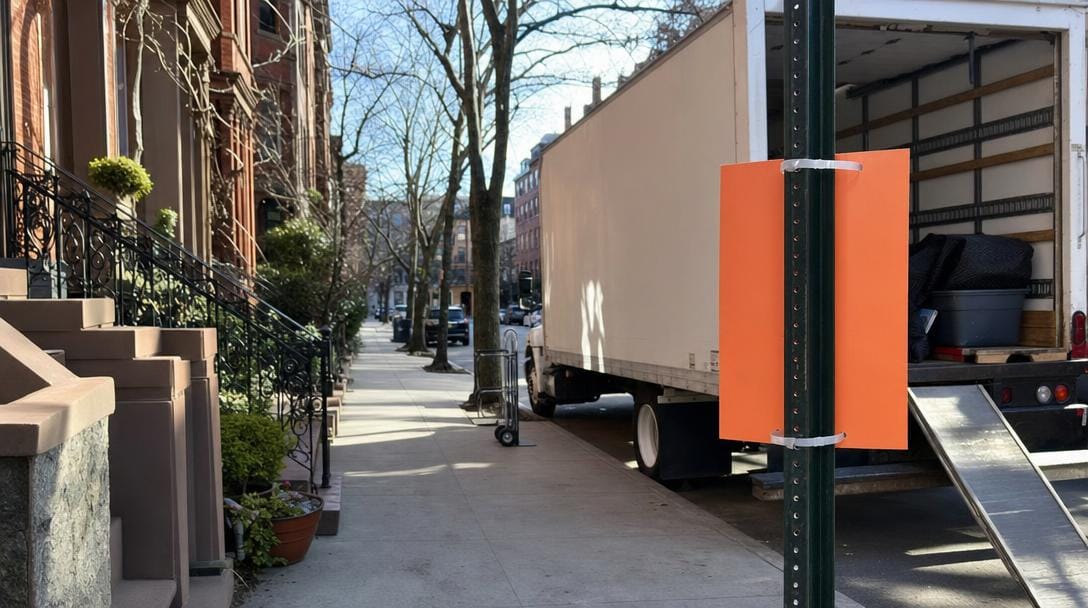
Verdict: Best for households that want packing, loading, transport, and unloading managed by one accountable carrier. Full-service interstate relocation services are the default choice for most cross country moving company customers who value time over savings.
These movers send a crew to pack your boxes, wrap furniture in moving blankets, load the truck, drive the route, and unload at destination. You touch nothing. That convenience is why moving companies that move long distance position full service as their flagship tier.

The model works best for larger homes, tight timelines, and high-value households. When you compare the best interstate movers in this category, weigh crew experience, claims history, and whether the company uses its own trucks or hands your shipment to a partner.
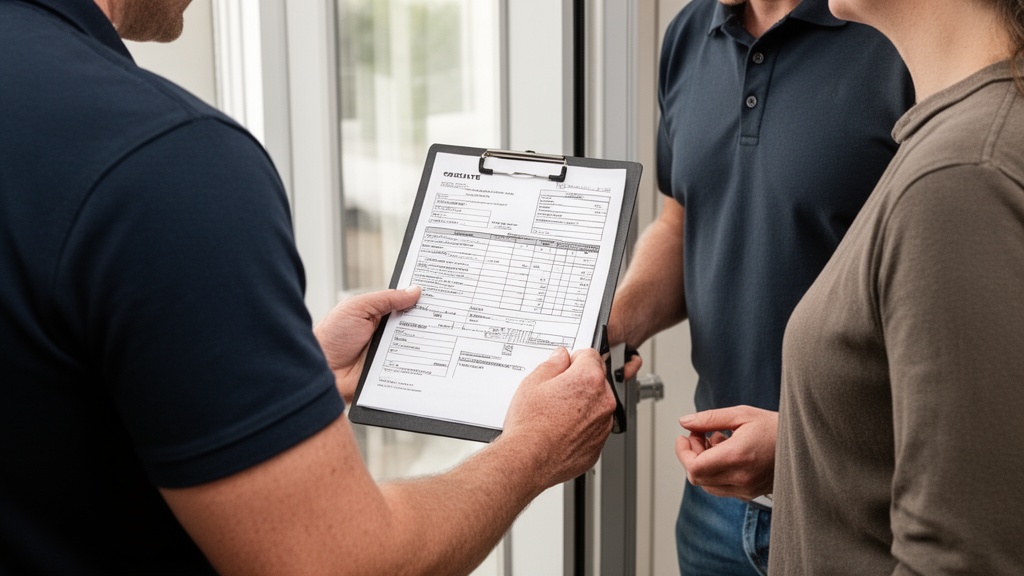
Pro Tip: Insist on a written binding estimate after an in-home or video survey — never a phone quote. A binding number locks your price to the agreed inventory, so a heavier-than-expected load cannot trigger a surprise bill at delivery.
2. Specialty Long-Distance Movers for Fragile and High-Value Items
Verdict: Best for pianos, antiques, fine art, and lab or medical equipment that standard crews mishandle. Specialty movers exist because moving cross country with irreplaceable items demands custom crating and climate control.
These carriers build wooden crates on-site, use air-ride suspension trucks, and assign handlers trained on specific item categories. A grand piano, for example, requires disassembly, padding, and a dedicated board — not a furniture dolly.
Vet specialty providers harder than any other type. Read cross country moving company reviews that mention your exact item, not just generic five-star ratings. A mover with glowing reviews for couches may have zero experience with a 19th-century armoire.
- Crating: Custom wood enclosures for art, mirrors, and electronics.
- Climate control: Temperature-stable trailers for instruments and wine.
- High-value declaration: Itemized coverage above standard released-value liability.
- White-glove placement: Unpacking and setup in the destination room.
3. Container-Based Out-of-State Moving Companies
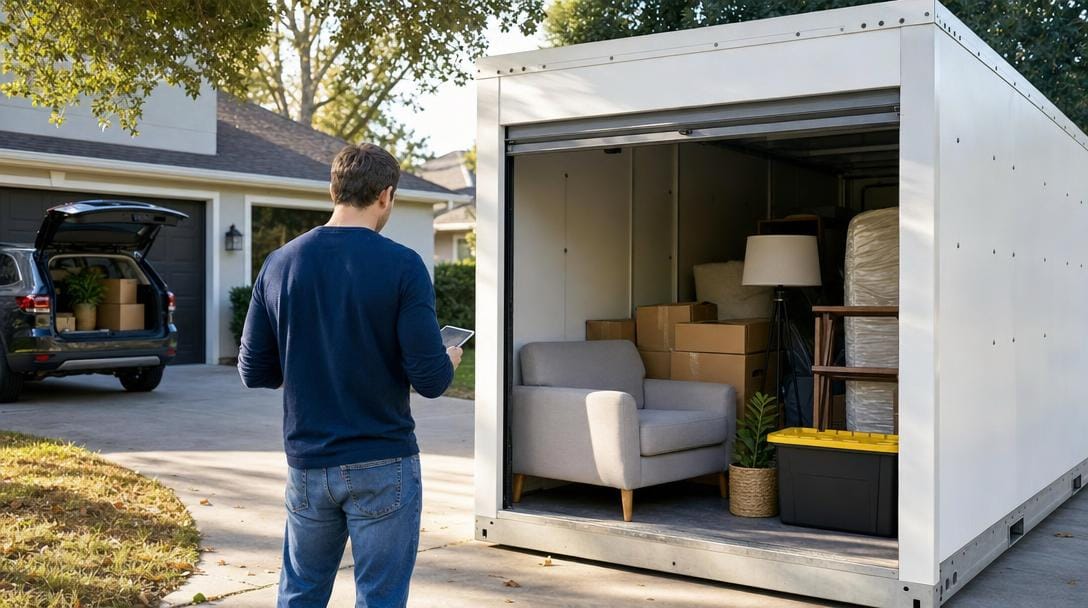
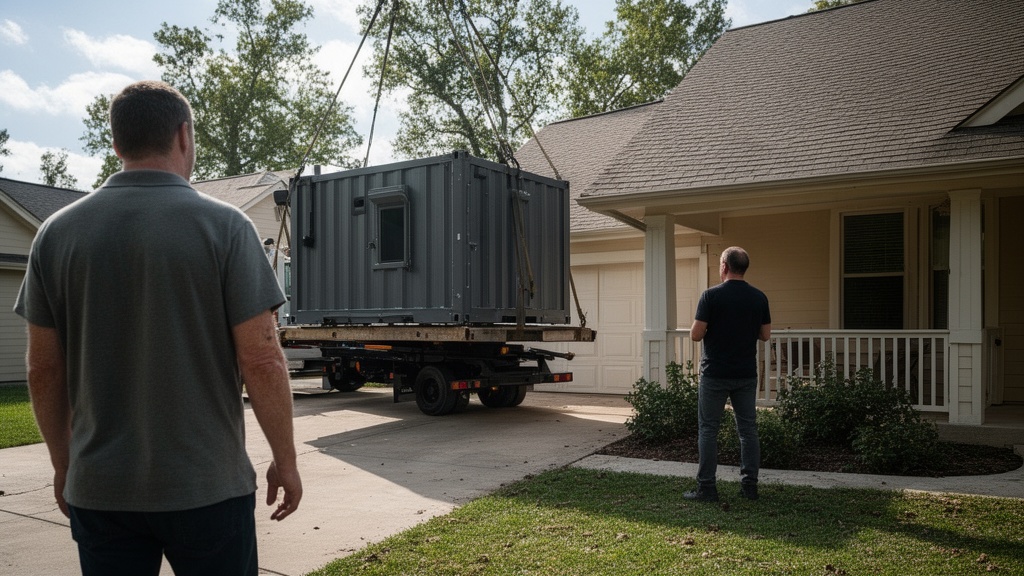
Verdict: Best for flexible timelines and DIY packers who want professional transport without hourly labor. Container-based out of state moving companies drop a weatherproof unit at your home, you load it on your schedule, and the carrier drives it to the new state.
This hybrid sits between a rental truck and full service. You control packing and loading, which cuts labor cost, while the carrier handles the long-haul drive and liability. Many out of state movers also offer in-transit storage if your destination closing date slips.
Q: How is a moving container different from a rental truck?
A: With a container you never drive the long-distance leg — the carrier transports the loaded unit, while a rental truck makes you drive every mile yourself.
Pro Tip: Load the heaviest items low and against the container walls, then ratchet-strap every tier before you close it. Containers shift more than enclosed van-line trailers, so secure loading prevents the most common in-transit damage.
4. Budget Interstate Movers: Saving Money Without Cutting Corners

Verdict: Best for small households and tight budgets willing to trade convenience for a lower invoice. Budget movers reduce cost through consolidated shipping, where your goods share trailer space with other customers heading the same direction.
Consolidation lowers your per-pound rate but widens the delivery window — sometimes by a week or more. That tradeoff is acceptable for a studio apartment, less so for a family that needs beds the same night.
Protect yourself by building an interstate moving checklist that lists every box, its destination room, and its declared condition. Gather long distance moving quotes from at least three carriers, then compare them line by line rather than on headline price alone.
| Mover Type | Best For | Cost Level | Key Tradeoff |
|---|---|---|---|
| Full-service | Time-pressed households | High | Highest price for total convenience |
| Specialty | Fragile, high-value items | High | Premium handling, longer scheduling |
| Container-based | DIY packers, flexible dates | Moderate | You pack; carrier drives |
| Budget / consolidated | Small loads, tight budgets | Low | Wider delivery window |
| Broker-arranged | Hard-to-route moves | Varies | Less control over final carrier |
5. Broker vs. Carrier: Understanding the Difference Before You Book
This distinction trips up more customers than any other. A moving carrier owns trucks and physically moves your goods. A moving broker sells your job to a third-party carrier and never touches your belongings.
Q: What is the difference between a moving broker and a carrier?
A: A carrier holds operating authority and transports your shipment directly; a broker only arranges the move and hands it to a separate carrier you may not have vetted.
Brokers are legal and FMCSA-registered, but they reduce your control. You might vet one company online and have an unfamiliar crew arrive on moving day. That gap is where many complaints originate.
| Criteria | Carrier | Broker |
|---|---|---|
| Owns trucks | Yes | No |
| Holds US DOT number | Yes | Yes (broker authority) |
| Performs the move | Directly | Subcontracts it |
| You can vet the actual crew | Yes | Often not until move day |
| Single point of accountability | Yes | Split between two firms |
Neither model is inherently bad. But you deserve to know which you are hiring. Ask directly: "Are you the carrier performing my move, or a broker arranging it?" Get the answer in writing.
How to Verify an Interstate Mover's FMCSA License and DOT Number
Verification takes five minutes and filters out most rogue operators. Start with the company's US DOT number, then confirm active interstate authority before money changes hands.

Q: How do I check if a company is one of the FMCSA registered movers?
A: Enter the firm's US DOT number into the free FMCSA SAFER database to confirm active authority, insurance on file, and complaint history.
Follow these steps to confirm you are dealing with a licensed interstate moving company:
- Ask for the company's US DOT number and MC (motor carrier) number.
- Search both in the FMCSA's official mover registration tools.
- Confirm the authority status reads "active" and the insurance section is current.
- Review the recorded complaint and safety history.
- Cross-check the business name and address against the registration.
Our guide on how to check a moving company's US DOT number walks through each screen. For a us dot number moving company that checks out, you should still review independent reviews and the steps in how to avoid moving scams before signing.
Pro Tip: A large cash deposit demand is the single clearest red flag. Legitimate movers typically request little or nothing up front and accept credit cards, which give you dispute rights a wire transfer never will.
Interstate Moving Costs: What Affects Your Final Quote?

Interstate pricing comes down to two variables: shipment weight and distance. Every other factor — packing, stairs, storage, bulky items — adjusts that base. The average interstate move runs about $4,300, per Forbes, though a one-bedroom and a five-bedroom occupy opposite ends of the range.
Understand the two estimate types before you sign. A binding estimate locks your price to the listed inventory. A non-binding estimate can change based on actual weight, but the FMCSA's 110% rule caps what a mover may collect at delivery to 110% of a non-binding estimate. Each carrier files a tariff that sets its published rates.
Q: How much does it cost to move across state lines?
A: Forbes reports the average interstate move near $4,300, with weight, mileage, and add-on services moving the final number up or down.
| Cost Factor | Effect on Your Quote |
|---|---|
| Shipment weight | Primary driver; heavier loads cost more |
| Distance | More miles, higher line-haul charge |
| Packing services | Adds labor and materials |
| Access (stairs, long carry) | Surcharges at either end |
| Storage-in-transit | Daily or monthly add-on |
| Season | Summer peak raises demand and price |
Collect long distance moving quotes from multiple carriers on the same inventory list so comparisons stay apples-to-apples. For the mechanics behind the math, see how interstate movers determine the cost of your move.
What is the cheapest way to move interstate?
The lowest-cost approach is a consolidated or container-based move where you handle your own packing and loading. Consolidated shipping places your goods alongside other customers' freight headed the same direction, which lowers your per-pound rate in exchange for a wider delivery window. Container services let you load on your own schedule while the carrier drives the long haul. Renting a truck and driving it yourself can cost even less, but you absorb fuel, lodging, liability, and the physical labor. Whatever route you choose, gather long distance moving quotes from at least three providers and compare them line by line, because the cheapest headline price often hides fuel surcharges, valuation fees, or extra-stop charges.
How far in advance should I book an interstate moving company?
Reserve your slot four to eight weeks before your target date. Interstate carriers schedule routes around truck capacity and crew availability, and the best interstate movers fill summer dates first — roughly Memorial Day through Labor Day, when most American households relocate. Booking early gives you a binding estimate, your preferred pickup window, and time to verify the carrier's FMCSA registration. Last-minute moves still happen, but they limit your choices and push you toward whoever has space, which weakens your negotiating position. If your dates are flexible, ask carriers about mid-month or off-season rates, which typically run lower than the first and last days of a month when demand spikes.
Are interstate moving companies regulated by the federal government?
Yes. Any company moving household goods across state lines must register with the Federal Motor Carrier Safety Administration (FMCSA), an agency within the U.S. Department of Transportation. Registered carriers receive a US DOT number and must carry insurance, provide written estimates, supply the consumer booklet "Your Rights and Responsibilities When You Move," and follow a standard claims process. You can confirm any mover's status free in the FMCSA SAFER database. This federal layer is what distinguishes interstate movers from purely local companies, which answer only to state regulators. The protection is real but not automatic — you still have to verify the registration yourself, because rogue operators sometimes display fake or borrowed numbers.
How much does it typically cost to move across state lines?
Cost depends mostly on shipment weight and distance, with the average interstate move near $4,300 according to Forbes. A small one-bedroom apartment falls well below that figure, while a large family home with full packing services and storage can run several times higher. Add-ons drive the difference: professional packing, stair or long-carry surcharges, bulky-item handling, valuation coverage, and storage-in-transit. Season matters too, since summer demand pushes rates up. Always request both a binding and non-binding estimate so you understand your ceiling. Under federal rules, a mover cannot collect more than a significant share of a non-binding estimate at delivery, which limits surprise overages on the day your goods arrive.
What are red flags when hiring movers?
The biggest warning sign is a large cash deposit demand before the move. Legitimate carriers request little or nothing up front and accept credit cards. Other red flags include a quote given over the phone without any inventory survey, no US DOT number on the website or contract, a name that differs from the registered business, no physical address, and a generic rental truck instead of a marked company vehicle. Reviews that mention hostage loads — where a mover inflates the price and refuses to unload until you pay — are a serious alarm. Verify the company in the FMCSA database, read independent cross country moving company reviews, and walk away from anyone who pressures you to sign blank or incomplete paperwork.
Related Articles
- Cheap Moving Companies: How to Find Affordable Movers — Learn where to cut moving costs without sacrificing reliability or coverage.
- Flat Rate Moving Company: How It Works and What to Expect — Understand how flat-rate pricing compares to weight-based interstate quotes.
- What Professional Movers Do and Why They're Worth It — See exactly what a full-service crew handles from packing to delivery.
- Best Moving Companies in Boston: Local Expert Guide — Compare top-rated movers if your relocation starts in the Boston area.
- Best Chicago Moving Companies: Top-Rated Local Movers — Find vetted movers for relocations beginning in the Chicago metro.
Recommended Reading
- How to Check a Moving Company's US DOT Number
- How Interstate Moving Companies Determine the Cost of Your Move
- How to Hire an Interstate Moving Company
- What to Know about Interstate Moving
- Cross Country Moving Tips
Frequently Asked Questions