'%3E%3Cpath%20fill='%231B2A47'%20d='M1.605%2016.263c.03-1.139.059-2.482.088-3.971.03-1.49.03-2.832.03-4.03%200-.758%200-1.576-.03-2.51%200-.905-.03-1.84-.03-2.803%200-.496-.028-.964-.028-1.43%200-.468%200-.906-.03-1.315h6.858q2.188%200%203.589.35c.963.234%201.663.643%202.13%201.198.496.555.73%201.372.73%202.394%200%20.788-.176%201.46-.497%201.985-.32.526-.846.935-1.575%201.197-.73.292-1.693.468-2.918.526v.263c1.313.087%202.334.263%203.122.525.758.263%201.342.672%201.692%201.197.35.526.525%201.197.525%202.044%200%201.08-.233%201.927-.67%202.57-.468.642-1.139%201.08-2.102%201.343-.933.262-2.159.408-3.705.408H1.605zm6.537-9.197q1.882%200%202.713-.526c.555-.35.817-.934.817-1.752%200-.905-.292-1.547-.846-1.927s-1.459-.554-2.655-.554H4.757v4.759zm.204%206.92c.934%200%201.663-.088%202.217-.263.555-.176.934-.438%201.197-.818s.38-.876.38-1.518c0-.876-.322-1.49-.934-1.84-.643-.35-1.635-.525-3.035-.525H4.757v4.963zM21.038%2016.555c-1.576%200-2.801-.292-3.618-.905-.817-.614-1.284-1.519-1.372-2.745-.087-1.226.205-2.774.847-4.613s1.43-3.358%202.392-4.584c.963-1.226%202.043-2.131%203.298-2.744C23.839.292%2025.24%200%2026.786%200c1.576%200%202.772.321%203.59.934.816.613%201.283%201.548%201.37%202.774s-.203%202.774-.845%204.613c-.642%201.81-1.43%203.358-2.393%204.584s-2.072%202.132-3.297%202.745a9.8%209.8%200%200%201-4.173.905m.788-2.278c.642%200%201.138-.058%201.371-.116.205-.059.496-.117.847-.322.262-.146.437-.292.554-.408.204-.175.32-.292.438-.41.204-.203.35-.408.496-.583.35-.438.642-.876.963-1.402.233-.408.466-.817.67-1.284.205-.438.38-.905.555-1.372.438-1.198.671-2.278.671-3.183s-.204-1.606-.612-2.131c-.409-.497-1.051-.76-1.897-.76-.467%200-.934.059-1.43.205h-.03c-1.02.292-1.925%201.226-2.042%201.372-.116.117-.467.526-.963%201.343a15.5%2015.5%200%200%200-1.342%202.92c-.408%201.197-.642%202.277-.671%203.182-.03.906.175%201.636.584%202.161q.611.788%201.838.788M14.853%2038.54c-1.576%200-2.802-.292-3.619-.905s-1.284-1.518-1.371-2.744c-.088-1.227.204-2.774.846-4.614s1.43-3.357%202.393-4.584%202.042-2.13%203.297-2.744c1.255-.613%202.655-.905%204.173-.905%201.575%200%202.772.321%203.589.934s1.284%201.548%201.371%202.774c.088%201.226-.204%202.774-.846%204.613-.642%201.81-1.43%203.358-2.393%204.584s-2.072%202.131-3.297%202.745c-1.226.613-2.626.846-4.143.846m.787-2.277c.642%200%201.138-.059%201.372-.117.204-.058.496-.117.846-.321.263-.146.438-.292.554-.409.205-.175.321-.292.438-.409.204-.204.35-.408.496-.584a13%2013%200%200%200%201.634-2.686c.204-.438.38-.905.555-1.372.437-1.197.67-2.277.67-3.182%200-.906-.203-1.606-.612-2.132-.409-.496-1.05-.759-1.897-.759-.467%200-.934.058-1.43.204h-.029c-1.021.292-1.925%201.227-2.042%201.373-.117.116-.467.525-.963%201.343a15.5%2015.5%200%200%200-1.342%202.92c-.409%201.196-.642%202.277-.671%203.182s.175%201.635.583%202.16q.613.789%201.838.789'/%3E%3Cpath%20fill='%23FF515E'%20d='M55.966%2038.57c-1.576%200-2.801-.293-3.618-.906s-1.284-1.518-1.372-2.744c-.087-1.227.204-2.774.846-4.613s1.43-3.358%202.393-4.584c.963-1.227%202.043-2.132%203.297-2.745s2.656-.905%204.173-.905c1.576%200%202.772.321%203.589.934s1.284%201.548%201.371%202.774c.088%201.226-.204%202.774-.846%204.613-.642%201.81-1.43%203.358-2.393%204.584s-2.071%202.131-3.297%202.745c-1.225.613-2.626.846-4.143.846m.788-2.249c.642%200%201.138-.058%201.371-.117.204-.058.496-.116.846-.32.263-.147.438-.293.555-.41a7%207%200%200%200%20.437-.408c.205-.205.35-.41.496-.584a13%2013%200%200%200%201.634-2.686c.205-.438.38-.905.555-1.373.438-1.197.671-2.277.671-3.182s-.204-1.606-.613-2.131c-.408-.497-1.05-.76-1.896-.76-.467%200-.934.059-1.43.205h-.03c-1.02.292-1.925%201.226-2.042%201.372-.117.117-.467.526-.963%201.343a15.5%2015.5%200%200%200-1.342%202.92c-.409%201.197-.642%202.277-.671%203.182s.175%201.635.583%202.16q.614.79%201.839.79'/%3E%3Cpath%20fill='%231B2A47'%20d='M33.06%2016.263c0-.35%200-.935.03-1.81.029-1.051.058-2.103.058-3.154s.03-2.073.03-3.007c0-1.606-.03-3.27-.06-4.993%200-.554-.028-1.08-.028-1.606%200-.525-.03-1.021-.03-1.46h6.828c1.46%200%202.685.117%203.59.38q1.4.394%202.1%201.314.7.963.7%202.628c0%20.992-.174%201.81-.554%202.452-.35.643-.904%201.11-1.604%201.431s-1.576.467-2.627.496v.263q2.058.087%203.064.876c.671.525%201.138%201.372%201.43%202.51.087.41.233%201.023.467%201.84.233.818.408%201.431.554%201.84h-3.414a11%2011%200%200%200-.262-1.022c-.321-1.314-.526-2.19-.584-2.628a5%205%200%200%200-.642-1.46%202.13%202.13%200%200%200-.963-.73c-.408-.146-.934-.233-1.605-.233h-3.326v6.0440000000000005H33.06zm6.332-8.292c1.343%200%202.276-.205%202.86-.613.554-.41.846-1.11.846-2.073%200-.73-.146-1.314-.408-1.723-.263-.409-.671-.7-1.197-.876q-.788-.263-2.1-.263h-3.181v5.519h3.18zM49.4%2016.263l.03-2.745c.029-2.452.029-4.905.029-7.416q0-2.101-.088-5.868h4.085l5.924%2010.335c.087.234.204.438.291.643.117.204.205.408.321.613.38.788.613%201.255.672%201.372h.262c0-.058-.03-.146-.03-.204%200-.059-.028-.117-.028-.175a75%2075%200%200%201-.175-1.314%2010%2010%200%200%201-.088-1.285c0-1.547%200-3.737-.029-6.57V1.84c0-.584-.03-1.11-.03-1.576h2.977c-.03%202.482-.058%205.08-.058%207.766%200%201.694%200%204.438.029%208.292h-4.027l-5.573-9.43c-.875-1.81-1.226-2.511-1.05-2.132-.263-.613-.467-1.08-.613-1.46h-.263c.058.35.117.876.175%201.548.059.7.117%201.168.117%201.46%200%202.978%200%206.306.029%209.985H49.4zM4.698%2038.277c.029-2.627.058-5.255.058-7.883%200-1.576%200-3.503-.029-5.752-1.109%200-2.684%200-4.727.03v-2.453h12.664v2.453c-1.955-.03-3.53-.03-4.756-.03%200%20.584-.03%201.227-.03%201.957s0%201.46-.029%202.218v1.84c0%202.57.03%205.11.059%207.62z'/%3E%3Cpath%20fill='%23FF515E'%20d='M29.441%2038.277c.409-1.05.788-2.102%201.168-3.182s.787-2.16%201.167-3.241c.613-1.693%201.05-2.949%201.342-3.766l1.255-3.65c.116-.38.262-.788.379-1.139.117-.38.263-.73.38-1.05h4.61l-.671%2012.904h.262l8.316-12.905h4.669l-.7%201.869c-.876%202.452-1.343%203.766-1.43%204a501%20501%200%200%200-3.385%2010.16h-2.947c.292-.846.788-2.219%201.459-4.087.175-.526.35-1.08.554-1.606.175-.526.38-1.08.555-1.577.642-1.81%201.342-3.825%202.072-6.014h-.234l-8.724%2013.314h-2.86l.554-13.314h-.175c-.175.496-.38.992-.554%201.489-.175.496-.38%201.022-.555%201.547a163%20163%200%200%200-1.08%203.008c-.145.38-.262.759-.408%201.138-.117.38-.262.73-.408%201.11-.7%201.898-1.284%203.59-1.751%205.05h-2.86zM68.047%2038.277c.175-2.19.32-4.525.467-7.007.058-.905.204-3.912.467-9.051h3.151c-.03.438-.058.934-.088%201.46s-.058%201.08-.087%201.693a264%20264%200%200%201-.409%206.657c-.145%201.986-.35%203.591-.583%204.788h.175Q72.147%2034.892%2073.94%2032a562%20562%200%200%201%204.465-7.066c.32-.496.641-.992.933-1.46s.555-.875.817-1.255h3.268q-.568.832-1.138%201.752c-.408.613-.787%201.255-1.196%201.927-3.88%206.014-6.478%2010.131-7.85%2012.35h-5.193zM79.106%2038.277c.32-.788.758-2.014%201.37-3.65a287%20287%200%200%200%201.577-4.32c.437-1.256.904-2.628%201.4-4.088s.934-2.774%201.313-3.97h11.322l-.846%202.364H87.1l-1.664%204.847%207.645-.088-.612%201.694-7.587-.088-1.75%204.934h8.286l-.846%202.365z'/%3E%3C/g%3E%3Cdefs%3E%3CclipPath%20id='a'%3E%3Cpath%20fill='%23fff'%20d='M0%200h96v40H0z'/%3E%3C/clipPath%3E%3C/defs%3E%3C/svg%3E)
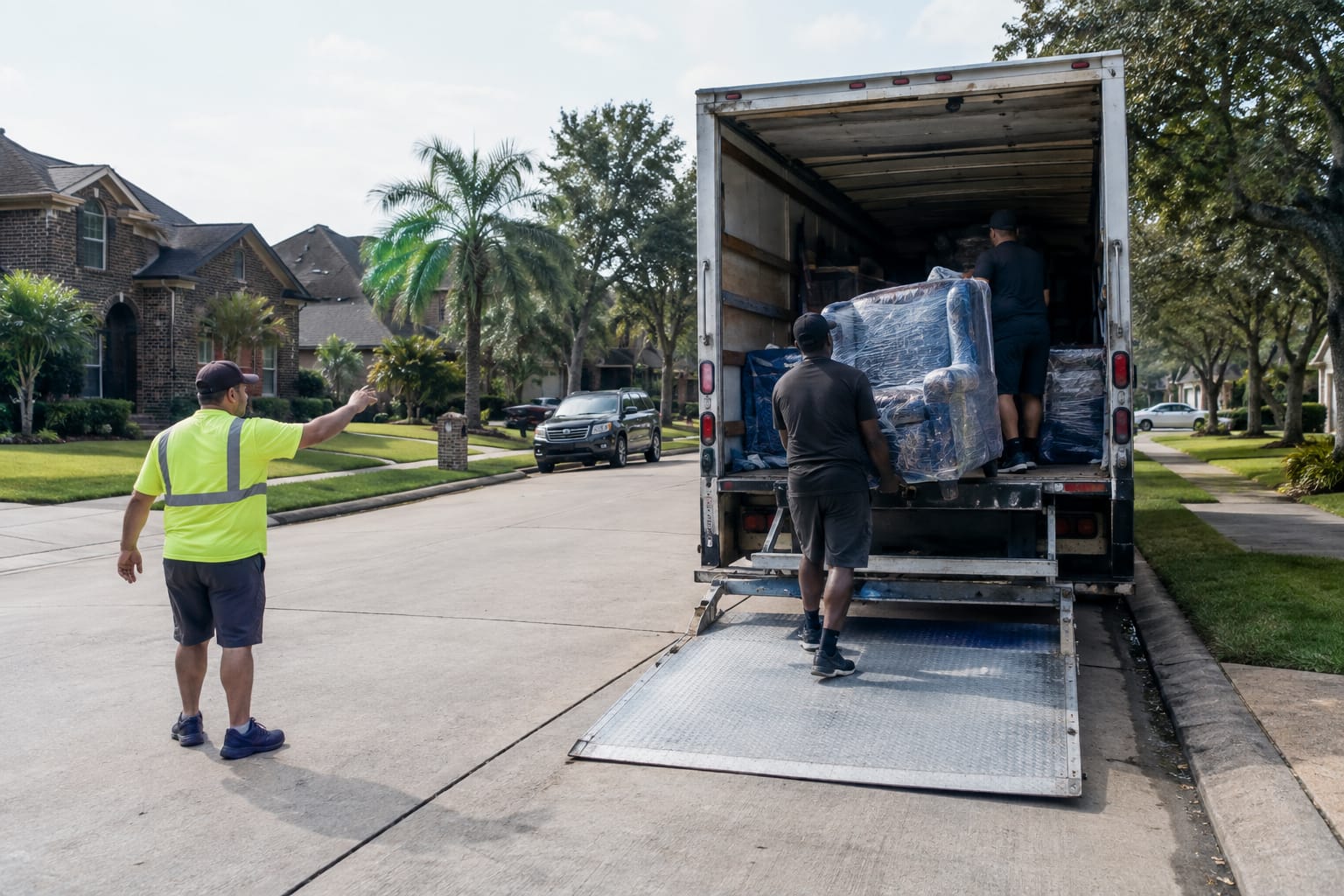
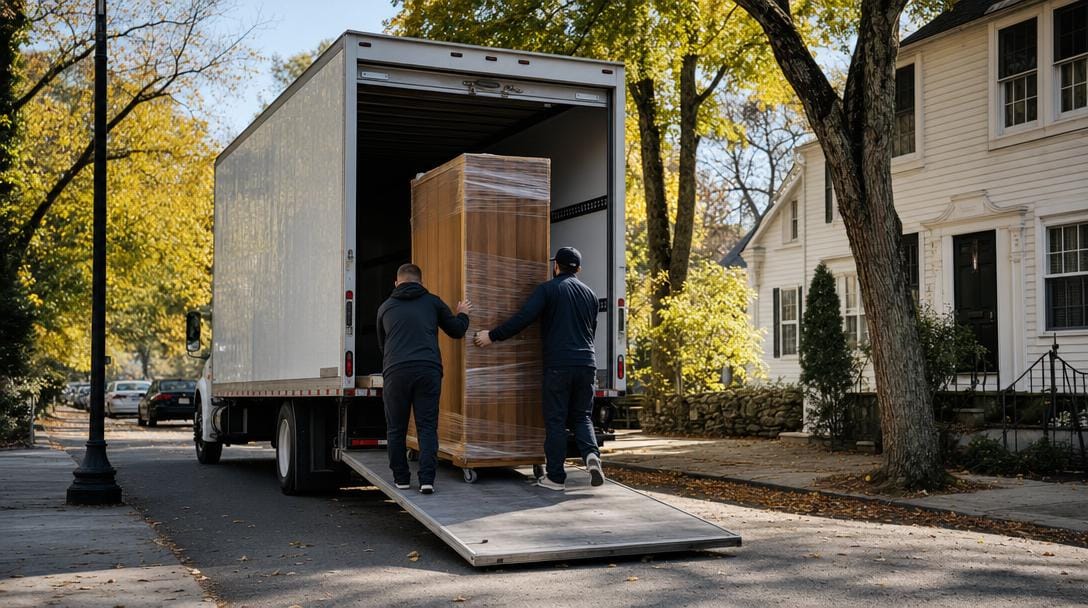
Moving local moving jobs share one defining feature: short distance. A local move usually covers fewer than 50 miles and stays inside the same city or metro area, and movers bill it by the hour rather than by shipment weight. That single difference shapes everything—your cost, your timeline, and how you prepare. This guide walks through the local moving process from first quote to final box. Expect a real cost table, a week-by-week checklist, and an honest comparison of hiring pros versus doing it yourself.
Key Takeaways
| Point | Details |
|---|---|
| Distance defines it | A local move covers under 50 miles within the same metro; movers charge by the hour, not by weight. |
| Hourly is the norm | National averages run roughly a noticeable amount–a noticeable amount per hour per mover, per Forbes Advisor moving cost data. |
| Book early | Reserve a crew two to four weeks ahead; peak season from May to September fills fastest. |
| Kitchens cost the most time | The kitchen is the hardest room to pack and often takes a full day on its own. |
| Verify the license | Confirm any company on the federal protectyourmove.gov database before you book. |
What Counts as a Local Move?
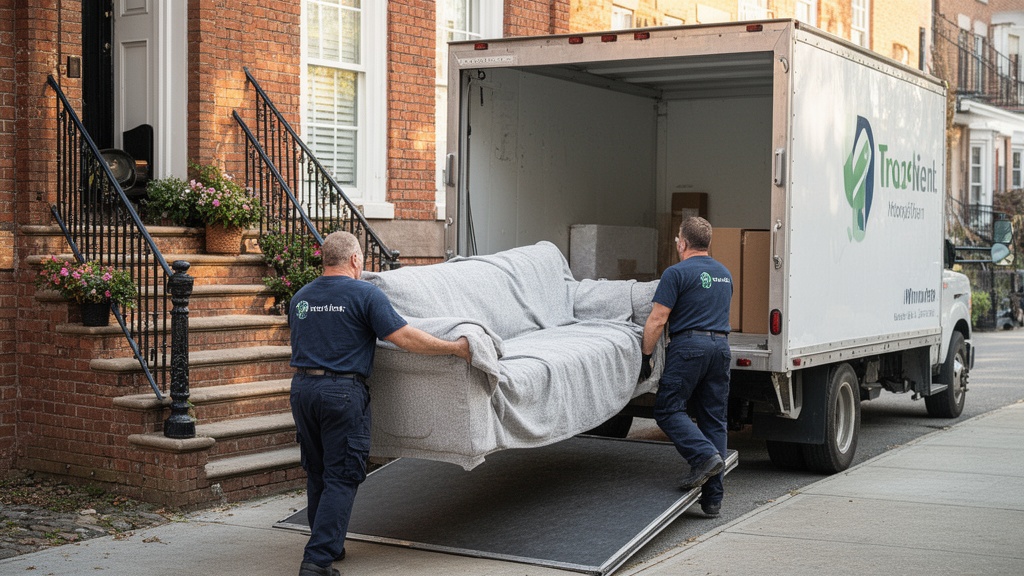
A local move is any relocation under 50 miles that stays within the same city or metro area. Movers bill these jobs by the hour, not by shipment weight or mileage—the key distinction from long-distance work.
Each year a large share of Americans relocate close to home. The U.S. Census Bureau reports the national mover rate was about 8.7% in 2022, and most of those moves stayed within the same county. Moving within same city clearly counts as local. So does moving within same state, as long as the trip stays under the mileage threshold.
Cross that 50-mile line, or cross a state border, and the job converts to a long-distance or interstate move with different pricing rules. That reclassification matters because interstate carriers charge by weight and distance and fall under federal oversight.
Q: What is the maximum distance for a local move?
A: Most movers and state regulators treat a local move as under 50 miles within the same state; beyond that it becomes a long-distance or interstate move billed by weight.

Finding the Cheapest Way to Move Locally
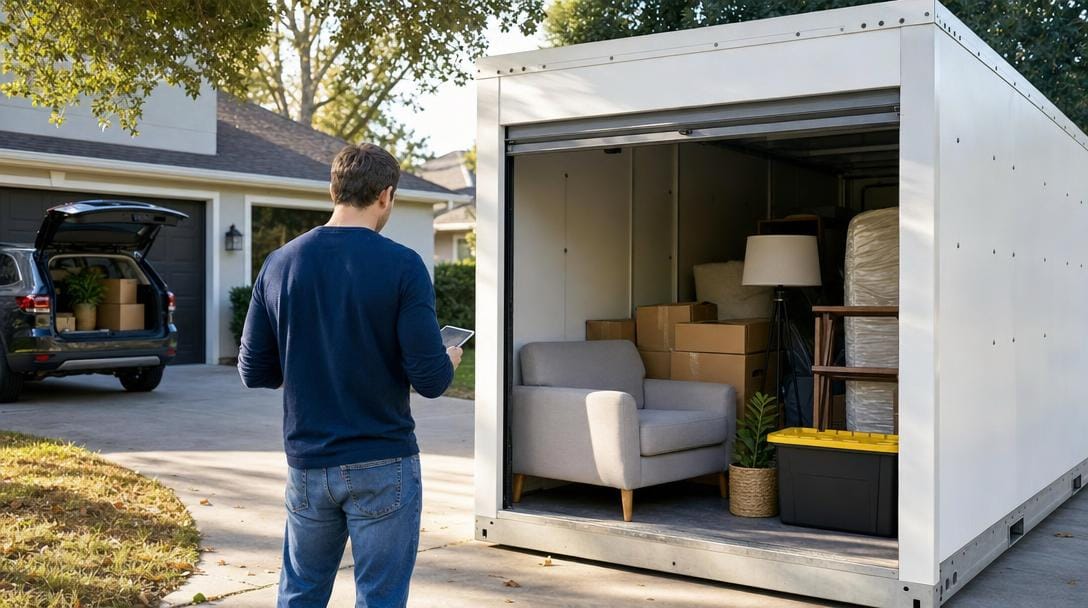
The cheapest way to move locally is a hybrid: rent a truck for transport and hire hourly help only for the heavy loading and unloading. This trims the biggest labor hours while keeping your back intact and your furniture protected.
A pure DIY rental truck is the lowest sticker price, but it shifts every box, stair, and dolly run onto you and your friends. For most households, the smartest local moving tips center on cutting hours, not corners. Declutter aggressively, pack everything yourself before crew day, and disassemble beds and tables in advance.
If you want to know how to move locally on a budget, the levers are simple: fewer items, fewer hours, and off-peak timing. Search hourly movers near me and compare at least three written quotes. The independent reviewers at The New York Times Wirecutter moving guide stress that loading help is where hourly labor pays off most.
Pro Tip: Schedule your move for a Tuesday, Wednesday, or Thursday in the middle of the month. Weekend and month-end slots book out first and often carry the highest hourly demand.
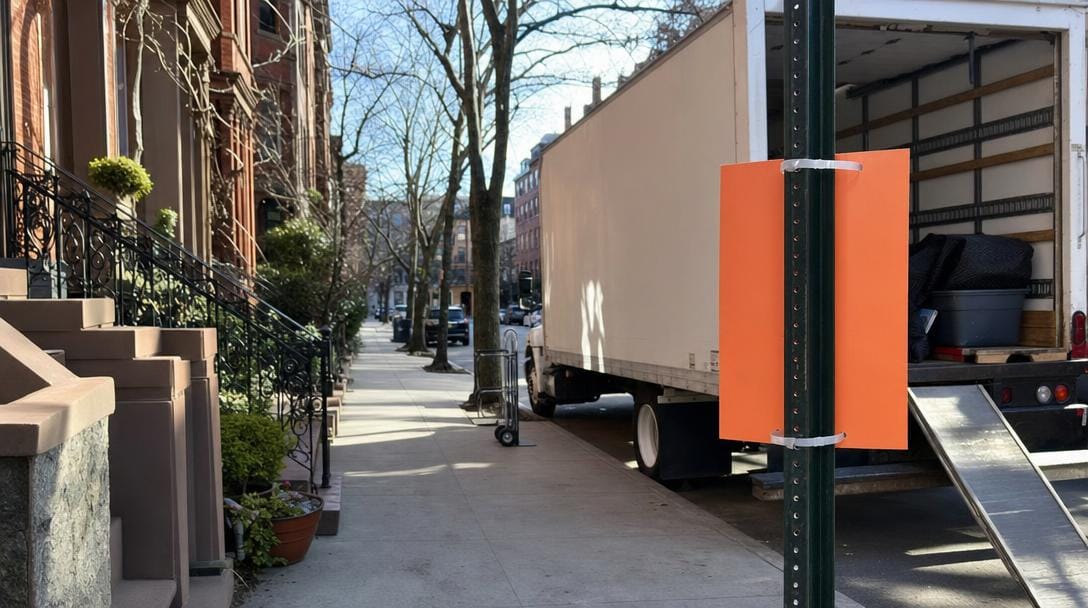
Long hauls follow different math. The cheapest way to move from Florida to Connecticut, for example, almost never involves hourly billing—weight-based interstate carriers or portable containers usually win on those routes. For anything under 50 miles, though, hourly local crews remain the most economical professional option.
How Much Should You Expect to Pay?
Most local moves are priced by the hour, by crew size, and by home size. National averages run roughly $80 to $100 per hour, per mover, so the local move cost scales with how many people the job needs and how long it takes.
The figures below reflect national averages compiled by Forbes Advisor and HomeGuide. Your actual local moving company cost will vary by market, building access, and the volume you move.
| Home size | Crew size | Typical hours | Hourly rate | Estimated total |
|---|---|---|---|---|
| Studio / 1BR | 2 movers | 3–4 hrs | a noticeable amount–a noticeable amount/hr | a noticeable amount–a noticeable amount |
| 2-bedroom | 3 movers | 5–7 hrs | a noticeable amount–a noticeable amount/hr | a noticeable amount–a noticeable amount |
| 3-bedroom | 4 movers | 7–9 hrs | a noticeable amount–a noticeable amount/hr | a noticeable amount–a noticeable amount |
| 4BR+ house | 5 movers | 9–12 hrs | a noticeable amount–a noticeable amount/hr | a noticeable amount–a noticeable amount |
Source: Forbes Advisor moving cost data.
When people ask how much to move locally, these ranges are the realistic answer for a same-metro job. Stairs, long carries, and bulky specialty items like pianos add hours. For a deeper breakdown, see the cost of local moving services and this guide to how much do movers cost.
Q: What is the average cost for a local move?
A: A typical 2-bedroom local move runs about a noticeable amount–a noticeable amount, based on Forbes Advisor averages of a noticeable amount–a noticeable amount per hour per mover with a three-person crew.
The Hardest Room to Pack When Moving
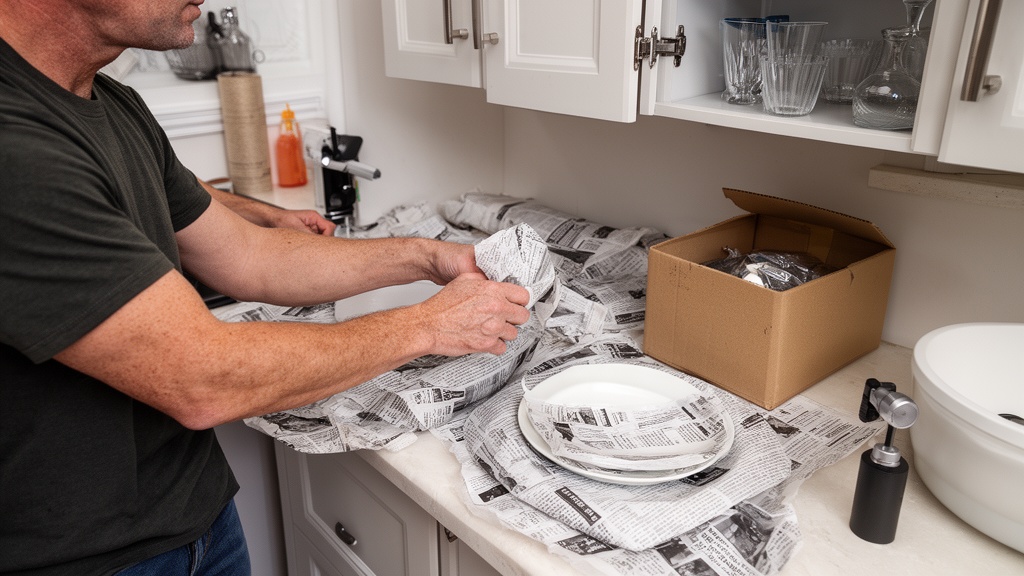
The kitchen is the hardest room to pack when moving. It holds the most fragile items, the most awkward shapes, and the widest range of sizes—from stemware to a stand mixer—so it consistently eats the most packing time.
Dishes, glassware, and small appliances each need different handling. Plates travel best packed vertically on edge inside a dish-pack box, cushioned with packing paper. Glasses need individual wrapping and cell dividers. Knives and other sharp tools require rigid protection so nothing slices through a box wall.
Pro Tip: Pack the kitchen first and the bedroom last. The kitchen takes longest and is rarely needed during the final days, while bedding and clothes stay useful until the morning you leave.
Garages and home offices come in second and third for difficulty—dense, heavy, and full of mixed materials. Budget a full evening for the kitchen alone rather than folding it into a single packing session.
Planning a Local Move from Start to Finish
A reliable local moving process follows the same arc every time: declutter, gather supplies, pack room by room, confirm logistics, then load and unload. Treating it as a sequence rather than a scramble is the core of good short distance move planning.
Start by purging what you no longer use—every item you donate or sell is one you never pay to carry. Next, secure boxes, tape, and paper in the right quantities. Then pack methodically, labeling each box by room and contents so unloading goes fast.
Confirm the practical details a week out: parking for the truck, building elevator reservations, and a clear path through doorways. These details derail more local moves than weather does. For habits that keep the day smooth, review these 8 moving tips for the smoothest experience.
Pro Tip: Pack a single clearly marked "first-night" box with chargers, medications, toiletries, a change of clothes, and basic tools. You will want it before any other box is opened.
Week-by-Week Local Moving Checklist

A local moving checklist turns a stressful week into a sequence of small wins. Use this timeline as your backbone, then adapt it to your home size.
- Three to four weeks out: Book the crew, request quotes, order supplies, and start decluttering one room at a time.
- Two weeks out: Pack non-essentials, label every box by room, and notify utilities and the post office of your address change.
- One week out: Confirm parking and elevator access, finish all packing except daily essentials, and defrost the refrigerator.
- Moving day: Keep your first-night box and documents with you, do a final walkthrough, and check every closet and cabinet before you lock up.
For a printable version you can follow line by line, use the moving checklist that keeps things on track. Working from a written list is the single most effective way to avoid the last-minute panic that drives up your hourly bill.

Hiring Local Movers vs. Doing It Yourself
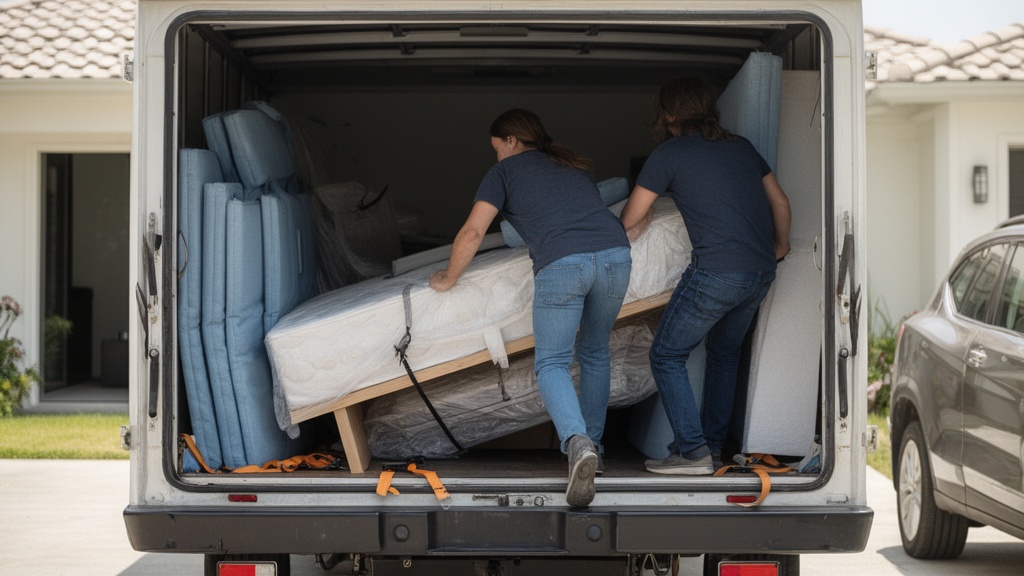
Hiring professionals costs more upfront but saves time, effort, and damaged furniture. DIY saves cash but demands labor, a rental truck, and a free Saturday from friends. The right choice depends on your budget, your physical capacity, and how much your time is worth.
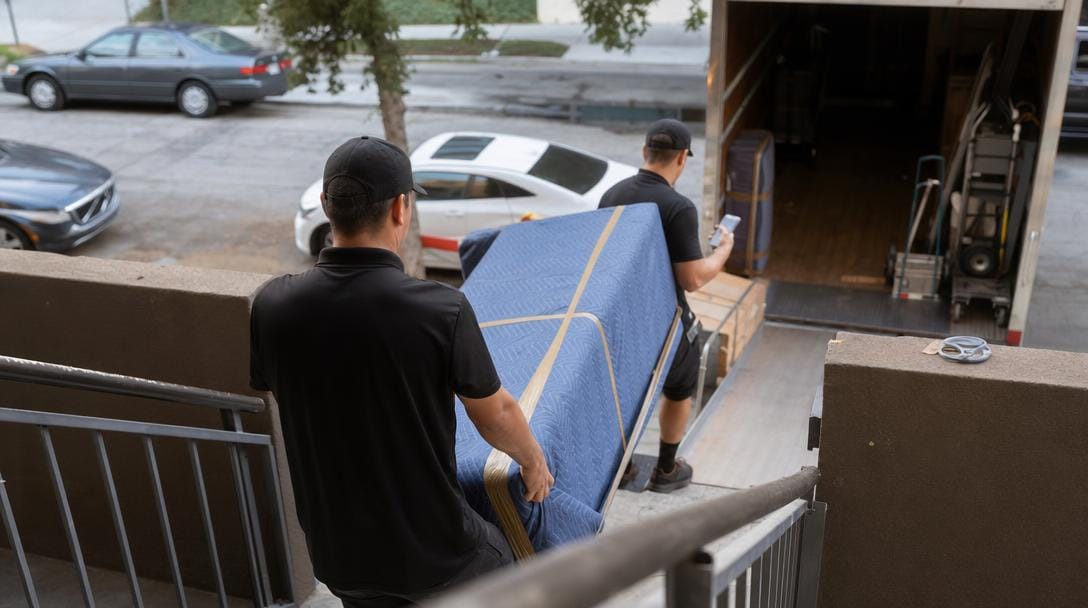
Professional crews bring experience that shows in the details—proper lifting, furniture pads, and tie-downs. According to the Bureau of Labor Statistics, movers and material handlers do this work full-time, which is why a trained three-person crew often loads a truck faster than six untrained volunteers.
| Criteria | Professional movers | DIY rental truck | Hybrid (truck + loaders) |
|---|---|---|---|
| Upfront cost | Highest | Lowest | Moderate |
| Time required | Lowest | Highest | Moderate |
| Physical effort | None | Heavy | Light |
| Damage risk | Lowest | Highest | Moderate |
| Best for | Busy households, large homes | Tight budgets, small loads | Cost-conscious movers who want help with heavy lifting |

Pro Tip: If you go DIY, rent the truck for a full day rather than by the hour. Returning a rental late almost always costs more than the extra hours you thought you saved.
Q: Can you hire movers for just the heavy items?
A: Yes. Many local crews offer labor-only loading help by the hour, typically with a two-hour minimum, so you can rent your own truck and pay only for muscle.
Choosing a Reliable Local Moving Company Near You
Start with proof, not promises. A reliable company holds active licensing and insurance, carries verifiable reviews, and puts its rates in writing. When you search local moving companies near me—whether in Boston, Cambridge, Chicago, or Evanston—shortlist three and compare written estimates side by side.
Verify credentials before you book. The federal protectyourmove.gov licensing tools and the FTC's guidance on hiring a mover both explain how to confirm a company is legitimate and avoid deposit scams. Reading why choose a local moving company and how to spot honest and reliable local movers will sharpen your shortlist further.
Match the company to your specific need. Browsing moving services near me surfaces full-service crews. If you also need a temporary home for your belongings, filter for moving and storage companies near me. For a quick same-metro hop, short distance moving companies near me will narrow results to crews that specialize in hourly work.
Ask every candidate three questions: the minimum hour requirement, whether any travel or trip fee applies, and how they handle damage claims. Clear, written answers separate professional operators from the rest.
Related Articles
- Cheap Moving Companies: How to Find Affordable Movers — Learn proven tactics to lower your moving bill without sacrificing reliability.
- Best Moving Companies in Boston: Local Expert Guide — Compare top-rated Boston-area crews and what sets the best apart.
- Best Chicago Moving Companies: Top-Rated Local Movers — See how leading Chicago movers stack up on price and service.
- Flat Rate Moving Company: How It Works and What to Expect — Understand when a flat rate beats hourly billing for your move.
- What Professional Movers Do and Why They're Worth It — Discover the skills and equipment that justify hiring a trained crew.
Recommended Reading
- Why choose a Local Moving Company?
- The prices of a locally-based moving company
- How to Find Honest and Reliable Movers
- Checklist for a hassle-free move
- How much do movers cost?
Frequently Asked Questions