'%3E%3Cpath%20fill='%231B2A47'%20d='M1.605%2016.263c.03-1.139.059-2.482.088-3.971.03-1.49.03-2.832.03-4.03%200-.758%200-1.576-.03-2.51%200-.905-.03-1.84-.03-2.803%200-.496-.028-.964-.028-1.43%200-.468%200-.906-.03-1.315h6.858q2.188%200%203.589.35c.963.234%201.663.643%202.13%201.198.496.555.73%201.372.73%202.394%200%20.788-.176%201.46-.497%201.985-.32.526-.846.935-1.575%201.197-.73.292-1.693.468-2.918.526v.263c1.313.087%202.334.263%203.122.525.758.263%201.342.672%201.692%201.197.35.526.525%201.197.525%202.044%200%201.08-.233%201.927-.67%202.57-.468.642-1.139%201.08-2.102%201.343-.933.262-2.159.408-3.705.408H1.605zm6.537-9.197q1.882%200%202.713-.526c.555-.35.817-.934.817-1.752%200-.905-.292-1.547-.846-1.927s-1.459-.554-2.655-.554H4.757v4.759zm.204%206.92c.934%200%201.663-.088%202.217-.263.555-.176.934-.438%201.197-.818s.38-.876.38-1.518c0-.876-.322-1.49-.934-1.84-.643-.35-1.635-.525-3.035-.525H4.757v4.963zM21.038%2016.555c-1.576%200-2.801-.292-3.618-.905-.817-.614-1.284-1.519-1.372-2.745-.087-1.226.205-2.774.847-4.613s1.43-3.358%202.392-4.584c.963-1.226%202.043-2.131%203.298-2.744C23.839.292%2025.24%200%2026.786%200c1.576%200%202.772.321%203.59.934.816.613%201.283%201.548%201.37%202.774s-.203%202.774-.845%204.613c-.642%201.81-1.43%203.358-2.393%204.584s-2.072%202.132-3.297%202.745a9.8%209.8%200%200%201-4.173.905m.788-2.278c.642%200%201.138-.058%201.371-.116.205-.059.496-.117.847-.322.262-.146.437-.292.554-.408.204-.175.32-.292.438-.41.204-.203.35-.408.496-.583.35-.438.642-.876.963-1.402.233-.408.466-.817.67-1.284.205-.438.38-.905.555-1.372.438-1.198.671-2.278.671-3.183s-.204-1.606-.612-2.131c-.409-.497-1.051-.76-1.897-.76-.467%200-.934.059-1.43.205h-.03c-1.02.292-1.925%201.226-2.042%201.372-.116.117-.467.526-.963%201.343a15.5%2015.5%200%200%200-1.342%202.92c-.408%201.197-.642%202.277-.671%203.182-.03.906.175%201.636.584%202.161q.611.788%201.838.788M14.853%2038.54c-1.576%200-2.802-.292-3.619-.905s-1.284-1.518-1.371-2.744c-.088-1.227.204-2.774.846-4.614s1.43-3.357%202.393-4.584%202.042-2.13%203.297-2.744c1.255-.613%202.655-.905%204.173-.905%201.575%200%202.772.321%203.589.934s1.284%201.548%201.371%202.774c.088%201.226-.204%202.774-.846%204.613-.642%201.81-1.43%203.358-2.393%204.584s-2.072%202.131-3.297%202.745c-1.226.613-2.626.846-4.143.846m.787-2.277c.642%200%201.138-.059%201.372-.117.204-.058.496-.117.846-.321.263-.146.438-.292.554-.409.205-.175.321-.292.438-.409.204-.204.35-.408.496-.584a13%2013%200%200%200%201.634-2.686c.204-.438.38-.905.555-1.372.437-1.197.67-2.277.67-3.182%200-.906-.203-1.606-.612-2.132-.409-.496-1.05-.759-1.897-.759-.467%200-.934.058-1.43.204h-.029c-1.021.292-1.925%201.227-2.042%201.373-.117.116-.467.525-.963%201.343a15.5%2015.5%200%200%200-1.342%202.92c-.409%201.196-.642%202.277-.671%203.182s.175%201.635.583%202.16q.613.789%201.838.789'/%3E%3Cpath%20fill='%23FF515E'%20d='M55.966%2038.57c-1.576%200-2.801-.293-3.618-.906s-1.284-1.518-1.372-2.744c-.087-1.227.204-2.774.846-4.613s1.43-3.358%202.393-4.584c.963-1.227%202.043-2.132%203.297-2.745s2.656-.905%204.173-.905c1.576%200%202.772.321%203.589.934s1.284%201.548%201.371%202.774c.088%201.226-.204%202.774-.846%204.613-.642%201.81-1.43%203.358-2.393%204.584s-2.071%202.131-3.297%202.745c-1.225.613-2.626.846-4.143.846m.788-2.249c.642%200%201.138-.058%201.371-.117.204-.058.496-.116.846-.32.263-.147.438-.293.555-.41a7%207%200%200%200%20.437-.408c.205-.205.35-.41.496-.584a13%2013%200%200%200%201.634-2.686c.205-.438.38-.905.555-1.373.438-1.197.671-2.277.671-3.182s-.204-1.606-.613-2.131c-.408-.497-1.05-.76-1.896-.76-.467%200-.934.059-1.43.205h-.03c-1.02.292-1.925%201.226-2.042%201.372-.117.117-.467.526-.963%201.343a15.5%2015.5%200%200%200-1.342%202.92c-.409%201.197-.642%202.277-.671%203.182s.175%201.635.583%202.16q.614.79%201.839.79'/%3E%3Cpath%20fill='%231B2A47'%20d='M33.06%2016.263c0-.35%200-.935.03-1.81.029-1.051.058-2.103.058-3.154s.03-2.073.03-3.007c0-1.606-.03-3.27-.06-4.993%200-.554-.028-1.08-.028-1.606%200-.525-.03-1.021-.03-1.46h6.828c1.46%200%202.685.117%203.59.38q1.4.394%202.1%201.314.7.963.7%202.628c0%20.992-.174%201.81-.554%202.452-.35.643-.904%201.11-1.604%201.431s-1.576.467-2.627.496v.263q2.058.087%203.064.876c.671.525%201.138%201.372%201.43%202.51.087.41.233%201.023.467%201.84.233.818.408%201.431.554%201.84h-3.414a11%2011%200%200%200-.262-1.022c-.321-1.314-.526-2.19-.584-2.628a5%205%200%200%200-.642-1.46%202.13%202.13%200%200%200-.963-.73c-.408-.146-.934-.233-1.605-.233h-3.326v6.0440000000000005H33.06zm6.332-8.292c1.343%200%202.276-.205%202.86-.613.554-.41.846-1.11.846-2.073%200-.73-.146-1.314-.408-1.723-.263-.409-.671-.7-1.197-.876q-.788-.263-2.1-.263h-3.181v5.519h3.18zM49.4%2016.263l.03-2.745c.029-2.452.029-4.905.029-7.416q0-2.101-.088-5.868h4.085l5.924%2010.335c.087.234.204.438.291.643.117.204.205.408.321.613.38.788.613%201.255.672%201.372h.262c0-.058-.03-.146-.03-.204%200-.059-.028-.117-.028-.175a75%2075%200%200%201-.175-1.314%2010%2010%200%200%201-.088-1.285c0-1.547%200-3.737-.029-6.57V1.84c0-.584-.03-1.11-.03-1.576h2.977c-.03%202.482-.058%205.08-.058%207.766%200%201.694%200%204.438.029%208.292h-4.027l-5.573-9.43c-.875-1.81-1.226-2.511-1.05-2.132-.263-.613-.467-1.08-.613-1.46h-.263c.058.35.117.876.175%201.548.059.7.117%201.168.117%201.46%200%202.978%200%206.306.029%209.985H49.4zM4.698%2038.277c.029-2.627.058-5.255.058-7.883%200-1.576%200-3.503-.029-5.752-1.109%200-2.684%200-4.727.03v-2.453h12.664v2.453c-1.955-.03-3.53-.03-4.756-.03%200%20.584-.03%201.227-.03%201.957s0%201.46-.029%202.218v1.84c0%202.57.03%205.11.059%207.62z'/%3E%3Cpath%20fill='%23FF515E'%20d='M29.441%2038.277c.409-1.05.788-2.102%201.168-3.182s.787-2.16%201.167-3.241c.613-1.693%201.05-2.949%201.342-3.766l1.255-3.65c.116-.38.262-.788.379-1.139.117-.38.263-.73.38-1.05h4.61l-.671%2012.904h.262l8.316-12.905h4.669l-.7%201.869c-.876%202.452-1.343%203.766-1.43%204a501%20501%200%200%200-3.385%2010.16h-2.947c.292-.846.788-2.219%201.459-4.087.175-.526.35-1.08.554-1.606.175-.526.38-1.08.555-1.577.642-1.81%201.342-3.825%202.072-6.014h-.234l-8.724%2013.314h-2.86l.554-13.314h-.175c-.175.496-.38.992-.554%201.489-.175.496-.38%201.022-.555%201.547a163%20163%200%200%200-1.08%203.008c-.145.38-.262.759-.408%201.138-.117.38-.262.73-.408%201.11-.7%201.898-1.284%203.59-1.751%205.05h-2.86zM68.047%2038.277c.175-2.19.32-4.525.467-7.007.058-.905.204-3.912.467-9.051h3.151c-.03.438-.058.934-.088%201.46s-.058%201.08-.087%201.693a264%20264%200%200%201-.409%206.657c-.145%201.986-.35%203.591-.583%204.788h.175Q72.147%2034.892%2073.94%2032a562%20562%200%200%201%204.465-7.066c.32-.496.641-.992.933-1.46s.555-.875.817-1.255h3.268q-.568.832-1.138%201.752c-.408.613-.787%201.255-1.196%201.927-3.88%206.014-6.478%2010.131-7.85%2012.35h-5.193zM79.106%2038.277c.32-.788.758-2.014%201.37-3.65a287%20287%200%200%200%201.577-4.32c.437-1.256.904-2.628%201.4-4.088s.934-2.774%201.313-3.97h11.322l-.846%202.364H87.1l-1.664%204.847%207.645-.088-.612%201.694-7.587-.088-1.75%204.934h8.286l-.846%202.365z'/%3E%3C/g%3E%3Cdefs%3E%3CclipPath%20id='a'%3E%3Cpath%20fill='%23fff'%20d='M0%200h96v40H0z'/%3E%3C/clipPath%3E%3C/defs%3E%3C/svg%3E)
Moving is one of the most stressful life events. Selecting the right professional mover determines whether the experience runs smoothly or turns into a costly nightmare. Professional movers bring legal accountability, specialized equipment, and contractual protections that no rental truck can offer. This guide covers everything: what professional moving services include, what they cost, how to vet companies, and which red flags signal fraud before a single box is loaded.

| Point | Details |
|---|---|
| Federal licensing | All interstate movers must hold a valid USDOT number from the FMCSA. Verify before booking. |
| Hourly rates | Local moves cost $120–$210/hour depending on crew size, with a 3-hour minimum standard. |
| Full vs. partial service | Full service professional movers handle packing through unpacking. Partial service covers transport only. |
| Top red flag | The “hostage goods” scam is the most-reported fraud type tracked by the FMCSA. Get a binding estimate in writing. |
| Vetting essentials | Finding the best professional movers near me requires checking USDOT registration, insurance, and third-party reviews — not just proximity. |
What Is a Professional Mover?
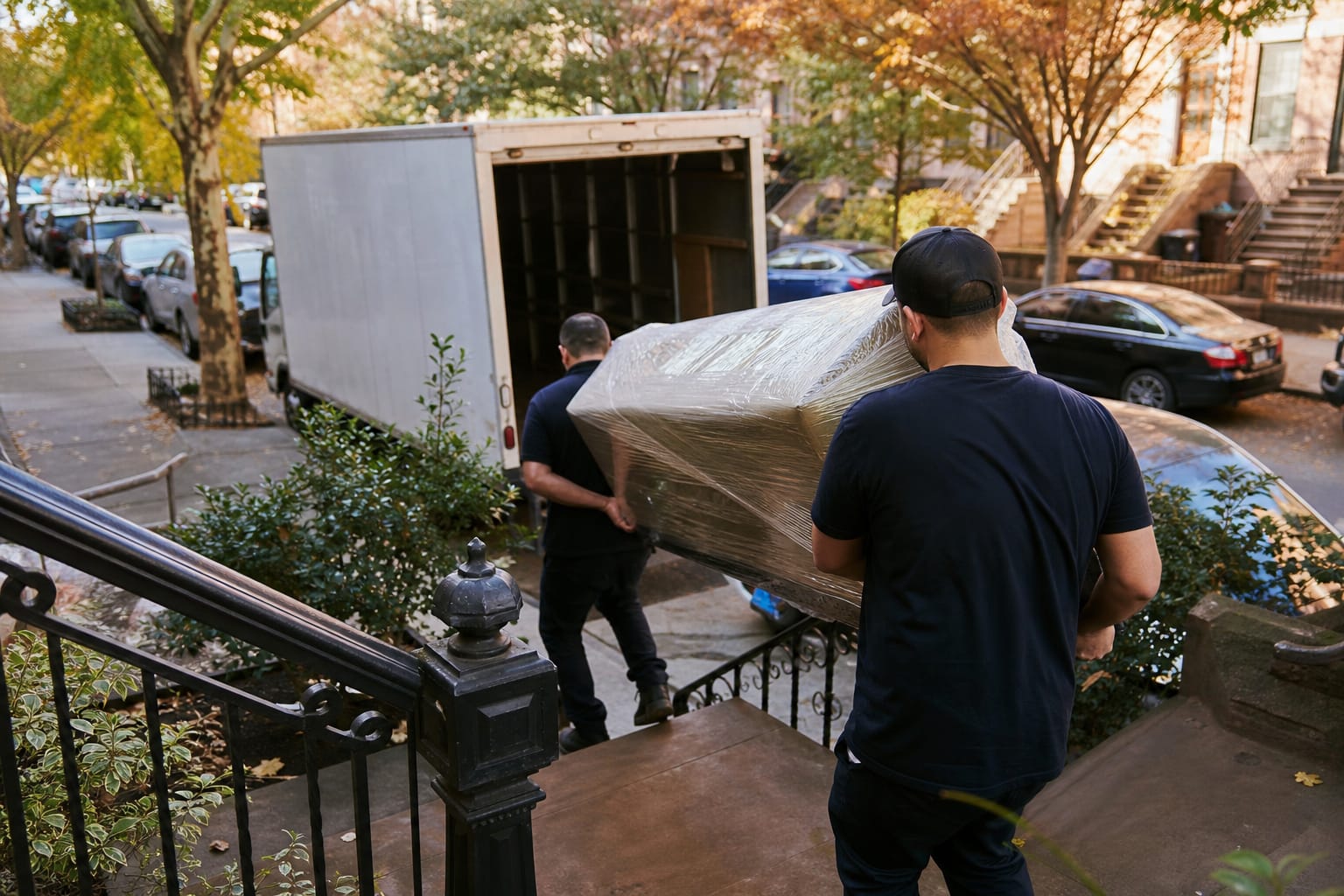
A professional mover is a trained, licensed individual or company that transports household or commercial goods using specialized equipment, insured crews, and legally binding contracts.
Professional movers differ from informal labor or rental truck operators in three ways: they carry insurance, operate under state or federal licensing, and provide a bill of lading — the legal contract governing every move. These distinctions become decisive when property is damaged or delivery charges differ from the original estimate.
The Federal Motor Carrier Safety Administration (FMCSA) requires every interstate moving company to hold an active USDOT number and Motor Carrier (MC) number. Local movers operate under state-level licensing that varies by jurisdiction.
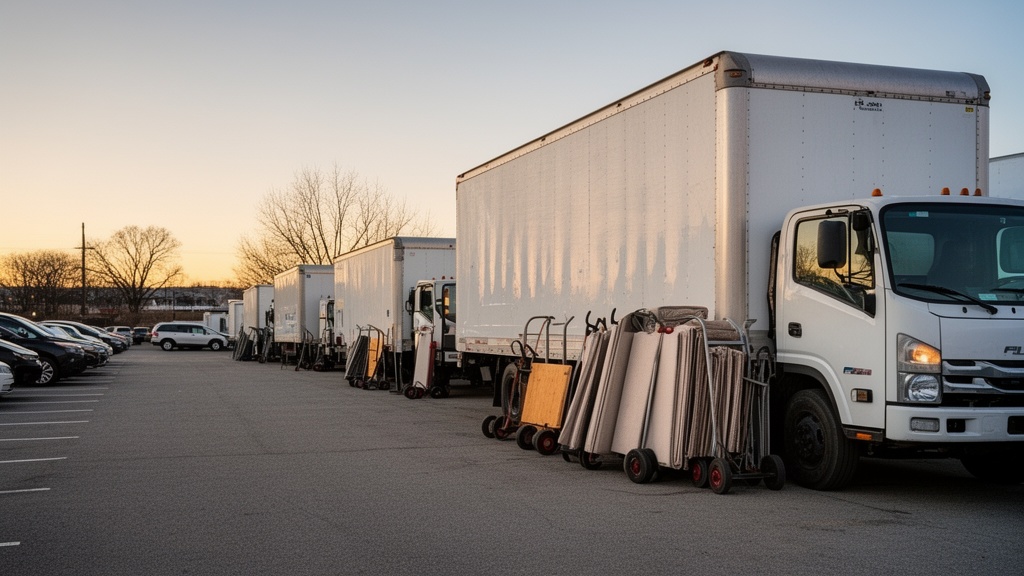
Pro Tip: Before calling any mover, spend 30 seconds on the FMCSA SAFER carrier database to confirm active registration. An unlicensed mover has no legal obligation to deliver goods or honor any estimate — this single check eliminates most bad actors.
Types of Professional Moving Services Explained
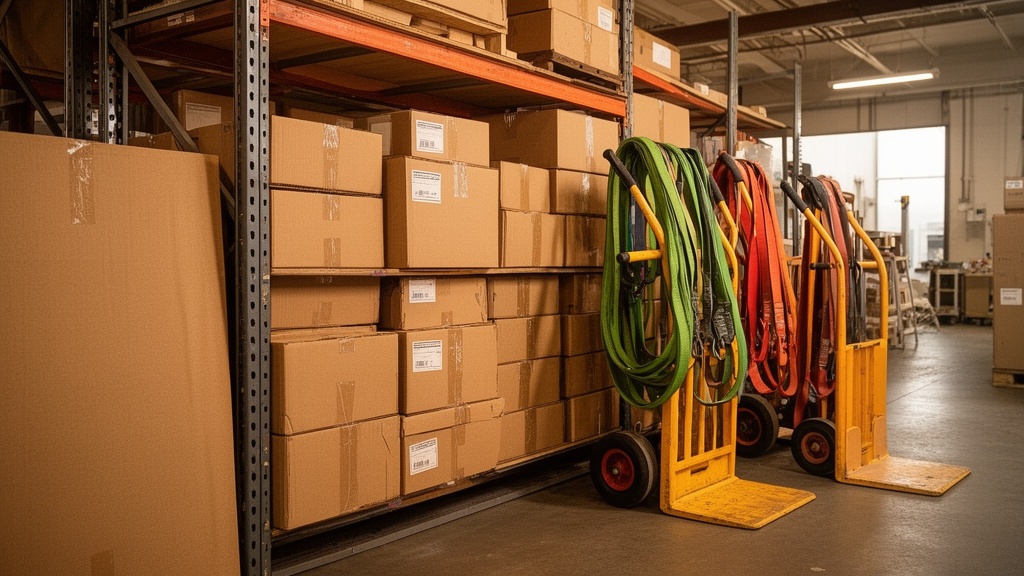
Professional moving services span several distinct categories, each designed for different move sizes and distances.
Local residential moves (typically under 100 miles) are billed hourly and handled by residential professional movers under state licensing. Most complete within a single day. Long-distance interstate moves cross state lines, trigger FMCSA jurisdiction, and are priced by shipment weight and distance rather than time. Commercial moves cover offices and retail spaces — professional furniture movers with commercial experience use industrial dollies and lift gates, often working overnight to minimize business disruption. Specialty moves handle pianos, fine art, and safes, with some companies offering hand-hoisting and crane services for items that cannot pass through standard doorways.
| Service Type | Pricing Model | Typical Duration | Best Fit |
|---|---|---|---|
| Local residential | Hourly ($120–$210/hr) | Same day | Apartments and homes under 100 miles |
| Long-distance/interstate | Weight + distance | 1–7 business days | Cross-state relocations |
| Commercial/office | Project quote | Overnight or weekend | Business relocations |
| Specialty items | Per-item or hourly | Varies | Pianos, fine art, safes |
| Labor-only | Hourly, no truck | Half to full day | Rental truck load/unload |
Understanding what full-service movers actually include before requesting quotes prevents the most common billing dispute: discovering that packing materials, floor protection, and stair fees are charged separately.
All Service Moving vs. Partial Moving: What’s the Difference?
All service moving means the crew handles every stage: packing, wrapping, loading, transport, unloading, and unpacking. The customer provides access and direction — nothing more. This is the most comprehensive option and typically costs 30–50% more than partial service alternatives.
Partial service (transport-only) means the customer packs everything independently, and the movers handle loading, driving, and unloading. Damage liability shifts significantly toward the customer for improperly packed items. Full service professional movers include all packing materials — boxes, tape, paper, moving blankets — in their quoted rate; partial-service operators typically exclude these.
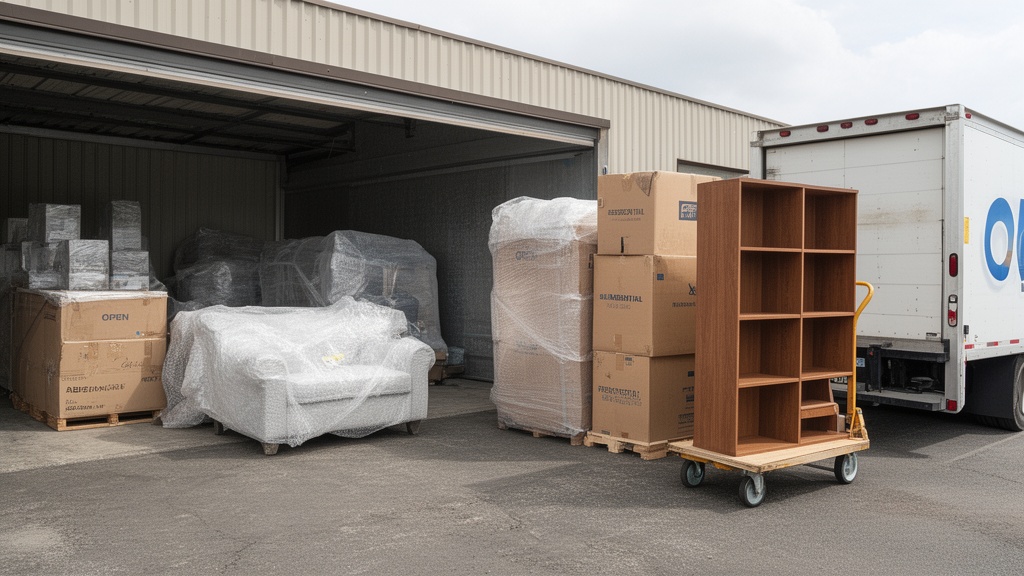
The right choice depends on budget, timeline, and item fragility. Households with antiques, large mirrors, or high-value electronics benefit most from all service moving because professional packers apply protective techniques — corner wrapping, custom crating, furniture blankets — that most homeowners skip entirely.
Pro Tip: Request a written list of exactly which materials and tasks are included before signing any full-service contract. “Full service” is not a standardized industry term — one company’s package may include unpacking, while another charges extra for the same service.
How to Find Top Rated Moving Companies Near You
Finding top rated moving companies requires more than a proximity search. Licensing, insurance documentation, and verified third-party reviews are stronger quality signals than Google ranking or advertised price alone.
The American Moving and Storage Association (AMSA) maintains a ProMover directory of companies that have passed background checks and agreed to a professional code of conduct. This is a reliable starting filter when evaluating unfamiliar companies. National brands like Amerisafe Moving Services operate across multiple states and offer standardized pricing structures. Regional and local movers often provide more competitive hourly rates for shorter-distance moves and more scheduling flexibility for complex situations.
When searching for the best professional movers near me, apply this verified vetting process:
- Confirm active USDOT registration on FMCSA.gov
- Request written proof of general liability and cargo insurance
- Ask for three references from moves completed in the prior 90 days
- Collect at least two written estimates — never accept verbal quotes
- Check BBB complaint history alongside Google and Trustpilot
Knowing how to verify a mover’s USDOT number is the single most effective screening step available. It takes under a minute and eliminates most fraudulent operators before any deposit changes hands. The complete process for how to find a reputable moving company walks through each step in detail.
Professional Mover Costs: What to Budget
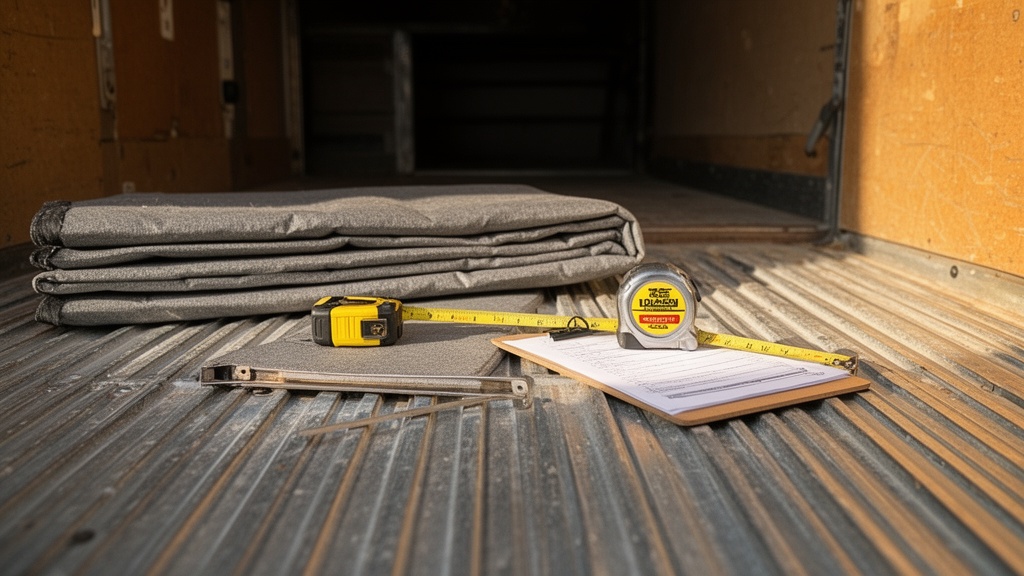
For local hourly moves, rates break down by crew size. A 2-mover crew with a truck typically costs $120/hour; a 3-mover crew runs $170/hour; a 4-mover crew costs $210/hour. The industry-standard minimum is 3 hours including travel time. Reputable all-inclusive rates cover labor, equipment, floor protection, tolls, fuel, and furniture wrapping — with no additional charges at delivery.
For long-distance moves, the FMCSA requires written binding or non-binding estimates. Binding estimates lock the final price regardless of actual weight. Non-binding estimates can change but legally cannot exceed 110% of the original quote at delivery.
| Crew Size | Hourly Rate | Typical Job Size |
|---|---|---|
| 2 movers + truck | $120/hr | Studio or 1-bedroom apartment |
| 3 movers + truck | $170/hr | 2–3 bedroom home |
| 4 movers + truck | $210/hr | 4+ bedroom house or large office |
| Labor-only (no truck) | $80–$100/hr | Rental truck loading/unloading |
For a complete breakdown, the guide on how much movers cost covers local pricing in depth, and the resource on how interstate moving service companies determine the cost explains the weight-and-distance formula used for long-distance quotes.
Vetting a Professional Moving Company: Full Checklist

Hiring a professional moving company requires verifying specific credentials — not just reading star ratings.
Start with valuation coverage. Licensed and insured movers offer two protection tiers: released value coverage ($0.60 per pound per item, included at no charge) and full value protection (market-value repair or replacement). Full value protection costs extra but provides the only meaningful recourse for high-value households.
A certified moving company provides a written bill of lading at pickup — the legal document specifying every item moved, the agreed total price, and the delivery window. Never release goods to a mover without a signed copy of this document.

The top qualities to look for in a moving company include transparent all-inclusive pricing, punctual arrival, and a documented damage claims process. Reviews specifically mentioning on-time arrival and final invoice accuracy carry more weight than aggregate star ratings.
Pro Tip: Ask every mover whether they employ crews directly or use subcontractors. Subcontracted crews operate under different accountability structures — the company you vetted bears limited liability for a crew they don’t directly manage, insure, or train.
Pre-hire verification checklist:
- Verify active USDOT number at fmcsa.dot.gov
- Confirm current general liability and cargo insurance
- Request a written binding estimate
- Review the bill of lading in full before signing at pickup
- Confirm all charges are explicitly itemized in writing
Red Flags to Avoid When Choosing a Professional Mover
Moving fraud is a documented federal problem. The FMCSA and the Federal Trade Commission (FTC) both publish consumer alerts about moving scams — a clear signal of how persistent bad actors are in this industry.
The most financially damaging pattern: a mover provides a low-ball estimate, loads the truck, then demands a significantly higher amount before unloading. This “hostage goods” scheme is entirely avoidable with a binding estimate and a signed bill of lading. Knowing how to avoid common moving scams is essential reading before committing any deposit.
Warning signs to identify before signing any contract:
- No verifiable physical address — legitimate companies have a street address, not just a website
- Quotes far below competing estimates — deliberate low-ball pricing signals hidden fees or unlicensed operation
- Cash-only payment or large upfront deposits — reputable movers accept cards and require no more than 20% upfront
- Verbal-only estimates — these carry zero legal protection
- No USDOT number on request — an immediate disqualifier for any interstate mover
- Pressure to sign quickly — legitimate movers do not manufacture artificial urgency
Making the Right Choice: Hiring Professional Movers
The decision to hire professional movers comes down to three verifiable factors: active licensing, all-inclusive pricing transparency, and a documented track record of service quality.
Collect at least three written estimates and compare them line by line — what’s included, what’s excluded, and what triggers additional charges. Call provided references and ask specifically about final invoice accuracy and crew punctuality. These two data points predict service quality better than any marketing material.
Understanding all aspects of professional moving services before the first call puts customers in a stronger negotiating position. Resources on tips for the smoothest moving experience and the guide covering 5 things to check before the move provide practical preparation checklists that complement the mover-selection process. The difference between a seamless move and a nightmare almost always comes down to how thoroughly the mover was vetted.
Frequently Asked Questions
What does a professional mover do?
A professional mover transports household or commercial goods between locations using trained crews, purpose-built equipment, and legally binding contracts. Services range from labor-only loading and unloading to all service moving, which covers packing, wrapping, transport, and unpacking. Professional movers hold state or federal licensing depending on whether the move crosses state lines, carry liability insurance for goods in transit, and provide a bill of lading — the legal contract specifying what is moved, the agreed price, and delivery terms. This structure gives customers legal recourse if property is damaged or the final invoice differs from the written estimate.
How much does it cost to hire a professional mover?
Local moves billed hourly typically cost $120–$210 per hour depending on crew size, with a standard 3-hour minimum. A 2-mover crew with a truck runs approximately $120/hour; 3-mover crews cost $170/hour; 4-mover crews cost $210/hour. Reputable companies include labor, equipment, floor protection, fuel, tolls, and furniture wrapping with no additional delivery charges. Long-distance moves are priced by weight and distance under FMCSA guidelines using binding or non-binding written estimates. Binding estimates lock the final price regardless of actual shipment weight. Always request at least two written estimates before selecting any company.
What are red flags when hiring professional movers?
The most serious red flags include: no verifiable USDOT number, no physical business address, quotes far below competitors, cash-only payment requirements, and upfront deposit demands exceeding 20% of the estimate. The FMCSA and FTC both document the “hostage goods” scam — movers who refuse to deliver until customers pay inflated amounts not in the original estimate. Additional warning signs include verbal-only estimates with no legal protection, absence of a bill of lading at pickup, refusal to provide written proof of insurance, and high-pressure tactics to sign without review time. Any single warning sign warrants choosing a different company.
Is it worth hiring a professional moving company?
For most households, professional movers justify their cost through insurance coverage, professional equipment, and contractual accountability. When a mover damages property, they bear legal liability for repair or replacement — a protection DIY moves eliminate entirely. The financial calculation shifts based on item value, move distance, and physical complexity. Stairs, elevators, narrow doorways, and long carries all increase injury and damage risk for self-movers. For households with high-value furniture, fragile items, or tight timelines, the cost premium of a licensed and insured mover typically costs less than the combined risk of injury, property damage, and lost productivity.
What is the difference between a full-service and partial-service mover?
Full service professional movers handle every stage: packing all items with professional materials, wrapping furniture in blankets, loading the truck, transporting goods, and unpacking at the destination. The customer directs but does not physically participate. Partial service means the customer packs everything independently and the mover handles loading, driving, and unloading only. The key distinction is liability — movers bear greater legal responsibility for items they packed themselves. If a customer packs improperly and an item breaks in transit, the mover’s liability is significantly limited. Full service costs more but reduces customer effort and results in fewer damage claims.
Are professional movers licensed and insured?
Legitimate professional movers are both licensed and insured — but the specifics matter. Interstate movers must hold an active USDOT number and MC number issued by the FMCSA. Local movers are regulated at the state level, with requirements varying by jurisdiction. Insurance comes in two tiers: released value coverage ($0.60 per pound per item, included at no charge) and full value protection, which covers market-value repair or replacement at additional cost. Verify licensing by entering the company’s USDOT number in the FMCSA SAFER database. Any legitimate mover provides written proof of insurance without hesitation — refusal is an immediate disqualifier.
Related Articles
- All Service Moving: What You Need to Know — Understand what all service moving packages include and when they deliver the best value.
- Moving Companies That Move Long Distance: A Full Guide — How to select and vet professional movers for interstate and cross-country relocations.
- Local Moving Companies Near Me: How to Choose the Best — A practical framework for evaluating local movers based on licensing, reviews, and pricing.
- Best Cheap Moving Companies — How to find affordable professional movers without sacrificing reliability or legal protection.
- Best Moving Companies Boston — Top-rated professional movers serving the Boston metro area, with a full verification checklist.
Recommended
- Full Service Moving Company Details and Features
- How to Find a Reputable Moving Company
- What to Look for in a Moving Company: Top Qualities
- How to Avoid Moving Scams
- Movers with Packing Services: What Full-Service Moving Includes