'%3E%3Cpath%20fill='%231B2A47'%20d='M1.605%2016.263c.03-1.139.059-2.482.088-3.971.03-1.49.03-2.832.03-4.03%200-.758%200-1.576-.03-2.51%200-.905-.03-1.84-.03-2.803%200-.496-.028-.964-.028-1.43%200-.468%200-.906-.03-1.315h6.858q2.188%200%203.589.35c.963.234%201.663.643%202.13%201.198.496.555.73%201.372.73%202.394%200%20.788-.176%201.46-.497%201.985-.32.526-.846.935-1.575%201.197-.73.292-1.693.468-2.918.526v.263c1.313.087%202.334.263%203.122.525.758.263%201.342.672%201.692%201.197.35.526.525%201.197.525%202.044%200%201.08-.233%201.927-.67%202.57-.468.642-1.139%201.08-2.102%201.343-.933.262-2.159.408-3.705.408H1.605zm6.537-9.197q1.882%200%202.713-.526c.555-.35.817-.934.817-1.752%200-.905-.292-1.547-.846-1.927s-1.459-.554-2.655-.554H4.757v4.759zm.204%206.92c.934%200%201.663-.088%202.217-.263.555-.176.934-.438%201.197-.818s.38-.876.38-1.518c0-.876-.322-1.49-.934-1.84-.643-.35-1.635-.525-3.035-.525H4.757v4.963zM21.038%2016.555c-1.576%200-2.801-.292-3.618-.905-.817-.614-1.284-1.519-1.372-2.745-.087-1.226.205-2.774.847-4.613s1.43-3.358%202.392-4.584c.963-1.226%202.043-2.131%203.298-2.744C23.839.292%2025.24%200%2026.786%200c1.576%200%202.772.321%203.59.934.816.613%201.283%201.548%201.37%202.774s-.203%202.774-.845%204.613c-.642%201.81-1.43%203.358-2.393%204.584s-2.072%202.132-3.297%202.745a9.8%209.8%200%200%201-4.173.905m.788-2.278c.642%200%201.138-.058%201.371-.116.205-.059.496-.117.847-.322.262-.146.437-.292.554-.408.204-.175.32-.292.438-.41.204-.203.35-.408.496-.583.35-.438.642-.876.963-1.402.233-.408.466-.817.67-1.284.205-.438.38-.905.555-1.372.438-1.198.671-2.278.671-3.183s-.204-1.606-.612-2.131c-.409-.497-1.051-.76-1.897-.76-.467%200-.934.059-1.43.205h-.03c-1.02.292-1.925%201.226-2.042%201.372-.116.117-.467.526-.963%201.343a15.5%2015.5%200%200%200-1.342%202.92c-.408%201.197-.642%202.277-.671%203.182-.03.906.175%201.636.584%202.161q.611.788%201.838.788M14.853%2038.54c-1.576%200-2.802-.292-3.619-.905s-1.284-1.518-1.371-2.744c-.088-1.227.204-2.774.846-4.614s1.43-3.357%202.393-4.584%202.042-2.13%203.297-2.744c1.255-.613%202.655-.905%204.173-.905%201.575%200%202.772.321%203.589.934s1.284%201.548%201.371%202.774c.088%201.226-.204%202.774-.846%204.613-.642%201.81-1.43%203.358-2.393%204.584s-2.072%202.131-3.297%202.745c-1.226.613-2.626.846-4.143.846m.787-2.277c.642%200%201.138-.059%201.372-.117.204-.058.496-.117.846-.321.263-.146.438-.292.554-.409.205-.175.321-.292.438-.409.204-.204.35-.408.496-.584a13%2013%200%200%200%201.634-2.686c.204-.438.38-.905.555-1.372.437-1.197.67-2.277.67-3.182%200-.906-.203-1.606-.612-2.132-.409-.496-1.05-.759-1.897-.759-.467%200-.934.058-1.43.204h-.029c-1.021.292-1.925%201.227-2.042%201.373-.117.116-.467.525-.963%201.343a15.5%2015.5%200%200%200-1.342%202.92c-.409%201.196-.642%202.277-.671%203.182s.175%201.635.583%202.16q.613.789%201.838.789'/%3E%3Cpath%20fill='%23FF515E'%20d='M55.966%2038.57c-1.576%200-2.801-.293-3.618-.906s-1.284-1.518-1.372-2.744c-.087-1.227.204-2.774.846-4.613s1.43-3.358%202.393-4.584c.963-1.227%202.043-2.132%203.297-2.745s2.656-.905%204.173-.905c1.576%200%202.772.321%203.589.934s1.284%201.548%201.371%202.774c.088%201.226-.204%202.774-.846%204.613-.642%201.81-1.43%203.358-2.393%204.584s-2.071%202.131-3.297%202.745c-1.225.613-2.626.846-4.143.846m.788-2.249c.642%200%201.138-.058%201.371-.117.204-.058.496-.116.846-.32.263-.147.438-.293.555-.41a7%207%200%200%200%20.437-.408c.205-.205.35-.41.496-.584a13%2013%200%200%200%201.634-2.686c.205-.438.38-.905.555-1.373.438-1.197.671-2.277.671-3.182s-.204-1.606-.613-2.131c-.408-.497-1.05-.76-1.896-.76-.467%200-.934.059-1.43.205h-.03c-1.02.292-1.925%201.226-2.042%201.372-.117.117-.467.526-.963%201.343a15.5%2015.5%200%200%200-1.342%202.92c-.409%201.197-.642%202.277-.671%203.182s.175%201.635.583%202.16q.614.79%201.839.79'/%3E%3Cpath%20fill='%231B2A47'%20d='M33.06%2016.263c0-.35%200-.935.03-1.81.029-1.051.058-2.103.058-3.154s.03-2.073.03-3.007c0-1.606-.03-3.27-.06-4.993%200-.554-.028-1.08-.028-1.606%200-.525-.03-1.021-.03-1.46h6.828c1.46%200%202.685.117%203.59.38q1.4.394%202.1%201.314.7.963.7%202.628c0%20.992-.174%201.81-.554%202.452-.35.643-.904%201.11-1.604%201.431s-1.576.467-2.627.496v.263q2.058.087%203.064.876c.671.525%201.138%201.372%201.43%202.51.087.41.233%201.023.467%201.84.233.818.408%201.431.554%201.84h-3.414a11%2011%200%200%200-.262-1.022c-.321-1.314-.526-2.19-.584-2.628a5%205%200%200%200-.642-1.46%202.13%202.13%200%200%200-.963-.73c-.408-.146-.934-.233-1.605-.233h-3.326v6.0440000000000005H33.06zm6.332-8.292c1.343%200%202.276-.205%202.86-.613.554-.41.846-1.11.846-2.073%200-.73-.146-1.314-.408-1.723-.263-.409-.671-.7-1.197-.876q-.788-.263-2.1-.263h-3.181v5.519h3.18zM49.4%2016.263l.03-2.745c.029-2.452.029-4.905.029-7.416q0-2.101-.088-5.868h4.085l5.924%2010.335c.087.234.204.438.291.643.117.204.205.408.321.613.38.788.613%201.255.672%201.372h.262c0-.058-.03-.146-.03-.204%200-.059-.028-.117-.028-.175a75%2075%200%200%201-.175-1.314%2010%2010%200%200%201-.088-1.285c0-1.547%200-3.737-.029-6.57V1.84c0-.584-.03-1.11-.03-1.576h2.977c-.03%202.482-.058%205.08-.058%207.766%200%201.694%200%204.438.029%208.292h-4.027l-5.573-9.43c-.875-1.81-1.226-2.511-1.05-2.132-.263-.613-.467-1.08-.613-1.46h-.263c.058.35.117.876.175%201.548.059.7.117%201.168.117%201.46%200%202.978%200%206.306.029%209.985H49.4zM4.698%2038.277c.029-2.627.058-5.255.058-7.883%200-1.576%200-3.503-.029-5.752-1.109%200-2.684%200-4.727.03v-2.453h12.664v2.453c-1.955-.03-3.53-.03-4.756-.03%200%20.584-.03%201.227-.03%201.957s0%201.46-.029%202.218v1.84c0%202.57.03%205.11.059%207.62z'/%3E%3Cpath%20fill='%23FF515E'%20d='M29.441%2038.277c.409-1.05.788-2.102%201.168-3.182s.787-2.16%201.167-3.241c.613-1.693%201.05-2.949%201.342-3.766l1.255-3.65c.116-.38.262-.788.379-1.139.117-.38.263-.73.38-1.05h4.61l-.671%2012.904h.262l8.316-12.905h4.669l-.7%201.869c-.876%202.452-1.343%203.766-1.43%204a501%20501%200%200%200-3.385%2010.16h-2.947c.292-.846.788-2.219%201.459-4.087.175-.526.35-1.08.554-1.606.175-.526.38-1.08.555-1.577.642-1.81%201.342-3.825%202.072-6.014h-.234l-8.724%2013.314h-2.86l.554-13.314h-.175c-.175.496-.38.992-.554%201.489-.175.496-.38%201.022-.555%201.547a163%20163%200%200%200-1.08%203.008c-.145.38-.262.759-.408%201.138-.117.38-.262.73-.408%201.11-.7%201.898-1.284%203.59-1.751%205.05h-2.86zM68.047%2038.277c.175-2.19.32-4.525.467-7.007.058-.905.204-3.912.467-9.051h3.151c-.03.438-.058.934-.088%201.46s-.058%201.08-.087%201.693a264%20264%200%200%201-.409%206.657c-.145%201.986-.35%203.591-.583%204.788h.175Q72.147%2034.892%2073.94%2032a562%20562%200%200%201%204.465-7.066c.32-.496.641-.992.933-1.46s.555-.875.817-1.255h3.268q-.568.832-1.138%201.752c-.408.613-.787%201.255-1.196%201.927-3.88%206.014-6.478%2010.131-7.85%2012.35h-5.193zM79.106%2038.277c.32-.788.758-2.014%201.37-3.65a287%20287%200%200%200%201.577-4.32c.437-1.256.904-2.628%201.4-4.088s.934-2.774%201.313-3.97h11.322l-.846%202.364H87.1l-1.664%204.847%207.645-.088-.612%201.694-7.587-.088-1.75%204.934h8.286l-.846%202.365z'/%3E%3C/g%3E%3Cdefs%3E%3CclipPath%20id='a'%3E%3Cpath%20fill='%23fff'%20d='M0%200h96v40H0z'/%3E%3C/clipPath%3E%3C/defs%3E%3C/svg%3E)
Moving across the country is one of the most expensive and logistically complex relocations a household will ever face. Across country moving services exist to absorb that complexity. A single licensed carrier packs, loads, transports, and delivers your belongings between states under one contract. The hard part is separating reliable interstate movers from brokers who hand off your shipment and inflate the price mid-route. This guide breaks down real costs, federal regulations, what full-service actually includes, and how to vet a carrier — plus a step-by-step booking checklist. Whether you are gathering quotes or choosing a long-distance moving company, you will leave with a clear plan.

Key Takeaways
| Point | Details |
|---|---|
| Definition | Across country moving services are full-service interstate relocations run by an FMCSA-licensed carrier that packs, loads, hauls, and delivers across state lines. |
| Cost driver | Price is set by shipment weight, mileage, and add-ons — not a flat rate. A two-bedroom move typically runs several thousand dollars. |
| Legal floor | Every interstate mover must carry a valid USDOT number you can verify on FMCSA SAFER before booking. |
| Direct vs. broker | A direct-carrier model — like Born to Move — eliminates the last-minute price hikes that fuel most negative reviews in this category. |
| Proof | Born to Move has been hired 1,121 times on Thumbtack and operates hubs in 11 metro areas, from Boston to Los Angeles. |
What Are Across Country Moving Services?

Across country moving services are full-service interstate relocations handled by a licensed motor carrier that packs, loads, transports, and delivers household goods between states. Regulated by the FMCSA, these moves usually cover 400 miles or more and cross at least one state line under a single USDOT-authorized carrier.
That single-carrier structure is what separates them from a local move. Local jobs are billed hourly within one metro. Long distance moving services are billed by weight and distance, then scheduled around federal driving limits and multi-stop routes.
The category goes by several names. People search for cross country moving services, out of state moving companies, and nationwide moving companies — all describing the same regulated interstate work. Across country moving companies and interstate moving companies are the firms that perform it.
Q: What counts as an interstate move?
A: Any relocation that crosses a state line is an interstate move and falls under FMCSA jurisdiction, regardless of distance — even a 20-mile move from one state into a neighboring one.
Born to Move runs this work as a direct carrier, with established hubs in Boston/Newton MA, Nashua NH, Providence RI, New York City, Chicago, Los Angeles, Houston, San Francisco, Connecticut, Miami, and Washington DC. For a deeper primer on the category, see the guide to cross-country movers and the breakdown of what to know about interstate moving.
How Much Do Across Country Moving Services Cost?
So how much does cross country moving cost? There is no flat answer, because price is driven by three variables: the weight of your shipment, total mileage, and the add-on services you choose. A studio moving 1,000 miles and a four-bedroom home crossing the continent sit at opposite ends of the scale.
For a typical two-bedroom household, a long-distance move generally runs several thousand dollars, with full-pack service and specialty items pushing the figure higher. The long distance moving cost rises sharply with weight, so decluttering before the estimate is the fastest way to cut the bill.
The table below shows how mileage bands map to typical transit windows. Transit time matters as much as price, because longer routes mean more days without your belongings.
| Distance band | Typical mileage | Usual transit window |
|---|---|---|
| Regional interstate | 250–700 miles | 2–5 days |
| Mid-range | 700–1,500 miles | 3–7 days |
| Long-haul | 1,500–2,500 miles | 5–10 days |
| Coast-to-coast | 2,500+ miles | 7–14 days |
These windows reflect FMCSA driving limits — a single driver may operate up to 11 hours per day under federal hours-of-service rules. Born to Move plans routes around that ceiling, which is why a Boston–to–California corridor takes longer than a Boston–to–Florida run.
Pro Tip: Always ask for a binding or not-to-exceed written estimate, never a verbal range. A binding estimate locks the price to the agreed inventory, so the number you approve is the number you pay on delivery day.
When you request cross country moving quotes, give every company the same inventory list. Comparing identical scopes is the only way to spot affordable moving companies out of state without falling for a lowball that balloons later. For the mechanics behind every line item, read how interstate moving service companies determine the cost of your move.
Q: How much does cross country moving cost for a 2-bedroom home?
A: Expect several thousand dollars on average, with the final figure set by shipment weight, total mileage, and whether you add full packing, valuation coverage, or specialty handling.
Inside Full-Service Across Country Moving
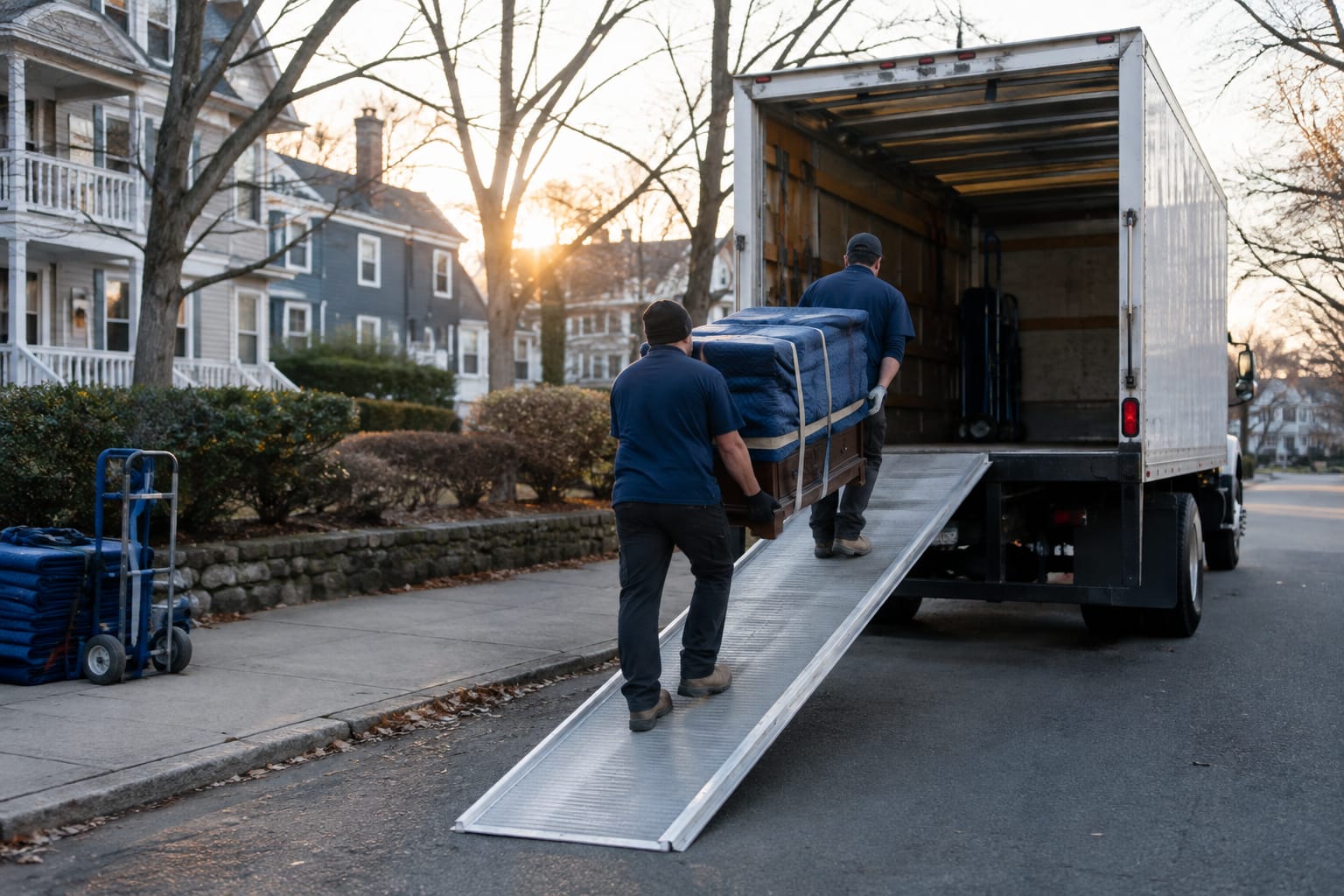
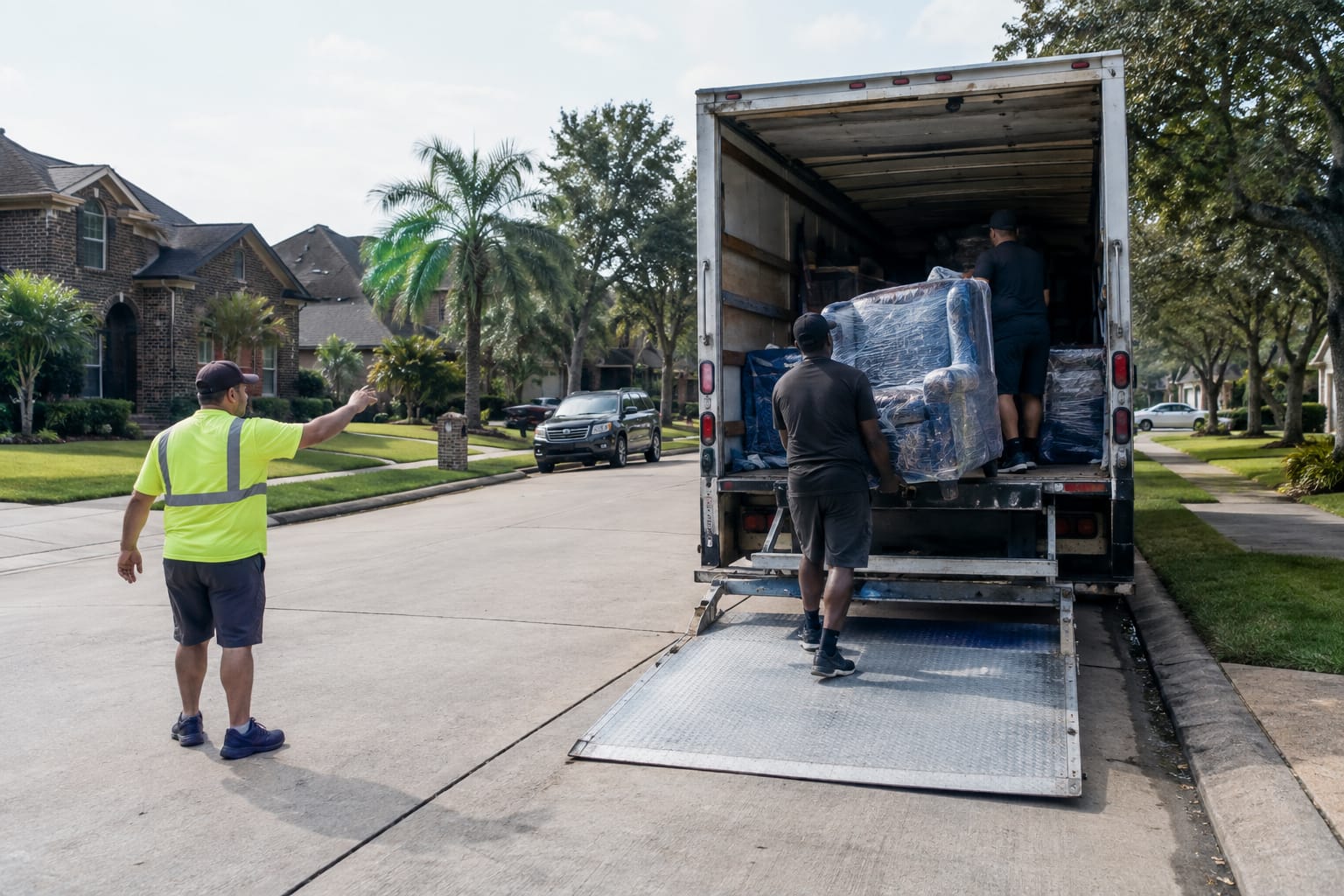
Full-service across country moving means the crew handles the entire job end to end. Full service cross country movers supply boxes and materials, pack every room, disassemble furniture, load, drive, deliver, reassemble, and remove the debris — you mostly supervise.

A standard full-service scope includes:
- Professional packing of fragile and standard items, with quality materials
- Furniture disassembly and reassembly at both ends
- Loading, securing, and interstate transport under one carrier
- Basic valuation coverage and a detailed inventory sheet
- Hoisting or crane service for oversized pieces that will not fit through a doorway
That last point is a Born to Move specialty. The crew performs hand-hoisting and crane work, bringing an item in through a window or balcony when it cannot fit through the door. Beyond standard residential jobs, the company also handles white glove moving, piano moving, art and antique transport, laboratory moves, and senior and student relocations.
Pro Tip: Photograph the back and serial plate of every electronic and the condition of high-value furniture before the crew wraps it. Time-stamped photos make any valuation claim faster and turn a he-said dispute into documented fact.
Not everyone needs the full package. Some movers choose partial service — you pack the boxes, the crew loads and drives. Others book labor-only help for a self-driven rental. The comparison table later in this guide lays out which model fits which budget. For a room-by-room walkthrough, our essential cross-country moving tips cover packing order, labeling, and what to keep with you.
Choosing the Best Across Country Moving Company
The best across country movers share four verifiable traits: active federal licensing, transparent written pricing, a direct-carrier model, and documented third-party reviews. Anything less is a gamble with everything you own.
Start with the license. Before signing, look up the carrier's USDOT number on the FMCSA SAFER company snapshot and confirm active interstate operating authority. A legitimate company displays this number openly; a broker often will not. Our guide on how to check a moving company's US DOT number walks through the lookup in two minutes.
Next, weigh these factors when you compare companies:
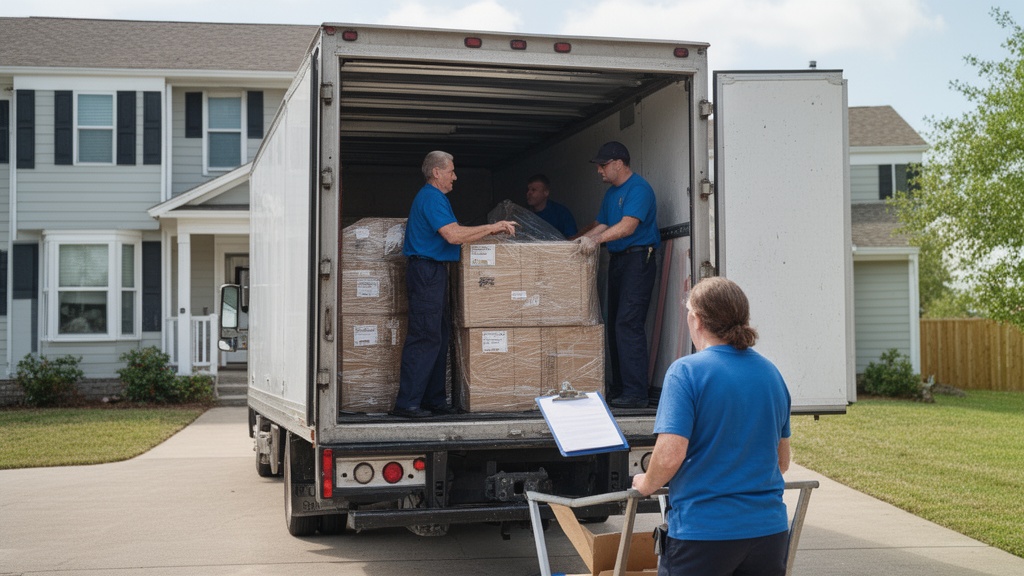
- Carrier vs. broker — a direct carrier owns the trucks and crews; a broker resells your job.
- Estimate type — insist on binding or not-to-exceed, in writing.
- Review depth — read verified reviews on Trustpilot, Google, and Thumbtack, not just the website.
- Service corridor fit — pick a mover that already runs your route regularly.
- Booking terms — favor no-deposit booking with no cancellation penalty.
Born to Move checks each box. The company is fully licensed and insured, books many moves with no deposit and no cancellation fee, and has been hired 1,121 times on Thumbtack. One verified Trustpilot reviewer wrote: "This Company is an excellent example of a company you can trust. Always on time, professional moving crew, great customer service transparent rates, no hidden fees, fully licensed and there is insurance! highly recommended!"
For a structured vetting framework, read are there any good moving companies for interstate moving and the broader guide to choosing a long-distance moving company.
Born to Move can help: Born to Move runs as a direct carrier across 11 metro hubs, so your shipment stays with one accountable crew from pickup to delivery. Learn more →
Interstate Moving Regulations Every Customer Should Know
Every interstate mover operates under federal rules enforced by the FMCSA, and knowing them protects you. The single most important: any company moving you across a state line must hold a valid USDOT number and active operating authority. Verification takes minutes at safer.fmcsa.dot.gov.
The second rule covers liability. Federal law requires carriers to offer two levels of coverage, and the difference is enormous on a long haul.
| Coverage type | What it pays | Typical cost |
|---|---|---|
| Released-value protection | 60 cents per pound, per item | Included at no extra charge |
| Full-value protection | Repair, replacement, or cash value of the item | Premium added to the move |
These tiers are mandated under FMCSA "Your Rights and Responsibilities When You Move". Released-value protection sounds free, but 60 cents per pound rarely covers a damaged TV. Most long-distance customers buy full-value protection for high-value loads.
Q: Are across country moving companies required to be licensed?
A: Yes. Federal law requires every interstate mover to hold an active USDOT number and operating authority registered with the FMCSA, verifiable on the public SAFER database.
Third, you have the right to a written estimate, an inventory, and a copy of the FMCSA rights booklet before the truck loads. Born to Move provides each as standard practice as a fully licensed and insured carrier.
Try Born to Move's no-deposit booking: Reserve your moving date with no deposit and no cancellation fee in most service areas, then lock your price with a written estimate. Get started →
Preparing for an Across Country Move
Preparation determines whether moving day runs smoothly or unravels. Start six to eight weeks out, and work backward from your load date. The cross country moving checklist below keeps the timeline on track.

Use this cross country moving checklist as your spine:
- 8 weeks out — request cross country moving quotes from three carriers using one identical inventory.
- 6 weeks out — book your carrier, confirm the USDOT number, and reserve the date.
- 4 weeks out — declutter aggressively; lighter shipments cost less.
- 3 weeks out — order packing supplies and file address changes.
- 2 weeks out — pack non-essentials room by room, labeled by destination room.
- 1 week out — confirm delivery window, reserve building elevators, and pack an essentials bag.
- Move day — supervise loading, sign the inventory, and photograph the loaded truck.
Pro Tip: Pack a "first-night box" — chargers, medications, a change of clothes, basic tools, and toiletries — and keep it in your own vehicle. On a 7-to-14-day coast-to-coast transit, you will need those items long before the truck arrives.
Packing the truck correctly matters on long hauls, where shifting loads cause most damage. The walkthrough on how to pack a truck for a long distance move shows weight distribution and tie-down technique. If a piano or antique is involved, review tips for moving a piano before the crew arrives.
Across Country Movers vs. Renting a Truck: Pros and Cons
The core decision is full-service versus do-it-yourself. Renting a truck looks cheaper on paper, but the gap narrows fast once you add fuel, lodging, equipment, and the days of labor you supply yourself. The table compares all three common models.
| Criteria | Full-service movers | Partial service | Truck rental (DIY) |
|---|---|---|---|
| Packing | Crew packs everything | You pack, crew loads | You do all packing |
| Driving | Carrier drives | Carrier drives | You drive cross-country |
| Labor | None required | Loading only | All on you |
| Damage liability | Carrier-covered valuation | Carrier-covered transit | Fully your risk |
| Best for | Large or complex moves | Mid-size budget moves | Smallest, lowest-budget moves |
| Time cost | Lowest | Moderate | Highest |
Full-service wins on time and risk transfer. You hand the keys to professionals, valuation coverage applies, and you fly to your new city instead of white-knuckling a 26-foot truck through mountain passes. DIY wins only on raw out-of-pocket cost for the smallest loads.
Q: Is full-service cheaper than renting a truck cross country?
A: Not on sticker price, but once fuel, lodging, equipment rental, and several days of your own labor are counted, full-service often closes the gap — and removes all driving and damage risk.
For a clear-eyed look at the rental path, see how rental truck moving companies' services and operation actually work before you commit.
Red Flags to Avoid When Booking Across Country Moving Services
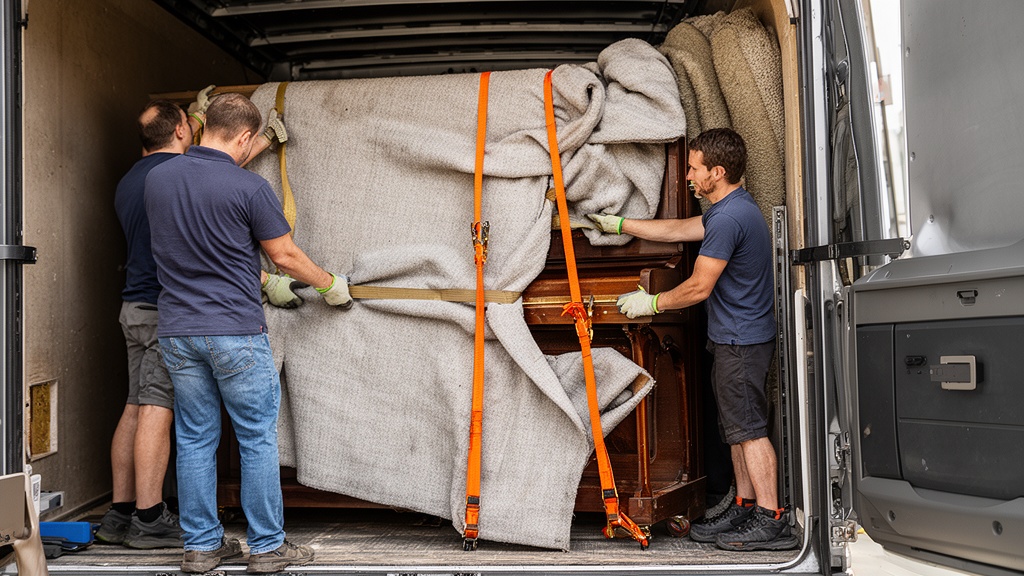
Most cross-country horror stories trace back to a handful of warning signs visible before booking. Spot these and walk away.
Watch for these red flags:
- No USDOT number or one that fails to verify on FMCSA SAFER.
- Large upfront deposits demanded before any service.
- Verbal estimates only with no written, signed document.
- Broker disguised as a carrier — your job gets resold and the truck that arrives is a stranger.
- Quotes far below every competitor, the classic lowball that balloons at delivery.
The broker problem is the biggest one in this category. Brokers do not own trucks; they sell your move to whichever carrier bids lowest, and last-minute price hikes follow. Direct carrier movers eliminate that handoff entirely.
Pro Tip: Ask one question that exposes brokers instantly: "Will your own employees and trucks perform my move, or will it be assigned to another company?" A direct carrier answers yes without hesitation.
Born to Move's direct-carrier model is the structural answer to these risks — one company, one crew, one accountable USDOT authority from pickup to delivery. To build your own vetting habit, read how to find a reputable moving company.
Service Corridors and Transit Times Explained
The smartest move is hiring a carrier that already runs your route. A mover with regular weekly trips on your corridor schedules faster, prices tighter, and avoids the long waits that plague one-off long hauls.
Born to Move maintains established corridors between its 11 hubs, including Boston–to–Florida, Boston–to–California, and Chicago–to–Texas routes. Because the company started in Greater Boston and grew nationwide, Northeast-to-Southeast and Northeast-to-West-Coast lanes run frequently.
Transit time depends on mileage and federal driving limits. With a single driver capped at 11 hours per day, a 3,000-mile coast-to-coast haul naturally spans more days than a regional interstate run. Plan your delivery window — and your first-night box — around the realistic window, not the best case.
New York City is a frequent destination, with same-day moving service and next-day delivery available on that corridor. One verified Trustpilot customer summed up the experience: "I'm not afraid of moving now, thanks to their professional services. 5/5 stars for them!"
Why Born to Move for Your Cross-Country Relocation
Born to Move was built to solve the exact problems this guide describes: opaque pricing, broker handoffs, and missing licensing. As a fully licensed and insured direct carrier, the company owns the trucks and crews that complete your move — no reselling, no surprise carrier at the curb.
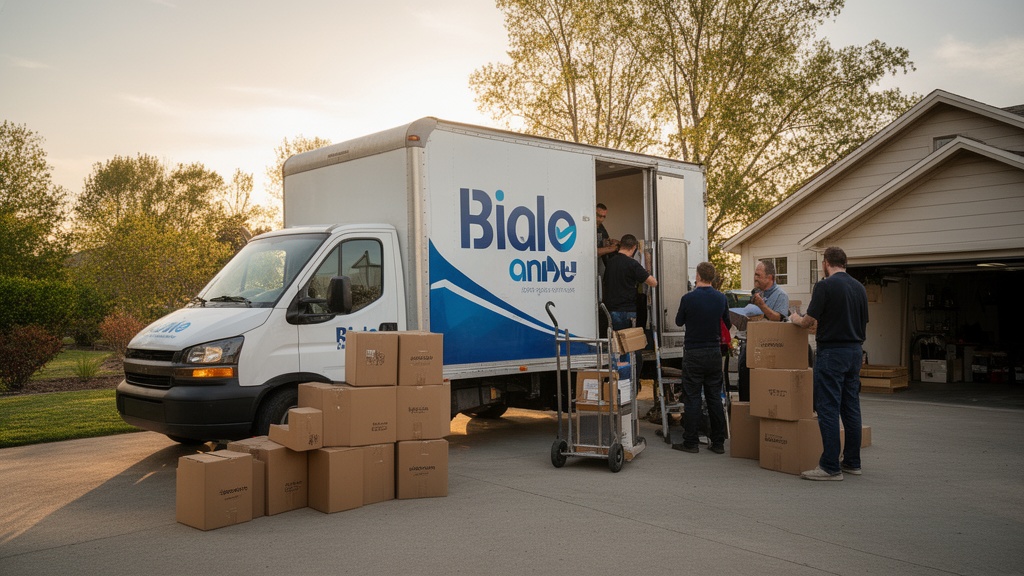
What that means for a cross-country move:
- One accountable carrier with a verifiable USDOT number from pickup to delivery
- Transparent written estimates — no hidden fees, as customers repeatedly note
- No-deposit booking with no cancellation fee in most service areas
- Specialty capability — piano, art, white glove, hoisting, and crane service
- 11 metro hubs with regular interstate corridors nationwide
The company's track record is documented, not claimed: hired 1,121 times on Thumbtack and reviewed as transparent, on time, and trustworthy. Whether you need affordable moving companies out of state for a small load or full service cross country movers for a four-bedroom home, the model is the same — one direct carrier, one fair price.
Ready to plan your move? Request a no-deposit quote and lock your date with a written estimate.
Get your cross-country quote →
Is a noticeable amount0 enough to move cross country?
For a small to mid-size household, a noticeable amount0 is often enough to cover a cross-country move, but the answer hinges on weight, distance, and services. A studio or one-bedroom moving a moderate distance can land within that budget; a fully packed three- or four-bedroom home crossing the continent usually exceeds it, since cross-country costs scale with shipment weight and mileage. To stretch the budget, declutter aggressively, choose partial service over full-pack, and book a carrier that already runs your corridor. Get binding written estimates so the figure you approve is the figure you pay, and avoid quotes far below the rest — they signal hidden fees that erase any apparent savings.
Related Articles
- Cheap Moving Companies: How to Find Affordable Movers — learn how to lower your move cost without sacrificing licensing or reliability.
- Best Moving Companies in Boston: Local Expert Guide — see how to vet top-rated movers in the Greater Boston market.
- Best Chicago Moving Companies: Top-Rated Local Movers — compare leading movers serving the Chicago metro and interstate corridors.
- Flat Rate Moving Company: How It Works and What to Expect — understand binding flat-rate pricing and when it protects you.
- What Professional Movers Do and Why They're Worth It — discover the full scope of services a licensed crew delivers.
Recommended Reading
- Cross-country movers
- 12 Essential Cross-Country Moving Tips
- Long-Distance Moving Companies: How to Choose the Right Mover
- How to Check a Moving Company's US DOT Number
- How to Pack a Truck for a Long Distance Move
Frequently Asked Questions