'%3E%3Cpath%20fill='%231B2A47'%20d='M1.605%2016.263c.03-1.139.059-2.482.088-3.971.03-1.49.03-2.832.03-4.03%200-.758%200-1.576-.03-2.51%200-.905-.03-1.84-.03-2.803%200-.496-.028-.964-.028-1.43%200-.468%200-.906-.03-1.315h6.858q2.188%200%203.589.35c.963.234%201.663.643%202.13%201.198.496.555.73%201.372.73%202.394%200%20.788-.176%201.46-.497%201.985-.32.526-.846.935-1.575%201.197-.73.292-1.693.468-2.918.526v.263c1.313.087%202.334.263%203.122.525.758.263%201.342.672%201.692%201.197.35.526.525%201.197.525%202.044%200%201.08-.233%201.927-.67%202.57-.468.642-1.139%201.08-2.102%201.343-.933.262-2.159.408-3.705.408H1.605zm6.537-9.197q1.882%200%202.713-.526c.555-.35.817-.934.817-1.752%200-.905-.292-1.547-.846-1.927s-1.459-.554-2.655-.554H4.757v4.759zm.204%206.92c.934%200%201.663-.088%202.217-.263.555-.176.934-.438%201.197-.818s.38-.876.38-1.518c0-.876-.322-1.49-.934-1.84-.643-.35-1.635-.525-3.035-.525H4.757v4.963zM21.038%2016.555c-1.576%200-2.801-.292-3.618-.905-.817-.614-1.284-1.519-1.372-2.745-.087-1.226.205-2.774.847-4.613s1.43-3.358%202.392-4.584c.963-1.226%202.043-2.131%203.298-2.744C23.839.292%2025.24%200%2026.786%200c1.576%200%202.772.321%203.59.934.816.613%201.283%201.548%201.37%202.774s-.203%202.774-.845%204.613c-.642%201.81-1.43%203.358-2.393%204.584s-2.072%202.132-3.297%202.745a9.8%209.8%200%200%201-4.173.905m.788-2.278c.642%200%201.138-.058%201.371-.116.205-.059.496-.117.847-.322.262-.146.437-.292.554-.408.204-.175.32-.292.438-.41.204-.203.35-.408.496-.583.35-.438.642-.876.963-1.402.233-.408.466-.817.67-1.284.205-.438.38-.905.555-1.372.438-1.198.671-2.278.671-3.183s-.204-1.606-.612-2.131c-.409-.497-1.051-.76-1.897-.76-.467%200-.934.059-1.43.205h-.03c-1.02.292-1.925%201.226-2.042%201.372-.116.117-.467.526-.963%201.343a15.5%2015.5%200%200%200-1.342%202.92c-.408%201.197-.642%202.277-.671%203.182-.03.906.175%201.636.584%202.161q.611.788%201.838.788M14.853%2038.54c-1.576%200-2.802-.292-3.619-.905s-1.284-1.518-1.371-2.744c-.088-1.227.204-2.774.846-4.614s1.43-3.357%202.393-4.584%202.042-2.13%203.297-2.744c1.255-.613%202.655-.905%204.173-.905%201.575%200%202.772.321%203.589.934s1.284%201.548%201.371%202.774c.088%201.226-.204%202.774-.846%204.613-.642%201.81-1.43%203.358-2.393%204.584s-2.072%202.131-3.297%202.745c-1.226.613-2.626.846-4.143.846m.787-2.277c.642%200%201.138-.059%201.372-.117.204-.058.496-.117.846-.321.263-.146.438-.292.554-.409.205-.175.321-.292.438-.409.204-.204.35-.408.496-.584a13%2013%200%200%200%201.634-2.686c.204-.438.38-.905.555-1.372.437-1.197.67-2.277.67-3.182%200-.906-.203-1.606-.612-2.132-.409-.496-1.05-.759-1.897-.759-.467%200-.934.058-1.43.204h-.029c-1.021.292-1.925%201.227-2.042%201.373-.117.116-.467.525-.963%201.343a15.5%2015.5%200%200%200-1.342%202.92c-.409%201.196-.642%202.277-.671%203.182s.175%201.635.583%202.16q.613.789%201.838.789'/%3E%3Cpath%20fill='%23FF515E'%20d='M55.966%2038.57c-1.576%200-2.801-.293-3.618-.906s-1.284-1.518-1.372-2.744c-.087-1.227.204-2.774.846-4.613s1.43-3.358%202.393-4.584c.963-1.227%202.043-2.132%203.297-2.745s2.656-.905%204.173-.905c1.576%200%202.772.321%203.589.934s1.284%201.548%201.371%202.774c.088%201.226-.204%202.774-.846%204.613-.642%201.81-1.43%203.358-2.393%204.584s-2.071%202.131-3.297%202.745c-1.225.613-2.626.846-4.143.846m.788-2.249c.642%200%201.138-.058%201.371-.117.204-.058.496-.116.846-.32.263-.147.438-.293.555-.41a7%207%200%200%200%20.437-.408c.205-.205.35-.41.496-.584a13%2013%200%200%200%201.634-2.686c.205-.438.38-.905.555-1.373.438-1.197.671-2.277.671-3.182s-.204-1.606-.613-2.131c-.408-.497-1.05-.76-1.896-.76-.467%200-.934.059-1.43.205h-.03c-1.02.292-1.925%201.226-2.042%201.372-.117.117-.467.526-.963%201.343a15.5%2015.5%200%200%200-1.342%202.92c-.409%201.197-.642%202.277-.671%203.182s.175%201.635.583%202.16q.614.79%201.839.79'/%3E%3Cpath%20fill='%231B2A47'%20d='M33.06%2016.263c0-.35%200-.935.03-1.81.029-1.051.058-2.103.058-3.154s.03-2.073.03-3.007c0-1.606-.03-3.27-.06-4.993%200-.554-.028-1.08-.028-1.606%200-.525-.03-1.021-.03-1.46h6.828c1.46%200%202.685.117%203.59.38q1.4.394%202.1%201.314.7.963.7%202.628c0%20.992-.174%201.81-.554%202.452-.35.643-.904%201.11-1.604%201.431s-1.576.467-2.627.496v.263q2.058.087%203.064.876c.671.525%201.138%201.372%201.43%202.51.087.41.233%201.023.467%201.84.233.818.408%201.431.554%201.84h-3.414a11%2011%200%200%200-.262-1.022c-.321-1.314-.526-2.19-.584-2.628a5%205%200%200%200-.642-1.46%202.13%202.13%200%200%200-.963-.73c-.408-.146-.934-.233-1.605-.233h-3.326v6.0440000000000005H33.06zm6.332-8.292c1.343%200%202.276-.205%202.86-.613.554-.41.846-1.11.846-2.073%200-.73-.146-1.314-.408-1.723-.263-.409-.671-.7-1.197-.876q-.788-.263-2.1-.263h-3.181v5.519h3.18zM49.4%2016.263l.03-2.745c.029-2.452.029-4.905.029-7.416q0-2.101-.088-5.868h4.085l5.924%2010.335c.087.234.204.438.291.643.117.204.205.408.321.613.38.788.613%201.255.672%201.372h.262c0-.058-.03-.146-.03-.204%200-.059-.028-.117-.028-.175a75%2075%200%200%201-.175-1.314%2010%2010%200%200%201-.088-1.285c0-1.547%200-3.737-.029-6.57V1.84c0-.584-.03-1.11-.03-1.576h2.977c-.03%202.482-.058%205.08-.058%207.766%200%201.694%200%204.438.029%208.292h-4.027l-5.573-9.43c-.875-1.81-1.226-2.511-1.05-2.132-.263-.613-.467-1.08-.613-1.46h-.263c.058.35.117.876.175%201.548.059.7.117%201.168.117%201.46%200%202.978%200%206.306.029%209.985H49.4zM4.698%2038.277c.029-2.627.058-5.255.058-7.883%200-1.576%200-3.503-.029-5.752-1.109%200-2.684%200-4.727.03v-2.453h12.664v2.453c-1.955-.03-3.53-.03-4.756-.03%200%20.584-.03%201.227-.03%201.957s0%201.46-.029%202.218v1.84c0%202.57.03%205.11.059%207.62z'/%3E%3Cpath%20fill='%23FF515E'%20d='M29.441%2038.277c.409-1.05.788-2.102%201.168-3.182s.787-2.16%201.167-3.241c.613-1.693%201.05-2.949%201.342-3.766l1.255-3.65c.116-.38.262-.788.379-1.139.117-.38.263-.73.38-1.05h4.61l-.671%2012.904h.262l8.316-12.905h4.669l-.7%201.869c-.876%202.452-1.343%203.766-1.43%204a501%20501%200%200%200-3.385%2010.16h-2.947c.292-.846.788-2.219%201.459-4.087.175-.526.35-1.08.554-1.606.175-.526.38-1.08.555-1.577.642-1.81%201.342-3.825%202.072-6.014h-.234l-8.724%2013.314h-2.86l.554-13.314h-.175c-.175.496-.38.992-.554%201.489-.175.496-.38%201.022-.555%201.547a163%20163%200%200%200-1.08%203.008c-.145.38-.262.759-.408%201.138-.117.38-.262.73-.408%201.11-.7%201.898-1.284%203.59-1.751%205.05h-2.86zM68.047%2038.277c.175-2.19.32-4.525.467-7.007.058-.905.204-3.912.467-9.051h3.151c-.03.438-.058.934-.088%201.46s-.058%201.08-.087%201.693a264%20264%200%200%201-.409%206.657c-.145%201.986-.35%203.591-.583%204.788h.175Q72.147%2034.892%2073.94%2032a562%20562%200%200%201%204.465-7.066c.32-.496.641-.992.933-1.46s.555-.875.817-1.255h3.268q-.568.832-1.138%201.752c-.408.613-.787%201.255-1.196%201.927-3.88%206.014-6.478%2010.131-7.85%2012.35h-5.193zM79.106%2038.277c.32-.788.758-2.014%201.37-3.65a287%20287%200%200%200%201.577-4.32c.437-1.256.904-2.628%201.4-4.088s.934-2.774%201.313-3.97h11.322l-.846%202.364H87.1l-1.664%204.847%207.645-.088-.612%201.694-7.587-.088-1.75%204.934h8.286l-.846%202.365z'/%3E%3C/g%3E%3Cdefs%3E%3CclipPath%20id='a'%3E%3Cpath%20fill='%23fff'%20d='M0%200h96v40H0z'/%3E%3C/clipPath%3E%3C/defs%3E%3C/svg%3E)
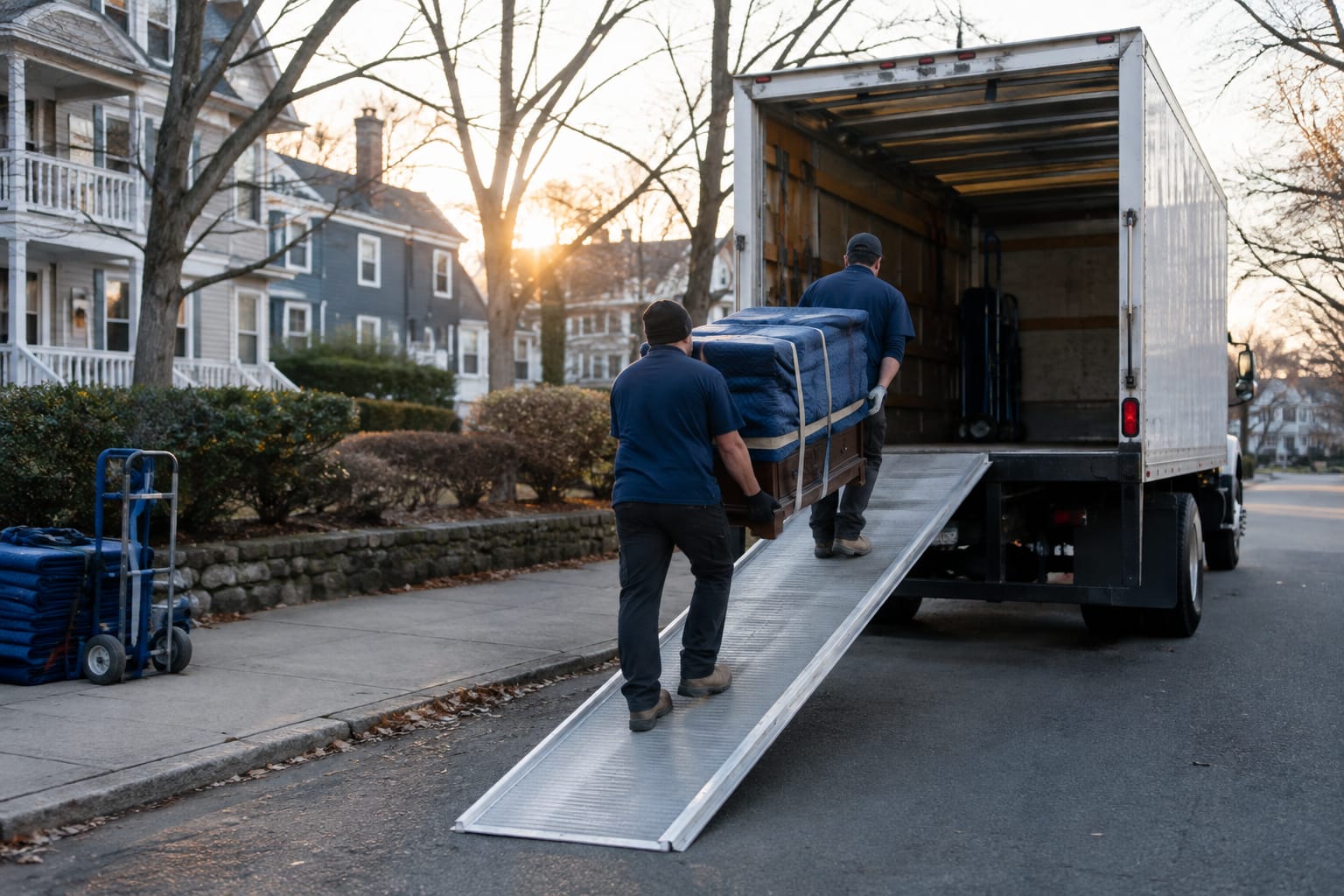
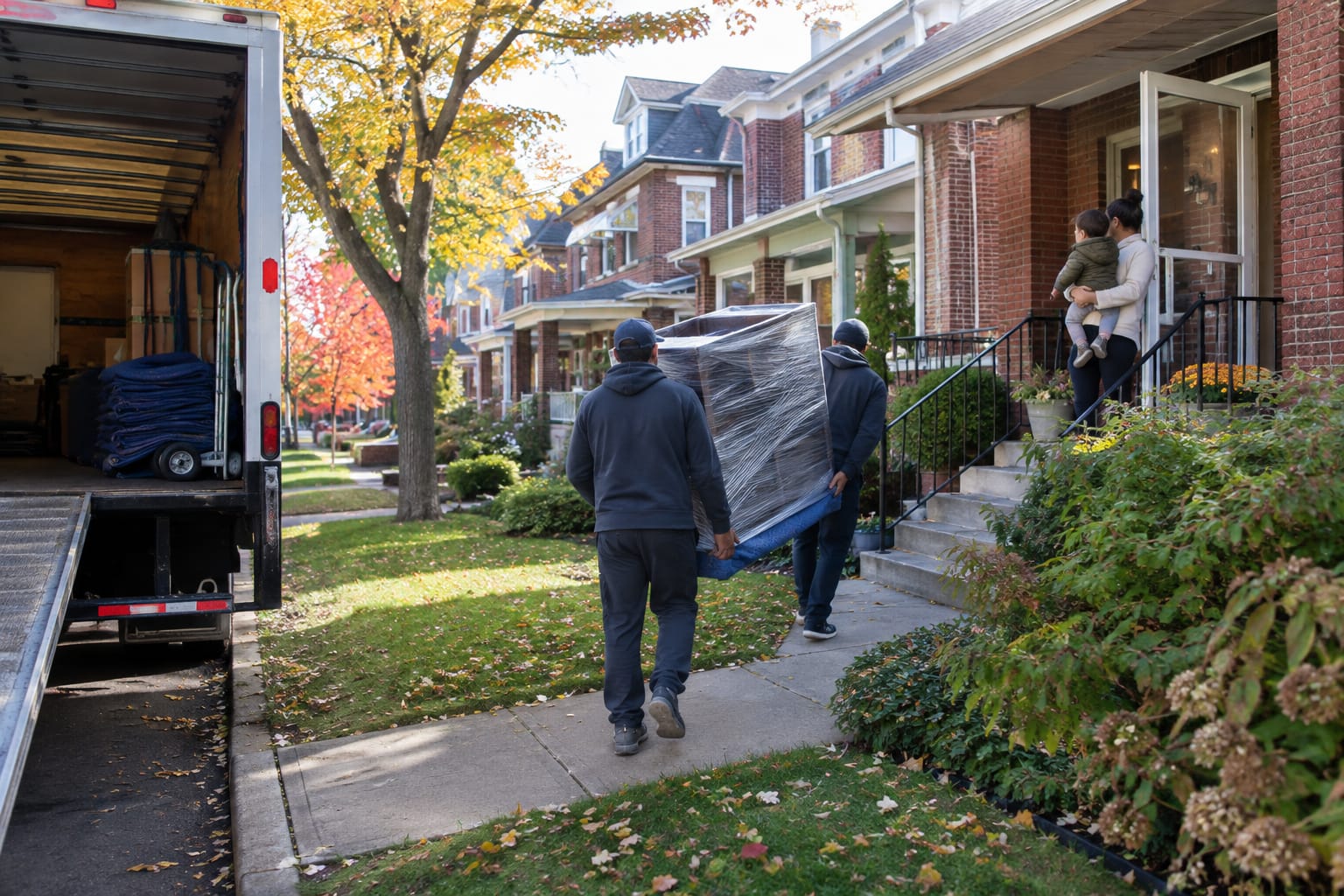
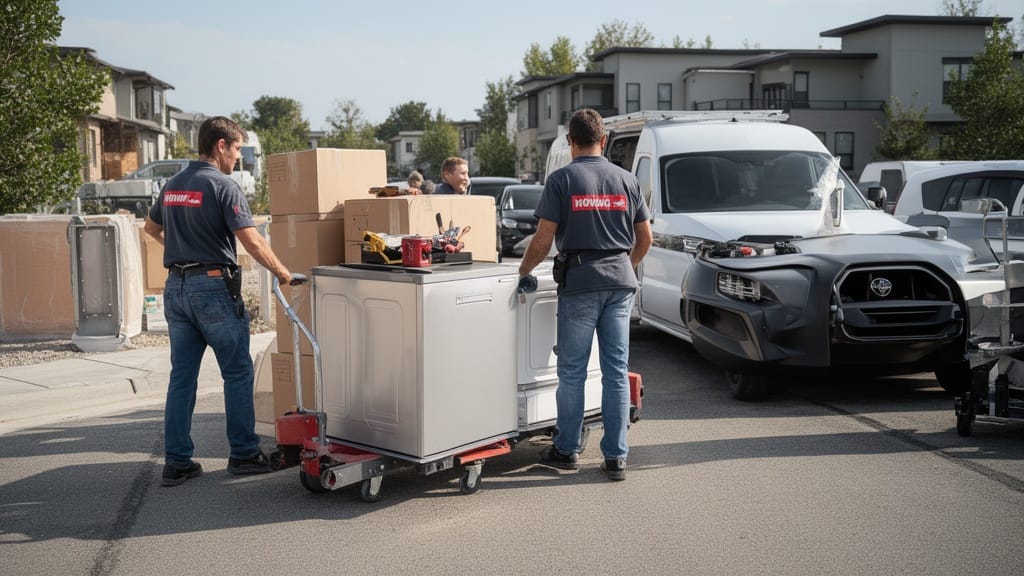
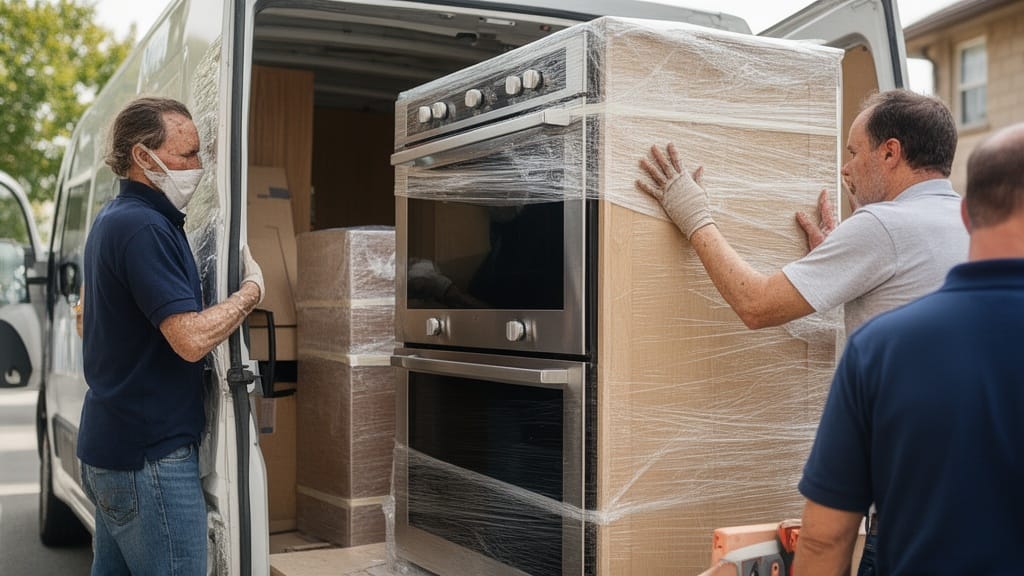
Home appliances shifting services are professional moving solutions that disconnect, protect, transport, and reconnect large appliances like refrigerators, washers, and dryers. Trained crews use an appliance dolly, blanket wrap, and ratchet straps to protect the unit, your floors, and your doorways during the move.
Moving a fridge or a washer is nothing like carrying boxes. One wrong tilt damages a compressor, soaks a hardwood floor, or cracks a doorframe. This guide breaks down which appliances need a pro, how each one is handled, what disconnection and reconnection cover, realistic cost drivers, and the prep timeline that prevents moving-day surprises.
| Point | Details |
|---|---|
| What it covers | Appliance moving services handle wrapping, lifting, transport, and often disconnect/reconnect of heavy units like fridges, washers, dryers, and ranges. |
| Defrost early | Refrigerators and freezers need roughly 24 hours to defrost and drain before transit to prevent leaks and odor. |
| Transit position | Most appliances travel upright; laying a fridge or washer flat risks compressor and drum damage. |
| Insurance basics | Federal released value protection covers no more than $0.60 per pound per item unless you buy added coverage. |
| Crew size | Tall, heavy units almost always need a two-person crew and a stair-climbing or powered dolly. |
What Are Home Appliance Shifting Services?
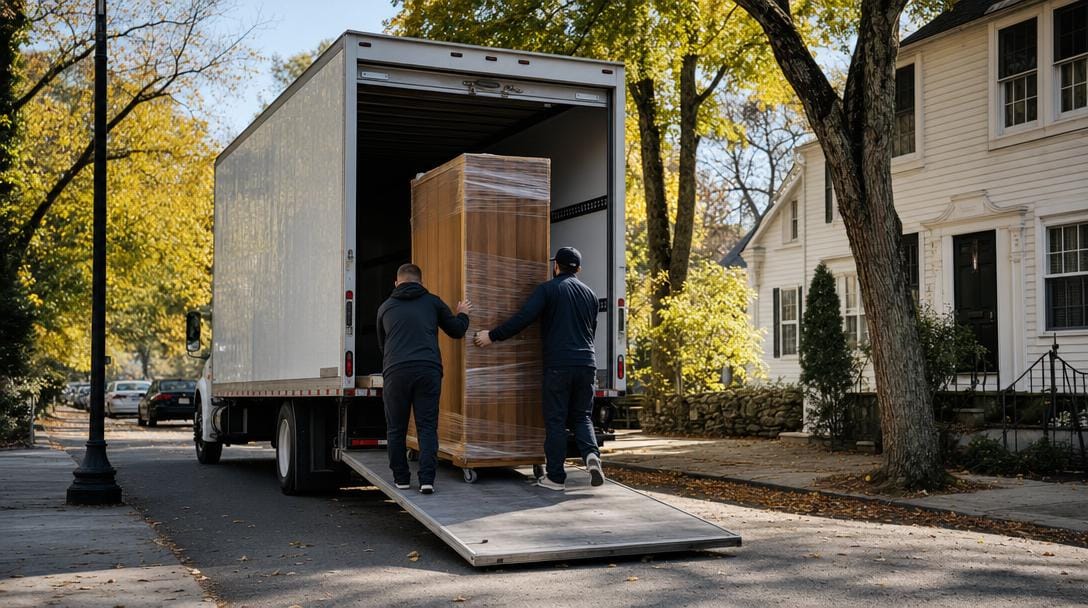
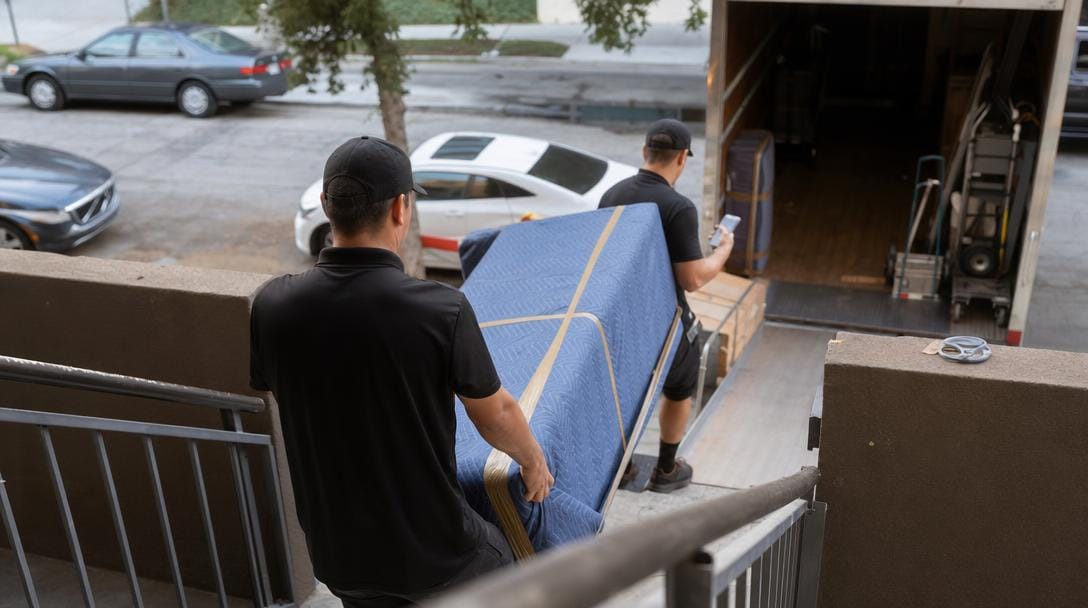
Home appliances shifting services are specialized labor that moves large, heavy household machines safely from one location to another. The scope usually includes wrapping, dollying, loading, securing in the truck, and unloading at the destination. Many crews also disconnect and reconnect the units.
These are not general box-moving tasks. Appliance moving services focus on weight distribution, fragile internal parts, and the connections behind each unit. A refrigerator hides a sealed compressor, a washer holds a suspended drum, and a gas range ties into a live fuel line.
Most people don't have the dolly, straps, or two-person muscle this work demands. That's why so many households decide to hire someone to move furniture and appliances together rather than risk injury or damage. Professional appliance movers bring the equipment and the technique in one visit.
Q: What do appliance shifting services actually include?
A: They typically cover wrapping in moving blankets, dolly transport, truck loading and securing, and unloading — and most professional appliance movers will also disconnect and reconnect standard water and power hookups.
Which Appliances Need Professional Shifting?
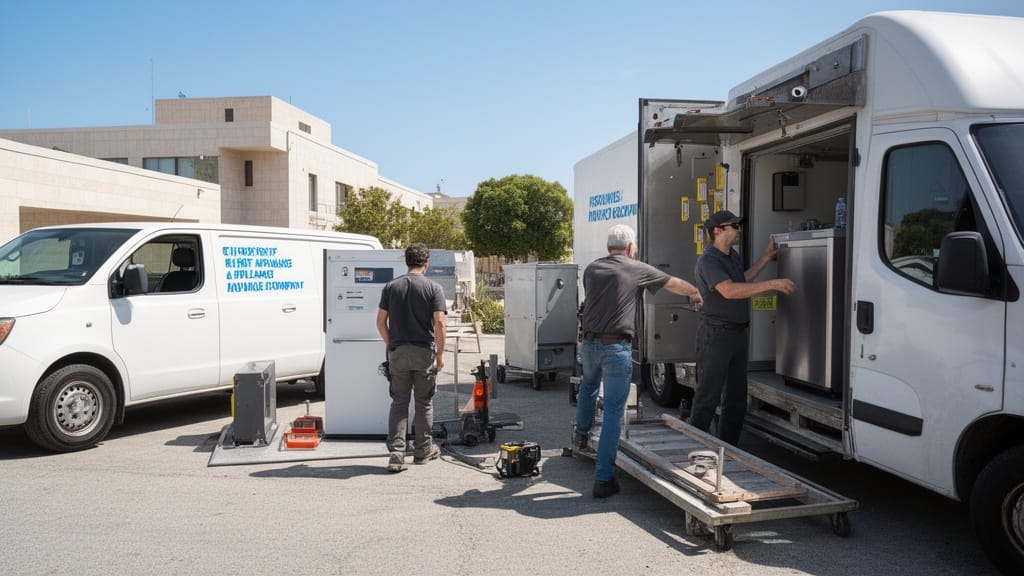
Any appliance over roughly 100 pounds, plumbed into water or gas, or awkward to grip belongs with movers for heavy appliances. The risk isn't only the weight. It's the combination of mass, tight stairwells, and connections that leak or spark if mishandled.
The units that most often justify a pro include:
- Refrigerators and freezers — heavy, top-loaded weight, and a compressor that needs upright handling.
- Washing machines — a suspended drum that must be locked with transit bolts.
- Dryers — gas models need a capped line; electric models need a heavy cord managed.
- Dishwashers — hardwired or plumbed under a counter, easy to flood.
- Ranges and ovens — gas units tie into a fuel line that only a qualified hand should cap.
- Wine coolers and chest freezers — bulky, bottom-heavy, and prone to door swing.
If the item is rare or extreme — think a piano or a spa — treat it like its own project. The same logic behind tips for moving a piano and safely moving a hot tub applies to oversized appliances: specialized gear and a trained crew prevent five-figure mistakes.
Safe Handling Techniques for Each Major Appliance
Knowing how to move large appliances comes down to one rule: protect the internal mechanism while controlling the external weight. Each appliance has its own method, and skipping a step is where damage happens.
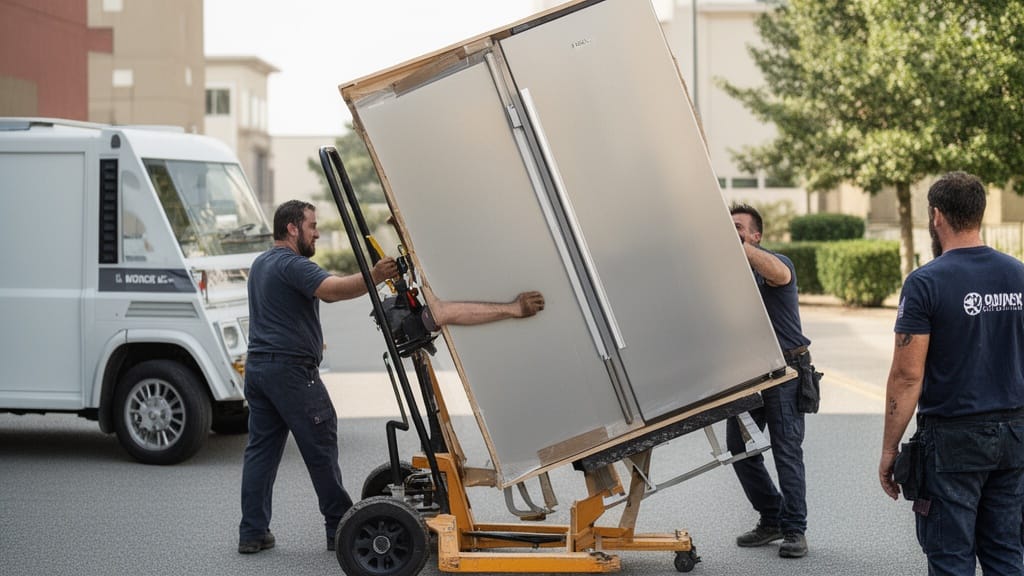
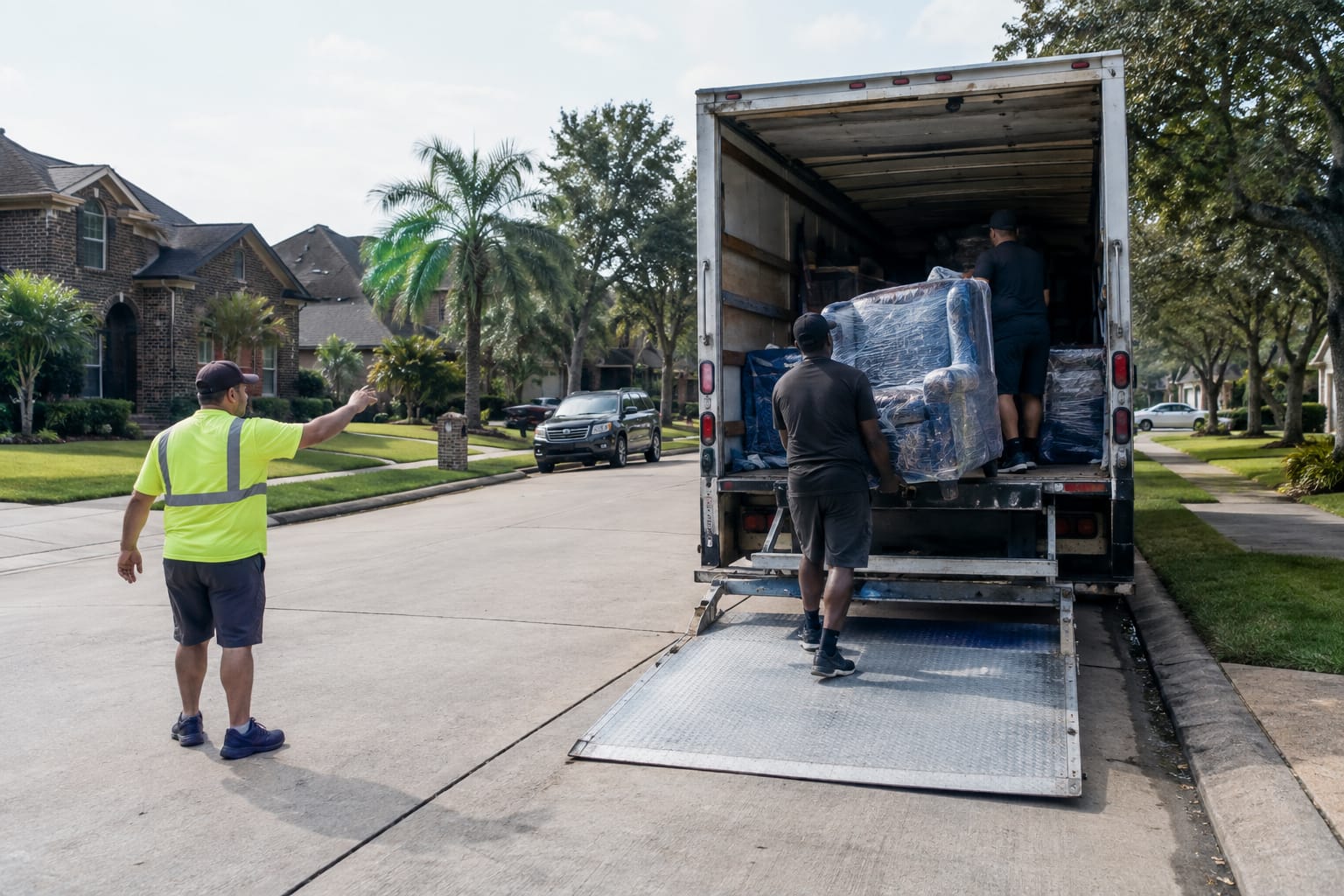
Refrigerators. A refrigerator moving service defrosts the unit, tapes the doors, coils the cord, and tilts the fridge back onto an appliance dolly. Crews keep it as upright as possible because laying it flat forces compressor oil into the cooling lines. Our deeper walkthrough on how to move a fridge covers the angle and settle time in detail.
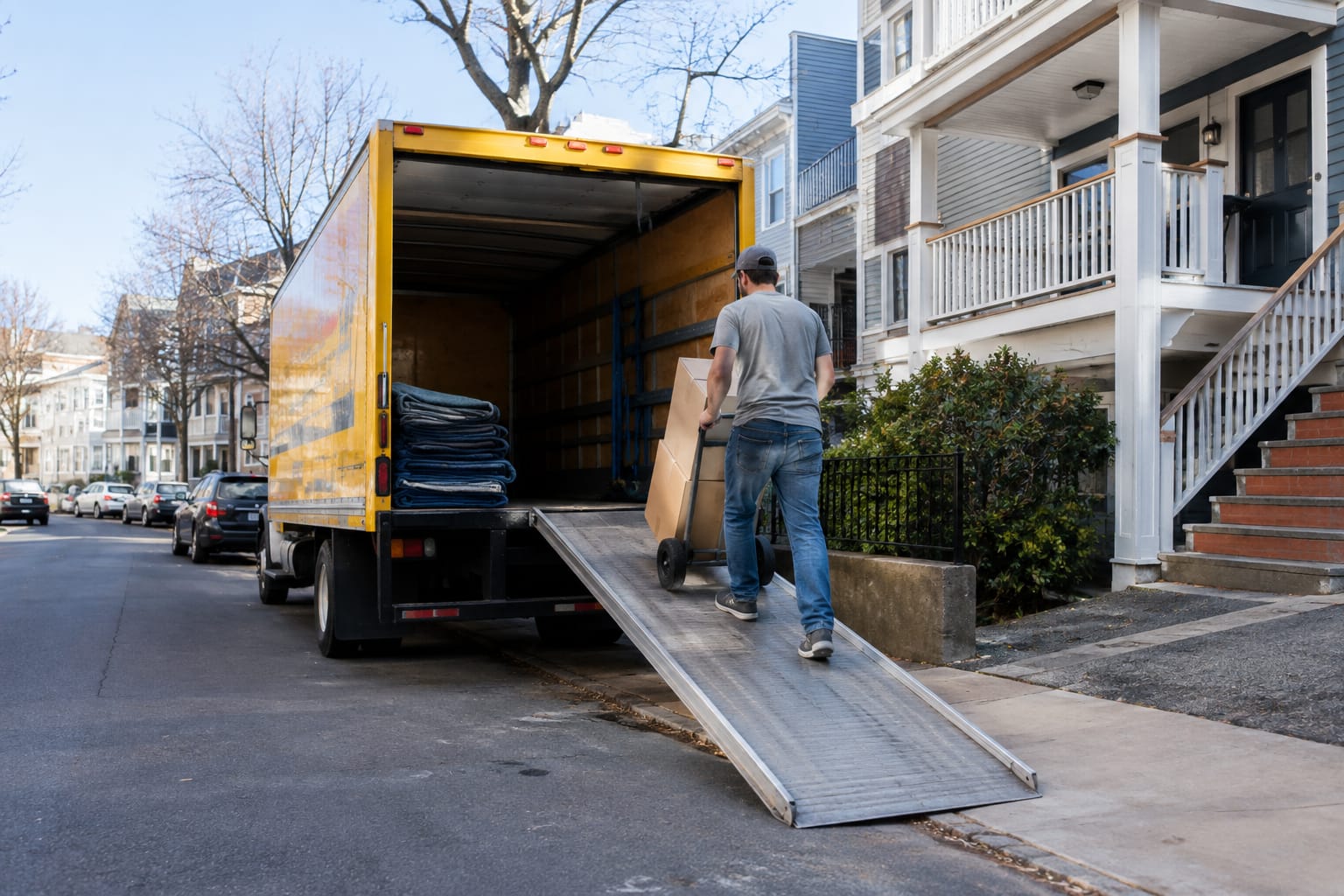
Washers and dryers. Washer and dryer moving starts with installing the original transit bolts that lock the drum in place. Without them, the suspension that cushions the drum can tear loose during transport. Both units then get blanket wrapped and strapped upright to a dolly.
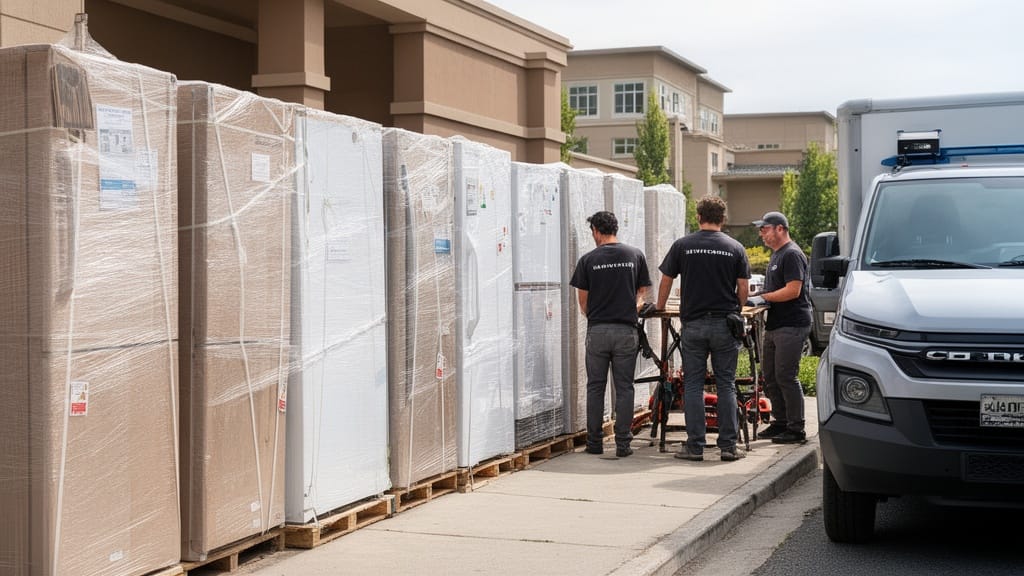
Ranges and dishwashers. Gas ranges need the fuel line capped before anything moves; the unit is then shrink-wrapped with corner protectors. Dishwashers are drained, dried, and wrapped, with the door secured so it can't swing open on stairs.
Pro Tip: Tape refrigerator and freezer doors shut with painter's tape, not packing tape — it holds through the move but peels off without leaving residue or stripping the finish.
Disconnection, Reconnection, and Hookups: What's Included
The disconnect and reconnect appliances moving question is where thin guides fall silent. Here's the straight answer: most full-service crews disconnect standard hookups before transit and reconnect them at the new home, with two important exceptions — gas and hardwired electrical.
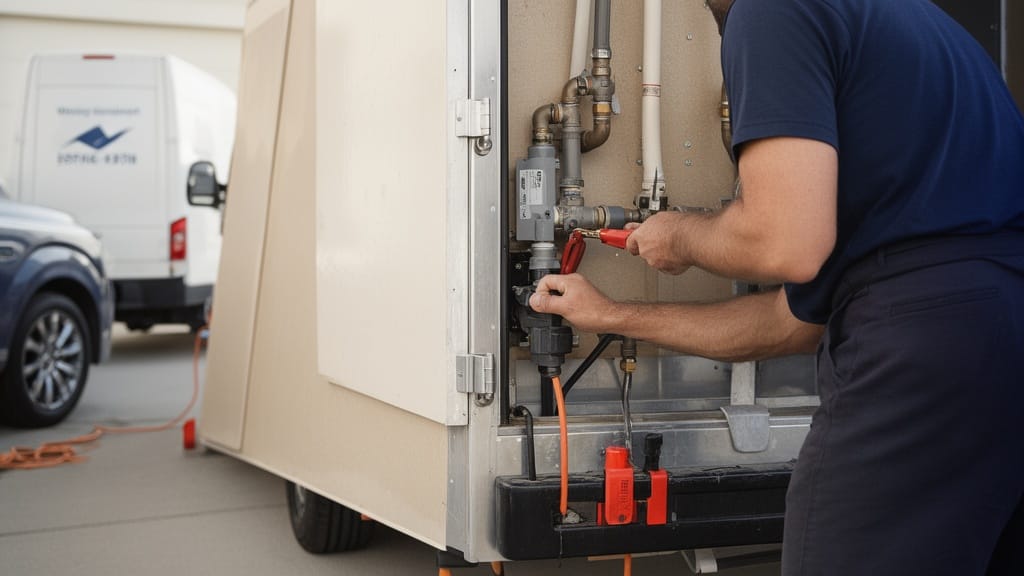
Standard water lines, drain hoses, and plug-in power cords are routine for movers. They shut the water valve, detach the supply line, drain residual water, and cap or bag the connections. At the destination, they reverse the process and confirm the unit sits level.
Q: Do movers reconnect appliances at the new home?
A: Yes — most professional crews reconnect plug-in and standard water-line appliances, but licensed pros recommend a certified technician for gas lines and hardwired connections for safety and code compliance.
Gas ranges, gas dryers, and hardwired units are different. For safety and to meet local code, those connections should be handled by a licensed plumber, gas fitter, or electrician. A reputable mover will cap and prep the line, then advise you to schedule the qualified trade for final hookup. This division of labor is a hallmark of true full-service moving company features.
Born to Move can help: Our crews wrap, dolly, and transport every appliance and reconnect standard water and power hookups, so your fridge and washer are running again the same day. Learn more →
Appliance Shifting Cost: What Drives the Price
Most local appliance shifting cost is billed by crew-hour, not by item, because labor and access drive the price more than the appliance itself. Professional moving help is typically billed hourly for local moves, with heavy or stair-bound appliances adding time.
The biggest cost drivers are weight, the number of stairs, doorway clearance, the distance from door to truck, and whether disconnect/reconnect is required. Born to Move, for example, follows a 3-hour minimum charge policy and never bills less than three hours, which is typical for crews that bring a dedicated two-person team and an appliance dolly.
| Appliance | Typical crew time | Two-person crew? | Main cost driver |
|---|---|---|---|
| French-door refrigerator | 30–60 min | Yes | Weight, stairs, doorway width |
| Washing machine | 30–45 min | Yes | Water-line disconnect, transit bolts |
| Dryer | 20–40 min | Yes | Gas vs. electric hookup |
| Dishwasher | 30–60 min | Sometimes | Cabinet uninstall, plumbing |
| Gas range/oven | 30–60 min | Yes | Capping the gas line |
| Chest freezer | 30–45 min | Yes | Defrost time, bulk |
Q: How much does it cost to move a refrigerator?
A: A single refrigerator usually takes a two-person crew 30–60 minutes, but local movers bill by the hour with a minimum (often 3 hours), so price scales with stairs, distance, and how many appliances move at once.
For a fuller picture of hourly billing and what's bundled in, see our breakdown of how much movers cost.
Pro Tip: Bundle all your appliances into one move with your furniture. Because crews bill by the hour against a minimum, moving a fridge and a washer in the same visit costs far less than two separate trips.
Preparing Your Appliances Before Moving Day
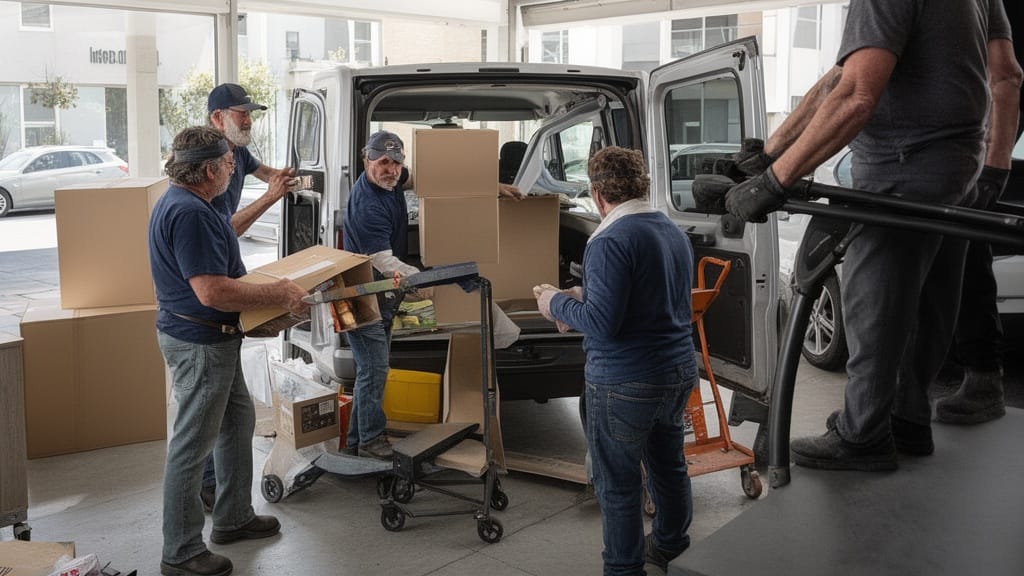
Good prep saves crew-hours and prevents damage. Start at least 24 hours ahead so refrigerators defrost, washers drain, and everything is dry before the truck arrives. Wet appliances leak, grow odor, and add weight.
Use this appliance-by-appliance prep table as your checklist:
| Appliance | Prep / settle time | Safe transit position | Securing method |
|---|---|---|---|
| Refrigerator | Defrost 24 hrs before; settle upright after | Upright preferred | Blanket wrap + straps on dolly |
| Freezer | Defrost 24 hrs; drain fully | Upright | Strapped, doors taped |
| Washer | Disconnect water 24 hrs prior; add transit bolts | Upright | Bolts + blanket wrap |
| Dryer | Disconnect vent/gas; clean lint trap | Upright | Strapped to dolly |
| Dishwasher | Disconnect, drain, dry 24 hrs | Upright | Wrapped, door secured |
| Gas range | Cap gas line (pro); remove racks | Upright | Shrink wrap + corner protectors |
After transport, give a refrigerator time to let the compressor and refrigerant settle before plugging it back in. Powering up a unit that just rode in a truck can damage the cooling system.
Don't treat appliances as an afterthought to your furniture. The same discipline behind preparing your furniture and appliances to relocate — measuring doorways, clearing paths, protecting finishes — applies double to plumbed and powered machines.
Pro Tip: Locate and reinstall your washing machine's original transit bolts before moving day. If you threw them out, buy a replacement set in advance — moving a washer without them is the single most common cause of drum damage.
Common Appliance Moving Mistakes to Avoid
Most appliance damage traces back to a handful of avoidable errors. Knowing them ahead of time is half the battle, and many overlap with the broader common issues with moving and how to avoid them.
The mistakes that cause the most expensive failures:
- Laying a fridge flat. Forces oil into the lines and can ruin the compressor.
- Skipping the defrost. Leftover ice melts into water that leaks across the truck and your floors.
- Forgetting transit bolts. The washer drum swings free and tears its suspension.
- DIY gas disconnects. A live or improperly capped line is a serious safety hazard.
- No floor protection. Dragging a heavy unit gouges hardwood and scratches tile.
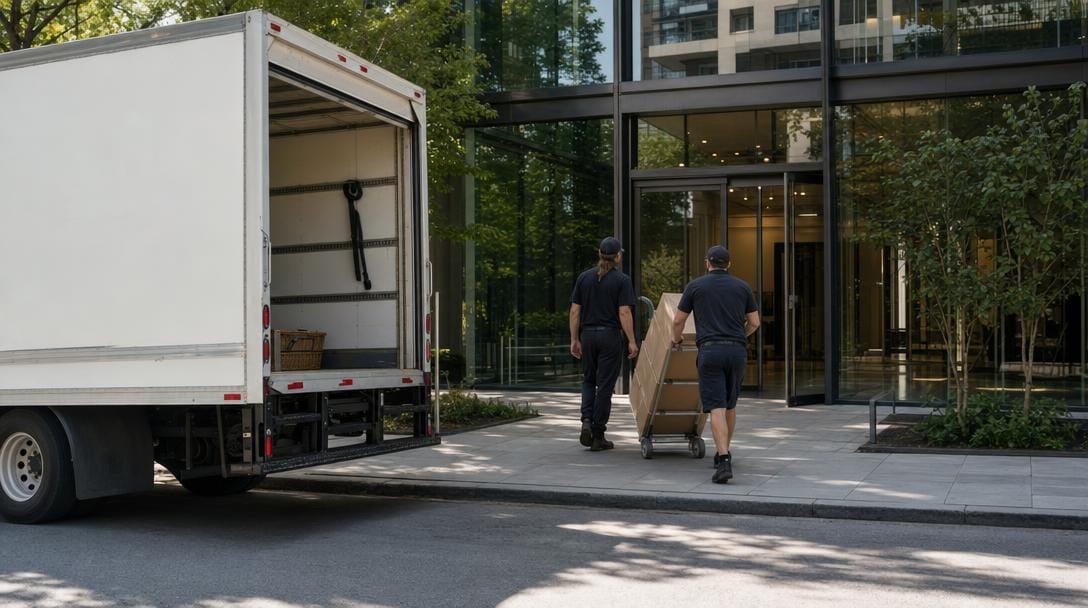
- Wrong dolly or grip. Standard hand trucks tip; an appliance dolly with straps does not.
Customers consistently describe a strong crew as one that is "fast, efficient, careful with furniture, and provide good value" — the same care that protects a sofa is what keeps a a noticeable amount refrigerator intact. Insisting on blanket wrap and proper securing for every heavy item is the difference between a clean move and a claim.
Choosing the Right Appliance Moving Company
The best professional appliance movers combine the right equipment, proper licensing, and clear pricing. Before you book, verify the company carries appliance dollies, blanket wrap, and a crew sized for heavy lifting.
Use these criteria when comparing companies:
- Licensing and registration. Confirm the mover's credentials and, for longer moves, check the US DOT number of the moving company.
- Transparent pricing. Ask about the hourly rate, the minimum, and any appliance surcharges up front. A guaranteed price with no surprise charges protects your budget.
- Disconnect/reconnect scope. Clarify what they handle and what needs a licensed trade.
- Valuation coverage. Understand how appliances are protected in transit.
- Reviews and references. Look for specific mentions of heavy-item care.
Knowing exactly what to look for in a moving company keeps you from booking a box crew for an appliance job. A company that guarantees on-time arrival and a fixed price — like Born to Move — removes the two biggest unknowns from moving day.
Q: What's the difference between a furniture crew and an appliance crew?
A: An appliance crew brings purpose-built gear — appliance dollies, transit bolts, and shrink wrap — plus the training to disconnect and reconnect standard water and power hookups, which a general box crew typically does not handle.
Related Articles
- How Much Does It Cost to Move a Baby Grand Piano? — Learn the cost framework for one of the toughest specialty moves and how it compares to heavy appliances.
- Interstate Blanket Wrap Moving: How It Works — Understand the blanket wrap method that protects appliances and furniture over long distances.
- Two Movers and a Truck: Is a 2-Person Crew Enough? — See when a two-person crew handles heavy appliances and when you need more hands.
- Moving Trends: What to Expect and How to Plan — Get current planning insights to time and budget your move.
- How to Choose a Licensed and Insured Moving Company You Can Trust — A checklist for vetting credentials before you book.
You May Also Like
- Effortlessly Move Your Fridge: DIY Tips and Professional Help — Step-by-step fridge moving with angle and settle-time guidance.
- How to Safely Move a Hot Tub: Tips and Equipment Needed — Specialty heavy-item moving gear and method.
- Full Service Moving Company Details and Features — What's bundled into a full-service appliance and furniture move.
- Tips on How to Prepare Furniture When Relocating — Prep methods that apply to both furniture and appliances.
- Can I Hire Someone to Move Furniture? — When to bring in a crew for heavy items.
Frequently Asked Questions