'%3E%3Cpath%20fill='%231B2A47'%20d='M1.605%2016.263c.03-1.139.059-2.482.088-3.971.03-1.49.03-2.832.03-4.03%200-.758%200-1.576-.03-2.51%200-.905-.03-1.84-.03-2.803%200-.496-.028-.964-.028-1.43%200-.468%200-.906-.03-1.315h6.858q2.188%200%203.589.35c.963.234%201.663.643%202.13%201.198.496.555.73%201.372.73%202.394%200%20.788-.176%201.46-.497%201.985-.32.526-.846.935-1.575%201.197-.73.292-1.693.468-2.918.526v.263c1.313.087%202.334.263%203.122.525.758.263%201.342.672%201.692%201.197.35.526.525%201.197.525%202.044%200%201.08-.233%201.927-.67%202.57-.468.642-1.139%201.08-2.102%201.343-.933.262-2.159.408-3.705.408H1.605zm6.537-9.197q1.882%200%202.713-.526c.555-.35.817-.934.817-1.752%200-.905-.292-1.547-.846-1.927s-1.459-.554-2.655-.554H4.757v4.759zm.204%206.92c.934%200%201.663-.088%202.217-.263.555-.176.934-.438%201.197-.818s.38-.876.38-1.518c0-.876-.322-1.49-.934-1.84-.643-.35-1.635-.525-3.035-.525H4.757v4.963zM21.038%2016.555c-1.576%200-2.801-.292-3.618-.905-.817-.614-1.284-1.519-1.372-2.745-.087-1.226.205-2.774.847-4.613s1.43-3.358%202.392-4.584c.963-1.226%202.043-2.131%203.298-2.744C23.839.292%2025.24%200%2026.786%200c1.576%200%202.772.321%203.59.934.816.613%201.283%201.548%201.37%202.774s-.203%202.774-.845%204.613c-.642%201.81-1.43%203.358-2.393%204.584s-2.072%202.132-3.297%202.745a9.8%209.8%200%200%201-4.173.905m.788-2.278c.642%200%201.138-.058%201.371-.116.205-.059.496-.117.847-.322.262-.146.437-.292.554-.408.204-.175.32-.292.438-.41.204-.203.35-.408.496-.583.35-.438.642-.876.963-1.402.233-.408.466-.817.67-1.284.205-.438.38-.905.555-1.372.438-1.198.671-2.278.671-3.183s-.204-1.606-.612-2.131c-.409-.497-1.051-.76-1.897-.76-.467%200-.934.059-1.43.205h-.03c-1.02.292-1.925%201.226-2.042%201.372-.116.117-.467.526-.963%201.343a15.5%2015.5%200%200%200-1.342%202.92c-.408%201.197-.642%202.277-.671%203.182-.03.906.175%201.636.584%202.161q.611.788%201.838.788M14.853%2038.54c-1.576%200-2.802-.292-3.619-.905s-1.284-1.518-1.371-2.744c-.088-1.227.204-2.774.846-4.614s1.43-3.357%202.393-4.584%202.042-2.13%203.297-2.744c1.255-.613%202.655-.905%204.173-.905%201.575%200%202.772.321%203.589.934s1.284%201.548%201.371%202.774c.088%201.226-.204%202.774-.846%204.613-.642%201.81-1.43%203.358-2.393%204.584s-2.072%202.131-3.297%202.745c-1.226.613-2.626.846-4.143.846m.787-2.277c.642%200%201.138-.059%201.372-.117.204-.058.496-.117.846-.321.263-.146.438-.292.554-.409.205-.175.321-.292.438-.409.204-.204.35-.408.496-.584a13%2013%200%200%200%201.634-2.686c.204-.438.38-.905.555-1.372.437-1.197.67-2.277.67-3.182%200-.906-.203-1.606-.612-2.132-.409-.496-1.05-.759-1.897-.759-.467%200-.934.058-1.43.204h-.029c-1.021.292-1.925%201.227-2.042%201.373-.117.116-.467.525-.963%201.343a15.5%2015.5%200%200%200-1.342%202.92c-.409%201.196-.642%202.277-.671%203.182s.175%201.635.583%202.16q.613.789%201.838.789'/%3E%3Cpath%20fill='%23FF515E'%20d='M55.966%2038.57c-1.576%200-2.801-.293-3.618-.906s-1.284-1.518-1.372-2.744c-.087-1.227.204-2.774.846-4.613s1.43-3.358%202.393-4.584c.963-1.227%202.043-2.132%203.297-2.745s2.656-.905%204.173-.905c1.576%200%202.772.321%203.589.934s1.284%201.548%201.371%202.774c.088%201.226-.204%202.774-.846%204.613-.642%201.81-1.43%203.358-2.393%204.584s-2.071%202.131-3.297%202.745c-1.225.613-2.626.846-4.143.846m.788-2.249c.642%200%201.138-.058%201.371-.117.204-.058.496-.116.846-.32.263-.147.438-.293.555-.41a7%207%200%200%200%20.437-.408c.205-.205.35-.41.496-.584a13%2013%200%200%200%201.634-2.686c.205-.438.38-.905.555-1.373.438-1.197.671-2.277.671-3.182s-.204-1.606-.613-2.131c-.408-.497-1.05-.76-1.896-.76-.467%200-.934.059-1.43.205h-.03c-1.02.292-1.925%201.226-2.042%201.372-.117.117-.467.526-.963%201.343a15.5%2015.5%200%200%200-1.342%202.92c-.409%201.197-.642%202.277-.671%203.182s.175%201.635.583%202.16q.614.79%201.839.79'/%3E%3Cpath%20fill='%231B2A47'%20d='M33.06%2016.263c0-.35%200-.935.03-1.81.029-1.051.058-2.103.058-3.154s.03-2.073.03-3.007c0-1.606-.03-3.27-.06-4.993%200-.554-.028-1.08-.028-1.606%200-.525-.03-1.021-.03-1.46h6.828c1.46%200%202.685.117%203.59.38q1.4.394%202.1%201.314.7.963.7%202.628c0%20.992-.174%201.81-.554%202.452-.35.643-.904%201.11-1.604%201.431s-1.576.467-2.627.496v.263q2.058.087%203.064.876c.671.525%201.138%201.372%201.43%202.51.087.41.233%201.023.467%201.84.233.818.408%201.431.554%201.84h-3.414a11%2011%200%200%200-.262-1.022c-.321-1.314-.526-2.19-.584-2.628a5%205%200%200%200-.642-1.46%202.13%202.13%200%200%200-.963-.73c-.408-.146-.934-.233-1.605-.233h-3.326v6.0440000000000005H33.06zm6.332-8.292c1.343%200%202.276-.205%202.86-.613.554-.41.846-1.11.846-2.073%200-.73-.146-1.314-.408-1.723-.263-.409-.671-.7-1.197-.876q-.788-.263-2.1-.263h-3.181v5.519h3.18zM49.4%2016.263l.03-2.745c.029-2.452.029-4.905.029-7.416q0-2.101-.088-5.868h4.085l5.924%2010.335c.087.234.204.438.291.643.117.204.205.408.321.613.38.788.613%201.255.672%201.372h.262c0-.058-.03-.146-.03-.204%200-.059-.028-.117-.028-.175a75%2075%200%200%201-.175-1.314%2010%2010%200%200%201-.088-1.285c0-1.547%200-3.737-.029-6.57V1.84c0-.584-.03-1.11-.03-1.576h2.977c-.03%202.482-.058%205.08-.058%207.766%200%201.694%200%204.438.029%208.292h-4.027l-5.573-9.43c-.875-1.81-1.226-2.511-1.05-2.132-.263-.613-.467-1.08-.613-1.46h-.263c.058.35.117.876.175%201.548.059.7.117%201.168.117%201.46%200%202.978%200%206.306.029%209.985H49.4zM4.698%2038.277c.029-2.627.058-5.255.058-7.883%200-1.576%200-3.503-.029-5.752-1.109%200-2.684%200-4.727.03v-2.453h12.664v2.453c-1.955-.03-3.53-.03-4.756-.03%200%20.584-.03%201.227-.03%201.957s0%201.46-.029%202.218v1.84c0%202.57.03%205.11.059%207.62z'/%3E%3Cpath%20fill='%23FF515E'%20d='M29.441%2038.277c.409-1.05.788-2.102%201.168-3.182s.787-2.16%201.167-3.241c.613-1.693%201.05-2.949%201.342-3.766l1.255-3.65c.116-.38.262-.788.379-1.139.117-.38.263-.73.38-1.05h4.61l-.671%2012.904h.262l8.316-12.905h4.669l-.7%201.869c-.876%202.452-1.343%203.766-1.43%204a501%20501%200%200%200-3.385%2010.16h-2.947c.292-.846.788-2.219%201.459-4.087.175-.526.35-1.08.554-1.606.175-.526.38-1.08.555-1.577.642-1.81%201.342-3.825%202.072-6.014h-.234l-8.724%2013.314h-2.86l.554-13.314h-.175c-.175.496-.38.992-.554%201.489-.175.496-.38%201.022-.555%201.547a163%20163%200%200%200-1.08%203.008c-.145.38-.262.759-.408%201.138-.117.38-.262.73-.408%201.11-.7%201.898-1.284%203.59-1.751%205.05h-2.86zM68.047%2038.277c.175-2.19.32-4.525.467-7.007.058-.905.204-3.912.467-9.051h3.151c-.03.438-.058.934-.088%201.46s-.058%201.08-.087%201.693a264%20264%200%200%201-.409%206.657c-.145%201.986-.35%203.591-.583%204.788h.175Q72.147%2034.892%2073.94%2032a562%20562%200%200%201%204.465-7.066c.32-.496.641-.992.933-1.46s.555-.875.817-1.255h3.268q-.568.832-1.138%201.752c-.408.613-.787%201.255-1.196%201.927-3.88%206.014-6.478%2010.131-7.85%2012.35h-5.193zM79.106%2038.277c.32-.788.758-2.014%201.37-3.65a287%20287%200%200%200%201.577-4.32c.437-1.256.904-2.628%201.4-4.088s.934-2.774%201.313-3.97h11.322l-.846%202.364H87.1l-1.664%204.847%207.645-.088-.612%201.694-7.587-.088-1.75%204.934h8.286l-.846%202.365z'/%3E%3C/g%3E%3Cdefs%3E%3CclipPath%20id='a'%3E%3Cpath%20fill='%23fff'%20d='M0%200h96v40H0z'/%3E%3C/clipPath%3E%3C/defs%3E%3C/svg%3E)
A good home mover proves three things before you sign: a valid license, a written price you can hold them to, and a review history with no recurring complaints. Confirm those in under 10 minutes and you screen out the companies most likely to damage your belongings or pad the final bill. Hiring a very good moving company is less about luck and more about a repeatable vetting process. This guide hands you a practical scorecard — the exact qualities to look for, the documents to verify, and the red flags that should end a conversation fast.

| Point | Details |
|---|---|
| Verify the license first | Interstate movers must register with the FMCSA and operate under a US DOT number. No number is a deal-breaker. |
| Demand a written estimate | A binding or not-to-exceed estimate caps your cost. Verbal quotes leave you exposed on moving day. |
| Read review patterns, not averages | A 4.8-star average means little if the same complaint repeats. Look for consistency over years. |
| Watch the deposit | Large cash deposits are a top scam signal flagged by the FMCSA. |
| Use a 10-minute checklist | Score every quote against the same criteria. See how to find a reputable moving company. |
What Separates a Good Home Mover from the Rest
A good home mover is defined by verifiable credentials, transparent pricing, and a consistent service record — not by the lowest quote or the flashiest website. The gap between a smooth move and a stressful one almost always traces back to three or four traits you can check before booking.
Here's the thing: most movers look identical on a search results page. The real quality signals live in the details — licensing status, how an estimate is written, and whether reviews describe the same problem over and over.
The table below shows what separates reliable home movers from operators you should avoid. These five criteria are the backbone of how to choose a home mover with confidence.
| Criteria | Good Home Mover | Red-Flag Mover |
|---|---|---|
| Licensing | Active US DOT number, shared on request | No DOT number or refuses to share |
| Estimate | Written, binding or not-to-exceed | Verbal quote, vague and shifting |
| Deposit | Small or none | Large cash deposit demanded upfront |
| Reviews | Detailed and consistent over years | Few reviews or a sudden one-week spike |
| Insurance | Provides a certificate of insurance | "We're covered — just trust us" |
Score any quote against these rows. If a company fails two or more, move on. The strongest qualities of a good mover cluster together: licensed companies tend to write clear estimates and tend to carry real insurance.
Q: What is the fastest way to verify a home mover's license?
A: Enter the company's US DOT number into the FMCSA SAFER database. It returns licensing status, insurance on file, and complaint history in seconds.
For a fuller breakdown, our guide on the top qualities to look for in a moving company expands each trait with examples.
Licensing, Insurance, and Credentials to Verify

Legitimate movers carry the right paperwork — and share it without hesitation. For any move crossing state lines, federal law requires the company to register with the Federal Motor Carrier Safety Administration and operate under a US DOT number.
Run these checks in order:
- Look up the company's US DOT number in the FMCSA's SAFER system and confirm the status reads "active."
- Cross-reference the operating name and address — shell companies often reuse a single number across several names.
- Request a certificate of insurance (COI) naming current liability and cargo coverage.
- Read the FMCSA's Protect Your Move consumer rights page so you know what a compliant mover must provide.
- Confirm Better Business Bureau standing and any complaint resolution record.
Local, in-state moves are regulated by your state agency rather than the FMCSA, so the registry differs by location — but the principle holds: a real company can produce documentation in minutes. You can also verify a mover's US DOT number using our step-by-step walkthrough.
Valuation coverage is where many movers blur the truth. Basic released-value protection is minimal and pays only by weight, not by what an item is worth. Full-value protection costs more but covers repair or replacement. Trustworthy movers explain the difference instead of letting you assume you're fully insured.
Pro Tip: Ask the mover to email you their US DOT number before you book, then verify it yourself rather than trusting a screenshot. A company that hesitates for even an hour is telling you something.
Transparent Pricing: The Hallmark of a Good Moving Company
Transparent pricing is the clearest single sign of a good moving company. A quality mover puts numbers in writing and stands behind them — no day-of surprises, no "the truck was heavier than expected."
Three estimate types dominate the industry. Knowing which you're getting is half the battle.
| Estimate Type | What It Means | Best For |
|---|---|---|
| Binding estimate | A fixed total agreed before the move | Predictable, fixed budgets |
| Non-binding | A projection that can change with weight or hours | Flexible, smaller moves |
| Not-to-exceed | Caps the maximum you can be charged | Risk-averse customers |
A binding estimate or a not-to-exceed estimate protects you most. For example, Born to Move lists a guaranteed price among its included charges — the quote is the cost, with no additional fees — and applies a 3-hour minimum that is stated upfront rather than buried in fine print.

Get a comprehensive estimate that covers every possible fee — stairs, long carries, bulky-item handling — and confirm it in writing before moving day. Vague pricing is how budgets blow up.
Q: Should a large cash deposit be a red flag?
A: Yes. The FMCSA warns that demands for large upfront cash deposits are a hallmark of moving scams; reputable movers collect payment at or after delivery.
Born to Move can help: Born to Move pairs a guaranteed, no-surprise price with full furniture wrapping and licensed, insured crews — so the qualities you vet for are the ones you actually get. Learn more →
Reputation and Reviews: How to Read Them Critically
Star averages mislead. A 4.7 rating built on ten reviews tells you far less than a 4.3 built on four hundred detailed ones. Read for patterns, not the headline number.
When scanning reviews, look for these signals:
- Recurring complaints. One angry review is noise. The same issue — late arrivals, surprise charges, damaged furniture — across multiple reviews is a pattern.
- Review velocity. A cluster of five-star reviews posted in a single week often signals incentivized or fake feedback.
- Specificity. Real reviews name crew members, item types, and dates. Generic praise is cheap.
- Owner responses. How a company replies to criticism reveals more than the criticism itself.
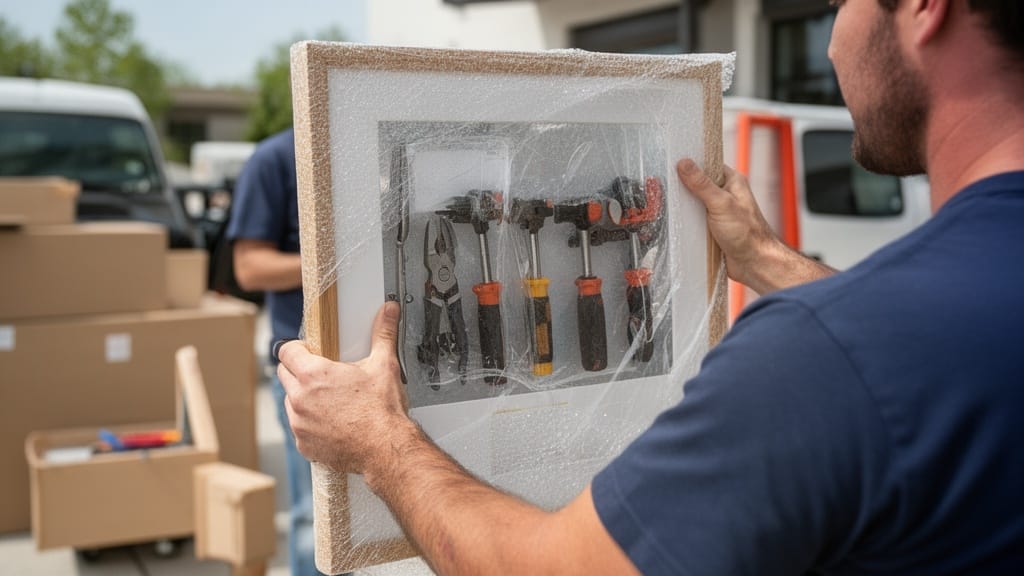
This is how you separate a good moving company from a well-marketed one. For instance, Thumbtack's review summary for Born to Move highlights that customers describe the crew as fast, efficient, careful with furniture, and good value — the same themes repeating is the credibility signal, not the average alone.
Q: Are star ratings alone enough to judge a mover?
A: No. A consistent pattern across dozens of detailed reviews is far more reliable than a high average built on a handful of vague posts.
Pro Tip: Search the company name plus the word "complaint" and check the Better Business Bureau and the FMCSA complaint database. Problems movers hide on their own site surface fast in neutral venues.
Communication and Customer Service Red Flags
How a mover communicates before you pay predicts how they'll behave once they have your deposit. Slow, evasive, or pushy responses early on rarely improve later.
Watch for these warning signs:
- No on-site or virtual survey before quoting a large move.
- Reluctance to put anything in writing.
- A generic name with no physical address or local presence.
- Pressure to book immediately or pay a large deposit to "lock the date."
- Phone numbers that go to voicemail with no callback.
Trustworthy movers answer questions directly, set clear arrival windows, and explain their process. Born to Move, for example, gives afternoon customers a defined 1:00–3:00 PM window coordinated by a manager — a small detail that signals operational discipline.
If a quote arrives with no questions asked about your home's size, access, or inventory, treat it as unreliable. Accurate pricing requires real information. Our overview of spotting and avoiding moving scams covers the most common traps in detail.
Experience, Equipment, and Crew Professionalism

The best home moving company invests in trained crews and proper equipment — the unglamorous factors that determine whether your dresser arrives intact. Experience shows up in the handling, not the sales pitch.

Professional movers protect every piece. Born to Move wraps each item of furniture in moving blankets and carries the tools to disassemble and reassemble beds and other furniture at the destination. That's the standard a careful home mover meets without being asked.
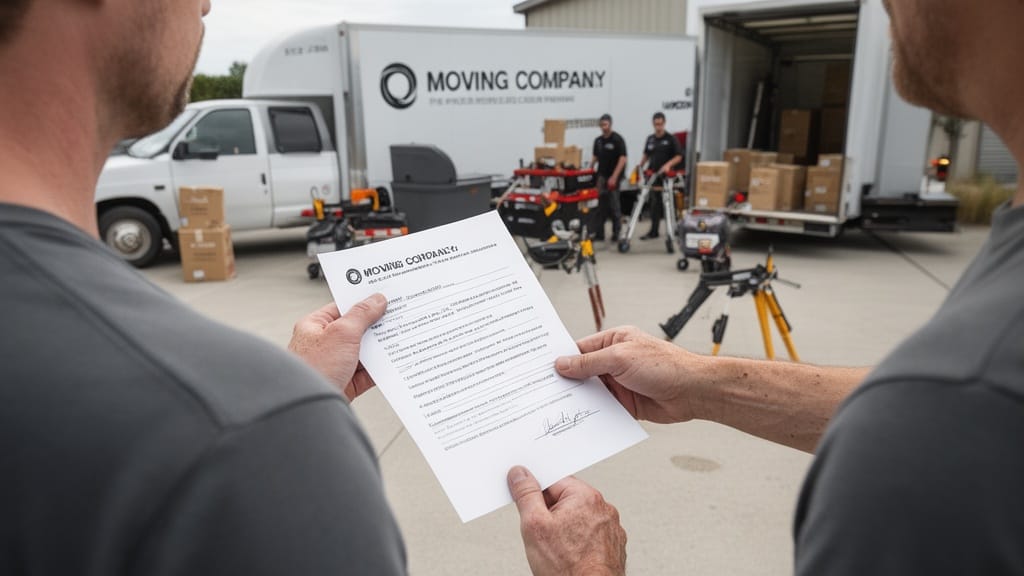
Assess professionalism with a quick scan:
- Uniformed crew and a clean, well-maintained truck.
- Proper materials: blankets, shrink wrap, straps, dollies.
- A clear plan for stairs, elevators, and bulky items.
- Respect for your home — floor runners, door protection, careful pace.
Pro Tip: Ask how the company hires and trains crews, and whether movers are employees or day-labor subcontractors. Employee crews are accountable to one brand and tend to handle goods with more care.
Questions That Reveal a Mover's True Quality
The right questions expose quality faster than any brochure. Ask each prospective mover the same set, then compare answers side by side.
- What is your US DOT number, and is your account active with the FMCSA?
- Will you provide a binding or not-to-exceed estimate in writing?
- What valuation coverage is included, and what does full-value protection cost?
- Is there a minimum-hours charge, and what triggers extra fees?
- Do you wrap every piece of furniture, and do you disassemble and reassemble beds?
- Are your crews employees, and how long has the company operated?
- How do you handle claims if something is damaged?
Clear, confident answers signal a quality operation. Hedging, deflection, or "we'll sort that out on the day" signals risk. This question set, paired with a license lookup, is the fastest route to identifying trustworthy movers — and it doubles as your written record if a dispute arises later.
Why Born to Move Checks Every Box for a Good Home Mover
Apply the scorecard above and a quality mover stands out quickly. Born to Move maps cleanly onto it: a guaranteed price with no surprise charges, a guaranteed on-time arrival, full furniture wrapping, and flexible payment by Cash, Credit card, Stripe, Venmo, or Zelle.
That combination answers what makes a good moving company in practice — verifiable commitments rather than marketing claims. The point isn't to pick Born to Move by default. It's to hold every quote you receive to the same standard.
If you'd like to talk through your specific move, Born to Move offers a free, no-pressure estimate so you can compare it against any other quote on the table.
Related Articles
- Abington Residential Movers: Home Moving Done Right — what a quality residential move looks like from booking to delivery.
- House Moving Company in Jersey City: What to Expect — a realistic walkthrough of a professional home move.
- How to Choose a Licensed and Insured Moving Company You Can Trust — verifying credentials before you sign.
- Abington Long Distance Movers: Planning Your Move — how interstate pricing and licensing differ from local moves.
- What's Included in Our All-Inclusive Hourly Moving Rates (No Hidden Fees) — how transparent pricing actually works.
Recommended Reading
- How to Find a Reputable Moving Company?
- What to Look for in a Moving Company: Top Qualities
- How to Find Honest and Reliable Movers?
- What Questions Should I Ask When Hiring a Moving Company?
- How to Avoid Moving Scams
Frequently Asked Questions