'%3E%3Cpath%20fill='%231B2A47'%20d='M1.605%2016.263c.03-1.139.059-2.482.088-3.971.03-1.49.03-2.832.03-4.03%200-.758%200-1.576-.03-2.51%200-.905-.03-1.84-.03-2.803%200-.496-.028-.964-.028-1.43%200-.468%200-.906-.03-1.315h6.858q2.188%200%203.589.35c.963.234%201.663.643%202.13%201.198.496.555.73%201.372.73%202.394%200%20.788-.176%201.46-.497%201.985-.32.526-.846.935-1.575%201.197-.73.292-1.693.468-2.918.526v.263c1.313.087%202.334.263%203.122.525.758.263%201.342.672%201.692%201.197.35.526.525%201.197.525%202.044%200%201.08-.233%201.927-.67%202.57-.468.642-1.139%201.08-2.102%201.343-.933.262-2.159.408-3.705.408H1.605zm6.537-9.197q1.882%200%202.713-.526c.555-.35.817-.934.817-1.752%200-.905-.292-1.547-.846-1.927s-1.459-.554-2.655-.554H4.757v4.759zm.204%206.92c.934%200%201.663-.088%202.217-.263.555-.176.934-.438%201.197-.818s.38-.876.38-1.518c0-.876-.322-1.49-.934-1.84-.643-.35-1.635-.525-3.035-.525H4.757v4.963zM21.038%2016.555c-1.576%200-2.801-.292-3.618-.905-.817-.614-1.284-1.519-1.372-2.745-.087-1.226.205-2.774.847-4.613s1.43-3.358%202.392-4.584c.963-1.226%202.043-2.131%203.298-2.744C23.839.292%2025.24%200%2026.786%200c1.576%200%202.772.321%203.59.934.816.613%201.283%201.548%201.37%202.774s-.203%202.774-.845%204.613c-.642%201.81-1.43%203.358-2.393%204.584s-2.072%202.132-3.297%202.745a9.8%209.8%200%200%201-4.173.905m.788-2.278c.642%200%201.138-.058%201.371-.116.205-.059.496-.117.847-.322.262-.146.437-.292.554-.408.204-.175.32-.292.438-.41.204-.203.35-.408.496-.583.35-.438.642-.876.963-1.402.233-.408.466-.817.67-1.284.205-.438.38-.905.555-1.372.438-1.198.671-2.278.671-3.183s-.204-1.606-.612-2.131c-.409-.497-1.051-.76-1.897-.76-.467%200-.934.059-1.43.205h-.03c-1.02.292-1.925%201.226-2.042%201.372-.116.117-.467.526-.963%201.343a15.5%2015.5%200%200%200-1.342%202.92c-.408%201.197-.642%202.277-.671%203.182-.03.906.175%201.636.584%202.161q.611.788%201.838.788M14.853%2038.54c-1.576%200-2.802-.292-3.619-.905s-1.284-1.518-1.371-2.744c-.088-1.227.204-2.774.846-4.614s1.43-3.357%202.393-4.584%202.042-2.13%203.297-2.744c1.255-.613%202.655-.905%204.173-.905%201.575%200%202.772.321%203.589.934s1.284%201.548%201.371%202.774c.088%201.226-.204%202.774-.846%204.613-.642%201.81-1.43%203.358-2.393%204.584s-2.072%202.131-3.297%202.745c-1.226.613-2.626.846-4.143.846m.787-2.277c.642%200%201.138-.059%201.372-.117.204-.058.496-.117.846-.321.263-.146.438-.292.554-.409.205-.175.321-.292.438-.409.204-.204.35-.408.496-.584a13%2013%200%200%200%201.634-2.686c.204-.438.38-.905.555-1.372.437-1.197.67-2.277.67-3.182%200-.906-.203-1.606-.612-2.132-.409-.496-1.05-.759-1.897-.759-.467%200-.934.058-1.43.204h-.029c-1.021.292-1.925%201.227-2.042%201.373-.117.116-.467.525-.963%201.343a15.5%2015.5%200%200%200-1.342%202.92c-.409%201.196-.642%202.277-.671%203.182s.175%201.635.583%202.16q.613.789%201.838.789'/%3E%3Cpath%20fill='%23FF515E'%20d='M55.966%2038.57c-1.576%200-2.801-.293-3.618-.906s-1.284-1.518-1.372-2.744c-.087-1.227.204-2.774.846-4.613s1.43-3.358%202.393-4.584c.963-1.227%202.043-2.132%203.297-2.745s2.656-.905%204.173-.905c1.576%200%202.772.321%203.589.934s1.284%201.548%201.371%202.774c.088%201.226-.204%202.774-.846%204.613-.642%201.81-1.43%203.358-2.393%204.584s-2.071%202.131-3.297%202.745c-1.225.613-2.626.846-4.143.846m.788-2.249c.642%200%201.138-.058%201.371-.117.204-.058.496-.116.846-.32.263-.147.438-.293.555-.41a7%207%200%200%200%20.437-.408c.205-.205.35-.41.496-.584a13%2013%200%200%200%201.634-2.686c.205-.438.38-.905.555-1.373.438-1.197.671-2.277.671-3.182s-.204-1.606-.613-2.131c-.408-.497-1.05-.76-1.896-.76-.467%200-.934.059-1.43.205h-.03c-1.02.292-1.925%201.226-2.042%201.372-.117.117-.467.526-.963%201.343a15.5%2015.5%200%200%200-1.342%202.92c-.409%201.197-.642%202.277-.671%203.182s.175%201.635.583%202.16q.614.79%201.839.79'/%3E%3Cpath%20fill='%231B2A47'%20d='M33.06%2016.263c0-.35%200-.935.03-1.81.029-1.051.058-2.103.058-3.154s.03-2.073.03-3.007c0-1.606-.03-3.27-.06-4.993%200-.554-.028-1.08-.028-1.606%200-.525-.03-1.021-.03-1.46h6.828c1.46%200%202.685.117%203.59.38q1.4.394%202.1%201.314.7.963.7%202.628c0%20.992-.174%201.81-.554%202.452-.35.643-.904%201.11-1.604%201.431s-1.576.467-2.627.496v.263q2.058.087%203.064.876c.671.525%201.138%201.372%201.43%202.51.087.41.233%201.023.467%201.84.233.818.408%201.431.554%201.84h-3.414a11%2011%200%200%200-.262-1.022c-.321-1.314-.526-2.19-.584-2.628a5%205%200%200%200-.642-1.46%202.13%202.13%200%200%200-.963-.73c-.408-.146-.934-.233-1.605-.233h-3.326v6.0440000000000005H33.06zm6.332-8.292c1.343%200%202.276-.205%202.86-.613.554-.41.846-1.11.846-2.073%200-.73-.146-1.314-.408-1.723-.263-.409-.671-.7-1.197-.876q-.788-.263-2.1-.263h-3.181v5.519h3.18zM49.4%2016.263l.03-2.745c.029-2.452.029-4.905.029-7.416q0-2.101-.088-5.868h4.085l5.924%2010.335c.087.234.204.438.291.643.117.204.205.408.321.613.38.788.613%201.255.672%201.372h.262c0-.058-.03-.146-.03-.204%200-.059-.028-.117-.028-.175a75%2075%200%200%201-.175-1.314%2010%2010%200%200%201-.088-1.285c0-1.547%200-3.737-.029-6.57V1.84c0-.584-.03-1.11-.03-1.576h2.977c-.03%202.482-.058%205.08-.058%207.766%200%201.694%200%204.438.029%208.292h-4.027l-5.573-9.43c-.875-1.81-1.226-2.511-1.05-2.132-.263-.613-.467-1.08-.613-1.46h-.263c.058.35.117.876.175%201.548.059.7.117%201.168.117%201.46%200%202.978%200%206.306.029%209.985H49.4zM4.698%2038.277c.029-2.627.058-5.255.058-7.883%200-1.576%200-3.503-.029-5.752-1.109%200-2.684%200-4.727.03v-2.453h12.664v2.453c-1.955-.03-3.53-.03-4.756-.03%200%20.584-.03%201.227-.03%201.957s0%201.46-.029%202.218v1.84c0%202.57.03%205.11.059%207.62z'/%3E%3Cpath%20fill='%23FF515E'%20d='M29.441%2038.277c.409-1.05.788-2.102%201.168-3.182s.787-2.16%201.167-3.241c.613-1.693%201.05-2.949%201.342-3.766l1.255-3.65c.116-.38.262-.788.379-1.139.117-.38.263-.73.38-1.05h4.61l-.671%2012.904h.262l8.316-12.905h4.669l-.7%201.869c-.876%202.452-1.343%203.766-1.43%204a501%20501%200%200%200-3.385%2010.16h-2.947c.292-.846.788-2.219%201.459-4.087.175-.526.35-1.08.554-1.606.175-.526.38-1.08.555-1.577.642-1.81%201.342-3.825%202.072-6.014h-.234l-8.724%2013.314h-2.86l.554-13.314h-.175c-.175.496-.38.992-.554%201.489-.175.496-.38%201.022-.555%201.547a163%20163%200%200%200-1.08%203.008c-.145.38-.262.759-.408%201.138-.117.38-.262.73-.408%201.11-.7%201.898-1.284%203.59-1.751%205.05h-2.86zM68.047%2038.277c.175-2.19.32-4.525.467-7.007.058-.905.204-3.912.467-9.051h3.151c-.03.438-.058.934-.088%201.46s-.058%201.08-.087%201.693a264%20264%200%200%201-.409%206.657c-.145%201.986-.35%203.591-.583%204.788h.175Q72.147%2034.892%2073.94%2032a562%20562%200%200%201%204.465-7.066c.32-.496.641-.992.933-1.46s.555-.875.817-1.255h3.268q-.568.832-1.138%201.752c-.408.613-.787%201.255-1.196%201.927-3.88%206.014-6.478%2010.131-7.85%2012.35h-5.193zM79.106%2038.277c.32-.788.758-2.014%201.37-3.65a287%20287%200%200%200%201.577-4.32c.437-1.256.904-2.628%201.4-4.088s.934-2.774%201.313-3.97h11.322l-.846%202.364H87.1l-1.664%204.847%207.645-.088-.612%201.694-7.587-.088-1.75%204.934h8.286l-.846%202.365z'/%3E%3C/g%3E%3Cdefs%3E%3CclipPath%20id='a'%3E%3Cpath%20fill='%23fff'%20d='M0%200h96v40H0z'/%3E%3C/clipPath%3E%3C/defs%3E%3C/svg%3E)
1. Confirm All Moving Details
Even if you’ve already spoken with your moving company, confirm everything one more time.
Double-check with your movers:
- Exact arrival time window
- Address for pickup and delivery (including apartment number, gate codes, buzzers)
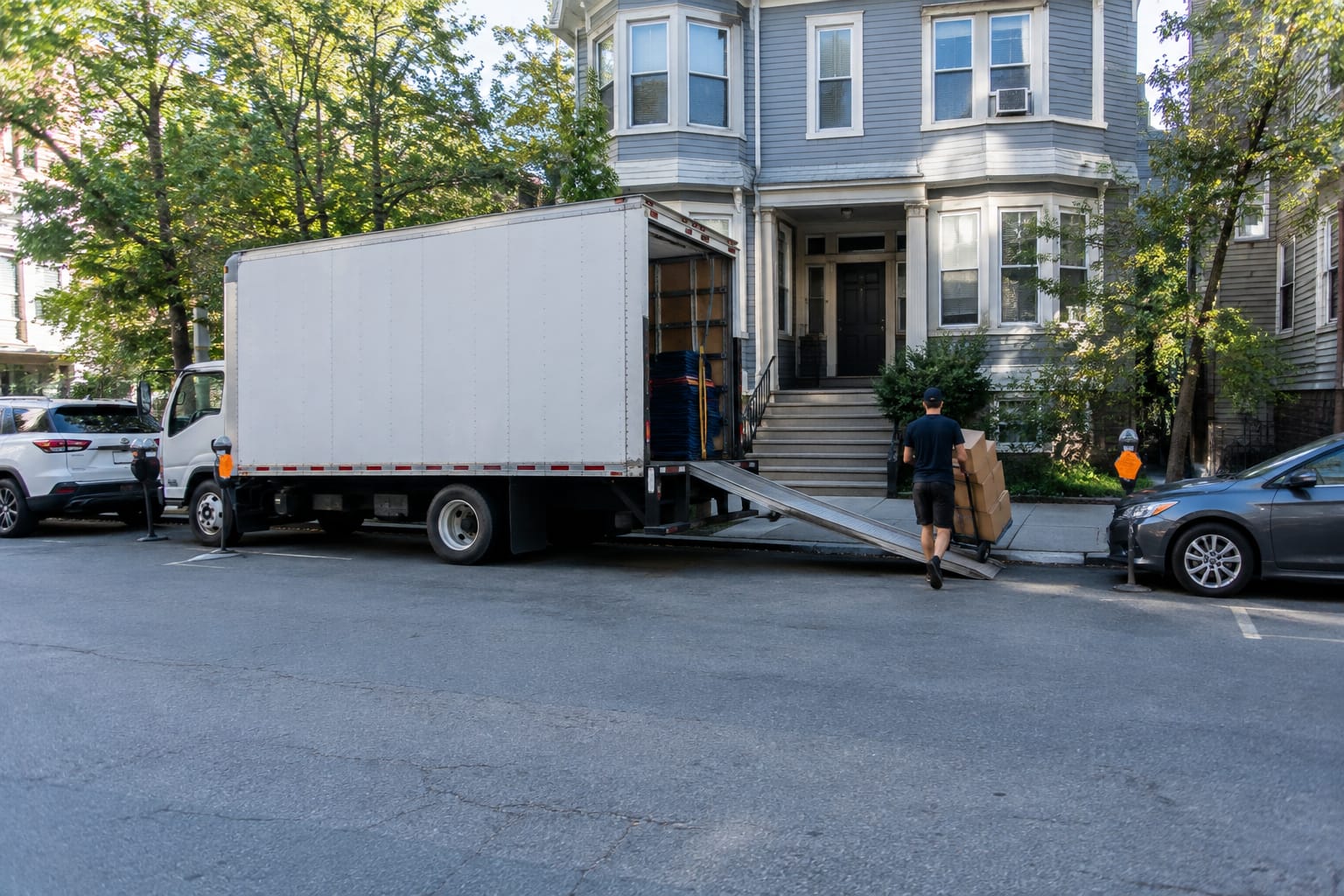
- Parking situation for the truck (permits, loading zone, driveway access)
- Type of move (local vs interstate, packing included or not)
- Final price structure (hourly vs flat rate, travel time, minimum hours)
- Accepted payment methods (card, cash, Zelle, check, deposit details)
- Primary contact numbers (dispatcher, driver/foreman)
If it’s an interstate move, you should already have received FMCSA documents like “Your Rights and Responsibilities When You Move” and the “Ready to Move” brochure — those explain your rights, the bill of lading, and claims process. (FMCSA)
Keep these documents and your moving estimate printed or saved in one folder for the morning.
2. Finish All Remaining Packing (No Loose Items)
The last night is not the time to start packing the whole house, but it is the time to make sure absolutely nothing is loose.
Make sure:
- All small items are in sealed, labeled boxes or bags
- Drawers are emptied (especially dressers, desks, nightstands)
- Bathroom items you won’t use in the morning are already boxed
- Kitchen is 90–95% packed (keep only what you’ll use for breakfast)
- All fragile items are wrapped properly (paper/bubble/cloth)
- Tools, screws, and hardware from disassembled furniture are in labeled zip-lock bags and taped to the furniture or placed in a dedicated “hardware/tools” box
Loose items slow the crew down and create damage risk. The ideal scenario for movers tomorrow: they walk in and everything is either boxed, bagged, or clearly marked.
3. Pack Your Essentials / “Open First” Box
This is one of the most important tasks the night before.
Prepare 1–3 essentials boxes/bags that stay easily accessible (ideally travel with you, not in the back of the truck).
Pack for each person:
- Change of clothes + underwear
- Pajamas
- Basic toiletries (toothbrush, toothpaste, soap, shampoo, deodorant)
- Medications (at least a few days’ supply)
- Phone, laptop, chargers, power bank
- Glasses/contacts + solution
- Small towel and shower essentials
Household essentials box:
- Toilet paper, paper towels, trash bags
- A few plates, cups, utensils OR disposable ones
- Basic cleaning supplies (multi-surface spray, sponge, wipes)
- Extension cord / power strip
- Light bulbs if needed
- Box cutter / scissors
- Basic tools (screwdriver, Allen keys, small hammer)
- Snacks and bottled water/energy drinks
- Coffee/tea + kettle or coffee maker (if easy to access)
Label these boxes clearly:
“OPEN FIRST – ESSENTIALS” and keep them by the door.
4. Separate Valuables and Important Documents
Anything you cannot replace easily should go with you personally, not in the moving truck.
Keep these together in a backpack or small suitcase that never leaves your sight:
- Passports, IDs, visas, immigration papers
- Birth certificates, marriage/divorce papers
- Social Security cards
- Checkbooks, banking documents, tax returns
- Car titles, home documents, insurance policies
- Cash, jewelry, watches, collectibles, rare coins
- Laptops, tablets, hard drives, USBs with backups
- Work equipment you absolutely need the next day
Do not leave this bag lying around; put it in your car or in a locked room before the movers arrive.
5. Prepare Furniture and Appliances
Beds and main furniture
- Strip all beds: washable bedding into bags or boxes, leave just what you’ll sleep on.
- If you can, partially disassemble large items (dining table legs, bed frames) unless your movers are doing this.
- Remove mirrors from dressers and pack separately if not handled by movers.
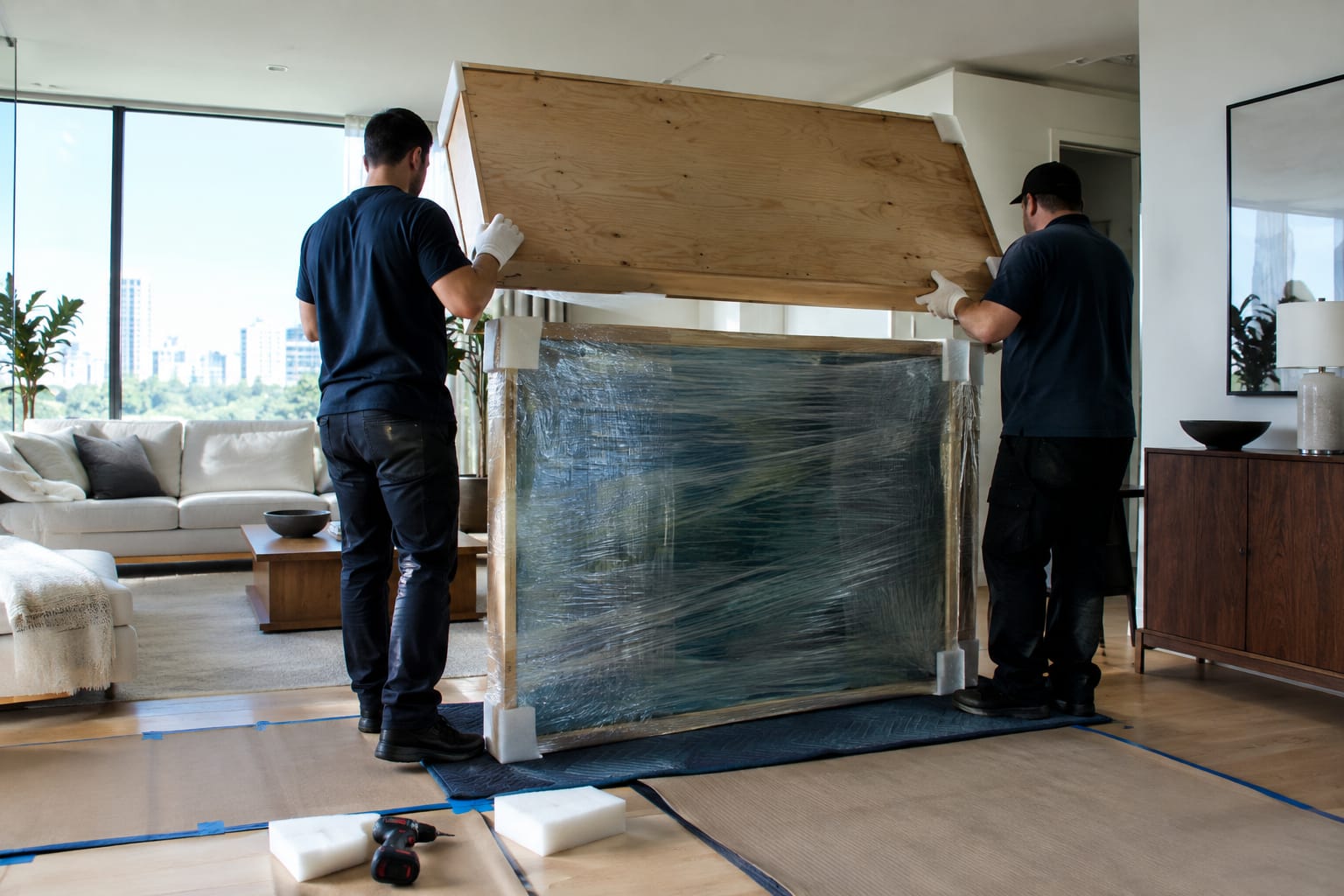
- Remove TVs from walls and pack them or place them safely for movers to wrap.
Fridge and freezer
- Ideally, fridge/freezer should be emptied and defrosted 24 hours before moving day to avoid leaks. If not done yet, do it now: unplug, open doors, place towels to catch water. (London Man Van)
- Throw away or donate remaining perishables if you’re moving far; for local moves, pack a cooler for items you really want to keep.
Other appliances
- Unplug washer/dryer, dishwasher, and stove if needed and safe to do so.
- Coil and tape power cords to each appliance so they don’t swing around.
- Remove and pack any loose shelves, trays, or accessories from appliances.
6. Clear Access for the Movers
You want zero obstacles when the crew shows up.
Inside the home:
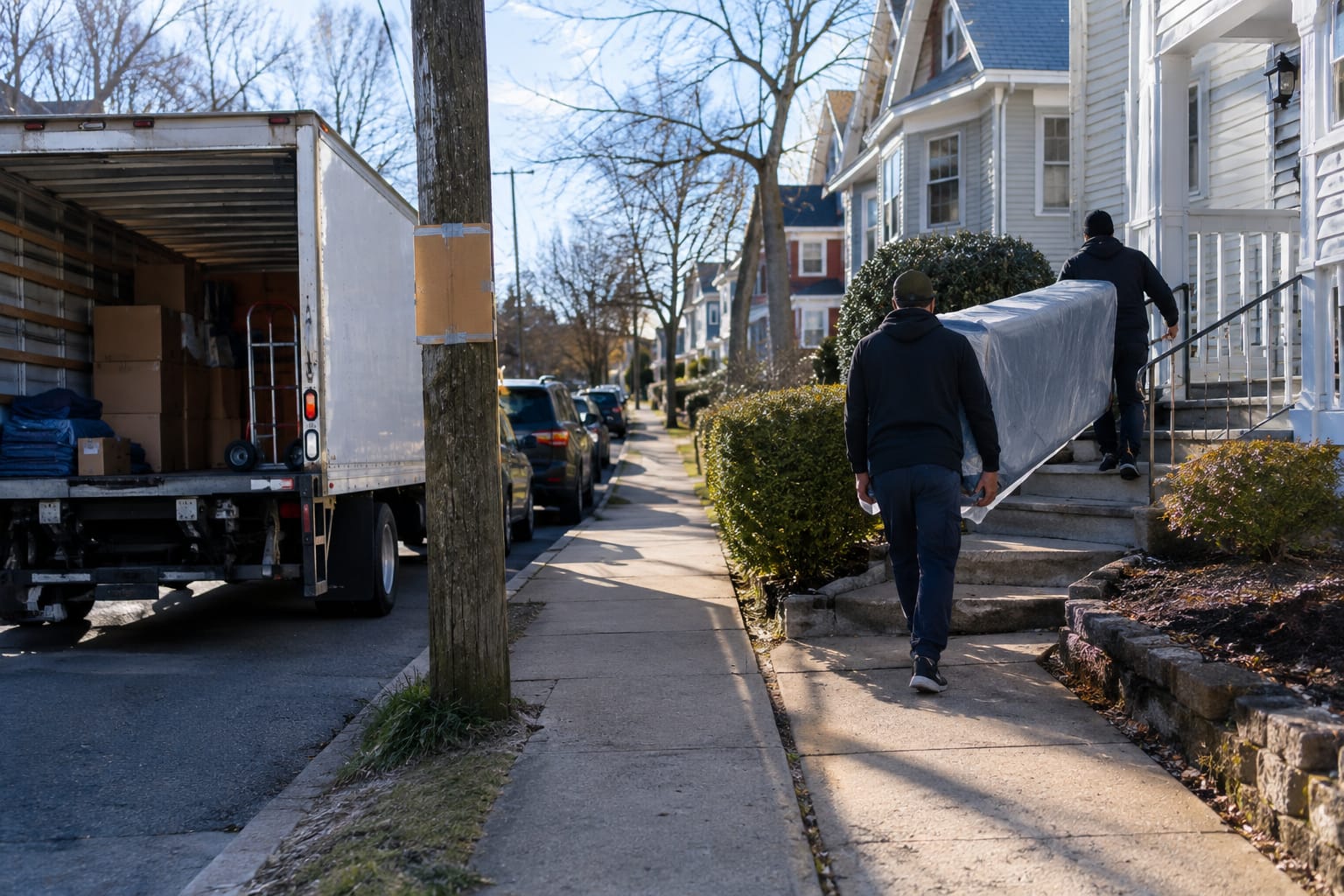
- Clear hallways, staircases, and entryways of boxes and clutter.
- Move packed boxes against the walls, leaving the middle of rooms and pathways open.
- Keep heavy items on the floor level; don’t stack unstable tall towers of boxes.
- If you have rugs that might slip, roll them and stand them up against a wall.
Outside:
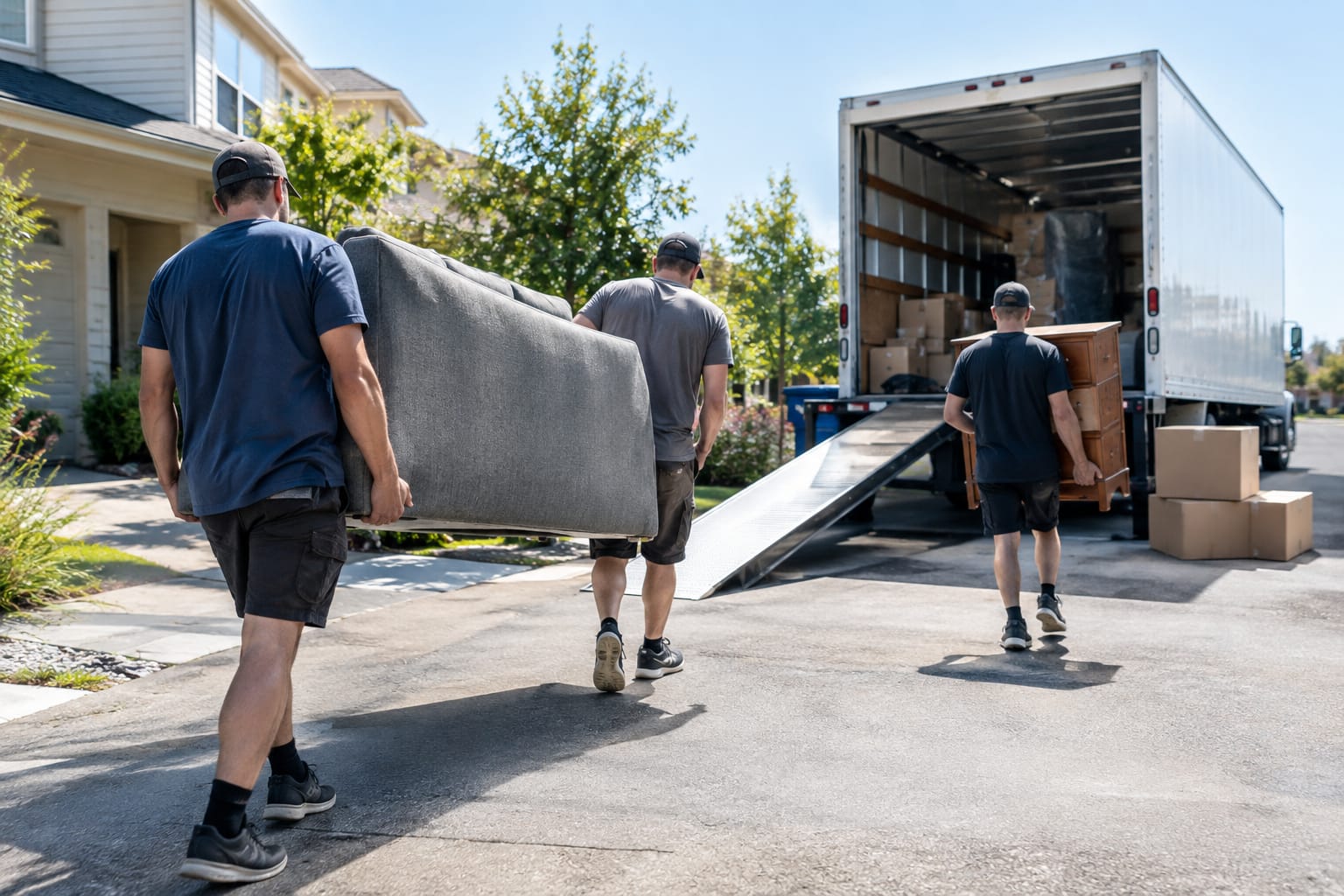
- Move cars so the truck can park as close as possible.
- If you have a driveway, leave it empty.
- If street parking is needed, use cones, trash cans, or your own car to hold the spot (where legal).
If your building has elevators:
- Confirm your elevator reservation for the morning if required.
- Ask whether they need floor protection or blanket wrapping in common areas.
7. Set Aside Items Movers Can’t or Shouldn’t Take
The night before is the time to pull out anything that won’t go in the truck so it doesn’t get packed by accident.
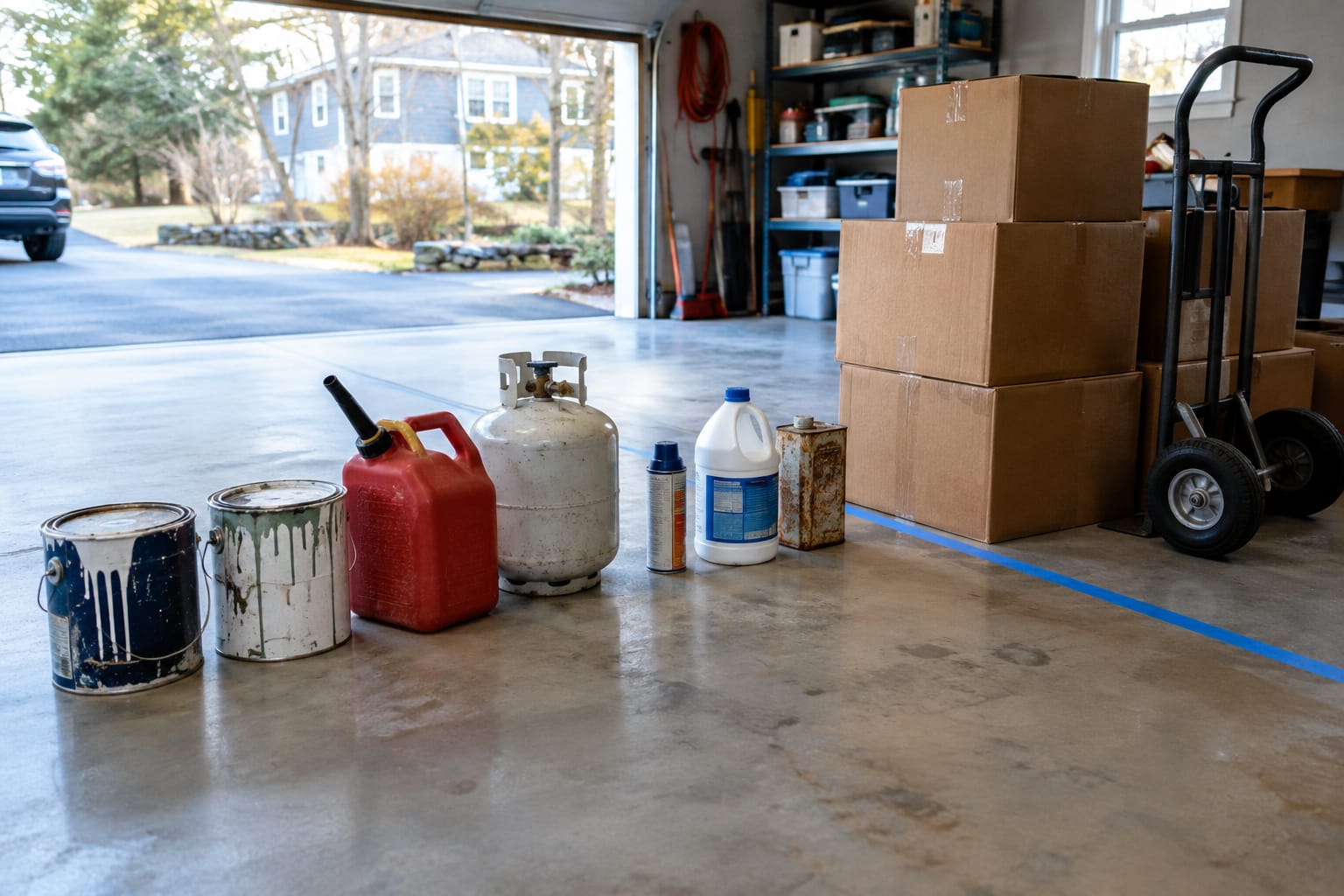
Common items that movers usually won’t move:
- Gasoline, lighter fluid, propane tanks
- Paint, solvents, aerosols
- Fireworks, ammunition
- Open chemical containers (cleaners, bleach, etc.)
- Some types of batteries and compressed gas cylinders
- Certain plants (especially on interstate or long-distance moves)
Also set aside:
- Medication you’ll need during the trip
- Pet food, leashes, litter
- High-value items and sensitive documents (as above)
Put these in a clearly separated “GOES IN CAR ONLY” area or directly in your vehicle the night before.
8. Take Photos and Final Inventory
Protect yourself and stay organized.
Take quick photos of:
- Expensive furniture (fronts, corners, any existing damage)
- TVs, monitors, electronics
- Glass items, artwork, antiques
This helps with:
- Any potential damage claims
- Remembering how things looked and how they were connected (cables, TV setups, etc.)
Inventory:
- You don’t need a perfect spreadsheet, but at least have one of the following:
- A simple Google Doc / Note listing room-by-room contents
- Quick phone video walkthrough where you talk through what’s in each room
- A photo of each labeled box so you can search later
If it’s an interstate move, your movers will usually prepare a formal inventory on moving day, but your own record is still useful. (FMCSA)
9. Prepare for Kids and Pets
Moving day is stressful enough; you don’t want kids or pets constantly in the way of heavy furniture and dollies.
Kids:
- Pack a dedicated “kid essentials” backpack (snacks, water, favorite toys, tablet, change of clothes).
- Decide where they’ll be: with you, in a separate room, or with a friend/relative.
- Explain what’s happening so they’re not panicking when people start taking the furniture.
Pets:
- Prepare a carrier or leash, plus food, water, bowls, and waste bags.
- Choose a safe room where they can stay while movers load (door closed).
- Make sure cats especially can’t bolt through open doors.
If possible, arrange for someone else to take kids/pets for a few hours; that makes moving day much smoother.
10. Do a Light Clean and Last-Minute Repairs
You don’t need to deep-clean all night, but do a quick pass so tomorrow isn’t disgusting.
Focus on:
- Kitchen counters and sink
- Bathroom sink, toilet, and shower/tub
- Sweeping/vacuuming main areas once boxes are stacked
- Filling obvious small nail holes if required by lease/landlord
- Wiping visible stains or marks that could affect a security deposit
Keep a small cleaning kit aside (spray, wipes, trash bags, paper towels, broom/Swiffer) to use after everything is loaded.
11. Prepare Your Car and Route
Especially for long-distance or same-day long drives:
- Fill up with fuel.
- Check tire pressure and basic fluids if you’re driving far.
- Load items that movers can’t/shouldn’t take into your car tonight.
- Save the destination address and any gate codes into your GPS/phone.
- Plan your route roughly (especially if you have to arrive before the truck or meet building management at specific times).
If you’ll arrive before the movers, keep keys to the new place somewhere you can’t lose: in your pocket or bag, not a box.
12. Get Clothes Ready for Moving Day
Decide what you’ll wear and lay it out so you’re not digging through boxes at 7 am.
Best choices:
- Comfortable, breathable clothes you don’t mind getting dusty
- Closed-toe shoes with good grip (no flip-flops)
- Layered clothing in case weather changes
- If rain is possible, keep a light rain jacket ready
Also set aside:
- A cap/hat if it’s sunny
- Work or grip gloves if you’ll be doing any lifting
13. Take Care of Yourself: Last Sleep in the Old Place
Last but not optional: you need to be functional tomorrow.
- Aim for at least 6–8 hours of sleep, even if you feel tempted to repack everything again.
- Set two alarms (phone + backup).
- Charge your phone beside your bed.
- Avoid getting drunk or completely exhausted; you’ll regret it when the doorbell rings.
Before going to bed, do one quick walkthrough:
- Are essentials and valuables separated?
- Are hallways clear?
- Is tomorrow’s outfit & shoes ready?
- Are keys, wallet, documents, chargers in one place?
If yes, you’re ready.
Short Night-Before Moving Checklist
If you want a quick summary to print or save:
- Confirm mover’s arrival time, addresses, contact details, and payment method.
- Finish all packing; no loose items.
- Pack essentials/“open first” boxes for you and family.
- Separate valuables and important documents to travel with you.
- Prepare furniture and appliances; defrost fridge, unplug everything.
- Clear access: hallways, staircases, driveway, elevator arrangements.
- Pull out items movers won’t take and put them in your car area.
- Take photos of furniture and electronics; make a simple inventory.
- Arrange a plan for kids and pets.
- Do a quick clean and minor touch-ups.
- Prepare your car, fuel, and route to the new home.
- Lay out clothes and shoes for moving day.
- Charge devices, set alarms, and go to sleep at a reasonable time.