'%3E%3Cpath%20fill='%231B2A47'%20d='M1.605%2016.263c.03-1.139.059-2.482.088-3.971.03-1.49.03-2.832.03-4.03%200-.758%200-1.576-.03-2.51%200-.905-.03-1.84-.03-2.803%200-.496-.028-.964-.028-1.43%200-.468%200-.906-.03-1.315h6.858q2.188%200%203.589.35c.963.234%201.663.643%202.13%201.198.496.555.73%201.372.73%202.394%200%20.788-.176%201.46-.497%201.985-.32.526-.846.935-1.575%201.197-.73.292-1.693.468-2.918.526v.263c1.313.087%202.334.263%203.122.525.758.263%201.342.672%201.692%201.197.35.526.525%201.197.525%202.044%200%201.08-.233%201.927-.67%202.57-.468.642-1.139%201.08-2.102%201.343-.933.262-2.159.408-3.705.408H1.605zm6.537-9.197q1.882%200%202.713-.526c.555-.35.817-.934.817-1.752%200-.905-.292-1.547-.846-1.927s-1.459-.554-2.655-.554H4.757v4.759zm.204%206.92c.934%200%201.663-.088%202.217-.263.555-.176.934-.438%201.197-.818s.38-.876.38-1.518c0-.876-.322-1.49-.934-1.84-.643-.35-1.635-.525-3.035-.525H4.757v4.963zM21.038%2016.555c-1.576%200-2.801-.292-3.618-.905-.817-.614-1.284-1.519-1.372-2.745-.087-1.226.205-2.774.847-4.613s1.43-3.358%202.392-4.584c.963-1.226%202.043-2.131%203.298-2.744C23.839.292%2025.24%200%2026.786%200c1.576%200%202.772.321%203.59.934.816.613%201.283%201.548%201.37%202.774s-.203%202.774-.845%204.613c-.642%201.81-1.43%203.358-2.393%204.584s-2.072%202.132-3.297%202.745a9.8%209.8%200%200%201-4.173.905m.788-2.278c.642%200%201.138-.058%201.371-.116.205-.059.496-.117.847-.322.262-.146.437-.292.554-.408.204-.175.32-.292.438-.41.204-.203.35-.408.496-.583.35-.438.642-.876.963-1.402.233-.408.466-.817.67-1.284.205-.438.38-.905.555-1.372.438-1.198.671-2.278.671-3.183s-.204-1.606-.612-2.131c-.409-.497-1.051-.76-1.897-.76-.467%200-.934.059-1.43.205h-.03c-1.02.292-1.925%201.226-2.042%201.372-.116.117-.467.526-.963%201.343a15.5%2015.5%200%200%200-1.342%202.92c-.408%201.197-.642%202.277-.671%203.182-.03.906.175%201.636.584%202.161q.611.788%201.838.788M14.853%2038.54c-1.576%200-2.802-.292-3.619-.905s-1.284-1.518-1.371-2.744c-.088-1.227.204-2.774.846-4.614s1.43-3.357%202.393-4.584%202.042-2.13%203.297-2.744c1.255-.613%202.655-.905%204.173-.905%201.575%200%202.772.321%203.589.934s1.284%201.548%201.371%202.774c.088%201.226-.204%202.774-.846%204.613-.642%201.81-1.43%203.358-2.393%204.584s-2.072%202.131-3.297%202.745c-1.226.613-2.626.846-4.143.846m.787-2.277c.642%200%201.138-.059%201.372-.117.204-.058.496-.117.846-.321.263-.146.438-.292.554-.409.205-.175.321-.292.438-.409.204-.204.35-.408.496-.584a13%2013%200%200%200%201.634-2.686c.204-.438.38-.905.555-1.372.437-1.197.67-2.277.67-3.182%200-.906-.203-1.606-.612-2.132-.409-.496-1.05-.759-1.897-.759-.467%200-.934.058-1.43.204h-.029c-1.021.292-1.925%201.227-2.042%201.373-.117.116-.467.525-.963%201.343a15.5%2015.5%200%200%200-1.342%202.92c-.409%201.196-.642%202.277-.671%203.182s.175%201.635.583%202.16q.613.789%201.838.789'/%3E%3Cpath%20fill='%23FF515E'%20d='M55.966%2038.57c-1.576%200-2.801-.293-3.618-.906s-1.284-1.518-1.372-2.744c-.087-1.227.204-2.774.846-4.613s1.43-3.358%202.393-4.584c.963-1.227%202.043-2.132%203.297-2.745s2.656-.905%204.173-.905c1.576%200%202.772.321%203.589.934s1.284%201.548%201.371%202.774c.088%201.226-.204%202.774-.846%204.613-.642%201.81-1.43%203.358-2.393%204.584s-2.071%202.131-3.297%202.745c-1.225.613-2.626.846-4.143.846m.788-2.249c.642%200%201.138-.058%201.371-.117.204-.058.496-.116.846-.32.263-.147.438-.293.555-.41a7%207%200%200%200%20.437-.408c.205-.205.35-.41.496-.584a13%2013%200%200%200%201.634-2.686c.205-.438.38-.905.555-1.373.438-1.197.671-2.277.671-3.182s-.204-1.606-.613-2.131c-.408-.497-1.05-.76-1.896-.76-.467%200-.934.059-1.43.205h-.03c-1.02.292-1.925%201.226-2.042%201.372-.117.117-.467.526-.963%201.343a15.5%2015.5%200%200%200-1.342%202.92c-.409%201.197-.642%202.277-.671%203.182s.175%201.635.583%202.16q.614.79%201.839.79'/%3E%3Cpath%20fill='%231B2A47'%20d='M33.06%2016.263c0-.35%200-.935.03-1.81.029-1.051.058-2.103.058-3.154s.03-2.073.03-3.007c0-1.606-.03-3.27-.06-4.993%200-.554-.028-1.08-.028-1.606%200-.525-.03-1.021-.03-1.46h6.828c1.46%200%202.685.117%203.59.38q1.4.394%202.1%201.314.7.963.7%202.628c0%20.992-.174%201.81-.554%202.452-.35.643-.904%201.11-1.604%201.431s-1.576.467-2.627.496v.263q2.058.087%203.064.876c.671.525%201.138%201.372%201.43%202.51.087.41.233%201.023.467%201.84.233.818.408%201.431.554%201.84h-3.414a11%2011%200%200%200-.262-1.022c-.321-1.314-.526-2.19-.584-2.628a5%205%200%200%200-.642-1.46%202.13%202.13%200%200%200-.963-.73c-.408-.146-.934-.233-1.605-.233h-3.326v6.0440000000000005H33.06zm6.332-8.292c1.343%200%202.276-.205%202.86-.613.554-.41.846-1.11.846-2.073%200-.73-.146-1.314-.408-1.723-.263-.409-.671-.7-1.197-.876q-.788-.263-2.1-.263h-3.181v5.519h3.18zM49.4%2016.263l.03-2.745c.029-2.452.029-4.905.029-7.416q0-2.101-.088-5.868h4.085l5.924%2010.335c.087.234.204.438.291.643.117.204.205.408.321.613.38.788.613%201.255.672%201.372h.262c0-.058-.03-.146-.03-.204%200-.059-.028-.117-.028-.175a75%2075%200%200%201-.175-1.314%2010%2010%200%200%201-.088-1.285c0-1.547%200-3.737-.029-6.57V1.84c0-.584-.03-1.11-.03-1.576h2.977c-.03%202.482-.058%205.08-.058%207.766%200%201.694%200%204.438.029%208.292h-4.027l-5.573-9.43c-.875-1.81-1.226-2.511-1.05-2.132-.263-.613-.467-1.08-.613-1.46h-.263c.058.35.117.876.175%201.548.059.7.117%201.168.117%201.46%200%202.978%200%206.306.029%209.985H49.4zM4.698%2038.277c.029-2.627.058-5.255.058-7.883%200-1.576%200-3.503-.029-5.752-1.109%200-2.684%200-4.727.03v-2.453h12.664v2.453c-1.955-.03-3.53-.03-4.756-.03%200%20.584-.03%201.227-.03%201.957s0%201.46-.029%202.218v1.84c0%202.57.03%205.11.059%207.62z'/%3E%3Cpath%20fill='%23FF515E'%20d='M29.441%2038.277c.409-1.05.788-2.102%201.168-3.182s.787-2.16%201.167-3.241c.613-1.693%201.05-2.949%201.342-3.766l1.255-3.65c.116-.38.262-.788.379-1.139.117-.38.263-.73.38-1.05h4.61l-.671%2012.904h.262l8.316-12.905h4.669l-.7%201.869c-.876%202.452-1.343%203.766-1.43%204a501%20501%200%200%200-3.385%2010.16h-2.947c.292-.846.788-2.219%201.459-4.087.175-.526.35-1.08.554-1.606.175-.526.38-1.08.555-1.577.642-1.81%201.342-3.825%202.072-6.014h-.234l-8.724%2013.314h-2.86l.554-13.314h-.175c-.175.496-.38.992-.554%201.489-.175.496-.38%201.022-.555%201.547a163%20163%200%200%200-1.08%203.008c-.145.38-.262.759-.408%201.138-.117.38-.262.73-.408%201.11-.7%201.898-1.284%203.59-1.751%205.05h-2.86zM68.047%2038.277c.175-2.19.32-4.525.467-7.007.058-.905.204-3.912.467-9.051h3.151c-.03.438-.058.934-.088%201.46s-.058%201.08-.087%201.693a264%20264%200%200%201-.409%206.657c-.145%201.986-.35%203.591-.583%204.788h.175Q72.147%2034.892%2073.94%2032a562%20562%200%200%201%204.465-7.066c.32-.496.641-.992.933-1.46s.555-.875.817-1.255h3.268q-.568.832-1.138%201.752c-.408.613-.787%201.255-1.196%201.927-3.88%206.014-6.478%2010.131-7.85%2012.35h-5.193zM79.106%2038.277c.32-.788.758-2.014%201.37-3.65a287%20287%200%200%200%201.577-4.32c.437-1.256.904-2.628%201.4-4.088s.934-2.774%201.313-3.97h11.322l-.846%202.364H87.1l-1.664%204.847%207.645-.088-.612%201.694-7.587-.088-1.75%204.934h8.286l-.846%202.365z'/%3E%3C/g%3E%3Cdefs%3E%3CclipPath%20id='a'%3E%3Cpath%20fill='%23fff'%20d='M0%200h96v40H0z'/%3E%3C/clipPath%3E%3C/defs%3E%3C/svg%3E)
Booking across country moving services is one of the most consequential logistics decisions a household makes. The variables multiply fast: shipment weight, move distance, carrier type, service level, and transit timelines. Most guides offer generic pricing ranges and stop there. This one goes deeper — covering exactly what reputable cross country moving services include, how to evaluate carriers against brokers, what realistic costs look like, and which warning signs to eliminate before signing a contract.

Key Takeaways
| Point | Details |
|---|---|
| Carrier vs. Broker | Only direct carriers own their trucks. Brokers resell your move to unvetted third parties — always confirm which type you're booking before signing. |
| USDOT & MC Licensing Required | Every legitimate interstate mover must hold both licenses. Verify any company at FMCSA's Safer System for free. |
| Binding Estimates Protect You | A binding estimate caps your final price. Non-binding estimates can legally increase by up to 10% under FMCSA rules. |
| Book 8–12 Weeks Early | Peak season (May–September) fills fast. Born to Move offers no-deposit, no-cancellation-fee reservations in most service areas. |
| Same Truck, Same Crew Matters | Born to Move uses one crew and truck from pickup to delivery with overnight driving, cutting transit time and transfer risk. Learn more → |
Across Country Moving Services: What They Are
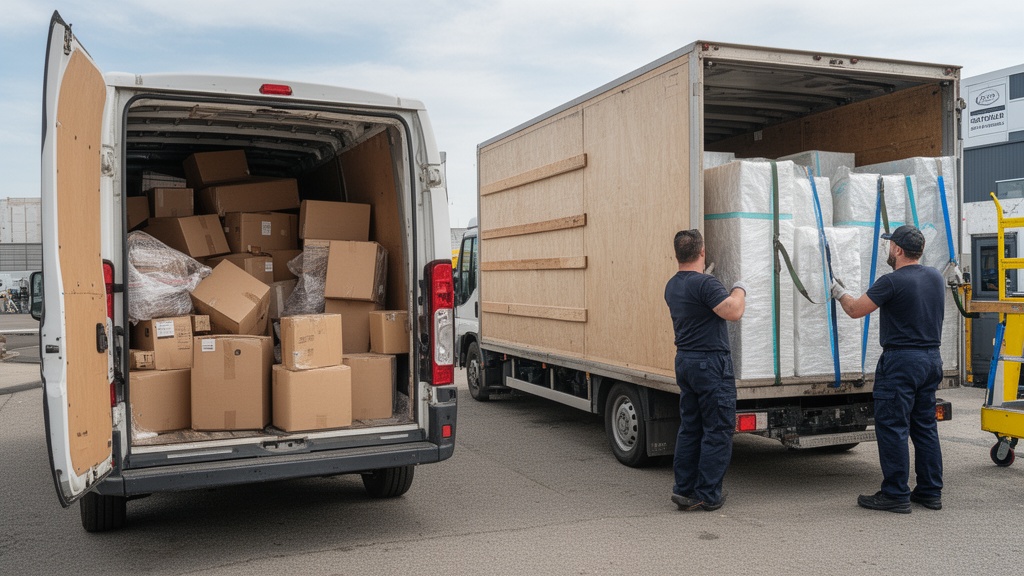
Across country moving services are professional relocations spanning multiple states — typically 500 miles or more, often crossing several regions or coasts. The term is used interchangeably with "cross country moving services," "long distance moving," and "interstate moving," though the practical distinctions matter.
Interstate moves fall under federal jurisdiction. The Federal Motor Carrier Safety Administration (FMCSA) regulates every company that transports household goods across state lines. Every carrier must hold an active USDOT number and a Motor Carrier (MC) license. Born to Move holds both, ensuring full legal compliance on every interstate route.
Two main provider types operate in this market: carriers (companies that own their trucks and employ their drivers) and brokers (companies that act as middlemen, selling your move to a third-party carrier). With a carrier, accountability runs from pickup to delivery. With a broker, your belongings may move on a truck from a company you have never vetted. Always ask before signing: "Are you a licensed carrier or a broker?"

Choosing the Right Across Country Moving Company
When comparing across country moving companies, licensing is the non-negotiable first filter. Every legitimate provider operating as one of the interstate moving companies must carry an active USDOT number, verifiable through the FMCSA Safer System. No USDOT number means the company cannot legally transport goods across state lines.
Beyond licensing, apply this criteria checklist:
- Estimate type: Always request a binding estimate. Non-binding estimates can legally increase by 10% at delivery under federal rules.
- Inventory survey: Reputable across country movers conduct a full video or in-person home survey before quoting. Phone quotes with no inventory review are structurally unreliable.
- Valuation coverage: Federal law mandates two options — Released Value (60 cents per pound, free) and Full Value Protection (carrier liable for repair or replacement). Confirm which applies to your contract.
- Review history: Cross-reference Trustpilot, Google, and the BBB for complaint patterns — not isolated incidents.
- Carrier vs. broker status: Confirm this in writing before signing anything.
For a detailed evaluation framework, review the guide on choosing the right long-distance moving company. For tips on vetting movers in your region, see how to find a reputable moving company.
Pro Tip: Request a binding-not-to-exceed estimate instead of a standard binding estimate. This caps your final price at the quoted amount but allows you to pay less if the actual shipment weight comes in lower — unlike a standard binding estimate, which locks in a fixed price regardless of actual weight.
What Full-Service Across Country Movers Provide
Full-service cross country moving services cover far more than loading and driving. A comprehensive engagement with a reputable carrier typically includes:
- Furniture disassembly before loading and reassembly at the destination
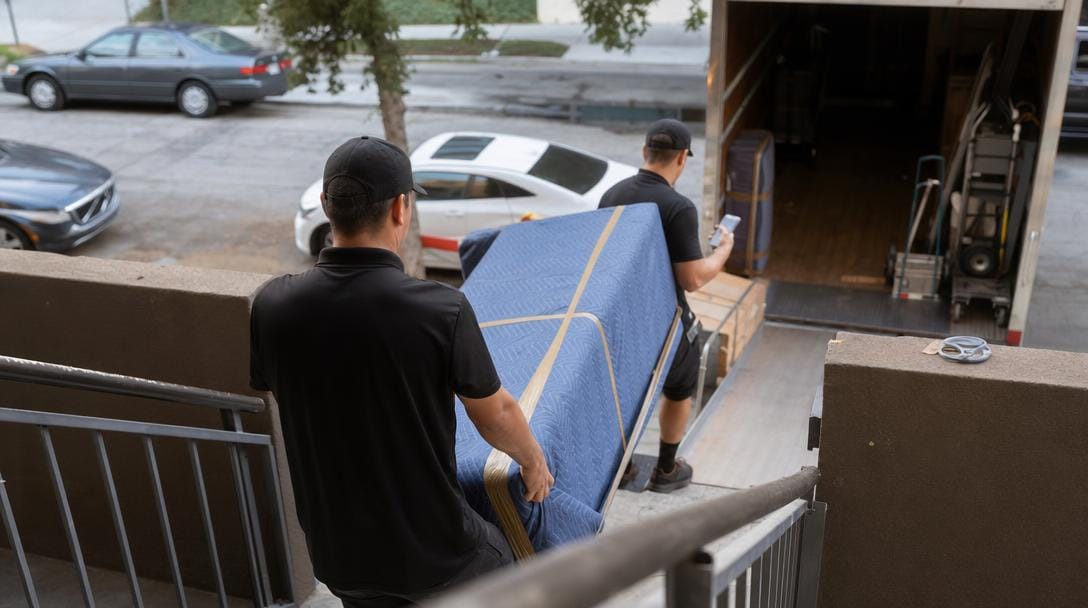
- Professional wrapping of every item in moving blankets, bubble wrap, and packing paper
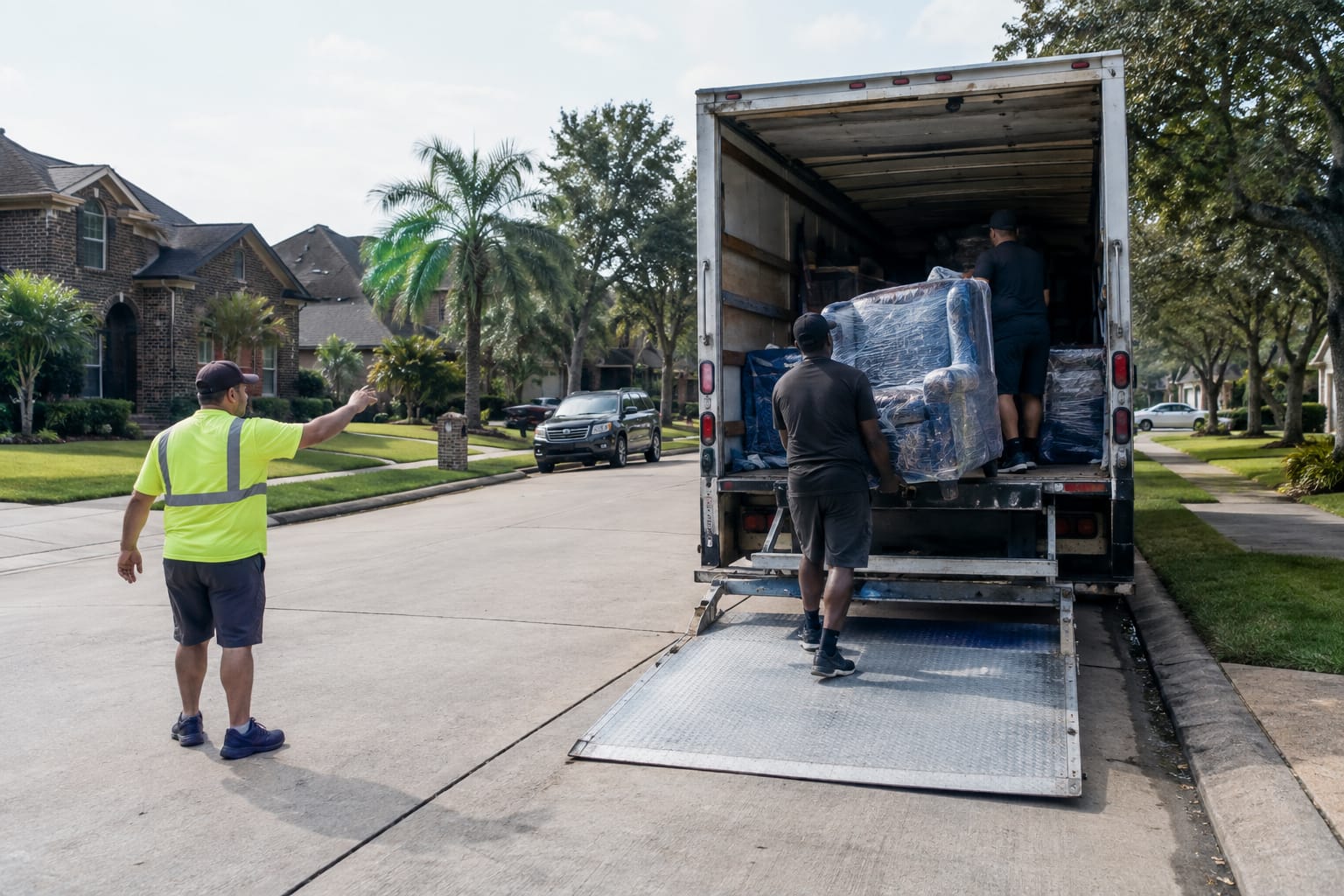
- Loading, transportation, and unloading by the same professional crew
- Boxes and packing supplies provided directly by the company
- Transit status updates and delivery window confirmation
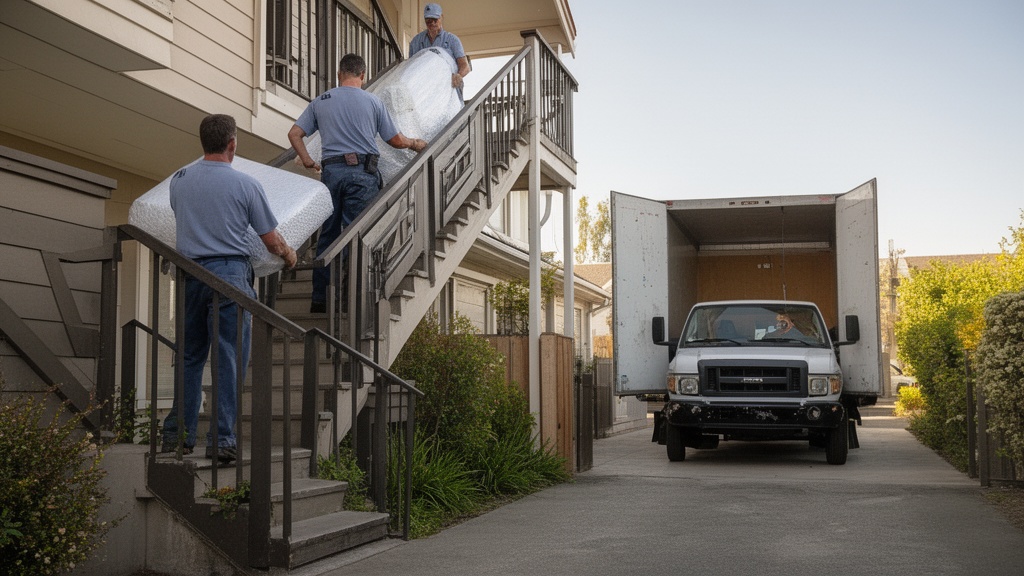
Born to Move's full-service moving covers the complete move lifecycle — disassembly, item-by-item wrapping, loading, interstate transport, unloading, unpacking, and furniture reassembly at the destination. Boxes are supplied directly, so customers don't need to source packing materials separately.
For oversized or difficult-access items, Born to Move provides hand-hoisting and crane services. When an item cannot fit through a doorway, the crew brings it in through a window or balcony — a capability that distinguishes full-service carriers from basic transport providers.
GoBorn can help: Born to Move is a USDOT and MC licensed nationwide moving company with hubs across Boston, New York, Chicago, Los Angeles, Houston, Miami, and more — handling residential, commercial, and interstate relocations from start to finish. Learn more →
Pricing: How Much Does an Across Country Move Cost?

How much does across country moving cost depends on four primary variables: shipment weight, move distance, service level, and time of year. Summer (May through September) is peak moving season, when demand drives rates higher across all providers.
| Cost Factor | Effect on Final Price |
|---|---|
| Shipment weight | Primary pricing driver — heavier loads cost more |
| Move distance | Longer routes increase fuel and labor costs |
| Service level | Full-service costs more than labor-only or container options |
| Season | Peak season (May–Sept) commands higher rates across all carriers |
| Binding vs. non-binding estimate | Binding prevents delivery-day billing surprises |
| Accessorial services | Piano moving, hoisting, and storage add to the base cost |
For a complete breakdown of how carriers calculate pricing, see how much does interstate moving cost — the guide covers weight-based pricing, fuel surcharges, and proven strategies to reduce your final bill.
Seeking affordable moving companies out of state? Effective cost-reduction tactics include decluttering aggressively before your move date, scheduling mid-week or mid-month when demand is lower, and booking at least 8–12 weeks in advance during peak season.
Pro Tip: Collect binding estimates from at least three licensed carriers. Quotes that diverge by more than 20% are a red flag — one company is likely padding the estimate, or another is using a lowball figure to win the job and will present a higher balance-due at delivery.
DIY vs. Full-Service Moving: Which Makes Financial Sense?
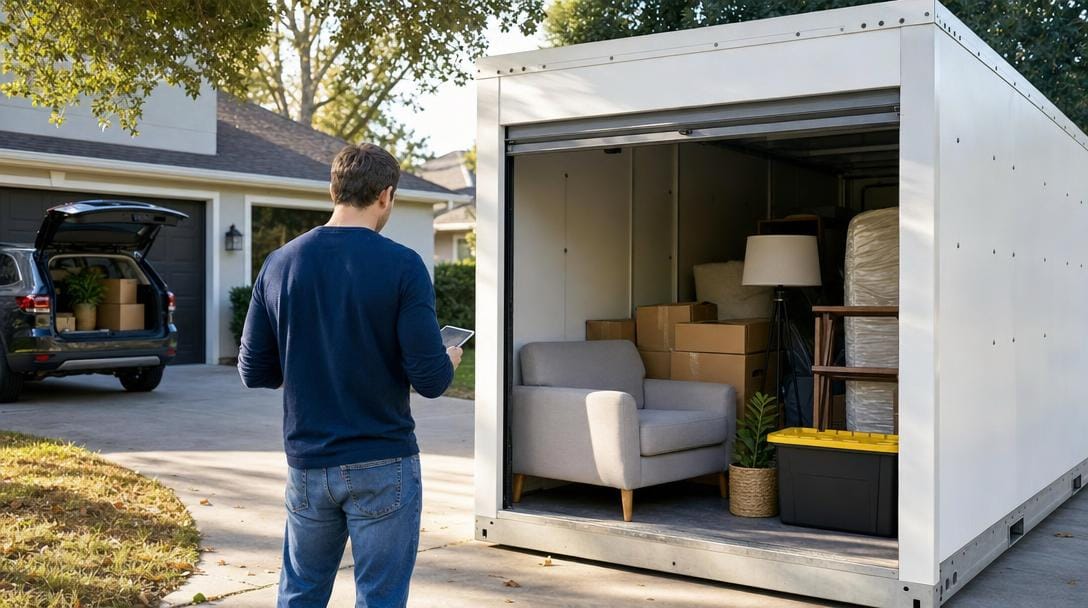
Renting a truck and driving it yourself looks cheaper on paper. The actual cost gap is smaller than most people expect once all real expenses are accounted for.
| Cost Component | Full-Service Carrier | DIY Truck Rental |
|---|---|---|
| Truck rental | Included | $1,200–$4,000+ cross-country |
| Fuel | Included | $400–$1,200+ |
| Packing supplies | Often included | $150–$500 |
| Loading/unloading labor | Included | Your time and helpers |
| Furniture disassembly | Included | Your time and tools |
| Transit damage liability | Carrier's responsibility | Entirely your risk |
| Physical toll on move day | Zero | Significant |
What this table doesn't capture: time off work, physical risk during loading and long-distance driving, and full personal liability for any damage to your belongings. For an honest look at what DIY involves, see rental truck moving companies: services and operation.
For relocations over 1,000 miles, affordable cross country movers frequently close the cost gap with DIY once fuel, equipment, and labor are totaled. Most households that run the numbers find the professional option more competitive than expected — and far less stressful.
Try Born to Move's same-truck, same-crew service: Born to Move assigns the same crew and truck to your long-distance move from pickup to delivery, with overnight driving to minimize transit time and eliminate transfer risk. Get started →
Step-by-Step Cross Country Moving Checklist
Systematic preparation separates smooth moves from chaotic ones. Use this cross country moving checklist as your master planning document.
8–12 Weeks Before the Move:
- Get binding estimates from at least 3 licensed long distance moving companies
- Declutter — sell, donate, or discard anything you won't need at the destination
- Reserve your move date (Born to Move offers no-deposit, no-cancellation-fee booking in many service areas)
- Gather school, medical, and financial records
4–6 Weeks Before:
5. Confirm the binding estimate and complete inventory list with your chosen carrier
6. Update your address with utilities, subscriptions, employer, financial institutions, and the USPS
7. Begin packing non-essential items room by room with clearly labeled boxes
8. Research parking regulations and building access rules at origin and destination
1–2 Weeks Before:
9. Pack an essentials box — keep it with you, not on the truck
10. Confirm the delivery window and driver contact information with your carrier
11. Label every box with destination room and contents
Moving Day:
12. Photograph all furniture and valuables before the crew arrives
13. Walk the inventory sheet with the lead mover and confirm every item loaded
14. Keep your bill of lading and confirmation paperwork accessible throughout transit
For packing strategy, how to pack a truck for a long-distance move covers load sequencing to prevent item shifting and damage in transit. For a broader preparation resource, review these essential cross-country moving tips from experienced movers. To avoid common problems that derail even well-planned moves, the guide on 8 common issues with moving and how to avoid them is worth reading 4–6 weeks before your date.

Pro Tip: Film a timestamped video walkthrough of your home on moving day before the crew arrives. This creates an undeniable baseline for any damage claim. Most carriers require damage to be noted on the delivery inventory sheet before the crew departs — documented video evidence is far more compelling than a written description submitted after the fact.
Transit Timelines: How Long Across Country Moves Take

Transit time for a coast to coast moving service depends primarily on route distance and whether the carrier operates direct delivery or consolidated multi-stop loads.
| Distance Range | Typical Transit Window |
|---|---|
| Under 500 miles | 1–3 business days |
| 500–1,500 miles | 3–7 business days |
| 1,500–3,000 miles | 5–10 business days |
| 3,000+ miles (coast to coast) | 7–14 business days |
Born to Move's cross country relocation services use the same truck and crew from pickup to delivery, with overnight driving to compress transit time and avoid morning traffic delays. This direct-delivery model eliminates the delays common to multi-transfer shipments, where goods change trucks at distribution hubs.
Some carriers offer guaranteed delivery windows for an additional fee. If you have a fixed lease start or job start date at the destination, this option is worth pricing — confirm availability during the quoting stage.
Red Flags to Watch When Hiring Cross-Country Movers
Moving fraud is a documented industry problem. The FMCSA's protect-your-move program exists specifically because fraudulent operators target consumers during long-distance relocations. Knowing the warning signs before signing eliminates the most common risks.
Key red flags to watch across long distance moving companies:
- No home or video survey before quoting: Any company providing a binding estimate without viewing your inventory is guessing. Reputable carriers require a physical or virtual survey first.
- Extremely low quotes: Below-market estimates win the job, then an inflated balance-due appears at delivery — a tactic called a "hostage load." Under federal law, carriers can legally withhold goods until payment is received.
- Large upfront deposit demands: Legitimate carriers require only a modest booking fee. Demands for 25% or more upfront are a warning sign.
- No written contract: Federal regulations require a written order for service and a bill of lading. Refusal to provide these documents is illegal.
- Rented or unmarked trucks: This often indicates a broker without a carrier license, using subcontractors you have never vetted.
- Name changes or vague business history: Always search the USDOT number — not just the trade name. Some operators rebrand after accumulating complaints.
To protect yourself fully, read how to avoid moving scams before signing any moving contract. Confirm any carrier's credentials by learning how to check a US DOT number for a moving company. Review what to know about interstate moving to understand your full consumer rights under FMCSA regulations.
Born to Move: Licensed Across Country Moving Services Nationwide
Born to Move is a full-service moving to another state company with established hubs and regular routes across the US — including Boston, New York, Chicago, Los Angeles, Houston, San Francisco, Miami, Washington DC, Providence RI, Nashua NH, and Connecticut.
As a licensed nationwide moving company and direct carrier, Born to Move does not broker your move to third parties. The same crew and truck that picks up your belongings delivers them — no transfers, no subcontractors, full accountability at every stage.
The best across country moving companies combine verified credentials, transparent pricing, and direct carrier status. Born to Move delivers on all three: USDOT and MC licensed, binding estimates available, and no-deposit, no-cancellation-fee booking in most service areas.
Services include:
- Residential cross country relocation
- Commercial and office moves
- White glove moving for fine art, high-value furniture, and designer pieces
- Piano and antique moving
- Laboratory and specialty item relocation
- Military and government relocations
- International relocation
- Hoisting and crane services for oversized items
Born to Move has been hired over 1,121 times on Thumbtack. Verified customers consistently report punctual crews, transparent rates, no hidden fees, and full licensing and insurance coverage. One Trustpilot reviewer states: "Always on time, professional moving crew, great customer service, transparent rates, no hidden fees, fully licensed and there is insurance! Highly recommended!"
Get a free estimate from Born to Move
Frequently Asked Questions
How much does an across country move cost on average?
The cost of an across country move varies based on shipment weight, distance, and service level selected. Most full-service relocations for a 2–3 bedroom home covering 1,500–3,000 miles fall within a broad range depending on season, carrier, and specific services included. Peak season months (May through September) consistently produce higher rates across all carriers. To get an accurate figure for your specific move, collect binding estimates from at least three licensed carriers — phone quotes without a home survey are unreliable by design. For a detailed breakdown of what drives interstate pricing, see how much does interstate moving cost.
How far in advance should I book across country moving services?
Book 8–12 weeks ahead for peak season moves (May through September). For off-peak moves from October through April, 4–6 weeks is typically sufficient — though earlier booking gives you more date options and crew availability. Popular moving weekends such as Memorial Day, Fourth of July, and Labor Day can book out months in advance. Born to Move offers no-deposit, no-cancellation-fee reservations in many service areas, making early booking lower risk. Booking late during peak season risks unavailability on your preferred date or higher rates due to reduced availability.
Do across country moving companies offer storage-in-transit options?
Many across country moving companies provide storage-in-transit (SIT) — a service where belongings are held securely between pickup and final delivery. This is useful when there is a gap between your move-out and move-in dates. SIT is typically billed per day or week after an initial minimum period. Confirm SIT availability, pricing, and maximum duration during the quoting process. Also clarify whether your valuation coverage extends to goods in storage, as some carrier policies apply different terms to off-truck storage than to items actively in transit.
What is the difference between across country moving and interstate moving?
Across country moving typically refers to long-distance relocations spanning a significant geographic portion of the country — often coast to coast or between distant regions. Interstate moving describes any move that crosses a state line, regardless of distance. A relocation from Boston to Providence (approximately 50 miles) is technically an interstate move. Both types are regulated by the FMCSA and require carriers to hold USDOT and MC licenses. In practice, the terms are often used interchangeably, but across country moving implies greater distance and typically more logistical complexity, including longer transit times and higher service requirements.
Are across country moving services worth the cost compared to DIY?
For most households moving more than 500 miles, full-service across country moving services deliver better value than DIY when all costs are compared honestly. DIY requires renting a large truck ($1,200–$4,000+ for cross-country distances), purchasing fuel, sourcing packing supplies, arranging helpers for loading and unloading, and assuming full personal liability for any damage in transit. Professional carriers include all of this in a binding estimate. For relocations beyond 1,000 miles, the physical and logistical toll of self-moving a full household is substantial. Most households that run an honest comparison find the professional option more competitive — and far less stressful.
How long does an across country move typically take?
Transit time for an across country move ranges from 1–3 business days for shorter interstate distances to 7–14 business days for coast-to-coast routes of 3,000 or more miles. The specific window depends on route, shipment size, and whether the carrier operates direct delivery or consolidated multi-stop loads. Born to Move uses direct delivery with the same truck and crew, plus overnight driving, to compress transit time significantly compared to multi-stop carriers. For moves with fixed arrival deadlines, ask about guaranteed delivery window options during the quoting stage — this service is typically available for an additional fee.
Related Articles
- Moving Companies That Move Long Distance: A Full Guide — a comprehensive overview of what long-distance movers offer, how to compare them, and what to look for before booking.
- Local Moving Companies Near Me: How to Choose the Best — a practical framework for evaluating and selecting a reliable mover in your area.
- Best Cheap Moving Companies — how to find affordable movers without compromising on reliability or legal compliance.
- Best Moving Companies Boston — a breakdown of top-rated moving companies serving Greater Boston and the surrounding New England region.
- Best Chicago Moving Company — how to choose a reputable mover for local or long-distance relocations from Chicago.
Recommended
- 12 Essential Cross-Country Moving Tips
- How Much Does Interstate Moving Cost?
- Long-Distance Moving Companies: How to Choose the Right Mover
- How to Avoid Moving Scams
- Cross-Country Movers Guide