'%3E%3Cpath%20fill='%231B2A47'%20d='M1.605%2016.263c.03-1.139.059-2.482.088-3.971.03-1.49.03-2.832.03-4.03%200-.758%200-1.576-.03-2.51%200-.905-.03-1.84-.03-2.803%200-.496-.028-.964-.028-1.43%200-.468%200-.906-.03-1.315h6.858q2.188%200%203.589.35c.963.234%201.663.643%202.13%201.198.496.555.73%201.372.73%202.394%200%20.788-.176%201.46-.497%201.985-.32.526-.846.935-1.575%201.197-.73.292-1.693.468-2.918.526v.263c1.313.087%202.334.263%203.122.525.758.263%201.342.672%201.692%201.197.35.526.525%201.197.525%202.044%200%201.08-.233%201.927-.67%202.57-.468.642-1.139%201.08-2.102%201.343-.933.262-2.159.408-3.705.408H1.605zm6.537-9.197q1.882%200%202.713-.526c.555-.35.817-.934.817-1.752%200-.905-.292-1.547-.846-1.927s-1.459-.554-2.655-.554H4.757v4.759zm.204%206.92c.934%200%201.663-.088%202.217-.263.555-.176.934-.438%201.197-.818s.38-.876.38-1.518c0-.876-.322-1.49-.934-1.84-.643-.35-1.635-.525-3.035-.525H4.757v4.963zM21.038%2016.555c-1.576%200-2.801-.292-3.618-.905-.817-.614-1.284-1.519-1.372-2.745-.087-1.226.205-2.774.847-4.613s1.43-3.358%202.392-4.584c.963-1.226%202.043-2.131%203.298-2.744C23.839.292%2025.24%200%2026.786%200c1.576%200%202.772.321%203.59.934.816.613%201.283%201.548%201.37%202.774s-.203%202.774-.845%204.613c-.642%201.81-1.43%203.358-2.393%204.584s-2.072%202.132-3.297%202.745a9.8%209.8%200%200%201-4.173.905m.788-2.278c.642%200%201.138-.058%201.371-.116.205-.059.496-.117.847-.322.262-.146.437-.292.554-.408.204-.175.32-.292.438-.41.204-.203.35-.408.496-.583.35-.438.642-.876.963-1.402.233-.408.466-.817.67-1.284.205-.438.38-.905.555-1.372.438-1.198.671-2.278.671-3.183s-.204-1.606-.612-2.131c-.409-.497-1.051-.76-1.897-.76-.467%200-.934.059-1.43.205h-.03c-1.02.292-1.925%201.226-2.042%201.372-.116.117-.467.526-.963%201.343a15.5%2015.5%200%200%200-1.342%202.92c-.408%201.197-.642%202.277-.671%203.182-.03.906.175%201.636.584%202.161q.611.788%201.838.788M14.853%2038.54c-1.576%200-2.802-.292-3.619-.905s-1.284-1.518-1.371-2.744c-.088-1.227.204-2.774.846-4.614s1.43-3.357%202.393-4.584%202.042-2.13%203.297-2.744c1.255-.613%202.655-.905%204.173-.905%201.575%200%202.772.321%203.589.934s1.284%201.548%201.371%202.774c.088%201.226-.204%202.774-.846%204.613-.642%201.81-1.43%203.358-2.393%204.584s-2.072%202.131-3.297%202.745c-1.226.613-2.626.846-4.143.846m.787-2.277c.642%200%201.138-.059%201.372-.117.204-.058.496-.117.846-.321.263-.146.438-.292.554-.409.205-.175.321-.292.438-.409.204-.204.35-.408.496-.584a13%2013%200%200%200%201.634-2.686c.204-.438.38-.905.555-1.372.437-1.197.67-2.277.67-3.182%200-.906-.203-1.606-.612-2.132-.409-.496-1.05-.759-1.897-.759-.467%200-.934.058-1.43.204h-.029c-1.021.292-1.925%201.227-2.042%201.373-.117.116-.467.525-.963%201.343a15.5%2015.5%200%200%200-1.342%202.92c-.409%201.196-.642%202.277-.671%203.182s.175%201.635.583%202.16q.613.789%201.838.789'/%3E%3Cpath%20fill='%23FF515E'%20d='M55.966%2038.57c-1.576%200-2.801-.293-3.618-.906s-1.284-1.518-1.372-2.744c-.087-1.227.204-2.774.846-4.613s1.43-3.358%202.393-4.584c.963-1.227%202.043-2.132%203.297-2.745s2.656-.905%204.173-.905c1.576%200%202.772.321%203.589.934s1.284%201.548%201.371%202.774c.088%201.226-.204%202.774-.846%204.613-.642%201.81-1.43%203.358-2.393%204.584s-2.071%202.131-3.297%202.745c-1.225.613-2.626.846-4.143.846m.788-2.249c.642%200%201.138-.058%201.371-.117.204-.058.496-.116.846-.32.263-.147.438-.293.555-.41a7%207%200%200%200%20.437-.408c.205-.205.35-.41.496-.584a13%2013%200%200%200%201.634-2.686c.205-.438.38-.905.555-1.373.438-1.197.671-2.277.671-3.182s-.204-1.606-.613-2.131c-.408-.497-1.05-.76-1.896-.76-.467%200-.934.059-1.43.205h-.03c-1.02.292-1.925%201.226-2.042%201.372-.117.117-.467.526-.963%201.343a15.5%2015.5%200%200%200-1.342%202.92c-.409%201.197-.642%202.277-.671%203.182s.175%201.635.583%202.16q.614.79%201.839.79'/%3E%3Cpath%20fill='%231B2A47'%20d='M33.06%2016.263c0-.35%200-.935.03-1.81.029-1.051.058-2.103.058-3.154s.03-2.073.03-3.007c0-1.606-.03-3.27-.06-4.993%200-.554-.028-1.08-.028-1.606%200-.525-.03-1.021-.03-1.46h6.828c1.46%200%202.685.117%203.59.38q1.4.394%202.1%201.314.7.963.7%202.628c0%20.992-.174%201.81-.554%202.452-.35.643-.904%201.11-1.604%201.431s-1.576.467-2.627.496v.263q2.058.087%203.064.876c.671.525%201.138%201.372%201.43%202.51.087.41.233%201.023.467%201.84.233.818.408%201.431.554%201.84h-3.414a11%2011%200%200%200-.262-1.022c-.321-1.314-.526-2.19-.584-2.628a5%205%200%200%200-.642-1.46%202.13%202.13%200%200%200-.963-.73c-.408-.146-.934-.233-1.605-.233h-3.326v6.0440000000000005H33.06zm6.332-8.292c1.343%200%202.276-.205%202.86-.613.554-.41.846-1.11.846-2.073%200-.73-.146-1.314-.408-1.723-.263-.409-.671-.7-1.197-.876q-.788-.263-2.1-.263h-3.181v5.519h3.18zM49.4%2016.263l.03-2.745c.029-2.452.029-4.905.029-7.416q0-2.101-.088-5.868h4.085l5.924%2010.335c.087.234.204.438.291.643.117.204.205.408.321.613.38.788.613%201.255.672%201.372h.262c0-.058-.03-.146-.03-.204%200-.059-.028-.117-.028-.175a75%2075%200%200%201-.175-1.314%2010%2010%200%200%201-.088-1.285c0-1.547%200-3.737-.029-6.57V1.84c0-.584-.03-1.11-.03-1.576h2.977c-.03%202.482-.058%205.08-.058%207.766%200%201.694%200%204.438.029%208.292h-4.027l-5.573-9.43c-.875-1.81-1.226-2.511-1.05-2.132-.263-.613-.467-1.08-.613-1.46h-.263c.058.35.117.876.175%201.548.059.7.117%201.168.117%201.46%200%202.978%200%206.306.029%209.985H49.4zM4.698%2038.277c.029-2.627.058-5.255.058-7.883%200-1.576%200-3.503-.029-5.752-1.109%200-2.684%200-4.727.03v-2.453h12.664v2.453c-1.955-.03-3.53-.03-4.756-.03%200%20.584-.03%201.227-.03%201.957s0%201.46-.029%202.218v1.84c0%202.57.03%205.11.059%207.62z'/%3E%3Cpath%20fill='%23FF515E'%20d='M29.441%2038.277c.409-1.05.788-2.102%201.168-3.182s.787-2.16%201.167-3.241c.613-1.693%201.05-2.949%201.342-3.766l1.255-3.65c.116-.38.262-.788.379-1.139.117-.38.263-.73.38-1.05h4.61l-.671%2012.904h.262l8.316-12.905h4.669l-.7%201.869c-.876%202.452-1.343%203.766-1.43%204a501%20501%200%200%200-3.385%2010.16h-2.947c.292-.846.788-2.219%201.459-4.087.175-.526.35-1.08.554-1.606.175-.526.38-1.08.555-1.577.642-1.81%201.342-3.825%202.072-6.014h-.234l-8.724%2013.314h-2.86l.554-13.314h-.175c-.175.496-.38.992-.554%201.489-.175.496-.38%201.022-.555%201.547a163%20163%200%200%200-1.08%203.008c-.145.38-.262.759-.408%201.138-.117.38-.262.73-.408%201.11-.7%201.898-1.284%203.59-1.751%205.05h-2.86zM68.047%2038.277c.175-2.19.32-4.525.467-7.007.058-.905.204-3.912.467-9.051h3.151c-.03.438-.058.934-.088%201.46s-.058%201.08-.087%201.693a264%20264%200%200%201-.409%206.657c-.145%201.986-.35%203.591-.583%204.788h.175Q72.147%2034.892%2073.94%2032a562%20562%200%200%201%204.465-7.066c.32-.496.641-.992.933-1.46s.555-.875.817-1.255h3.268q-.568.832-1.138%201.752c-.408.613-.787%201.255-1.196%201.927-3.88%206.014-6.478%2010.131-7.85%2012.35h-5.193zM79.106%2038.277c.32-.788.758-2.014%201.37-3.65a287%20287%200%200%200%201.577-4.32c.437-1.256.904-2.628%201.4-4.088s.934-2.774%201.313-3.97h11.322l-.846%202.364H87.1l-1.664%204.847%207.645-.088-.612%201.694-7.587-.088-1.75%204.934h8.286l-.846%202.365z'/%3E%3C/g%3E%3Cdefs%3E%3CclipPath%20id='a'%3E%3Cpath%20fill='%23fff'%20d='M0%200h96v40H0z'/%3E%3C/clipPath%3E%3C/defs%3E%3C/svg%3E)
The best St. Louis moving company is one that holds active USDOT licensing, carries valid cargo and liability insurance, and earns consistent 4.5-star-plus reviews from local customers — not simply the outfit with the lowest quote. In a city of historic brick rowhomes, narrow Soulard streets, and unpredictable Midwest weather, crew experience matters as much as price. This guide answers what's the best st louis moving company for your situation: how to vet movers, what you'll pay, and the local details national directories ignore.

| Point | Details |
|---|---|
| Licensing is non-negotiable | Verify every mover's USDOT number on the FMCSA Protect Your Move database before you shortlist. |
| Reviews signal reliability | The best movers in St Louis hold 4.5-plus stars across Google and the Better Business Bureau. |
| Local beats national for city moves | Crews that know Soulard alleys and Central West End walk-ups finish faster than out-of-state van lines. |
| Get it in writing | Written, in-home or video estimates prevent the surprise fees that drive most moving-day disputes. |
| Permits are a St. Louis reality | Many city blocks require a temporary no-parking permit to reserve truck space near your door. |
What to Look for in a St. Louis Moving Company
Start with three non-negotiables: active licensing, real insurance, and a verifiable track record. The best movers in St Louis clear all three gates before price ever enters the conversation. Everything else — packing help, storage, weekend availability — is secondary.
Here's what separates a professional crew from a risky one:
- Active USDOT and Missouri registration — confirm it on the FMCSA Protect Your Move tool.
- Proof of insurance — general liability plus cargo coverage, not just a verbal promise.
- Consistent reviews — 4.5 stars or higher across Google and the Better Business Bureau.
- Written estimates — in-home or video walkthroughs, never phone-only guesses.
- A real local address — a genuine St. Louis footprint, not a broker's P.O. box.

Search results for moving companies St Louis MO return dozens of options, and aggregator sites rarely tell you which ones are legitimate carriers versus lead-selling brokers. For a deeper framework, review what to look for in a moving company and how to find a reputable moving company before you commit to anyone.
Q: How do I verify a St. Louis mover is licensed?
A: Enter the company's USDOT number into the FMCSA SAFER Company Snapshot. It shows registration status, insurance on file, and any recorded safety issues in seconds.
Pro Tip: Cross-check the business name on the estimate against the name tied to the USDOT number. Fly-by-night operators often quote under one brand but operate under a different, unrated entity — a classic bait-and-switch.
Top-Rated Movers in St. Louis: How the Best Ones Compare

The top rated movers St Louis reviewers consistently praise fall into three categories, each suited to a different move. Rather than trusting a directory's paid rankings, match the company type to your needs.
- Full-service local movers — they load, transport, and unload, and many offer packing and short-term storage. Best for families and anyone short on time.
- Labor-only crews — you rent the truck; they handle the heavy lifting. The most affordable moving companies St Louis renters use for studio and one-bedroom moves.
- National van line agents — local franchises of interstate carriers, built for long-haul relocations out of Missouri.
When you compare candidates, weight recent reviews over lifetime averages. A company with 200 reviews at 4.6 stars and steady recent feedback is a safer bet than one coasting on old ratings. Use our guide to finding local moving companies near you to build a shortlist you can actually verify.
Q: What separates a top-rated St. Louis mover from an average one?
A: Recency and consistency. The best St Louis movers maintain 4.5-plus stars across their most recent 50 reviews, respond to complaints publicly, and provide binding written estimates rather than moving-day surprises.
Local vs. National Movers: Which Wins in St. Louis?
For moves inside the metro, local wins. Crews that know how tight Lafayette Square carriage lanes are — or which Central West End buildings require freight-elevator reservations — finish faster and damage less. National van lines earn their keep on long-distance relocations, where interstate infrastructure and tracking matter more than neighborhood knowledge.
| Criteria | Local St. Louis Movers | National Van Line | Moving Broker |
|---|---|---|---|
| Best for | Local & metro moves | Interstate/long-haul | Comparison shopping only |
| City knowledge | High (permits, alleys, walk-ups) | Low | None |
| Price transparency | Direct, negotiable | Standardized tariffs | Often opaque |
| Who does the work | The company you hired | Assigned agent | A third party you never met |
| Accountability | Single point of contact | Corporate + agent | Fragmented |
The same vetting method applies whether you're comparing moving companies in los angeles, weighing what are the top rated moving companies in nashville, or planning a relocation like moving from nyc to dc — verify licensing, read recent reviews, and get everything in writing. For cross-state work, our roundup of long distance moving companies explains how binding interstate estimates differ from local hourly billing, and our best moving companies in Los Angeles guide shows the same framework applied to another major market.
Pro Tip: If a broker quotes you without ever naming the carrier who will show up, walk away. You cannot vet a mover whose USDOT number you don't know — and you have no recourse when an unnamed subcontractor damages your belongings.
GoBorn can help: We connect St. Louis residents with licensed, insured, and review-vetted local crews so you skip the aggregator guesswork. Learn more →
How Much Do St. Louis Moving Companies Charge?

Most local moving companies St Louis crews bill by the hour, commonly in the 120–200 per hour range for a two-mover team (illustrative, not a quote). Long-distance moves out of Missouri price on shipment weight and mileage instead. Actual cost depends on home size, stairs, access, and how much you pack yourself.
| Move Type | Typical Crew | Illustrative Range (USD) |
|---|---|---|
| Studio / 1-bedroom, local | 2 movers, 1 truck | 400–700 |
| 2–3 bedroom, local | 3 movers, 1 truck | 900–1,800 |
| 4+ bedroom, local | 4 movers, 2 trucks | 1,800–3,500 |
| Full-pack add-on | 2–3 packers | 300–1,200 |
| Long-distance (out of MO) | Weight + distance | 3,500–8,000 |
These figures are composite St. Louis estimates, not binding prices — always get a written quote. Labor costs track local wages, and movers' pay is documented by the U.S. Bureau of Labor Statistics, which is why peak-season and weekend rates run higher. For a full breakdown of what drives the total, see how interstate moving service companies determine the cost of your move.
Q: How much does a local move cost in St. Louis?
A: A typical two- to three-bedroom local move runs roughly 900 to 1,800 USD (illustrative), driven by crew size, stairs, and total hours. Studios cost less; full-service packing adds a few hundred more.
St. Louis-Specific Moving Considerations You Should Know
St. Louis moves come with quirks national directories never mention. The city's historic housing stock and permit rules can add hours — or fees — if your crew isn't prepared.
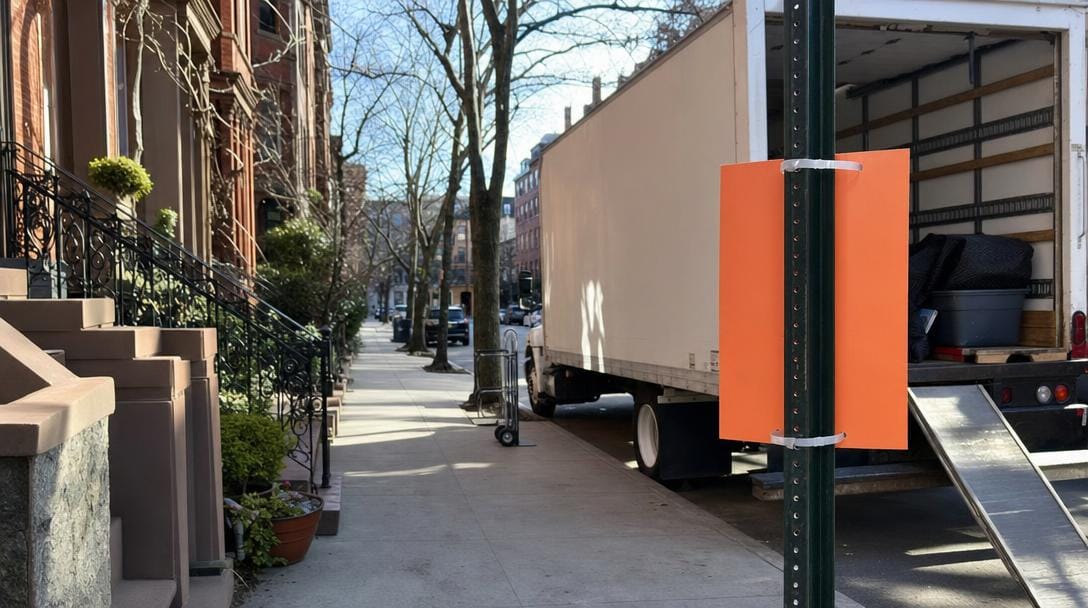
- Street parking permits: Many city blocks require a temporary no-parking permit to reserve curb space for the truck. Experienced local crews handle this; out-of-town movers often don't know it exists.
- Historic layouts: Soulard and Lafayette Square rowhomes feature narrow staircases and tight doorways. Central West End walk-ups and gated courtyards slow load times.
- Seasonal weather: Humid summers and icy January mornings both affect scheduling. Spring and early fall are the smoothest windows.
- Elevator buildings: Downtown lofts and CWE high-rises frequently require reserving the freight elevator in advance.
Because the city keeps drawing new residents and returning families — the U.S. Census Bureau tracks St. Louis population data — demand for reliable St Louis moving services spikes at month-end and around university calendars. Book early. St Louis moving services range from labor-only help to white-glove packing, so define your scope before you call.
Pro Tip: Reserve your street permit and confirm elevator times at least a week out. A crew stuck circling the block for parking is still on the clock — and that idle time lands on your final hourly bill.
Questions to Ask Before Hiring a St. Louis Mover

Before you sign, run every candidate through the same script. Straight answers signal a professional; evasion is a red flag. These are the questions to ask any mover before booking:

- What is your USDOT number, and is it active?
- Is your estimate binding or non-binding?
- What is your liability coverage — released value or full-value protection?
- Are your crews employees or day-labor subcontractors?
- How do you charge for stairs, long carries, and bulky items?
- What is your claims process if something breaks?
Any hesitation on licensing or insurance is your cue to move on. Large upfront cash deposits, quotes far below every competitor, and unmarked trucks are documented warning signs — our guide to avoiding moving scams covers the full list. The local moving companies St Louis residents trust answer these questions without flinching.
Booking the Best St. Louis Moving Company: Your Action Plan
Turn research into a confident hire with a simple sequence. Follow it and you'll avoid the two most common regrets — overpaying and hiring an unvetted crew.
- Shortlist three to four licensed local companies with strong recent reviews.
- Verify each USDOT number on FMCSA before requesting quotes.
- Get written estimates — in-home or video — from every finalist.
- Compare scope, not just price — packing, insurance, and permit help vary widely.
- Book two to four weeks ahead, earlier for month-end or summer dates.
For the complete process, read how to hire a moving company the right way. Do the legwork once and the answer to what's the best st louis moving company becomes obvious: the licensed, well-reviewed crew that quoted honestly and understood your neighborhood. GoBorn helps St. Louis movers reach exactly those crews without wading through aggregator listings.
How much do moving companies charge in St. Louis?
Local St. Louis moves are usually billed hourly, commonly around 120 to 200 USD per hour for a two-person crew (illustrative). A one-bedroom apartment often lands near 400 to 700 USD, while a three-bedroom home can reach 1,800 or more depending on stairs and access. Long-distance moves out of Missouri price differently — on shipment weight and mileage rather than time. Add-ons like full packing, specialty items, and month-end scheduling raise the total. Because labor tracks local wages documented by the Bureau of Labor Statistics, weekend and peak-season rates run higher. Always request a written estimate; a verbal figure is not a commitment you can hold a company to.
What is the best moving company in St. Louis?
There is no single winner for every move. The best moving company for you is the licensed, insured crew with consistent 4.5-plus reviews that fits your specific job — a full-service local mover for a family relocation, a labor-only crew for a small apartment, or a national van line agent for an interstate haul. Rather than trusting a directory's paid ranking, verify each candidate's USDOT number, read their most recent reviews, and compare written estimates side by side. The company that answers licensing and insurance questions directly, quotes transparently, and knows your neighborhood's parking and access rules is the best choice for your situation.
How do I find a reliable mover in St. Louis?
Start with licensing. Confirm every candidate holds an active USDOT registration using the FMCSA database, then check that cargo and liability insurance are on file. Next, weigh recent reviews across Google and the Better Business Bureau, favoring companies with steady, current feedback over old lifetime averages. Request written, in-home or video estimates from three or four finalists so you're comparing real scope, not phone guesses. A reliable mover has a genuine local address, uses branded trucks and uniformed crews, and explains charges for stairs, long carries, and delays before you book. Skip any company that only quotes through a broker without naming the actual carrier.
Are there local movers in St. Louis with strong reviews?
Yes. St. Louis has many well-reviewed local crews, particularly full-service companies experienced with the city's historic rowhomes and walk-ups. The strongest performers maintain 4.5 stars or higher across their most recent reviews, respond publicly to complaints, and hold active licensing you can verify in minutes. Focus on recency: a company with steady current feedback is more dependable than one coasting on ratings from years ago. Cross-reference Google, the Better Business Bureau, and the FMCSA record for a complete picture. Local crews that know permit rules, elevator reservations, and neighborhood access consistently earn better reviews than out-of-town operators unfamiliar with St. Louis logistics.
What are red flags when hiring movers in St. Louis?
The biggest warning sign is a missing or inactive USDOT number — no legitimate carrier operates without one. Others include large cash deposits demanded upfront, quotes dramatically lower than every competitor, unmarked trucks, refusal to provide a written estimate, and brokers who won't name the crew who will actually show up. Phone-only estimates that skip a home or video walkthrough often precede moving-day price hikes. Vague answers about insurance and claims are equally telling. If a company pressures you to sign incomplete paperwork or blank contracts, stop. Verifying licensing and getting everything in writing eliminates the vast majority of these risks before they cost you.
Related Articles
- Best Moving Companies in Los Angeles: Vetted & Ranked — See the same vetting framework applied to the LA market.
- Moving Companies That Move Long Distance: A Full Guide — Learn how interstate estimates and pricing differ from local hourly moves.
- Local Moving Companies Near Me: How to Choose the Best — A practical method for building a verified local shortlist anywhere.
- Best Cheap Moving Companies: Find Value Without the Risk — How to save money without hiring an unlicensed or unreliable crew.
- Best Chicago Moving Company: A Complete Hiring Guide — Compare how city-specific factors shape the choice in another metro.
Recommended Reading
- How to Find a Reputable Moving Company
- What to Look for in a Moving Company: Top Qualities
- How to Avoid Moving Scams
- What Questions Should I Ask When Hiring a Moving Company?
- How to Check a Moving Company's US DOT Number
Frequently Asked Questions