'%3E%3Cpath%20fill='%231B2A47'%20d='M1.605%2016.263c.03-1.139.059-2.482.088-3.971.03-1.49.03-2.832.03-4.03%200-.758%200-1.576-.03-2.51%200-.905-.03-1.84-.03-2.803%200-.496-.028-.964-.028-1.43%200-.468%200-.906-.03-1.315h6.858q2.188%200%203.589.35c.963.234%201.663.643%202.13%201.198.496.555.73%201.372.73%202.394%200%20.788-.176%201.46-.497%201.985-.32.526-.846.935-1.575%201.197-.73.292-1.693.468-2.918.526v.263c1.313.087%202.334.263%203.122.525.758.263%201.342.672%201.692%201.197.35.526.525%201.197.525%202.044%200%201.08-.233%201.927-.67%202.57-.468.642-1.139%201.08-2.102%201.343-.933.262-2.159.408-3.705.408H1.605zm6.537-9.197q1.882%200%202.713-.526c.555-.35.817-.934.817-1.752%200-.905-.292-1.547-.846-1.927s-1.459-.554-2.655-.554H4.757v4.759zm.204%206.92c.934%200%201.663-.088%202.217-.263.555-.176.934-.438%201.197-.818s.38-.876.38-1.518c0-.876-.322-1.49-.934-1.84-.643-.35-1.635-.525-3.035-.525H4.757v4.963zM21.038%2016.555c-1.576%200-2.801-.292-3.618-.905-.817-.614-1.284-1.519-1.372-2.745-.087-1.226.205-2.774.847-4.613s1.43-3.358%202.392-4.584c.963-1.226%202.043-2.131%203.298-2.744C23.839.292%2025.24%200%2026.786%200c1.576%200%202.772.321%203.59.934.816.613%201.283%201.548%201.37%202.774s-.203%202.774-.845%204.613c-.642%201.81-1.43%203.358-2.393%204.584s-2.072%202.132-3.297%202.745a9.8%209.8%200%200%201-4.173.905m.788-2.278c.642%200%201.138-.058%201.371-.116.205-.059.496-.117.847-.322.262-.146.437-.292.554-.408.204-.175.32-.292.438-.41.204-.203.35-.408.496-.583.35-.438.642-.876.963-1.402.233-.408.466-.817.67-1.284.205-.438.38-.905.555-1.372.438-1.198.671-2.278.671-3.183s-.204-1.606-.612-2.131c-.409-.497-1.051-.76-1.897-.76-.467%200-.934.059-1.43.205h-.03c-1.02.292-1.925%201.226-2.042%201.372-.116.117-.467.526-.963%201.343a15.5%2015.5%200%200%200-1.342%202.92c-.408%201.197-.642%202.277-.671%203.182-.03.906.175%201.636.584%202.161q.611.788%201.838.788M14.853%2038.54c-1.576%200-2.802-.292-3.619-.905s-1.284-1.518-1.371-2.744c-.088-1.227.204-2.774.846-4.614s1.43-3.357%202.393-4.584%202.042-2.13%203.297-2.744c1.255-.613%202.655-.905%204.173-.905%201.575%200%202.772.321%203.589.934s1.284%201.548%201.371%202.774c.088%201.226-.204%202.774-.846%204.613-.642%201.81-1.43%203.358-2.393%204.584s-2.072%202.131-3.297%202.745c-1.226.613-2.626.846-4.143.846m.787-2.277c.642%200%201.138-.059%201.372-.117.204-.058.496-.117.846-.321.263-.146.438-.292.554-.409.205-.175.321-.292.438-.409.204-.204.35-.408.496-.584a13%2013%200%200%200%201.634-2.686c.204-.438.38-.905.555-1.372.437-1.197.67-2.277.67-3.182%200-.906-.203-1.606-.612-2.132-.409-.496-1.05-.759-1.897-.759-.467%200-.934.058-1.43.204h-.029c-1.021.292-1.925%201.227-2.042%201.373-.117.116-.467.525-.963%201.343a15.5%2015.5%200%200%200-1.342%202.92c-.409%201.196-.642%202.277-.671%203.182s.175%201.635.583%202.16q.613.789%201.838.789'/%3E%3Cpath%20fill='%23FF515E'%20d='M55.966%2038.57c-1.576%200-2.801-.293-3.618-.906s-1.284-1.518-1.372-2.744c-.087-1.227.204-2.774.846-4.613s1.43-3.358%202.393-4.584c.963-1.227%202.043-2.132%203.297-2.745s2.656-.905%204.173-.905c1.576%200%202.772.321%203.589.934s1.284%201.548%201.371%202.774c.088%201.226-.204%202.774-.846%204.613-.642%201.81-1.43%203.358-2.393%204.584s-2.071%202.131-3.297%202.745c-1.225.613-2.626.846-4.143.846m.788-2.249c.642%200%201.138-.058%201.371-.117.204-.058.496-.116.846-.32.263-.147.438-.293.555-.41a7%207%200%200%200%20.437-.408c.205-.205.35-.41.496-.584a13%2013%200%200%200%201.634-2.686c.205-.438.38-.905.555-1.373.438-1.197.671-2.277.671-3.182s-.204-1.606-.613-2.131c-.408-.497-1.05-.76-1.896-.76-.467%200-.934.059-1.43.205h-.03c-1.02.292-1.925%201.226-2.042%201.372-.117.117-.467.526-.963%201.343a15.5%2015.5%200%200%200-1.342%202.92c-.409%201.197-.642%202.277-.671%203.182s.175%201.635.583%202.16q.614.79%201.839.79'/%3E%3Cpath%20fill='%231B2A47'%20d='M33.06%2016.263c0-.35%200-.935.03-1.81.029-1.051.058-2.103.058-3.154s.03-2.073.03-3.007c0-1.606-.03-3.27-.06-4.993%200-.554-.028-1.08-.028-1.606%200-.525-.03-1.021-.03-1.46h6.828c1.46%200%202.685.117%203.59.38q1.4.394%202.1%201.314.7.963.7%202.628c0%20.992-.174%201.81-.554%202.452-.35.643-.904%201.11-1.604%201.431s-1.576.467-2.627.496v.263q2.058.087%203.064.876c.671.525%201.138%201.372%201.43%202.51.087.41.233%201.023.467%201.84.233.818.408%201.431.554%201.84h-3.414a11%2011%200%200%200-.262-1.022c-.321-1.314-.526-2.19-.584-2.628a5%205%200%200%200-.642-1.46%202.13%202.13%200%200%200-.963-.73c-.408-.146-.934-.233-1.605-.233h-3.326v6.0440000000000005H33.06zm6.332-8.292c1.343%200%202.276-.205%202.86-.613.554-.41.846-1.11.846-2.073%200-.73-.146-1.314-.408-1.723-.263-.409-.671-.7-1.197-.876q-.788-.263-2.1-.263h-3.181v5.519h3.18zM49.4%2016.263l.03-2.745c.029-2.452.029-4.905.029-7.416q0-2.101-.088-5.868h4.085l5.924%2010.335c.087.234.204.438.291.643.117.204.205.408.321.613.38.788.613%201.255.672%201.372h.262c0-.058-.03-.146-.03-.204%200-.059-.028-.117-.028-.175a75%2075%200%200%201-.175-1.314%2010%2010%200%200%201-.088-1.285c0-1.547%200-3.737-.029-6.57V1.84c0-.584-.03-1.11-.03-1.576h2.977c-.03%202.482-.058%205.08-.058%207.766%200%201.694%200%204.438.029%208.292h-4.027l-5.573-9.43c-.875-1.81-1.226-2.511-1.05-2.132-.263-.613-.467-1.08-.613-1.46h-.263c.058.35.117.876.175%201.548.059.7.117%201.168.117%201.46%200%202.978%200%206.306.029%209.985H49.4zM4.698%2038.277c.029-2.627.058-5.255.058-7.883%200-1.576%200-3.503-.029-5.752-1.109%200-2.684%200-4.727.03v-2.453h12.664v2.453c-1.955-.03-3.53-.03-4.756-.03%200%20.584-.03%201.227-.03%201.957s0%201.46-.029%202.218v1.84c0%202.57.03%205.11.059%207.62z'/%3E%3Cpath%20fill='%23FF515E'%20d='M29.441%2038.277c.409-1.05.788-2.102%201.168-3.182s.787-2.16%201.167-3.241c.613-1.693%201.05-2.949%201.342-3.766l1.255-3.65c.116-.38.262-.788.379-1.139.117-.38.263-.73.38-1.05h4.61l-.671%2012.904h.262l8.316-12.905h4.669l-.7%201.869c-.876%202.452-1.343%203.766-1.43%204a501%20501%200%200%200-3.385%2010.16h-2.947c.292-.846.788-2.219%201.459-4.087.175-.526.35-1.08.554-1.606.175-.526.38-1.08.555-1.577.642-1.81%201.342-3.825%202.072-6.014h-.234l-8.724%2013.314h-2.86l.554-13.314h-.175c-.175.496-.38.992-.554%201.489-.175.496-.38%201.022-.555%201.547a163%20163%200%200%200-1.08%203.008c-.145.38-.262.759-.408%201.138-.117.38-.262.73-.408%201.11-.7%201.898-1.284%203.59-1.751%205.05h-2.86zM68.047%2038.277c.175-2.19.32-4.525.467-7.007.058-.905.204-3.912.467-9.051h3.151c-.03.438-.058.934-.088%201.46s-.058%201.08-.087%201.693a264%20264%200%200%201-.409%206.657c-.145%201.986-.35%203.591-.583%204.788h.175Q72.147%2034.892%2073.94%2032a562%20562%200%200%201%204.465-7.066c.32-.496.641-.992.933-1.46s.555-.875.817-1.255h3.268q-.568.832-1.138%201.752c-.408.613-.787%201.255-1.196%201.927-3.88%206.014-6.478%2010.131-7.85%2012.35h-5.193zM79.106%2038.277c.32-.788.758-2.014%201.37-3.65a287%20287%200%200%200%201.577-4.32c.437-1.256.904-2.628%201.4-4.088s.934-2.774%201.313-3.97h11.322l-.846%202.364H87.1l-1.664%204.847%207.645-.088-.612%201.694-7.587-.088-1.75%204.934h8.286l-.846%202.365z'/%3E%3C/g%3E%3Cdefs%3E%3CclipPath%20id='a'%3E%3Cpath%20fill='%23fff'%20d='M0%200h96v40H0z'/%3E%3C/clipPath%3E%3C/defs%3E%3C/svg%3E)
Moving company hourly rates range from $80 to $210+ per hour depending on crew size, city, and what the quote actually covers. Most people don't realize the difference between a $90/hr quote and a $130/hr quote often comes down to hidden fees — not a better deal. Before you book, understanding how much do movers cost prevents sticker shock on moving day. This guide breaks down real hourly rates by crew size, city, and move type — with benchmarks and data tables to help you evaluate any estimate with confidence.

Key Takeaways
| Point | Details |
|---|---|
| Typical hourly range | Local moves run $80–$210/hr by crew size; NYC rates typically run 25–40% higher than mid-tier markets |
| Crew size math | A 3-person crew often costs the same or less in total than a 2-person crew on medium-size moves due to faster completion |
| 3-hour minimum | Most companies require a 3-hour minimum — a 90-minute move still costs the full 3-hour rate |
| All-inclusive vs. itemized | Bundled rates covering labor, truck, fuel, tolls, and wrapping prevent post-move surprise charges |
| Verify licensing | Always check a mover's US DOT number at fmcsa.dot.gov/protect-your-move before signing any agreement |
How Moving Companies Calculate Hourly Rates

Moving companies calculate your bill using a direct formula: hourly rate × total hours worked = final cost. The clock typically starts when the crew departs their facility and stops when the last item is placed and the truck is reloaded.
How do moving companies charge? Most local moves use time-based billing — hourly rate multiplied by actual job time. Some companies start the clock on arrival at your home; others include drive time from their dispatch location. This difference can add 30–60 minutes to your bill. Always confirm exactly when billing starts and ends before the crew begins work.
The standard industry minimum is 3 hours, meaning even a 90-minute job costs the full minimum charge. The Federal Motor Carrier Safety Administration (FMCSA) requires all movers to provide a written estimate before work begins — never accept a verbal-only quote, or one lacking a registered US DOT number on the paperwork.
Average Hourly Rates by Crew Size and Move Type
The average cost of movers per hour scales directly with crew size. Larger crews move faster, which frequently offsets the higher per-hour rate for medium-to-large homes. Understanding the moving company hourly cost breakdown by crew configuration helps you choose the right setup for your job.
Here is a breakdown of typical moving company hourly cost by crew size:
| Crew Size | Best For | Typical Hourly Rate |
|---|---|---|
| 2 movers + truck | Studio or 1-bedroom apartment | $80–$120/hr |
| 3 movers + truck | 2–3 bedroom apartment or condo | $130–$170/hr |
| 4 movers + truck | 3–4 bedroom house | $180–$210/hr |
| Labor-only (no truck) | Short in-building moves | $50–$80/hr per mover |
The 2 movers hourly rate covers most studios and one-bedroom apartments efficiently. The 3 movers hourly rate cuts total job time on mid-size moves, often making the total bill comparable to — or less than — a 2-person crew working longer. The 4 movers hourly rate delivers value when the volume of furniture justifies the speed premium; large family homes with multiple heavy pieces are the primary use case.
For local moving service pricing breakdowns including full-move cost estimates organized by home size, total spend varies significantly based on item volume and site conditions. Also, reviewing local moving services provides context on what standard service packages typically include.

Pro Tip: Before choosing the cheapest crew option, calculate total estimated cost at two crew configurations. A 3-person crew finishing in 3 hours often costs less than a 2-person crew working 4.5 hours — and eliminates the fatigue-related slowdown that typically occurs in the final hour of a longer job.
What Affects Your Hourly Moving Rate
The base movers hourly rate is only the starting point. Several real-world variables push the final bill up or down, and understanding them lets you make smarter decisions when booking.
Key variables that affect your moving labor cost per hour or total bill:
- Stairs and flights: Most movers charge a stair surcharge of $25–$75 per flight, or factor multi-story access into a higher effective hourly rate
- Long carry distance: When the truck must park more than 75 feet from the entrance, a long-carry fee applies
- Elevator coordination: Reserving a freight elevator and working within building time windows adds measurable clock time
- Seasonal demand: Summer drives peak pricing; the U.S. Census Bureau reports that the majority of Americans who move each year do so between May and September
- Day of week: Saturday rates typically run 10–20% above midweek rates due to demand
- Move volume: More items extend job time and may require an additional crew member
- Urban complexity: City moves add parking restrictions, narrow hallways, and building access rules that extend job time
When calculating local moving cost per hour, these variables compound. A technically short cross-town move can cost more than a longer suburban move when the urban property has multiple stair flights, restricted truck parking, and elevator scheduling requirements.
The moving truck driver hourly rate is typically bundled into the full-service crew rate. With labor-only companies, you pay separately for a rental truck — which changes the total cost calculation significantly. Comparing quotes across both service types requires accounting for this structural difference.
Pro Tip: If your property has three or more flights of stairs, negotiate the stair fee directly before booking. Some moving companies waive it on large jobs or cap it at a fixed number of trips. Others charge per mover, per trip, per flight — a figure that compounds quickly on a full-house move.
Hourly vs. Flat-Rate Moving: Which Costs Less?

Hourly pricing means you pay for actual time worked — efficiency directly benefits your wallet. Flat-rate (binding) estimates lock in a price regardless of how long the job takes, protecting against a slow crew but typically embedding a buffer for uncertainty.
For straightforward local moves with good access, hourly pricing typically costs less. For complex long-distance moves with many unknowns, flat-rate pricing reduces financial risk. Understanding how much does interstate moving cost is critical context here — interstate moves price on weight and mileage, not hours. For those moves, how interstate movers calculate their charges involves an entirely different framework from local hourly billing.
| Factor | Hourly Pricing | Flat-Rate Pricing |
|---|---|---|
| Predictability | Lower — varies with actual time | Higher — price is fixed |
| Best for | Local moves with clear scope | Long-distance or complex moves |
| Efficiency incentive | Yes — a faster crew lowers your bill | No — speed has no impact on price |
| Risk factor | Job runs long, bill increases | Underestimated weight triggers renegotiation |
| Regulatory context | Standard for local moves | FMCSA requires written estimates for interstate moves |
For local moves under 100 miles, hourly billing is the industry standard. Flat-rate local quotes exist but are less common. When a company offers a flat rate without performing a proper inventory walk-through, treat it with skepticism — the number almost certainly includes a large contingency buffer.
Regional Hourly Rate Variations: Boston, Chicago, and New York
Moving company rates vary considerably by metro area. Labor markets, cost of living, demand concentration, and urban logistics all shape what local movers charge per hour. The table below reflects current market-rate ranges based on published pricing data from licensed movers operating in each market.

| City | 2-Person Crew/hr | 3-Person Crew/hr | 4-Person Crew/hr |
|---|---|---|---|
| Boston, MA | $120 | $170 | $210 |
| Chicago, IL | $100–$140 | $150–$180 | $190–$220 |
| New York City, NY | $130–$160 | $180–$220 | $230–$270 |
| San Francisco, CA | $130–$160 | $175–$210 | $220–$260 |
| Houston, TX | $90–$120 | $130–$160 | $165–$200 |
Movers cost per hour Boston: Greater Boston typically starts at $120/hr for a 2-person crew with all-inclusive pricing. Demand peaks sharply around September 1 — the city's traditional lease turnover date — when rates and booking competition increase significantly.
Movers cost per hour Chicago: Chicago 2-person rates run $100–$140/hr. Strong competition among Chicagoland movers keeps prices more competitive relative to market size compared to coastal cities.
Movers cost per hour New York: NYC commands the highest rates. Building COI (Certificate of Insurance) requirements, street parking restrictions, narrow elevator access, and elevated labor costs all contribute to the premium. A 2-person crew in Manhattan typically starts at $130–$160/hr before any building-specific fees. According to Bureau of Labor Statistics occupational wage data, material mover wages in major metro areas significantly exceed national medians — a cost that licensed companies must factor directly into their hourly rates.
How to Get Accurate Hourly Rate Quotes from Movers
Accurate quotes require real inventory data. Phone estimates built on vague descriptions produce unreliable numbers — and leave you exposed to revisions on moving day.
The three standard quoting methods are: in-home walk-through (most accurate), virtual walk-through via video call (accurate for most homes under 2,000 sq ft), and phone-based inventory (workable only for small, simple moves). For detailed guidance on getting an accurate quote for a 1–2 bedroom apartment move, the inventory process matters as much as the quoting format itself.
What to provide for a precise hourly estimate:
- Room-by-room inventory of furniture and packed boxes
- Stair count at both origin and destination
- Elevator availability and reservation windows
- Distance from the building entrance to where the truck can legally park
- Specialty items: pianos, safes, large artwork, pool tables
- Building rules: move-in/out time windows, COI requirements
- Preferred dates and any scheduling flexibility
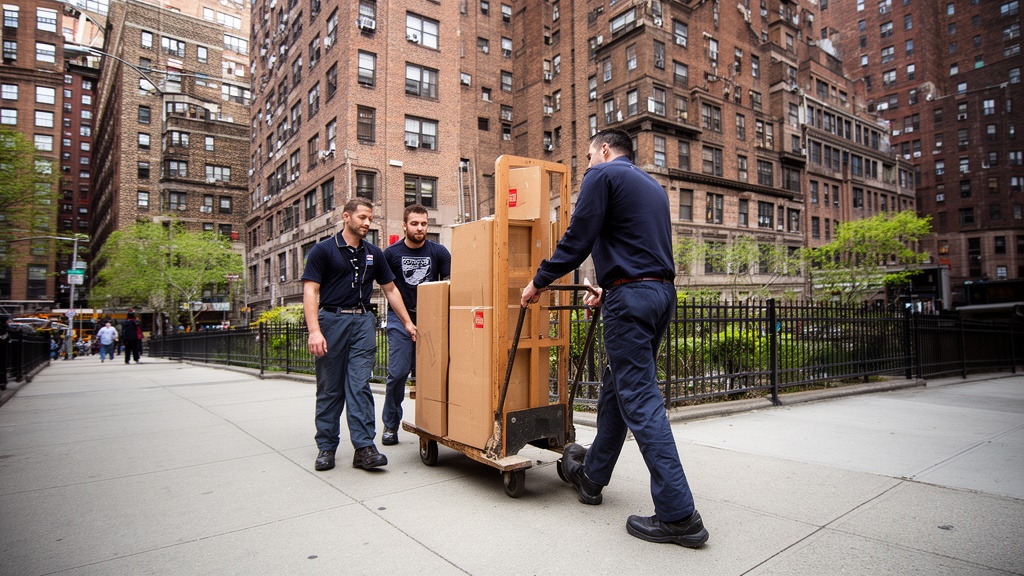
Always get quotes from at least three licensed movers. Use the FMCSA's Protect Your Move verification tool to confirm every company's US DOT number and operating authority before committing. Unlicensed movers have no federal accountability and cannot provide the COI many buildings require. For a deeper look at what separates trustworthy movers from risky ones, how to find a reputable moving company covers the critical vetting steps in detail.
Pro Tip: Most established moving companies offer virtual walk-through quotes via FaceTime or video call. For homes under 2,000 square feet, this produces nearly as accurate an estimate as an in-person visit — and saves time while still giving the mover enough detail to quote confidently.
Hidden Fees That Inflate Your Final Moving Bill

How much does it cost for a moving company, really? The honest answer depends heavily on what the quoted rate actually covers. Hidden fees are the most common source of moving-day disputes and post-move complaints.
Common charges that appear after the initial quote:
- Stair fees: $25–$75 per flight, sometimes assessed at both origin and destination
- Long-carry fee: Triggered when the truck parks more than 75 feet from the door
- Elevator wait fee: Charged when reserved elevator access causes job delays
- Packing material surcharge: Labor-only quotes exclude boxes, tape, and blanket rental
- Fuel surcharge: Added on top of the hourly rate, sometimes not disclosed upfront
- Shuttle fee: Required when large trucks cannot access the address; commonly adds $200–$500
- Reassembly fee: Furniture disassembled at origin may cost extra to reassemble at destination
- Bulky item surcharge: Pianos, pool tables, and large safes frequently carry flat add-on fees
How much moving company cost actually runs depends entirely on what is excluded from the headline rate. How much is a moving company cost when every fee applies? A 4-hour local move starting at $360 in base rate can reach $480+ once stair fees, a fuel surcharge, and packing materials stack up.
The FTC's consumer guide on hiring movers states that legitimate movers always provide written estimates and disclose all potential charges — any mover who declines to put an estimate in writing is a serious warning sign. For a broader view of common pitfalls, 8 common issues with moving and how to avoid them covers the full range of moving disputes and prevention strategies.
Transparent Pricing: What an All-Inclusive Hourly Rate Covers
The cleanest moving company rates bundle every cost element into one per-hour figure — no line items, no surprises. Here is what a properly structured all-inclusive hourly rate should include:
- All crew labor for the full duration of the move
- The moving truck and all equipment: dollies, straps, furniture pads
- Fuel costs and tolls — no separate surcharge
- Travel time from the company base to your home
- Floor and wall protection: door jamb covers, carpet runners, protective mats
- Full furniture wrapping in moving blankets or stretch wrap
- Standard assembly and disassembly of basic furniture pieces
- Final delivery placement at the destination
All-inclusive market-rate pricing for licensed movers in major U.S. metros typically starts at $120/hr for a 2-person crew, $170/hr for a 3-person crew, and $210/hr for a 4-person crew — each with a 3-hour minimum. At this pricing level, every cost element listed above is bundled with no additional line items, based on published pricing from verified movers operating in markets like Boston, Chicago, and comparable cities.
Full-service movers operating with truly all-inclusive pricing make quote comparisons straightforward — when every estimate covers the same scope of work, price is the only variable. The practical test: ask any mover to list every item not included in their hourly rate. A transparent company answers quickly with a short, honest list. An operator with hidden-fee patterns deflects or hedges.
Tips to Reduce Your Moving Bill Without Cutting Corners
Understanding how much do movers charge per hour is the first step. Controlling the number of hours billed is the second — and it is where customers have the most direct leverage.
Practical strategies to lower your total moving labor cost per hour bill:
- Declutter before moving day: Fewer items mean fewer hours. Donating or discarding before the move directly cuts labor time.
- Pre-pack everything yourself: Fully packed, sealed, and labeled boxes ready when the crew arrives typically saves 30–60 minutes on a standard move.
- Label boxes by destination room: Movers who know exactly where each box goes work measurably faster and make fewer return trips.
- Disassemble furniture in advance: Bed frames, bookshelves, and sectional sofas broken down before the crew arrives reduce active clock time.
- Book midweek and off-season: Moving Monday–Thursday between October and April typically saves 10–20% compared to peak summer weekend rates.
- Secure clear truck access: Arrange street parking permits for the moving truck and reserve freight elevator slots before moving day.
- Prepare a destination floor plan: Knowing exactly where each piece of furniture belongs eliminates double-moving and keeps the crew on task.
The International Association of Movers recommends booking at least 4–6 weeks ahead during peak season (May–September) to secure preferred dates and avoid last-minute surge pricing. Late bookings in June through August command a clear premium in most markets.
For additional context on end-of-move costs, what's a good tip for movers covers tip etiquette — a real expense that should be factored into the moving budget alongside the hourly rate.
Frequently Asked Questions
How much do moving companies charge per hour?
Most local moving companies charge between $80 and $210 per hour depending on crew size and market. A 2-person crew with a truck typically runs $80–$120/hr; a 3-person crew runs $130–$170/hr; and a 4-person crew runs $180–$210/hr. Most companies apply a 3-hour minimum, meaning even a short move costs at minimum 3 hours at the quoted rate. High-demand cities like New York City typically run 25–40% higher than mid-tier markets. The per-hour figure alone does not tell the full story — all-inclusive rates that bundle fuel, tolls, furniture wrapping, and travel time represent a true cost, while heavily itemized rates can exceed a higher quoted all-in price. Always request a written estimate and verify the company's US DOT number through the FMCSA before committing.
What is the average hourly rate for a 2-person moving crew?
The average hourly rate for a 2-person moving crew ranges from $80 to $120 per hour in most U.S. markets, with a standard 3-hour minimum. In high-cost metros like New York City, that range climbs to $130–$160/hr. Chicago typically sees $100–$130/hr for a 2-person crew, while Boston generally sits at $120/hr with all-inclusive pricing. A 2-person crew is the right choice for studios and one-bedroom apartments with straightforward access. For two-bedroom homes or properties with stairs and significant furniture volume, adding a third mover often reduces total hours enough to make the 3-person crew more cost-effective overall. Always compare total estimated cost across quotes — not just the hourly rate in isolation.
Do all moving companies charge by the hour?
No — local moving companies typically charge by the hour, but long-distance and interstate movers price by shipment weight and mileage, not time. The FMCSA regulates interstate moves and requires written binding or non-binding estimates rather than open-ended hourly billing. For moves within the same metro area or state, hourly billing is the industry standard and directly aligns the mover's incentives with efficiency — a faster crew lowers your bill. Some companies offer flat-rate local quotes, but these are less common and typically include a contingency buffer against unexpected complications. For any move type, request a written estimate with the company's DOT number present before agreeing to any pricing structure.
What is included in a moving company's hourly rate?
A well-structured all-inclusive hourly rate covers: all crew labor, the moving truck and equipment, fuel and toll costs, travel time from the company's base, floor and wall protection, full furniture wrapping in blankets and stretch wrap, and standard furniture assembly and disassembly. What is typically excluded from base rates: specialty item handling for pianos, safes, or artwork; full packing services if you have not pre-packed; long-carry fees when the truck parks far from the entrance; stair fees at multi-story properties; and shuttle services in areas where large trucks cannot access the address. The cleanest pricing models bundle everything into one hourly figure with a clearly stated list of exclusions. Always ask the mover for an explicit breakdown of what is and is not included before booking.
Are there extra fees on top of the hourly rate?
Yes — many moving companies charge fees beyond the base hourly rate. Common add-ons include stair fees ($25–$75 per flight), long-carry fees for parking more than 75 feet from the entrance, elevator wait fees, fuel surcharges, packing material charges, and shuttle fees when large trucks cannot reach the address ($200–$500). In major cities, many buildings require a Certificate of Insurance (COI) from the moving company, and administrative processing adds friction. The safest protection against surprise charges is requesting a comprehensive written estimate that explicitly lists all included and excluded services. The FTC advises that every legitimate moving company provides written documentation with their DOT number before work begins — any refusal to provide written documentation is a clear warning sign.
Related Articles
- Moving Company Pricing: How Much Should You Budget? — Learn how to build a complete moving budget that accounts for every cost beyond the hourly rate.
- Moving Companies That Move Long Distance: A Full Guide — Everything to know about long-distance pricing structures, timelines, and carrier selection.
- Local Moving Companies Near Me: How to Choose the Best — A practical framework for evaluating and comparing local movers in your area.
- Best Cheap Moving Companies — How to find affordable movers without sacrificing licensing compliance or service reliability.
- Best Moving Companies Boston — Top-rated movers in the Greater Boston area with verified rates and service details.
Recommended Reading
- How Much Do Movers Cost? — A full breakdown of what to budget for local and long-distance moves.
- Local Moving Service Pricing Explained — Detailed analysis of how local movers structure their estimates.
- Accurate Quote Guide for 1–2 Bedroom Moves — Step-by-step guide to getting the most precise moving estimate for smaller apartments.
- How Much Does Interstate Moving Cost? — Everything you need to know about long-distance moving costs and pricing models.
- How Interstate Movers Calculate Your Moving Cost — The pricing factors that determine what you pay for interstate moves.