'%3E%3Cpath%20fill='%231B2A47'%20d='M1.605%2016.263c.03-1.139.059-2.482.088-3.971.03-1.49.03-2.832.03-4.03%200-.758%200-1.576-.03-2.51%200-.905-.03-1.84-.03-2.803%200-.496-.028-.964-.028-1.43%200-.468%200-.906-.03-1.315h6.858q2.188%200%203.589.35c.963.234%201.663.643%202.13%201.198.496.555.73%201.372.73%202.394%200%20.788-.176%201.46-.497%201.985-.32.526-.846.935-1.575%201.197-.73.292-1.693.468-2.918.526v.263c1.313.087%202.334.263%203.122.525.758.263%201.342.672%201.692%201.197.35.526.525%201.197.525%202.044%200%201.08-.233%201.927-.67%202.57-.468.642-1.139%201.08-2.102%201.343-.933.262-2.159.408-3.705.408H1.605zm6.537-9.197q1.882%200%202.713-.526c.555-.35.817-.934.817-1.752%200-.905-.292-1.547-.846-1.927s-1.459-.554-2.655-.554H4.757v4.759zm.204%206.92c.934%200%201.663-.088%202.217-.263.555-.176.934-.438%201.197-.818s.38-.876.38-1.518c0-.876-.322-1.49-.934-1.84-.643-.35-1.635-.525-3.035-.525H4.757v4.963zM21.038%2016.555c-1.576%200-2.801-.292-3.618-.905-.817-.614-1.284-1.519-1.372-2.745-.087-1.226.205-2.774.847-4.613s1.43-3.358%202.392-4.584c.963-1.226%202.043-2.131%203.298-2.744C23.839.292%2025.24%200%2026.786%200c1.576%200%202.772.321%203.59.934.816.613%201.283%201.548%201.37%202.774s-.203%202.774-.845%204.613c-.642%201.81-1.43%203.358-2.393%204.584s-2.072%202.132-3.297%202.745a9.8%209.8%200%200%201-4.173.905m.788-2.278c.642%200%201.138-.058%201.371-.116.205-.059.496-.117.847-.322.262-.146.437-.292.554-.408.204-.175.32-.292.438-.41.204-.203.35-.408.496-.583.35-.438.642-.876.963-1.402.233-.408.466-.817.67-1.284.205-.438.38-.905.555-1.372.438-1.198.671-2.278.671-3.183s-.204-1.606-.612-2.131c-.409-.497-1.051-.76-1.897-.76-.467%200-.934.059-1.43.205h-.03c-1.02.292-1.925%201.226-2.042%201.372-.116.117-.467.526-.963%201.343a15.5%2015.5%200%200%200-1.342%202.92c-.408%201.197-.642%202.277-.671%203.182-.03.906.175%201.636.584%202.161q.611.788%201.838.788M14.853%2038.54c-1.576%200-2.802-.292-3.619-.905s-1.284-1.518-1.371-2.744c-.088-1.227.204-2.774.846-4.614s1.43-3.357%202.393-4.584%202.042-2.13%203.297-2.744c1.255-.613%202.655-.905%204.173-.905%201.575%200%202.772.321%203.589.934s1.284%201.548%201.371%202.774c.088%201.226-.204%202.774-.846%204.613-.642%201.81-1.43%203.358-2.393%204.584s-2.072%202.131-3.297%202.745c-1.226.613-2.626.846-4.143.846m.787-2.277c.642%200%201.138-.059%201.372-.117.204-.058.496-.117.846-.321.263-.146.438-.292.554-.409.205-.175.321-.292.438-.409.204-.204.35-.408.496-.584a13%2013%200%200%200%201.634-2.686c.204-.438.38-.905.555-1.372.437-1.197.67-2.277.67-3.182%200-.906-.203-1.606-.612-2.132-.409-.496-1.05-.759-1.897-.759-.467%200-.934.058-1.43.204h-.029c-1.021.292-1.925%201.227-2.042%201.373-.117.116-.467.525-.963%201.343a15.5%2015.5%200%200%200-1.342%202.92c-.409%201.196-.642%202.277-.671%203.182s.175%201.635.583%202.16q.613.789%201.838.789'/%3E%3Cpath%20fill='%23FF515E'%20d='M55.966%2038.57c-1.576%200-2.801-.293-3.618-.906s-1.284-1.518-1.372-2.744c-.087-1.227.204-2.774.846-4.613s1.43-3.358%202.393-4.584c.963-1.227%202.043-2.132%203.297-2.745s2.656-.905%204.173-.905c1.576%200%202.772.321%203.589.934s1.284%201.548%201.371%202.774c.088%201.226-.204%202.774-.846%204.613-.642%201.81-1.43%203.358-2.393%204.584s-2.071%202.131-3.297%202.745c-1.225.613-2.626.846-4.143.846m.788-2.249c.642%200%201.138-.058%201.371-.117.204-.058.496-.116.846-.32.263-.147.438-.293.555-.41a7%207%200%200%200%20.437-.408c.205-.205.35-.41.496-.584a13%2013%200%200%200%201.634-2.686c.205-.438.38-.905.555-1.373.438-1.197.671-2.277.671-3.182s-.204-1.606-.613-2.131c-.408-.497-1.05-.76-1.896-.76-.467%200-.934.059-1.43.205h-.03c-1.02.292-1.925%201.226-2.042%201.372-.117.117-.467.526-.963%201.343a15.5%2015.5%200%200%200-1.342%202.92c-.409%201.197-.642%202.277-.671%203.182s.175%201.635.583%202.16q.614.79%201.839.79'/%3E%3Cpath%20fill='%231B2A47'%20d='M33.06%2016.263c0-.35%200-.935.03-1.81.029-1.051.058-2.103.058-3.154s.03-2.073.03-3.007c0-1.606-.03-3.27-.06-4.993%200-.554-.028-1.08-.028-1.606%200-.525-.03-1.021-.03-1.46h6.828c1.46%200%202.685.117%203.59.38q1.4.394%202.1%201.314.7.963.7%202.628c0%20.992-.174%201.81-.554%202.452-.35.643-.904%201.11-1.604%201.431s-1.576.467-2.627.496v.263q2.058.087%203.064.876c.671.525%201.138%201.372%201.43%202.51.087.41.233%201.023.467%201.84.233.818.408%201.431.554%201.84h-3.414a11%2011%200%200%200-.262-1.022c-.321-1.314-.526-2.19-.584-2.628a5%205%200%200%200-.642-1.46%202.13%202.13%200%200%200-.963-.73c-.408-.146-.934-.233-1.605-.233h-3.326v6.0440000000000005H33.06zm6.332-8.292c1.343%200%202.276-.205%202.86-.613.554-.41.846-1.11.846-2.073%200-.73-.146-1.314-.408-1.723-.263-.409-.671-.7-1.197-.876q-.788-.263-2.1-.263h-3.181v5.519h3.18zM49.4%2016.263l.03-2.745c.029-2.452.029-4.905.029-7.416q0-2.101-.088-5.868h4.085l5.924%2010.335c.087.234.204.438.291.643.117.204.205.408.321.613.38.788.613%201.255.672%201.372h.262c0-.058-.03-.146-.03-.204%200-.059-.028-.117-.028-.175a75%2075%200%200%201-.175-1.314%2010%2010%200%200%201-.088-1.285c0-1.547%200-3.737-.029-6.57V1.84c0-.584-.03-1.11-.03-1.576h2.977c-.03%202.482-.058%205.08-.058%207.766%200%201.694%200%204.438.029%208.292h-4.027l-5.573-9.43c-.875-1.81-1.226-2.511-1.05-2.132-.263-.613-.467-1.08-.613-1.46h-.263c.058.35.117.876.175%201.548.059.7.117%201.168.117%201.46%200%202.978%200%206.306.029%209.985H49.4zM4.698%2038.277c.029-2.627.058-5.255.058-7.883%200-1.576%200-3.503-.029-5.752-1.109%200-2.684%200-4.727.03v-2.453h12.664v2.453c-1.955-.03-3.53-.03-4.756-.03%200%20.584-.03%201.227-.03%201.957s0%201.46-.029%202.218v1.84c0%202.57.03%205.11.059%207.62z'/%3E%3Cpath%20fill='%23FF515E'%20d='M29.441%2038.277c.409-1.05.788-2.102%201.168-3.182s.787-2.16%201.167-3.241c.613-1.693%201.05-2.949%201.342-3.766l1.255-3.65c.116-.38.262-.788.379-1.139.117-.38.263-.73.38-1.05h4.61l-.671%2012.904h.262l8.316-12.905h4.669l-.7%201.869c-.876%202.452-1.343%203.766-1.43%204a501%20501%200%200%200-3.385%2010.16h-2.947c.292-.846.788-2.219%201.459-4.087.175-.526.35-1.08.554-1.606.175-.526.38-1.08.555-1.577.642-1.81%201.342-3.825%202.072-6.014h-.234l-8.724%2013.314h-2.86l.554-13.314h-.175c-.175.496-.38.992-.554%201.489-.175.496-.38%201.022-.555%201.547a163%20163%200%200%200-1.08%203.008c-.145.38-.262.759-.408%201.138-.117.38-.262.73-.408%201.11-.7%201.898-1.284%203.59-1.751%205.05h-2.86zM68.047%2038.277c.175-2.19.32-4.525.467-7.007.058-.905.204-3.912.467-9.051h3.151c-.03.438-.058.934-.088%201.46s-.058%201.08-.087%201.693a264%20264%200%200%201-.409%206.657c-.145%201.986-.35%203.591-.583%204.788h.175Q72.147%2034.892%2073.94%2032a562%20562%200%200%201%204.465-7.066c.32-.496.641-.992.933-1.46s.555-.875.817-1.255h3.268q-.568.832-1.138%201.752c-.408.613-.787%201.255-1.196%201.927-3.88%206.014-6.478%2010.131-7.85%2012.35h-5.193zM79.106%2038.277c.32-.788.758-2.014%201.37-3.65a287%20287%200%200%200%201.577-4.32c.437-1.256.904-2.628%201.4-4.088s.934-2.774%201.313-3.97h11.322l-.846%202.364H87.1l-1.664%204.847%207.645-.088-.612%201.694-7.587-.088-1.75%204.934h8.286l-.846%202.365z'/%3E%3C/g%3E%3Cdefs%3E%3CclipPath%20id='a'%3E%3Cpath%20fill='%23fff'%20d='M0%200h96v40H0z'/%3E%3C/clipPath%3E%3C/defs%3E%3C/svg%3E)
Moving costs accumulate faster than most people expect. Packing supplies alone — boxes, tape, paper, bubble wrap — can add $200 or more to a move if sourced carelessly. The good news: affordable moving boxes are available through dozens of channels, from grocery store loading docks to specialized online bulk suppliers. Knowing where to get moving boxes before you start packing cuts costs significantly and reduces last-minute scrambling. This guide covers every major source, compares prices, and helps you calculate exactly how many boxes you need.
Key Takeaways
| Point | Details |
|---|---|
| Free sources exist locally | Grocery stores, liquor stores, and platforms like Craigslist offer free moving boxes — a single store call often yields 20+ boxes within days |
| Retail price range | Cardboard boxes for moving cost approximately $1–$5 each at major retailers; wardrobe boxes run $10–$16 |
| Rental is an option | Reusable moving boxes rental suits local moves under 50 miles where delivery and pickup are logistically practical |
| Quantity estimate | A 1-bedroom apartment typically needs 25–35 boxes; a 3-bedroom home requires 65–100+ |
| Professional movers and boxes | Learn whether do moving companies provide boxes as part of their service before purchasing your own supply |
Free Moving Boxes: Where to Find Them Locally
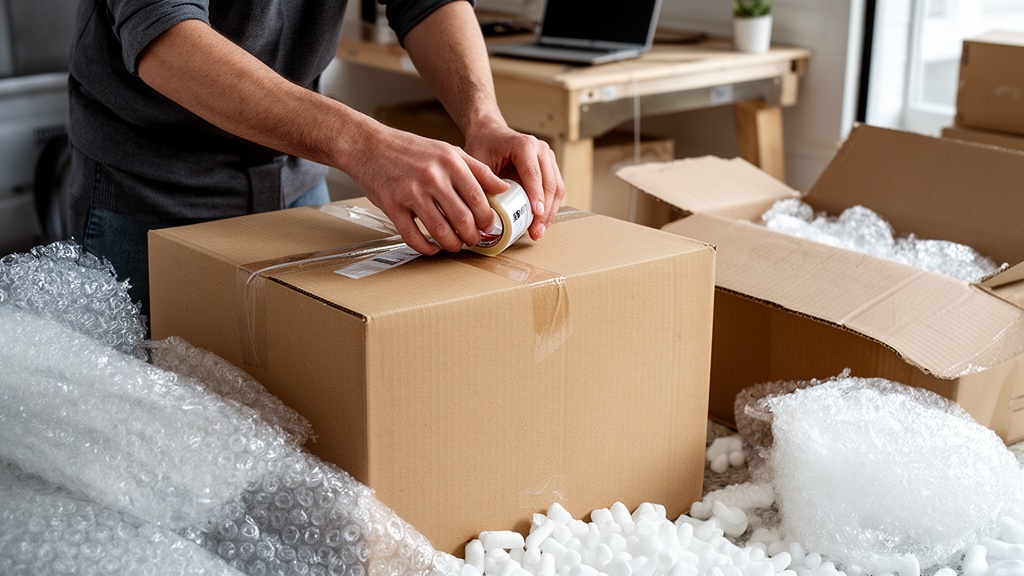
The most accessible source of free moving boxes is already nearby. Grocery stores, liquor stores, and big-box retailers discard large quantities of sturdy cardboard daily. A single conversation with a store manager often yields 20–30 boxes within days.
Best local sources for where to get free boxes for moving:
- Grocery stores: Banana boxes and produce boxes are double-walled and built to carry weight. Ask at the service desk or loading dock — most managers will set boxes aside with a day's notice.
- Liquor stores: Wine and spirits boxes feature internal cell dividers, making them ideal for glasses and fragile kitchen items.
- Bookstores and libraries: Book-shipping boxes are built for heavy loads — exactly what you need for dense, packed boxes of kitchen gear or files.
- Copy and print shops: Ream paper boxes (500-sheet size) are among the sturdiest free boxes available anywhere.
- Big-box retail: Walmart, Costco, and Target place flattened cardboard near recycling bays. Arriving shortly after delivery shifts yields the best selection.
Digital platforms for free moving boxes:
- Craigslist free listings: Recent movers post free used moving boxes constantly to avoid disposal fees.
- Facebook Marketplace / Buy Nothing groups: Hyper-local groups surface free boxes within your neighborhood faster than any other digital method.
- Nextdoor neighborhood listings: Neighbors who just moved frequently post free boxes — they want them cleared out quickly.
- Freecycle Network: A dedicated platform connecting people who give away household items, including moving boxes, within local communities.
- U-Haul Customer Connect: U-Haul's box exchange program lets previous customers list unused boxes for free or at reduced price after their move.
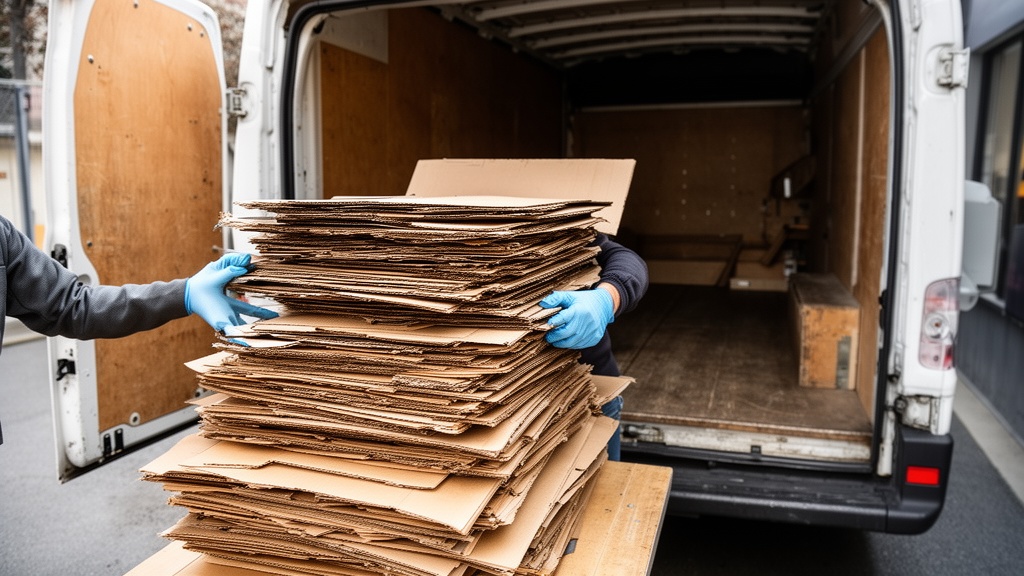
Pro Tip: Call grocery stores on Tuesday or Wednesday mornings — these are peak restocking days in most retail regions. Stores receive large overnight deliveries, and arriving early after a restocking shift yields the widest selection of sturdy, same-size produce boxes before other movers get there first.
Cheap Moving Boxes from Retail and Home Improvement Stores
When free sources don't cover your full box count, retail stores offer fast access to cheap moving boxes in standardized sizes. Moving boxes home depot stocks small, medium, large, extra-large, dish packs, and wardrobe boxes in-store and online — a reliable one-stop option for most moves.
Moving boxes u-haul come with an important advantage: U-Haul's box buyback program repurchases unused, undamaged boxes, which reduces the effective cost of over-purchasing. Finding moving boxes near me at a home improvement store also consolidates moving supplies cheap in one trip — tape, packing paper, and bubble wrap alongside the boxes.
Approximate retail price ranges for cardboard moving boxes:
| Retailer | Small Box | Medium Box | Large Box | Wardrobe Box |
|---|---|---|---|---|
| Home Depot | $1.28–$2.00 | $2.00–$3.00 | $3.50–$4.50 | $12–$15 |
| U-Haul | $1.25–$1.75 | $2.00–$2.50 | $3.25–$4.00 | $13–$16 |
| Walmart | $1.25–$2.25 | $2.00–$3.00 | $3.50–$4.75 | $10–$14 |
| Lowe's | $1.50–$2.00 | $2.25–$3.25 | $3.50–$4.50 | $11–$15 |
| Staples | $1.50–$2.50 | $2.50–$3.50 | $4.00–$5.00 | $12–$16 |
Prices are approximate and subject to change. Verify current pricing on each retailer's website.
Pro Tip: U-Haul's box buyback guarantee removes the biggest financial risk of buying boxes upfront. Purchase 20% more than your estimate, use what you need, and return undamaged remainder for a full refund — at no additional cost.
Online Sources for Discounted Moving Boxes
Online purchasing delivers the best per-box pricing at volume. Bulk moving boxes from specialized suppliers cost significantly less per unit than individual retail purchases, and most ship flat-packed to reduce delivery costs.
Top online channels for discount moving boxes:
- Amazon: Competitive pricing on sets of 10–25 boxes with Prime delivery. Best for moderate quantities with fast turnaround.
- Uline wholesale moving box pricing: Primarily commercial but sells to individuals. Per-box cost drops sharply at quantities of 25 or more — ideal for large households and office moves.
- UsedCardboardBoxes.com: A specialized reseller of used moving boxes at well below new retail cost. Boxes are graded by condition and described clearly.
- PaperMart industrial corrugated boxes: Industrial-grade corrugated stock at wholesale prices. Strong selection of specialty sizes unavailable in retail stores.
- eBay: Sellers list bundles of used moving boxes from recent relocations. Quality bundles go significantly below retail.
Used moving boxes from online resellers are structurally sound for most items as long as they haven't been wet or heavily compressed. Inspect all used boxes before packing fragile or high-value items.
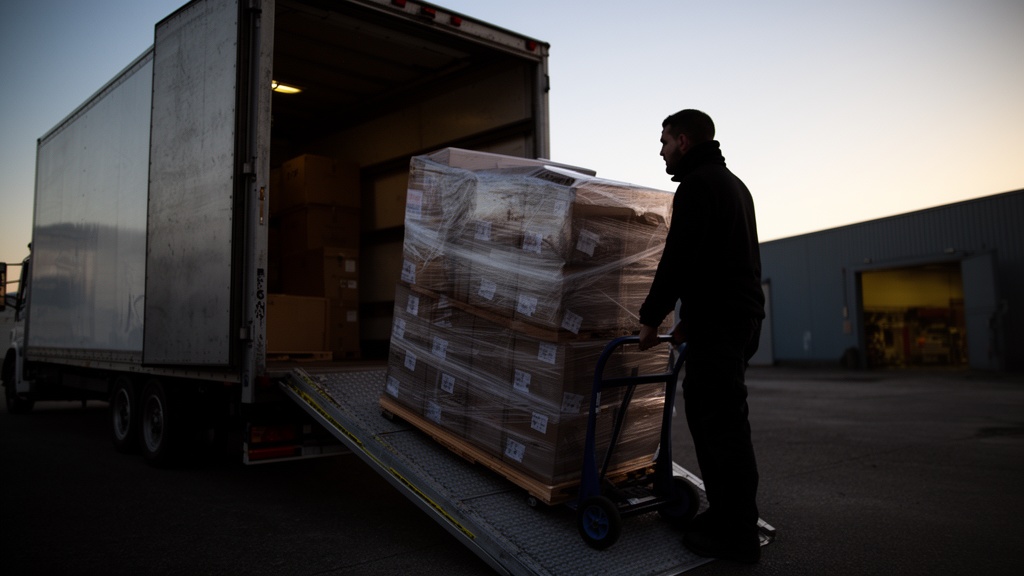
Understanding how professional crews use moving boxes efficiently helps you order the right quantities from bulk online suppliers — avoiding over-purchasing or running short mid-pack.
Renting Reusable Plastic Moving Boxes vs. Buying Cardboard
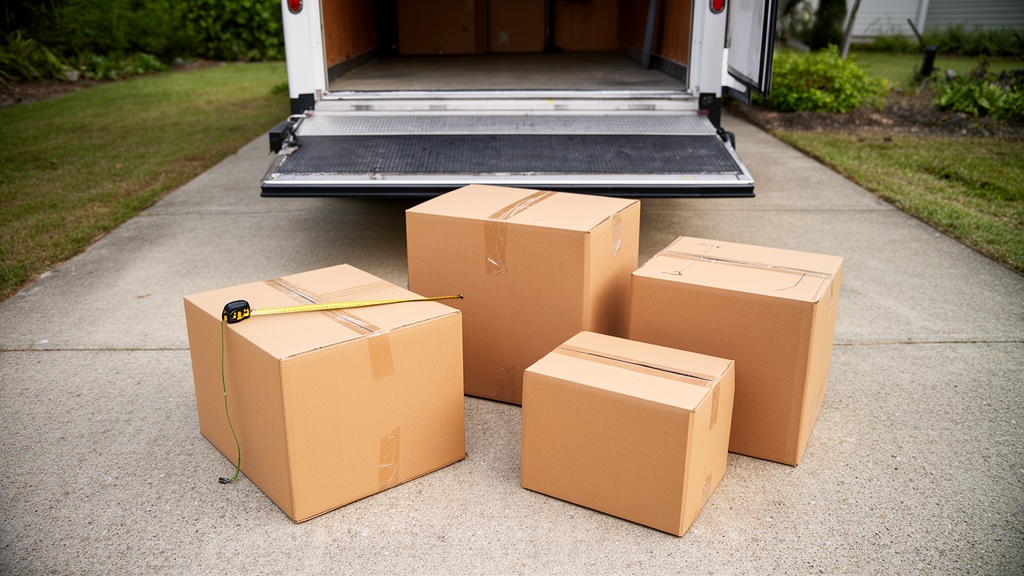
Reusable moving boxes rental is a growing alternative to cardboard. Plastic crates from rental services are delivered flat-stacked to your address, you fill and move them, then the service retrieves them after delivery. No breakdown, no recycling, no disposal effort required.
Cardboard vs. plastic rental comparison:
| Factor | Cardboard Boxes (Buy) | Plastic Crate Rental |
|---|---|---|
| Upfront cost (1-bed move) | $60–$120 | $60–$150/week |
| Disposal effort | Break down and recycle | None — service collects |
| Environmental impact | Recyclable but single-use | Reused hundreds of times |
| Loading efficiency | Stackable, variable sizes | Uniform dimensions, consistent stacking |
| Availability | Nationwide | Limited to metro areas |
| Best move type | All distances | Local moves under 50 miles |
| Weather resistance | Moderate — wet cardboard fails | High — fully waterproof |
Cardboard boxes for moving remain the standard for long-distance and interstate moves. Rental pickup logistics don't scale effectively beyond a 50–75 mile radius in most markets.
According to EPA data on paper and paperboard material-specific waste, paper and cardboard represent one of the largest categories of municipal solid waste generated in the U.S. Cardboard recycling rates are high, but eliminating single-use packaging entirely reduces total waste volume — which is the core environmental case for reusable crates on local moves.
Moving Box Bundles and Kits: Are They Worth the Price?
A moving box kit is a pre-packaged bundle of small, medium, and large boxes — typically paired with packing paper and tape. Kits simplify planning: one purchase covers the basics without calculating individual quantities.
When a kit makes financial sense:
- Moving a 1–2 bedroom home with a tight timeline and limited access to free boxes.
- Consistent box quality and standardized sizing matter throughout the entire move.
- One-purchase convenience outweighs the marginal savings of sourcing boxes individually.
When a kit wastes money:
- Free or used boxes are readily available locally.
- Moving a 3+ bedroom home where pre-set kit quantities fall short.
- Specialty boxes (dish packs, mirror boxes, wardrobe boxes) are not included in most standard kits.
Kit pricing typically runs $40–$80 for small apartment configurations and $120–$200 for larger home kits. The best moving boxes kits from Home Depot, U-Haul, and Amazon list a size breakdown on the label — check this against your room-by-room needs before purchasing.
Many movers also ask: do moving companies provide boxes as part of their service? The answer varies significantly by company and service tier. Reviewing do moving companies provide boxes clarifies what is standard practice and helps compare quotes that bundle versus itemize materials.
Estimating Total Box Needs by Home Size
Estimating box quantity is one of the most common packing mistakes. Too few means emergency store runs on moving day; too many wastes money on supplies that never get used. The right approach: calculate by room, then add a 15% buffer.
U.S. Census Bureau migration research shows that most Americans move within the same county or metro area — which means efficient packing and unpacking is the priority for the vast majority of residential moves.
Box quantity estimates by home size:
| Home Size | Estimated Boxes | Notes |
|---|---|---|
| Studio apartment | 15–25 boxes | Minimal furniture; fewer rooms to pack |
| 1-bedroom apartment | 25–35 boxes | Standard furnishings |
| 2-bedroom apartment | 40–60 boxes | More kitchen and living room volume |
| 3-bedroom home | 65–100 boxes | Full family household |
| 4-bedroom home | 100–150+ boxes | Large household; storage areas add volume |
| 5+ bedroom home | 150–200+ boxes | Requires custom estimate |
Households with extensive book collections, full garages, or hobby equipment will exceed these estimates. Minimalists will land below them.
For deeper packing guidance, how to pack things when moving a house covers room-by-room strategies that directly reduce the total box count needed.
The Right Box Size for Each Room: A Practical Guide
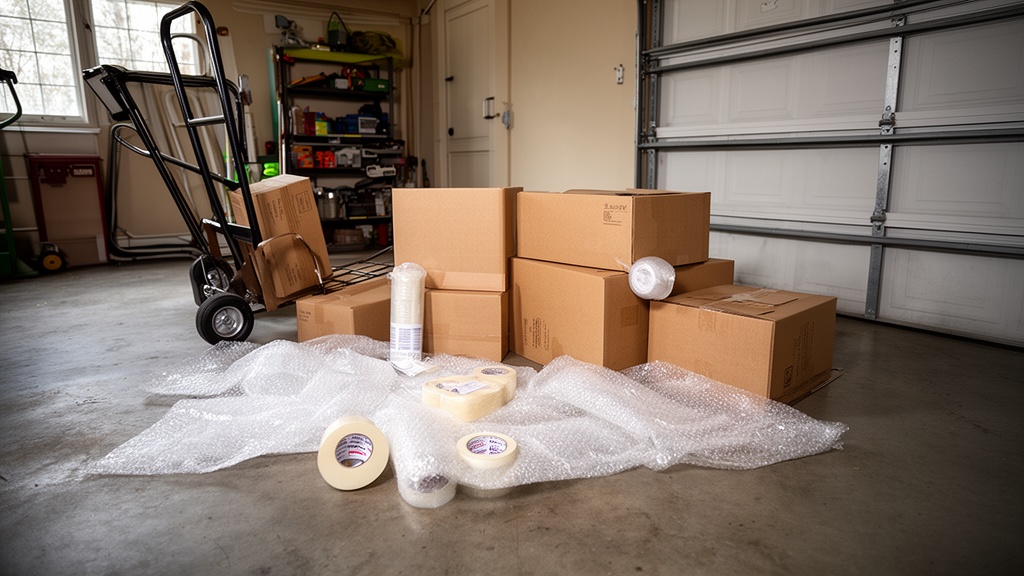
Packing boxes for moving house works best when box size matches item weight and fragility. Large boxes packed with heavy items fail structurally and create injury risk. Small boxes used for light, bulky items waste packaging material and increase trip count.
Moving box size guide:
| Box Size | Volume | Best Items | Avoid |
|---|---|---|---|
| Small (1.5 cu ft) | Up to 65 lbs | Books, files, tools, canned goods | Fragile glassware without dividers |
| Medium (3.0 cu ft) | Up to 65 lbs | Kitchen items, toys, small appliances, folded clothes | Heavy books in large quantities |
| Large (4.5 cu ft) | Up to 65 lbs | Pillows, towels, lampshades, light linens | Dense items over 30 lbs |
| Extra-Large (6+ cu ft) | Light use only | Comforters, stuffed animals, foam items | Electronics, books, heavy items |
| Dish Pack (5 cu ft, reinforced) | Up to 65 lbs | Plates, glasses, ceramics | Non-fragile kitchen items |
| Wardrobe Box (tall, with bar) | Varies | Coats, dresses, suits on hangers | Folded items — wastes vertical space |
Room-by-room packing guide:
- Kitchen: 5–10 medium boxes plus 2–3 dish packs. Dish packs are non-negotiable for glassware — do not substitute.
- Living room: 3–5 medium and large boxes for soft goods; wardrobe boxes for floor lamps and framed artwork.
- Bedroom: 2–3 medium boxes for folded clothes, 1 wardrobe box per closet, 1–2 large boxes for bedding.
- Home office: 4–8 small boxes for books and files. Use manufacturer packaging for electronics where available.
- Bathroom: 1–2 medium boxes per bathroom, grouped by category: toiletries, medicines, towels.
- Garage and storage: 5–15+ small and medium boxes depending on volume. Small for heavy tools; medium for lighter equipment.
Packing Tips to Get the Most Out of Affordable Boxes
Good technique multiplies the value of any box — whether free, used, or newly purchased. Proper reinforcement, weight distribution, and labeling reduce damage rates and make unpacking significantly faster.
Essential packing technique:
- Reinforce every box bottom with H-tape. Three strips across the bottom seam, plus two perpendicular strips. Single-tape bottoms fail under sustained weight.
- Layer heavy items at the bottom, lighter items on top. This applies within each box and when stacking boxes in the truck.
- Fill gaps with packing paper or soft linens. Half-full boxes shift and collapse when stacked. Pack each box firm to the top.
- Label all four sides and the top. A stack of 30 boxes becomes unmanageable if labels face inward.
- Color-code by destination room. A single colored stripe on each box side enables instant sorting at the new location without reading every label.
- Keep box weight under 50 pounds. This protects both the box and the person carrying it.
For a complete packing checklist, essential packing materials and supplies covers everything beyond boxes — tape types, paper weights, and protective wrap for each item category.
Reviewing what packing supplies do I need for moving builds a complete supply list well before your moving date — so nothing gets overlooked when it counts.
For specialty taping needs, the guide on types of tape for packing identifies which adhesive types hold best under different temperature and humidity conditions.
Once the move is done, plan ahead for what to do with moving boxes after the move — options include reselling, donating, listing on neighborhood apps, or arranging a Freecycle pickup.
For additional time- and cost-saving strategies, moving hacks and packing materials worth your attention covers techniques used by experienced movers.
Pro Tip: Never store packed cardboard boxes directly on concrete floors, especially in storage units or garages. Moisture wicks upward through cardboard rapidly. Place boxes on wooden pallets, plastic sheeting, or a layer of flattened cardboard to prevent moisture absorption — a small precaution that protects the entire bottom layer of a stack.
Frequently Asked Questions
Where can I get affordable moving boxes for free or cheap?
Free moving boxes are available at grocery stores (banana and produce boxes are especially durable), liquor stores (wine boxes with cell dividers suit glassware perfectly), bookstores, and copy shops (paper ream boxes are extremely sturdy). Digitally, Craigslist's free section, Facebook Marketplace's Buy Nothing groups, Nextdoor, and Freecycle.org list free boxes from recent movers daily. For cheap but not free options, U-Haul, Home Depot, and Walmart offer individual boxes in the $1–$5 range, with wardrobe boxes at $10–$16. Buying in volume through Uline or specialized resellers like UsedCardboardBoxes.com cuts per-box costs substantially compared to individual retail purchases.
How many moving boxes do I need for a 1-bedroom apartment?
A standard 1-bedroom apartment requires approximately 25–35 boxes for average household density. The typical breakdown: 5–8 small boxes for books and dense items, 10–12 medium boxes for kitchen items, clothing, and miscellaneous goods, and 5–8 large boxes for bedding and light furnishings. Add 1–2 wardrobe boxes for hanging clothes. Households with extensive collections, full kitchens, or hobby gear will trend toward 35–45 boxes. Add a 15% overage buffer to your estimate, and rely on a retailer with a buyback or return policy — such as U-Haul — to handle any undamaged unused boxes after your move.
Is renting reusable plastic moving boxes cheaper than buying cardboard?
Reusable moving boxes rental typically costs $60–$150 per week for a 1-bedroom move — comparable to buying new cardboard boxes for the same move. The rental advantage is convenience: no breakdown, no recycling, and no disposal effort. For local moves under 50 miles where the rental service can deliver and retrieve efficiently, plastic crates are competitive. For long-distance or interstate moves, cardboard remains more practical because rental companies cannot economically retrieve crates from distant destinations. Movers who source free cardboard locally will find rental costs higher in absolute terms.
What sizes of moving boxes do I need for a typical house move?
A fully furnished 3-bedroom home typically requires a mix across six box types. Plan for 15–20 small boxes for books, tools, and dense kitchen items. Budget 25–35 medium boxes for most household goods, clothing, and toys. Add 10–15 large boxes for pillows, towels, and light items. Allocate one wardrobe box per closet for hanging garments. Include 2–3 dish packs for kitchen glassware — these are non-negotiable for fragile items. Add extra-large boxes for comforters and foam items. Total estimate for a standard 3-bedroom home: 65–100 boxes. Always add a 15% buffer and verify your retailer's return policy before finalizing your order.
Do moving companies provide boxes, or do I need to supply your own?
Most full-service moving companies offer boxes as an optional add-on, not a default inclusion. Companies providing complete packing services — where movers handle wrapping, boxing, and labeling — typically include materials in the full-service price. Labor-only or hourly local movers generally do not provide boxes; customers supply everything. Some companies offer box rental, charging per box and collecting them post-move. Always request an itemized quote separating labor from materials costs. For a detailed breakdown of what different service tiers include, the guide on do moving companies provide boxes covers standard industry practice and what to ask when booking.
Related Articles
- Moving Companies That Move Long Distance: A Full Guide — Understand how long-distance movers are licensed, priced, and evaluated before booking.
- Local Moving Companies Near Me: How to Choose the Best — A practical framework for comparing local movers by licensing status, reviews, and service inclusions.
- Best Cheap Moving Companies — How to identify genuinely affordable movers without sacrificing reliability or damage coverage.
- Best Moving Companies Boston — Boston-specific guidance on top-rated movers, September 1 logistics, and city parking permit requirements.
- Best Chicago Moving Company — Chicago mover rankings with detail on building elevator rules, neighborhood access, and seasonal pricing patterns.
Recommended
- Do Moving Companies Provide Boxes?
- What Packing Supplies Do I Need for Moving?
- 5 Smart Ways to Reuse or Dispose of Moving Boxes After Moving
- List of Essential Packing Materials and Supplies
- How to Use Moving Boxes Like a Professional Crew