'%3E%3Cpath%20fill='%231B2A47'%20d='M1.605%2016.263c.03-1.139.059-2.482.088-3.971.03-1.49.03-2.832.03-4.03%200-.758%200-1.576-.03-2.51%200-.905-.03-1.84-.03-2.803%200-.496-.028-.964-.028-1.43%200-.468%200-.906-.03-1.315h6.858q2.188%200%203.589.35c.963.234%201.663.643%202.13%201.198.496.555.73%201.372.73%202.394%200%20.788-.176%201.46-.497%201.985-.32.526-.846.935-1.575%201.197-.73.292-1.693.468-2.918.526v.263c1.313.087%202.334.263%203.122.525.758.263%201.342.672%201.692%201.197.35.526.525%201.197.525%202.044%200%201.08-.233%201.927-.67%202.57-.468.642-1.139%201.08-2.102%201.343-.933.262-2.159.408-3.705.408H1.605zm6.537-9.197q1.882%200%202.713-.526c.555-.35.817-.934.817-1.752%200-.905-.292-1.547-.846-1.927s-1.459-.554-2.655-.554H4.757v4.759zm.204%206.92c.934%200%201.663-.088%202.217-.263.555-.176.934-.438%201.197-.818s.38-.876.38-1.518c0-.876-.322-1.49-.934-1.84-.643-.35-1.635-.525-3.035-.525H4.757v4.963zM21.038%2016.555c-1.576%200-2.801-.292-3.618-.905-.817-.614-1.284-1.519-1.372-2.745-.087-1.226.205-2.774.847-4.613s1.43-3.358%202.392-4.584c.963-1.226%202.043-2.131%203.298-2.744C23.839.292%2025.24%200%2026.786%200c1.576%200%202.772.321%203.59.934.816.613%201.283%201.548%201.37%202.774s-.203%202.774-.845%204.613c-.642%201.81-1.43%203.358-2.393%204.584s-2.072%202.132-3.297%202.745a9.8%209.8%200%200%201-4.173.905m.788-2.278c.642%200%201.138-.058%201.371-.116.205-.059.496-.117.847-.322.262-.146.437-.292.554-.408.204-.175.32-.292.438-.41.204-.203.35-.408.496-.583.35-.438.642-.876.963-1.402.233-.408.466-.817.67-1.284.205-.438.38-.905.555-1.372.438-1.198.671-2.278.671-3.183s-.204-1.606-.612-2.131c-.409-.497-1.051-.76-1.897-.76-.467%200-.934.059-1.43.205h-.03c-1.02.292-1.925%201.226-2.042%201.372-.116.117-.467.526-.963%201.343a15.5%2015.5%200%200%200-1.342%202.92c-.408%201.197-.642%202.277-.671%203.182-.03.906.175%201.636.584%202.161q.611.788%201.838.788M14.853%2038.54c-1.576%200-2.802-.292-3.619-.905s-1.284-1.518-1.371-2.744c-.088-1.227.204-2.774.846-4.614s1.43-3.357%202.393-4.584%202.042-2.13%203.297-2.744c1.255-.613%202.655-.905%204.173-.905%201.575%200%202.772.321%203.589.934s1.284%201.548%201.371%202.774c.088%201.226-.204%202.774-.846%204.613-.642%201.81-1.43%203.358-2.393%204.584s-2.072%202.131-3.297%202.745c-1.226.613-2.626.846-4.143.846m.787-2.277c.642%200%201.138-.059%201.372-.117.204-.058.496-.117.846-.321.263-.146.438-.292.554-.409.205-.175.321-.292.438-.409.204-.204.35-.408.496-.584a13%2013%200%200%200%201.634-2.686c.204-.438.38-.905.555-1.372.437-1.197.67-2.277.67-3.182%200-.906-.203-1.606-.612-2.132-.409-.496-1.05-.759-1.897-.759-.467%200-.934.058-1.43.204h-.029c-1.021.292-1.925%201.227-2.042%201.373-.117.116-.467.525-.963%201.343a15.5%2015.5%200%200%200-1.342%202.92c-.409%201.196-.642%202.277-.671%203.182s.175%201.635.583%202.16q.613.789%201.838.789'/%3E%3Cpath%20fill='%23FF515E'%20d='M55.966%2038.57c-1.576%200-2.801-.293-3.618-.906s-1.284-1.518-1.372-2.744c-.087-1.227.204-2.774.846-4.613s1.43-3.358%202.393-4.584c.963-1.227%202.043-2.132%203.297-2.745s2.656-.905%204.173-.905c1.576%200%202.772.321%203.589.934s1.284%201.548%201.371%202.774c.088%201.226-.204%202.774-.846%204.613-.642%201.81-1.43%203.358-2.393%204.584s-2.071%202.131-3.297%202.745c-1.225.613-2.626.846-4.143.846m.788-2.249c.642%200%201.138-.058%201.371-.117.204-.058.496-.116.846-.32.263-.147.438-.293.555-.41a7%207%200%200%200%20.437-.408c.205-.205.35-.41.496-.584a13%2013%200%200%200%201.634-2.686c.205-.438.38-.905.555-1.373.438-1.197.671-2.277.671-3.182s-.204-1.606-.613-2.131c-.408-.497-1.05-.76-1.896-.76-.467%200-.934.059-1.43.205h-.03c-1.02.292-1.925%201.226-2.042%201.372-.117.117-.467.526-.963%201.343a15.5%2015.5%200%200%200-1.342%202.92c-.409%201.197-.642%202.277-.671%203.182s.175%201.635.583%202.16q.614.79%201.839.79'/%3E%3Cpath%20fill='%231B2A47'%20d='M33.06%2016.263c0-.35%200-.935.03-1.81.029-1.051.058-2.103.058-3.154s.03-2.073.03-3.007c0-1.606-.03-3.27-.06-4.993%200-.554-.028-1.08-.028-1.606%200-.525-.03-1.021-.03-1.46h6.828c1.46%200%202.685.117%203.59.38q1.4.394%202.1%201.314.7.963.7%202.628c0%20.992-.174%201.81-.554%202.452-.35.643-.904%201.11-1.604%201.431s-1.576.467-2.627.496v.263q2.058.087%203.064.876c.671.525%201.138%201.372%201.43%202.51.087.41.233%201.023.467%201.84.233.818.408%201.431.554%201.84h-3.414a11%2011%200%200%200-.262-1.022c-.321-1.314-.526-2.19-.584-2.628a5%205%200%200%200-.642-1.46%202.13%202.13%200%200%200-.963-.73c-.408-.146-.934-.233-1.605-.233h-3.326v6.0440000000000005H33.06zm6.332-8.292c1.343%200%202.276-.205%202.86-.613.554-.41.846-1.11.846-2.073%200-.73-.146-1.314-.408-1.723-.263-.409-.671-.7-1.197-.876q-.788-.263-2.1-.263h-3.181v5.519h3.18zM49.4%2016.263l.03-2.745c.029-2.452.029-4.905.029-7.416q0-2.101-.088-5.868h4.085l5.924%2010.335c.087.234.204.438.291.643.117.204.205.408.321.613.38.788.613%201.255.672%201.372h.262c0-.058-.03-.146-.03-.204%200-.059-.028-.117-.028-.175a75%2075%200%200%201-.175-1.314%2010%2010%200%200%201-.088-1.285c0-1.547%200-3.737-.029-6.57V1.84c0-.584-.03-1.11-.03-1.576h2.977c-.03%202.482-.058%205.08-.058%207.766%200%201.694%200%204.438.029%208.292h-4.027l-5.573-9.43c-.875-1.81-1.226-2.511-1.05-2.132-.263-.613-.467-1.08-.613-1.46h-.263c.058.35.117.876.175%201.548.059.7.117%201.168.117%201.46%200%202.978%200%206.306.029%209.985H49.4zM4.698%2038.277c.029-2.627.058-5.255.058-7.883%200-1.576%200-3.503-.029-5.752-1.109%200-2.684%200-4.727.03v-2.453h12.664v2.453c-1.955-.03-3.53-.03-4.756-.03%200%20.584-.03%201.227-.03%201.957s0%201.46-.029%202.218v1.84c0%202.57.03%205.11.059%207.62z'/%3E%3Cpath%20fill='%23FF515E'%20d='M29.441%2038.277c.409-1.05.788-2.102%201.168-3.182s.787-2.16%201.167-3.241c.613-1.693%201.05-2.949%201.342-3.766l1.255-3.65c.116-.38.262-.788.379-1.139.117-.38.263-.73.38-1.05h4.61l-.671%2012.904h.262l8.316-12.905h4.669l-.7%201.869c-.876%202.452-1.343%203.766-1.43%204a501%20501%200%200%200-3.385%2010.16h-2.947c.292-.846.788-2.219%201.459-4.087.175-.526.35-1.08.554-1.606.175-.526.38-1.08.555-1.577.642-1.81%201.342-3.825%202.072-6.014h-.234l-8.724%2013.314h-2.86l.554-13.314h-.175c-.175.496-.38.992-.554%201.489-.175.496-.38%201.022-.555%201.547a163%20163%200%200%200-1.08%203.008c-.145.38-.262.759-.408%201.138-.117.38-.262.73-.408%201.11-.7%201.898-1.284%203.59-1.751%205.05h-2.86zM68.047%2038.277c.175-2.19.32-4.525.467-7.007.058-.905.204-3.912.467-9.051h3.151c-.03.438-.058.934-.088%201.46s-.058%201.08-.087%201.693a264%20264%200%200%201-.409%206.657c-.145%201.986-.35%203.591-.583%204.788h.175Q72.147%2034.892%2073.94%2032a562%20562%200%200%201%204.465-7.066c.32-.496.641-.992.933-1.46s.555-.875.817-1.255h3.268q-.568.832-1.138%201.752c-.408.613-.787%201.255-1.196%201.927-3.88%206.014-6.478%2010.131-7.85%2012.35h-5.193zM79.106%2038.277c.32-.788.758-2.014%201.37-3.65a287%20287%200%200%200%201.577-4.32c.437-1.256.904-2.628%201.4-4.088s.934-2.774%201.313-3.97h11.322l-.846%202.364H87.1l-1.664%204.847%207.645-.088-.612%201.694-7.587-.088-1.75%204.934h8.286l-.846%202.365z'/%3E%3C/g%3E%3Cdefs%3E%3CclipPath%20id='a'%3E%3Cpath%20fill='%23fff'%20d='M0%200h96v40H0z'/%3E%3C/clipPath%3E%3C/defs%3E%3C/svg%3E)
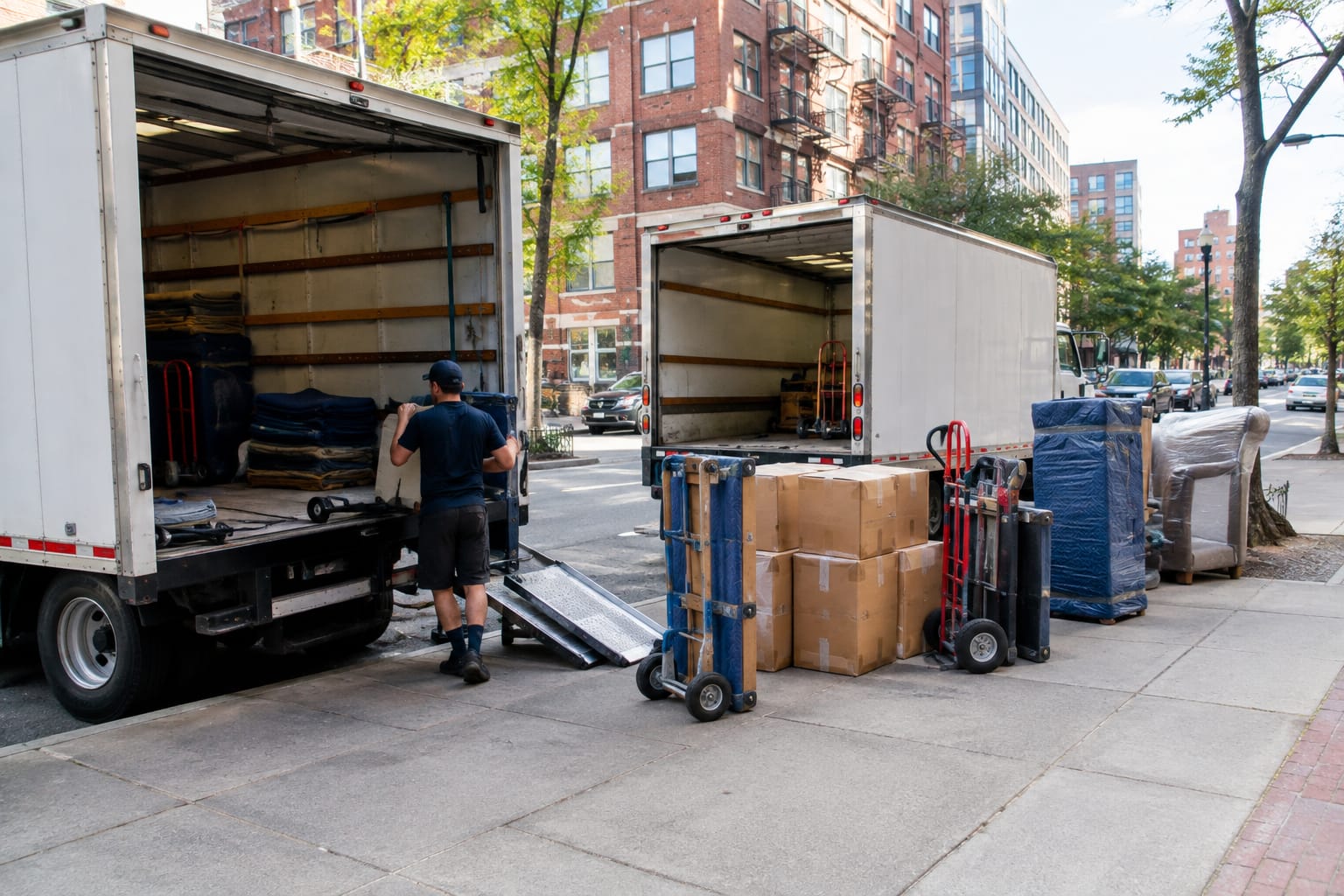
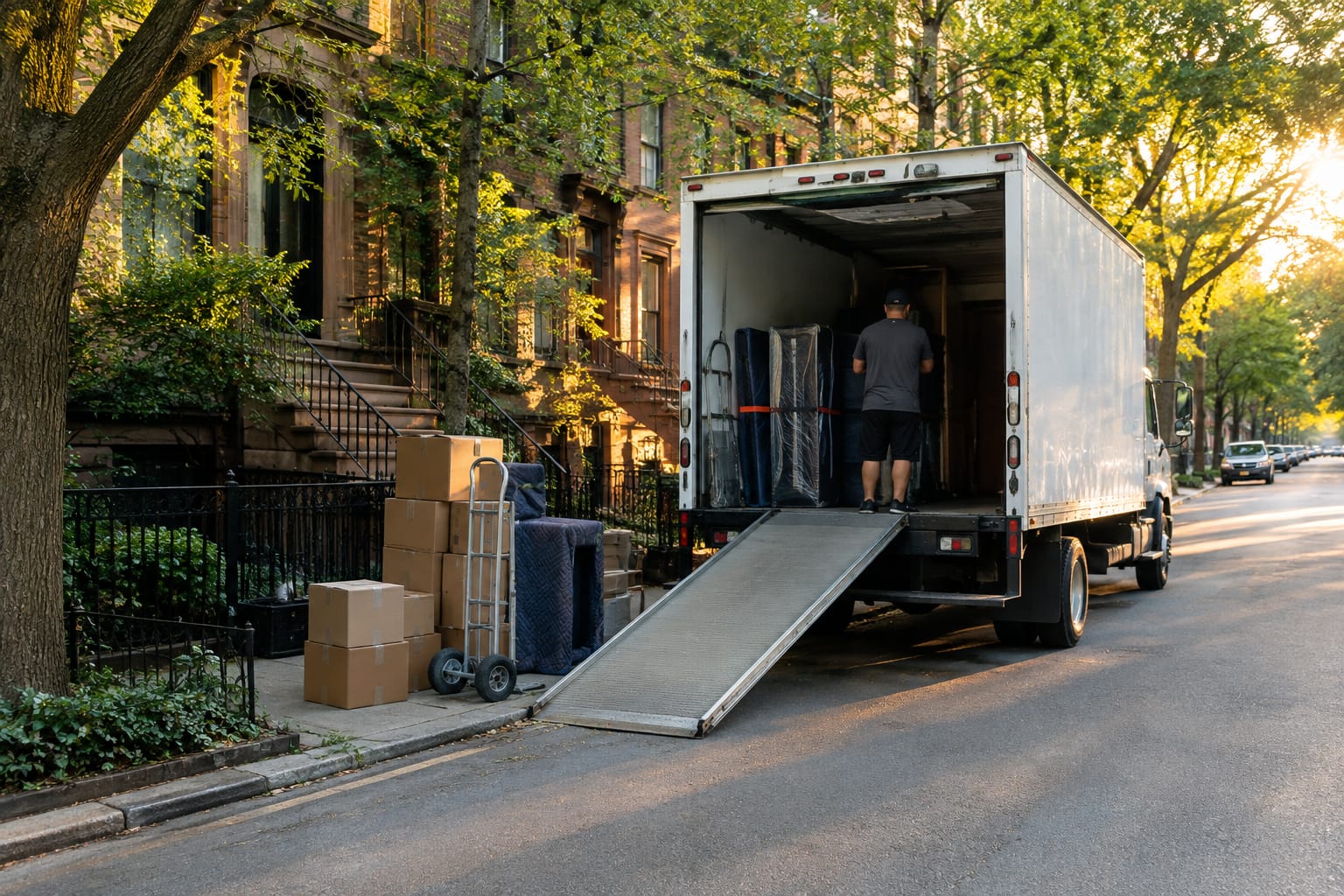
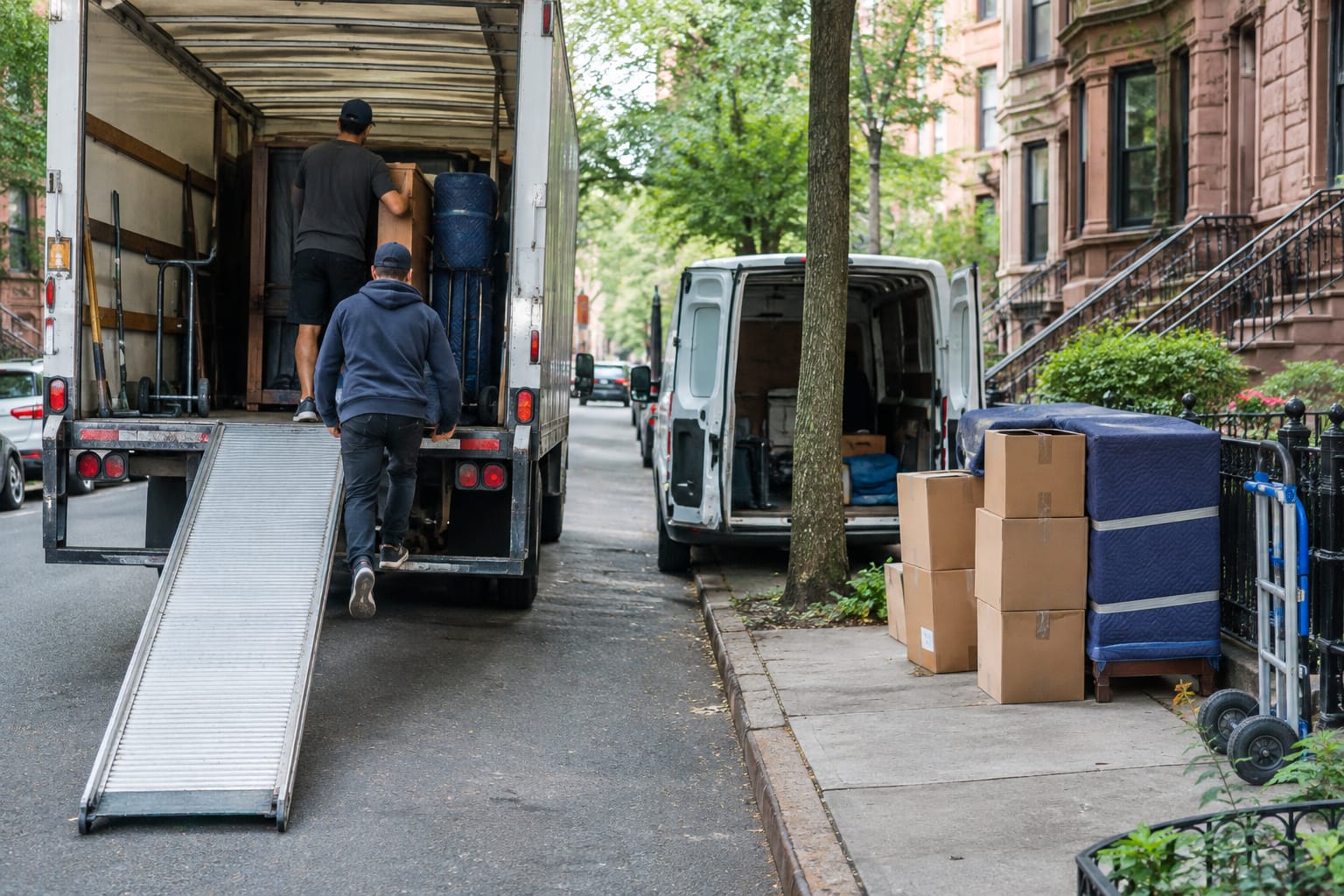
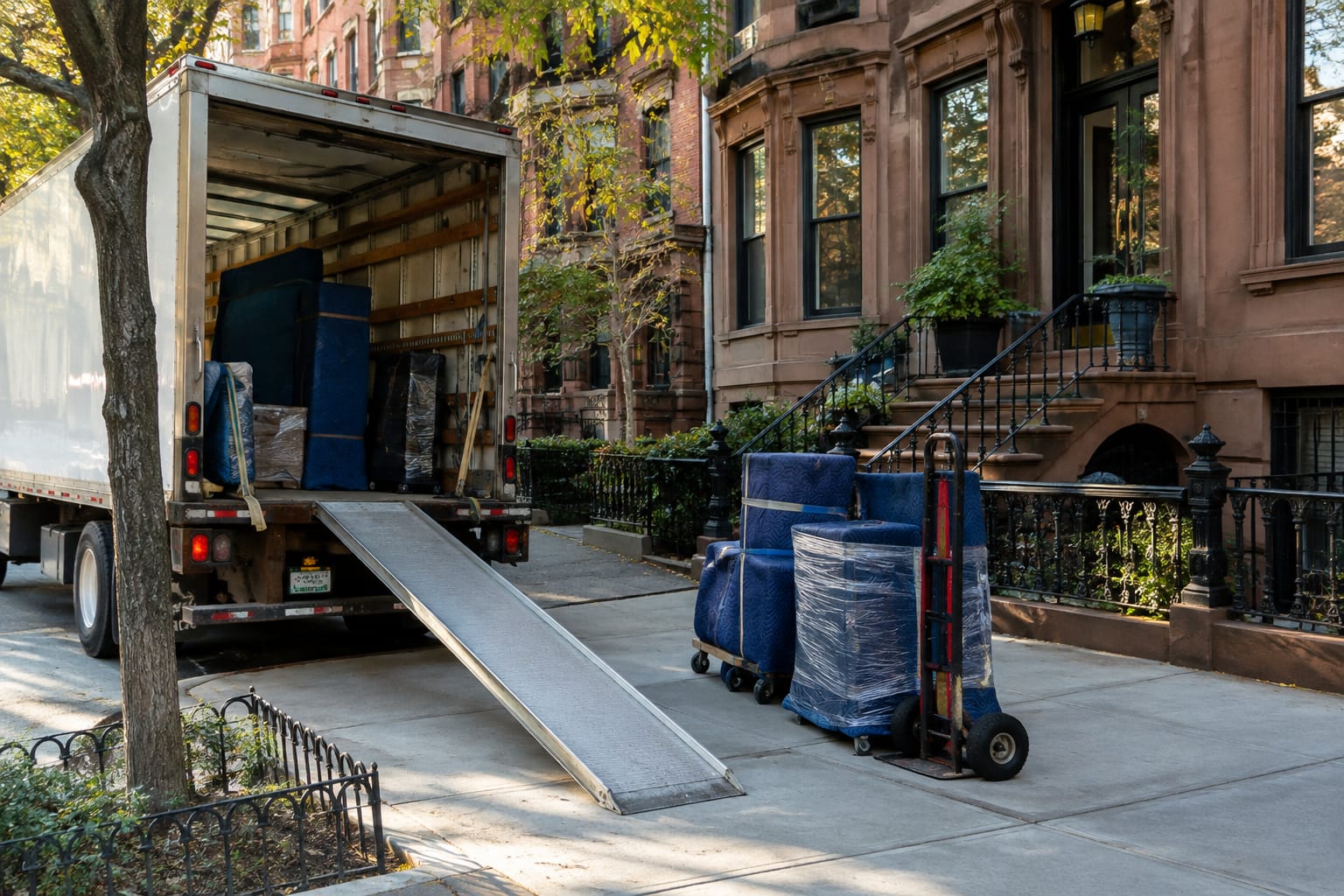
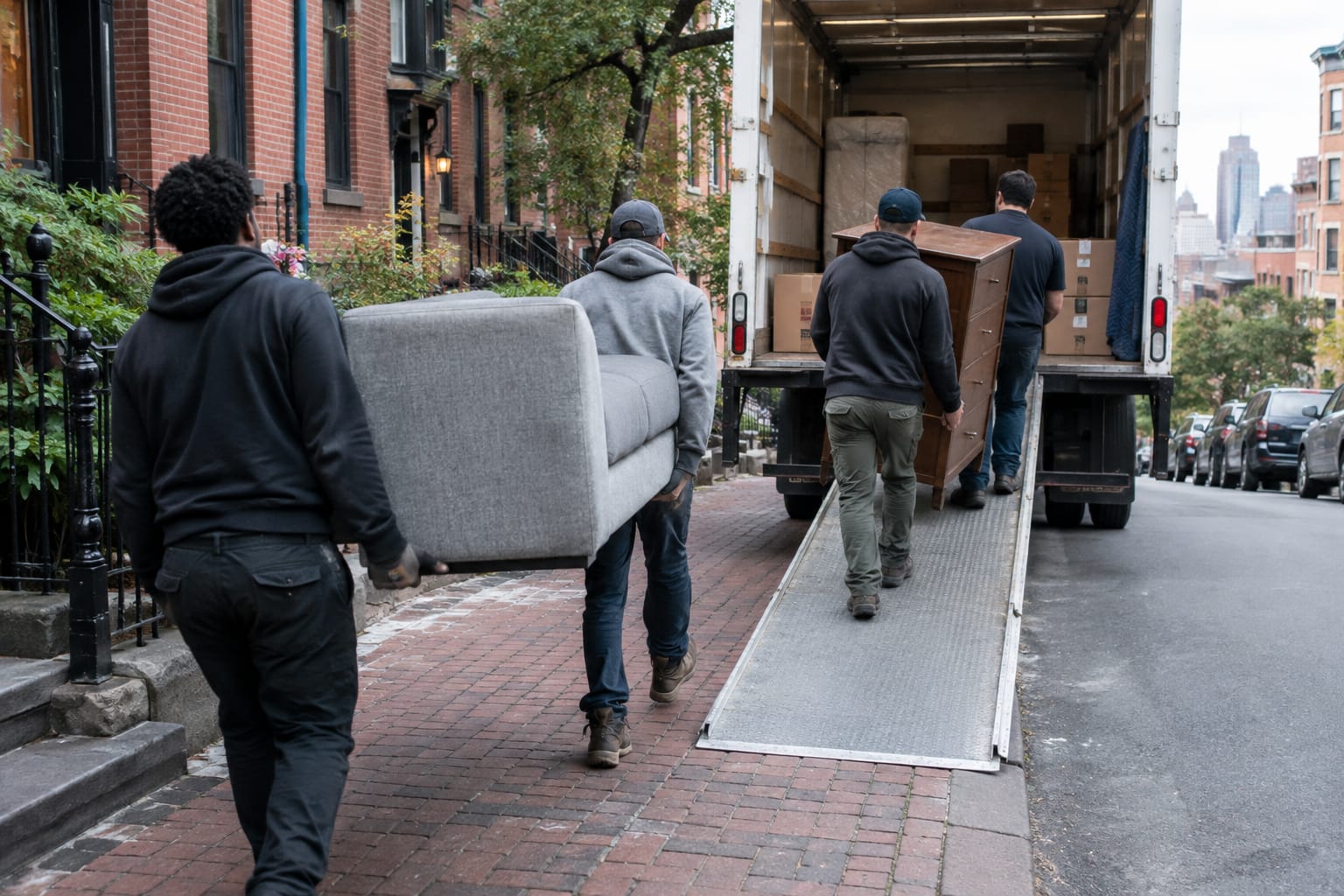
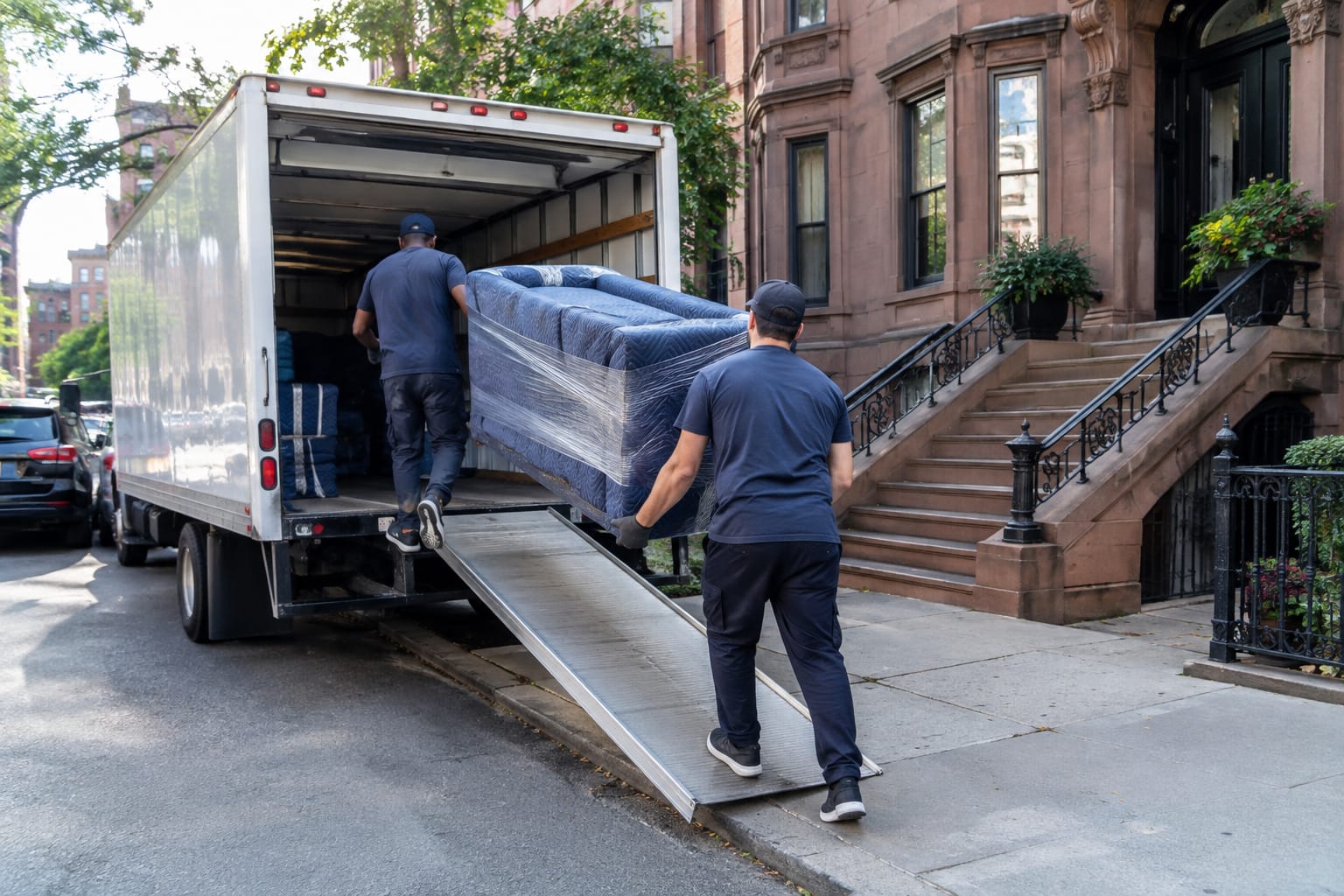
Local moving — any relocation within roughly 50 miles — is the most common type of residential move in the United States. Despite the short distance, most people underestimate the planning, cost, and coordination involved. The U.S. Census Bureau tracks that tens of millions of Americans relocate each year, with the vast majority staying within their existing metro area. This guide covers the full local moving process: what it costs, how to build a week-by-week checklist, and how to choose between professional movers and handling it yourself.
Key Takeaways
| Point | Details |
|---|---|
| Local move defined | Any relocation within 50 miles; charged hourly, not by weight |
| Standard hourly rates | $120/hr (2 movers), $170/hr (3 movers), $210/hr (4 movers); 3-hour minimum is standard |
| Estimated move duration | 1BR: 2–4 hrs; 2BR: 4–6 hrs; 3BR: 6–10 hrs with a professional crew |
| Budget approach | Full DIY costs $50–$200 in truck rental; professional labor-only is the next most affordable tier |
| Booking lead time | 4–6 weeks for most moves; 8–10 weeks during summer peak season |
What Counts as a Local Move?

A local move is any residential or commercial relocation within 50 miles of the origin address. That threshold is the industry's most widely applied standard — though some companies extend it to 100 miles. The distance determines how the move is priced, regulated, and staffed.
Moving within same city — say, from one Boston neighborhood to another, or between zip codes in Chicago — is the clearest case. Moving within same state but to a different county still qualifies as local if the distance falls under 50 miles. Cross that line, and most companies reclassify the job as long-distance, shifting from hourly billing to weight-and-distance pricing.
What distinguishes local from long-distance:
- Billing model: Local moves are charged hourly; long-distance by weight and mileage
- Regulatory framework: Interstate long-distance moves fall under FMCSA federal consumer protections; local moves are governed by state law
- Move duration: Local moves complete in a single day; long-distance requires transit time
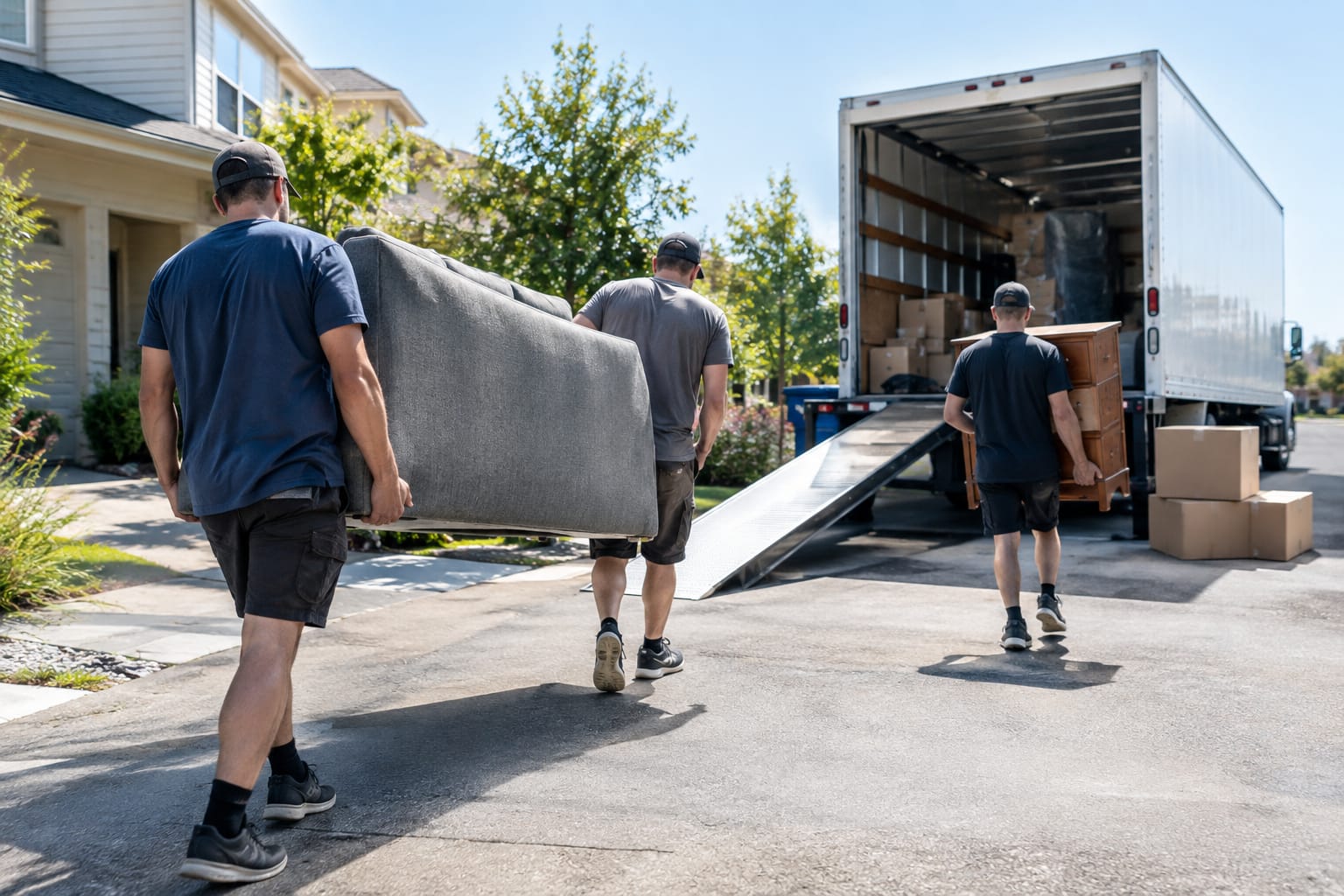
- Crew size: Local crews typically run 2–4 movers with one truck
When comparing quotes from local moving companies near me search results, always confirm which mileage threshold each company applies. It affects both the pricing model and the legal protections available to you.
Cheapest Way to Move Locally: Real Options and Trade-offs
The cheapest way to move locally is a full DIY move: rent a truck, pack yourself, and load with help from friends. Truck rentals for a local move run $50–$200 per day in most U.S. markets, plus fuel — keeping total costs under $300 for a small apartment. But hidden costs are real: physical strain, injury risk, lost time, and no insurance coverage if something breaks.
Here's how to move locally on a budget without cutting corners on care:
- Declutter before packing. Every item you don't move is an item you don't pay to transport.
- Pack everything before movers arrive. Professional crews bill by the hour — pre-packed boxes reduce billable time significantly.
- Move mid-week, mid-month. Demand drops Tuesday through Thursday and between the 5th and 20th of the month, often reducing rates.
- Right-size your crew. A 3-mover crew at $170/hr often finishes a 2BR move faster than a 2-mover crew at $120/hr, producing a similar or lower total bill.
- Labor-only service. Ask movers for load-and-unload-only packages when you've pre-packed everything yourself.
Pro Tip: Collect at least three written estimates before booking. The FTC's consumer guidance on hiring movers recommends in-home or virtual estimates over phone quotes — they're more accurate and significantly harder to inflate on moving day.
Understanding why hiring a local moving company beats a national chain often comes down to local knowledge: familiarity with specific buildings, street parking rules, and city logistics reduces day-of surprises.
How Much Should You Expect to Pay for a Local Move?
Local move cost runs from $360 for a 1-bedroom apartment with two movers to $2,500+ for a large home — the key variables are crew size and hours worked. Understanding how much to move locally starts with matching the right crew to your home's volume.
| Home Size | Recommended Crew | Est. Hours | Hourly Rate | Est. Total |
|---|---|---|---|---|
| Studio / 1BR | 2 movers | 2–4 hrs | $120/hr | $360–$480 |
| 2BR Apartment | 2–3 movers | 4–6 hrs | $120–$170/hr | $480–$1,020 |
| 3BR Home | 3–4 movers | 6–10 hrs | $170–$210/hr | $1,020–$2,100 |
| 4BR+ Home | 4 movers | 8–12 hrs | $210/hr | $1,680–$2,520 |
Estimates assume standard building access, no specialty items, and a move within 20 miles.
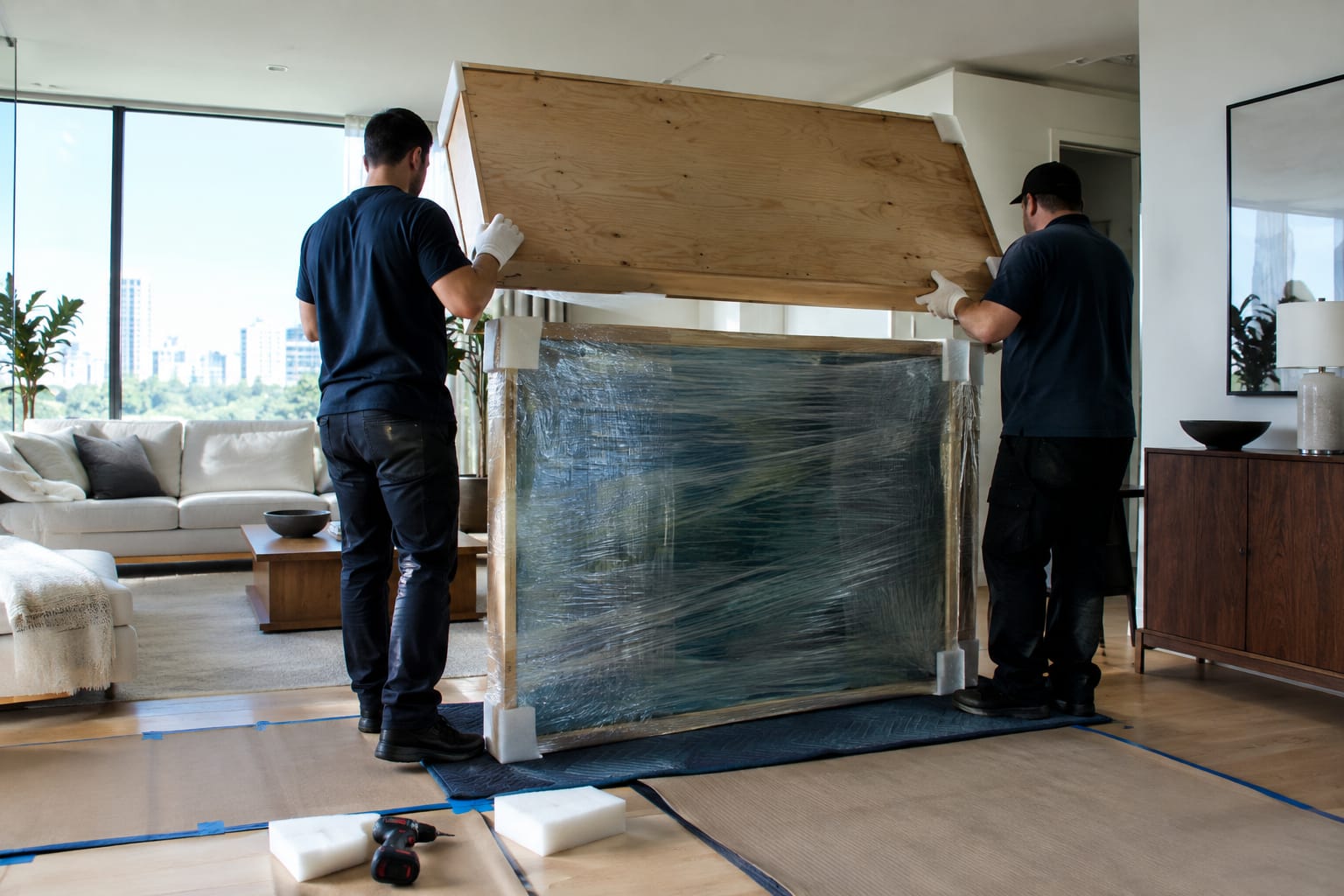
The local moving company cost rises when specialty items are involved. Pianos, large aquariums, gun safes, and oversized gym equipment require additional equipment and crew time — always disclose these items upfront when requesting a quote.
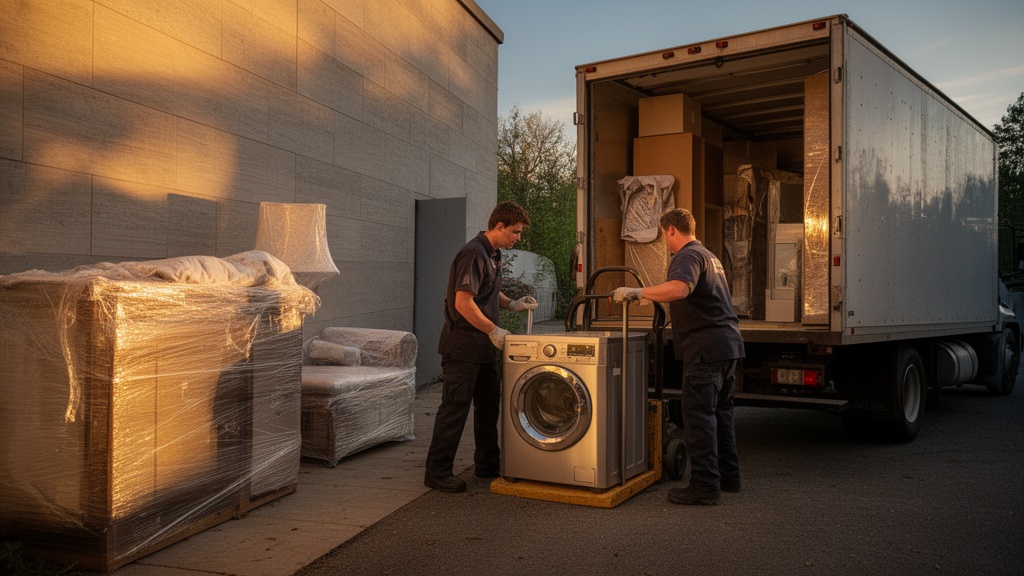
For a full breakdown of local moving service costs by home size, including how stair access and elevator availability affect billing, detailed cost guides cover each variable. For a complete breakdown across all move types, the resource on how much do movers cost addresses local, long-distance, and specialty move pricing.
Hardest Room to Pack When Moving (And How to Tackle It)
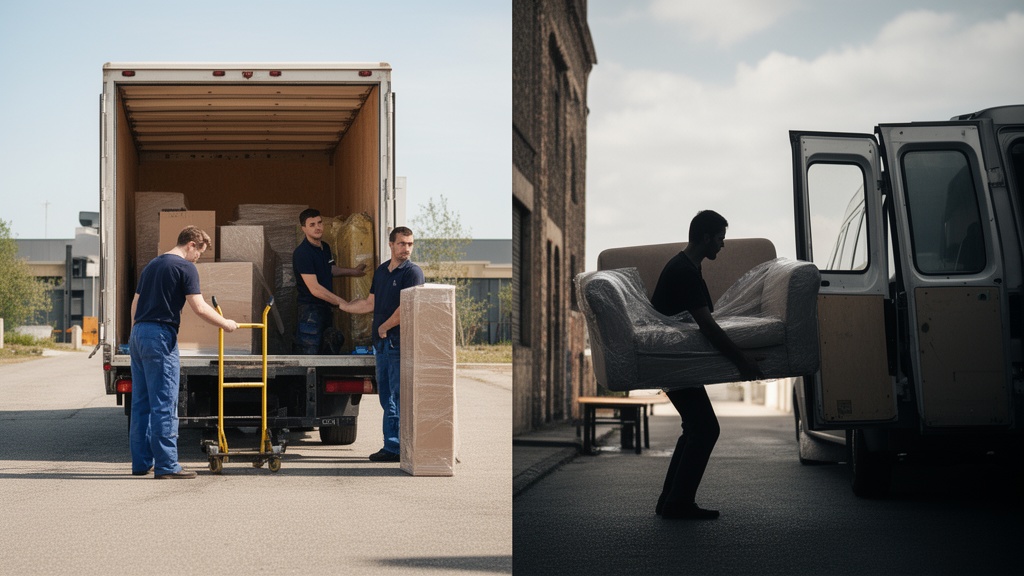
The kitchen is the hardest room to pack in virtually any home — more individual items, more fragility, and more weight per box than any other space.
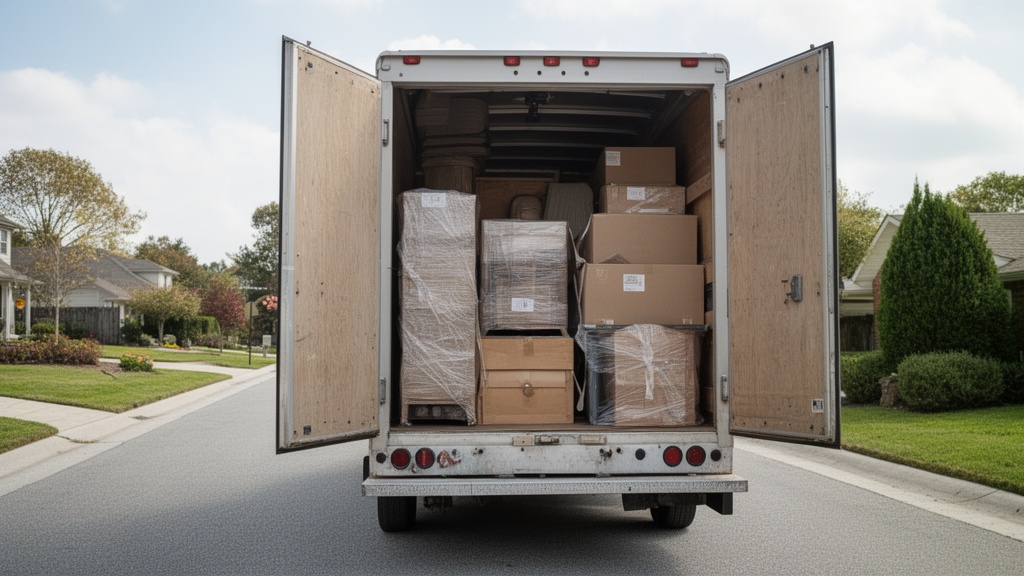
Glasses, ceramic dishes, appliances, open pantry containers, and sharp utensils all require different packing methods, and every mistake shows up as a broken item on moving day. Why the kitchen uniquely challenges every packer:
- Fragility: Each glass and dish needs individual wrapping in packing paper
- Weight density: Kitchen boxes fill fast; oversized boxes become impossible to carry safely
- Item count: The average family kitchen holds 100+ individual items
- Irregular shapes: Appliances and pantry goods don't stack neatly into standard boxes
Pro Tip: Limit kitchen boxes to 1.5 cubic feet maximum. Heavy items in large boxes are a back injury waiting to happen and dramatically increase the risk of box failure mid-move.
The second most challenging room is the home office. Electronics, cables, external drives, and irreplaceable documents all require individual handling. Start both the kitchen and home office several days before moving day — leaving them to the last 24 hours is the single most common reason a local move runs hours over its estimate.
| Room | Difficulty | Primary Challenge | Avg. Packing Time |
|---|---|---|---|
| Kitchen | High | Fragility + weight + item volume | 3–5 hours |
| Home office | High | Electronics, cables, documents | 2–4 hours |
| Master bedroom | Medium | Clothing volume + large furniture | 2–3 hours |
| Living room | Medium | Artwork + AV equipment + soft goods | 1.5–3 hours |
| Bathrooms | Low | Small items, few fragile goods | 30–60 min |
Planning a Local Move: The Complete Timeline
The local moving process is more forgiving than long-distance, but short distance move planning still demands structure. Most local moves that run over schedule trace back to the same problem: preparation was deferred too long.
Local moving tips that consistently make the biggest difference — front-load the work.
8 weeks before moving day:
- Book professional movers (earlier for June–September peak season)
- Audit belongings — decide what moves, what gets donated, what gets sold
- Submit a change-of-address request to USPS
4–6 weeks before:
- Order packing supplies: boxes, tape, packing paper, bubble wrap
- Begin packing non-essential rooms (guest rooms, storage areas, seasonal items)
- Notify bank, employer, subscriptions, insurance, and doctors of upcoming address change
1–2 weeks before:
- Pack all remaining rooms except daily-use essentials
- Confirm booking details and logistics with your movers
- Reserve parking permits or elevator access windows as needed
Day before moving day:
- Disassemble large furniture (bed frames, bookshelves, shelving units)
- Prepare an essentials box: phone charger, toiletries, important documents, coffee supplies
- Clear all hallways and building access points

For tips for making moving day run smoothly, including how to coordinate with building management and avoid the most common day-of delays, detailed guides break down every variable.
Local Moving Checklist: Week-by-Week Before Moving Day
A structured local moving checklist is the most reliable tool for keeping a move on schedule. The difference between a 4-hour move and a 9-hour move almost always traces back to how prepared the home was before the crew arrived.
8 Weeks Out
- Research and book moving company or truck rental
- Set a total moving budget
- Begin decluttering room by room
4–6 Weeks Out
- Purchase packing supplies
- Notify utilities of move-out date; establish service at new address
- Begin packing low-priority rooms
2 Weeks Out
- Complete packing of all non-essential rooms
- Confirm moving logistics with crew or rental company
- Arrange childcare and pet care for moving day
Week of the Move
- Defrost and clean refrigerator 48 hours before move
- Disassemble furniture that won't fit assembled through doorways
- Pack a moving-day essentials bag
Moving Day
- Walk through old home before crew arrives; identify fragile or priority items
- Supervise loading sequence
- Complete final walkthrough before returning keys
For a complete moving checklist with room-by-room breakdowns and a printable format, dedicated resources guide every phase from booking through final unpacking. City-specific steps — including parking permit applications and elevator reservations — are covered in detail in the guide for local movers in Boston.
Hiring Local Movers vs. Doing It Yourself: Honest Comparison
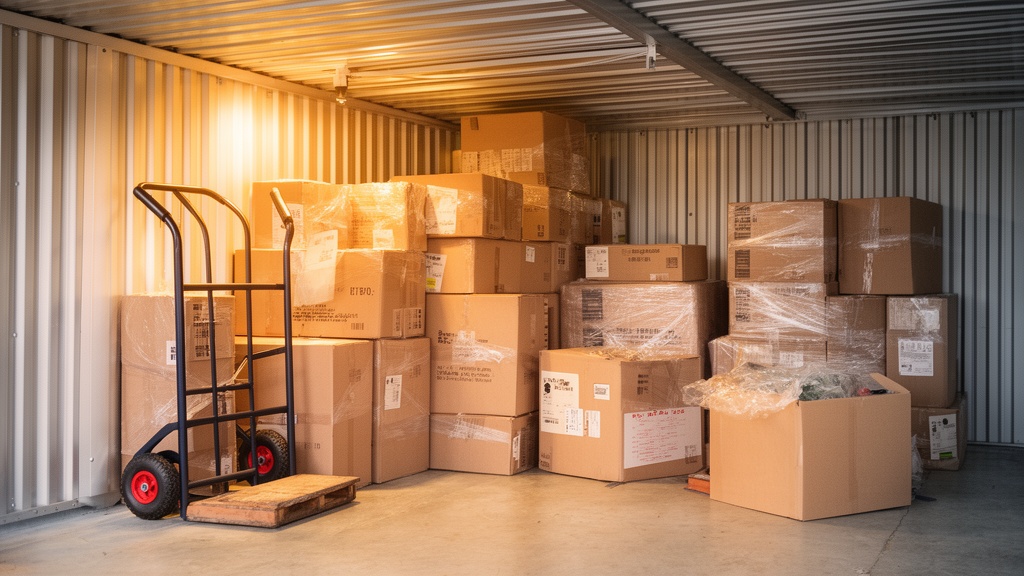
When browsing moving services near me or local moving companies near me results, the fundamental question is: hire professionals, or do it yourself? Both approaches work — the right answer depends on home size, physical health, timeline, and risk tolerance.
Searching for moving and storage companies near me or short distance moving companies near me will surface companies offering different service levels: full-service (packing, loading, transport, unloading), labor-only (loading and unloading), or truck-and-driver hybrid options.
| Factor | Professional Movers | Full DIY |
|---|---|---|
| Estimated cost (2BR) | $600–$1,200 | $150–$400 |
| Time required | 4–6 hours | 8–14 hours |
| Physical strain | Low | High |
| Damage risk | Low (insured) | Higher (no coverage) |
| Scheduling control | Moderate | Full |
| Specialty items | Handled by trained crew | Very difficult |
| Overall stress | Low | High |
Professional movers make the clearest economic case for any move involving 2+ bedrooms, stairs, heavy furniture, or specialty items. The American Moving and Storage Association recommends using licensed, insured professionals for any move where the goods being transported carry significant financial or sentimental value.
Pro Tip: Before booking any mover, verify their US DOT number using the FMCSA carrier lookup tool. Licensed movers are legally required to honor written estimates and carry minimum liability coverage. Unlicensed operators have no such obligations.
Frequently Asked Questions
What is the cheapest way to move locally?
The cheapest way to move locally is a full DIY approach: rent a cargo van or moving truck (typically $50–$200/day), pack everything yourself, and recruit friends to help load and unload. To lower costs further, move mid-week (Tuesday–Thursday) and mid-month (5th–20th), when demand and pricing are lowest. If recruiting enough help isn't feasible, the next most budget-friendly option is hiring professional movers for labor-only service — you pre-pack all boxes, and the crew handles only the furniture and heavy items. This significantly reduces billable hours. Avoid June through September peak season when both truck rentals and moving crews are in highest demand and carry the highest rates.
What is the hardest room to pack when moving?
The kitchen is the hardest room to pack in any home. It contains more individual items than any other space — fragile dishes, heavy cookware, irregular appliances, open pantry containers, and sharp utensils — all requiring different handling and packing methods. Kitchen boxes are the heaviest when full, which means limiting box size to 1.5 cubic feet to keep them liftable without injury. Professional movers estimate 3–5 hours to properly pack a standard family kitchen. The home office comes in second: electronics, cables, external hard drives, and irreplaceable documents require individual wrapping, cable management, and careful labeling. Start both rooms several days before moving day to avoid last-minute packing under pressure.
How much should I expect to pay to move?
For a local move, expect to pay between $360 and $2,500+ depending on home size and crew. A 1-bedroom apartment with a 2-mover crew typically runs $360–$480 based on a 3-hour minimum at $120/hr. A 2-bedroom home with 3 movers usually totals $680–$1,020 over 4–6 hours. A 3-bedroom home with 4 movers can reach $1,260–$2,100 or more. These figures assume standard access and no specialty items. Add-on services — full packing, piano moving, long carry fees — increase the total. Always request a written estimate before booking. Written estimates protect against day-of surprises and are standard practice among licensed local moving companies.
What is the cheapest way to move from Florida to Connecticut?
The cheapest way to move from Florida to Connecticut depends on volume. For smaller moves (1–2 bedrooms), a portable moving container is typically the best value: pack it yourself and the company handles transport — costs often run $1,800–$3,500 versus $3,500–$7,000+ for full-service moving. A rental truck you drive yourself is cheapest upfront ($600–$1,200 for the truck), but factor in two to three days of driving, fuel, hotels, and physical labor. Note that Florida to Connecticut is a long-distance interstate move regulated by the FMCSA — not a local move. For budget options, freight broker platforms can surface competitive carrier bids from companies with established routes, potentially reducing costs significantly versus direct booking.
How far in advance should I hire local movers?
Book local movers at least 4–6 weeks before your target move date. For moves scheduled between June and September — the peak of moving season — reserve 8–10 weeks in advance. The best crews fill quickly during summer, and last-minute bookings limit both crew quality and scheduling flexibility. For off-peak moves (October through April), 2–3 weeks of lead time can work, though earlier always provides more options. Same-week bookings are possible with some companies but typically carry premium pricing and limited crew availability. The practical rule: as soon as your lease end date or home closing date is confirmed, treat that as the trigger to secure movers immediately. Waiting costs more and reduces choice.
Related Articles
- Local Moving Companies Near Me: How to Choose the Best — Learn how to evaluate and compare local movers in your area, from licensing checks to reading reviews effectively.
- Moving Companies That Move Long Distance: A Full Guide — Understand how long-distance moves differ from local moves and what to look for in an interstate mover.
- Best Cheap Moving Companies — A breakdown of the most affordable moving options and how to evaluate true value beyond just the hourly rate.
- Appliance Moving Company: How to Move Large Appliances — Everything you need to know about safely moving refrigerators, washing machines, and other heavy appliances.
Recommended
- Why Choose a Local Moving Company?
- Local Movers Boston: Complete Guide to Boston Moving Companies
- The Prices of Locally-Based Moving Companies
- 8 Moving Tips for the Smoothest Moving Experience
- Checklist for a Hassle-Free Move