'%3E%3Cpath%20fill='%231B2A47'%20d='M1.605%2016.263c.03-1.139.059-2.482.088-3.971.03-1.49.03-2.832.03-4.03%200-.758%200-1.576-.03-2.51%200-.905-.03-1.84-.03-2.803%200-.496-.028-.964-.028-1.43%200-.468%200-.906-.03-1.315h6.858q2.188%200%203.589.35c.963.234%201.663.643%202.13%201.198.496.555.73%201.372.73%202.394%200%20.788-.176%201.46-.497%201.985-.32.526-.846.935-1.575%201.197-.73.292-1.693.468-2.918.526v.263c1.313.087%202.334.263%203.122.525.758.263%201.342.672%201.692%201.197.35.526.525%201.197.525%202.044%200%201.08-.233%201.927-.67%202.57-.468.642-1.139%201.08-2.102%201.343-.933.262-2.159.408-3.705.408H1.605zm6.537-9.197q1.882%200%202.713-.526c.555-.35.817-.934.817-1.752%200-.905-.292-1.547-.846-1.927s-1.459-.554-2.655-.554H4.757v4.759zm.204%206.92c.934%200%201.663-.088%202.217-.263.555-.176.934-.438%201.197-.818s.38-.876.38-1.518c0-.876-.322-1.49-.934-1.84-.643-.35-1.635-.525-3.035-.525H4.757v4.963zM21.038%2016.555c-1.576%200-2.801-.292-3.618-.905-.817-.614-1.284-1.519-1.372-2.745-.087-1.226.205-2.774.847-4.613s1.43-3.358%202.392-4.584c.963-1.226%202.043-2.131%203.298-2.744C23.839.292%2025.24%200%2026.786%200c1.576%200%202.772.321%203.59.934.816.613%201.283%201.548%201.37%202.774s-.203%202.774-.845%204.613c-.642%201.81-1.43%203.358-2.393%204.584s-2.072%202.132-3.297%202.745a9.8%209.8%200%200%201-4.173.905m.788-2.278c.642%200%201.138-.058%201.371-.116.205-.059.496-.117.847-.322.262-.146.437-.292.554-.408.204-.175.32-.292.438-.41.204-.203.35-.408.496-.583.35-.438.642-.876.963-1.402.233-.408.466-.817.67-1.284.205-.438.38-.905.555-1.372.438-1.198.671-2.278.671-3.183s-.204-1.606-.612-2.131c-.409-.497-1.051-.76-1.897-.76-.467%200-.934.059-1.43.205h-.03c-1.02.292-1.925%201.226-2.042%201.372-.116.117-.467.526-.963%201.343a15.5%2015.5%200%200%200-1.342%202.92c-.408%201.197-.642%202.277-.671%203.182-.03.906.175%201.636.584%202.161q.611.788%201.838.788M14.853%2038.54c-1.576%200-2.802-.292-3.619-.905s-1.284-1.518-1.371-2.744c-.088-1.227.204-2.774.846-4.614s1.43-3.357%202.393-4.584%202.042-2.13%203.297-2.744c1.255-.613%202.655-.905%204.173-.905%201.575%200%202.772.321%203.589.934s1.284%201.548%201.371%202.774c.088%201.226-.204%202.774-.846%204.613-.642%201.81-1.43%203.358-2.393%204.584s-2.072%202.131-3.297%202.745c-1.226.613-2.626.846-4.143.846m.787-2.277c.642%200%201.138-.059%201.372-.117.204-.058.496-.117.846-.321.263-.146.438-.292.554-.409.205-.175.321-.292.438-.409.204-.204.35-.408.496-.584a13%2013%200%200%200%201.634-2.686c.204-.438.38-.905.555-1.372.437-1.197.67-2.277.67-3.182%200-.906-.203-1.606-.612-2.132-.409-.496-1.05-.759-1.897-.759-.467%200-.934.058-1.43.204h-.029c-1.021.292-1.925%201.227-2.042%201.373-.117.116-.467.525-.963%201.343a15.5%2015.5%200%200%200-1.342%202.92c-.409%201.196-.642%202.277-.671%203.182s.175%201.635.583%202.16q.613.789%201.838.789'/%3E%3Cpath%20fill='%23FF515E'%20d='M55.966%2038.57c-1.576%200-2.801-.293-3.618-.906s-1.284-1.518-1.372-2.744c-.087-1.227.204-2.774.846-4.613s1.43-3.358%202.393-4.584c.963-1.227%202.043-2.132%203.297-2.745s2.656-.905%204.173-.905c1.576%200%202.772.321%203.589.934s1.284%201.548%201.371%202.774c.088%201.226-.204%202.774-.846%204.613-.642%201.81-1.43%203.358-2.393%204.584s-2.071%202.131-3.297%202.745c-1.225.613-2.626.846-4.143.846m.788-2.249c.642%200%201.138-.058%201.371-.117.204-.058.496-.116.846-.32.263-.147.438-.293.555-.41a7%207%200%200%200%20.437-.408c.205-.205.35-.41.496-.584a13%2013%200%200%200%201.634-2.686c.205-.438.38-.905.555-1.373.438-1.197.671-2.277.671-3.182s-.204-1.606-.613-2.131c-.408-.497-1.05-.76-1.896-.76-.467%200-.934.059-1.43.205h-.03c-1.02.292-1.925%201.226-2.042%201.372-.117.117-.467.526-.963%201.343a15.5%2015.5%200%200%200-1.342%202.92c-.409%201.197-.642%202.277-.671%203.182s.175%201.635.583%202.16q.614.79%201.839.79'/%3E%3Cpath%20fill='%231B2A47'%20d='M33.06%2016.263c0-.35%200-.935.03-1.81.029-1.051.058-2.103.058-3.154s.03-2.073.03-3.007c0-1.606-.03-3.27-.06-4.993%200-.554-.028-1.08-.028-1.606%200-.525-.03-1.021-.03-1.46h6.828c1.46%200%202.685.117%203.59.38q1.4.394%202.1%201.314.7.963.7%202.628c0%20.992-.174%201.81-.554%202.452-.35.643-.904%201.11-1.604%201.431s-1.576.467-2.627.496v.263q2.058.087%203.064.876c.671.525%201.138%201.372%201.43%202.51.087.41.233%201.023.467%201.84.233.818.408%201.431.554%201.84h-3.414a11%2011%200%200%200-.262-1.022c-.321-1.314-.526-2.19-.584-2.628a5%205%200%200%200-.642-1.46%202.13%202.13%200%200%200-.963-.73c-.408-.146-.934-.233-1.605-.233h-3.326v6.0440000000000005H33.06zm6.332-8.292c1.343%200%202.276-.205%202.86-.613.554-.41.846-1.11.846-2.073%200-.73-.146-1.314-.408-1.723-.263-.409-.671-.7-1.197-.876q-.788-.263-2.1-.263h-3.181v5.519h3.18zM49.4%2016.263l.03-2.745c.029-2.452.029-4.905.029-7.416q0-2.101-.088-5.868h4.085l5.924%2010.335c.087.234.204.438.291.643.117.204.205.408.321.613.38.788.613%201.255.672%201.372h.262c0-.058-.03-.146-.03-.204%200-.059-.028-.117-.028-.175a75%2075%200%200%201-.175-1.314%2010%2010%200%200%201-.088-1.285c0-1.547%200-3.737-.029-6.57V1.84c0-.584-.03-1.11-.03-1.576h2.977c-.03%202.482-.058%205.08-.058%207.766%200%201.694%200%204.438.029%208.292h-4.027l-5.573-9.43c-.875-1.81-1.226-2.511-1.05-2.132-.263-.613-.467-1.08-.613-1.46h-.263c.058.35.117.876.175%201.548.059.7.117%201.168.117%201.46%200%202.978%200%206.306.029%209.985H49.4zM4.698%2038.277c.029-2.627.058-5.255.058-7.883%200-1.576%200-3.503-.029-5.752-1.109%200-2.684%200-4.727.03v-2.453h12.664v2.453c-1.955-.03-3.53-.03-4.756-.03%200%20.584-.03%201.227-.03%201.957s0%201.46-.029%202.218v1.84c0%202.57.03%205.11.059%207.62z'/%3E%3Cpath%20fill='%23FF515E'%20d='M29.441%2038.277c.409-1.05.788-2.102%201.168-3.182s.787-2.16%201.167-3.241c.613-1.693%201.05-2.949%201.342-3.766l1.255-3.65c.116-.38.262-.788.379-1.139.117-.38.263-.73.38-1.05h4.61l-.671%2012.904h.262l8.316-12.905h4.669l-.7%201.869c-.876%202.452-1.343%203.766-1.43%204a501%20501%200%200%200-3.385%2010.16h-2.947c.292-.846.788-2.219%201.459-4.087.175-.526.35-1.08.554-1.606.175-.526.38-1.08.555-1.577.642-1.81%201.342-3.825%202.072-6.014h-.234l-8.724%2013.314h-2.86l.554-13.314h-.175c-.175.496-.38.992-.554%201.489-.175.496-.38%201.022-.555%201.547a163%20163%200%200%200-1.08%203.008c-.145.38-.262.759-.408%201.138-.117.38-.262.73-.408%201.11-.7%201.898-1.284%203.59-1.751%205.05h-2.86zM68.047%2038.277c.175-2.19.32-4.525.467-7.007.058-.905.204-3.912.467-9.051h3.151c-.03.438-.058.934-.088%201.46s-.058%201.08-.087%201.693a264%20264%200%200%201-.409%206.657c-.145%201.986-.35%203.591-.583%204.788h.175Q72.147%2034.892%2073.94%2032a562%20562%200%200%201%204.465-7.066c.32-.496.641-.992.933-1.46s.555-.875.817-1.255h3.268q-.568.832-1.138%201.752c-.408.613-.787%201.255-1.196%201.927-3.88%206.014-6.478%2010.131-7.85%2012.35h-5.193zM79.106%2038.277c.32-.788.758-2.014%201.37-3.65a287%20287%200%200%200%201.577-4.32c.437-1.256.904-2.628%201.4-4.088s.934-2.774%201.313-3.97h11.322l-.846%202.364H87.1l-1.664%204.847%207.645-.088-.612%201.694-7.587-.088-1.75%204.934h8.286l-.846%202.365z'/%3E%3C/g%3E%3Cdefs%3E%3CclipPath%20id='a'%3E%3Cpath%20fill='%23fff'%20d='M0%200h96v40H0z'/%3E%3C/clipPath%3E%3C/defs%3E%3C/svg%3E)
Moving is one of the most time-consuming aspects of any relocation, and packing is routinely the phase homeowners dread most. So do moving companies pack for you? Yes — the majority of professional moving companies offer packing as an optional add-on or as part of a full-service package. Whether you need every room packed or just help with fragile items, there is a service tier for every situation. This guide covers what professional packing services include, what each costs, and how to decide which option fits your move.

| Point | Details |
|---|---|
| Packing is an add-on, not standard | Most movers load your pre-packed boxes by default; professional packing requires a separately booked service tier |
| Full packing covers the entire home | A moving company full packing service includes all materials, every room, and typically furniture disassembly and reassembly |
| Cost scales with home size | Full packing for a 3-bedroom home runs $1,000–$2,000; partial packing starts at $200–$500 |
| Liability follows the packer | Items packed by the crew receive full carrier liability; self-packed boxes receive reduced protection under FMCSA-regulated tariffs |
| Some items are always excluded | Hazardous materials, perishables, plants, and valuables are universally excluded — review the full list in Section 7 |
Do Moving Companies Pack For You? The Direct Answer
Yes, moving companies pack for you — but packing is almost never included in the standard base moving rate. Standard service means the crew arrives, loads your pre-packed boxes, transports them, and unloads at the destination. Packing is a separate, bookable service with its own pricing structure.
Movers that pack for you typically offer three distinct service tiers:
- Full-service packing — the crew packs every item in the home, room by room, using all necessary materials
- Partial packing — movers pack selected rooms, fragile item categories, or specific areas like the kitchen
- Supply-only — the company delivers boxes and packing materials; the customer packs independently
Many people also ask: do movers pack boxes that already contain items? No — if a box is already sealed and labeled, movers treat it as a customer-packed box and transport it as-is. Professional packing service applies to unpacked items only.
This distinction matters enormously for liability. When a professional moving company packs a box, they assume responsibility for the contents. Customer-packed boxes transfer that responsibility back to the homeowner — a point the Federal Motor Carrier Safety Administration explicitly addresses in consumer protection guidelines for interstate moves. For anyone searching for a packing and moving company near me, understanding this liability framework is one of the most important factors before booking.
What Full-Service Packing Includes — and What It Doesn't
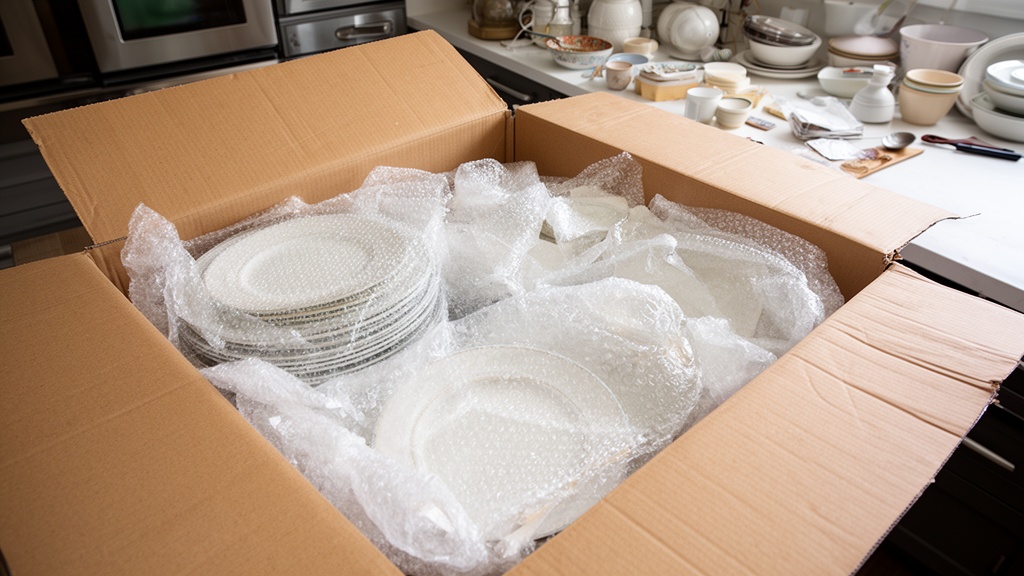
A moving company full packing service covers every packable item in the home. The crew works systematically, room by room, using professional-grade materials throughout. Full service packing movers wrap each fragile piece individually, use double-boxing for valuables, and reinforce every box with appropriate internal cushioning.
Here is what a standard full-service packing package includes:
- All packing materials — standard boxes (small, medium, large), wardrobe boxes, dish packs, specialty TV boxes, packing paper, bubble wrap, stretch wrap, and tape
- Kitchen packing — dishes, glassware, pots, small appliances, and pantry dry goods
- Bedroom packing — clothing in wardrobe boxes, bedding, books, and personal electronics
- Living room packing — framed artwork, mirrors, lamps, decorative items, and media collections
- Specialty items — flat-screen TVs with manufacturer-spec TV boxes, large mirrors with dedicated mirror boxes, and artwork with foam corner protectors
- Labeling — every box labeled by destination room and general contents for organized unpacking
For a complete list of packing materials and supplies that professional crews typically carry, understanding what each material protects helps verify your movers are using appropriate methods for every item type.
What full-service packing does NOT include:
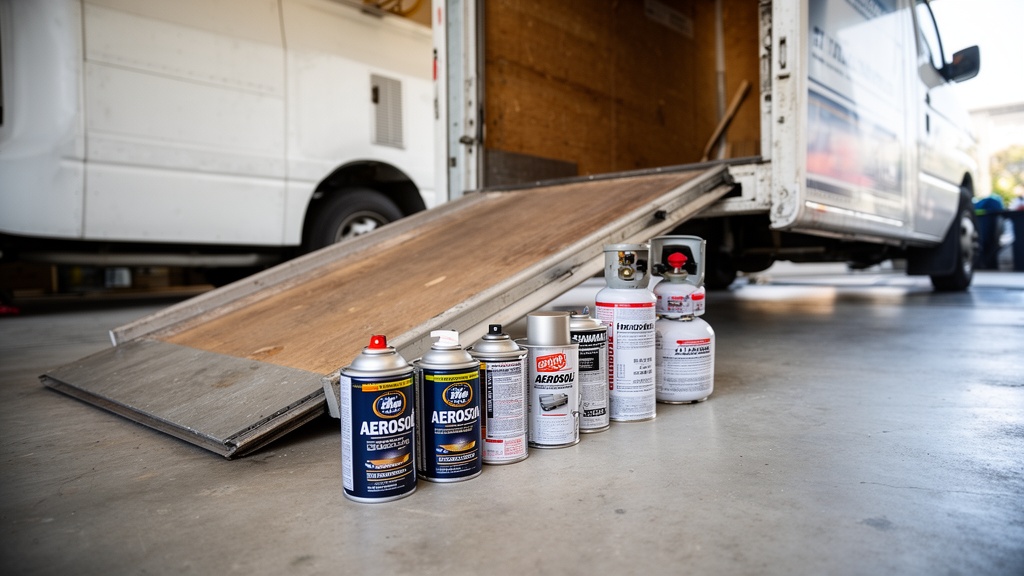
- Hazardous materials — paints, propane tanks, flammable solvents, pesticides
- Perishable food and opened pantry items with short shelf lives
- Living plants, especially relevant on interstate moves with state agricultural restrictions
- High-value personal items: jewelry, cash, passports, medications, irreplaceable documents
- Any items explicitly designated "do not pack" by the homeowner
Pro Tip: Designate a clearly marked "Do Not Pack" zone in each room before packing day — a taped-off corner or a distinctly colored box works well. This prevents movers from accidentally packing medications, device chargers, or items you need immediate access to after the move.
Partial Packing: Having Movers Pack Only Select Items
Not every household needs full packing service. Partial packing movers offer flexibility to hire professional help for only the most challenging items while handling straightforward packing independently. This approach cuts cost significantly while still protecting the most damage-prone inventory.
Common partial packing scenarios:
- Fragile-only packing — professionals pack glassware, china, artwork, mirrors, and electronics; the homeowner handles books, clothing, and linens
- Kitchen-only packing — the most complex room handled by professionals; bedrooms and living areas packed by the customer
- Large item wrapping only — movers wrap and blanket-pad furniture and large appliances without boxing smaller household items
- Room-specific packing — one or two rooms handled professionally; the customer manages the rest
Knowing how to pack fragile items for a move matters when self-packing alongside a partial service — improper technique on even one box of glassware can result in substantial breakage losses.
When comparing packers and movers, always ask whether partial packing is available as a line item. Some companies only offer all-or-nothing packing; others price it by room or by category with full flexibility. Clarifying this upfront prevents surprises when the final invoice arrives.
Pro Tip: If choosing partial packing, always let professionals handle glassware and artwork. These two categories generate the highest proportion of damage claims when self-packed — not from carelessness, but because professional-grade dish-pack boxes and cell-kit inserts provide structural protection that standard boxes simply cannot replicate.
Furniture Disassembly and Reassembly: What to Expect
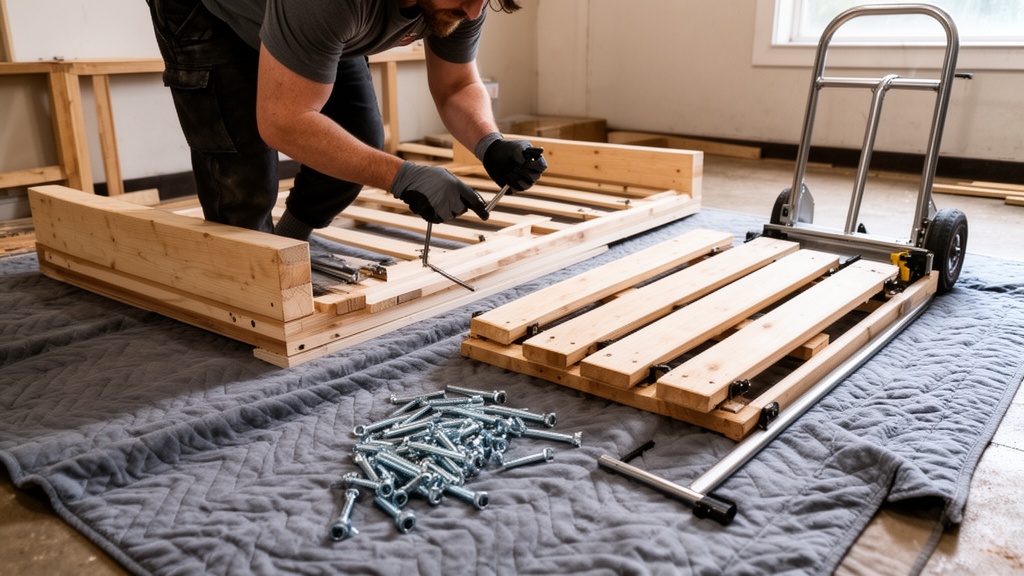
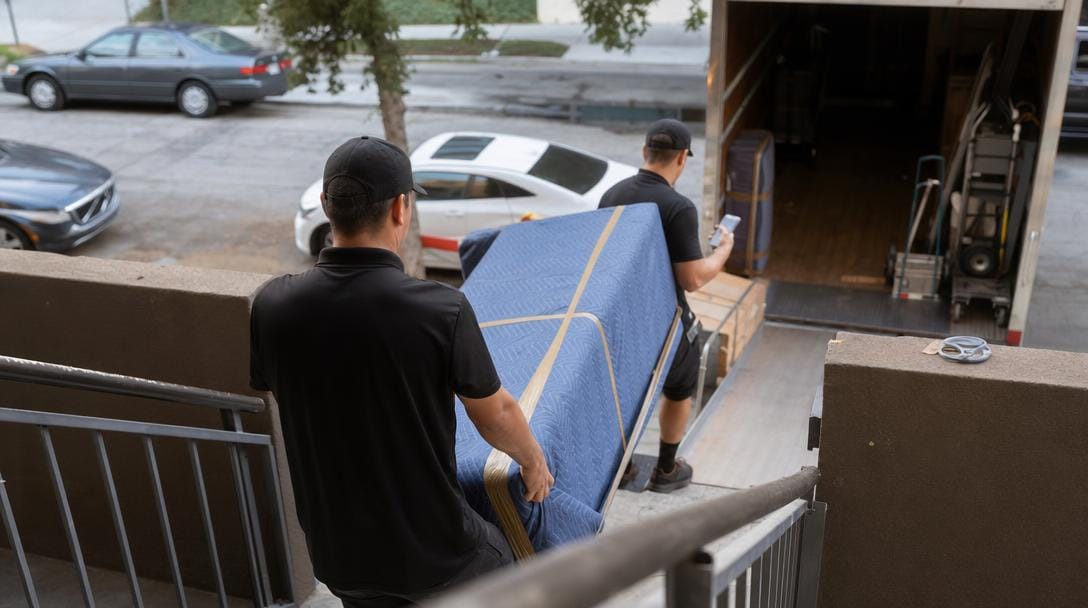
Do moving companies disassemble furniture? Yes — furniture disassembly and reassembly is standard practice with most full-service packages, and many companies include it at no extra charge. This covers bed frames, headboards, dining tables with removable legs, desks, modular bookshelves, and flat-pack wardrobes.
The crew arrives equipped with Allen wrenches, screwdrivers, and wrenches. All hardware — bolts, screws, and brackets — goes into labeled zip-lock bags taped directly to the furniture piece they belong to. At the destination, the same crew reassembles everything to working condition.
| Furniture Type | Typically Disassembled? | Notes |
|---|---|---|
| Bed frames (all sizes) | Yes | Hardware bagged and labeled |
| Dining tables | Yes (legs removed) | Tabletops blanketed separately |
| Modular desks | Yes | Reassembled at destination |
| Flat-pack bookshelves | Yes | IKEA-style units always disassembled |
| Solid-wood one-piece units | Rarely | Moved intact if door clearance allows |
| Sectional sofas | Partial (legs only) | Sections moved separately |
| Pianos | No | Requires specialist piano movers |
| Pool tables | No | Requires specialist disassembly crew |
For antiques, custom-built pieces, or irreplaceable furniture, review how to prepare furniture when relocating before packing day. These items may require specific disassembly approaches that go beyond standard moving crew capabilities.
Specialty items — pool tables, hot tubs, gym equipment, and safes over 500 lbs — fall outside standard disassembly scope and require separate specialist contractors. Always clarify which items fall into this category when requesting a quote.
How Much Does Professional Packing Cost?

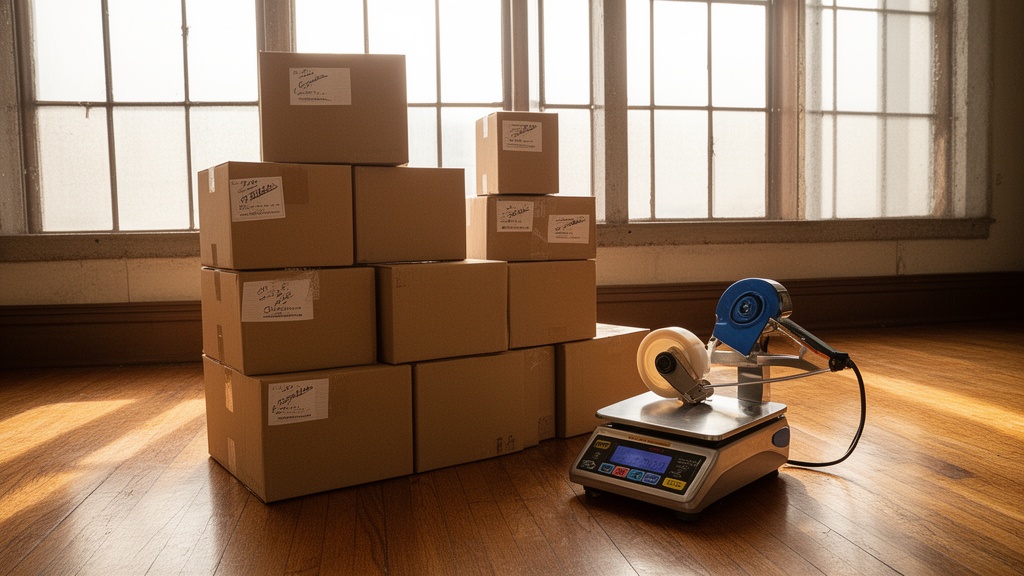
Moving company packing cost depends on three variables: home size, service tier, and geographic market. The ranges below reflect realistic U.S. market figures for 2026, with major metro areas like Boston, New York, and Chicago typically running 20–40% above national midpoints.
| Home Size | Fragile-Only Packing | Full Packing (Materials Included) | Full Pack + Unpack |
|---|---|---|---|
| Studio / 1-BR | $150–$300 | $350–$650 | $550–$950 |
| 2-Bedroom | $250–$500 | $600–$1,100 | $950–$1,700 |
| 3-Bedroom | $400–$800 | $1,000–$2,000 | $1,600–$2,900 |
| 4-Bedroom+ | $600–$1,200 | $1,500–$3,500+ | $2,400–$5,000+ |
How much does it cost to have movers pack a home compared to a partial service? For hourly-rate movers, packing typically adds 4–6 hours of crew labor for a 2-bedroom and 7–12 hours for a 3-bedroom, depending on crew size and item volume.
Understanding how much movers cost in total — including base transportation, packing add-ons, and material charges — allows for accurate budget planning well before the first quote arrives.
Key questions to ask when booking:
- Are packing materials included in the quoted price, or charged per box used?
- Is unpacking a separate line item or bundled into the full-pack rate?
- Is furniture disassembly included or an additional fee?
- Are specialty item surcharges (piano, pool table, aquarium) itemized separately?
Pro Tip: When comparing packing quotes, request an itemized breakdown of labor hours, material costs, and specialty charges listed separately. Two quotes with identical totals can differ by $500 or more based solely on whether materials and unpacking are bundled into the package.
Is It Worth Paying Movers to Pack for You?
The core trade-off is direct: professional packing services cost money but save time, reduce breakage risk, and shift liability. Whether it makes financial sense depends on the specifics of the move.
Arguments for professional packing:
- Time savings — A 3-person professional crew packs a 3-bedroom home in 6–10 hours. Self-packing the same home typically takes 2–4 weekends.
- Materials expertise — Professionals know which box size prevents internal shifting, how many wrapping layers a dinner plate requires, and when double-boxing is warranted.
- Liability transfer — When full-service movers pack the boxes, they assume full carrier liability under the bill of lading. Self-packed boxes receive reduced damage protection under most contracts.
- Stress reduction — Research from the American Psychological Association consistently identifies relocation among the most significant sources of life stress. Removing the packing workload measurably affects the overall move-day experience.
Arguments against:
- Cost — The $1,000–$2,000 premium for a 3-bedroom full pack is significant on a tight budget.
- Privacy — Many homeowners prefer to personally handle financial documents, medications, and personal items.
- Volume inflation — Professionals err toward more padding and more boxes. On long-distance moves priced by weight or cubic footage, this increases transportation costs.
Will movers pack my stuff and handle everything end-to-end? Yes — full-service moving from packing through unpacking is available from most full-service providers. The question of is it worth paying for packing when moving ultimately depends on the homeowner's available time, fragile inventory volume, and move distance.
Prohibited Items: What Moving Companies Will Not Pack
Every licensed moving company maintains a categorical exclusion list. These restrictions exist because of federal safety regulations, state agricultural laws, and standard liability terms — not arbitrary policy decisions.
Hazardous materials: The EPA classifies household hazardous waste to include paint, motor oil, pesticides, propane tanks, pool chemicals, and flammable liquids. No licensed carrier transports these in a moving truck.
Perishables: Refrigerated and frozen food, open pantry items, and produce are excluded. Non-perishable sealed food is generally acceptable for local moves.
Living plants: Most carriers decline plants, particularly on interstate moves. USDA APHIS regulations restrict transport of certain plant species across state lines to prevent pest and disease spread.
Personal valuables: Jewelry, irreplaceable photographs, financial documents, passports, and medications should always travel with the homeowner — not in a moving truck.
| Item Category | Why Excluded | What To Do Instead |
|---|---|---|
| Propane tanks / gas canisters | Fire and explosion risk | Drain or dispose at local facility |
| Paints, solvents, stains | Flammable / toxic | Donate, use up, or hazardous waste drop-off |
| Pesticides / herbicides | EPA-regulated toxic chemicals | Local hazardous waste collection |
| Medications | Liability and chain-of-custody concerns | Pack in personal travel bag |
| Perishable foods | Spoilage risk in unrefrigerated truck | Consume, donate, or discard before move |
| Firearms | ATF transport regulations apply | Transport personally per federal law |
| Live plants | State agricultural quarantine rules | Transport in personal vehicle |
Schedule a hazardous waste collection drop-off at least a week before your move date. Most municipalities offer free household hazardous waste disposal — check your local government website for collection schedules.
Preparing Your Home for Packing Day

Professional packers work fastest when a home is decluttered, organized, and accessible. Preparation on the homeowner's end directly affects labor hours — and for hourly-rate jobs, that translates to real cost savings.
One week before packing day:
- Conduct a room-by-room declutter. Movers pack what they find — unwanted items add cost and moving volume.
- Identify items traveling with you personally: medications, documents, laptops, chargers, valuables.
- Confirm whether the company operates as movers that supply boxes or requires you to source your own. Most full-service providers supply all materials; verify this before moving day.
- Review what packing supplies you need for moving if handling any rooms independently alongside professional service.
Day before packing:
- Clear pathways through all rooms — remove area rugs, move chairs from walls, create floor space for box staging.
- Drain applicable appliances: ice makers, washing machines, and aquariums.
- Defrost the freezer if the kitchen is being professionally packed.
- Create a labeled "Do Not Pack" zone in every room.
On packing day:
- Be present or designate a point person to answer questions and make decisions.
- Walk the crew through specialty items — antiques, instruments, built-in furniture, fragile heirlooms — before work begins.
- Confirm labeling conventions with the crew lead so destination-room sorting is consistent.
For anyone searching for a packing and moving company near me, most companies offer a pre-move consultation to assess packing volume, materials needed, and crew sizing — eliminating surprises on moving day.
U.S. Census Bureau migration data shows tens of millions of Americans relocate every year. For most, packing remains the single largest logistical bottleneck. Whether handled by professionals or self-managed, a structured preparation process transforms packing day from chaotic to systematic.
Movers with packing services provide the most comprehensive option — particularly for large homes, time-constrained moves, or households with significant fragile inventory. The value is clearest when the cost of potential damage, the value of saved time, and the benefits of professional liability coverage are all weighed together.
Frequently Asked Questions
Do moving companies pack for you as part of the standard service?
Packing is not included in a standard base moving rate — it is an optional, separately priced service. Standard moving service means the crew loads your pre-packed boxes, transports them, and unloads at the destination. Full-service packing, where the crew packs every room, is available at additional cost with most licensed companies. Service tiers typically include full packing (every room, all materials), partial packing (specific rooms or fragile items only), and supply-only (movers deliver materials; customer packs). Always confirm what is included when booking, as pricing and inclusions vary significantly by company and market. For large homes, a pre-move walkthrough helps define scope and cost in advance.
Do moving companies disassemble furniture before the move?
Yes — furniture disassembly and reassembly is standard with most full-service moving packages, and many companies include it at no extra charge. This typically covers bed frames, dining tables with removable legs, desks, modular bookshelves, and flat-pack wardrobes. Movers carry Allen wrenches, screwdrivers, and wrenches, storing all hardware in labeled bags attached to the relevant piece. At the destination, the same crew reassembles everything. Items outside standard scope include pool tables, pianos, hot tubs, and gym equipment — these require specialist contractors. Always confirm whether furniture disassembly is included or charged separately when comparing moving quotes.
How much does it cost to have movers pack for you?
Professional packing costs vary by home size and service tier. Fragile-only partial packing for a 2-bedroom home typically runs $250–$500. Full packing for a 2-bedroom ranges from $600–$1,100, with materials included in most bundled quotes. A 3-bedroom full pack typically costs $1,000–$2,000 in U.S. markets, with major metros running 20–40% higher. For hourly-rate movers, packing adds 6–10 hours of crew labor for a 3-bedroom home. Always confirm whether materials are included in the quoted price and whether unpacking service is a separate charge — these details can shift the effective cost significantly.
What items will movers not pack?
Professional movers categorically refuse to pack or transport hazardous materials, perishable food, living plants, and high-value personal items. Hazardous materials include propane tanks, paint, motor oil, pesticides, flammable solvents, and certain batteries. Plants are excluded partly because USDA regulations restrict transport of certain species across state lines. Refrigerated and frozen food is not transported. Personal valuables — medications, passports, jewelry, financial documents, and irreplaceable photographs — should always travel with the homeowner rather than in a moving truck. Review the company's specific exclusion list before packing day to avoid last-minute complications on moving morning.
Is full-service packing worth the extra cost?
For most households, full-service packing is worth the cost when time savings, damage protection, and liability coverage are factored in. A 3-person professional crew packs a 3-bedroom home in 6–10 hours — the same task typically takes homeowners 2–4 weekends. When professionals pack boxes, they assume full carrier liability for the contents; self-packed boxes receive reduced damage protection under most moving contracts. The clearest value case: homes with extensive fragile inventories, time-constrained moves, and long-distance relocations where repacking during transit is not an option.
How long does professional packing take for a 3-bedroom house?
A professional crew of 2–3 people completes packing for a fully furnished 3-bedroom home in approximately 6–10 hours — typically within a single workday. Factors that extend packing time include large book collections, extensive kitchen inventories, and high concentrations of fragile items. Factors that compress it: prior decluttering, cleared pathways, and a 4-person crew. Standard practice is to schedule packing the day before moving day, allowing adhesives to set on sealed boxes and giving homeowners time to verify completeness before the truck loads.
Related Articles
- Moving Companies That Move Long Distance: A Full Guide — Learn what to expect from long-distance movers, including costs, service tiers, and how to compare carriers.
- Local Moving Companies Near Me: How to Choose the Best — A practical guide to evaluating, vetting, and selecting a reliable local moving company in your area.
- Best Cheap Moving Companies — A ranked overview of affordable movers that deliver reliable service without sacrificing damage protection.
- Best Moving Companies Boston — The top-rated Boston-area movers evaluated on price, reliability, and overall customer experience.
- Best Chicago Moving Company — A breakdown of Chicago's leading moving companies by service tier and neighborhood coverage.
Recommended Reading
- Movers with Packing Services: What Full-Service Moving Includes
- Is It Worth Paying for Packing When Moving?
- How to Find Packers and Movers Near You
- How to Pack Fragile Items
- Tips on How to Prepare Furniture When Relocating