'%3E%3Cpath%20fill='%231B2A47'%20d='M1.605%2016.263c.03-1.139.059-2.482.088-3.971.03-1.49.03-2.832.03-4.03%200-.758%200-1.576-.03-2.51%200-.905-.03-1.84-.03-2.803%200-.496-.028-.964-.028-1.43%200-.468%200-.906-.03-1.315h6.858q2.188%200%203.589.35c.963.234%201.663.643%202.13%201.198.496.555.73%201.372.73%202.394%200%20.788-.176%201.46-.497%201.985-.32.526-.846.935-1.575%201.197-.73.292-1.693.468-2.918.526v.263c1.313.087%202.334.263%203.122.525.758.263%201.342.672%201.692%201.197.35.526.525%201.197.525%202.044%200%201.08-.233%201.927-.67%202.57-.468.642-1.139%201.08-2.102%201.343-.933.262-2.159.408-3.705.408H1.605zm6.537-9.197q1.882%200%202.713-.526c.555-.35.817-.934.817-1.752%200-.905-.292-1.547-.846-1.927s-1.459-.554-2.655-.554H4.757v4.759zm.204%206.92c.934%200%201.663-.088%202.217-.263.555-.176.934-.438%201.197-.818s.38-.876.38-1.518c0-.876-.322-1.49-.934-1.84-.643-.35-1.635-.525-3.035-.525H4.757v4.963zM21.038%2016.555c-1.576%200-2.801-.292-3.618-.905-.817-.614-1.284-1.519-1.372-2.745-.087-1.226.205-2.774.847-4.613s1.43-3.358%202.392-4.584c.963-1.226%202.043-2.131%203.298-2.744C23.839.292%2025.24%200%2026.786%200c1.576%200%202.772.321%203.59.934.816.613%201.283%201.548%201.37%202.774s-.203%202.774-.845%204.613c-.642%201.81-1.43%203.358-2.393%204.584s-2.072%202.132-3.297%202.745a9.8%209.8%200%200%201-4.173.905m.788-2.278c.642%200%201.138-.058%201.371-.116.205-.059.496-.117.847-.322.262-.146.437-.292.554-.408.204-.175.32-.292.438-.41.204-.203.35-.408.496-.583.35-.438.642-.876.963-1.402.233-.408.466-.817.67-1.284.205-.438.38-.905.555-1.372.438-1.198.671-2.278.671-3.183s-.204-1.606-.612-2.131c-.409-.497-1.051-.76-1.897-.76-.467%200-.934.059-1.43.205h-.03c-1.02.292-1.925%201.226-2.042%201.372-.116.117-.467.526-.963%201.343a15.5%2015.5%200%200%200-1.342%202.92c-.408%201.197-.642%202.277-.671%203.182-.03.906.175%201.636.584%202.161q.611.788%201.838.788M14.853%2038.54c-1.576%200-2.802-.292-3.619-.905s-1.284-1.518-1.371-2.744c-.088-1.227.204-2.774.846-4.614s1.43-3.357%202.393-4.584%202.042-2.13%203.297-2.744c1.255-.613%202.655-.905%204.173-.905%201.575%200%202.772.321%203.589.934s1.284%201.548%201.371%202.774c.088%201.226-.204%202.774-.846%204.613-.642%201.81-1.43%203.358-2.393%204.584s-2.072%202.131-3.297%202.745c-1.226.613-2.626.846-4.143.846m.787-2.277c.642%200%201.138-.059%201.372-.117.204-.058.496-.117.846-.321.263-.146.438-.292.554-.409.205-.175.321-.292.438-.409.204-.204.35-.408.496-.584a13%2013%200%200%200%201.634-2.686c.204-.438.38-.905.555-1.372.437-1.197.67-2.277.67-3.182%200-.906-.203-1.606-.612-2.132-.409-.496-1.05-.759-1.897-.759-.467%200-.934.058-1.43.204h-.029c-1.021.292-1.925%201.227-2.042%201.373-.117.116-.467.525-.963%201.343a15.5%2015.5%200%200%200-1.342%202.92c-.409%201.196-.642%202.277-.671%203.182s.175%201.635.583%202.16q.613.789%201.838.789'/%3E%3Cpath%20fill='%23FF515E'%20d='M55.966%2038.57c-1.576%200-2.801-.293-3.618-.906s-1.284-1.518-1.372-2.744c-.087-1.227.204-2.774.846-4.613s1.43-3.358%202.393-4.584c.963-1.227%202.043-2.132%203.297-2.745s2.656-.905%204.173-.905c1.576%200%202.772.321%203.589.934s1.284%201.548%201.371%202.774c.088%201.226-.204%202.774-.846%204.613-.642%201.81-1.43%203.358-2.393%204.584s-2.071%202.131-3.297%202.745c-1.225.613-2.626.846-4.143.846m.788-2.249c.642%200%201.138-.058%201.371-.117.204-.058.496-.116.846-.32.263-.147.438-.293.555-.41a7%207%200%200%200%20.437-.408c.205-.205.35-.41.496-.584a13%2013%200%200%200%201.634-2.686c.205-.438.38-.905.555-1.373.438-1.197.671-2.277.671-3.182s-.204-1.606-.613-2.131c-.408-.497-1.05-.76-1.896-.76-.467%200-.934.059-1.43.205h-.03c-1.02.292-1.925%201.226-2.042%201.372-.117.117-.467.526-.963%201.343a15.5%2015.5%200%200%200-1.342%202.92c-.409%201.197-.642%202.277-.671%203.182s.175%201.635.583%202.16q.614.79%201.839.79'/%3E%3Cpath%20fill='%231B2A47'%20d='M33.06%2016.263c0-.35%200-.935.03-1.81.029-1.051.058-2.103.058-3.154s.03-2.073.03-3.007c0-1.606-.03-3.27-.06-4.993%200-.554-.028-1.08-.028-1.606%200-.525-.03-1.021-.03-1.46h6.828c1.46%200%202.685.117%203.59.38q1.4.394%202.1%201.314.7.963.7%202.628c0%20.992-.174%201.81-.554%202.452-.35.643-.904%201.11-1.604%201.431s-1.576.467-2.627.496v.263q2.058.087%203.064.876c.671.525%201.138%201.372%201.43%202.51.087.41.233%201.023.467%201.84.233.818.408%201.431.554%201.84h-3.414a11%2011%200%200%200-.262-1.022c-.321-1.314-.526-2.19-.584-2.628a5%205%200%200%200-.642-1.46%202.13%202.13%200%200%200-.963-.73c-.408-.146-.934-.233-1.605-.233h-3.326v6.0440000000000005H33.06zm6.332-8.292c1.343%200%202.276-.205%202.86-.613.554-.41.846-1.11.846-2.073%200-.73-.146-1.314-.408-1.723-.263-.409-.671-.7-1.197-.876q-.788-.263-2.1-.263h-3.181v5.519h3.18zM49.4%2016.263l.03-2.745c.029-2.452.029-4.905.029-7.416q0-2.101-.088-5.868h4.085l5.924%2010.335c.087.234.204.438.291.643.117.204.205.408.321.613.38.788.613%201.255.672%201.372h.262c0-.058-.03-.146-.03-.204%200-.059-.028-.117-.028-.175a75%2075%200%200%201-.175-1.314%2010%2010%200%200%201-.088-1.285c0-1.547%200-3.737-.029-6.57V1.84c0-.584-.03-1.11-.03-1.576h2.977c-.03%202.482-.058%205.08-.058%207.766%200%201.694%200%204.438.029%208.292h-4.027l-5.573-9.43c-.875-1.81-1.226-2.511-1.05-2.132-.263-.613-.467-1.08-.613-1.46h-.263c.058.35.117.876.175%201.548.059.7.117%201.168.117%201.46%200%202.978%200%206.306.029%209.985H49.4zM4.698%2038.277c.029-2.627.058-5.255.058-7.883%200-1.576%200-3.503-.029-5.752-1.109%200-2.684%200-4.727.03v-2.453h12.664v2.453c-1.955-.03-3.53-.03-4.756-.03%200%20.584-.03%201.227-.03%201.957s0%201.46-.029%202.218v1.84c0%202.57.03%205.11.059%207.62z'/%3E%3Cpath%20fill='%23FF515E'%20d='M29.441%2038.277c.409-1.05.788-2.102%201.168-3.182s.787-2.16%201.167-3.241c.613-1.693%201.05-2.949%201.342-3.766l1.255-3.65c.116-.38.262-.788.379-1.139.117-.38.263-.73.38-1.05h4.61l-.671%2012.904h.262l8.316-12.905h4.669l-.7%201.869c-.876%202.452-1.343%203.766-1.43%204a501%20501%200%200%200-3.385%2010.16h-2.947c.292-.846.788-2.219%201.459-4.087.175-.526.35-1.08.554-1.606.175-.526.38-1.08.555-1.577.642-1.81%201.342-3.825%202.072-6.014h-.234l-8.724%2013.314h-2.86l.554-13.314h-.175c-.175.496-.38.992-.554%201.489-.175.496-.38%201.022-.555%201.547a163%20163%200%200%200-1.08%203.008c-.145.38-.262.759-.408%201.138-.117.38-.262.73-.408%201.11-.7%201.898-1.284%203.59-1.751%205.05h-2.86zM68.047%2038.277c.175-2.19.32-4.525.467-7.007.058-.905.204-3.912.467-9.051h3.151c-.03.438-.058.934-.088%201.46s-.058%201.08-.087%201.693a264%20264%200%200%201-.409%206.657c-.145%201.986-.35%203.591-.583%204.788h.175Q72.147%2034.892%2073.94%2032a562%20562%200%200%201%204.465-7.066c.32-.496.641-.992.933-1.46s.555-.875.817-1.255h3.268q-.568.832-1.138%201.752c-.408.613-.787%201.255-1.196%201.927-3.88%206.014-6.478%2010.131-7.85%2012.35h-5.193zM79.106%2038.277c.32-.788.758-2.014%201.37-3.65a287%20287%200%200%200%201.577-4.32c.437-1.256.904-2.628%201.4-4.088s.934-2.774%201.313-3.97h11.322l-.846%202.364H87.1l-1.664%204.847%207.645-.088-.612%201.694-7.587-.088-1.75%204.934h8.286l-.846%202.365z'/%3E%3C/g%3E%3Cdefs%3E%3CclipPath%20id='a'%3E%3Cpath%20fill='%23fff'%20d='M0%200h96v40H0z'/%3E%3C/clipPath%3E%3C/defs%3E%3C/svg%3E)
Moving across states means relocating your home from one U.S. state to another — a move that legally triggers updates to your driver’s license, vehicle registration, voter registration, and tax residency, plus the use of a federally licensed interstate mover. Many of these steps carry deadlines as short as 10 to 30 days after you arrive.
The logistics of packing and driving are only half the job. The other half is administrative, and it is the part most people underestimate. This guide breaks down the legal, financial, and practical steps so nothing slips through the cracks.
Key Takeaways
| Point | Details |
|---|---|
| Interstate moves are federally regulated | Any move crossing a state line falls under the Federal Motor Carrier Safety Administration, which requires licensed movers to carry a USDOT number. |
| Deadlines are short | Most states require updating your driver’s license and vehicle registration within 10 to 30 days of establishing residency. |
| Residency changes your taxes | Where you live legally determines income tax, voter eligibility, and in-state tuition rates. |
| Hidden costs add up | Deposits, utility transfers, tolls, and storage routinely add hundreds beyond the movers’ quote. |
| Vetting movers prevents fraud | Always verify a company’s USDOT number before paying any deposit. |
What Counts as an Interstate Move?

An interstate move is any household relocation that crosses a state boundary, regardless of distance. A 15-mile move into a neighboring state counts. A 400-mile move within the same state does not.
That distinction matters because of jurisdiction. Interstate movers must register with the Federal Motor Carrier Safety Administration and carry a valid USDOT number, while local movers answer only to state rules. Knowing which category your move falls into is the first of the interstate move requirements you need to confirm.
Millions of Americans cross state lines every year, according to U.S. Census Bureau migration data. The administrative burden behind those moves is consistent: new credentials, new tax obligations, and new service providers.
Q: Does a short move across a state border count as interstate?
A: Yes. Even a 10-mile move counts as an interstate move if it crosses a state line, and it falls under FMCSA regulation regardless of distance.
For a fuller primer on the federal side, review what to know about interstate moving before you book a carrier.
Legal and Residency Changes You Can’t Skip
Establishing residency is the legal step that determines where you pay taxes, where you vote, and whether you qualify for in-state tuition. Changing residency when moving states is not automatic — it depends on actions you take, like signing a lease, registering a vehicle, and filing a change of address.
Residency and domicile are related but distinct. Residency is where you physically live; domicile is your permanent legal home. Tax authorities care about domicile, and several states aggressively audit former residents who claim to have left.
Keep a paper trail. Closing dates, lease signatures, utility start dates, and travel records all serve as proof of when your residency began. The federal address you report on your return flows from the rules outlined by the IRS for individual taxpayers, but state income tax residency tests vary widely, so check both your old and new state.
Pro Tip: If you move mid-year, you will likely file a part-year resident return in both states. Save your move-out and move-in dates in writing — they decide how your income is split and can prevent double taxation.
Updating Your Driver’s License, Registration, and Voter Info
Most states give new residents 10 to 30 days to update a driver’s license and vehicle registration after establishing residency. Missing these windows risks fines and lapsed insurance coverage.

Here is how the core documents typically break down. Updating documents after moving states follows this sequence:
| Document | Typical Deadline | Where to Handle It |
|---|---|---|
| Driver’s license | 10–30 days | State DMV (in person) |
| Vehicle registration | 30 days | State DMV |
| Voter registration | Varies by state | vote.gov |
| Vehicle inspection / emissions | Before or at registration | State-approved station |
| Mailing address | Before moving day | USPS change of address |
Start with your address. File a USPS change of address a week or two before the move so mail forwards without a gap. Then handle the DMV items in person — most states require you to surrender your old license and pass a vision test. Confirm exact rules through your state’s motor vehicle services.
Pro Tip: Bring two proofs of new-state residency to the DMV — a signed lease plus a utility bill usually works. Showing up with only one document is the most common reason new residents get turned away and have to return.
Budgeting for the Hidden Costs of Crossing State Lines

The total moving across state lines cost depends on distance, shipment weight, and time of year, and a full household move typically reaches into the thousands of dollars. The movers’ quote, however, is rarely the final number.
Hidden costs are where budgets break. The categories below catch most people off guard:
| Hidden Cost | What to Expect |
|---|---|
| Security deposits | First month, last month, and a deposit are common for a new rental. |
| Utility transfers | Connection and activation fees for power, water, gas, and internet. |
| Tolls and fuel | Long hauls cross multiple toll roads; fuel scales with distance. |
| Storage | A gap between move-out and move-in often means short-term storage. |
| Vehicle re-registration | Title, plate, and inspection fees in the new state. |
Prices peak in summer, when demand is highest. Booking in fall or winter, and mid-month rather than month-end, usually lowers the rate.
Pro Tip: Request a binding or not-to-exceed estimate in writing, not a ballpark over the phone. A binding quote locks the price for the inventory listed, which protects you from day-of upcharges on a long-distance move.
How to Research Your New State Before You Arrive
Smart relocation starts with research, not boxes. The best out of state moving tips all share one theme: learn the destination before you commit to it.

Focus your research on the factors that shape daily life and long-term cost:
- Cost of living — housing, groceries, and state income tax rates.
- Neighborhoods — commute times, school ratings, and safety data.
- Climate — seasonal extremes that affect housing and vehicle prep.
- Job market — local demand in your field and average salaries.
- Healthcare — in-network providers under your new plan.
Visit in person if you can, ideally during the season you find least appealing. A neighborhood that charms you in spring may feel different in deep winter or peak summer heat.
When you are ready to map the logistics, a structured approach to plan a move to another city keeps the research, budget, and timeline aligned in one place.
Choosing Between Hiring Movers and Going DIY
The choice between professional movers and a rental truck comes down to distance, budget, and how much physical work you can take on. For long interstate hauls, full-service movers save time and reduce injury risk; for shorter, lighter moves, a DIY rental can cost less.
Here is how the two options compare on the factors that matter most:
| Criteria | Hiring Movers | DIY Truck Rental |
|---|---|---|
| Upfront cost | Higher | Lower |
| Physical effort | Minimal | High |
| Liability coverage | Included (valuation) | Limited; add-on |
| Time investment | Low | High |
| Risk of damage | Lower (trained crew) | Higher |
| Flexibility | Scheduled window | Fully self-directed |
If you hire movers, vetting is non-negotiable. Among the things to know before moving out of state is how to spot fraud. Per the FMCSA’s rights and responsibilities guidance for moving customers, red flags include a large upfront cash deposit, a quote given without an inventory, no written estimate, and a company with no verifiable USDOT number.
Q: What is the single most important step before hiring an interstate mover?
A: Verify the company’s USDOT number through the FMCSA before paying anything; unregistered carriers are the leading source of moving fraud.
Pro Tip: Cross-check reviews against the company’s USDOT record. A polished website means nothing if the federal registration is missing or suspended. Run the things to check before the move before you sign anything.
Your Pre-Move Checklist for an Interstate Relocation
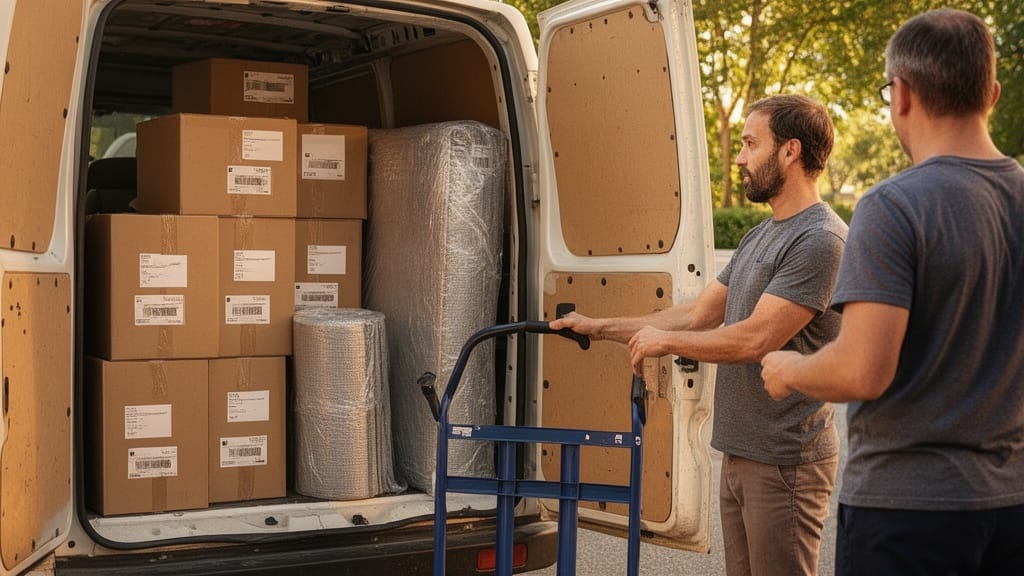
A single moving to a new state checklist prevents the scramble that derails most long-distance moves. Work through these steps in order, starting roughly eight weeks out:
- Research the destination — cost of living, neighborhoods, and tax rates.
- Set a budget — include the hidden costs above, not just the mover’s quote.
- Compare and book a mover — verify the USDOT number and get a written estimate.
- File a USPS change of address — one to two weeks before moving day.
- Transfer utilities — schedule shut-off at the old home and activation at the new one.
- Gather residency proof — lease, deeds, and dated records for taxes and the DMV.
- Update documents after arrival — license, registration, and voter registration within state deadlines.
- Re-establish services — banking, healthcare, insurance, and subscriptions.

Print the list and check items off as you go. The administrative tasks are easy to delay and expensive to forget — license and registration deadlines start the moment you establish residency.
Related Articles
- Moving to Another State: How to Choose the Right Moving Company — How to evaluate and select a licensed carrier for a state-to-state move.
- Best Way to Move Across the Country: A Step-by-Step Guide — A sequenced plan for long-distance relocations from start to finish.
- Best Interstate Moving Companies Compared — An objective look at what separates reliable interstate movers.
- Moving Across the Country: The Complete Relocation Guide — A comprehensive walkthrough of cross-country logistics and budgeting.
- CA to TX Relocation: A Real Cross-Country Move Breakdown — A real-world cost and timeline breakdown of one long-distance move.
Recommended Reading
- What to Know About Interstate Moving?
- Checklist for a Hassle-Free Move
- How to Plan Moving to Another City
- How Much Does Interstate Moving Cost?
- 8 Common Issues with Moving and How to Avoid Them
Frequently Asked Questions