'%3E%3Cpath%20fill='%231B2A47'%20d='M1.605%2016.263c.03-1.139.059-2.482.088-3.971.03-1.49.03-2.832.03-4.03%200-.758%200-1.576-.03-2.51%200-.905-.03-1.84-.03-2.803%200-.496-.028-.964-.028-1.43%200-.468%200-.906-.03-1.315h6.858q2.188%200%203.589.35c.963.234%201.663.643%202.13%201.198.496.555.73%201.372.73%202.394%200%20.788-.176%201.46-.497%201.985-.32.526-.846.935-1.575%201.197-.73.292-1.693.468-2.918.526v.263c1.313.087%202.334.263%203.122.525.758.263%201.342.672%201.692%201.197.35.526.525%201.197.525%202.044%200%201.08-.233%201.927-.67%202.57-.468.642-1.139%201.08-2.102%201.343-.933.262-2.159.408-3.705.408H1.605zm6.537-9.197q1.882%200%202.713-.526c.555-.35.817-.934.817-1.752%200-.905-.292-1.547-.846-1.927s-1.459-.554-2.655-.554H4.757v4.759zm.204%206.92c.934%200%201.663-.088%202.217-.263.555-.176.934-.438%201.197-.818s.38-.876.38-1.518c0-.876-.322-1.49-.934-1.84-.643-.35-1.635-.525-3.035-.525H4.757v4.963zM21.038%2016.555c-1.576%200-2.801-.292-3.618-.905-.817-.614-1.284-1.519-1.372-2.745-.087-1.226.205-2.774.847-4.613s1.43-3.358%202.392-4.584c.963-1.226%202.043-2.131%203.298-2.744C23.839.292%2025.24%200%2026.786%200c1.576%200%202.772.321%203.59.934.816.613%201.283%201.548%201.37%202.774s-.203%202.774-.845%204.613c-.642%201.81-1.43%203.358-2.393%204.584s-2.072%202.132-3.297%202.745a9.8%209.8%200%200%201-4.173.905m.788-2.278c.642%200%201.138-.058%201.371-.116.205-.059.496-.117.847-.322.262-.146.437-.292.554-.408.204-.175.32-.292.438-.41.204-.203.35-.408.496-.583.35-.438.642-.876.963-1.402.233-.408.466-.817.67-1.284.205-.438.38-.905.555-1.372.438-1.198.671-2.278.671-3.183s-.204-1.606-.612-2.131c-.409-.497-1.051-.76-1.897-.76-.467%200-.934.059-1.43.205h-.03c-1.02.292-1.925%201.226-2.042%201.372-.116.117-.467.526-.963%201.343a15.5%2015.5%200%200%200-1.342%202.92c-.408%201.197-.642%202.277-.671%203.182-.03.906.175%201.636.584%202.161q.611.788%201.838.788M14.853%2038.54c-1.576%200-2.802-.292-3.619-.905s-1.284-1.518-1.371-2.744c-.088-1.227.204-2.774.846-4.614s1.43-3.357%202.393-4.584%202.042-2.13%203.297-2.744c1.255-.613%202.655-.905%204.173-.905%201.575%200%202.772.321%203.589.934s1.284%201.548%201.371%202.774c.088%201.226-.204%202.774-.846%204.613-.642%201.81-1.43%203.358-2.393%204.584s-2.072%202.131-3.297%202.745c-1.226.613-2.626.846-4.143.846m.787-2.277c.642%200%201.138-.059%201.372-.117.204-.058.496-.117.846-.321.263-.146.438-.292.554-.409.205-.175.321-.292.438-.409.204-.204.35-.408.496-.584a13%2013%200%200%200%201.634-2.686c.204-.438.38-.905.555-1.372.437-1.197.67-2.277.67-3.182%200-.906-.203-1.606-.612-2.132-.409-.496-1.05-.759-1.897-.759-.467%200-.934.058-1.43.204h-.029c-1.021.292-1.925%201.227-2.042%201.373-.117.116-.467.525-.963%201.343a15.5%2015.5%200%200%200-1.342%202.92c-.409%201.196-.642%202.277-.671%203.182s.175%201.635.583%202.16q.613.789%201.838.789'/%3E%3Cpath%20fill='%23FF515E'%20d='M55.966%2038.57c-1.576%200-2.801-.293-3.618-.906s-1.284-1.518-1.372-2.744c-.087-1.227.204-2.774.846-4.613s1.43-3.358%202.393-4.584c.963-1.227%202.043-2.132%203.297-2.745s2.656-.905%204.173-.905c1.576%200%202.772.321%203.589.934s1.284%201.548%201.371%202.774c.088%201.226-.204%202.774-.846%204.613-.642%201.81-1.43%203.358-2.393%204.584s-2.071%202.131-3.297%202.745c-1.225.613-2.626.846-4.143.846m.788-2.249c.642%200%201.138-.058%201.371-.117.204-.058.496-.116.846-.32.263-.147.438-.293.555-.41a7%207%200%200%200%20.437-.408c.205-.205.35-.41.496-.584a13%2013%200%200%200%201.634-2.686c.205-.438.38-.905.555-1.373.438-1.197.671-2.277.671-3.182s-.204-1.606-.613-2.131c-.408-.497-1.05-.76-1.896-.76-.467%200-.934.059-1.43.205h-.03c-1.02.292-1.925%201.226-2.042%201.372-.117.117-.467.526-.963%201.343a15.5%2015.5%200%200%200-1.342%202.92c-.409%201.197-.642%202.277-.671%203.182s.175%201.635.583%202.16q.614.79%201.839.79'/%3E%3Cpath%20fill='%231B2A47'%20d='M33.06%2016.263c0-.35%200-.935.03-1.81.029-1.051.058-2.103.058-3.154s.03-2.073.03-3.007c0-1.606-.03-3.27-.06-4.993%200-.554-.028-1.08-.028-1.606%200-.525-.03-1.021-.03-1.46h6.828c1.46%200%202.685.117%203.59.38q1.4.394%202.1%201.314.7.963.7%202.628c0%20.992-.174%201.81-.554%202.452-.35.643-.904%201.11-1.604%201.431s-1.576.467-2.627.496v.263q2.058.087%203.064.876c.671.525%201.138%201.372%201.43%202.51.087.41.233%201.023.467%201.84.233.818.408%201.431.554%201.84h-3.414a11%2011%200%200%200-.262-1.022c-.321-1.314-.526-2.19-.584-2.628a5%205%200%200%200-.642-1.46%202.13%202.13%200%200%200-.963-.73c-.408-.146-.934-.233-1.605-.233h-3.326v6.0440000000000005H33.06zm6.332-8.292c1.343%200%202.276-.205%202.86-.613.554-.41.846-1.11.846-2.073%200-.73-.146-1.314-.408-1.723-.263-.409-.671-.7-1.197-.876q-.788-.263-2.1-.263h-3.181v5.519h3.18zM49.4%2016.263l.03-2.745c.029-2.452.029-4.905.029-7.416q0-2.101-.088-5.868h4.085l5.924%2010.335c.087.234.204.438.291.643.117.204.205.408.321.613.38.788.613%201.255.672%201.372h.262c0-.058-.03-.146-.03-.204%200-.059-.028-.117-.028-.175a75%2075%200%200%201-.175-1.314%2010%2010%200%200%201-.088-1.285c0-1.547%200-3.737-.029-6.57V1.84c0-.584-.03-1.11-.03-1.576h2.977c-.03%202.482-.058%205.08-.058%207.766%200%201.694%200%204.438.029%208.292h-4.027l-5.573-9.43c-.875-1.81-1.226-2.511-1.05-2.132-.263-.613-.467-1.08-.613-1.46h-.263c.058.35.117.876.175%201.548.059.7.117%201.168.117%201.46%200%202.978%200%206.306.029%209.985H49.4zM4.698%2038.277c.029-2.627.058-5.255.058-7.883%200-1.576%200-3.503-.029-5.752-1.109%200-2.684%200-4.727.03v-2.453h12.664v2.453c-1.955-.03-3.53-.03-4.756-.03%200%20.584-.03%201.227-.03%201.957s0%201.46-.029%202.218v1.84c0%202.57.03%205.11.059%207.62z'/%3E%3Cpath%20fill='%23FF515E'%20d='M29.441%2038.277c.409-1.05.788-2.102%201.168-3.182s.787-2.16%201.167-3.241c.613-1.693%201.05-2.949%201.342-3.766l1.255-3.65c.116-.38.262-.788.379-1.139.117-.38.263-.73.38-1.05h4.61l-.671%2012.904h.262l8.316-12.905h4.669l-.7%201.869c-.876%202.452-1.343%203.766-1.43%204a501%20501%200%200%200-3.385%2010.16h-2.947c.292-.846.788-2.219%201.459-4.087.175-.526.35-1.08.554-1.606.175-.526.38-1.08.555-1.577.642-1.81%201.342-3.825%202.072-6.014h-.234l-8.724%2013.314h-2.86l.554-13.314h-.175c-.175.496-.38.992-.554%201.489-.175.496-.38%201.022-.555%201.547a163%20163%200%200%200-1.08%203.008c-.145.38-.262.759-.408%201.138-.117.38-.262.73-.408%201.11-.7%201.898-1.284%203.59-1.751%205.05h-2.86zM68.047%2038.277c.175-2.19.32-4.525.467-7.007.058-.905.204-3.912.467-9.051h3.151c-.03.438-.058.934-.088%201.46s-.058%201.08-.087%201.693a264%20264%200%200%201-.409%206.657c-.145%201.986-.35%203.591-.583%204.788h.175Q72.147%2034.892%2073.94%2032a562%20562%200%200%201%204.465-7.066c.32-.496.641-.992.933-1.46s.555-.875.817-1.255h3.268q-.568.832-1.138%201.752c-.408.613-.787%201.255-1.196%201.927-3.88%206.014-6.478%2010.131-7.85%2012.35h-5.193zM79.106%2038.277c.32-.788.758-2.014%201.37-3.65a287%20287%200%200%200%201.577-4.32c.437-1.256.904-2.628%201.4-4.088s.934-2.774%201.313-3.97h11.322l-.846%202.364H87.1l-1.664%204.847%207.645-.088-.612%201.694-7.587-.088-1.75%204.934h8.286l-.846%202.365z'/%3E%3C/g%3E%3Cdefs%3E%3CclipPath%20id='a'%3E%3Cpath%20fill='%23fff'%20d='M0%200h96v40H0z'/%3E%3C/clipPath%3E%3C/defs%3E%3C/svg%3E)
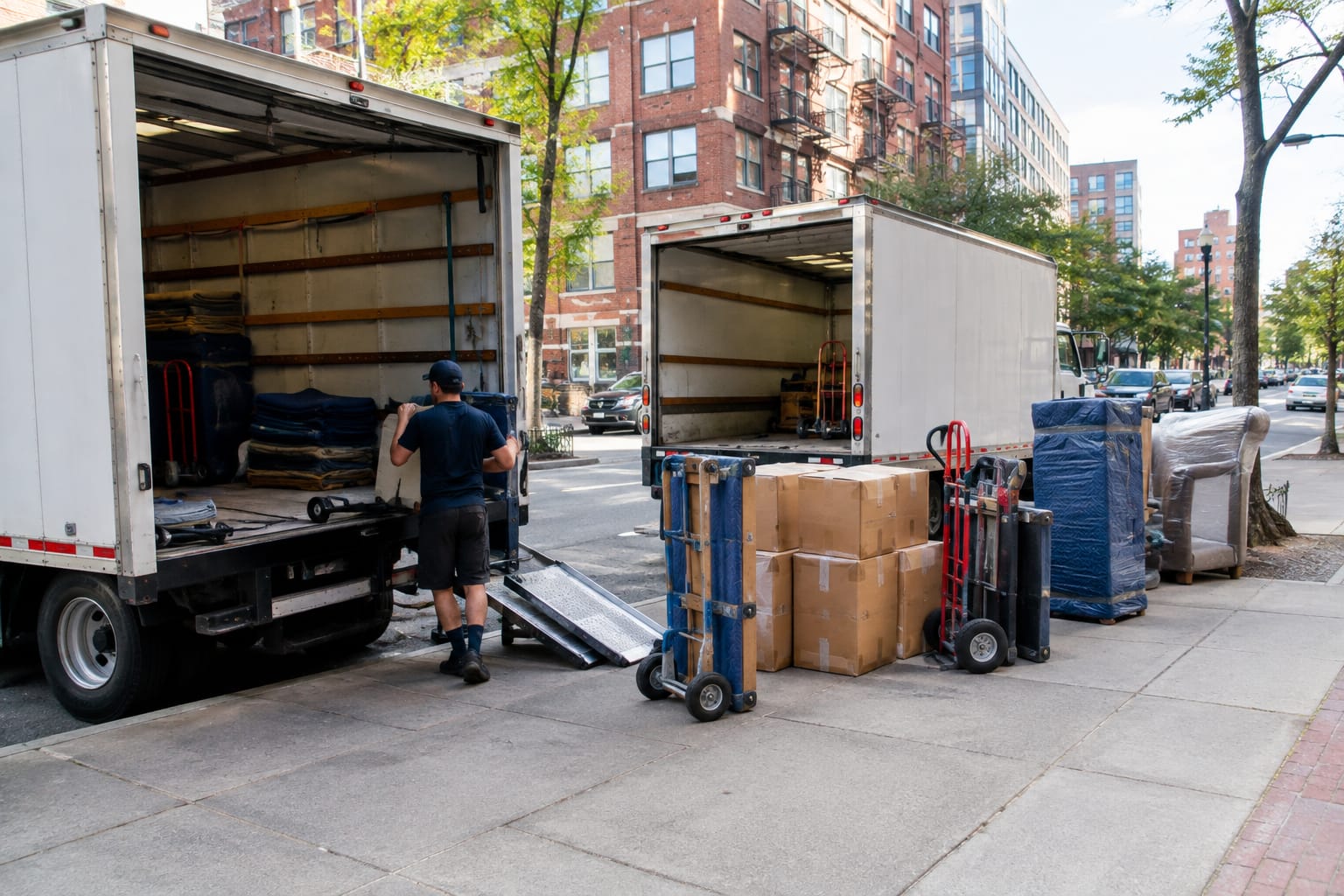
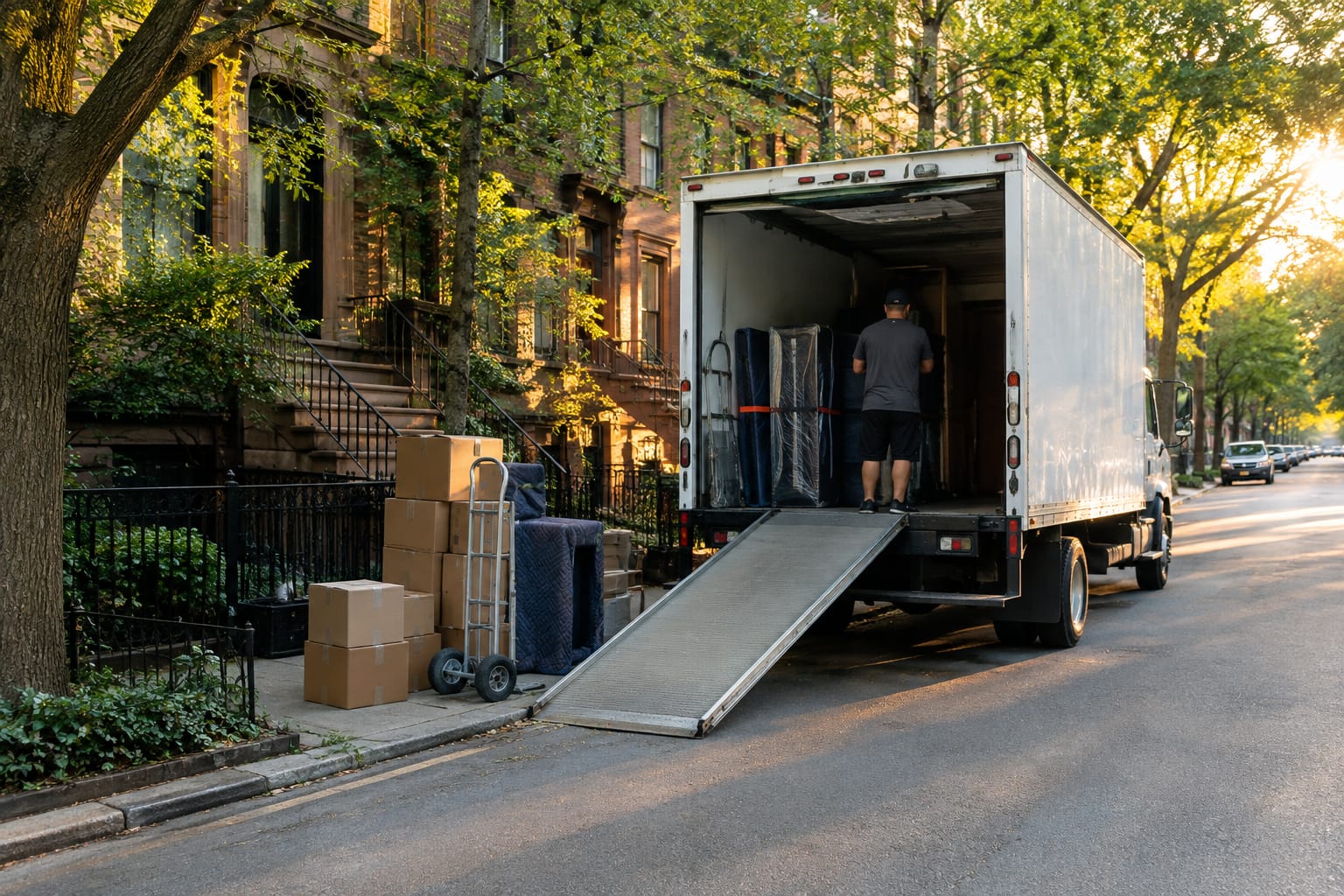
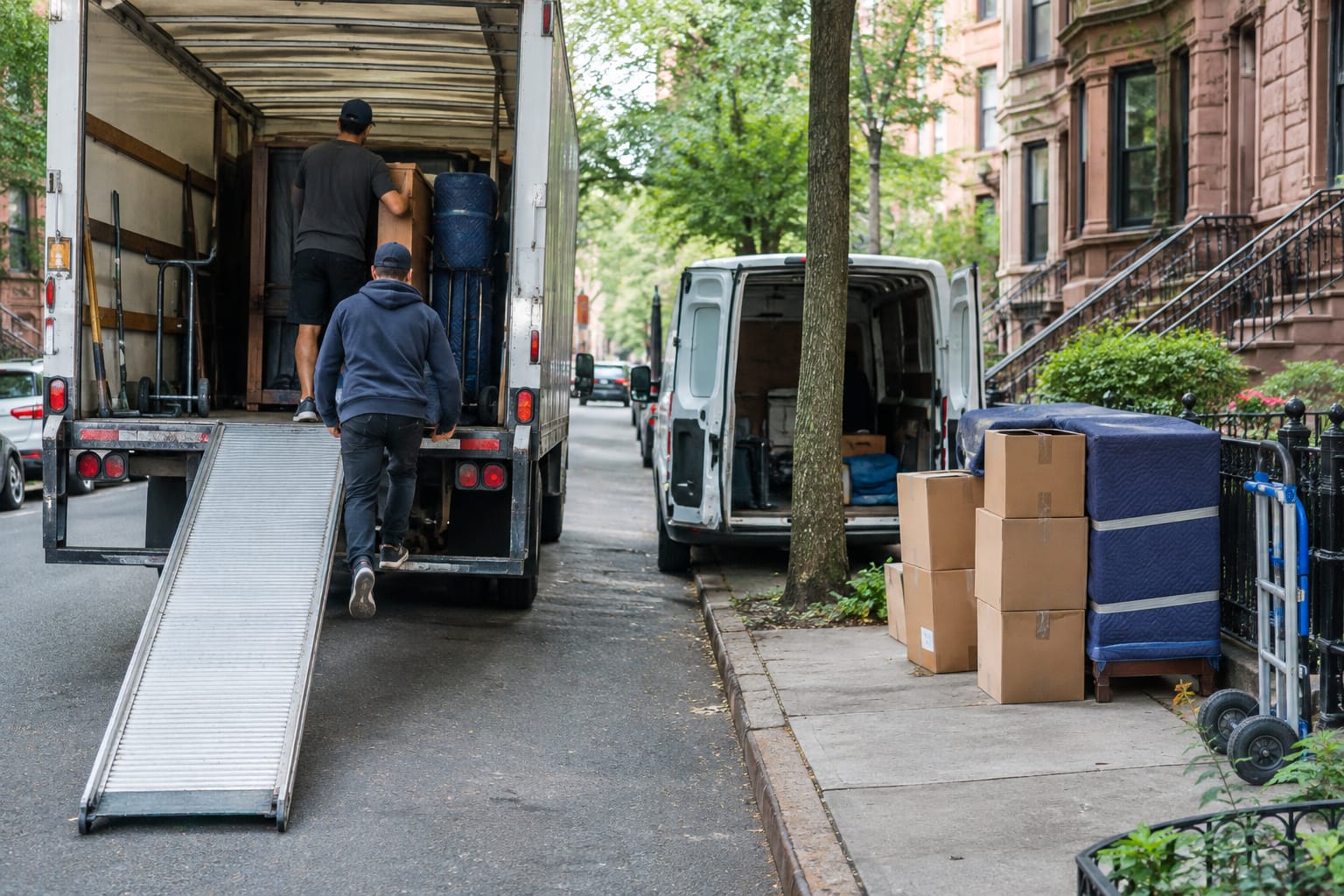
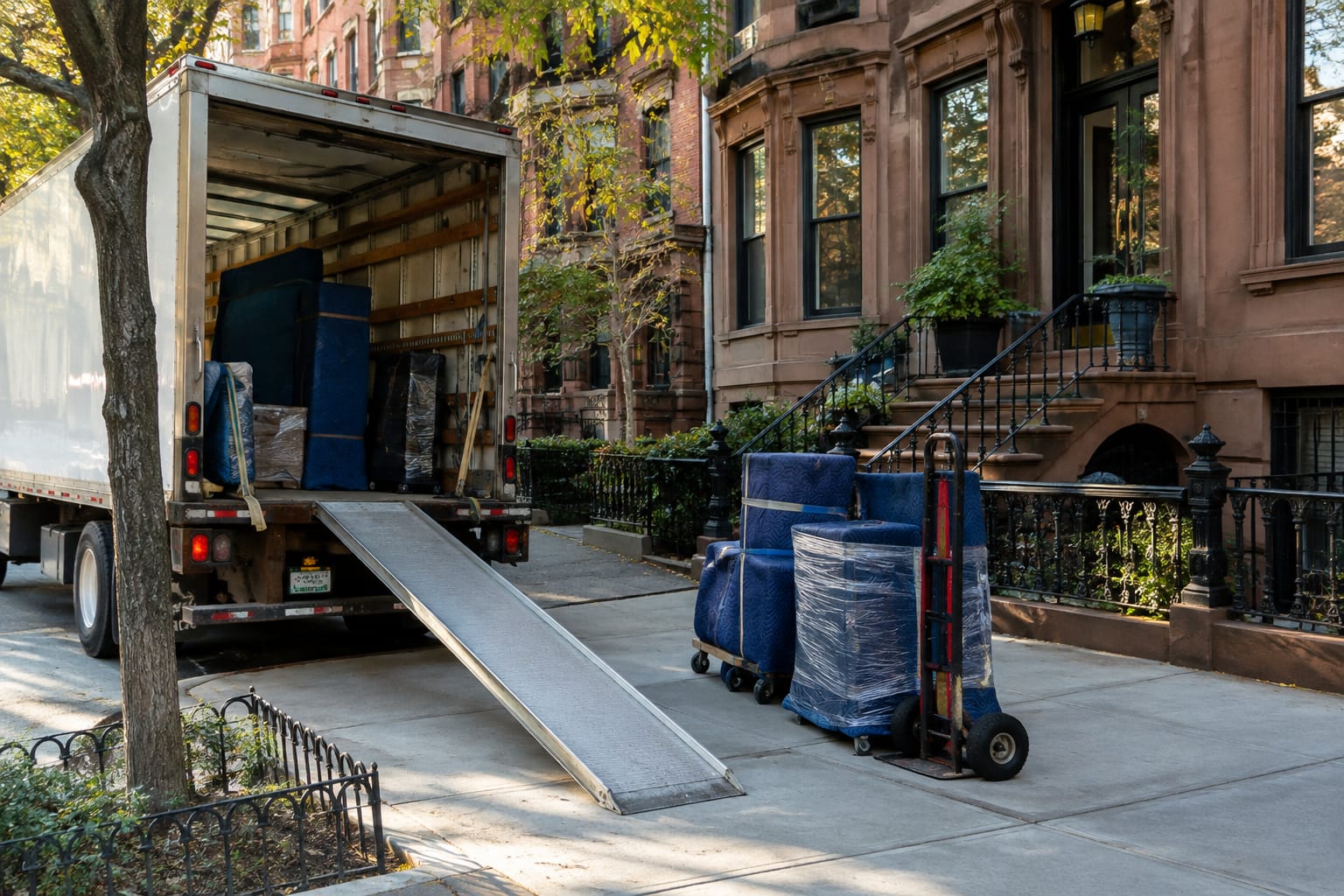
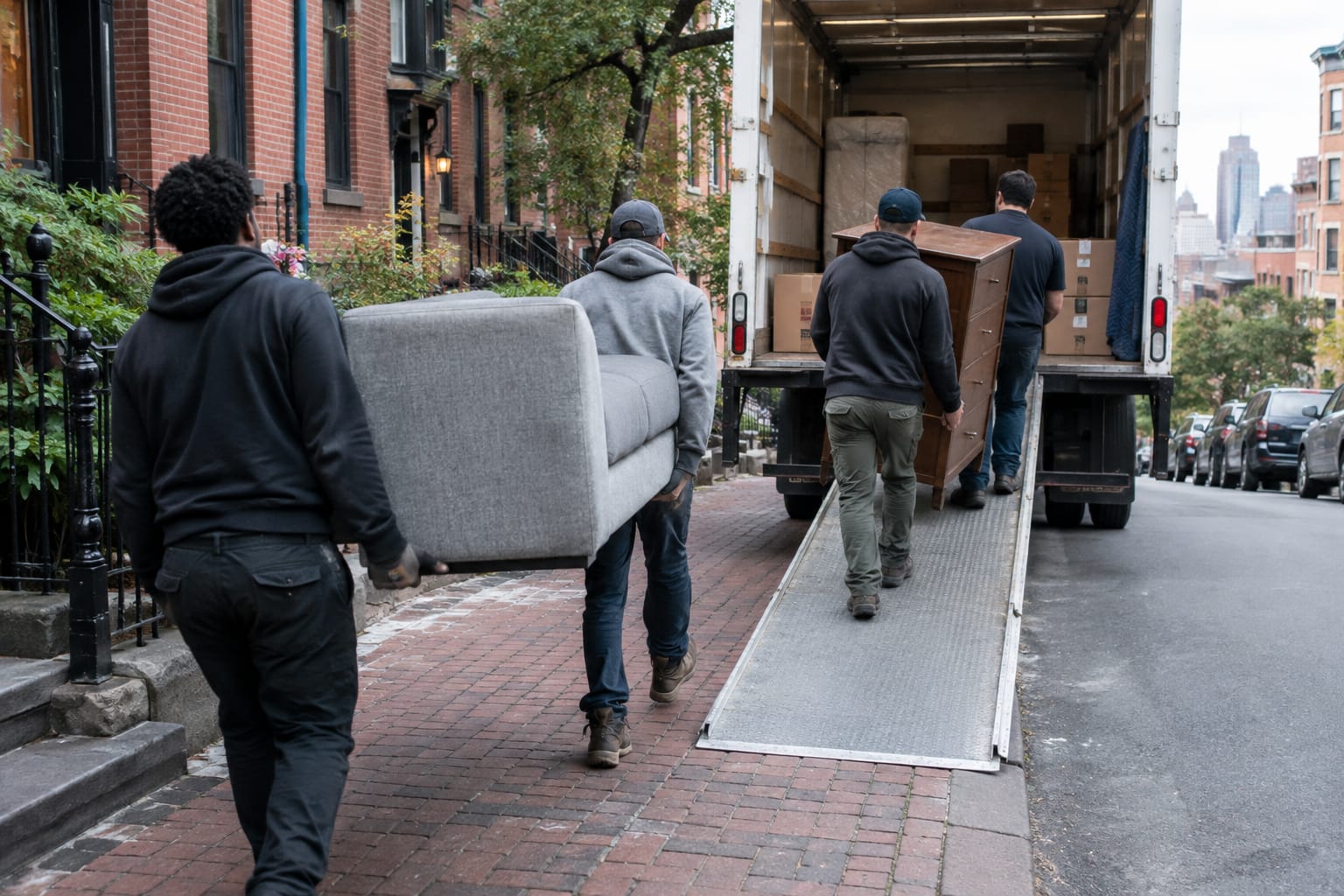
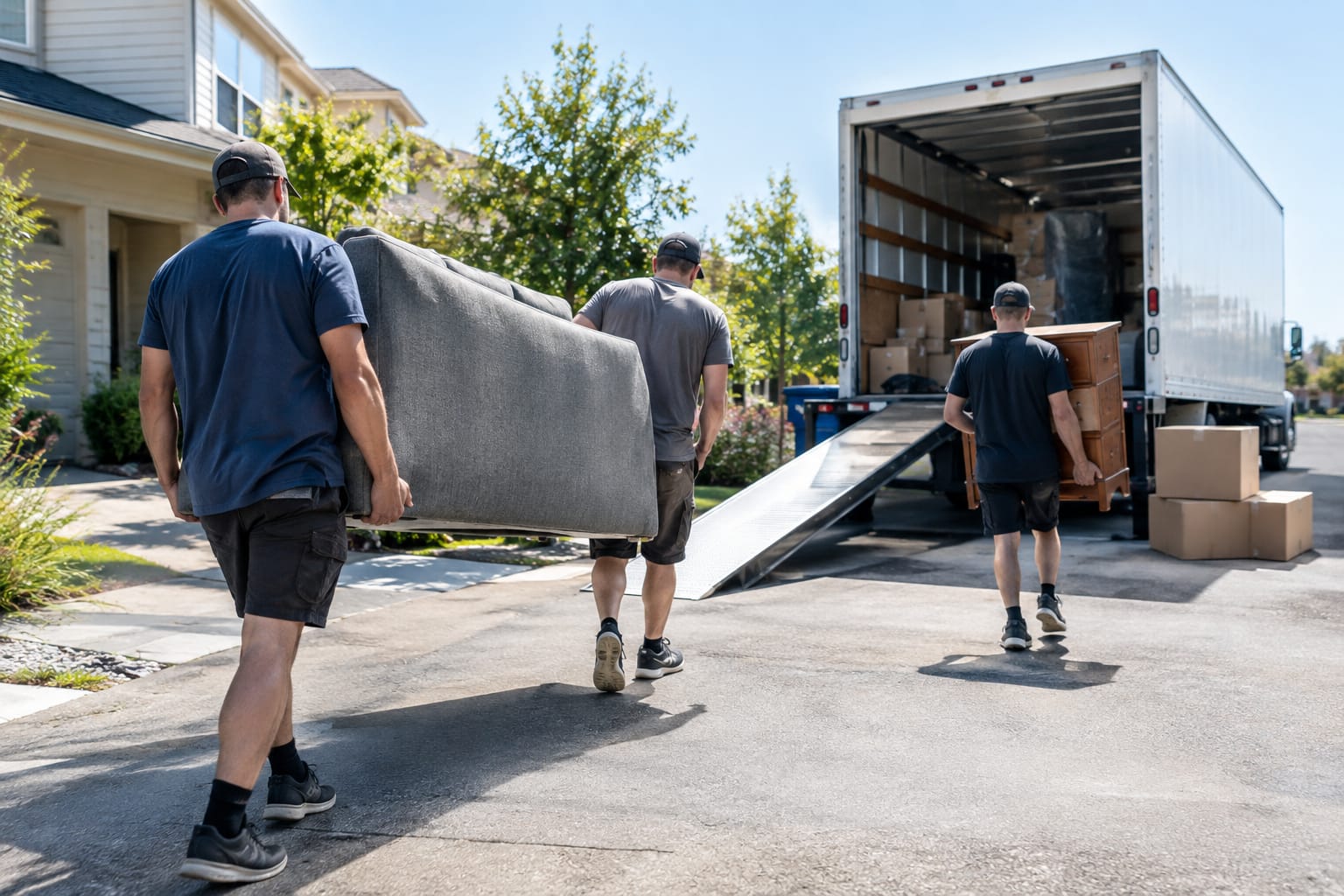
Professional movers protect furniture by wrapping each piece in thick moving blankets, locking that padding in place with stretch plastic film, disassembling oversized items, and rolling out floor runners before anything moves. This layered system stops scratches, dents, and breakage at the source. The result is furniture that arrives looking exactly as it did when it left.
Damage during relocation is common, yet most of it is preventable with the right method and materials. The sections below break down each protection technique movers use, what to look for in a crew, and how to handle the trickiest items in your home.

Why Furniture Protection Matters on Moving Day
Furniture damage is the single most common complaint after a move, and it almost always traces back to skipped padding or rushed handling. Every year millions of U.S. households relocate, according to Census Bureau geographic mobility data, and each move pushes heavy, awkward pieces through doorways, stairwells, and truck rides.
A scratched dresser or cracked table leg is more than cosmetic. Repairs cost time and money, and sentimental or antique pieces may be irreplaceable. Proper protection turns a high-risk day into a routine one.
Q: How often does furniture get damaged during a move?
A: Most moving damage is preventable; the Federal Motor Carrier Safety Administration’s Protect Your Move program notes that many claims involve items that were inadequately wrapped or secured.
Preventing moving damage starts before the truck arrives. Experienced crews assess each room, flag fragile pieces, and pad them in a deliberate order. The prep guide on how to prepare furniture when relocating covers the groundwork that makes wrapping faster.
Blanket and Plastic Wrap: How Movers Shield Your Belongings
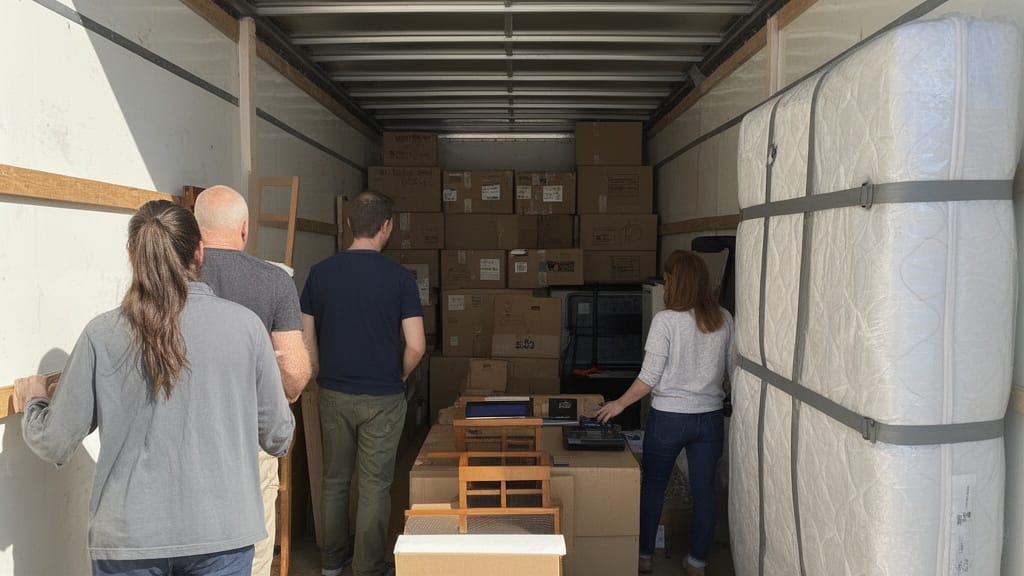
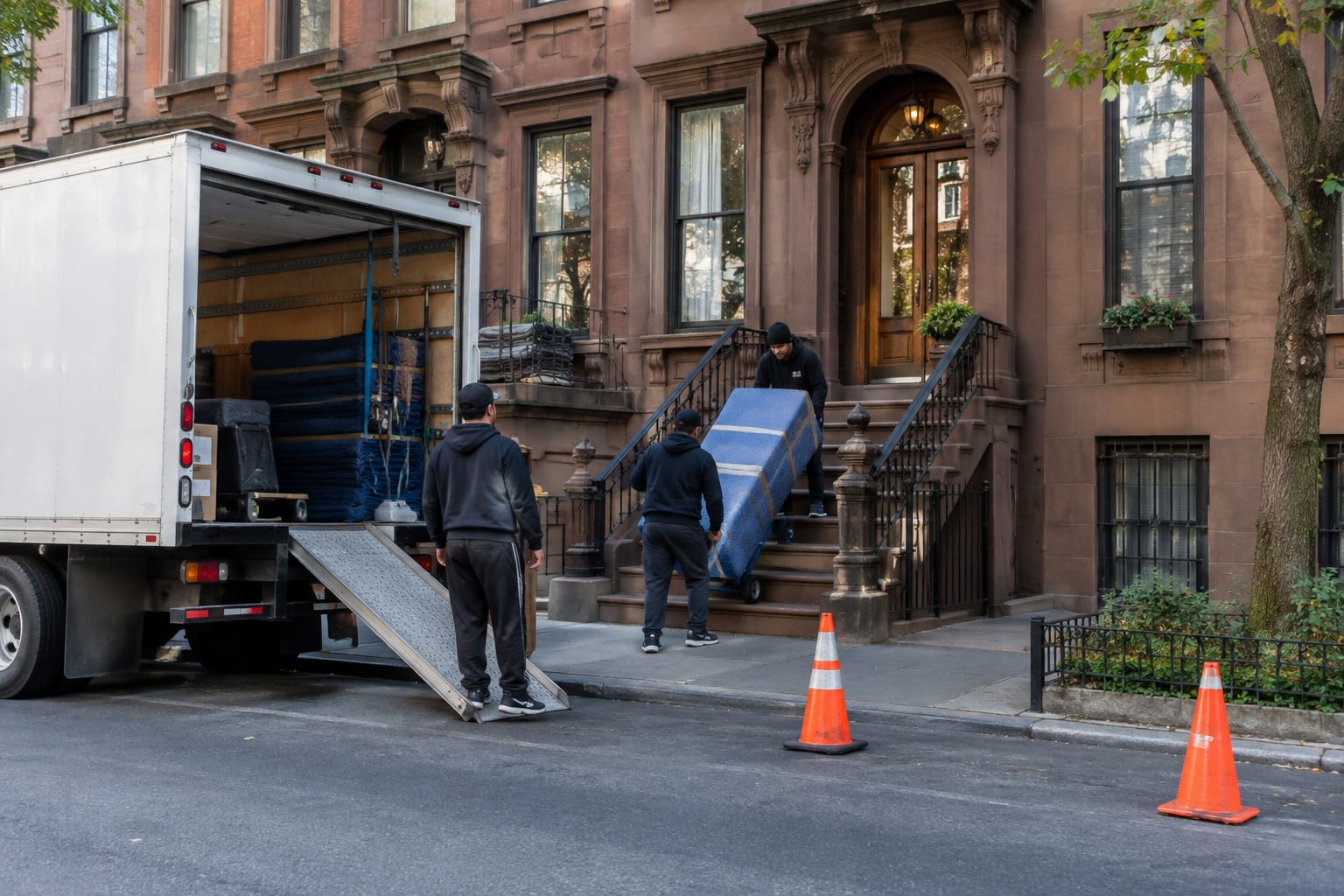
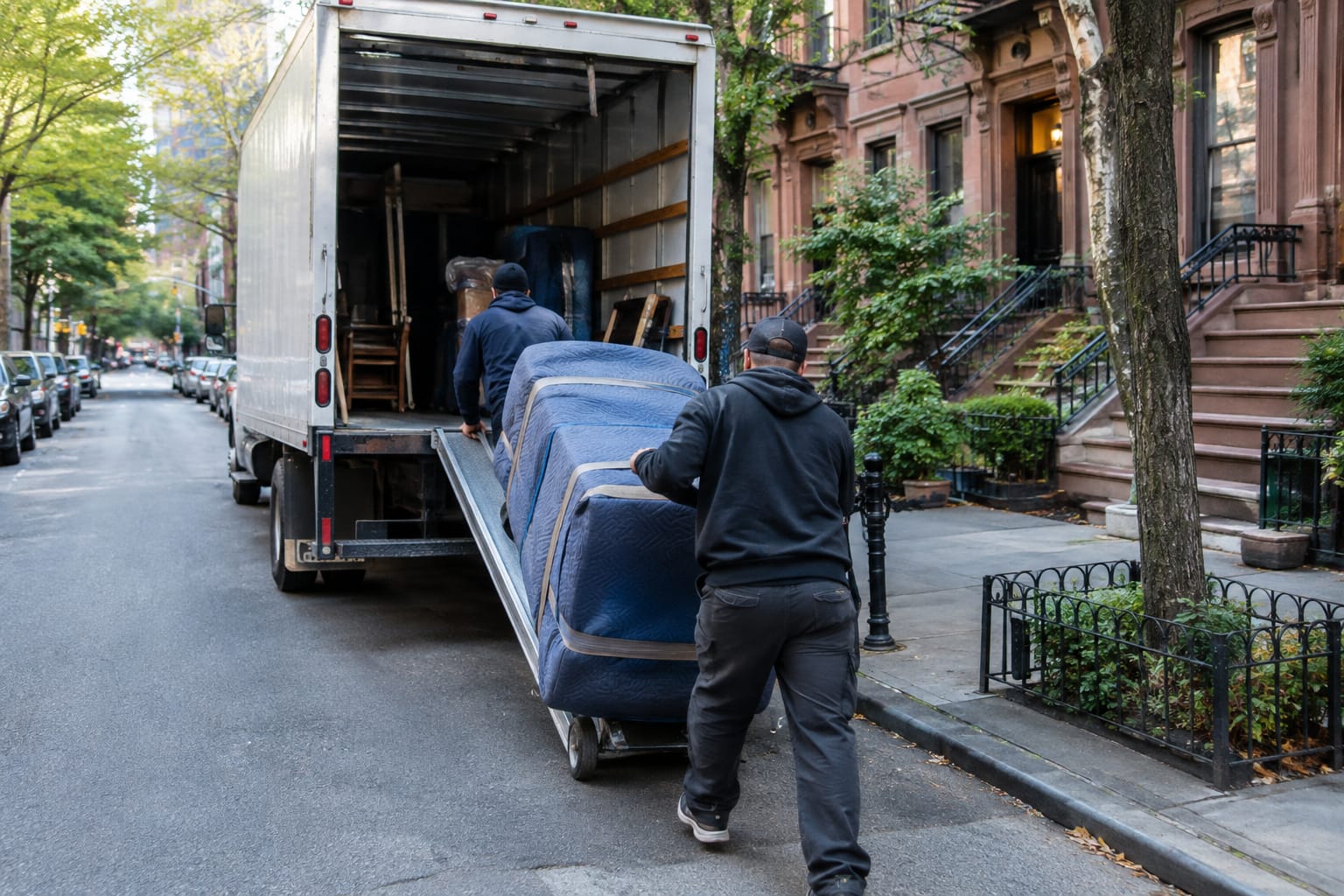
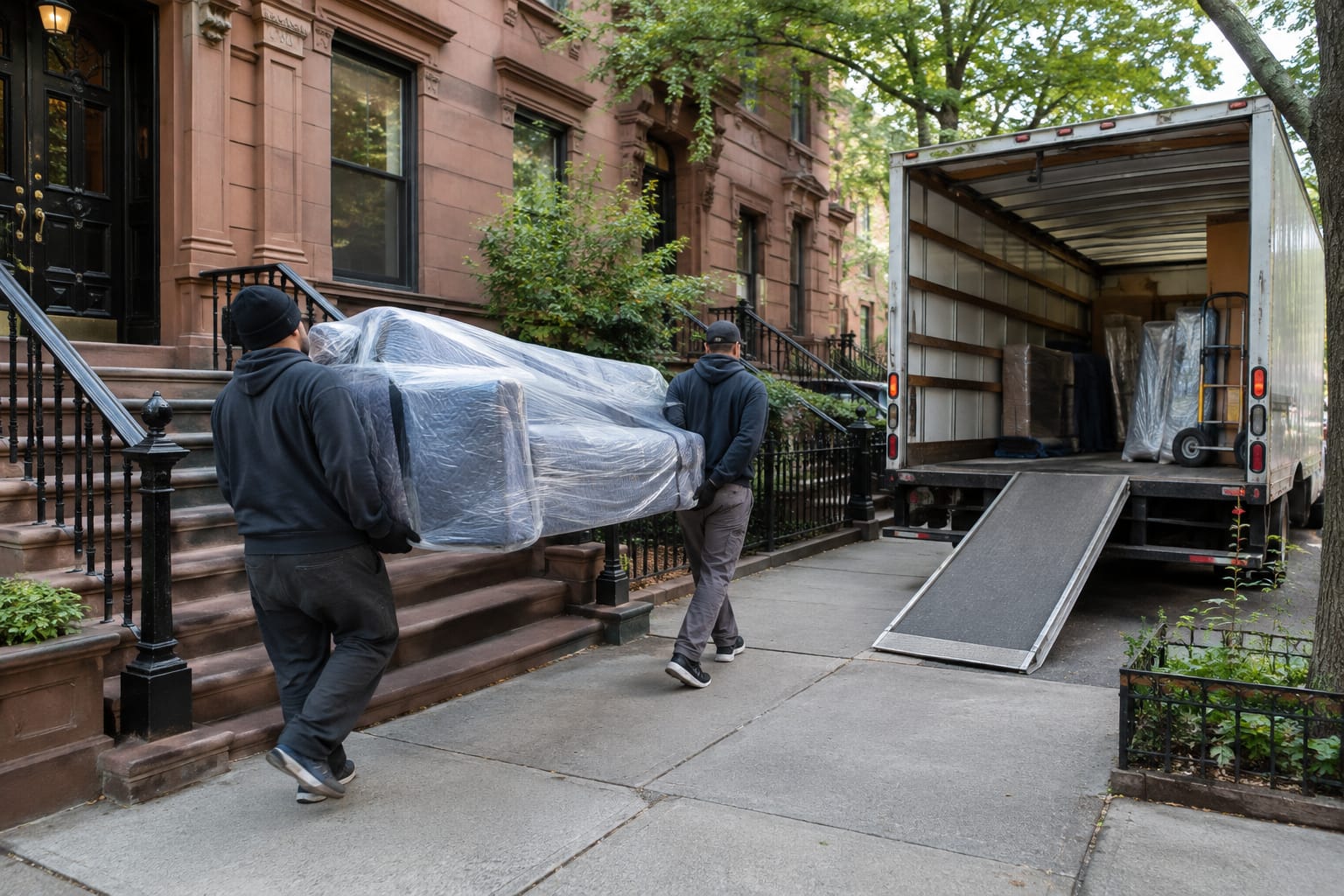
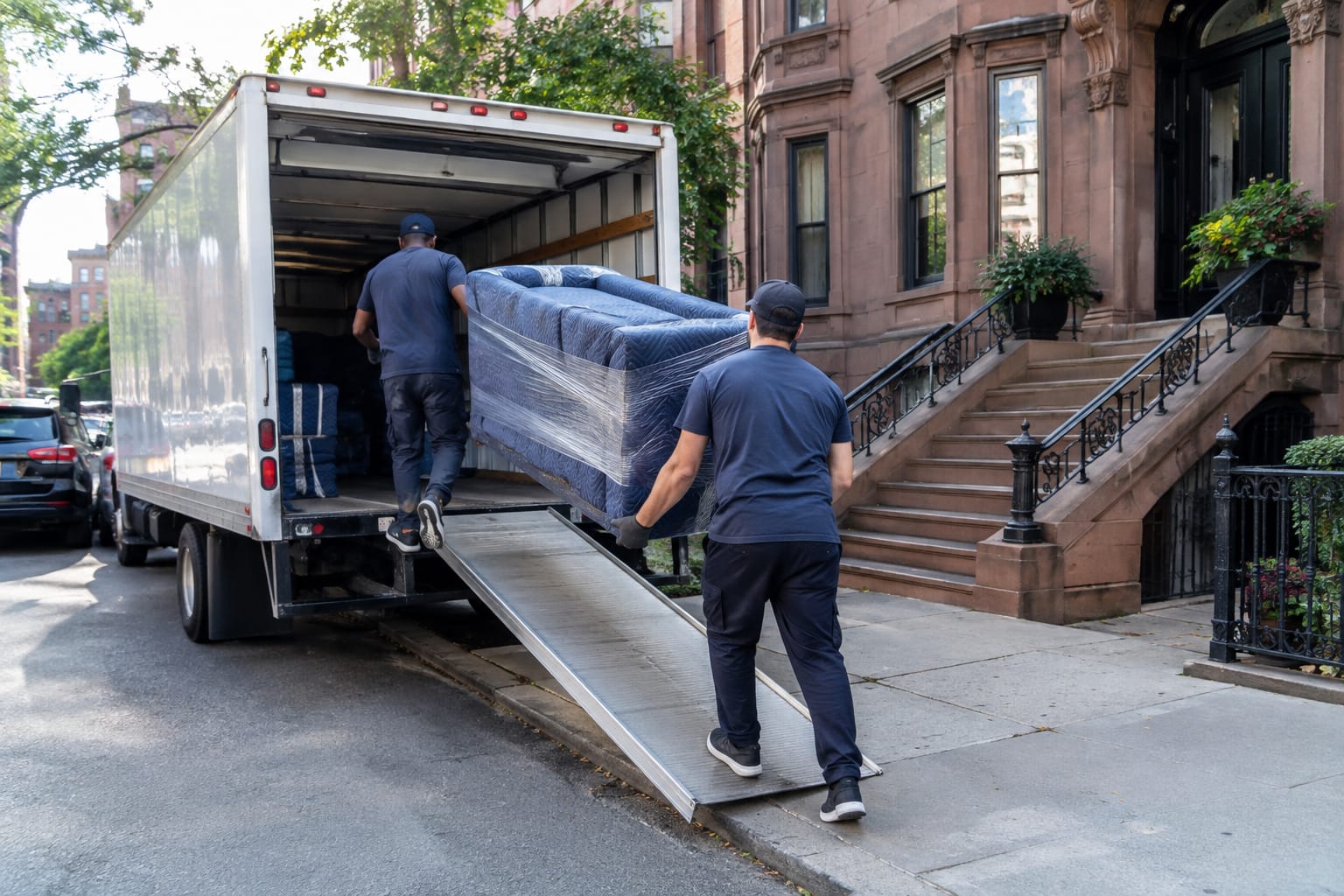
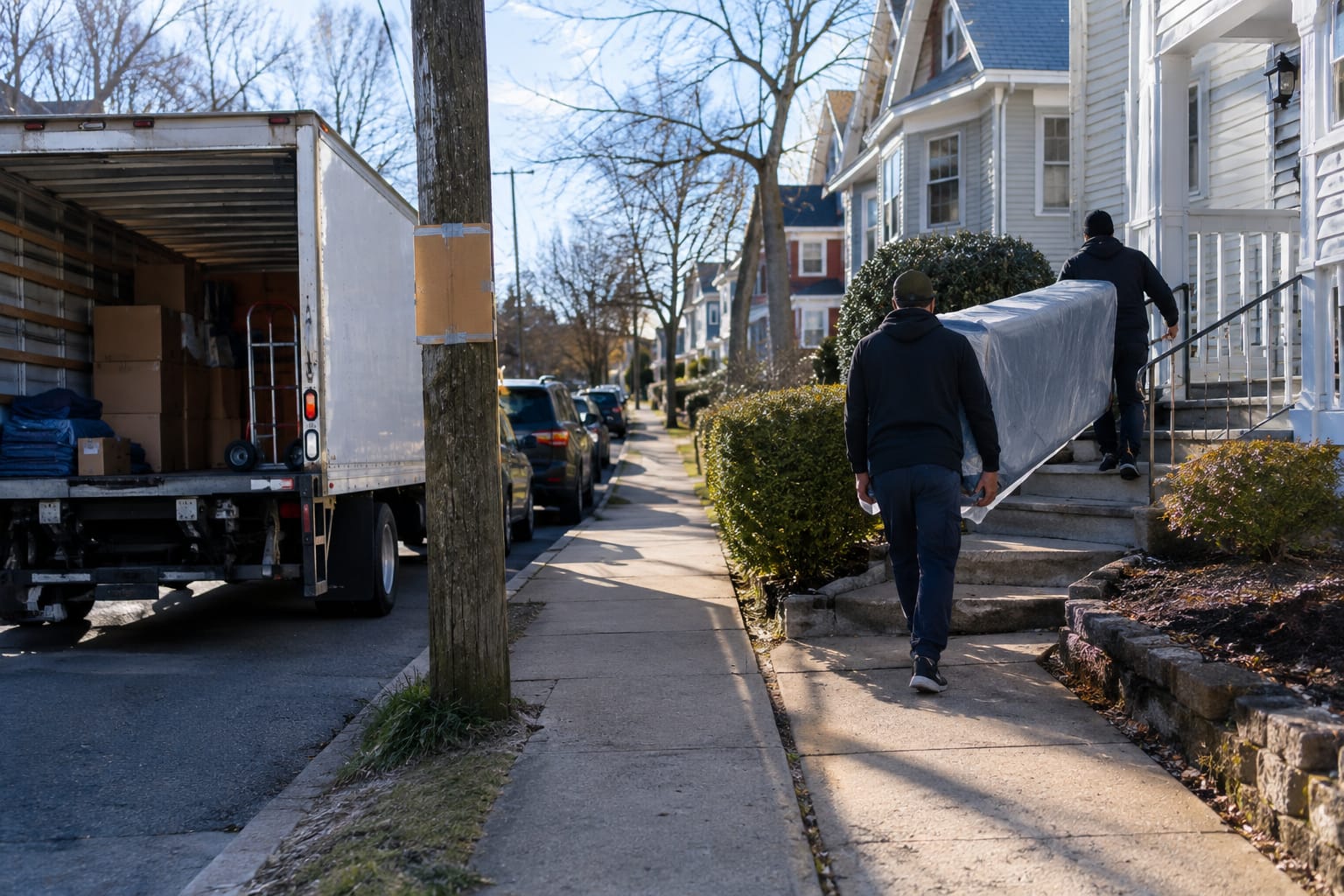
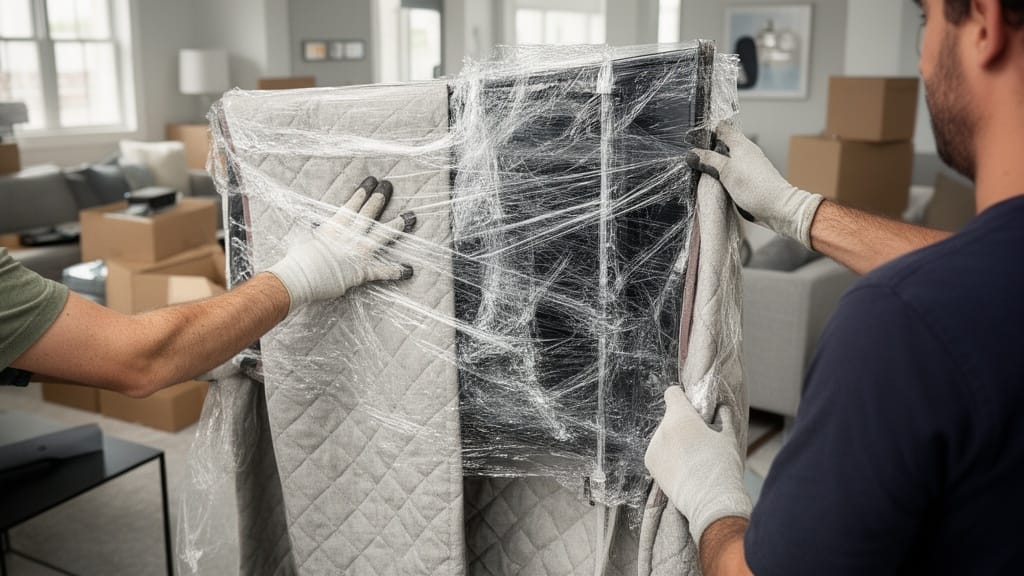
Furniture wrapping for moving follows a two-step rule: pad first, then plastic. Movers drape thick quilted blankets over every surface, then bind them with stretch film so nothing shifts in transit. The blanket absorbs impact; the plastic holds the blanket and keeps out dirt and moisture.
Blanket wrapping movers use specialized quilted furniture pads, not household quilts. Each pad covers corners, legs, and flat panels — the spots most likely to take a hit.
Different materials do different jobs. Here is how the core supplies map to the items they protect:
| Material | Best For | Protects Against |
|---|---|---|
| Quilted moving blankets | Dressers, tables, sofas | Scratches, dents, impact |
| Stretch plastic film | Upholstery, securing pads | Dirt, moisture, shifting |
| Bubble wrap | Mirrors, glass, electronics | Cracks, shattering |
| Corrugated cardboard sheets | Tabletops, headboards | Surface gouges |
| Foam corner guards | Cabinet and frame edges | Corner crushing |
For glass-front cabinets and screens, crews layer bubble wrap under the blanket. The breakdown of bubble wrap types and how to use them explains which grade suits each fragile surface.
Pro Tip: Never apply stretch film directly to wood, leather, or bare upholstery for long hauls. Trapped plastic can pull finish or hold condensation — always pad first, then wrap.
Floor Protection and Safeguarding Your Home
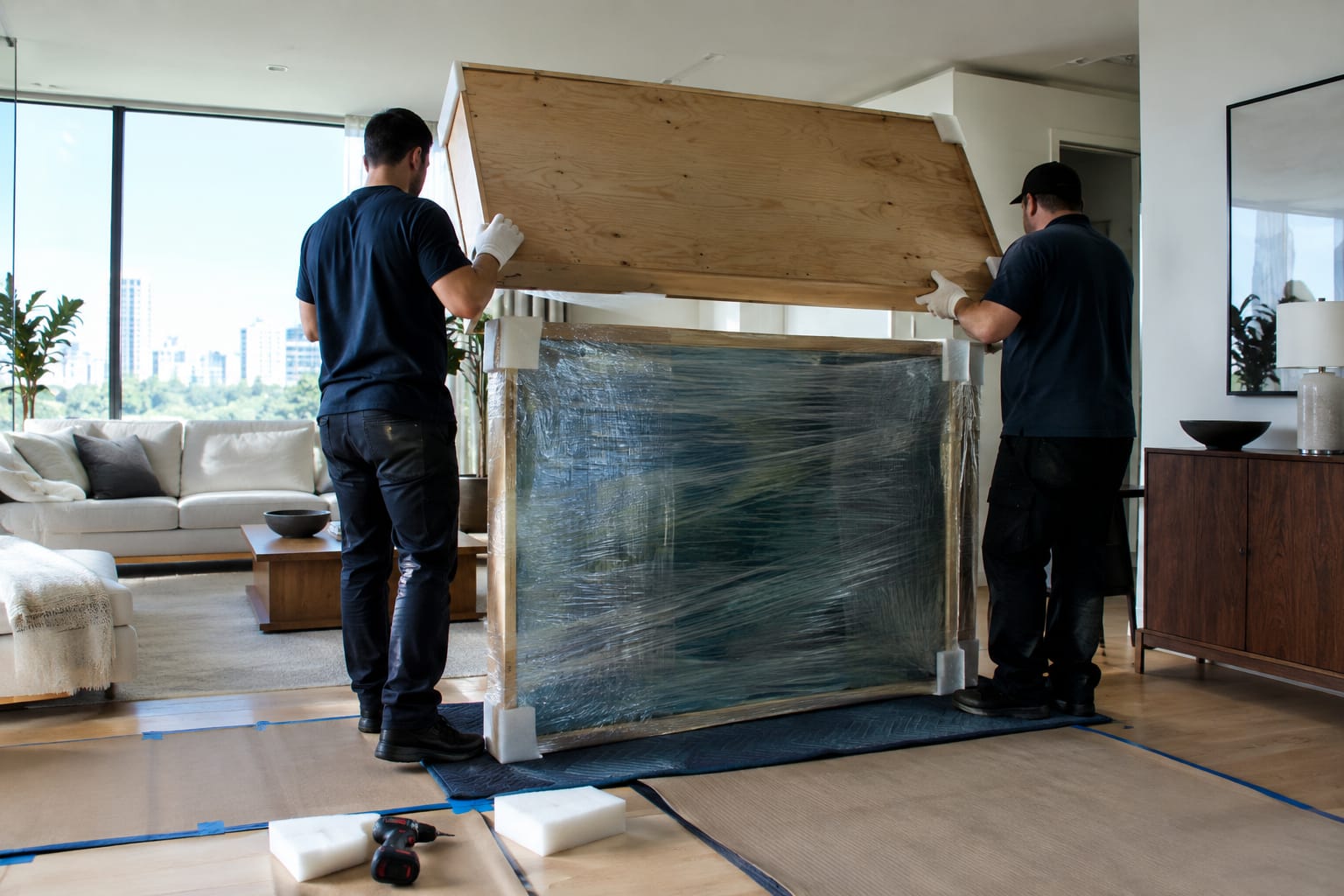
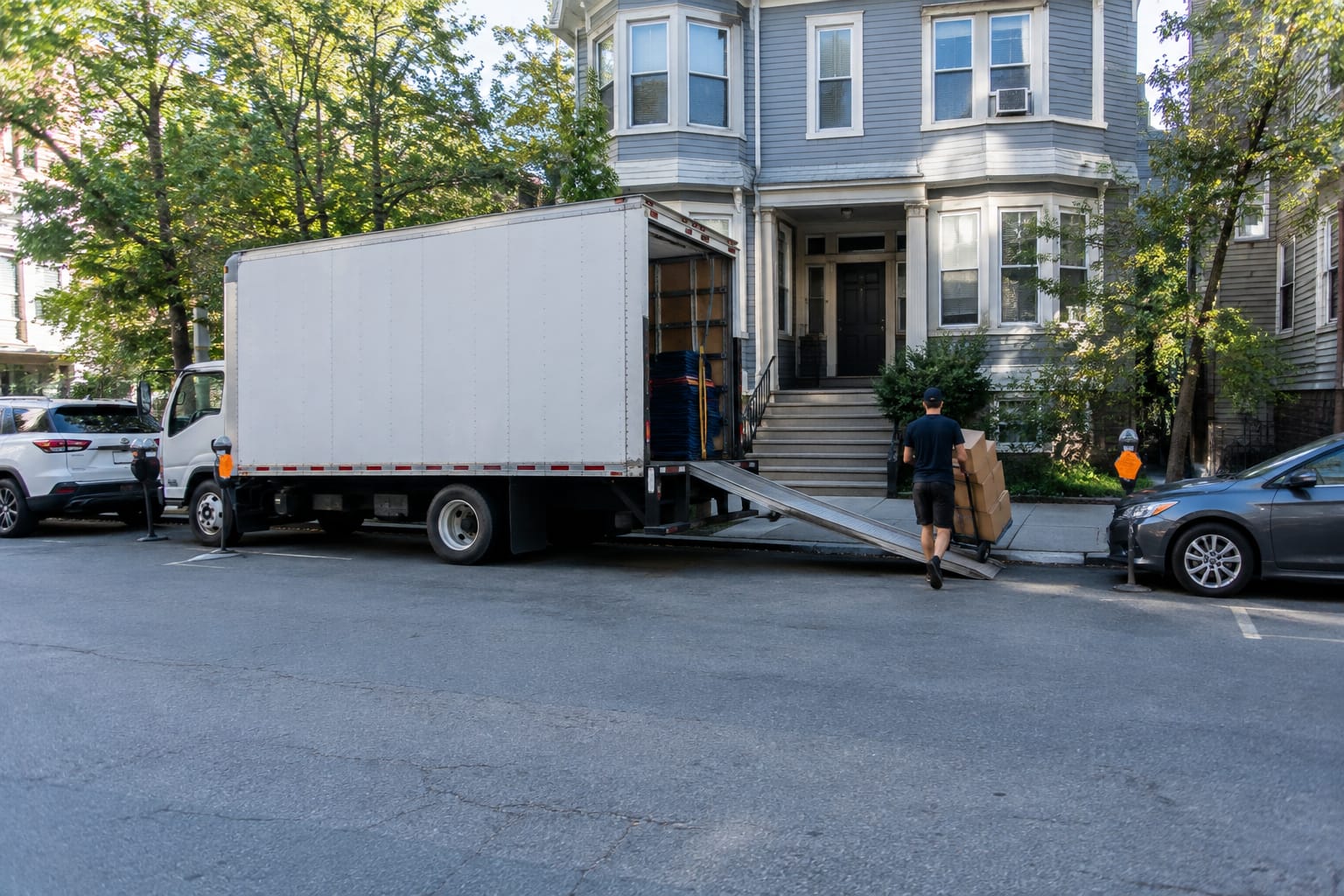
Floor protection during move day shields the surfaces a crew walks over hundreds of times. Movers lay neoprene or felt runners across hardwood, ram board over high-traffic paths, and adhesive film on carpet to catch grit and dolly wheels.
Wall and doorway protection matters just as much. Padded door-jamb covers and corner guards prevent the gouges that happen when a sofa rounds a tight hallway.
Pro Tip: Ask whether the crew protects both your origin and destination homes. Many damage claims happen at the new address, where movers rush to finish and skip the floor runners.
Protecting the building isn’t only courtesy. For renters it protects a security deposit, and for sellers it preserves a home’s condition before closing. A crew that arrives with runners, masonite, and jamb pads signals a process built around preventing moving damage.
Handling Large, Heavy, and Fragile Items
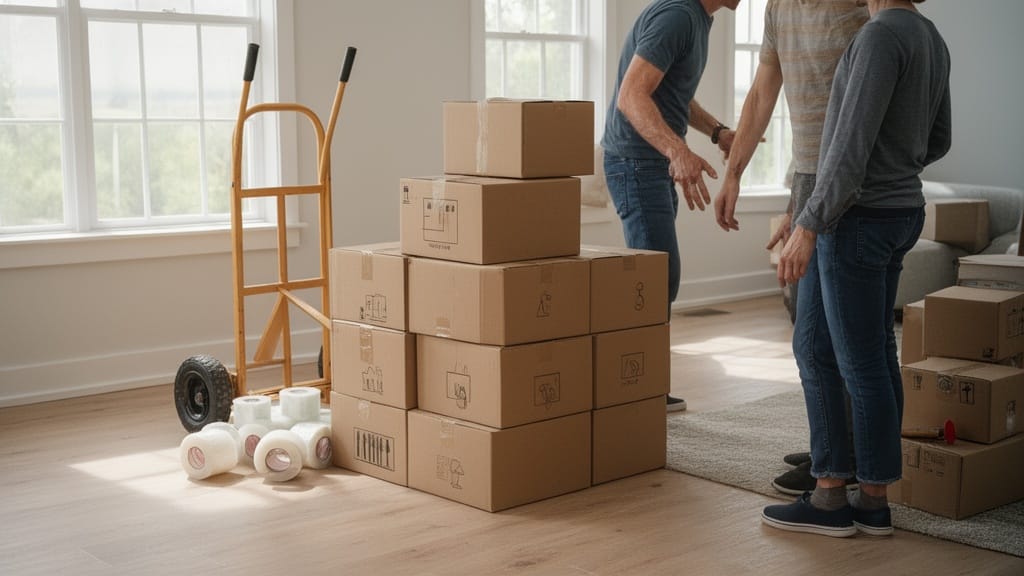
Moving fragile items safely means matching the technique to the object. Movers disassemble what they can, crate what they can’t, and assign extra hands to anything over a few hundred pounds.
Pianos, aquariums, and antiques each demand a specific approach:
- Pianos ride on a padded board or skid, strapped upright, with all casters secured. The full method is in these piano moving tips.
- Aquariums must be fully drained, with glass panels padded and the tank braced to prevent seam stress.
- Antiques get custom crating or extra blanket layers; finishes are never taped directly.
- Mirrors and artwork travel in mirror cartons, edges foamed, faces taped in an X to contain any break.
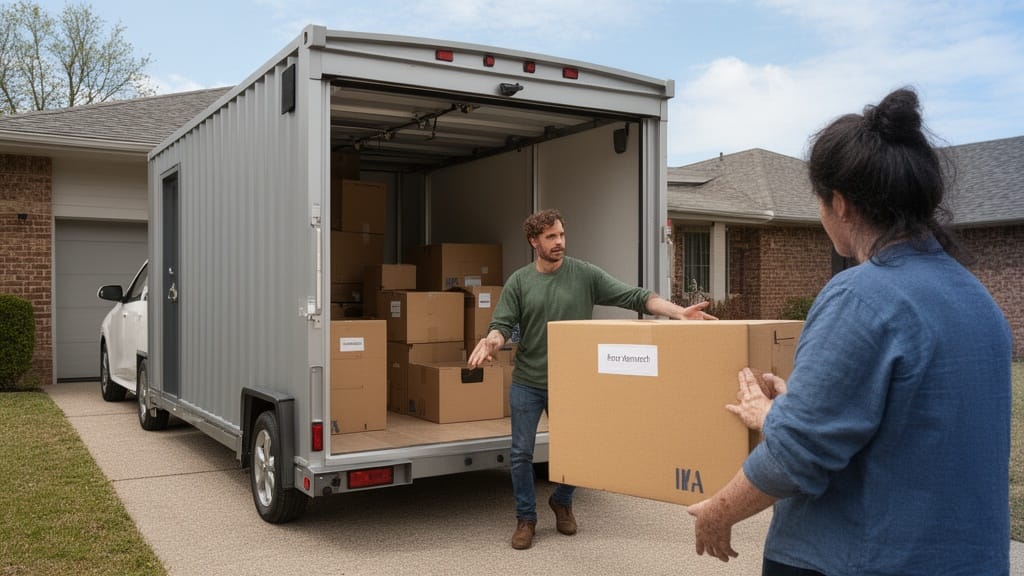
Heavy lifting is also a safety issue. The Bureau of Labor Statistics tracks injuries among movers and material handlers, and proper equipment — straps, dollies, and team lifts — reduces both injury and dropped-load damage.
Pro Tip: Photograph high-value pieces before wrapping. Time-stamped photos document pre-move condition and speed any claim if damage occurs.
What to Ask a Moving Company About Their Protection Practices
The right questions reveal whether a crew’s protection is standard or an afterthought. Before booking, confirm materials, coverage, and process in writing.
Ask these five questions:
- Do you supply moving blankets and floor runners at no extra charge?
- Is furniture wrapping included or billed separately?
- What liability coverage applies if an item is damaged?
- How do you handle stairs, tight doorways, and specialty items?
- Are your crews employees or day labor?
Liability is where many movers differ. Federal rules require interstate carriers to offer two options: released value and full value protection. Under released value, carriers cover just $0.60 per pound per article, so a 40-pound TV is reimbursed at only a fraction of its worth.
Protection responsibility also shifts by move type. This table shows who handles what:
| Move Method | Who Wraps Furniture | Floor/Wall Protection | Damage Liability |
|---|---|---|---|
| Full-service movers | Professional crew | Included | Released or full value |
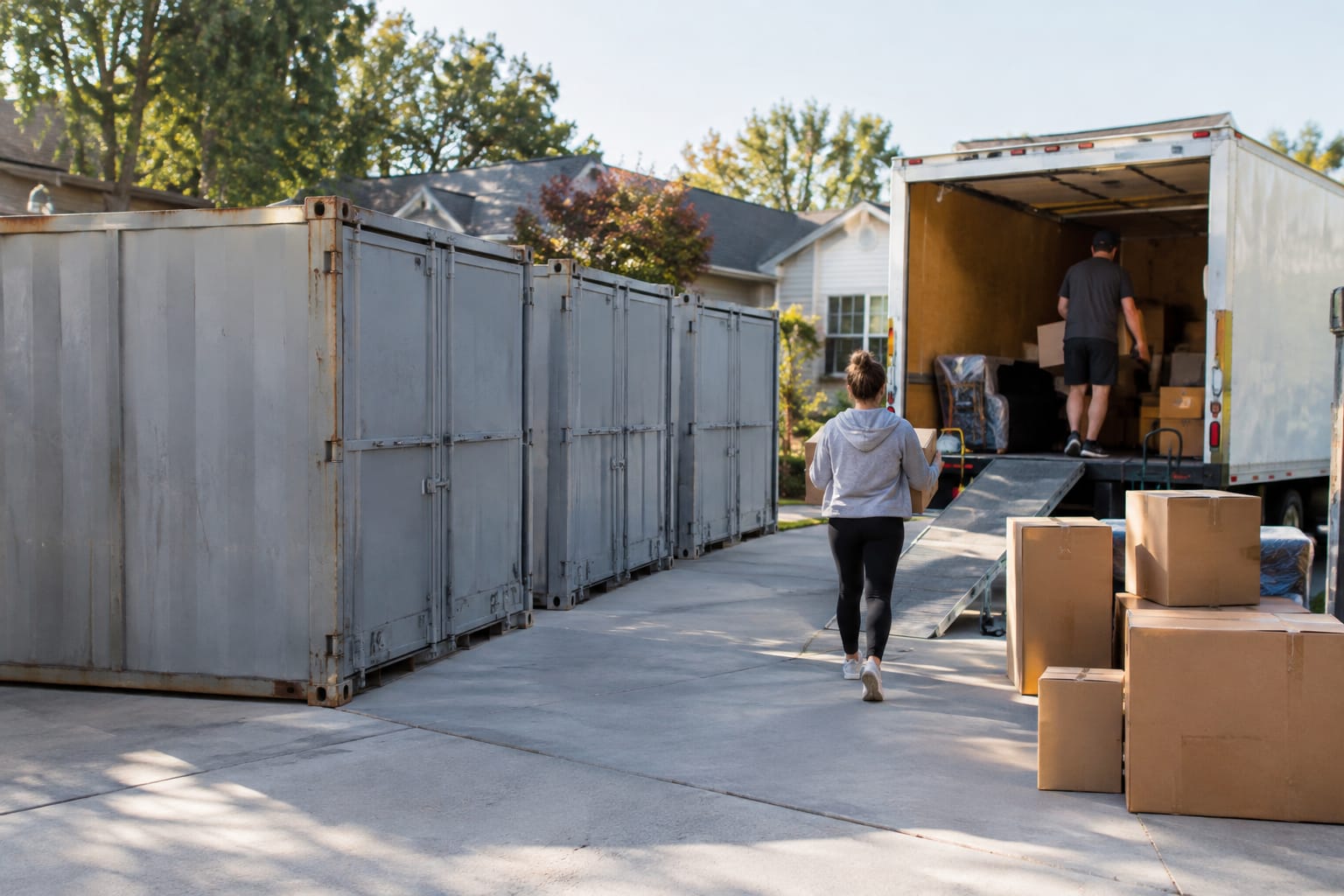
| Moving container (PODS) | You load it | You supply | Limited contents coverage |
| Rental truck (DIY) | You load it | You supply | Personal or auto policy |
The checklist on what to look for in a moving company covers licensing and insurance verification beyond protection alone.
Move With Confidence Knowing Your Items Are Protected
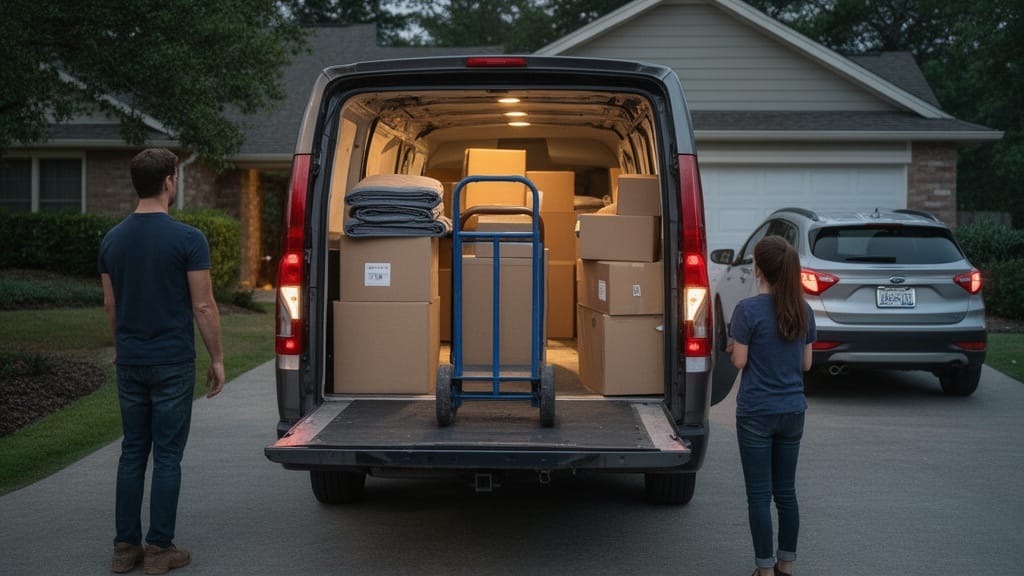
A well-protected move comes down to materials, method, and the people doing the work. Blankets and film guard surfaces, runners guard your home, and trained crews guard against the drops and scrapes that cause most claims.
Verify a mover’s process before booking, document valuable pieces, and confirm liability coverage in writing. Do that, and furniture arrives ready to live in — not repair.
For interstate moves, confirm the carrier’s USDOT registration through the FMCSA’s company license and insurance lookup. A licensed mover is far more likely to follow standardized protection practices.
How do professional movers protect furniture during a move?
Professional movers protect furniture with a layered system. Each piece is padded in quilted moving blankets, then wrapped in stretch plastic film to hold the padding and block dirt and moisture. Larger items are disassembled so legs and panels travel separately, and fragile surfaces get bubble wrap or corner guards underneath the blanket. Crews also protect the home itself with floor runners and door-jamb covers so furniture never scrapes a wall on the way out. Inside the truck, pieces are stacked tightly and tied off to stop shifting in transit. This combination of padding, securing, and careful loading is why a professionally handled item usually arrives in the same condition it left.
What is the difference between released value and full value protection?
Released value and full value are the two liability options interstate movers must offer. Released value is the basic, no-cost level: the carrier reimburses by weight rather than worth, so a heavy item may be covered for only a small fraction of its replacement price. Full value protection costs extra but holds the mover responsible for the actual repair or replacement value of damaged items. The difference matters most for electronics and antiques, which are light but valuable. Always read the valuation terms on your bill of lading before signing, and ask whether high-value items must be listed separately to qualify for full coverage.
Should I wrap furniture myself before the movers arrive?
Full-service crews bring their own blankets and film, so heavy wrapping is usually their job, not yours. Your role is preparation: empty all drawers, remove loose cushions, detach lamp shades, and take down mirrors or wall art if you can. Emptied, lightened furniture is faster and safer to pad. If you are loading a container or rental truck yourself, then wrapping does fall to you — invest in real quilted pads rather than household blankets, and secure each piece with stretch film. Either way, photographing valuable items before they are wrapped gives you a clear record of their condition.
How do movers protect hardwood floors and carpet?
Movers protect floors with materials matched to the surface. Hardwood and tile get neoprene or felt runners and rigid ram board along high-traffic paths, which spread weight and block dolly wheels from scratching. Carpet is covered with self-adhesive film that catches grit and prevents staining. Doorways and corners receive padded jamb covers so furniture can’t gouge trim on tight turns. Reputable crews protect both the home you are leaving and the one you are entering, since rushed unloading at the destination is a frequent source of damage. If a mover shows up without runners or jamb pads, treat it as a sign their protection process may be incomplete.
Related Articles
- Moving Across the Country: The Complete Relocation Guide — A full walkthrough of planning, budgeting, and executing a long-distance move.
- Best Long Distance Moving Companies: Top Picks — How to compare carriers on coverage, equipment, and handling practices.
- Moving Across States: Key Things to Know Before You Go — The licensing, timing, and logistics details that shape an interstate move.
- Moving to Another State: How to Choose the Right Moving Company — A framework for vetting movers on protection, pricing, and reliability.
Recommended Reading
- How to prepare furniture when relocating
- List of essential packing materials and supplies
- 8 common issues with moving and how to avoid them
- Tips for moving a piano
- What to look for in a moving company
Frequently Asked Questions