The best long distance moving companies for your move are interstate carriers with active FMCSA authority you can confirm on SAFER, a written binding or binding-not-to-exceed estimate based on your actual inventory, clear valuation options, and a consistent review record. Check those four things before comparing price, and much of the risk in a cross-state move shrinks.
Choose poorly and a cross-country move can turn into weeks of delays, a load held until you pay more, and fees that never appeared on the quote. This guide skips rankings and paid placements. It shows you how to vet any long distance mover yourself, covering licensing, estimates, valuation, cost drivers, access logistics and red flags, so you can decide based on your own evidence.

Key Takeaways
| Point | Details |
|---|
| Carriers and brokers are different | A carrier operates the trucks and crews; a broker arranges the move and hands it to a carrier. Know which one you are hiring. |
| Get the estimate type in writing | Binding and binding-not-to-exceed estimates limit what you pay; a non-binding estimate can change once your shipment is weighed. |
| Cost follows weight, distance and access | Shipment size, mileage, packing, stairs, long carries and season drive the final price more than any brand name. |
How to Evaluate Long Distance Moving Companies
Evaluate long distance moving companies on factors you can verify yourself: federal licensing, the type of written estimate, valuation options, review patterns and who actually handles your shipment. A ranking cannot do this for you, because the right mover depends on your route, inventory and timeline.
Many online lists of top movers are affiliate roundups where placement is paid and the listed brand may never touch your boxes. Whether you are searching for the best long distance movers or the best cross country moving companies, use your own scoring framework instead:
- Licensing — Active USDOT number and interstate operating authority confirmed on FMCSA SAFER.
- Reviews — A consistent pattern across several independent review sites.
- Estimate type — A written binding or binding-not-to-exceed estimate based on a confirmed inventory, not a quick phone guess.
- Continuity — Whether one crew and one truck handle the job end to end, or whether transfers and subcontractors are involved and disclosed in writing.
- Valuation — A clear explanation of Released Value Protection versus Full Value Protection and what each option costs.
Before you trust any list, learn to verify a mover's US DOT number yourself. It takes a couple of minutes and exposes many scams immediately.
Pro Tip: Screenshot the company's US DOT number from their website, then cross-check it on SAFER. If the legal name on the federal record differs from the brand marketing the job, you may be dealing with a broker — ask who the actual carrier will be before paying a deposit.
What Makes a Long Distance Moving Company Trustworthy
A trustworthy long distance moving company holds active federal authority, explains its valuation options, provides a written estimate based on your inventory, and shows a consistent review pattern from real customers. Those signals separate professional carriers from rebrand-and-vanish operators.
Trust starts with paperwork. It also explains the order for service and the bill of lading — the contract and receipt for your shipment — and tells you how to reach them during transit.
Q: How can I tell a moving carrier from a broker?
A: A carrier operates its own trucks and employs the crew that loads your home; a broker arranges your move and assigns it to a carrier. Check on FMCSA SAFER whether the company holds carrier authority or broker authority before booking.
Reviews are the second pillar. Read reviews across multiple platforms and look for patterns rather than single complaints. Repeated mentions of price increases at delivery, missed delivery windows or slow claims handling matter far more than one frustrated post.
Carrier, Broker or Rental Truck: Comparing Your Options
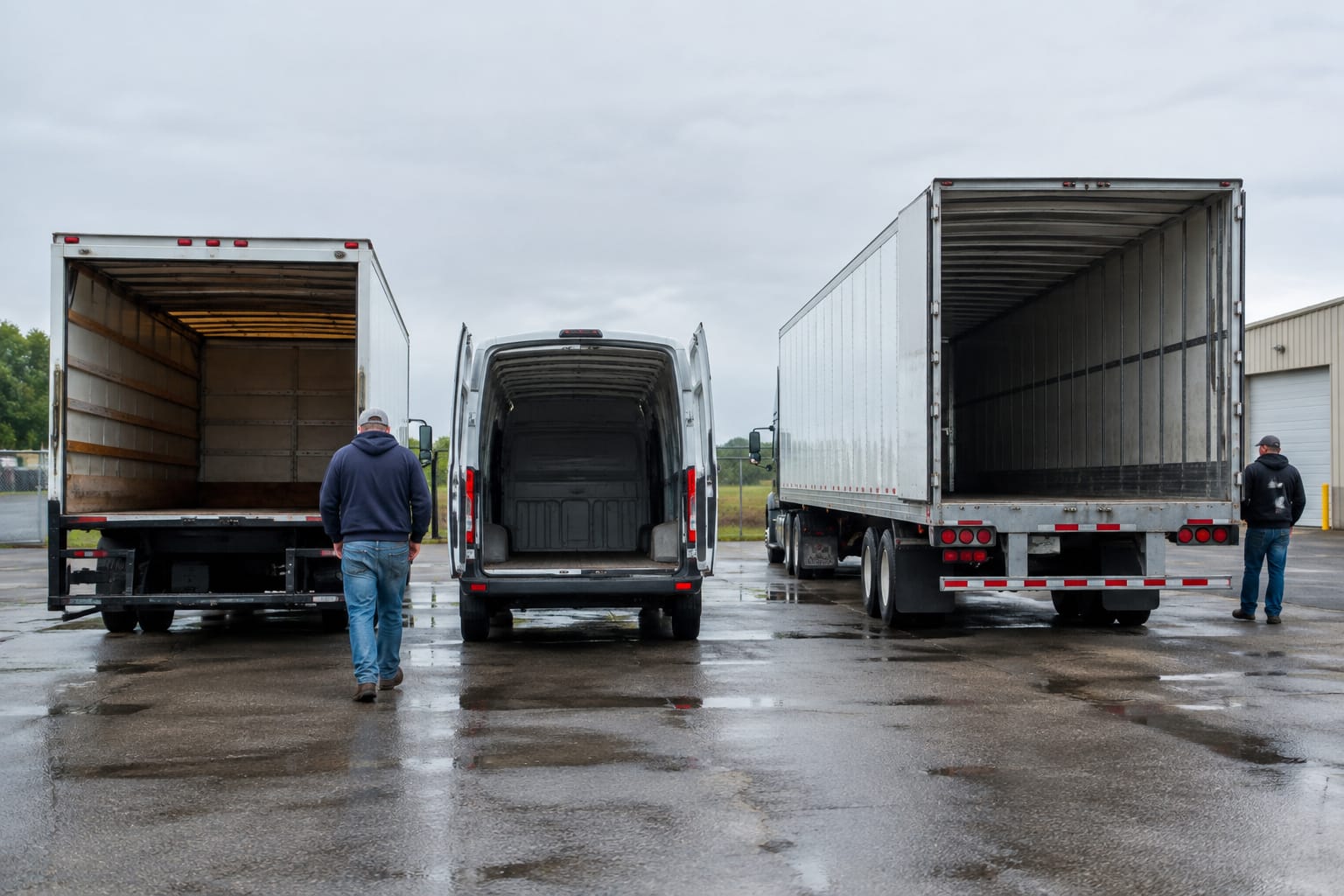
The table below compares the three ways most people move across state lines: a full-service carrier, a moving broker and a DIY rental truck. The model you choose shapes your experience more than any single brand name.
| Criteria | Full-Service Carrier | Moving Broker | Rental Truck (DIY) |
|---|---|---|---|
| Who runs the truck and crew | The company you hire | A carrier assigned by the broker | You drive and load |
| Licensing to check | Carrier USDOT number and authority | Broker authority, plus the assigned carrier's | Not applicable; check rental terms |
| Who issues your estimate | The carrier, based on your inventory | The broker; ask who honors it | You budget rental, fuel and helpers |
| Damage accountability | One company from pickup to delivery | Split between broker and carrier | Entirely on you |
| Good fit for | Households wanting a managed move | Flexible shoppers who verify the carrier | Tight budgets and light loads |
With a carrier, the company that estimates your move is the one that loads, drives and delivers it, so there is one point of contact when something goes wrong. Many people searching for the best cross country movers care most about that accountability.
Using a broker means you give up some control over who shows up. If you use one, get the name and USDOT number of the actual carrier in writing before moving day.
What Full-Service Long Distance Moving Includes
A full-service long distance move typically covers packing, furniture protection, loading, transport, delivery and placement in your new home, with optional unpacking. The more of those steps one crew handles, the fewer handoffs your belongings go through.

Before booking, confirm exactly which services are in the estimate and which are add-ons. Packing labor, packing materials, furniture disassembly, storage-in-transit and extra stops are often priced separately. Ask for the delivery window in writing, not just a verbal promise.
Pro Tip: On long-distance bookings, ask the company to confirm in writing whether the crew loading your home is the same crew delivering it. Same-crew continuity means one accountable team instead of a chain of handlers who each point to someone else when damage appears.
How to Lower Long Distance Moving Costs
An affordable long distance move is rarely the one with the lowest sticker price — it is the one with the fewest surprises on the final bill. To keep costs down, shrink your shipment, move off-peak, and compare written estimates from at least three licensed movers.
Weight and volume drive the bill. Every item you donate or sell before moving day lowers a long-distance quote, so declutter early and ask movers whether a smaller load changes your estimate.
These tactics consistently help:
- Purge before you pack — sell or donate furniture you will not miss.
- Move off-peak — midweek and mid-month dates, and months outside the summer rush, often have more availability.
- Reuse boxes — ask friends or local shops for clean secondhand boxes, and see our guide on what to do with boxes after your move to pass them on afterward.
- Compare written estimates — request them from several movers and compare total cost, not just the headline rate.
- Pack yourself — labor is a major line item, and packing materials bought from a mover are usually charged separately.
Movers that explain their pricing clearly make budgeting far easier.
Moving Specialty and Fragile Items Long Distance
Pianos, antiques, aquariums and art need a crew trained for specialty handling, proper padding, and custom crating where appropriate. A general labor crew may not have the equipment for a grand piano or a large aquarium.
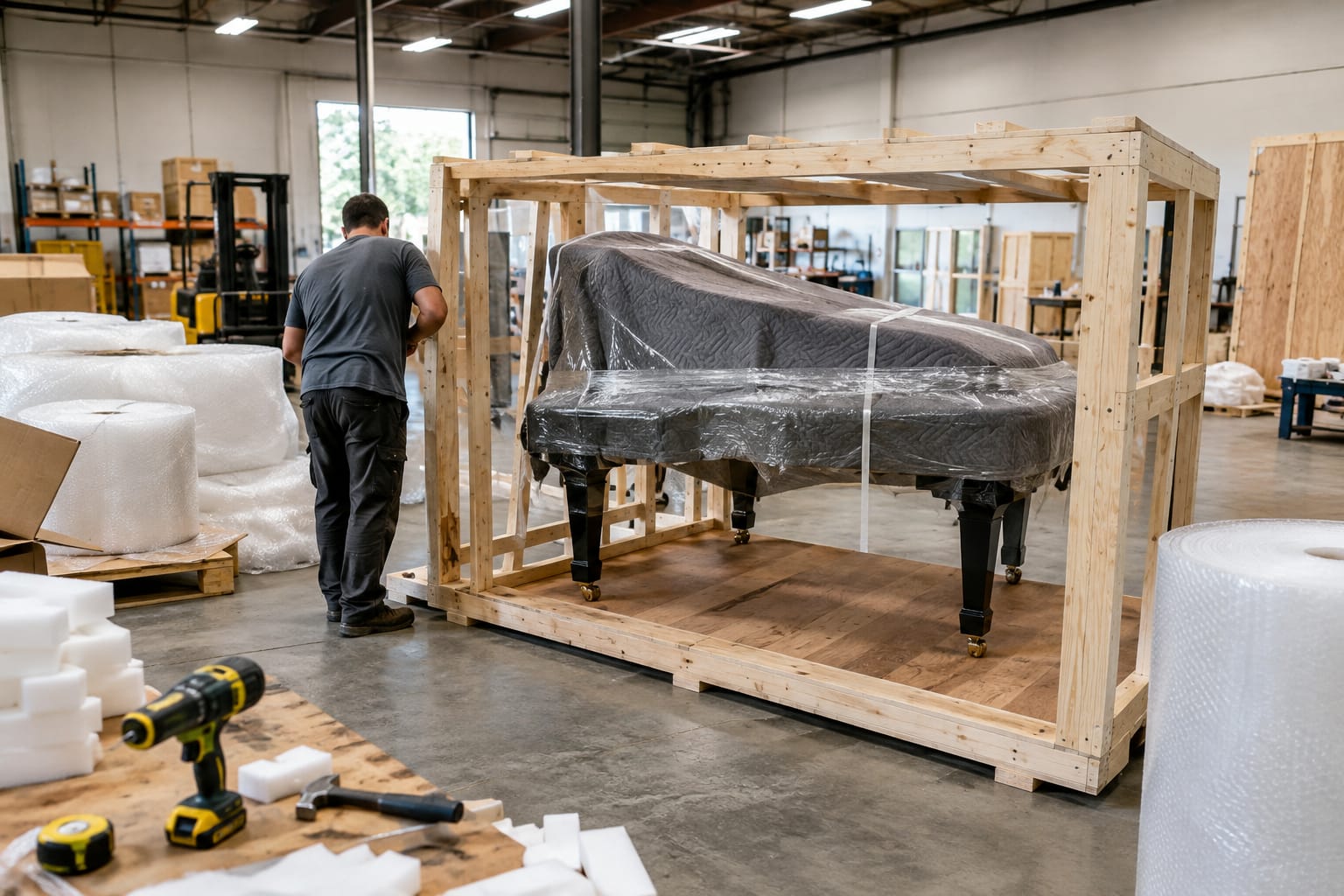
Ask each mover how they wrap, crate and secure fragile items for a multi-day trip, and whether crating is done in-house or subcontracted. For instrument-specific guidance, our piano moving tips cover padding and dollies.
Q: Do long-distance movers handle pianos and antiques?
A: Many do, using padded wrapping, custom crating and trained crews. Declare high-value items in writing on the inventory and ask how your chosen valuation option applies to them, because basic released value protection pays by weight, not by what an item is worth.
Disclose every unusual item upfront. Sharing special requirements before moving day produces an accurate estimate and prevents day-of surprises. A reputable long distance moving company would rather know about your marble table now than discover it on the truck.
Pricing: How Much Do Long Distance Movers Cost?
Long-distance moving cost depends on shipment weight or volume, distance, access at both homes, and add-on services such as packing or storage. Because those factors vary so much from one household to the next, the only reliable number is a written estimate based on your actual inventory.
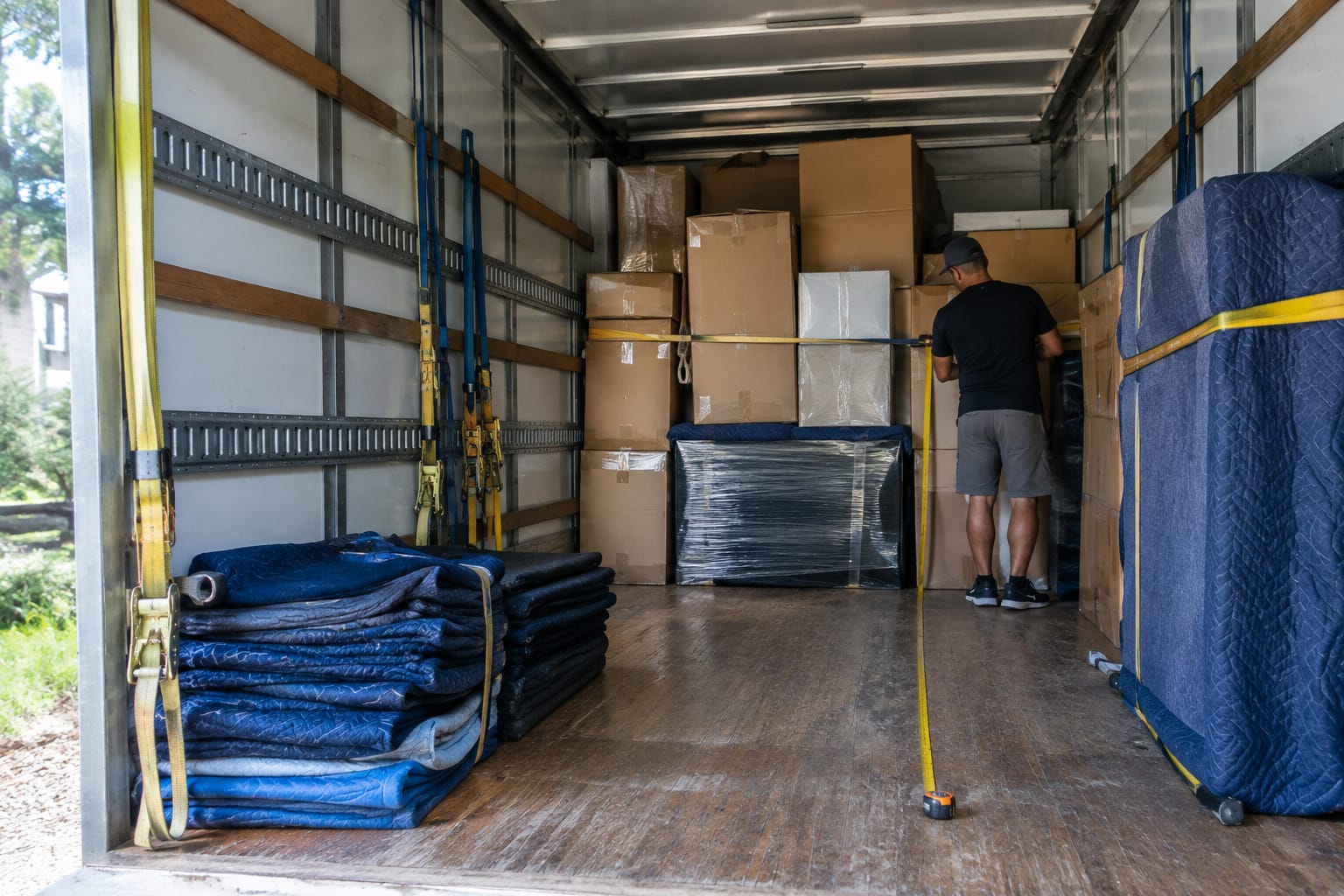
The main cost drivers are:
- Weight or volume of your shipment.
- Distance and route, including tolls and fuel.
- Packing labor and materials, which are usually billed separately.
- Access — stairs, elevators, long carries from the truck to the door, and shuttle trucks where a large truck cannot park.
- Storage-in-transit if your new home is not ready.
- Timing — summer and month-end dates are typically in higher demand.
- Valuation choice — Full Value Protection usually adds cost.
Know your estimate type. A non-binding estimate can rise. To understand how movers calculate your bill, read our breakdown of how interstate moving companies determine cost.
Pro Tip: Always request a binding or binding-not-to-exceed estimate in writing rather than a non-binding phone quote. The gap between a loose quote and the final invoice is where most billing disputes begin.
Valuation Coverage: What Your Mover Is Liable For
Valuation is not insurance. It sets how much the mover is liable for if your belongings are lost or damaged.
Read the valuation section of your bill of lading before you sign, and ask whether separate third-party coverage makes sense for very high-value items.
Verifying Licensing and Avoiding Broker Scams
To verify a mover is legitimate, look up its USDOT number on the FMCSA SAFER system and confirm active interstate authority and insurance on file. This is the fastest way to filter out rogue operators.
The most common interstate scam follows a script: a lowball online quote, a large upfront deposit, then a ballooning bill that holds your belongings hostage on delivery. Each step is preventable with verification.
Use this checklist before paying any deposit:
- Find the USDOT number on the company's site and marketing.
- Search FMCSA SAFER to confirm active authority and insurance.
- Match the legal name to the brand selling the move.
- Demand a written estimate based on your inventory before payment.
- Reject large cash deposits — a common red flag.
Other warning signs include an estimate given without seeing or listing your belongings, no physical business address, pressure to sign blank or incomplete documents, and a company name that does not match its federal record. Review the FMCSA's official move-protection resources for your federal rights.
Access, Permits and Building Rules at Both Ends
A long distance move has two sets of local logistics, and either one can add time or cost if it is not planned. Check these before your estimate is finalized:
- Truck parking — many cities require a permit or reserved curb space for a moving truck. Customers usually arrange this, so check your city's rules at both addresses.
- Building requirements — apartment buildings and HOAs often require a certificate of insurance (COI) from the mover and a reserved service elevator window.
- Truck access — narrow streets, low trees or tight cul-de-sacs may mean a smaller shuttle truck or a long carry, which are often billed as extras.
- Season and weather — summer is peak season on many routes, northern winters can slow loading and driving, and hurricane season can affect moves to and from coastal states.
Share all of this with each mover up front so the estimates you compare reflect the same conditions.
Questions to Ask Before You Book
Ask every mover on your shortlist the same questions and get the answers in writing:
- Are you the carrier, or a broker? What is the USDOT number of the company that will move my shipment?
- Is this estimate binding, binding-not-to-exceed or non-binding?
- What exactly does the estimate include, and which services or materials cost extra?
- What deposit is required, and what is your cancellation policy?
- What delivery window will you put in writing?
- Will my shipment be transferred to another truck or stored along the way?
- What valuation options do you offer, and what does Full Value Protection cost?
- How do I file a claim, and who is my contact during transit?
Choosing the Right Mover for Your Move
Knowing how to choose a long distance mover comes down to matching a company's strengths to your specific move: distance, home size, timeline and special items. The right company for a studio across a state line differs from the right one for a four-bedroom cross-country relocation.
Work through this decision sequence:
- Define the job — distance, volume, packing needs, fragile items and access at both homes.
- Shortlist movers — verify licensing first, then read reviews.
- Get three written estimates — compare total cost, estimate type and continuity.
- Confirm who handles your shipment from pickup to delivery.
- Choose valuation coverage that fits your highest-value items.
For a deeper walkthrough on how to choose the right long-distance mover, our dedicated guide covers every step. The goal is simple: book a mover you can verify, not a name on a sponsored list.
Recommended Reading
- Long-Distance Moving Companies: How to Choose the Right Mover
- Cross-Country Movers
- How to Hire an Interstate Moving Company
- How to Avoid Moving Scams
- What to Look for in a Moving Company: Top Qualities
About the author: This guide was prepared by the moving team at Born to Move, a licensed and insured household goods mover (USDOT 2887241, MC 985934) headquartered in Newton, Massachusetts, and reviewed by founder and CEO Dmitrii Malashkin.
Need help with this? Get a quote · Call (617) 903-2609
Frequently Asked Questions