'%3E%3Cpath%20fill='%231B2A47'%20d='M1.605%2016.263c.03-1.139.059-2.482.088-3.971.03-1.49.03-2.832.03-4.03%200-.758%200-1.576-.03-2.51%200-.905-.03-1.84-.03-2.803%200-.496-.028-.964-.028-1.43%200-.468%200-.906-.03-1.315h6.858q2.188%200%203.589.35c.963.234%201.663.643%202.13%201.198.496.555.73%201.372.73%202.394%200%20.788-.176%201.46-.497%201.985-.32.526-.846.935-1.575%201.197-.73.292-1.693.468-2.918.526v.263c1.313.087%202.334.263%203.122.525.758.263%201.342.672%201.692%201.197.35.526.525%201.197.525%202.044%200%201.08-.233%201.927-.67%202.57-.468.642-1.139%201.08-2.102%201.343-.933.262-2.159.408-3.705.408H1.605zm6.537-9.197q1.882%200%202.713-.526c.555-.35.817-.934.817-1.752%200-.905-.292-1.547-.846-1.927s-1.459-.554-2.655-.554H4.757v4.759zm.204%206.92c.934%200%201.663-.088%202.217-.263.555-.176.934-.438%201.197-.818s.38-.876.38-1.518c0-.876-.322-1.49-.934-1.84-.643-.35-1.635-.525-3.035-.525H4.757v4.963zM21.038%2016.555c-1.576%200-2.801-.292-3.618-.905-.817-.614-1.284-1.519-1.372-2.745-.087-1.226.205-2.774.847-4.613s1.43-3.358%202.392-4.584c.963-1.226%202.043-2.131%203.298-2.744C23.839.292%2025.24%200%2026.786%200c1.576%200%202.772.321%203.59.934.816.613%201.283%201.548%201.37%202.774s-.203%202.774-.845%204.613c-.642%201.81-1.43%203.358-2.393%204.584s-2.072%202.132-3.297%202.745a9.8%209.8%200%200%201-4.173.905m.788-2.278c.642%200%201.138-.058%201.371-.116.205-.059.496-.117.847-.322.262-.146.437-.292.554-.408.204-.175.32-.292.438-.41.204-.203.35-.408.496-.583.35-.438.642-.876.963-1.402.233-.408.466-.817.67-1.284.205-.438.38-.905.555-1.372.438-1.198.671-2.278.671-3.183s-.204-1.606-.612-2.131c-.409-.497-1.051-.76-1.897-.76-.467%200-.934.059-1.43.205h-.03c-1.02.292-1.925%201.226-2.042%201.372-.116.117-.467.526-.963%201.343a15.5%2015.5%200%200%200-1.342%202.92c-.408%201.197-.642%202.277-.671%203.182-.03.906.175%201.636.584%202.161q.611.788%201.838.788M14.853%2038.54c-1.576%200-2.802-.292-3.619-.905s-1.284-1.518-1.371-2.744c-.088-1.227.204-2.774.846-4.614s1.43-3.357%202.393-4.584%202.042-2.13%203.297-2.744c1.255-.613%202.655-.905%204.173-.905%201.575%200%202.772.321%203.589.934s1.284%201.548%201.371%202.774c.088%201.226-.204%202.774-.846%204.613-.642%201.81-1.43%203.358-2.393%204.584s-2.072%202.131-3.297%202.745c-1.226.613-2.626.846-4.143.846m.787-2.277c.642%200%201.138-.059%201.372-.117.204-.058.496-.117.846-.321.263-.146.438-.292.554-.409.205-.175.321-.292.438-.409.204-.204.35-.408.496-.584a13%2013%200%200%200%201.634-2.686c.204-.438.38-.905.555-1.372.437-1.197.67-2.277.67-3.182%200-.906-.203-1.606-.612-2.132-.409-.496-1.05-.759-1.897-.759-.467%200-.934.058-1.43.204h-.029c-1.021.292-1.925%201.227-2.042%201.373-.117.116-.467.525-.963%201.343a15.5%2015.5%200%200%200-1.342%202.92c-.409%201.196-.642%202.277-.671%203.182s.175%201.635.583%202.16q.613.789%201.838.789'/%3E%3Cpath%20fill='%23FF515E'%20d='M55.966%2038.57c-1.576%200-2.801-.293-3.618-.906s-1.284-1.518-1.372-2.744c-.087-1.227.204-2.774.846-4.613s1.43-3.358%202.393-4.584c.963-1.227%202.043-2.132%203.297-2.745s2.656-.905%204.173-.905c1.576%200%202.772.321%203.589.934s1.284%201.548%201.371%202.774c.088%201.226-.204%202.774-.846%204.613-.642%201.81-1.43%203.358-2.393%204.584s-2.071%202.131-3.297%202.745c-1.225.613-2.626.846-4.143.846m.788-2.249c.642%200%201.138-.058%201.371-.117.204-.058.496-.116.846-.32.263-.147.438-.293.555-.41a7%207%200%200%200%20.437-.408c.205-.205.35-.41.496-.584a13%2013%200%200%200%201.634-2.686c.205-.438.38-.905.555-1.373.438-1.197.671-2.277.671-3.182s-.204-1.606-.613-2.131c-.408-.497-1.05-.76-1.896-.76-.467%200-.934.059-1.43.205h-.03c-1.02.292-1.925%201.226-2.042%201.372-.117.117-.467.526-.963%201.343a15.5%2015.5%200%200%200-1.342%202.92c-.409%201.197-.642%202.277-.671%203.182s.175%201.635.583%202.16q.614.79%201.839.79'/%3E%3Cpath%20fill='%231B2A47'%20d='M33.06%2016.263c0-.35%200-.935.03-1.81.029-1.051.058-2.103.058-3.154s.03-2.073.03-3.007c0-1.606-.03-3.27-.06-4.993%200-.554-.028-1.08-.028-1.606%200-.525-.03-1.021-.03-1.46h6.828c1.46%200%202.685.117%203.59.38q1.4.394%202.1%201.314.7.963.7%202.628c0%20.992-.174%201.81-.554%202.452-.35.643-.904%201.11-1.604%201.431s-1.576.467-2.627.496v.263q2.058.087%203.064.876c.671.525%201.138%201.372%201.43%202.51.087.41.233%201.023.467%201.84.233.818.408%201.431.554%201.84h-3.414a11%2011%200%200%200-.262-1.022c-.321-1.314-.526-2.19-.584-2.628a5%205%200%200%200-.642-1.46%202.13%202.13%200%200%200-.963-.73c-.408-.146-.934-.233-1.605-.233h-3.326v6.0440000000000005H33.06zm6.332-8.292c1.343%200%202.276-.205%202.86-.613.554-.41.846-1.11.846-2.073%200-.73-.146-1.314-.408-1.723-.263-.409-.671-.7-1.197-.876q-.788-.263-2.1-.263h-3.181v5.519h3.18zM49.4%2016.263l.03-2.745c.029-2.452.029-4.905.029-7.416q0-2.101-.088-5.868h4.085l5.924%2010.335c.087.234.204.438.291.643.117.204.205.408.321.613.38.788.613%201.255.672%201.372h.262c0-.058-.03-.146-.03-.204%200-.059-.028-.117-.028-.175a75%2075%200%200%201-.175-1.314%2010%2010%200%200%201-.088-1.285c0-1.547%200-3.737-.029-6.57V1.84c0-.584-.03-1.11-.03-1.576h2.977c-.03%202.482-.058%205.08-.058%207.766%200%201.694%200%204.438.029%208.292h-4.027l-5.573-9.43c-.875-1.81-1.226-2.511-1.05-2.132-.263-.613-.467-1.08-.613-1.46h-.263c.058.35.117.876.175%201.548.059.7.117%201.168.117%201.46%200%202.978%200%206.306.029%209.985H49.4zM4.698%2038.277c.029-2.627.058-5.255.058-7.883%200-1.576%200-3.503-.029-5.752-1.109%200-2.684%200-4.727.03v-2.453h12.664v2.453c-1.955-.03-3.53-.03-4.756-.03%200%20.584-.03%201.227-.03%201.957s0%201.46-.029%202.218v1.84c0%202.57.03%205.11.059%207.62z'/%3E%3Cpath%20fill='%23FF515E'%20d='M29.441%2038.277c.409-1.05.788-2.102%201.168-3.182s.787-2.16%201.167-3.241c.613-1.693%201.05-2.949%201.342-3.766l1.255-3.65c.116-.38.262-.788.379-1.139.117-.38.263-.73.38-1.05h4.61l-.671%2012.904h.262l8.316-12.905h4.669l-.7%201.869c-.876%202.452-1.343%203.766-1.43%204a501%20501%200%200%200-3.385%2010.16h-2.947c.292-.846.788-2.219%201.459-4.087.175-.526.35-1.08.554-1.606.175-.526.38-1.08.555-1.577.642-1.81%201.342-3.825%202.072-6.014h-.234l-8.724%2013.314h-2.86l.554-13.314h-.175c-.175.496-.38.992-.554%201.489-.175.496-.38%201.022-.555%201.547a163%20163%200%200%200-1.08%203.008c-.145.38-.262.759-.408%201.138-.117.38-.262.73-.408%201.11-.7%201.898-1.284%203.59-1.751%205.05h-2.86zM68.047%2038.277c.175-2.19.32-4.525.467-7.007.058-.905.204-3.912.467-9.051h3.151c-.03.438-.058.934-.088%201.46s-.058%201.08-.087%201.693a264%20264%200%200%201-.409%206.657c-.145%201.986-.35%203.591-.583%204.788h.175Q72.147%2034.892%2073.94%2032a562%20562%200%200%201%204.465-7.066c.32-.496.641-.992.933-1.46s.555-.875.817-1.255h3.268q-.568.832-1.138%201.752c-.408.613-.787%201.255-1.196%201.927-3.88%206.014-6.478%2010.131-7.85%2012.35h-5.193zM79.106%2038.277c.32-.788.758-2.014%201.37-3.65a287%20287%200%200%200%201.577-4.32c.437-1.256.904-2.628%201.4-4.088s.934-2.774%201.313-3.97h11.322l-.846%202.364H87.1l-1.664%204.847%207.645-.088-.612%201.694-7.587-.088-1.75%204.934h8.286l-.846%202.365z'/%3E%3C/g%3E%3Cdefs%3E%3CclipPath%20id='a'%3E%3Cpath%20fill='%23fff'%20d='M0%200h96v40H0z'/%3E%3C/clipPath%3E%3C/defs%3E%3C/svg%3E)
Hiring among the hundreds of moving companies in Los Angeles is harder than it looks. The market is crowded with aggregator listings, unverified ratings, and crews that vanish after the deposit clears. A good move in this city depends on three things competitors rarely explain: street-level permit rules, traffic timing, and licensing you can verify. This guide breaks down how to evaluate movers Los Angeles residents actually trust, what fair pricing looks like, and the logistics that separate a smooth move from a chaotic one.

Key Takeaways
| Point | Details |
|---|---|
| Verify licensing first | Intrastate California movers must hold a CAL-T number issued by the CPUC household movers program; interstate movers need a USDOT number. |
| Renter-heavy market | Owner-occupied housing in the city sits near 37%, per Census QuickFacts, so most local moves involve apartments and walk-ups. |
| Permits are non-optional | Reserving curb space for a truck on a residential street requires a temporary no-parking posting from LADOT. |
| Book early in summer | June through August is peak season tied to lease turnover and the academic calendar; lead times stretch sharply. |
| Scams are common | The FMCSA runs a national Protect Your Move database to flag rogue movers before you book. |
Quick Facts
- Intrastate LA movers must display a valid CAL-T number from the CPUC.
- Interstate movers must hold an active USDOT number registered with the FMCSA.
- Curb reservations on city streets require an LADOT temporary no-parking permit.
- Peak moving season in LA runs June through August, driven by lease cycles.
- Most LA local moves are apartments, since renters form the housing majority.
What to Look for in a Los Angeles Moving Company

The single most important step is verifying that a company is licensed. In California, any mover transporting household goods within the state must hold a CAL-T number regulated by the California Public Utilities Commission (CPUC). Long-distance and interstate carriers instead need an active USDOT number on file with the FMCSA.
That verification step matters more here than almost anywhere. Los Angeles moving companies operate in a saturated market where unlicensed crews undercut legitimate carriers, then hold belongings hostage for surprise fees. Run the company's license through public registries before you sign anything.
Beyond licensing, evaluate insurance, written estimates, and review patterns. The fundamentals of what to look for in a moving company don't change with geography — the same vetting checklist applies whether you're comparing LA crews, asking "what's the best st louis moving company," or planning a long route like moving from nyc to dc.
Q: How do I verify a Los Angeles mover is licensed?
A: Confirm a CAL-T number through the CPUC for in-state moves, or check the USDOT number on the FMCSA database for interstate moves; both are free public lookups.
Reading moving company reviews los angeles customers leave is useful, but read patterns, not single stars. Look for repeated mentions of on-time arrival, intact furniture, and no post-move billing surprises.
- Licensing: CAL-T (CPUC) for intrastate, USDOT (FMCSA) for interstate.
- Insurance: Released-value coverage is minimal; ask about full-value protection.
- Estimates: Written and itemized, ideally after a virtual or in-home survey.
- Reputation: Consistent reviews across multiple platforms, not one source.
Pro Tip: Ask a prospective mover for their CAL-T or USDOT number over the phone before scheduling a survey. A legitimate carrier recites it without hesitation; a stall is a red flag.
1. Best Full-Service Moving Companies in Los Angeles
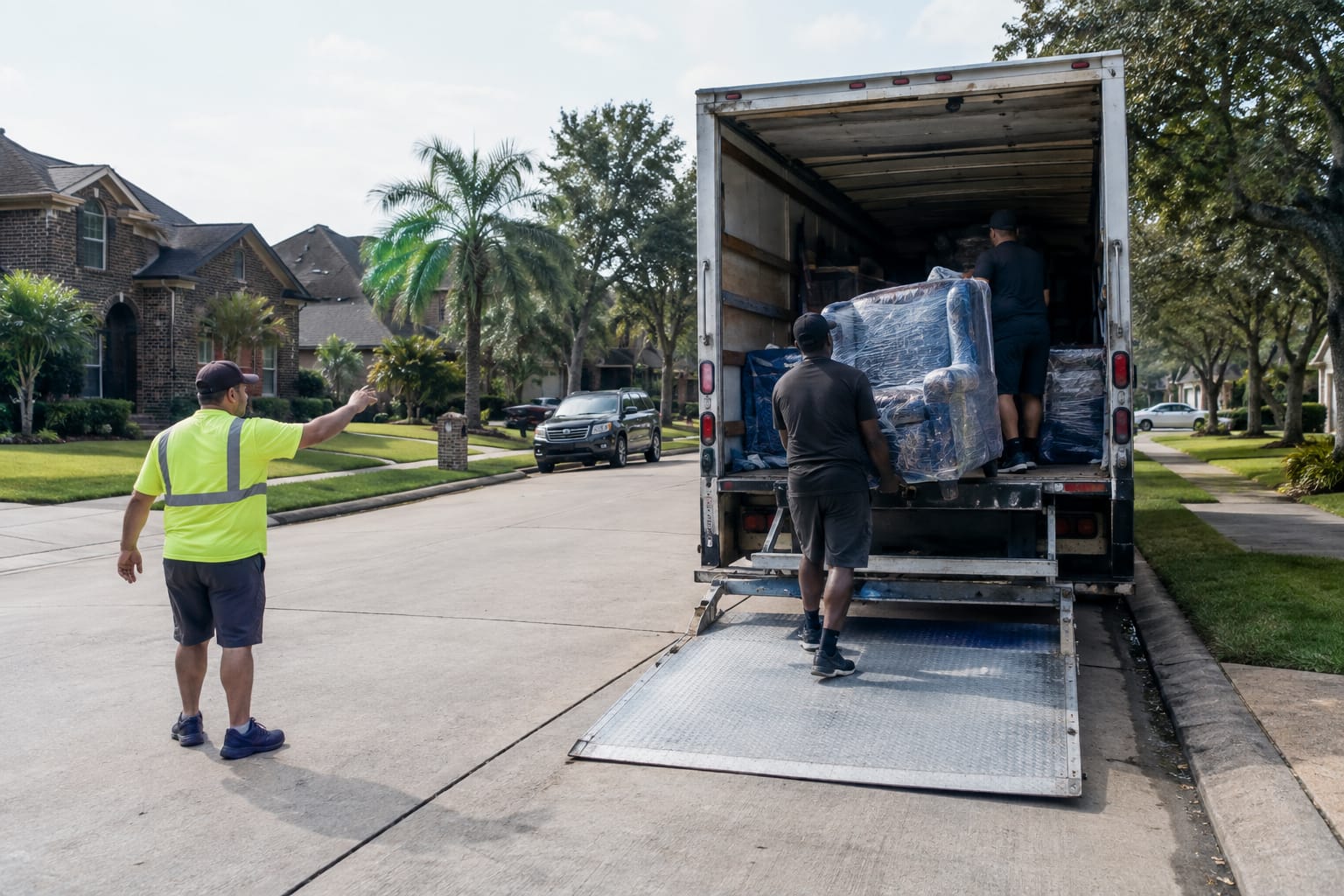
Full-service movers handle everything: packing, loading, transport, unloading, and reassembly. For households with fragile items, large furniture, or tight timelines, this category delivers the most value. Understanding what full-service movers include helps you compare quotes accurately.
The best full-service los angeles moving companies share clear traits. They wrap every piece of furniture in moving blankets, crate or box delicate electronics like televisions, and carry full-value insurance rather than the minimum released-value coverage. They also send a survey team or virtual estimate before quoting.
Full-service crews are the standard choice for residential movers los angeles families rely on during whole-home relocations. The premium buys labor, materials, and accountability — fewer broken items and far less personal lifting.
| Service Model | Best For | What's Included |
|---|---|---|
| Full-service | Whole homes, fragile items | Packing, loading, transport, unloading, reassembly |
| Labor-only | DIY truck rentals | Loading and unloading muscle, no transport |
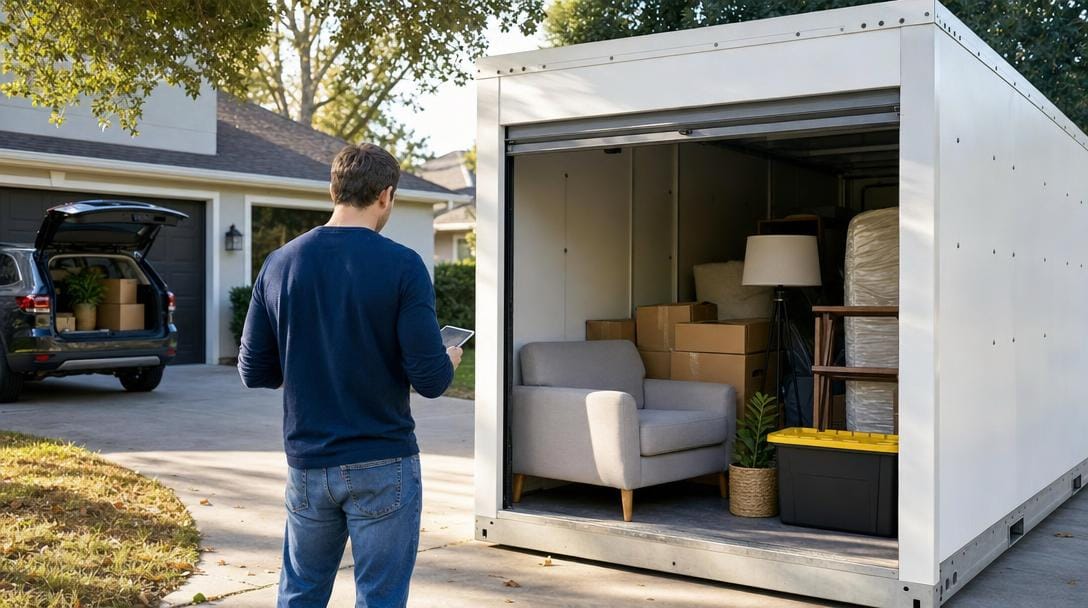
| Container/hybrid | Flexible timelines | You pack; company transports the container |
| Specialty | Pianos, art, safes | Custom crating and equipment |
| Self-move | Tight budgets | You handle everything |
When comparing los angeles moving services, match the model to your inventory. A two-bedroom home with a piano and a wall-mounted TV is a poor fit for labor-only crews who don't carry crating materials.
Pro Tip: Request that fragile electronics travel in dedicated boxes, not loose under blankets. Reputable crews box televisions in a rigid carton before the truck is loaded — confirm this is standard, not an upcharge.
2. Affordable Movers in LA for Apartments and Small Moves
Not every move needs a full crew. Studio and one-bedroom apartments often cost less to move than people expect, especially mid-week and mid-month. For budget-conscious renters, the goal is finding cheap movers los angeles offers without sacrificing licensing or insurance.
Low price and low quality are not the same thing. The cheapest legitimate option for small moves is usually a two-mover crew billed hourly, or a labor-only team paired with a rental truck. Local moving companies los angeles renters book most often fall into this hourly tier.
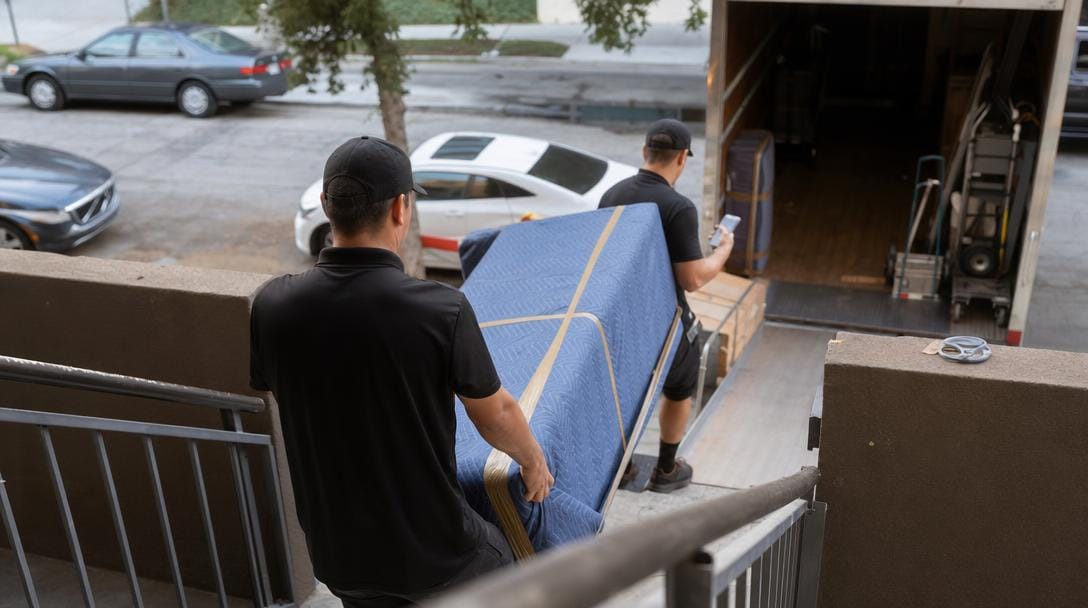
Apartment moves carry their own logistics: elevator reservations, narrow stairwells, and loading zones. Booking a freight elevator in advance — see how to reserve an elevator for your move — prevents the hourly clock from running while crews wait.
- Book mid-week (Tuesday–Thursday) and mid-month for the lowest hourly demand.
- Disassemble bed frames and desks yourself to cut labor time.
- Reserve the building elevator and loading zone before move day.
- Get an itemized written quote so "cheap" doesn't become "surprise."
For renters hunting genuine value, the priority is the same as any move: a licensed, insured carrier. Cheap movers los angeles advertises should still produce a CAL-T number on request — affordability never excuses skipping verification.
3. Movers by LA Neighborhood: Hollywood, Santa Monica and West Hollywood
Los Angeles is not one moving market — it's dozens. Crews experienced with moving companies Hollywood productions and apartment dwellers use know the area's permit parking and narrow side streets. Each neighborhood imposes distinct constraints that affect time and cost.

West Hollywood movers contend with some of the densest permit-parking blocks in the county, where reserving curb space is essential. Santa Monica movers face metered coastal streets, beach-traffic timing, and strict residential parking districts. Hollywood adds film-shoot closures that can block a street with little notice.
High-rise buildings in Century City and along the Wilshire corridor add another layer. Many require certificates of insurance, mandate freight-elevator reservations, and restrict moving hours to specific windows set by the HOA.

Q: Do LA high-rise buildings have special moving rules?
A: Yes — buildings in Century City and West Hollywood commonly require a certificate of insurance, a reserved freight elevator, and HOA-approved moving hours, often weekdays only.
Pro Tip: Email your building manager two weeks out and request the move-in packet in writing. It lists the COI requirements, elevator reservation process, and permitted hours — details that derail same-day moves when discovered too late.
Local crews that work these neighborhoods daily price moves more accurately because they know the parking, the elevators, and the traffic. That operational fluency is the real difference between the best movers in LA and a generic out-of-area crew.
4. Long-Distance Movers from Los Angeles
Long distance movers from los angeles operate under federal rules, not just state ones. Any carrier crossing state lines must hold an active USDOT number and follow FMCSA regulations on estimates, weight, and liability. Verify this before booking a cross-country relocation.

Interstate pricing works differently from local hourly billing. Cost is driven by shipment weight and mileage rather than hours, so an accurate inventory matters enormously. For route-specific planning, resources like guidance on moving from Chicago to Los Angeles break down timelines and pricing factors for a major corridor.
Long-distance moves reward early planning. Transit windows span days, not hours, and binding estimates protect you from weight-based surprises. Review cross-country moving tips before committing to a carrier.
Q: How is long-distance moving priced from Los Angeles?
A: Interstate moves are priced by shipment weight and mileage under FMCSA rules, not hourly — request a binding or binding-not-to-exceed estimate to lock the cost.
Whether you're relocating to the East Coast or the Midwest, confirm the carrier's federal authority and read the bill of lading carefully. The same diligence applies to inbound moves, like a household arriving from another state to settle in the LA basin.
Local moves in Los Angeles are typically billed hourly, with the rate driven by crew size. Per Forbes Home's moving cost analysis, two professional movers nationally run roughly a noticeable amount–a noticeable amount per hour, and dense urban markets like LA trend toward the higher end of that band.
The table below estimates total local-move ranges by home size. Figures are expressed in USD and reflect typical LA-market pricing adapted from that national data — your quote depends on access, stairs, and distance.
| Home Size | Typical Crew | Est. Hours | Estimated Cost (USD) |
|---|---|---|---|
| Studio / 1-bed apt | 2 movers | 3–5 | 350–700 |
| 2-bedroom | 3 movers | 5–7 | 700–1,300 |
| 3-bedroom house | 4 movers | 7–10 | 1,300–2,400 |
| 4+ bedroom | 4–5 movers | 9–12 | 2,200–3,800 |
| Long-distance | Weight + mileage | Multi-day | Quote required |
Long-distance jobs follow different math. For a sense of cross-country pricing factors, see this breakdown of the cost to move from Boston to Los Angeles, which shows how weight and distance combine. For a general primer, the guide on how much movers cost covers the variables that move the number.
Q: What is the cheapest day to hire movers in Los Angeles?
A: Mid-week days — Tuesday through Thursday — and mid-month dates are cheapest, because weekend and month-end demand from lease turnover drives hourly rates and availability up.
Disclose unusual items upfront. Pianos, safes, and oversized art change the quote, and surfacing them early prevents moving-day surprises that inflate the final bill.
Avoiding Moving Scams in Los Angeles
Moving scams cluster in high-volume, renter-heavy markets, and LA fits the profile. The most common pattern: a lowball phone estimate, a large deposit, then a inflated "final" price demanded before unloading. The FTC's guidance on hiring a mover outlines these tactics in detail.
The defenses are concrete. Insist on a written, itemized estimate after a real survey, never pay a large cash deposit, and verify licensing through the CPUC or FMCSA. A full walkthrough of how to avoid moving scams covers the warning signs step by step.
- No physical survey: A binding quote with no in-home or virtual inspection is a red flag.
- Large upfront deposit: Legitimate movers rarely demand big cash deposits.
- No license number: Refusal to share a CAL-T or USDOT number signals trouble.
- Blank documents: Never sign an incomplete bill of lading.
Pro Tip: Cross-check the USDOT number on the truck against the FMCSA registry the day before your move. Rogue operators sometimes display a number that doesn't match their licensed name — a 60-second check that prevents a hostage-load situation.
Verifying credentials is straightforward. The guide on how to check a mover's USDOT number shows exactly where to look, and pairs well with general advice on finding honest and reliable local movers.
LA Moving Logistics: Traffic Windows, Permits and Parking Rules
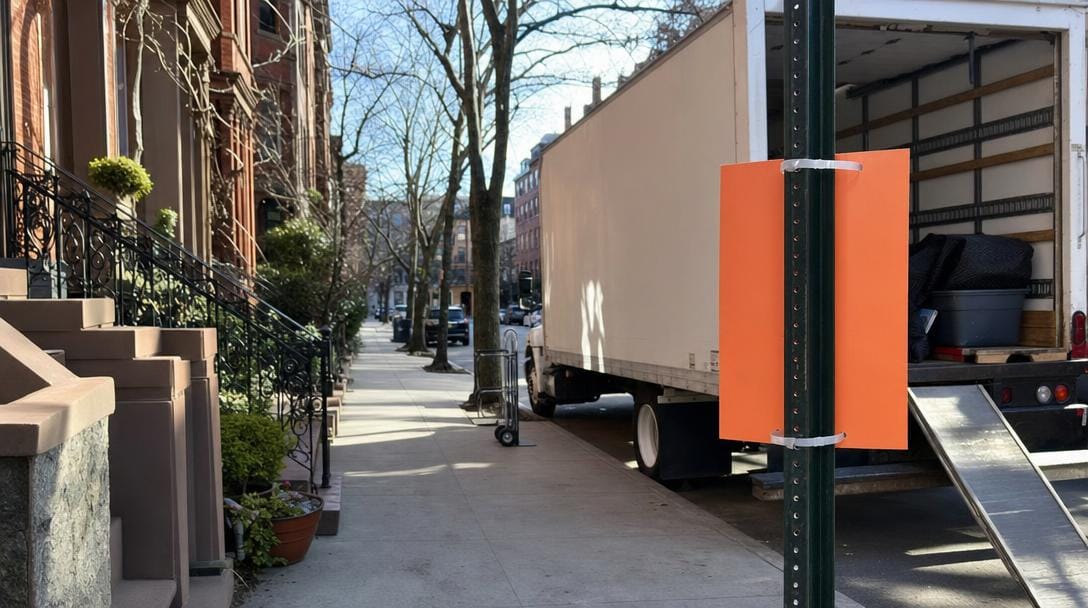
Logistics make or break an LA move. Reserving curb space for a truck on a residential street requires a temporary no-parking permit from the Los Angeles Department of Transportation. The process and current per-sign posting fee are listed on the LADOT temporary no-parking sign program — apply several days ahead, since signs must be posted in advance to be enforceable.
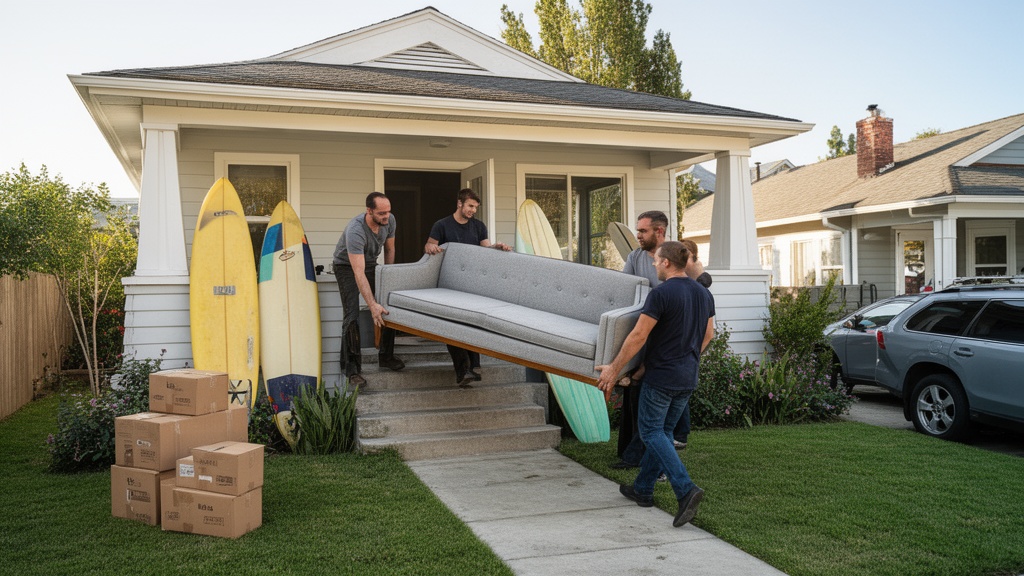
Traffic timing is the second variable. Crews that schedule loading after the morning rush and aim to clear freeways before the afternoon backup on the 405 and 101 finish faster. Hourly billing makes these windows financially real — gridlock burns paid labor hours.
For buildings, plan around HOA rules. High-rises along Wilshire and in Century City often restrict moving to weekday windows and require a reserved freight elevator plus a certificate of insurance on file before crews arrive.
Why do local crews price these moves better? Because they know the city. The case for choosing a local moving company rests on exactly this kind of operational knowledge — permits, parking districts, and traffic patterns an out-of-town carrier learns the hard way, on your clock.
Related Articles
- Best Moving Companies in St. Louis: Top-Rated Movers — Learn how to vet and compare top movers in another major US market.
- Cheap Moving Companies: How to Find Affordable Movers — Discover how to lower moving costs without sacrificing licensing or insurance.
- Best Moving Companies in Boston: Local Expert Guide — See how local rules and pricing shape moves on the East Coast.
- Best Chicago Moving Companies: Top-Rated Local Movers — Compare licensed Chicago crews and understand Midwest moving logistics.
- Flat Rate Moving Company: How It Works and What to Expect — Understand when a flat-rate quote beats hourly billing for your move.
Recommended Reading
- How much does it cost to move from Boston to Los Angeles?
- Chicago to Los Angeles Movers: Planning Your Cross-Country Move
- How to Avoid Moving Scams
- How to Reserve an Elevator for Your Move
- Full Service Moving Company Details and Features
Frequently Asked Questions