'%3E%3Cpath%20fill='%231B2A47'%20d='M1.605%2016.263c.03-1.139.059-2.482.088-3.971.03-1.49.03-2.832.03-4.03%200-.758%200-1.576-.03-2.51%200-.905-.03-1.84-.03-2.803%200-.496-.028-.964-.028-1.43%200-.468%200-.906-.03-1.315h6.858q2.188%200%203.589.35c.963.234%201.663.643%202.13%201.198.496.555.73%201.372.73%202.394%200%20.788-.176%201.46-.497%201.985-.32.526-.846.935-1.575%201.197-.73.292-1.693.468-2.918.526v.263c1.313.087%202.334.263%203.122.525.758.263%201.342.672%201.692%201.197.35.526.525%201.197.525%202.044%200%201.08-.233%201.927-.67%202.57-.468.642-1.139%201.08-2.102%201.343-.933.262-2.159.408-3.705.408H1.605zm6.537-9.197q1.882%200%202.713-.526c.555-.35.817-.934.817-1.752%200-.905-.292-1.547-.846-1.927s-1.459-.554-2.655-.554H4.757v4.759zm.204%206.92c.934%200%201.663-.088%202.217-.263.555-.176.934-.438%201.197-.818s.38-.876.38-1.518c0-.876-.322-1.49-.934-1.84-.643-.35-1.635-.525-3.035-.525H4.757v4.963zM21.038%2016.555c-1.576%200-2.801-.292-3.618-.905-.817-.614-1.284-1.519-1.372-2.745-.087-1.226.205-2.774.847-4.613s1.43-3.358%202.392-4.584c.963-1.226%202.043-2.131%203.298-2.744C23.839.292%2025.24%200%2026.786%200c1.576%200%202.772.321%203.59.934.816.613%201.283%201.548%201.37%202.774s-.203%202.774-.845%204.613c-.642%201.81-1.43%203.358-2.393%204.584s-2.072%202.132-3.297%202.745a9.8%209.8%200%200%201-4.173.905m.788-2.278c.642%200%201.138-.058%201.371-.116.205-.059.496-.117.847-.322.262-.146.437-.292.554-.408.204-.175.32-.292.438-.41.204-.203.35-.408.496-.583.35-.438.642-.876.963-1.402.233-.408.466-.817.67-1.284.205-.438.38-.905.555-1.372.438-1.198.671-2.278.671-3.183s-.204-1.606-.612-2.131c-.409-.497-1.051-.76-1.897-.76-.467%200-.934.059-1.43.205h-.03c-1.02.292-1.925%201.226-2.042%201.372-.116.117-.467.526-.963%201.343a15.5%2015.5%200%200%200-1.342%202.92c-.408%201.197-.642%202.277-.671%203.182-.03.906.175%201.636.584%202.161q.611.788%201.838.788M14.853%2038.54c-1.576%200-2.802-.292-3.619-.905s-1.284-1.518-1.371-2.744c-.088-1.227.204-2.774.846-4.614s1.43-3.357%202.393-4.584%202.042-2.13%203.297-2.744c1.255-.613%202.655-.905%204.173-.905%201.575%200%202.772.321%203.589.934s1.284%201.548%201.371%202.774c.088%201.226-.204%202.774-.846%204.613-.642%201.81-1.43%203.358-2.393%204.584s-2.072%202.131-3.297%202.745c-1.226.613-2.626.846-4.143.846m.787-2.277c.642%200%201.138-.059%201.372-.117.204-.058.496-.117.846-.321.263-.146.438-.292.554-.409.205-.175.321-.292.438-.409.204-.204.35-.408.496-.584a13%2013%200%200%200%201.634-2.686c.204-.438.38-.905.555-1.372.437-1.197.67-2.277.67-3.182%200-.906-.203-1.606-.612-2.132-.409-.496-1.05-.759-1.897-.759-.467%200-.934.058-1.43.204h-.029c-1.021.292-1.925%201.227-2.042%201.373-.117.116-.467.525-.963%201.343a15.5%2015.5%200%200%200-1.342%202.92c-.409%201.196-.642%202.277-.671%203.182s.175%201.635.583%202.16q.613.789%201.838.789'/%3E%3Cpath%20fill='%23FF515E'%20d='M55.966%2038.57c-1.576%200-2.801-.293-3.618-.906s-1.284-1.518-1.372-2.744c-.087-1.227.204-2.774.846-4.613s1.43-3.358%202.393-4.584c.963-1.227%202.043-2.132%203.297-2.745s2.656-.905%204.173-.905c1.576%200%202.772.321%203.589.934s1.284%201.548%201.371%202.774c.088%201.226-.204%202.774-.846%204.613-.642%201.81-1.43%203.358-2.393%204.584s-2.071%202.131-3.297%202.745c-1.225.613-2.626.846-4.143.846m.788-2.249c.642%200%201.138-.058%201.371-.117.204-.058.496-.116.846-.32.263-.147.438-.293.555-.41a7%207%200%200%200%20.437-.408c.205-.205.35-.41.496-.584a13%2013%200%200%200%201.634-2.686c.205-.438.38-.905.555-1.373.438-1.197.671-2.277.671-3.182s-.204-1.606-.613-2.131c-.408-.497-1.05-.76-1.896-.76-.467%200-.934.059-1.43.205h-.03c-1.02.292-1.925%201.226-2.042%201.372-.117.117-.467.526-.963%201.343a15.5%2015.5%200%200%200-1.342%202.92c-.409%201.197-.642%202.277-.671%203.182s.175%201.635.583%202.16q.614.79%201.839.79'/%3E%3Cpath%20fill='%231B2A47'%20d='M33.06%2016.263c0-.35%200-.935.03-1.81.029-1.051.058-2.103.058-3.154s.03-2.073.03-3.007c0-1.606-.03-3.27-.06-4.993%200-.554-.028-1.08-.028-1.606%200-.525-.03-1.021-.03-1.46h6.828c1.46%200%202.685.117%203.59.38q1.4.394%202.1%201.314.7.963.7%202.628c0%20.992-.174%201.81-.554%202.452-.35.643-.904%201.11-1.604%201.431s-1.576.467-2.627.496v.263q2.058.087%203.064.876c.671.525%201.138%201.372%201.43%202.51.087.41.233%201.023.467%201.84.233.818.408%201.431.554%201.84h-3.414a11%2011%200%200%200-.262-1.022c-.321-1.314-.526-2.19-.584-2.628a5%205%200%200%200-.642-1.46%202.13%202.13%200%200%200-.963-.73c-.408-.146-.934-.233-1.605-.233h-3.326v6.0440000000000005H33.06zm6.332-8.292c1.343%200%202.276-.205%202.86-.613.554-.41.846-1.11.846-2.073%200-.73-.146-1.314-.408-1.723-.263-.409-.671-.7-1.197-.876q-.788-.263-2.1-.263h-3.181v5.519h3.18zM49.4%2016.263l.03-2.745c.029-2.452.029-4.905.029-7.416q0-2.101-.088-5.868h4.085l5.924%2010.335c.087.234.204.438.291.643.117.204.205.408.321.613.38.788.613%201.255.672%201.372h.262c0-.058-.03-.146-.03-.204%200-.059-.028-.117-.028-.175a75%2075%200%200%201-.175-1.314%2010%2010%200%200%201-.088-1.285c0-1.547%200-3.737-.029-6.57V1.84c0-.584-.03-1.11-.03-1.576h2.977c-.03%202.482-.058%205.08-.058%207.766%200%201.694%200%204.438.029%208.292h-4.027l-5.573-9.43c-.875-1.81-1.226-2.511-1.05-2.132-.263-.613-.467-1.08-.613-1.46h-.263c.058.35.117.876.175%201.548.059.7.117%201.168.117%201.46%200%202.978%200%206.306.029%209.985H49.4zM4.698%2038.277c.029-2.627.058-5.255.058-7.883%200-1.576%200-3.503-.029-5.752-1.109%200-2.684%200-4.727.03v-2.453h12.664v2.453c-1.955-.03-3.53-.03-4.756-.03%200%20.584-.03%201.227-.03%201.957s0%201.46-.029%202.218v1.84c0%202.57.03%205.11.059%207.62z'/%3E%3Cpath%20fill='%23FF515E'%20d='M29.441%2038.277c.409-1.05.788-2.102%201.168-3.182s.787-2.16%201.167-3.241c.613-1.693%201.05-2.949%201.342-3.766l1.255-3.65c.116-.38.262-.788.379-1.139.117-.38.263-.73.38-1.05h4.61l-.671%2012.904h.262l8.316-12.905h4.669l-.7%201.869c-.876%202.452-1.343%203.766-1.43%204a501%20501%200%200%200-3.385%2010.16h-2.947c.292-.846.788-2.219%201.459-4.087.175-.526.35-1.08.554-1.606.175-.526.38-1.08.555-1.577.642-1.81%201.342-3.825%202.072-6.014h-.234l-8.724%2013.314h-2.86l.554-13.314h-.175c-.175.496-.38.992-.554%201.489-.175.496-.38%201.022-.555%201.547a163%20163%200%200%200-1.08%203.008c-.145.38-.262.759-.408%201.138-.117.38-.262.73-.408%201.11-.7%201.898-1.284%203.59-1.751%205.05h-2.86zM68.047%2038.277c.175-2.19.32-4.525.467-7.007.058-.905.204-3.912.467-9.051h3.151c-.03.438-.058.934-.088%201.46s-.058%201.08-.087%201.693a264%20264%200%200%201-.409%206.657c-.145%201.986-.35%203.591-.583%204.788h.175Q72.147%2034.892%2073.94%2032a562%20562%200%200%201%204.465-7.066c.32-.496.641-.992.933-1.46s.555-.875.817-1.255h3.268q-.568.832-1.138%201.752c-.408.613-.787%201.255-1.196%201.927-3.88%206.014-6.478%2010.131-7.85%2012.35h-5.193zM79.106%2038.277c.32-.788.758-2.014%201.37-3.65a287%20287%200%200%200%201.577-4.32c.437-1.256.904-2.628%201.4-4.088s.934-2.774%201.313-3.97h11.322l-.846%202.364H87.1l-1.664%204.847%207.645-.088-.612%201.694-7.587-.088-1.75%204.934h8.286l-.846%202.365z'/%3E%3C/g%3E%3Cdefs%3E%3CclipPath%20id='a'%3E%3Cpath%20fill='%23fff'%20d='M0%200h96v40H0z'/%3E%3C/clipPath%3E%3C/defs%3E%3C/svg%3E)
An interstate moving company is a federally licensed carrier that transports household goods across state lines under operating authority issued by the U.S. Department of Transportation (US DOT) and regulated by the Federal Motor Carrier Safety Administration (FMCSA). Choosing the right one comes down to three things: confirming the license is real, understanding whether you're hiring a carrier or a broker, and reading the contract before you sign.
Most moving-scam complaints trace back to one skipped step — nobody verified the mover. This guide walks through licensing, pricing, red flags, and the exact questions to ask, so you can compare interstate movers with confidence rather than guessing.

Key Takeaways
| Point | Details |
|---|---|
| Interstate = crosses state lines | Any move between two states falls under FMCSA jurisdiction and requires a valid US DOT number. Confirm the definition on Protect Your Move. |
| Verify before you book | Check the carrier's active operating authority and insurance in the FMCSA SAFER company snapshot — this takes two minutes. |
| Carrier vs. broker | A carrier owns the trucks and crews; a broker only sells your job to a third party. Confirm which you're hiring. |
| Two liability levels | Federal law requires movers to offer Released Value (60 cents per pound) and Full Value Protection. See your rights. |
| Get it in writing | A binding written estimate and a signed interstate moving contract protect you from surprise charges on delivery day. |
What Is an Interstate Moving Company and How It Differs From Local Movers

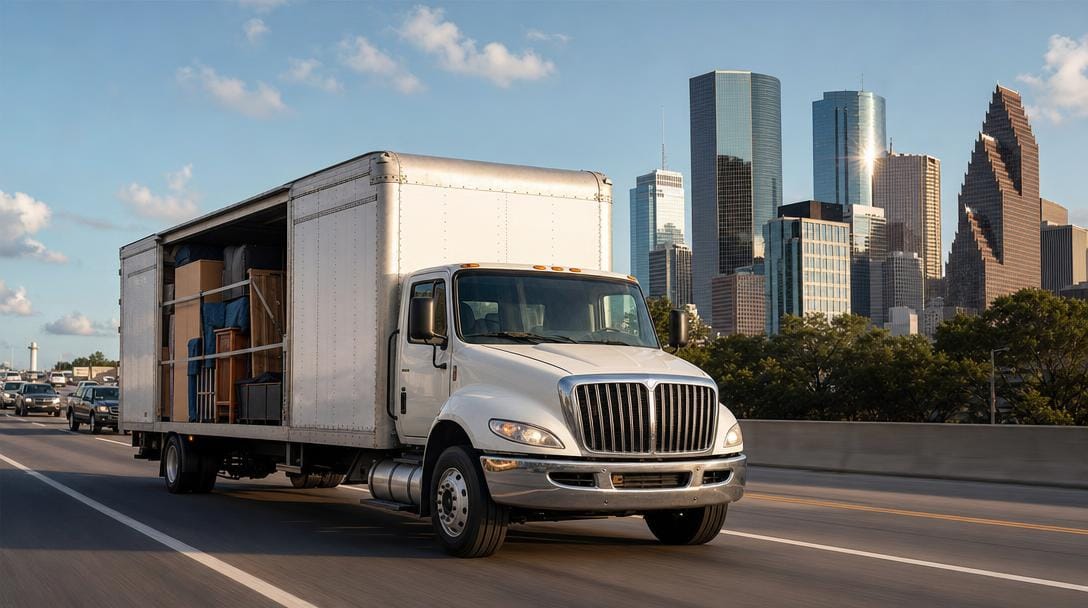
An interstate moving company relocates your belongings across state lines — for example, Boston to Chicago or Houston to Los Angeles. The moment your goods cross a state border, the move falls under federal rules. That single distinction separates interstate moving from local, in-state work.
Local movers usually bill by the hour and operate under state or municipal rules. Interstate movers price by shipment weight and distance, and they must hold federal authority. This is the core reason a long distance moving company carries obligations a local crew does not.
Q: What counts as an interstate move?
A: Any relocation where goods cross a state line — even a 20-mile move from one state into a neighboring one — is interstate and regulated by the FMCSA, which requires the carrier to hold a valid US DOT number.
Here's the practical takeaway: distance alone doesn't define an interstate move. A cross-town move stays local, while a short hop across a state line becomes federal. If you're relocating between states, you need interstate movers with active federal authority, not a local outfit borrowing a truck for the weekend.
How Interstate Movers Are Licensed and Regulated (US DOT and FMCSA)
Every legitimate interstate mover holds a US DOT number and, in most cases, MC (motor carrier) authority issued by the FMCSA. The FMCSA sets safety standards, handles complaints, and publishes each carrier's status in a public database. Verifying that record is the single most important step in vetting FMCSA registered movers.
Start by asking for the company's moving company US DOT number, then look it up. Our walkthrough on how to check a moving company's US DOT number shows exactly where to enter it and what an active record looks like.

Q: How do I confirm interstate movers are FMCSA registered?
A: Enter the company's US DOT number in the FMCSA SAFER company snapshot; an active carrier shows current operating authority, a registered fleet, and on-file insurance.
What you want to see on the record: authority marked "active," household-goods authority listed, and BIPD/cargo insurance on file. As a licensed carrier, Born to Move holds federal US DOT and MC interstate authority plus state registrations including Massachusetts MDPU and Illinois ILCC — the kind of layered credentials licensed and insured movers carry.
Pro Tip: Don't accept a screenshot of a DOT number. Look it up yourself on the FMCSA site while the sales rep is on the phone. A real carrier will happily wait; a broker posing as a carrier often won't.
Broker vs. Carrier: Why the Difference Matters
A carrier physically moves your goods with its own trucks and crews. A broker sells your job to whichever carrier bids on it — often one you never spoke to. Both are legal, but the difference changes who is accountable when a couch arrives scratched.
Brokers can be convenient, yet they add a layer between you and the people loading your boxes. If you booked with a broker and the assigned carrier underperforms, resolving damage or delays gets complicated fast. Asset-based cross country movers own the whole chain, from quote to delivery.
| Criteria | Asset-Based Carrier | Broker |
|---|---|---|
| Owns trucks and crews | Yes | No |
| Who performs the move | Its own employees | A third-party carrier |
| Price certainty | Can issue a binding estimate directly | Estimate may change once a carrier is assigned |
| Accountability for damage | Single point of contact | Split between broker and carrier |
| FMCSA authority type | Motor carrier authority | Broker authority only |
Before you sign, ask one blunt question: "Are you the carrier that will load my truck, or a broker?" The answer determines who owns your move. When comparing state to state moving companies, favor those that answer plainly and show carrier authority on the FMCSA record.
GoBorn can help: As a fully licensed, asset-based carrier with hubs from Boston to Los Angeles, Born to Move performs interstate moves with its own crews — no brokered handoffs. Learn more →
Full-Service Interstate Moving: What's Actually Included
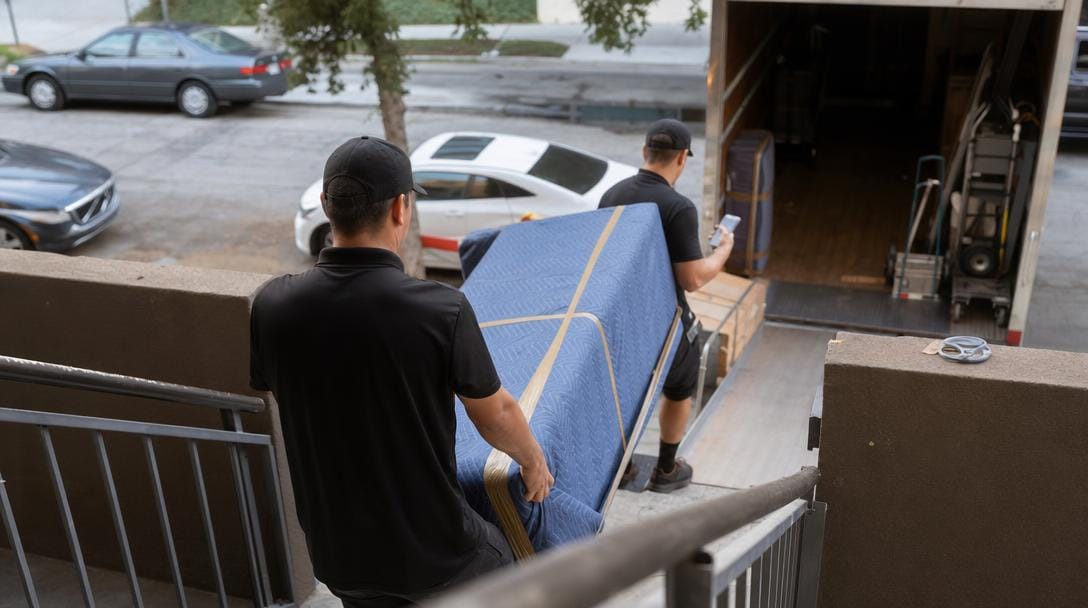
Full service interstate moving means the company handles the entire relocation: packing, loading, transport, delivery, and unpacking. You point to what stays and what goes; the crew does the rest. It's the option most people picture when they think of professional interstate relocation services.
A typical full-service scope covers several distinct tasks. Knowing them helps you compare quotes line by line instead of trusting a single lump-sum number.
- Packing and materials — boxes, tape, paper, and blankets, with fragile items wrapped by trained packers
- Furniture disassembly and reassembly — beds, tables, and modular pieces
- Loading and securing — dollies, straps, and decking bars to prevent shifting in transit
- Interstate transport — the long-haul leg across state lines
- Delivery and placement — items set in the correct rooms, boxes stacked where you want them
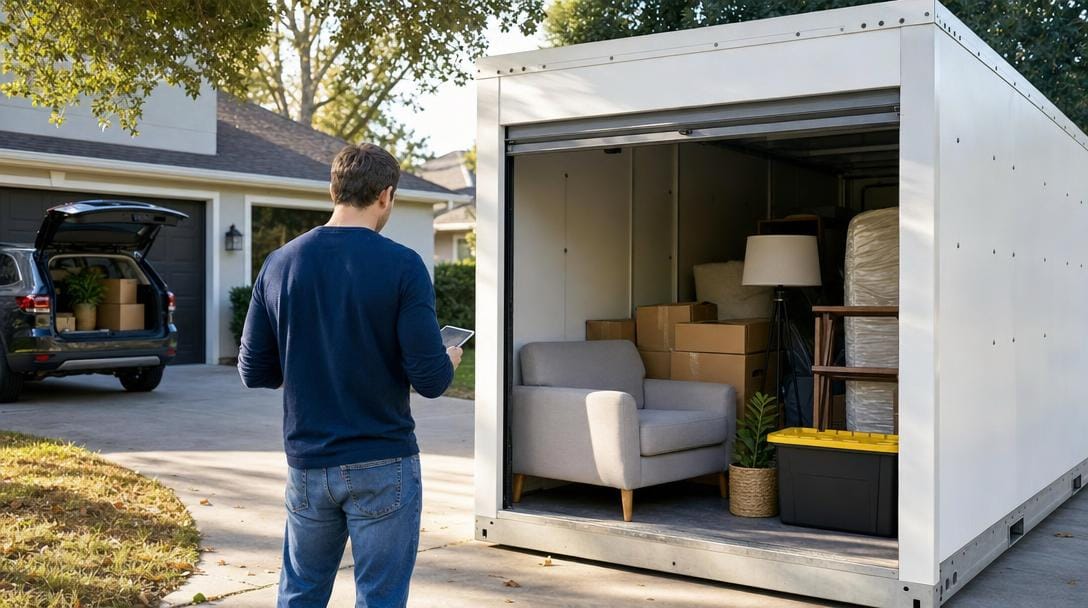
- Optional add-ons — storage-in-transit, specialty crating, piano or safe handling
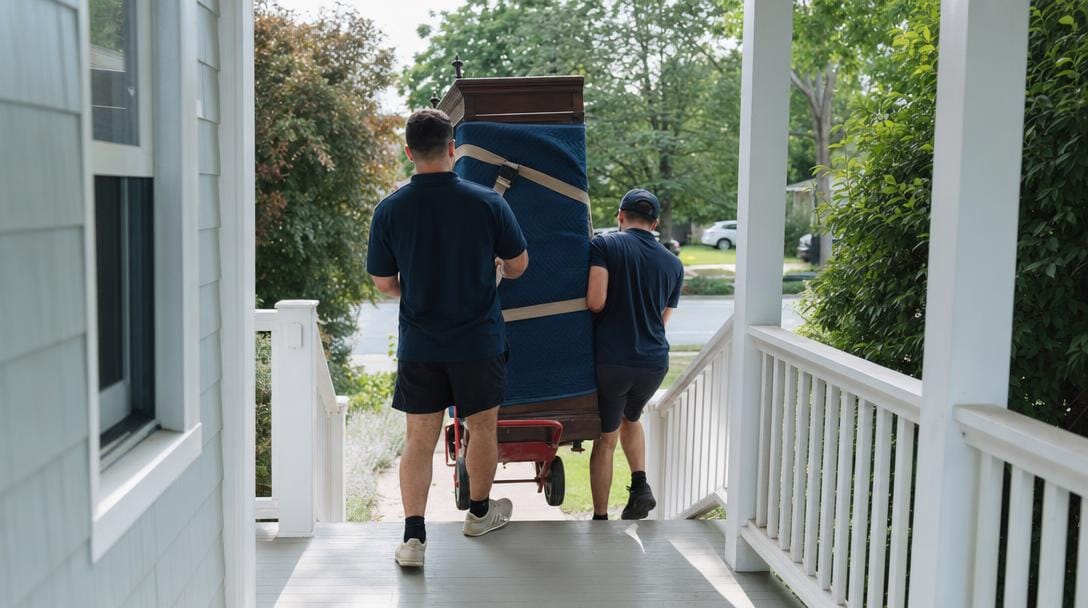
For a fuller breakdown of what an end-to-end move looks like, our guide to full-service movers covers each stage. Compare it against any quote that seems suspiciously cheap — a low price often means packing, valuation, or reassembly was quietly left out.
Pro Tip: Ask each mover to itemize what "full service" includes in writing. One company's full service bundles packing; another charges it separately. The label alone tells you nothing until you see the line items.
Interstate Moving Cost: How the Price Is Calculated
Interstate moving cost is driven primarily by shipment weight and mileage, then adjusted for services like packing, stairs, long carries, and storage. Unlike hourly local moves, interstate pricing rests on how much your goods weigh and how far they travel. For a deeper breakdown, see our guide to what interstate moving costs and how interstate movers determine your cost.
The main cost drivers are consistent across the industry:
- Weight of your total shipment
- Distance between origin and destination
- Access — stairs, elevators, long carries, shuttle needs
- Packing services and materials
- Valuation coverage you select
- Add-ons — storage, specialty items, expedited delivery
The table below shows illustrative estimated ranges only — not a quote. Actual pricing depends on your weight, lane, and services, so always request a written estimate.
| Home size | Shorter interstate lane (est.) | Longer cross-country lane (est.) |
|---|---|---|
| Studio / 1 bedroom | a noticeable amount–a noticeable amount | a noticeable amount–a noticeable amount |
| 2–3 bedrooms | a noticeable amount–a noticeable amount | a noticeable amount–a noticeable amount |
| 4+ bedrooms | a noticeable amount–a noticeable amount | a noticeable amount–a noticeable amount |
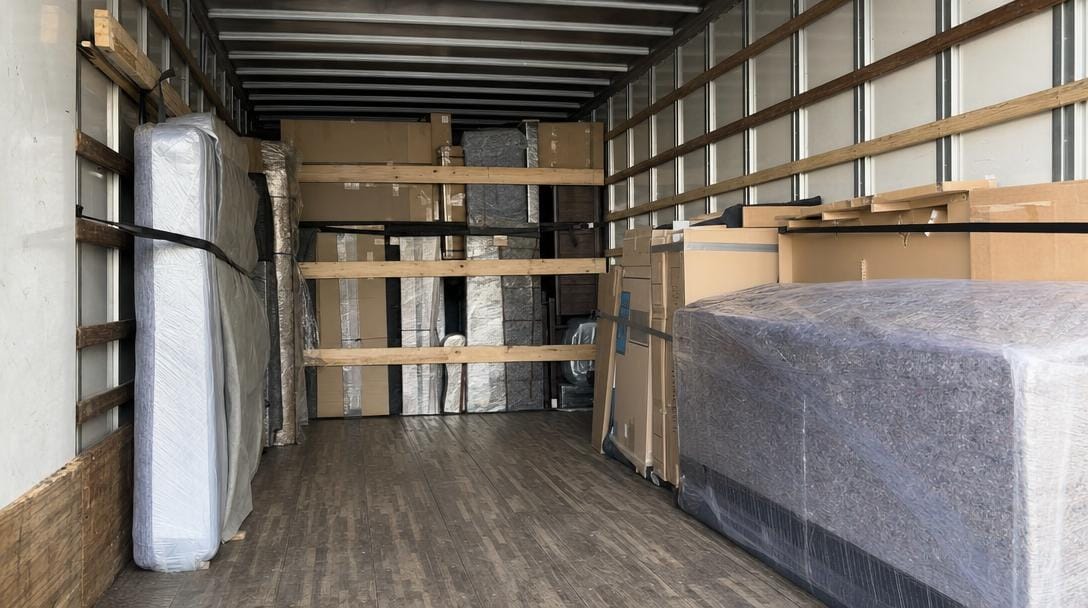
Because price hinges on details, the smartest move is to book early and compare written estimates. Our guide on how to hire an interstate moving company explains how to line up quotes on equal terms so you're comparing apples to apples.
Pro Tip: Insist on a binding moving estimate or a binding not-to-exceed estimate, not a non-binding one. A binding estimate locks the price for the listed services, so the number on delivery day matches the number you agreed to.
Vetting and Comparing Interstate Moving Companies

Vetting comes down to verifying credentials, reading reviews, and getting multiple written estimates. Skipping any of the three is how people end up with a truck full of leverage against them. The good news: how to verify a mover is a short, repeatable checklist.
Work through these steps for every company on your shortlist:
- Confirm the US DOT number is active on the FMCSA record
- Check household-goods authority and insurance are on file
- Read recent reviews across multiple platforms, not just the company site
- Get at least three written estimates based on the same inventory
- Ask carrier-or-broker directly and confirm against FMCSA authority type
- Request a Certificate of Insurance (COI) if your building requires one

Reputation matters as much as paperwork. Our guides on how to find a reputable moving company and good moving companies for interstate moving go deeper on reading between the lines of a review profile. While comparing options, also learn to spot the warning signs of a moving scam so a polished website doesn't fool you.
Born to Move issues a COI on request to building management, HOAs, and commercial properties — a small detail that separates established carriers from fly-by-night operators.
Red Flags and Moving Scams to Watch For
The clearest scam signal is a large cash deposit demanded upfront before any paperwork. Legitimate interstate movers work from written estimates and reasonable deposits, not big prepayments. Thousands of complaints are filed each year with the FMCSA through Protect Your Move, and most share the same warning signs.
Watch for these patterns while you shop:
- No US DOT number listed, or one that isn't active on the FMCSA record
- Quotes sight unseen with no inventory, phone survey, or virtual walkthrough
- Unusually low estimates that undercut every competitor
- Large upfront deposits, especially cash or wire only
- No written estimate or a blank/incomplete document to sign
- A generic name with no physical address or verifiable reviews
Q: What's the biggest red flag when hiring interstate movers?
A: A demand for a large upfront cash deposit combined with a quote given without any inventory — a pattern the FMCSA flags among the most common household-goods moving complaints.
Our companion piece on 8 common issues with moving and how to avoid them covers the operational headaches that follow when a mover cuts corners. The through-line is simple: if a company resists putting terms in writing, walk away.
Questions to Ask Before Signing an Interstate Moving Contract
Before signing an interstate moving contract, confirm the estimate type, the valuation coverage, the delivery window, and the total of all charges. The contract — including the bill of lading and order for service — is your legal record, so every promise belongs in it. Verbal assurances don't survive a dispute.
Run through this list before you put pen to paper:
- Is the estimate binding, binding not-to-exceed, or non-binding?
- What valuation applies — Released Value or Full Value Protection?
- What is the delivery window, and what happens if it slips?
- Are you the carrier or a broker, and which carrier will load the truck?
- What is the total including packing, fuel, stairs, and long carries?
- Are there storage or redelivery fees if I'm not ready to receive?
Under federal rules, movers must offer two liability levels: Released Value at 60 cents per pound (included at no charge) and Full Value Protection (costs more but covers replacement value). Choosing the right one is a decision to make before signing, not after damage occurs.
Q: Should I choose Released Value or Full Value Protection?
A: Released Value pays only 60 cents per pound and is free; Full Value Protection covers repair or replacement value for a fee — the safer choice for high-value households, per FMCSA rules.
Verifying a Mover: Your Step-by-Step Checklist
Verification takes about ten minutes and prevents most moving-day disasters. Keep this checklist open while you're on the phone with each company. It condenses everything above into a repeatable routine you can run for interstate moving on any budget.
| Step | What to do | Why it matters |
|---|---|---|
| 1 | Get the US DOT and MC number | No number = not a legal interstate carrier |
| 2 | Look it up on FMCSA SAFER | Confirms active authority and insurance |
| 3 | Ask carrier vs. broker | Determines who is accountable |
| 4 | Collect 3 written estimates | Reveals lowball and padded quotes |
| 5 | Read multi-platform reviews | Surfaces patterns a single site hides |
| 6 | Confirm valuation and delivery window in writing | Prevents delivery-day surprises |
Millions of Americans relocate across state lines each year, according to U.S. Census Bureau migration data, and the ones who verify first report the fewest problems. Do the ten-minute check, and you filter out the companies most likely to cause trouble.
Born to Move applies this standard to itself — federal US DOT and MC authority, state registrations, and insurance on file — which is exactly what you should demand from any mover you're evaluating.
Related Articles
- All My Sons Moving Company: Reviews and Alternatives — See how a major national mover stacks up and what alternatives to weigh.
- PODS Moving Cost vs Full-Service Movers: Price Compared — Compare container moving against full-service crews on real cost factors.
- Two Men and a Truck Moving Company: Reviews and Alternatives — Understand this carrier's strengths and where competitors do better.
- Movers Near Me: How to Find Reliable Local Movers — Apply the same vetting rigor to short-distance, in-state moves.
Recommended Reading
- How to Check a Moving Company's US DOT Number: A Step-by-Step Guide
- How to Hire an Interstate Moving Company
- How Much Does Interstate Moving Cost?
- What to Know About Interstate Moving
- How to Avoid Moving Scams
If you'd like to talk through your specific route, dates, and inventory, Born to Move offers a free estimate as a licensed, asset-based interstate carrier.
Frequently Asked Questions