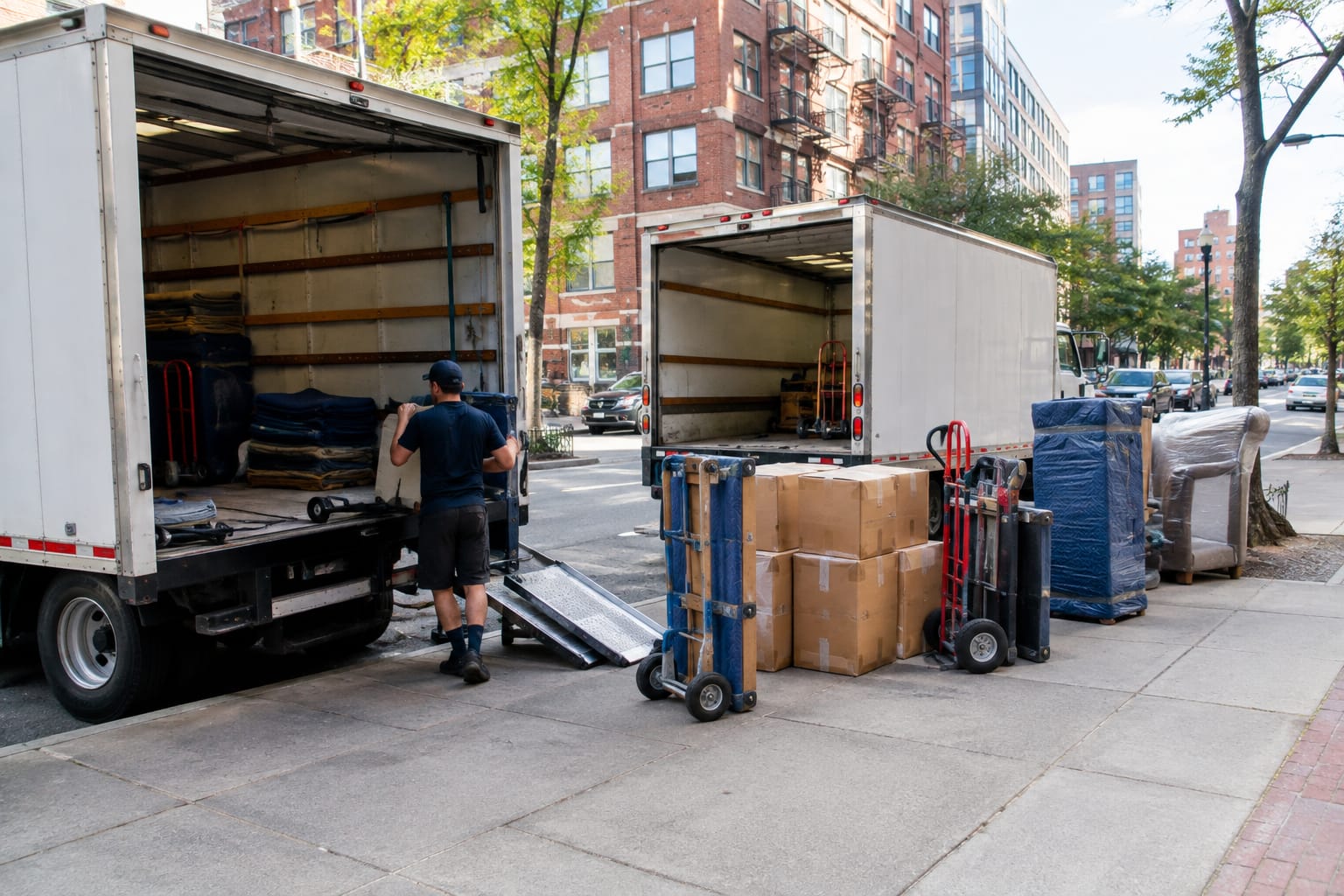
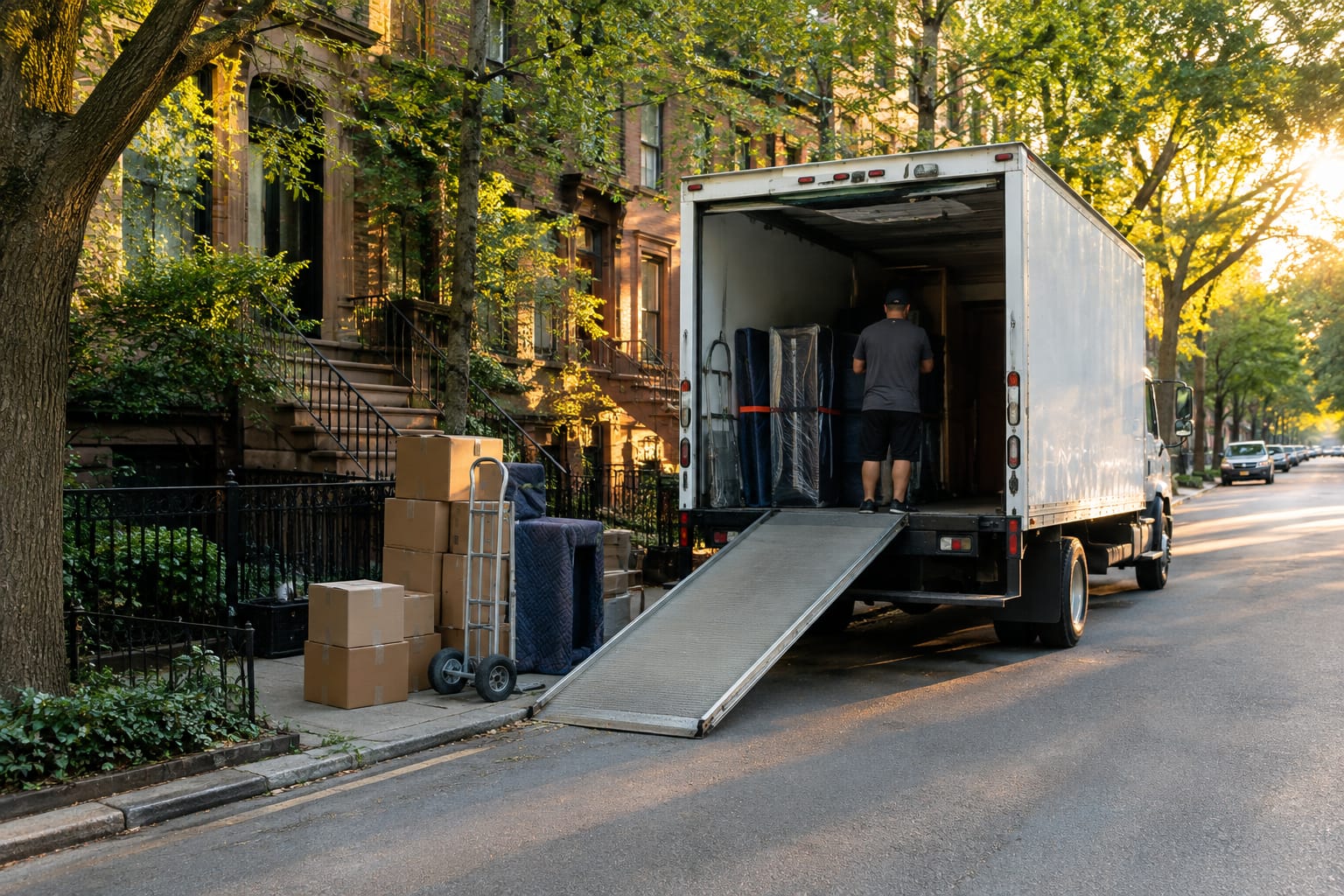
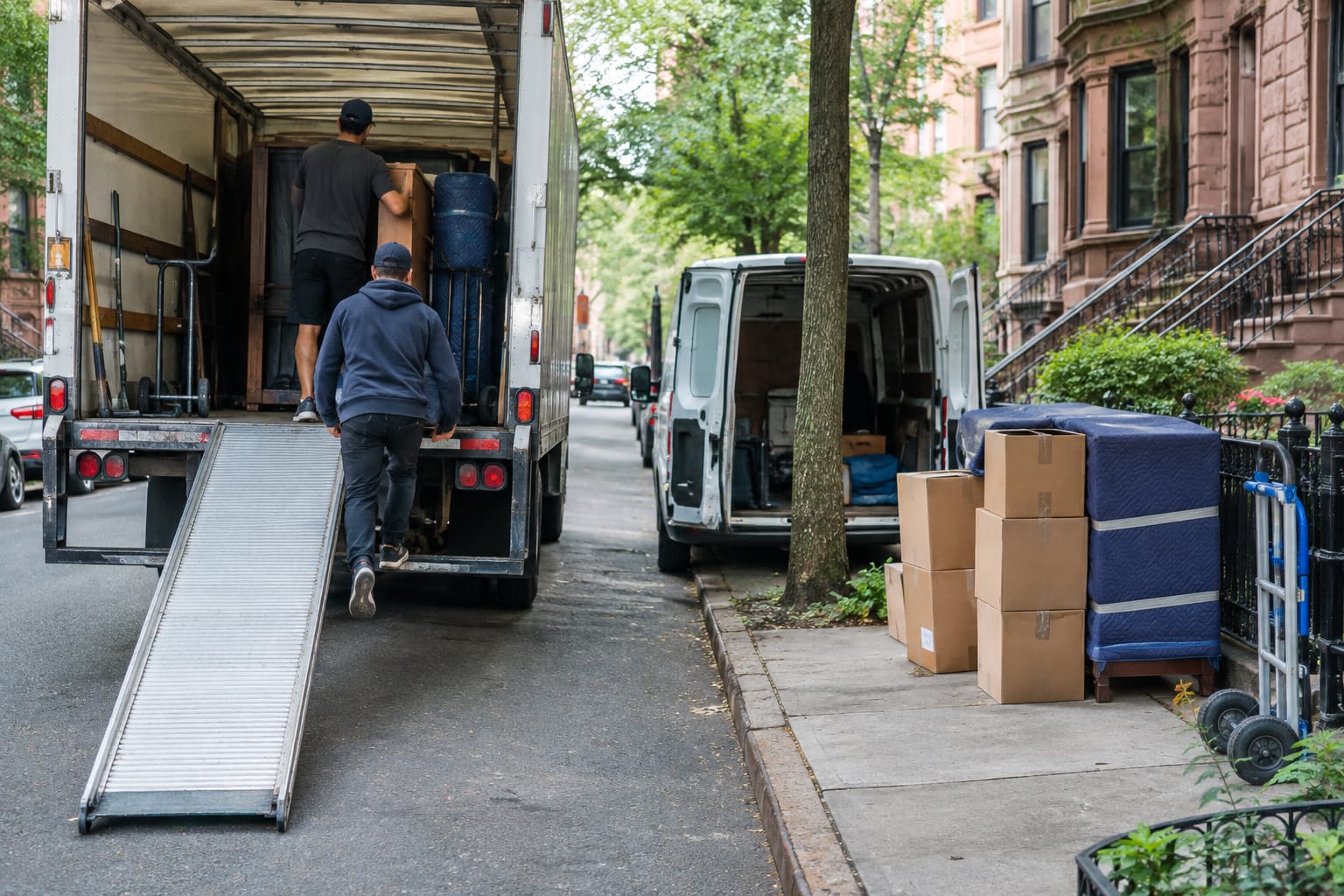
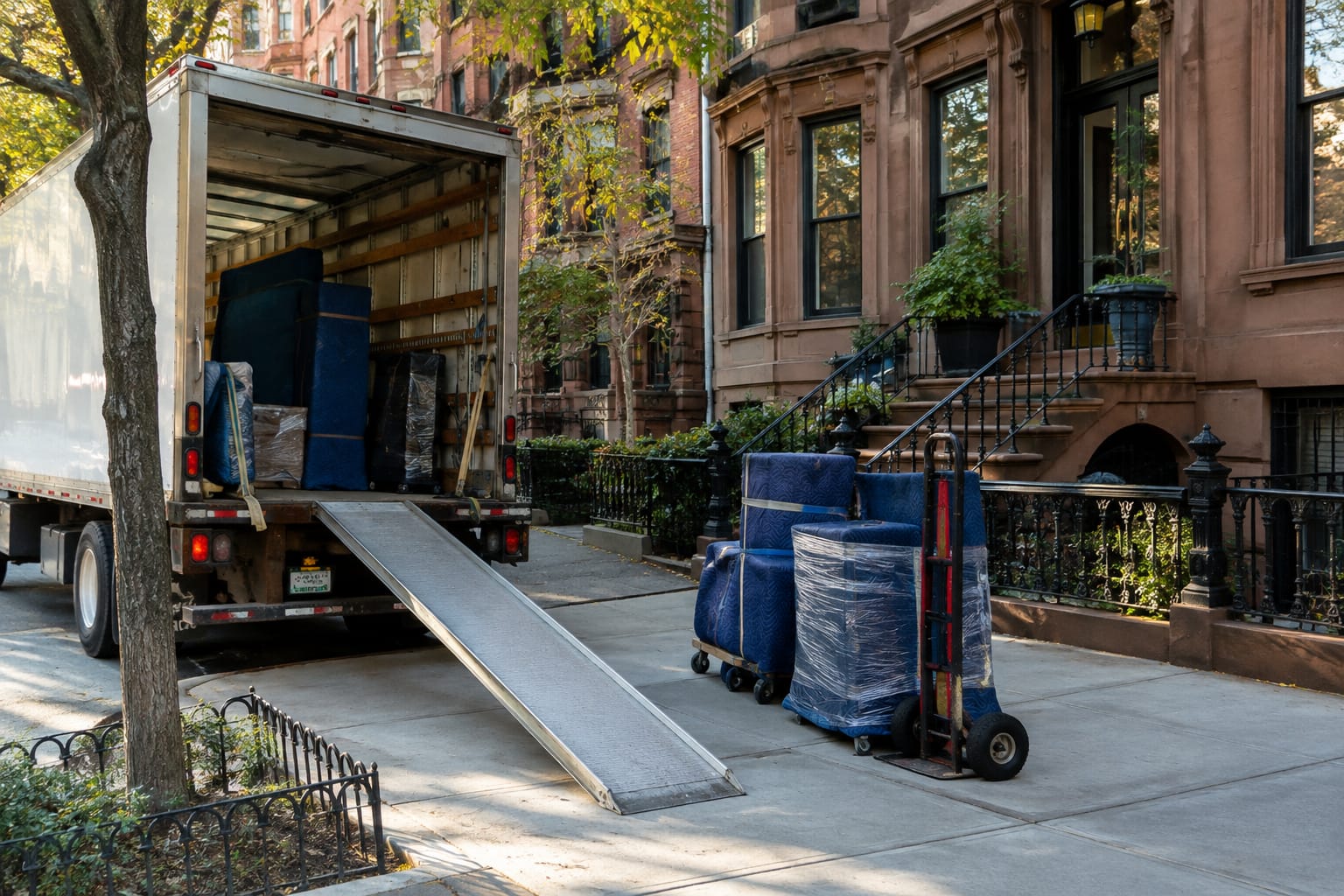
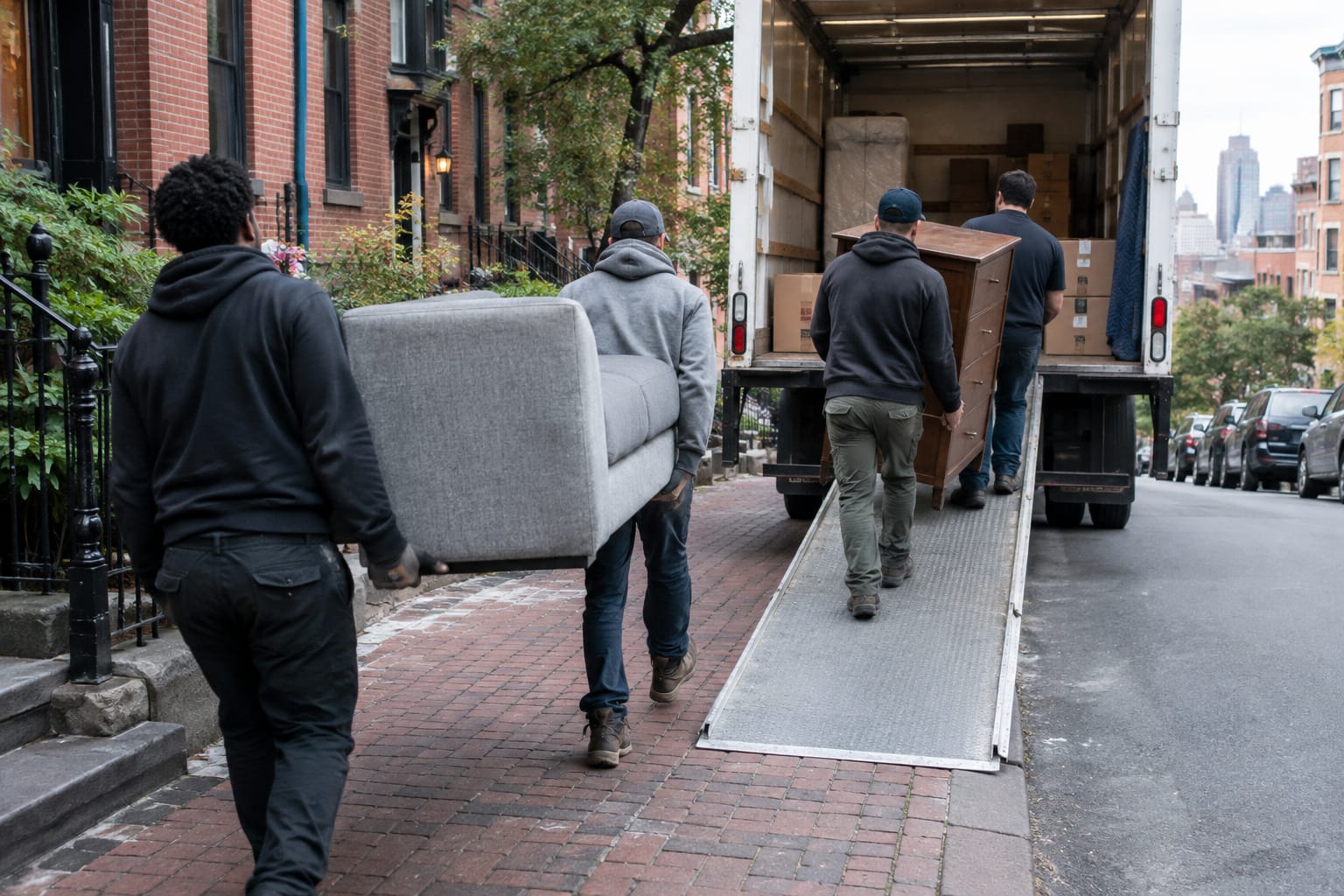
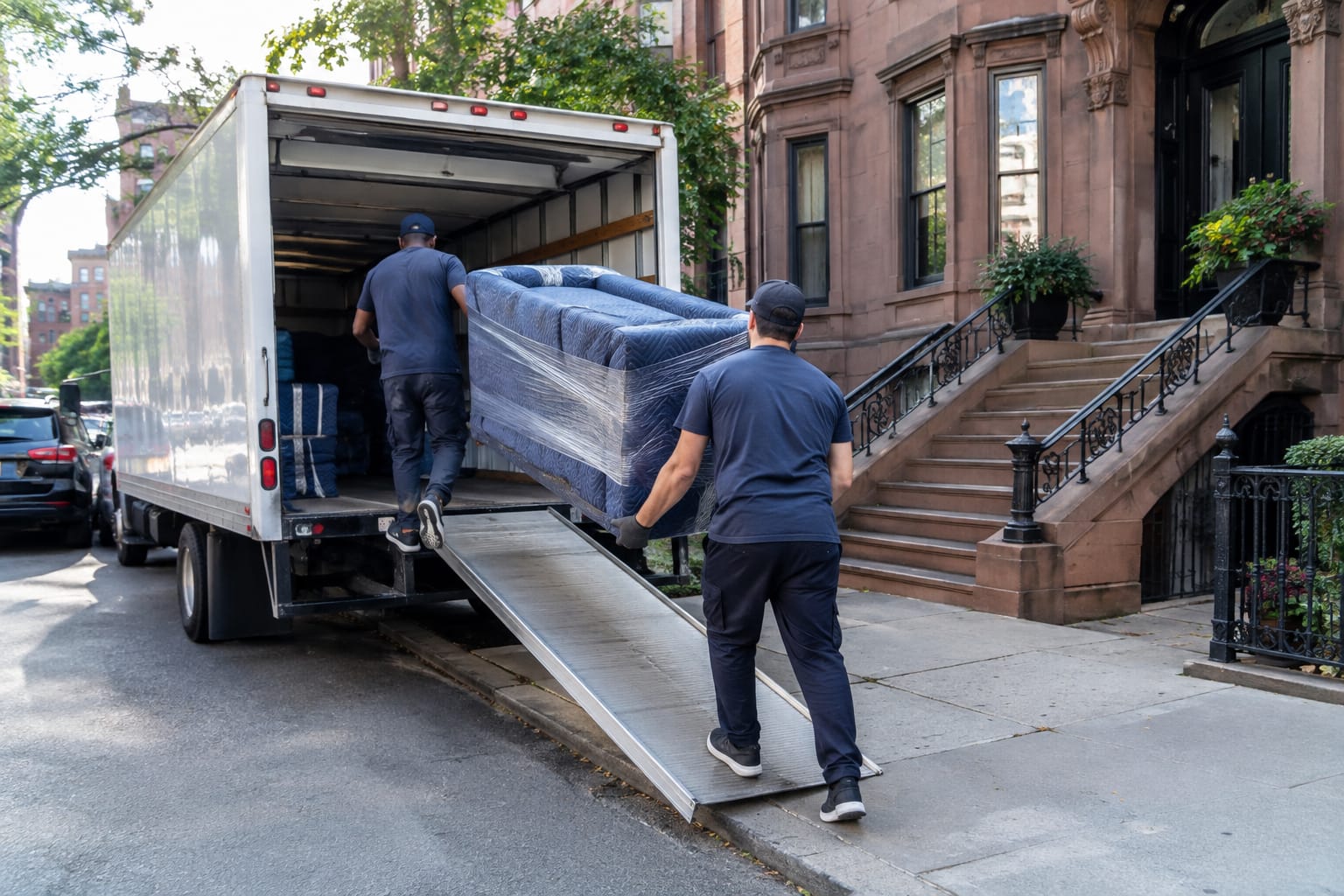
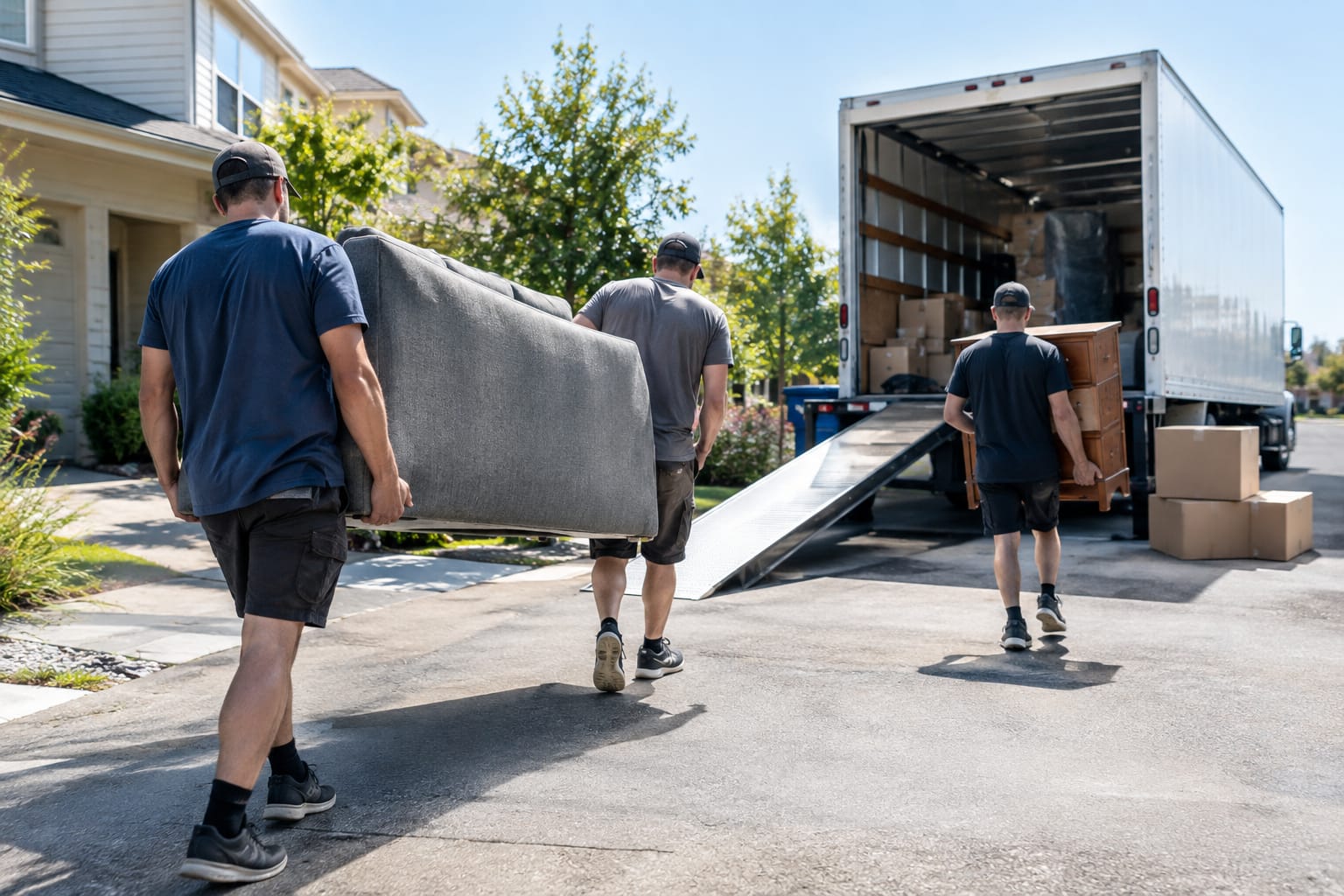
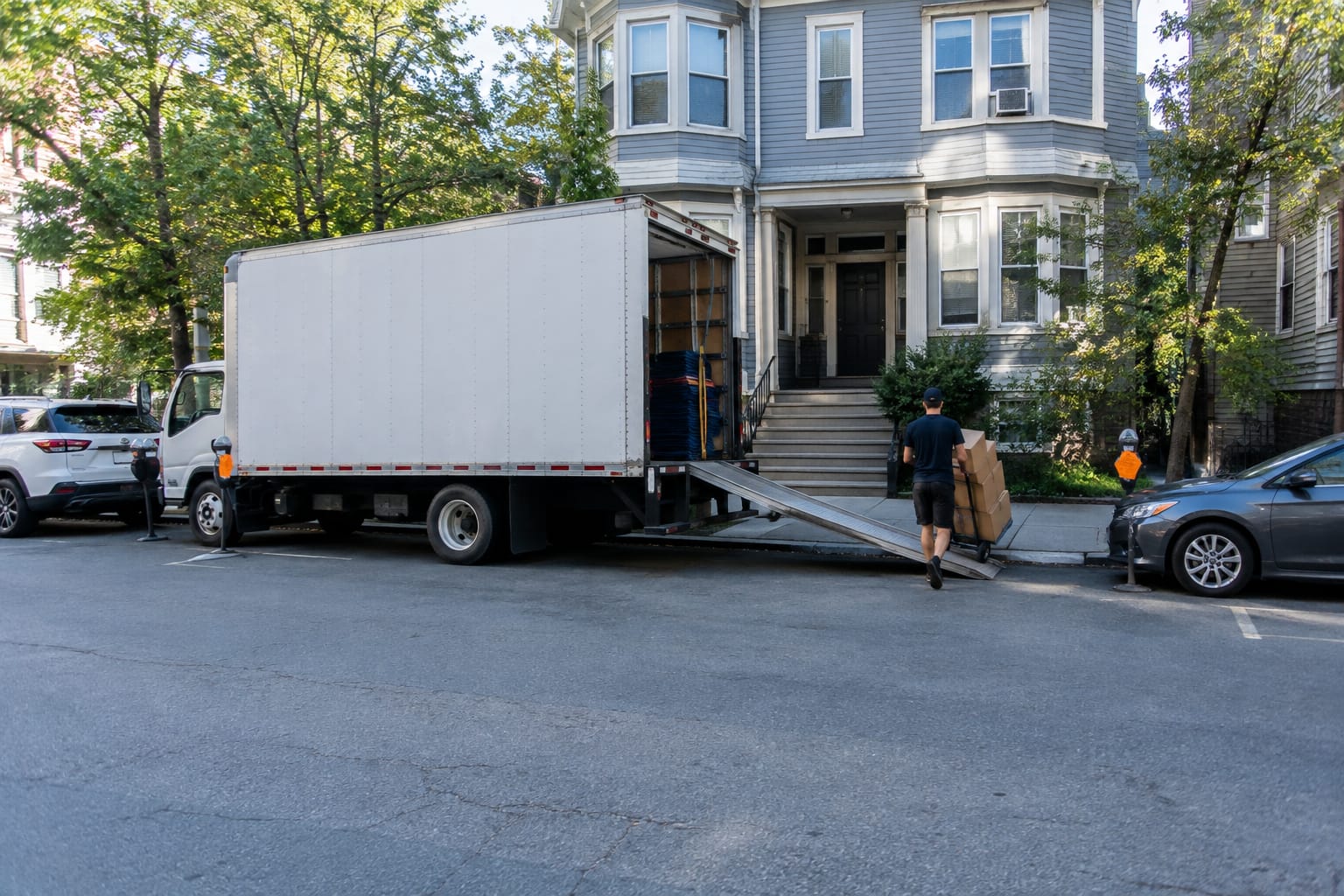
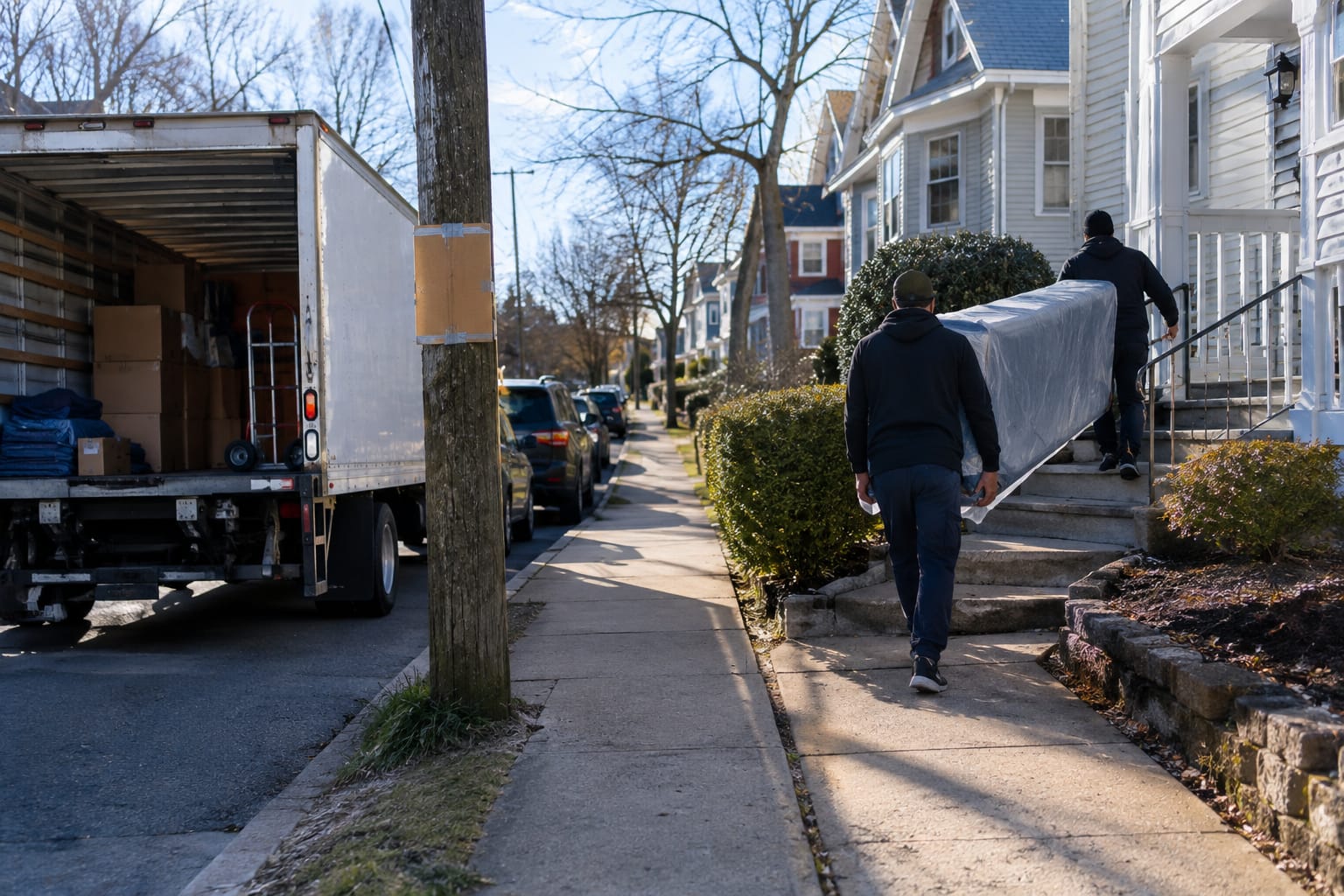
Moving from Boston to San Francisco means sending a household roughly 3,000 miles across the country. The move follows a fixed sequence: inventory and written estimate, packing, load day in Boston, several days on the road, then delivery into a city of steep hills and narrow streets.
Here's the thing: most decisions that shape the San Francisco end of the move get made in Massachusetts, weeks before the truck leaves. This guide walks through each step in the order you'll meet it. It also flags two surprises specific to this lane: the delivery window and the shuttle truck.
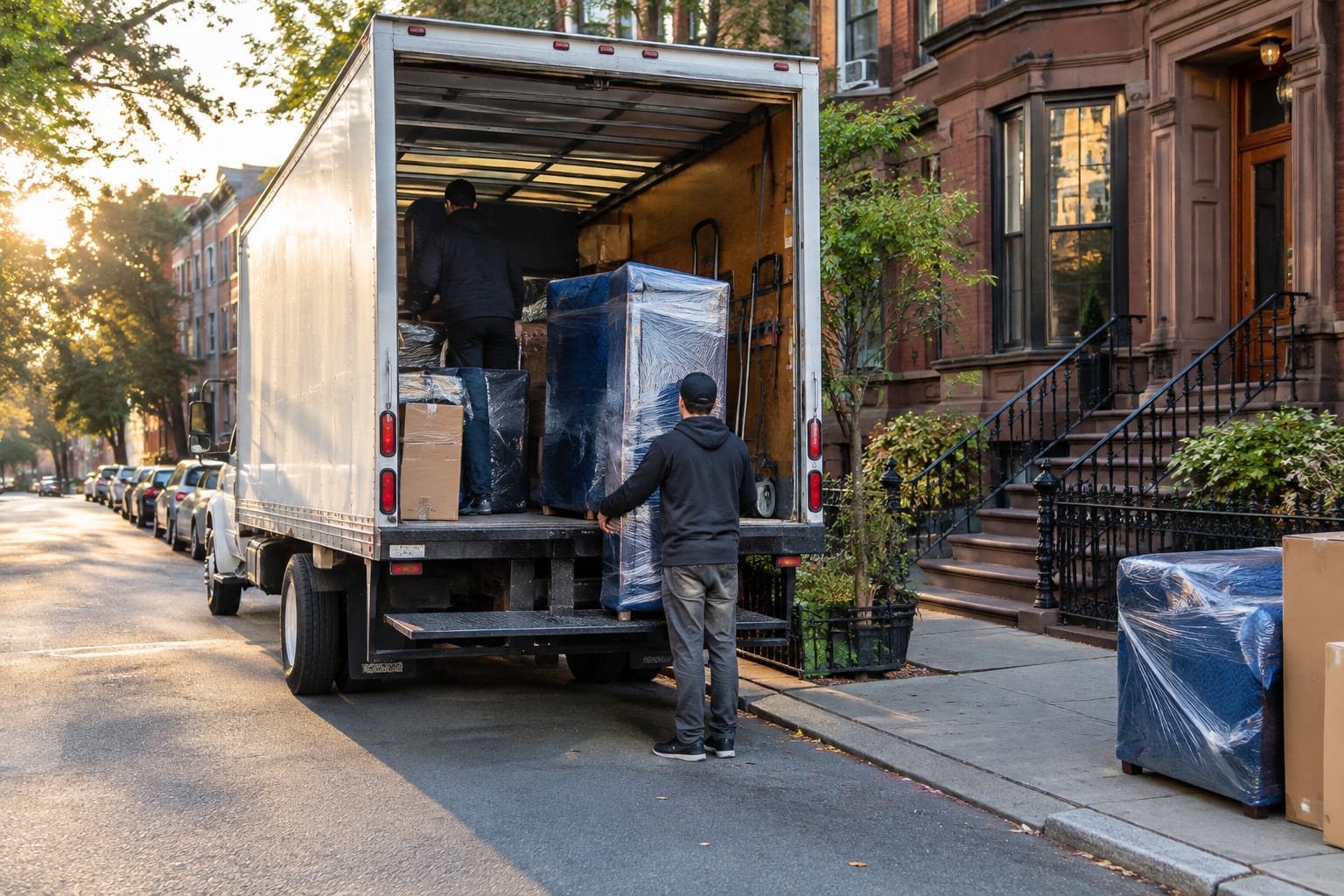
The Boston-to-San Francisco Lane at a Glance
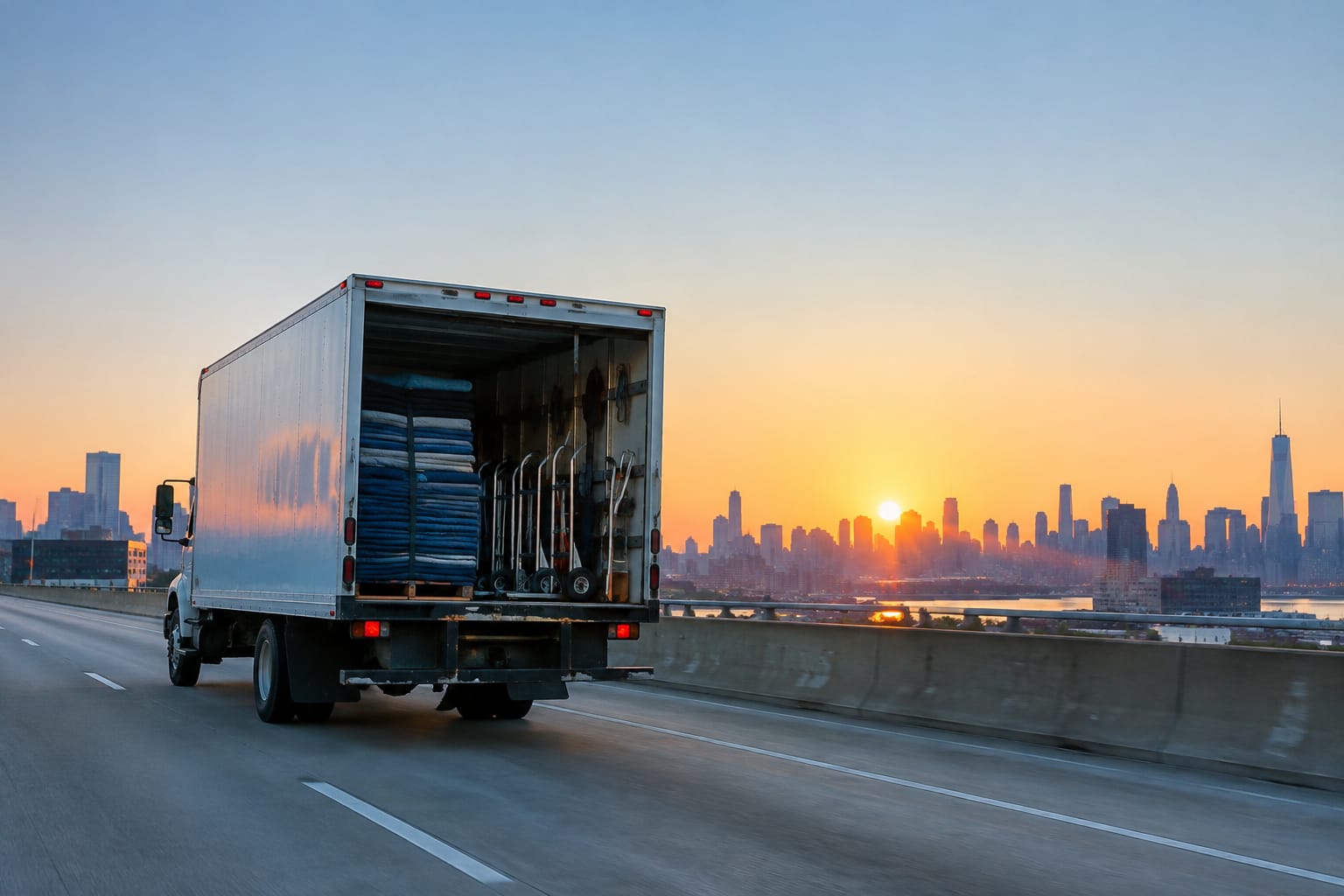
The typical truck route runs west from Boston on Interstate 90, then picks up I-80 across the Midwest, the Great Plains, the Rockies and the Sierra Nevada into the Bay Area. It is one of the longest household moves in the continental United States.
Three features define this lane:
- Distance. Roughly 3,000 miles of highway means transit takes days, not hours, regardless of which carrier you hire.
- Two very different endpoints. Boston brings tight streets, triple-deckers and brownstones. San Francisco adds steep grades and Victorian walk-up buildings.
- A long gap between load and delivery. Your lease dates, storage needs and travel plans all have to fit around that gap.
If you're planning the opposite direction, the logistics of the reverse California-to-Boston route follow a similar pattern with the endpoints swapped.
What Shapes the Cost of a Coast-to-Coast Move
No honest mover can price a cross-country move without seeing your inventory. The quote reflects how much you ship and how hard it is to reach at both ends.
These are the main cost drivers:
- Volume and weight. More furniture and boxes means more truck space, more labor and more fuel.
- Distance and route. A coast-to-coast run carries far higher fuel, toll and driver costs than a regional move.
- Access at both ends. Stairs, long carries from the truck to your door, and elevator time all add labor.
- Shuttle service. If a full-size truck can't reach your San Francisco street, a smaller truck may be needed for the final leg.
- Packing labor and materials. Boxes, tape, shrink wrap and mattress bags are usually a separate line item. Confirm how each quote bills them.
- Storage. Holding goods between load and delivery adds handling and monthly charges.
- Season. Summer and month-end dates fill up first on long-distance calendars.
The same variables drive what a Boston to Los Angeles move costs, so that guide is a useful companion if you're comparing West Coast destinations.
Dedicated Truck vs. Shared Load: How It Changes Your Delivery Date
This choice has more effect on your delivery date than almost anything else. Carriers generally run long-distance shipments one of two ways.
| Factor | Dedicated truck | Shared (consolidated) load |
|---|---|---|
| What's on the truck | Only your household | Several households going the same direction |
| Route | Direct from origin to destination | Multiple pickups and drop-offs along the way |
| Handling | Loaded once, unloaded once | May be transferred between trucks or warehoused |
| Delivery timing | Narrower, more predictable window | Wider window that depends on other shipments |
A shared load can cost less on paper, but your delivery date depends on how quickly the truck fills with other customers' goods. A dedicated truck drives your shipment straight across.
For instance, Born to Move runs interstate moves with one crew and one truck per job, so the shipment isn't combined with other households. Whichever model you choose, ask each carrier directly how your load travels.
Why You Get a Delivery Window, Not a Date
On a cross-country move, the quote gives you a delivery window, not a single day. With Born to Move, that window is set in writing before you book.
Q: How long does it take to move from Boston to San Francisco?
A: Plan for several days of driving at minimum, because the route covers roughly 3,000 miles on I-90 and I-80 and federal hours-of-service limits cap how long a truck driver can drive each day. Your mover confirms the exact delivery window in writing.
The reason is mechanical. The FMCSA hours-of-service rules limit driving time and require rest breaks for commercial drivers. That rules out driving Boston to San Francisco in one push, whichever company you hire.
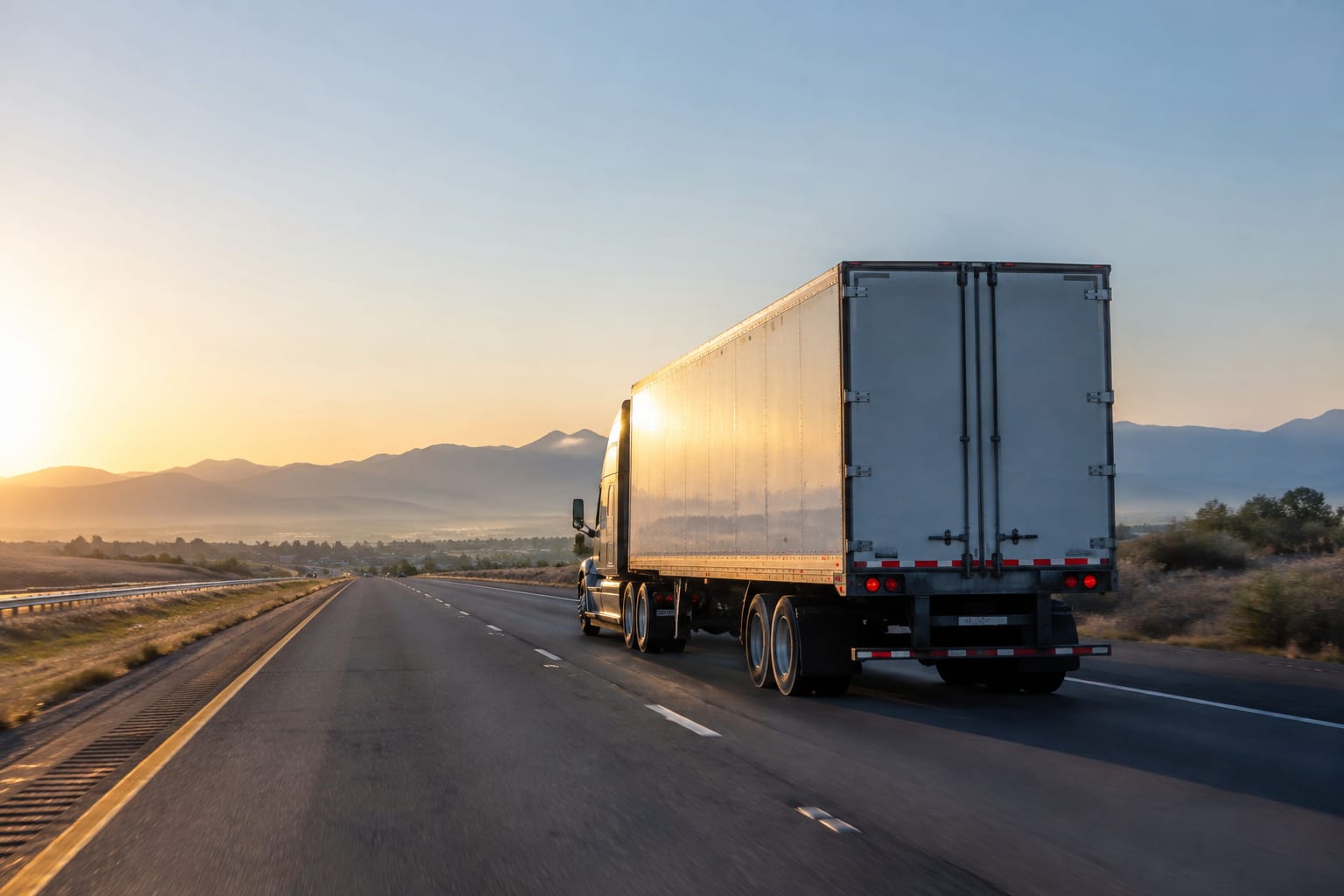
Weather adds variables. Winter storms in the Rockies or the Sierra Nevada can slow I-80 traffic, and a window absorbs delays like that. For a deeper look at how windows differ by distance, see transit windows by lane on long-distance moves.
Pro Tip: Book your own flight and your first nights of lodging to the early edge of the delivery window. Then plan to be reachable by phone for every day inside it.
Eight Weeks Out: Inventory, Estimate, and Deciding What to Bring
The estimate is only as accurate as the inventory behind it. Two months out is a comfortable time to start.
Cut before you count. Every item you sell or donate in Boston is one you don't pay to ship across the country. Bulky, inexpensive furniture is often cheaper to replace in the Bay Area than to move.
Get a written estimate from a complete inventory. Ask which one you're receiving and read the FMCSA's Protect Your Move resources. The binding not-to-exceed estimate is covered in more detail in the guide on renting a truck versus hiring movers.
Born to Move, which serves the Boston-to-San Francisco lane from its Newton headquarters, collects inventory by video walk-through, on-site survey or its online calculator. It issues a written estimate before booking and agrees the delivery window in writing.
Separate what can't ride on the truck. Confirm with your mover which items it will not carry, and which it will carry but recommends you keep with you. Check the non-allowables list and pack a personal bag for anything you need during transit.
If you're still choosing a carrier, the guide on how to hire an interstate moving company walks through vetting, and the overview of cross-country movers explains how full-service long-distance crews work.
Packing for 3,000 Miles of Road
A cross-country shipment faces far more handling and vibration than a move across town. Packing standards need to rise to match.

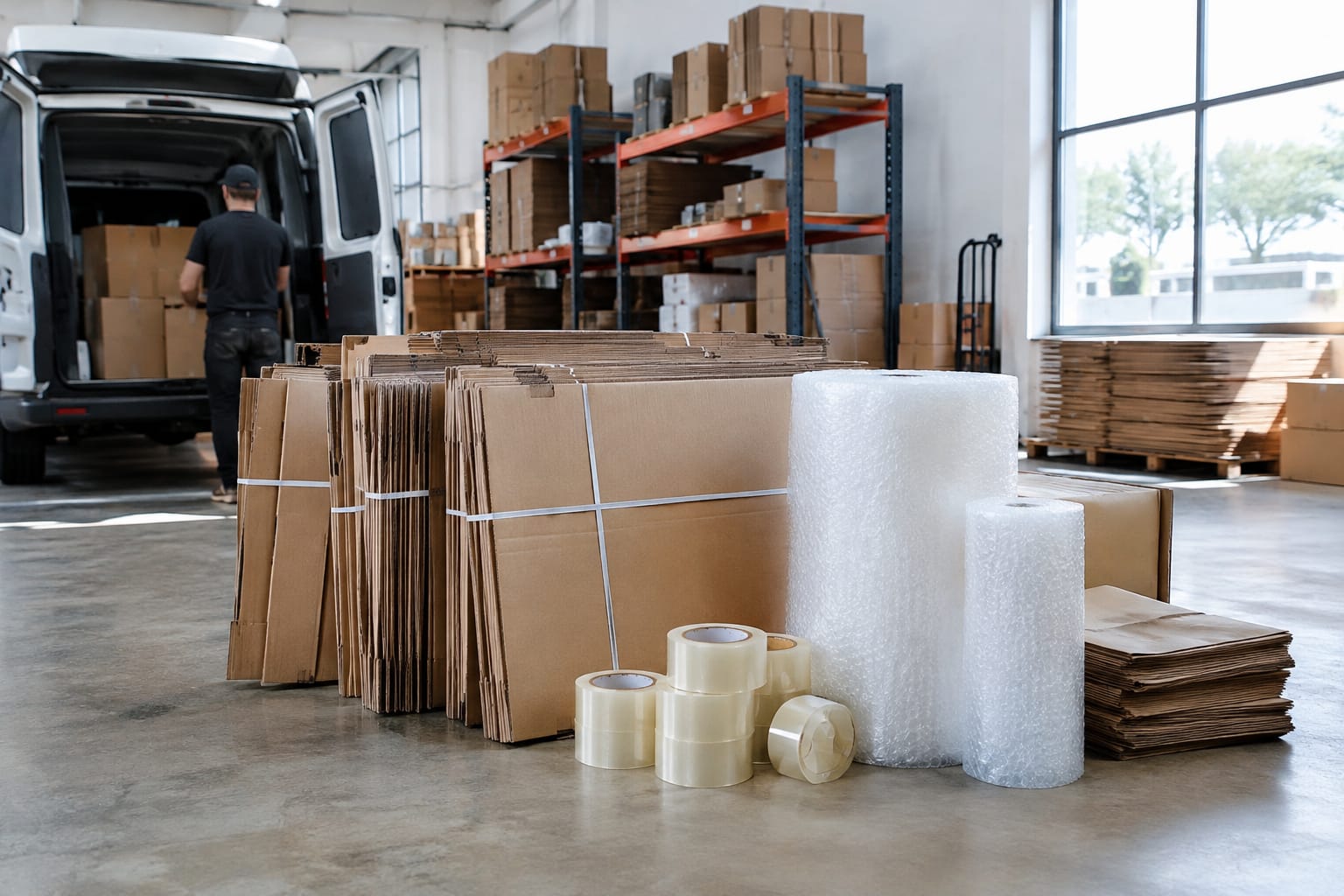
- Use sturdy, uniform boxes. Same-size cartons stack tightly and resist crushing over days of highway driving.
- Fill every box completely. Empty space lets contents shift. Use packing paper to fill gaps.
- Label by room and by priority. Mark a small set of first-night boxes for bedding, chargers, toiletries and basic kitchen items.
- Crate what can't be boxed. Glass tabletops, large mirrors, artwork and marble need rigid protection. Read about professional crating for fragile pieces before you pack them yourself.
- Empty and clean appliances ahead of time. Disconnecting gas, water or electrical lines is a job for a licensed technician, not the moving crew.
For a broader checklist, these cross-country moving tips cover planning, utilities and travel.
Load Day in Boston: Parking, Long Carries, and the Bill of Lading
Load day sets the pace for everything after it. Most delays come from access problems, not from the packing itself.
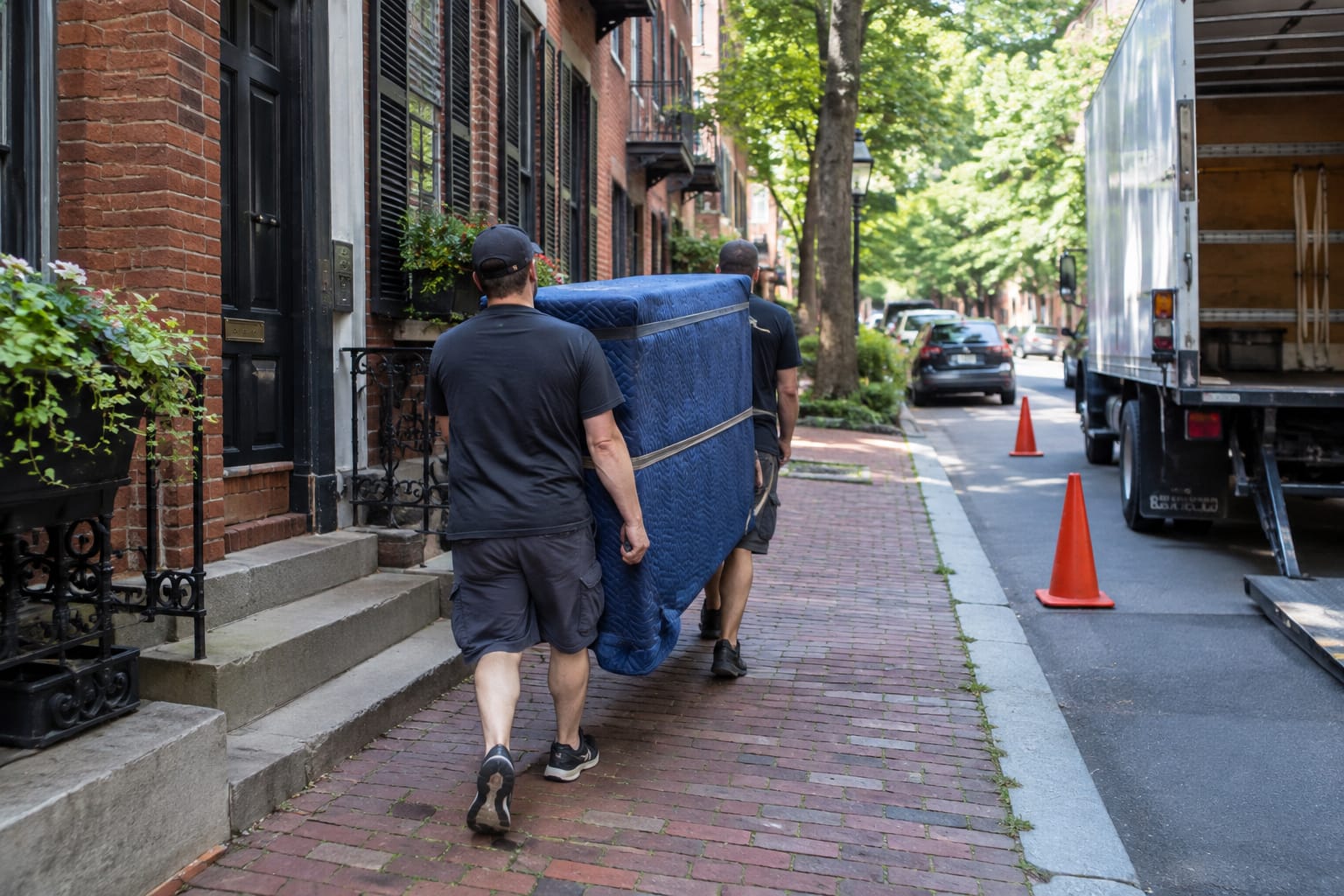
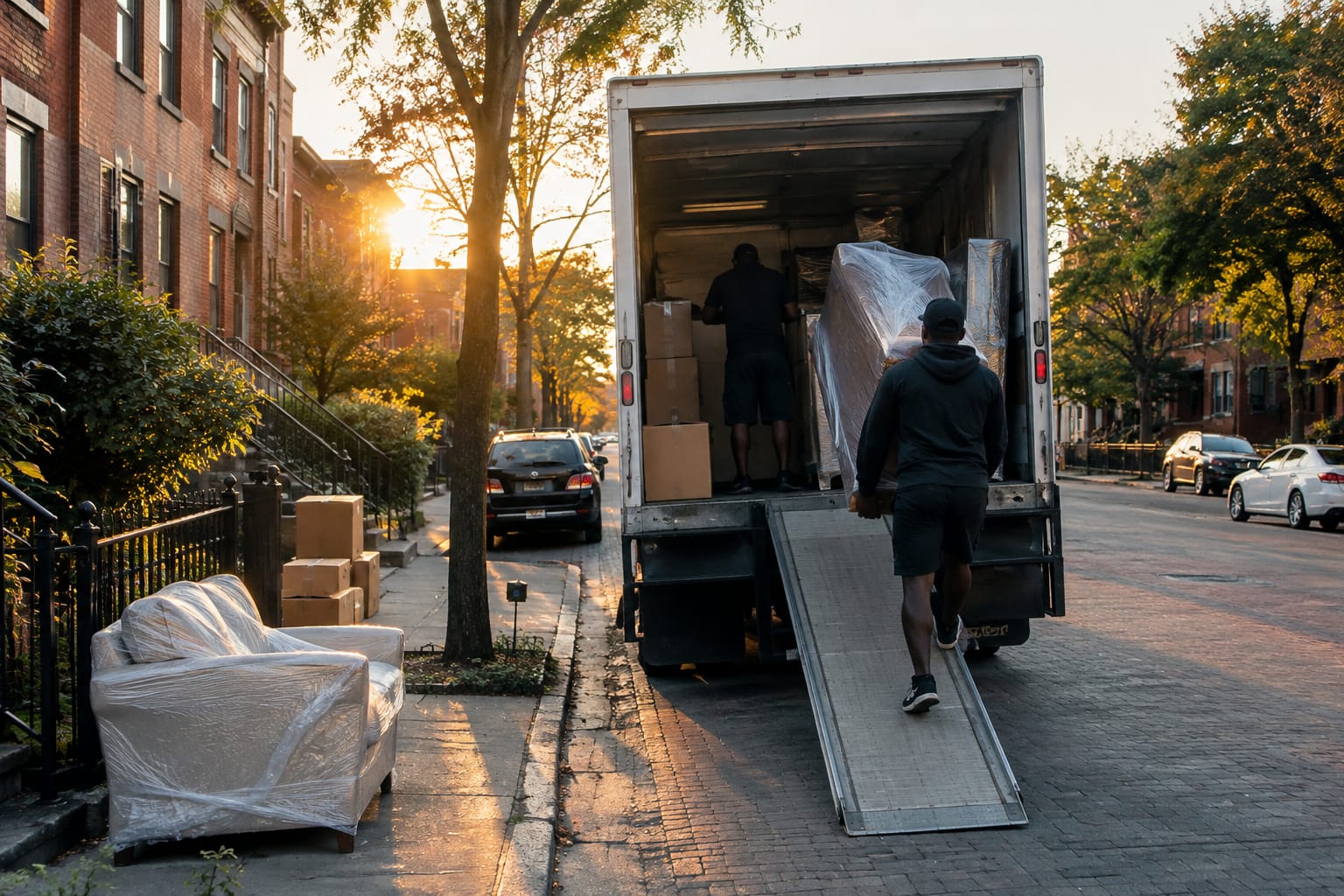
Secure a spot for the truck. On many Boston streets, a long-distance truck needs reserved curb space close to the door. Plan this early with the help of the guide on where to park a moving truck in Boston.
Book the elevator. If your building has a service elevator, reserve it for the full loading window. The guide on how to reserve the elevator covers what building managers usually ask for.
Expect a long carry if the truck can't park at the door. Distance from the truck to your entrance adds labor time. Tell your mover about it during the estimate, not on the day.
Read the bill of lading before you sign. Check that the inventory, estimate type, addresses and delivery window match what you agreed.
Arriving in San Francisco: Hills, Walk-Ups, and Shuttles
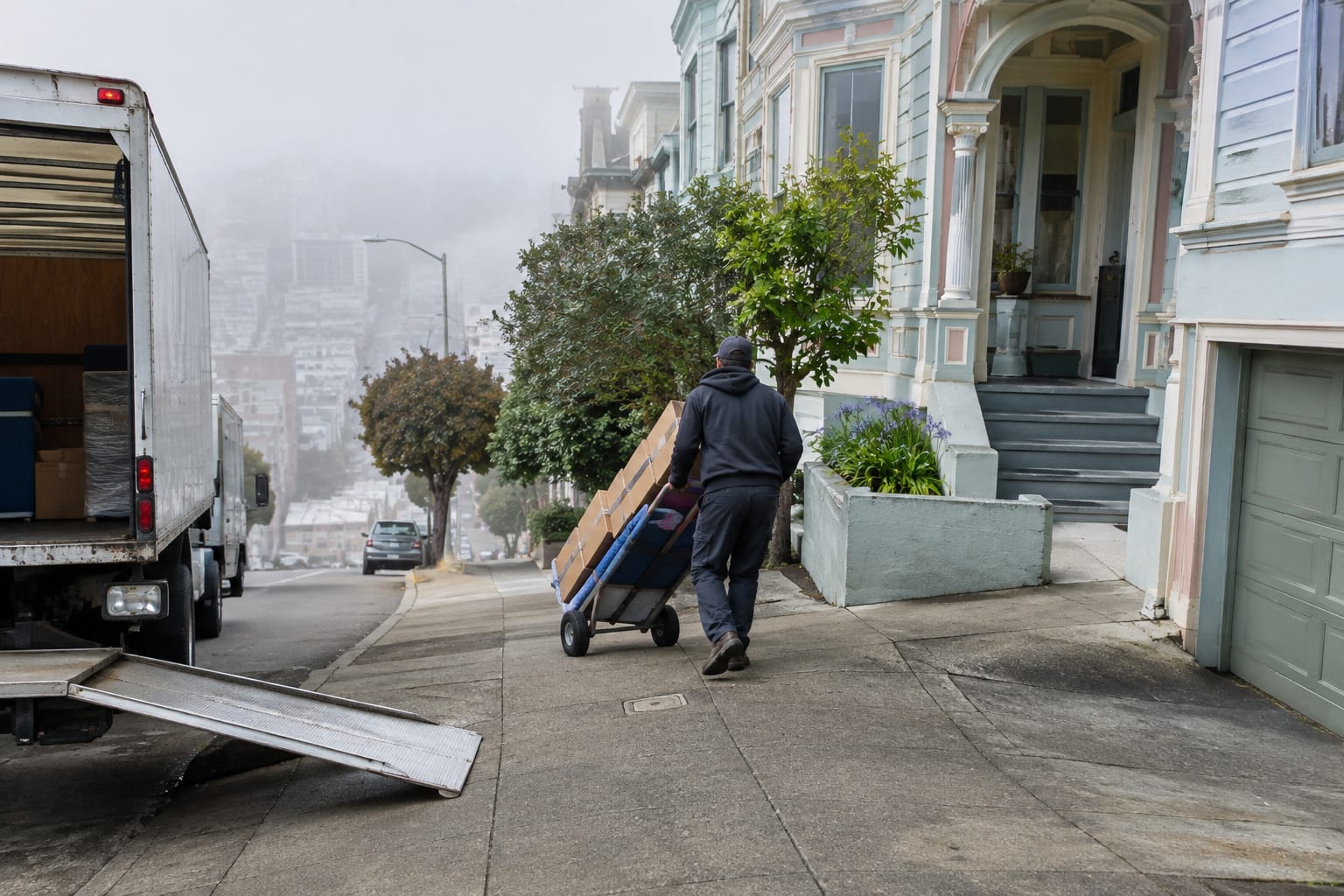
San Francisco is one of the more demanding delivery cities in the country. Steep grades, narrow residential streets and Victorian walk-up buildings all affect how a truck reaches your door.
Q: What is a shuttle fee on a San Francisco move?
A: A shuttle fee covers transferring your shipment from the long-haul trailer to a smaller truck that can reach your street. In San Francisco, steep grades and narrow streets often make that transfer necessary.
The mechanism is simple. A cross-country trailer is long, and many San Francisco blocks are too narrow, too steep or too tightly parked for it to stop safely. The crew parks the trailer on a wider street, loads your goods onto a smaller truck and runs them to your door.
That extra handling takes labor and a second vehicle. Ask every mover whether your destination address is likely to need a shuttle, and how it would appear on the written estimate.
Parking for the delivery truck. Confirm the current requirements for temporary no-parking signage with the relevant city authority before moving day. Requirements and lead times can change, so check the SFMTA temporary signage page directly and plan well ahead of your window.
Walk-ups and elevators. Many San Francisco apartments sit up narrow interior staircases. Measure stairwells and doorways for your largest pieces now, and confirm elevator reservation rules with your new building manager.
Need help with this? Get a quote
When Your Lease Starts Later: Storage Between Dates
Boston leases and San Francisco leases rarely line up to the day. When your old place ends before the new one begins, storage fills the gap.
There are two common approaches:
- Storage-in-transit. The carrier holds your shipment in a warehouse, usually near the destination, and delivers once you're ready. It adds storage and handling charges plus a separate delivery appointment.
- Origin storage. Your goods stay in storage near Boston and leave on the truck once your San Francisco move-in date is confirmed.
Either way, get storage costs and access rules in writing before load day. The guide on sizing storage for the gap between dates helps you estimate how much space a household actually needs.
Delivery Day in San Francisco
Delivery works best when you're ready before the truck arrives. A little preparation keeps the crew moving and your costs predictable.
- Walk the new place first. Note existing scuffs and floor marks, and decide where each large piece goes.
- Post a room plan. Tape room names to doors so labeled boxes land in the right place.
- Check items against the inventory sheet. Tick off each numbered item and box as it comes off the truck.
- Unpack first-night boxes first. Beds, bathroom and kitchen basics make the first evening livable.
Some households hire a separate San Francisco crew for unpacking or furniture assembly after delivery. The trade-offs of comparing local crews against long-distance carriers apply on any lane.
Key Takeaways
- Plan in Boston, pay off in San Francisco. Inventory, packing and access decisions made weeks before load day set the cost and the delivery experience.
- Expect a window, not a date. Roughly 3,000 miles and federal hours-of-service limits make a multi-day transit unavoidable.
- Dedicated vs. shared matters. A dedicated truck gives a more predictable window than a consolidated load.
- Ask about shuttles early. Many San Francisco streets can't take a full-size trailer.
- Check parking and elevators at both ends. Boston curb space, SFMTA signage and building elevator bookings all need lead time.
About Moving From Boston to San Francisco
Should I ship my car or drive it to California?
Household goods movers generally don't carry cars inside the moving truck, so vehicle shipping is a separate service from a separate company. Driving the I-80 route yourself takes several days but lets you carry personal items and documents that shouldn't ride on the moving truck.
Is a moving container cheaper than a full-service mover for a cross-country move?
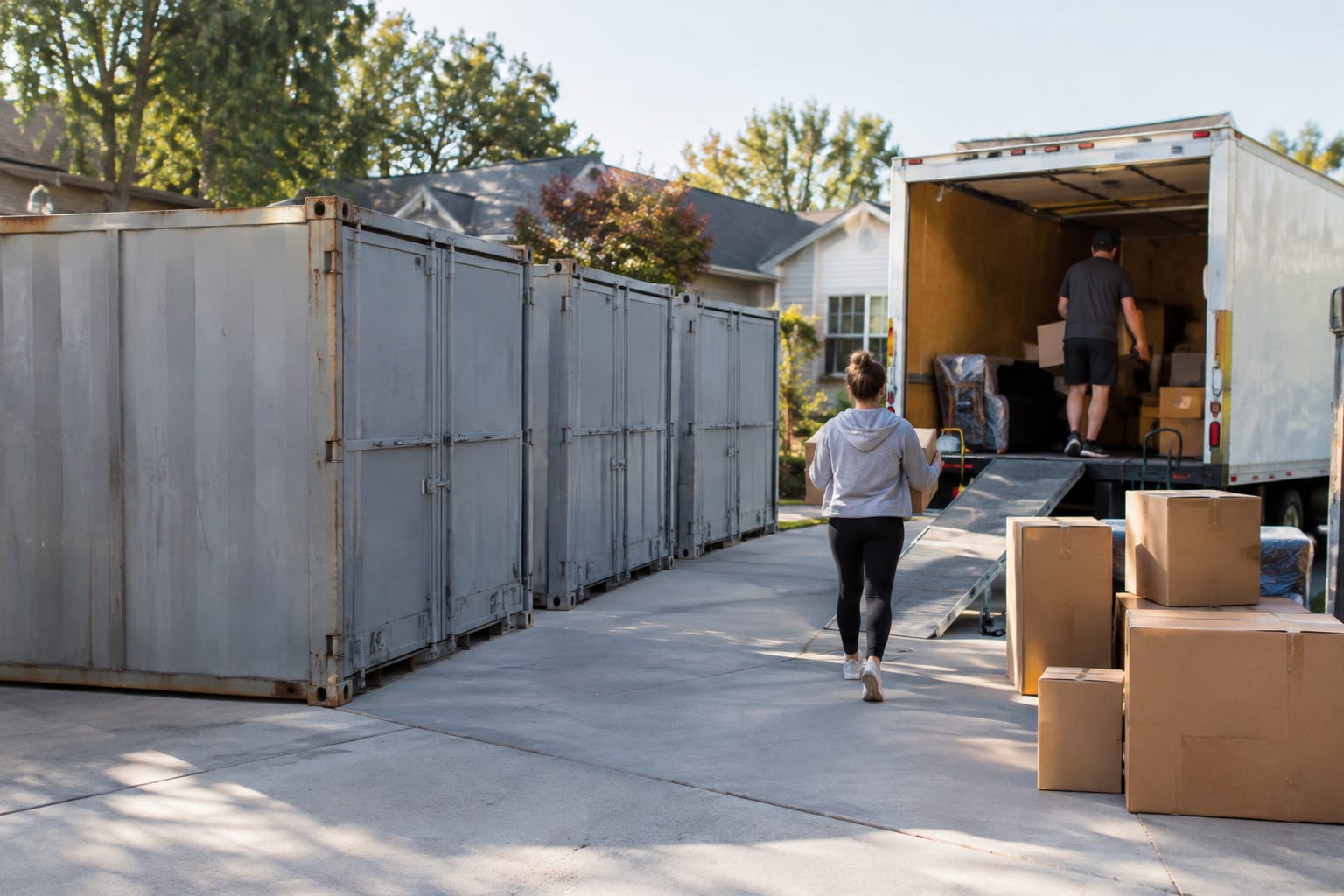
A container from a DIY brand such as PODS or U-Haul often costs less upfront because you do the packing and loading. The trade-off is time and labor at both ends, plus finding curb or driveway space for the container on a Boston or San Francisco street. Some households hire loading help and still use a container.
How do I verify an interstate mover is licensed?
The guide on how to check a USDOT number walks through what to look for.
Final Thoughts
A Boston-to-San Francisco move rewards early planning. Get a written estimate from a full inventory, confirm the delivery window, ask about shuttle access, and line up parking and elevators at both ends. If you'd like a flat-rate quote for this lane, Born to Move serves San Francisco from its Boston headquarters and can walk through your inventory with you.
Written by Born to Move Team
Related Articles
- How Long a Long-Distance Move Takes: Transit Windows by Lane — how delivery windows vary with distance and route.
- U-Haul vs. Hiring Movers in Boston: A Real Cost and Effort Comparison — how renting a truck compares with hiring a crew on cost and effort.
- Box Truck Rental for Moving: Sizes, Costs, and Loading Help — which truck size fits your household and when to add loading help.
- Houston Movers: Comparing Local Crews and Long-Distance Lanes — when a local crew fits and when a long-distance carrier makes more sense.
Useful Links
- 12 Essential Cross-Country Moving Tips
- Cross-Country Movers
- How Much Does It Cost to Move from Boston to Los Angeles?
- How to Hire an Interstate Moving Company
- How to Professionally Crate Things
Need help with this? Get a quote · Call (617) 903-2609
Frequently Asked Questions