'%3E%3Cpath%20fill='%231B2A47'%20d='M1.605%2016.263c.03-1.139.059-2.482.088-3.971.03-1.49.03-2.832.03-4.03%200-.758%200-1.576-.03-2.51%200-.905-.03-1.84-.03-2.803%200-.496-.028-.964-.028-1.43%200-.468%200-.906-.03-1.315h6.858q2.188%200%203.589.35c.963.234%201.663.643%202.13%201.198.496.555.73%201.372.73%202.394%200%20.788-.176%201.46-.497%201.985-.32.526-.846.935-1.575%201.197-.73.292-1.693.468-2.918.526v.263c1.313.087%202.334.263%203.122.525.758.263%201.342.672%201.692%201.197.35.526.525%201.197.525%202.044%200%201.08-.233%201.927-.67%202.57-.468.642-1.139%201.08-2.102%201.343-.933.262-2.159.408-3.705.408H1.605zm6.537-9.197q1.882%200%202.713-.526c.555-.35.817-.934.817-1.752%200-.905-.292-1.547-.846-1.927s-1.459-.554-2.655-.554H4.757v4.759zm.204%206.92c.934%200%201.663-.088%202.217-.263.555-.176.934-.438%201.197-.818s.38-.876.38-1.518c0-.876-.322-1.49-.934-1.84-.643-.35-1.635-.525-3.035-.525H4.757v4.963zM21.038%2016.555c-1.576%200-2.801-.292-3.618-.905-.817-.614-1.284-1.519-1.372-2.745-.087-1.226.205-2.774.847-4.613s1.43-3.358%202.392-4.584c.963-1.226%202.043-2.131%203.298-2.744C23.839.292%2025.24%200%2026.786%200c1.576%200%202.772.321%203.59.934.816.613%201.283%201.548%201.37%202.774s-.203%202.774-.845%204.613c-.642%201.81-1.43%203.358-2.393%204.584s-2.072%202.132-3.297%202.745a9.8%209.8%200%200%201-4.173.905m.788-2.278c.642%200%201.138-.058%201.371-.116.205-.059.496-.117.847-.322.262-.146.437-.292.554-.408.204-.175.32-.292.438-.41.204-.203.35-.408.496-.583.35-.438.642-.876.963-1.402.233-.408.466-.817.67-1.284.205-.438.38-.905.555-1.372.438-1.198.671-2.278.671-3.183s-.204-1.606-.612-2.131c-.409-.497-1.051-.76-1.897-.76-.467%200-.934.059-1.43.205h-.03c-1.02.292-1.925%201.226-2.042%201.372-.116.117-.467.526-.963%201.343a15.5%2015.5%200%200%200-1.342%202.92c-.408%201.197-.642%202.277-.671%203.182-.03.906.175%201.636.584%202.161q.611.788%201.838.788M14.853%2038.54c-1.576%200-2.802-.292-3.619-.905s-1.284-1.518-1.371-2.744c-.088-1.227.204-2.774.846-4.614s1.43-3.357%202.393-4.584%202.042-2.13%203.297-2.744c1.255-.613%202.655-.905%204.173-.905%201.575%200%202.772.321%203.589.934s1.284%201.548%201.371%202.774c.088%201.226-.204%202.774-.846%204.613-.642%201.81-1.43%203.358-2.393%204.584s-2.072%202.131-3.297%202.745c-1.226.613-2.626.846-4.143.846m.787-2.277c.642%200%201.138-.059%201.372-.117.204-.058.496-.117.846-.321.263-.146.438-.292.554-.409.205-.175.321-.292.438-.409.204-.204.35-.408.496-.584a13%2013%200%200%200%201.634-2.686c.204-.438.38-.905.555-1.372.437-1.197.67-2.277.67-3.182%200-.906-.203-1.606-.612-2.132-.409-.496-1.05-.759-1.897-.759-.467%200-.934.058-1.43.204h-.029c-1.021.292-1.925%201.227-2.042%201.373-.117.116-.467.525-.963%201.343a15.5%2015.5%200%200%200-1.342%202.92c-.409%201.196-.642%202.277-.671%203.182s.175%201.635.583%202.16q.613.789%201.838.789'/%3E%3Cpath%20fill='%23FF515E'%20d='M55.966%2038.57c-1.576%200-2.801-.293-3.618-.906s-1.284-1.518-1.372-2.744c-.087-1.227.204-2.774.846-4.613s1.43-3.358%202.393-4.584c.963-1.227%202.043-2.132%203.297-2.745s2.656-.905%204.173-.905c1.576%200%202.772.321%203.589.934s1.284%201.548%201.371%202.774c.088%201.226-.204%202.774-.846%204.613-.642%201.81-1.43%203.358-2.393%204.584s-2.071%202.131-3.297%202.745c-1.225.613-2.626.846-4.143.846m.788-2.249c.642%200%201.138-.058%201.371-.117.204-.058.496-.116.846-.32.263-.147.438-.293.555-.41a7%207%200%200%200%20.437-.408c.205-.205.35-.41.496-.584a13%2013%200%200%200%201.634-2.686c.205-.438.38-.905.555-1.373.438-1.197.671-2.277.671-3.182s-.204-1.606-.613-2.131c-.408-.497-1.05-.76-1.896-.76-.467%200-.934.059-1.43.205h-.03c-1.02.292-1.925%201.226-2.042%201.372-.117.117-.467.526-.963%201.343a15.5%2015.5%200%200%200-1.342%202.92c-.409%201.197-.642%202.277-.671%203.182s.175%201.635.583%202.16q.614.79%201.839.79'/%3E%3Cpath%20fill='%231B2A47'%20d='M33.06%2016.263c0-.35%200-.935.03-1.81.029-1.051.058-2.103.058-3.154s.03-2.073.03-3.007c0-1.606-.03-3.27-.06-4.993%200-.554-.028-1.08-.028-1.606%200-.525-.03-1.021-.03-1.46h6.828c1.46%200%202.685.117%203.59.38q1.4.394%202.1%201.314.7.963.7%202.628c0%20.992-.174%201.81-.554%202.452-.35.643-.904%201.11-1.604%201.431s-1.576.467-2.627.496v.263q2.058.087%203.064.876c.671.525%201.138%201.372%201.43%202.51.087.41.233%201.023.467%201.84.233.818.408%201.431.554%201.84h-3.414a11%2011%200%200%200-.262-1.022c-.321-1.314-.526-2.19-.584-2.628a5%205%200%200%200-.642-1.46%202.13%202.13%200%200%200-.963-.73c-.408-.146-.934-.233-1.605-.233h-3.326v6.0440000000000005H33.06zm6.332-8.292c1.343%200%202.276-.205%202.86-.613.554-.41.846-1.11.846-2.073%200-.73-.146-1.314-.408-1.723-.263-.409-.671-.7-1.197-.876q-.788-.263-2.1-.263h-3.181v5.519h3.18zM49.4%2016.263l.03-2.745c.029-2.452.029-4.905.029-7.416q0-2.101-.088-5.868h4.085l5.924%2010.335c.087.234.204.438.291.643.117.204.205.408.321.613.38.788.613%201.255.672%201.372h.262c0-.058-.03-.146-.03-.204%200-.059-.028-.117-.028-.175a75%2075%200%200%201-.175-1.314%2010%2010%200%200%201-.088-1.285c0-1.547%200-3.737-.029-6.57V1.84c0-.584-.03-1.11-.03-1.576h2.977c-.03%202.482-.058%205.08-.058%207.766%200%201.694%200%204.438.029%208.292h-4.027l-5.573-9.43c-.875-1.81-1.226-2.511-1.05-2.132-.263-.613-.467-1.08-.613-1.46h-.263c.058.35.117.876.175%201.548.059.7.117%201.168.117%201.46%200%202.978%200%206.306.029%209.985H49.4zM4.698%2038.277c.029-2.627.058-5.255.058-7.883%200-1.576%200-3.503-.029-5.752-1.109%200-2.684%200-4.727.03v-2.453h12.664v2.453c-1.955-.03-3.53-.03-4.756-.03%200%20.584-.03%201.227-.03%201.957s0%201.46-.029%202.218v1.84c0%202.57.03%205.11.059%207.62z'/%3E%3Cpath%20fill='%23FF515E'%20d='M29.441%2038.277c.409-1.05.788-2.102%201.168-3.182s.787-2.16%201.167-3.241c.613-1.693%201.05-2.949%201.342-3.766l1.255-3.65c.116-.38.262-.788.379-1.139.117-.38.263-.73.38-1.05h4.61l-.671%2012.904h.262l8.316-12.905h4.669l-.7%201.869c-.876%202.452-1.343%203.766-1.43%204a501%20501%200%200%200-3.385%2010.16h-2.947c.292-.846.788-2.219%201.459-4.087.175-.526.35-1.08.554-1.606.175-.526.38-1.08.555-1.577.642-1.81%201.342-3.825%202.072-6.014h-.234l-8.724%2013.314h-2.86l.554-13.314h-.175c-.175.496-.38.992-.554%201.489-.175.496-.38%201.022-.555%201.547a163%20163%200%200%200-1.08%203.008c-.145.38-.262.759-.408%201.138-.117.38-.262.73-.408%201.11-.7%201.898-1.284%203.59-1.751%205.05h-2.86zM68.047%2038.277c.175-2.19.32-4.525.467-7.007.058-.905.204-3.912.467-9.051h3.151c-.03.438-.058.934-.088%201.46s-.058%201.08-.087%201.693a264%20264%200%200%201-.409%206.657c-.145%201.986-.35%203.591-.583%204.788h.175Q72.147%2034.892%2073.94%2032a562%20562%200%200%201%204.465-7.066c.32-.496.641-.992.933-1.46s.555-.875.817-1.255h3.268q-.568.832-1.138%201.752c-.408.613-.787%201.255-1.196%201.927-3.88%206.014-6.478%2010.131-7.85%2012.35h-5.193zM79.106%2038.277c.32-.788.758-2.014%201.37-3.65a287%20287%200%200%200%201.577-4.32c.437-1.256.904-2.628%201.4-4.088s.934-2.774%201.313-3.97h11.322l-.846%202.364H87.1l-1.664%204.847%207.645-.088-.612%201.694-7.587-.088-1.75%204.934h8.286l-.846%202.365z'/%3E%3C/g%3E%3Cdefs%3E%3CclipPath%20id='a'%3E%3Cpath%20fill='%23fff'%20d='M0%200h96v40H0z'/%3E%3C/clipPath%3E%3C/defs%3E%3C/svg%3E)
A moving pods company delivers a portable moving container to your home and leaves you to pack and load it. It then hauls the container to your new address or to a storage facility. The company moves the box, and you move everything into it.
That split matters more than the brand you choose. Most comparisons of moving container companies line up sizes and prices and stop there. This guide covers those criteria, then adds what they skip: who does the loading, where a container can sit in Boston and New York City, and how many days the process takes from start to finish.

Key Takeaways
- A pod is transport, not labor. A moving pods company delivers, transports and stores the container. Packing, loading and unloading are on you or a crew you hire.
- Compare brands on one checklist. Check PODS and U-Haul U-Box sizes, storage, service area, pricing model and protection on each brand’s own site on the day you get quotes.
- Itemize before comparing. Add loading labor at both ends, permits, supplies and storage months to a container quote before comparing it with a mover’s estimate.
- City streets change the math. In Boston and NYC, street placement requires checking city rules, and many NYC buildings require a certificate of insurance and a booked service elevator.
- Containers win on flexibility. They suit staged moves, flexible timelines and longer storage gaps; full-service movers suit fixed dates and tight access.
What a Moving Pods Company Does, and What It Doesn't Do
A portable moving container service handles transport and, if you want it, storage. It does not pack, lift, wrap furniture, load or unload, though both brands can connect customers with separately hired labor. Those jobs fall to you or to a crew you hire separately.
A typical container move runs in five steps:
- The company delivers an empty container to your driveway, lot or a permitted street space.
- You pack and load it during the rental period.
- The company picks it up and either stores it or transports it to your destination.
- The container arrives at your new home, and you unload it.
- The company collects the empty container.
Notice what the list leaves out: furniture disassembly, padding and shrink wrap, floor protection, and carrying a sofa down three flights of stairs. Here's the thing: a container move is a do-it-yourself move with a professional driver. Plan the labor before you compare prices.
PODS vs U-Haul U-Box: Sizes, Coverage, and Storage Options
PODS and U-Haul U-Box are two portable container brands. Both describe storage options on their own websites. These details vary by location and change over time, so check them on the official PODS website and U-Haul's U-Box container page on the day you request quotes. A third-party review written months ago is not a reliable source for current terms.
Use one checklist for both brands so the quotes are comparable:
| Criterion | What to ask each company | Why it matters |
|---|---|---|
| Container sizes | Which sizes are available at your origin ZIP code? | Size determines how many containers your home needs |
| Number of containers | How many units fit your inventory? | Each extra unit adds its own delivery, rental and transit charges |
| Storage location | Can the container stay at your property, at a company facility, or both? | Facility storage adds pickup and redelivery steps |
| Service area | Is delivery available at both your origin and destination addresses? | A coverage gap can force a facility pickup at one end |
| Pricing model | Which charges cover delivery, monthly rental, transit and final pickup? | Quotes that bundle charges differently are hard to compare |
| Protection plan | What does the default plan cover, and what does added protection cost? | Container protection terms differ between brands |
| Loading labor | Does the quote include anyone to load or unload? | Container rentals cover transport and storage, not labor |
Sizing a container works like sizing a truck. Start with your rooms and your bulkiest pieces, then estimate volume. The guide on how much space your home really needs walks through that estimate. If you overestimate, you pay for unused space. If you underestimate, you add a second container mid-move.
How Pod Pricing Works: Delivery, Monthly Rental, Transit, and Pickup
Pod pricing is a bundle of separate charges. The total depends on your two ZIP codes, your dates, the number of containers and how long you keep them.
Most container quotes break down into these parts:
- Initial delivery of the empty container to your address.
- Rental time while the container sits at your home or in storage.
- Transit to the destination on a long-distance move.
- Storage at a company facility, if the container doesn't stay with you.
- Redelivery and final pickup once you finish unloading.
- Optional protection for the contents.
Then come the costs the quote leaves out. Packing supplies, loading and unloading help, street permits and time off work all land on your side of the ledger. For a pods long distance move, these extras often decide whether the container is really the lower-cost option.
Full-service movers price differently. They build the estimate from your inventory, route and access conditions. For a side-by-side view, read how interstate movers calculate the cost of a move.
Pro Tip: Ask each container company for an itemized quote for your exact number of containers and months. Then add loading labor at both ends, permits and supplies yourself. Only that adjusted total is fair to compare against a mover's quote.
Pros and Cons of Moving With a Portable Container
Containers win on flexibility. They lose on labor and access.
Where containers make sense:
- Flexible timelines. You load at your own pace instead of finishing in one day.
- Staged moves. You can fill the container over a week while you keep living in the home.
- Longer storage gaps. The container can wait in storage while you close on a new place.
- No truck to drive. Nobody in your household has to drive a large rental truck across state lines.
Where containers fall short:
- You supply the labor, or you pay someone separately.
- You need placement space at both ends, which dense city blocks often lack.
- The timeline stretches across delivery, loading, pickup, transit, unloading and final pickup.
- Load quality is on you. Poorly balanced or unsecured loads shift in transit.
What does this mean in practice? A container fits a suburban move with a driveway and a loose schedule. It struggles in a third-floor walk-up with street-only parking and a fixed lease end date.
Who Loads the Pod? Why Labor Is the Missing Line Item
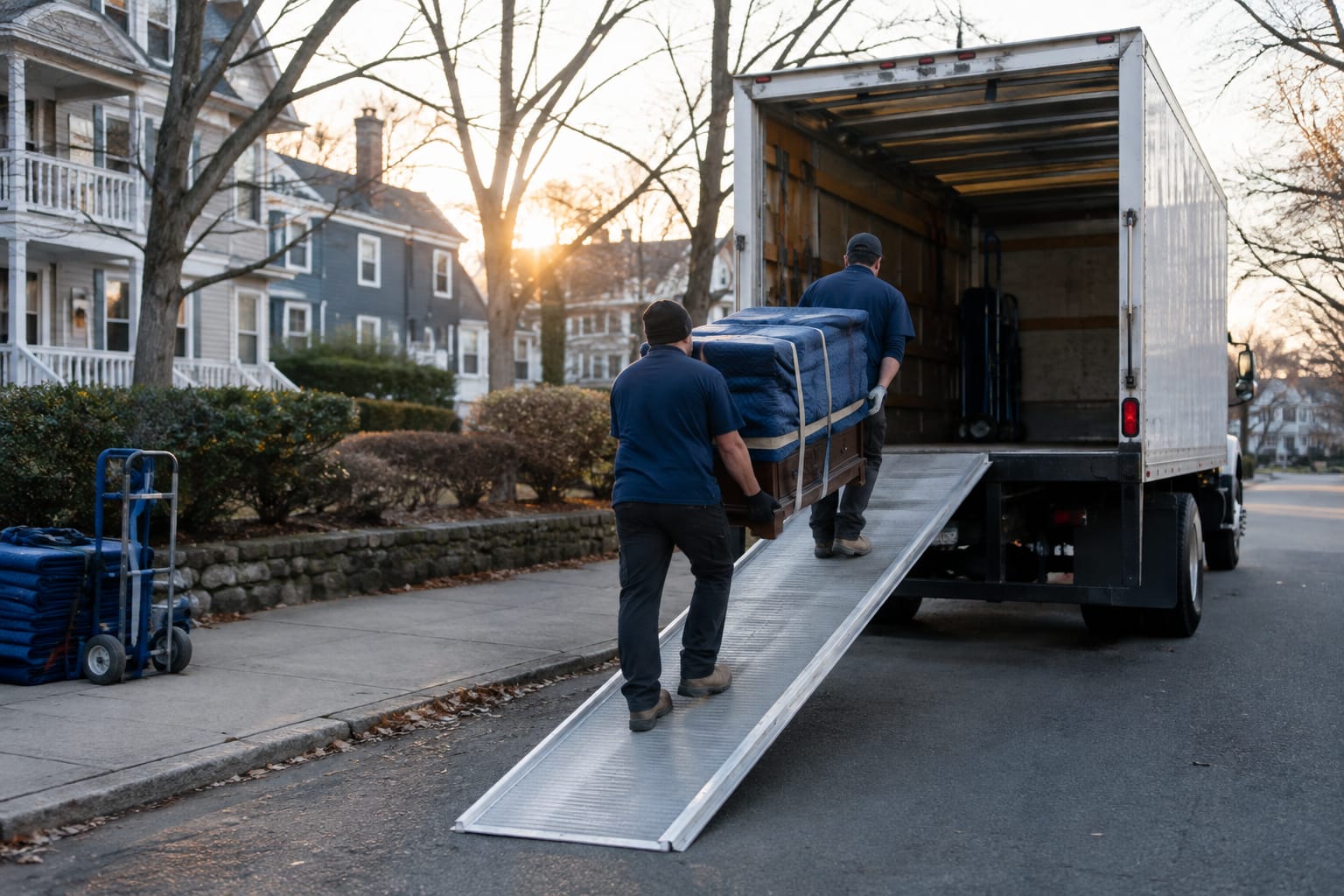
You load the pod, unless you hire a crew to do it. The container company's quote covers the box and the driving, not the work inside it.
Loading well takes planning. Heavy furniture and appliances go in first, weight spreads evenly across the floor, and the load gets tied off in sections so nothing slides. Mattresses and tables stand against the walls, and boxes fill the gaps. This guide shows how to load a moving pod properly, section by section.

Q: Can I hire movers just to load a pod I rented?
A: Yes. Many local moving companies offer labor-only loading, and Born to Move's Greater Boston packing service includes loading and unloading of customer-rented trucks and portable containers, billed at the hourly crew rate with supplies charged separately.
A hired crew brings more than muscle. A typical loading job is labor for loading; shrink wrap is a packing supply that is charged separately. You can see how a crew handles moving day from arrival through the final walk-through before you book anyone.
If the container is the right vehicle but the lifting isn't realistic for you, look for packing and container loading help. Budget for packing supplies on top of labor. Boxes, tape, shrink wrap and mattress bags are always billed separately.
Pods in Boston and NYC: Street Placement, Permits, and Tight Access
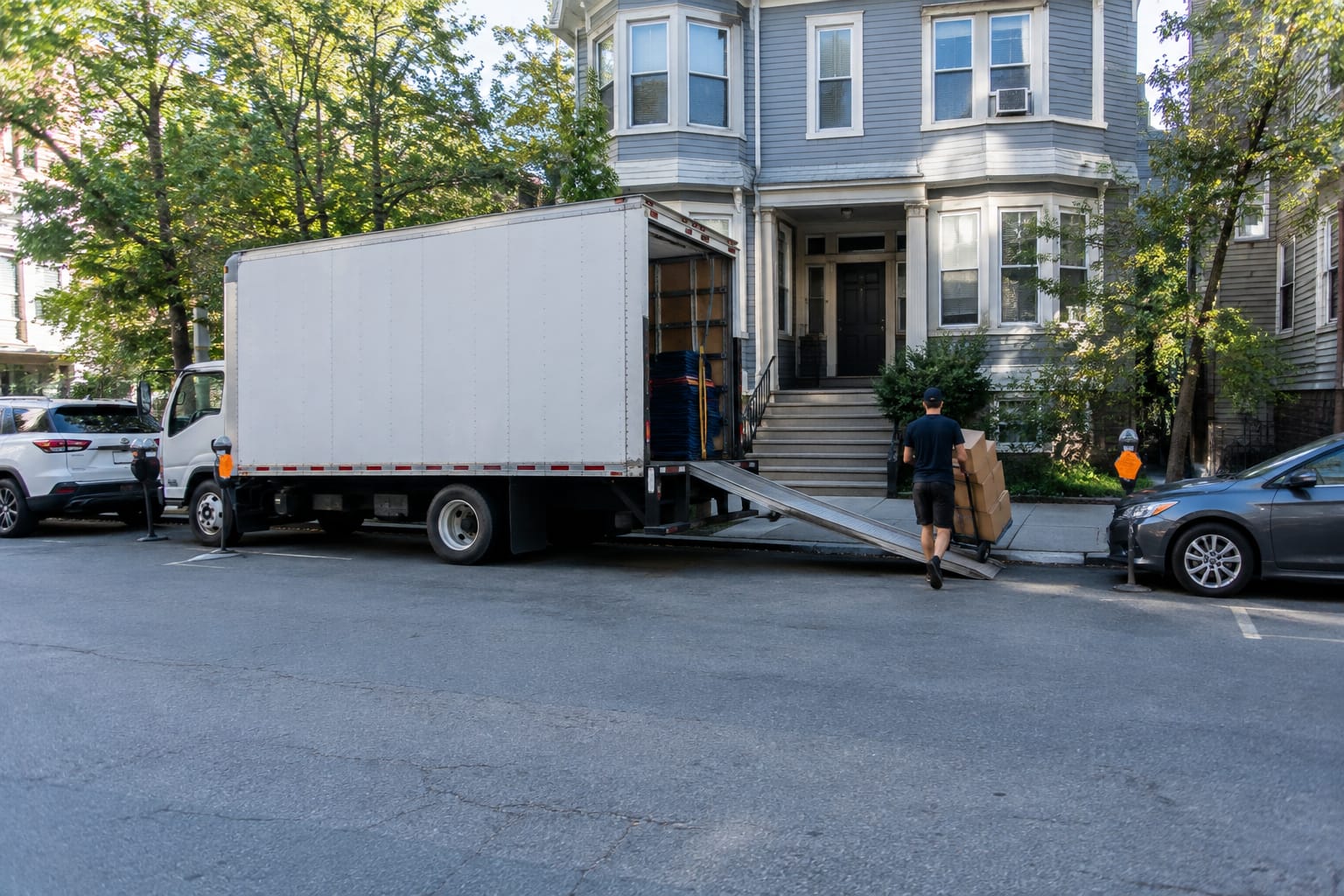
If the container can't sit on private property, it goes on the street. The city controls that space, not the container company.
In Boston, the Public Works Department explains its street occupancy permit process on Boston.gov. Confirm with the city which permit applies to a container at your address and how much lead time it requires. Cambridge, Somerville and Brookline are separate municipalities, so confirm current requirements with the town where the container will actually sit.
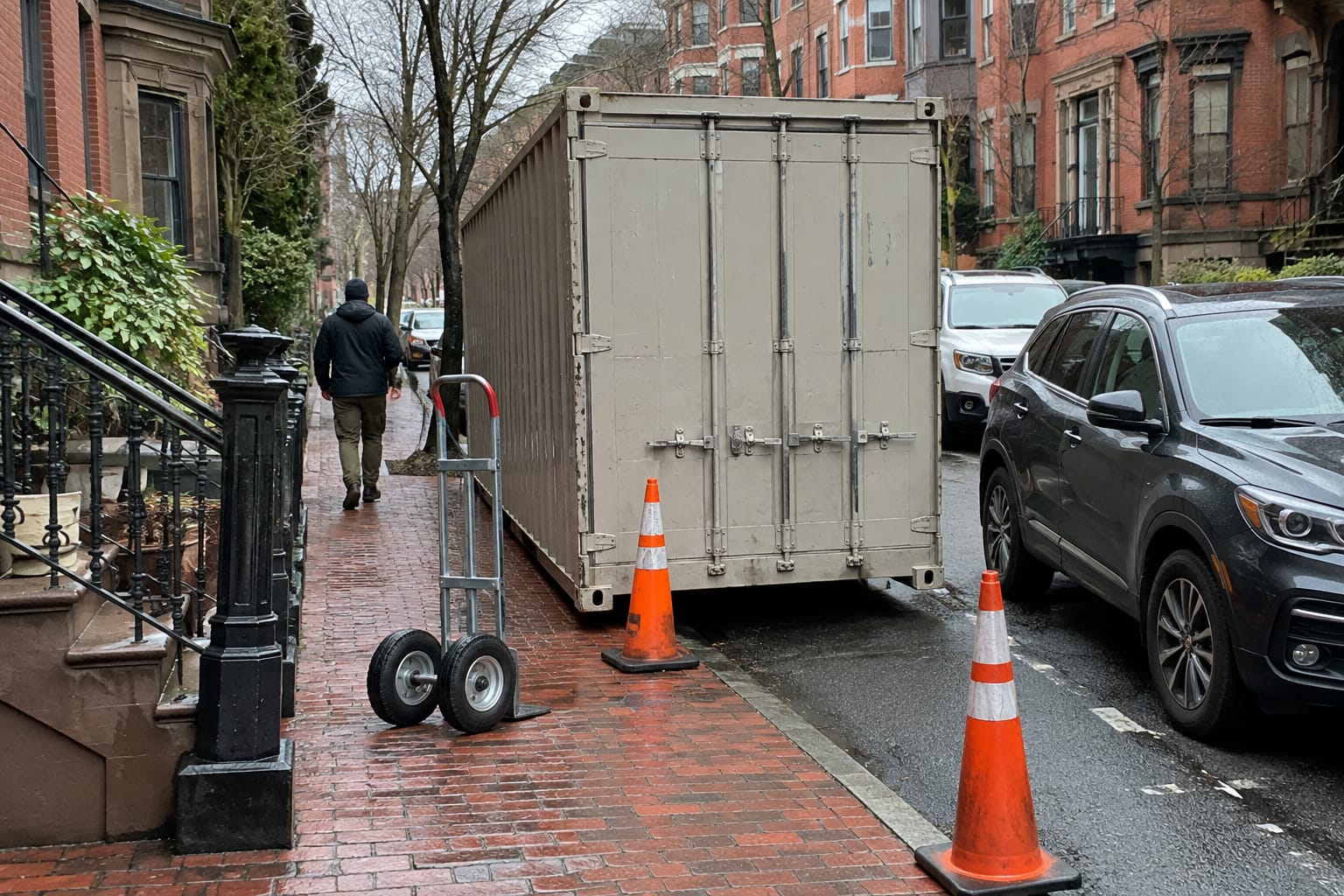
Q: Do I need a permit to put a moving container on the street in Boston?
A: If the container will occupy a public street, plan on needing city permission through the City of Boston's street occupancy permit process. Confirm the permit type and lead time with the city before you schedule delivery.
Private placement has its own checks. Landlords, condo associations and homeowners associations often set rules for driveways and shared lots. Look at driveway slope, overhead branches and wires, and whether the surface can take a loaded container.
New York City adds another layer. Many residential blocks have no driveways, so confirm current placement requirements with the relevant city authority and your building management before you book. Many NYC buildings also require a certificate of insurance and a booked service elevator; this guide explains how to reserve a building elevator for moving day.
The same street-space problem applies to trucks. The guide to parking a moving truck in Boston covers the planning steps, and the city's busiest lease-turnover window gets its own guide on moving in Boston around September 1.
More about the service: Influencer Partnership
Pods vs Full-Service Movers on the Boston–NYC Route
On a Boston to New York move, the deciding factor is usually time and access, not the container rental. A container needs placement space at both ends and several separate service visits. A full-service crew loads, drives and unloads with one truck.
| Factor | Portable moving container | Full-service movers |
|---|---|---|
| Who loads and unloads | You, or a crew you hire at each end | The moving crew |
| Who drives | The container company | The moving company |
| Timeline | Multiple visits: delivery, pickup, transit, redelivery, final pickup | Loading, transit and delivery within an agreed window |
| Street space | Needed at both origin and destination for the rental period | Needed during loading and unloading |
| Storage | Container stored at a facility or kept on site | Depends on the mover's storage offering |
| How it's priced | Separate delivery, rental, transit and pickup charges | Estimate based on inventory, route and access |
For example, Born to Move quotes interstate moves as a flat rate based on a confirmed inventory and access conditions. The quote covers labor, truck, fuel, tolls and mileage, and the delivery window is agreed in writing before booking. You can review the details for movers from Boston to New York and request a quote for your inventory.
Compare protection terms carefully on both sides. For Born to Move's interstate quotes, basic released-value protection is $0.60 per pound, and additional coverage is optional and costs extra. You can also check a mover's USDOT number in FMCSA records.

Q: Is a portable container cheaper than hiring movers for a long-distance move?
A: Not automatically. On a route like Boston to New York City, add loading and unloading labor at both ends, street permits, supplies and any storage months to the container quote before comparing it with a full-service flat rate.
The pods vs movers verdict: Choose a container when your timeline is flexible, you need storage between homes, or you want to load over several days. Choose full-service movers when you need everything moved within a fixed window, lack placement space at either end, or can't do the heavy lifting. A hybrid, meaning a rented container plus a hired loading crew, sits between the two. For route-specific planning, see this guide to preparing for a Boston to New York move.
Alternatives to a Moving Pods Company
Pods alternatives fall into four groups. Each one shifts a different part of the work.
- Rental truck, do-it-yourself. You load, drive and unload. This works when you have helpers and someone comfortable driving a large truck. This overview of how rental truck moving services operate explains the trade-offs.
- Truck or container plus hired labor. You keep the rental and hand off the lifting. This often suits people who have already reserved a container.
- Full-service movers. One crew packs (if you want), loads, drives and unloads. This fits fixed dates and difficult access.
- Movers with storage. The mover holds your belongings between homes instead of a container sitting in a facility.
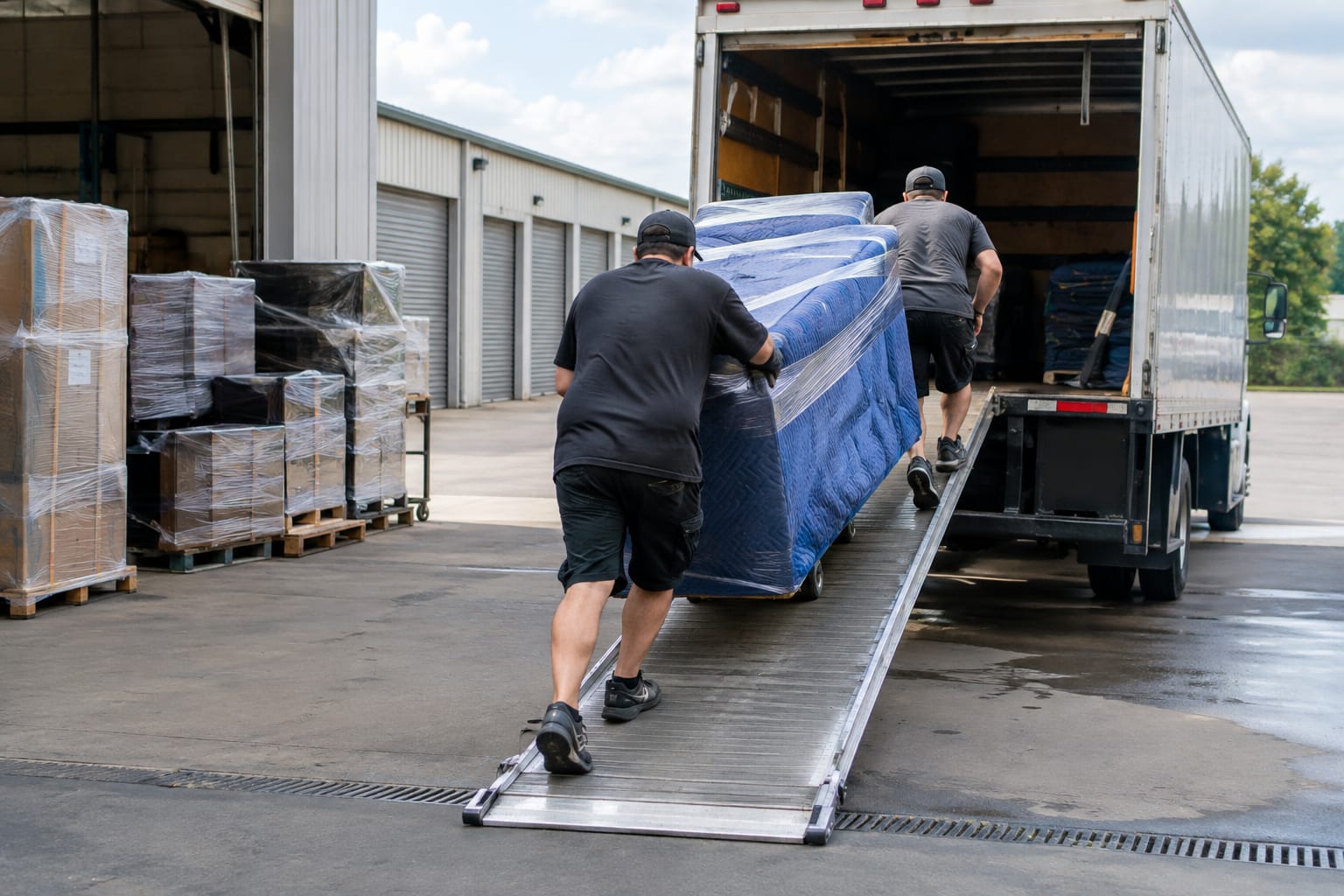
Storage is where containers and movers overlap most. Born to Move runs its own storage facility in Newton, where furniture stays wrapped in blankets and shrink wrap, and every item and box is numbered on an inventory sheet. Access is by appointment, and the monthly rate depends on the volume stored. Read more about moving with short- or long-term storage.
How to Decide Between a Container and Movers
Let's break the decision into four checks. Run them in order:
- Inventory: Estimate volume first, so you know how many containers or which truck size you need.
- Placement: Confirm where a container can sit at both addresses, and which permits apply.
- Labor: Decide who loads and unloads, and price that labor at both ends.
- Timeline: Count every service visit and compare it with your lease dates.
Once those four answers are on paper, the quotes become comparable. To price crew loading or a full move against your container plan on the same inventory, you can get a quote for loading or a full-service move.
Written by Born to Move Team
Related Articles
- Moving Company Truck Size: How Much Space Your Home Really Needs — how to estimate the volume of your home before choosing a truck or container.
Useful Links
- How to Properly Load a Moving Pod
- Packing and Unpacking Services
- Moving and Storage
- Movers from Boston to New York
- Interstate Moving
Need help with this? Influencer Partnership · Get a quote · Call (617) 903-2609