'%3E%3Cpath%20fill='%231B2A47'%20d='M1.605%2016.263c.03-1.139.059-2.482.088-3.971.03-1.49.03-2.832.03-4.03%200-.758%200-1.576-.03-2.51%200-.905-.03-1.84-.03-2.803%200-.496-.028-.964-.028-1.43%200-.468%200-.906-.03-1.315h6.858q2.188%200%203.589.35c.963.234%201.663.643%202.13%201.198.496.555.73%201.372.73%202.394%200%20.788-.176%201.46-.497%201.985-.32.526-.846.935-1.575%201.197-.73.292-1.693.468-2.918.526v.263c1.313.087%202.334.263%203.122.525.758.263%201.342.672%201.692%201.197.35.526.525%201.197.525%202.044%200%201.08-.233%201.927-.67%202.57-.468.642-1.139%201.08-2.102%201.343-.933.262-2.159.408-3.705.408H1.605zm6.537-9.197q1.882%200%202.713-.526c.555-.35.817-.934.817-1.752%200-.905-.292-1.547-.846-1.927s-1.459-.554-2.655-.554H4.757v4.759zm.204%206.92c.934%200%201.663-.088%202.217-.263.555-.176.934-.438%201.197-.818s.38-.876.38-1.518c0-.876-.322-1.49-.934-1.84-.643-.35-1.635-.525-3.035-.525H4.757v4.963zM21.038%2016.555c-1.576%200-2.801-.292-3.618-.905-.817-.614-1.284-1.519-1.372-2.745-.087-1.226.205-2.774.847-4.613s1.43-3.358%202.392-4.584c.963-1.226%202.043-2.131%203.298-2.744C23.839.292%2025.24%200%2026.786%200c1.576%200%202.772.321%203.59.934.816.613%201.283%201.548%201.37%202.774s-.203%202.774-.845%204.613c-.642%201.81-1.43%203.358-2.393%204.584s-2.072%202.132-3.297%202.745a9.8%209.8%200%200%201-4.173.905m.788-2.278c.642%200%201.138-.058%201.371-.116.205-.059.496-.117.847-.322.262-.146.437-.292.554-.408.204-.175.32-.292.438-.41.204-.203.35-.408.496-.583.35-.438.642-.876.963-1.402.233-.408.466-.817.67-1.284.205-.438.38-.905.555-1.372.438-1.198.671-2.278.671-3.183s-.204-1.606-.612-2.131c-.409-.497-1.051-.76-1.897-.76-.467%200-.934.059-1.43.205h-.03c-1.02.292-1.925%201.226-2.042%201.372-.116.117-.467.526-.963%201.343a15.5%2015.5%200%200%200-1.342%202.92c-.408%201.197-.642%202.277-.671%203.182-.03.906.175%201.636.584%202.161q.611.788%201.838.788M14.853%2038.54c-1.576%200-2.802-.292-3.619-.905s-1.284-1.518-1.371-2.744c-.088-1.227.204-2.774.846-4.614s1.43-3.357%202.393-4.584%202.042-2.13%203.297-2.744c1.255-.613%202.655-.905%204.173-.905%201.575%200%202.772.321%203.589.934s1.284%201.548%201.371%202.774c.088%201.226-.204%202.774-.846%204.613-.642%201.81-1.43%203.358-2.393%204.584s-2.072%202.131-3.297%202.745c-1.226.613-2.626.846-4.143.846m.787-2.277c.642%200%201.138-.059%201.372-.117.204-.058.496-.117.846-.321.263-.146.438-.292.554-.409.205-.175.321-.292.438-.409.204-.204.35-.408.496-.584a13%2013%200%200%200%201.634-2.686c.204-.438.38-.905.555-1.372.437-1.197.67-2.277.67-3.182%200-.906-.203-1.606-.612-2.132-.409-.496-1.05-.759-1.897-.759-.467%200-.934.058-1.43.204h-.029c-1.021.292-1.925%201.227-2.042%201.373-.117.116-.467.525-.963%201.343a15.5%2015.5%200%200%200-1.342%202.92c-.409%201.196-.642%202.277-.671%203.182s.175%201.635.583%202.16q.613.789%201.838.789'/%3E%3Cpath%20fill='%23FF515E'%20d='M55.966%2038.57c-1.576%200-2.801-.293-3.618-.906s-1.284-1.518-1.372-2.744c-.087-1.227.204-2.774.846-4.613s1.43-3.358%202.393-4.584c.963-1.227%202.043-2.132%203.297-2.745s2.656-.905%204.173-.905c1.576%200%202.772.321%203.589.934s1.284%201.548%201.371%202.774c.088%201.226-.204%202.774-.846%204.613-.642%201.81-1.43%203.358-2.393%204.584s-2.071%202.131-3.297%202.745c-1.225.613-2.626.846-4.143.846m.788-2.249c.642%200%201.138-.058%201.371-.117.204-.058.496-.116.846-.32.263-.147.438-.293.555-.41a7%207%200%200%200%20.437-.408c.205-.205.35-.41.496-.584a13%2013%200%200%200%201.634-2.686c.205-.438.38-.905.555-1.373.438-1.197.671-2.277.671-3.182s-.204-1.606-.613-2.131c-.408-.497-1.05-.76-1.896-.76-.467%200-.934.059-1.43.205h-.03c-1.02.292-1.925%201.226-2.042%201.372-.117.117-.467.526-.963%201.343a15.5%2015.5%200%200%200-1.342%202.92c-.409%201.197-.642%202.277-.671%203.182s.175%201.635.583%202.16q.614.79%201.839.79'/%3E%3Cpath%20fill='%231B2A47'%20d='M33.06%2016.263c0-.35%200-.935.03-1.81.029-1.051.058-2.103.058-3.154s.03-2.073.03-3.007c0-1.606-.03-3.27-.06-4.993%200-.554-.028-1.08-.028-1.606%200-.525-.03-1.021-.03-1.46h6.828c1.46%200%202.685.117%203.59.38q1.4.394%202.1%201.314.7.963.7%202.628c0%20.992-.174%201.81-.554%202.452-.35.643-.904%201.11-1.604%201.431s-1.576.467-2.627.496v.263q2.058.087%203.064.876c.671.525%201.138%201.372%201.43%202.51.087.41.233%201.023.467%201.84.233.818.408%201.431.554%201.84h-3.414a11%2011%200%200%200-.262-1.022c-.321-1.314-.526-2.19-.584-2.628a5%205%200%200%200-.642-1.46%202.13%202.13%200%200%200-.963-.73c-.408-.146-.934-.233-1.605-.233h-3.326v6.0440000000000005H33.06zm6.332-8.292c1.343%200%202.276-.205%202.86-.613.554-.41.846-1.11.846-2.073%200-.73-.146-1.314-.408-1.723-.263-.409-.671-.7-1.197-.876q-.788-.263-2.1-.263h-3.181v5.519h3.18zM49.4%2016.263l.03-2.745c.029-2.452.029-4.905.029-7.416q0-2.101-.088-5.868h4.085l5.924%2010.335c.087.234.204.438.291.643.117.204.205.408.321.613.38.788.613%201.255.672%201.372h.262c0-.058-.03-.146-.03-.204%200-.059-.028-.117-.028-.175a75%2075%200%200%201-.175-1.314%2010%2010%200%200%201-.088-1.285c0-1.547%200-3.737-.029-6.57V1.84c0-.584-.03-1.11-.03-1.576h2.977c-.03%202.482-.058%205.08-.058%207.766%200%201.694%200%204.438.029%208.292h-4.027l-5.573-9.43c-.875-1.81-1.226-2.511-1.05-2.132-.263-.613-.467-1.08-.613-1.46h-.263c.058.35.117.876.175%201.548.059.7.117%201.168.117%201.46%200%202.978%200%206.306.029%209.985H49.4zM4.698%2038.277c.029-2.627.058-5.255.058-7.883%200-1.576%200-3.503-.029-5.752-1.109%200-2.684%200-4.727.03v-2.453h12.664v2.453c-1.955-.03-3.53-.03-4.756-.03%200%20.584-.03%201.227-.03%201.957s0%201.46-.029%202.218v1.84c0%202.57.03%205.11.059%207.62z'/%3E%3Cpath%20fill='%23FF515E'%20d='M29.441%2038.277c.409-1.05.788-2.102%201.168-3.182s.787-2.16%201.167-3.241c.613-1.693%201.05-2.949%201.342-3.766l1.255-3.65c.116-.38.262-.788.379-1.139.117-.38.263-.73.38-1.05h4.61l-.671%2012.904h.262l8.316-12.905h4.669l-.7%201.869c-.876%202.452-1.343%203.766-1.43%204a501%20501%200%200%200-3.385%2010.16h-2.947c.292-.846.788-2.219%201.459-4.087.175-.526.35-1.08.554-1.606.175-.526.38-1.08.555-1.577.642-1.81%201.342-3.825%202.072-6.014h-.234l-8.724%2013.314h-2.86l.554-13.314h-.175c-.175.496-.38.992-.554%201.489-.175.496-.38%201.022-.555%201.547a163%20163%200%200%200-1.08%203.008c-.145.38-.262.759-.408%201.138-.117.38-.262.73-.408%201.11-.7%201.898-1.284%203.59-1.751%205.05h-2.86zM68.047%2038.277c.175-2.19.32-4.525.467-7.007.058-.905.204-3.912.467-9.051h3.151c-.03.438-.058.934-.088%201.46s-.058%201.08-.087%201.693a264%20264%200%200%201-.409%206.657c-.145%201.986-.35%203.591-.583%204.788h.175Q72.147%2034.892%2073.94%2032a562%20562%200%200%201%204.465-7.066c.32-.496.641-.992.933-1.46s.555-.875.817-1.255h3.268q-.568.832-1.138%201.752c-.408.613-.787%201.255-1.196%201.927-3.88%206.014-6.478%2010.131-7.85%2012.35h-5.193zM79.106%2038.277c.32-.788.758-2.014%201.37-3.65a287%20287%200%200%200%201.577-4.32c.437-1.256.904-2.628%201.4-4.088s.934-2.774%201.313-3.97h11.322l-.846%202.364H87.1l-1.664%204.847%207.645-.088-.612%201.694-7.587-.088-1.75%204.934h8.286l-.846%202.365z'/%3E%3C/g%3E%3Cdefs%3E%3CclipPath%20id='a'%3E%3Cpath%20fill='%23fff'%20d='M0%200h96v40H0z'/%3E%3C/clipPath%3E%3C/defs%3E%3C/svg%3E)
A cross country moving company loads, drives and unloads your household for you. Every DIY alternative trades some of that labor for more control over cost and timing. Between those two ends are five other options, including portable containers, freight trailers and hiring a crew only to load a truck you rented. This guide compares all seven on the same points: who drives, who loads, what sets the cost, who each option suits and where each one tends to go wrong.
Prices for trucks, containers and long-distance moves change with season, route and date, so this comparison stays qualitative. Check current rates on each provider's own site for your dates, then compare written quotes side by side.
Key Takeaways
- Seven real options. Cross-country moves range from a full-service carrier to rental trucks, portable containers, hybrid loading help, freight trailers, brokers and sell-ship-fly.
- Brokers are not carriers. A broker books your move and hands it to a separate carrier. Check carrier or broker authority on FMCSA SAFER before signing.
- DIY wins for small loads. Rental trucks and sell-ship-fly suit studios and tight budgets when you are willing to drive and lift.
- Hybrid removes the riskiest step. Renting the vehicle and hiring a crew only for loading keeps transport costs low and cuts injury and damage risk.
- Paperwork protects carrier moves. Know your estimate type, read the bill of lading, understand that basic released value is not insurance, and note the 9-month federal claim window.
1. Full-Service Cross-Country Moving Company
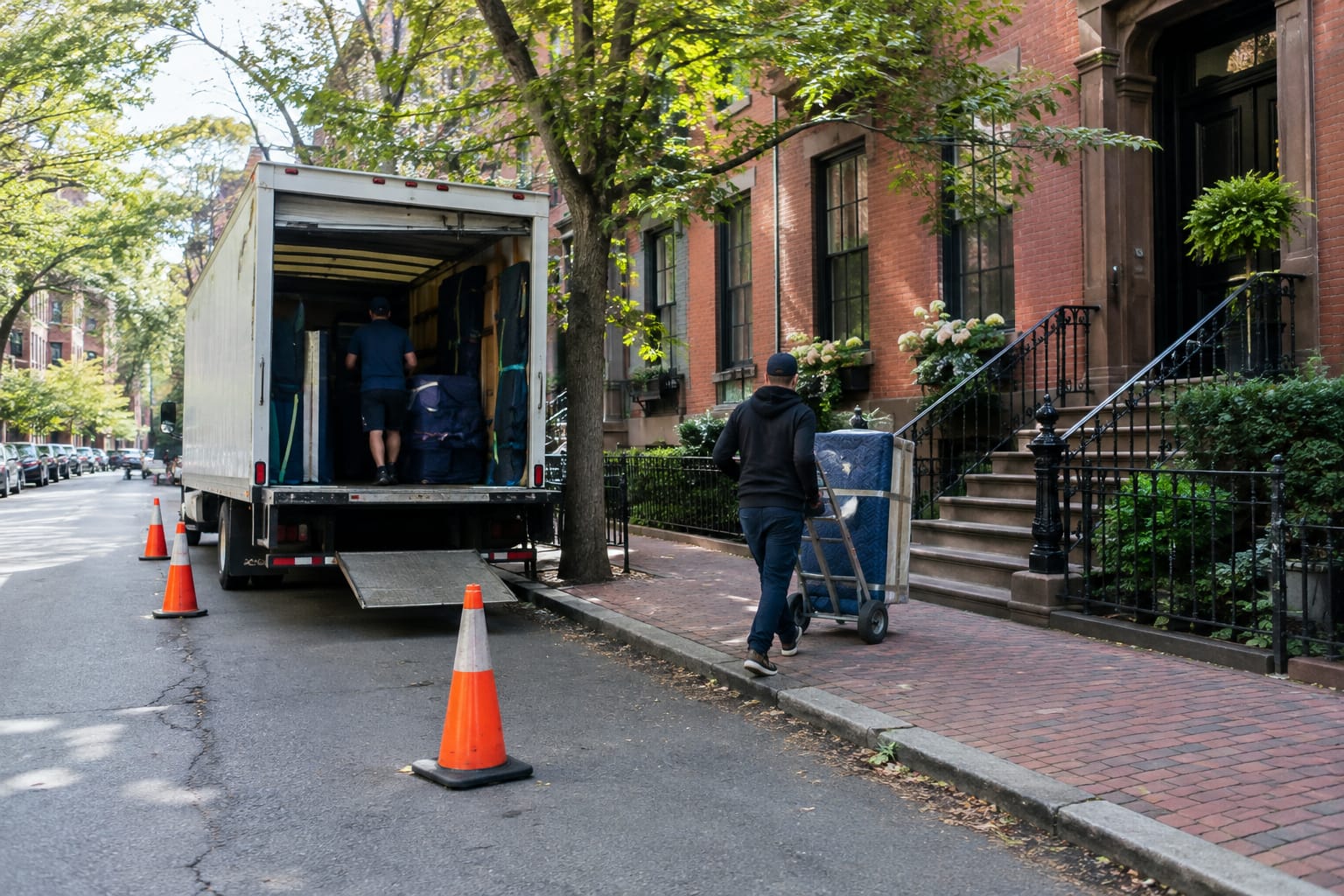
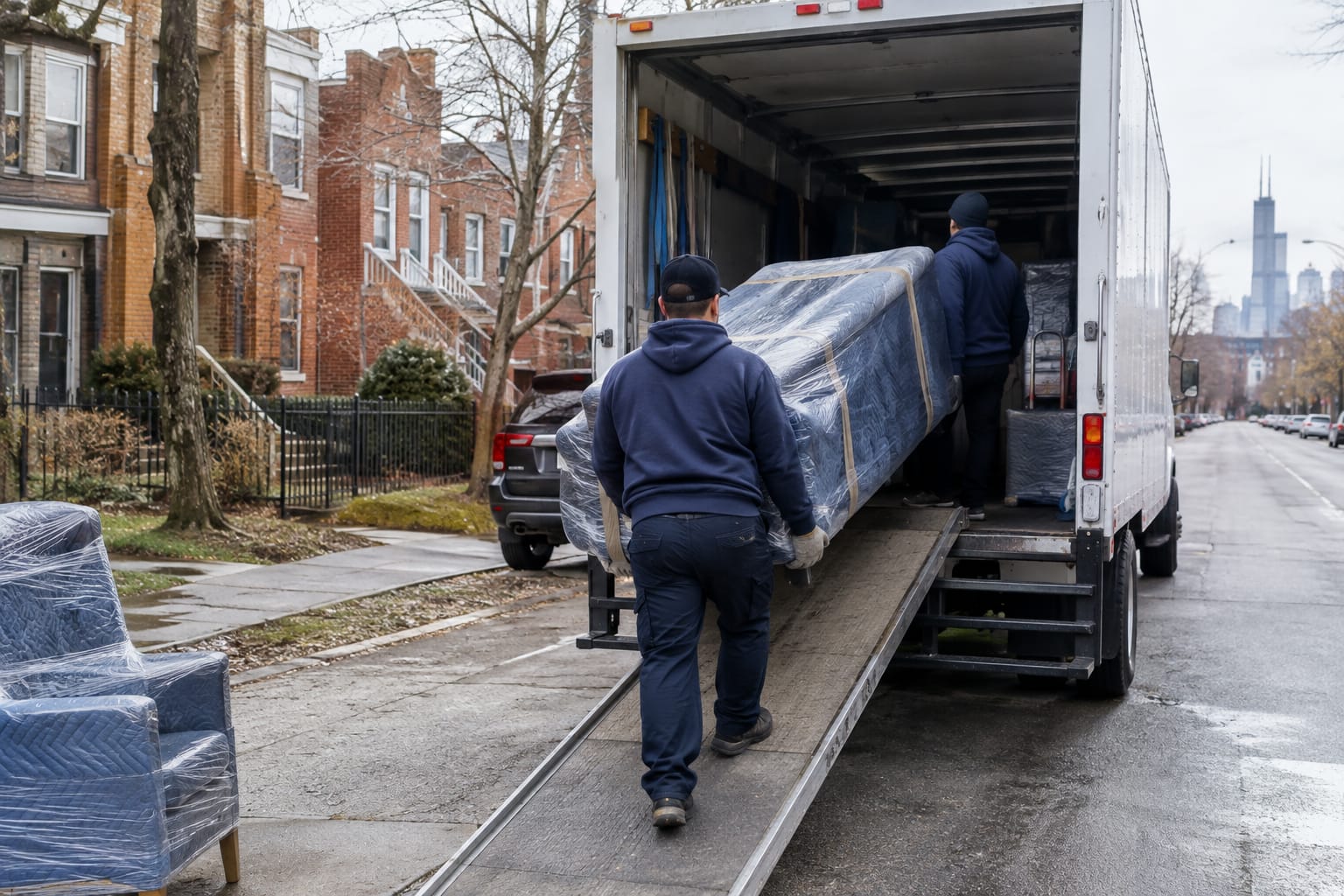
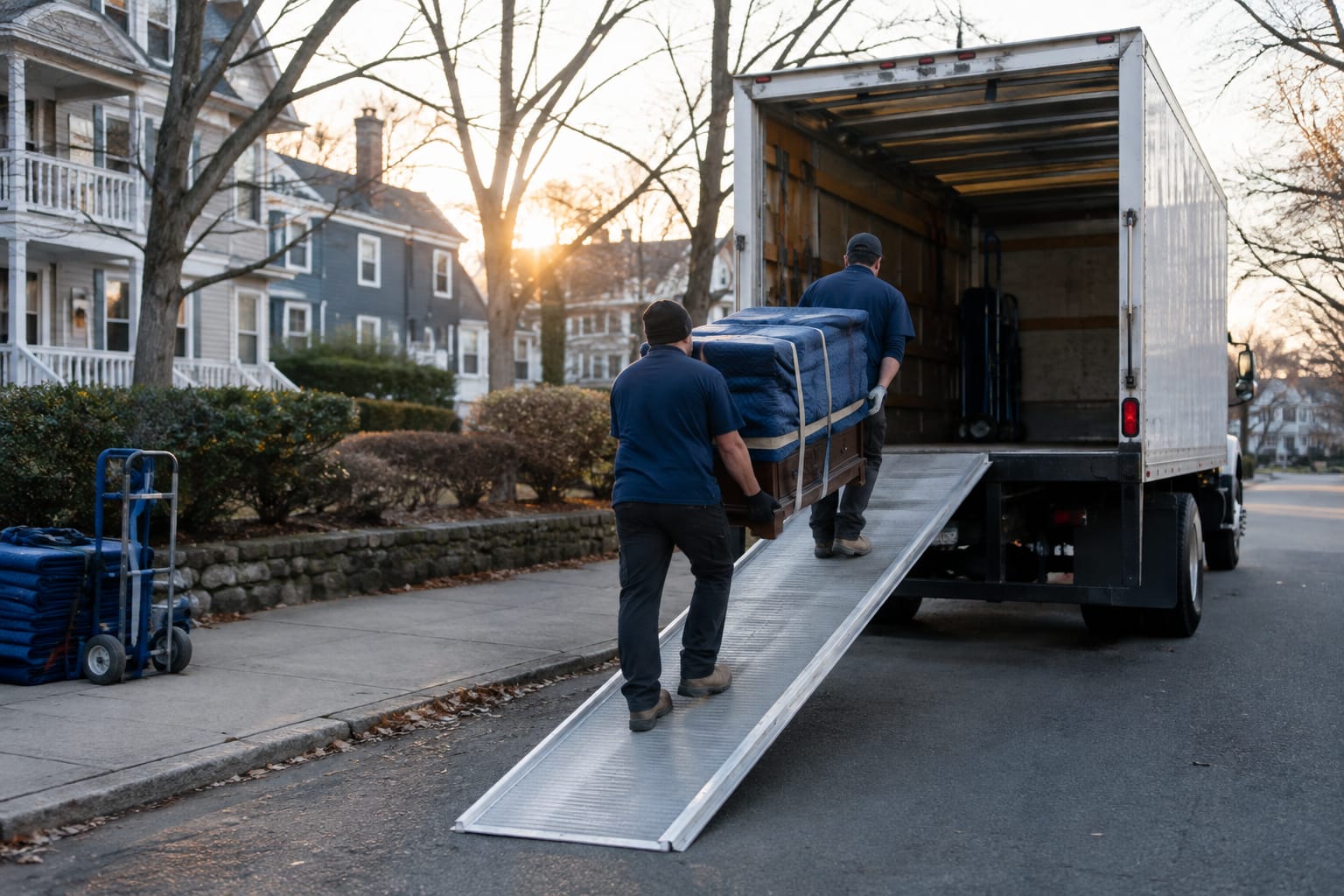
A full-service mover does the physical work from start to finish: loading, transport and unloading, with packing available as an add-on. You choose dates, approve the estimate and sign the paperwork.
Price depends on the size of your shipment, the distance, access at both homes (stairs, elevators, long carries), packing labor, optional valuation coverage and the time of year. This breakdown of how interstate movers calculate your price explains each factor.
For instance, Born to Move offers interstate moving with a written flat-rate quote based on a confirmed inventory and access conditions. One crew and one truck handle each job, and the delivery window is agreed in writing before booking.
- Who drives: the carrier
- Who loads: the carrier's crew
- Main risk: booking on a vague estimate, and going without your belongings until the delivery window
Verdict: The right fit for full households, heavy furniture and anyone who cannot spare a week of lifting and driving.
2. Moving Broker That Assigns Your Job to a Carrier
A moving broker sells and books your move but does not own trucks or employ crews. After you book, the broker hands the job to a separate carrier, often one you have never spoken with.
Brokers operate legally, and some people use them to find carriers on unfamiliar routes. The trade-off is distance between you and the people handling your goods. The estimate, the crew and the claims process can each belong to a different company.
Before signing anything, look up the company's USDOT number in the FMCSA SAFER company snapshot. This guide on how to check a moving company's USDOT number explains each field.
- Who drives: whichever carrier accepts the job
- Who loads: that carrier's crew
- Main risk: the company on your contract and the crew at your door are different businesses
Verdict: Workable only if you verify the assigned carrier before moving day. Otherwise, book with a carrier directly.
3. Portable Moving Container
With a portable moving container, you pack and load and the container company drives. A steel or wood unit is dropped at your home, you fill it on your own schedule, and it ships to your new address or to a storage facility. PODS is a familiar brand in this category.
Cost drivers include container size and count, distance, delivery and pickup fees, and any months of storage before final delivery. Confirm this before you book.
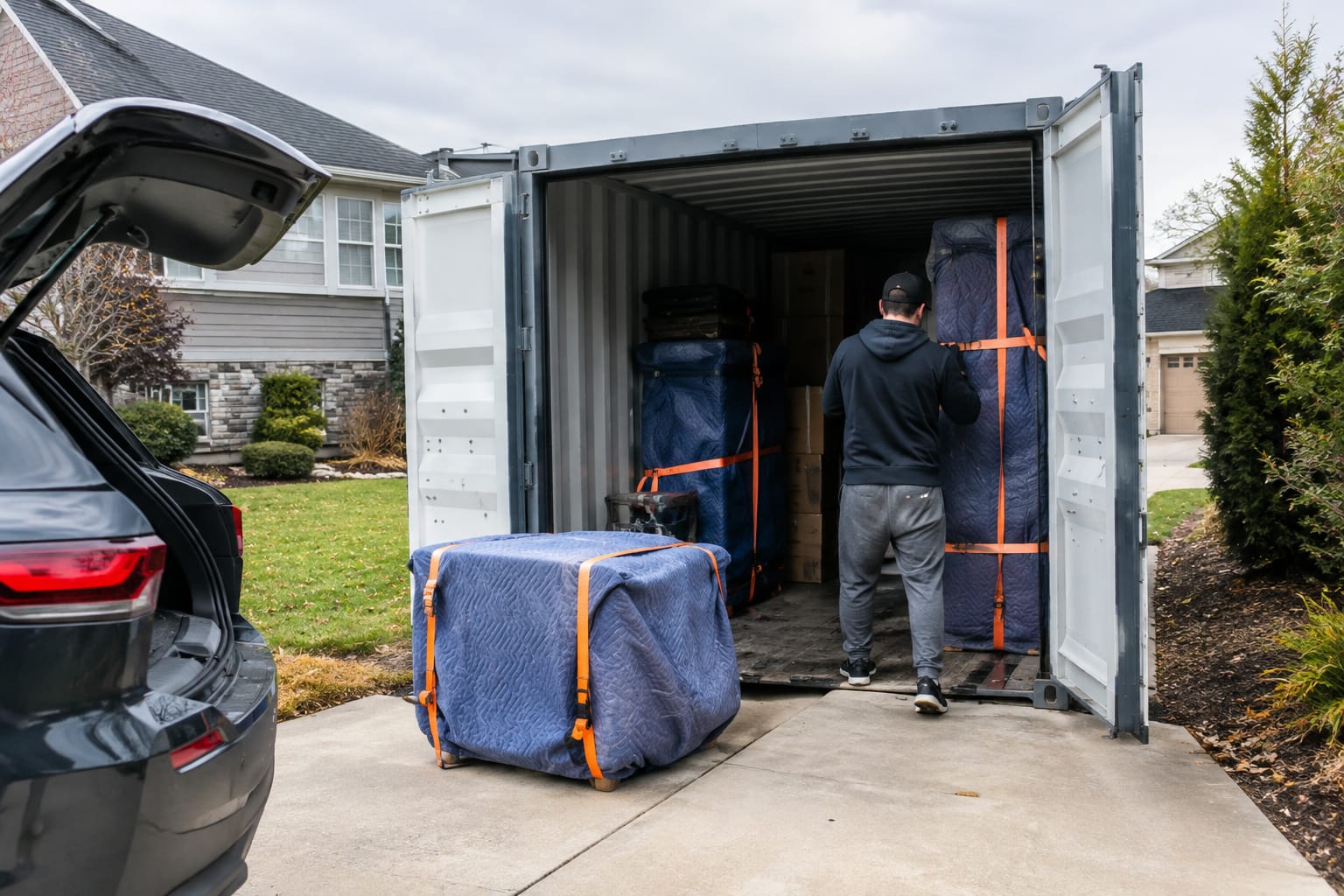
The main risk is load shifting. The container rides on a truck for days, and anything that is not tightly stacked and tied off will slide. This guide to loading a moving pod so nothing shifts covers weight distribution and tie-down points.
- Who drives: the container company
- Who loads: you, or a hired crew
- Main risk: poor loading that leads to transit damage
Verdict: A good fit for flexible timelines and for people who want storage built in, as long as someone capable does the loading.
4. Rental Truck You Drive Yourself
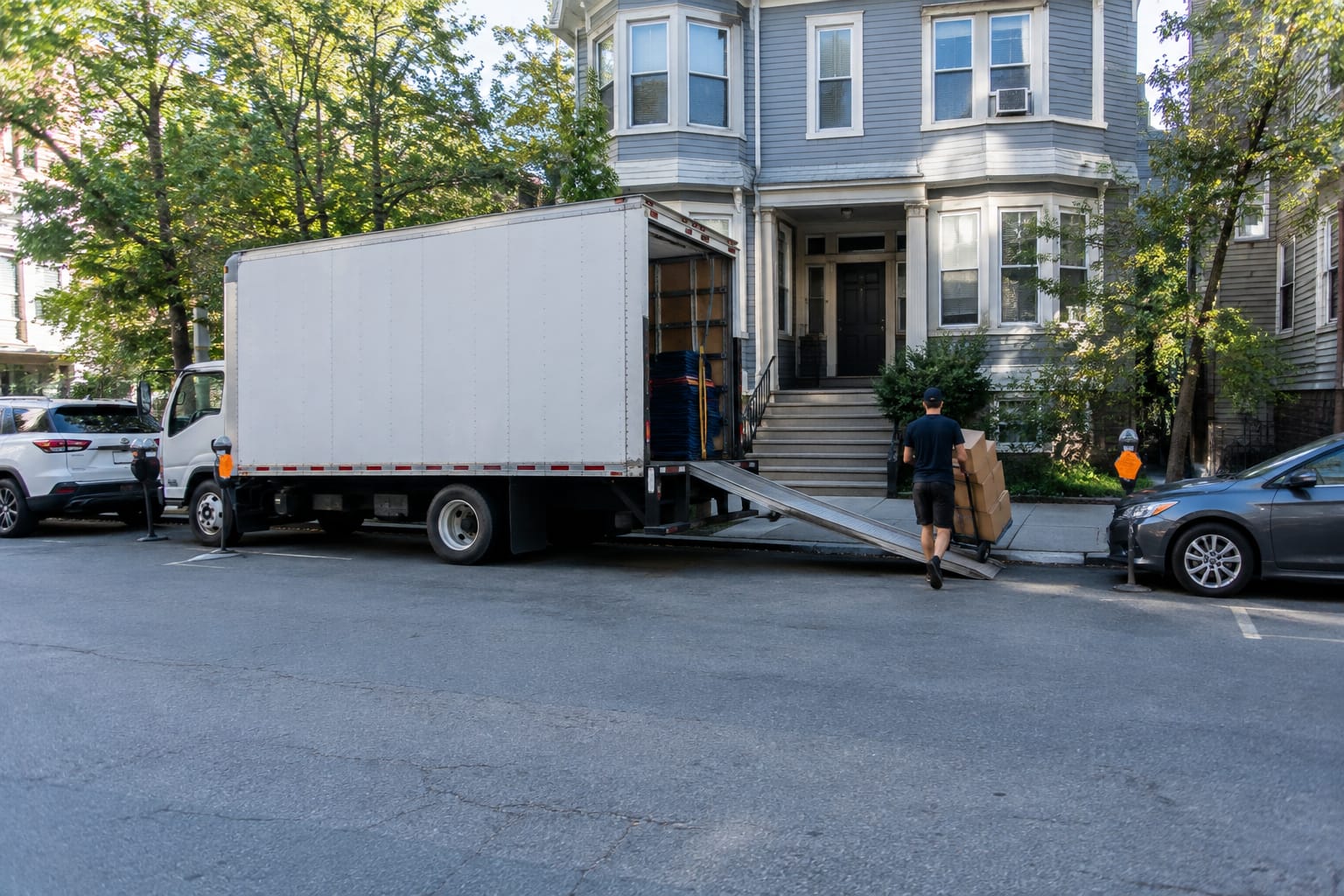
A rental truck puts every task on you: packing, loading, driving and unloading. U-Haul is a familiar example. For a small load it usually means the lowest cash outlay, which is why it leads searches for the cheapest way to move cross country.
Here's the thing: the rental rate is only part of the bill. Fuel for a large box truck, one-way rental days, lodging during a multi-day drive, damage protection plans, tolls and time off work all add to the total. Check current one-way rates on the rental company's own site for your exact route and dates.

Q: Is it cheaper to rent a truck or hire movers for a cross-country move?
A: For a studio or small one-bedroom, a U-Haul-style rental usually costs less in cash. For a full household, fuel, lodging and lost work days narrow the gap, so compare a dated rental quote with a binding estimate from an FMCSA-registered carrier.
Driving a loaded box truck across several states is the biggest risk. These trucks are tall, handle differently from cars and need longer stopping distances. Review what to do if a rental truck is in an accident before you leave. This comparison of full-service moving company vs DIY truck rentals goes deeper into the trade-offs.
- Who drives: you
- Who loads: you
- Main risk: long-haul driving, lifting injuries and uncovered cargo damage
Verdict: The lowest-cost option for small loads, if you are comfortable driving a large vehicle for several days.
5. Hybrid: Rental Truck or Container Plus Hired Loading Help
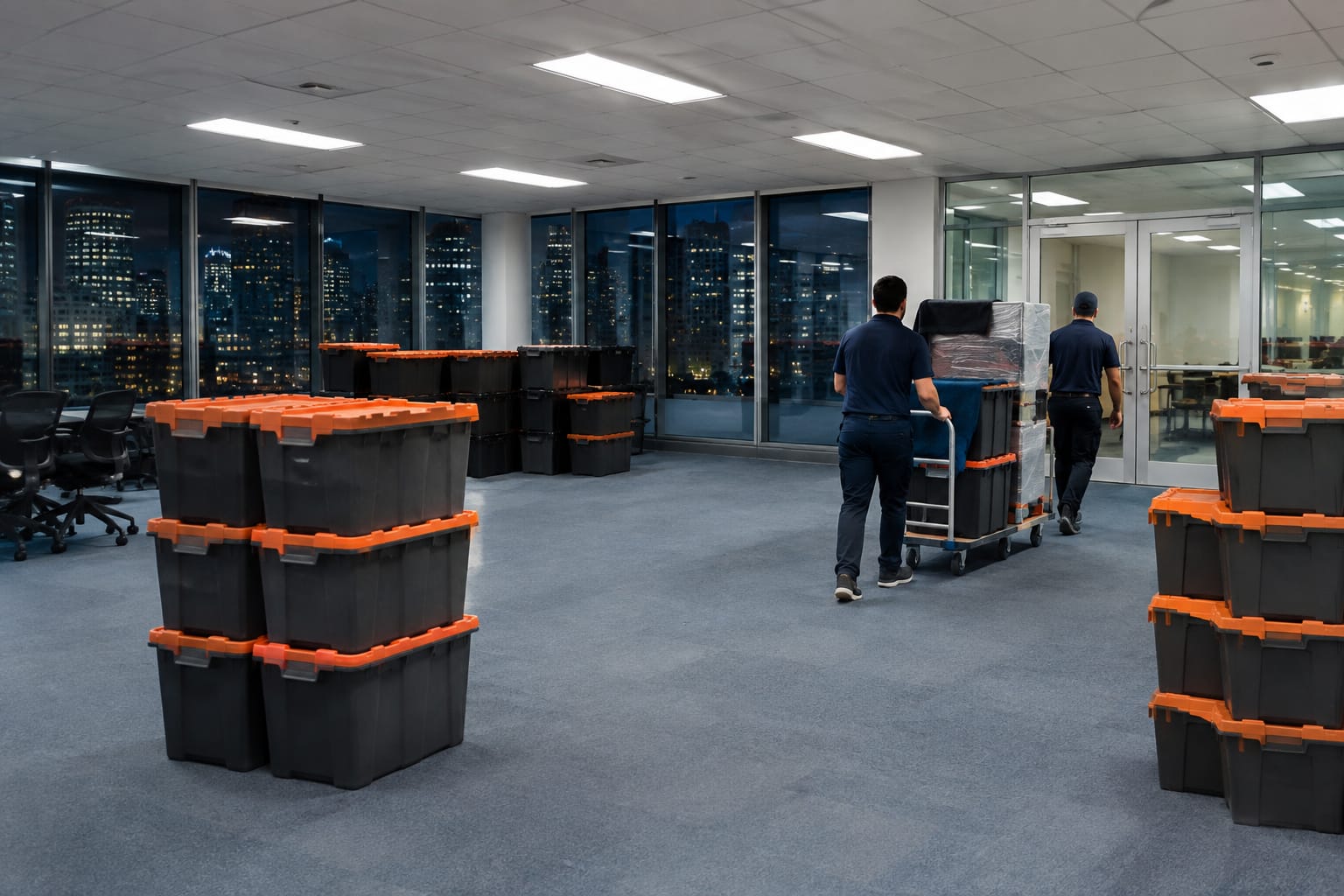
The hybrid approach splits the work. You rent the truck and drive it, or let the container company ship the container, while a hired crew does the heavy lifting. People search for this as moving labor only or rental truck loading help.
It costs more than pure DIY because hourly labor sits on top of the rental. In return, it removes the step most likely to cause injuries and broken furniture. A trained crew also packs a truck tighter, which reduces shifting on a long drive. For the loading pattern itself, see how to pack a truck for a long-distance drive.
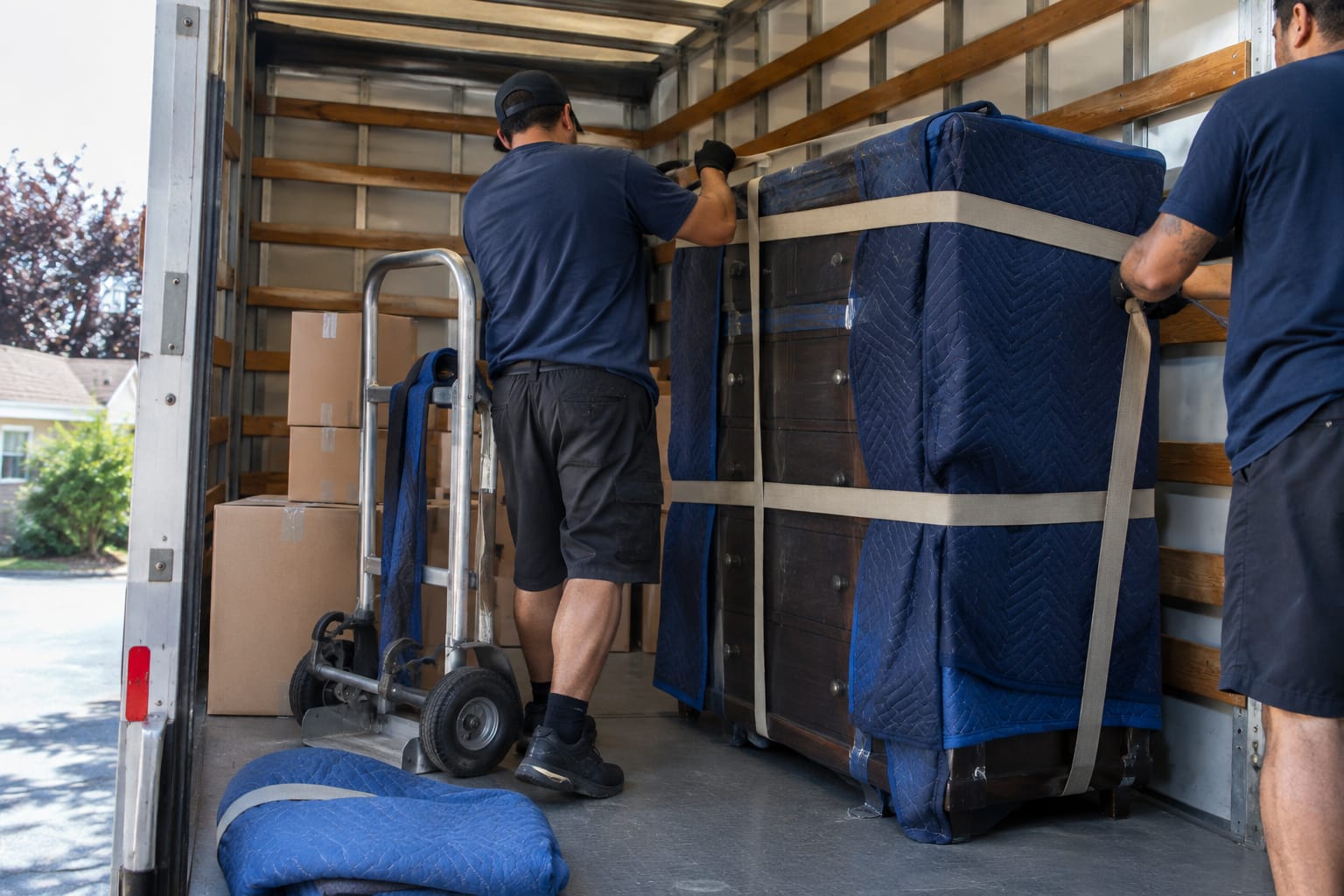
In Greater Boston, Born to Move offers this as part of its packing service. You can hire a crew to load your rental truck or container and still do the driving yourself. Labor is billed at hourly crew rates, and packing supplies are always charged separately.
Pro Tip: Book unloading help at the destination as a separate job before you leave. The crew that loads in your origin city does not travel with a truck you drive.
- Who drives: you, or the container company
- Who loads: a hired crew
- Main risk: coordinating two labor bookings, while transit damage generally stays your responsibility
Verdict: A strong middle ground for budget-conscious households that want professional loading without paying for long-haul transport.
6. Freight Trailer or Shared-Space Shipping: How It Works
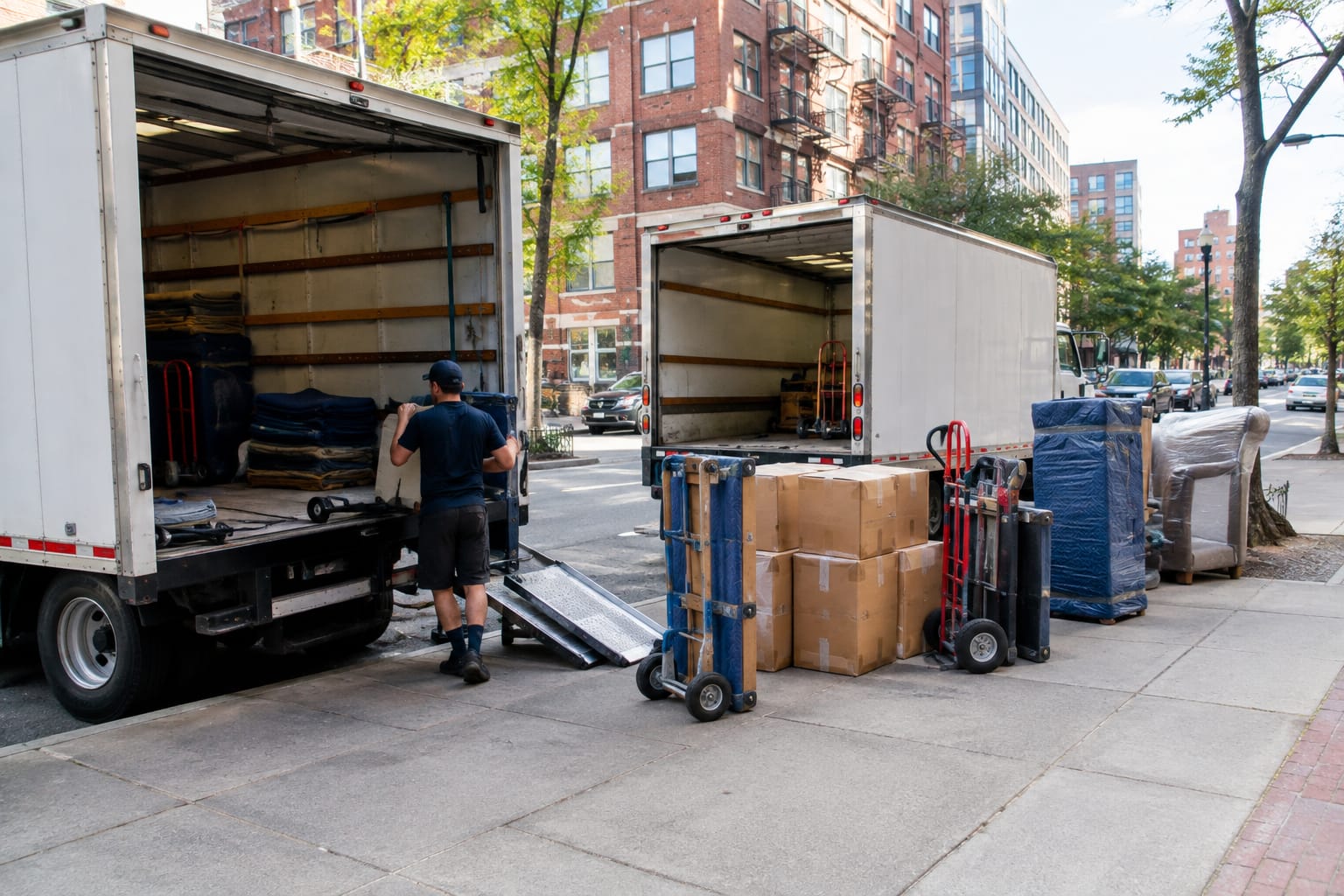
With shared-space shipping, your belongings travel alongside other freight or other households. It comes in two main forms. In a freight-trailer move, you load a commercial trailer at your home, a freight carrier drives it, and you typically pay for the trailer space you use. In a consolidated household move, a carrier combines several customers' shipments on one truck.
Sharing space lowers the cost per shipment because the truck's capacity is split. The trade-offs are wider delivery windows, extra stops and more handling. With freight trailers, you also load and secure everything yourself.
This differs from the dedicated model in option 1, where one crew and one truck serve a single household. When you compare quotes, ask directly whether your shipment will share a truck and how that changes the delivery window.
Verdict: Suits budget-focused movers with flexible dates. A poor fit for tight closing or lease deadlines.
More about the service: Join Our Team
7. Sell, Ship, and Fly: Moving With Only the Essentials
This option skips the truck entirely. You sell or donate the furniture, ship a limited number of boxes through USPS or a parcel carrier, and fly with checked bags. It works for studio renters, students and anyone moving into a furnished home.
The cost drivers are what you lose selling furniture compared with what you spend replacing it, plus per-box shipping by weight and size, plus airline baggage fees. Buying a new bed, sofa and dining set at the destination often costs more than expected. Price the replacements before you list anything for sale.

- Who drives: no one; parcels ship separately
- Who loads: you pack boxes only
- Main risk: replacement costs and lost or damaged parcels
Verdict: The fastest and simplest choice for very small households. It gets expensive once you need to refurnish a whole home.
Before You Book Any Carrier: Estimates, Bill of Lading, and Your Rights
The paperwork is what protects you. Read it before you sign anything.
There are three estimate types:
The order for service confirms services, dates and the estimate before pickup. Never sign a bill of lading that is blank or incomplete.
Valuation is where many people get caught out. Under that level, a damaged 50-pound television is worth at most $30. It is not insurance.
Q: How long do I have to file a damage claim after an interstate move?
A: Confirm the current deadline for filing a written claim with your interstate mover with the FMCSA.
DIY options work differently. Read the rental agreement's damage terms before moving day.
Side-by-Side Comparison and Verdict: Cost Drivers, Time, Effort, and Risk
The table below brings all seven options together. Cost drivers are listed qualitatively because real prices depend on your route, dates and inventory.
| Option | Who drives | Who loads | Main cost drivers | Best for | Main risk |
|---|---|---|---|---|---|
| 1. Full-service carrier | Carrier | Carrier crew | Shipment size, distance, access, packing, valuation, season | Full households, busy families | Vague estimates, waiting for delivery |
| 2. Broker | Assigned carrier | Assigned carrier crew | Broker quote plus the carrier's actual charges | Unusual routes, if verified | Unknown carrier on moving day |
| 3. Portable container | Container company | You or hired crew | Container count, distance, storage months, permits | Flexible timelines, built-in storage | Load shifting in transit |
| 4. Rental truck | You | You | Rental days, fuel, lodging, protection plans, tolls | Small loads, confident drivers | Driving risk, injuries, uncovered damage |
| 5. Hybrid with loading help | You or container company | Hired crew | Rental costs plus hourly labor at both ends | Budget households that want pro loading | Coordinating two labor bookings |
| 6. Freight or shared space | Freight carrier | You or carrier | Space used, distance, flexibility on dates | Flexible schedules | Wide delivery windows, extra handling |
| 7. Sell, ship and fly | No one | You pack boxes | Furniture replacement, parcel shipping, bag fees | Studios, furnished destinations | Replacement costs |
When DIY wins
DIY is the right call when the load is small, the budget is tight, the schedule is flexible and you are willing to drive. A studio apartment with no heavy furniture rarely justifies a full-service crew.
When a carrier or hybrid wins
Once you are moving a full household, heavy items or on a fixed deadline, the calculation changes. A full-service carrier removes the driving and lifting entirely. Hybrid loading help removes the most physically risky step and keeps rental-level pricing for transport.
Choosing Your Cross-Country Move
Start by listing what you own, your deadline and how much driving you will realistically do. Then price the two or three options that fit, using dated quotes rather than averages. These cross-country moving tips help with planning once you have chosen a method.
If you are weighing a carrier quote against a DIY budget, Born to Move reviews inventory by video walk-through, phone or online form before it issues a written estimate, which makes the two easy to compare line by line.
Written by Born to Move Team
Useful Links
- Interstate Moving
- 12 Essential Cross-Country Moving Tips
- Full Service Moving Company vs DIY Truck Rentals
- Get a Moving Quote
Need help with this? Join Our Team · Get a quote · Call (617) 903-2609