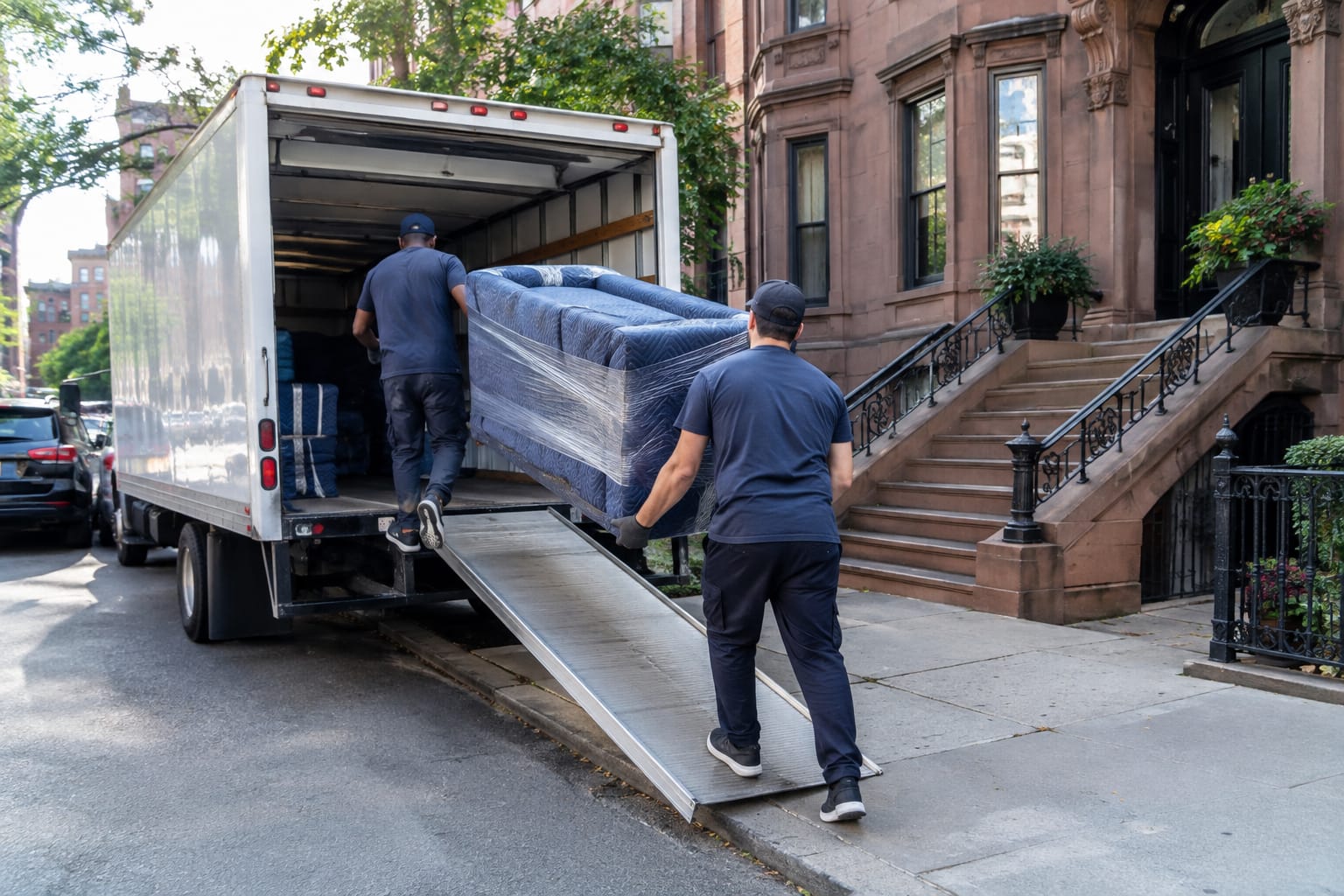
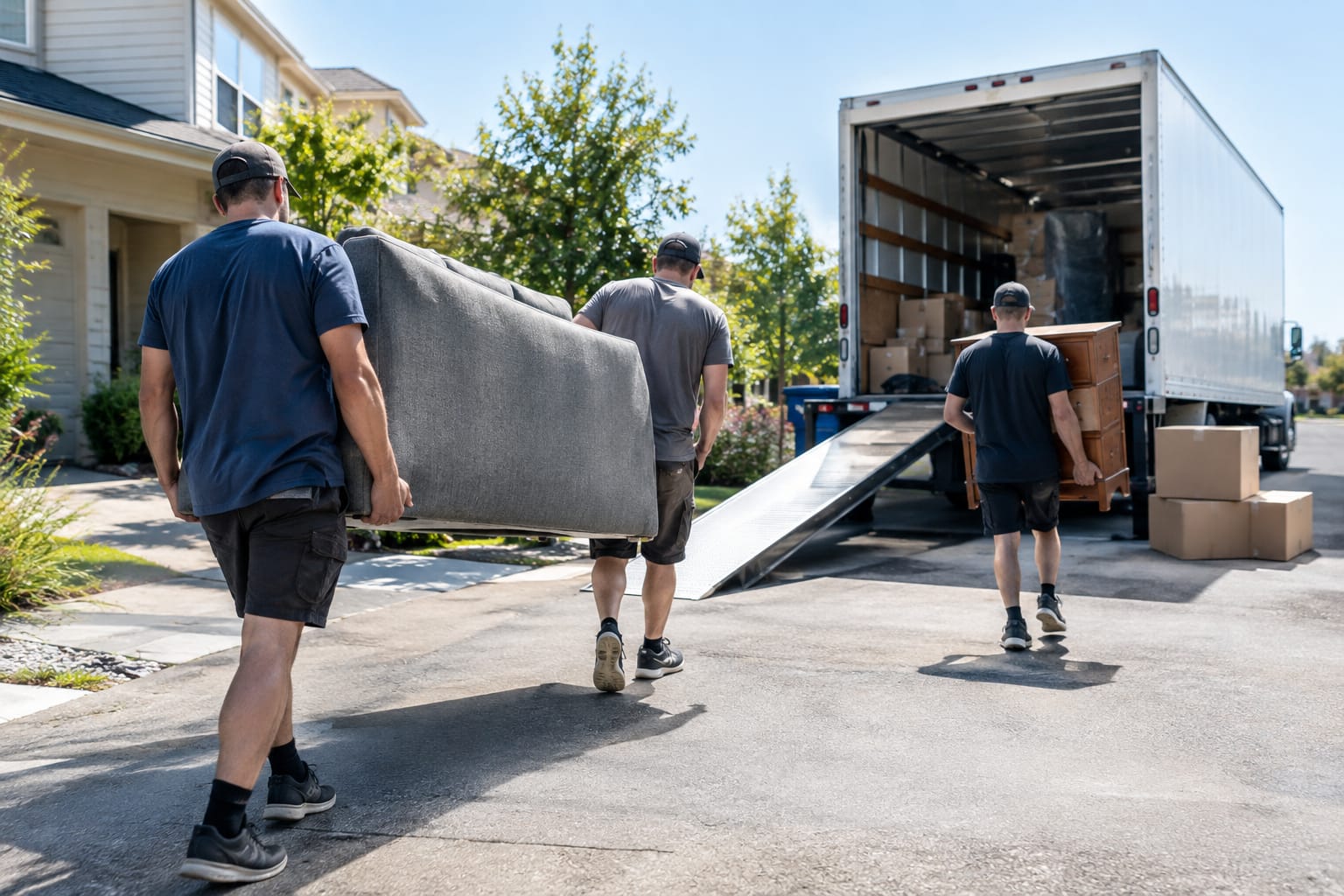
Searches for Wilmington movers return results for three different towns. This guide covers Wilmington, Massachusetts, the Middlesex County town north of Boston on I-93 and the MBTA Lowell Line. It does not cover Wilmington, Delaware, or Wilmington, North Carolina.
The short answer: most local moves in Wilmington, MA are billed by the hour. How many hours you pay for depends more on preparation and truck access than on distance. The sections below explain how the clock runs, which conditions add time, which levers you control, and what to confirm in writing before you book.
Key Takeaways
- Hourly billing is the norm for local moves. Some movers also quote a flat rate from a detailed inventory, so ask which model applies.
- Travel time is part of the bill. Movers handle it differently, so get the method in writing.
- Access decides the length of the day. Sloped driveways, low branches, dead-end streets, and stairs add time more reliably than mileage does.
- Preparation is your biggest lever. Packed, labeled boxes and empty drawers shorten an hourly move.
- Verify the license. Moves within Massachusetts fall under the state Department of Public Utilities. Moves across state lines fall under federal rules.
What counts as a local move in Wilmington, MA, and how it is billed
A local move starts and ends inside Massachusetts within a short driving distance, such as Wilmington to Woburn, Reading, or Boston. Most local moves are billed by the hour, with the rate tied to crew size and a truck. Some companies quote local work as a flat rate instead, based on a confirmed inventory.
Materials are usually a separate line. Boxes, tape, shrink wrap, and mattress bags are typically billed on top of labor, so ask what the hourly rate includes before comparing quotes. For a deeper breakdown, see how local moving is priced by the hour.
Crossing a state line changes the rules. A move from Wilmington to Nashua, New Hampshire is short but interstate.
Q: Who licenses movers for moves within Massachusetts?
A: The Massachusetts Department of Public Utilities oversees household goods carriers for moves that stay inside the state. Ask any Wilmington, MA moving company about its licensing, and confirm the current requirements with the relevant state or federal authority.
The hourly clock: what starts it, what stops it, and where travel time fits
The clock usually starts at one of two points: when the crew arrives at your door, or when the truck leaves the company's base. That single difference changes what you pay for. It belongs in the written estimate, not in a phone conversation.
Travel time is the next question. Movers commonly use one of three approaches:
- Hourly travel. Drive time to your home, and sometimes back to base, billed at the crew rate.
- Flat travel fee. A fixed charge that covers the trip out and back.
- Double drive time. The drive between your old and new home is billed twice to cover the crew's return trip.
Many movers also set a minimum number of billable hours. A small move that finishes quickly still pays that minimum. The clock typically stops when the last item is placed, furniture is reassembled, and paperwork is signed, though some companies add return travel after that.
Q: What is a travel time charge from movers?
A: It is the fee for the crew and truck's drive to your home and, depending on the company, back to its base. Movers bill it hourly, as a flat fee, or as double drive time, and the written estimate should name which one.
Here is where the hours usually go, and what you control:
| Cost driver | Why it adds time | Your lever |
|---|---|---|
| Travel time | Billed before or after the work itself | Get the method in writing and compare total estimated hours |
| Unpacked rooms | The crew stops to box items or waits | Finish packing the day before |
| Full drawers and loose items | Heavier pieces and extra trips | Empty drawers and consolidate small items into boxes |
| Stairs, basements, attics | Every trip is slower | Stage what you can on the main floor |
| Long carry | The truck parks far from the entrance | Clear the driveway and reserve the closest spot |
| Disassembly | Beds, tables, and sectionals take time | Confirm what the crew handles, or disassemble it yourself |
| Elevator waits | The crew stands idle | Reserve a service elevator and loading window |
A long carry is the walking distance between the truck and your door. On an hourly move, it does not usually appear as its own line item. It simply adds minutes to every trip.
Sizing the job: bedrooms, stairs, and how crew size changes the day
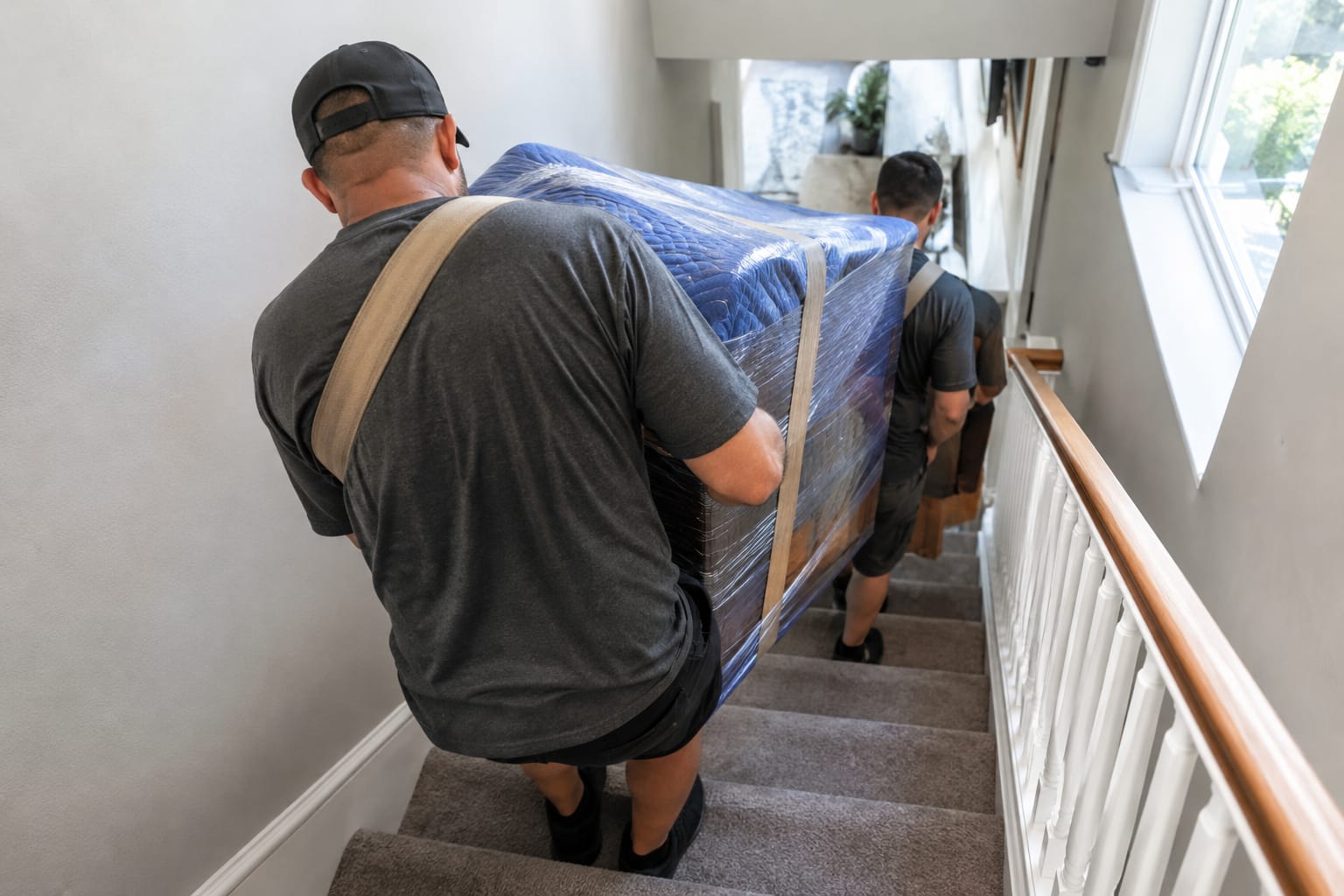
Bedroom count is only a starting point. A three-bedroom colonial with a finished basement, a full garage, and a garden shed holds far more than a three-bedroom ranch. Heavy pieces such as a piano, a safe, or gym equipment add time and may need special handling.
Crew size shifts the math. A larger crew costs more per hour but usually finishes in fewer hours. Past a certain point, narrow stairways and hallways limit how many people can carry at once. For a structured way to decide, see how many movers you actually need.
How long does a local move take? No honest universal figure exists, because access and preparation vary so much. Ask each estimator for projected hours based on a video walk-through or in-home survey, and ask how they would handle it if the job runs longer.
Wilmington access realities: driveways, dead ends, low branches, and Route 38/129 timing
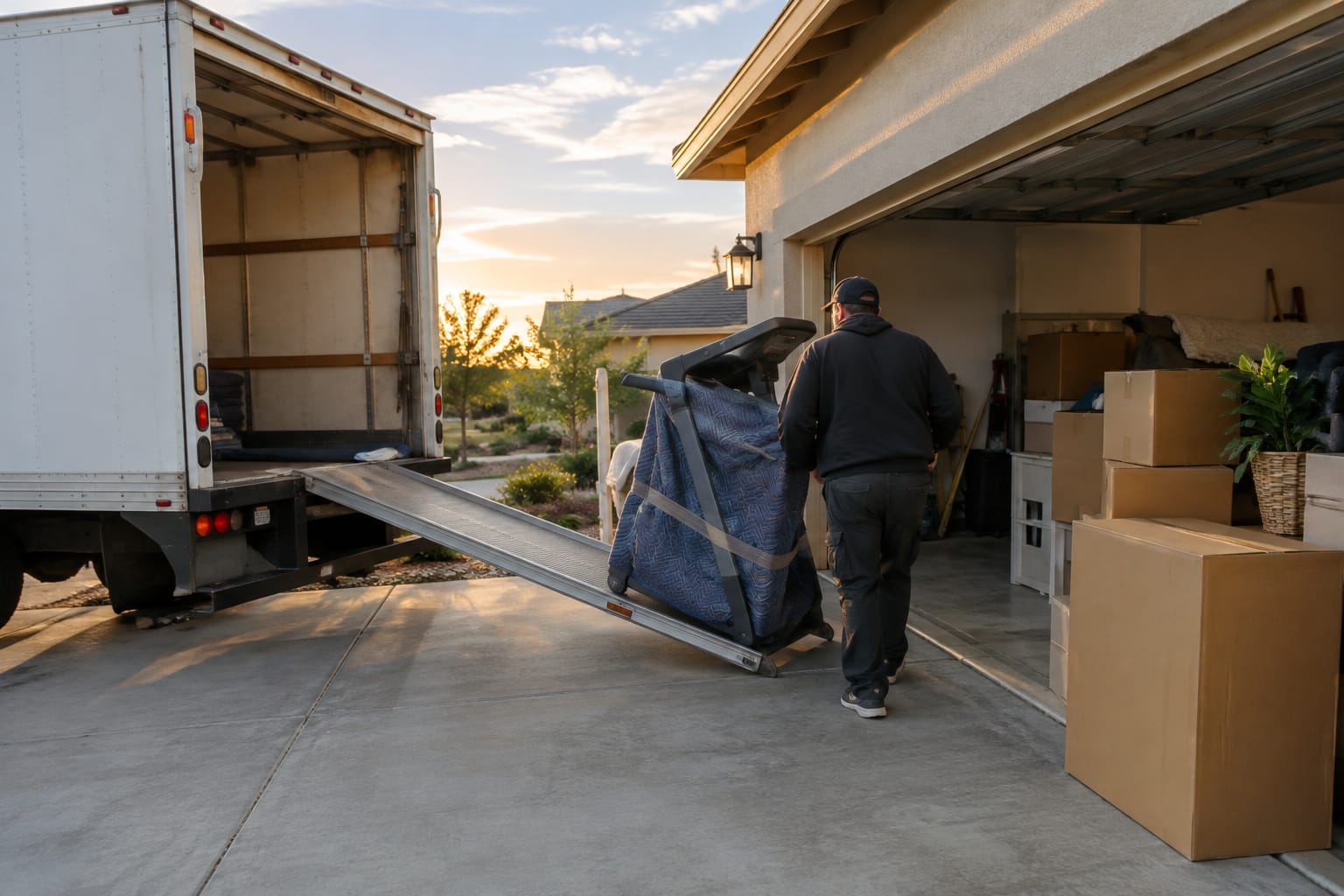
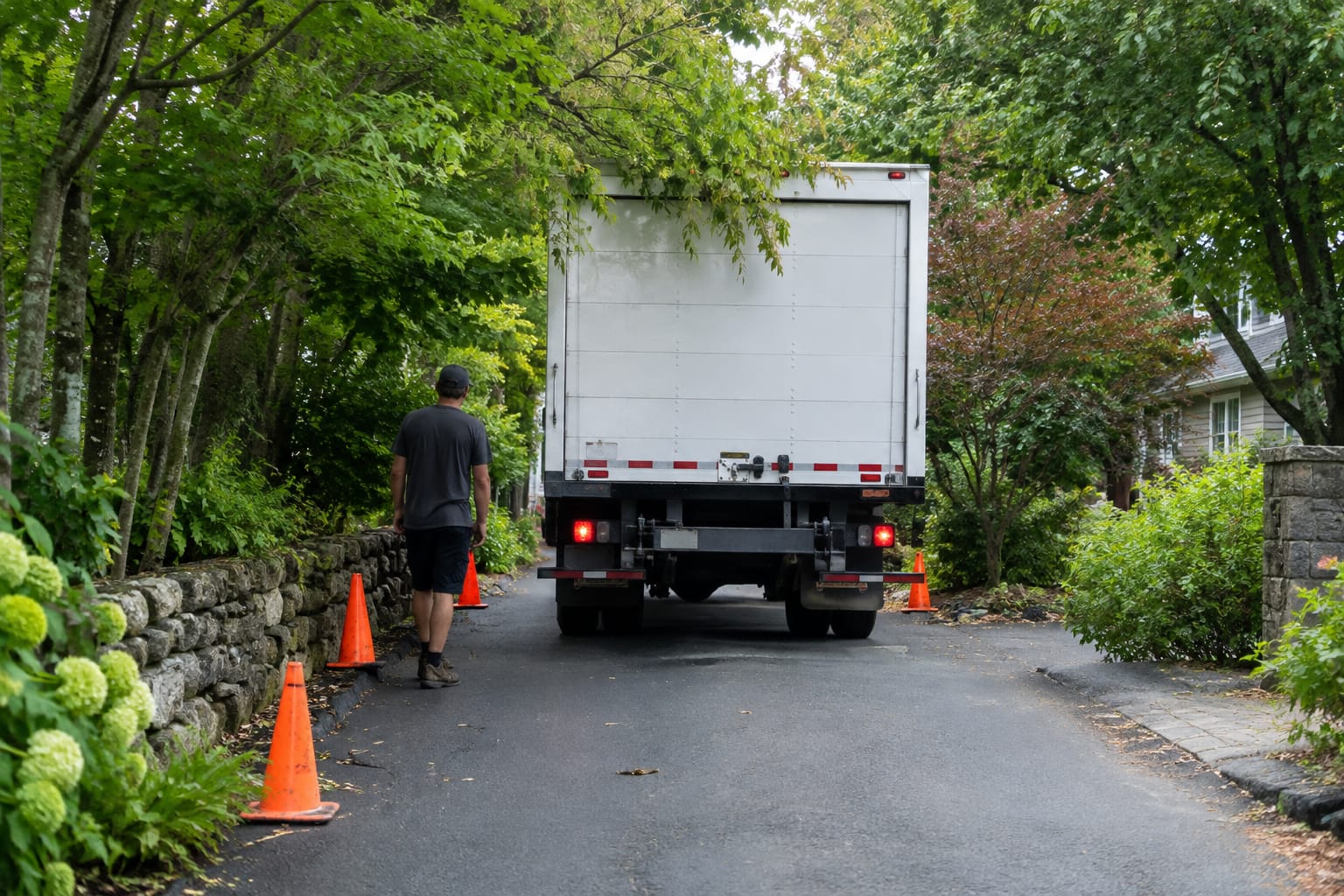
Much of Wilmington's housing is single-family homes with driveways. That means crews often stage the truck in the driveway rather than at a city curb. This helps, but only if the truck fits.
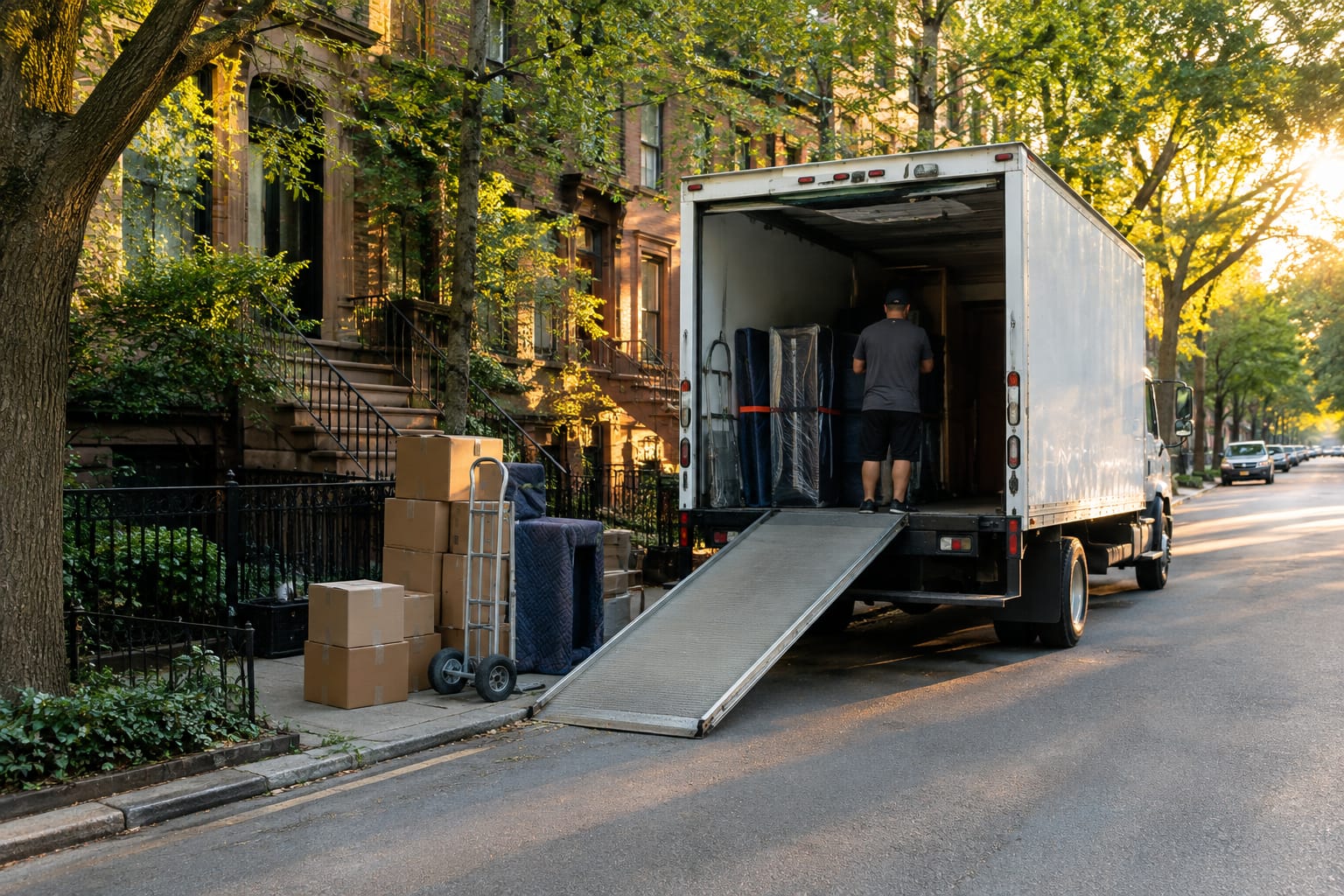
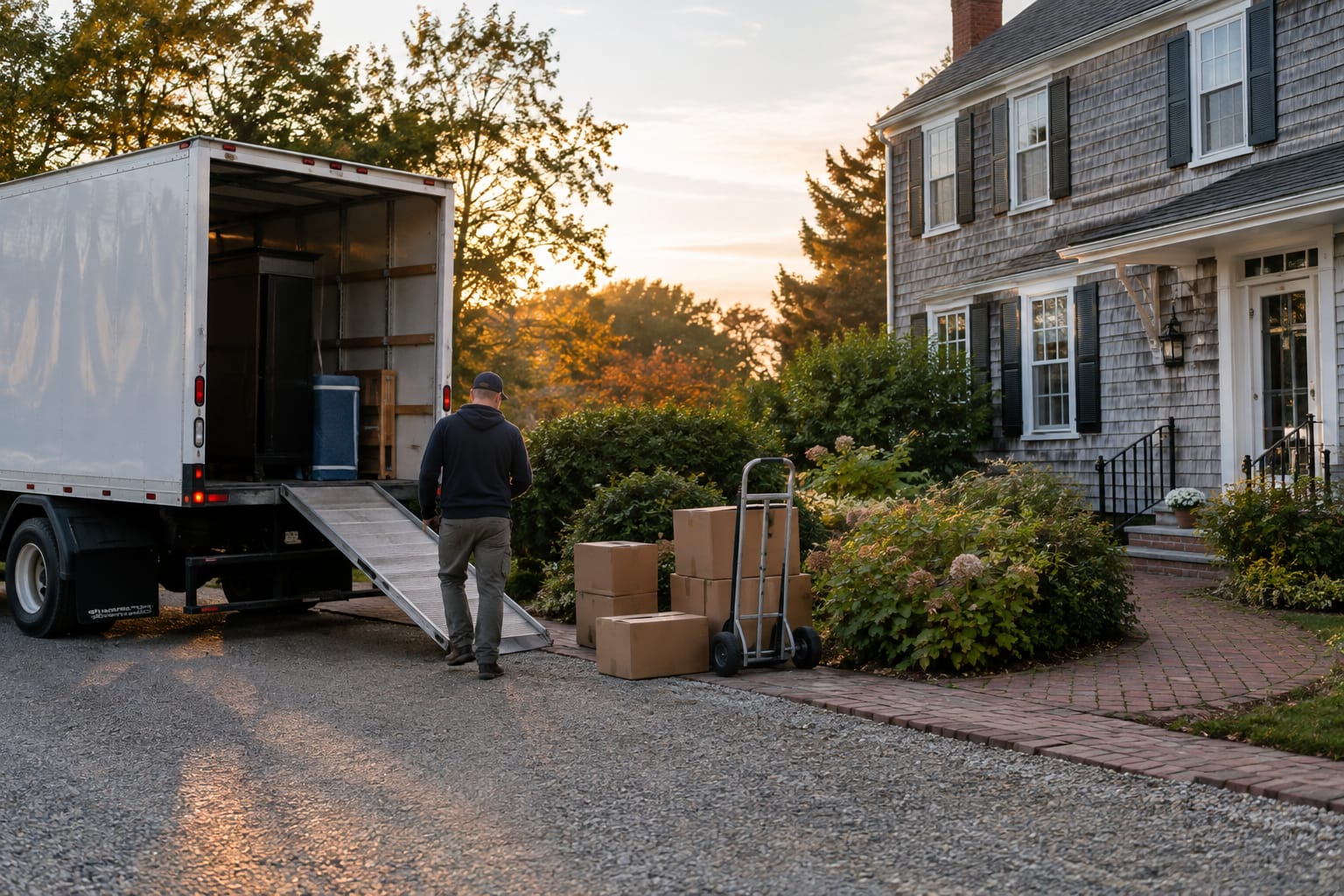
Driveways and tree canopy. A box truck is tall and heavy. Low branches, overhead wires, a steep or narrow drive, or a soft lawn after rain can push the truck onto the street. That turns a short walk into a long carry. Walk your driveway a few days ahead, trim low branches on your own property, and move cars out of the way.
Dead ends and cul-de-sacs. Some streets leave little turning room. The truck may need to back in, and cars parked along the street can block it. A friendly note to neighbors a day or two ahead helps.
Condos and complexes. Management may require a certificate of insurance, set loading hours, or designate a loading area. If there is an elevator, see how to reserve the elevator before you book a date.
Route 38 and Route 129 timing. Both roads carry local and commuter traffic, and I-93 slows toward Boston at rush hour. An early start that loads before the heaviest traffic and drives midday often keeps the clock shorter.
Parking and permits. Rules for placing a truck on a public street vary by town and can change. Before move day, contact the Town of Wilmington's Department of Public Works or Police Department through the town's official website and ask whether you need notice or a permit. Do not assume either way. Many movers expect the customer to arrange parking, so clarify who handles it.
Nearby towns bring their own quirks. Compare the same logistics in neighboring Woburn and what locals plan for when moving to Belmont. For context on route and access knowledge, read why a local moving company handles this differently.
What you pack vs. what the crew packs
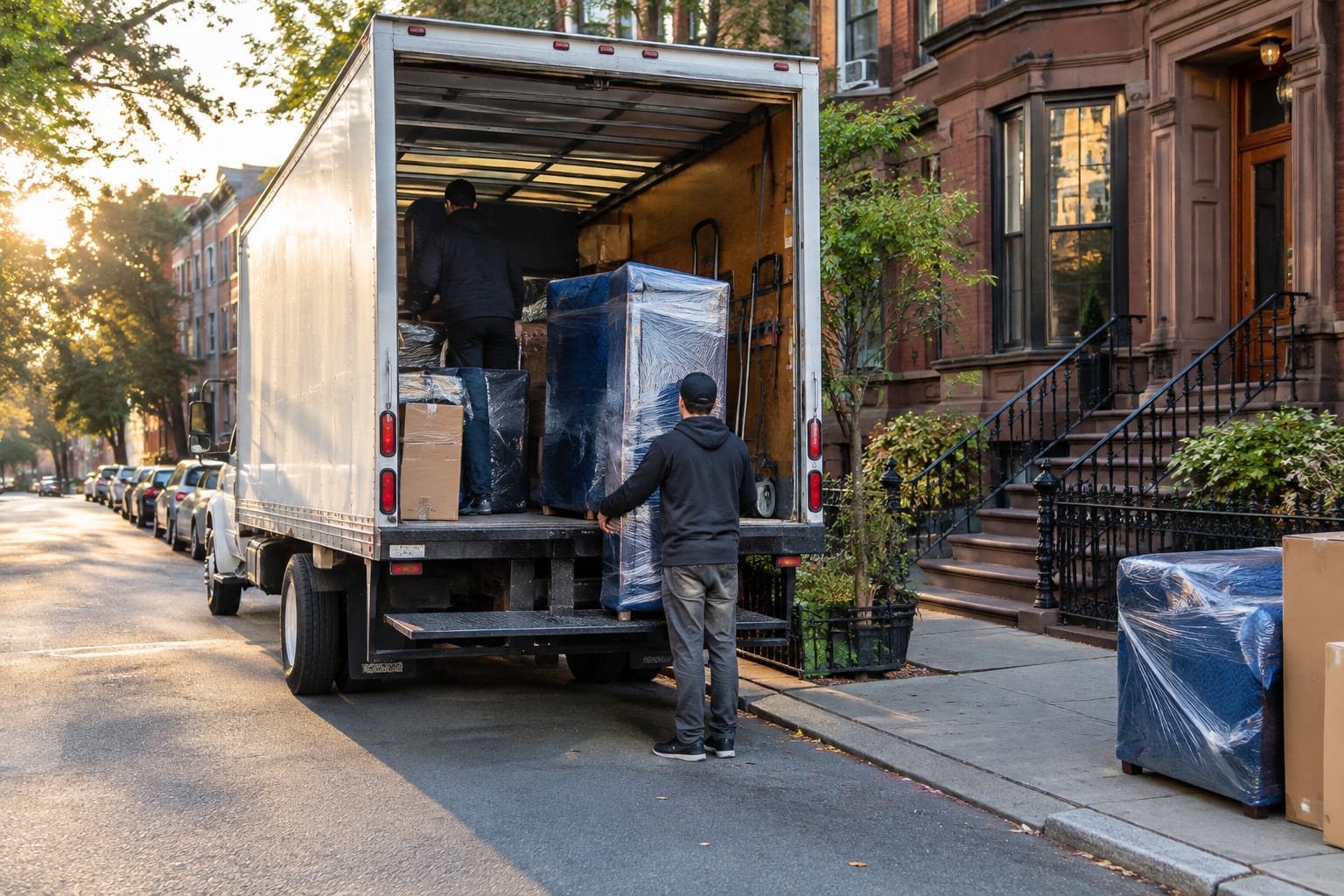
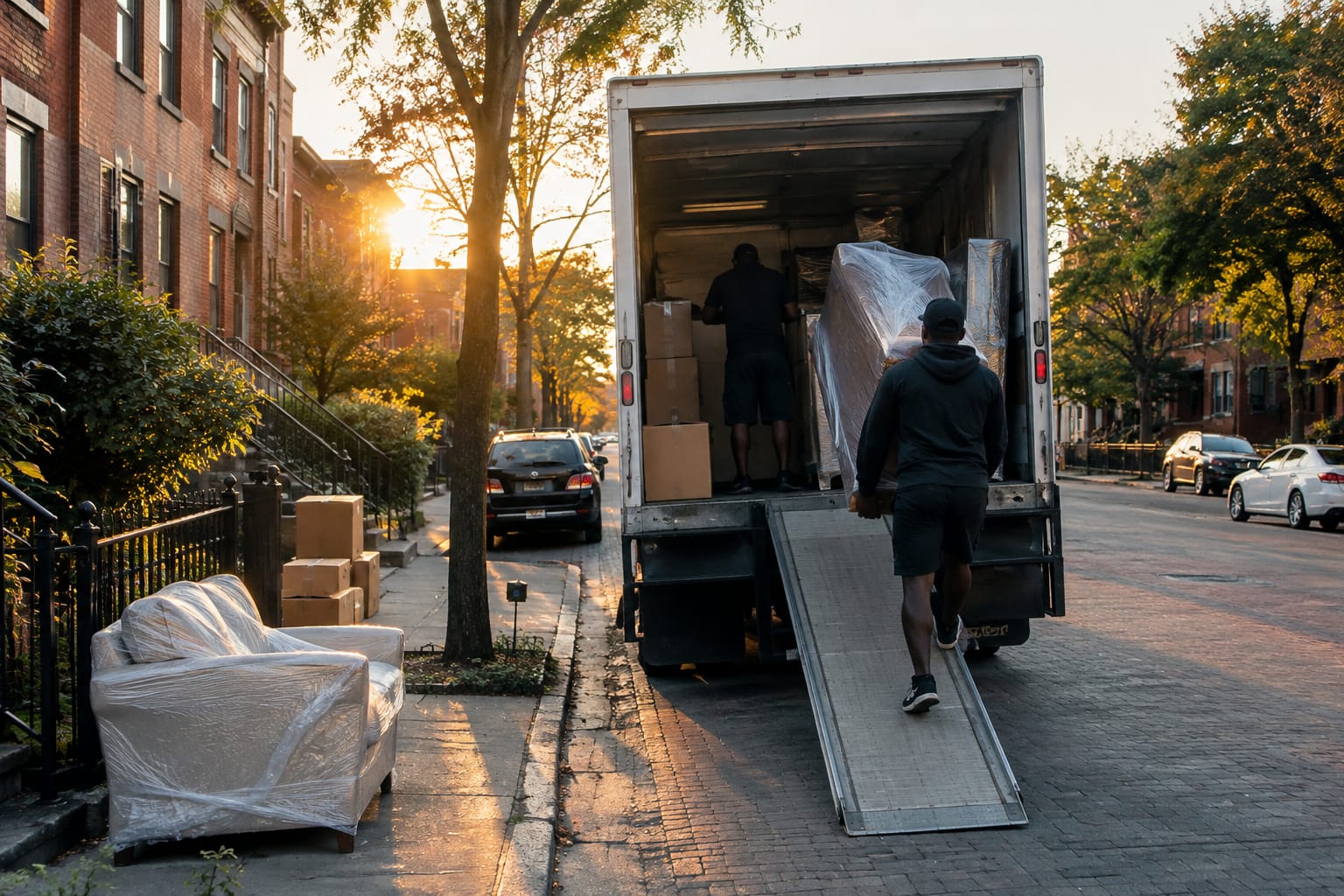
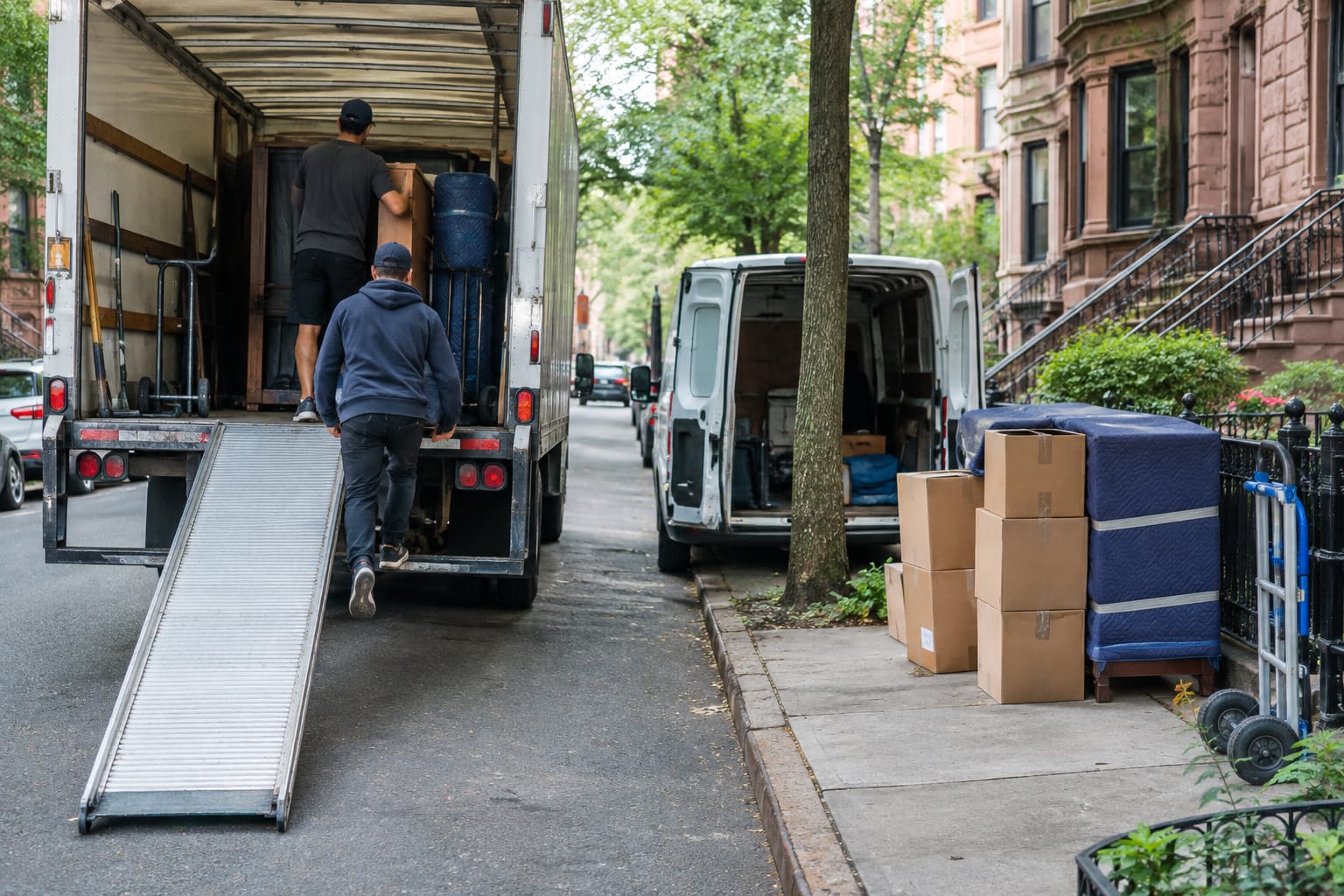
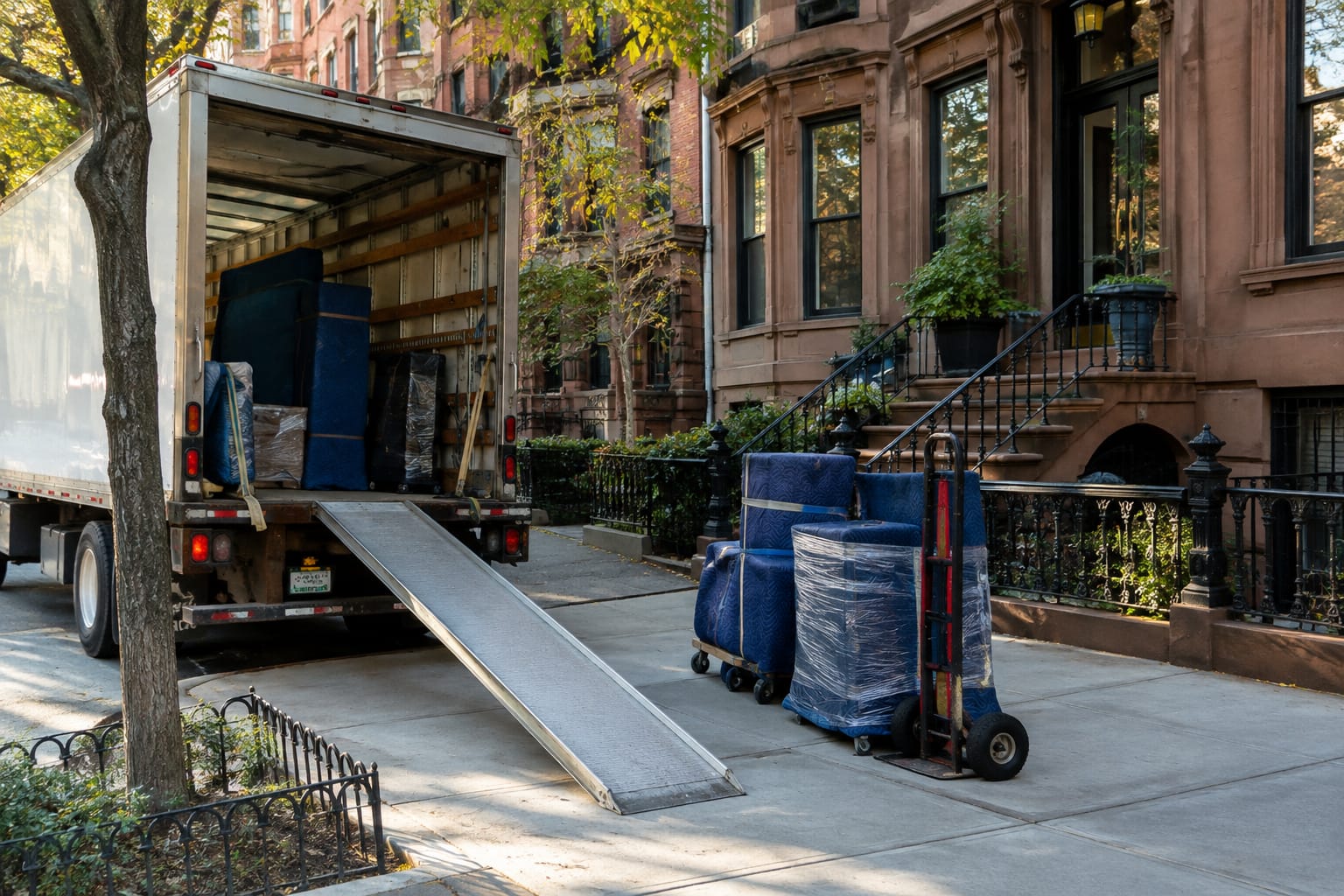
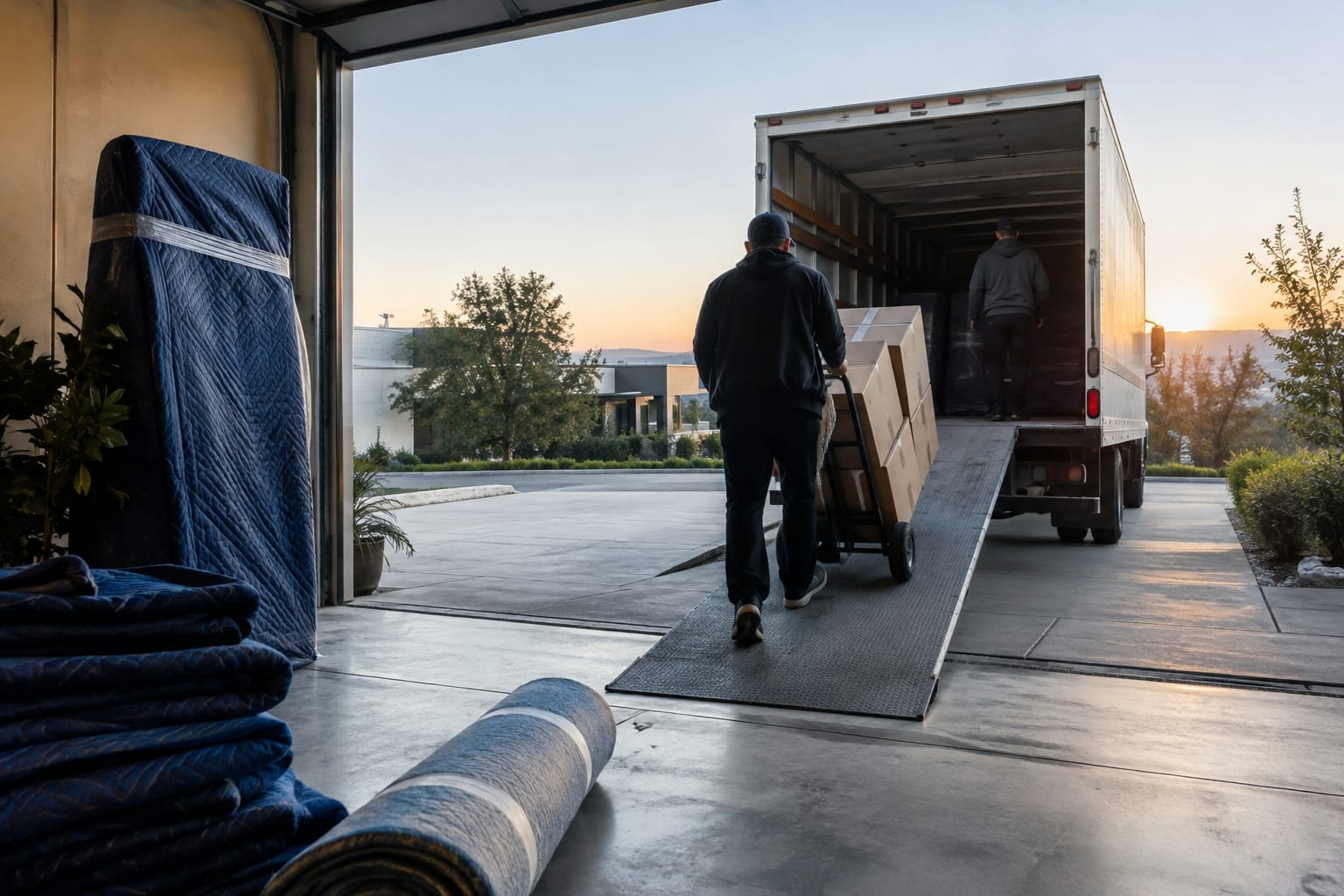
In a standard hourly move, you pack the boxes and empty the drawers. The crew protects floors, pads and shrink-wraps furniture, handles basic disassembly and reassembly such as bed frames, and loads the truck. Packing service is a separate add-on, billed as extra labor plus materials.
The kitchen is almost always the slowest room. Dishes and glassware go in dish-pack cartons with cell dividers, and every piece needs wrapping. Start it several days early and leave only a few essentials for the final morning.
Keep some things out of the truck entirely: medications, important documents, jewelry, cash, and anything on the non-allowables list of items movers won't move. Carry those in your own car.
The evening before, prepare your furniture by removing glass tops, bagging hardware, and clearing shelves; see tips on how to prepare furniture when relocating. The same logic applies to the rest of the house, covered in what to do the night before moving day.

Pro Tip: Label each box with its destination room, then tape a matching sign on each door at the new home. The crew can place boxes without stopping to ask, which trims time off unloading.
A Wilmington move day, step by step
The sequence below is illustrative for a single-family home. Actual timing depends on the size of the house, access, and preparation.
- Arrival and walkthrough. The crew arrives within the agreed window, walks the house with you, confirms the inventory, and plans where the truck parks.
- Protection. Floor runners go down and door frames are padded.
- Disassembly and wrapping. Beds and tables come apart, and furniture is padded and shrink-wrapped.
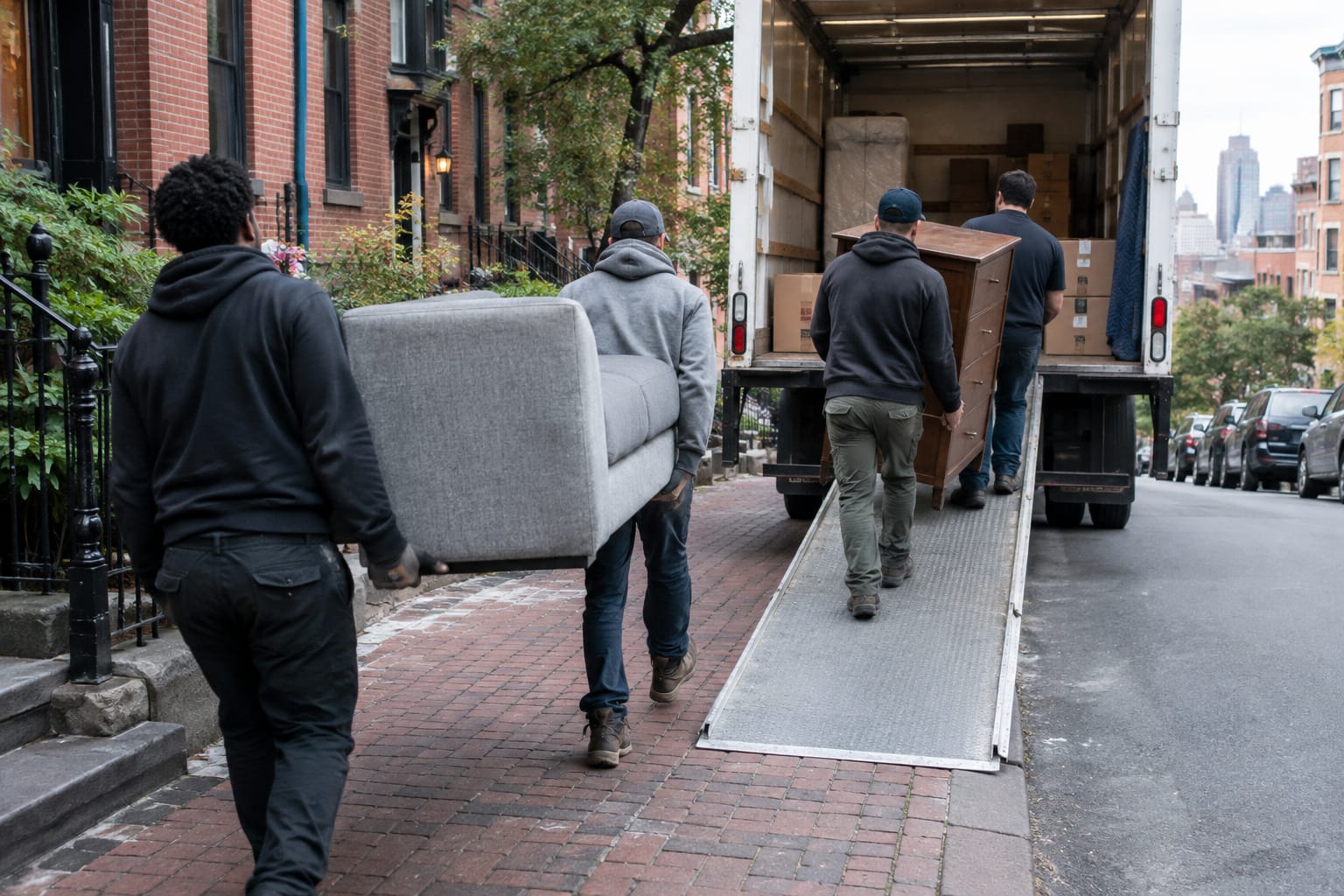
- Loading. Heavy furniture goes in first, boxes fill the gaps, and the load is strapped.
- Final sweep. You check closets, the basement, garage, attic, and shed before the truck leaves.
- The drive. Route 38, Route 129, or I-93, depending on the destination and time of day.
- Unloading and placement. Boxes follow room labels, and furniture goes where you direct.
- Reassembly. Beds and tables go back together.
- Final walkthrough and paperwork. Check items and note any visible damage on the paperwork before you sign.
Full-service crew vs. rental truck vs. loading help only
Many people start by pricing a rental truck. That is a reasonable first step, as long as the comparison covers total effort and total cost, not just the headline rate.
| Option | Who drives | Who lifts | Fits best when | Watch for |
|---|---|---|---|---|
| Full-service crew | Mover | Mover | Larger homes, heavy furniture, tight schedules | Total hours, travel time, materials |
| Rental truck (U-Haul, Penske, Budget) | You | You and helpers | Small moves with strong, available helpers | Truck size, mileage and fuel charges, your own physical risk |
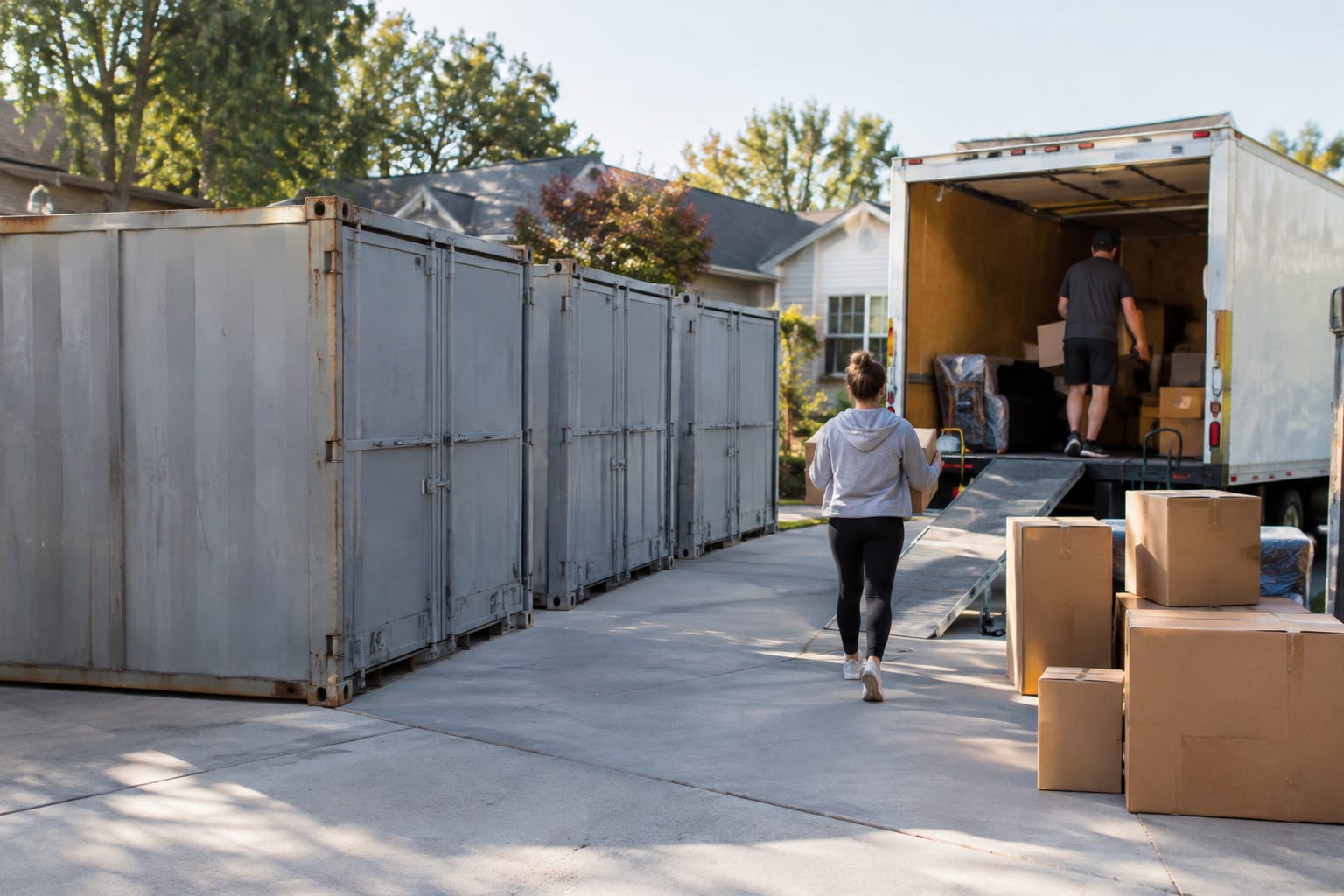
| Portable container (PODS and similar) | Container company | You | A gap between leaving one home and entering the next | Driveway placement, HOA or town rules, loading time |
| Loading help only | You or container company | Hired crew | You will drive but do not want to lift | Who packs and straps the load, and what protection covers |
A fair comparison adds the rental fee, mileage, fuel, materials, time off work, and help from friends, then sets that against the estimated hourly total for a crew. The detailed math is in U-Haul vs. hiring movers in Boston, and truck sizing is covered in box truck rental sizes and loading help.
What to confirm before you book
Most disputes on local moves trace back to something nobody wrote down. Whether you are comparing movers north of Boston or movers across the Greater Boston area, confirm these points in writing:
-
License. For in-state moves, confirm the current requirements with the relevant state authority; for interstate work, confirm the current requirements with the relevant federal authority.
-
Estimate details. Crew size, truck, and projected hours based on your actual inventory.
-
The clock. When it starts and stops, the travel time method, and any minimum.
-
Materials. What is charged separately and how it is priced.
-
Furniture work. Which disassembly and reassembly are included.
-
Payment. Accepted methods and any card processing fee.
-
Arrival window and parking. The window in writing, and who arranges truck parking or permits.
For broader vetting steps, see how to find honest and reliable local movers.
Written by Born to Move Team
Related Articles
- Moving to Woburn, MA: 7 Local Logistics to Plan For — how parking, streets, and buildings shape a move in the next town over.
- Moving to Belmont, MA: 9 Things Locals Plan For — the planning details residents handle before a Belmont move.
- How to Plan a Waltham Move: Permits, Parking, and Buildings — permit and building rules to check for a Waltham move.
- U-Haul vs. Hiring Movers in Boston: A Real Cost and Effort Comparison — a side-by-side look at DIY and full-service costs and effort.
- Box Truck Rental for Moving: Sizes, Costs, and Loading Help — how to size a rental truck and when to hire loading help.
Useful Links
- The Prices of a Locally-Based Moving Company
- Best Movers in the Greater Boston Area by Neighborhood
- Checklist for a Hassle-Free Move
- What to Do the Night Before Moving Day
- Tips on How to Prepare Furniture When Relocating
Need help with this? Get a quote · Call (617) 903-2609
Frequently Asked Questions