'%3E%3Cpath%20fill='%231B2A47'%20d='M1.605%2016.263c.03-1.139.059-2.482.088-3.971.03-1.49.03-2.832.03-4.03%200-.758%200-1.576-.03-2.51%200-.905-.03-1.84-.03-2.803%200-.496-.028-.964-.028-1.43%200-.468%200-.906-.03-1.315h6.858q2.188%200%203.589.35c.963.234%201.663.643%202.13%201.198.496.555.73%201.372.73%202.394%200%20.788-.176%201.46-.497%201.985-.32.526-.846.935-1.575%201.197-.73.292-1.693.468-2.918.526v.263c1.313.087%202.334.263%203.122.525.758.263%201.342.672%201.692%201.197.35.526.525%201.197.525%202.044%200%201.08-.233%201.927-.67%202.57-.468.642-1.139%201.08-2.102%201.343-.933.262-2.159.408-3.705.408H1.605zm6.537-9.197q1.882%200%202.713-.526c.555-.35.817-.934.817-1.752%200-.905-.292-1.547-.846-1.927s-1.459-.554-2.655-.554H4.757v4.759zm.204%206.92c.934%200%201.663-.088%202.217-.263.555-.176.934-.438%201.197-.818s.38-.876.38-1.518c0-.876-.322-1.49-.934-1.84-.643-.35-1.635-.525-3.035-.525H4.757v4.963zM21.038%2016.555c-1.576%200-2.801-.292-3.618-.905-.817-.614-1.284-1.519-1.372-2.745-.087-1.226.205-2.774.847-4.613s1.43-3.358%202.392-4.584c.963-1.226%202.043-2.131%203.298-2.744C23.839.292%2025.24%200%2026.786%200c1.576%200%202.772.321%203.59.934.816.613%201.283%201.548%201.37%202.774s-.203%202.774-.845%204.613c-.642%201.81-1.43%203.358-2.393%204.584s-2.072%202.132-3.297%202.745a9.8%209.8%200%200%201-4.173.905m.788-2.278c.642%200%201.138-.058%201.371-.116.205-.059.496-.117.847-.322.262-.146.437-.292.554-.408.204-.175.32-.292.438-.41.204-.203.35-.408.496-.583.35-.438.642-.876.963-1.402.233-.408.466-.817.67-1.284.205-.438.38-.905.555-1.372.438-1.198.671-2.278.671-3.183s-.204-1.606-.612-2.131c-.409-.497-1.051-.76-1.897-.76-.467%200-.934.059-1.43.205h-.03c-1.02.292-1.925%201.226-2.042%201.372-.116.117-.467.526-.963%201.343a15.5%2015.5%200%200%200-1.342%202.92c-.408%201.197-.642%202.277-.671%203.182-.03.906.175%201.636.584%202.161q.611.788%201.838.788M14.853%2038.54c-1.576%200-2.802-.292-3.619-.905s-1.284-1.518-1.371-2.744c-.088-1.227.204-2.774.846-4.614s1.43-3.357%202.393-4.584%202.042-2.13%203.297-2.744c1.255-.613%202.655-.905%204.173-.905%201.575%200%202.772.321%203.589.934s1.284%201.548%201.371%202.774c.088%201.226-.204%202.774-.846%204.613-.642%201.81-1.43%203.358-2.393%204.584s-2.072%202.131-3.297%202.745c-1.226.613-2.626.846-4.143.846m.787-2.277c.642%200%201.138-.059%201.372-.117.204-.058.496-.117.846-.321.263-.146.438-.292.554-.409.205-.175.321-.292.438-.409.204-.204.35-.408.496-.584a13%2013%200%200%200%201.634-2.686c.204-.438.38-.905.555-1.372.437-1.197.67-2.277.67-3.182%200-.906-.203-1.606-.612-2.132-.409-.496-1.05-.759-1.897-.759-.467%200-.934.058-1.43.204h-.029c-1.021.292-1.925%201.227-2.042%201.373-.117.116-.467.525-.963%201.343a15.5%2015.5%200%200%200-1.342%202.92c-.409%201.196-.642%202.277-.671%203.182s.175%201.635.583%202.16q.613.789%201.838.789'/%3E%3Cpath%20fill='%23FF515E'%20d='M55.966%2038.57c-1.576%200-2.801-.293-3.618-.906s-1.284-1.518-1.372-2.744c-.087-1.227.204-2.774.846-4.613s1.43-3.358%202.393-4.584c.963-1.227%202.043-2.132%203.297-2.745s2.656-.905%204.173-.905c1.576%200%202.772.321%203.589.934s1.284%201.548%201.371%202.774c.088%201.226-.204%202.774-.846%204.613-.642%201.81-1.43%203.358-2.393%204.584s-2.071%202.131-3.297%202.745c-1.225.613-2.626.846-4.143.846m.788-2.249c.642%200%201.138-.058%201.371-.117.204-.058.496-.116.846-.32.263-.147.438-.293.555-.41a7%207%200%200%200%20.437-.408c.205-.205.35-.41.496-.584a13%2013%200%200%200%201.634-2.686c.205-.438.38-.905.555-1.373.438-1.197.671-2.277.671-3.182s-.204-1.606-.613-2.131c-.408-.497-1.05-.76-1.896-.76-.467%200-.934.059-1.43.205h-.03c-1.02.292-1.925%201.226-2.042%201.372-.117.117-.467.526-.963%201.343a15.5%2015.5%200%200%200-1.342%202.92c-.409%201.197-.642%202.277-.671%203.182s.175%201.635.583%202.16q.614.79%201.839.79'/%3E%3Cpath%20fill='%231B2A47'%20d='M33.06%2016.263c0-.35%200-.935.03-1.81.029-1.051.058-2.103.058-3.154s.03-2.073.03-3.007c0-1.606-.03-3.27-.06-4.993%200-.554-.028-1.08-.028-1.606%200-.525-.03-1.021-.03-1.46h6.828c1.46%200%202.685.117%203.59.38q1.4.394%202.1%201.314.7.963.7%202.628c0%20.992-.174%201.81-.554%202.452-.35.643-.904%201.11-1.604%201.431s-1.576.467-2.627.496v.263q2.058.087%203.064.876c.671.525%201.138%201.372%201.43%202.51.087.41.233%201.023.467%201.84.233.818.408%201.431.554%201.84h-3.414a11%2011%200%200%200-.262-1.022c-.321-1.314-.526-2.19-.584-2.628a5%205%200%200%200-.642-1.46%202.13%202.13%200%200%200-.963-.73c-.408-.146-.934-.233-1.605-.233h-3.326v6.0440000000000005H33.06zm6.332-8.292c1.343%200%202.276-.205%202.86-.613.554-.41.846-1.11.846-2.073%200-.73-.146-1.314-.408-1.723-.263-.409-.671-.7-1.197-.876q-.788-.263-2.1-.263h-3.181v5.519h3.18zM49.4%2016.263l.03-2.745c.029-2.452.029-4.905.029-7.416q0-2.101-.088-5.868h4.085l5.924%2010.335c.087.234.204.438.291.643.117.204.205.408.321.613.38.788.613%201.255.672%201.372h.262c0-.058-.03-.146-.03-.204%200-.059-.028-.117-.028-.175a75%2075%200%200%201-.175-1.314%2010%2010%200%200%201-.088-1.285c0-1.547%200-3.737-.029-6.57V1.84c0-.584-.03-1.11-.03-1.576h2.977c-.03%202.482-.058%205.08-.058%207.766%200%201.694%200%204.438.029%208.292h-4.027l-5.573-9.43c-.875-1.81-1.226-2.511-1.05-2.132-.263-.613-.467-1.08-.613-1.46h-.263c.058.35.117.876.175%201.548.059.7.117%201.168.117%201.46%200%202.978%200%206.306.029%209.985H49.4zM4.698%2038.277c.029-2.627.058-5.255.058-7.883%200-1.576%200-3.503-.029-5.752-1.109%200-2.684%200-4.727.03v-2.453h12.664v2.453c-1.955-.03-3.53-.03-4.756-.03%200%20.584-.03%201.227-.03%201.957s0%201.46-.029%202.218v1.84c0%202.57.03%205.11.059%207.62z'/%3E%3Cpath%20fill='%23FF515E'%20d='M29.441%2038.277c.409-1.05.788-2.102%201.168-3.182s.787-2.16%201.167-3.241c.613-1.693%201.05-2.949%201.342-3.766l1.255-3.65c.116-.38.262-.788.379-1.139.117-.38.263-.73.38-1.05h4.61l-.671%2012.904h.262l8.316-12.905h4.669l-.7%201.869c-.876%202.452-1.343%203.766-1.43%204a501%20501%200%200%200-3.385%2010.16h-2.947c.292-.846.788-2.219%201.459-4.087.175-.526.35-1.08.554-1.606.175-.526.38-1.08.555-1.577.642-1.81%201.342-3.825%202.072-6.014h-.234l-8.724%2013.314h-2.86l.554-13.314h-.175c-.175.496-.38.992-.554%201.489-.175.496-.38%201.022-.555%201.547a163%20163%200%200%200-1.08%203.008c-.145.38-.262.759-.408%201.138-.117.38-.262.73-.408%201.11-.7%201.898-1.284%203.59-1.751%205.05h-2.86zM68.047%2038.277c.175-2.19.32-4.525.467-7.007.058-.905.204-3.912.467-9.051h3.151c-.03.438-.058.934-.088%201.46s-.058%201.08-.087%201.693a264%20264%200%200%201-.409%206.657c-.145%201.986-.35%203.591-.583%204.788h.175Q72.147%2034.892%2073.94%2032a562%20562%200%200%201%204.465-7.066c.32-.496.641-.992.933-1.46s.555-.875.817-1.255h3.268q-.568.832-1.138%201.752c-.408.613-.787%201.255-1.196%201.927-3.88%206.014-6.478%2010.131-7.85%2012.35h-5.193zM79.106%2038.277c.32-.788.758-2.014%201.37-3.65a287%20287%200%200%200%201.577-4.32c.437-1.256.904-2.628%201.4-4.088s.934-2.774%201.313-3.97h11.322l-.846%202.364H87.1l-1.664%204.847%207.645-.088-.612%201.694-7.587-.088-1.75%204.934h8.286l-.846%202.365z'/%3E%3C/g%3E%3Cdefs%3E%3CclipPath%20id='a'%3E%3Cpath%20fill='%23fff'%20d='M0%200h96v40H0z'/%3E%3C/clipPath%3E%3C/defs%3E%3C/svg%3E)
Movement therapy is a guided, individualized practice that retrains how your body moves to relieve pain, restore mobility, and rebuild strength. It blends physical therapy principles, corrective exercise, and mindful movement to fix the root cause of stiffness instead of masking symptoms. Poor movement patterns quietly erode comfort and confidence over years. This guide breaks down what movement therapy involves, why it works, and how to start moving better today.
Key Takeaways
| Point | Details |
|---|---|
| It targets root causes | Movement therapy retrains faulty patterns rather than treating isolated symptoms, addressing the way you sit, stand, lift, and walk. |
| Inactivity is widespread | Nearly one in three adults worldwide fails to meet recommended physical activity levels, per the World Health Organization. |
| Pain is common and preventable | Low back pain affected 619 million people globally in 2020, and better movement is a frontline defense. |
| Small doses work | 150 minutes of moderate activity per week delivers measurable health gains. |
| Beginners welcome | No athletic background is required; the practice scales from gentle mobility drills to loaded strength work. |
Why the Way You Move Shapes How You Feel
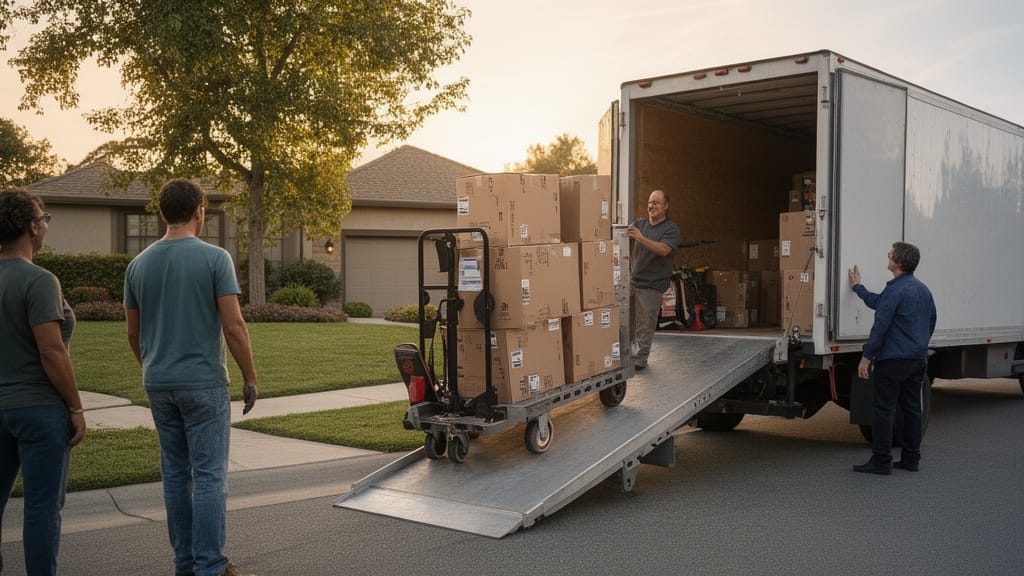
How you move all day determines how your body feels by night. Slumped shoulders, locked hips, and shallow squats compound into stiffness, fatigue, and nagging pain. The body adapts to whatever you repeat most.
Modern life rewards stillness. Long sitting, screen time, and minimal walking weaken the muscles that hold you upright. Nearly one in three adults worldwide fails to meet recommended physical activity levels, the World Health Organization reports, and the cost shows up as reduced range and chronic tightness.
Q: Can poor movement habits actually cause pain?
A: Yes. Repeated faulty patterns overload joints and underwork stabilizing muscles, and low back pain alone affected 619 million people globally in 2020 according to the WHO.
Here's the thing: the fix is rarely more rest. It's better movement, repeated often enough to become your new default.
What Is Movement Therapy, Really?
So, what is movement therapy? It is a structured method that assesses how your body moves, identifies weak or restricted patterns, and uses targeted exercises to correct them. The goal is efficient, pain-free movement you can carry into daily life.
Unlike a generic workout, it starts with assessment. A practitioner watches you squat, hinge, reach, and rotate, then prescribes drills that fix what's limiting you. This is the heart of functional movement training — practicing the patterns real life demands.
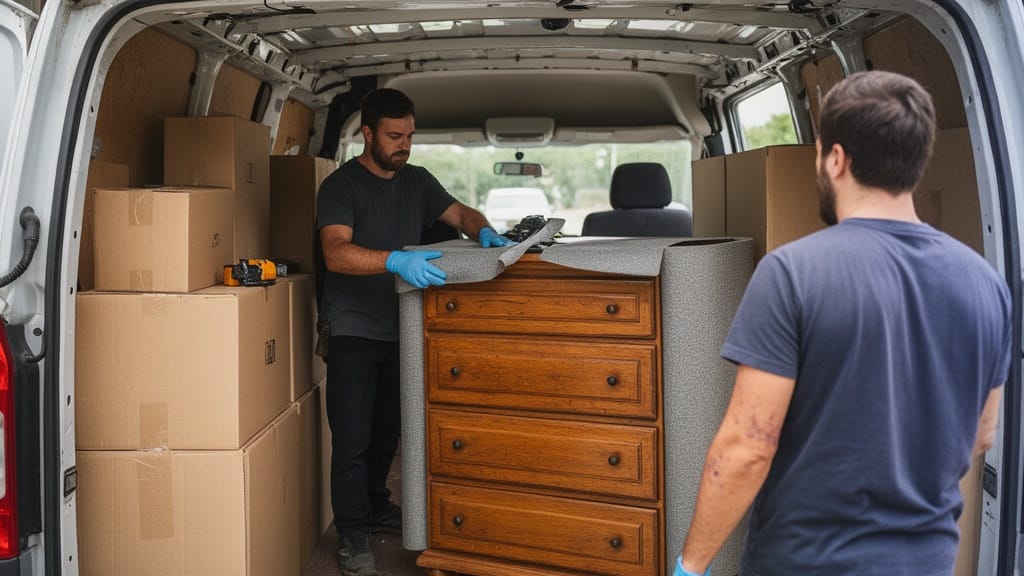
The approach overlaps with several disciplines but stays distinct. The table below shows where it fits.
| Approach | Main Goal | Best For | Typical Setting |
|---|---|---|---|
| Movement therapy | Correct faulty patterns, restore function | Stiffness, recurring aches, prevention | Studio, gym, or home |
| Physical therapy | Rehabilitate injury or surgery | Acute injury, post-op recovery | Clinic |
| General exercise | Burn calories, build fitness | Weight goals, conditioning | Gym |
| Stretching / yoga | Increase flexibility, relaxation | Tension relief, calm | Studio or home |
| Personal training | Build strength and aesthetics | Performance goals | Gym |
Pro Tip: Before any new routine, spend two weeks simply noticing how you move — which side you favor, where you feel restricted. That self-audit makes the first sessions far more productive.
The Everyday Benefits of Moving Better

The payoff of movement therapy is practical, not abstract. Clients report easier mornings, longer pain-free workdays, and the confidence to lift, carry, and play without bracing for a flare-up.
First, it helps you improve mobility and flexibility so joints travel through their full, intended range. That means reaching the top shelf, kneeling to a low cabinet, and rising from the floor without strain.
Second, consistent corrective work helps reduce everyday aches and pains by spreading load across the muscles built to handle it. Regular physical activity reduces the risk of musculoskeletal conditions and chronic disease, the CDC notes, and movement therapy delivers that activity with precision.
| Benefit | What Changes | Everyday Payoff |
|---|---|---|
| Better mobility | Joints move through full range | Easier reaching, bending, turning |
| Less pain | Load shifts off overworked tissue | Fewer stiff mornings |
| More strength | Stabilizers wake up and fire | Confident lifting and carrying |
| Better balance | Coordination improves | Lower fall risk |
| Improved posture | Spine aligns naturally | Less neck and back fatigue |
Pro Tip: Track one functional milestone, not a number on a scale — for example, standing from a chair without using your hands. Progress you can feel keeps the habit alive.
Signs Your Body Could Use a Movement Reset
Most people wait for sharp pain before acting. The earlier signals are quieter and easier to ignore. Catching them early prevents the slow slide into chronic dysfunction.
Watch for these common patterns:
- Stiffness that lingers for the first hour after waking
- A persistent ache after long sitting or driving
- One shoulder or hip that feels noticeably tighter
- Difficulty getting off the floor without using your hands
- Joints that crack, catch, or feel unstable under load
- Avoiding activities you once did easily

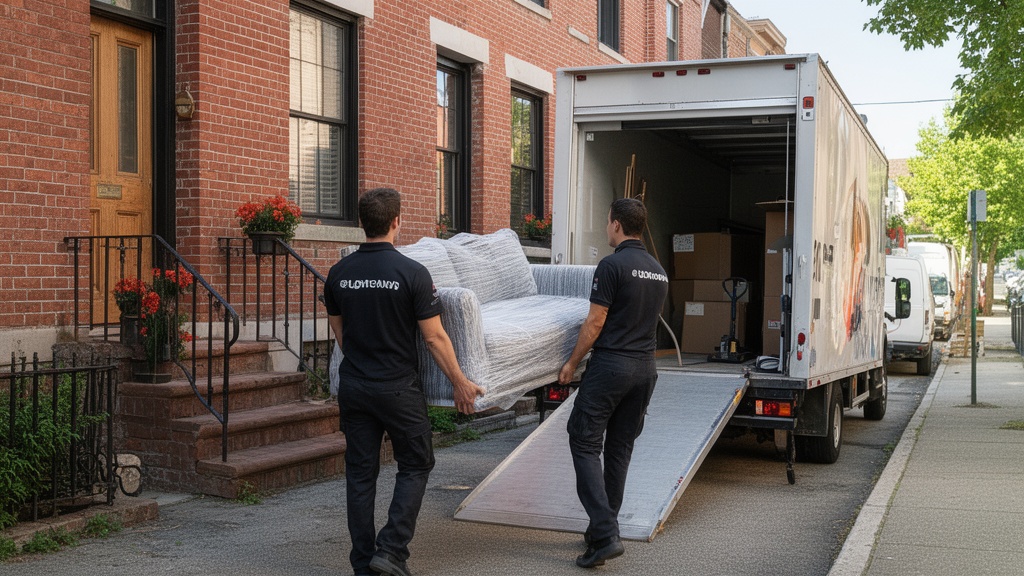
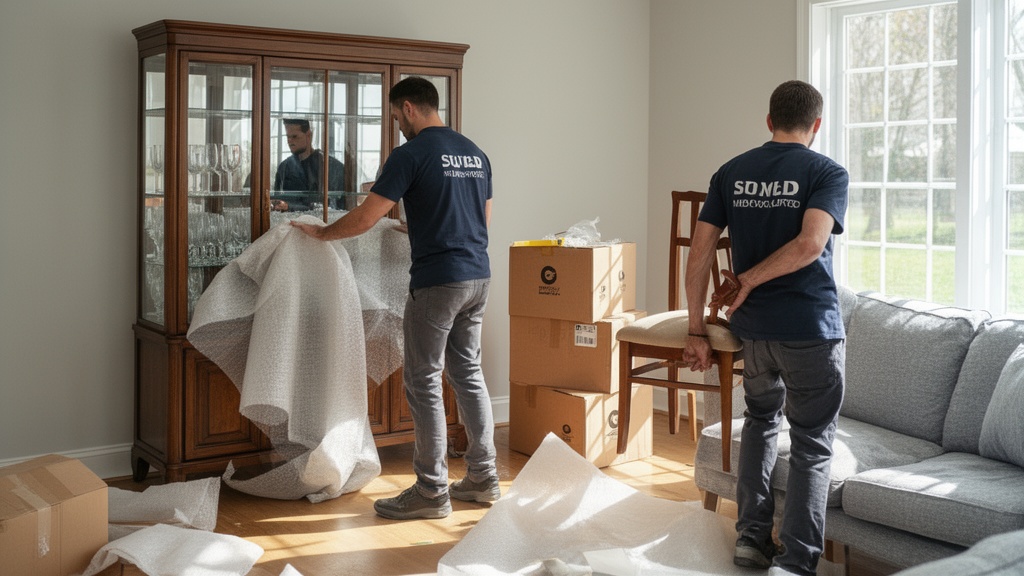
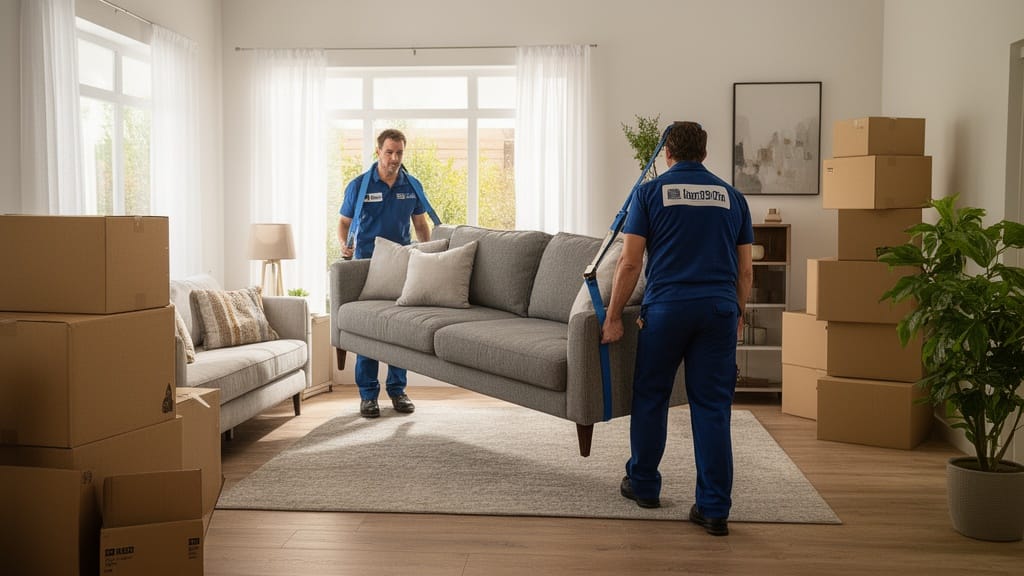
Heavy, repetitive tasks expose these weaknesses fast. A move is a perfect example: hours of lifting boxes and awkward carries punish poor mechanics. Reviewing how to prepare furniture when relocating shows just how much load the body absorbs on those days.
Q: How do I know if I need movement therapy or rest?
A: Rest helps acute, swollen injuries; movement therapy helps recurring stiffness and aches that return whenever you stop pampering them. If the same pain keeps coming back, retraining the pattern is the durable fix.
Ignoring these signals doesn't make them disappear. It teaches your body to compensate, which shifts strain onto the next joint in the chain.
Simple Ways to Start Moving Better Today
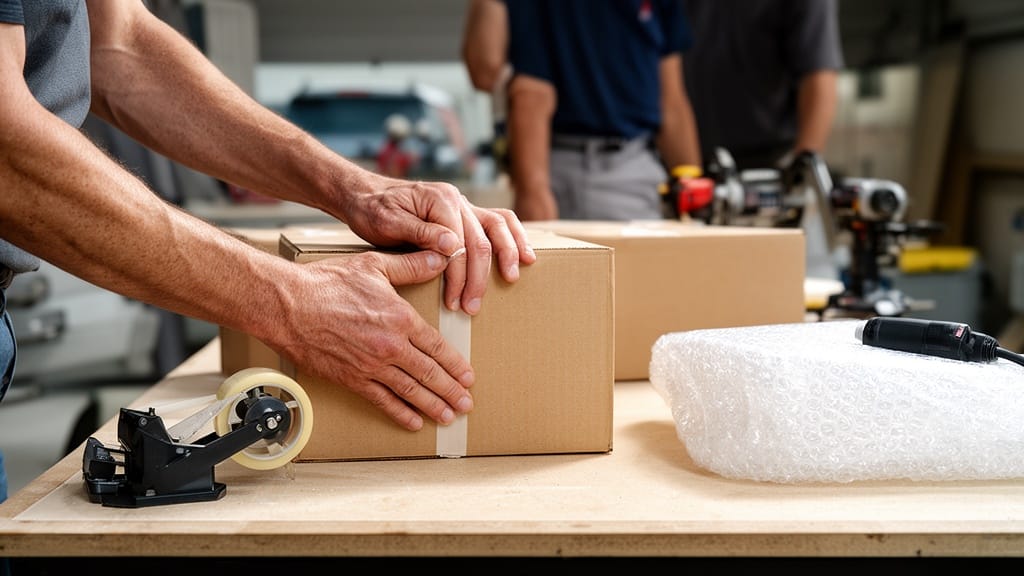
You don't need equipment or experience to begin. Effective movement coaching for beginners starts with mastering a handful of foundational patterns done well. Quality of movement beats quantity every time.
Start with this simple progression:
- Breathe and brace — practice slow diaphragmatic breaths to engage your core before you load anything.
- Hinge — bend at the hips with a flat back to protect your spine when lifting.
- Squat — sit back and down to a comfortable depth, knees tracking over toes.
- Push and pull — train both directions to balance the shoulders and upper back.
- Carry — hold a weight and walk tall to build strength through movement the body actually uses.
Consistency matters more than intensity. The federal Physical Activity Guidelines recommend 150 minutes of moderate activity per week, a target you can hit in short daily sessions.
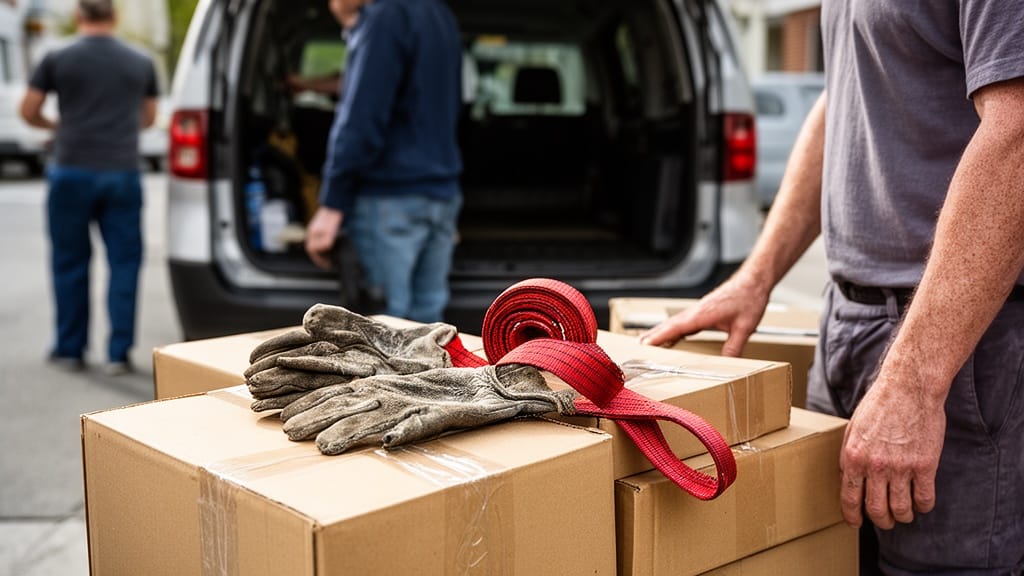
Apply better mechanics to real tasks, too. The same hinge that protects your back in the gym protects it on moving day, and these 8 moving tips for the smoothest moving experience pair well with sound lifting form.
Pro Tip: Anchor new movement to an existing habit — three squats every time you boil the kettle. Habit stacking turns intention into automatic practice within weeks.
Taking the First Step Toward a Stronger You
Movement is a skill, and like any skill it improves with deliberate practice. The body that moves well at 70 was usually trained to move well decades earlier. Starting now compounds in your favor.
Progress doesn't require perfection. It requires showing up, respecting good form, and adding a little load or range over time. Staying physically active helps older adults maintain independence and lowers fall risk, the National Institute on Aging confirms.
Meet your body where it is today. A beginner's first win might be a pain-free morning; a seasoned mover's might be a heavier carry. Both prove the same point — better movement builds a stronger, more capable life.
Is movement therapy the same as physical therapy?
No. Physical therapy is a licensed medical service focused on rehabilitating injuries, surgery, or diagnosed conditions, often covered by insurance and delivered in a clinic. Movement therapy is broader and preventive, retraining everyday patterns to improve mobility and flexibility and reduce strain before injury appears. The two overlap and complement each other: many people graduate from physical therapy and continue with movement work to keep their gains. If you have acute pain, swelling, or a recent injury, see a medical provider first. Once cleared, movement therapy helps maintain function and prevent the same problem from returning.
How long does it take to see results from movement therapy?
Most people notice small wins within two to four weeks of consistent practice — easier mornings, less stiffness, and more confident movement. Meaningful, lasting change in strength and mobility typically takes two to three months, because tissues and motor patterns adapt gradually. The timeline depends on starting point, consistency, and how restricted you were at the outset. Working toward 150 minutes of moderate activity per week accelerates progress. The key variable is frequency: short daily sessions beat one long weekly workout because the body learns movement through repetition, not occasional bursts of effort.
Can beginners do movement therapy safely at home?
Yes. Functional movement training scales to any level, and the foundational patterns — hinge, squat, push, pull, and carry — can be practiced safely without equipment. Start light, prioritize form over speed, and stop any movement that produces sharp pain. Filming yourself or using a mirror helps you self-correct. Beginners benefit most from mastering bodyweight versions before adding load. If you have a diagnosed condition, recent surgery, or persistent pain, get clearance from a medical professional first. Otherwise, gentle, consistent practice at home is a proven, low-risk way to build a stronger, more mobile body over time.
Does movement therapy help with chronic back pain?
Often, yes. Much chronic back pain stems from weak stabilizing muscles and poor loading habits rather than permanent damage. Retraining how you hinge, sit, and lift helps reduce everyday aches and pains by distributing load correctly. Given that low back pain affected 619 million people globally in 2020 per the WHO, demand for movement-based solutions is high. That said, back pain has many causes; persistent, severe, or radiating pain warrants medical evaluation to rule out serious issues. For the common mechanical kind, gradual, guided movement is widely recommended over prolonged rest, which tends to weaken the very muscles you need.
Related Articles
- How to Prepare Furniture When Relocating — Learn safe handling techniques that protect both your furniture and your back.
- 8 Moving Tips for the Smoothest Moving Experience — Practical strategies to reduce physical strain and stress on moving day.
- Can I Hire Someone to Move Furniture? — Understand when professional help spares your body from heavy lifting.
Frequently Asked Questions