'%3E%3Cpath%20fill='%231B2A47'%20d='M1.605%2016.263c.03-1.139.059-2.482.088-3.971.03-1.49.03-2.832.03-4.03%200-.758%200-1.576-.03-2.51%200-.905-.03-1.84-.03-2.803%200-.496-.028-.964-.028-1.43%200-.468%200-.906-.03-1.315h6.858q2.188%200%203.589.35c.963.234%201.663.643%202.13%201.198.496.555.73%201.372.73%202.394%200%20.788-.176%201.46-.497%201.985-.32.526-.846.935-1.575%201.197-.73.292-1.693.468-2.918.526v.263c1.313.087%202.334.263%203.122.525.758.263%201.342.672%201.692%201.197.35.526.525%201.197.525%202.044%200%201.08-.233%201.927-.67%202.57-.468.642-1.139%201.08-2.102%201.343-.933.262-2.159.408-3.705.408H1.605zm6.537-9.197q1.882%200%202.713-.526c.555-.35.817-.934.817-1.752%200-.905-.292-1.547-.846-1.927s-1.459-.554-2.655-.554H4.757v4.759zm.204%206.92c.934%200%201.663-.088%202.217-.263.555-.176.934-.438%201.197-.818s.38-.876.38-1.518c0-.876-.322-1.49-.934-1.84-.643-.35-1.635-.525-3.035-.525H4.757v4.963zM21.038%2016.555c-1.576%200-2.801-.292-3.618-.905-.817-.614-1.284-1.519-1.372-2.745-.087-1.226.205-2.774.847-4.613s1.43-3.358%202.392-4.584c.963-1.226%202.043-2.131%203.298-2.744C23.839.292%2025.24%200%2026.786%200c1.576%200%202.772.321%203.59.934.816.613%201.283%201.548%201.37%202.774s-.203%202.774-.845%204.613c-.642%201.81-1.43%203.358-2.393%204.584s-2.072%202.132-3.297%202.745a9.8%209.8%200%200%201-4.173.905m.788-2.278c.642%200%201.138-.058%201.371-.116.205-.059.496-.117.847-.322.262-.146.437-.292.554-.408.204-.175.32-.292.438-.41.204-.203.35-.408.496-.583.35-.438.642-.876.963-1.402.233-.408.466-.817.67-1.284.205-.438.38-.905.555-1.372.438-1.198.671-2.278.671-3.183s-.204-1.606-.612-2.131c-.409-.497-1.051-.76-1.897-.76-.467%200-.934.059-1.43.205h-.03c-1.02.292-1.925%201.226-2.042%201.372-.116.117-.467.526-.963%201.343a15.5%2015.5%200%200%200-1.342%202.92c-.408%201.197-.642%202.277-.671%203.182-.03.906.175%201.636.584%202.161q.611.788%201.838.788M14.853%2038.54c-1.576%200-2.802-.292-3.619-.905s-1.284-1.518-1.371-2.744c-.088-1.227.204-2.774.846-4.614s1.43-3.357%202.393-4.584%202.042-2.13%203.297-2.744c1.255-.613%202.655-.905%204.173-.905%201.575%200%202.772.321%203.589.934s1.284%201.548%201.371%202.774c.088%201.226-.204%202.774-.846%204.613-.642%201.81-1.43%203.358-2.393%204.584s-2.072%202.131-3.297%202.745c-1.226.613-2.626.846-4.143.846m.787-2.277c.642%200%201.138-.059%201.372-.117.204-.058.496-.117.846-.321.263-.146.438-.292.554-.409.205-.175.321-.292.438-.409.204-.204.35-.408.496-.584a13%2013%200%200%200%201.634-2.686c.204-.438.38-.905.555-1.372.437-1.197.67-2.277.67-3.182%200-.906-.203-1.606-.612-2.132-.409-.496-1.05-.759-1.897-.759-.467%200-.934.058-1.43.204h-.029c-1.021.292-1.925%201.227-2.042%201.373-.117.116-.467.525-.963%201.343a15.5%2015.5%200%200%200-1.342%202.92c-.409%201.196-.642%202.277-.671%203.182s.175%201.635.583%202.16q.613.789%201.838.789'/%3E%3Cpath%20fill='%23FF515E'%20d='M55.966%2038.57c-1.576%200-2.801-.293-3.618-.906s-1.284-1.518-1.372-2.744c-.087-1.227.204-2.774.846-4.613s1.43-3.358%202.393-4.584c.963-1.227%202.043-2.132%203.297-2.745s2.656-.905%204.173-.905c1.576%200%202.772.321%203.589.934s1.284%201.548%201.371%202.774c.088%201.226-.204%202.774-.846%204.613-.642%201.81-1.43%203.358-2.393%204.584s-2.071%202.131-3.297%202.745c-1.225.613-2.626.846-4.143.846m.788-2.249c.642%200%201.138-.058%201.371-.117.204-.058.496-.116.846-.32.263-.147.438-.293.555-.41a7%207%200%200%200%20.437-.408c.205-.205.35-.41.496-.584a13%2013%200%200%200%201.634-2.686c.205-.438.38-.905.555-1.373.438-1.197.671-2.277.671-3.182s-.204-1.606-.613-2.131c-.408-.497-1.05-.76-1.896-.76-.467%200-.934.059-1.43.205h-.03c-1.02.292-1.925%201.226-2.042%201.372-.117.117-.467.526-.963%201.343a15.5%2015.5%200%200%200-1.342%202.92c-.409%201.197-.642%202.277-.671%203.182s.175%201.635.583%202.16q.614.79%201.839.79'/%3E%3Cpath%20fill='%231B2A47'%20d='M33.06%2016.263c0-.35%200-.935.03-1.81.029-1.051.058-2.103.058-3.154s.03-2.073.03-3.007c0-1.606-.03-3.27-.06-4.993%200-.554-.028-1.08-.028-1.606%200-.525-.03-1.021-.03-1.46h6.828c1.46%200%202.685.117%203.59.38q1.4.394%202.1%201.314.7.963.7%202.628c0%20.992-.174%201.81-.554%202.452-.35.643-.904%201.11-1.604%201.431s-1.576.467-2.627.496v.263q2.058.087%203.064.876c.671.525%201.138%201.372%201.43%202.51.087.41.233%201.023.467%201.84.233.818.408%201.431.554%201.84h-3.414a11%2011%200%200%200-.262-1.022c-.321-1.314-.526-2.19-.584-2.628a5%205%200%200%200-.642-1.46%202.13%202.13%200%200%200-.963-.73c-.408-.146-.934-.233-1.605-.233h-3.326v6.0440000000000005H33.06zm6.332-8.292c1.343%200%202.276-.205%202.86-.613.554-.41.846-1.11.846-2.073%200-.73-.146-1.314-.408-1.723-.263-.409-.671-.7-1.197-.876q-.788-.263-2.1-.263h-3.181v5.519h3.18zM49.4%2016.263l.03-2.745c.029-2.452.029-4.905.029-7.416q0-2.101-.088-5.868h4.085l5.924%2010.335c.087.234.204.438.291.643.117.204.205.408.321.613.38.788.613%201.255.672%201.372h.262c0-.058-.03-.146-.03-.204%200-.059-.028-.117-.028-.175a75%2075%200%200%201-.175-1.314%2010%2010%200%200%201-.088-1.285c0-1.547%200-3.737-.029-6.57V1.84c0-.584-.03-1.11-.03-1.576h2.977c-.03%202.482-.058%205.08-.058%207.766%200%201.694%200%204.438.029%208.292h-4.027l-5.573-9.43c-.875-1.81-1.226-2.511-1.05-2.132-.263-.613-.467-1.08-.613-1.46h-.263c.058.35.117.876.175%201.548.059.7.117%201.168.117%201.46%200%202.978%200%206.306.029%209.985H49.4zM4.698%2038.277c.029-2.627.058-5.255.058-7.883%200-1.576%200-3.503-.029-5.752-1.109%200-2.684%200-4.727.03v-2.453h12.664v2.453c-1.955-.03-3.53-.03-4.756-.03%200%20.584-.03%201.227-.03%201.957s0%201.46-.029%202.218v1.84c0%202.57.03%205.11.059%207.62z'/%3E%3Cpath%20fill='%23FF515E'%20d='M29.441%2038.277c.409-1.05.788-2.102%201.168-3.182s.787-2.16%201.167-3.241c.613-1.693%201.05-2.949%201.342-3.766l1.255-3.65c.116-.38.262-.788.379-1.139.117-.38.263-.73.38-1.05h4.61l-.671%2012.904h.262l8.316-12.905h4.669l-.7%201.869c-.876%202.452-1.343%203.766-1.43%204a501%20501%200%200%200-3.385%2010.16h-2.947c.292-.846.788-2.219%201.459-4.087.175-.526.35-1.08.554-1.606.175-.526.38-1.08.555-1.577.642-1.81%201.342-3.825%202.072-6.014h-.234l-8.724%2013.314h-2.86l.554-13.314h-.175c-.175.496-.38.992-.554%201.489-.175.496-.38%201.022-.555%201.547a163%20163%200%200%200-1.08%203.008c-.145.38-.262.759-.408%201.138-.117.38-.262.73-.408%201.11-.7%201.898-1.284%203.59-1.751%205.05h-2.86zM68.047%2038.277c.175-2.19.32-4.525.467-7.007.058-.905.204-3.912.467-9.051h3.151c-.03.438-.058.934-.088%201.46s-.058%201.08-.087%201.693a264%20264%200%200%201-.409%206.657c-.145%201.986-.35%203.591-.583%204.788h.175Q72.147%2034.892%2073.94%2032a562%20562%200%200%201%204.465-7.066c.32-.496.641-.992.933-1.46s.555-.875.817-1.255h3.268q-.568.832-1.138%201.752c-.408.613-.787%201.255-1.196%201.927-3.88%206.014-6.478%2010.131-7.85%2012.35h-5.193zM79.106%2038.277c.32-.788.758-2.014%201.37-3.65a287%20287%200%200%200%201.577-4.32c.437-1.256.904-2.628%201.4-4.088s.934-2.774%201.313-3.97h11.322l-.846%202.364H87.1l-1.664%204.847%207.645-.088-.612%201.694-7.587-.088-1.75%204.934h8.286l-.846%202.365z'/%3E%3C/g%3E%3Cdefs%3E%3CclipPath%20id='a'%3E%3Cpath%20fill='%23fff'%20d='M0%200h96v40H0z'/%3E%3C/clipPath%3E%3C/defs%3E%3C/svg%3E)
A reliable Chicago moving company is registered with the Illinois Commerce Commission for in-state moves, holds a USDOT number and MC authority for interstate moves, gives a written estimate after seeing your inventory, explains valuation coverage, and knows Chicago's parking permits and high-rise building rules. Verify each item yourself before you book.
Chicago's density, municipal parking rules, and high-rise building protocols create logistical challenges that generic moving advice rarely addresses. Hiring the wrong mover risks delays, surprise fees, and damaged belongings. This guide gives you a Chicago-specific framework for checking licensing, understanding how pricing works, spotting red flags, and preparing for your neighborhood, so you can evaluate any mover on your own terms.

Key Takeaways
| Point | Details |
|---|
| Book early in peak season | Late spring, summer, and end-of-month dates fill first; booking several weeks ahead gives you more choice of dates and crews |
| Know your estimate type | Binding, non-binding, and binding-not-to-exceed estimates expose you to very different final costs |
What to Look for in a Chicago Moving Company
Navigating the hundreds of moving companies Chicago lists online requires a focused evaluation checklist, not a price comparison. Price is the last filter to apply, not the first.
The non-negotiable criteria for any reputable Chicago moving company:
- Valid ICC registration for intrastate (within-Illinois) moves
- USDOT number and MC authority verified through the FMCSA for any interstate relocation
- General liability and cargo insurance with certificates available on request
- Physical Chicago-area address, not a P.O. box or virtual office
- Written estimate based on your inventory delivered before any work begins
- Documented protocols for high-rise buildings, permit-required streets, and specialty items
Movers in Chicago operate in a market with low barriers to entry. Anyone with a truck can advertise moving services without demonstrating any experience navigating a narrow Wicker Park alley or coordinating a River North elevator reservation. Proper vetting eliminates this risk before a single item is loaded. The what to look for in a moving company guide covers every key evaluation factor in detail.
Pro Tip: Before contacting a single company, look up its name or USDOT number using the FMCSA's Protect Your Move resources. The federal lookup tools show registration and explain how to file a complaint.

Chicago-Specific Moving Challenges: Permits, Traffic, and High-Rise Logistics
Chicago presents moving challenges that do not exist in smaller markets. Understanding these before signing any contract prevents the most costly and avoidable moving-day surprises.
Moving Truck Parking and Permits
In dense neighborhoods, from Lincoln Park to Hyde Park to the South Loop, a moving truck often has nowhere legal to stop unless curb space has been reserved in advance with temporary no-parking signage. Rules, fees, and lead times change, so check the Chicago Department of Transportation or your ward office for current requirements rather than relying on figures quoted on third-party sites.
Ask every mover, in writing, whether they arrange the parking permit or whether you are expected to. Many hourly local movers expect the customer to secure truck parking. Without it, the truck may be ticketed or forced to park farther away, which adds carry time to an hourly bill.
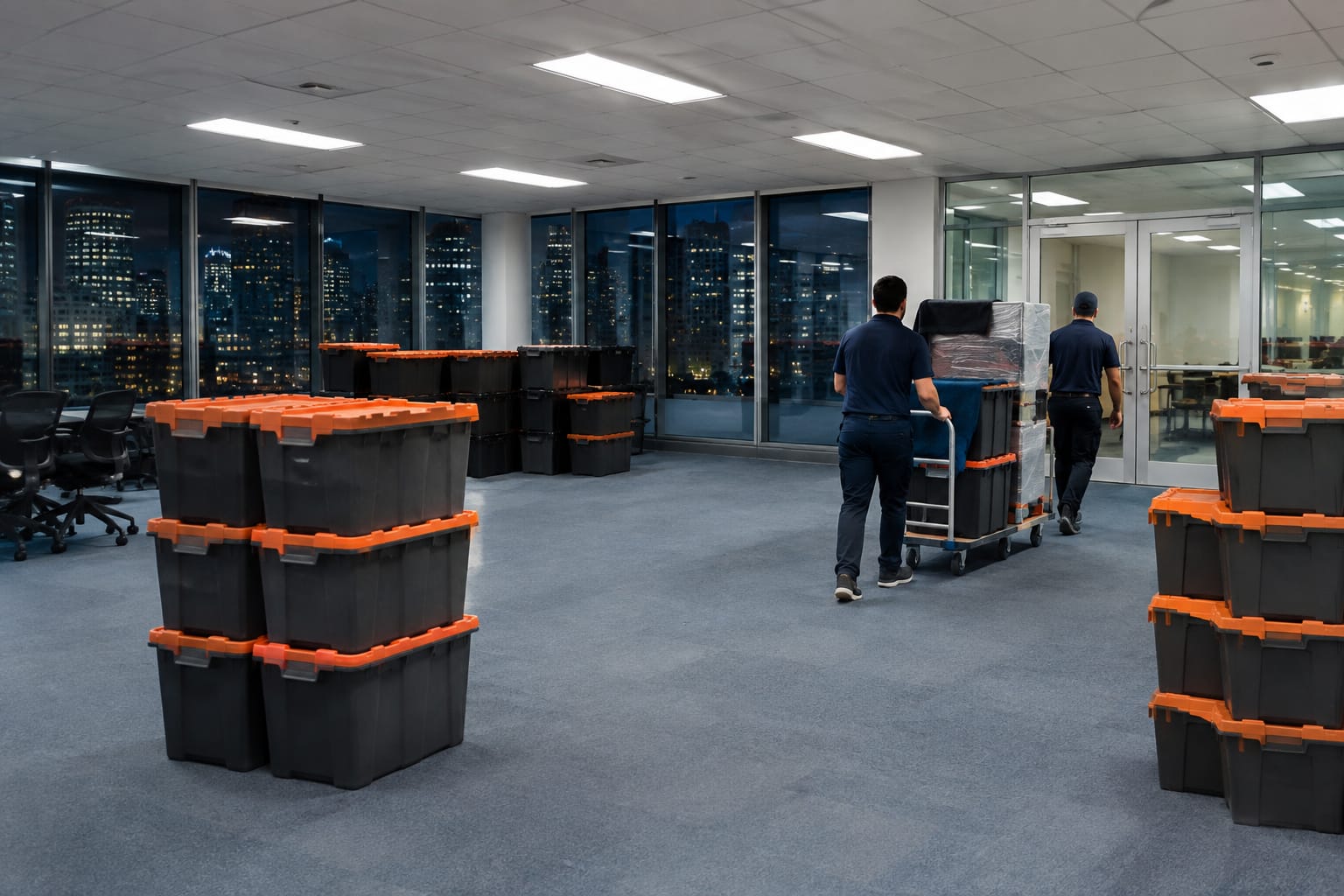
High-Rise Elevator Protocols
Chicago high rise movers working in downtown, River North, and Streeterville buildings must satisfy building management requirements that can halt a move before it starts. Many high-rise buildings require:
- Advance freight elevator reservations, often booked weeks before the move date
- A Certificate of Insurance (COI) naming the building or its management as additional insured
- Move windows restricted to set hours, frequently weekday business hours
- Padded elevator walls and protective floor runners in lobbies and corridors
A crew unfamiliar with these requirements can be delayed or turned away by building security. Get your building's move-in and move-out rules in writing from management and share them with every mover you are considering.
Traffic and Scheduling
A job estimated at four hours can run well past its estimate when the truck sits on the Kennedy Expressway during rush hour, and on an hourly move that time is billed. Early start times help, as does avoiding Friday afternoons, end-of-month dates, and major event days near the United Center or Wrigley Field.
Qualities to Check in Any Chicago Mover
Beyond paperwork, a few operational qualities predict how a mover performs when logistics get complicated, not just when everything goes smoothly.
Transparent, Itemized Pricing
A trustworthy mover provides a written, itemized estimate breaking down labor hours, truck fees, materials, and every applicable surcharge. Round-number phone quotes with no itemization often hide fees that appear only on the final invoice.
Trained, Screened Crews
Professional Chicago residential movers employ crews trained in furniture disassembly, protective wrapping, and proper loading sequencing. Ask directly: “Are your movers your own employees, and are they background-checked before hire?”
The Right Equipment, Clearly Priced
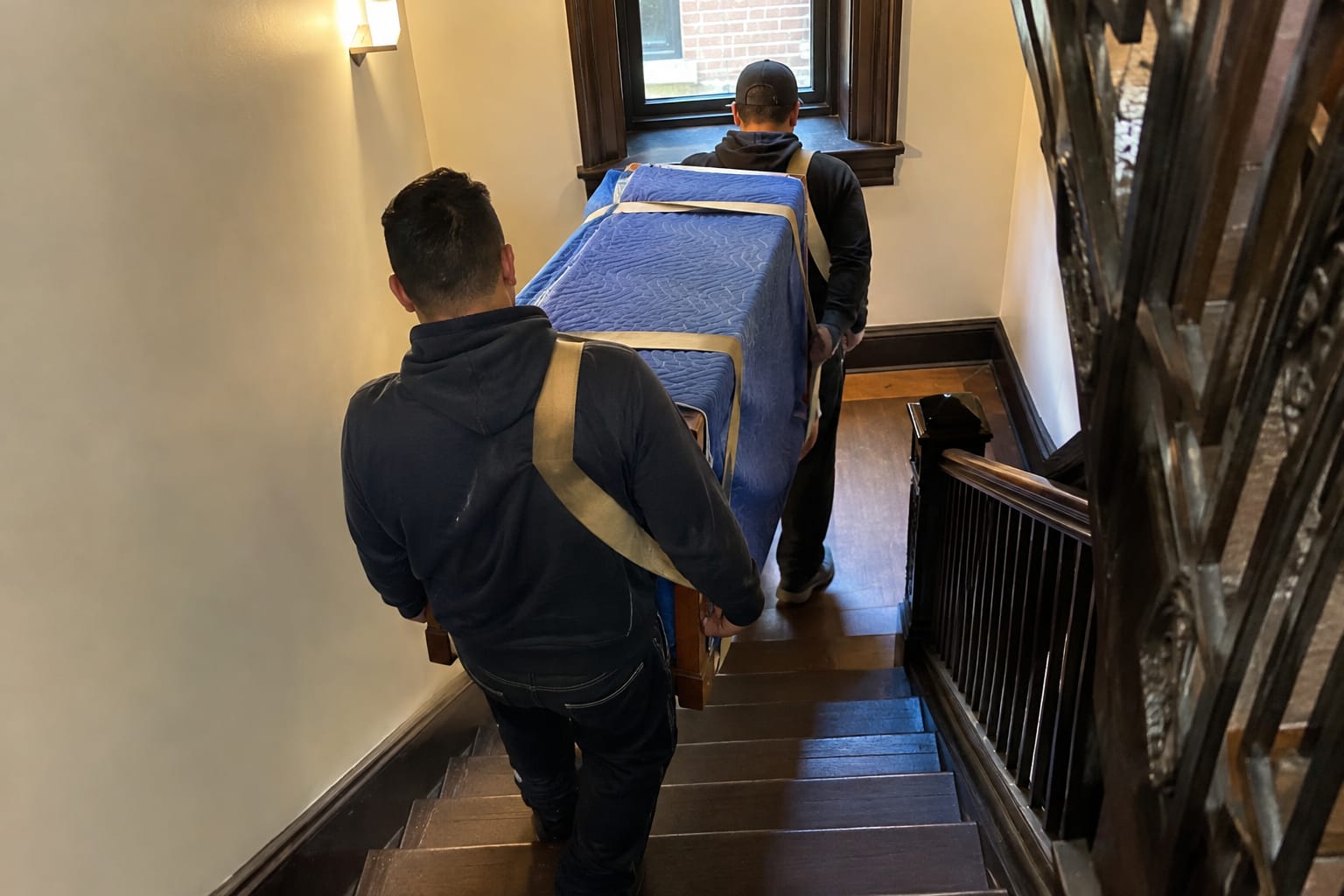
Moving oversized or fragile items through Chicago buildings requires purpose-built equipment:
- Furniture dollies and boards rated for the weight of the item
- Moving blankets and padding for furniture in transit
- Protective floor runners for lobby and elevator use
- Hoisting straps and, when required, a plan for items too large for standard doorways
Ask which materials are included in the rate and which are billed separately. Boxes, tape, shrink wrap, and mattress bags are commonly charged as separate packing supplies, so get that in writing.
A Verifiable Track Record
For interstate carriers, start with the FMCSA SAFER system and the complaint resources linked from Protect Your Move. Then read recent customer reviews on the review platforms you already use. Look for patterns rather than single ratings: recent review volume matters more than a handful of old five-star ratings, and how a company responds to negative feedback tells you a lot about its operational culture.
| Quality Factor | What to Verify | Why It Matters |
|---|
| Cargo and liability insurance | Request COI directly from insurer | Required by many Chicago buildings |
| Valuation coverage | Get the level and its cost in writing | Determines what you are owed if something is damaged |
| Crew employment and screening | Ask directly during the estimate call | Reduces damage, theft, and liability exposure |
| Materials and equipment | Confirm what is included vs. billed separately | Avoids surprise materials charges |
| Written estimate type | Require before signing | Defines your maximum financial exposure |
| Complaint and review history | Check FMCSA resources and recent reviews | Reveals reliability patterns |
How to Verify a Chicago Moving Company Is Licensed and Insured
Licensed movers Chicago residents can legally hire fall into two regulatory categories based on move type.
Intrastate moves (both origin and destination within Illinois): confirm the current requirements with the Illinois Commerce Commission (ICC).
Interstate moves (crossing state lines) require a USDOT number and MC operating authority issued by the Federal Motor Carrier Safety Administration (FMCSA). Both are verifiable online. The how to check a US DOT number for a moving company guide explains the verification steps.
Company Insurance vs. Protection for Your Belongings
These are two different things, and confusing them is one of the most common mistakes people make when searching for the best insurance for moving companies.
-
Company insurance (liability, cargo, workers' compensation) protects the business and is what buildings ask to see on a COI.
-
Released Value Protection is not insurance. A 60-cent-per-pound limit pays very little on a lightweight but expensive item such as a laptop or a framed print.
-
Higher protection costs extra. Ask what Full Value Protection or any additional coverage costs and which deductible applies, and get the answer in writing.
-
For Illinois intrastate moves, ask the mover what liability level applies and have it stated in the contract.
Insurance verification checklist:
- Request the company's Certificate of Insurance (COI) before signing any contract
- Confirm which valuation level your price includes and what higher protection would cost
- For high-rise moves, verify the COI names the building as additional insured
- Confirm the policy expiration date extends beyond the scheduled move date
Pro Tip: Request the COI directly from the insurer rather than a forwarded copy from the mover's email. This confirms the policy is active and has not lapsed since the certificate was generated. A lapsed policy means no coverage on moving day.
Chicago Moving Costs: What Drives the Price
Chicago moving costs depend on home size, distance, season, access, and specialty items. Rather than relying on generic price tables, which go out of date quickly and rarely match your building, understand the variables behind a quote and then compare written estimates.
Local Moves: How Hourly Pricing Works
Most apartment movers in Chicago bill local moves by the hour, with the rate set by crew size plus the truck. What happens on the clock matters as much as the rate:
- Travel time: many companies bill travel to and from your home at the same hourly rate
- Minimum hours: most hourly movers set a minimum booking, so short moves cost more per hour of actual work
- Access: walk-up stairs, elevator waits, and long carries from the truck all add time
- Preparation: drawers emptied and boxes packed before the crew arrives keep billable hours down
- Disassembly: beds, desks, and sectionals take time to take apart and rebuild
- Payment method: some movers add a processing fee for card payments
If you are looking for an affordable moving company in Chicago, the biggest savings usually come from controlling the clock: confirmed parking, a reserved elevator, packed boxes, and a flexible date outside peak season. For a detailed breakdown of moving cost structures, the how much do movers cost resource covers hourly vs. flat-rate pricing and when each applies.
Long-Distance Move Costs
Long-distance moves from Chicago are usually priced on the weight or volume of your inventory and the distance, rather than hourly, and some movers quote a flat rate based on a confirmed inventory. The moving companies from Chicago to Indianapolis route is one of the most common regional corridors. For West Coast relocations, Chicago to Los Angeles long-distance movers covers route-specific planning in detail.
If your destination timeline is flexible, ask about off-peak and mid-week departures; demand is typically lower outside the summer season.
Common Add-On Charges to Ask About
Even a low hourly quote can grow on the final invoice. The most common add-ons:
- Fuel surcharge: some movers add fuel separately; others include it in the rate
- Long-carry fee: charged when the truck cannot park close to the entrance
- Stair fee: important to ask about for Chicago walk-up buildings
- Shuttle fee: if a large truck cannot access the building, a smaller vehicle is used at additional cost
- Packing supplies: boxes, tape, shrink wrap, and mattress bags are commonly billed separately from labor
Every estimate should include an explicit list of what is not covered. A company that cannot answer this question clearly should not be hired.
Long-Distance Moves From Chicago: Federal Rules and Paperwork
If you are comparing long distance moving companies in Chicago, federal rules give you a common yardstick. Any mover that cannot walk you through the items below is not ready to handle an interstate move.
Carrier or broker? A carrier owns the trucks and performs the move. A broker sells the job and hands it to a carrier you may never have vetted. Ask directly who will actually load and drive your belongings.
The paperwork you should receive:
-
A written estimate based on your inventory (binding, non-binding, or binding-not-to-exceed)
-
An order for service confirming dates, services, and the estimate
-
An inventory of your items, noting their condition at pickup
Delivery timing. Ask for the delivery window to be agreed in writing before booking, and read what happens if it is missed.
Note visible damage on the delivery paperwork before the crew leaves, take photos, and keep your inventory copy.
For what full-service interstate carriers handle from start to finish, the full service movers overview explains the scope in detail.
Professional Moving Services Across Chicago and Suburbs
Full service movers Chicago customers book for complete relocations cover most steps from packing to furniture placement. Understanding what full service means operationally shapes realistic expectations before moving day.
Full-service moving typically includes:
-
In-home or virtual estimate with a detailed item-by-item walkthrough
-
Furniture disassembly at origin and reassembly at destination
-
Furniture padding and wrapping for transport
-
Loading, transport, and delivery with furniture placed in designated rooms
-
Help coordinating COIs and elevator reservations for Chicago buildings
Chicago local movers handling intra-city apartment moves operate differently from companies primarily moving suburban houses. Apartment-focused crews know Chicago's building rules, alley access points, and parking patterns, and arrive with equipment sized for urban density rather than suburban driveways.
For suburban routes such as Des Plaines, Evanston, or Northbrook, ask whether packing and loading can be scheduled as part of the same booking to avoid gaps between packing and transport days. For newly delivered furniture, see what to expect from furniture delivery and assembly in Northbrook IL, which some movers offer as a standalone service.

Getting Accurate Moving Estimates from Chicago Companies
An inaccurate estimate is the most common source of moving-day disputes. The type of estimate you accept determines your financial exposure at the end.
Three Types of Moving Estimates
This is the most consumer-favorable option where available.
The most dependable estimates come after a physical or detailed virtual walkthrough. Any company that quotes over the phone without asking about access, stair counts, elevator reservations, and specialty items is not producing an accurate number.
Red Flags in Moving Estimates
| Red Flag | What It Signals |
|---|---|
| Quote issued without seeing your inventory | Price will likely change on moving day |
| Large cash deposit required before service | Potential scam; avoid |
| No written estimate provided | No recourse if the price changes |
| Quote far below every other written estimate | Possible bait-and-switch pricing |
| No physical Chicago-area address on file | May be a broker, not a carrier |
| Materials and fuel excluded without explanation | True all-in cost is higher than it looks |
Pro Tip: Get at least three written estimates from different companies. The mover that asks the most specific questions during the survey, about stair counts, elevator reservations, access restrictions, and specialty items, usually produces the most accurate final invoice.
Chicago Neighborhood Moving Guide
Different Chicago neighborhoods present different operational challenges. A mover with local experience arrives knowing the access constraints, which reduces delays and controls hourly costs.
Lincoln Park
Narrow tree-lined streets, older buildings with tight original staircases, and active parking enforcement make curb-space planning essential. Popular summer dates book up early, so plan ahead.
Wicker Park and Bucktown
These neighborhoods feature a dense mix of two-flats, coach houses, and mixed-use buildings. Alley access is common, and some buildings can only be entered from the rear, which affects truck positioning, signage, and how far items must be carried.
The Loop and River North
Downtown buildings tend to enforce the strictest protocols in the metro area: mandatory COIs, freight elevator reservations booked well in advance, and move windows enforced by building security. Share the building's rules with your mover as soon as you have them.
Evanston
Evanston sits just north of the city limits but has urban density comparable to Chicago proper. Northwestern University's academic calendar creates demand spikes around student move-in and move-out periods, when crew availability tightens.
Hyde Park and South Shore
South-side moves can add drive time for crews based elsewhere in the metro, which matters when travel time is billed hourly. Ask where the crew starts and how travel time is charged.
Questions to Ask Before Booking a Chicago Moving Company
The right questions reveal what no website shows: how a company performs when logistics become complicated. A credible mover answers these immediately and specifically.
Essential pre-booking questions:
- “Are you registered with the Illinois Commerce Commission?” Get the ICC registration number in writing.
- “What are your USDOT and MC numbers?” For any interstate move; verify them independently on the FMCSA SAFER system.
- “Are you the carrier, or a broker?” You want to know exactly who will handle your belongings.
- “Which type of estimate will you give me after reviewing my inventory?” Non-binding estimates leave room for moving-day increases.
- “Do you employ your own crew, or use subcontractors?” Subcontracted day labor may not be screened or trained to the company's standard.
- “How do you handle damage claims?” A documented, step-by-step written process is the correct answer.
- “What valuation coverage does my price include, and what does higher protection cost?” Released Value Protection at 60 cents per pound per article is rarely enough for valuable items.
- “Who arranges the parking permit and the COI for my building?” Get the answer in writing.
- “Have you moved in my neighborhood or building before?” Local familiarity reduces delays.
Evasive answers to direct licensing and valuation questions are the clearest signal to move on. Price is never a substitute for operational credibility.
Storage Solutions and Specialty Services for Chicago Residents
Many Chicago moves, such as corporate relocations, staged home sales, or a gap between lease end and move-in, require temporary or long-term storage. Not every mover offers it, and quality varies among those that do.
Confirming storage quality before committing:
- Climate conditions: Chicago's cold winters and humid summers can affect wood furniture, electronics, and artwork; ask whether the space is climate-controlled
- Security: ask about video surveillance, access control, and who can enter the facility
- Inventory method: numbered items on a written inventory sheet, with furniture wrapped while stored, reduce loss and damage risk
- Coverage during storage: confirm what valuation or insurance applies while items are stored, not just in transit
- Access and flexibility: ask how visits are arranged and whether minimum and maximum durations fit your timeline
Using one company for moving and storage can avoid two separate vendors, two delivery windows, and two inventory documents, reducing total handling.
For specialty items such as pianos, valuable artwork, and antiques, verify the company's specific experience with that item type and ask for references from comparable jobs. If an item cannot pass through a standard doorway, ask whether hoisting through a window or balcony is possible and what it would involve.
About This Guide
This guide was prepared by the team at Born to Move, a licensed and insured moving company with a Chicago office at 3525 W Peterson Ave that handles hourly local moves in the Chicago metro and interstate moves to and from Illinois (Illinois Commerce Commission registration 244189, USDOT 2887241, MC 985934). Apply the same checklist to any mover you consider, including us.
Related Guides
-
Moving Companies Chicago to Indianapolis: Your Relocation Guide
-
Chicago to Los Angeles Movers: Planning Your Cross-Country Move
-
Northbrook, IL Furniture Delivery & Assembly: What to Expect
Need help with this? Get a quote · Call (617) 903-2609
Frequently Asked Questions