'%3E%3Cpath%20fill='%231B2A47'%20d='M1.605%2016.263c.03-1.139.059-2.482.088-3.971.03-1.49.03-2.832.03-4.03%200-.758%200-1.576-.03-2.51%200-.905-.03-1.84-.03-2.803%200-.496-.028-.964-.028-1.43%200-.468%200-.906-.03-1.315h6.858q2.188%200%203.589.35c.963.234%201.663.643%202.13%201.198.496.555.73%201.372.73%202.394%200%20.788-.176%201.46-.497%201.985-.32.526-.846.935-1.575%201.197-.73.292-1.693.468-2.918.526v.263c1.313.087%202.334.263%203.122.525.758.263%201.342.672%201.692%201.197.35.526.525%201.197.525%202.044%200%201.08-.233%201.927-.67%202.57-.468.642-1.139%201.08-2.102%201.343-.933.262-2.159.408-3.705.408H1.605zm6.537-9.197q1.882%200%202.713-.526c.555-.35.817-.934.817-1.752%200-.905-.292-1.547-.846-1.927s-1.459-.554-2.655-.554H4.757v4.759zm.204%206.92c.934%200%201.663-.088%202.217-.263.555-.176.934-.438%201.197-.818s.38-.876.38-1.518c0-.876-.322-1.49-.934-1.84-.643-.35-1.635-.525-3.035-.525H4.757v4.963zM21.038%2016.555c-1.576%200-2.801-.292-3.618-.905-.817-.614-1.284-1.519-1.372-2.745-.087-1.226.205-2.774.847-4.613s1.43-3.358%202.392-4.584c.963-1.226%202.043-2.131%203.298-2.744C23.839.292%2025.24%200%2026.786%200c1.576%200%202.772.321%203.59.934.816.613%201.283%201.548%201.37%202.774s-.203%202.774-.845%204.613c-.642%201.81-1.43%203.358-2.393%204.584s-2.072%202.132-3.297%202.745a9.8%209.8%200%200%201-4.173.905m.788-2.278c.642%200%201.138-.058%201.371-.116.205-.059.496-.117.847-.322.262-.146.437-.292.554-.408.204-.175.32-.292.438-.41.204-.203.35-.408.496-.583.35-.438.642-.876.963-1.402.233-.408.466-.817.67-1.284.205-.438.38-.905.555-1.372.438-1.198.671-2.278.671-3.183s-.204-1.606-.612-2.131c-.409-.497-1.051-.76-1.897-.76-.467%200-.934.059-1.43.205h-.03c-1.02.292-1.925%201.226-2.042%201.372-.116.117-.467.526-.963%201.343a15.5%2015.5%200%200%200-1.342%202.92c-.408%201.197-.642%202.277-.671%203.182-.03.906.175%201.636.584%202.161q.611.788%201.838.788M14.853%2038.54c-1.576%200-2.802-.292-3.619-.905s-1.284-1.518-1.371-2.744c-.088-1.227.204-2.774.846-4.614s1.43-3.357%202.393-4.584%202.042-2.13%203.297-2.744c1.255-.613%202.655-.905%204.173-.905%201.575%200%202.772.321%203.589.934s1.284%201.548%201.371%202.774c.088%201.226-.204%202.774-.846%204.613-.642%201.81-1.43%203.358-2.393%204.584s-2.072%202.131-3.297%202.745c-1.226.613-2.626.846-4.143.846m.787-2.277c.642%200%201.138-.059%201.372-.117.204-.058.496-.117.846-.321.263-.146.438-.292.554-.409.205-.175.321-.292.438-.409.204-.204.35-.408.496-.584a13%2013%200%200%200%201.634-2.686c.204-.438.38-.905.555-1.372.437-1.197.67-2.277.67-3.182%200-.906-.203-1.606-.612-2.132-.409-.496-1.05-.759-1.897-.759-.467%200-.934.058-1.43.204h-.029c-1.021.292-1.925%201.227-2.042%201.373-.117.116-.467.525-.963%201.343a15.5%2015.5%200%200%200-1.342%202.92c-.409%201.196-.642%202.277-.671%203.182s.175%201.635.583%202.16q.613.789%201.838.789'/%3E%3Cpath%20fill='%23FF515E'%20d='M55.966%2038.57c-1.576%200-2.801-.293-3.618-.906s-1.284-1.518-1.372-2.744c-.087-1.227.204-2.774.846-4.613s1.43-3.358%202.393-4.584c.963-1.227%202.043-2.132%203.297-2.745s2.656-.905%204.173-.905c1.576%200%202.772.321%203.589.934s1.284%201.548%201.371%202.774c.088%201.226-.204%202.774-.846%204.613-.642%201.81-1.43%203.358-2.393%204.584s-2.071%202.131-3.297%202.745c-1.225.613-2.626.846-4.143.846m.788-2.249c.642%200%201.138-.058%201.371-.117.204-.058.496-.116.846-.32.263-.147.438-.293.555-.41a7%207%200%200%200%20.437-.408c.205-.205.35-.41.496-.584a13%2013%200%200%200%201.634-2.686c.205-.438.38-.905.555-1.373.438-1.197.671-2.277.671-3.182s-.204-1.606-.613-2.131c-.408-.497-1.05-.76-1.896-.76-.467%200-.934.059-1.43.205h-.03c-1.02.292-1.925%201.226-2.042%201.372-.117.117-.467.526-.963%201.343a15.5%2015.5%200%200%200-1.342%202.92c-.409%201.197-.642%202.277-.671%203.182s.175%201.635.583%202.16q.614.79%201.839.79'/%3E%3Cpath%20fill='%231B2A47'%20d='M33.06%2016.263c0-.35%200-.935.03-1.81.029-1.051.058-2.103.058-3.154s.03-2.073.03-3.007c0-1.606-.03-3.27-.06-4.993%200-.554-.028-1.08-.028-1.606%200-.525-.03-1.021-.03-1.46h6.828c1.46%200%202.685.117%203.59.38q1.4.394%202.1%201.314.7.963.7%202.628c0%20.992-.174%201.81-.554%202.452-.35.643-.904%201.11-1.604%201.431s-1.576.467-2.627.496v.263q2.058.087%203.064.876c.671.525%201.138%201.372%201.43%202.51.087.41.233%201.023.467%201.84.233.818.408%201.431.554%201.84h-3.414a11%2011%200%200%200-.262-1.022c-.321-1.314-.526-2.19-.584-2.628a5%205%200%200%200-.642-1.46%202.13%202.13%200%200%200-.963-.73c-.408-.146-.934-.233-1.605-.233h-3.326v6.0440000000000005H33.06zm6.332-8.292c1.343%200%202.276-.205%202.86-.613.554-.41.846-1.11.846-2.073%200-.73-.146-1.314-.408-1.723-.263-.409-.671-.7-1.197-.876q-.788-.263-2.1-.263h-3.181v5.519h3.18zM49.4%2016.263l.03-2.745c.029-2.452.029-4.905.029-7.416q0-2.101-.088-5.868h4.085l5.924%2010.335c.087.234.204.438.291.643.117.204.205.408.321.613.38.788.613%201.255.672%201.372h.262c0-.058-.03-.146-.03-.204%200-.059-.028-.117-.028-.175a75%2075%200%200%201-.175-1.314%2010%2010%200%200%201-.088-1.285c0-1.547%200-3.737-.029-6.57V1.84c0-.584-.03-1.11-.03-1.576h2.977c-.03%202.482-.058%205.08-.058%207.766%200%201.694%200%204.438.029%208.292h-4.027l-5.573-9.43c-.875-1.81-1.226-2.511-1.05-2.132-.263-.613-.467-1.08-.613-1.46h-.263c.058.35.117.876.175%201.548.059.7.117%201.168.117%201.46%200%202.978%200%206.306.029%209.985H49.4zM4.698%2038.277c.029-2.627.058-5.255.058-7.883%200-1.576%200-3.503-.029-5.752-1.109%200-2.684%200-4.727.03v-2.453h12.664v2.453c-1.955-.03-3.53-.03-4.756-.03%200%20.584-.03%201.227-.03%201.957s0%201.46-.029%202.218v1.84c0%202.57.03%205.11.059%207.62z'/%3E%3Cpath%20fill='%23FF515E'%20d='M29.441%2038.277c.409-1.05.788-2.102%201.168-3.182s.787-2.16%201.167-3.241c.613-1.693%201.05-2.949%201.342-3.766l1.255-3.65c.116-.38.262-.788.379-1.139.117-.38.263-.73.38-1.05h4.61l-.671%2012.904h.262l8.316-12.905h4.669l-.7%201.869c-.876%202.452-1.343%203.766-1.43%204a501%20501%200%200%200-3.385%2010.16h-2.947c.292-.846.788-2.219%201.459-4.087.175-.526.35-1.08.554-1.606.175-.526.38-1.08.555-1.577.642-1.81%201.342-3.825%202.072-6.014h-.234l-8.724%2013.314h-2.86l.554-13.314h-.175c-.175.496-.38.992-.554%201.489-.175.496-.38%201.022-.555%201.547a163%20163%200%200%200-1.08%203.008c-.145.38-.262.759-.408%201.138-.117.38-.262.73-.408%201.11-.7%201.898-1.284%203.59-1.751%205.05h-2.86zM68.047%2038.277c.175-2.19.32-4.525.467-7.007.058-.905.204-3.912.467-9.051h3.151c-.03.438-.058.934-.088%201.46s-.058%201.08-.087%201.693a264%20264%200%200%201-.409%206.657c-.145%201.986-.35%203.591-.583%204.788h.175Q72.147%2034.892%2073.94%2032a562%20562%200%200%201%204.465-7.066c.32-.496.641-.992.933-1.46s.555-.875.817-1.255h3.268q-.568.832-1.138%201.752c-.408.613-.787%201.255-1.196%201.927-3.88%206.014-6.478%2010.131-7.85%2012.35h-5.193zM79.106%2038.277c.32-.788.758-2.014%201.37-3.65a287%20287%200%200%200%201.577-4.32c.437-1.256.904-2.628%201.4-4.088s.934-2.774%201.313-3.97h11.322l-.846%202.364H87.1l-1.664%204.847%207.645-.088-.612%201.694-7.587-.088-1.75%204.934h8.286l-.846%202.365z'/%3E%3C/g%3E%3Cdefs%3E%3CclipPath%20id='a'%3E%3Cpath%20fill='%23fff'%20d='M0%200h96v40H0z'/%3E%3C/clipPath%3E%3C/defs%3E%3C/svg%3E)
Non-allowables are the items a moving company will not load: hazardous, perishable, and irreplaceable goods excluded under federal transport rules and carrier policy. Think flammables, compressed gas, corrosives, live plants, and perishable food. Here's the full list, why each category is refused, and exactly what to do with it before the truck arrives.
Most non-allowables lists are just a wall of bullet points copied from a van line's tariff. This one is different. Every restricted category comes paired with a real disposal or self-transport plan — and the same rules extend to anyone renting a truck or portable container.
Why Movers Refuse Certain Items (It's Not a Company Policy Quirk)
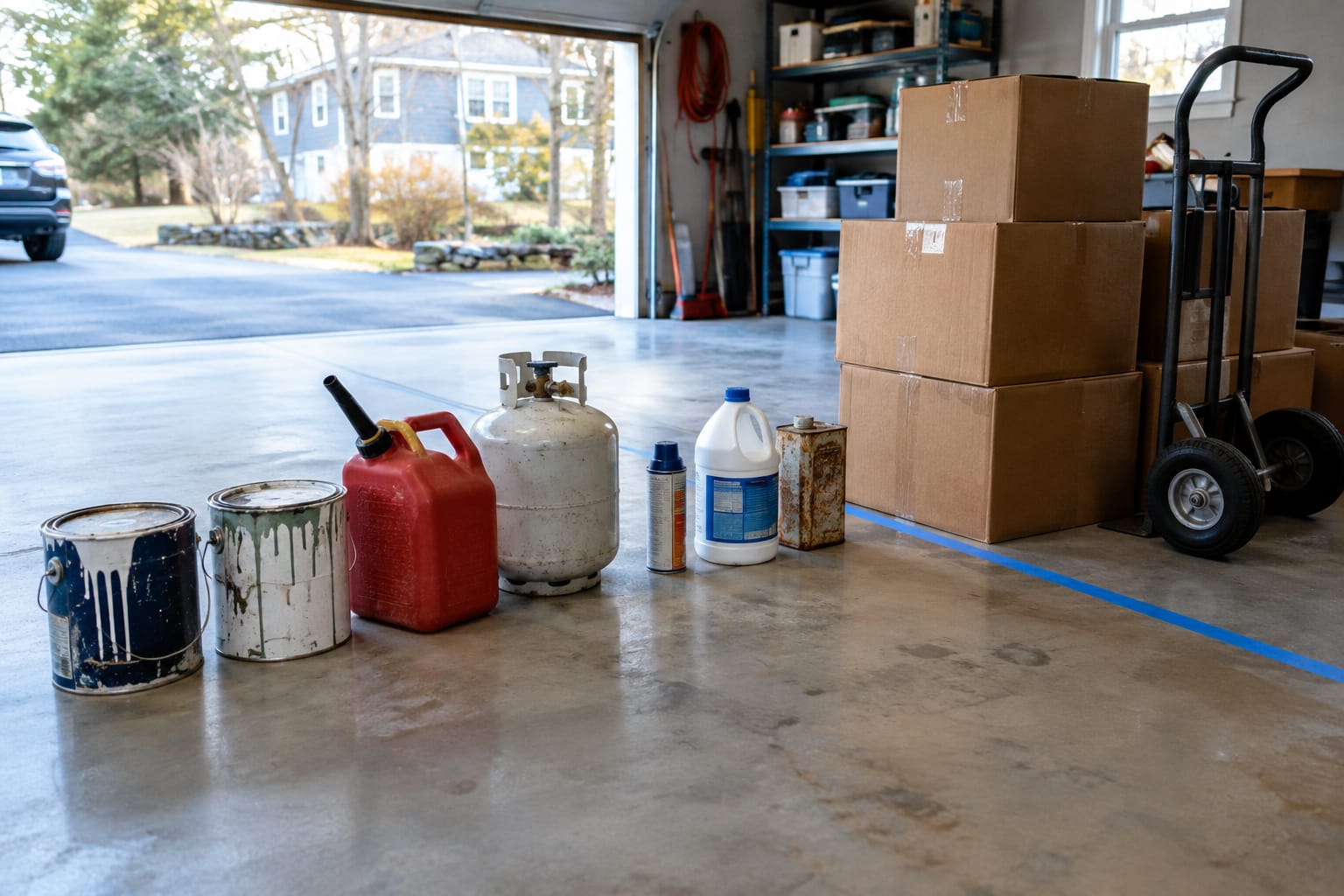
Movers refuse certain items because federal safety law prohibits them, not because of a company preference. The Federal Motor Carrier Safety Administration enforces the hazardous materials regulations that govern what a commercial truck can legally carry. A propane cylinder or a can of gasoline in the back of a loaded box truck is a genuine fire and explosion risk on the highway.
There are two separate categories readers constantly confuse. The first is legally prohibited items — hazmat a mover cannot transport under any circumstance. The second is items a mover will carry but recommends you keep — cash, passports, medication, and irreplaceables that are simply safer in your own hands.
Understanding that split saves you time on move day. It also tells you which items need a disposal plan and which just need a labeled bag in your car.
Q: What items will movers not move?
A: Movers will not move flammables, compressed gas, corrosives, explosives, ammunition, perishable food, and live plants or animals — the hazardous and perishable classes restricted under US DOT/FMCSA rules and carrier tariffs.
The Non-Allowables List at a Glance
Use this table as your master reference. Each row maps to a common question and gives you the action to take instead of loading the item.
| Category | Common examples | Why it's refused | What to do instead |
|---|---|---|---|
| Flammable liquids | Gasoline, kerosene, lighter fluid, charcoal starter | Ignition and vapor risk under federal hazmat rules | Use up, or drain and dispose at a household hazardous waste site |
| Aerosols & propellants | Spray paint, hairspray, WD-40, cleaning sprays | Pressurized, flammable propellant | Transport a few in your car, or discard |
| Compressed gas | Propane cylinders, oxygen, helium tanks, camp fuel | Explosion risk; sealed pressure vessels | Empty, exchange, or return to a refill retailer |
| Corrosives & chemicals | Pool acid, drain cleaner, bleach, pesticides | Leaks, fumes, reactivity | Household hazardous waste collection |
| Automotive | Car batteries, motor oil, antifreeze, full fuel tanks | Corrosive, flammable, toxic | Auto parts store recycling or HHW site |
| Perishable food | Frozen and refrigerated food, produce, open packages | Spoilage, pests, odor | Eat down, donate, or discard before move day |
| Plants | Houseplants, outdoor potted plants | State agricultural quarantines on interstate moves | Transport yourself or gift locally |
| Live animals | Pets, fish, reptiles | Welfare and safety | Move in your own vehicle |
| Irreplaceables | Cash, jewelry, documents, medication | Not prohibited — kept with you by advice | Pack a "goes with me" box |
| Firearms/ammunition | Guns, live rounds, black powder | Legal restrictions; ammo is regulated | Verify rules; move separately |
Flammables, Aerosols, and Fuels: The Biggest Category
Flammable liquids and aerosols are the single largest slice of the non-allowables list. Gasoline, kerosene, charcoal lighter fluid, paint thinner, and lamp oil are all refused outright. So are pressurized aerosol cans — spray paint, hairspray, insect spray, and lubricants — because the propellant is itself flammable.
Q: Can movers transport paint, aerosols, or cleaning supplies?
A: No. Latex and oil paint, spray paint, and aerosol or solvent-based cleaners are non-allowables under hazmat rules. Movers leave them behind, so plan to use them up or dispose of them first.
What about paint specifically? Latex paint can often be dried out and discarded with regular trash in many towns, while oil-based paint and solvents belong at a hazardous waste facility. When you box up the sprays and solvents you're keeping, pair them with the packing supplies you'll actually need so the allowable cleaning items travel safely.
Pro Tip: Start emptying flammables the month before your move. Burn down the last of the charcoal lighter fluid, finish the touch-up paint, and empty the mower's gas tank — it's cheaper and easier than a special disposal trip.
Propane Tanks, Grills, and Small Engines
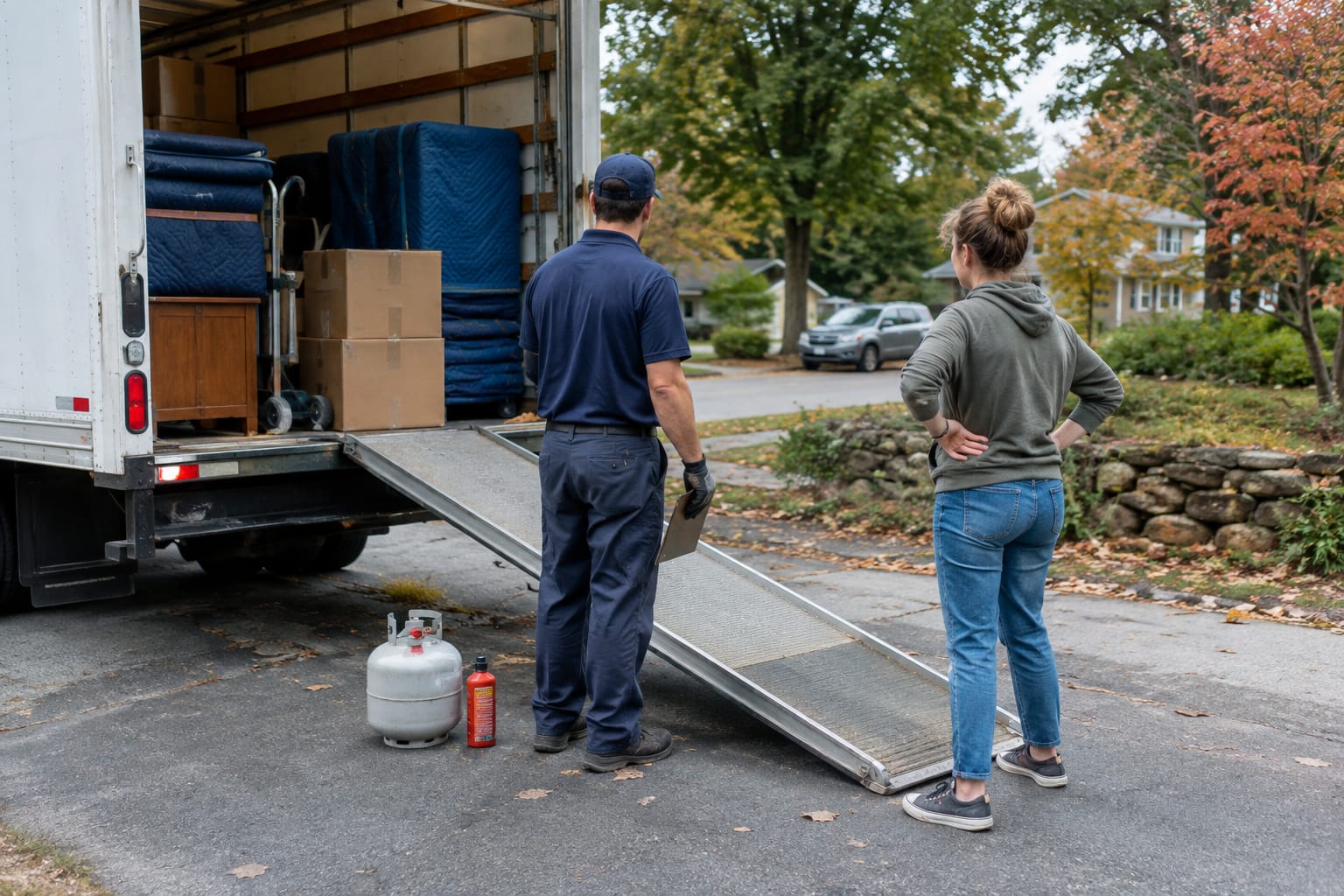
Movers will not load a full or partially full propane cylinder — ever. A grill tank is a sealed pressure vessel, and compressed gas is squarely inside the US DOT hazardous materials classes that commercial carriers cannot transport.
Q: Can movers take propane tanks or gas grills?
A: Movers will take an empty grill with the propane tank removed, but they cannot transport the propane cylinder itself. Exchange or return the tank at a propane refill retailer before move day.
The standard route is a propane exchange or refill retailer — most hardware stores and gas stations run a swap program that takes your old cylinder. Small engines follow the same logic: drain the gas from mowers, trimmers, generators, and chainsaws so the tank and carburetor are dry before the crew loads them.
Corrosives, Pesticides, and Pool Chemicals
Corrosives and reactive chemicals are refused because a single cracked bottle can damage an entire truckload. Pool acid, chlorine, drain openers, bleach, ammonia, weed killer, and pesticides all fall here. Car batteries and antifreeze belong in this group too — corrosive and toxic.
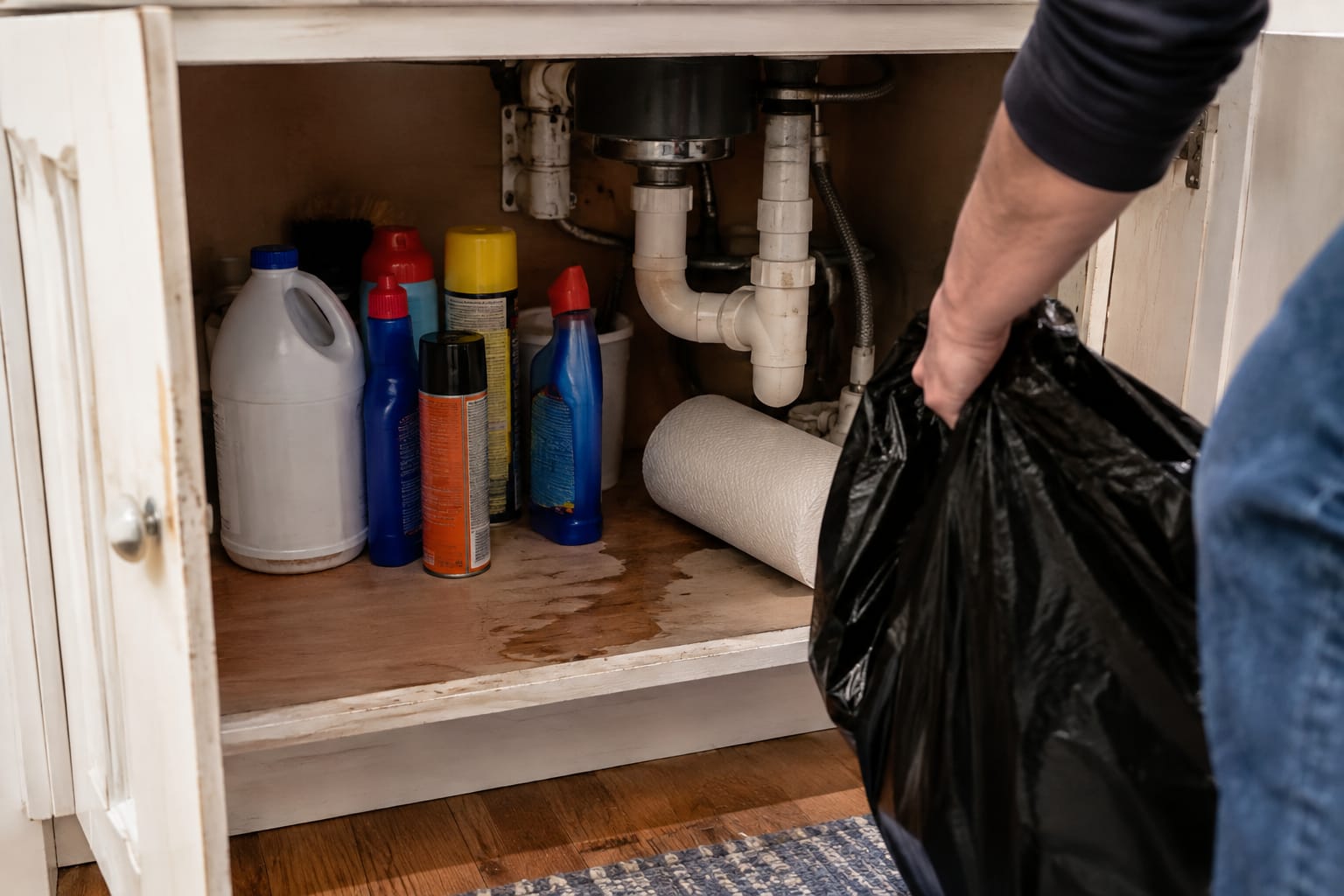
The under-sink cabinet and the garage shelf are where these hide. Clear them out during a pre-move cleanout with a U-Haul or dumpster so nothing questionable ends up in a sealed box by accident.
Disposal is not curbside trash. Massachusetts residents can find a local drop-off through the MassDEP household hazardous products and waste program. Check your own town's program for dates, because many run collection only a few times a year.
Perishable Food, Open Containers, and the Refrigerator Problem
Movers refuse perishable and open food because it spoils, leaks, and draws pests inside a warm truck. Frozen meat, produce, dairy, and anything opened or unsealed stays behind. On a long-distance move, this rule is absolute; even on a short local move, most crews decline to load a loose bag of groceries.
That brings up the refrigerator. The appliance itself moves fine, but it must be empty, clean, and dry. Give yourself a full day for defrosting and prepping a refrigerator, because a unit that's still wet or frosted can't be loaded and will stall the crew.
Eat down the pantry in your final two weeks, donate unopened non-perishables, and pack the last cooler of food in your own car. Sealed, shelf-stable staples in original packaging are usually fine, but confirm with your crew.
Houseplants, Live Animals, and Why State Lines Matter
Movers generally will not transport live plants on an interstate move, and the reason is agricultural law, not fragility. States enforce quarantines to stop the spread of pests and diseases, and the USDA Animal and Plant Health Inspection Service coordinates these plant and pest quarantine programs across state lines.
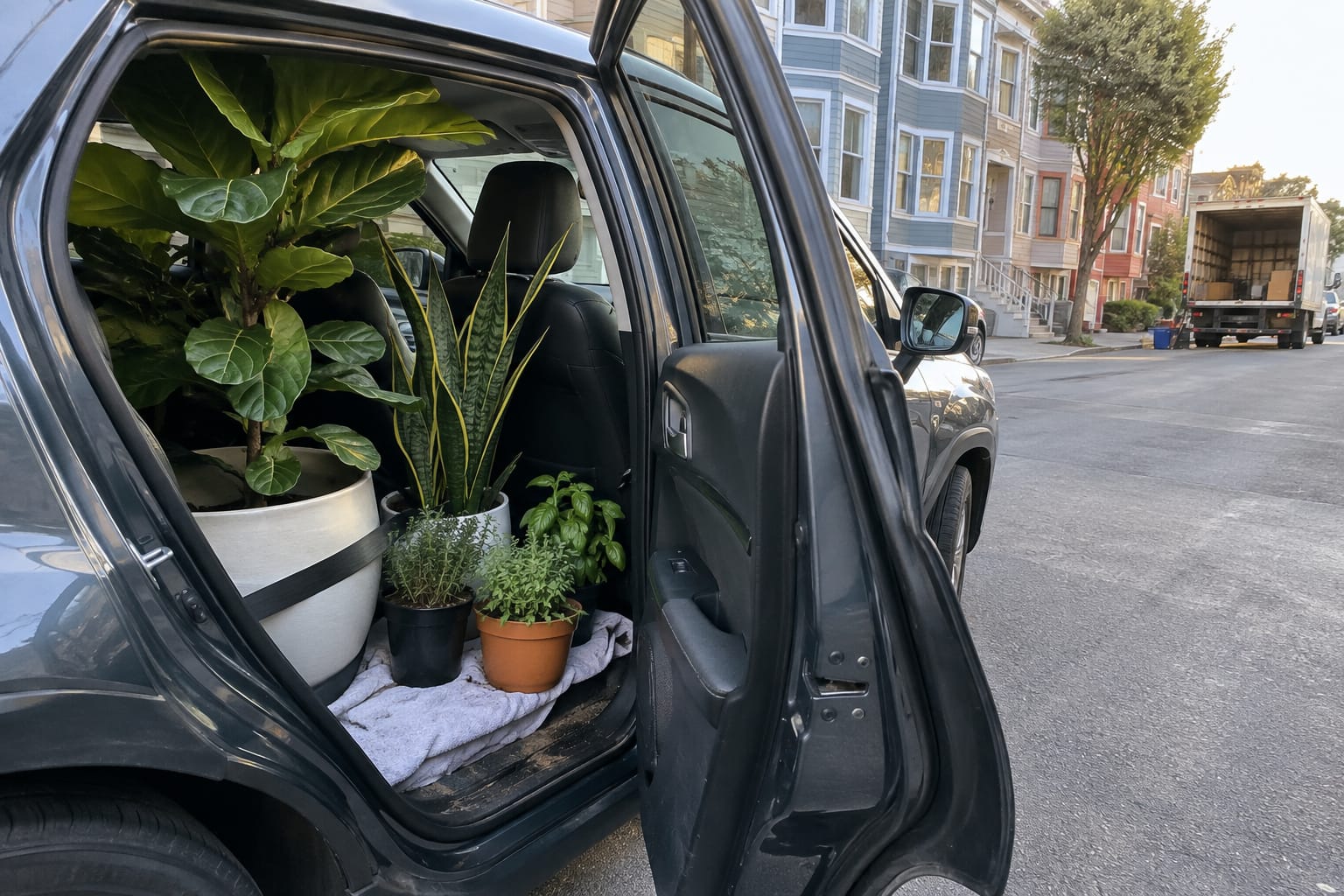
Q: Can moving companies move houseplants?
A: On a local move some crews will load plants at your own risk, but on interstate moves plants are typically refused because of state agricultural quarantines. Check your destination state's current rules and plan to drive plants yourself.
Rules vary by destination state and change over time, so verify the current requirements for where you're headed rather than trusting an old checklist. The safest plan for both plants and pets: move them in your own vehicle, buckled in and cushioned. Live animals are never a mover's cargo.
Items Movers Will Carry but Advise You Keep: Cash, Documents, and Irreplaceables
This category is not prohibited — it's protected by common sense. A mover can legally load your jewelry box or a folder of documents, but valuation coverage and the bill of lading are poor comfort if a one-of-a-kind item goes missing in a truckload of identical boxes.
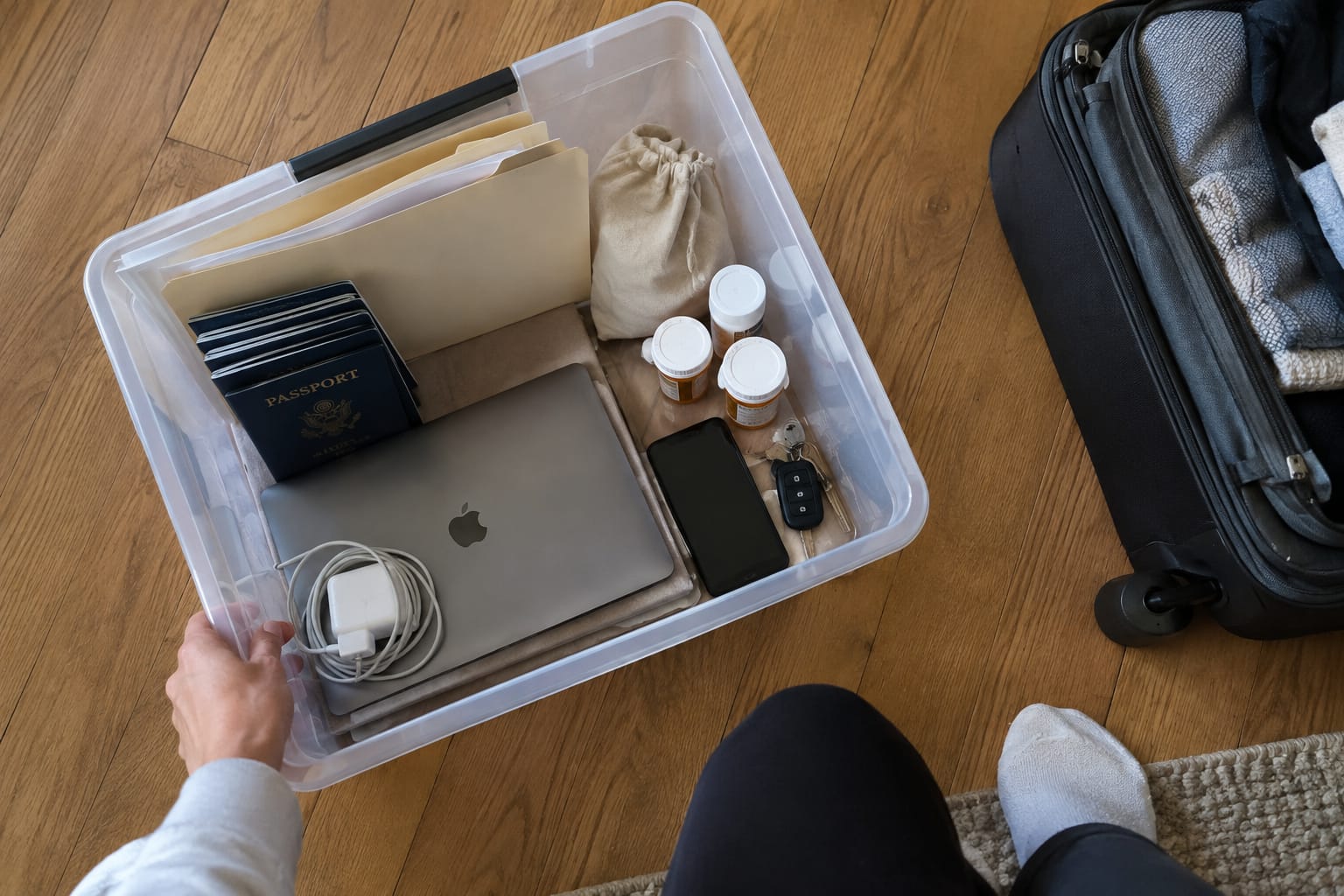
Keep cash, jewelry, passports, birth certificates, financial records, prescription medication, laptops, keys, and small heirlooms with you. Pack them in a single labeled "goes with me" bin that rides in your car. This is one of the classic move-day mistakes that cost you time — searching a loaded truck for a passport you meant to carry.
For genuinely fragile valuables you do want the crew to handle, packing fragile items properly protects them and documents their condition before loading.
Firearms, Ammunition, and Legally Restricted Items
Firearms and ammunition sit in a special tier. Many carriers will not transport them at all. Most carriers treat loaded rounds as non-allowables.
Q: Can movers transport firearms and ammunition?
A: Policies vary — some carriers move unloaded, documented firearms while ammunition is almost always refused as a regulated explosive. Confirm the specific carrier's policy in writing and move ammunition yourself.
If you own firearms, ask the carrier for their written policy before booking, and plan to transport ammunition separately in your own vehicle in line with state law. This is a good item to raise among the questions to ask before you book a crew.
What to Do With Non-Allowables Before Move Day
Every non-allowable has one of three destinations: use it up, transport it yourself, or dispose of it properly. Sort your house into those three piles two weeks out and the problem shrinks fast.
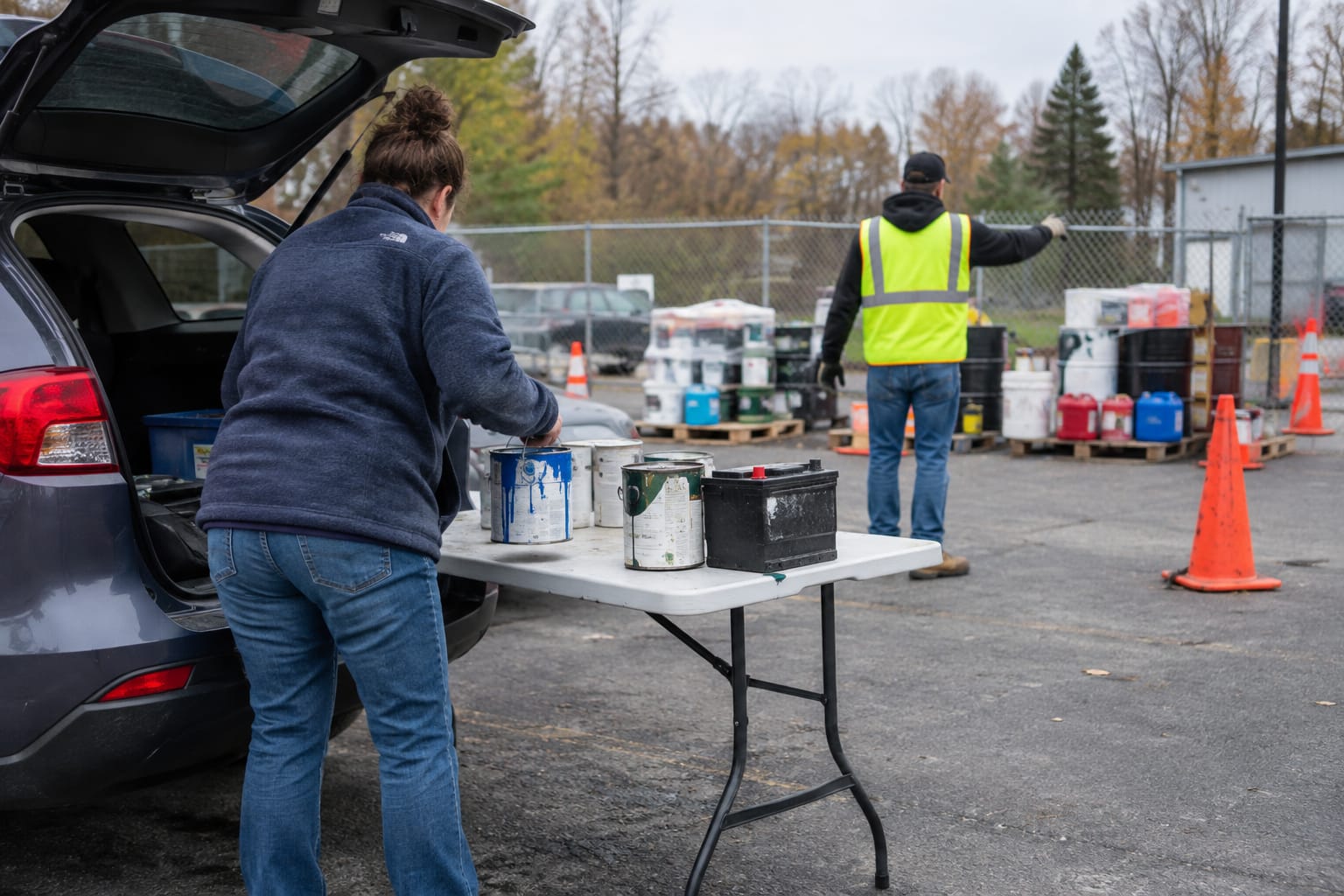
Q: How do I safely dispose of paint, chemicals, and old fuel before a move?
A: Take them to a municipal household hazardous waste collection event or facility. Massachusetts residents can locate one through the MassDEP directory; car batteries and motor oil are also accepted at many auto parts retailers.
Use the retailer routes for the easy wins: propane back to an exchange program, car batteries and used oil to an auto parts store, unopened food to a food pantry. Everything corrosive or flammable that's left goes to your town's household hazardous waste program. Work this into your moving checklist so nothing slips through.
Renting a U-Haul or POD? The Same Rules Apply to You
Here's the point almost no competing article makes: DIY doesn't exempt you from the hazmat rules. Rental truck contracts and portable moving container agreements carry near-identical prohibitions on flammables, compressed gas, and corrosives — because the safety risk is identical whether a pro or you are driving.
Read the fine print on your U-Haul or PODS agreement and you'll find the same non-allowables list. Loading a propane tank or open gas can into a rented truck can void coverage and create real liability if there's a fire.
When you plan the load, treat hazmat the way a professional crew does — set it aside entirely. The same discipline that applies to loading a moving pod applies to a rental truck: allowables only, packed tight, hazmat handled separately.
How Non-Allowables Affect Your Estimate and Move-Day Timeline
On an hourly move, surprises cost you time. When a crew finds a propane tank or a box of aerosols at the truck, they stop, set the items aside on the driveway, and adjust the load plan — and the clock keeps running while they do it. Nothing about that is punitive; sorting hazmat is simply billable labor that a little prep eliminates.
The fix is to disclose and clear non-allowables before the estimate, not during the load. Handle it as part of what to sort out the night before moving day so the driveway is clean when the truck arrives.
Before you even book, check a mover's US DOT number to confirm the carrier is properly licensed and insured. A legitimate, licensed carrier will give you a clear non-allowables policy up front.
Your Two-Week Non-Allowables Countdown
- Two weeks out: Walk the garage, basement, and under-sink cabinets. Sort every chemical, fuel, and aerosol into use-up, take-myself, or dispose piles.
- Ten days out: Book your town's household hazardous waste drop-off; exchange or empty the propane cylinder; drain small-engine fuel tanks.
- One week out: Eat down the freezer and pantry; donate unopened non-perishables.
- Two days out: Defrost and dry the refrigerator; pack your "goes with me" bin of cash, documents, and medication.
- Night before: Confirm the driveway and cabinets are clear of anything the crew can't load.
Key Takeaways
- Non-allowables are hazardous, perishable, and irreplaceable items refused under FMCSA hazmat rules and carrier tariffs — not company preference.
- Flammables, aerosols, and compressed gas like propane are the biggest refused category; empty, use up, or take them to a household hazardous waste site.
- Plants are restricted on interstate moves because of USDA and state agricultural quarantines — verify your destination state's current rules.
- Cash, documents, jewelry, and medication aren't prohibited, but keep them with you in a labeled "goes with me" bin.
- U-Haul and PODS agreements carry the same hazmat prohibitions, so the rules apply to DIY movers too.
Do I have to empty and defrost my refrigerator before movers arrive?
Yes. The appliance moves fine, but it must be empty, clean, and dry — a wet or frosted unit can't be loaded and will delay the crew. Give it a full day to defrost.
What happens if movers find a prohibited item in a box on move day?
The crew sets it aside rather than loading it, and on an hourly move that sorting time is billable. Clearing non-allowables before the estimate avoids it entirely.
Should I tell my mover about non-allowables before the estimate?
Yes. Disclosing anything questionable up front lets the crew give an accurate quote and load plan, and prevents surprises that slow down move day.
Do the same restrictions apply if I rent a U-Haul or a moving container instead of hiring movers?
Yes. Rental truck and portable container agreements prohibit the same flammables, compressed gas, and corrosives, and loading them can void your coverage.
Written by Born to Move Team, Moving Company Experts
Useful Links
- Checklist for a Hassle-Free Move: Check Everything Before Moving
- How to Move a Fridge: DIY Tips and Professional Help
- Moving Day Mistakes to Avoid
- What Questions Should I Ask When Hiring a Moving Company?
- What Packing Supplies Do I Need for Moving?
Need help with this? Get a quote · Call (617) 903-2609
Frequently Asked Questions