'%3E%3Cpath%20fill='%231B2A47'%20d='M1.605%2016.263c.03-1.139.059-2.482.088-3.971.03-1.49.03-2.832.03-4.03%200-.758%200-1.576-.03-2.51%200-.905-.03-1.84-.03-2.803%200-.496-.028-.964-.028-1.43%200-.468%200-.906-.03-1.315h6.858q2.188%200%203.589.35c.963.234%201.663.643%202.13%201.198.496.555.73%201.372.73%202.394%200%20.788-.176%201.46-.497%201.985-.32.526-.846.935-1.575%201.197-.73.292-1.693.468-2.918.526v.263c1.313.087%202.334.263%203.122.525.758.263%201.342.672%201.692%201.197.35.526.525%201.197.525%202.044%200%201.08-.233%201.927-.67%202.57-.468.642-1.139%201.08-2.102%201.343-.933.262-2.159.408-3.705.408H1.605zm6.537-9.197q1.882%200%202.713-.526c.555-.35.817-.934.817-1.752%200-.905-.292-1.547-.846-1.927s-1.459-.554-2.655-.554H4.757v4.759zm.204%206.92c.934%200%201.663-.088%202.217-.263.555-.176.934-.438%201.197-.818s.38-.876.38-1.518c0-.876-.322-1.49-.934-1.84-.643-.35-1.635-.525-3.035-.525H4.757v4.963zM21.038%2016.555c-1.576%200-2.801-.292-3.618-.905-.817-.614-1.284-1.519-1.372-2.745-.087-1.226.205-2.774.847-4.613s1.43-3.358%202.392-4.584c.963-1.226%202.043-2.131%203.298-2.744C23.839.292%2025.24%200%2026.786%200c1.576%200%202.772.321%203.59.934.816.613%201.283%201.548%201.37%202.774s-.203%202.774-.845%204.613c-.642%201.81-1.43%203.358-2.393%204.584s-2.072%202.132-3.297%202.745a9.8%209.8%200%200%201-4.173.905m.788-2.278c.642%200%201.138-.058%201.371-.116.205-.059.496-.117.847-.322.262-.146.437-.292.554-.408.204-.175.32-.292.438-.41.204-.203.35-.408.496-.583.35-.438.642-.876.963-1.402.233-.408.466-.817.67-1.284.205-.438.38-.905.555-1.372.438-1.198.671-2.278.671-3.183s-.204-1.606-.612-2.131c-.409-.497-1.051-.76-1.897-.76-.467%200-.934.059-1.43.205h-.03c-1.02.292-1.925%201.226-2.042%201.372-.116.117-.467.526-.963%201.343a15.5%2015.5%200%200%200-1.342%202.92c-.408%201.197-.642%202.277-.671%203.182-.03.906.175%201.636.584%202.161q.611.788%201.838.788M14.853%2038.54c-1.576%200-2.802-.292-3.619-.905s-1.284-1.518-1.371-2.744c-.088-1.227.204-2.774.846-4.614s1.43-3.357%202.393-4.584%202.042-2.13%203.297-2.744c1.255-.613%202.655-.905%204.173-.905%201.575%200%202.772.321%203.589.934s1.284%201.548%201.371%202.774c.088%201.226-.204%202.774-.846%204.613-.642%201.81-1.43%203.358-2.393%204.584s-2.072%202.131-3.297%202.745c-1.226.613-2.626.846-4.143.846m.787-2.277c.642%200%201.138-.059%201.372-.117.204-.058.496-.117.846-.321.263-.146.438-.292.554-.409.205-.175.321-.292.438-.409.204-.204.35-.408.496-.584a13%2013%200%200%200%201.634-2.686c.204-.438.38-.905.555-1.372.437-1.197.67-2.277.67-3.182%200-.906-.203-1.606-.612-2.132-.409-.496-1.05-.759-1.897-.759-.467%200-.934.058-1.43.204h-.029c-1.021.292-1.925%201.227-2.042%201.373-.117.116-.467.525-.963%201.343a15.5%2015.5%200%200%200-1.342%202.92c-.409%201.196-.642%202.277-.671%203.182s.175%201.635.583%202.16q.613.789%201.838.789'/%3E%3Cpath%20fill='%23FF515E'%20d='M55.966%2038.57c-1.576%200-2.801-.293-3.618-.906s-1.284-1.518-1.372-2.744c-.087-1.227.204-2.774.846-4.613s1.43-3.358%202.393-4.584c.963-1.227%202.043-2.132%203.297-2.745s2.656-.905%204.173-.905c1.576%200%202.772.321%203.589.934s1.284%201.548%201.371%202.774c.088%201.226-.204%202.774-.846%204.613-.642%201.81-1.43%203.358-2.393%204.584s-2.071%202.131-3.297%202.745c-1.225.613-2.626.846-4.143.846m.788-2.249c.642%200%201.138-.058%201.371-.117.204-.058.496-.116.846-.32.263-.147.438-.293.555-.41a7%207%200%200%200%20.437-.408c.205-.205.35-.41.496-.584a13%2013%200%200%200%201.634-2.686c.205-.438.38-.905.555-1.373.438-1.197.671-2.277.671-3.182s-.204-1.606-.613-2.131c-.408-.497-1.05-.76-1.896-.76-.467%200-.934.059-1.43.205h-.03c-1.02.292-1.925%201.226-2.042%201.372-.117.117-.467.526-.963%201.343a15.5%2015.5%200%200%200-1.342%202.92c-.409%201.197-.642%202.277-.671%203.182s.175%201.635.583%202.16q.614.79%201.839.79'/%3E%3Cpath%20fill='%231B2A47'%20d='M33.06%2016.263c0-.35%200-.935.03-1.81.029-1.051.058-2.103.058-3.154s.03-2.073.03-3.007c0-1.606-.03-3.27-.06-4.993%200-.554-.028-1.08-.028-1.606%200-.525-.03-1.021-.03-1.46h6.828c1.46%200%202.685.117%203.59.38q1.4.394%202.1%201.314.7.963.7%202.628c0%20.992-.174%201.81-.554%202.452-.35.643-.904%201.11-1.604%201.431s-1.576.467-2.627.496v.263q2.058.087%203.064.876c.671.525%201.138%201.372%201.43%202.51.087.41.233%201.023.467%201.84.233.818.408%201.431.554%201.84h-3.414a11%2011%200%200%200-.262-1.022c-.321-1.314-.526-2.19-.584-2.628a5%205%200%200%200-.642-1.46%202.13%202.13%200%200%200-.963-.73c-.408-.146-.934-.233-1.605-.233h-3.326v6.0440000000000005H33.06zm6.332-8.292c1.343%200%202.276-.205%202.86-.613.554-.41.846-1.11.846-2.073%200-.73-.146-1.314-.408-1.723-.263-.409-.671-.7-1.197-.876q-.788-.263-2.1-.263h-3.181v5.519h3.18zM49.4%2016.263l.03-2.745c.029-2.452.029-4.905.029-7.416q0-2.101-.088-5.868h4.085l5.924%2010.335c.087.234.204.438.291.643.117.204.205.408.321.613.38.788.613%201.255.672%201.372h.262c0-.058-.03-.146-.03-.204%200-.059-.028-.117-.028-.175a75%2075%200%200%201-.175-1.314%2010%2010%200%200%201-.088-1.285c0-1.547%200-3.737-.029-6.57V1.84c0-.584-.03-1.11-.03-1.576h2.977c-.03%202.482-.058%205.08-.058%207.766%200%201.694%200%204.438.029%208.292h-4.027l-5.573-9.43c-.875-1.81-1.226-2.511-1.05-2.132-.263-.613-.467-1.08-.613-1.46h-.263c.058.35.117.876.175%201.548.059.7.117%201.168.117%201.46%200%202.978%200%206.306.029%209.985H49.4zM4.698%2038.277c.029-2.627.058-5.255.058-7.883%200-1.576%200-3.503-.029-5.752-1.109%200-2.684%200-4.727.03v-2.453h12.664v2.453c-1.955-.03-3.53-.03-4.756-.03%200%20.584-.03%201.227-.03%201.957s0%201.46-.029%202.218v1.84c0%202.57.03%205.11.059%207.62z'/%3E%3Cpath%20fill='%23FF515E'%20d='M29.441%2038.277c.409-1.05.788-2.102%201.168-3.182s.787-2.16%201.167-3.241c.613-1.693%201.05-2.949%201.342-3.766l1.255-3.65c.116-.38.262-.788.379-1.139.117-.38.263-.73.38-1.05h4.61l-.671%2012.904h.262l8.316-12.905h4.669l-.7%201.869c-.876%202.452-1.343%203.766-1.43%204a501%20501%200%200%200-3.385%2010.16h-2.947c.292-.846.788-2.219%201.459-4.087.175-.526.35-1.08.554-1.606.175-.526.38-1.08.555-1.577.642-1.81%201.342-3.825%202.072-6.014h-.234l-8.724%2013.314h-2.86l.554-13.314h-.175c-.175.496-.38.992-.554%201.489-.175.496-.38%201.022-.555%201.547a163%20163%200%200%200-1.08%203.008c-.145.38-.262.759-.408%201.138-.117.38-.262.73-.408%201.11-.7%201.898-1.284%203.59-1.751%205.05h-2.86zM68.047%2038.277c.175-2.19.32-4.525.467-7.007.058-.905.204-3.912.467-9.051h3.151c-.03.438-.058.934-.088%201.46s-.058%201.08-.087%201.693a264%20264%200%200%201-.409%206.657c-.145%201.986-.35%203.591-.583%204.788h.175Q72.147%2034.892%2073.94%2032a562%20562%200%200%201%204.465-7.066c.32-.496.641-.992.933-1.46s.555-.875.817-1.255h3.268q-.568.832-1.138%201.752c-.408.613-.787%201.255-1.196%201.927-3.88%206.014-6.478%2010.131-7.85%2012.35h-5.193zM79.106%2038.277c.32-.788.758-2.014%201.37-3.65a287%20287%200%200%200%201.577-4.32c.437-1.256.904-2.628%201.4-4.088s.934-2.774%201.313-3.97h11.322l-.846%202.364H87.1l-1.664%204.847%207.645-.088-.612%201.694-7.587-.088-1.75%204.934h8.286l-.846%202.365z'/%3E%3C/g%3E%3Cdefs%3E%3CclipPath%20id='a'%3E%3Cpath%20fill='%23fff'%20d='M0%200h96v40H0z'/%3E%3C/clipPath%3E%3C/defs%3E%3C/svg%3E)
White glove moving service is a full-scope relocation where a specialist crew packs, custom-crates, transports, places, unpacks, and removes debris for high-value or fragile items — with an on-site survey and dedicated handling built in. Put simply: you touch nothing, and the crew treats each piece like it is irreplaceable, because often it is.
Here's the problem. Almost every page that ranks for this term calls white glove "the highest level of care" and stops there. That's a marketing adjective, not a scope of work — and it leaves you unable to decide whether you're actually the buyer. This article converts the phrase into an itemized list, compares it against standard and full-service moving, and gives you an honest test for when to skip it.
Key Takeaways
- White glove is a defined scope, not a mood. It bundles survey, custom crating, blanket and pad wrap, disassembly/reassembly, inside delivery, placement, full unpack, and debris removal into one managed job.
- The buyer test is about the items, not the budget. High value, low replaceability, real fragility, tight building access, and costly downtime are the five signals that justify it.
- Valuation is separate from "insured." Confirm the current valuation rules and coverage options with the FMCSA before your move.
- The same crew skills cross over. A crew that can crate a framed canvas can also secure a server rack, which is why white glove shows up in both home and office moves.
- Price scales with scope. Fewer crated items or a partial unpack lower the cost — request an itemized quote rather than assuming a flat multiplier.
What "white glove" actually means in the moving industry
White glove moving service is the top service tier where a trained crew handles every physical task and every protective step for you. The name comes from the literal white gloves handlers once wore to keep oils and grit off finished surfaces and artwork. Today it signals a scope, not a fabric.
The defining feature is coverage of the whole chain of custody. A standard move ends when boxes hit the floor of the new place. White glove ends when the last carton is unpacked, the sideboard is level against the wall, and the packing paper is bundled and gone.
Q: What is white glove moving?
A: It is a full-service, high-touch relocation in which specialists survey your items, custom-crate or blanket-wrap fragile pieces, deliver them inside and into position, unpack, and haul away all debris — so the client performs no physical labor.
The crew composition is the other tell. White glove jobs use experienced handlers and often a dedicated vehicle rather than a shared load, which reduces transfers and keeps your inventory together.
The service line by line: what's included and what's an add-on
Here's the scope competitors leave vague. Below is the typical inclusion list, followed by the items that are frequently priced separately. Confirm the exact split on any quote, because scope varies by company.
Typically included in white glove service:
- Pre-move survey or walkthrough (in-person or video) to inventory fragile and high-value items
- Full packing, with materials — including specialty wrap for finishes and glass — charged separately
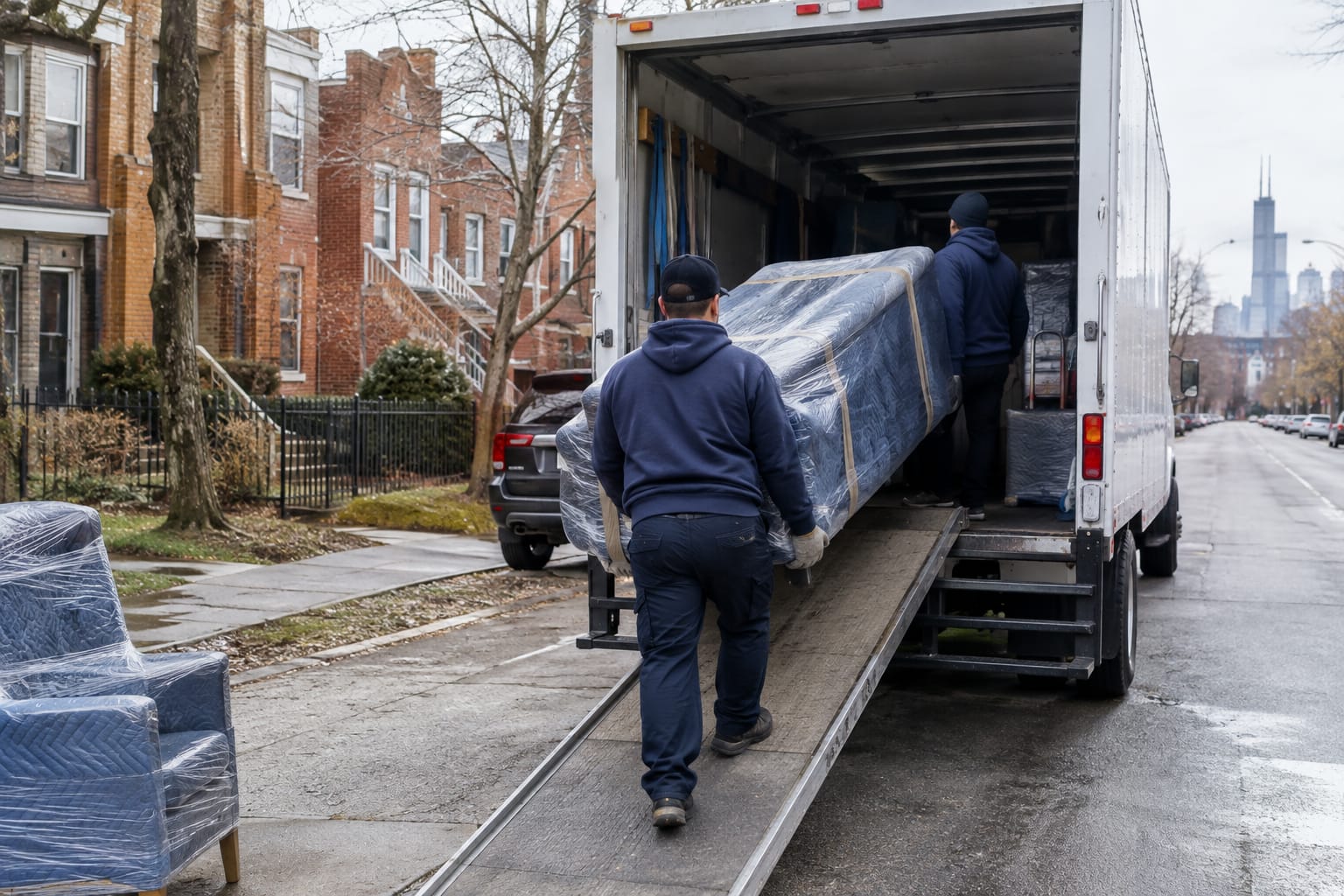
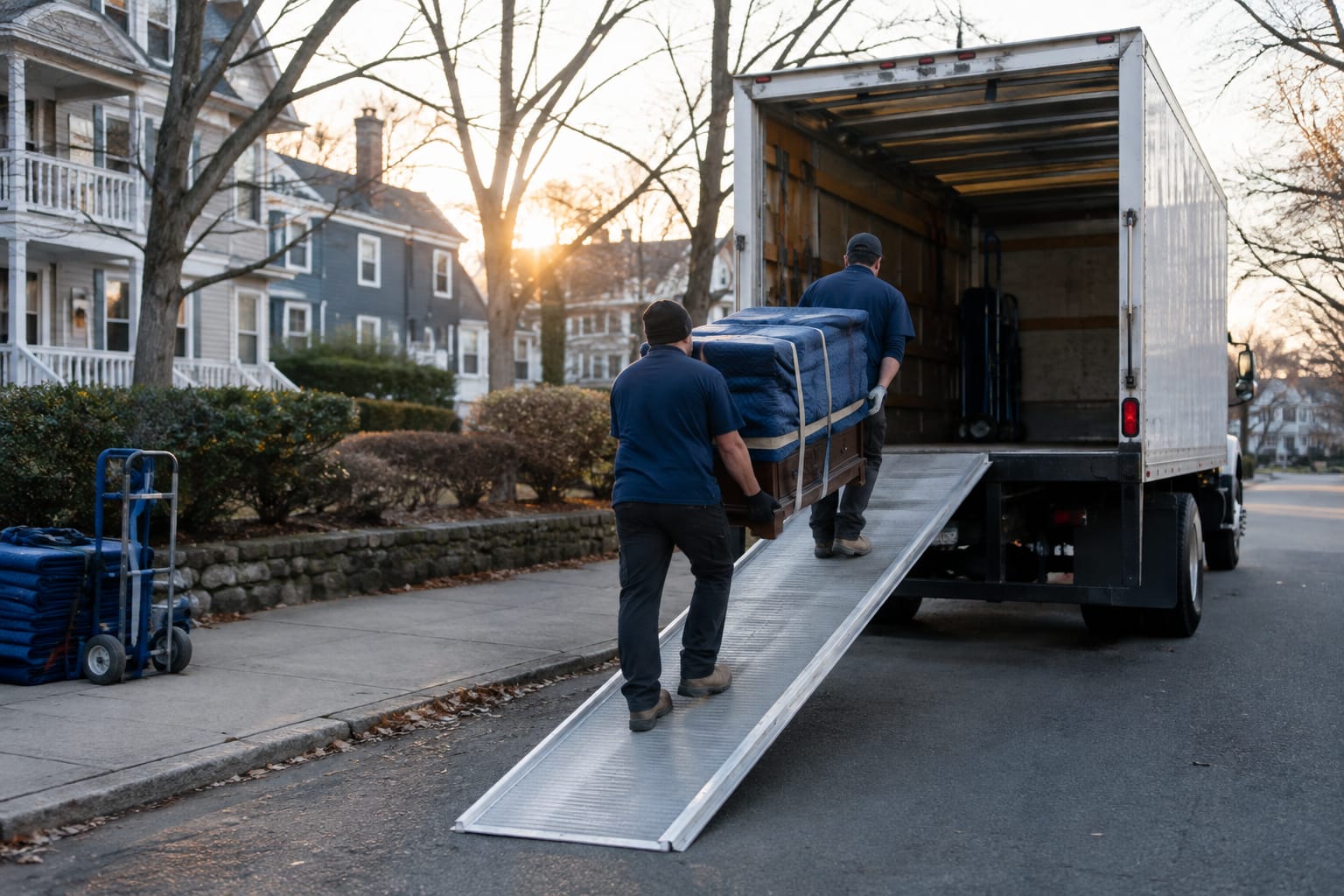
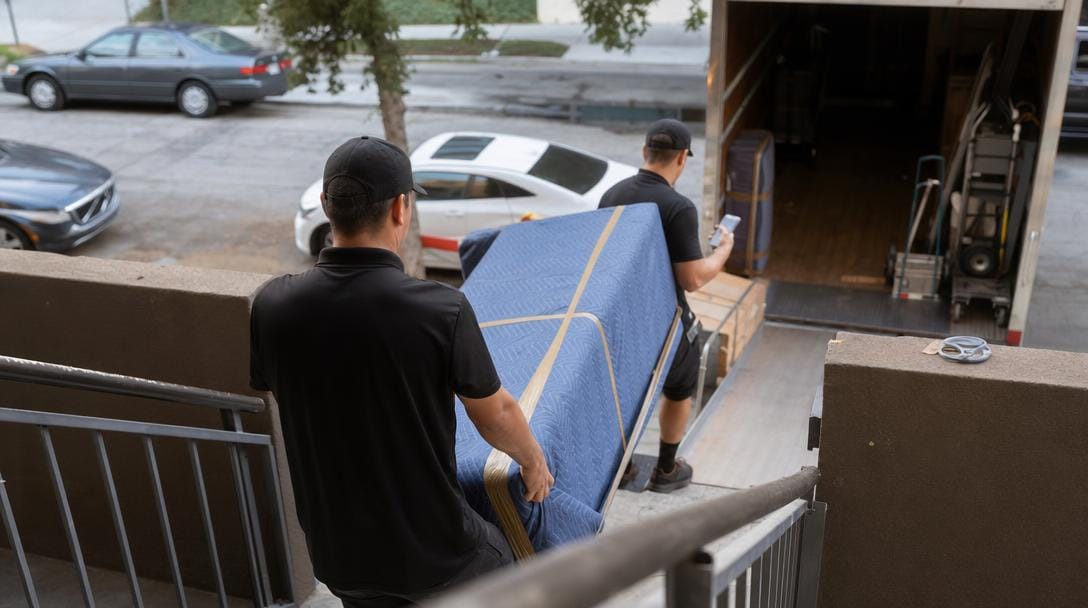
- Blanket wrap and pad wrap for furniture; corner and edge protection
- Disassembly and reassembly of beds, tables, modular units, and select fixtures
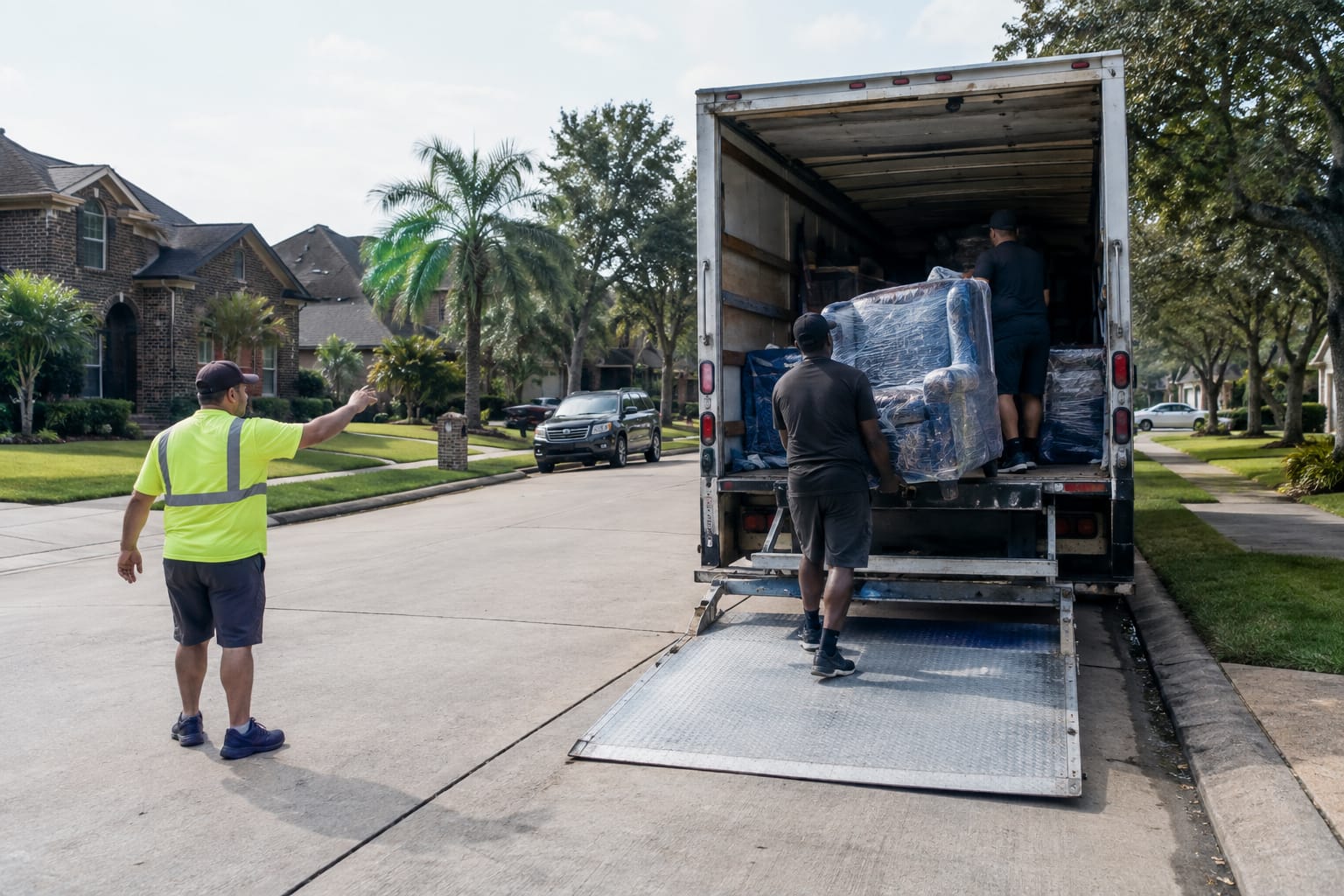
- Inside delivery — carrying items into the room, not just the entryway
- Placement and leveling of furniture per your floor plan
- Full unpack and basic staging (dishes to shelves, art leaned or hung where agreed)
- Debris and packing-material removal after unpacking
Commonly an add-on (confirm on the quote):
- Custom crating for art, mirrors, stone, and irregular pieces
- Piano, safe, and heavy-item handling; hoisting or crane work
- Climate-controlled storage between move-out and move-in
- Third-party servicer work such as art installation, appliance disconnection, or electronics de-install
- Wall-mounting, chandelier hanging, or specialty reassembly
If you want the mechanics, see how professionals approach how to pack fragile items before your survey.
White glove vs. full-service vs. standard moving — the real differences
The fastest way to place yourself is to compare tiers side by side. Standard moving is transport and muscle. Full-service adds packing and unpacking. White glove adds crating, placement, and a managed, item-level standard of care.
| Task | Standard | Full-Service | White Glove |
|---|---|---|---|
| Load, transport, unload | Yes | Yes | Yes |
| Professional packing | Add-on | Yes | Yes |
| Custom crating | No | Rarely | Yes (often add-on) |
| Blanket/pad wrap on furniture | Partial | Yes | Yes, comprehensive |
| Disassembly & reassembly | Add-on | Yes | Yes |
| Inside delivery & placement | Curb/entry | Room | Room + leveling to plan |
| Full unpack | No | Yes | Yes |
| Debris removal | No | Often | Yes |
| Dedicated crew/vehicle | No | Sometimes | Typically |
For a deeper look at the middle tier, read what a full-service moving company typically covers. The short version: full-service handles the labor of packing; white glove adds the protection engineering and the finish work.
Q: What's the difference between white glove and full-service moving?
A: Full-service packs and unpacks a standard household; white glove adds custom crating, inside placement to a floor plan, and item-level protection for high-value or fragile pieces that full-service treats as ordinary cargo.
Custom crating: when a box isn't enough
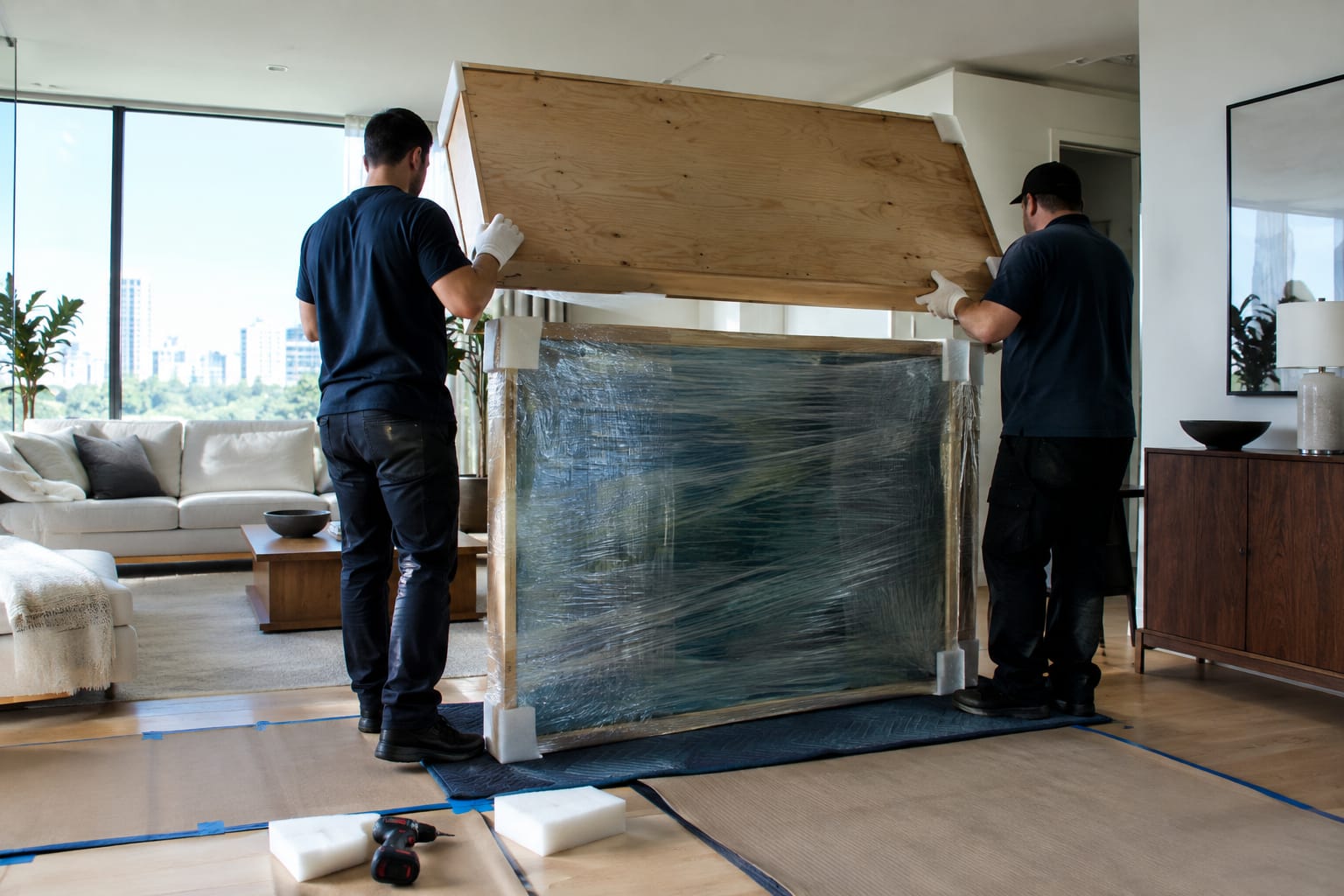
Custom crating is a made-to-measure wooden enclosure built around a single item, usually with foam bracing so the object never touches the walls of the crate. A cardboard box relies on padding you hope holds; a crate is a rigid structure engineered for the exact piece.
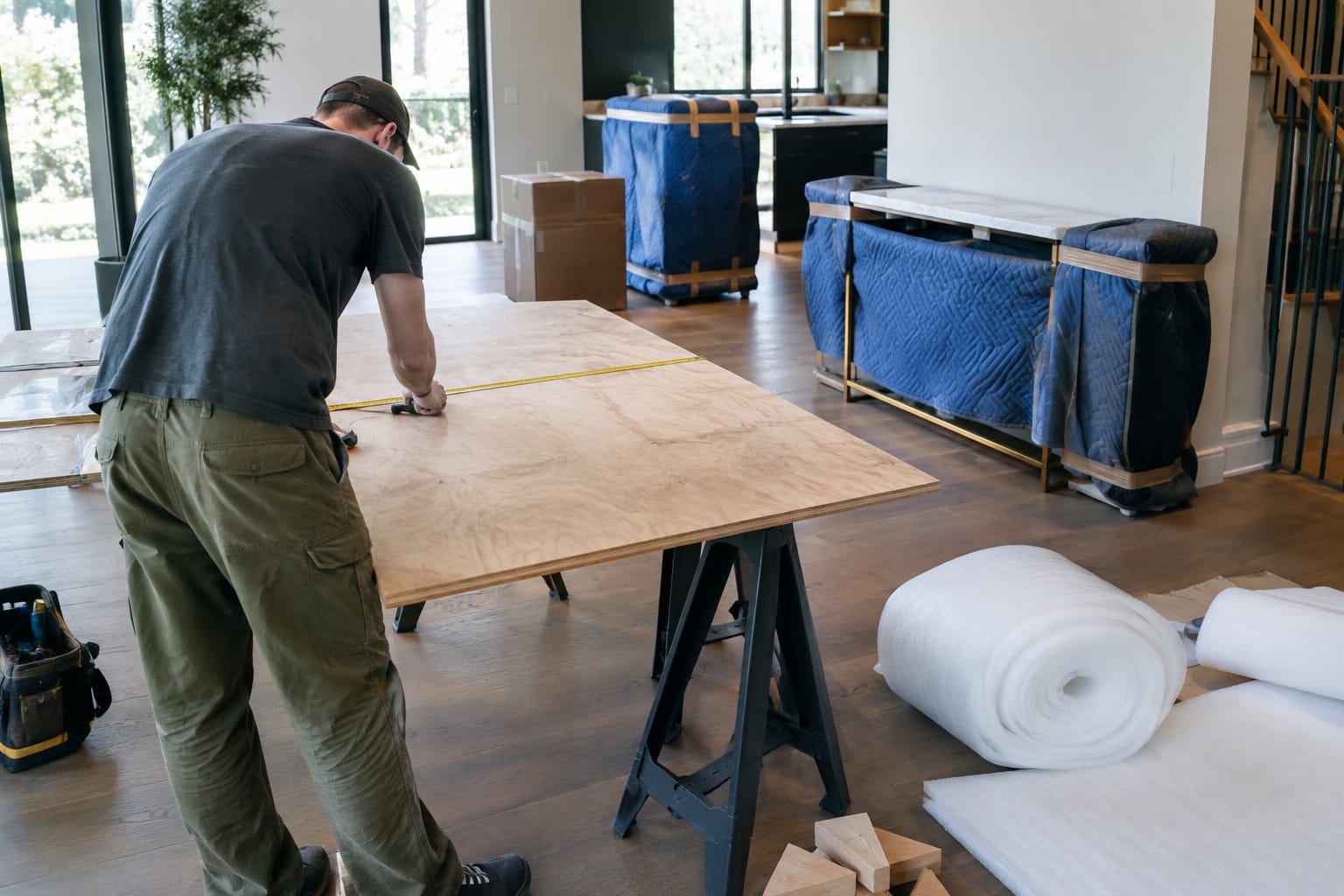
Fine-art and museum handling practice leans heavily on this approach for a reason. Reputable movers apply a working version of this approach for framed canvases, marble tops, glass tabletops, and large mirrors.
Crating is almost always the right call when an item is one-of-a-kind, has a rigid-but-brittle surface, or cannot be replaced at any price.
Pro Tip: Photograph each high-value item from several angles before the survey, including existing scratches or hairline cracks. It speeds the crating spec and settles any question about pre-existing condition.
Five situations that genuinely call for white glove handling
Use this test instead of a budget. If two or more of these apply to a meaningful share of your belongings, white glove earns its keep.
- High declared value. Designer furniture, fine art, antiques, and collections where the total replacement cost is significant.
- Low replaceability. Heirlooms, commissioned pieces, and originals that money alone cannot restore.
- Real fragility. Stone tops, large glass, ceramics, chandeliers, and framed works under glass.
- Difficult building access. Narrow historic staircases, tight elevators, or long carries where placement expertise prevents damage.
- Expensive downtime. A home you cannot afford to leave in boxes for a week, or a business that loses revenue each day it is offline.
And the honest part competitors skip — you probably don't need white glove if your inventory is mostly flat-pack furniture, mass-market pieces, and boxes you're comfortable unpacking yourself. In that case, movers with packing services or a standard full-service move covers you at a lower cost.
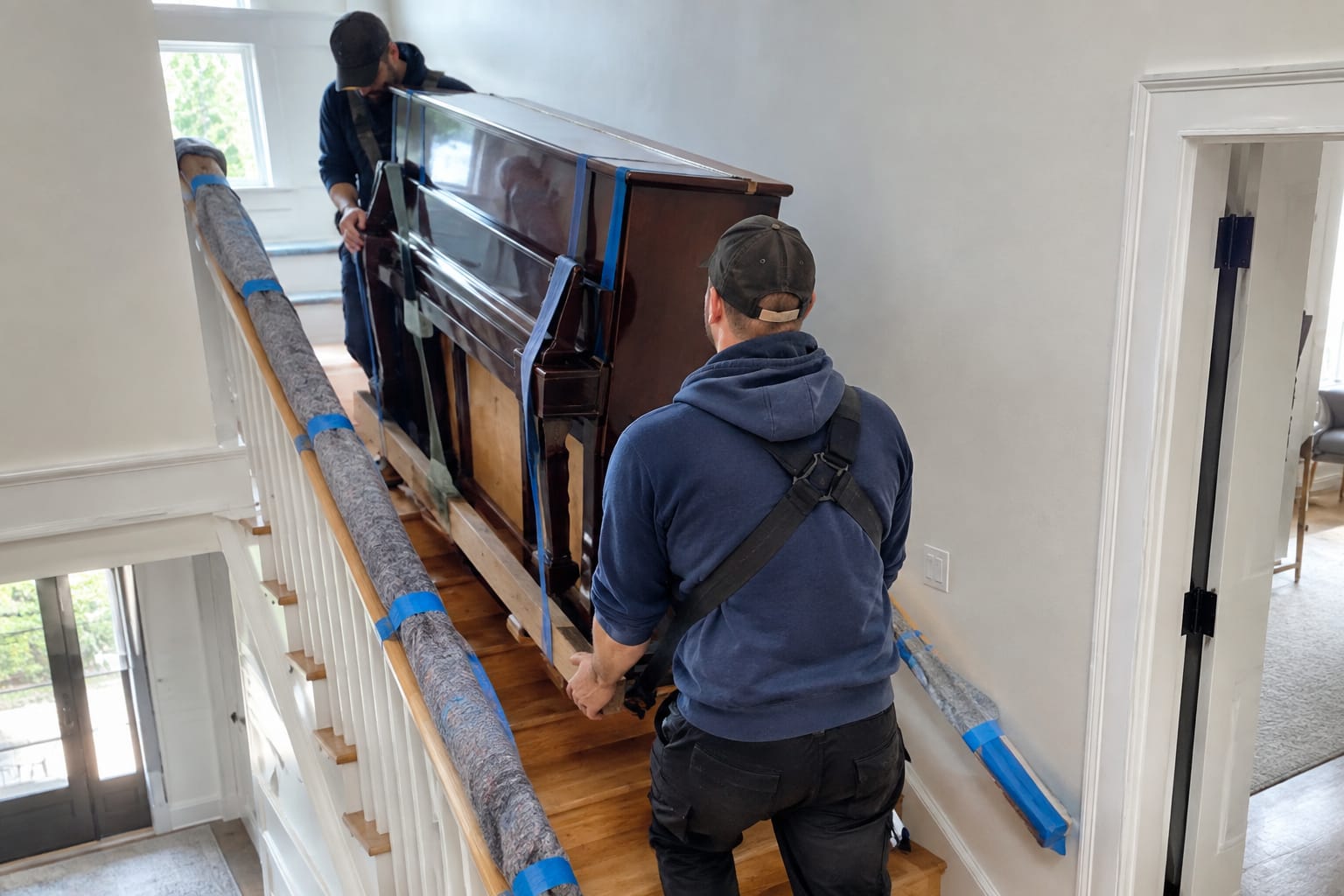
Pianos are the classic threshold case. An upright or baby grand combines dead weight, delicate action, and a finish that marks easily — exactly the mix white glove exists for. Review the techniques for moving a piano to understand why boards, straps, and a trained pair matter more than raw strength.
Need help with this? Get a quote
White glove in a commercial move: IT racks, art, lab and studio equipment
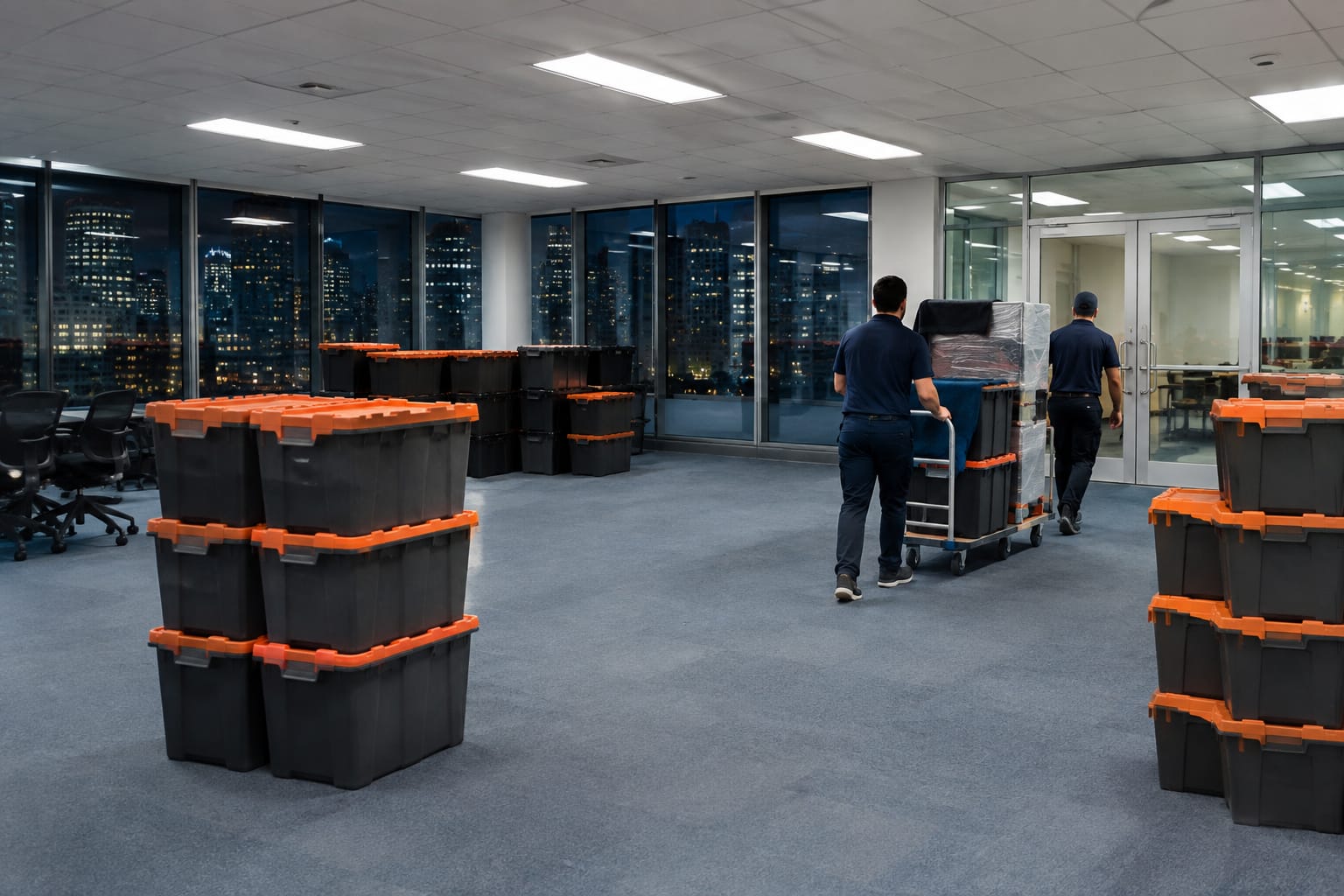
White glove is not only residential. The same crew discipline that protects a dining set also protects a server rack, a gallery wall in a law office, or calibrated lab gear. Sensitive equipment needs anti-static handling, careful cable management, and shock control — the commercial cousin of custom crating.
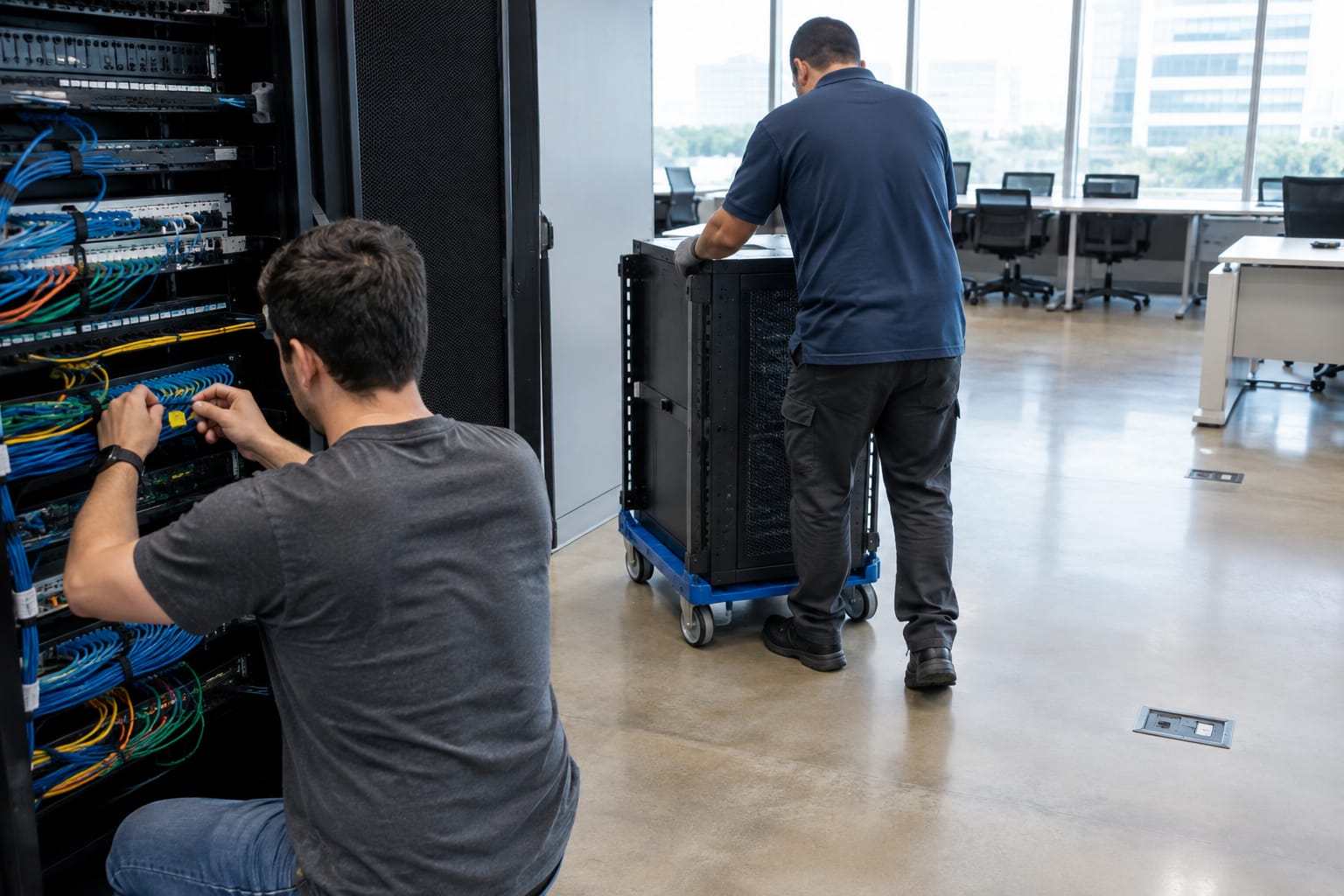
Commercial white glove usually adds coordination layers: a certificate of insurance (COI) for the building and freight-elevator scheduling. In a tower, reserving the freight elevator in advance can decide whether the move takes one night or three.
Q: Does white glove moving cover office IT and equipment?
A: Yes — across the industry in general, commercial white glove handles server racks, AV and studio gear, and art installs with anti-static dollies, labeled cabling, and building-required COIs, and movers in general often work after hours to minimize business downtime.
For a business, minimal downtime is the metric that actually matters — not how pretty the wrap looks, but how fast you're operational again.
What drives the price — and where you can scale it back
White glove cost is driven by scope, not a fixed multiplier. Ignore any page that claims "white glove is 2x a normal move" — real pricing depends on your specific items, access, distance, and how much of the chain you hand over. The only reliable number comes from a quote against your actual inventory.
Four levers move the price the most:
- Crated item count. Each custom crate is labor plus materials; fewer crates, lower cost.
- Labor hours and crew size. Difficult access and heavy specialty items add time. Local labor is commonly billed hourly with a minimum, before trucks and add-ons.
- Storage. Storage between dates adds a recurring cost.
- Distance and dedicated transport. A dedicated vehicle costs more than a shared load but reduces transfers.
Where can you scale back? Crate only the true irreplaceables, unpack the low-risk boxes yourself, and skip storage if your dates line up. Then let the crew focus its premium handling where it counts. To get an accurate figure, use Born to Move's online quote form rather than a rule of thumb.
Valuation coverage: what "fully insured" does and doesn't mean
This is the distinction almost every white glove page omits — and it matters most for exactly the items you'd hire white glove to protect. "Fully insured" usually refers to the mover's liability, which is not the same as replacing a high-value sideboard at its real value.
For interstate moves, confirm the current valuation options and what each covers with the FMCSA before you choose.
For white glove clients, confirm the current requirements for high-value items with the FMCSA. Read your paperwork and confirm the coverage type in writing before crews arrive.
Pro Tip: Ask for a copy of the valuation addendum and the high-value inventory form at the estimate stage — not on moving day. Signing it under time pressure is how underinsured claims happen.
How to brief a white glove crew before the survey
A good survey is where white glove is won or lost. The more precisely you describe the hard items, the more accurate the crate specs, crew size, and quote. Vague inventories produce vague estimates and moving-day surprises.

Bring this to the walkthrough:
- A photo list of every high-value and fragile item, with rough dimensions and weight where you know it
- Flags for anything requiring a third-party servicer (art install, appliance disconnect, electronics)
- Access notes for both ends: stairs, elevator size, parking, long carries, and any building COI requirements
- Your target floor plan so the crew places and levels furniture correctly the first time
- Storage needs and dates if there's a gap between move-out and move-in
Born to Move's process already builds in a survey-driven quote and a moving-day sequence of disassembly, padding, plastic wrap, and careful loading with dollies, straps, and blankets — the operational backbone of white glove, per its about page. The clearer your brief, the tighter that plan.
Is white glove moving worth the extra cost?
It's worth it when your items are high-value, hard to replace, genuinely fragile, or when downtime is expensive. If most of your belongings are mass-market and you're happy to unpack, a standard full-service move delivers better value.
Do I need custom crating for artwork or a mirror?
Crate any framed work under glass, large mirror, or rigid brittle surface that can't be replaced. For smaller or lower-value pieces, professional blanket wrap and edge protection are usually enough — the survey settles the line.
Does white glove service include unpacking and debris removal?
Yes. A full white glove scope includes complete unpacking, basic placement, and removal of boxes, paper, and wrap. Confirm whether it's a full or partial unpack, since some quotes price the deep unpack separately.
How far in advance should I book a white glove move?
Book as early as your dates are firm, especially for crating, storage, or building COIs, which add lead time. Peak windows and month-ends fill fastest, so an early survey protects both your date and your crew.
Written by Born to Move Team, Moving Company Experts
Useful Links
- Services Typically Offered by a Full Service Moving Company
- How to Professionally Crate Things
- How to Pack Fragile Items
- Tips and Techniques for Moving a Piano
- Movers with Packing Services: What Full-Service Moving Includes
Need help with this? Get a quote · Call (617) 903-2609
Frequently Asked Questions