'%3E%3Cpath%20fill='%231B2A47'%20d='M1.605%2016.263c.03-1.139.059-2.482.088-3.971.03-1.49.03-2.832.03-4.03%200-.758%200-1.576-.03-2.51%200-.905-.03-1.84-.03-2.803%200-.496-.028-.964-.028-1.43%200-.468%200-.906-.03-1.315h6.858q2.188%200%203.589.35c.963.234%201.663.643%202.13%201.198.496.555.73%201.372.73%202.394%200%20.788-.176%201.46-.497%201.985-.32.526-.846.935-1.575%201.197-.73.292-1.693.468-2.918.526v.263c1.313.087%202.334.263%203.122.525.758.263%201.342.672%201.692%201.197.35.526.525%201.197.525%202.044%200%201.08-.233%201.927-.67%202.57-.468.642-1.139%201.08-2.102%201.343-.933.262-2.159.408-3.705.408H1.605zm6.537-9.197q1.882%200%202.713-.526c.555-.35.817-.934.817-1.752%200-.905-.292-1.547-.846-1.927s-1.459-.554-2.655-.554H4.757v4.759zm.204%206.92c.934%200%201.663-.088%202.217-.263.555-.176.934-.438%201.197-.818s.38-.876.38-1.518c0-.876-.322-1.49-.934-1.84-.643-.35-1.635-.525-3.035-.525H4.757v4.963zM21.038%2016.555c-1.576%200-2.801-.292-3.618-.905-.817-.614-1.284-1.519-1.372-2.745-.087-1.226.205-2.774.847-4.613s1.43-3.358%202.392-4.584c.963-1.226%202.043-2.131%203.298-2.744C23.839.292%2025.24%200%2026.786%200c1.576%200%202.772.321%203.59.934.816.613%201.283%201.548%201.37%202.774s-.203%202.774-.845%204.613c-.642%201.81-1.43%203.358-2.393%204.584s-2.072%202.132-3.297%202.745a9.8%209.8%200%200%201-4.173.905m.788-2.278c.642%200%201.138-.058%201.371-.116.205-.059.496-.117.847-.322.262-.146.437-.292.554-.408.204-.175.32-.292.438-.41.204-.203.35-.408.496-.583.35-.438.642-.876.963-1.402.233-.408.466-.817.67-1.284.205-.438.38-.905.555-1.372.438-1.198.671-2.278.671-3.183s-.204-1.606-.612-2.131c-.409-.497-1.051-.76-1.897-.76-.467%200-.934.059-1.43.205h-.03c-1.02.292-1.925%201.226-2.042%201.372-.116.117-.467.526-.963%201.343a15.5%2015.5%200%200%200-1.342%202.92c-.408%201.197-.642%202.277-.671%203.182-.03.906.175%201.636.584%202.161q.611.788%201.838.788M14.853%2038.54c-1.576%200-2.802-.292-3.619-.905s-1.284-1.518-1.371-2.744c-.088-1.227.204-2.774.846-4.614s1.43-3.357%202.393-4.584%202.042-2.13%203.297-2.744c1.255-.613%202.655-.905%204.173-.905%201.575%200%202.772.321%203.589.934s1.284%201.548%201.371%202.774c.088%201.226-.204%202.774-.846%204.613-.642%201.81-1.43%203.358-2.393%204.584s-2.072%202.131-3.297%202.745c-1.226.613-2.626.846-4.143.846m.787-2.277c.642%200%201.138-.059%201.372-.117.204-.058.496-.117.846-.321.263-.146.438-.292.554-.409.205-.175.321-.292.438-.409.204-.204.35-.408.496-.584a13%2013%200%200%200%201.634-2.686c.204-.438.38-.905.555-1.372.437-1.197.67-2.277.67-3.182%200-.906-.203-1.606-.612-2.132-.409-.496-1.05-.759-1.897-.759-.467%200-.934.058-1.43.204h-.029c-1.021.292-1.925%201.227-2.042%201.373-.117.116-.467.525-.963%201.343a15.5%2015.5%200%200%200-1.342%202.92c-.409%201.196-.642%202.277-.671%203.182s.175%201.635.583%202.16q.613.789%201.838.789'/%3E%3Cpath%20fill='%23FF515E'%20d='M55.966%2038.57c-1.576%200-2.801-.293-3.618-.906s-1.284-1.518-1.372-2.744c-.087-1.227.204-2.774.846-4.613s1.43-3.358%202.393-4.584c.963-1.227%202.043-2.132%203.297-2.745s2.656-.905%204.173-.905c1.576%200%202.772.321%203.589.934s1.284%201.548%201.371%202.774c.088%201.226-.204%202.774-.846%204.613-.642%201.81-1.43%203.358-2.393%204.584s-2.071%202.131-3.297%202.745c-1.225.613-2.626.846-4.143.846m.788-2.249c.642%200%201.138-.058%201.371-.117.204-.058.496-.116.846-.32.263-.147.438-.293.555-.41a7%207%200%200%200%20.437-.408c.205-.205.35-.41.496-.584a13%2013%200%200%200%201.634-2.686c.205-.438.38-.905.555-1.373.438-1.197.671-2.277.671-3.182s-.204-1.606-.613-2.131c-.408-.497-1.05-.76-1.896-.76-.467%200-.934.059-1.43.205h-.03c-1.02.292-1.925%201.226-2.042%201.372-.117.117-.467.526-.963%201.343a15.5%2015.5%200%200%200-1.342%202.92c-.409%201.197-.642%202.277-.671%203.182s.175%201.635.583%202.16q.614.79%201.839.79'/%3E%3Cpath%20fill='%231B2A47'%20d='M33.06%2016.263c0-.35%200-.935.03-1.81.029-1.051.058-2.103.058-3.154s.03-2.073.03-3.007c0-1.606-.03-3.27-.06-4.993%200-.554-.028-1.08-.028-1.606%200-.525-.03-1.021-.03-1.46h6.828c1.46%200%202.685.117%203.59.38q1.4.394%202.1%201.314.7.963.7%202.628c0%20.992-.174%201.81-.554%202.452-.35.643-.904%201.11-1.604%201.431s-1.576.467-2.627.496v.263q2.058.087%203.064.876c.671.525%201.138%201.372%201.43%202.51.087.41.233%201.023.467%201.84.233.818.408%201.431.554%201.84h-3.414a11%2011%200%200%200-.262-1.022c-.321-1.314-.526-2.19-.584-2.628a5%205%200%200%200-.642-1.46%202.13%202.13%200%200%200-.963-.73c-.408-.146-.934-.233-1.605-.233h-3.326v6.0440000000000005H33.06zm6.332-8.292c1.343%200%202.276-.205%202.86-.613.554-.41.846-1.11.846-2.073%200-.73-.146-1.314-.408-1.723-.263-.409-.671-.7-1.197-.876q-.788-.263-2.1-.263h-3.181v5.519h3.18zM49.4%2016.263l.03-2.745c.029-2.452.029-4.905.029-7.416q0-2.101-.088-5.868h4.085l5.924%2010.335c.087.234.204.438.291.643.117.204.205.408.321.613.38.788.613%201.255.672%201.372h.262c0-.058-.03-.146-.03-.204%200-.059-.028-.117-.028-.175a75%2075%200%200%201-.175-1.314%2010%2010%200%200%201-.088-1.285c0-1.547%200-3.737-.029-6.57V1.84c0-.584-.03-1.11-.03-1.576h2.977c-.03%202.482-.058%205.08-.058%207.766%200%201.694%200%204.438.029%208.292h-4.027l-5.573-9.43c-.875-1.81-1.226-2.511-1.05-2.132-.263-.613-.467-1.08-.613-1.46h-.263c.058.35.117.876.175%201.548.059.7.117%201.168.117%201.46%200%202.978%200%206.306.029%209.985H49.4zM4.698%2038.277c.029-2.627.058-5.255.058-7.883%200-1.576%200-3.503-.029-5.752-1.109%200-2.684%200-4.727.03v-2.453h12.664v2.453c-1.955-.03-3.53-.03-4.756-.03%200%20.584-.03%201.227-.03%201.957s0%201.46-.029%202.218v1.84c0%202.57.03%205.11.059%207.62z'/%3E%3Cpath%20fill='%23FF515E'%20d='M29.441%2038.277c.409-1.05.788-2.102%201.168-3.182s.787-2.16%201.167-3.241c.613-1.693%201.05-2.949%201.342-3.766l1.255-3.65c.116-.38.262-.788.379-1.139.117-.38.263-.73.38-1.05h4.61l-.671%2012.904h.262l8.316-12.905h4.669l-.7%201.869c-.876%202.452-1.343%203.766-1.43%204a501%20501%200%200%200-3.385%2010.16h-2.947c.292-.846.788-2.219%201.459-4.087.175-.526.35-1.08.554-1.606.175-.526.38-1.08.555-1.577.642-1.81%201.342-3.825%202.072-6.014h-.234l-8.724%2013.314h-2.86l.554-13.314h-.175c-.175.496-.38.992-.554%201.489-.175.496-.38%201.022-.555%201.547a163%20163%200%200%200-1.08%203.008c-.145.38-.262.759-.408%201.138-.117.38-.262.73-.408%201.11-.7%201.898-1.284%203.59-1.751%205.05h-2.86zM68.047%2038.277c.175-2.19.32-4.525.467-7.007.058-.905.204-3.912.467-9.051h3.151c-.03.438-.058.934-.088%201.46s-.058%201.08-.087%201.693a264%20264%200%200%201-.409%206.657c-.145%201.986-.35%203.591-.583%204.788h.175Q72.147%2034.892%2073.94%2032a562%20562%200%200%201%204.465-7.066c.32-.496.641-.992.933-1.46s.555-.875.817-1.255h3.268q-.568.832-1.138%201.752c-.408.613-.787%201.255-1.196%201.927-3.88%206.014-6.478%2010.131-7.85%2012.35h-5.193zM79.106%2038.277c.32-.788.758-2.014%201.37-3.65a287%20287%200%200%200%201.577-4.32c.437-1.256.904-2.628%201.4-4.088s.934-2.774%201.313-3.97h11.322l-.846%202.364H87.1l-1.664%204.847%207.645-.088-.612%201.694-7.587-.088-1.75%204.934h8.286l-.846%202.365z'/%3E%3C/g%3E%3Cdefs%3E%3CclipPath%20id='a'%3E%3Cpath%20fill='%23fff'%20d='M0%200h96v40H0z'/%3E%3C/clipPath%3E%3C/defs%3E%3C/svg%3E)
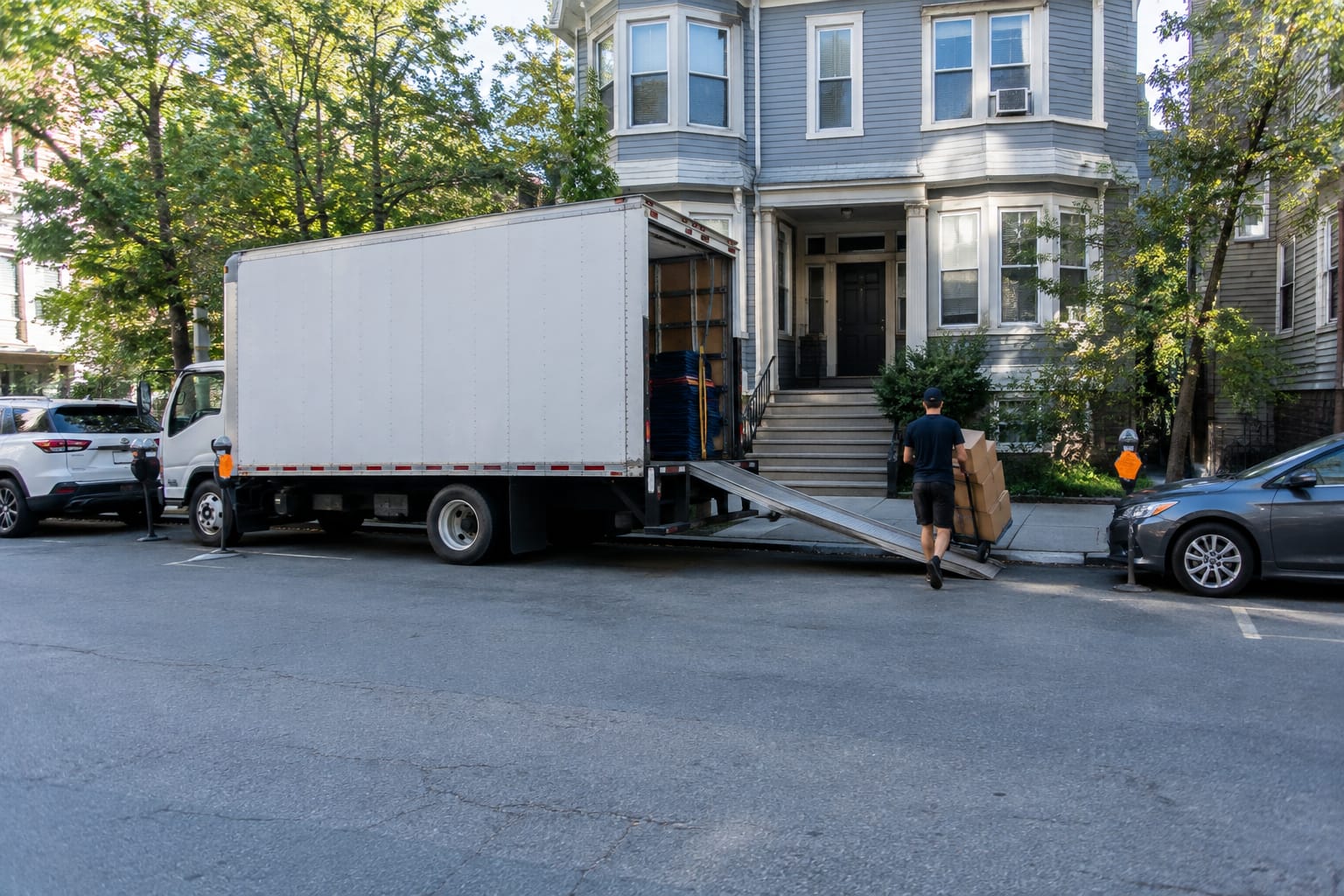
The single biggest variable in a Waltham move is not the boxes — it's where the truck will stand. Choosing a moving company in Waltham is easy; solving curb access on a dense, resident-permit street near Moody Street is the part that decides your day. This guide walks through permits, parking, building rules, and route hazards so you can plan the physical logistics before move-day morning.
Waltham packs multi-family blocks, a lively downtown, and two universities into tight streets along the Route 128 / I-95 corridor. That combination creates predictable friction: no curb space, elevator bottlenecks, and a September 1 lease turnover stacked on top of the student calendar. Handle those four things well and the rest is routine.
Key Takeaways
- Parking is the real constraint. On resident-permit blocks and around Moody Street, secure legal curb space before move day — an idle truck circling the block is billable time.
- Permits are municipal and specific. Whether you need a street occupancy permit or no-parking signage is a question for the city, not a guess. Confirm the department, fee, and lead time with Waltham directly.
- Buildings want paperwork first. Most managed buildings ask for a certificate of insurance, an elevator reservation, and a booked loading window before they'll let a crew in.
- Timing is everything. Brandeis and Bentley move-in/move-out weeks collide with the September 1 turnover, tightening truck and crew availability across Greater Boston.
- Routes matter. Confirm any current truck restrictions with the relevant authority. Plan a truck-legal route in advance.
Where the truck will actually stand: Waltham's real constraint
Start every Waltham move by answering one question: where does the truck park, legally, for the whole load or unload? On many blocks the honest answer is "nowhere obvious," and that gap is what turns a smooth move into a long, expensive one.
A 26-foot truck cannot double-park for hours without blocking traffic or risking a ticket. So the space has to be planned, not found.
Walk your frontage a few days ahead and note hydrants, driveways, bus stops, and any resident-only signage. Measure the clear run from where the truck can sit to your door — that distance, called the long carry, drives both time and cost.
Pro Tip: Photograph your street at the same hour your move is scheduled. Curb space at 8 a.m. looks nothing like it does at midday.
Do you need a moving truck permit in Waltham? How to ask — and who to ask
Q: Do I need a permit to park a moving truck in Waltham, MA?
A: Confirm the current requirement with the City of Waltham before your date.
Here is the reliable, city-agnostic procedure for reserving street space for a moving truck in a Massachusetts city:
- Call the right municipal office. Contact the City of Waltham and ask which office issues the permit for your specific block.
- Request street occupancy or no-parking signage for your exact date and frontage. Give the address, the length of truck, and the hours you'll need the space held.
- Post the signs in advance. Confirm any required posting window when you apply.
- Notify your neighbors directly. A friendly note the day before prevents a well-meaning resident from parking in your reserved space.
- If a vehicle blocks the reserved space on move day, call non-emergency dispatch — not 911 — so the city can advise or ticket per its own rules.
Fees, lead times, forms, and the responsible department change from city to city and year to year. Do not rely on a number you read online, including here. Confirm the current requirement with Waltham directly before you commit to a date.

Holding curb space near Moody Street and in resident-permit zones
Moody Street parking is the tightest scenario in the city. It's a commercial and dining destination with metered spots, heavy turnover, and limited room for a large truck to sit still.
If your building is on or near Moody Street, ask the city whether a reserved loading zone or metered-space "bagging" is available for your date. That's the mechanism cities use to convert public spots into a temporary, legal spot for your truck.
On residential resident-permit blocks, the same street occupancy process applies. The goal is a posted, signed span of curb long enough for the truck plus a working buffer, so the crew isn't carrying your sofa an extra hundred feet.
Q: What happens if someone parks in my reserved moving space?
A: If you posted valid no-parking signage for the date, call the police non-emergency line — not 911 — and let the city enforce it per local rules. This is exactly why posting signs early and notifying neighbors matters.
Building rules: elevators, certificates of insurance, and loading windows
Managed buildings and condos run on paperwork, and they'll stop a move cold if it's missing. Most want the same four things before a crew touches the freight elevator.
| What the building wants | Why it matters |
|---|---|
| Certificate of insurance (COI) naming the property/management as additional insured | Protects the building's common areas; many won't schedule a move without it |
| Freight elevator reservation for a set time block | Guarantees exclusive elevator use so your move isn't competing with other tenants |
| Booked loading window (start/end times) | Keeps the loading dock or entrance clear and avoids overlap with deliveries |
| Dock height / entrance details shared in advance | Lets the crew bring the right ramp, dollies, and truck for the door |
Request the COI from your movers well ahead of time — a certificate of insurance for moving is standard, but it must name your specific building exactly as management requires. (Confirm the required wording with your property manager.)
The elevator is the other choke point. High-rises and larger complexes on the Route 128 / I-95 corridor often require a scheduled block, so learn how to reserve the elevator with your building as soon as your date is set.

Student-calendar timing: Brandeis, Bentley, and the September 1 crunch
Waltham is a two-university town, and the academic calendar reshapes demand every year. Brandeis University and Bentley University publish move-in and move-out windows — re-verify the exact dates each year, because they shift.
Those weeks land on top of the region's massive lease turnover. In Greater Boston, many leases end and begin on the same day, which makes the September 1 turnover a busy time to move across the metro.
What does this mean for you? Truck and crew availability tightens sharply in late August. Book early, and if your dates are flexible, avoid the first and last days of the month entirely.
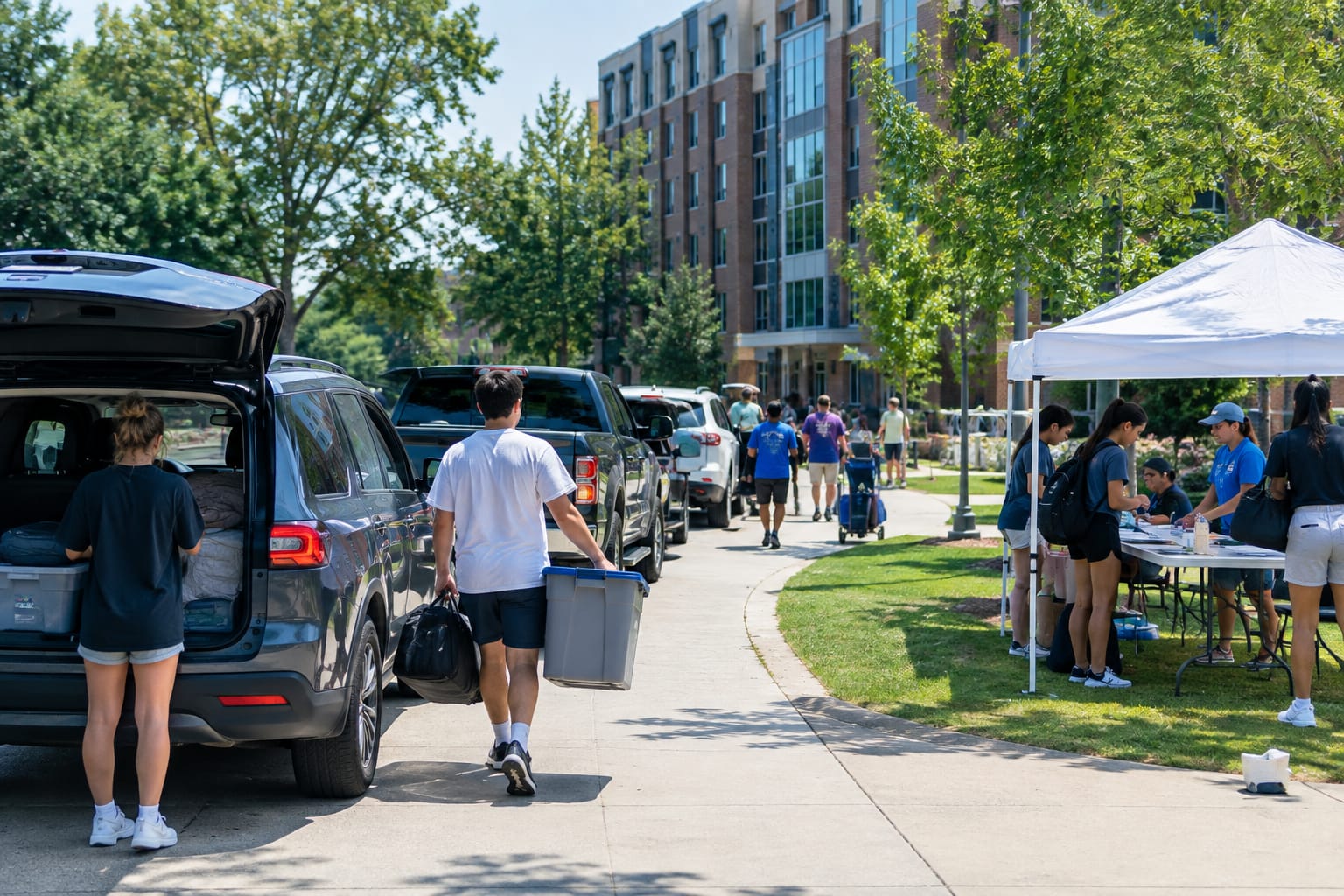
Students heading into or out of the dorms should treat parking and elevator rules the same way renters do. A practical college move-in planning guide covers the dorm-specific logistics that campus move-in days demand.
Routes and clearances: low bridges, one-ways, and not getting Storrowed
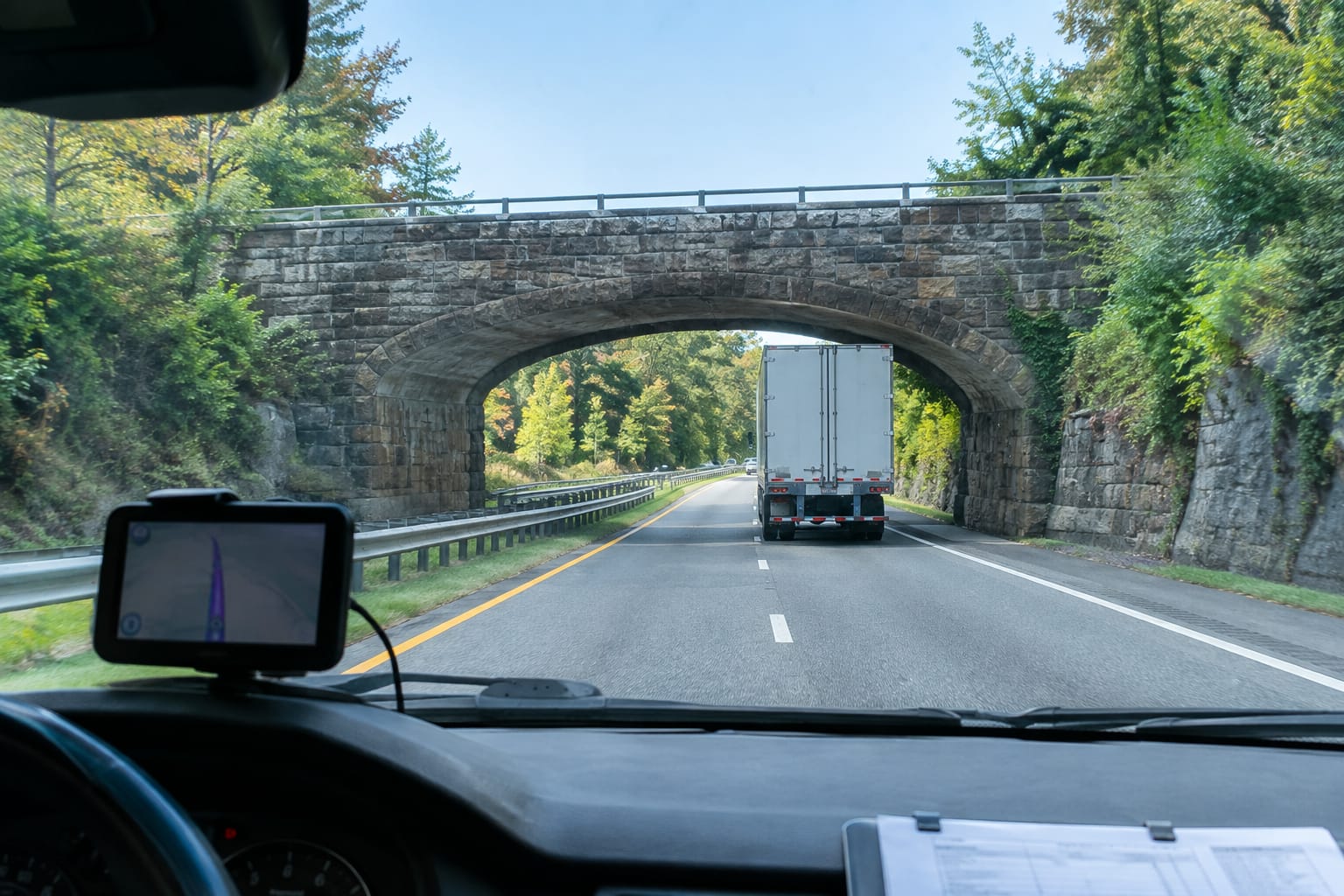
"Storrowed" is Boston-area slang for wedging a too-tall truck under a low parkway bridge — and it's an avoidable disaster. Before you drive, check the clearance and truck restrictions on Storrow Drive, Memorial Drive, and other parkways.
Rental and moving trucks are taller than the passenger cars a standard GPS assumes. If you're driving a rented truck to or from Waltham, plan a truck-legal route on main roads and highways, and read up on how not to get Storrowed before you turn the key.
Inside Waltham, watch for one-way sections and tight turns near the downtown grid. Know which direction the truck will approach and depart, so it never has to back down a narrow one-way.
What the crew needs from you on move-day morning
A crew works fastest when the access questions are already answered. Have these ready before they arrive:
- The reserved parking, signed and clear, with any permit paperwork on hand.
- The elevator reservation confirmed and the building contact reachable.
- The COI delivered to management and accepted.
- A clear path — hallways, stairwells, and the door propped, with cars moved out of driveways.
- A decision on parking conflicts, including the non-emergency number saved in your phone.
Small things save real time. Disassemble what you can the night before, label boxes by room, and keep a "load last, unload first" essentials box aside.
How access problems turn into billable hours (and how to prevent it)
Most local moves are billed by the hour, so anything that slows the crew adds cost. The three biggest time sinks are all access problems, not packing problems.
First is the long carry: every extra foot between truck and door multiplies across hundreds of trips. Second is waiting — for an elevator that wasn't reserved, or a parking spot that wasn't held. Third is re-routing a truck that hit a restricted road.
Prevent all three by locking down parking, elevator, and route in advance. That's the difference between a move that ends at lunch and one that runs past dinner.
Your two-week Waltham move timeline
- Two weeks out: Book your date and crew. Call Waltham to confirm whether you need a street occupancy permit and what the lead time is. Request your COI.
- Ten days out: Reserve the freight elevator and book your loading window with building management. Submit any permit application.
- One week out: Confirm the truck-legal route. Order packing supplies and start non-essentials.
- Two to three days out: Post no-parking signage per the city's required window. Notify neighbors. Confirm the COI was accepted.
- Day before: Finish packing, disassemble furniture, and stage the essentials box. Save the police non-emergency number.
- Move day: Verify the reserved space is clear, prop the door, and keep the building contact reachable.
If you're weighing a full-service crew against a labor-only load, a rundown of movers across the Greater Boston area can help you match the service level to your building and budget.
Do I need a permit to park a moving truck in Waltham, MA?
Many Massachusetts cities require a street occupancy permit or posted no-parking signage to legally reserve curb space. Confirm the exact requirement, department, fee, and lead time with the City of Waltham before your move date, since these vary by municipality and change over time.
How far in advance should I reserve street parking for a moving truck?
Apply as soon as your date is set, and post the signs for the full lead time the city requires. Because that window varies, ask the responsible Waltham office when you apply rather than assuming a standard number of days.
Why does my apartment building need a certificate of insurance from my movers?
The COI protects the building's common areas — lobbies, elevators, hallways — from damage during your move. Managed properties typically require it to name the building or management company by exact wording before they'll schedule the freight elevator.
When is the busiest time to move in the Boston area?
Late August through September 1. Student moves may add to demand in this window, so check the current Brandeis and Bentley calendars for exact dates. Book early and avoid month-end dates if your schedule allows.
Written by Born to Move Team, Moving Company Experts
Useful Links
- Where Can I Park My Moving Truck in Boston?
- Avoid Getting "Storrowed" in Boston: Essential Tips for Moving Truck Drivers
- How to Reserve an Elevator for Your Move: A Step-by-Step Guide
- Moving in Boston on September 1 or on August 31
Need help with this? Get a quote · Call (617) 903-2609
Frequently Asked Questions