'%3E%3Cpath%20fill='%231B2A47'%20d='M1.605%2016.263c.03-1.139.059-2.482.088-3.971.03-1.49.03-2.832.03-4.03%200-.758%200-1.576-.03-2.51%200-.905-.03-1.84-.03-2.803%200-.496-.028-.964-.028-1.43%200-.468%200-.906-.03-1.315h6.858q2.188%200%203.589.35c.963.234%201.663.643%202.13%201.198.496.555.73%201.372.73%202.394%200%20.788-.176%201.46-.497%201.985-.32.526-.846.935-1.575%201.197-.73.292-1.693.468-2.918.526v.263c1.313.087%202.334.263%203.122.525.758.263%201.342.672%201.692%201.197.35.526.525%201.197.525%202.044%200%201.08-.233%201.927-.67%202.57-.468.642-1.139%201.08-2.102%201.343-.933.262-2.159.408-3.705.408H1.605zm6.537-9.197q1.882%200%202.713-.526c.555-.35.817-.934.817-1.752%200-.905-.292-1.547-.846-1.927s-1.459-.554-2.655-.554H4.757v4.759zm.204%206.92c.934%200%201.663-.088%202.217-.263.555-.176.934-.438%201.197-.818s.38-.876.38-1.518c0-.876-.322-1.49-.934-1.84-.643-.35-1.635-.525-3.035-.525H4.757v4.963zM21.038%2016.555c-1.576%200-2.801-.292-3.618-.905-.817-.614-1.284-1.519-1.372-2.745-.087-1.226.205-2.774.847-4.613s1.43-3.358%202.392-4.584c.963-1.226%202.043-2.131%203.298-2.744C23.839.292%2025.24%200%2026.786%200c1.576%200%202.772.321%203.59.934.816.613%201.283%201.548%201.37%202.774s-.203%202.774-.845%204.613c-.642%201.81-1.43%203.358-2.393%204.584s-2.072%202.132-3.297%202.745a9.8%209.8%200%200%201-4.173.905m.788-2.278c.642%200%201.138-.058%201.371-.116.205-.059.496-.117.847-.322.262-.146.437-.292.554-.408.204-.175.32-.292.438-.41.204-.203.35-.408.496-.583.35-.438.642-.876.963-1.402.233-.408.466-.817.67-1.284.205-.438.38-.905.555-1.372.438-1.198.671-2.278.671-3.183s-.204-1.606-.612-2.131c-.409-.497-1.051-.76-1.897-.76-.467%200-.934.059-1.43.205h-.03c-1.02.292-1.925%201.226-2.042%201.372-.116.117-.467.526-.963%201.343a15.5%2015.5%200%200%200-1.342%202.92c-.408%201.197-.642%202.277-.671%203.182-.03.906.175%201.636.584%202.161q.611.788%201.838.788M14.853%2038.54c-1.576%200-2.802-.292-3.619-.905s-1.284-1.518-1.371-2.744c-.088-1.227.204-2.774.846-4.614s1.43-3.357%202.393-4.584%202.042-2.13%203.297-2.744c1.255-.613%202.655-.905%204.173-.905%201.575%200%202.772.321%203.589.934s1.284%201.548%201.371%202.774c.088%201.226-.204%202.774-.846%204.613-.642%201.81-1.43%203.358-2.393%204.584s-2.072%202.131-3.297%202.745c-1.226.613-2.626.846-4.143.846m.787-2.277c.642%200%201.138-.059%201.372-.117.204-.058.496-.117.846-.321.263-.146.438-.292.554-.409.205-.175.321-.292.438-.409.204-.204.35-.408.496-.584a13%2013%200%200%200%201.634-2.686c.204-.438.38-.905.555-1.372.437-1.197.67-2.277.67-3.182%200-.906-.203-1.606-.612-2.132-.409-.496-1.05-.759-1.897-.759-.467%200-.934.058-1.43.204h-.029c-1.021.292-1.925%201.227-2.042%201.373-.117.116-.467.525-.963%201.343a15.5%2015.5%200%200%200-1.342%202.92c-.409%201.196-.642%202.277-.671%203.182s.175%201.635.583%202.16q.613.789%201.838.789'/%3E%3Cpath%20fill='%23FF515E'%20d='M55.966%2038.57c-1.576%200-2.801-.293-3.618-.906s-1.284-1.518-1.372-2.744c-.087-1.227.204-2.774.846-4.613s1.43-3.358%202.393-4.584c.963-1.227%202.043-2.132%203.297-2.745s2.656-.905%204.173-.905c1.576%200%202.772.321%203.589.934s1.284%201.548%201.371%202.774c.088%201.226-.204%202.774-.846%204.613-.642%201.81-1.43%203.358-2.393%204.584s-2.071%202.131-3.297%202.745c-1.225.613-2.626.846-4.143.846m.788-2.249c.642%200%201.138-.058%201.371-.117.204-.058.496-.116.846-.32.263-.147.438-.293.555-.41a7%207%200%200%200%20.437-.408c.205-.205.35-.41.496-.584a13%2013%200%200%200%201.634-2.686c.205-.438.38-.905.555-1.373.438-1.197.671-2.277.671-3.182s-.204-1.606-.613-2.131c-.408-.497-1.05-.76-1.896-.76-.467%200-.934.059-1.43.205h-.03c-1.02.292-1.925%201.226-2.042%201.372-.117.117-.467.526-.963%201.343a15.5%2015.5%200%200%200-1.342%202.92c-.409%201.197-.642%202.277-.671%203.182s.175%201.635.583%202.16q.614.79%201.839.79'/%3E%3Cpath%20fill='%231B2A47'%20d='M33.06%2016.263c0-.35%200-.935.03-1.81.029-1.051.058-2.103.058-3.154s.03-2.073.03-3.007c0-1.606-.03-3.27-.06-4.993%200-.554-.028-1.08-.028-1.606%200-.525-.03-1.021-.03-1.46h6.828c1.46%200%202.685.117%203.59.38q1.4.394%202.1%201.314.7.963.7%202.628c0%20.992-.174%201.81-.554%202.452-.35.643-.904%201.11-1.604%201.431s-1.576.467-2.627.496v.263q2.058.087%203.064.876c.671.525%201.138%201.372%201.43%202.51.087.41.233%201.023.467%201.84.233.818.408%201.431.554%201.84h-3.414a11%2011%200%200%200-.262-1.022c-.321-1.314-.526-2.19-.584-2.628a5%205%200%200%200-.642-1.46%202.13%202.13%200%200%200-.963-.73c-.408-.146-.934-.233-1.605-.233h-3.326v6.0440000000000005H33.06zm6.332-8.292c1.343%200%202.276-.205%202.86-.613.554-.41.846-1.11.846-2.073%200-.73-.146-1.314-.408-1.723-.263-.409-.671-.7-1.197-.876q-.788-.263-2.1-.263h-3.181v5.519h3.18zM49.4%2016.263l.03-2.745c.029-2.452.029-4.905.029-7.416q0-2.101-.088-5.868h4.085l5.924%2010.335c.087.234.204.438.291.643.117.204.205.408.321.613.38.788.613%201.255.672%201.372h.262c0-.058-.03-.146-.03-.204%200-.059-.028-.117-.028-.175a75%2075%200%200%201-.175-1.314%2010%2010%200%200%201-.088-1.285c0-1.547%200-3.737-.029-6.57V1.84c0-.584-.03-1.11-.03-1.576h2.977c-.03%202.482-.058%205.08-.058%207.766%200%201.694%200%204.438.029%208.292h-4.027l-5.573-9.43c-.875-1.81-1.226-2.511-1.05-2.132-.263-.613-.467-1.08-.613-1.46h-.263c.058.35.117.876.175%201.548.059.7.117%201.168.117%201.46%200%202.978%200%206.306.029%209.985H49.4zM4.698%2038.277c.029-2.627.058-5.255.058-7.883%200-1.576%200-3.503-.029-5.752-1.109%200-2.684%200-4.727.03v-2.453h12.664v2.453c-1.955-.03-3.53-.03-4.756-.03%200%20.584-.03%201.227-.03%201.957s0%201.46-.029%202.218v1.84c0%202.57.03%205.11.059%207.62z'/%3E%3Cpath%20fill='%23FF515E'%20d='M29.441%2038.277c.409-1.05.788-2.102%201.168-3.182s.787-2.16%201.167-3.241c.613-1.693%201.05-2.949%201.342-3.766l1.255-3.65c.116-.38.262-.788.379-1.139.117-.38.263-.73.38-1.05h4.61l-.671%2012.904h.262l8.316-12.905h4.669l-.7%201.869c-.876%202.452-1.343%203.766-1.43%204a501%20501%200%200%200-3.385%2010.16h-2.947c.292-.846.788-2.219%201.459-4.087.175-.526.35-1.08.554-1.606.175-.526.38-1.08.555-1.577.642-1.81%201.342-3.825%202.072-6.014h-.234l-8.724%2013.314h-2.86l.554-13.314h-.175c-.175.496-.38.992-.554%201.489-.175.496-.38%201.022-.555%201.547a163%20163%200%200%200-1.08%203.008c-.145.38-.262.759-.408%201.138-.117.38-.262.73-.408%201.11-.7%201.898-1.284%203.59-1.751%205.05h-2.86zM68.047%2038.277c.175-2.19.32-4.525.467-7.007.058-.905.204-3.912.467-9.051h3.151c-.03.438-.058.934-.088%201.46s-.058%201.08-.087%201.693a264%20264%200%200%201-.409%206.657c-.145%201.986-.35%203.591-.583%204.788h.175Q72.147%2034.892%2073.94%2032a562%20562%200%200%201%204.465-7.066c.32-.496.641-.992.933-1.46s.555-.875.817-1.255h3.268q-.568.832-1.138%201.752c-.408.613-.787%201.255-1.196%201.927-3.88%206.014-6.478%2010.131-7.85%2012.35h-5.193zM79.106%2038.277c.32-.788.758-2.014%201.37-3.65a287%20287%200%200%200%201.577-4.32c.437-1.256.904-2.628%201.4-4.088s.934-2.774%201.313-3.97h11.322l-.846%202.364H87.1l-1.664%204.847%207.645-.088-.612%201.694-7.587-.088-1.75%204.934h8.286l-.846%202.365z'/%3E%3C/g%3E%3Cdefs%3E%3CclipPath%20id='a'%3E%3Cpath%20fill='%23fff'%20d='M0%200h96v40H0z'/%3E%3C/clipPath%3E%3C/defs%3E%3C/svg%3E)
Moving to Belmont, MA means planning around a tight residential street grid, narrow two-family driveways, and municipal rules that differ block by block. Belmont is not Boston, and it is not a suburb with big open lots either. It sits in between: dense older housing, three distinct village centers, and a set of town offices that control everything from where your truck parks to when you can register your kids for school.
This guide walks through the nine things experienced local crews plan for on a Belmont move — and, more importantly, the exact town department to contact for each one. Every item ends with a concrete next step you can confirm yourself.
Belmont in One Paragraph: Three Village Centers, One Very Tight Street Grid
Belmont is a residential town of roughly four square miles just west of Cambridge, built around three commercial hubs: Belmont Center, Cushing Square, and Waverley Square. Most housing stock is early-20th-century single-family homes and two-family houses on narrow lots, which means short driveways, on-street parking pressure, and steep interior staircases.
The practical takeaway: your move is governed less by mileage and more by access. A crew that has worked the town plans the truck position, the carry distance, and the staircase strategy before they ever load a box. That is the difference between a smooth day and an expensive one.
1. Which Village You're Moving Into Changes Your Move Day
Belmont Center, Cushing Square, and Waverley Square each present a different loading problem. Belmont Center has more foot traffic and metered spots near the commercial strip, so a large truck often needs a spot secured in advance. The residential streets feeding each square vary in width and parking density.
Homes closer to a village center frequently have no usable driveway, forcing an on-street park and a longer walk to the door. Homes on the outer residential streets may have a driveway but a tight one. Knowing your specific street decides whether you need a smaller truck, a parking sign posted, or a shuttle.
Q: What is the difference between moving into Belmont Center and the outer streets?
A: Belmont Center and Cushing Square have denser parking and more foot traffic, so trucks usually park on-street and carry farther, while outer residential streets more often offer a driveway — though frequently a narrow one.
Full-service crews that regularly handle movers across the Greater Boston area scout the address type first. If you are weighing your options town by town, the complete guide to Boston moving companies covers how access shapes local pricing.
2. Street Parking, Overnight Rules, and Moving Truck Access
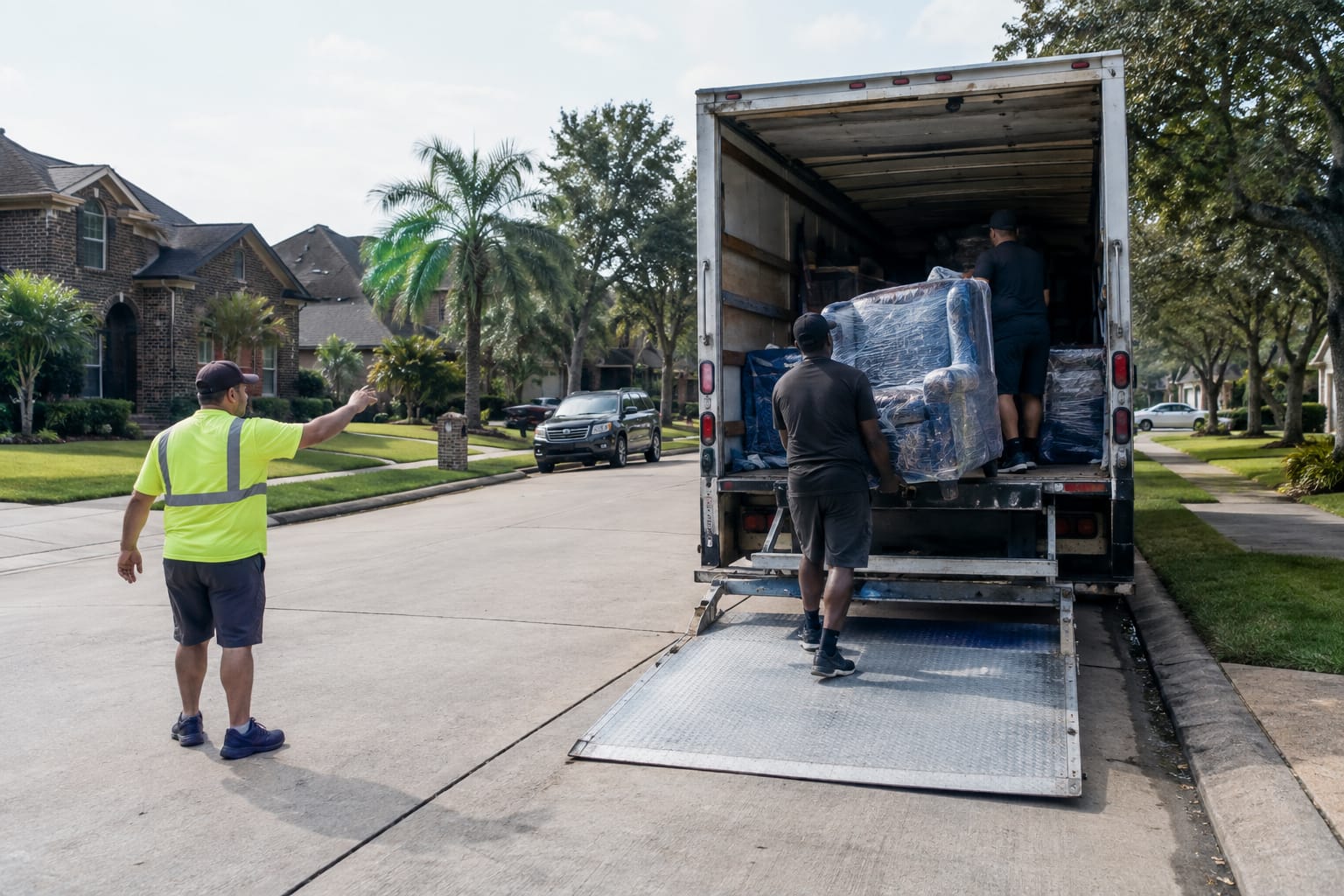
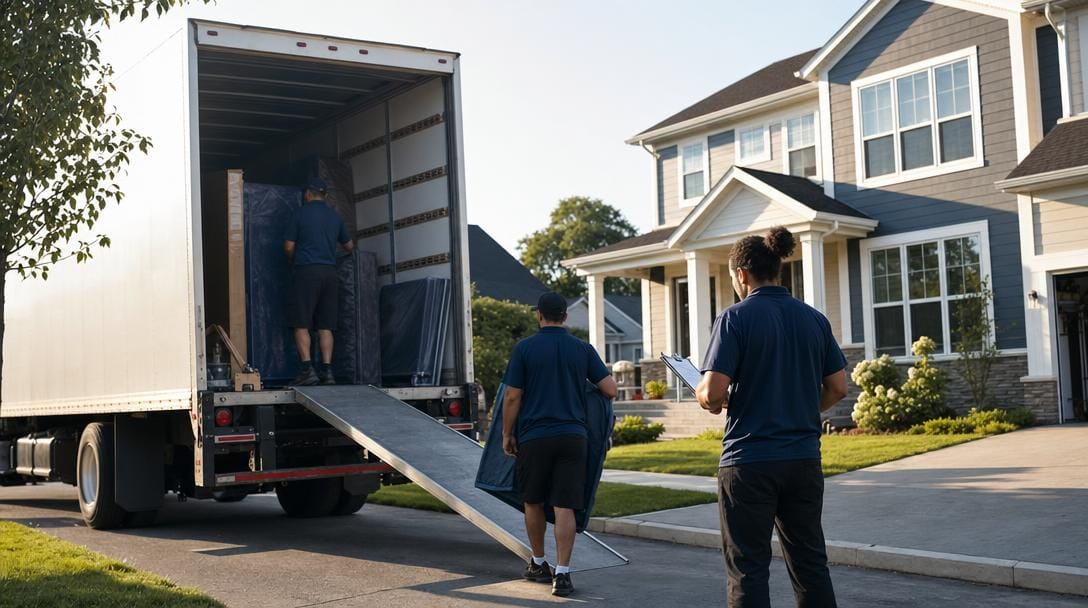
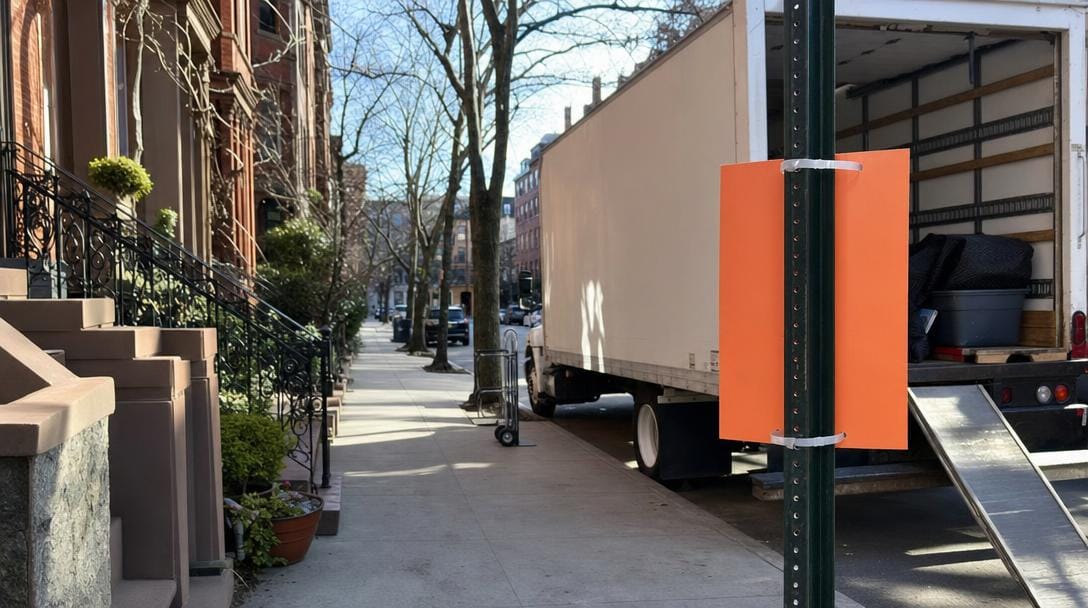
Here's the thing about Belmont: much of the town restricts overnight on-street parking, and moving trucks are large enough to need reserved curb space. You cannot assume a 26-foot truck can simply idle at your curb all day without consequences.
Belmont's parking and street-occupancy rules are administered by the town, with sign posting and traffic matters handled through the Police Department and the Department of Public Works. Confirm current requirements on the Town of Belmont official website before move day, and ask specifically whether you need a temporary "no parking" sign posted to hold curb space for the truck.
Q: Do I need a permit to park a moving truck on the street in Belmont, MA?
A: Belmont regulates street occupancy and sign posting through the Police Department traffic division and DPW; contact them directly to confirm whether a temporary no-parking posting is required for your street and truck size.
Belmont's constraints echo the broader region. Crews who spend their days parking a moving truck in the Boston area know that securing the curb ahead of time prevents a long-carry surprise.
3. Narrow Driveways and When Your Crew Needs a Shuttle
Many Belmont driveways were built for a Model A, not a box truck. When a full-size truck cannot fit, the crew runs a shuttle — a smaller vehicle that ferries goods between the house and the big truck parked on a wider street nearby.
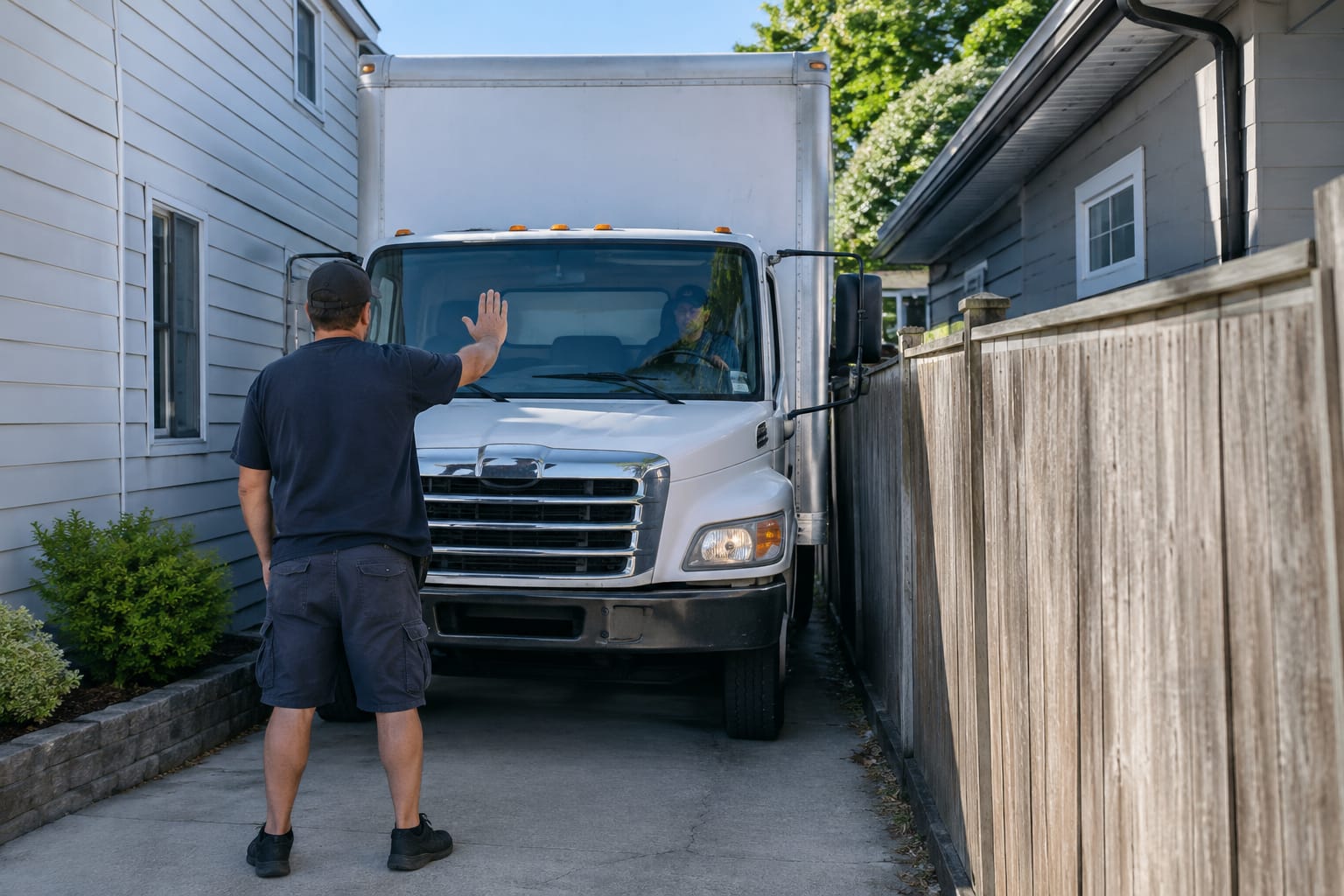
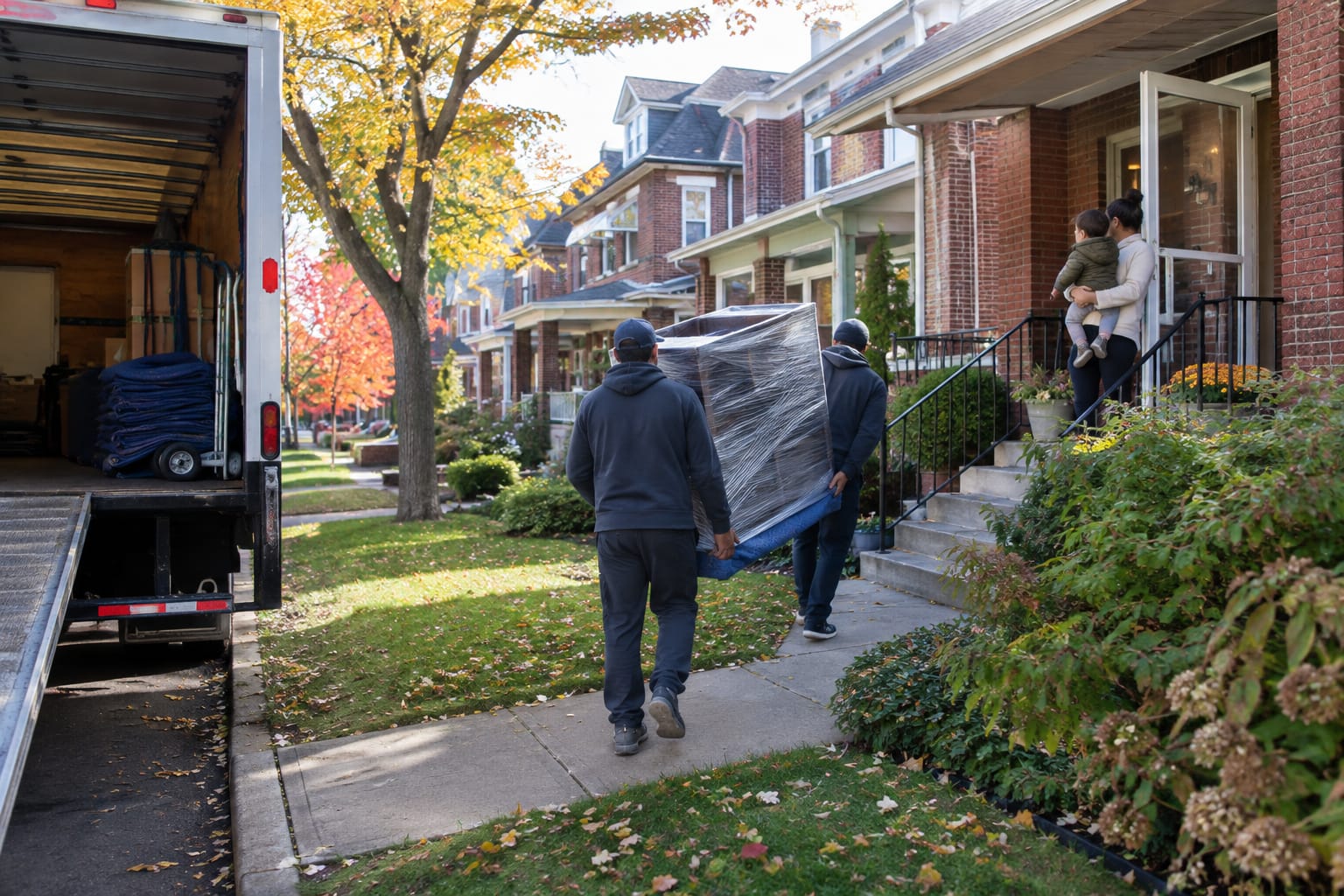
A shuttle adds time and labor, so it belongs in the plan, not the surprise column. The alternative is a long carry: movers walk your belongings a longer distance from a legally parked truck to your door. Either approach is routine here — what matters is deciding which one applies before the truck arrives.
Pro Tip: Walk your driveway with a tape measure and note the tightest pinch point (usually between a fence and the neighbor's wall). Share that number when you book, and the crew can decide truck size and shuttle need in advance.
4. Two-Family Staircases, Landings, and What Won't Fit
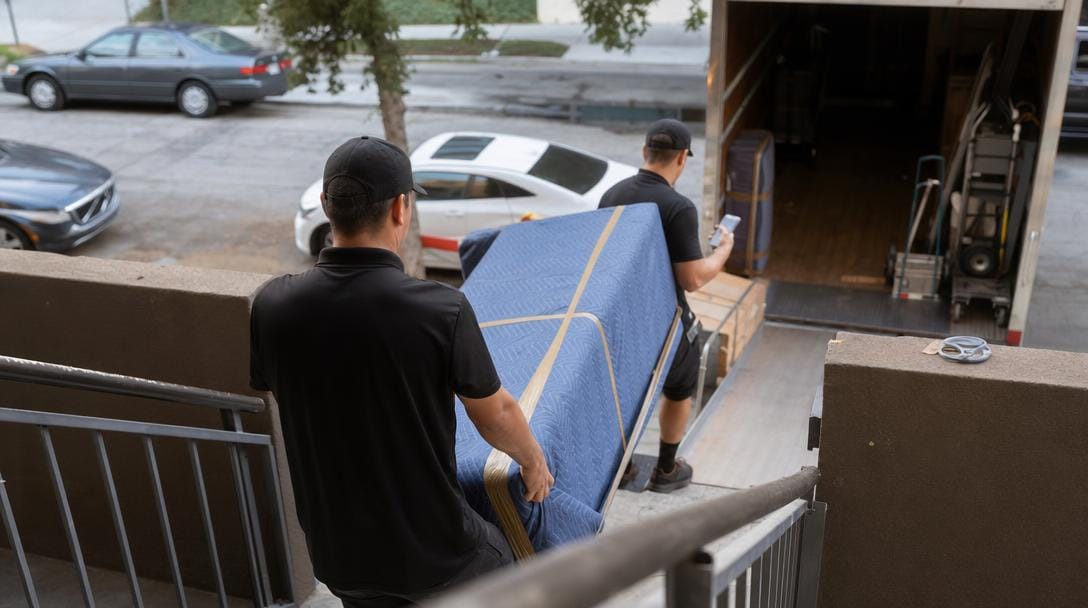
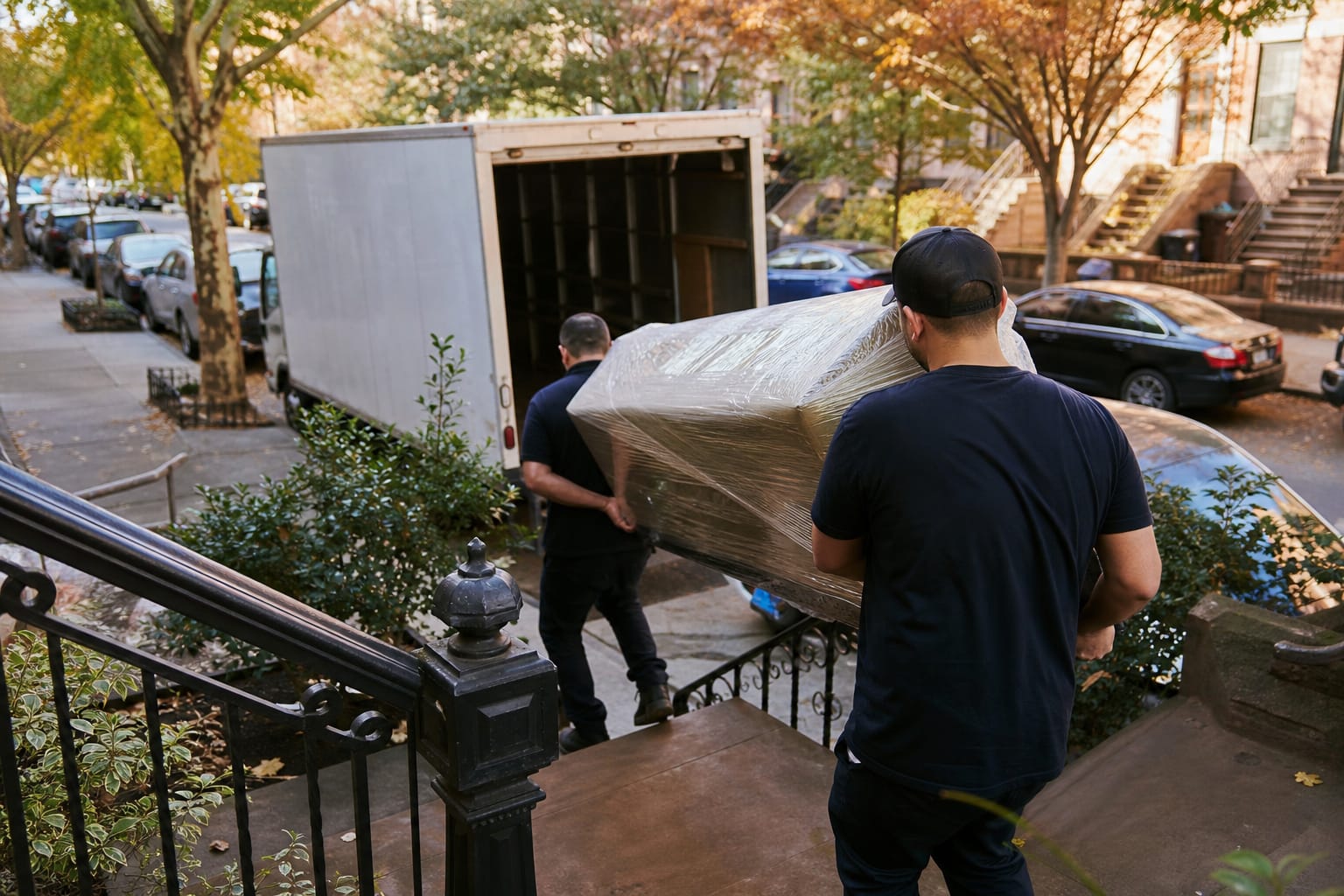
Belmont's two-family houses are known for steep, narrow interior staircases with sharp landings. A queen box spring, a large sectional, or a tall armoire often will not clear a 90-degree turn at the top of the stairs.
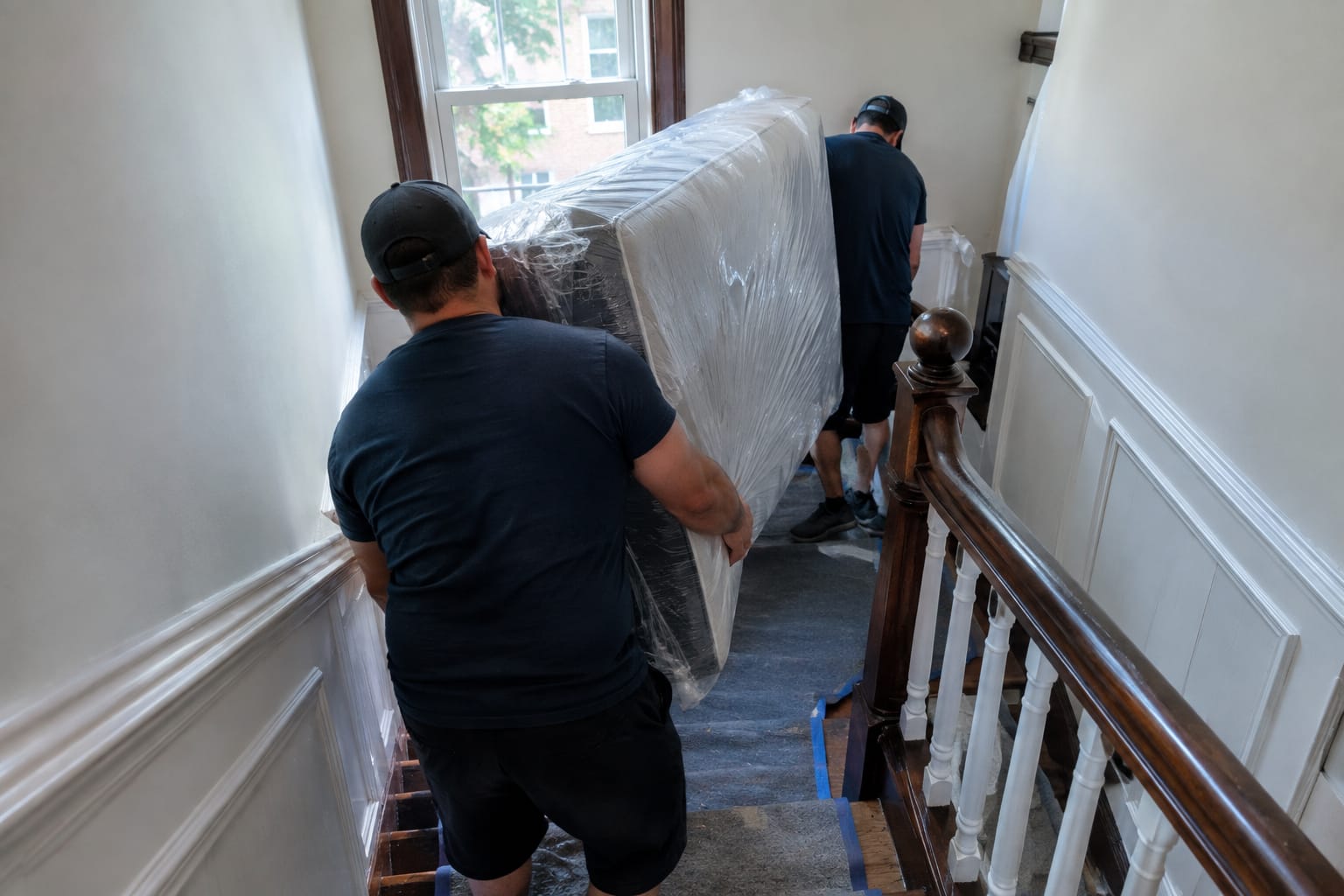
Experienced crews measure the landing and the doorways, then decide whether an item gets stood on end, disassembled, or — in older homes — hoisted through a window. Furniture disassembly and reassembly is a common add-on precisely because so much local housing demands it.
Pro Tip: Measure your largest three items and the narrowest staircase turn before the estimate. If a piece won't make the turn, you'll know to plan disassembly or a hoist rather than discovering it mid-carry.
5. Trash, Recycling, and Getting Rid of What You're Not Taking
Every move produces a pile of things you don't want to keep — an old couch, a broken bed frame, mountains of flattened cardboard. Belmont handles trash, recycling, and bulky-item pickup through the Department of Public Works, and the rules are specific about what goes out when.
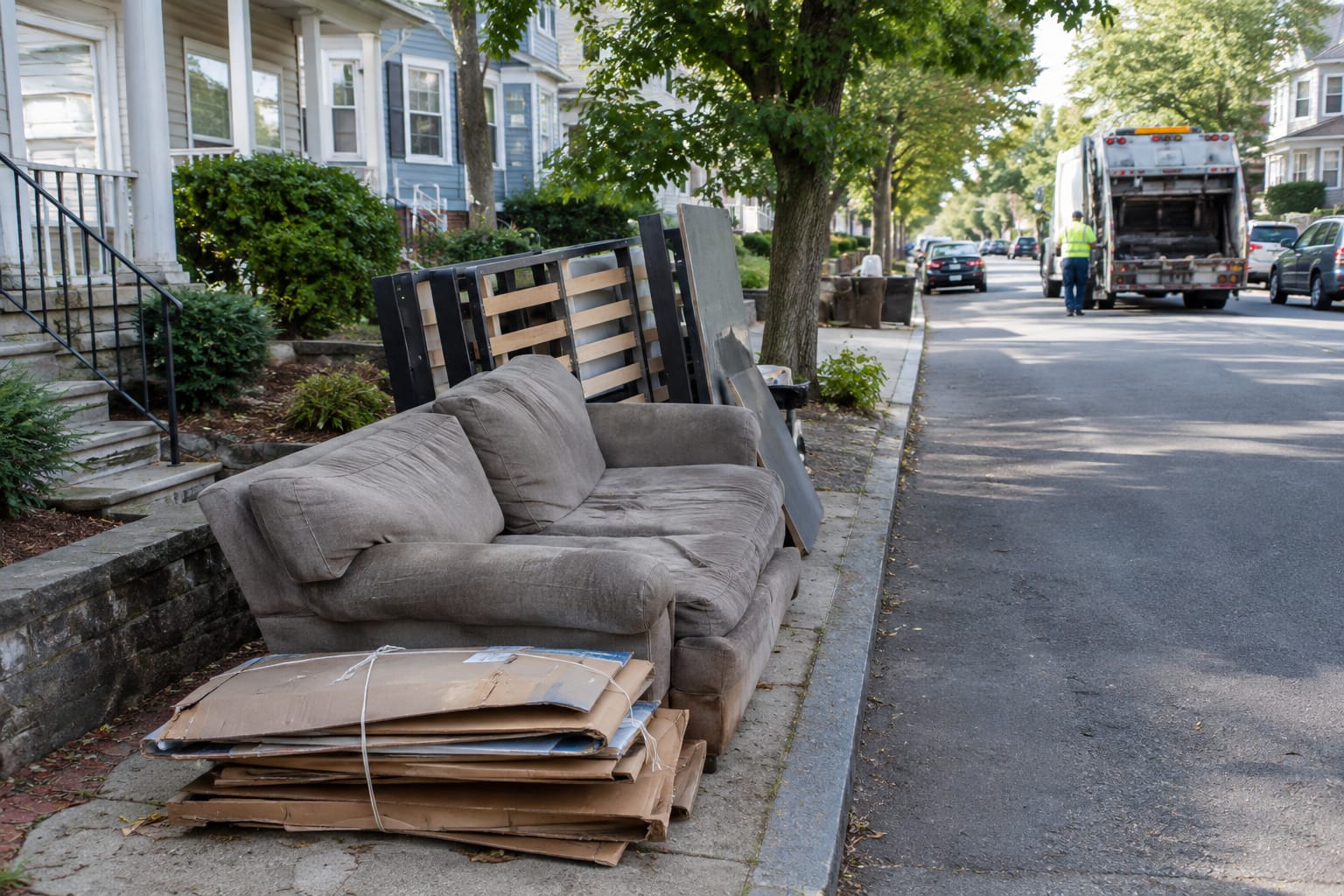
Bulky items such as furniture and mattresses typically require a scheduled pickup rather than curbside abandonment, and some materials are banned from regular trash. Check the current schedule and item rules on the Belmont DPW trash and recycling pages so you don't leave a pile that never gets collected.
Q: Where do I dispose of furniture I'm not taking to the new house?
A: Belmont DPW handles bulky-item collection on a scheduled basis; arrange a pickup through the department in advance, since large furniture and mattresses generally can't just be left at the curb on a normal trash day.
Sort keep, donate, and discard piles a week before the truck arrives. It shrinks the load, lowers labor time, and keeps you clear of a bulky-item fine.
6. School Registration and Timing Your Move Around the Calendar
If you're moving with children, Belmont Public Schools registration is often the deadline that really drives your move date. Enrollment requires proof of Belmont residency, so your lease or closing documents and utility records matter as much as your boxes.
Start the process early and gather the documentation the district specifies. Review the requirements and proof-of-residency list on the Belmont Public Schools registration page and contact the enrollment office to confirm what current forms they accept.
Q: How do I register my child for Belmont Public Schools after moving?
A: Belmont Public Schools requires proof of residency such as a deed, lease, or utility bill; complete the district's registration process through its enrollment office, ideally before the school year starts.
Moving in mid-summer gives you the widest runway to register before September. That timing also affects truck availability, which the next sections cover.
7. Commuting from Belmont: Fitchburg Line, Buses, and Route 2
Where you land in Belmont shapes your daily commute. The MBTA Fitchburg Line serves the town with two stops — Belmont Center and Waverley — offering commuter rail service toward Cambridge and Boston's North Station.
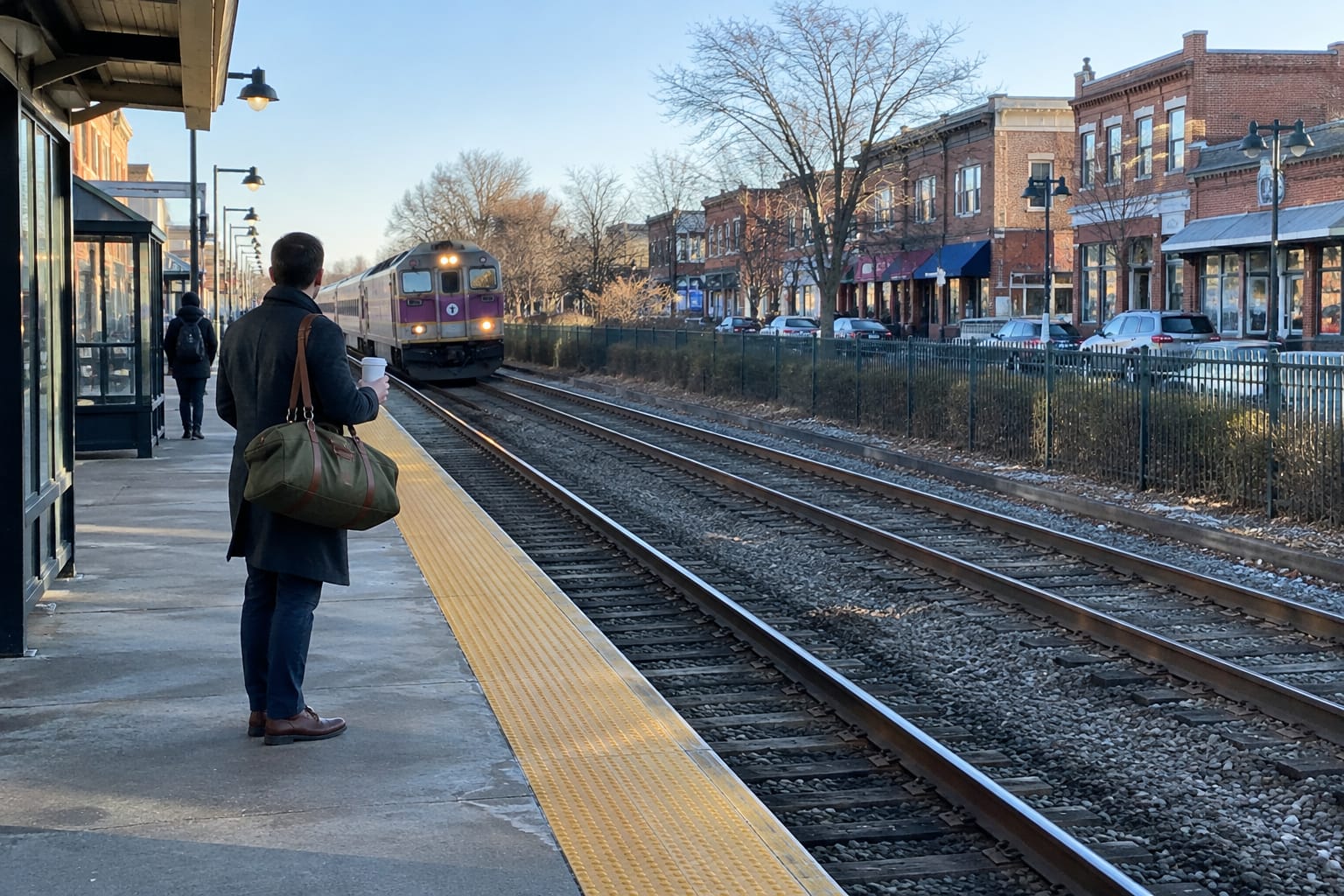
Check current stops and timetables on the MBTA Fitchburg Line schedule before you commit to a neighborhood. Bus routes and Route 2 give drivers alternatives, though Route 2 traffic into the city is heavy at peak hours.
Proximity to a station is a genuine quality-of-life factor here. If a short walk to the Belmont Center platform matters to you, weigh it against the tighter parking and carry conditions near the village center.
8. Winter Moves and Snow Emergency Parking Bans
New England winters put a real constraint on move dates. When Belmont declares a snow emergency parking ban, on-street parking is prohibited so plows can clear the roads — and that directly conflicts with a truck that needs the curb all day.
Confirm the town's current snow emergency and parking-ban policy on the Town of Belmont website and monitor the forecast in the days before a winter move. A crew keeps floor runners and extra protection on hand because snow and salt get tracked straight into the new home.
Q: What happens to my move if it snows on moving day?
A: A declared snow emergency parking ban can prohibit the on-street parking a truck needs; keep the move date flexible in winter and confirm Belmont's ban status with the town before the crew heads out.
Winter also means navigating the region's low bridges with a full truck. Crews plan routes that keep them off the low-clearance parkways to keep your truck off, a hazard that gets worse when snowbanks narrow the lanes.
9. The Gap Between Closing and Move-In: Storage Options
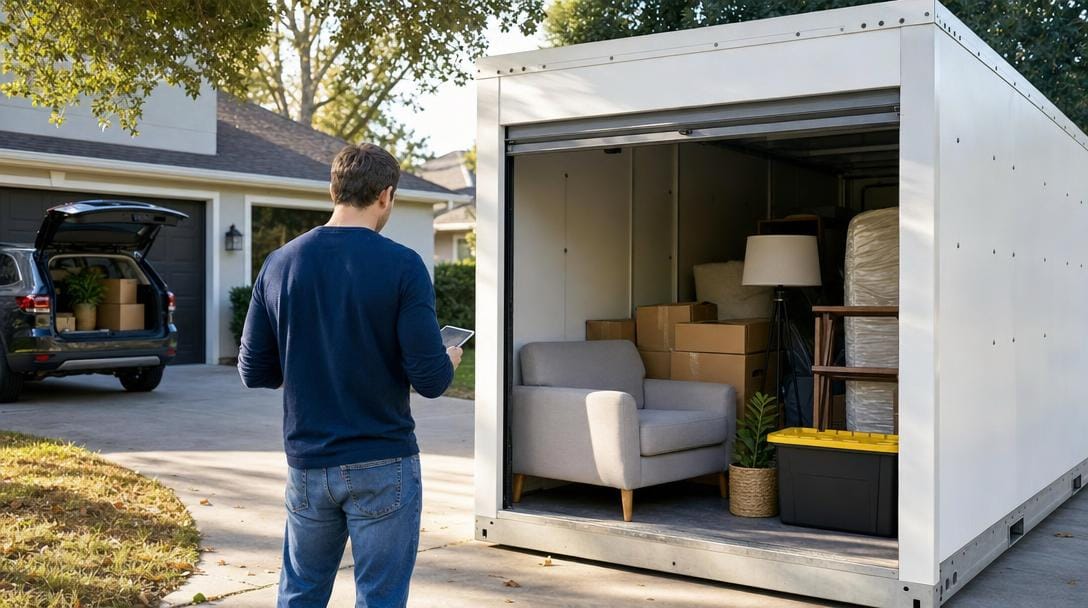
Buy-and-sell timing rarely lines up perfectly. When your old place closes before the new one is ready, short-term storage bridges the gap — your belongings load onto the truck, go to a storage facility, and deliver when you have keys.
Sizing the unit correctly saves money and hassle. Start by figuring out how much storage you need based on your home size, then decide between full-service storage-in-transit and a self-storage unit you manage.
Book storage the moment your dates look uncertain. Availability tightens in peak summer, and a confirmed unit removes the biggest source of last-minute stress.
What a Local Belmont Move Typically Involves
A full-service local move in Belmont usually starts with a quote based on your home size, distance, and any add-on services. The size of the property, the relocation distance, and the extras you choose determine how accurate that estimate is — which is why detailed access information matters so much in this town.
Common add-ons include special-item handling, furniture disassembly and reassembly, storage, and packing or unpacking, each carrying a charge beyond the base hourly rate. For a breakdown of how these pieces combine, see this overview of local moving service pricing.
Belmont does not have Boston's infamous September 1 lease-turnover crush, but late summer still books out fast because of school timing and college-driven demand across the metro. If you're moving from the city side, understanding the September 1 moving rush explains why regional truck availability tightens in that window.
Your Pre-Move Belmont Contact Checklist
| What you need | Belmont office to contact | What to ask |
|---|---|---|
| Truck parking / street occupancy | Police Department traffic division & DPW | Whether a temporary no-parking sign posting is required for your street |
| Snow emergency rules (winter moves) | Town of Belmont | Current parking-ban policy and how bans are announced |
| Trash, recycling, bulky-item pickup | Belmont DPW | Schedule and rules for furniture, mattresses, and cardboard |
| School registration | Belmont Public Schools enrollment office | Accepted proof-of-residency documents and deadlines |
| Commuter rail timing | MBTA (Fitchburg Line) | Current Belmont Center and Waverley schedules |
Key Takeaways
- Belmont's three village centers — Belmont Center, Cushing Square, and Waverley Square — each present different truck access and parking conditions, so your specific street shapes the move plan.
- Confirm street-occupancy and no-parking sign posting with the Belmont Police traffic division and DPW before move day; large trucks often need reserved curb space.
- Narrow driveways and steep two-family staircases frequently force a shuttle truck, a long carry, or furniture disassembly — measure your tightest points in advance.
- Belmont DPW governs bulky-item disposal on a scheduled basis, so arrange pickup for furniture and mattresses rather than leaving them at the curb.
- School registration requires proof of Belmont residency, and winter snow emergency parking bans can override a truck's curb access — both should drive your date choice.
About Moving to Belmont, MA
What is the best day of the week to move in Belmont?
Midweek moves generally face lighter parking competition and easier truck access than weekends, especially near the village centers. Availability is widest outside the late-summer peak.
How long does it take to move a 3-bedroom house in Belmont?
Timing depends heavily on access — a home with a long carry or a shuttle and steep staircases takes noticeably longer than one with driveway parking and a straight interior stairway. Share your access details when booking for an accurate window.
How far in advance should I book Belmont movers?
Book as early as your dates are firm, and earlier in peak summer when regional demand and school timing tighten availability. If storage is involved, reserve that at the same time.
Does Belmont have a September 1 moving rush like Boston?
Belmont lacks Boston's concentrated September 1 lease-turnover surge, but late-summer demand across the metro still books trucks out well ahead — plan around it.
Written by GoBorn Team, Moving Company Experts
Useful Links
- Best Movers in the Greater Boston Area by Neighborhood
- Local Movers Boston: Complete Guide to Boston Moving Companies
- Where Can I Park My Moving Truck in Boston?
- Moving in Boston on September 1 or on August 31
- Checklist for a Hassle-Free Move
Frequently Asked Questions