'%3E%3Cpath%20fill='%231B2A47'%20d='M1.605%2016.263c.03-1.139.059-2.482.088-3.971.03-1.49.03-2.832.03-4.03%200-.758%200-1.576-.03-2.51%200-.905-.03-1.84-.03-2.803%200-.496-.028-.964-.028-1.43%200-.468%200-.906-.03-1.315h6.858q2.188%200%203.589.35c.963.234%201.663.643%202.13%201.198.496.555.73%201.372.73%202.394%200%20.788-.176%201.46-.497%201.985-.32.526-.846.935-1.575%201.197-.73.292-1.693.468-2.918.526v.263c1.313.087%202.334.263%203.122.525.758.263%201.342.672%201.692%201.197.35.526.525%201.197.525%202.044%200%201.08-.233%201.927-.67%202.57-.468.642-1.139%201.08-2.102%201.343-.933.262-2.159.408-3.705.408H1.605zm6.537-9.197q1.882%200%202.713-.526c.555-.35.817-.934.817-1.752%200-.905-.292-1.547-.846-1.927s-1.459-.554-2.655-.554H4.757v4.759zm.204%206.92c.934%200%201.663-.088%202.217-.263.555-.176.934-.438%201.197-.818s.38-.876.38-1.518c0-.876-.322-1.49-.934-1.84-.643-.35-1.635-.525-3.035-.525H4.757v4.963zM21.038%2016.555c-1.576%200-2.801-.292-3.618-.905-.817-.614-1.284-1.519-1.372-2.745-.087-1.226.205-2.774.847-4.613s1.43-3.358%202.392-4.584c.963-1.226%202.043-2.131%203.298-2.744C23.839.292%2025.24%200%2026.786%200c1.576%200%202.772.321%203.59.934.816.613%201.283%201.548%201.37%202.774s-.203%202.774-.845%204.613c-.642%201.81-1.43%203.358-2.393%204.584s-2.072%202.132-3.297%202.745a9.8%209.8%200%200%201-4.173.905m.788-2.278c.642%200%201.138-.058%201.371-.116.205-.059.496-.117.847-.322.262-.146.437-.292.554-.408.204-.175.32-.292.438-.41.204-.203.35-.408.496-.583.35-.438.642-.876.963-1.402.233-.408.466-.817.67-1.284.205-.438.38-.905.555-1.372.438-1.198.671-2.278.671-3.183s-.204-1.606-.612-2.131c-.409-.497-1.051-.76-1.897-.76-.467%200-.934.059-1.43.205h-.03c-1.02.292-1.925%201.226-2.042%201.372-.116.117-.467.526-.963%201.343a15.5%2015.5%200%200%200-1.342%202.92c-.408%201.197-.642%202.277-.671%203.182-.03.906.175%201.636.584%202.161q.611.788%201.838.788M14.853%2038.54c-1.576%200-2.802-.292-3.619-.905s-1.284-1.518-1.371-2.744c-.088-1.227.204-2.774.846-4.614s1.43-3.357%202.393-4.584%202.042-2.13%203.297-2.744c1.255-.613%202.655-.905%204.173-.905%201.575%200%202.772.321%203.589.934s1.284%201.548%201.371%202.774c.088%201.226-.204%202.774-.846%204.613-.642%201.81-1.43%203.358-2.393%204.584s-2.072%202.131-3.297%202.745c-1.226.613-2.626.846-4.143.846m.787-2.277c.642%200%201.138-.059%201.372-.117.204-.058.496-.117.846-.321.263-.146.438-.292.554-.409.205-.175.321-.292.438-.409.204-.204.35-.408.496-.584a13%2013%200%200%200%201.634-2.686c.204-.438.38-.905.555-1.372.437-1.197.67-2.277.67-3.182%200-.906-.203-1.606-.612-2.132-.409-.496-1.05-.759-1.897-.759-.467%200-.934.058-1.43.204h-.029c-1.021.292-1.925%201.227-2.042%201.373-.117.116-.467.525-.963%201.343a15.5%2015.5%200%200%200-1.342%202.92c-.409%201.196-.642%202.277-.671%203.182s.175%201.635.583%202.16q.613.789%201.838.789'/%3E%3Cpath%20fill='%23FF515E'%20d='M55.966%2038.57c-1.576%200-2.801-.293-3.618-.906s-1.284-1.518-1.372-2.744c-.087-1.227.204-2.774.846-4.613s1.43-3.358%202.393-4.584c.963-1.227%202.043-2.132%203.297-2.745s2.656-.905%204.173-.905c1.576%200%202.772.321%203.589.934s1.284%201.548%201.371%202.774c.088%201.226-.204%202.774-.846%204.613-.642%201.81-1.43%203.358-2.393%204.584s-2.071%202.131-3.297%202.745c-1.225.613-2.626.846-4.143.846m.788-2.249c.642%200%201.138-.058%201.371-.117.204-.058.496-.116.846-.32.263-.147.438-.293.555-.41a7%207%200%200%200%20.437-.408c.205-.205.35-.41.496-.584a13%2013%200%200%200%201.634-2.686c.205-.438.38-.905.555-1.373.438-1.197.671-2.277.671-3.182s-.204-1.606-.613-2.131c-.408-.497-1.05-.76-1.896-.76-.467%200-.934.059-1.43.205h-.03c-1.02.292-1.925%201.226-2.042%201.372-.117.117-.467.526-.963%201.343a15.5%2015.5%200%200%200-1.342%202.92c-.409%201.197-.642%202.277-.671%203.182s.175%201.635.583%202.16q.614.79%201.839.79'/%3E%3Cpath%20fill='%231B2A47'%20d='M33.06%2016.263c0-.35%200-.935.03-1.81.029-1.051.058-2.103.058-3.154s.03-2.073.03-3.007c0-1.606-.03-3.27-.06-4.993%200-.554-.028-1.08-.028-1.606%200-.525-.03-1.021-.03-1.46h6.828c1.46%200%202.685.117%203.59.38q1.4.394%202.1%201.314.7.963.7%202.628c0%20.992-.174%201.81-.554%202.452-.35.643-.904%201.11-1.604%201.431s-1.576.467-2.627.496v.263q2.058.087%203.064.876c.671.525%201.138%201.372%201.43%202.51.087.41.233%201.023.467%201.84.233.818.408%201.431.554%201.84h-3.414a11%2011%200%200%200-.262-1.022c-.321-1.314-.526-2.19-.584-2.628a5%205%200%200%200-.642-1.46%202.13%202.13%200%200%200-.963-.73c-.408-.146-.934-.233-1.605-.233h-3.326v6.0440000000000005H33.06zm6.332-8.292c1.343%200%202.276-.205%202.86-.613.554-.41.846-1.11.846-2.073%200-.73-.146-1.314-.408-1.723-.263-.409-.671-.7-1.197-.876q-.788-.263-2.1-.263h-3.181v5.519h3.18zM49.4%2016.263l.03-2.745c.029-2.452.029-4.905.029-7.416q0-2.101-.088-5.868h4.085l5.924%2010.335c.087.234.204.438.291.643.117.204.205.408.321.613.38.788.613%201.255.672%201.372h.262c0-.058-.03-.146-.03-.204%200-.059-.028-.117-.028-.175a75%2075%200%200%201-.175-1.314%2010%2010%200%200%201-.088-1.285c0-1.547%200-3.737-.029-6.57V1.84c0-.584-.03-1.11-.03-1.576h2.977c-.03%202.482-.058%205.08-.058%207.766%200%201.694%200%204.438.029%208.292h-4.027l-5.573-9.43c-.875-1.81-1.226-2.511-1.05-2.132-.263-.613-.467-1.08-.613-1.46h-.263c.058.35.117.876.175%201.548.059.7.117%201.168.117%201.46%200%202.978%200%206.306.029%209.985H49.4zM4.698%2038.277c.029-2.627.058-5.255.058-7.883%200-1.576%200-3.503-.029-5.752-1.109%200-2.684%200-4.727.03v-2.453h12.664v2.453c-1.955-.03-3.53-.03-4.756-.03%200%20.584-.03%201.227-.03%201.957s0%201.46-.029%202.218v1.84c0%202.57.03%205.11.059%207.62z'/%3E%3Cpath%20fill='%23FF515E'%20d='M29.441%2038.277c.409-1.05.788-2.102%201.168-3.182s.787-2.16%201.167-3.241c.613-1.693%201.05-2.949%201.342-3.766l1.255-3.65c.116-.38.262-.788.379-1.139.117-.38.263-.73.38-1.05h4.61l-.671%2012.904h.262l8.316-12.905h4.669l-.7%201.869c-.876%202.452-1.343%203.766-1.43%204a501%20501%200%200%200-3.385%2010.16h-2.947c.292-.846.788-2.219%201.459-4.087.175-.526.35-1.08.554-1.606.175-.526.38-1.08.555-1.577.642-1.81%201.342-3.825%202.072-6.014h-.234l-8.724%2013.314h-2.86l.554-13.314h-.175c-.175.496-.38.992-.554%201.489-.175.496-.38%201.022-.555%201.547a163%20163%200%200%200-1.08%203.008c-.145.38-.262.759-.408%201.138-.117.38-.262.73-.408%201.11-.7%201.898-1.284%203.59-1.751%205.05h-2.86zM68.047%2038.277c.175-2.19.32-4.525.467-7.007.058-.905.204-3.912.467-9.051h3.151c-.03.438-.058.934-.088%201.46s-.058%201.08-.087%201.693a264%20264%200%200%201-.409%206.657c-.145%201.986-.35%203.591-.583%204.788h.175Q72.147%2034.892%2073.94%2032a562%20562%200%200%201%204.465-7.066c.32-.496.641-.992.933-1.46s.555-.875.817-1.255h3.268q-.568.832-1.138%201.752c-.408.613-.787%201.255-1.196%201.927-3.88%206.014-6.478%2010.131-7.85%2012.35h-5.193zM79.106%2038.277c.32-.788.758-2.014%201.37-3.65a287%20287%200%200%200%201.577-4.32c.437-1.256.904-2.628%201.4-4.088s.934-2.774%201.313-3.97h11.322l-.846%202.364H87.1l-1.664%204.847%207.645-.088-.612%201.694-7.587-.088-1.75%204.934h8.286l-.846%202.365z'/%3E%3C/g%3E%3Cdefs%3E%3CclipPath%20id='a'%3E%3Cpath%20fill='%23fff'%20d='M0%200h96v40H0z'/%3E%3C/clipPath%3E%3C/defs%3E%3C/svg%3E)
A long-distance move usually takes one loading day, one to several driving days, and a delivery window of several days on top of that. The exact number depends on the lane, the distance, and whether your goods ride a dedicated truck or a shared load. Short corridors like Boston to New York can finish overnight or next-day. Cross-country hauls to Los Angeles typically span one to two weeks door to door.
That single question — "how long does a long distance move take" — hides three separate clocks. This guide breaks them apart, gives realistic transit windows lane by lane, and explains the two things most articles skip: the delivery spread written on your paperwork, and the difference between a dedicated truck and a consolidated load.
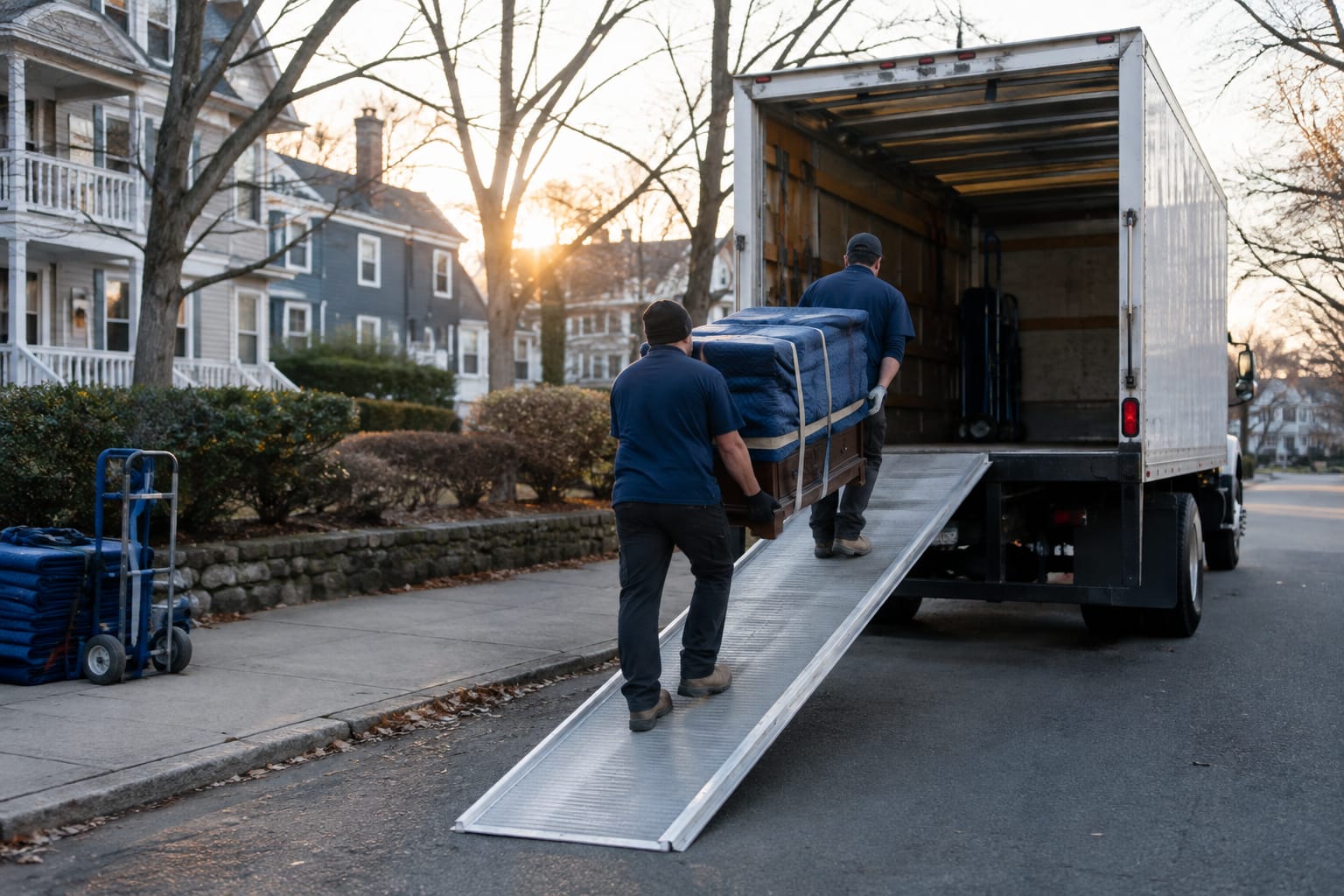
The Short Answer: Loading Day, Transit Days, and the Delivery Window
Total move time is three things added together: loading day + driving days + delivery window. Loading a typical home takes a single day. Driving days depend on distance and federal drive-time limits. The delivery window is the range of dates your mover commits to, not a single guaranteed day.
Think of it as a calendar, not a clock. Your crew loads on day one. The truck then covers a capped number of highway miles per day. Your belongings arrive somewhere inside an agreed range of dates.
Q: How long does a long-distance move take on average?
A: Most interstate household moves take between 2 and 14 days from pickup to delivery, driven mainly by distance and whether the truck is dedicated to your shipment alone.
Understanding what to know about interstate moving before you book helps you read an estimate correctly and set moving-day expectations that hold up.
Transit Windows by Lane: What to Expect From Boston to Major Metros
Movers dispatch by lane — a fixed origin-to-destination corridor — not by a generic national average. The table below shows approximate one-way driving distances and realistic transit expectations from Greater Boston to major metros. Distances are approximate driving miles from standard mapping tools; treat every window as typical, not guaranteed.
| Lane (from Boston) | Approx. driving miles | Typical transit window | Dedicated vs. consolidated note |
|---|---|---|---|
| Boston ↔ New York City | ~215 mi | Same-day to next-day | Often runs dedicated on short runs |
| Boston ↔ Washington DC | ~440 mi | 1–3 days | Either, depending on load size |
| Boston ↔ Chicago | ~980 mi | 2–5 days | |
| Boston ↔ Miami | ~1,500 mi | 3–7 days | Consolidated common; spread widens |
| Boston ↔ Houston | ~1,850 mi | 4–8 days | Consolidated common |
| Boston ↔ Los Angeles / San Francisco | ~3,000–3,100 mi | 7–14 days | Dedicated shortens; consolidated lengthens |
The pattern is simple: distance sets the floor, and routing sets the ceiling. A Boston-to-Chicago dedicated run can beat the window above, while a consolidated cross-country load can push toward the far end. For the West Coast specifically, planning a Boston-to-Los Angeles move around a one-to-two-week window keeps your expectations realistic.
Boston to New York: Why This Lane Runs Overnight or Next-Day
Boston to New York is roughly 215 driving miles down Interstate 95 — under a single legal driving shift for one commercial driver. That short distance is why the lane can finish same-day or next-day when a truck runs dedicated to your shipment.
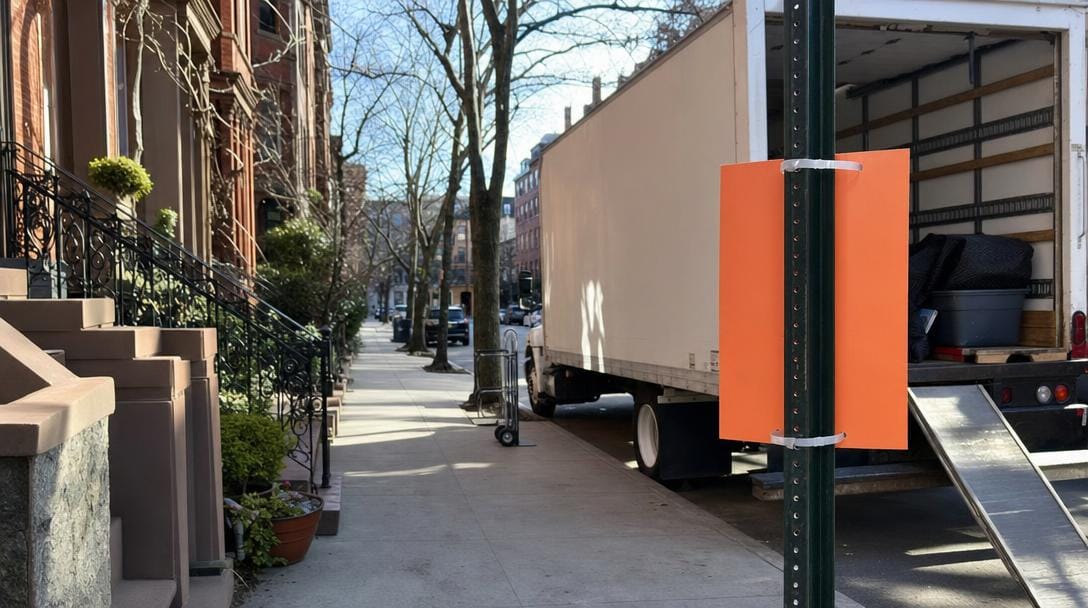
On this corridor, the delivery window collapses because there is no consolidation stop and no cross-country line haul. The truck loads, drives, and unloads inside one or two days. Reading a practical guide to getting from Boston to New York helps you coordinate building access on both ends so the tight timeline actually holds.
Pro Tip: On short lanes, the bottleneck is rarely the drive — it is elevator reservations and loading-dock windows at each building. Lock those in first.
Dedicated Truck vs. Consolidated Load: The Single Biggest Timing Variable
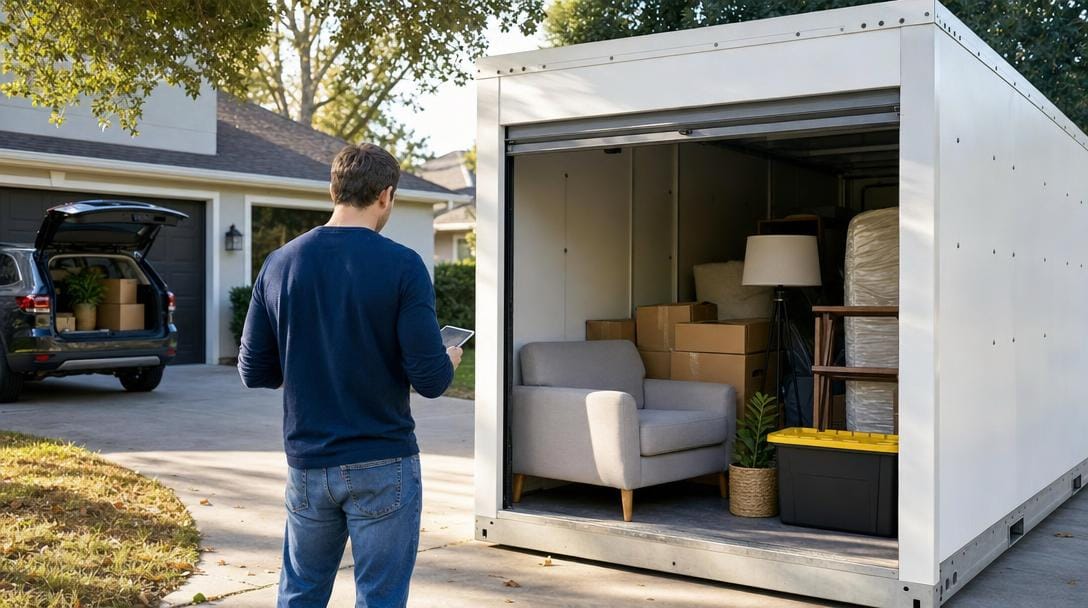
This is the variable most articles skip, and it matters more than mileage. A dedicated truck carries only your shipment from pickup to delivery. A consolidated load (also called a shared load) combines your goods with other customers' shipments heading the same direction.
Dedicated is faster and more predictable because the truck drives straight to your destination. Consolidated is usually cheaper but slower, because the carrier waits to fill the trailer and makes multiple stops along the route.
Q: What is the difference between a dedicated truck and a consolidated load?
A: A dedicated truck hauls only your belongings for a direct, faster trip; a consolidated load shares trailer space with other moves, lowering cost but widening the delivery window.

On a consolidated load, your delivery window stretches because the carrier needs time to build a full trailer and sequence drop-offs efficiently. Seeing how a truck gets packed for a long-distance haul makes the tradeoff concrete: shared space means shared scheduling.
Where the Days Actually Go: Driving Hours, Rest Rules, and Weigh Stations
A moving truck cannot simply drive 3,000 miles in two long days. Federal law caps how long a commercial driver can be behind the wheel. Under FMCSA hours-of-service rules, a property-carrying driver may drive a maximum of 11 hours after 10 consecutive hours off duty, within a 14-hour on-duty window.
Those same rules require a 30-minute break after 8 hours of driving and cap total on-duty time across a rolling 7- or 8-day period. Add fuel stops, weigh stations, traffic, and weather, and realistic progress lands well under the theoretical maximum.
Q: How many miles can a moving truck cover in one day?
A: With one driver bound by FMCSA's 11-hour daily driving limit, a loaded moving truck realistically covers roughly 500–600 highway miles per day after fuel, breaks, and traffic.

This is why a two-driver team can nearly double daily distance, and why cross-country lanes still take a week or more with a single driver. The math is the drive-time cap, not the truck's top speed.
How Long Loading and Unloading Add to the Clock
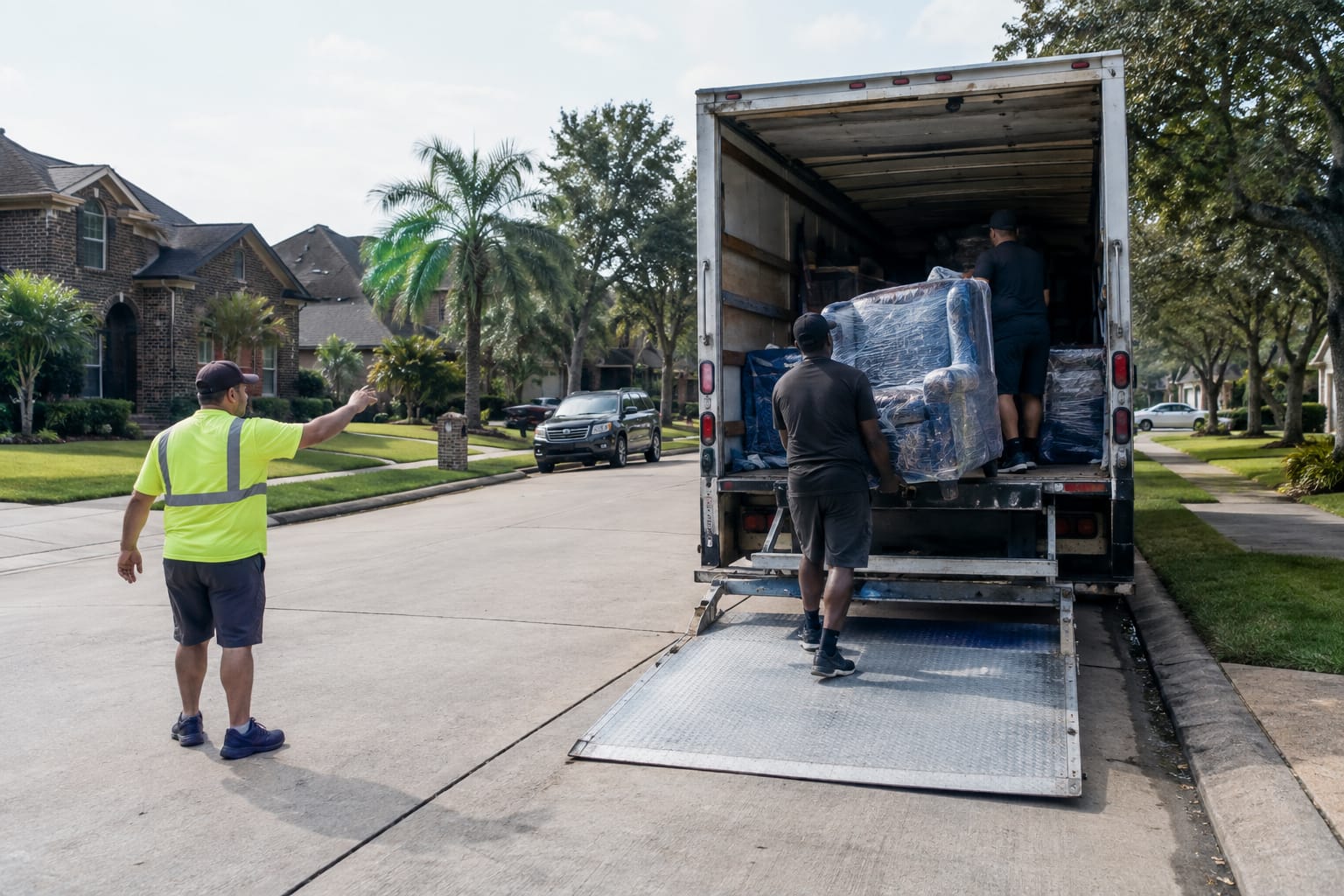
Loading day is its own line on the calendar. A studio or one-bedroom often loads in a few hours. A three-bedroom home typically takes most of a full day, and unloading takes a similar block at the other end.
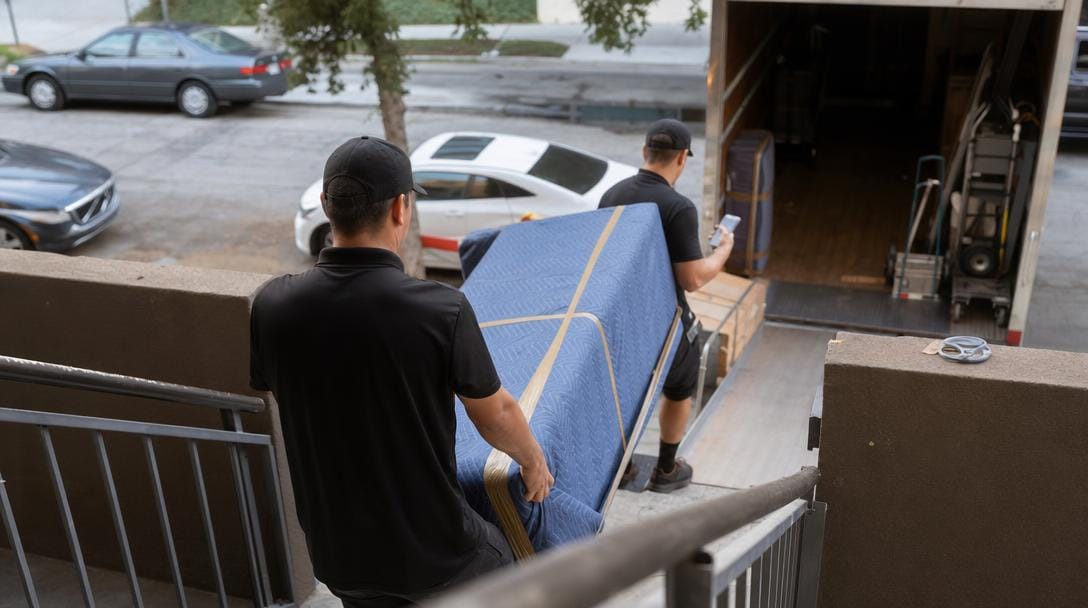
Stairs, long carries from door to truck, elevator waits, and a heavy volume of items all extend loading time. If a shuttle service is needed — a smaller truck to reach a home the tractor-trailer can't — that adds hours or a full stop on both the pickup and delivery ends.
Q: How long does it take to load a three-bedroom house?
A: A professional crew usually loads a three-bedroom home in roughly 4 to 8 hours, depending on stairs, walking distance to the truck, and how much is already boxed.
When you understand how a truck gets packed for a long-distance haul, the loading estimate stops feeling like padding — proper tiering and strapping protects your goods across hundreds of miles.
What a "Delivery Spread" Means on Your Estimate — and How to Read It
A spread of dates is the range of days, recorded on your order for service and confirmed on the bill of lading, within which the mover agrees to deliver. It is not vagueness — it is standard interstate practice, because a truck's arrival depends on route, weather, and other stops.

Q: Why do movers give a delivery window instead of an exact date?
A: Interstate carriers commit to a spread of dates on the bill of lading because line-haul routing, weather, and consolidation stops make a single guaranteed day impractical without paying for dedicated or expedited service.
The first available delivery date is the earliest day the mover can realistically deliver — the opening edge of that spread. Read both numbers before you sign, and confirm how you will be notified of any change.
6 Things That Push Your Delivery Date Later
Delays cluster around a handful of predictable causes. Knowing them lets you build slack into your plan instead of reacting.
- Consolidated routing. Waiting to fill a trailer and sequencing other drop-offs widens the window.
- Distance and drive-time limits. More miles means more mandatory rest days under hours-of-service caps.
- Access problems. Narrow streets, no truck parking, or a required shuttle add stops on both ends.
- Weather and traffic. Storms and closures on corridors like I-95 or I-90 cost hours or whole days.
- Peak-season volume. Summer and month-end demand strain dispatch capacity.
- Paperwork or payment gaps. Missing documents or unconfirmed access can hold a truck at the curb.
Many of these overlap with the broader logistics covered by experienced cross-country movers, who plan lanes around these exact risks.
Season and Calendar: Peak Summer, Month-End, and Boston's September 1
When you move changes how long it takes. Late spring through early fall is peak season, and month-end is the busiest window in any month because leases turn over. Both compress carrier capacity and can lengthen delivery spreads.
Boston adds its own spike. The city's near-simultaneous lease turnover creates Boston's September 1 moving crunch, when trucks, crews, and parking permits are scarce and every part of the timeline tightens.
Q: Does moving in summer make delivery take longer?
A: Yes. Summer and month-end are peak periods when carrier capacity is stretched, so delivery windows commonly run wider than they do in fall or winter off-peak weeks.
If your dates are fixed and tight, ask early about options for urgent and short-notice relocations rather than assuming standard scheduling will fit.
How to Get a Firmer Delivery Date Before You Sign
You have more control than the vague ranges online suggest. The tightest timelines come from three choices: a dedicated truck, an expedited moving service, and clear access on both ends.
An expedited moving service prioritizes your shipment for faster line haul, often paired with a dedicated truck. Some carriers offer a guaranteed delivery date for an added fee — get that commitment in writing on the order for service and bill of lading, not as a verbal promise.
Before you sign anything, check the carrier's US DOT number to confirm the mover is properly registered for interstate work. The guidance on hiring an interstate moving company walks through what a firm, written date should actually include.
Q: Can I pay extra for a guaranteed delivery date?
A: Often yes — through dedicated or expedited service — but the guarantee only counts when it is written on the bill of lading with the specific date and any remedy for a miss.
How to Plan the Gap: Essentials Box, Lodging, and Utility Timing
The delivery spread means you may reach your new home before your furniture does. Plan for the gap instead of hoping it disappears.
Pack an "open first" essentials box you keep with you: medications, chargers, a few days of clothes, basic toiletries, and important documents. Book lodging that covers the full delivery window, not just the first available date. Schedule utilities to be active before the truck arrives so unloading isn't delayed.

Q: Should I fly or drive to meet my shipment?
A: On lanes beyond roughly 1,000 miles, flying often beats driving because you avoid multi-day road time and can arrive at the front of your delivery window to prepare the home.
Questions to Ask Every Long-Distance Mover About Timing
Before you commit, get these answers in writing:
- Is my shipment on a dedicated truck?
- What is the exact spread of dates, and what is the first available delivery date?
- How will you notify me of a delay, and what are my options if you miss the window?
- Is a shuttle likely at either address, and how does that affect the schedule?
- Do you offer expedited or guaranteed-date service, and what does it cost?
- What is your US DOT number?
Each answer maps directly to a line on the clock. Getting them upfront turns a fuzzy "2 to 14 days" into a calendar you can actually plan around.
Written by Born to Move Team, Moving Company Experts
Useful Links
- Long-Distance Moving Companies: How to Choose the Right Mover
- 12 Essential Cross-Country Moving Tips
- How Much Does Interstate Moving Cost?
- How Interstate Moving Companies Determine the Cost of Your Move
- Boston to New York Moving Prices
Need help with this? Get a quote · Call (617) 903-2609