'%3E%3Cpath%20fill='%231B2A47'%20d='M1.605%2016.263c.03-1.139.059-2.482.088-3.971.03-1.49.03-2.832.03-4.03%200-.758%200-1.576-.03-2.51%200-.905-.03-1.84-.03-2.803%200-.496-.028-.964-.028-1.43%200-.468%200-.906-.03-1.315h6.858q2.188%200%203.589.35c.963.234%201.663.643%202.13%201.198.496.555.73%201.372.73%202.394%200%20.788-.176%201.46-.497%201.985-.32.526-.846.935-1.575%201.197-.73.292-1.693.468-2.918.526v.263c1.313.087%202.334.263%203.122.525.758.263%201.342.672%201.692%201.197.35.526.525%201.197.525%202.044%200%201.08-.233%201.927-.67%202.57-.468.642-1.139%201.08-2.102%201.343-.933.262-2.159.408-3.705.408H1.605zm6.537-9.197q1.882%200%202.713-.526c.555-.35.817-.934.817-1.752%200-.905-.292-1.547-.846-1.927s-1.459-.554-2.655-.554H4.757v4.759zm.204%206.92c.934%200%201.663-.088%202.217-.263.555-.176.934-.438%201.197-.818s.38-.876.38-1.518c0-.876-.322-1.49-.934-1.84-.643-.35-1.635-.525-3.035-.525H4.757v4.963zM21.038%2016.555c-1.576%200-2.801-.292-3.618-.905-.817-.614-1.284-1.519-1.372-2.745-.087-1.226.205-2.774.847-4.613s1.43-3.358%202.392-4.584c.963-1.226%202.043-2.131%203.298-2.744C23.839.292%2025.24%200%2026.786%200c1.576%200%202.772.321%203.59.934.816.613%201.283%201.548%201.37%202.774s-.203%202.774-.845%204.613c-.642%201.81-1.43%203.358-2.393%204.584s-2.072%202.132-3.297%202.745a9.8%209.8%200%200%201-4.173.905m.788-2.278c.642%200%201.138-.058%201.371-.116.205-.059.496-.117.847-.322.262-.146.437-.292.554-.408.204-.175.32-.292.438-.41.204-.203.35-.408.496-.583.35-.438.642-.876.963-1.402.233-.408.466-.817.67-1.284.205-.438.38-.905.555-1.372.438-1.198.671-2.278.671-3.183s-.204-1.606-.612-2.131c-.409-.497-1.051-.76-1.897-.76-.467%200-.934.059-1.43.205h-.03c-1.02.292-1.925%201.226-2.042%201.372-.116.117-.467.526-.963%201.343a15.5%2015.5%200%200%200-1.342%202.92c-.408%201.197-.642%202.277-.671%203.182-.03.906.175%201.636.584%202.161q.611.788%201.838.788M14.853%2038.54c-1.576%200-2.802-.292-3.619-.905s-1.284-1.518-1.371-2.744c-.088-1.227.204-2.774.846-4.614s1.43-3.357%202.393-4.584%202.042-2.13%203.297-2.744c1.255-.613%202.655-.905%204.173-.905%201.575%200%202.772.321%203.589.934s1.284%201.548%201.371%202.774c.088%201.226-.204%202.774-.846%204.613-.642%201.81-1.43%203.358-2.393%204.584s-2.072%202.131-3.297%202.745c-1.226.613-2.626.846-4.143.846m.787-2.277c.642%200%201.138-.059%201.372-.117.204-.058.496-.117.846-.321.263-.146.438-.292.554-.409.205-.175.321-.292.438-.409.204-.204.35-.408.496-.584a13%2013%200%200%200%201.634-2.686c.204-.438.38-.905.555-1.372.437-1.197.67-2.277.67-3.182%200-.906-.203-1.606-.612-2.132-.409-.496-1.05-.759-1.897-.759-.467%200-.934.058-1.43.204h-.029c-1.021.292-1.925%201.227-2.042%201.373-.117.116-.467.525-.963%201.343a15.5%2015.5%200%200%200-1.342%202.92c-.409%201.196-.642%202.277-.671%203.182s.175%201.635.583%202.16q.613.789%201.838.789'/%3E%3Cpath%20fill='%23FF515E'%20d='M55.966%2038.57c-1.576%200-2.801-.293-3.618-.906s-1.284-1.518-1.372-2.744c-.087-1.227.204-2.774.846-4.613s1.43-3.358%202.393-4.584c.963-1.227%202.043-2.132%203.297-2.745s2.656-.905%204.173-.905c1.576%200%202.772.321%203.589.934s1.284%201.548%201.371%202.774c.088%201.226-.204%202.774-.846%204.613-.642%201.81-1.43%203.358-2.393%204.584s-2.071%202.131-3.297%202.745c-1.225.613-2.626.846-4.143.846m.788-2.249c.642%200%201.138-.058%201.371-.117.204-.058.496-.116.846-.32.263-.147.438-.293.555-.41a7%207%200%200%200%20.437-.408c.205-.205.35-.41.496-.584a13%2013%200%200%200%201.634-2.686c.205-.438.38-.905.555-1.373.438-1.197.671-2.277.671-3.182s-.204-1.606-.613-2.131c-.408-.497-1.05-.76-1.896-.76-.467%200-.934.059-1.43.205h-.03c-1.02.292-1.925%201.226-2.042%201.372-.117.117-.467.526-.963%201.343a15.5%2015.5%200%200%200-1.342%202.92c-.409%201.197-.642%202.277-.671%203.182s.175%201.635.583%202.16q.614.79%201.839.79'/%3E%3Cpath%20fill='%231B2A47'%20d='M33.06%2016.263c0-.35%200-.935.03-1.81.029-1.051.058-2.103.058-3.154s.03-2.073.03-3.007c0-1.606-.03-3.27-.06-4.993%200-.554-.028-1.08-.028-1.606%200-.525-.03-1.021-.03-1.46h6.828c1.46%200%202.685.117%203.59.38q1.4.394%202.1%201.314.7.963.7%202.628c0%20.992-.174%201.81-.554%202.452-.35.643-.904%201.11-1.604%201.431s-1.576.467-2.627.496v.263q2.058.087%203.064.876c.671.525%201.138%201.372%201.43%202.51.087.41.233%201.023.467%201.84.233.818.408%201.431.554%201.84h-3.414a11%2011%200%200%200-.262-1.022c-.321-1.314-.526-2.19-.584-2.628a5%205%200%200%200-.642-1.46%202.13%202.13%200%200%200-.963-.73c-.408-.146-.934-.233-1.605-.233h-3.326v6.0440000000000005H33.06zm6.332-8.292c1.343%200%202.276-.205%202.86-.613.554-.41.846-1.11.846-2.073%200-.73-.146-1.314-.408-1.723-.263-.409-.671-.7-1.197-.876q-.788-.263-2.1-.263h-3.181v5.519h3.18zM49.4%2016.263l.03-2.745c.029-2.452.029-4.905.029-7.416q0-2.101-.088-5.868h4.085l5.924%2010.335c.087.234.204.438.291.643.117.204.205.408.321.613.38.788.613%201.255.672%201.372h.262c0-.058-.03-.146-.03-.204%200-.059-.028-.117-.028-.175a75%2075%200%200%201-.175-1.314%2010%2010%200%200%201-.088-1.285c0-1.547%200-3.737-.029-6.57V1.84c0-.584-.03-1.11-.03-1.576h2.977c-.03%202.482-.058%205.08-.058%207.766%200%201.694%200%204.438.029%208.292h-4.027l-5.573-9.43c-.875-1.81-1.226-2.511-1.05-2.132-.263-.613-.467-1.08-.613-1.46h-.263c.058.35.117.876.175%201.548.059.7.117%201.168.117%201.46%200%202.978%200%206.306.029%209.985H49.4zM4.698%2038.277c.029-2.627.058-5.255.058-7.883%200-1.576%200-3.503-.029-5.752-1.109%200-2.684%200-4.727.03v-2.453h12.664v2.453c-1.955-.03-3.53-.03-4.756-.03%200%20.584-.03%201.227-.03%201.957s0%201.46-.029%202.218v1.84c0%202.57.03%205.11.059%207.62z'/%3E%3Cpath%20fill='%23FF515E'%20d='M29.441%2038.277c.409-1.05.788-2.102%201.168-3.182s.787-2.16%201.167-3.241c.613-1.693%201.05-2.949%201.342-3.766l1.255-3.65c.116-.38.262-.788.379-1.139.117-.38.263-.73.38-1.05h4.61l-.671%2012.904h.262l8.316-12.905h4.669l-.7%201.869c-.876%202.452-1.343%203.766-1.43%204a501%20501%200%200%200-3.385%2010.16h-2.947c.292-.846.788-2.219%201.459-4.087.175-.526.35-1.08.554-1.606.175-.526.38-1.08.555-1.577.642-1.81%201.342-3.825%202.072-6.014h-.234l-8.724%2013.314h-2.86l.554-13.314h-.175c-.175.496-.38.992-.554%201.489-.175.496-.38%201.022-.555%201.547a163%20163%200%200%200-1.08%203.008c-.145.38-.262.759-.408%201.138-.117.38-.262.73-.408%201.11-.7%201.898-1.284%203.59-1.751%205.05h-2.86zM68.047%2038.277c.175-2.19.32-4.525.467-7.007.058-.905.204-3.912.467-9.051h3.151c-.03.438-.058.934-.088%201.46s-.058%201.08-.087%201.693a264%20264%200%200%201-.409%206.657c-.145%201.986-.35%203.591-.583%204.788h.175Q72.147%2034.892%2073.94%2032a562%20562%200%200%201%204.465-7.066c.32-.496.641-.992.933-1.46s.555-.875.817-1.255h3.268q-.568.832-1.138%201.752c-.408.613-.787%201.255-1.196%201.927-3.88%206.014-6.478%2010.131-7.85%2012.35h-5.193zM79.106%2038.277c.32-.788.758-2.014%201.37-3.65a287%20287%200%200%200%201.577-4.32c.437-1.256.904-2.628%201.4-4.088s.934-2.774%201.313-3.97h11.322l-.846%202.364H87.1l-1.664%204.847%207.645-.088-.612%201.694-7.587-.088-1.75%204.934h8.286l-.846%202.365z'/%3E%3C/g%3E%3Cdefs%3E%3CclipPath%20id='a'%3E%3Cpath%20fill='%23fff'%20d='M0%200h96v40H0z'/%3E%3C/clipPath%3E%3C/defs%3E%3C/svg%3E)
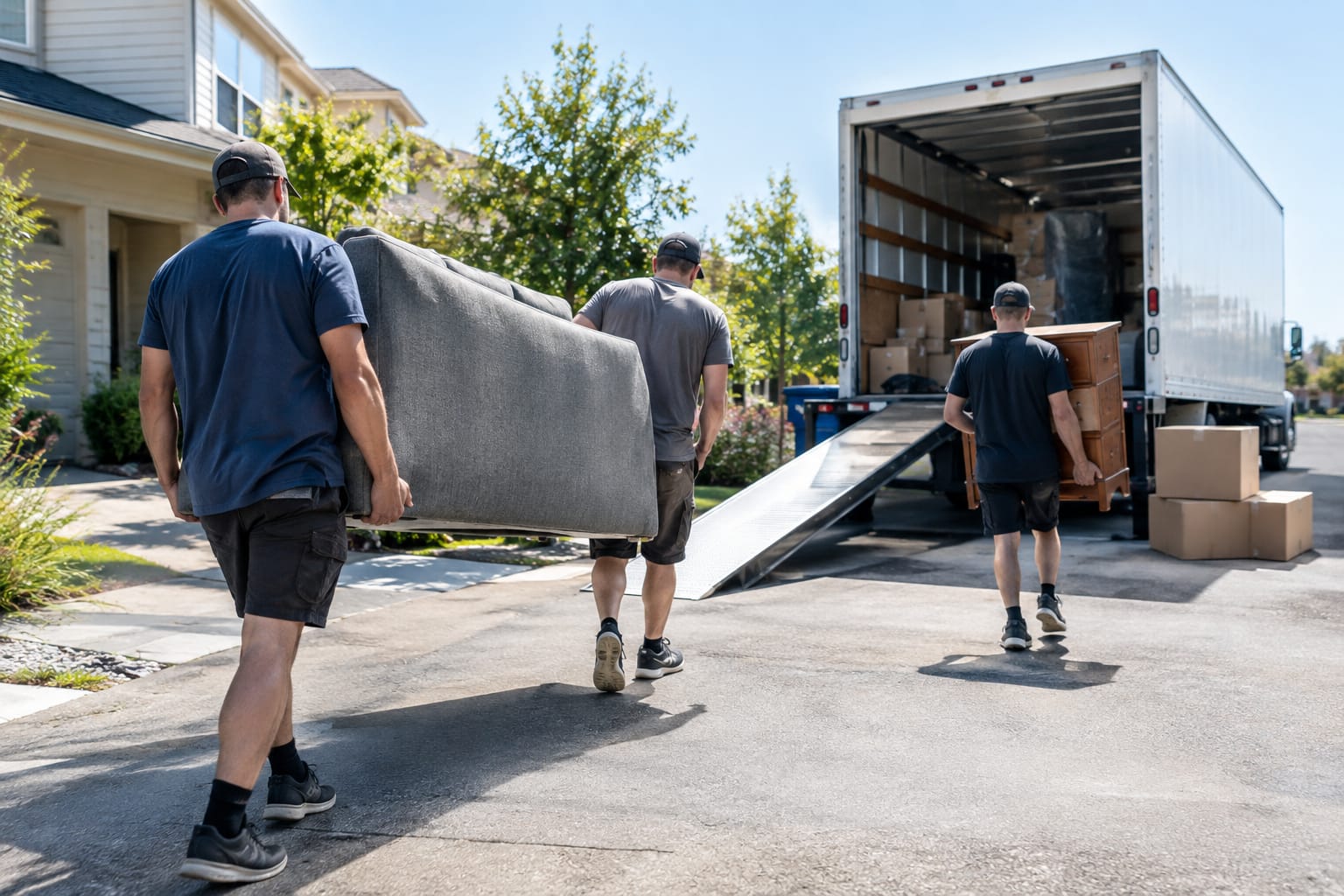
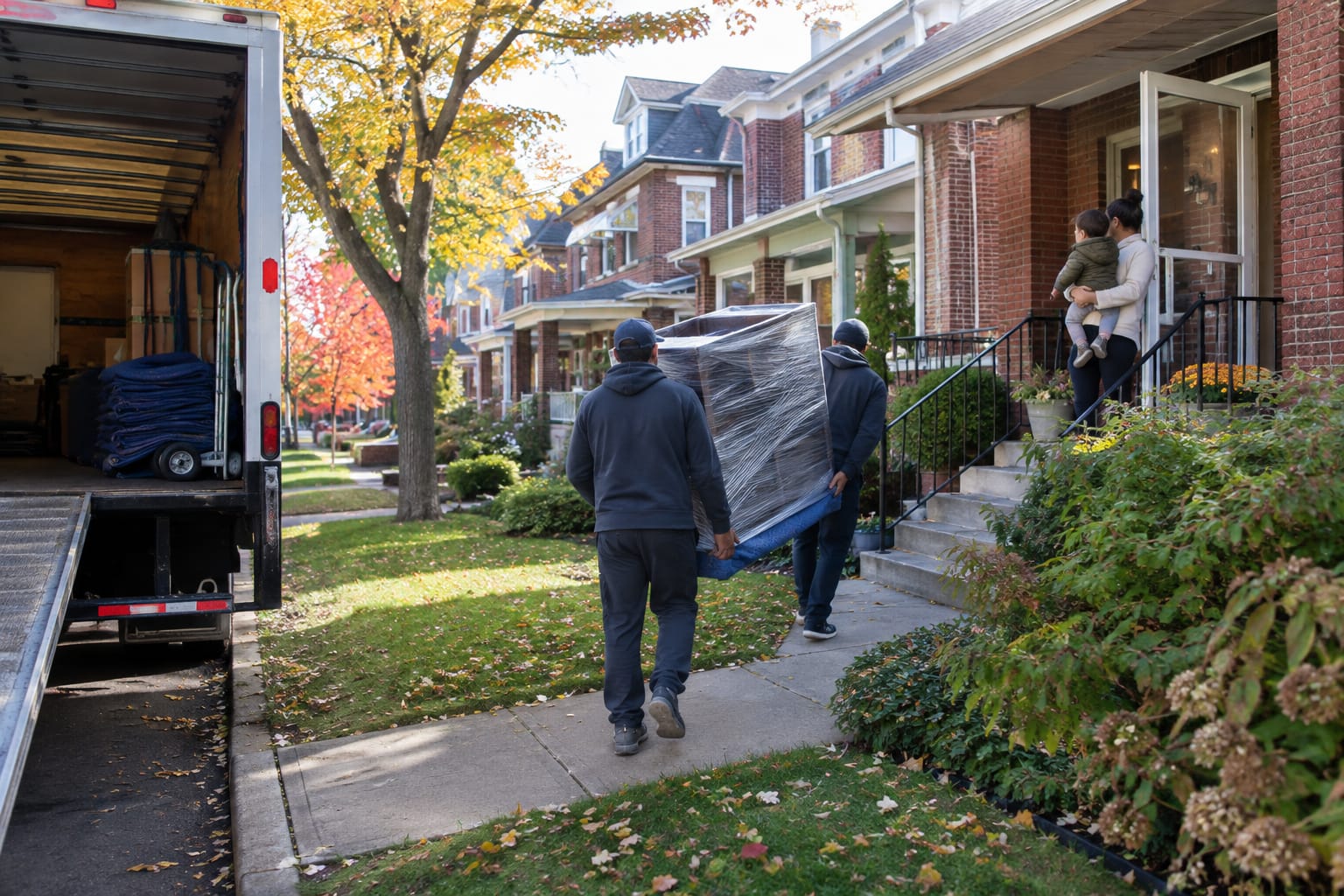
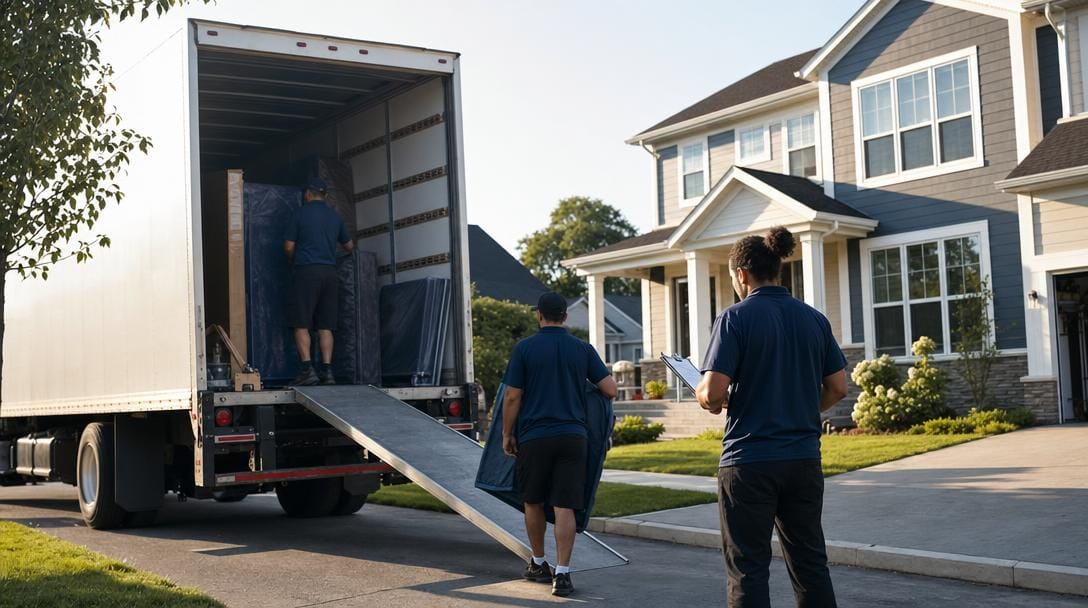
Yes. A full-service moving company brings its own truck, and its crew drives, loads, and unloads it. That is the real difference between booking a moving company truck and renting one yourself: with a rental, you become the driver, the loader, and the person responsible for the vehicle.
The right call depends on three things: how much space your home needs, how far you are going, and how many hours you can give the job. This guide matches truck sizes to home sizes, counts the full cost of renting, flags the Boston driving risks national guides skip, and explains the hybrid option of hiring movers to load a truck you already rented.
Key Takeaways
- Movers bring the truck. Full-service local movers arrive with their own straight truck, and the truck is built into the hourly crew rate along with loading and driving.
- Size by furniture, not square footage. Rental box trucks run roughly 10 to 26 feet; most 2-bedroom apartments fit a 15- to 16-foot truck, but bulky pieces push you up a size.
- Rental fee is only part of the cost. Budget for mileage, fuel, optional damage coverage, equipment, parking permits, and a full day of your own time.
- Boston parkways ban trucks. Storrow Drive and other DCR parkways restrict trucks and have low overpasses, so plan a truck-safe route before driving a rental.
- Hybrid option exists. If you already rented a truck or container, you can hire a crew for labor-only loading and unloading while you keep the rental.
Does a Moving Company Bring Its Own Truck?
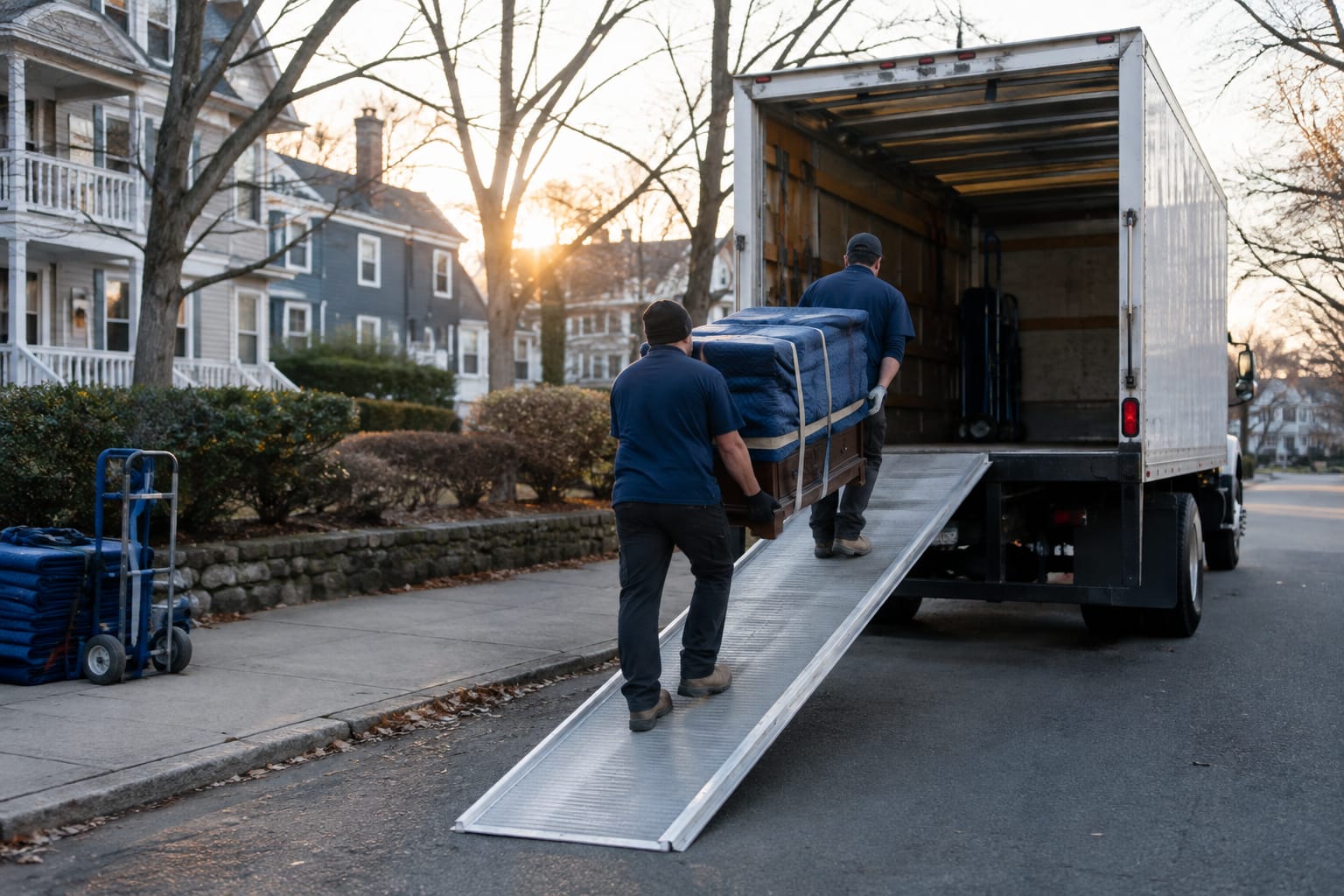
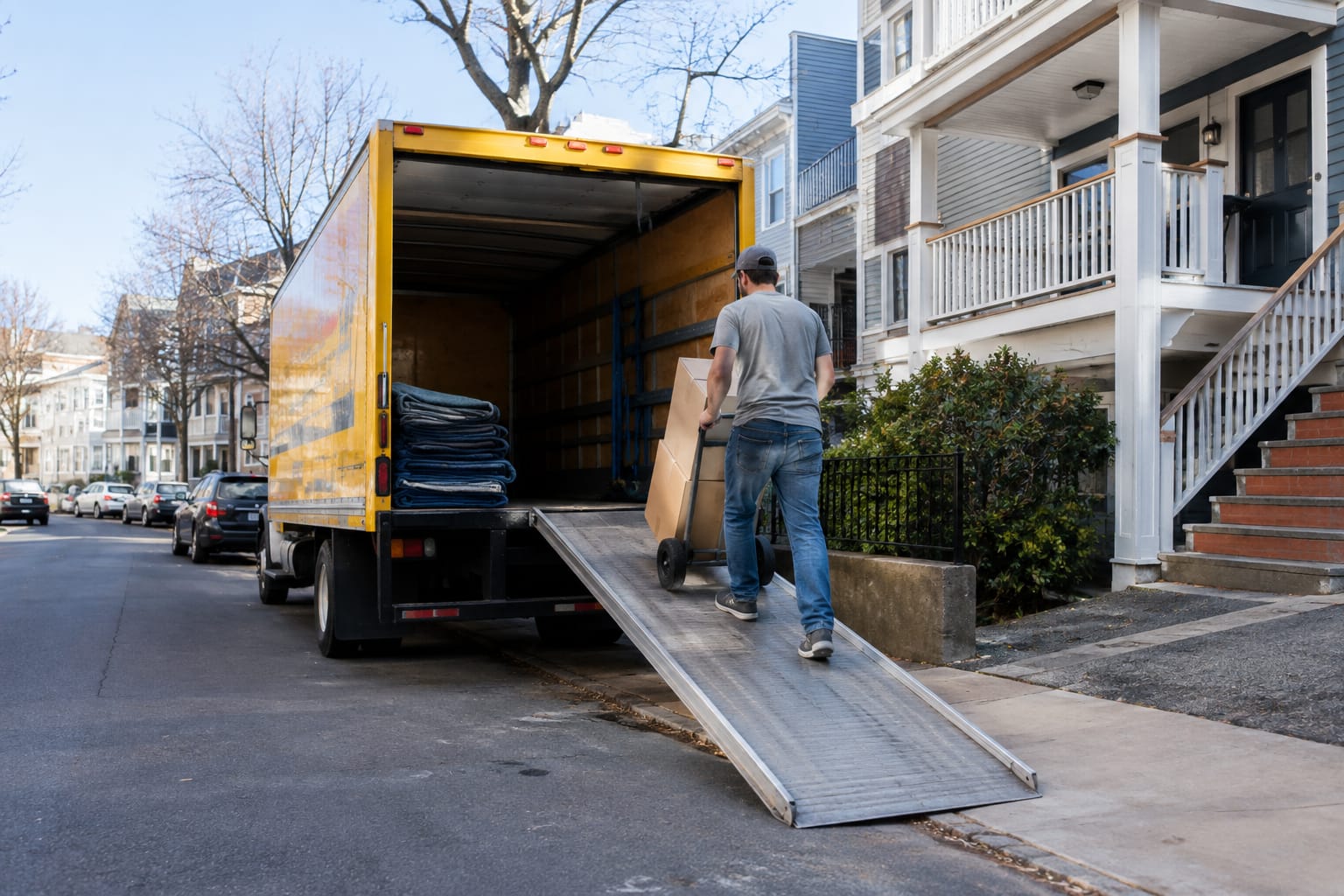
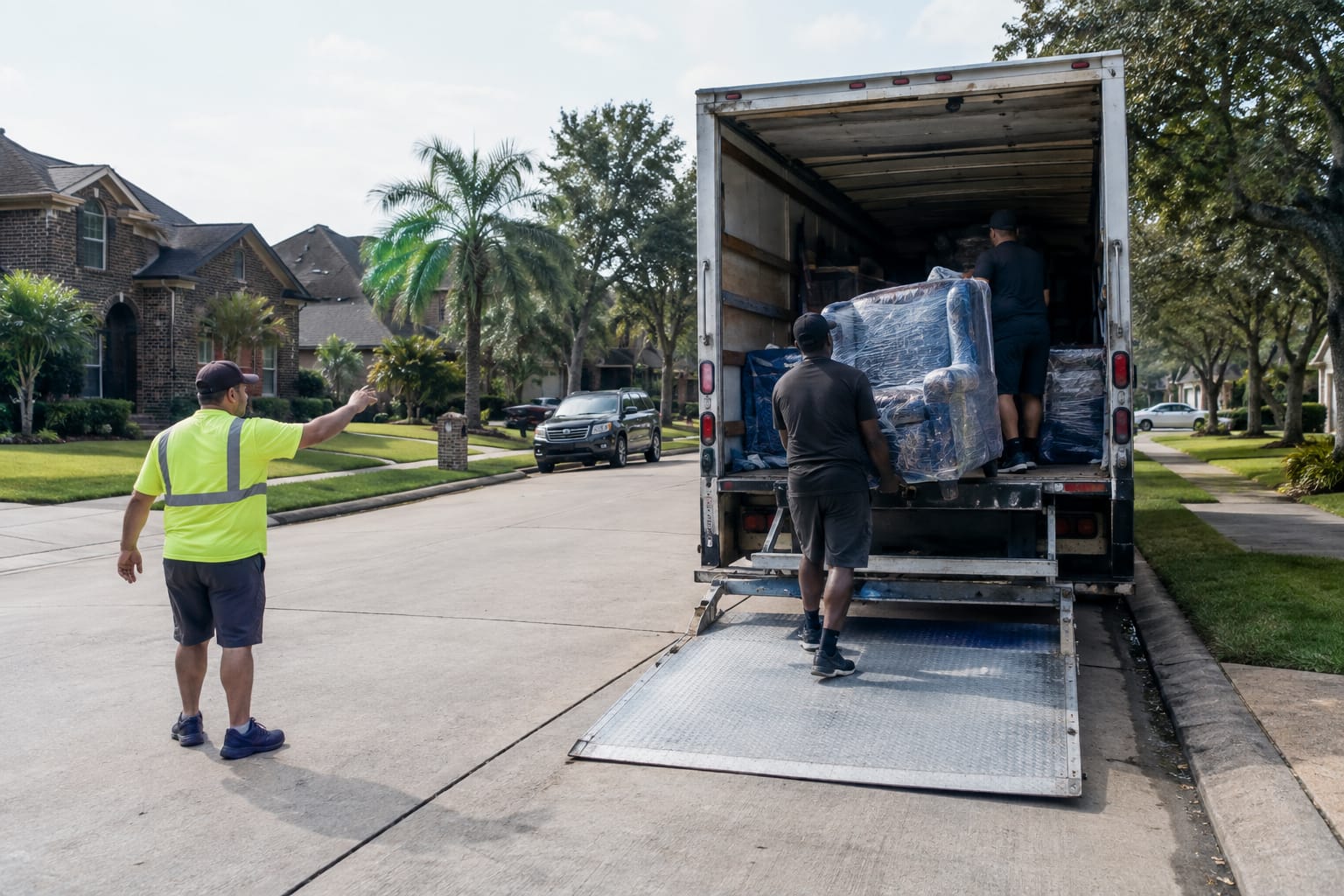
Full-service local movers arrive with a truck, and the truck is built into the hourly crew rate. Most use straight trucks: box trucks with the cargo area mounted on the same frame as the cab, rather than a tractor pulling a separate trailer.
Not every moving service works this way. Here's the breakdown:
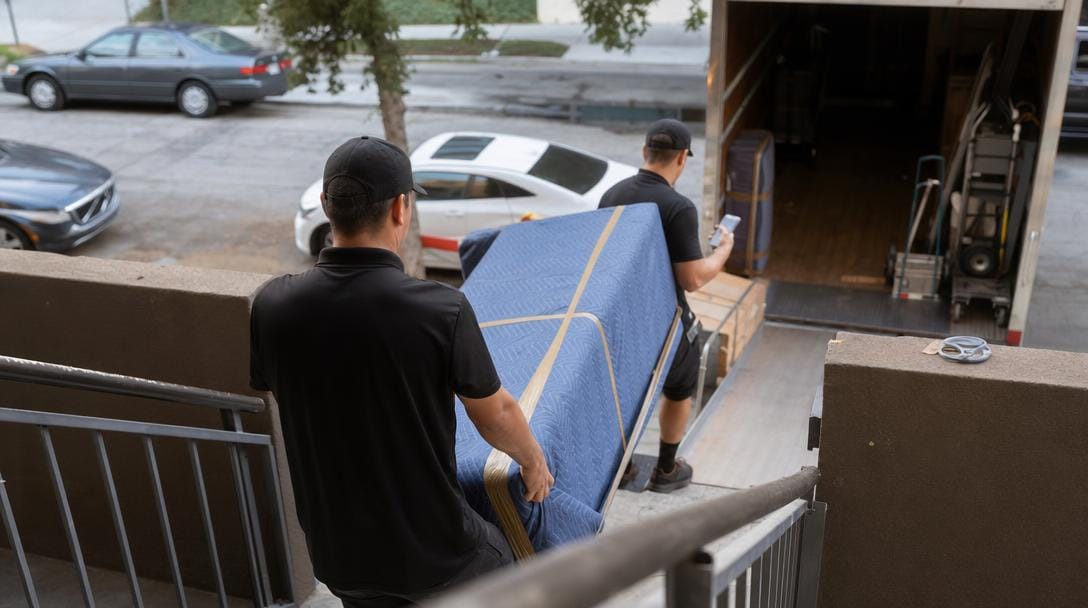
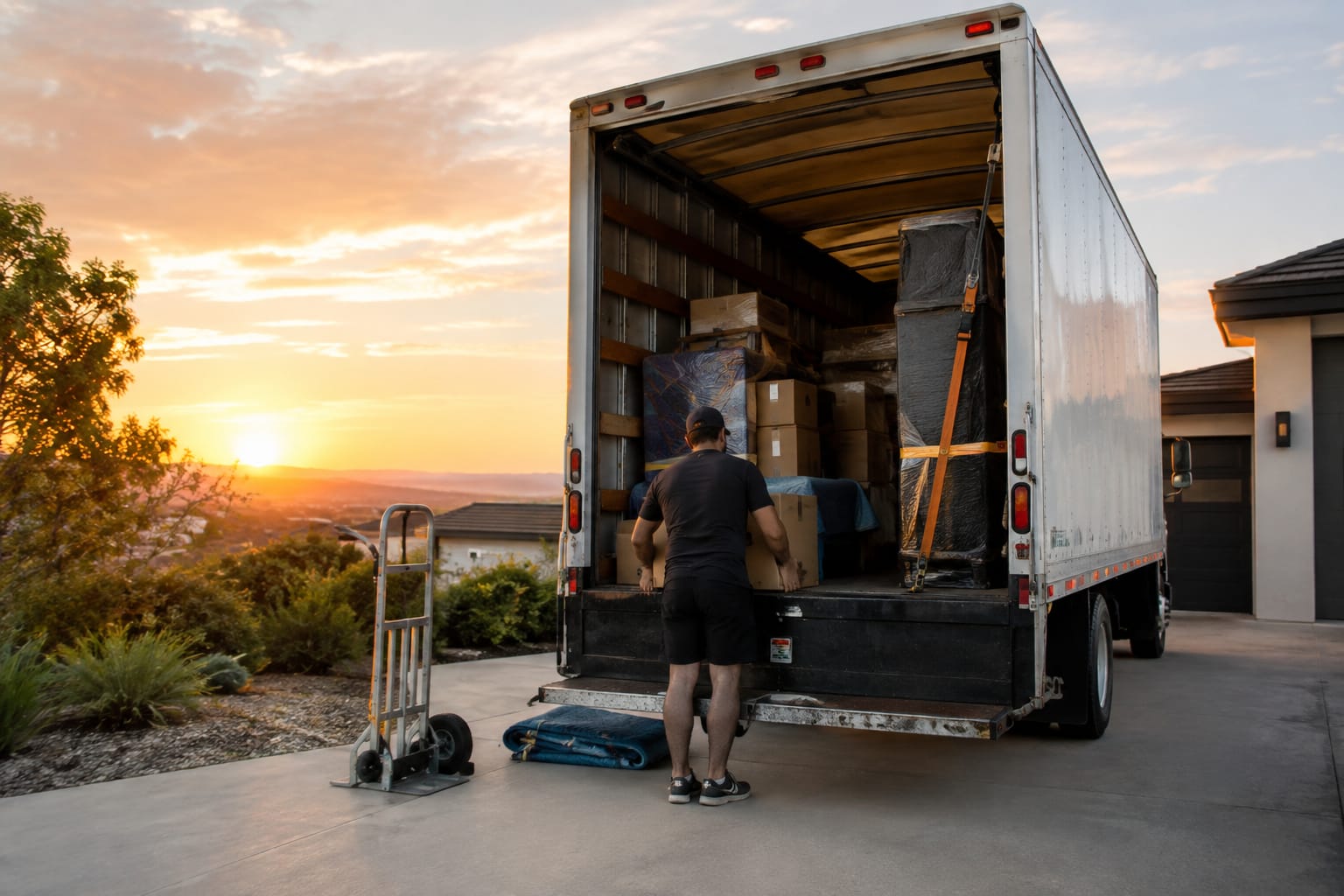
- Full-service movers with truck: the crew brings the truck, equipment, and labor, and drives your belongings to the new address.
- Moving labor only: a crew loads or unloads a truck or container you supply. You or the container company handle the driving.
- Container moving company: a moving pods company drops a portable container at your home, you load it, and the company transports it.
When you book a moving truck with movers, check exactly what the hourly rate covers. For instance, Born to Move's local hourly rate covers labor, truck, fuel, tolls, and basic released-value protection, starting from $160 per hour for two movers and a truck, $240 for three, and $320 for four, according to its published local moving rates. Those rates carry a 3-hour minimum that includes travel time billed at the same hourly rate, seasonal pricing applies, card payments add 3%, and packing supplies are always charged separately.
Moving Truck Sizes: What Fits a Studio, Apartment, or Family Home
Most rental fleets offer box trucks from roughly 10 to 26 feet long. Match the truck to your furniture, not your square footage. A sectional, a piano, or a garage full of tools can push you up a size.
| Home size | Typical rental truck length | Notes |
|---|---|---|
| Studio or small 1-bedroom | 10–12 ft | Bed, sofa, dresser, and boxes |
| 1–2 bedroom apartment | 15–16 ft | Step up for a sectional or home office |
| 2–3 bedroom home | 20 ft | Small houses and large apartments |
| 3+ bedroom house | 26 ft | Large homes sometimes need two trips, a second truck, or a larger truck |
Treat these ranges as a planning rule of thumb, not a promise of fit. Confirm cubic-foot capacity and load limits on the rental company's own spec pages, such as U-Haul's truck rental size listings, before you reserve.
Q: What size moving truck do I need for a 2-bedroom apartment?
A: It depends on how much you're moving; compare your inventory with the rental company's size recommendations. Move up to a 20-foot truck for bulky furniture or a full storage cage, and confirm capacity on U-Haul's or another rental brand's size page.
Bigger is not automatically safer in Boston. A 26-foot truck is harder to park on narrow streets, harder to turn on one-way blocks, and needs more reserved curb space. Two trips in a smaller truck sometimes beat one trip in a truck you cannot park.
When you hire a moving company, the truck-size question mostly goes away. A reputable mover sizes the truck from your inventory, collected through an online form, a phone consultation, or a video walk-through, and sends a written estimate based on that list.

Moving Company Truck vs Rental Truck vs Container: Side-by-Side
The truck rental vs hiring movers decision comes down to who carries the labor and the risk. This table compares the four common setups on the same criteria.
| DIY rental truck | Portable container | Rental truck + hired loaders | Moving company truck | |
|---|---|---|---|---|
| Who drives | You | Container company | You | Moving crew |
| Who loads | You and helpers | You and helpers | Hired crew | Moving crew |
| Equipment | Rented or borrowed dollies and pads | Rented or borrowed dollies and pads | Confirm what the crew brings | Dollies, straps, blankets, floor protection, shrink wrap |
| Coverage for belongings | Rental company's optional plans; read the terms | Container company's optional coverage; read the terms | Depends on the labor provider's terms | For local hourly moves, basic released value of $0.60 per pound |
| Pricing basis | Rental fee plus mileage, fuel, add-ons | Container rental, transport, monthly fees | Truck costs plus hourly labor | Hourly for local; estimate based on inventory for long distance |
| Fits | Small, short moves with able helpers | Flexible timelines and storage gaps | People who will drive but not lift | Heavy furniture, tight schedules, city access |
Released-value protection is not insurance, and it pays far less than replacement value for most household goods. Full Value Protection costs more but makes the mover responsible for the replacement value of a lost or damaged item, as described in the same FMCSA valuation guide.
This guide to how interstate movers determine the cost of your move walks through the pricing factors, and the comparison of full-service movers vs DIY truck rental covers the service differences in depth.
The Full Cost of Renting a Moving Truck
The rental fee is only the starting line. The true cost to rent a moving truck adds mileage, fuel, coverage, equipment, permits, and your own time.
Q: How much does it cost to rent a moving truck?
A: Check U-Haul's current pricing for your specific dates and route before booking. Quotes change by date, location, and truck size, so price your exact dates on the rental brand's site.
Budget for each of these line items:
- Base rental fee. Local rentals start with a daily rate; one-way rentals bundle days and miles into a route price.
- Mileage. In-town rentals bill each mile, so a day of back-and-forth trips adds up.
- Fuel. A loaded box truck burns far more fuel than a car, and you return the tank at the level you received it or pay a refuel charge.
- Damage coverage. Rental companies sell optional protection for the truck and cargo. Do not assume your auto policy or credit card extends to a large rented truck; call and confirm.
- Equipment and supplies. Dollies, furniture pads, and straps are often rented per item, and boxes, tape, and shrink wrap cost extra. This list of the packing supplies a move actually needs helps you budget.
- Parking and permits. Confirm the current curb-space requirements with the City of Boston before moving day.
- Your time. Loading, driving, unloading, and returning the truck can fill an entire day, plus the hours of every friend you recruit.
Pro Tip: Price the rental and a mover for the same date before deciding. End-of-month dates, and Boston's September 1 rush in particular, tighten supply of both trucks and crews, as this guide to moving in Boston on September 1 explains.
More about the service: Influencer Partnership
Driving a Rental Truck in Boston: Parking, Low Clearances, and Storrow Drive
Boston's parkways are the biggest driving risk on a DIY move, and national rental pages rarely mention them.
Q: Can I drive a rental moving truck on Storrow Drive?
A: Before planning a route on Storrow Drive with a rental truck, confirm the current rules with the Massachusetts DCR.
Car navigation apps route drivers onto parkways because they assume a passenger vehicle. Plan the route in advance, use a truck setting where your app offers one, and follow posted signs over the app. This mover-written guide covers how to avoid getting Storrowed step by step.
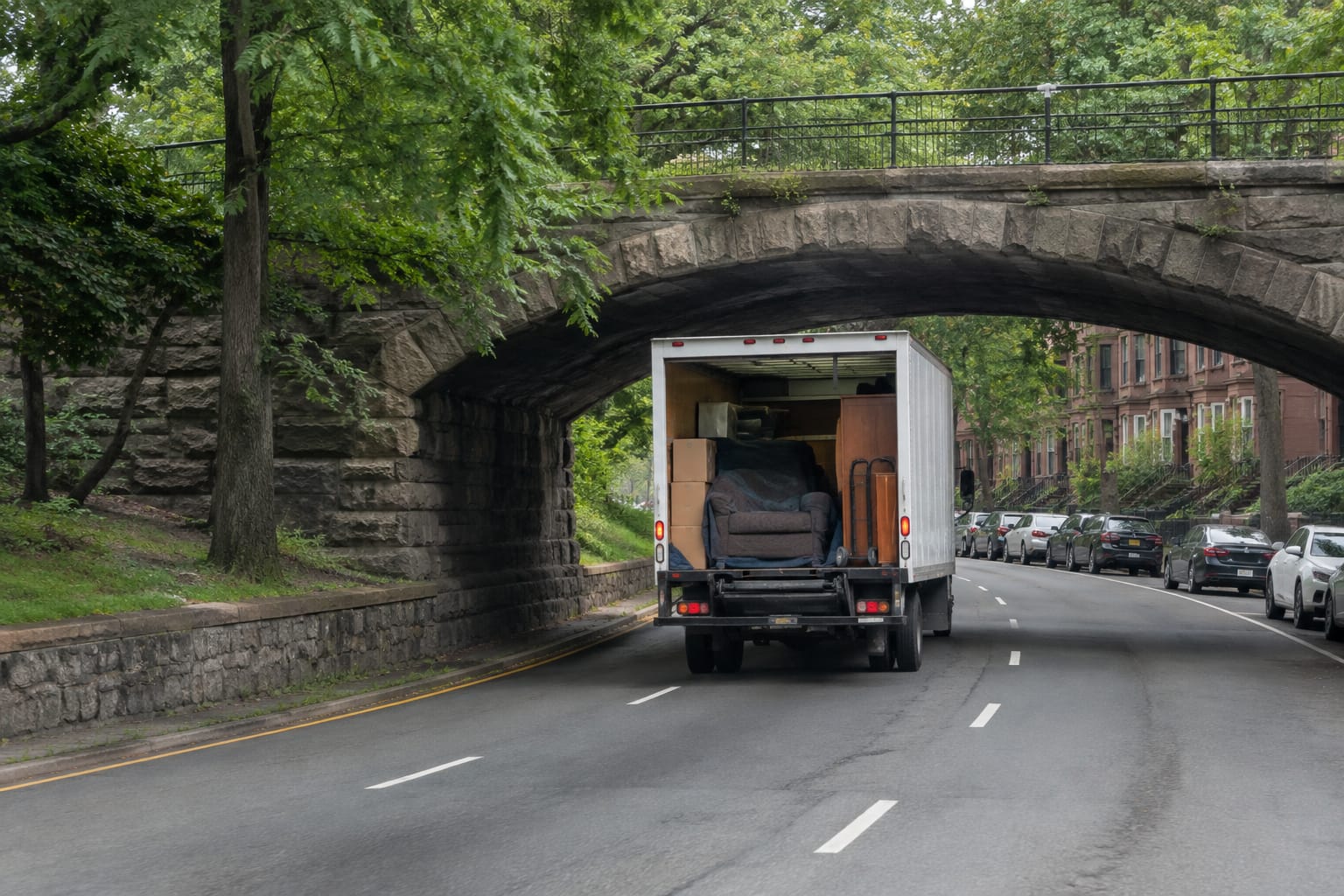
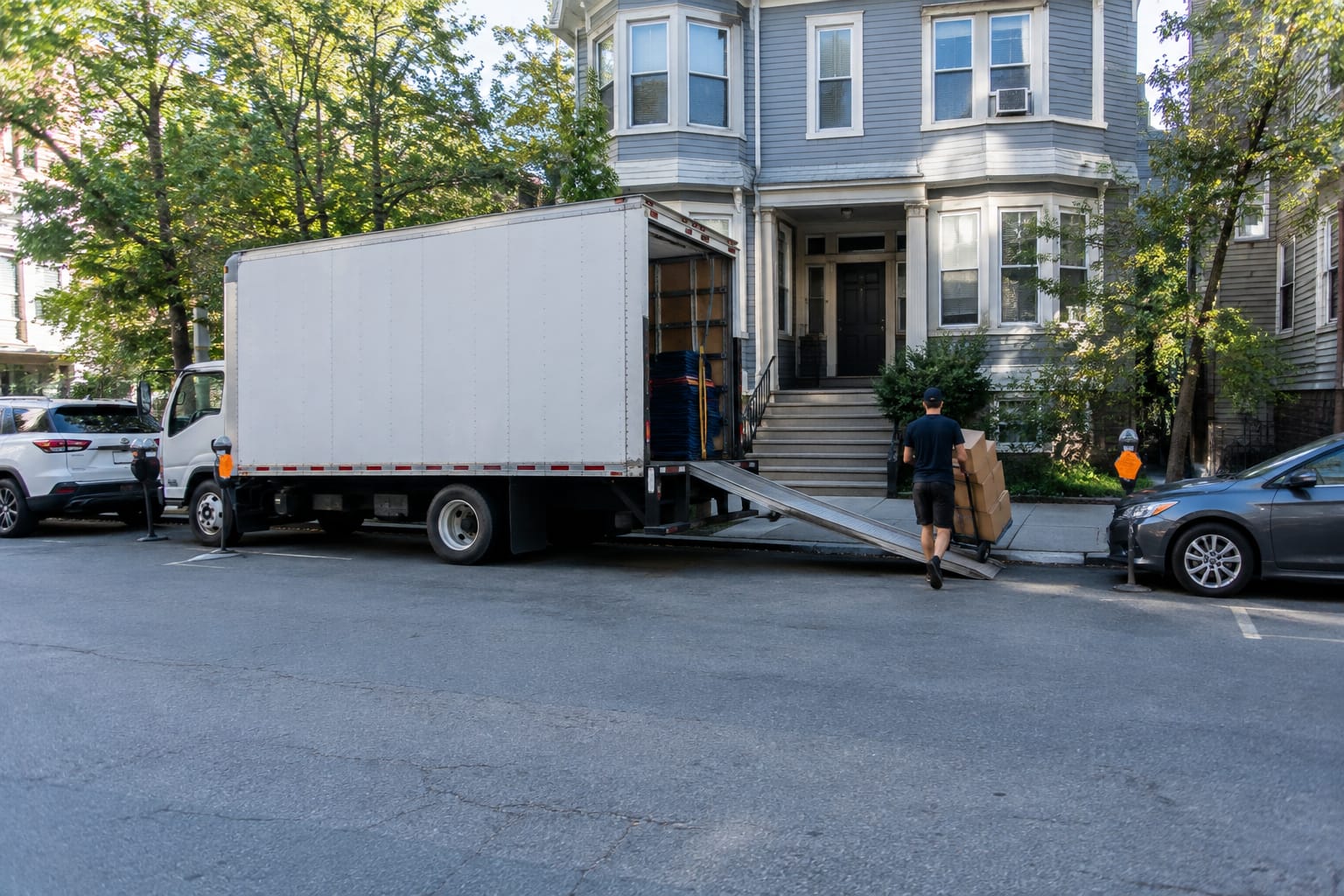
Parking is the second Boston-specific problem. Many streets have resident-only parking. Read up on parking a moving truck in Boston before you choose a truck size, because a longer truck needs a longer reserved space.
Hiring movers does not remove this step. Parking is commonly the customer's job even on a full-service move, so confirm in writing who arranges the permit at each address. The difference is that a professional driver handles the route.
Already Rented a Truck or Container? Hire Movers to Load It
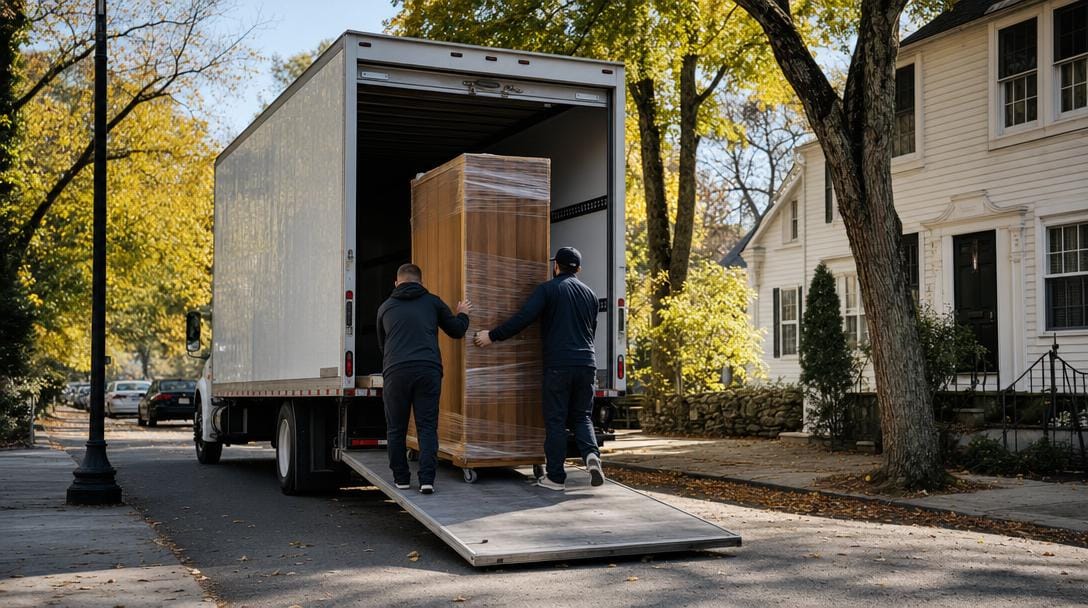
Yes, you can hire movers to load a truck you rented or a container you booked. This hybrid setup, often called moving labor only, keeps the rental you already reserved while handing the heaviest work to a trained crew.
Born to Move's packing team in Greater Boston provides loading help for rental trucks and containers alongside full and partial packing. That labor is billed at the same hourly crew rates, with supplies invoiced separately.
A well-loaded truck rides better and arrives with less damage. Professional crews follow a few consistent rules:
- Heaviest items, such as appliances, dressers, and boxed books, go against the front wall nearest the cab.
- Load in tiers from floor to ceiling, and strap each tier before starting the next.
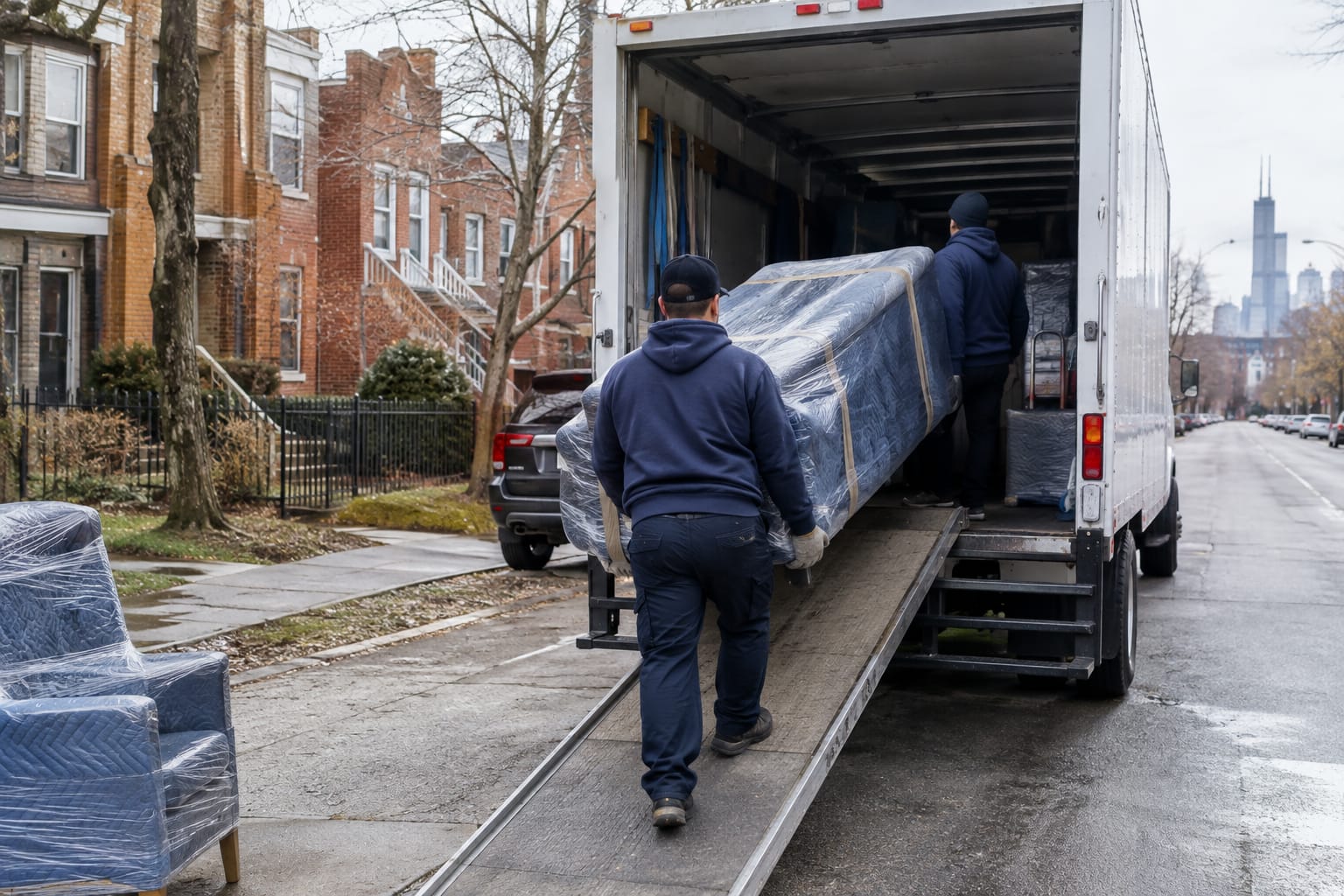
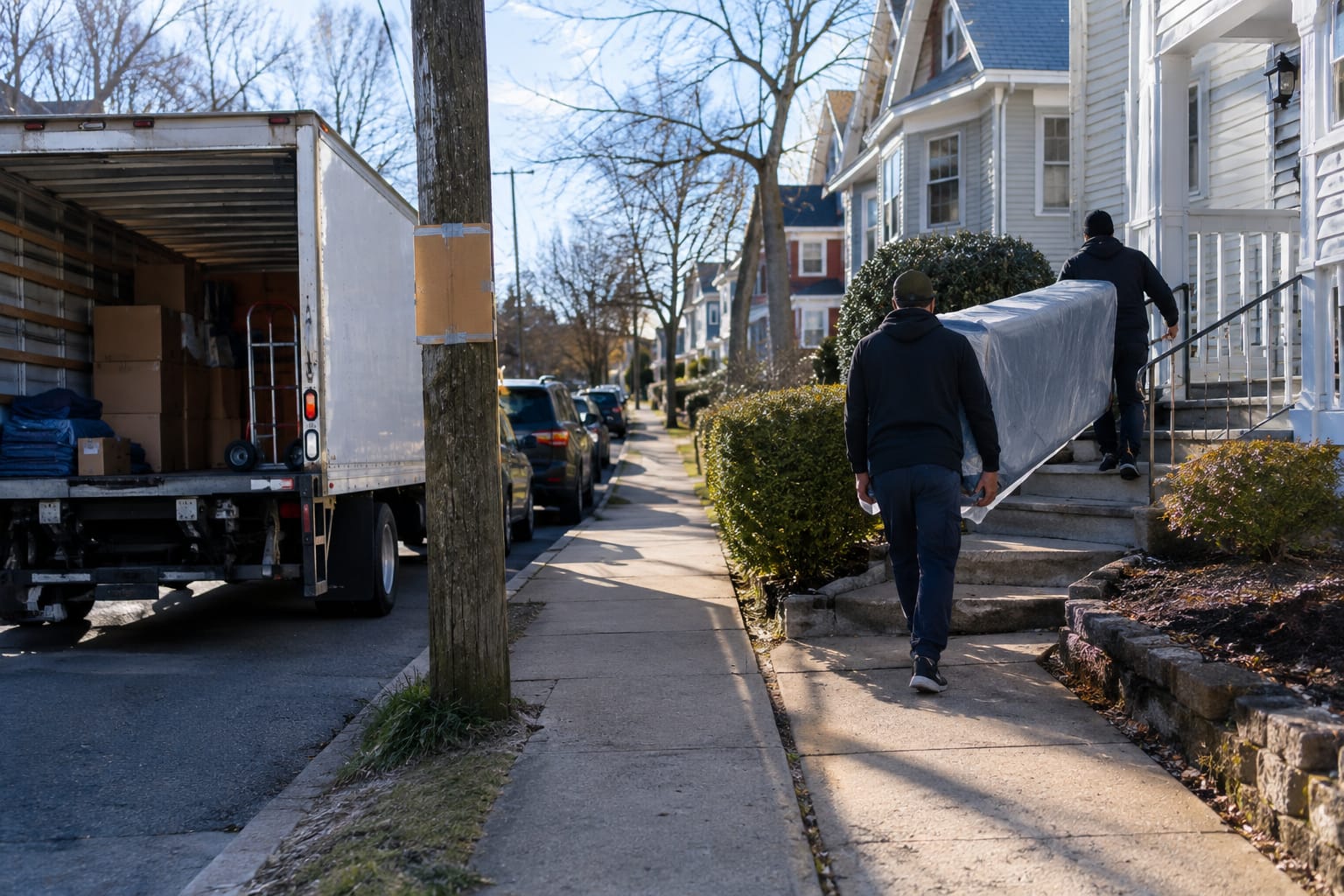
- Stand wrapped mattresses and sofas on end against the side walls.
- Fill gaps with soft items so nothing shifts on turns.
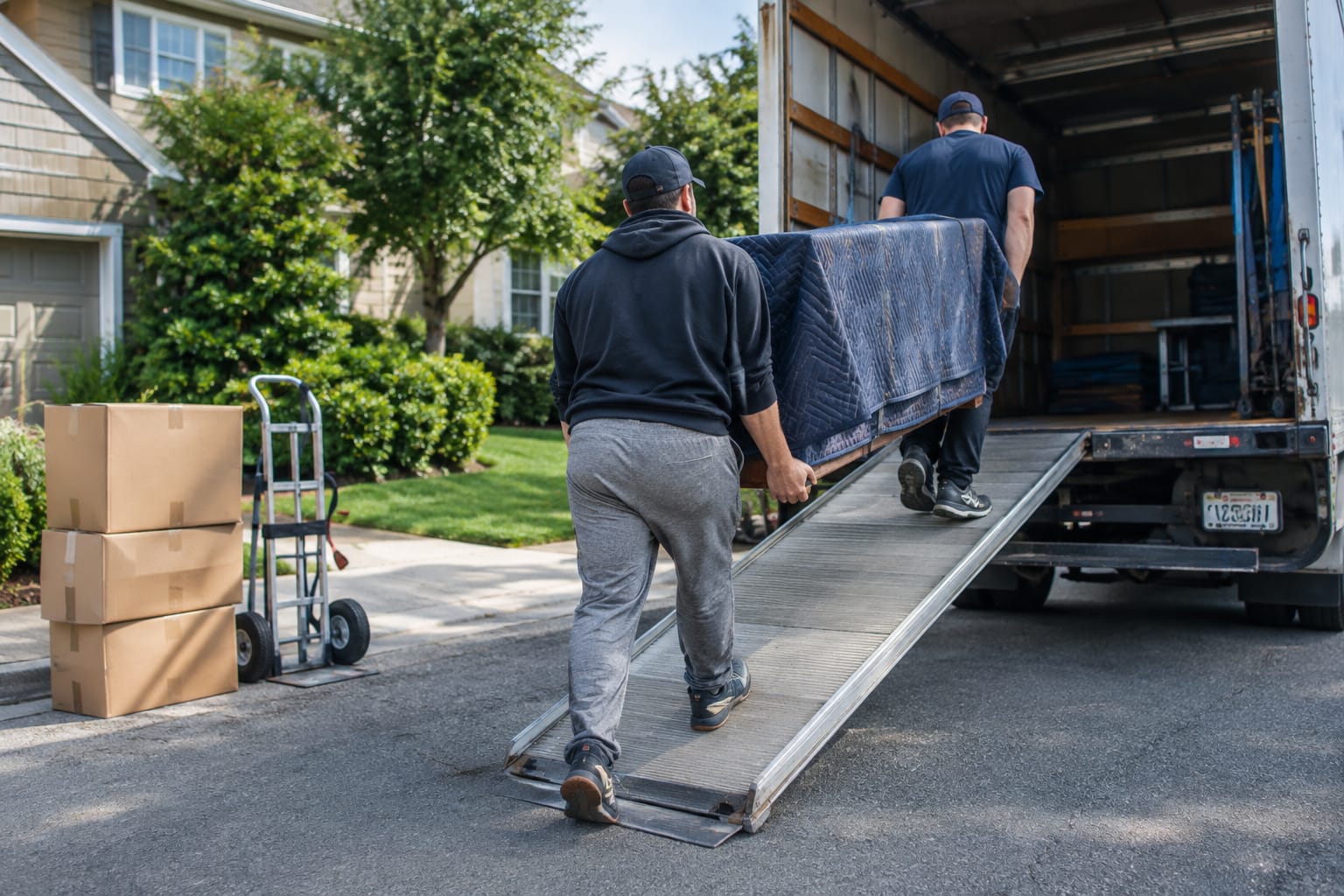
Containers follow the same principles with less room for error, because nothing can be re-stacked mid-route. Learn how to load a moving pod properly before the container arrives. If you plan to drive a truck across several states, read up on how to pack a truck for a long-distance move.

Before the crew arrives, have the truck parked and unlocked or the container in position, and reserve the building elevator if you need one. Confirm in advance whether the crew brings blankets and straps or expects you to rent them. If you only need a few heavy pieces moved, see whether you can hire someone to move furniture instead of booking a full crew.
When a Moving Company Truck Is the Better Deal
A rental truck makes sense for a small, short move with flexible timing and reliable helpers. Once the job grows, the math shifts toward movers with a truck.
A moving company truck tends to win when:
- You have heavy or awkward items. Pianos, safes, and solid-wood furniture need equipment and technique, not just muscle.
- Your addresses are hard to access. Walk-ups, elevators with booked windows, and tight streets slow amateur crews far more than professionals.
- Your timeline is tight. Lease dates that overlap by hours leave no margin for a slow load or a wrong turn.
- You do not want to drive a large truck. Boston's parkway restrictions and parking rules turn that into real risk.
- The move is long distance. Several days behind the wheel add fuel, lodging, and time that rarely appear in the rental quote.
- Your time has a price. A day of loading, driving, and returning a truck is a day away from work.
Whichever route you choose, verify the company first. This walkthrough shows how to check a moving company's US DOT number. If you are comparing quotes, you can also review the licensing and crew background behind Born to Move's trucks, including USDOT 2887241 and MC 985934.
Written by Born to Move Team
Useful Links
- Get a Quote for Movers With a Truck or Loading Help in Greater Boston
- Avoid Getting Storrowed: Tips for Moving Truck Drivers
- How to Pack a Truck for a Long-Distance Move
- How Much Do Movers Cost
Need help with this? Influencer Partnership · Get a quote · Call (617) 903-2609