'%3E%3Cpath%20fill='%231B2A47'%20d='M1.605%2016.263c.03-1.139.059-2.482.088-3.971.03-1.49.03-2.832.03-4.03%200-.758%200-1.576-.03-2.51%200-.905-.03-1.84-.03-2.803%200-.496-.028-.964-.028-1.43%200-.468%200-.906-.03-1.315h6.858q2.188%200%203.589.35c.963.234%201.663.643%202.13%201.198.496.555.73%201.372.73%202.394%200%20.788-.176%201.46-.497%201.985-.32.526-.846.935-1.575%201.197-.73.292-1.693.468-2.918.526v.263c1.313.087%202.334.263%203.122.525.758.263%201.342.672%201.692%201.197.35.526.525%201.197.525%202.044%200%201.08-.233%201.927-.67%202.57-.468.642-1.139%201.08-2.102%201.343-.933.262-2.159.408-3.705.408H1.605zm6.537-9.197q1.882%200%202.713-.526c.555-.35.817-.934.817-1.752%200-.905-.292-1.547-.846-1.927s-1.459-.554-2.655-.554H4.757v4.759zm.204%206.92c.934%200%201.663-.088%202.217-.263.555-.176.934-.438%201.197-.818s.38-.876.38-1.518c0-.876-.322-1.49-.934-1.84-.643-.35-1.635-.525-3.035-.525H4.757v4.963zM21.038%2016.555c-1.576%200-2.801-.292-3.618-.905-.817-.614-1.284-1.519-1.372-2.745-.087-1.226.205-2.774.847-4.613s1.43-3.358%202.392-4.584c.963-1.226%202.043-2.131%203.298-2.744C23.839.292%2025.24%200%2026.786%200c1.576%200%202.772.321%203.59.934.816.613%201.283%201.548%201.37%202.774s-.203%202.774-.845%204.613c-.642%201.81-1.43%203.358-2.393%204.584s-2.072%202.132-3.297%202.745a9.8%209.8%200%200%201-4.173.905m.788-2.278c.642%200%201.138-.058%201.371-.116.205-.059.496-.117.847-.322.262-.146.437-.292.554-.408.204-.175.32-.292.438-.41.204-.203.35-.408.496-.583.35-.438.642-.876.963-1.402.233-.408.466-.817.67-1.284.205-.438.38-.905.555-1.372.438-1.198.671-2.278.671-3.183s-.204-1.606-.612-2.131c-.409-.497-1.051-.76-1.897-.76-.467%200-.934.059-1.43.205h-.03c-1.02.292-1.925%201.226-2.042%201.372-.116.117-.467.526-.963%201.343a15.5%2015.5%200%200%200-1.342%202.92c-.408%201.197-.642%202.277-.671%203.182-.03.906.175%201.636.584%202.161q.611.788%201.838.788M14.853%2038.54c-1.576%200-2.802-.292-3.619-.905s-1.284-1.518-1.371-2.744c-.088-1.227.204-2.774.846-4.614s1.43-3.357%202.393-4.584%202.042-2.13%203.297-2.744c1.255-.613%202.655-.905%204.173-.905%201.575%200%202.772.321%203.589.934s1.284%201.548%201.371%202.774c.088%201.226-.204%202.774-.846%204.613-.642%201.81-1.43%203.358-2.393%204.584s-2.072%202.131-3.297%202.745c-1.226.613-2.626.846-4.143.846m.787-2.277c.642%200%201.138-.059%201.372-.117.204-.058.496-.117.846-.321.263-.146.438-.292.554-.409.205-.175.321-.292.438-.409.204-.204.35-.408.496-.584a13%2013%200%200%200%201.634-2.686c.204-.438.38-.905.555-1.372.437-1.197.67-2.277.67-3.182%200-.906-.203-1.606-.612-2.132-.409-.496-1.05-.759-1.897-.759-.467%200-.934.058-1.43.204h-.029c-1.021.292-1.925%201.227-2.042%201.373-.117.116-.467.525-.963%201.343a15.5%2015.5%200%200%200-1.342%202.92c-.409%201.196-.642%202.277-.671%203.182s.175%201.635.583%202.16q.613.789%201.838.789'/%3E%3Cpath%20fill='%23FF515E'%20d='M55.966%2038.57c-1.576%200-2.801-.293-3.618-.906s-1.284-1.518-1.372-2.744c-.087-1.227.204-2.774.846-4.613s1.43-3.358%202.393-4.584c.963-1.227%202.043-2.132%203.297-2.745s2.656-.905%204.173-.905c1.576%200%202.772.321%203.589.934s1.284%201.548%201.371%202.774c.088%201.226-.204%202.774-.846%204.613-.642%201.81-1.43%203.358-2.393%204.584s-2.071%202.131-3.297%202.745c-1.225.613-2.626.846-4.143.846m.788-2.249c.642%200%201.138-.058%201.371-.117.204-.058.496-.116.846-.32.263-.147.438-.293.555-.41a7%207%200%200%200%20.437-.408c.205-.205.35-.41.496-.584a13%2013%200%200%200%201.634-2.686c.205-.438.38-.905.555-1.373.438-1.197.671-2.277.671-3.182s-.204-1.606-.613-2.131c-.408-.497-1.05-.76-1.896-.76-.467%200-.934.059-1.43.205h-.03c-1.02.292-1.925%201.226-2.042%201.372-.117.117-.467.526-.963%201.343a15.5%2015.5%200%200%200-1.342%202.92c-.409%201.197-.642%202.277-.671%203.182s.175%201.635.583%202.16q.614.79%201.839.79'/%3E%3Cpath%20fill='%231B2A47'%20d='M33.06%2016.263c0-.35%200-.935.03-1.81.029-1.051.058-2.103.058-3.154s.03-2.073.03-3.007c0-1.606-.03-3.27-.06-4.993%200-.554-.028-1.08-.028-1.606%200-.525-.03-1.021-.03-1.46h6.828c1.46%200%202.685.117%203.59.38q1.4.394%202.1%201.314.7.963.7%202.628c0%20.992-.174%201.81-.554%202.452-.35.643-.904%201.11-1.604%201.431s-1.576.467-2.627.496v.263q2.058.087%203.064.876c.671.525%201.138%201.372%201.43%202.51.087.41.233%201.023.467%201.84.233.818.408%201.431.554%201.84h-3.414a11%2011%200%200%200-.262-1.022c-.321-1.314-.526-2.19-.584-2.628a5%205%200%200%200-.642-1.46%202.13%202.13%200%200%200-.963-.73c-.408-.146-.934-.233-1.605-.233h-3.326v6.0440000000000005H33.06zm6.332-8.292c1.343%200%202.276-.205%202.86-.613.554-.41.846-1.11.846-2.073%200-.73-.146-1.314-.408-1.723-.263-.409-.671-.7-1.197-.876q-.788-.263-2.1-.263h-3.181v5.519h3.18zM49.4%2016.263l.03-2.745c.029-2.452.029-4.905.029-7.416q0-2.101-.088-5.868h4.085l5.924%2010.335c.087.234.204.438.291.643.117.204.205.408.321.613.38.788.613%201.255.672%201.372h.262c0-.058-.03-.146-.03-.204%200-.059-.028-.117-.028-.175a75%2075%200%200%201-.175-1.314%2010%2010%200%200%201-.088-1.285c0-1.547%200-3.737-.029-6.57V1.84c0-.584-.03-1.11-.03-1.576h2.977c-.03%202.482-.058%205.08-.058%207.766%200%201.694%200%204.438.029%208.292h-4.027l-5.573-9.43c-.875-1.81-1.226-2.511-1.05-2.132-.263-.613-.467-1.08-.613-1.46h-.263c.058.35.117.876.175%201.548.059.7.117%201.168.117%201.46%200%202.978%200%206.306.029%209.985H49.4zM4.698%2038.277c.029-2.627.058-5.255.058-7.883%200-1.576%200-3.503-.029-5.752-1.109%200-2.684%200-4.727.03v-2.453h12.664v2.453c-1.955-.03-3.53-.03-4.756-.03%200%20.584-.03%201.227-.03%201.957s0%201.46-.029%202.218v1.84c0%202.57.03%205.11.059%207.62z'/%3E%3Cpath%20fill='%23FF515E'%20d='M29.441%2038.277c.409-1.05.788-2.102%201.168-3.182s.787-2.16%201.167-3.241c.613-1.693%201.05-2.949%201.342-3.766l1.255-3.65c.116-.38.262-.788.379-1.139.117-.38.263-.73.38-1.05h4.61l-.671%2012.904h.262l8.316-12.905h4.669l-.7%201.869c-.876%202.452-1.343%203.766-1.43%204a501%20501%200%200%200-3.385%2010.16h-2.947c.292-.846.788-2.219%201.459-4.087.175-.526.35-1.08.554-1.606.175-.526.38-1.08.555-1.577.642-1.81%201.342-3.825%202.072-6.014h-.234l-8.724%2013.314h-2.86l.554-13.314h-.175c-.175.496-.38.992-.554%201.489-.175.496-.38%201.022-.555%201.547a163%20163%200%200%200-1.08%203.008c-.145.38-.262.759-.408%201.138-.117.38-.262.73-.408%201.11-.7%201.898-1.284%203.59-1.751%205.05h-2.86zM68.047%2038.277c.175-2.19.32-4.525.467-7.007.058-.905.204-3.912.467-9.051h3.151c-.03.438-.058.934-.088%201.46s-.058%201.08-.087%201.693a264%20264%200%200%201-.409%206.657c-.145%201.986-.35%203.591-.583%204.788h.175Q72.147%2034.892%2073.94%2032a562%20562%200%200%201%204.465-7.066c.32-.496.641-.992.933-1.46s.555-.875.817-1.255h3.268q-.568.832-1.138%201.752c-.408.613-.787%201.255-1.196%201.927-3.88%206.014-6.478%2010.131-7.85%2012.35h-5.193zM79.106%2038.277c.32-.788.758-2.014%201.37-3.65a287%20287%200%200%200%201.577-4.32c.437-1.256.904-2.628%201.4-4.088s.934-2.774%201.313-3.97h11.322l-.846%202.364H87.1l-1.664%204.847%207.645-.088-.612%201.694-7.587-.088-1.75%204.934h8.286l-.846%202.365z'/%3E%3C/g%3E%3Cdefs%3E%3CclipPath%20id='a'%3E%3Cpath%20fill='%23fff'%20d='M0%200h96v40H0z'/%3E%3C/clipPath%3E%3C/defs%3E%3C/svg%3E)
Intrastate moving is a household move that starts and ends within the same state’s borders. Unlike a cross-state move, it falls under state — not federal — regulation, which shapes how movers are licensed, how they price the job, and how disputes get resolved. That single distinction changes almost everything about how you plan, verify, and budget the job. This guide breaks down the definition, the rules, the pricing methods, and the verification steps most articles skip.

Intrastate Moving Defined
An intrastate move is any relocation where both the origin and destination sit inside the same state. A move from one Chicago neighborhood to a suburb 40 miles away is intrastate. So is a haul from Miami to Tallahassee — roughly 480 miles, yet still one state.
The clean in-state move definition comes down to a single rule: the truck never crosses a state line. Distance is irrelevant. A short cross-town job and a long-distance move within state both count as intrastate, as long as the route stays inside one state’s boundaries.
This matters because most people move short distances. According to the Census Bureau, most U.S. moves happen within the same state, which means the majority of relocations fall under intrastate rules rather than federal ones.
Q: Does a long move inside one state still count as intrastate?
A: Yes. Any relocation that stays inside a single state’s borders is intrastate, even a 400-mile haul — distance never changes the classification, only crossing a state line does.
Comparing Interstate and Intrastate Moves
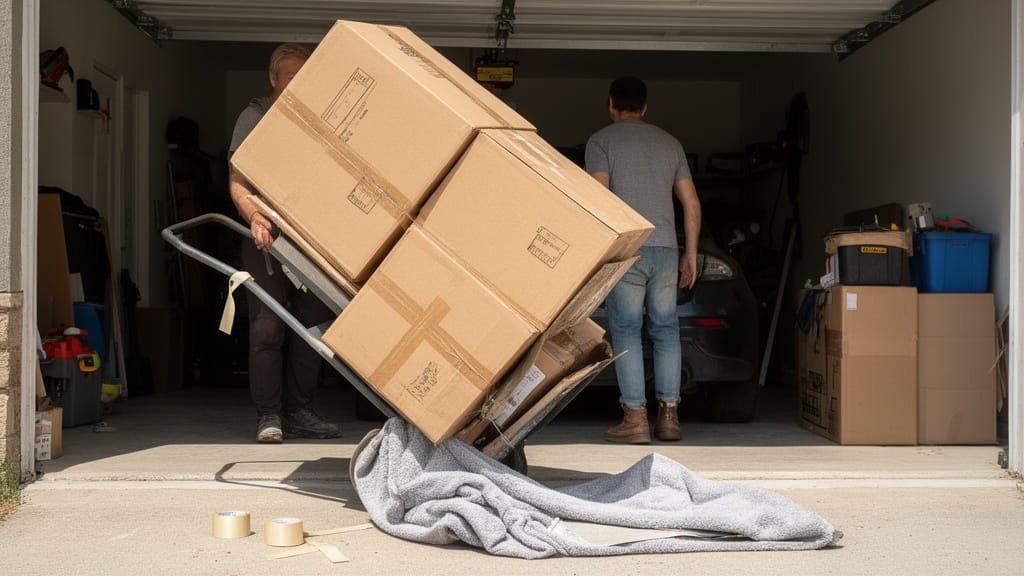
The core of intrastate vs interstate moving is jurisdiction. An interstate move crosses state lines and answers to the Federal Motor Carrier Safety Administration (FMCSA). An intrastate move stays in-state and answers to a state agency.
That difference decides which license a company needs, who investigates complaints, and how estimates are structured. For a deeper look at cross-border rules, see this breakdown of what to know about interstate moving.
Interstate carriers must carry a federal USDOT number. Per the FMCSA, companies operating across state lines must register for a USDOT number, while purely in-state operations are governed by state requirements instead.

| Criteria | Intrastate move | Interstate move |
|---|---|---|
| Route | Stays within one state | Crosses state lines |
| Primary regulator | State agency or state DOT | FMCSA (federal) |
| License identifier | State DOT number or state license | Federal USDOT number |
| Common pricing basis | Hourly or state tariff | Weight plus mileage |
| Complaint channel | State consumer/utility board | FMCSA federal system |
State Rules That Govern Local Relocations
Because the move stays in-state, state moving regulations — not federal law — set the terms. Each state writes its own rulebook, and those rules vary widely in strictness.
Some states, like California and Texas, run tight regulatory programs that require licensing, insurance filings, and published rate tariffs. Others barely regulate household movers at all. That patchwork is exactly why intrastate rules confuse so many people.
A few states cap or standardize pricing through official tariffs. Others let the market set rates freely. Knowing which system your state uses tells you whether a quote is negotiable or fixed by law.
Pro Tip: Search your state’s public utilities commission or department of transportation website for “household goods movers.” That page lists the exact licensing rules, tariff structure, and complaint process for your state — the single most authoritative source you can use.
The regulator handling an intrastate relocation is usually a state body. The FMCSA’s Protect Your Move resource covers federal moves, but it also points consumers to state agencies for in-state jobs, which is where intrastate complaints belong.
Pricing Methods: Hourly, Mileage, or Weight
Understanding how intrastate movers charge starts with three common models. The right one depends on distance, shipment size, and your state’s rules.
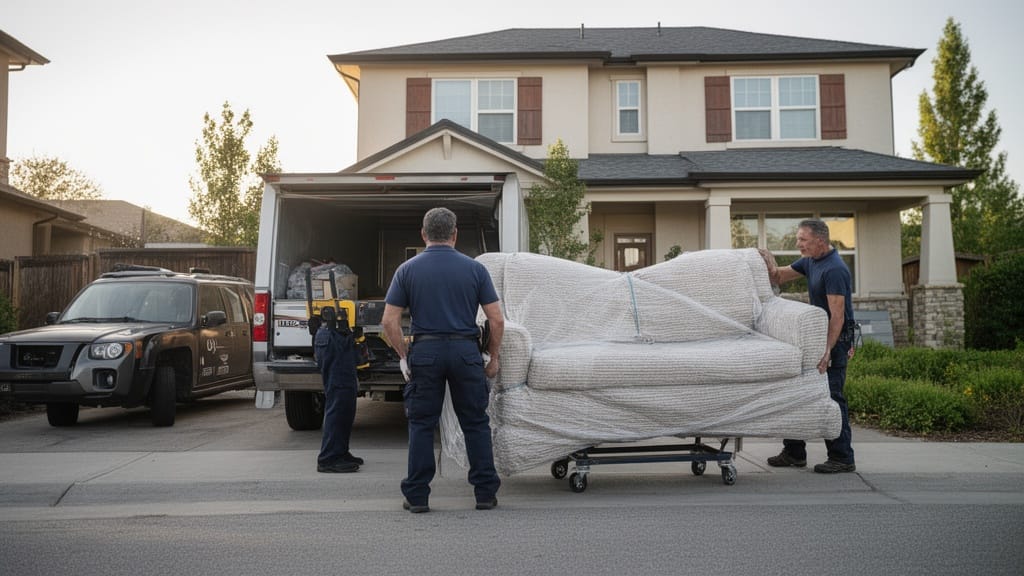
Most short in-state jobs use an hourly rate: crew size multiplied by an hourly charge, plus travel time. Longer in-state moves often switch to weight-and-mileage or a flat binding quote, similar to the method explained in this guide on how movers determine the cost of your move.
| Pricing method | How it works | Best fit |
|---|---|---|
| Hourly | Crew size × hourly rate + travel time | Short, cross-town moves |
| Weight + mileage | Shipment weight combined with distance | Long-distance in-state hauls |
| Flat/binding quote | Fixed price set from a home inventory | Budget certainty |
| State tariff rate | Regulated rate published by the state | States with rate controls |
Comparing intrastate moving rates across at least three companies is the fastest way to spot an outlier. Rates should track the local market — a quote far below the others usually signals a hidden add-on or a company cutting corners.
Q: How do intrastate movers usually calculate a bill?
A: Short in-state moves are typically billed hourly by crew size and travel time, while longer in-state hauls often use weight plus mileage or a flat binding quote.
What an In-State Move Typically Costs
Intrastate moving cost depends on four levers: distance, shipment weight, labor hours, and add-on services like packing or stairs. A studio apartment across town lands at the low end; a four-bedroom house moving 300 miles sits far higher.
Because pricing is so situational, treat any single “average” figure with caution. A small cross-town job may run a few hundred dollars, while a large long-distance move within the same state can reach several thousand.
Add-ons drive most budget surprises. Packing materials, specialty items like pianos, long carries from the truck to the door, and elevator reservations all add labor. Disclosing these upfront produces a more accurate estimate and avoids moving-day disputes.
Pro Tip: Ask every company whether your quote is binding, non-binding, or binding-not-to-exceed. A binding-not-to-exceed estimate protects you best: the final price can drop if the job is lighter than expected, but it cannot climb above the quoted cap.
Verifying That a Mover Is Licensed
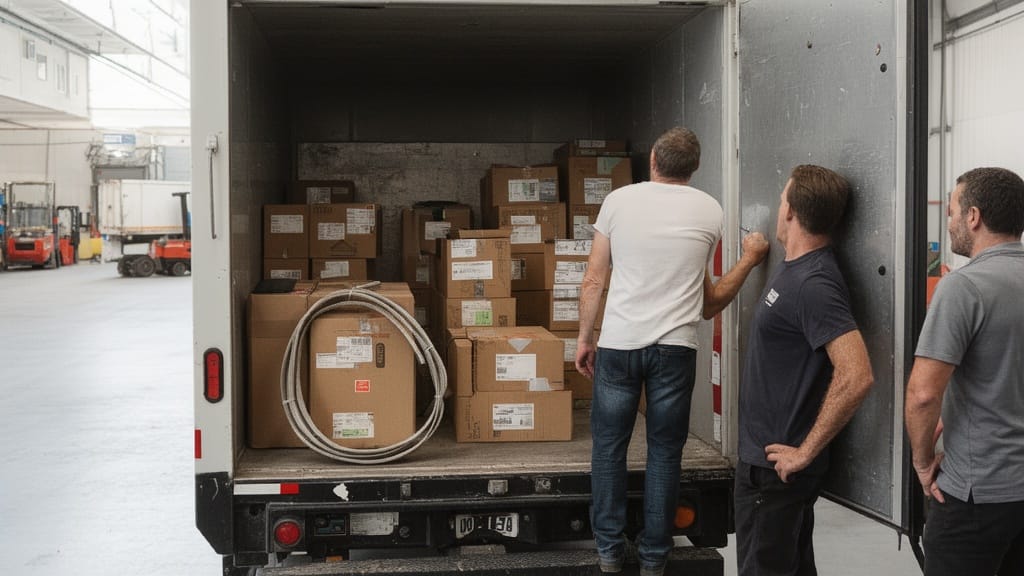
Verification is where intrastate moves diverge most sharply from interstate ones. Instead of one federal database, you check a state registry — and intrastate movers licensing rules differ by state.
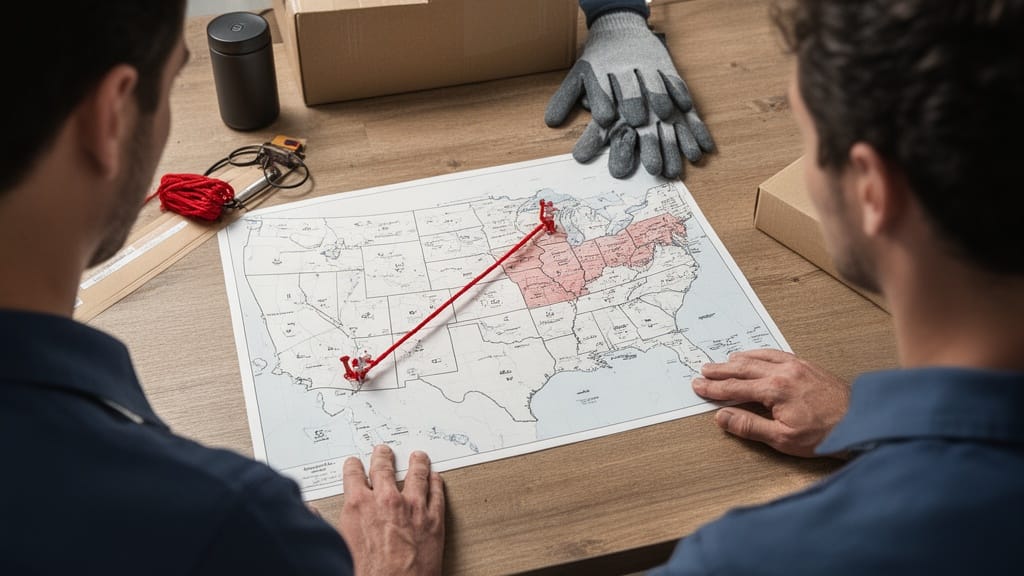
Start by asking for the company’s state license number. Many states issue a state DOT number movers must display on trucks and paperwork; others use a separate household-goods permit number. Confirm it against your state agency’s online lookup tool.
For moves that do cross state lines, or for companies that handle both, you can also check a moving company’s DOT number through the federal system. A reputable intrastate moving company will hand over its credentials without hesitation.
Insurance matters as much as licensing. A fully licensed and insured mover carries liability coverage and offers valuation options for your goods. The FTC’s guidance on hiring a mover recommends confirming both license and insurance before signing anything.
Q: How do I verify an in-state mover is properly licensed?
A: Request the company’s state license or state DOT number, then confirm it on your state transportation or public utilities agency’s online registry before booking.
Planning Checklist for Your Relocation
A smooth intrastate relocation runs on preparation. The steps below cover the essentials most people forget until moving week.
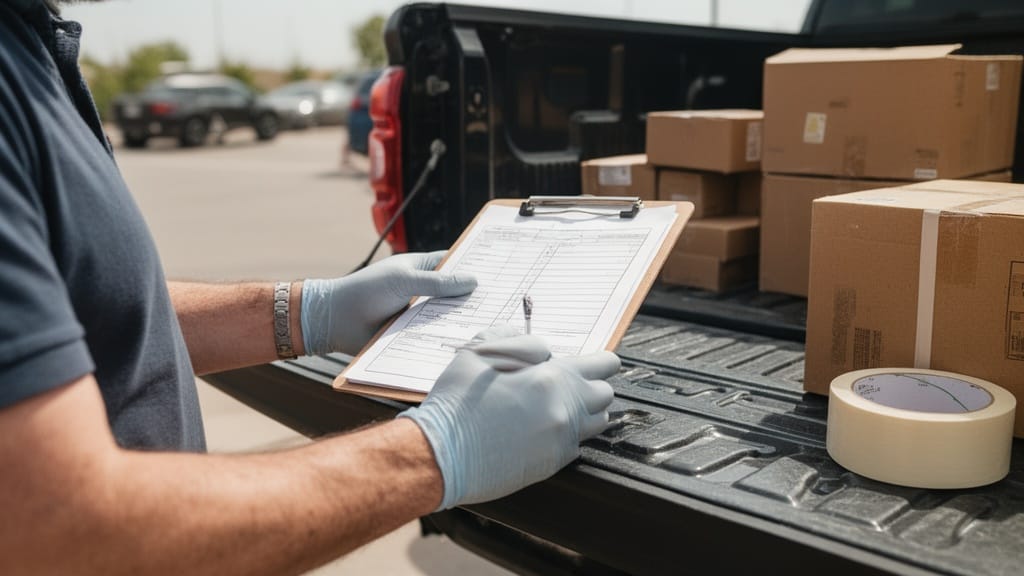
- Collect three written quotes. Compare rates, pricing model, and included services side by side.
- Verify licensing and insurance. Check the state registry and confirm liability coverage.
- Disclose special items early. Pianos, safes, and appliances change the estimate.
- Confirm the pricing model in writing. Hourly, flat, or tariff — get it on paper.
- Reserve building logistics. Book elevators, loading docks, and parking permits in advance.
- Inventory high-value goods. Photograph electronics and furniture before the crew arrives.
- Read the bill of lading. This contract governs the entire move — never sign a blank one.
Moving within the same state still demands the same rigor as a cross-country haul. Skipping verification to save an afternoon is the most expensive shortcut in the entire process.
Common Mistakes to Avoid
The biggest error is assuming intrastate and interstate rules are identical. They are not. Checking only the federal database for an in-state mover can leave a company’s real state record invisible.
Red flags cluster around a few behaviors. Watch for large cash deposits demanded upfront, quotes given without a home or video survey, no written estimate, and a blank or vague bill of lading. Per the BLS, the moving workforce is measured through roles like material-moving and hand-labor occupations, and legitimate operators run structured, documented crews — not cash-only, paperwork-free jobs.
Pro Tip: If a company refuses to provide a physical or video walkthrough before quoting, walk away. Sight-unseen estimates are the single most common source of moving-day price disputes, because the mover can later claim the load was larger than described.
The last mistake is rushing. Booking the first available crew without comparing quotes or verifying credentials trades a few saved hours for real financial and safety risk.
Related Articles
- How to Plan a Local Move: Step-by-Step Guide — a practical walkthrough for organizing an in-state relocation from start to finish.
- How Do Moving Companies Charge? Pricing Explained — a clear breakdown of hourly, flat, and weight-based pricing models.
- Cheapest Moving Options: Ways to Move on a Budget — cost-saving strategies for keeping any move affordable.
- Moving Industry Insights: Trends and Data — a data-driven look at how the moving market is changing.
Recommended Reading
- What to Know about Interstate Moving
- How to Check a Moving Company’s US DOT Number
- Are There Any Good Moving Companies for Interstate Moving?
- How Interstate Movers Determine the Cost of Your Move
Frequently Asked Questions