'%3E%3Cpath%20fill='%231B2A47'%20d='M1.605%2016.263c.03-1.139.059-2.482.088-3.971.03-1.49.03-2.832.03-4.03%200-.758%200-1.576-.03-2.51%200-.905-.03-1.84-.03-2.803%200-.496-.028-.964-.028-1.43%200-.468%200-.906-.03-1.315h6.858q2.188%200%203.589.35c.963.234%201.663.643%202.13%201.198.496.555.73%201.372.73%202.394%200%20.788-.176%201.46-.497%201.985-.32.526-.846.935-1.575%201.197-.73.292-1.693.468-2.918.526v.263c1.313.087%202.334.263%203.122.525.758.263%201.342.672%201.692%201.197.35.526.525%201.197.525%202.044%200%201.08-.233%201.927-.67%202.57-.468.642-1.139%201.08-2.102%201.343-.933.262-2.159.408-3.705.408H1.605zm6.537-9.197q1.882%200%202.713-.526c.555-.35.817-.934.817-1.752%200-.905-.292-1.547-.846-1.927s-1.459-.554-2.655-.554H4.757v4.759zm.204%206.92c.934%200%201.663-.088%202.217-.263.555-.176.934-.438%201.197-.818s.38-.876.38-1.518c0-.876-.322-1.49-.934-1.84-.643-.35-1.635-.525-3.035-.525H4.757v4.963zM21.038%2016.555c-1.576%200-2.801-.292-3.618-.905-.817-.614-1.284-1.519-1.372-2.745-.087-1.226.205-2.774.847-4.613s1.43-3.358%202.392-4.584c.963-1.226%202.043-2.131%203.298-2.744C23.839.292%2025.24%200%2026.786%200c1.576%200%202.772.321%203.59.934.816.613%201.283%201.548%201.37%202.774s-.203%202.774-.845%204.613c-.642%201.81-1.43%203.358-2.393%204.584s-2.072%202.132-3.297%202.745a9.8%209.8%200%200%201-4.173.905m.788-2.278c.642%200%201.138-.058%201.371-.116.205-.059.496-.117.847-.322.262-.146.437-.292.554-.408.204-.175.32-.292.438-.41.204-.203.35-.408.496-.583.35-.438.642-.876.963-1.402.233-.408.466-.817.67-1.284.205-.438.38-.905.555-1.372.438-1.198.671-2.278.671-3.183s-.204-1.606-.612-2.131c-.409-.497-1.051-.76-1.897-.76-.467%200-.934.059-1.43.205h-.03c-1.02.292-1.925%201.226-2.042%201.372-.116.117-.467.526-.963%201.343a15.5%2015.5%200%200%200-1.342%202.92c-.408%201.197-.642%202.277-.671%203.182-.03.906.175%201.636.584%202.161q.611.788%201.838.788M14.853%2038.54c-1.576%200-2.802-.292-3.619-.905s-1.284-1.518-1.371-2.744c-.088-1.227.204-2.774.846-4.614s1.43-3.357%202.393-4.584%202.042-2.13%203.297-2.744c1.255-.613%202.655-.905%204.173-.905%201.575%200%202.772.321%203.589.934s1.284%201.548%201.371%202.774c.088%201.226-.204%202.774-.846%204.613-.642%201.81-1.43%203.358-2.393%204.584s-2.072%202.131-3.297%202.745c-1.226.613-2.626.846-4.143.846m.787-2.277c.642%200%201.138-.059%201.372-.117.204-.058.496-.117.846-.321.263-.146.438-.292.554-.409.205-.175.321-.292.438-.409.204-.204.35-.408.496-.584a13%2013%200%200%200%201.634-2.686c.204-.438.38-.905.555-1.372.437-1.197.67-2.277.67-3.182%200-.906-.203-1.606-.612-2.132-.409-.496-1.05-.759-1.897-.759-.467%200-.934.058-1.43.204h-.029c-1.021.292-1.925%201.227-2.042%201.373-.117.116-.467.525-.963%201.343a15.5%2015.5%200%200%200-1.342%202.92c-.409%201.196-.642%202.277-.671%203.182s.175%201.635.583%202.16q.613.789%201.838.789'/%3E%3Cpath%20fill='%23FF515E'%20d='M55.966%2038.57c-1.576%200-2.801-.293-3.618-.906s-1.284-1.518-1.372-2.744c-.087-1.227.204-2.774.846-4.613s1.43-3.358%202.393-4.584c.963-1.227%202.043-2.132%203.297-2.745s2.656-.905%204.173-.905c1.576%200%202.772.321%203.589.934s1.284%201.548%201.371%202.774c.088%201.226-.204%202.774-.846%204.613-.642%201.81-1.43%203.358-2.393%204.584s-2.071%202.131-3.297%202.745c-1.225.613-2.626.846-4.143.846m.788-2.249c.642%200%201.138-.058%201.371-.117.204-.058.496-.116.846-.32.263-.147.438-.293.555-.41a7%207%200%200%200%20.437-.408c.205-.205.35-.41.496-.584a13%2013%200%200%200%201.634-2.686c.205-.438.38-.905.555-1.373.438-1.197.671-2.277.671-3.182s-.204-1.606-.613-2.131c-.408-.497-1.05-.76-1.896-.76-.467%200-.934.059-1.43.205h-.03c-1.02.292-1.925%201.226-2.042%201.372-.117.117-.467.526-.963%201.343a15.5%2015.5%200%200%200-1.342%202.92c-.409%201.197-.642%202.277-.671%203.182s.175%201.635.583%202.16q.614.79%201.839.79'/%3E%3Cpath%20fill='%231B2A47'%20d='M33.06%2016.263c0-.35%200-.935.03-1.81.029-1.051.058-2.103.058-3.154s.03-2.073.03-3.007c0-1.606-.03-3.27-.06-4.993%200-.554-.028-1.08-.028-1.606%200-.525-.03-1.021-.03-1.46h6.828c1.46%200%202.685.117%203.59.38q1.4.394%202.1%201.314.7.963.7%202.628c0%20.992-.174%201.81-.554%202.452-.35.643-.904%201.11-1.604%201.431s-1.576.467-2.627.496v.263q2.058.087%203.064.876c.671.525%201.138%201.372%201.43%202.51.087.41.233%201.023.467%201.84.233.818.408%201.431.554%201.84h-3.414a11%2011%200%200%200-.262-1.022c-.321-1.314-.526-2.19-.584-2.628a5%205%200%200%200-.642-1.46%202.13%202.13%200%200%200-.963-.73c-.408-.146-.934-.233-1.605-.233h-3.326v6.0440000000000005H33.06zm6.332-8.292c1.343%200%202.276-.205%202.86-.613.554-.41.846-1.11.846-2.073%200-.73-.146-1.314-.408-1.723-.263-.409-.671-.7-1.197-.876q-.788-.263-2.1-.263h-3.181v5.519h3.18zM49.4%2016.263l.03-2.745c.029-2.452.029-4.905.029-7.416q0-2.101-.088-5.868h4.085l5.924%2010.335c.087.234.204.438.291.643.117.204.205.408.321.613.38.788.613%201.255.672%201.372h.262c0-.058-.03-.146-.03-.204%200-.059-.028-.117-.028-.175a75%2075%200%200%201-.175-1.314%2010%2010%200%200%201-.088-1.285c0-1.547%200-3.737-.029-6.57V1.84c0-.584-.03-1.11-.03-1.576h2.977c-.03%202.482-.058%205.08-.058%207.766%200%201.694%200%204.438.029%208.292h-4.027l-5.573-9.43c-.875-1.81-1.226-2.511-1.05-2.132-.263-.613-.467-1.08-.613-1.46h-.263c.058.35.117.876.175%201.548.059.7.117%201.168.117%201.46%200%202.978%200%206.306.029%209.985H49.4zM4.698%2038.277c.029-2.627.058-5.255.058-7.883%200-1.576%200-3.503-.029-5.752-1.109%200-2.684%200-4.727.03v-2.453h12.664v2.453c-1.955-.03-3.53-.03-4.756-.03%200%20.584-.03%201.227-.03%201.957s0%201.46-.029%202.218v1.84c0%202.57.03%205.11.059%207.62z'/%3E%3Cpath%20fill='%23FF515E'%20d='M29.441%2038.277c.409-1.05.788-2.102%201.168-3.182s.787-2.16%201.167-3.241c.613-1.693%201.05-2.949%201.342-3.766l1.255-3.65c.116-.38.262-.788.379-1.139.117-.38.263-.73.38-1.05h4.61l-.671%2012.904h.262l8.316-12.905h4.669l-.7%201.869c-.876%202.452-1.343%203.766-1.43%204a501%20501%200%200%200-3.385%2010.16h-2.947c.292-.846.788-2.219%201.459-4.087.175-.526.35-1.08.554-1.606.175-.526.38-1.08.555-1.577.642-1.81%201.342-3.825%202.072-6.014h-.234l-8.724%2013.314h-2.86l.554-13.314h-.175c-.175.496-.38.992-.554%201.489-.175.496-.38%201.022-.555%201.547a163%20163%200%200%200-1.08%203.008c-.145.38-.262.759-.408%201.138-.117.38-.262.73-.408%201.11-.7%201.898-1.284%203.59-1.751%205.05h-2.86zM68.047%2038.277c.175-2.19.32-4.525.467-7.007.058-.905.204-3.912.467-9.051h3.151c-.03.438-.058.934-.088%201.46s-.058%201.08-.087%201.693a264%20264%200%200%201-.409%206.657c-.145%201.986-.35%203.591-.583%204.788h.175Q72.147%2034.892%2073.94%2032a562%20562%200%200%201%204.465-7.066c.32-.496.641-.992.933-1.46s.555-.875.817-1.255h3.268q-.568.832-1.138%201.752c-.408.613-.787%201.255-1.196%201.927-3.88%206.014-6.478%2010.131-7.85%2012.35h-5.193zM79.106%2038.277c.32-.788.758-2.014%201.37-3.65a287%20287%200%200%200%201.577-4.32c.437-1.256.904-2.628%201.4-4.088s.934-2.774%201.313-3.97h11.322l-.846%202.364H87.1l-1.664%204.847%207.645-.088-.612%201.694-7.587-.088-1.75%204.934h8.286l-.846%202.365z'/%3E%3C/g%3E%3Cdefs%3E%3CclipPath%20id='a'%3E%3Cpath%20fill='%23fff'%20d='M0%200h96v40H0z'/%3E%3C/clipPath%3E%3C/defs%3E%3C/svg%3E)
The cheapest moving options are renting your own truck, loading a portable moving container, or booking a hybrid move—renting a truck but hiring labor only to load it. For short local moves, do-it-yourself truck rental usually wins on price. For longer distances, containers and freight often cost less once fuel and mileage are counted.
Here’s the thing: the option with the lowest advertised rate is rarely the cheapest move overall. Add fuel, per-mile charges, insurance, equipment, and the value of your own weekend, and the rankings shift. This guide breaks down every method by true out-the-door cost, so you can match the right approach to your distance, load size, and budget.

Key Takeaways
| Point | Details |
|---|---|
| DIY truck rental is the baseline | For local moves, renting a truck yourself is typically the lowest-cost method—but fuel, mileage, and pads add up fast. |
| Containers win at medium distance | Portable containers let you load at your own pace and often undercut full-service moving on longer hauls. |
| Hybrid moves remove the hardest labor | Renting a truck and hiring loaders only strips out the heavy lifting while keeping costs low. |
| Timing changes the bill | Mid-week, mid-month, and off-season moves cost less than weekend and month-end slots. |
| Verify every mover | Confirm licensing and insurance through FMCSA’s Protect Your Move before booking. |
What Actually Drives the Cost of a Move

Every moving quote comes down to a handful of variables. Understand them, and you can predict which of the cheapest moving options will actually be cheapest for your situation.
Six factors drive nearly every price:
- Distance — local moves are priced by the hour; long-distance by weight and mileage.
- Volume and weight — more stuff means a bigger truck, more fuel, and more labor.
- Labor — loading and unloading is the single largest line item in most professional moves.
- Timing — summer, weekends, and month-end command premium rates.
- Packing and supplies — boxes, tape, and pads add up quickly.
- Access — stairs, long carries, and elevators increase labor time.
Distance matters most. Tens of millions of Americans relocate every year, according to Census Bureau migration data, and the majority move within the same county—where a DIY approach shines. Labor is the next lever: the median wage for hand laborers and material movers sets the floor for what any crew, hired or borrowed, is worth.
For a full breakdown of professional rates, see how much movers cost. Knowing the baseline helps you judge whether a “cheap” quote is genuinely cheap.
Pro Tip: Get every quote as a written, binding estimate tied to a specific inventory. Non-binding phone quotes routinely balloon on moving day once the crew sees the real load.
DIY Truck Rental: The Baseline Budget Option
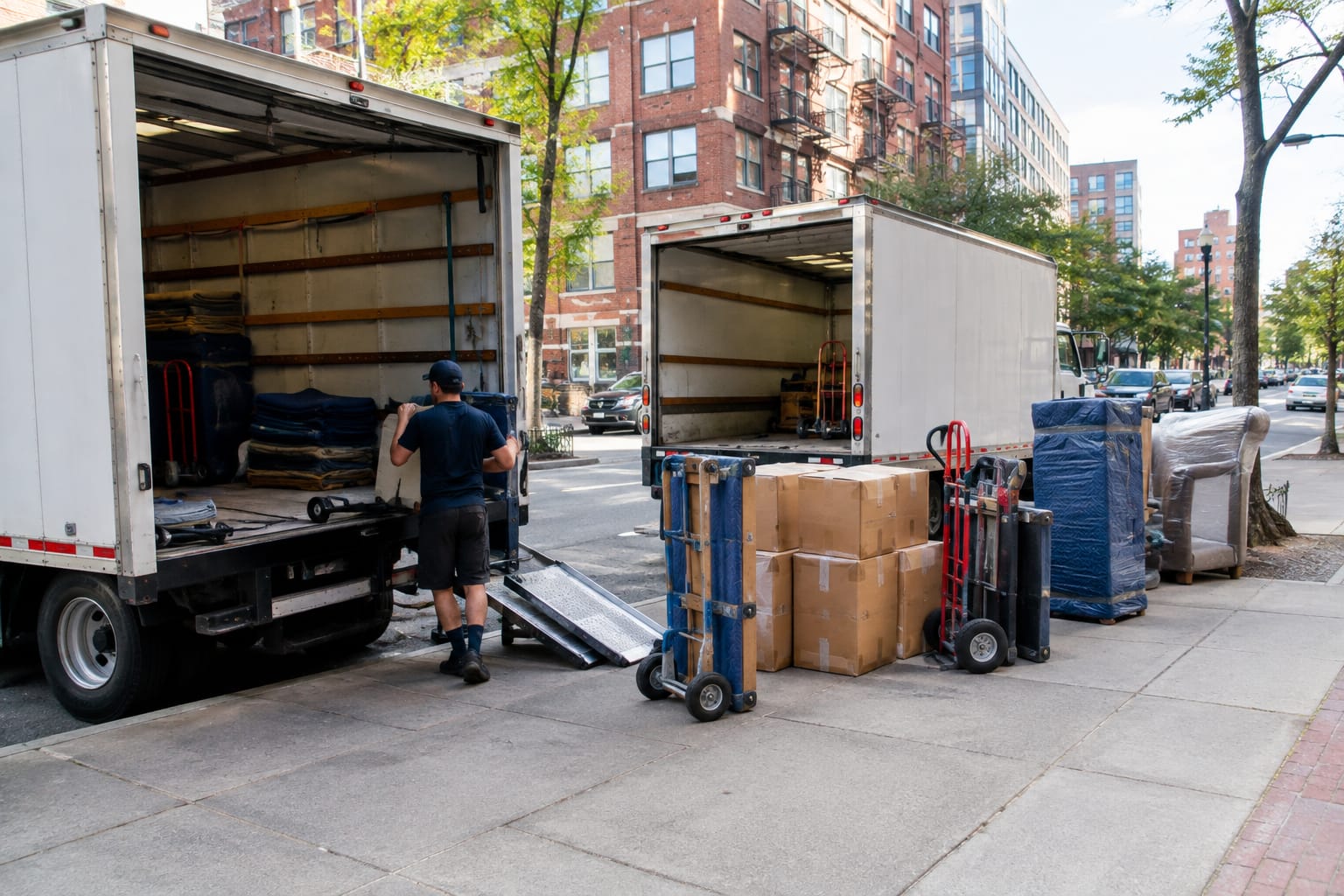
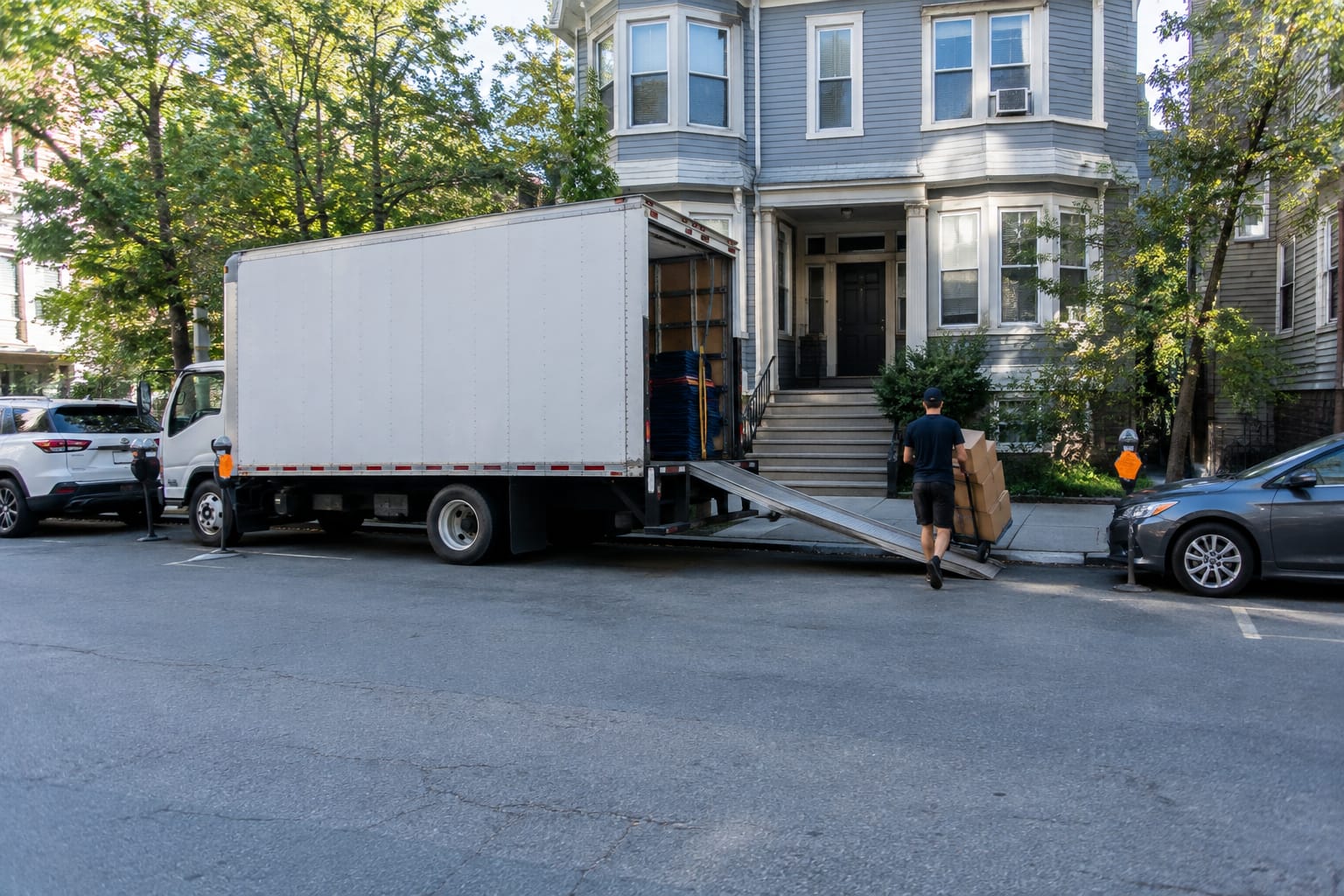
Renting a truck and driving it yourself is the classic cheapest way to move, and for local relocations it usually earns the title. You pay a base day rate, a per-mile charge, and fuel—nothing more.
The major players are U-Haul, Penske, and Budget. U-Haul often posts the lowest base rate for local rentals, while Penske tends to be competitive on longer hauls and includes unlimited miles on one-way reservations.
But the sticker price hides the real math. A true cheapest moving truck rental total looks like this:
- Base daily rate
- Per-mile fee (local) or one-way mileage allowance
- Fuel—large trucks are thirsty, and current fuel prices swing the total more than most people expect
- Damage waiver or insurance
- Furniture pads, dolly, and hand-truck add-ons
- Your own time and physical effort
Add those up and a “cheap” truck can rival a hired option—especially over long distances where fuel dominates. For a side-by-side look at full service vs DIY truck rentals, weigh the hours you will spend against the dollars you will save.
This is still one of the most inexpensive way to move for short, light loads. Learning how to move cheaply with a rental comes down to booking mid-week and returning the truck on time to dodge extra-day fees.
Moving Containers and Pods: Flexible and Often Cheaper
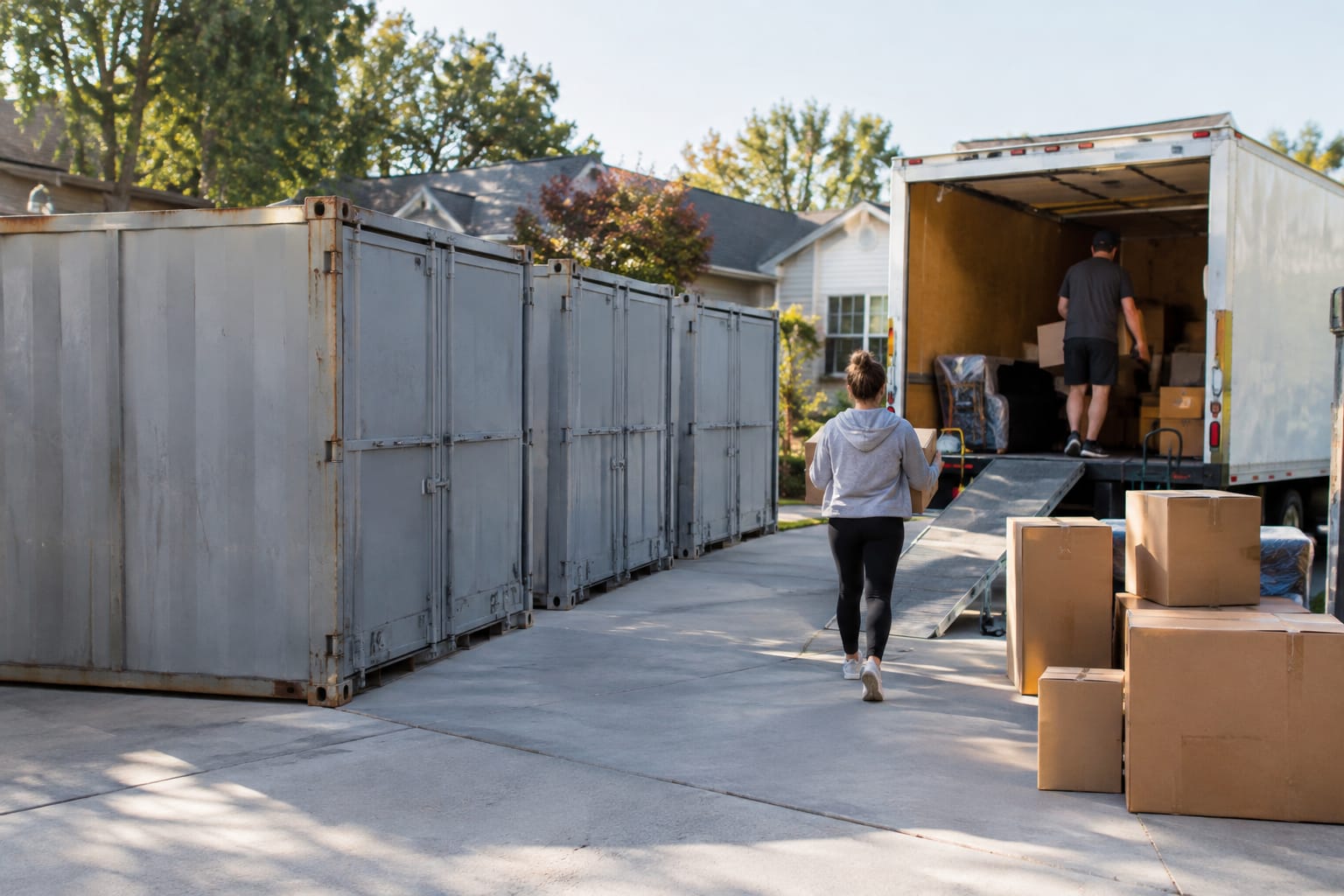
Portable moving containers changed the budget-moving landscape. A company drops a weatherproof container in your driveway, you load it on your own schedule, and they transport it to your new home.
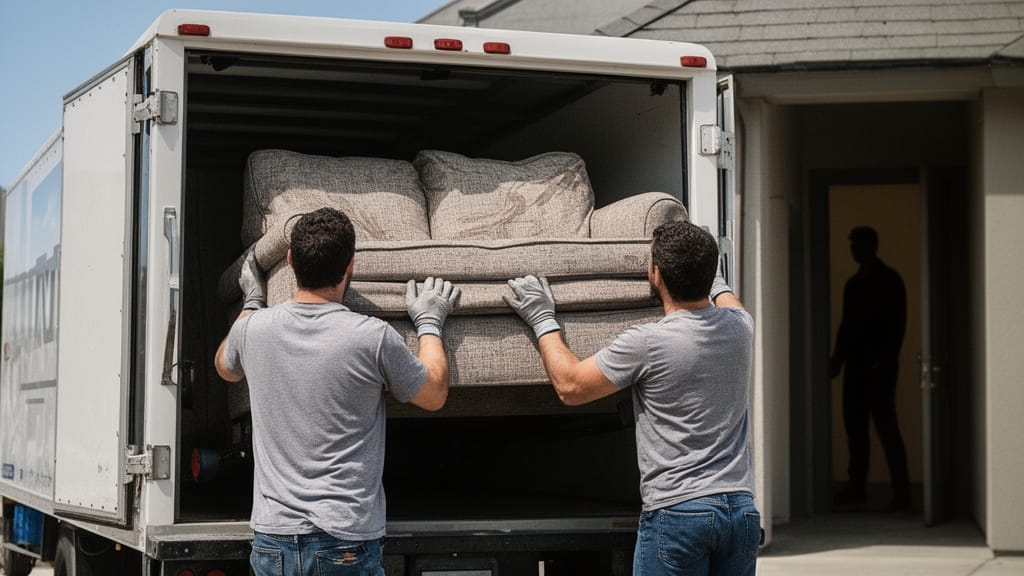
Providers like PODS, U-Pack, U-Box, and 1-800-PACK-RAT dominate this category. Because you supply the labor and they supply the driving, containers frequently undercut full-service movers on medium and long distances.
Q: When do moving containers beat a rental truck?
A: Portable containers from providers like PODS or U-Pack usually win once a move crosses a few hundred miles, because you pay a flat transport rate instead of per-mile fees plus fuel.
Moving container costs depend on container size, distance, and how long you keep it. The longer it sits in your driveway, the more you pay in monthly rental—so load quickly. These affordable moving options also double as short-term storage, which can replace a separate storage bill.
Pro Tip: Order one size larger than you think you need only if the price gap is small. An overpacked container that will not close forces a costly second unit or a last-minute truck rental.
Hybrid Moves: Rent the Truck, Hire Labor Only
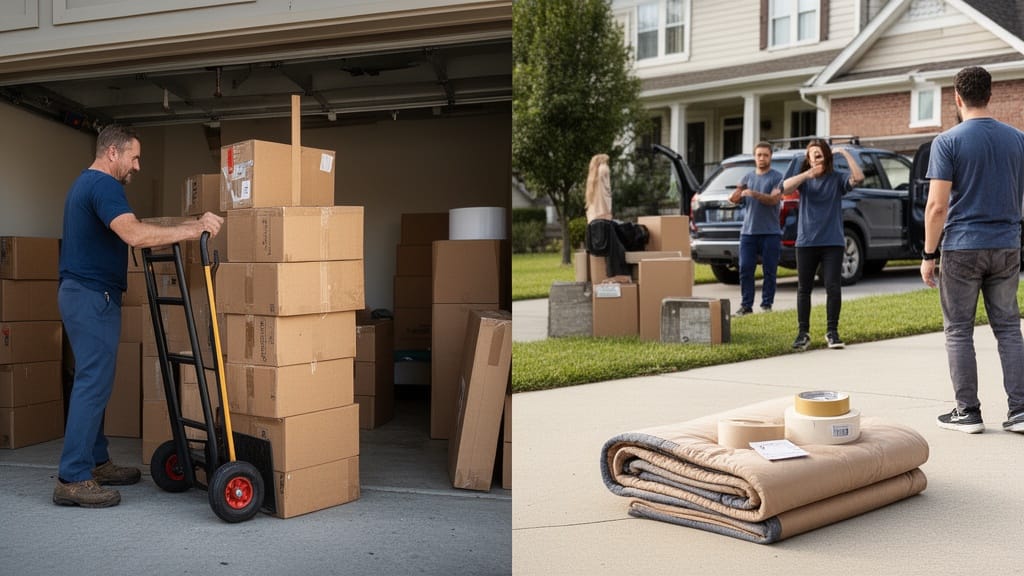
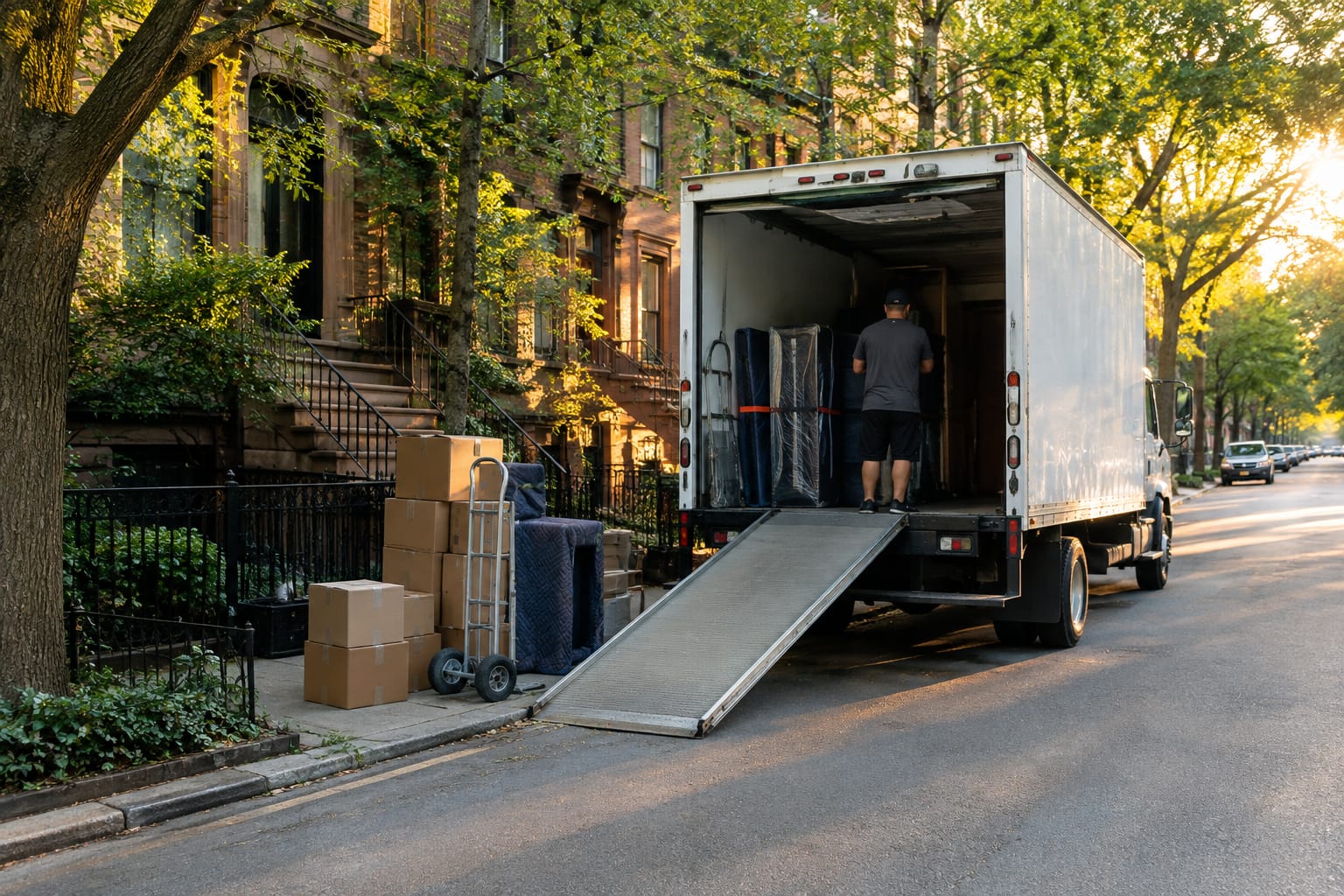
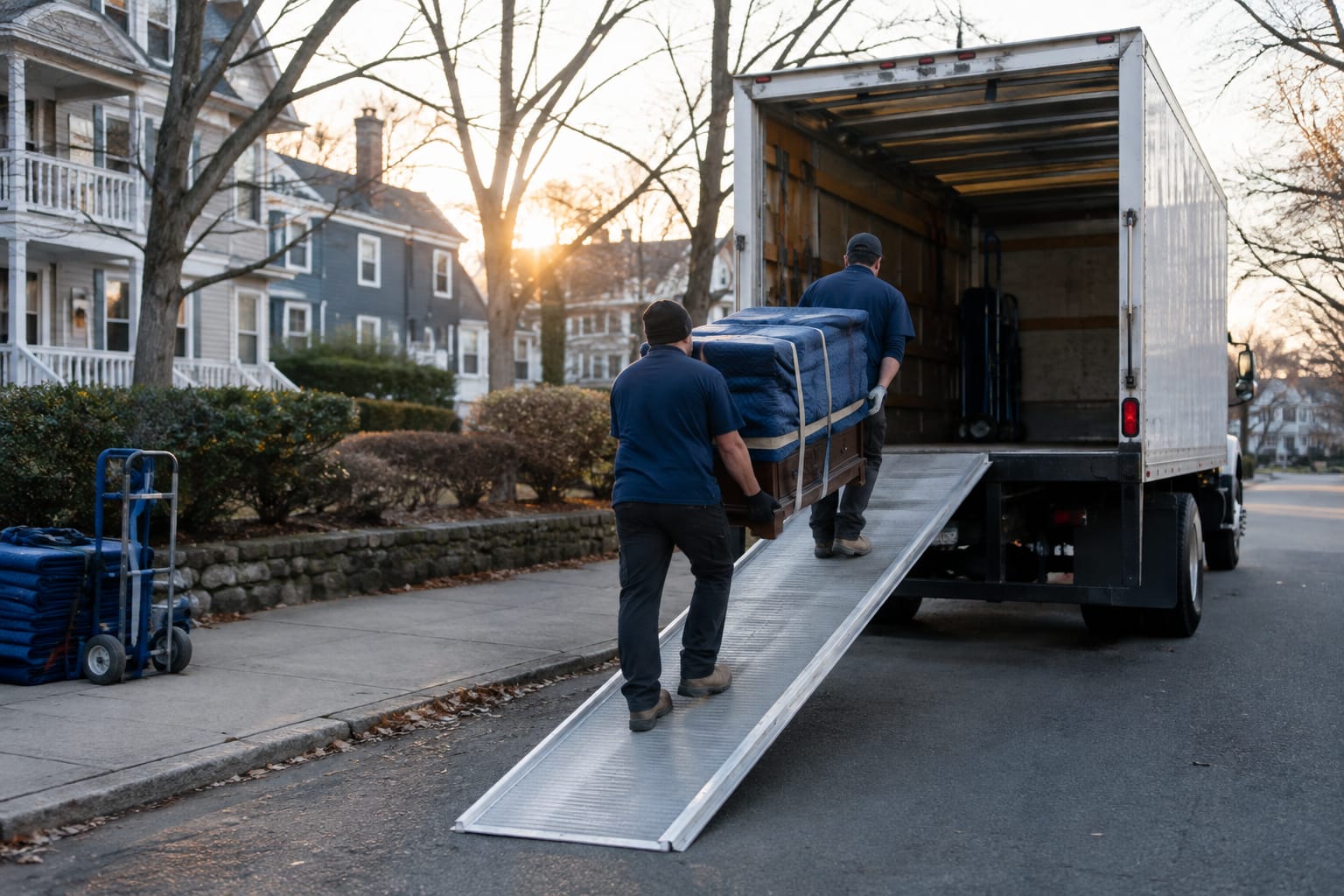
The most underrated budget strategy is the hybrid move: rent the truck yourself, then hire labor only to load and unload. You skip the biggest professional line item—driving labor—while dodging the back-breaking part of DIY.
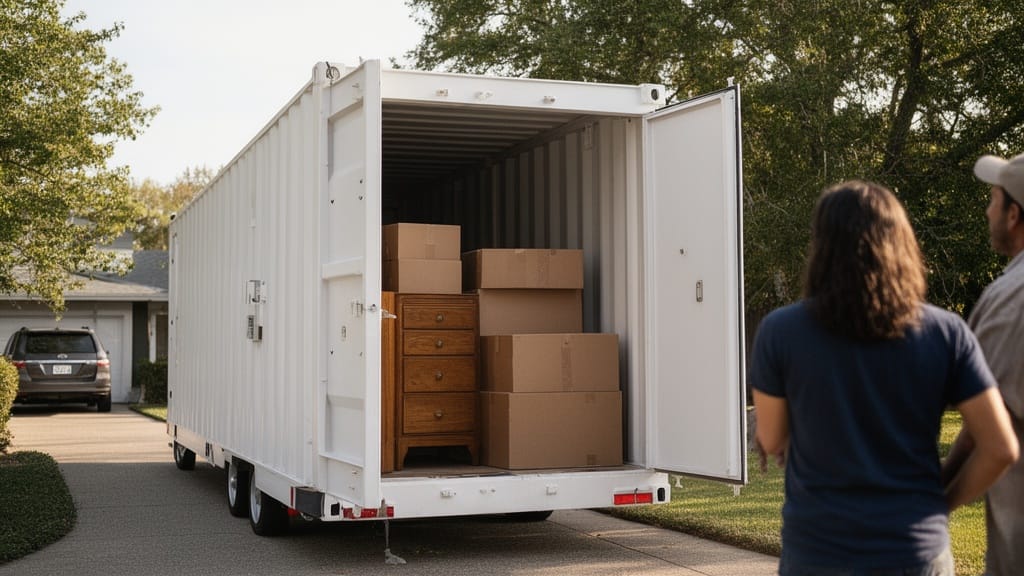
Labor marketplaces such as HireAHelper, Dolly, and TaskRabbit connect you with crews who charge by the hour for muscle only. These hybrid moving options work equally well with a rental truck or a portable container.
Q: How much can hiring loaders only save versus full-service movers?
A: Hybrid moves remove the largest full-service cost—long-distance driving labor—while you handle transport, so they typically land between pure DIY and full-service pricing.
If you only need help with the heavy items, you can hire someone to move furniture for a couple of hours rather than paying a full crew all day. That makes hybrid one of the best budget moving solutions for anyone with a bad back and a tight wallet.
Pro Tip: Book loading labor at the origin and separate unloading labor at the destination. Paying one crew to ride along on a long-distance move costs far more than hiring two local crews.
Full-Service Movers on a Budget: When They Beat DIY
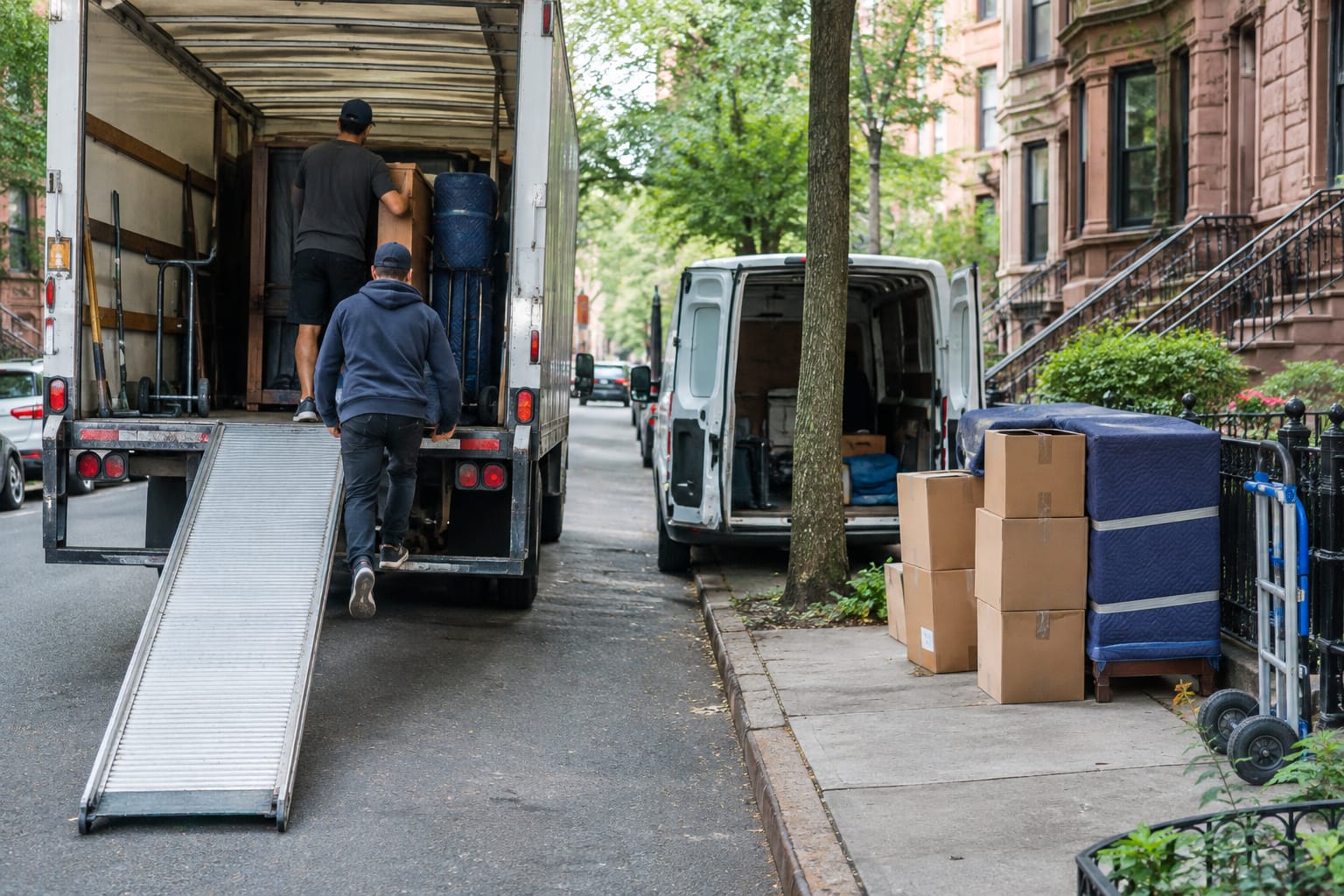
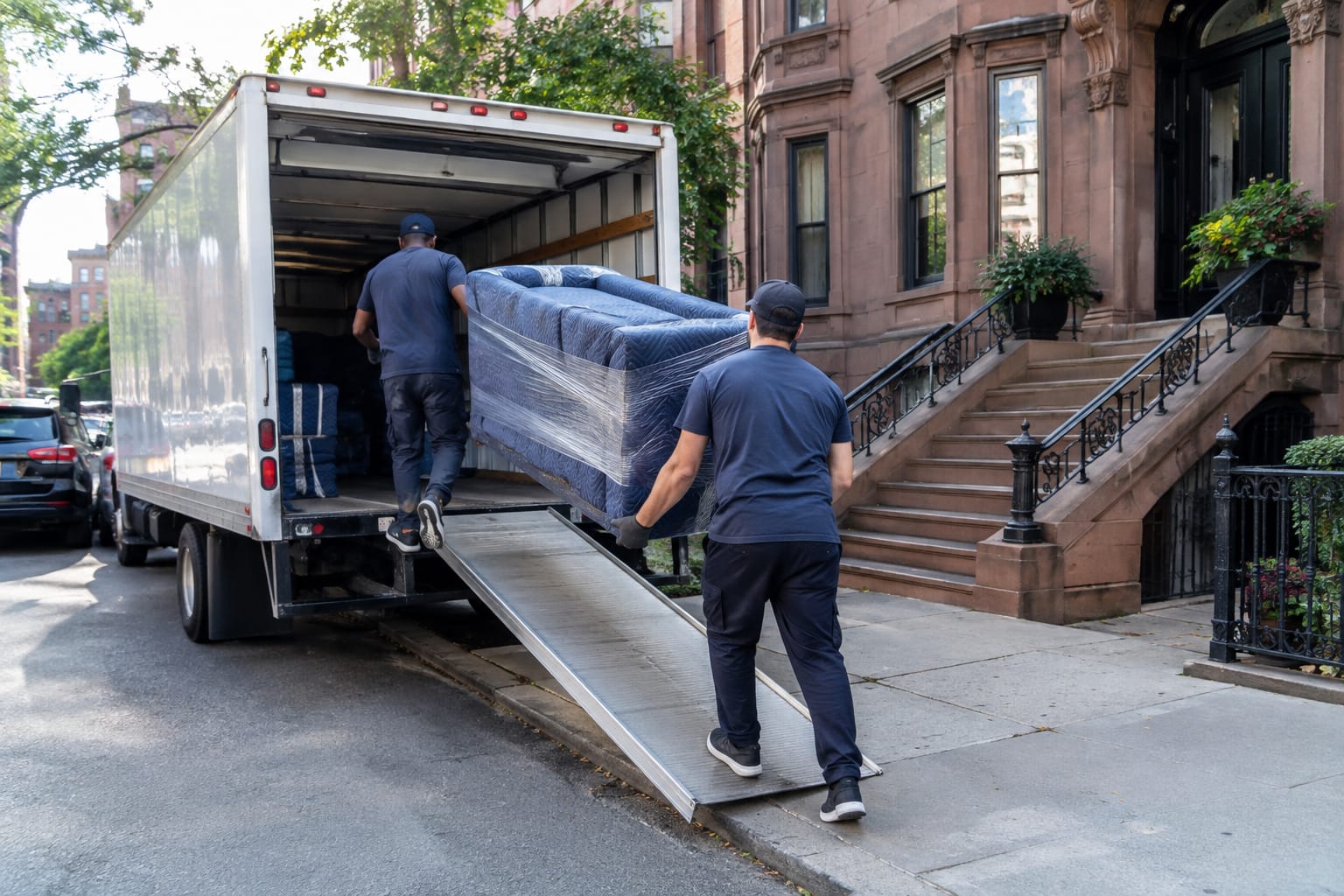
Full-service movers are not automatically expensive, and sometimes they are the cheapest option once you value your time. Small local moves booked off-peak can cost surprisingly little for two movers and a truck.
Cheap moving companies exist in every market, but “cheap” should never mean unlicensed. Confirm a mover’s credentials and insurance through FMCSA’s Protect Your Move, and learn what protection is included in your move before you hand over a deposit. An uninsured low-ball quote can cost you everything if furniture is damaged.
Full-service wins when the move is small and local, you are physically unable to lift, your time is worth more than the savings, or stairs and tight access would slow an amateur crew to a crawl. In dense cities, a two-hour minimum with professional low cost movers can beat a full day of truck rental, fuel, and parking headaches.
For market-specific advice on finding reputable, affordable crews, these budget moving company tips walk through vetting and negotiation. The goal is a licensed company at a fair rate, not the lowest number on a sketchy flyer.
Freight and Shipping Options for Small Loads
When you are moving a studio apartment or just a few rooms, freight shipping can be the most inexpensive way to move long distances. You load a portion of a trailer or a small freight container, and the carrier fills the rest with other shipments.
U-Pack’s ReloCubes and trailers price by the linear feet you use, so a light load pays only for its share. For very small moves—boxes of books, a bike, seasonal gear—consider consumer shipping: USPS Media Mail for books, or freight-by-the-pallet services.
Freight is slower than a personal drive and offers less scheduling control, but for a light long-distance load it is frequently the rock-bottom price. It pairs naturally with the hybrid approach: hire local loaders to fill the trailer, then let the carrier handle the miles.
Free and Low-Cost Ways to Cut Your Bill Further

No matter which method you choose, a handful of habits shave real money off the final bill. Moving on a budget is as much about preparation as it is about the option you pick.

To save money on moving, work through this checklist:
- Source free boxes from liquor stores, grocery stores, and buy-nothing groups instead of buying them.
- Purge before you pack—every item you do not move is weight and volume you do not pay for.
- Move off-peak—mid-week and mid-month, and avoid summer if you can.
- Book early to lock in lower rates and better availability.
- Recruit friends for a hybrid or DIY move in exchange for pizza and gas money.
Comparing several written quotes remains the single most effective tactic. Review offers side by side, disclose any unusual items upfront, and pick the best fit rather than the flashiest ad.
These affordable tactics stack. Combine free boxes, an off-peak date, and a hybrid crew, and even a long-distance relocation stays firmly in budget territory.
Comparing the Options: Cost vs. Effort
The cheapest sticker price and the cheapest move are rarely the same thing. The table below ranks the main methods by true cost and the effort each demands.
The tiers reflect relative cost for a typical two-bedroom move, not fixed quotes—actual prices vary by city, date, distance, and load size.
| Option | True total cost | Effort required | Best for |
|---|---|---|---|
| DIY truck rental | Low local / high long-haul | High | Short local moves, light loads |
| Moving container | Moderate | Medium | Medium to long distance, flexible timing |
| Hybrid (truck + hired labor) | Moderate | Medium | Anyone avoiding heavy lifting |
| Full-service movers | Higher | Low | Small local moves, no time or ability to lift |
| Freight / small-load shipping | Moderate | Medium | Studios and partial loads, long distance |
Read the table by matching your priorities. If cash is tightest and you are moving across town, DIY wins. If distance is long and your time is limited, a container or freight option usually delivers the lowest realistic total.
What is the most inexpensive way to move?
For most short, local moves, renting a truck and driving it yourself is the most inexpensive way to move—you pay only a base rate, mileage, and fuel. For long distances with a light load, a portable container or freight shipment often costs less because you avoid per-mile truck fees and pay a flat transport rate. The universal money-saver is reducing volume: purge aggressively, source free boxes, and move mid-week in the off-season. Combining a low-cost method with off-peak timing beats chasing any single “cheapest” provider.
Which moving truck company is the cheapest?
No single company is cheapest for every route. U-Haul frequently posts the lowest base rate for local, in-town rentals and offers the densest network of pickup locations. Penske and Budget often become more competitive on one-way, long-distance reservations, and Penske includes unlimited miles on one-way trips. The only reliable method is to price the exact same dates and route across all three, then add fuel, insurance, and equipment fees before comparing. A lower daily rate with a higher per-mile charge can lose to a pricier base rate with generous mileage. Always compare the out-the-door total, not the headline number.
What is the cheapest day to hire movers?
Weekdays are consistently cheaper than weekends, with Monday through Thursday offering the best rates because demand is lowest. The middle of the month beats the first and last few days, when lease turnovers spike demand. Season matters even more: late fall through winter is far cheaper than the summer peak between May and September. Booking a mid-week, mid-month date in the off-season meaningfully lowers a professional crew’s hourly rate and improves availability. Reserve early to lock that rate in—last-minute bookings surrender your leverage and often land on the only slot left.
Who will help me move for free?
Friends and family remain the classic free labor, typically repaid with food, drinks, and gas money rather than cash. Community buy-nothing and mutual-aid groups sometimes coordinate volunteer help, and some congregations and student organizations organize move-in assistance. For free supplies, liquor stores, grocery stores, and online marketplace giveaways offer used boxes at no cost. Keep in mind that free help carries no insurance—if a volunteer damages a wall or a couch, there is no coverage. For heavy or valuable items, a few hours of paid hybrid labor often prevents injuries and repair bills that erase any savings.
What is the average cost for local movers?
Local movers usually charge by the hour, with a two- or three-hour minimum, and the total depends on crew size, home size, and access. Rather than trusting a single average, gather several written estimates and compare them line by line—hourly rate, minimums, travel fees, and supply charges. The detailed pricing structure is broken down in the guide on how much movers cost. Expect a small apartment to need one crew for a few hours and a larger home to take a full day. The surest way to gauge a fair local rate is three itemized quotes on your exact date and inventory.
Related Articles
- The Cheapest Way to Move Locally — A focused breakdown of the lowest-cost methods for short-distance moves.
- Budget-Friendly Moving Guide for First-Time Movers — Step-by-step planning to keep a first move affordable and stress-free.
- How Do Moving Companies Charge? Pricing Explained — How hourly rates, minimums, and fees actually work.
- Moving Across the Country: A Complete Guide — Everything to plan for a long-distance relocation on any budget.
Recommended Reading
- How to Properly Load a Moving Pod — Pack a container efficiently to avoid paying for a second unit.
- Moving Cleanout: U-Haul or Dumpster? — Decide the cheapest way to clear out before you move.
- Can I Hire Someone to Move Furniture? — When hiring labor-only crews makes financial sense.
- Rental Truck Moving Companies: Services and Operation — How DIY truck rental really works end to end.
- How Much Do Movers Cost? — The full pricing picture for professional moving services.
Frequently Asked Questions