'%3E%3Cpath%20fill='%231B2A47'%20d='M1.605%2016.263c.03-1.139.059-2.482.088-3.971.03-1.49.03-2.832.03-4.03%200-.758%200-1.576-.03-2.51%200-.905-.03-1.84-.03-2.803%200-.496-.028-.964-.028-1.43%200-.468%200-.906-.03-1.315h6.858q2.188%200%203.589.35c.963.234%201.663.643%202.13%201.198.496.555.73%201.372.73%202.394%200%20.788-.176%201.46-.497%201.985-.32.526-.846.935-1.575%201.197-.73.292-1.693.468-2.918.526v.263c1.313.087%202.334.263%203.122.525.758.263%201.342.672%201.692%201.197.35.526.525%201.197.525%202.044%200%201.08-.233%201.927-.67%202.57-.468.642-1.139%201.08-2.102%201.343-.933.262-2.159.408-3.705.408H1.605zm6.537-9.197q1.882%200%202.713-.526c.555-.35.817-.934.817-1.752%200-.905-.292-1.547-.846-1.927s-1.459-.554-2.655-.554H4.757v4.759zm.204%206.92c.934%200%201.663-.088%202.217-.263.555-.176.934-.438%201.197-.818s.38-.876.38-1.518c0-.876-.322-1.49-.934-1.84-.643-.35-1.635-.525-3.035-.525H4.757v4.963zM21.038%2016.555c-1.576%200-2.801-.292-3.618-.905-.817-.614-1.284-1.519-1.372-2.745-.087-1.226.205-2.774.847-4.613s1.43-3.358%202.392-4.584c.963-1.226%202.043-2.131%203.298-2.744C23.839.292%2025.24%200%2026.786%200c1.576%200%202.772.321%203.59.934.816.613%201.283%201.548%201.37%202.774s-.203%202.774-.845%204.613c-.642%201.81-1.43%203.358-2.393%204.584s-2.072%202.132-3.297%202.745a9.8%209.8%200%200%201-4.173.905m.788-2.278c.642%200%201.138-.058%201.371-.116.205-.059.496-.117.847-.322.262-.146.437-.292.554-.408.204-.175.32-.292.438-.41.204-.203.35-.408.496-.583.35-.438.642-.876.963-1.402.233-.408.466-.817.67-1.284.205-.438.38-.905.555-1.372.438-1.198.671-2.278.671-3.183s-.204-1.606-.612-2.131c-.409-.497-1.051-.76-1.897-.76-.467%200-.934.059-1.43.205h-.03c-1.02.292-1.925%201.226-2.042%201.372-.116.117-.467.526-.963%201.343a15.5%2015.5%200%200%200-1.342%202.92c-.408%201.197-.642%202.277-.671%203.182-.03.906.175%201.636.584%202.161q.611.788%201.838.788M14.853%2038.54c-1.576%200-2.802-.292-3.619-.905s-1.284-1.518-1.371-2.744c-.088-1.227.204-2.774.846-4.614s1.43-3.357%202.393-4.584%202.042-2.13%203.297-2.744c1.255-.613%202.655-.905%204.173-.905%201.575%200%202.772.321%203.589.934s1.284%201.548%201.371%202.774c.088%201.226-.204%202.774-.846%204.613-.642%201.81-1.43%203.358-2.393%204.584s-2.072%202.131-3.297%202.745c-1.226.613-2.626.846-4.143.846m.787-2.277c.642%200%201.138-.059%201.372-.117.204-.058.496-.117.846-.321.263-.146.438-.292.554-.409.205-.175.321-.292.438-.409.204-.204.35-.408.496-.584a13%2013%200%200%200%201.634-2.686c.204-.438.38-.905.555-1.372.437-1.197.67-2.277.67-3.182%200-.906-.203-1.606-.612-2.132-.409-.496-1.05-.759-1.897-.759-.467%200-.934.058-1.43.204h-.029c-1.021.292-1.925%201.227-2.042%201.373-.117.116-.467.525-.963%201.343a15.5%2015.5%200%200%200-1.342%202.92c-.409%201.196-.642%202.277-.671%203.182s.175%201.635.583%202.16q.613.789%201.838.789'/%3E%3Cpath%20fill='%23FF515E'%20d='M55.966%2038.57c-1.576%200-2.801-.293-3.618-.906s-1.284-1.518-1.372-2.744c-.087-1.227.204-2.774.846-4.613s1.43-3.358%202.393-4.584c.963-1.227%202.043-2.132%203.297-2.745s2.656-.905%204.173-.905c1.576%200%202.772.321%203.589.934s1.284%201.548%201.371%202.774c.088%201.226-.204%202.774-.846%204.613-.642%201.81-1.43%203.358-2.393%204.584s-2.071%202.131-3.297%202.745c-1.225.613-2.626.846-4.143.846m.788-2.249c.642%200%201.138-.058%201.371-.117.204-.058.496-.116.846-.32.263-.147.438-.293.555-.41a7%207%200%200%200%20.437-.408c.205-.205.35-.41.496-.584a13%2013%200%200%200%201.634-2.686c.205-.438.38-.905.555-1.373.438-1.197.671-2.277.671-3.182s-.204-1.606-.613-2.131c-.408-.497-1.05-.76-1.896-.76-.467%200-.934.059-1.43.205h-.03c-1.02.292-1.925%201.226-2.042%201.372-.117.117-.467.526-.963%201.343a15.5%2015.5%200%200%200-1.342%202.92c-.409%201.197-.642%202.277-.671%203.182s.175%201.635.583%202.16q.614.79%201.839.79'/%3E%3Cpath%20fill='%231B2A47'%20d='M33.06%2016.263c0-.35%200-.935.03-1.81.029-1.051.058-2.103.058-3.154s.03-2.073.03-3.007c0-1.606-.03-3.27-.06-4.993%200-.554-.028-1.08-.028-1.606%200-.525-.03-1.021-.03-1.46h6.828c1.46%200%202.685.117%203.59.38q1.4.394%202.1%201.314.7.963.7%202.628c0%20.992-.174%201.81-.554%202.452-.35.643-.904%201.11-1.604%201.431s-1.576.467-2.627.496v.263q2.058.087%203.064.876c.671.525%201.138%201.372%201.43%202.51.087.41.233%201.023.467%201.84.233.818.408%201.431.554%201.84h-3.414a11%2011%200%200%200-.262-1.022c-.321-1.314-.526-2.19-.584-2.628a5%205%200%200%200-.642-1.46%202.13%202.13%200%200%200-.963-.73c-.408-.146-.934-.233-1.605-.233h-3.326v6.0440000000000005H33.06zm6.332-8.292c1.343%200%202.276-.205%202.86-.613.554-.41.846-1.11.846-2.073%200-.73-.146-1.314-.408-1.723-.263-.409-.671-.7-1.197-.876q-.788-.263-2.1-.263h-3.181v5.519h3.18zM49.4%2016.263l.03-2.745c.029-2.452.029-4.905.029-7.416q0-2.101-.088-5.868h4.085l5.924%2010.335c.087.234.204.438.291.643.117.204.205.408.321.613.38.788.613%201.255.672%201.372h.262c0-.058-.03-.146-.03-.204%200-.059-.028-.117-.028-.175a75%2075%200%200%201-.175-1.314%2010%2010%200%200%201-.088-1.285c0-1.547%200-3.737-.029-6.57V1.84c0-.584-.03-1.11-.03-1.576h2.977c-.03%202.482-.058%205.08-.058%207.766%200%201.694%200%204.438.029%208.292h-4.027l-5.573-9.43c-.875-1.81-1.226-2.511-1.05-2.132-.263-.613-.467-1.08-.613-1.46h-.263c.058.35.117.876.175%201.548.059.7.117%201.168.117%201.46%200%202.978%200%206.306.029%209.985H49.4zM4.698%2038.277c.029-2.627.058-5.255.058-7.883%200-1.576%200-3.503-.029-5.752-1.109%200-2.684%200-4.727.03v-2.453h12.664v2.453c-1.955-.03-3.53-.03-4.756-.03%200%20.584-.03%201.227-.03%201.957s0%201.46-.029%202.218v1.84c0%202.57.03%205.11.059%207.62z'/%3E%3Cpath%20fill='%23FF515E'%20d='M29.441%2038.277c.409-1.05.788-2.102%201.168-3.182s.787-2.16%201.167-3.241c.613-1.693%201.05-2.949%201.342-3.766l1.255-3.65c.116-.38.262-.788.379-1.139.117-.38.263-.73.38-1.05h4.61l-.671%2012.904h.262l8.316-12.905h4.669l-.7%201.869c-.876%202.452-1.343%203.766-1.43%204a501%20501%200%200%200-3.385%2010.16h-2.947c.292-.846.788-2.219%201.459-4.087.175-.526.35-1.08.554-1.606.175-.526.38-1.08.555-1.577.642-1.81%201.342-3.825%202.072-6.014h-.234l-8.724%2013.314h-2.86l.554-13.314h-.175c-.175.496-.38.992-.554%201.489-.175.496-.38%201.022-.555%201.547a163%20163%200%200%200-1.08%203.008c-.145.38-.262.759-.408%201.138-.117.38-.262.73-.408%201.11-.7%201.898-1.284%203.59-1.751%205.05h-2.86zM68.047%2038.277c.175-2.19.32-4.525.467-7.007.058-.905.204-3.912.467-9.051h3.151c-.03.438-.058.934-.088%201.46s-.058%201.08-.087%201.693a264%20264%200%200%201-.409%206.657c-.145%201.986-.35%203.591-.583%204.788h.175Q72.147%2034.892%2073.94%2032a562%20562%200%200%201%204.465-7.066c.32-.496.641-.992.933-1.46s.555-.875.817-1.255h3.268q-.568.832-1.138%201.752c-.408.613-.787%201.255-1.196%201.927-3.88%206.014-6.478%2010.131-7.85%2012.35h-5.193zM79.106%2038.277c.32-.788.758-2.014%201.37-3.65a287%20287%200%200%200%201.577-4.32c.437-1.256.904-2.628%201.4-4.088s.934-2.774%201.313-3.97h11.322l-.846%202.364H87.1l-1.664%204.847%207.645-.088-.612%201.694-7.587-.088-1.75%204.934h8.286l-.846%202.365z'/%3E%3C/g%3E%3Cdefs%3E%3CclipPath%20id='a'%3E%3Cpath%20fill='%23fff'%20d='M0%200h96v40H0z'/%3E%3C/clipPath%3E%3C/defs%3E%3C/svg%3E)
The cheapest way to move locally is to hire hourly movers for the heavy lifting while you pack your own boxes and handle the small items yourself. Renting a truck for a full DIY move can cost even less in raw cash, but only after you count your own time, fuel, and risk. Local moves bill differently than long-distance ones, and a handful of timing and packing decisions swing the final total by hundreds of dollars. This guide breaks down every low-cost option so you pay for muscle, not markup.

Key Takeaways
| Point | Details |
|---|---|
| Local moves bill by the hour | Same-city crews charge for time, not weight — fewer billable hours means a lower bill. |
| Labor-only is the sweet spot | Packing yourself and paying movers to load and drive removes the most expensive add-ons. |
| Timing matters most | The cheapest day to move is a mid-month weekday, well outside summer. |
| Free boxes cut supply costs | Cardboard has one of the highest recycling recovery rates, so reused cartons are everywhere. |
| Watch hidden fees | Travel time, stairs, and material markups can erase a low hourly rate. |
How Local Moves Get Priced and Where Money Goes

A local move is typically anything under about 50 miles or contained within one metro area. Unlike cross-country jobs billed by shipment weight and distance, local crews charge by the hour. That single difference shapes every cost-saving decision you make.
The hourly meter usually covers a crew of two or three, a truck, fuel, and basic equipment. Add-ons — packing labor, materials, stairs, or long carries from door to truck — stack on top. Reading your local moving prices line by line is the first step to trimming them.
Demand drives the rest. With about 8.7% of Americans relocating in a single recent year, capacity tightens sharply around month-end and summer weekends. When crews are booked solid, discounts vanish.
Q: How far can a move be and still count as “local”?
A: Most companies treat anything within roughly 50 miles or the same metropolitan area as local, billing by the hour instead of by weight.
Local moving cost also depends on how much the movers touch. The more you pack, disassemble, and stage yourself, the fewer billable hours you buy.
The Full DIY Approach: Truck, Muscle, and Time
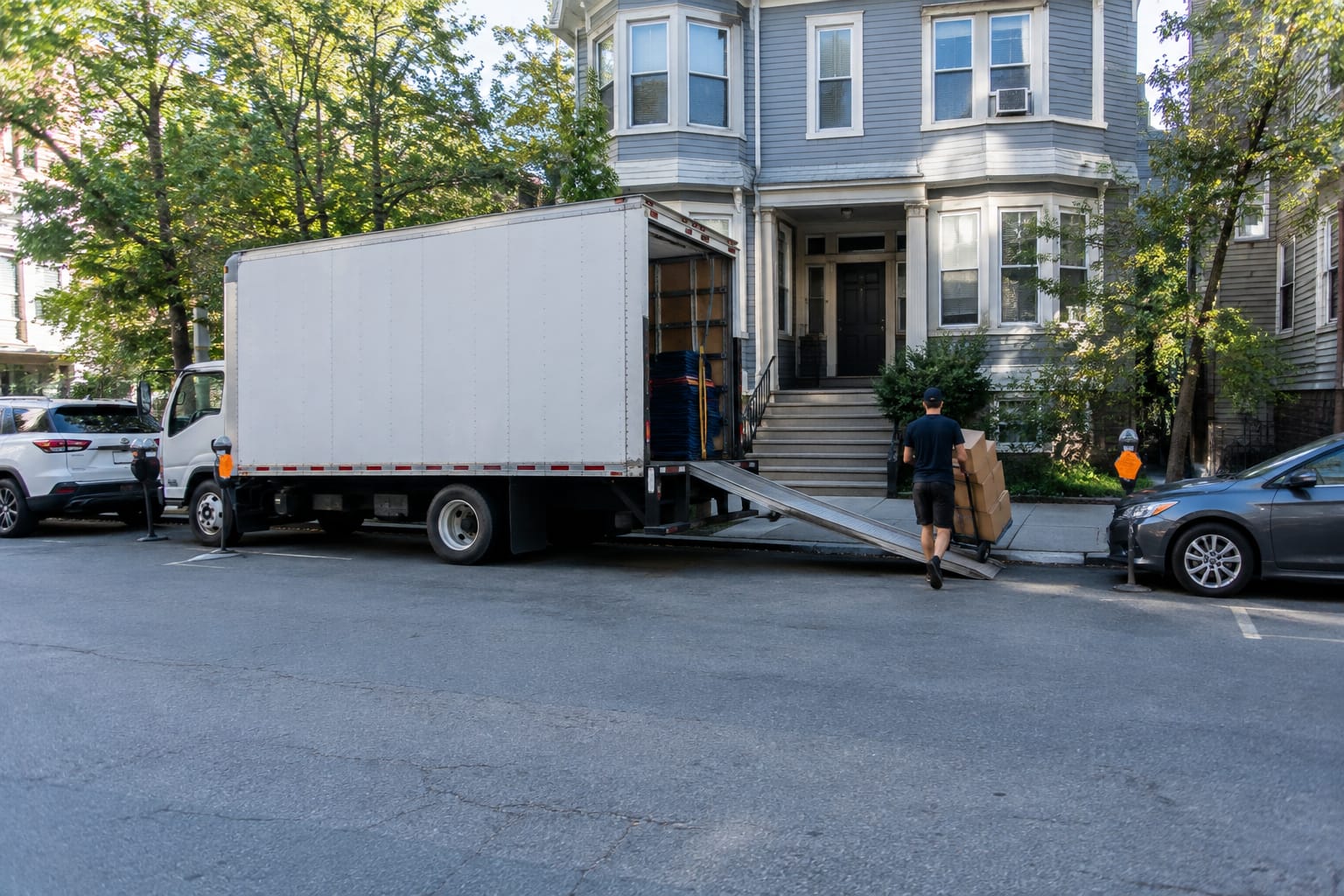
The lowest cash outlay comes from doing everything yourself. A local move truck rental, a few friends, and a Saturday can relocate a one-bedroom for the price of the truck, fuel, and pizza. This is the classic answer to how to move locally on a budget.
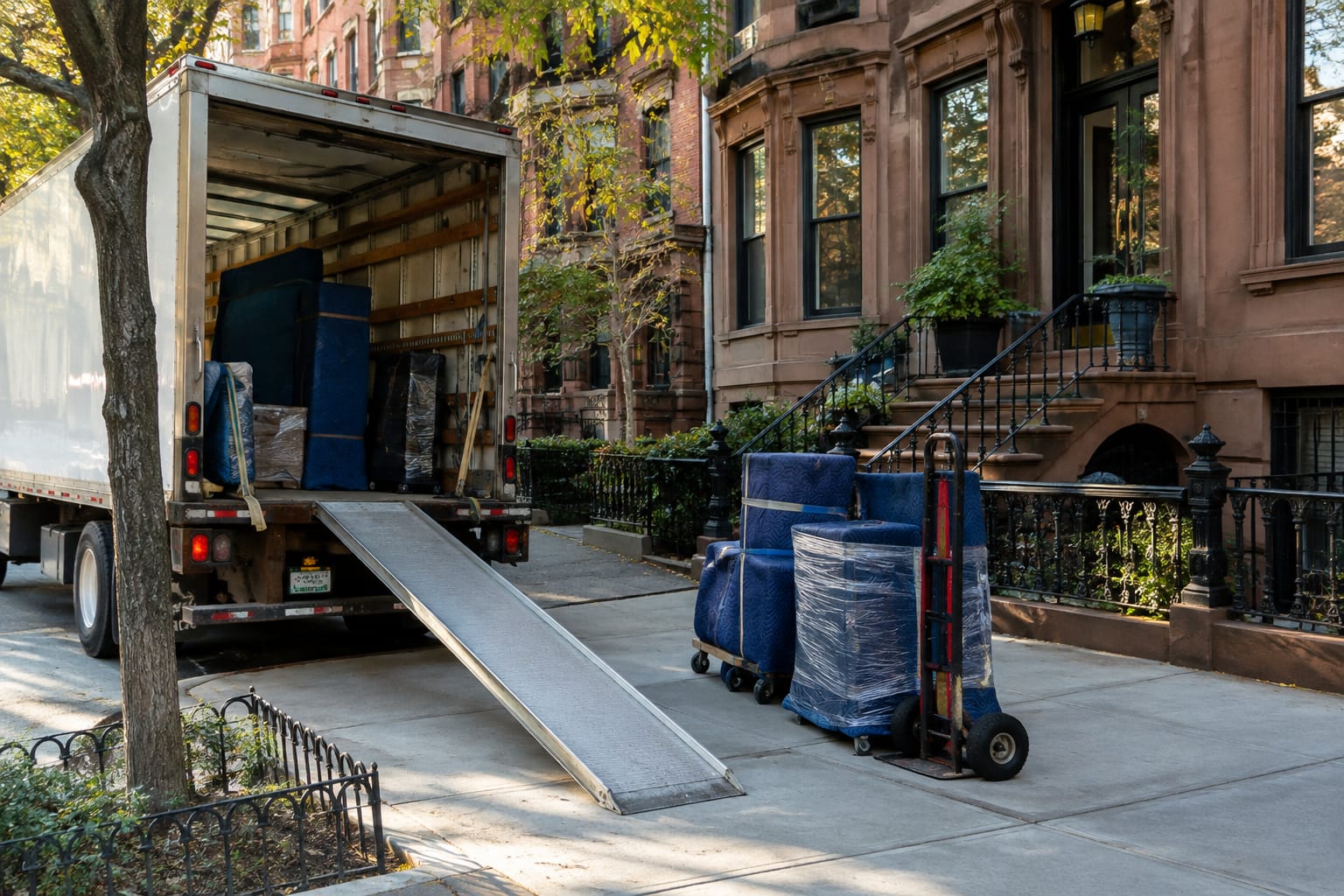
Rental trucks bill per day plus mileage, and local rates stay low because you return the vehicle the same day. Add moving blankets, a dolly, and tie-down straps — most rented cheaply from the same counter.
The hidden cost is you. Load time, driving, and the risk of a dropped couch or a gouged wall all land on your shoulders. For heavy or stair-heavy homes, DIY often stops being cheap the moment an injury or damaged floor enters the math.
Pro Tip: Reserve your truck for a mid-week pickup and return it before the 24-hour mark. Most rental companies bill a second full day the moment you cross it — even by 20 minutes.
Fuel and a refundable deposit aside, a DIY move is the benchmark every other option gets measured against.
Hourly Movers: Paying Only for the Heavy Lifting
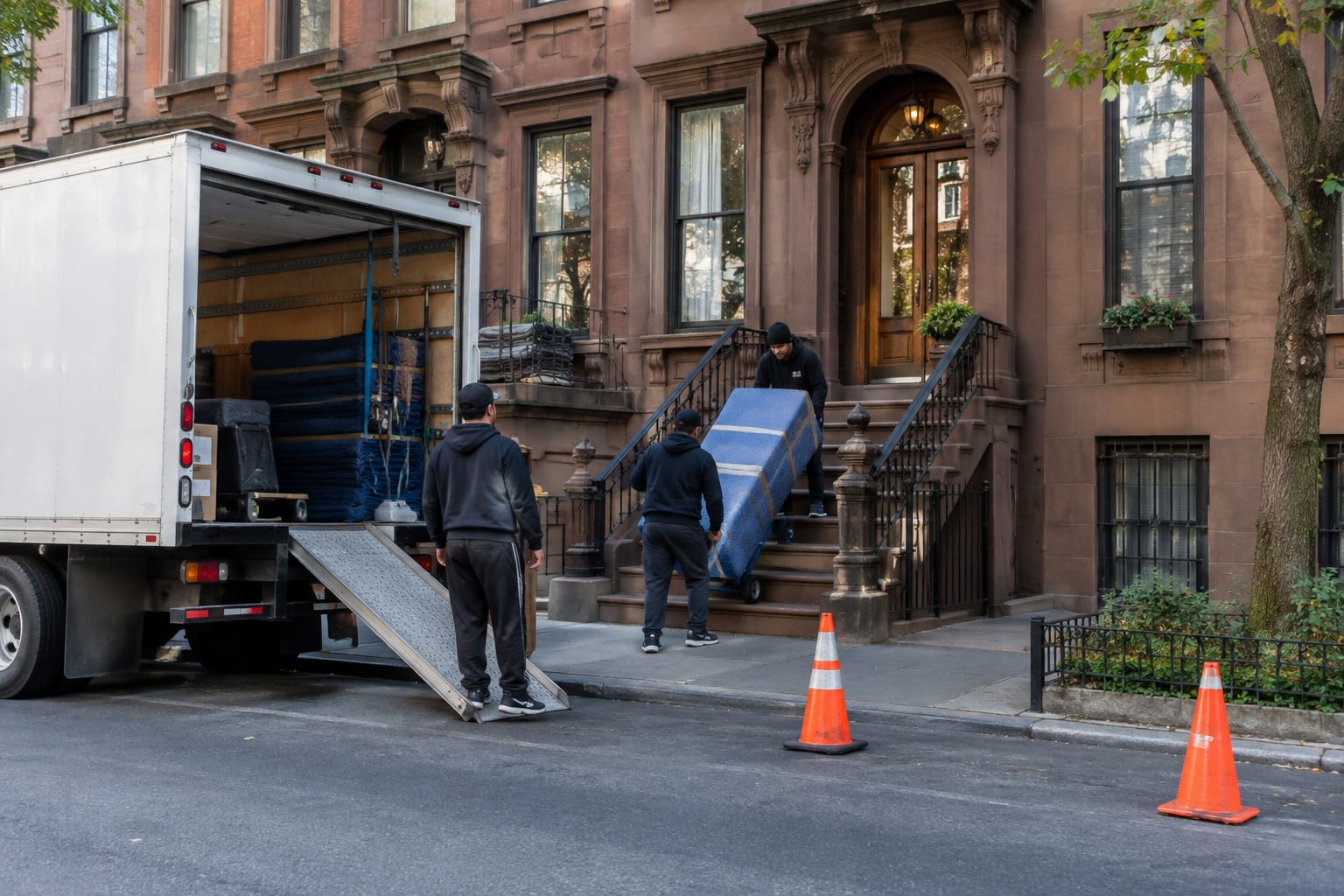
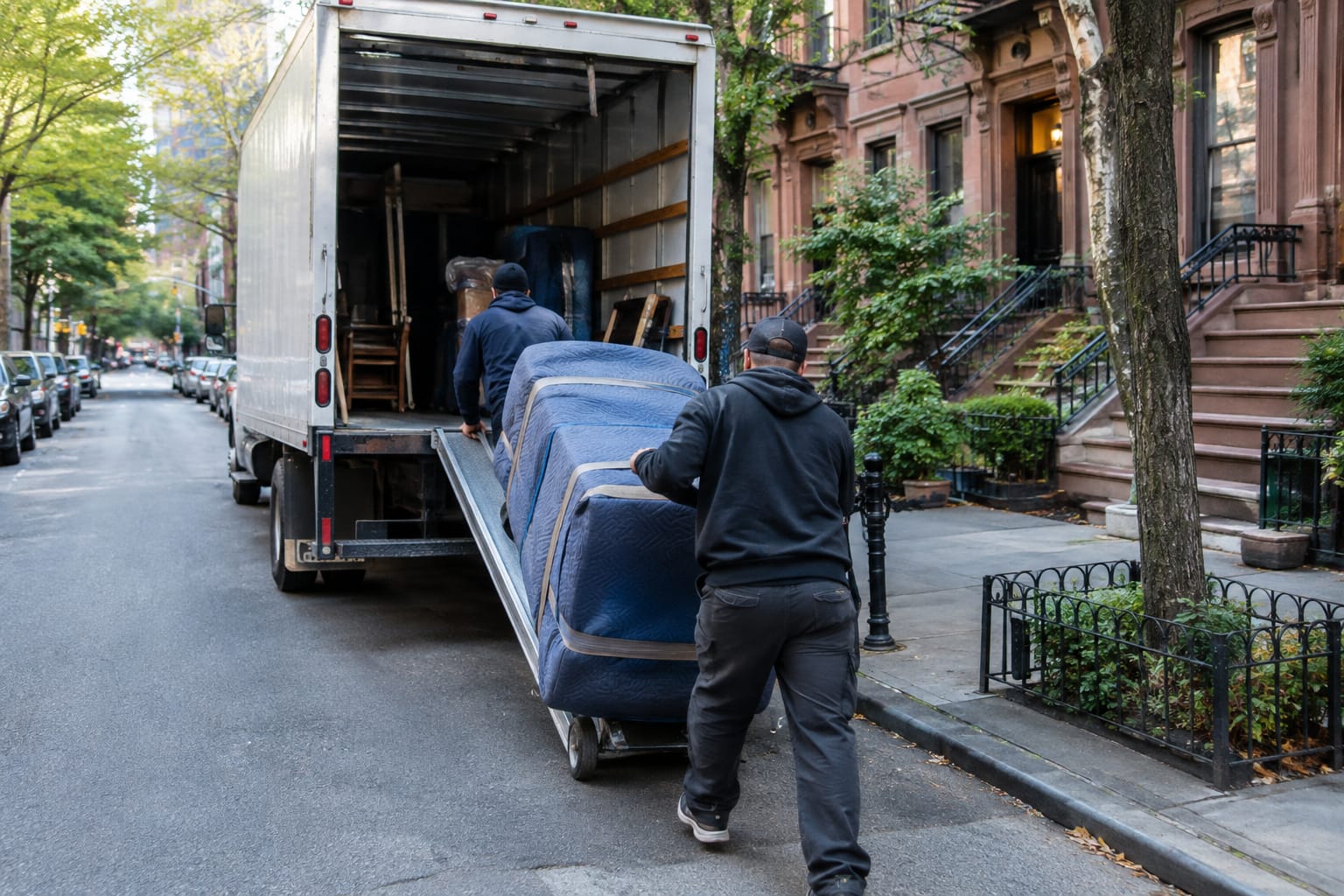
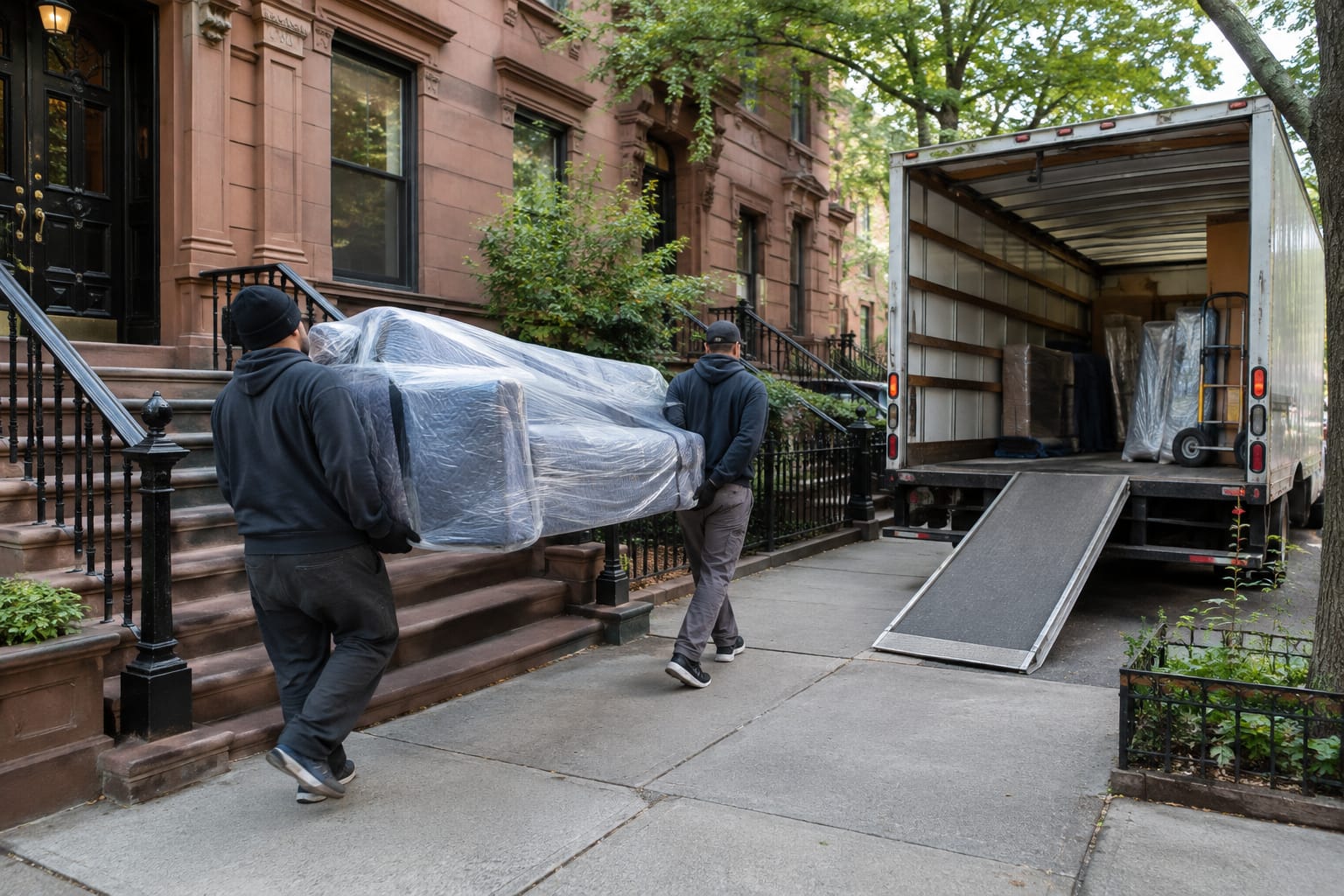
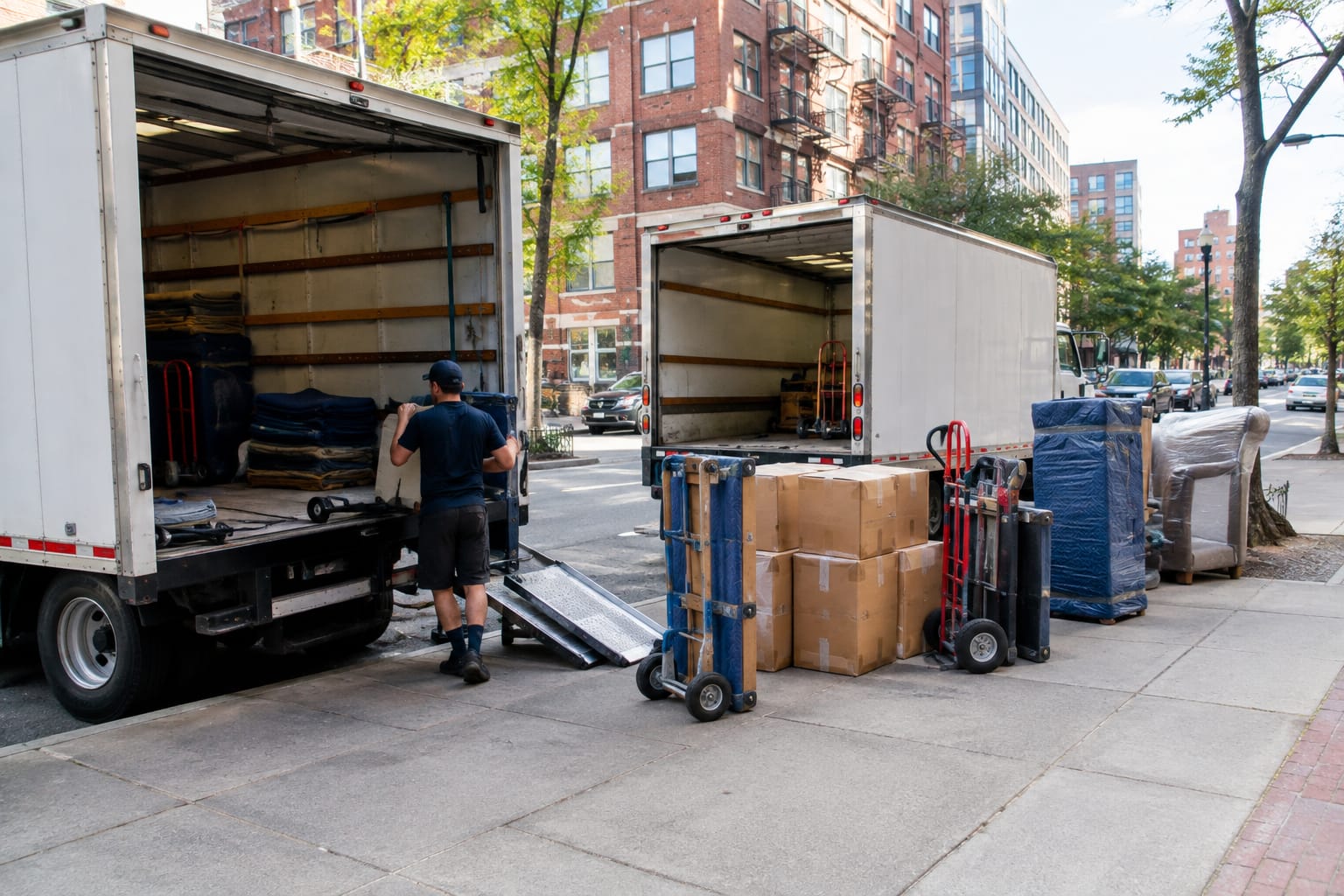
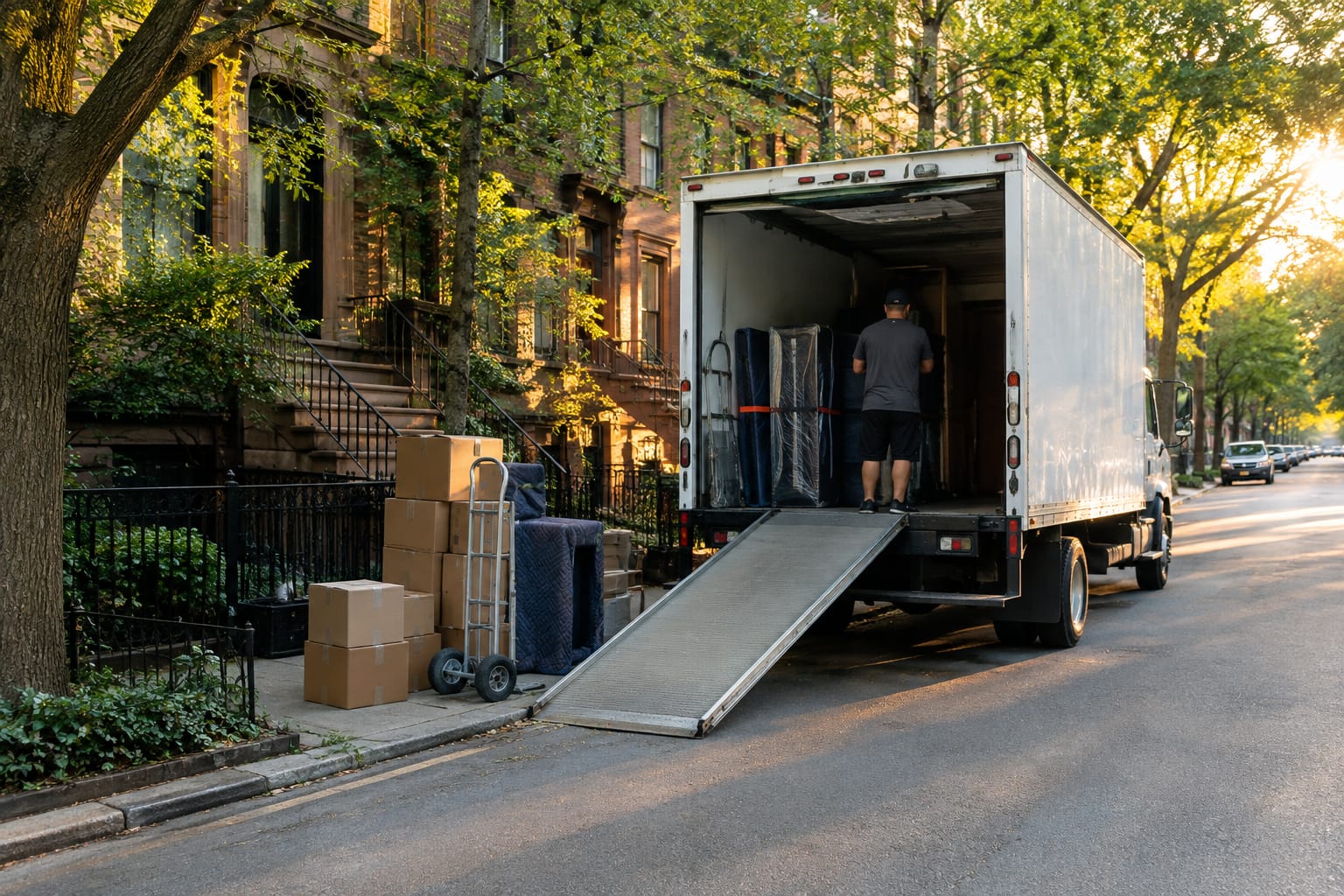
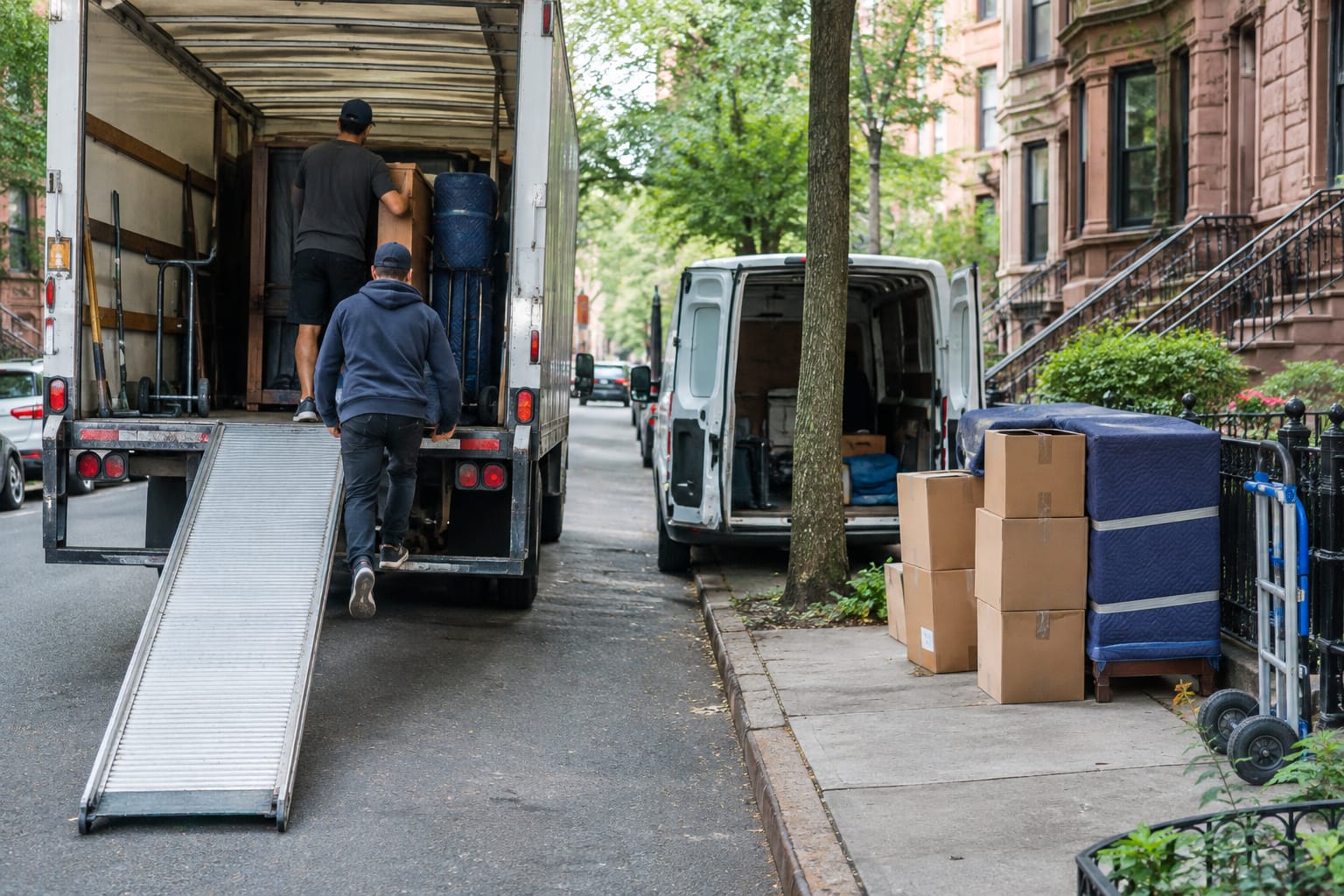
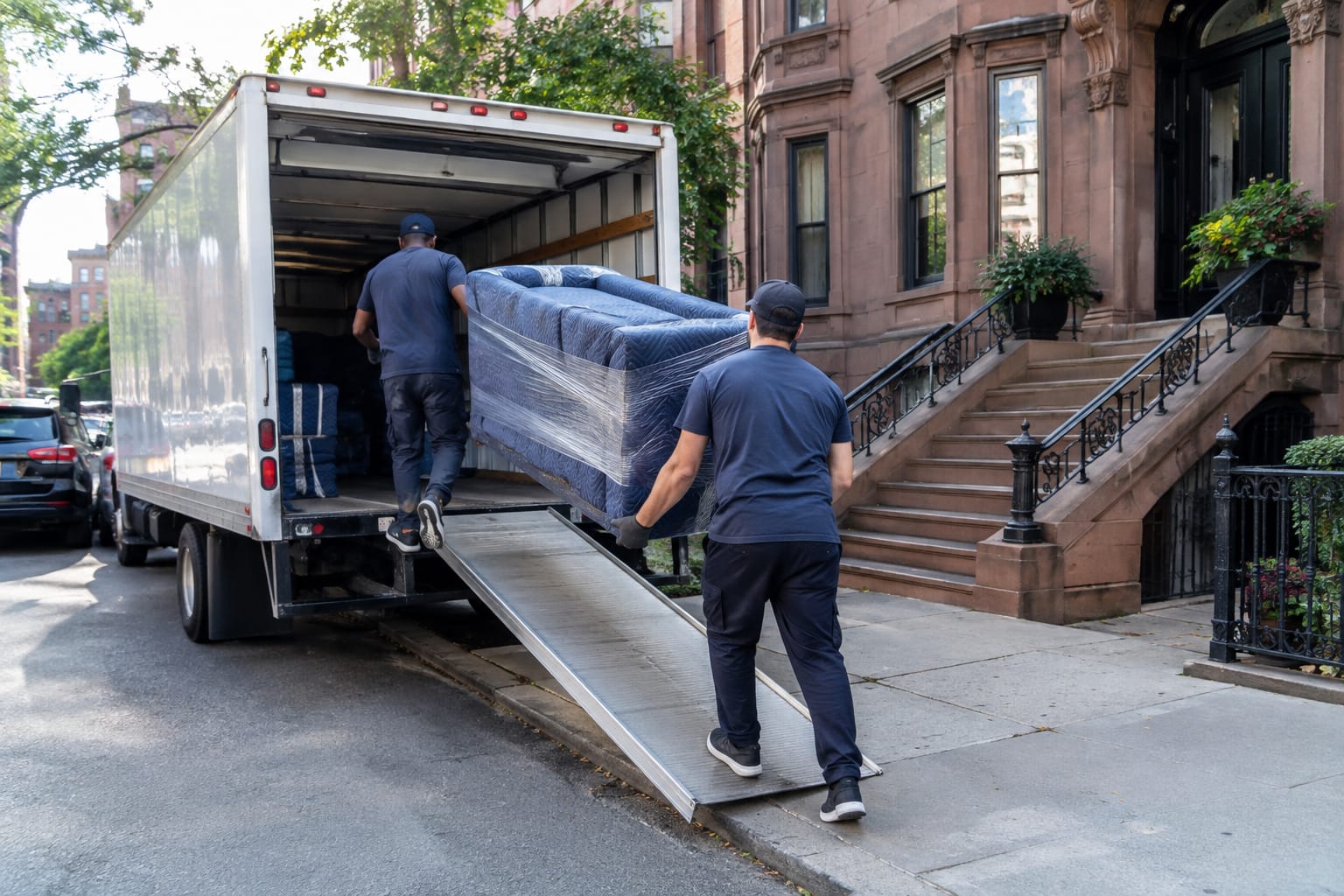
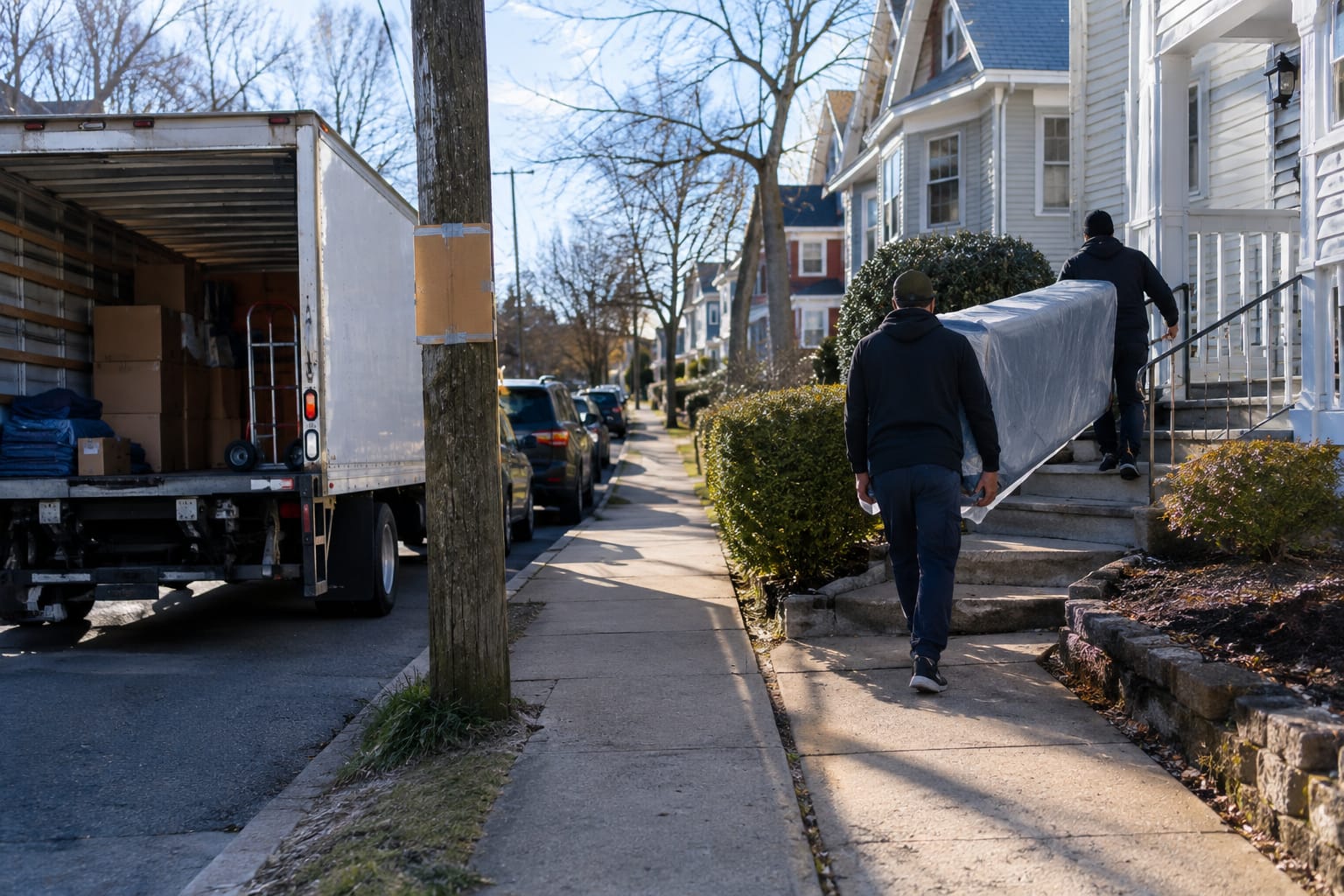
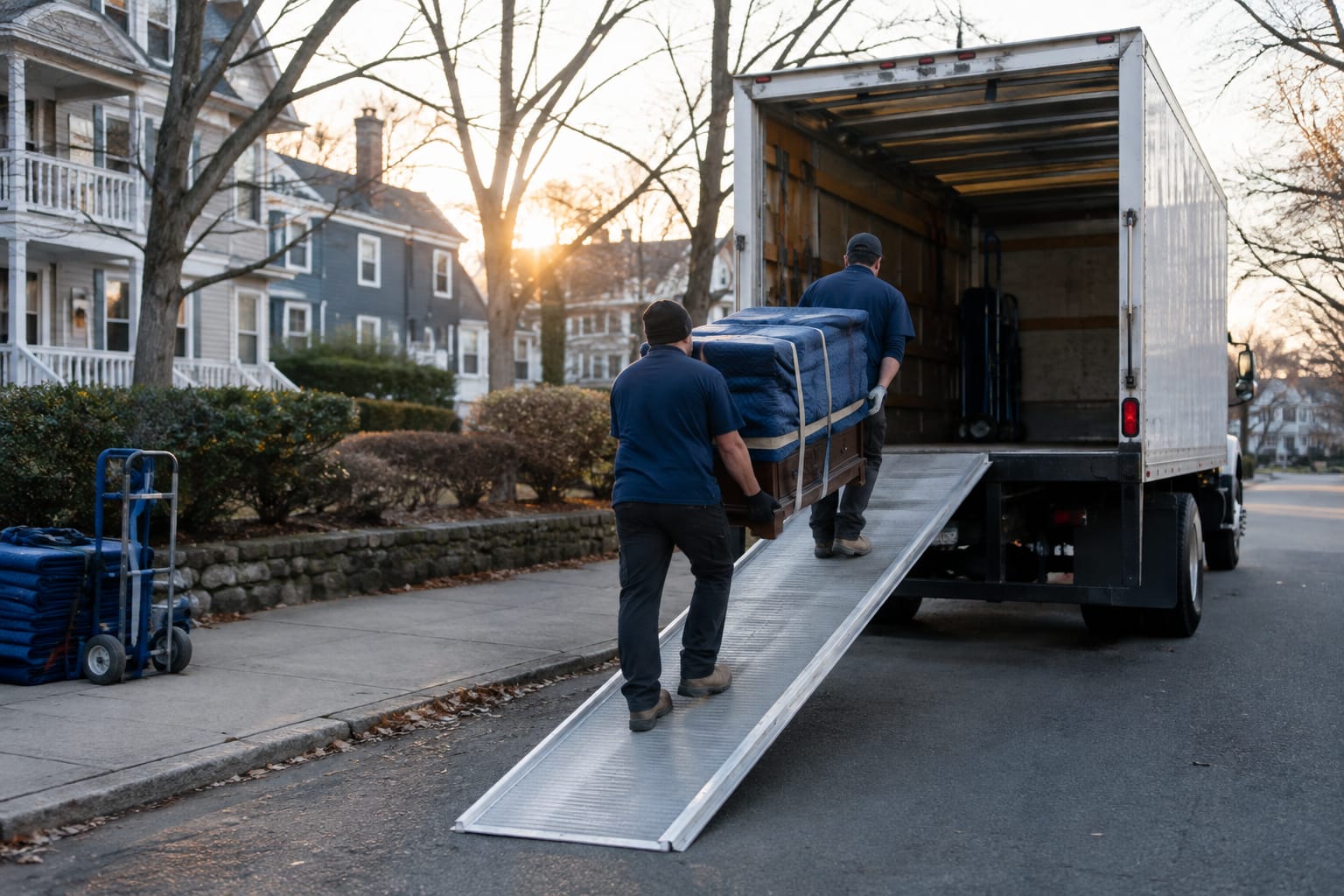
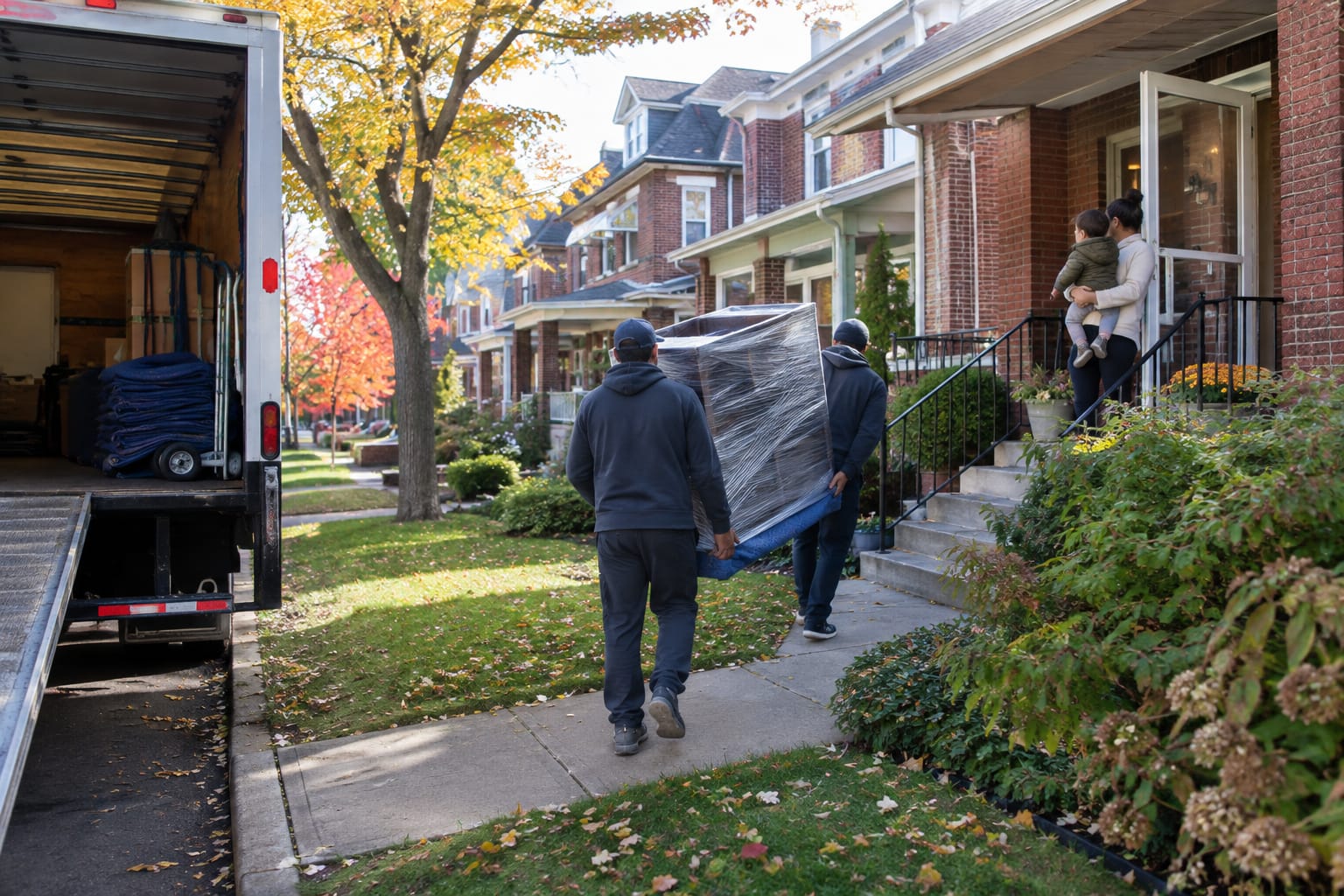
Hiring affordable local movers for labor only is the sweet spot for most households. You pack every box; the crew loads, drives, and unloads. You pay for muscle during the hours that matter and nothing else.
Hourly movers cost less when the job is prepped. A two-mover crew billed by the hour beats a full-service package because you strip out packing labor and materials. Ask any cheapest local moving company for a labor-only or “load and unload” rate.
Q: Can you hire movers for one hour?
A: Most companies enforce a two-hour minimum, so a true one-hour booking is rare — though small jobs like loading a single truck often finish inside that window.
Per the Bureau of Labor Statistics, movers and material handlers earn a median wage the government tracks each year, which is why labor is the biggest lever on your bill. Cut the hours, cut the cost.
Efficient professionals frequently beat DIY once you price your own time. A crew that loads in 90 minutes what would take you a full afternoon changes the calculation entirely.
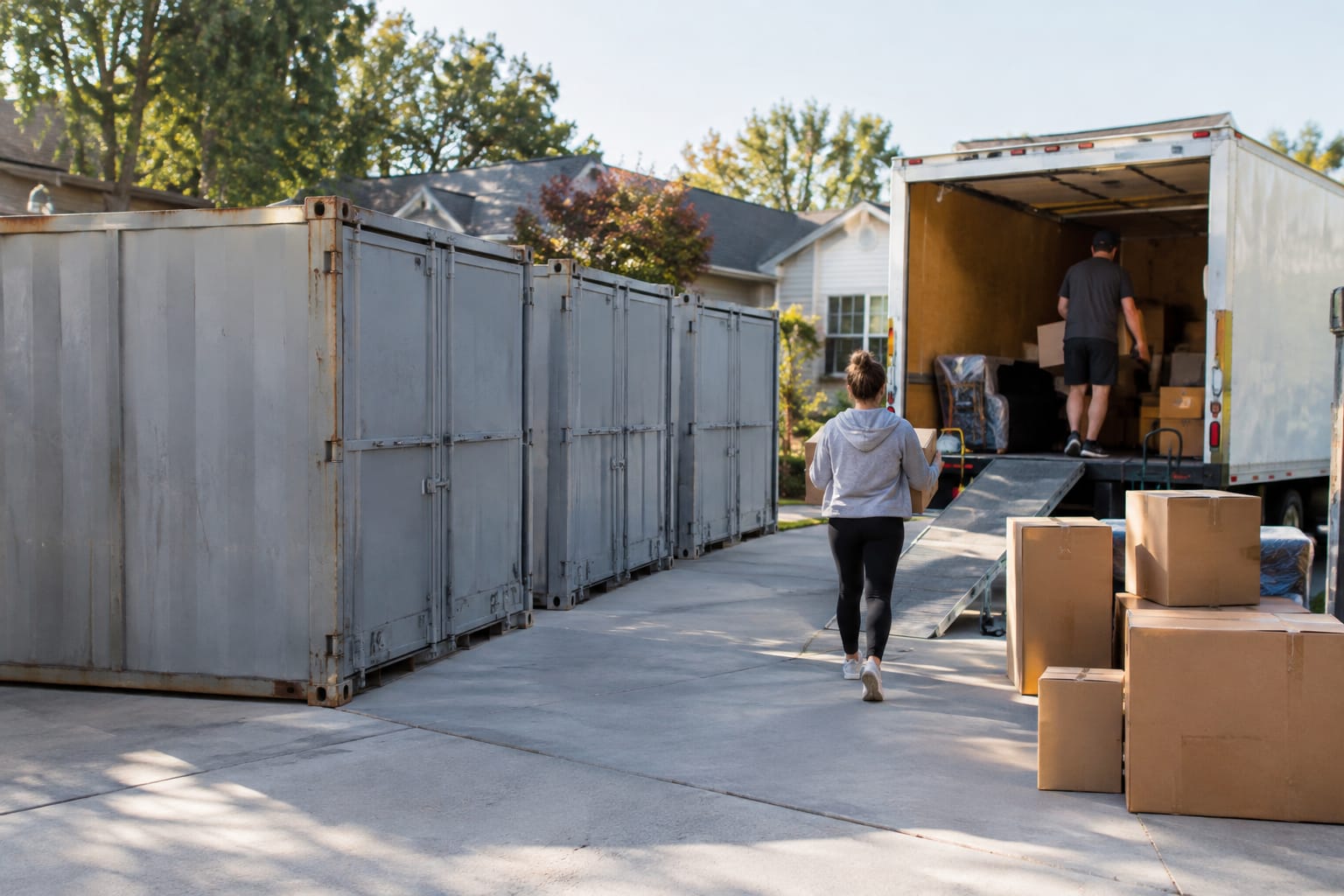
Load-Your-Own Containers and Truck Rentals
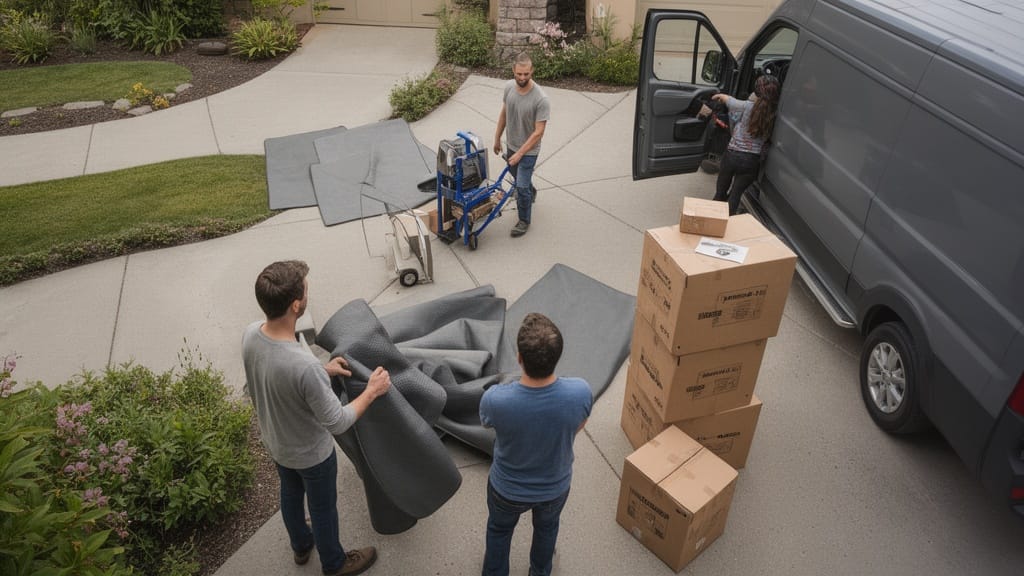
Portable containers and “you load, we drive” services split the difference between DIY and full-service. A company drops a container or a driver handles the wheel; you handle the packing and loading.
For cheap local moving across a single town, this rarely beats a same-day truck rental — the model shines over longer hauls. Within one city, container fees and multi-day rentals often erase the savings.
Still, it helps two groups: people who can’t drive a large truck, and those needing a few days to load. If a container sits in your driveway over a weekend, you spread the labor without paying a crew to wait.
Compare quotes carefully. For most short-distance jobs, labor-only movers or a plain truck rental win on price.
Cheapest Days and Times to Schedule a Move
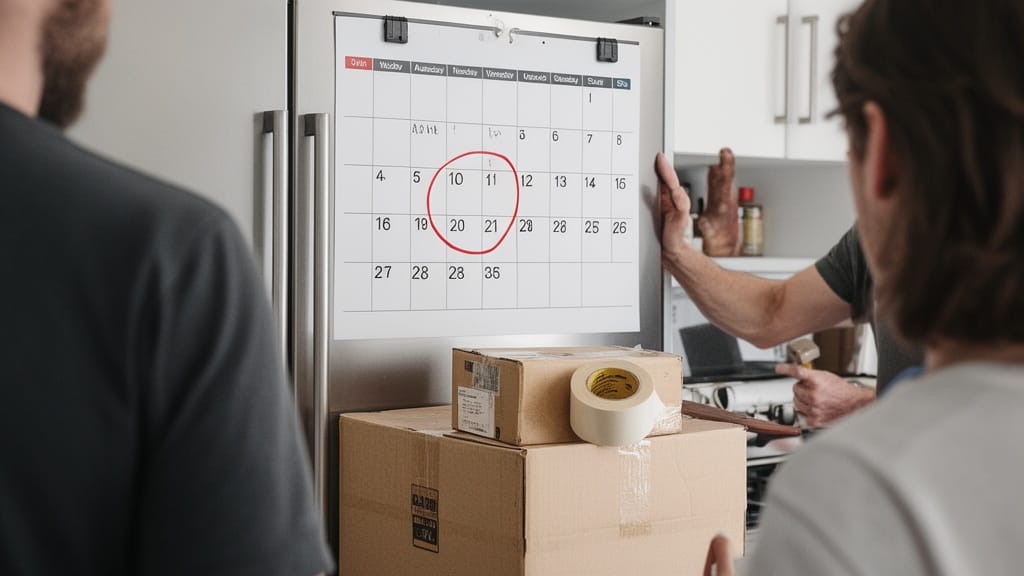
Timing is the most overlooked way to save money local move budgets ignore. The cheapest day to move is almost always a weekday in the middle of the month, outside summer.
Weekends, month-ends, and the first and last days of any month spike demand as leases turn over. Movers charge premium rates when everyone needs them at once.
| Timing Choice | Demand Level | Relative Cost |
|---|---|---|
| Weekday, mid-month | Low | Lowest |
| Weekend, mid-month | Moderate | Higher |
| Month-end (any day) | High | Highest |
| Summer weekend | Very high | Premium |
| Winter weekday | Very low | Bargain |
Q: When is the cheapest time of year to move?
A: Late fall through winter — roughly October to April — sees the lowest demand and the softest rates, since most leases and school calendars push moves into summer.
Pro Tip: Ask for the first slot of the morning on a Tuesday or Wednesday. Crews are fresh, traffic is light, and you dodge the “we ran long on the last job” delays that quietly pad an hourly bill.
Moving within the same city gives you flexibility long-distance movers lack — use it to chase off-peak rates.
Cutting Costs on Boxes, Supplies, and Packing
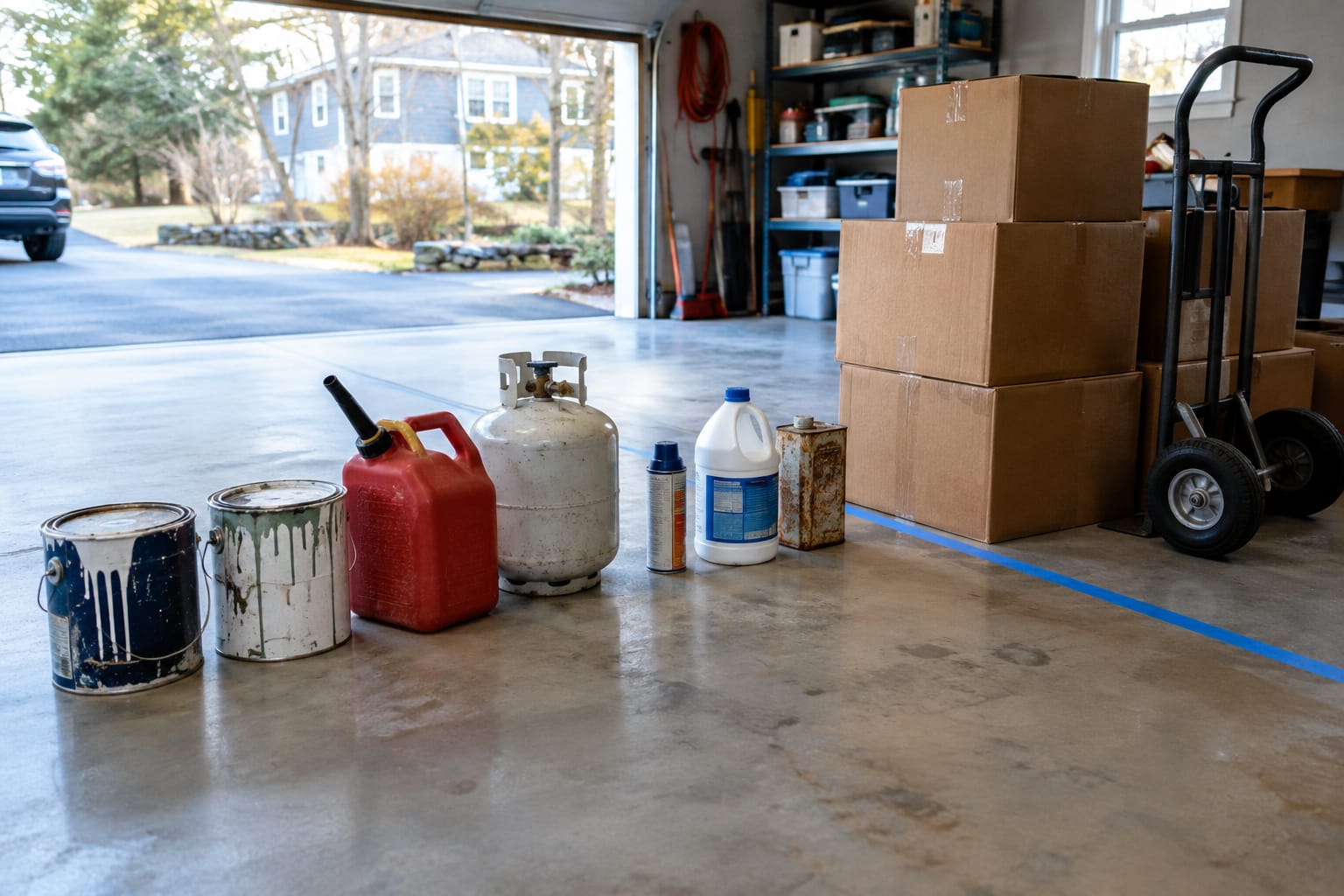
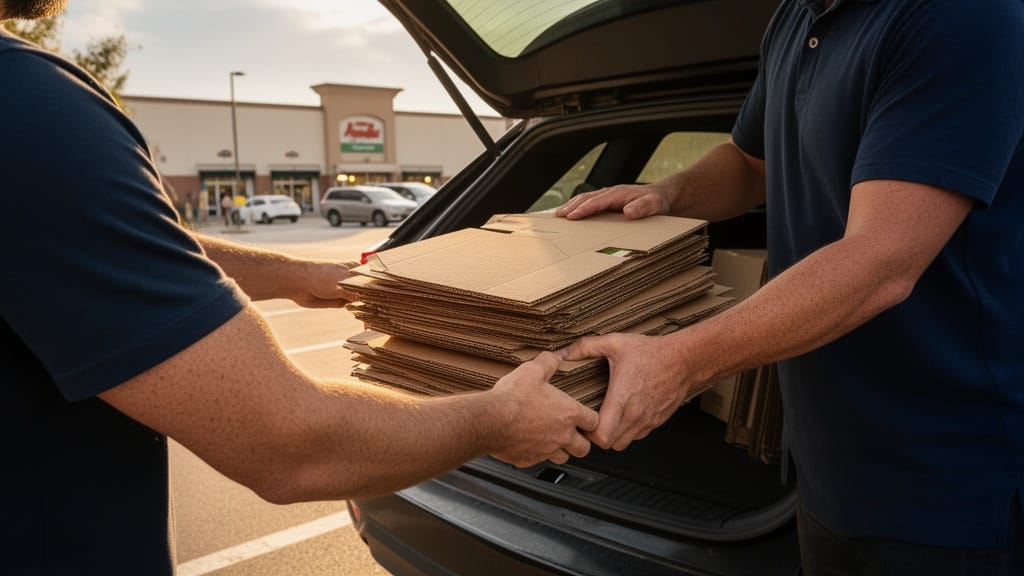
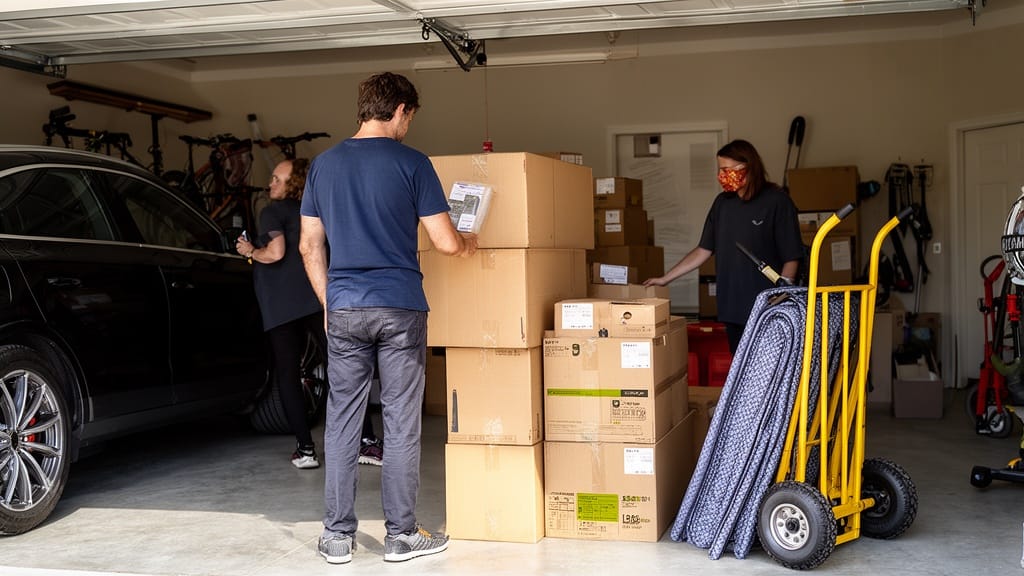
Packing materials are the easiest line to zero out. Free moving boxes are everywhere if you ask a few days ahead.

Grocery stores, liquor stores, and bookshops break down cartons daily and often hand them over gladly. Community groups and buy-nothing pages routinely list free moving boxes from someone who just unpacked. Because cardboard carries one of the highest recycling recovery rates of any material, reused boxes are plentiful and sturdy.
Where to hunt:
- Liquor and grocery stores (sturdy, uniform sizes)
- Buy-nothing and marketplace listings
- Office recycling rooms
- Friends who moved recently
For specialty cartons — wardrobe, dish, and mirror boxes — compare deals on moving boxes before buying new. A few smart purchases plus free finds keep supplies cheap.
Pro Tip: Liquor stores get sturdy, divided boxes delivered several times a week. Ask the morning after a delivery day and you’ll often leave with a trunk full.
These budget local move tips compound: free boxes, self-packing, and off-peak timing together can cut a bill by a wide margin.
Hidden Fees That Inflate a Supposedly Cheap Move
A low hourly rate means little if surcharges pile up. The FTC warns that vague estimates are a leading source of moving-day disputes, and local jobs are no exception.
Watch for:
- Travel or “double drive” time from the depot to your door
- Stair, elevator, and long-carry fees
- Fuel or truck surcharges added separately
- Two-hour minimums that outlast a small job
- Materials marked up well above retail
Because local moves are regulated at the state level rather than by federal authorities, rules on disclosures vary. Always get the full fee list in writing before booking.
A move can look cheap on the quote and expensive on the invoice. Comprehensive, written estimates are your protection.
Which Option Actually Costs You the Least
The cheapest way to move locally depends on your home size, your body, and how you value a Saturday. Cash-only, a DIY truck rental wins; count your time and risk, and labor-only movers often pull ahead.
| Option | Cash Cost | Your Time & Effort | Best For |
|---|---|---|---|
| Full DIY truck rental | Lowest | Highest | Studios, small 1-BR, able bodies |
| Labor-only hourly movers | Low–moderate | Moderate | Most 1–2 BR homes |
| Load-your-own container | Moderate | Moderate–high | Flexible timelines, no driver |
| Full-service movers | Highest | Lowest | Large or complex homes |
For reference, the average local move runs around $1,250 for a two-person crew, so every hour and material fee you remove drops you below that benchmark. For more ways to trim the total, these cheapest moving company tips go deeper on vetting low-cost crews.
The real winner is usually a hybrid: pack yourself, source free boxes, book a mid-month weekday, and pay a small hourly crew for the heavy lifting only.
What is the cheapest day to hire movers?
Mid-month weekdays are consistently the cheapest days to hire movers. Tuesdays, Wednesdays, and Thursdays between the 10th and 20th of the month sit in the demand trough, because most leases start or end on the 1st and 31st. Crews with open slots on those days are far more willing to quote a competitive hourly rate. Season matters too — booking any weekday between October and April avoids the summer rush entirely. Avoid Fridays, weekends, and the last three or first three days of any month, when demand and prices peak together. Booking two to three weeks ahead on an off-peak weekday gives you the strongest negotiating position.
Can you hire movers for 1 hour?
Rarely for exactly one hour, because most companies apply a two-hour minimum on labor-only bookings. The minimum exists to cover the crew’s travel time to and from your location, which the meter does not always capture. That said, small jobs — loading a rented truck, moving a few heavy pieces, or shifting furniture within a building — often wrap up inside that two-hour window, so you effectively pay for the minimum and finish early. If your job is genuinely tiny, ask directly about the minimum and whether unused time is prorated. Some crews will also combine your short job with a nearby route to keep the price down.
What is the average cost for local movers?
Local movers charge by the hour, and the total depends on crew size, home size, and how much you pack yourself. As a benchmark, the average local move runs around $1,250 for a two-person crew, though a small studio handled labor-only can land well under that, while a stair-heavy three-bedroom climbs above it. The biggest variables are billable hours and add-on fees for travel time, stairs, and materials. Packing your own boxes and booking an off-peak weekday are the two fastest ways to pull the number down. Always request a written estimate that lists every fee before the truck is booked.
Who will help me move for free?
Friends, family, and community networks are the classic free labor pool for a small local move — a case of beer and a meal usually seals the deal. Beyond your circle, buy-nothing groups and neighborhood apps sometimes connect movers with volunteers, and some religious congregations, student organizations, and mutual-aid networks organize moving help for members or those in need. Nonprofit programs occasionally assist seniors, veterans, and low-income households with relocation. Free help works best for studios and one-bedrooms without heavy or fragile items. For anything larger, pairing a few volunteers for boxes with a short labor-only crew for the furniture protects both your belongings and your relationships.
Related Articles
- Local Moving: What It Covers and How It Works — understand exactly what a same-city move includes before you book.
- Planning a Local Move: A Practical Checklist — a step-by-step timeline to keep a budget move on track.
- Cheapest Moving Options: Ways to Move for Less — compare low-cost methods for any distance.
- The Best Time to Move Into an Apartment — how timing your lease start lowers both rent and moving costs.
- How Do Moving Companies Charge? Pricing Explained — decode hourly rates, minimums, and surcharges.
Recommended Reading
- Why choose a Local Moving Company?
- Can I hire someone to move furniture?
- How to Get an Accurate Quote for a 1-2 Bedroom Apartment Move
- Can I hire someone to move furniture across town?
Frequently Asked Questions