'%3E%3Cpath%20fill='%231B2A47'%20d='M1.605%2016.263c.03-1.139.059-2.482.088-3.971.03-1.49.03-2.832.03-4.03%200-.758%200-1.576-.03-2.51%200-.905-.03-1.84-.03-2.803%200-.496-.028-.964-.028-1.43%200-.468%200-.906-.03-1.315h6.858q2.188%200%203.589.35c.963.234%201.663.643%202.13%201.198.496.555.73%201.372.73%202.394%200%20.788-.176%201.46-.497%201.985-.32.526-.846.935-1.575%201.197-.73.292-1.693.468-2.918.526v.263c1.313.087%202.334.263%203.122.525.758.263%201.342.672%201.692%201.197.35.526.525%201.197.525%202.044%200%201.08-.233%201.927-.67%202.57-.468.642-1.139%201.08-2.102%201.343-.933.262-2.159.408-3.705.408H1.605zm6.537-9.197q1.882%200%202.713-.526c.555-.35.817-.934.817-1.752%200-.905-.292-1.547-.846-1.927s-1.459-.554-2.655-.554H4.757v4.759zm.204%206.92c.934%200%201.663-.088%202.217-.263.555-.176.934-.438%201.197-.818s.38-.876.38-1.518c0-.876-.322-1.49-.934-1.84-.643-.35-1.635-.525-3.035-.525H4.757v4.963zM21.038%2016.555c-1.576%200-2.801-.292-3.618-.905-.817-.614-1.284-1.519-1.372-2.745-.087-1.226.205-2.774.847-4.613s1.43-3.358%202.392-4.584c.963-1.226%202.043-2.131%203.298-2.744C23.839.292%2025.24%200%2026.786%200c1.576%200%202.772.321%203.59.934.816.613%201.283%201.548%201.37%202.774s-.203%202.774-.845%204.613c-.642%201.81-1.43%203.358-2.393%204.584s-2.072%202.132-3.297%202.745a9.8%209.8%200%200%201-4.173.905m.788-2.278c.642%200%201.138-.058%201.371-.116.205-.059.496-.117.847-.322.262-.146.437-.292.554-.408.204-.175.32-.292.438-.41.204-.203.35-.408.496-.583.35-.438.642-.876.963-1.402.233-.408.466-.817.67-1.284.205-.438.38-.905.555-1.372.438-1.198.671-2.278.671-3.183s-.204-1.606-.612-2.131c-.409-.497-1.051-.76-1.897-.76-.467%200-.934.059-1.43.205h-.03c-1.02.292-1.925%201.226-2.042%201.372-.116.117-.467.526-.963%201.343a15.5%2015.5%200%200%200-1.342%202.92c-.408%201.197-.642%202.277-.671%203.182-.03.906.175%201.636.584%202.161q.611.788%201.838.788M14.853%2038.54c-1.576%200-2.802-.292-3.619-.905s-1.284-1.518-1.371-2.744c-.088-1.227.204-2.774.846-4.614s1.43-3.357%202.393-4.584%202.042-2.13%203.297-2.744c1.255-.613%202.655-.905%204.173-.905%201.575%200%202.772.321%203.589.934s1.284%201.548%201.371%202.774c.088%201.226-.204%202.774-.846%204.613-.642%201.81-1.43%203.358-2.393%204.584s-2.072%202.131-3.297%202.745c-1.226.613-2.626.846-4.143.846m.787-2.277c.642%200%201.138-.059%201.372-.117.204-.058.496-.117.846-.321.263-.146.438-.292.554-.409.205-.175.321-.292.438-.409.204-.204.35-.408.496-.584a13%2013%200%200%200%201.634-2.686c.204-.438.38-.905.555-1.372.437-1.197.67-2.277.67-3.182%200-.906-.203-1.606-.612-2.132-.409-.496-1.05-.759-1.897-.759-.467%200-.934.058-1.43.204h-.029c-1.021.292-1.925%201.227-2.042%201.373-.117.116-.467.525-.963%201.343a15.5%2015.5%200%200%200-1.342%202.92c-.409%201.196-.642%202.277-.671%203.182s.175%201.635.583%202.16q.613.789%201.838.789'/%3E%3Cpath%20fill='%23FF515E'%20d='M55.966%2038.57c-1.576%200-2.801-.293-3.618-.906s-1.284-1.518-1.372-2.744c-.087-1.227.204-2.774.846-4.613s1.43-3.358%202.393-4.584c.963-1.227%202.043-2.132%203.297-2.745s2.656-.905%204.173-.905c1.576%200%202.772.321%203.589.934s1.284%201.548%201.371%202.774c.088%201.226-.204%202.774-.846%204.613-.642%201.81-1.43%203.358-2.393%204.584s-2.071%202.131-3.297%202.745c-1.225.613-2.626.846-4.143.846m.788-2.249c.642%200%201.138-.058%201.371-.117.204-.058.496-.116.846-.32.263-.147.438-.293.555-.41a7%207%200%200%200%20.437-.408c.205-.205.35-.41.496-.584a13%2013%200%200%200%201.634-2.686c.205-.438.38-.905.555-1.373.438-1.197.671-2.277.671-3.182s-.204-1.606-.613-2.131c-.408-.497-1.05-.76-1.896-.76-.467%200-.934.059-1.43.205h-.03c-1.02.292-1.925%201.226-2.042%201.372-.117.117-.467.526-.963%201.343a15.5%2015.5%200%200%200-1.342%202.92c-.409%201.197-.642%202.277-.671%203.182s.175%201.635.583%202.16q.614.79%201.839.79'/%3E%3Cpath%20fill='%231B2A47'%20d='M33.06%2016.263c0-.35%200-.935.03-1.81.029-1.051.058-2.103.058-3.154s.03-2.073.03-3.007c0-1.606-.03-3.27-.06-4.993%200-.554-.028-1.08-.028-1.606%200-.525-.03-1.021-.03-1.46h6.828c1.46%200%202.685.117%203.59.38q1.4.394%202.1%201.314.7.963.7%202.628c0%20.992-.174%201.81-.554%202.452-.35.643-.904%201.11-1.604%201.431s-1.576.467-2.627.496v.263q2.058.087%203.064.876c.671.525%201.138%201.372%201.43%202.51.087.41.233%201.023.467%201.84.233.818.408%201.431.554%201.84h-3.414a11%2011%200%200%200-.262-1.022c-.321-1.314-.526-2.19-.584-2.628a5%205%200%200%200-.642-1.46%202.13%202.13%200%200%200-.963-.73c-.408-.146-.934-.233-1.605-.233h-3.326v6.0440000000000005H33.06zm6.332-8.292c1.343%200%202.276-.205%202.86-.613.554-.41.846-1.11.846-2.073%200-.73-.146-1.314-.408-1.723-.263-.409-.671-.7-1.197-.876q-.788-.263-2.1-.263h-3.181v5.519h3.18zM49.4%2016.263l.03-2.745c.029-2.452.029-4.905.029-7.416q0-2.101-.088-5.868h4.085l5.924%2010.335c.087.234.204.438.291.643.117.204.205.408.321.613.38.788.613%201.255.672%201.372h.262c0-.058-.03-.146-.03-.204%200-.059-.028-.117-.028-.175a75%2075%200%200%201-.175-1.314%2010%2010%200%200%201-.088-1.285c0-1.547%200-3.737-.029-6.57V1.84c0-.584-.03-1.11-.03-1.576h2.977c-.03%202.482-.058%205.08-.058%207.766%200%201.694%200%204.438.029%208.292h-4.027l-5.573-9.43c-.875-1.81-1.226-2.511-1.05-2.132-.263-.613-.467-1.08-.613-1.46h-.263c.058.35.117.876.175%201.548.059.7.117%201.168.117%201.46%200%202.978%200%206.306.029%209.985H49.4zM4.698%2038.277c.029-2.627.058-5.255.058-7.883%200-1.576%200-3.503-.029-5.752-1.109%200-2.684%200-4.727.03v-2.453h12.664v2.453c-1.955-.03-3.53-.03-4.756-.03%200%20.584-.03%201.227-.03%201.957s0%201.46-.029%202.218v1.84c0%202.57.03%205.11.059%207.62z'/%3E%3Cpath%20fill='%23FF515E'%20d='M29.441%2038.277c.409-1.05.788-2.102%201.168-3.182s.787-2.16%201.167-3.241c.613-1.693%201.05-2.949%201.342-3.766l1.255-3.65c.116-.38.262-.788.379-1.139.117-.38.263-.73.38-1.05h4.61l-.671%2012.904h.262l8.316-12.905h4.669l-.7%201.869c-.876%202.452-1.343%203.766-1.43%204a501%20501%200%200%200-3.385%2010.16h-2.947c.292-.846.788-2.219%201.459-4.087.175-.526.35-1.08.554-1.606.175-.526.38-1.08.555-1.577.642-1.81%201.342-3.825%202.072-6.014h-.234l-8.724%2013.314h-2.86l.554-13.314h-.175c-.175.496-.38.992-.554%201.489-.175.496-.38%201.022-.555%201.547a163%20163%200%200%200-1.08%203.008c-.145.38-.262.759-.408%201.138-.117.38-.262.73-.408%201.11-.7%201.898-1.284%203.59-1.751%205.05h-2.86zM68.047%2038.277c.175-2.19.32-4.525.467-7.007.058-.905.204-3.912.467-9.051h3.151c-.03.438-.058.934-.088%201.46s-.058%201.08-.087%201.693a264%20264%200%200%201-.409%206.657c-.145%201.986-.35%203.591-.583%204.788h.175Q72.147%2034.892%2073.94%2032a562%20562%200%200%201%204.465-7.066c.32-.496.641-.992.933-1.46s.555-.875.817-1.255h3.268q-.568.832-1.138%201.752c-.408.613-.787%201.255-1.196%201.927-3.88%206.014-6.478%2010.131-7.85%2012.35h-5.193zM79.106%2038.277c.32-.788.758-2.014%201.37-3.65a287%20287%200%200%200%201.577-4.32c.437-1.256.904-2.628%201.4-4.088s.934-2.774%201.313-3.97h11.322l-.846%202.364H87.1l-1.664%204.847%207.645-.088-.612%201.694-7.587-.088-1.75%204.934h8.286l-.846%202.365z'/%3E%3C/g%3E%3Cdefs%3E%3CclipPath%20id='a'%3E%3Cpath%20fill='%23fff'%20d='M0%200h96v40H0z'/%3E%3C/clipPath%3E%3C/defs%3E%3C/svg%3E)
Choose a moving company you can trust by confirming it is licensed and insured, reading recent verified reviews, and comparing at least three written estimates that itemize every fee. A trustworthy mover holds a USDOT number for interstate jobs, offers an in-home or video survey, and never demands a large cash deposit upfront.
Millions of households relocate each year, and the gap between a smooth move and a damaged-furniture disaster comes down to who loads the truck. Online searches for a moving moving company have climbed as renters and homeowners vet providers before signing anything. This guide breaks down how to spot reliable movers, what drives cost, the cheapest day to book, and how much to tip—so you hire with confidence.

Key Takeaways
| Point | Details |
|---|---|
| Verify the license first | For interstate moves, confirm the company's USDOT number on the FMCSA SAFER database before you book anything. |
| Compare three written quotes | Get itemized estimates and read how to find a reputable moving company to benchmark them fairly. |
| Book off-peak to save | Weekdays, mid-month, and the October–April window carry lower demand and better availability. |
| Tip based on the job | Forbes Home suggests 15–20% of the bill or $20–40 per mover for solid work. |
| Watch for pressure tactics | Large upfront cash deposits and refusal to survey your home are classic scam signals. |
What a Moving Company Actually Does

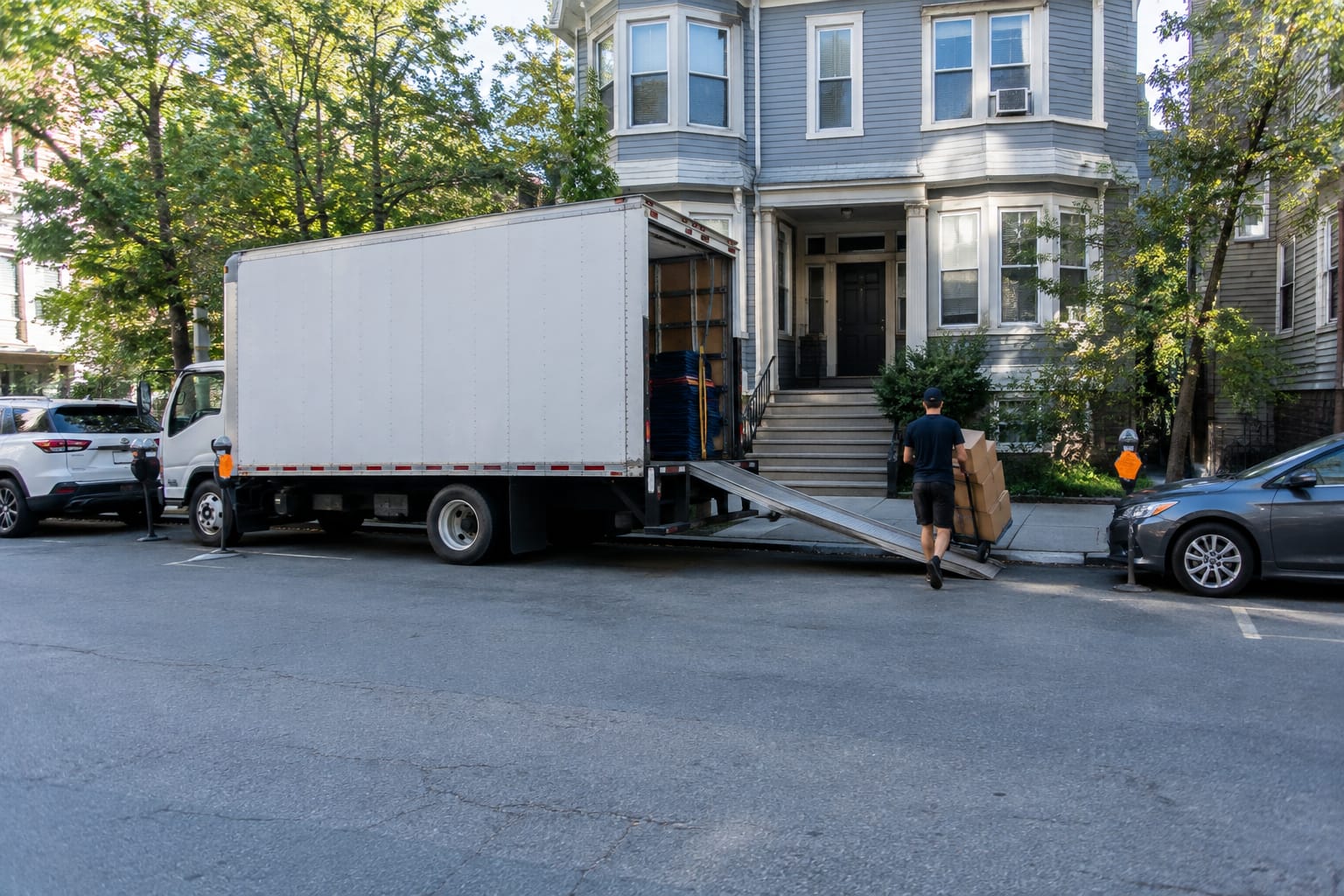
A moving company is a licensed business that transports household or commercial belongings from one location to another, handling loading, driving, and unloading. Full-service providers add packing, furniture disassembly, and unpacking. The scope you choose determines both price and how much labor lands on you.
Most jobs fall into two buckets. Labor-only crews load a truck you rent, while a full service moving company manages everything from boxing your kitchen to reassembling the bed frame. Professional movers bring equipment—dollies, straps, blankets, and shrink wrap—that prevents the dings a DIY move rarely avoids.
Here is the practical value: trained crews move faster and protect your goods with proper technique. That is why understanding the category matters before you compare vendors. For a broader foundation, review how to find a reputable moving company, the pillar resource that frames every decision below.
Q: What is the difference between full-service and labor-only movers?
A: Full-service movers pack, load, transport, unload, and unpack, while labor-only crews only load and unload a truck you supply. Full-service costs more but removes nearly all physical work and packing responsibility.
Spotting a Trustworthy vs. Untrustworthy Mover
Trustworthy movers share three traits: proper licensing, transparent written pricing, and a documented claims process. Untrustworthy operators hide behind vague phone quotes and cash-only demands. The FTC's guidance on hiring a moving company makes clear that a legitimate mover will survey your belongings before quoting.
Licensed and insured movers carry a USDOT number for interstate work and state-level authority for local jobs. Verify both. The single biggest predictor of a bad experience is skipping this step, so treat it as non-negotiable.
| Signal | Trustworthy Mover | Red Flag |
|---|---|---|
| Licensing | USDOT number, verifiable on SAFER | No number, or won't share it |
| Estimate | In-home or video survey, written | Quote given sight-unseen |
| Deposit | Small or none, card accepted | Large cash deposit demanded |
| Address | Physical office, branded trucks | No address, rental trucks only |
| Reviews | Recent, verified, named reviewers | Sparse or generic five-stars |
Know the moving company red flags before the truck arrives: unmarked vehicles, refusal to provide a written estimate, and prices that undercut every competitor by a wide margin. For scam-specific patterns, watch for these moving scam warning signs. You can also review the top qualities to look for in a moving company and cross-check any what to look for in a moving company checklist against real reviews.
Cost Factors When Hiring a Moving Company
Moving cost depends on distance, volume, labor hours, and add-on services. According to Forbes Home, local moves average $800–$2,500 while long-distance moves run $2,200–$5,700, depending on weight and mileage. Your accurate moving cost estimate hinges on getting these variables right upfront.
Local moves are usually billed by the hour per mover. Long-distance moves are billed by weight and mileage. Packing, bulky items, and stairs add surcharges that surprise unprepared customers.
| Line Item | What It Covers | Typical Basis |
|---|---|---|
| Hourly labor | Crew time loading and unloading | Per hour, per mover |
| Truck and travel | Vehicle, fuel, drive time | Flat or hourly |
| Packing materials | Boxes, tape, wrap, blankets | Per item or kit |
| Heavy-item surcharge | Pianos, safes, appliances | Flat add-on |
| Stairs or long carry | Flights or distance to the truck | Per flight or foot |
| Valuation coverage | Liability protection for goods | Basic free, full-value paid |
Pro Tip: Ask whether travel time is charged "door to door" or only for the loaded leg. A crew billing a full round-trip travel fee on a short local move can add an hour of labor you never see performed.
Cheapest Days and Times to Book Movers
The cheapest day to hire movers is a weekday—Monday through Thursday—during the middle of the month. Demand drops when fewer leases turn over, so crews and trucks are easier to secure at better rates. Summer and month-end carry the heaviest demand nationwide.

| Timing | Demand | Availability |
|---|---|---|
| Weekdays (Mon–Thu) | Lower | High |
| Mid-month (10th–20th) | Lower | High |
| Weekends | Higher | Limited |
| Month-end and the 1st | Highest | Scarce |
| October–April | Lower | High |
When you search "movers near me," filter for open weekday slots first. Reliable movers with strong reputations book their weekends fast, so flexibility on timing widens your access to the best crews rather than whatever remains.
Q: What is the cheapest day to hire movers?
A: A mid-month weekday—typically Tuesday or Wednesday between the 10th and 20th—carries the lowest demand and best availability, especially during the October–April off-season.
Getting an Accurate Moving Quote

An accurate moving company quote requires the company to see your belongings, not just hear about them. Insist on an in-home walkthrough or a live video survey. A quote given over the phone from a room count alone is a guess, and guesses become bill shock.

Disclose special requirements before the estimate—narrow doorways, a third-floor walk-up, a pool table, or a piano. Communicating unusual items upfront produces a precise moving cost estimate and eliminates moving-day surprises.
Pro Tip: Request a binding or binding-not-to-exceed estimate in writing. This caps your final charge and blocks the "the load weighed more than expected" upcharge that plagues non-binding quotes.
Compare at least three itemized estimates side by side, and confirm each covers the same services. If you are relocating a smaller space, get an accurate quote for your apartment move using a room-by-room inventory so every mover prices identical scope.
Tipping Etiquette: How Much to Give Your Movers
Knowing how much to tip movers keeps the etiquette simple. A common guideline is to tip a percentage of the total bill split among the crew, or a flat amount per mover for a full day of solid work. Forbes Home outlines this same 15–20% and $20–40 per mover range as standard practice.

Tip more for exceptional care—stairs in the rain, heavy antiques handled flawlessly, or a crew that finishes ahead of schedule without cutting corners. Tip each mover directly rather than handing a lump sum to the lead. For deeper etiquette, see what is a good tip for movers.
Pro Tip: Have cash ready in labeled envelopes before the truck arrives. Cards and apps are convenient, but crews split cash instantly and evenly, and it signals genuine appreciation on the spot.
Questions to Ask Before You Book
Ask the right questions and untrustworthy operators expose themselves quickly. Run through this list on every call:
- What is your USDOT or state license number?
- Is the estimate binding, and what triggers extra charges?
- Do you use employees or day-labor subcontractors?
- What valuation and insurance coverage is included?
- How do you handle damage claims, and what is the timeline?
- Can you share recent verified reviews with named customers?

Confirm you are dealing with licensed and insured movers by requesting a Certificate of Insurance and checking the USDOT number on the FMCSA Protect Your Move resource. Reputable, trustworthy movers answer every question without hesitation. Reviewing verified complaints on the BBB movers directory adds a final layer of due diligence before you commit.
How much is enough to tip movers?
It depends on crew size and job length. For a two-person half-day local move, splitting the tip evenly between both movers keeps each share in line with the percentage norm Forbes Home cites for tipping movers. For a full-day move, a large home, or a four-person crew, a smaller total falls short—plan on a more generous amount per mover instead. Adjust upward for difficult conditions like multiple flights of stairs, heavy specialty items, or extreme weather. Tipping is never mandatory, but it is customary for professional movers who handle your belongings with care and finish efficiently.
Related Articles
- Movers Near Me: How to Find Reliable Local Movers — learn how to source and vet dependable crews in your area.
- Moving Quotation Guide: How to Read a Moving Estimate — decode every line item so no surcharge catches you off guard.
- PODS Moving Cost vs Full-Service Movers: Price Compared — see when a container beats hiring a full crew.
- Two Men and a Truck Moving Company: Reviews and Alternatives — compare a major franchise against local options.
Recommended Reading
- How to Find a Reputable Moving Company
- What to Look for in a Moving Company: Top Qualities
- What Is a Good Tip for Movers?
- How to Avoid Moving Scams
- How to Check a US DOT Number for a Moving Company
Frequently Asked Questions