'%3E%3Cpath%20fill='%231B2A47'%20d='M1.605%2016.263c.03-1.139.059-2.482.088-3.971.03-1.49.03-2.832.03-4.03%200-.758%200-1.576-.03-2.51%200-.905-.03-1.84-.03-2.803%200-.496-.028-.964-.028-1.43%200-.468%200-.906-.03-1.315h6.858q2.188%200%203.589.35c.963.234%201.663.643%202.13%201.198.496.555.73%201.372.73%202.394%200%20.788-.176%201.46-.497%201.985-.32.526-.846.935-1.575%201.197-.73.292-1.693.468-2.918.526v.263c1.313.087%202.334.263%203.122.525.758.263%201.342.672%201.692%201.197.35.526.525%201.197.525%202.044%200%201.08-.233%201.927-.67%202.57-.468.642-1.139%201.08-2.102%201.343-.933.262-2.159.408-3.705.408H1.605zm6.537-9.197q1.882%200%202.713-.526c.555-.35.817-.934.817-1.752%200-.905-.292-1.547-.846-1.927s-1.459-.554-2.655-.554H4.757v4.759zm.204%206.92c.934%200%201.663-.088%202.217-.263.555-.176.934-.438%201.197-.818s.38-.876.38-1.518c0-.876-.322-1.49-.934-1.84-.643-.35-1.635-.525-3.035-.525H4.757v4.963zM21.038%2016.555c-1.576%200-2.801-.292-3.618-.905-.817-.614-1.284-1.519-1.372-2.745-.087-1.226.205-2.774.847-4.613s1.43-3.358%202.392-4.584c.963-1.226%202.043-2.131%203.298-2.744C23.839.292%2025.24%200%2026.786%200c1.576%200%202.772.321%203.59.934.816.613%201.283%201.548%201.37%202.774s-.203%202.774-.845%204.613c-.642%201.81-1.43%203.358-2.393%204.584s-2.072%202.132-3.297%202.745a9.8%209.8%200%200%201-4.173.905m.788-2.278c.642%200%201.138-.058%201.371-.116.205-.059.496-.117.847-.322.262-.146.437-.292.554-.408.204-.175.32-.292.438-.41.204-.203.35-.408.496-.583.35-.438.642-.876.963-1.402.233-.408.466-.817.67-1.284.205-.438.38-.905.555-1.372.438-1.198.671-2.278.671-3.183s-.204-1.606-.612-2.131c-.409-.497-1.051-.76-1.897-.76-.467%200-.934.059-1.43.205h-.03c-1.02.292-1.925%201.226-2.042%201.372-.116.117-.467.526-.963%201.343a15.5%2015.5%200%200%200-1.342%202.92c-.408%201.197-.642%202.277-.671%203.182-.03.906.175%201.636.584%202.161q.611.788%201.838.788M14.853%2038.54c-1.576%200-2.802-.292-3.619-.905s-1.284-1.518-1.371-2.744c-.088-1.227.204-2.774.846-4.614s1.43-3.357%202.393-4.584%202.042-2.13%203.297-2.744c1.255-.613%202.655-.905%204.173-.905%201.575%200%202.772.321%203.589.934s1.284%201.548%201.371%202.774c.088%201.226-.204%202.774-.846%204.613-.642%201.81-1.43%203.358-2.393%204.584s-2.072%202.131-3.297%202.745c-1.226.613-2.626.846-4.143.846m.787-2.277c.642%200%201.138-.059%201.372-.117.204-.058.496-.117.846-.321.263-.146.438-.292.554-.409.205-.175.321-.292.438-.409.204-.204.35-.408.496-.584a13%2013%200%200%200%201.634-2.686c.204-.438.38-.905.555-1.372.437-1.197.67-2.277.67-3.182%200-.906-.203-1.606-.612-2.132-.409-.496-1.05-.759-1.897-.759-.467%200-.934.058-1.43.204h-.029c-1.021.292-1.925%201.227-2.042%201.373-.117.116-.467.525-.963%201.343a15.5%2015.5%200%200%200-1.342%202.92c-.409%201.196-.642%202.277-.671%203.182s.175%201.635.583%202.16q.613.789%201.838.789'/%3E%3Cpath%20fill='%23FF515E'%20d='M55.966%2038.57c-1.576%200-2.801-.293-3.618-.906s-1.284-1.518-1.372-2.744c-.087-1.227.204-2.774.846-4.613s1.43-3.358%202.393-4.584c.963-1.227%202.043-2.132%203.297-2.745s2.656-.905%204.173-.905c1.576%200%202.772.321%203.589.934s1.284%201.548%201.371%202.774c.088%201.226-.204%202.774-.846%204.613-.642%201.81-1.43%203.358-2.393%204.584s-2.071%202.131-3.297%202.745c-1.225.613-2.626.846-4.143.846m.788-2.249c.642%200%201.138-.058%201.371-.117.204-.058.496-.116.846-.32.263-.147.438-.293.555-.41a7%207%200%200%200%20.437-.408c.205-.205.35-.41.496-.584a13%2013%200%200%200%201.634-2.686c.205-.438.38-.905.555-1.373.438-1.197.671-2.277.671-3.182s-.204-1.606-.613-2.131c-.408-.497-1.05-.76-1.896-.76-.467%200-.934.059-1.43.205h-.03c-1.02.292-1.925%201.226-2.042%201.372-.117.117-.467.526-.963%201.343a15.5%2015.5%200%200%200-1.342%202.92c-.409%201.197-.642%202.277-.671%203.182s.175%201.635.583%202.16q.614.79%201.839.79'/%3E%3Cpath%20fill='%231B2A47'%20d='M33.06%2016.263c0-.35%200-.935.03-1.81.029-1.051.058-2.103.058-3.154s.03-2.073.03-3.007c0-1.606-.03-3.27-.06-4.993%200-.554-.028-1.08-.028-1.606%200-.525-.03-1.021-.03-1.46h6.828c1.46%200%202.685.117%203.59.38q1.4.394%202.1%201.314.7.963.7%202.628c0%20.992-.174%201.81-.554%202.452-.35.643-.904%201.11-1.604%201.431s-1.576.467-2.627.496v.263q2.058.087%203.064.876c.671.525%201.138%201.372%201.43%202.51.087.41.233%201.023.467%201.84.233.818.408%201.431.554%201.84h-3.414a11%2011%200%200%200-.262-1.022c-.321-1.314-.526-2.19-.584-2.628a5%205%200%200%200-.642-1.46%202.13%202.13%200%200%200-.963-.73c-.408-.146-.934-.233-1.605-.233h-3.326v6.0440000000000005H33.06zm6.332-8.292c1.343%200%202.276-.205%202.86-.613.554-.41.846-1.11.846-2.073%200-.73-.146-1.314-.408-1.723-.263-.409-.671-.7-1.197-.876q-.788-.263-2.1-.263h-3.181v5.519h3.18zM49.4%2016.263l.03-2.745c.029-2.452.029-4.905.029-7.416q0-2.101-.088-5.868h4.085l5.924%2010.335c.087.234.204.438.291.643.117.204.205.408.321.613.38.788.613%201.255.672%201.372h.262c0-.058-.03-.146-.03-.204%200-.059-.028-.117-.028-.175a75%2075%200%200%201-.175-1.314%2010%2010%200%200%201-.088-1.285c0-1.547%200-3.737-.029-6.57V1.84c0-.584-.03-1.11-.03-1.576h2.977c-.03%202.482-.058%205.08-.058%207.766%200%201.694%200%204.438.029%208.292h-4.027l-5.573-9.43c-.875-1.81-1.226-2.511-1.05-2.132-.263-.613-.467-1.08-.613-1.46h-.263c.058.35.117.876.175%201.548.059.7.117%201.168.117%201.46%200%202.978%200%206.306.029%209.985H49.4zM4.698%2038.277c.029-2.627.058-5.255.058-7.883%200-1.576%200-3.503-.029-5.752-1.109%200-2.684%200-4.727.03v-2.453h12.664v2.453c-1.955-.03-3.53-.03-4.756-.03%200%20.584-.03%201.227-.03%201.957s0%201.46-.029%202.218v1.84c0%202.57.03%205.11.059%207.62z'/%3E%3Cpath%20fill='%23FF515E'%20d='M29.441%2038.277c.409-1.05.788-2.102%201.168-3.182s.787-2.16%201.167-3.241c.613-1.693%201.05-2.949%201.342-3.766l1.255-3.65c.116-.38.262-.788.379-1.139.117-.38.263-.73.38-1.05h4.61l-.671%2012.904h.262l8.316-12.905h4.669l-.7%201.869c-.876%202.452-1.343%203.766-1.43%204a501%20501%200%200%200-3.385%2010.16h-2.947c.292-.846.788-2.219%201.459-4.087.175-.526.35-1.08.554-1.606.175-.526.38-1.08.555-1.577.642-1.81%201.342-3.825%202.072-6.014h-.234l-8.724%2013.314h-2.86l.554-13.314h-.175c-.175.496-.38.992-.554%201.489-.175.496-.38%201.022-.555%201.547a163%20163%200%200%200-1.08%203.008c-.145.38-.262.759-.408%201.138-.117.38-.262.73-.408%201.11-.7%201.898-1.284%203.59-1.751%205.05h-2.86zM68.047%2038.277c.175-2.19.32-4.525.467-7.007.058-.905.204-3.912.467-9.051h3.151c-.03.438-.058.934-.088%201.46s-.058%201.08-.087%201.693a264%20264%200%200%201-.409%206.657c-.145%201.986-.35%203.591-.583%204.788h.175Q72.147%2034.892%2073.94%2032a562%20562%200%200%201%204.465-7.066c.32-.496.641-.992.933-1.46s.555-.875.817-1.255h3.268q-.568.832-1.138%201.752c-.408.613-.787%201.255-1.196%201.927-3.88%206.014-6.478%2010.131-7.85%2012.35h-5.193zM79.106%2038.277c.32-.788.758-2.014%201.37-3.65a287%20287%200%200%200%201.577-4.32c.437-1.256.904-2.628%201.4-4.088s.934-2.774%201.313-3.97h11.322l-.846%202.364H87.1l-1.664%204.847%207.645-.088-.612%201.694-7.587-.088-1.75%204.934h8.286l-.846%202.365z'/%3E%3C/g%3E%3Cdefs%3E%3CclipPath%20id='a'%3E%3Cpath%20fill='%23fff'%20d='M0%200h96v40H0z'/%3E%3C/clipPath%3E%3C/defs%3E%3C/svg%3E)
To move a large aquarium, empty it completely, transport the fish separately in insulated containers filled with their own tank water, and pad the drained glass in blankets and plastic wrap for the ride. A filled tank weighs hundreds of pounds and its glass panels flex under that load, so the tank must always travel empty and upright.
That single rule prevents most disasters. The rest of the job is sequencing: livestock, water, hardscape, and glass each need a different plan and a strict order. This guide walks through how to move a large aquarium from prep timeline to setup, including where DIY ends and specialists begin.
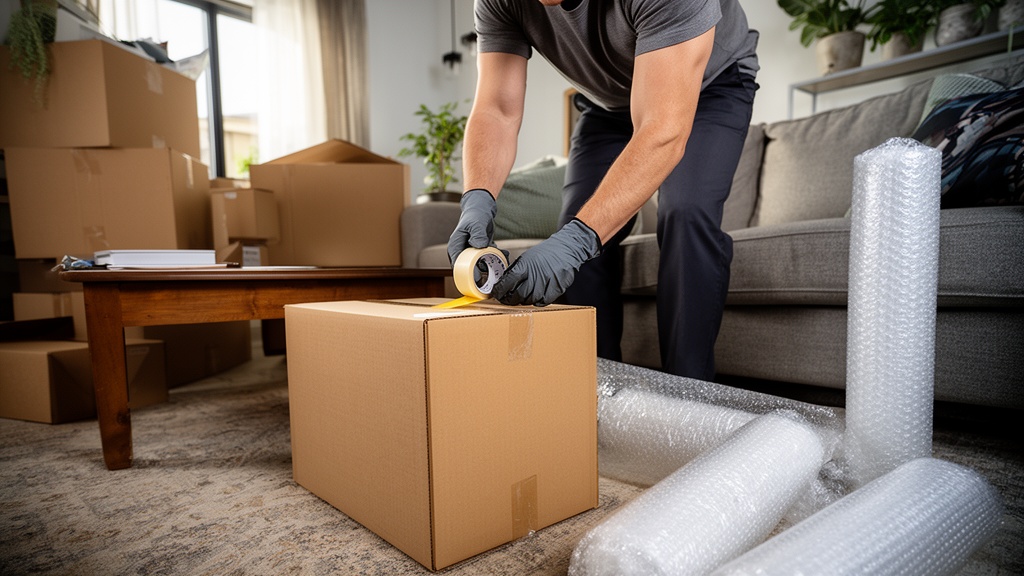
Why Aquariums Rank Among the Hardest Items to Move
An aquarium combines every problem a mover dreads: dead weight, fragile material, live animals, and gallons of water that must vanish before transport. Because a gallon of water weighs about 8.34 pounds, a 55-gallon tank holds over 450 pounds of water alone — far past what any glass seam should carry in motion.
Glass tanks are held together by silicone, not screws. Lifting a full tank, or tilting it on its side, puts uneven pressure on those seams and can split them days later, long after the move looks successful.
Then there is the livestock. Fish are sensitive to shock, and a sealed transport bag slowly loses oxygen while waste builds up. According to University of Florida research on transporting fish in bags, dissolved oxygen drops and ammonia rises inside the bag, which sets a hard clock on the whole operation.
Q: Should you move a fish tank with water still in it?
A: No. Even a mid-size tank holds hundreds of pounds of water, and the shifting load can crack the glass or rupture the silicone seams during transit.
This is why knowing how to transport a fish tank safely matters more than raw muscle. The order of operations protects both the glass and the animals.
Before Moving Day: Draining, Livestock, and a Prep Timeline
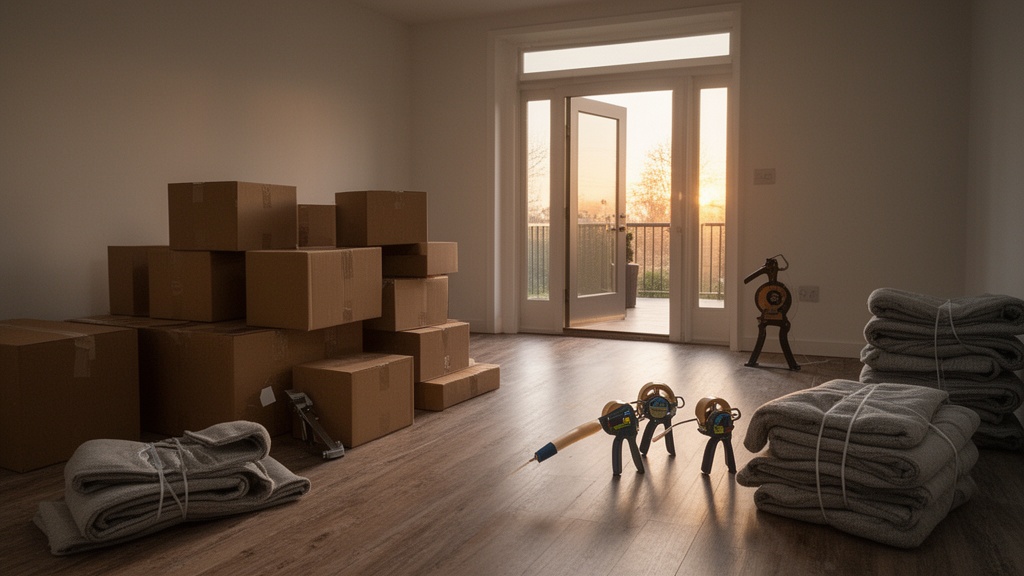
Good aquarium moves start days early. Rushing the prep is where hobbyists lose fish and crack tanks. The goal is to move calm animals, clean water, and a bone-dry tank.
Stop heavy feeding one to two days out. Fish handle transport far better on an empty stomach because less waste means slower ammonia buildup in the bag — and ammonia is acutely toxic to freshwater fish, even at low concentrations.
Use this timeline as a working checklist:
| When | What to do |
|---|---|
| 7 days before | Source insulated coolers, fish bags, and a battery air pump; confirm your setup at the new home |
| 48 hours before | Feed lightly; test that filters and heaters still run |
| Moving-day morning | Bag fish in existing tank water; drain the tank; bag substrate; remove hardscape and decor |
| On arrival | Refill, restart the filter, then acclimate fish slowly before release |
Reserve a large share of the old tank water in sealed jugs. This water carries the beneficial bacteria your filter needs, and reusing it prevents a full nitrogen-cycle crash at the new home.
Pro Tip: Move filter media in a bag of tank water, never dry. The nitrifying bacteria that keep fish alive live in that media, and letting it dry out for even an hour can wipe out weeks of biological cycling.
Bag each fish individually in tank water, leaving two-thirds of the bag as air, then place bags inside an insulated cooler to buffer temperature swings. Keep the drive as short and direct as possible.
How Professionals Wrap and Protect the Tank
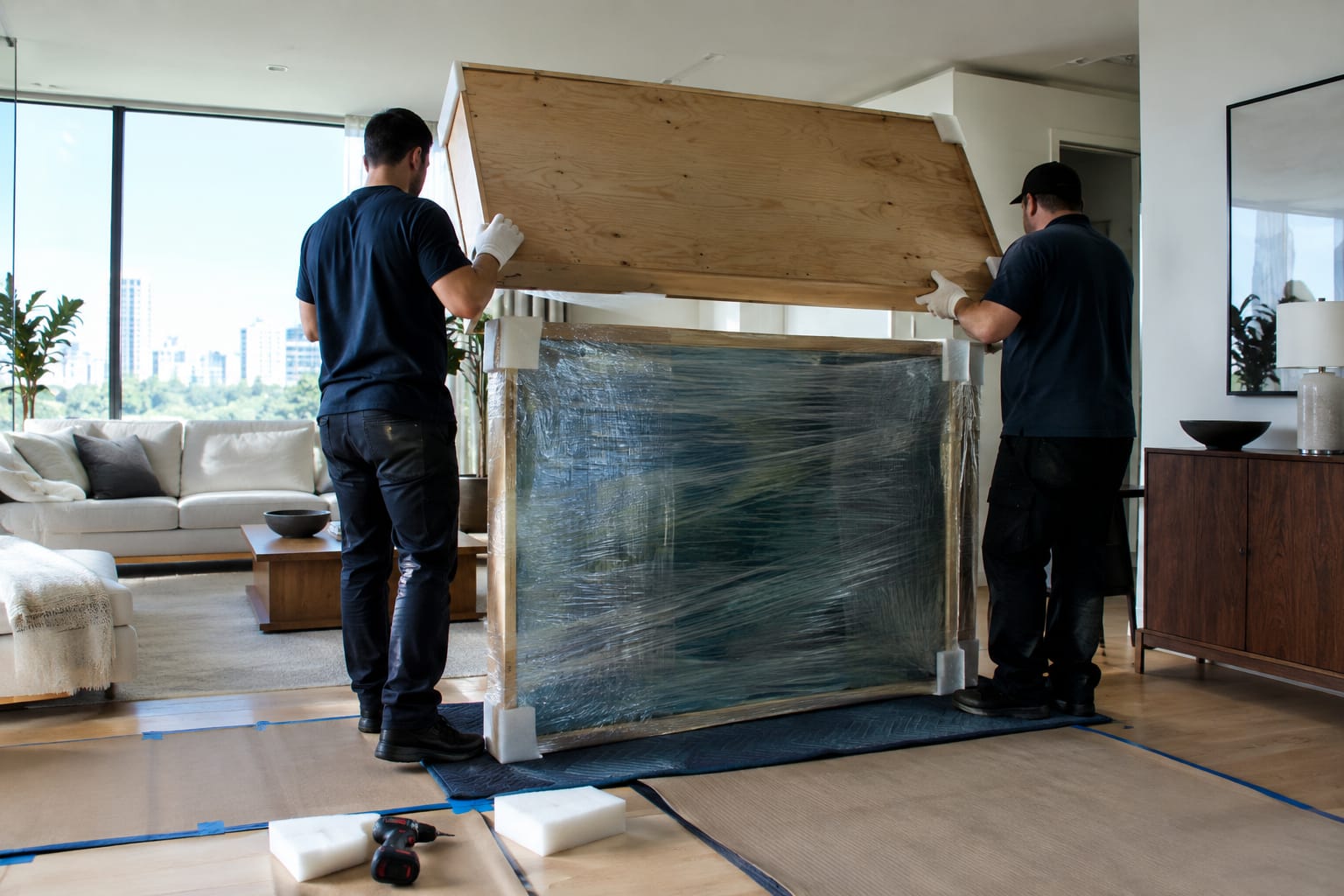
Once the tank is drained, dried, and inspected, it becomes a large, fragile pane assembly — treat it like a mirror, not a box. This is packing delicate items for a move at its most demanding.
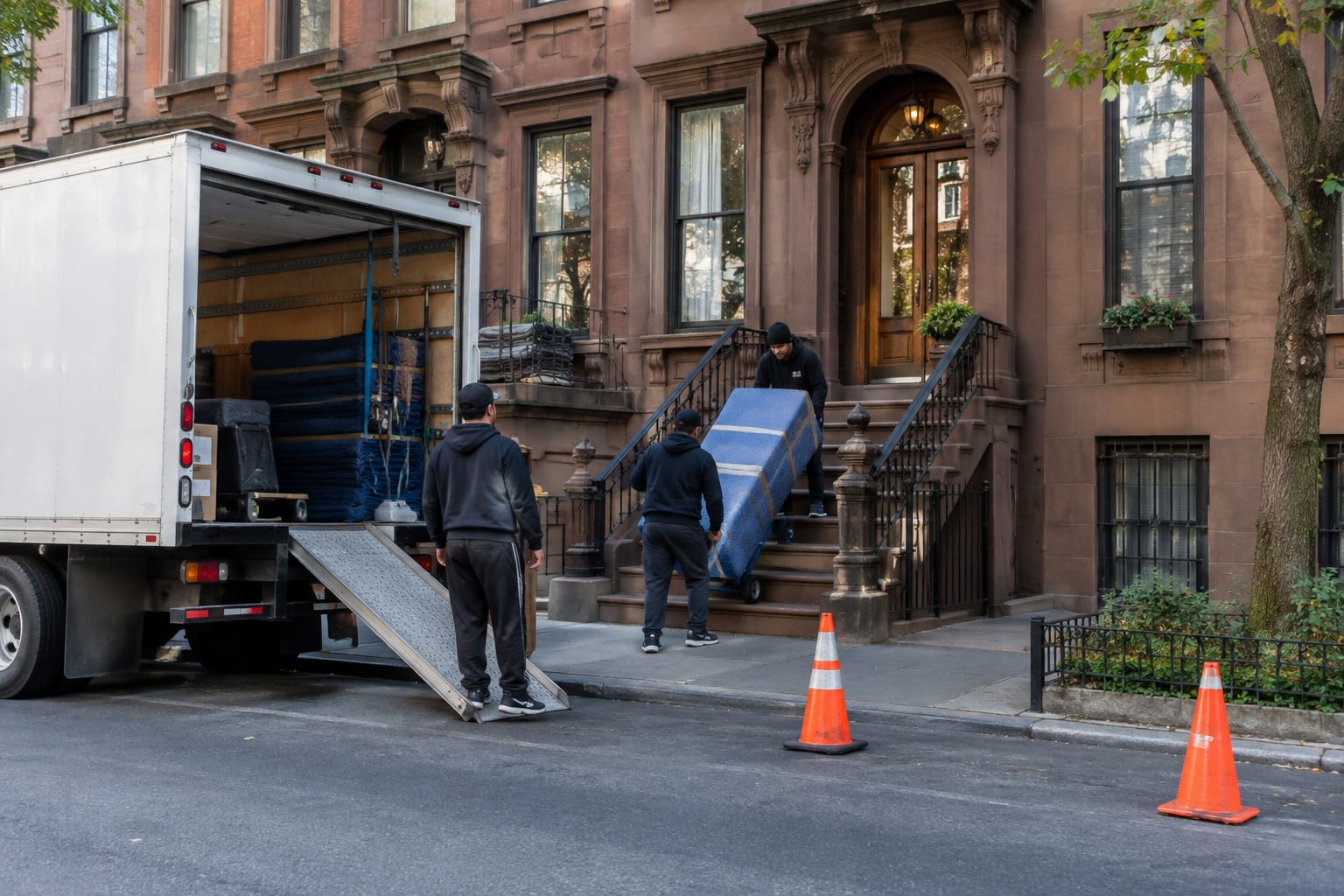
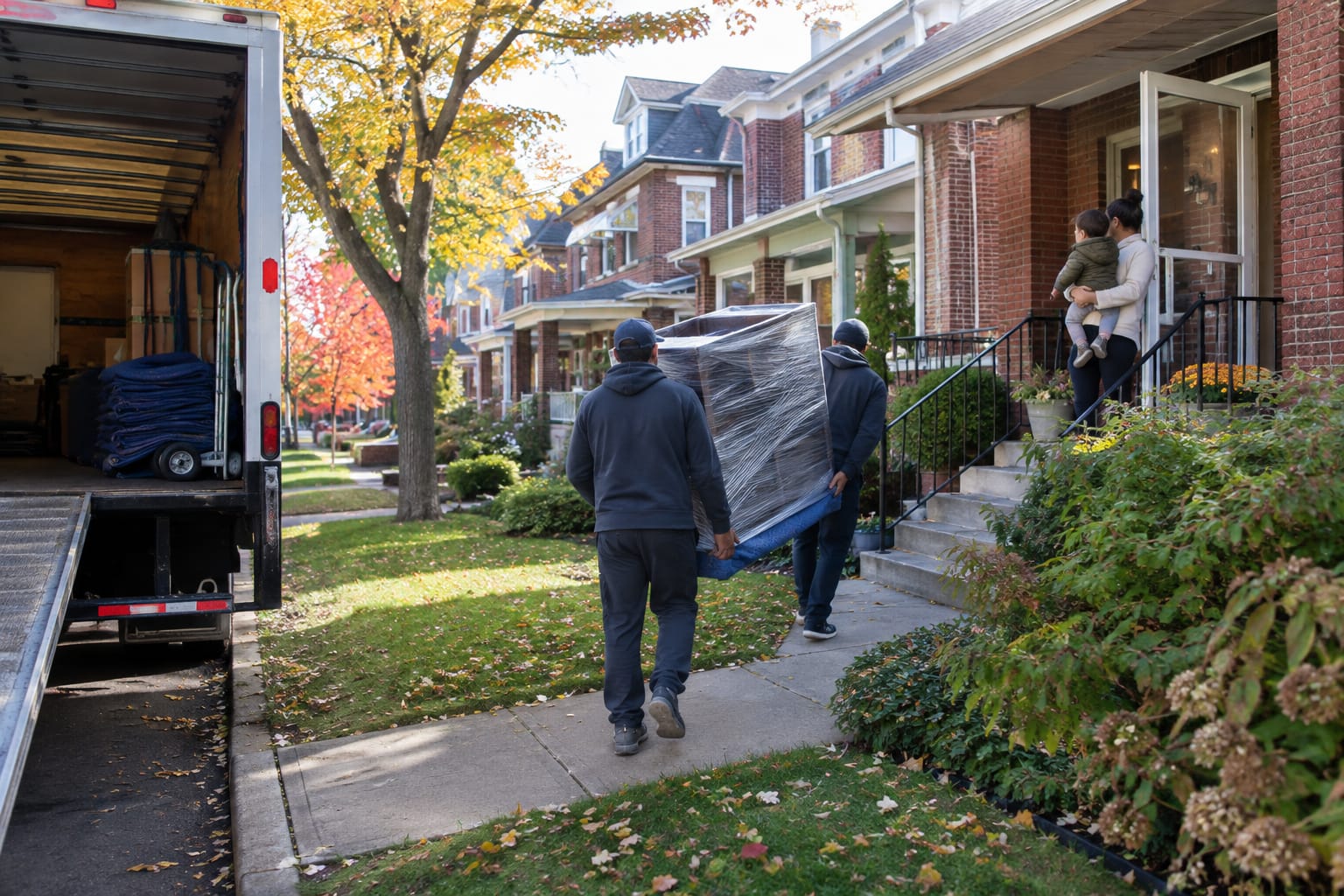
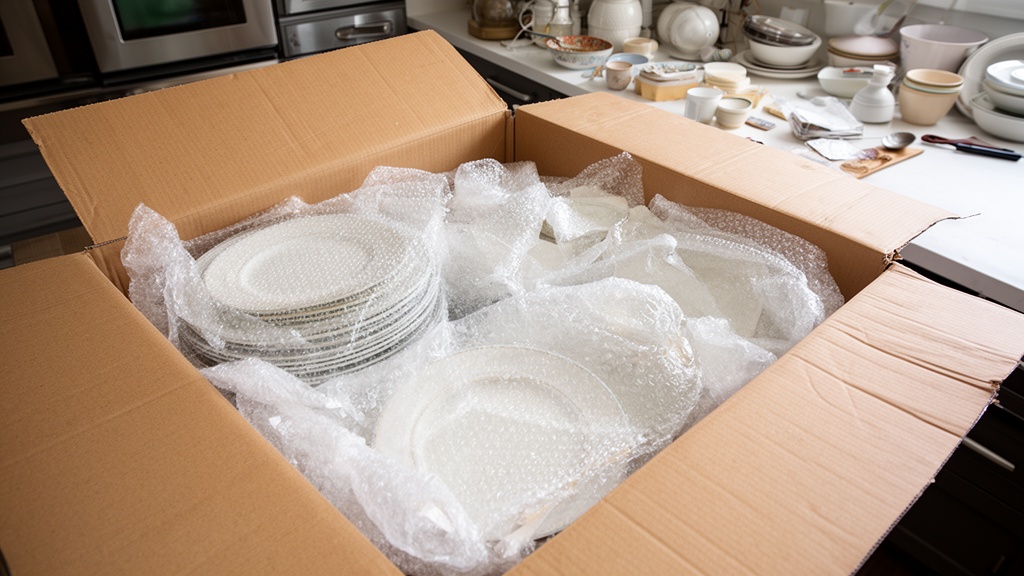
Start with a layer of bubble wrap over every glass panel, taped to itself rather than to the glass. Add moving blankets over the bubble wrap and secure them with stretch plastic wrap, which grips without leaving adhesive residue. If you want a primer on wrap thickness, this guide to the different types of bubble wrap and how to use them is a useful reference.
Corners and rims fail first, so double-pad them. Cut cardboard corner guards or foam blocks and tape them over each vertical edge before the blankets go on.
Q: Can you move a glass aquarium on its side?
A: No. Transport it upright on padding. Laying it flat or on its side loads the silicone seams unevenly and is the most common cause of a slow leak after a move.
Lids, light fixtures, pumps, and heaters travel separately in a labeled box with padding — the same care you would give any fragile electronics. The techniques mirror how movers handle other heavy, breakable specialty items; the approach in this guide to tips for moving a piano applies to any high-value, awkward object.
Pro Tip: Photograph the plumbing, wiring, and decor layout before you break the tank down. Reassembly of a large system is far faster when you can copy the original configuration instead of guessing.
Transporting the Tank and Keeping Fish Alive
The tank and the fish ride under different rules. The empty tank goes in the truck; the livestock rides in the climate-controlled cab whenever possible.
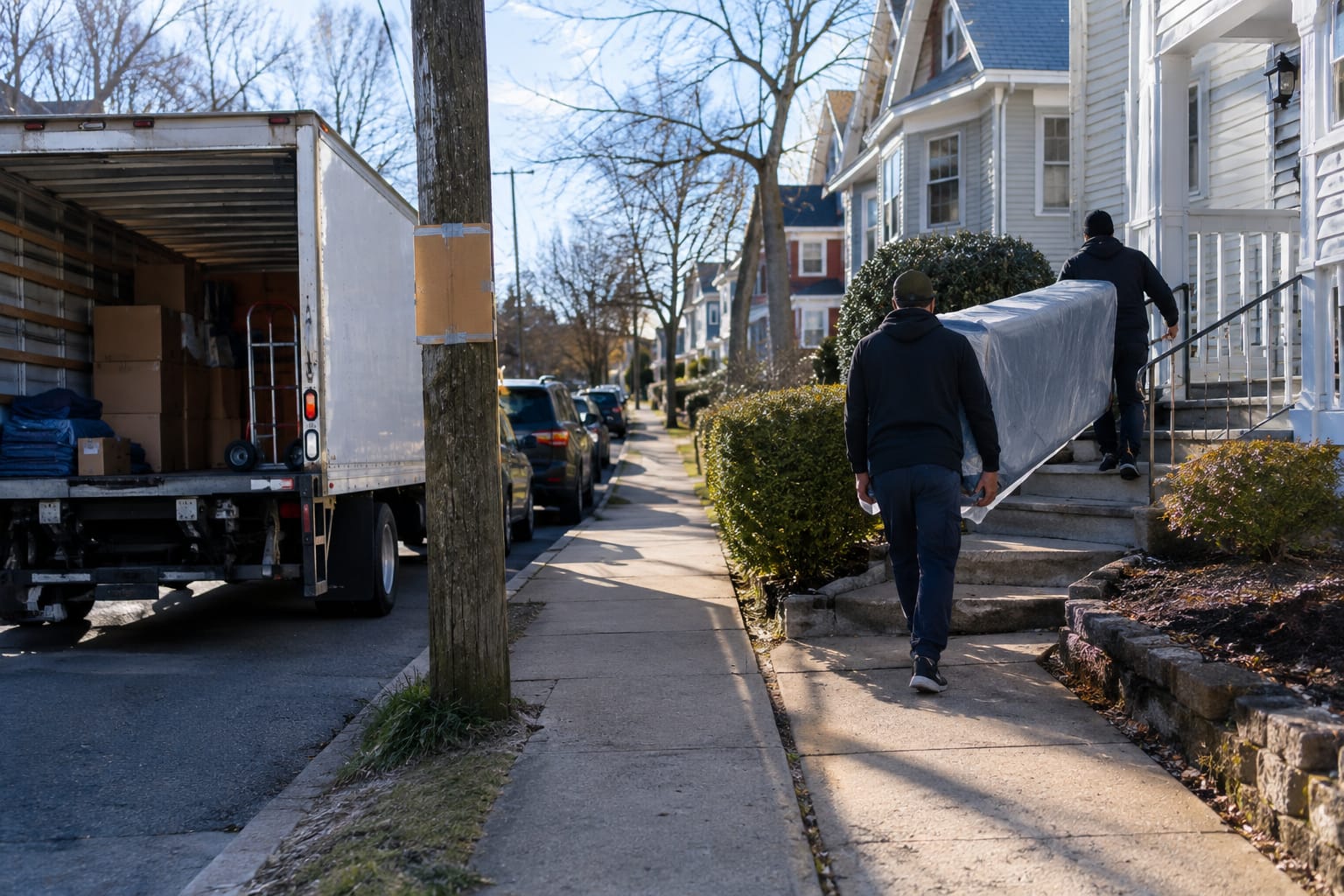
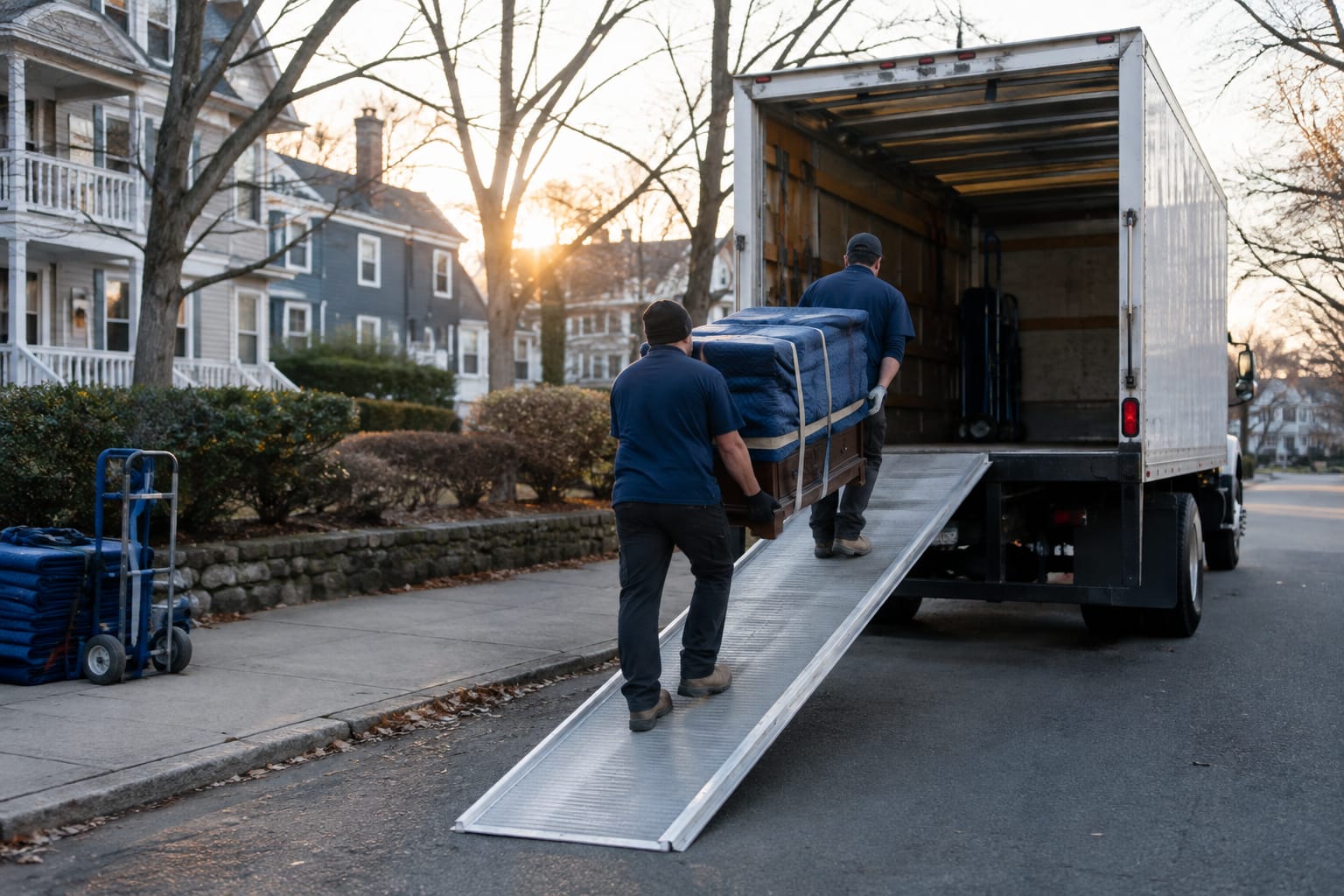
Place the wrapped tank upright against a flat wall of the truck, never stacked under other freight. Brace it with straps and boxes so it cannot slide, and load it last so it comes off first.
Temperature is the silent killer on longer hauls. For moving a fish tank long distance, insulated coolers and a battery air pump keep oxygen up and temperature stable across the drive.
Q: What water temperature is safe for transporting fish?
A: Keep the transport water within a few degrees of the tank's original temperature. Rapid swings cause thermal shock, which stresses fish more than the trip itself.
Live animals endure real stress in transit — veterinary guidance on travel stress in animals applies to fish as much as pets. Minimize handling, keep the coolers dark, and avoid opening bags mid-route.
| Distance | Realistic approach |
|---|---|
| Local move (same city) | Bag fish, drive direct, set up same day |
| Regional (a few hours) | Insulated coolers, battery air pump, minimal stops |
| Long distance / overnight | Consider rehoming fish temporarily or hiring specialists; survival odds drop sharply past a day in bags |
Setting Up the Aquarium at Your New Home
Speed matters on arrival, but so does patience with the water chemistry. Set the tank first, then the fish — never the reverse.
Place the tank on a level, load-rated stand and inspect every seam for stress marks before adding a drop of water. Add the reserved old water and substrate first, then top off with dechlorinated water matched to the original temperature.
Restart the filter and heater, and let the system stabilize before acclimating fish. Float the sealed bags to equalize temperature, then add small amounts of new tank water into each bag over 30 to 60 minutes before releasing the fish.
Expect cloudy water for a few days as the bacterial colony re-establishes. Test ammonia and nitrite daily for the first week and feed sparingly until readings stay at zero.
Pro Tip: Do not run the tank lights for the first 48 hours after setup. Darkness lowers fish stress and slows algae blooms while the biological filter recovers from the move.
When to Call Full-Service Movers Instead of Going DIY
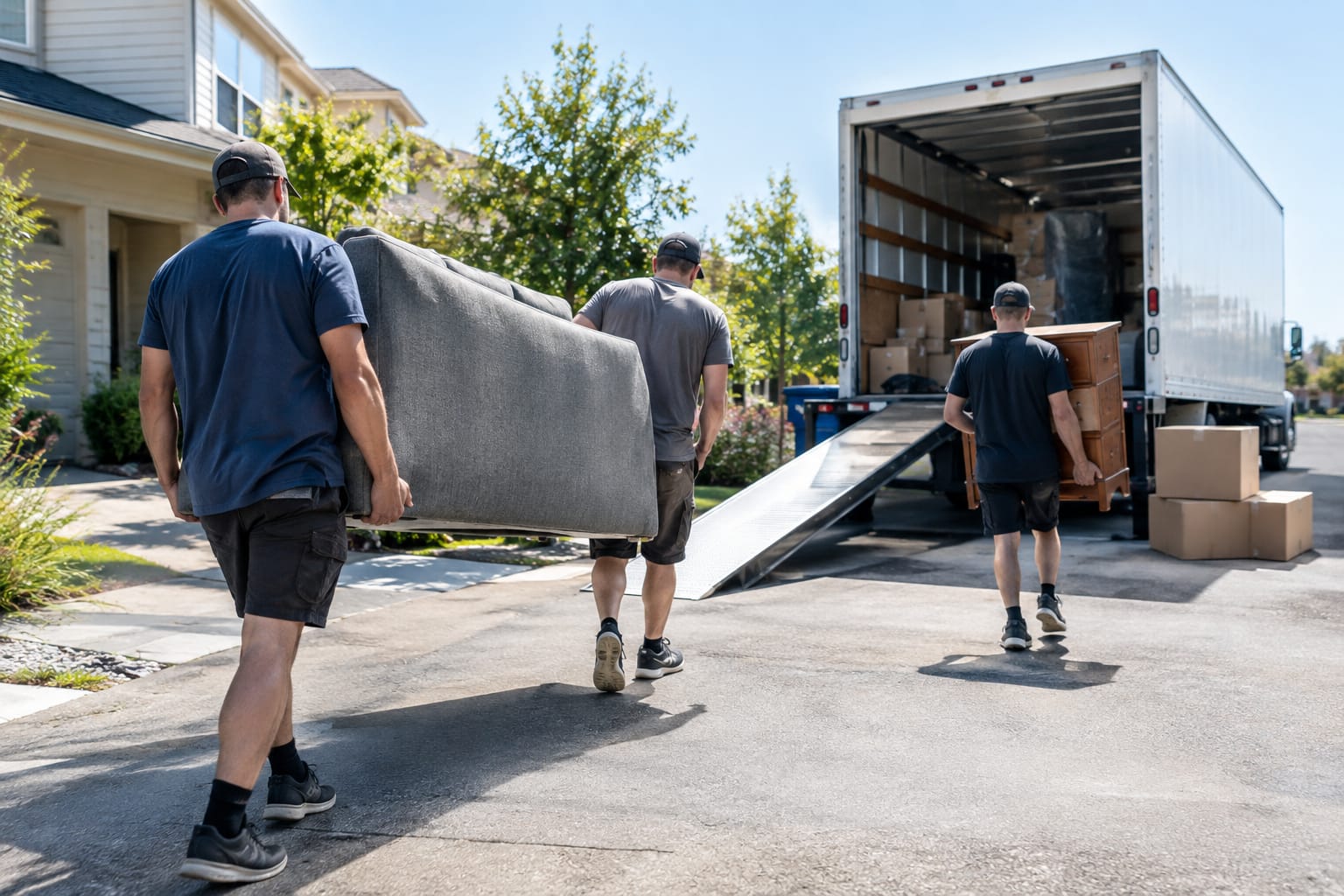
Some aquariums outgrow a two-person weekend job. Large reef systems, heavy sumps, and tanks over about 75 gallons are where professional aquarium movers earn their fee — the glass alone is a two-person lift, and a mistake can flood a floor.
Here is the honest tradeoff between doing it yourself and hiring out:
| Criteria | DIY | Professional Aquarium Movers |
|---|---|---|
| Upfront cost | Low; your own time and supplies | Higher; specialty-item handling fees apply |
| Risk to glass and seams | Higher without proper lifting gear | Lower; trained lifting and bracing |
| Livestock survival odds | Depends on your prep | Improved on complex or long moves |
| Liability if it breaks | Yours entirely | Covered under the mover's valuation |
| Best suited for | Small to mid tanks, short moves | Large tanks, high-rises, long distance |
Valuation is the piece most people overlook. Under federal rules, released value protection covers only 60 cents per pound — nowhere near the replacement cost of a large custom tank, so ask about full-value coverage for high-worth items.
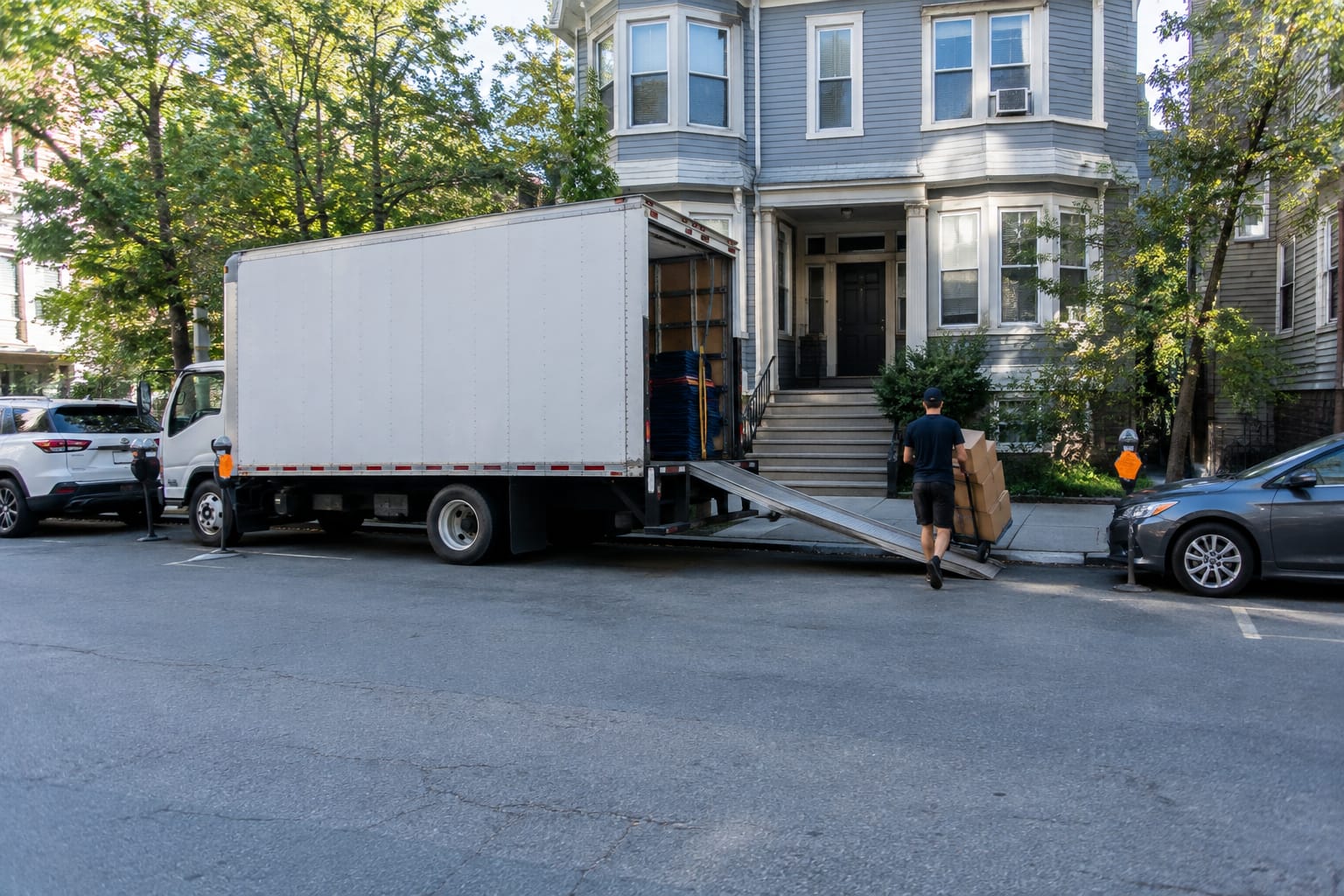
For households handling other breakables the same day, understanding how a crew approaches moving fragile items Boston residents ship every September — narrow streets, permit-only parking, and tight staircases — is worth a conversation before booking. A team that already knows how to protect furniture and delicate goods during a move will handle an aquarium with the same discipline.
If you are weighing a hands-off option, this overview of full-service movers explains what packing and handling is typically included.
Related Articles
- How Professional Movers Protect Your Furniture During a Move — see the wrapping and bracing methods pros use on fragile, high-value items.
- Moving to Another State: How to Choose the Right Mover — how to vet a company for specialty and long-distance jobs.
- Moving Across States: Key Things to Know Before You Go — logistics, timing, and permit basics for interstate relocations.
- Tips for Moving a Piano — the same heavy, awkward-object handling principles that apply to large tanks.
Recommended Reading
- Types of Bubble Wrap and Ways to Use It
- What Packing Supplies Do I Need for Moving
- Full-Service Movers: What's Included
- How to Prepare Furniture When Relocating
- Can I Hire Someone to Move Furniture
Frequently Asked Questions