'%3E%3Cpath%20fill='%231B2A47'%20d='M1.605%2016.263c.03-1.139.059-2.482.088-3.971.03-1.49.03-2.832.03-4.03%200-.758%200-1.576-.03-2.51%200-.905-.03-1.84-.03-2.803%200-.496-.028-.964-.028-1.43%200-.468%200-.906-.03-1.315h6.858q2.188%200%203.589.35c.963.234%201.663.643%202.13%201.198.496.555.73%201.372.73%202.394%200%20.788-.176%201.46-.497%201.985-.32.526-.846.935-1.575%201.197-.73.292-1.693.468-2.918.526v.263c1.313.087%202.334.263%203.122.525.758.263%201.342.672%201.692%201.197.35.526.525%201.197.525%202.044%200%201.08-.233%201.927-.67%202.57-.468.642-1.139%201.08-2.102%201.343-.933.262-2.159.408-3.705.408H1.605zm6.537-9.197q1.882%200%202.713-.526c.555-.35.817-.934.817-1.752%200-.905-.292-1.547-.846-1.927s-1.459-.554-2.655-.554H4.757v4.759zm.204%206.92c.934%200%201.663-.088%202.217-.263.555-.176.934-.438%201.197-.818s.38-.876.38-1.518c0-.876-.322-1.49-.934-1.84-.643-.35-1.635-.525-3.035-.525H4.757v4.963zM21.038%2016.555c-1.576%200-2.801-.292-3.618-.905-.817-.614-1.284-1.519-1.372-2.745-.087-1.226.205-2.774.847-4.613s1.43-3.358%202.392-4.584c.963-1.226%202.043-2.131%203.298-2.744C23.839.292%2025.24%200%2026.786%200c1.576%200%202.772.321%203.59.934.816.613%201.283%201.548%201.37%202.774s-.203%202.774-.845%204.613c-.642%201.81-1.43%203.358-2.393%204.584s-2.072%202.132-3.297%202.745a9.8%209.8%200%200%201-4.173.905m.788-2.278c.642%200%201.138-.058%201.371-.116.205-.059.496-.117.847-.322.262-.146.437-.292.554-.408.204-.175.32-.292.438-.41.204-.203.35-.408.496-.583.35-.438.642-.876.963-1.402.233-.408.466-.817.67-1.284.205-.438.38-.905.555-1.372.438-1.198.671-2.278.671-3.183s-.204-1.606-.612-2.131c-.409-.497-1.051-.76-1.897-.76-.467%200-.934.059-1.43.205h-.03c-1.02.292-1.925%201.226-2.042%201.372-.116.117-.467.526-.963%201.343a15.5%2015.5%200%200%200-1.342%202.92c-.408%201.197-.642%202.277-.671%203.182-.03.906.175%201.636.584%202.161q.611.788%201.838.788M14.853%2038.54c-1.576%200-2.802-.292-3.619-.905s-1.284-1.518-1.371-2.744c-.088-1.227.204-2.774.846-4.614s1.43-3.357%202.393-4.584%202.042-2.13%203.297-2.744c1.255-.613%202.655-.905%204.173-.905%201.575%200%202.772.321%203.589.934s1.284%201.548%201.371%202.774c.088%201.226-.204%202.774-.846%204.613-.642%201.81-1.43%203.358-2.393%204.584s-2.072%202.131-3.297%202.745c-1.226.613-2.626.846-4.143.846m.787-2.277c.642%200%201.138-.059%201.372-.117.204-.058.496-.117.846-.321.263-.146.438-.292.554-.409.205-.175.321-.292.438-.409.204-.204.35-.408.496-.584a13%2013%200%200%200%201.634-2.686c.204-.438.38-.905.555-1.372.437-1.197.67-2.277.67-3.182%200-.906-.203-1.606-.612-2.132-.409-.496-1.05-.759-1.897-.759-.467%200-.934.058-1.43.204h-.029c-1.021.292-1.925%201.227-2.042%201.373-.117.116-.467.525-.963%201.343a15.5%2015.5%200%200%200-1.342%202.92c-.409%201.196-.642%202.277-.671%203.182s.175%201.635.583%202.16q.613.789%201.838.789'/%3E%3Cpath%20fill='%23FF515E'%20d='M55.966%2038.57c-1.576%200-2.801-.293-3.618-.906s-1.284-1.518-1.372-2.744c-.087-1.227.204-2.774.846-4.613s1.43-3.358%202.393-4.584c.963-1.227%202.043-2.132%203.297-2.745s2.656-.905%204.173-.905c1.576%200%202.772.321%203.589.934s1.284%201.548%201.371%202.774c.088%201.226-.204%202.774-.846%204.613-.642%201.81-1.43%203.358-2.393%204.584s-2.071%202.131-3.297%202.745c-1.225.613-2.626.846-4.143.846m.788-2.249c.642%200%201.138-.058%201.371-.117.204-.058.496-.116.846-.32.263-.147.438-.293.555-.41a7%207%200%200%200%20.437-.408c.205-.205.35-.41.496-.584a13%2013%200%200%200%201.634-2.686c.205-.438.38-.905.555-1.373.438-1.197.671-2.277.671-3.182s-.204-1.606-.613-2.131c-.408-.497-1.05-.76-1.896-.76-.467%200-.934.059-1.43.205h-.03c-1.02.292-1.925%201.226-2.042%201.372-.117.117-.467.526-.963%201.343a15.5%2015.5%200%200%200-1.342%202.92c-.409%201.197-.642%202.277-.671%203.182s.175%201.635.583%202.16q.614.79%201.839.79'/%3E%3Cpath%20fill='%231B2A47'%20d='M33.06%2016.263c0-.35%200-.935.03-1.81.029-1.051.058-2.103.058-3.154s.03-2.073.03-3.007c0-1.606-.03-3.27-.06-4.993%200-.554-.028-1.08-.028-1.606%200-.525-.03-1.021-.03-1.46h6.828c1.46%200%202.685.117%203.59.38q1.4.394%202.1%201.314.7.963.7%202.628c0%20.992-.174%201.81-.554%202.452-.35.643-.904%201.11-1.604%201.431s-1.576.467-2.627.496v.263q2.058.087%203.064.876c.671.525%201.138%201.372%201.43%202.51.087.41.233%201.023.467%201.84.233.818.408%201.431.554%201.84h-3.414a11%2011%200%200%200-.262-1.022c-.321-1.314-.526-2.19-.584-2.628a5%205%200%200%200-.642-1.46%202.13%202.13%200%200%200-.963-.73c-.408-.146-.934-.233-1.605-.233h-3.326v6.0440000000000005H33.06zm6.332-8.292c1.343%200%202.276-.205%202.86-.613.554-.41.846-1.11.846-2.073%200-.73-.146-1.314-.408-1.723-.263-.409-.671-.7-1.197-.876q-.788-.263-2.1-.263h-3.181v5.519h3.18zM49.4%2016.263l.03-2.745c.029-2.452.029-4.905.029-7.416q0-2.101-.088-5.868h4.085l5.924%2010.335c.087.234.204.438.291.643.117.204.205.408.321.613.38.788.613%201.255.672%201.372h.262c0-.058-.03-.146-.03-.204%200-.059-.028-.117-.028-.175a75%2075%200%200%201-.175-1.314%2010%2010%200%200%201-.088-1.285c0-1.547%200-3.737-.029-6.57V1.84c0-.584-.03-1.11-.03-1.576h2.977c-.03%202.482-.058%205.08-.058%207.766%200%201.694%200%204.438.029%208.292h-4.027l-5.573-9.43c-.875-1.81-1.226-2.511-1.05-2.132-.263-.613-.467-1.08-.613-1.46h-.263c.058.35.117.876.175%201.548.059.7.117%201.168.117%201.46%200%202.978%200%206.306.029%209.985H49.4zM4.698%2038.277c.029-2.627.058-5.255.058-7.883%200-1.576%200-3.503-.029-5.752-1.109%200-2.684%200-4.727.03v-2.453h12.664v2.453c-1.955-.03-3.53-.03-4.756-.03%200%20.584-.03%201.227-.03%201.957s0%201.46-.029%202.218v1.84c0%202.57.03%205.11.059%207.62z'/%3E%3Cpath%20fill='%23FF515E'%20d='M29.441%2038.277c.409-1.05.788-2.102%201.168-3.182s.787-2.16%201.167-3.241c.613-1.693%201.05-2.949%201.342-3.766l1.255-3.65c.116-.38.262-.788.379-1.139.117-.38.263-.73.38-1.05h4.61l-.671%2012.904h.262l8.316-12.905h4.669l-.7%201.869c-.876%202.452-1.343%203.766-1.43%204a501%20501%200%200%200-3.385%2010.16h-2.947c.292-.846.788-2.219%201.459-4.087.175-.526.35-1.08.554-1.606.175-.526.38-1.08.555-1.577.642-1.81%201.342-3.825%202.072-6.014h-.234l-8.724%2013.314h-2.86l.554-13.314h-.175c-.175.496-.38.992-.554%201.489-.175.496-.38%201.022-.555%201.547a163%20163%200%200%200-1.08%203.008c-.145.38-.262.759-.408%201.138-.117.38-.262.73-.408%201.11-.7%201.898-1.284%203.59-1.751%205.05h-2.86zM68.047%2038.277c.175-2.19.32-4.525.467-7.007.058-.905.204-3.912.467-9.051h3.151c-.03.438-.058.934-.088%201.46s-.058%201.08-.087%201.693a264%20264%200%200%201-.409%206.657c-.145%201.986-.35%203.591-.583%204.788h.175Q72.147%2034.892%2073.94%2032a562%20562%200%200%201%204.465-7.066c.32-.496.641-.992.933-1.46s.555-.875.817-1.255h3.268q-.568.832-1.138%201.752c-.408.613-.787%201.255-1.196%201.927-3.88%206.014-6.478%2010.131-7.85%2012.35h-5.193zM79.106%2038.277c.32-.788.758-2.014%201.37-3.65a287%20287%200%200%200%201.577-4.32c.437-1.256.904-2.628%201.4-4.088s.934-2.774%201.313-3.97h11.322l-.846%202.364H87.1l-1.664%204.847%207.645-.088-.612%201.694-7.587-.088-1.75%204.934h8.286l-.846%202.365z'/%3E%3C/g%3E%3Cdefs%3E%3CclipPath%20id='a'%3E%3Cpath%20fill='%23fff'%20d='M0%200h96v40H0z'/%3E%3C/clipPath%3E%3C/defs%3E%3C/svg%3E)
"We will help you pack" means a moving company sends trained packers to your home to wrap, box, label, and protect your belongings before loading day — for your entire household or for specific rooms only. Packing, not heavy lifting, is the part of a move that eats the most hours and causes the most breakage. This guide breaks down exactly what packing assistance covers, the three service tiers, what materials a crew brings, what drives the price, and when the help is genuinely worth paying for.
Key Takeaways
| Point | Details |
|---|---|
| Three service tiers exist | Full, partial, and fragile-only packing let you match cost to need. A full packing service covers every room; fragile-only covers just dishes and art. |
| Packing is the slow part | A two-bedroom home takes one person 3–5 days to pack but a trained crew 4–8 hours. |
| Materials are usually included | Crews supply boxes, dish pack cartons, packing paper, bubble wrap, and tape — no separate shopping trip. |
| Damage drops sharply | Overexertion and improper handling drive most move injuries and breakage, per OSHA injury data. |
| Yes, movers pack for you | Most full-service local movers offer packing as an add-on billed by the hour, typically with a 3-hour minimum. |
What "We Will Help You Pack" Actually Includes
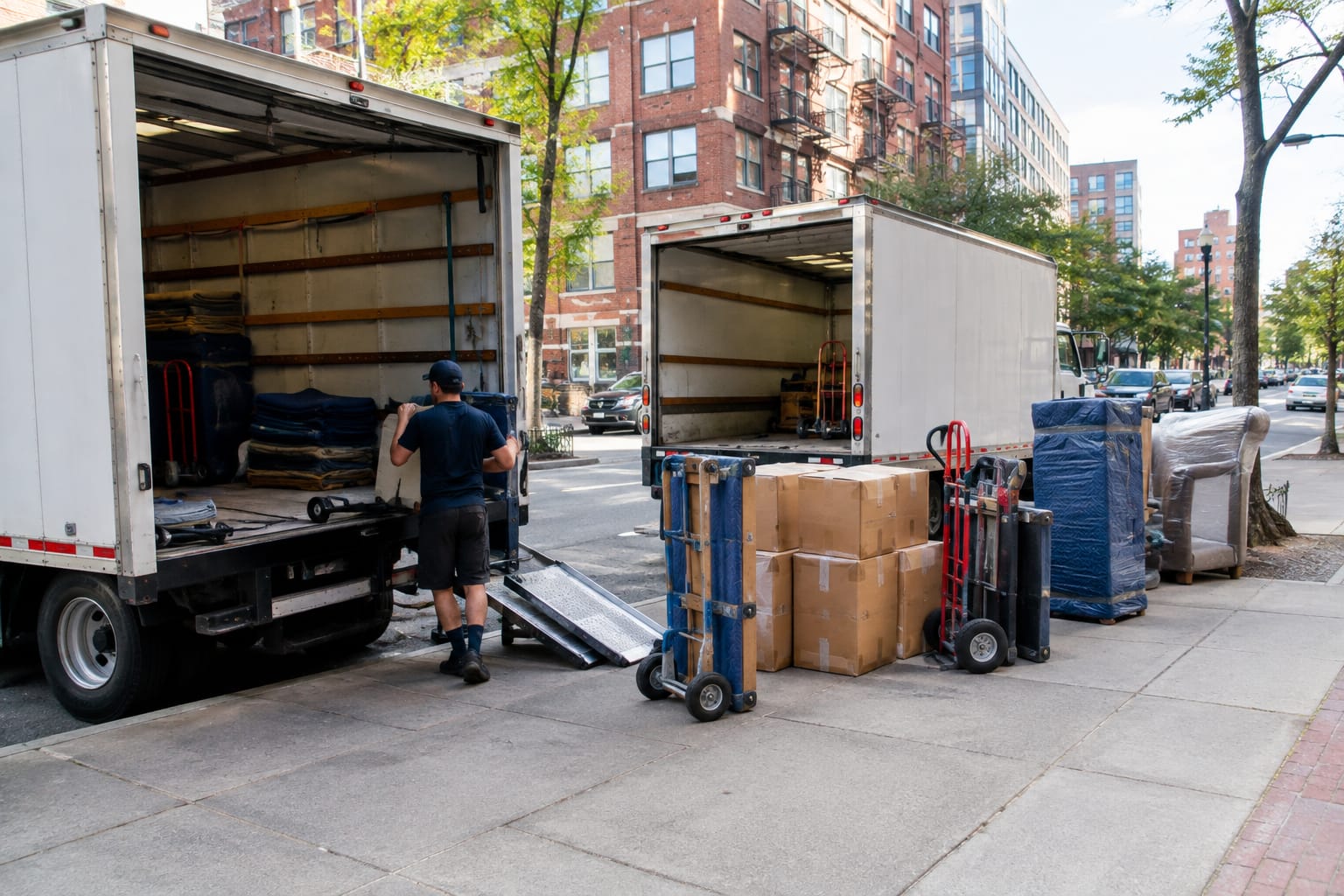
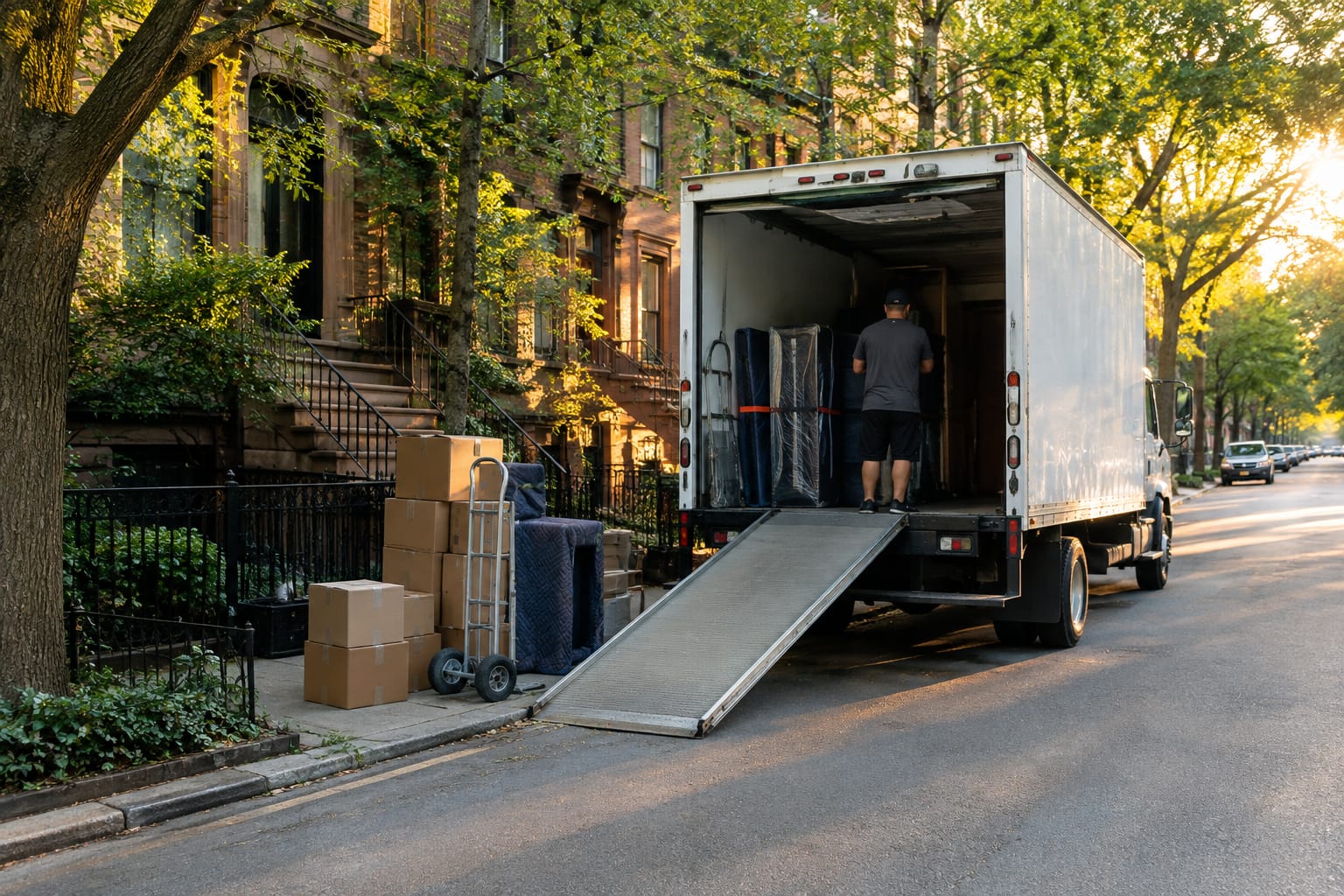
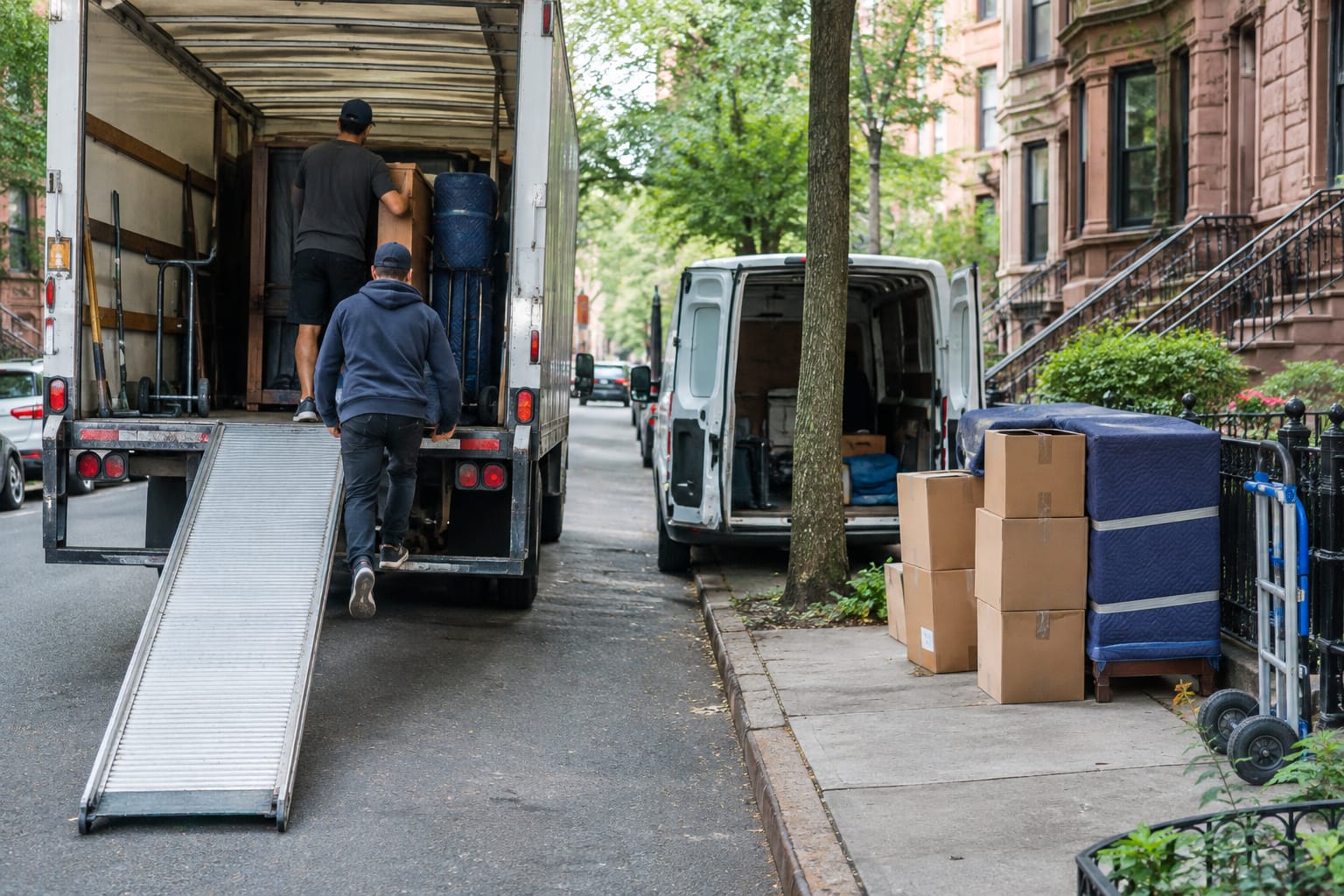
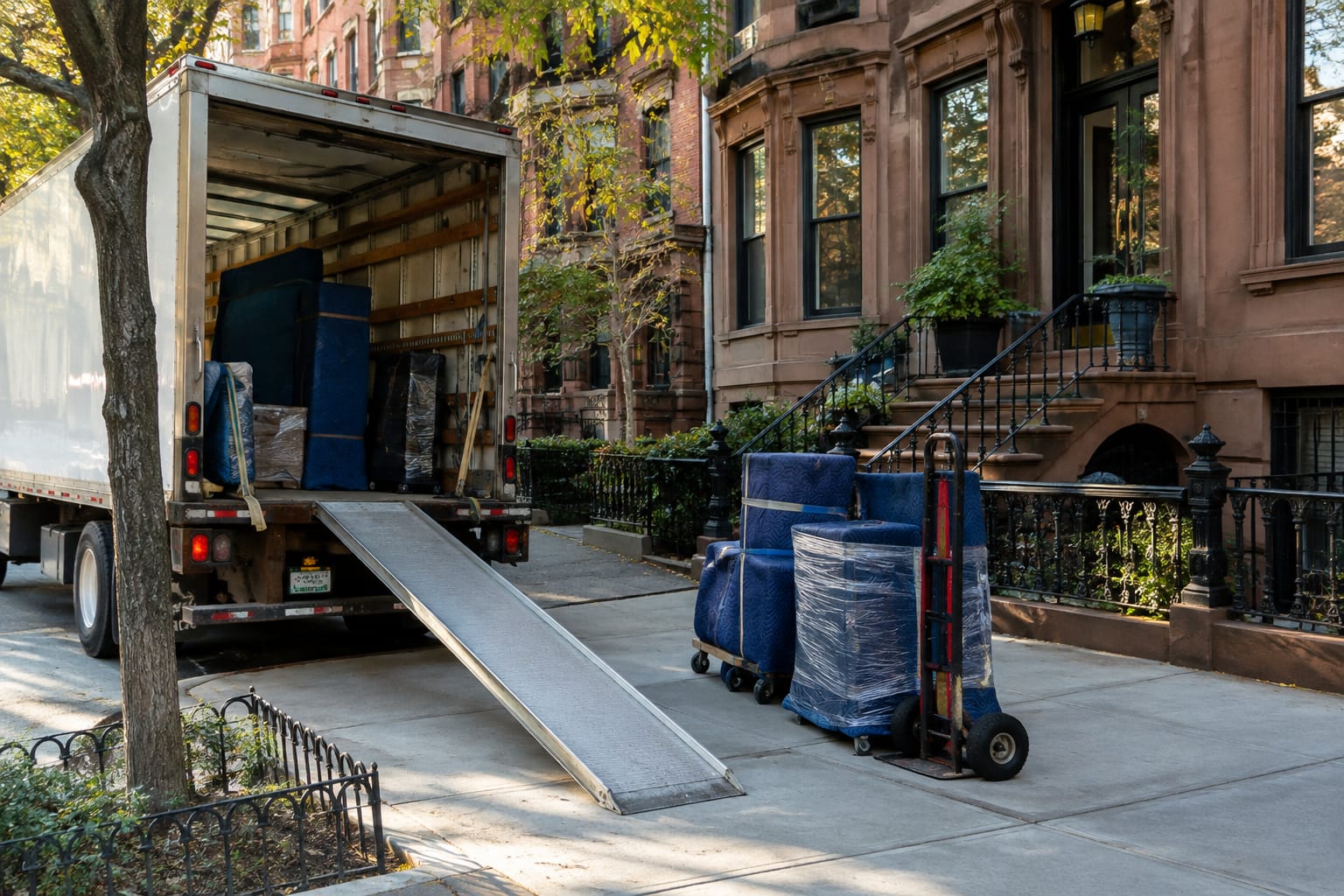
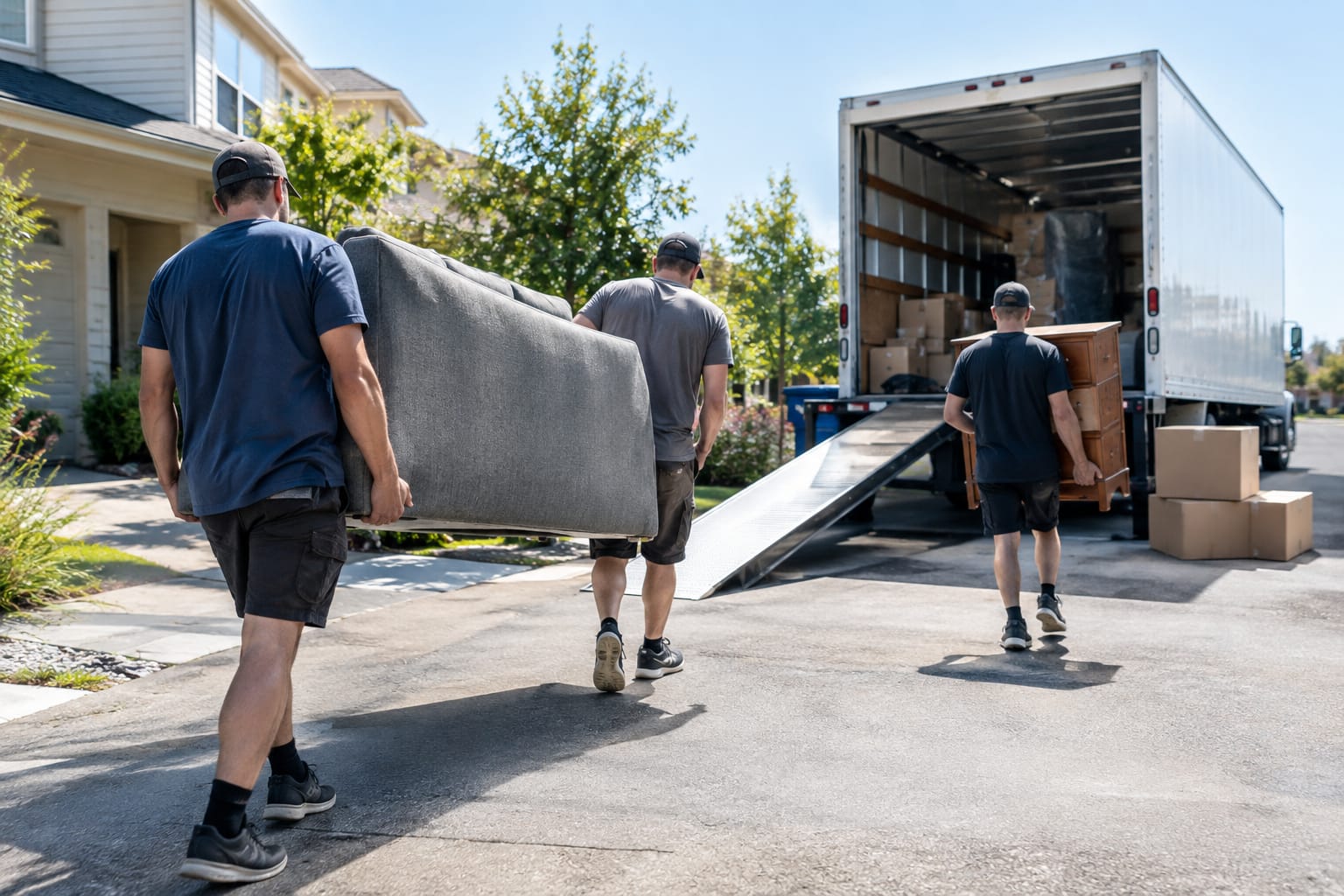
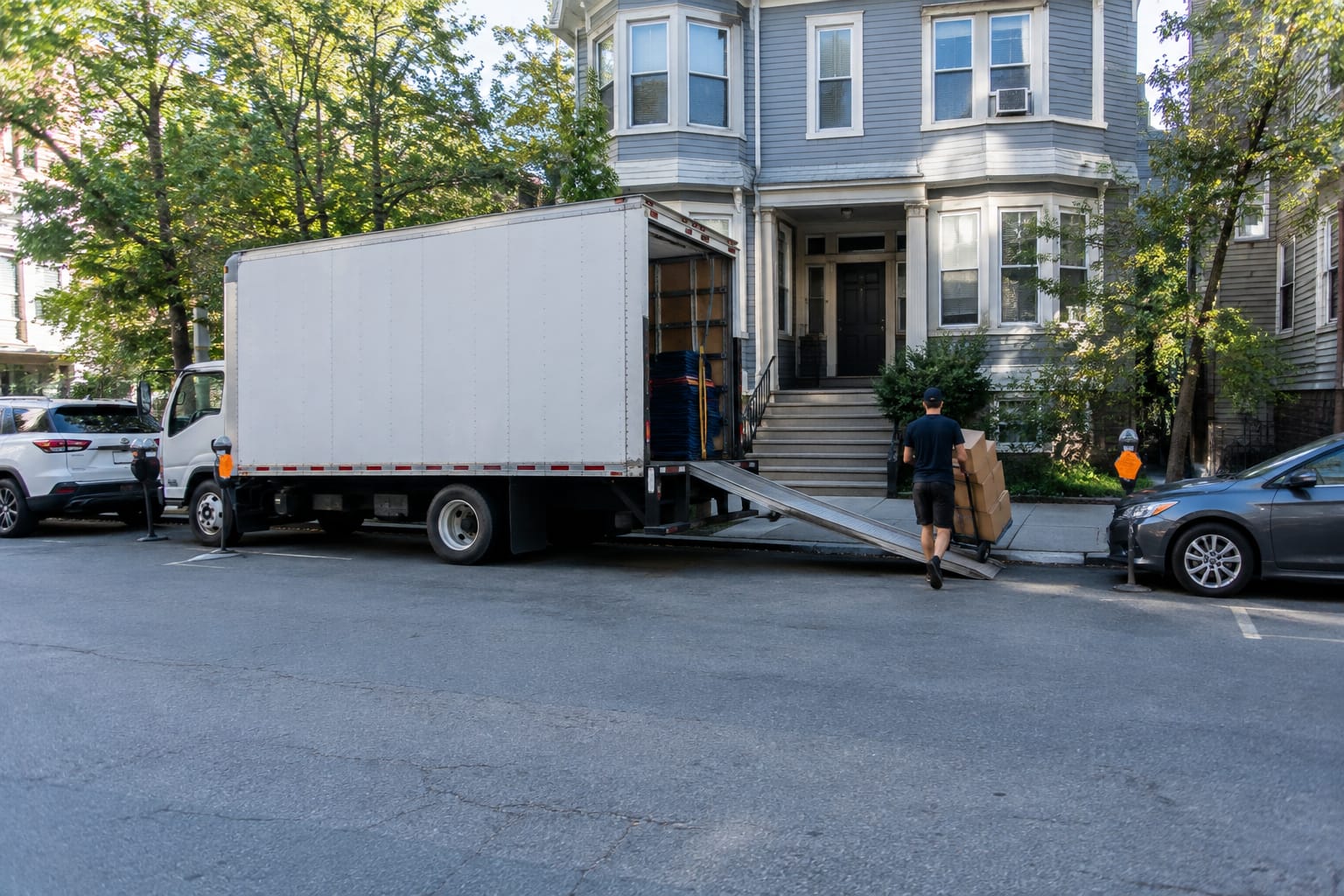
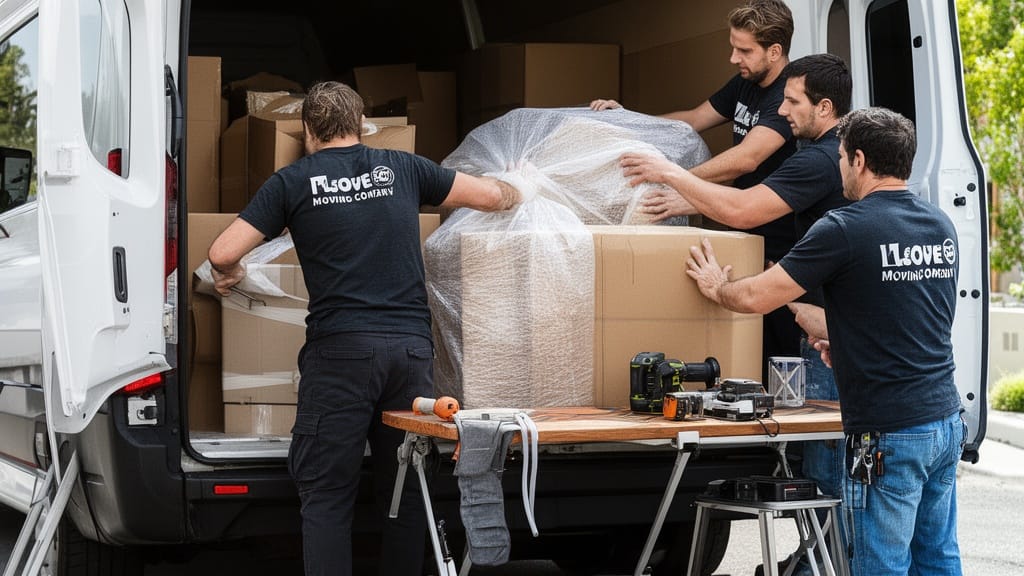
When a company promises packing assistance services, it means a crew physically packs your possessions so you don't have to. They wrap items, fill boxes, cushion fragile goods, seal cartons, and label each box by room and contents.
Q: Do movers pack for you, or just load the truck?
A: Both are available. Standard movers only load pre-packed boxes, but movers who pack for you handle the wrapping and boxing as a separate, hourly add-on service.
So the short answer to do movers pack for you is yes — but only if you book packing specifically. A standard hourly move covers loading, transport, and unloading. Packing is its own line item.
A typical packing visit includes:
- Disassembling small items and securing loose parts
- Wrapping fragile goods in paper and bubble wrap
- Boxing books, kitchenware, clothing, and décor
- Labeling every carton by destination room
- Building a basic box inventory for the truck
Pro Tip: Ask whether packing happens the same day as the move or the day before. For a home with a full kitchen and a child's room, a day-before packing appointment removes pressure and shortens the moving-day timeline by hours.
Full, Partial, and Fragile-Only Packing Tiers Compared
Packing help comes in three tiers, and choosing the right one is the single biggest cost decision you'll make. The difference between a full packing service and fragile-only packing can cut your packing bill by more than half.
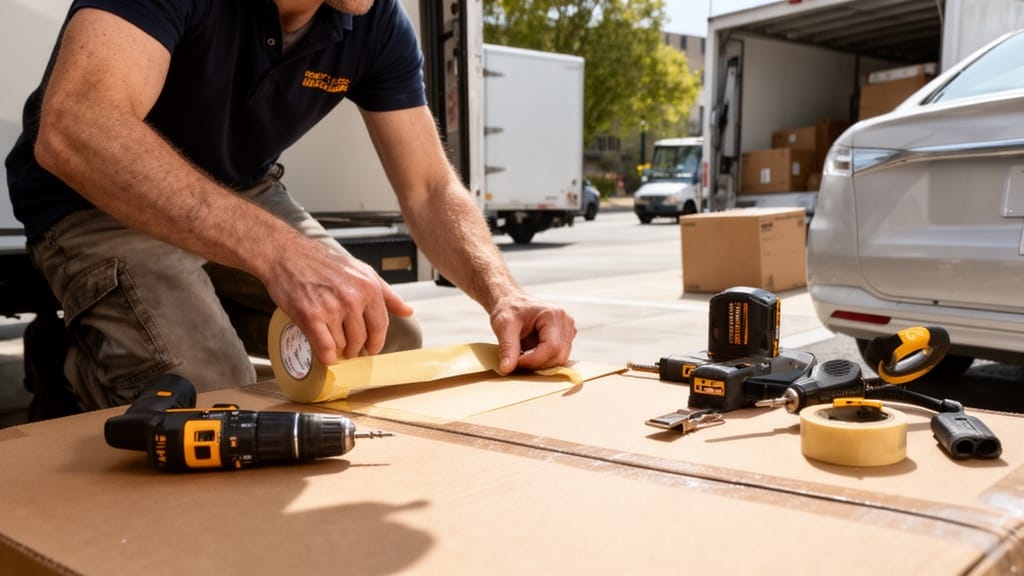
A full packing service means the crew packs everything in the home, top to bottom. A partial packing service means they handle the rooms or categories you assign — usually the kitchen, garage, and breakables — while you pack clothing and books yourself. Fragile-only packing narrows the scope further to dishes, glassware, framed art, and electronics.
| Criteria | Full packing | Partial packing | Fragile-only |
|---|---|---|---|
| Scope | Entire home, every room | Rooms you assign | Breakables only |
| Best for | Tight timelines, large homes | Budget-conscious movers | DIY packers who fear breakage |
| Materials included | All cartons + specialty boxes | Cartons for chosen rooms | Dish pack + bubble wrap |
| Time required | 4–8 hours (2-bed, estimated) | 2–4 hours | 1–3 hours |
| Liability coverage | Highest — crew packed it | Mixed by box | On wrapped items only |
One practical note on coverage: most movers only assume liability for damage inside boxes they packed themselves. That distinction is why fragile-only and full options carry stronger protection than self-packed cartons.
How Professional Packing Saves Time and Prevents Damage
Professional packing saves time because experienced packers work in a system, not in fits and starts. The labor math is stark: a job that swallows a homeowner's entire week takes professional packers a single shift.
| Task | DIY (one person) | Professional crew |
|---|---|---|
| Two-bedroom full pack | 3–5 days (estimated) | 4–8 hours |
| Kitchen only | 6–10 hours | 1.5–3 hours |
| Fragile items room | 4–6 hours | 1–2 hours |
The damage side matters just as much. Overexertion and bodily reaction rank among the leading causes of workplace injury, according to OSHA's ergonomics guidance — and the same strains hit untrained homeowners lifting overstuffed boxes. Trained crews pack to weight limits and lift correctly.
Q: Is professional packing really faster than doing it myself?
A: Yes. A trained two-person crew packs a two-bedroom home in 4–8 hours, while the same job takes one person 3–5 days of evenings and weekends.
Breakage falls too. Pros know that plates travel on edge, not flat, and that glassware needs paper inside and out. If you want to see the technique applied to your own valuables, our guide on how to pack fragile items walks through the same methods crews use.
Pro Tip: Reserve a single "open first" box and pack it last — phone chargers, medications, coffee supplies, and a box cutter. Ask the crew to label it clearly so it rides in your car, not the truck.
Which Packing Materials a Crew Provides
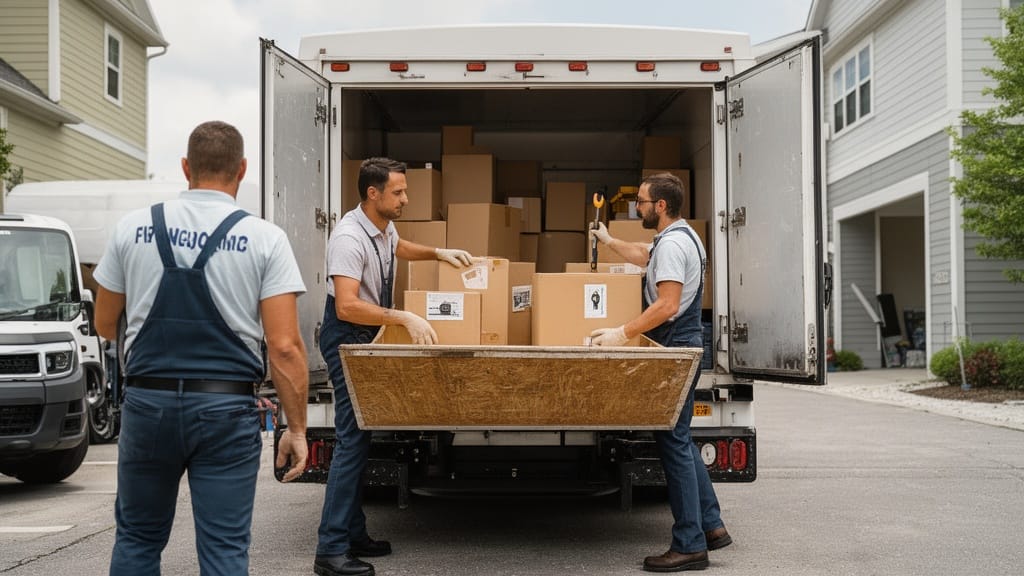
Movers with packing services arrive with their own materials, so you skip the supply-store run entirely. The materials are folded into the packing rate rather than billed as a surprise.
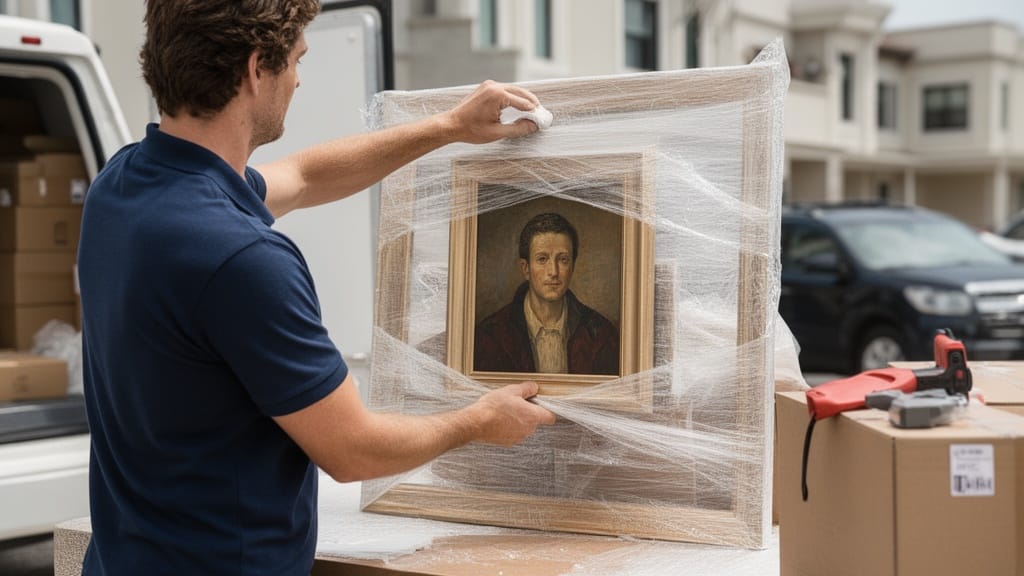
A standard packing kit includes:
- Small, medium, and large corrugated cartons
- Dish pack boxes — double-walled cartons for plates and glass
- Wardrobe boxes with hanging bars for closets
- Clean packing paper (newsprint stains; packing paper doesn't)
- Bubble wrap for electronics, art, and lamps
- Packing tape, markers, and stretch wrap for furniture
If you'd rather understand each item before booking, our breakdown of packing supplies you need for moving covers the full inventory and how each material is used.
Q: Do I have to buy boxes if movers pack for me?
A: No. With most packing assistance services, cartons, dish pack boxes, paper, bubble wrap, and tape are supplied by the crew and included in the hourly packing rate.
The quality gap is real. Retail boxes are often single-wall and recycled; moving-grade cartons are sturdier and sized to standard truck dimensions, which reduces shifting in transit.
Cost of Packing Assistance: What Drives the Price
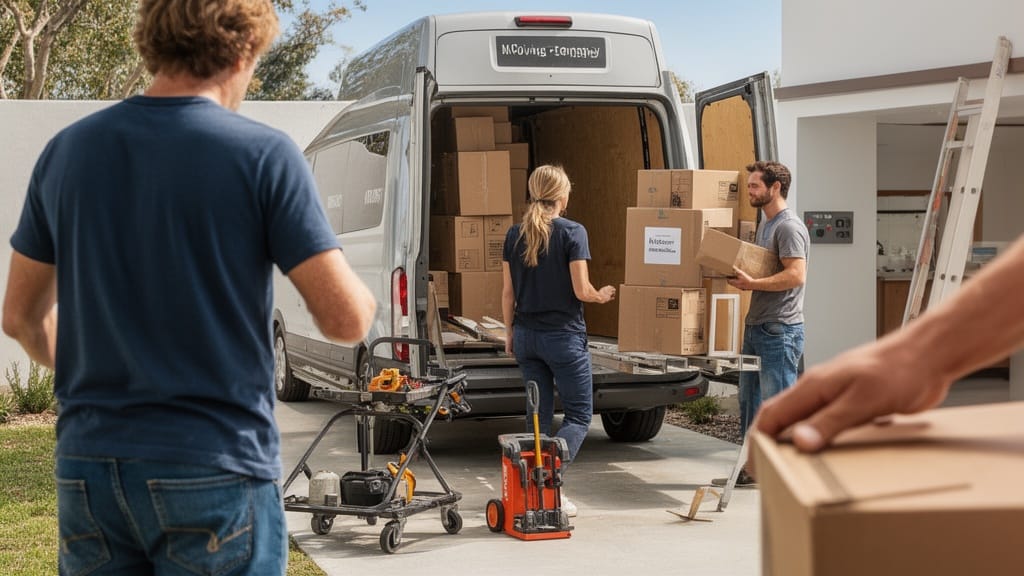
Packing service cost is usually billed by the hour, layered on top of your moving rate, with a minimum charge that protects the crew's scheduled block. Many local movers enforce a three-hour minimum, meaning they never bill less than three hours of labor regardless of job size.
The packing service cost depends on four factors:
- Tier — full packing costs the most; fragile-only the least.
- Home size — more rooms, more hours.
- Fragile volume — china, art, and electronics slow the pace.
- Timing — a separate day-before visit adds crew hours.
Professional packing labor tracks prevailing moving-industry wages monitored by the Bureau of Labor Statistics, which is why rates rise with crew size and time on site. For a wider view of how movers structure their bills, see how much movers cost.
| Service tier | What gets packed | Relative cost | Typical crew time (2-bed) |
|---|---|---|---|
| Full packing service | Entire home, every room | Highest | 4–8 hours |
| Partial packing service | Selected rooms or categories | Moderate | 2–4 hours |
| Fragile-only packing | Dishes, glass, art, electronics | Lowest | 1–3 hours |
The smartest cost move is disclosing unusual items — a piano, a fish tank, a wall of framed art — when you request the quote. Hidden specialty items are the main reason packing estimates change on moving day.
Preparing Your Home Before the Packing Crew Arrives
A little prep makes the packing crew faster, which directly lowers your hourly bill. The goal is simple: let the crew pack, not sort.
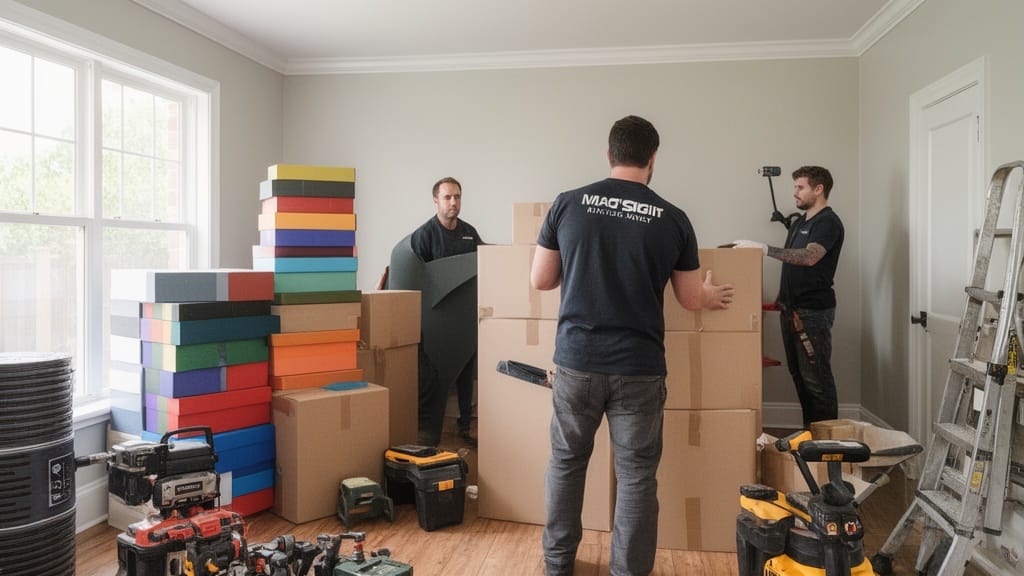
Before the crew arrives:
- Declutter and donate anything you won't move
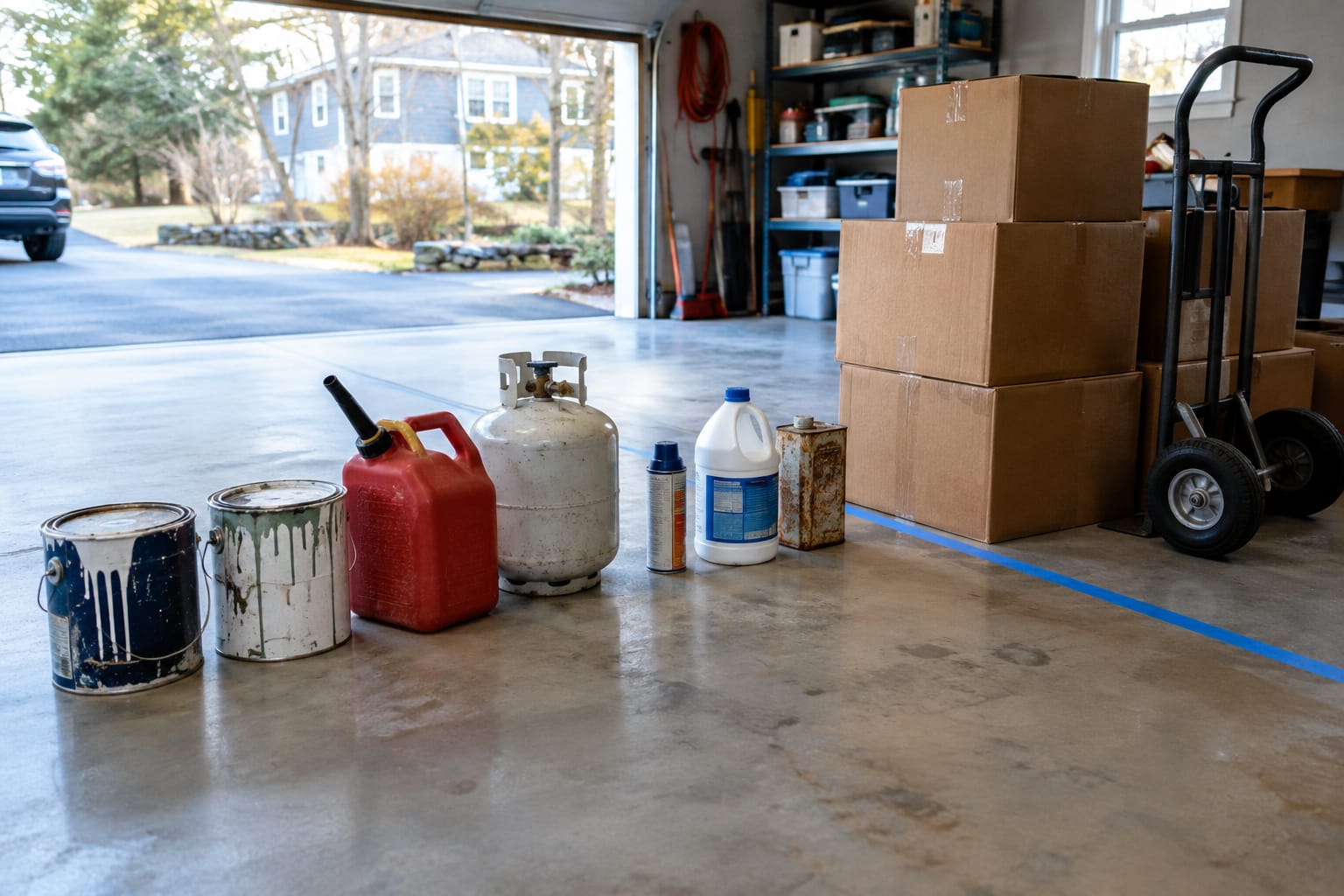
- Empty drawers of liquids, food, and hazardous items
- Separate items you'll keep with you (documents, jewelry, medications)
- Photograph electronics and high-value goods
- Clear walkways so packers move freely
The federal FMCSA Protect Your Move program recommends inventorying high-value belongings before any move, and the FTC's guidance on hiring a moving company reinforces documenting what you own. Both steps protect you if a claim ever arises.
Pro Tip: Pull aside a 24-hour essentials bag and any irreplaceable items before the crew starts. Packers move fast, and a passport or heirloom can disappear into a labeled box in seconds if it's left in the open.
Good prep is just one piece of packing help when moving — pairing it with realistic scheduling keeps the whole day on track.
When Packing Help Pays Off and When to Skip It
Packing help is worth it when your time is scarce, your inventory is fragile, or your timeline is short. It's less essential for small, durable, flexible-schedule moves. Deciding is it worth paying for packing comes down to honestly valuing your own hours against the labor cost.
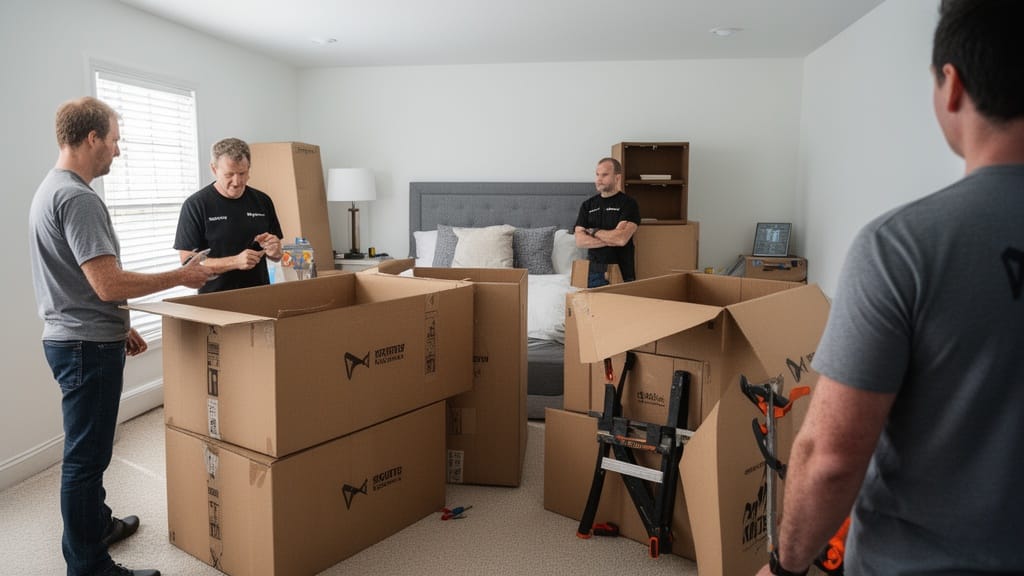
Paying for packing usually makes sense when:
- You're relocating for work with a hard deadline
- The home holds significant fragile or high-value goods
- You're moving a family and juggling jobs or kids
- Physical limitations make repetitive lifting risky
Doing it yourself can be reasonable for a studio apartment, a short local hop, or a move where you have two free weeks. For a balanced look at the trade-offs, our analysis of whether paying for packing is worth it compares both paths in detail.
With roughly a significant share of U.S. residents relocating in a given year, according to the U.S. Census Bureau, packing demand is steady — and so is the menu of options. Reviewing what movers with packing services actually include helps you book only the tier you need.
Related Articles
- Affordable Labor Moving Service in Schaumburg, IL — How hourly labor-only help works and what it covers on moving day.
- Houston Movers with No Hidden Fees: How to Spot Them — The questions that expose surprise charges before you book.
- How to Get an Accurate Moving Quote: A Boston Mover's Guide — Why disclosing specialty items keeps your estimate from changing on moving day.
- How to Choose a Licensed and Insured Moving Company You Can Trust — The credentials and coverage to verify before signing.
Recommended Reading
- Movers with Packing Services: What Full-Service Moving Includes
- List of Essential Packing Materials and Supplies for Moving
- How to Pack Things When Moving a House
- What Packing Supplies Do I Need for Moving?
- Is It Worth Paying for Packing When Moving?
Frequently Asked Questions