'%3E%3Cpath%20fill='%231B2A47'%20d='M1.605%2016.263c.03-1.139.059-2.482.088-3.971.03-1.49.03-2.832.03-4.03%200-.758%200-1.576-.03-2.51%200-.905-.03-1.84-.03-2.803%200-.496-.028-.964-.028-1.43%200-.468%200-.906-.03-1.315h6.858q2.188%200%203.589.35c.963.234%201.663.643%202.13%201.198.496.555.73%201.372.73%202.394%200%20.788-.176%201.46-.497%201.985-.32.526-.846.935-1.575%201.197-.73.292-1.693.468-2.918.526v.263c1.313.087%202.334.263%203.122.525.758.263%201.342.672%201.692%201.197.35.526.525%201.197.525%202.044%200%201.08-.233%201.927-.67%202.57-.468.642-1.139%201.08-2.102%201.343-.933.262-2.159.408-3.705.408H1.605zm6.537-9.197q1.882%200%202.713-.526c.555-.35.817-.934.817-1.752%200-.905-.292-1.547-.846-1.927s-1.459-.554-2.655-.554H4.757v4.759zm.204%206.92c.934%200%201.663-.088%202.217-.263.555-.176.934-.438%201.197-.818s.38-.876.38-1.518c0-.876-.322-1.49-.934-1.84-.643-.35-1.635-.525-3.035-.525H4.757v4.963zM21.038%2016.555c-1.576%200-2.801-.292-3.618-.905-.817-.614-1.284-1.519-1.372-2.745-.087-1.226.205-2.774.847-4.613s1.43-3.358%202.392-4.584c.963-1.226%202.043-2.131%203.298-2.744C23.839.292%2025.24%200%2026.786%200c1.576%200%202.772.321%203.59.934.816.613%201.283%201.548%201.37%202.774s-.203%202.774-.845%204.613c-.642%201.81-1.43%203.358-2.393%204.584s-2.072%202.132-3.297%202.745a9.8%209.8%200%200%201-4.173.905m.788-2.278c.642%200%201.138-.058%201.371-.116.205-.059.496-.117.847-.322.262-.146.437-.292.554-.408.204-.175.32-.292.438-.41.204-.203.35-.408.496-.583.35-.438.642-.876.963-1.402.233-.408.466-.817.67-1.284.205-.438.38-.905.555-1.372.438-1.198.671-2.278.671-3.183s-.204-1.606-.612-2.131c-.409-.497-1.051-.76-1.897-.76-.467%200-.934.059-1.43.205h-.03c-1.02.292-1.925%201.226-2.042%201.372-.116.117-.467.526-.963%201.343a15.5%2015.5%200%200%200-1.342%202.92c-.408%201.197-.642%202.277-.671%203.182-.03.906.175%201.636.584%202.161q.611.788%201.838.788M14.853%2038.54c-1.576%200-2.802-.292-3.619-.905s-1.284-1.518-1.371-2.744c-.088-1.227.204-2.774.846-4.614s1.43-3.357%202.393-4.584%202.042-2.13%203.297-2.744c1.255-.613%202.655-.905%204.173-.905%201.575%200%202.772.321%203.589.934s1.284%201.548%201.371%202.774c.088%201.226-.204%202.774-.846%204.613-.642%201.81-1.43%203.358-2.393%204.584s-2.072%202.131-3.297%202.745c-1.226.613-2.626.846-4.143.846m.787-2.277c.642%200%201.138-.059%201.372-.117.204-.058.496-.117.846-.321.263-.146.438-.292.554-.409.205-.175.321-.292.438-.409.204-.204.35-.408.496-.584a13%2013%200%200%200%201.634-2.686c.204-.438.38-.905.555-1.372.437-1.197.67-2.277.67-3.182%200-.906-.203-1.606-.612-2.132-.409-.496-1.05-.759-1.897-.759-.467%200-.934.058-1.43.204h-.029c-1.021.292-1.925%201.227-2.042%201.373-.117.116-.467.525-.963%201.343a15.5%2015.5%200%200%200-1.342%202.92c-.409%201.196-.642%202.277-.671%203.182s.175%201.635.583%202.16q.613.789%201.838.789'/%3E%3Cpath%20fill='%23FF515E'%20d='M55.966%2038.57c-1.576%200-2.801-.293-3.618-.906s-1.284-1.518-1.372-2.744c-.087-1.227.204-2.774.846-4.613s1.43-3.358%202.393-4.584c.963-1.227%202.043-2.132%203.297-2.745s2.656-.905%204.173-.905c1.576%200%202.772.321%203.589.934s1.284%201.548%201.371%202.774c.088%201.226-.204%202.774-.846%204.613-.642%201.81-1.43%203.358-2.393%204.584s-2.071%202.131-3.297%202.745c-1.225.613-2.626.846-4.143.846m.788-2.249c.642%200%201.138-.058%201.371-.117.204-.058.496-.116.846-.32.263-.147.438-.293.555-.41a7%207%200%200%200%20.437-.408c.205-.205.35-.41.496-.584a13%2013%200%200%200%201.634-2.686c.205-.438.38-.905.555-1.373.438-1.197.671-2.277.671-3.182s-.204-1.606-.613-2.131c-.408-.497-1.05-.76-1.896-.76-.467%200-.934.059-1.43.205h-.03c-1.02.292-1.925%201.226-2.042%201.372-.117.117-.467.526-.963%201.343a15.5%2015.5%200%200%200-1.342%202.92c-.409%201.197-.642%202.277-.671%203.182s.175%201.635.583%202.16q.614.79%201.839.79'/%3E%3Cpath%20fill='%231B2A47'%20d='M33.06%2016.263c0-.35%200-.935.03-1.81.029-1.051.058-2.103.058-3.154s.03-2.073.03-3.007c0-1.606-.03-3.27-.06-4.993%200-.554-.028-1.08-.028-1.606%200-.525-.03-1.021-.03-1.46h6.828c1.46%200%202.685.117%203.59.38q1.4.394%202.1%201.314.7.963.7%202.628c0%20.992-.174%201.81-.554%202.452-.35.643-.904%201.11-1.604%201.431s-1.576.467-2.627.496v.263q2.058.087%203.064.876c.671.525%201.138%201.372%201.43%202.51.087.41.233%201.023.467%201.84.233.818.408%201.431.554%201.84h-3.414a11%2011%200%200%200-.262-1.022c-.321-1.314-.526-2.19-.584-2.628a5%205%200%200%200-.642-1.46%202.13%202.13%200%200%200-.963-.73c-.408-.146-.934-.233-1.605-.233h-3.326v6.0440000000000005H33.06zm6.332-8.292c1.343%200%202.276-.205%202.86-.613.554-.41.846-1.11.846-2.073%200-.73-.146-1.314-.408-1.723-.263-.409-.671-.7-1.197-.876q-.788-.263-2.1-.263h-3.181v5.519h3.18zM49.4%2016.263l.03-2.745c.029-2.452.029-4.905.029-7.416q0-2.101-.088-5.868h4.085l5.924%2010.335c.087.234.204.438.291.643.117.204.205.408.321.613.38.788.613%201.255.672%201.372h.262c0-.058-.03-.146-.03-.204%200-.059-.028-.117-.028-.175a75%2075%200%200%201-.175-1.314%2010%2010%200%200%201-.088-1.285c0-1.547%200-3.737-.029-6.57V1.84c0-.584-.03-1.11-.03-1.576h2.977c-.03%202.482-.058%205.08-.058%207.766%200%201.694%200%204.438.029%208.292h-4.027l-5.573-9.43c-.875-1.81-1.226-2.511-1.05-2.132-.263-.613-.467-1.08-.613-1.46h-.263c.058.35.117.876.175%201.548.059.7.117%201.168.117%201.46%200%202.978%200%206.306.029%209.985H49.4zM4.698%2038.277c.029-2.627.058-5.255.058-7.883%200-1.576%200-3.503-.029-5.752-1.109%200-2.684%200-4.727.03v-2.453h12.664v2.453c-1.955-.03-3.53-.03-4.756-.03%200%20.584-.03%201.227-.03%201.957s0%201.46-.029%202.218v1.84c0%202.57.03%205.11.059%207.62z'/%3E%3Cpath%20fill='%23FF515E'%20d='M29.441%2038.277c.409-1.05.788-2.102%201.168-3.182s.787-2.16%201.167-3.241c.613-1.693%201.05-2.949%201.342-3.766l1.255-3.65c.116-.38.262-.788.379-1.139.117-.38.263-.73.38-1.05h4.61l-.671%2012.904h.262l8.316-12.905h4.669l-.7%201.869c-.876%202.452-1.343%203.766-1.43%204a501%20501%200%200%200-3.385%2010.16h-2.947c.292-.846.788-2.219%201.459-4.087.175-.526.35-1.08.554-1.606.175-.526.38-1.08.555-1.577.642-1.81%201.342-3.825%202.072-6.014h-.234l-8.724%2013.314h-2.86l.554-13.314h-.175c-.175.496-.38.992-.554%201.489-.175.496-.38%201.022-.555%201.547a163%20163%200%200%200-1.08%203.008c-.145.38-.262.759-.408%201.138-.117.38-.262.73-.408%201.11-.7%201.898-1.284%203.59-1.751%205.05h-2.86zM68.047%2038.277c.175-2.19.32-4.525.467-7.007.058-.905.204-3.912.467-9.051h3.151c-.03.438-.058.934-.088%201.46s-.058%201.08-.087%201.693a264%20264%200%200%201-.409%206.657c-.145%201.986-.35%203.591-.583%204.788h.175Q72.147%2034.892%2073.94%2032a562%20562%200%200%201%204.465-7.066c.32-.496.641-.992.933-1.46s.555-.875.817-1.255h3.268q-.568.832-1.138%201.752c-.408.613-.787%201.255-1.196%201.927-3.88%206.014-6.478%2010.131-7.85%2012.35h-5.193zM79.106%2038.277c.32-.788.758-2.014%201.37-3.65a287%20287%200%200%200%201.577-4.32c.437-1.256.904-2.628%201.4-4.088s.934-2.774%201.313-3.97h11.322l-.846%202.364H87.1l-1.664%204.847%207.645-.088-.612%201.694-7.587-.088-1.75%204.934h8.286l-.846%202.365z'/%3E%3C/g%3E%3Cdefs%3E%3CclipPath%20id='a'%3E%3Cpath%20fill='%23fff'%20d='M0%200h96v40H0z'/%3E%3C/clipPath%3E%3C/defs%3E%3C/svg%3E)
Yes — tipping movers from a moving company is customary but never required. A common rule of thumb is to tip each mover by the hour for local moves, or by the day for long-distance moves, handed to each crew member after the job is done. Adjust the amount up or down based on the service you actually received.
The question comes up at the end of almost every move — often when people are exhausted, surrounded by boxes, and unsure of the norm. This moving company tipping guide covers every scenario, from small apartment moves to cross-country relocations, so you arrive at moving day with a clear, confident plan.

Key Takeaways
| Point | Details |
|---|---|
| Standard tip for local moves | Tip each mover based on the hours worked, scaling up for longer jobs |
| Long-distance tip rate | Tip each mover for every day of work; tip at origin and destination separately if crews differ |
| Timing | Always tip after the move is complete — evaluate actual service quality before handing over envelopes |
| Cash is preferred | Tipping movers cash directly to each individual ensures full, immediate receipt without distribution risk |
| Damage is a claim, not a tip question | A smaller tip does not compensate for broken items — note damage and file a claim with the mover |
| Non-cash appreciation | Water, food, and a detailed online review are valued alongside gratuity. |
Is Tipping Movers Expected or Just Customary?
Tipping movers sits somewhere between customary and expected in most markets. Professional movers perform physically intensive, time-pressured work — carrying heavy furniture, navigating narrow hallways, protecting fragile items, all under strict scheduling constraints.
According to the U.S. Bureau of Labor Statistics, hand laborers and material movers do physically demanding work, often lifting and carrying heavy loads. Tips supplement base pay — they do not replace it.
Do you tip movers? Most customers and etiquette observers treat gratuity as standard practice for professional crews — valued, but never mandatory.
Tipping movers etiquette differs from restaurant tipping in one key way: the service cost is already built into the invoice. Gratuity here recognizes exceptional effort or job difficulty — a crew that carried a piano up four flights of stairs in summer heat earned something different from one that moved boxes into a ground-floor unit.
When You Should Tip Your Movers — and When You Don't Have To
Are you supposed to tip movers from a moving company every time, regardless of performance? No. How the job went should shape both the decision and the amount. Tipping norms function best as a feedback mechanism, not an automatic transaction.
Tip generously when the crew:
- Arrives within the agreed time window and calls ahead to confirm
- Wraps furniture in protective blankets and plastic throughout the move
- Finishes at or under the estimated time
- Handles specialty items — pianos, large aquariums, heavy safes — without incident
- Manages unexpected complications (broken elevators, tight hallways, bad weather) professionally and without complaint
- Works through extreme heat, cold, or a busy holiday-period move
Reduce or skip the tip when:
- Items are damaged through demonstrable negligence
- The crew arrives significantly late without communication
- The team pads billable hours with noticeably slow work
- Unprofessional conduct occurs on site
How much do you tip a moving company when service falls in the middle — competent but unremarkable? Reserve the upper end for work that genuinely stands out.
Working with honest and reliable local movers who are licensed and professionally managed raises the likelihood that the crew earns a full tip. Before hiring, ask for a written estimate based on your actual inventory, and confirm how damage claims are handled.
Pro Tip: Decide your tip amount the night before moving day, not during the chaos of the move itself. Prepare individual cash envelopes for each crew member in advance. This removes the last-minute calculation and lets you focus on evaluating service quality throughout the actual job.
Mover Tip Amounts: Recommended Ranges by Move Type
Mover tip amount depends on move size, duration, and crew count. A studio or one-bedroom local move takes a few hours, while a large home or a long-distance job can fill a full day, so the tip per mover should grow with the time and effort involved. When the service is excellent, tip toward the higher end for any move type.
How much to tip movers per hour: the common rule of thumb for local moves is to set an hourly amount for each mover and multiply it by the hours worked. For a 4-hour move with a 3-person crew, each person's tip is the hourly rate times four hours, and the total is that amount times three.
If you prefer a percentage of the bill or a flat amount per person instead, either method works — pick whichever feels cleaner, and scale it to the difficulty of the job rather than the size of the invoice alone.
For a detailed breakdown of what is a good tip for movers across different move types, see the dedicated resource. Understanding how much movers cost before moving day helps you see the tip in proportion to the total invoice. For a complete picture of what local moving services typically cost, reviewing pricing before budgeting is a practical first step.

Read the Invoice Before You Tip
Your tip is a separate decision from the bill, so it helps to know exactly what the bill covers. Before moving day, ask the company to explain:
- How time is billed. Many local movers charge hourly with a minimum, and travel time is often billed at the same hourly rate.
- What costs extra. Packing supplies — boxes, tape, shrink wrap, mattress bags — are commonly invoiced separately, and some companies add a fee for card payments.
- Who arranges parking. In dense cities the customer is often responsible for truck parking or a street-occupancy permit, and many apartment buildings require a booked service elevator or a certificate of insurance. Check your city's and building's rules early.
- Whether a gratuity line appears. Tipping is discretionary. If a tip shows up as a required charge on an estimate or invoice, ask why before you sign.
For instance, Born to Move prices local moves by the hour — from $160 per hour for 2 movers and a truck, from $240 for 3 movers and from $320 for 4 — with a 3-hour minimum that includes travel time billed at the same rate. The hourly rate covers labor, truck, fuel, tolls and basic released-value protection of $0.60 per pound; packing supplies are charged separately, card payments add 3%, and seasonal rates apply, so the current rate should be confirmed with a quote. Knowing line items like these in advance makes it easier to set a tip that feels proportional instead of guessed at the curb.
Damage is a claims issue, not a tipping issue. A reduced tip does not compensate you for a broken item. FMCSA also publishes the 'Your Rights and Responsibilities When You Move' booklet. Note any damage on the paperwork before the crew leaves, then decide on the tip separately.
Tipping for Local Moves vs. Long-Distance Moves
The calculation method shifts with move distance. A tip for local move jobs is hourly — simple to calculate at the end of the job. A tip for long distance move jobs is daily, because crews often work 8–10 hour days and may load and unload on different days, sometimes with entirely different personnel.
Local moves (under 100 miles):
- A set amount per mover per hour
- 4-hour move, 2-person crew: four hours at the hourly rate for each of the two movers
- 6-hour move, 3-person crew: six hours at the hourly rate for each of the three movers
Long-distance moves (100+ miles):
- A set amount per mover per day
- 2-day move, 3-person crew: two days at the daily rate for each of the three movers
- Tip at delivery as well as loading — different crews may handle each end
Moving crew gratuity for interstate jobs requires advance planning. When the loading crew in one city differs from the unloading crew at the destination, each team earns its tip independently. For context on what interstate moving involves and how multi-day moves are structured, that background shapes the tipping approach.
How much tip for movers in a high cost-of-living city? Tip toward the upper end of the range.
Pro Tip: For long-distance moves, prepare two sets of cash envelopes before departure — one labeled 'Loading Crew' and one labeled 'Unloading Crew.' Even if the same driver handles transport between cities, the working crew at each end may differ. Separate envelopes remove any ambiguity on delivery day.
Per Person or as a Group: How to Split Your Tip
Individual tipping is more reliable than group tipping. Handing a lump sum to the crew leader with instructions to divide it introduces uncertainty — you cannot be sure the split will be equitable, and some workers may receive less than their share.
How to distribute tips fairly:
- Prepare individual envelopes in advance with the amount for each crew member
- Hand cash directly to each mover at the end of the job
- Use each person's name if you learned it during the move — a personal touch crew members remember
- For crews of four or more, handing the supervisor pre-labeled envelopes for each person is acceptable when direct distribution is not practical
Tipping movers in cash directly is the most common approach. If you are short on bills, peer-to-peer payment apps work too, though you will need each mover's handle and should send separate payments rather than one lump sum. Some companies allow gratuity on the final invoice — confirm before moving day if you prefer not to carry cash. Cash remains preferred because it arrives immediately with no processing delay. Either way, the method only changes convenience.
Movers gratuity etiquette also governs timing. Should you tip movers before or after the move? Always after. A tip given before the work is done cannot reflect service quality, and no professional mover expects gratuity in advance. Wait until the final item is placed, confirm nothing is damaged, and then distribute the envelopes.
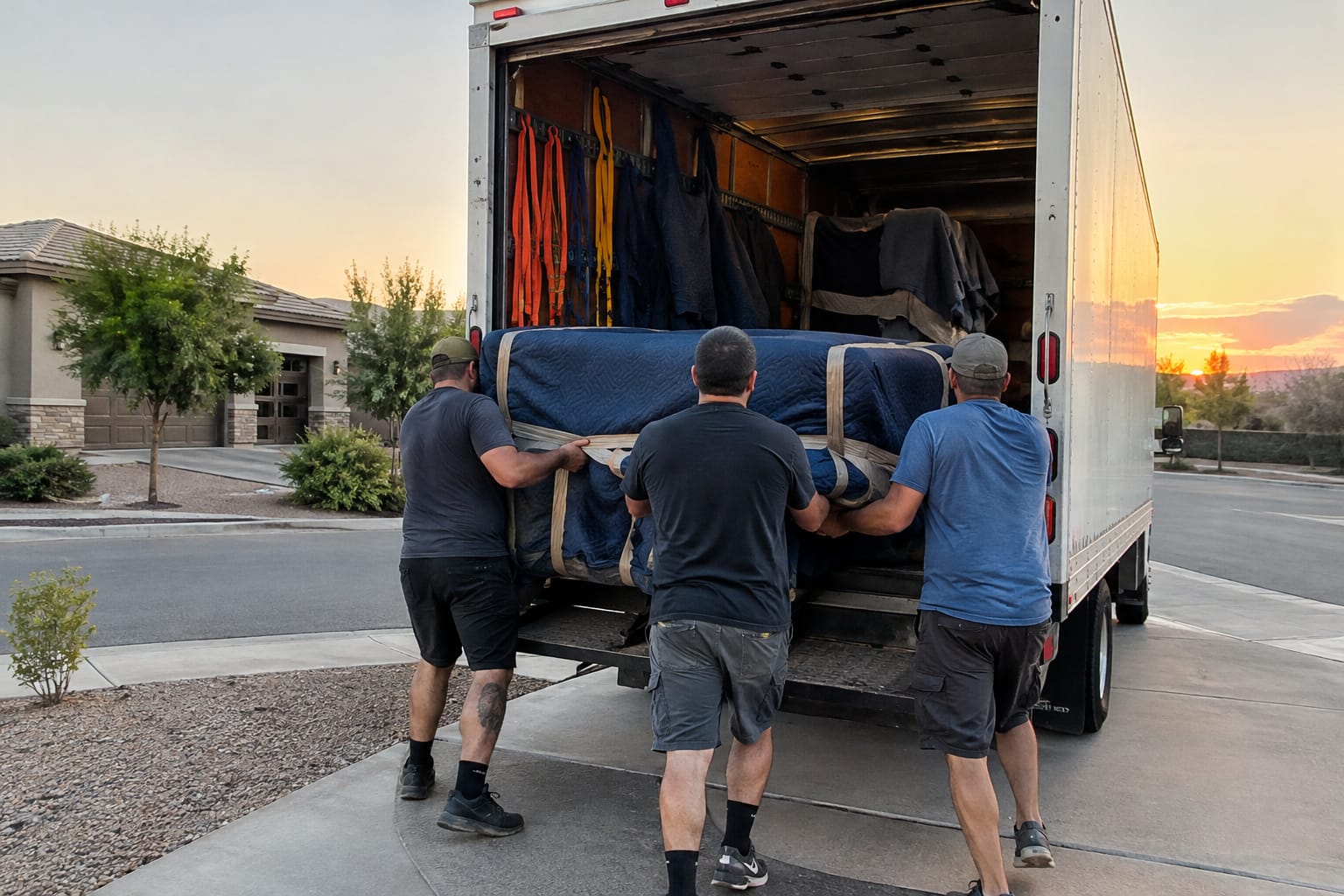
Need help with this? Get a quote
Other Ways to Show Appreciation Beyond Cash Tips
Cash is the most direct acknowledgment, but several non-cash gestures carry real weight on a demanding job site.
| Gesture | When | Why It Matters |
|---|---|---|
| Cold water or sports drinks | Start of job and during breaks | Physical labor causes rapid dehydration, especially in warm weather |
| Snacks or light lunch | Moves lasting 4+ hours | Built-in meal breaks are not always part of the schedule |
| Clear parking and loading zone access | Morning of move | Reduces crew stress and saves billable time |
| Pre-packed, labeled boxes | Before crew arrives | Directly reduces handling time and physical effort |
| Verbal thanks using crew names | End of job | Often undervalued but genuinely remembered |
| Detailed online review mentioning names | Within 48 hours | Provides lasting professional benefit to individual movers |
For customers hiring a full-service moving company, understanding exactly what the crew is responsible for — packing, disassembly, specialty item handling — clarifies what exceptional performance looks like and informs a fair tip amount.

Leaving a specific review — one that names individual crew members and describes the difficulty they handled — provides lasting professional value at no additional cost. Movers who are consistently recognized by name build stronger professional reputations over time.
Pro Tip: Ask crew members for their names at the start of the move. Personalized reviews mentioning specific individuals carry more credibility for prospective customers and more meaning for the movers themselves — and take no more than five minutes to write.
What Movers Say About Tips: The Industry Perspective
Tips are appreciated but should never be assumed. Professional practice holds that service quality should not depend on tip expectation — and experienced crews operate exactly this way.
The physical demands of the work make consistent gratuity the common norm. Heavy lifting, repetitive motion, and awkward postures make material handling physically demanding. Crews manage these risks in variable weather conditions, with variable customer preparation, every working day.
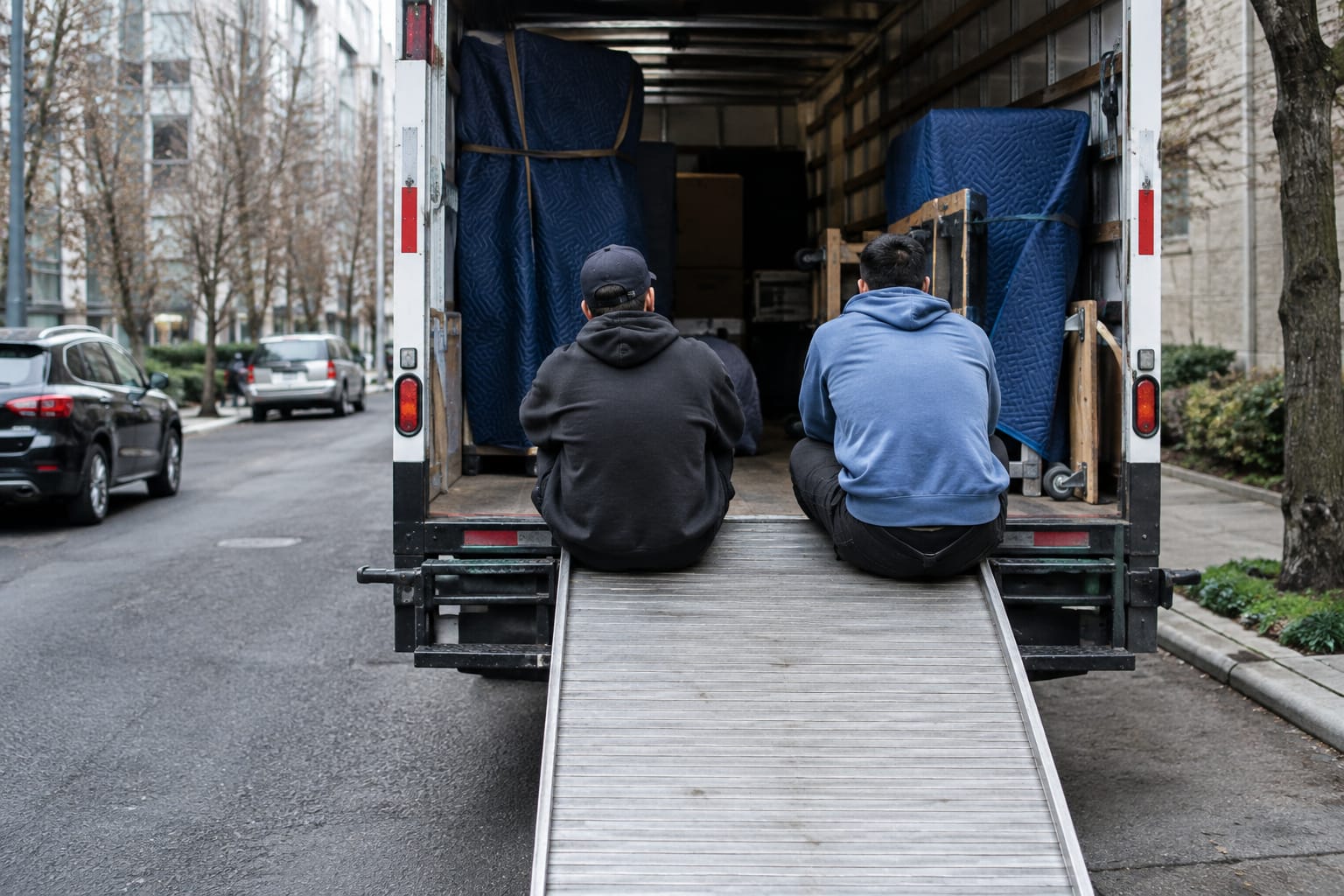
Is it rude not to tip movers? The answer is nuanced. Not tipping after poor or negligent service is understandable. Not tipping after a crew handled a difficult move with professionalism — stairs, specialty items, tight hallways, delivered under estimated time — is widely considered a missed acknowledgment of significant physical effort.
The combination customers and crews tend to remember positively: a fair cash tip, water during the job, basic courtesy throughout, and a specific post-move review.
Quick Tipping Decision Guide: What to Do on Moving Day
Use this moving company tipping guide framework to remove the guesswork from moving day. Whether the job is a one-bedroom local move or a multi-day long-distance relocation, the same core principles apply.
| Situation | Suggested Tip per Mover |
|---|---|
| Small local move, 2–3 hours, smooth | Base tip for the few hours worked |
| Mid-size local move, 4–5 hours | More than a small move, in line with the extra hours |
| Full-day local move, 6–8+ hours | A full day's tip, the largest among local moves |
| Stairs, narrow halls, or specialty items handled well | Add extra per mover to base |
| Long-distance, full day of work | A daily tip for each day of work |
| Outstanding service — under estimated time, everything arrived in good condition | Upper range or above |
| Average service, minor issues | Middle of range |
| Documented damage or unprofessional conduct | Reduce or skip, and file a claim |
Key questions before distributing envelopes:
- Did the crew arrive within the agreed window and communicate proactively?
- Were items wrapped and protected throughout?
- Did the team work at a steady, efficient pace?
- Were unexpected complications handled without complaint?
For comprehensive preparation before moving day — setting the stage for tip-worthy crew performance — review 8 moving tips for the smoothest moving experience. Those starting from scratch on the hiring process can begin with how to find a reputable moving company before comparing quotes.
If you'd like to talk through the details of an upcoming move, you can request a quote from Born to Move by online form, phone consultation or video walk-through.
Should you tip movers from a moving company?
Yes, tipping movers is customary. It is a standard acknowledgment of physically demanding work. A common rule of thumb is to tip each mover by the hour for local moves, or by the day for long-distance jobs. Whether and how much to tip depends on service quality: timeliness, care with belongings, efficiency, and professionalism. Even a modest tip at the lower end of the range meaningfully acknowledges the effort involved.
How much should you tip movers for a local move?
For a local move, the common guideline is to tip each mover by the hour. A 3-hour move with a 2-person crew calls for three hours at the hourly rate for each of the two movers. A 5-hour move with a 3-person crew warrants five hours at the hourly rate for each of the three movers. Adjust upward for excellent service and for difficult conditions such as stairs or specialty items. A smooth elevator move and a fourth-floor walkup with fragile furniture represent genuinely different levels of effort at the same hourly rate.
Is it rude not to tip movers?
Skipping a tip after demonstrably poor or negligent service is understandable. Not tipping after a crew delivers excellent work — on time, careful with every item, efficient under pressure — is widely considered a missed acknowledgment of significant physical effort. Etiquette references such as Emily Post include movers among service providers customarily tipped. If something was damaged, reduce the tip if you wish, but also file a claim with the mover — a smaller tip is not compensation.
Do you tip the driver of a moving truck separately from the crew?
On long-distance moves, the driver often serves as crew lead and helps load and unload — tip the driver as a regular crew member at the daily rate. If the driver's role is strictly transport with separate crews at each end, a separate driver tip for a long haul is a reasonable gesture. For local moves, the driver is almost always part of the working crew and receives the same per-hour tip. When unsure, ask the moving company before the job whether the driver participates in loading and unloading.
Can you tip movers with a credit card or does it have to be cash?
Cash is the most common and most direct method: it reaches each individual immediately and requires no processing. Some moving companies allow tips on the final invoice, and peer-to-peer payment apps work if you have each mover's handle — send separate payments rather than one lump sum. Confirm the options before moving day if you prefer not to carry cash. Individual envelopes handed directly at job completion remain the most equitable approach.
How much do you tip movers for a long-distance move?
For long-distance moves, a common guideline is to tip each mover for every day of actual work. For a full-day move with a 3-person crew, the total for that day is the daily rate multiplied by three. For multi-day moves, calculate per person per day worked. Loading and unloading crews may be different teams at each end, so budget separate tips for each. For outstanding service on a complex job, the upper end of the range or above is appropriate.
Should you tip movers before or after the move is complete?
Always after. A tip is an assessment of service delivered — it cannot reflect quality if given before the work is done. Wait until the final item is placed and you have checked that everything arrived in good condition, then hand individual envelopes to each crew member. Preparing cash envelopes the night before and distributing them at job completion is the cleanest method.
Related Articles
- Moving Companies That Move Long Distance: A Full Guide — What to check before hiring long-distance movers for a cross-country relocation.
- Local Moving Companies Near Me: How to Choose — A practical guide to evaluating local movers based on licensing, written estimates, and pricing structure.
- How to Find Honest and Reliable Local Movers — Licensing checks, estimate questions, and red flags to watch for.
- How to Find a Reputable Moving Company — Step-by-step vetting before you compare quotes.
Recommended Reading
-
Tipping Movers in Boston: How Much Should You Give? — Market-specific tipping guidance for Boston and comparable urban markets.
-
The Prices of Locally-Based Moving Companies — What to expect to pay for professional local moving services.
-
8 Moving Tips for the Smoothest Moving Experience — Pre-move preparation strategies that set the stage for a successful relocation.
Need help with this? Get a quote · Call (617) 903-2609
Frequently Asked Questions