'%3E%3Cpath%20fill='%231B2A47'%20d='M1.605%2016.263c.03-1.139.059-2.482.088-3.971.03-1.49.03-2.832.03-4.03%200-.758%200-1.576-.03-2.51%200-.905-.03-1.84-.03-2.803%200-.496-.028-.964-.028-1.43%200-.468%200-.906-.03-1.315h6.858q2.188%200%203.589.35c.963.234%201.663.643%202.13%201.198.496.555.73%201.372.73%202.394%200%20.788-.176%201.46-.497%201.985-.32.526-.846.935-1.575%201.197-.73.292-1.693.468-2.918.526v.263c1.313.087%202.334.263%203.122.525.758.263%201.342.672%201.692%201.197.35.526.525%201.197.525%202.044%200%201.08-.233%201.927-.67%202.57-.468.642-1.139%201.08-2.102%201.343-.933.262-2.159.408-3.705.408H1.605zm6.537-9.197q1.882%200%202.713-.526c.555-.35.817-.934.817-1.752%200-.905-.292-1.547-.846-1.927s-1.459-.554-2.655-.554H4.757v4.759zm.204%206.92c.934%200%201.663-.088%202.217-.263.555-.176.934-.438%201.197-.818s.38-.876.38-1.518c0-.876-.322-1.49-.934-1.84-.643-.35-1.635-.525-3.035-.525H4.757v4.963zM21.038%2016.555c-1.576%200-2.801-.292-3.618-.905-.817-.614-1.284-1.519-1.372-2.745-.087-1.226.205-2.774.847-4.613s1.43-3.358%202.392-4.584c.963-1.226%202.043-2.131%203.298-2.744C23.839.292%2025.24%200%2026.786%200c1.576%200%202.772.321%203.59.934.816.613%201.283%201.548%201.37%202.774s-.203%202.774-.845%204.613c-.642%201.81-1.43%203.358-2.393%204.584s-2.072%202.132-3.297%202.745a9.8%209.8%200%200%201-4.173.905m.788-2.278c.642%200%201.138-.058%201.371-.116.205-.059.496-.117.847-.322.262-.146.437-.292.554-.408.204-.175.32-.292.438-.41.204-.203.35-.408.496-.583.35-.438.642-.876.963-1.402.233-.408.466-.817.67-1.284.205-.438.38-.905.555-1.372.438-1.198.671-2.278.671-3.183s-.204-1.606-.612-2.131c-.409-.497-1.051-.76-1.897-.76-.467%200-.934.059-1.43.205h-.03c-1.02.292-1.925%201.226-2.042%201.372-.116.117-.467.526-.963%201.343a15.5%2015.5%200%200%200-1.342%202.92c-.408%201.197-.642%202.277-.671%203.182-.03.906.175%201.636.584%202.161q.611.788%201.838.788M14.853%2038.54c-1.576%200-2.802-.292-3.619-.905s-1.284-1.518-1.371-2.744c-.088-1.227.204-2.774.846-4.614s1.43-3.357%202.393-4.584%202.042-2.13%203.297-2.744c1.255-.613%202.655-.905%204.173-.905%201.575%200%202.772.321%203.589.934s1.284%201.548%201.371%202.774c.088%201.226-.204%202.774-.846%204.613-.642%201.81-1.43%203.358-2.393%204.584s-2.072%202.131-3.297%202.745c-1.226.613-2.626.846-4.143.846m.787-2.277c.642%200%201.138-.059%201.372-.117.204-.058.496-.117.846-.321.263-.146.438-.292.554-.409.205-.175.321-.292.438-.409.204-.204.35-.408.496-.584a13%2013%200%200%200%201.634-2.686c.204-.438.38-.905.555-1.372.437-1.197.67-2.277.67-3.182%200-.906-.203-1.606-.612-2.132-.409-.496-1.05-.759-1.897-.759-.467%200-.934.058-1.43.204h-.029c-1.021.292-1.925%201.227-2.042%201.373-.117.116-.467.525-.963%201.343a15.5%2015.5%200%200%200-1.342%202.92c-.409%201.196-.642%202.277-.671%203.182s.175%201.635.583%202.16q.613.789%201.838.789'/%3E%3Cpath%20fill='%23FF515E'%20d='M55.966%2038.57c-1.576%200-2.801-.293-3.618-.906s-1.284-1.518-1.372-2.744c-.087-1.227.204-2.774.846-4.613s1.43-3.358%202.393-4.584c.963-1.227%202.043-2.132%203.297-2.745s2.656-.905%204.173-.905c1.576%200%202.772.321%203.589.934s1.284%201.548%201.371%202.774c.088%201.226-.204%202.774-.846%204.613-.642%201.81-1.43%203.358-2.393%204.584s-2.071%202.131-3.297%202.745c-1.225.613-2.626.846-4.143.846m.788-2.249c.642%200%201.138-.058%201.371-.117.204-.058.496-.116.846-.32.263-.147.438-.293.555-.41a7%207%200%200%200%20.437-.408c.205-.205.35-.41.496-.584a13%2013%200%200%200%201.634-2.686c.205-.438.38-.905.555-1.373.438-1.197.671-2.277.671-3.182s-.204-1.606-.613-2.131c-.408-.497-1.05-.76-1.896-.76-.467%200-.934.059-1.43.205h-.03c-1.02.292-1.925%201.226-2.042%201.372-.117.117-.467.526-.963%201.343a15.5%2015.5%200%200%200-1.342%202.92c-.409%201.197-.642%202.277-.671%203.182s.175%201.635.583%202.16q.614.79%201.839.79'/%3E%3Cpath%20fill='%231B2A47'%20d='M33.06%2016.263c0-.35%200-.935.03-1.81.029-1.051.058-2.103.058-3.154s.03-2.073.03-3.007c0-1.606-.03-3.27-.06-4.993%200-.554-.028-1.08-.028-1.606%200-.525-.03-1.021-.03-1.46h6.828c1.46%200%202.685.117%203.59.38q1.4.394%202.1%201.314.7.963.7%202.628c0%20.992-.174%201.81-.554%202.452-.35.643-.904%201.11-1.604%201.431s-1.576.467-2.627.496v.263q2.058.087%203.064.876c.671.525%201.138%201.372%201.43%202.51.087.41.233%201.023.467%201.84.233.818.408%201.431.554%201.84h-3.414a11%2011%200%200%200-.262-1.022c-.321-1.314-.526-2.19-.584-2.628a5%205%200%200%200-.642-1.46%202.13%202.13%200%200%200-.963-.73c-.408-.146-.934-.233-1.605-.233h-3.326v6.0440000000000005H33.06zm6.332-8.292c1.343%200%202.276-.205%202.86-.613.554-.41.846-1.11.846-2.073%200-.73-.146-1.314-.408-1.723-.263-.409-.671-.7-1.197-.876q-.788-.263-2.1-.263h-3.181v5.519h3.18zM49.4%2016.263l.03-2.745c.029-2.452.029-4.905.029-7.416q0-2.101-.088-5.868h4.085l5.924%2010.335c.087.234.204.438.291.643.117.204.205.408.321.613.38.788.613%201.255.672%201.372h.262c0-.058-.03-.146-.03-.204%200-.059-.028-.117-.028-.175a75%2075%200%200%201-.175-1.314%2010%2010%200%200%201-.088-1.285c0-1.547%200-3.737-.029-6.57V1.84c0-.584-.03-1.11-.03-1.576h2.977c-.03%202.482-.058%205.08-.058%207.766%200%201.694%200%204.438.029%208.292h-4.027l-5.573-9.43c-.875-1.81-1.226-2.511-1.05-2.132-.263-.613-.467-1.08-.613-1.46h-.263c.058.35.117.876.175%201.548.059.7.117%201.168.117%201.46%200%202.978%200%206.306.029%209.985H49.4zM4.698%2038.277c.029-2.627.058-5.255.058-7.883%200-1.576%200-3.503-.029-5.752-1.109%200-2.684%200-4.727.03v-2.453h12.664v2.453c-1.955-.03-3.53-.03-4.756-.03%200%20.584-.03%201.227-.03%201.957s0%201.46-.029%202.218v1.84c0%202.57.03%205.11.059%207.62z'/%3E%3Cpath%20fill='%23FF515E'%20d='M29.441%2038.277c.409-1.05.788-2.102%201.168-3.182s.787-2.16%201.167-3.241c.613-1.693%201.05-2.949%201.342-3.766l1.255-3.65c.116-.38.262-.788.379-1.139.117-.38.263-.73.38-1.05h4.61l-.671%2012.904h.262l8.316-12.905h4.669l-.7%201.869c-.876%202.452-1.343%203.766-1.43%204a501%20501%200%200%200-3.385%2010.16h-2.947c.292-.846.788-2.219%201.459-4.087.175-.526.35-1.08.554-1.606.175-.526.38-1.08.555-1.577.642-1.81%201.342-3.825%202.072-6.014h-.234l-8.724%2013.314h-2.86l.554-13.314h-.175c-.175.496-.38.992-.554%201.489-.175.496-.38%201.022-.555%201.547a163%20163%200%200%200-1.08%203.008c-.145.38-.262.759-.408%201.138-.117.38-.262.73-.408%201.11-.7%201.898-1.284%203.59-1.751%205.05h-2.86zM68.047%2038.277c.175-2.19.32-4.525.467-7.007.058-.905.204-3.912.467-9.051h3.151c-.03.438-.058.934-.088%201.46s-.058%201.08-.087%201.693a264%20264%200%200%201-.409%206.657c-.145%201.986-.35%203.591-.583%204.788h.175Q72.147%2034.892%2073.94%2032a562%20562%200%200%201%204.465-7.066c.32-.496.641-.992.933-1.46s.555-.875.817-1.255h3.268q-.568.832-1.138%201.752c-.408.613-.787%201.255-1.196%201.927-3.88%206.014-6.478%2010.131-7.85%2012.35h-5.193zM79.106%2038.277c.32-.788.758-2.014%201.37-3.65a287%20287%200%200%200%201.577-4.32c.437-1.256.904-2.628%201.4-4.088s.934-2.774%201.313-3.97h11.322l-.846%202.364H87.1l-1.664%204.847%207.645-.088-.612%201.694-7.587-.088-1.75%204.934h8.286l-.846%202.365z'/%3E%3C/g%3E%3Cdefs%3E%3CclipPath%20id='a'%3E%3Cpath%20fill='%23fff'%20d='M0%200h96v40H0z'/%3E%3C/clipPath%3E%3C/defs%3E%3C/svg%3E)
A moving company's hourly rate typically covers crew labor, truck travel time, fuel, basic furniture wrapping, and standard equipment like dollies and moving blankets. It rarely includes packing supplies, stair or long-carry fees, or specialty-item handling—extras billed separately that surprise many customers on moving day.
That gap between the quoted figure and the final invoice is where most billing disputes begin. The moving company hourly rate looks simple on paper, yet two companies charging the identical rate can produce wildly different totals. This guide breaks down exactly what the rate covers, which fees hide in the fine print, and the questions that lock your final price to your estimate.

| Point | Details |
|---|---|
| The rate is not the total | The hourly number rarely includes stairs, long carries, packing materials, or specialty items—these appear as separate invoice lines. |
| Basic coverage is minimal | Federal released-value protection pays only 60 cents per pound per article, not replacement value. |
| Crew size drives the bill | More movers cost more per hour but finish faster, so the headline rate alone tells you little about the total. |
| Get it in writing | The U.S. mover rate has hovered near a significant share annually, and most disputes trace to estimates that were never binding. |
| Compare the variables | See how much movers cost for a factor-by-factor labor breakdown. |
Why Hourly Moving Rates Confuse So Many People
Hourly pricing sounds transparent: agree on a per-hour figure, multiply by the hours worked, done. The reality is messier.
The confusion starts with what counts as billable time. Travel between locations, a mandatory minimum number of hours, and "double drive time" rules can turn a three-hour job into a five-hour bill.
According to the U.S. Census Bureau, the annual mover rate has hovered near 8% in recent years. Millions of moves mean millions of invoices—and a steady stream of disputes over what the hourly number actually bought.
Q: Does the moving company hourly rate include travel time?
A: In most metro markets, yes—crews bill for travel from their depot to your home and between addresses, often as a flat "travel fee" equal to one extra hour.
The second source of confusion is crew size. A given rate per hour means little until you know whether it buys two movers or four. More movers cost more per hour but finish faster, so the headline number alone tells you almost nothing about the final total.
What a True All-Inclusive Hourly Rate Covers

A genuine all-inclusive rate bundles every standard cost of moving labor into one transparent number. When you ask what's included in moving costs, a reputable company should name each item without hesitation.

Core inclusions in a fair hourly rate:
- Labor — the crew's time loading, carrying, and unloading.
- Travel and fuel — drive time to and from the job plus gas.
- Tolls — highway and bridge charges along the route.
- Furniture wrapping — moving blankets, shrink wrap, and basic padding.
- Standard equipment — dollies, hand trucks, straps, and ramps.
- Basic liability coverage — released-value protection.
That last item deserves attention. Under federal rules, basic released-value protection pays only 60 cents per pound per article—a fraction of replacement value. It costs nothing extra, but it is not real insurance.
This is what people mean by all-inclusive moving rates: the price you see absorbs the everyday line items instead of itemizing them later. Companies that advertise no hidden fees movers should be able to point to a written list of what the rate covers.
| Usually included in the rate | Usually billed separately |
|---|---|
| Crew labor | Boxes, tape, packing paper |
| Travel time and fuel | Stair and elevator fees |
| Tolls | Long-carry fees |
| Moving blankets and wrapping | Piano, safe, appliance handling |
| Dollies, straps, ramps | Storage between dates |
Pro Tip: Ask for the inclusions in writing before booking. A one-line email confirming "rate includes travel, fuel, tolls, wrapping, and equipment" turns a verbal promise into a paper trail you can hold the company to.
Common Hidden Fees and Surprise Charges to Ask About
The federal consumer guidance is blunt: most moving disputes trace back to estimates that weren't binding. The FTC advises confirming whether a quote is binding before you sign anything.

Hidden fees rarely appear on the headline rate. They surface as separate lines on the final invoice. The most common surprises:
- Stair and elevator fees — per-flight charges above the ground floor.
- Long-carry fees — when the truck can't park near the door.
- Bulky-item fees — pianos, safes, treadmills, appliances.
- Packing materials — boxes, tape, paper billed by the unit.
- Minimum-hour requirements — paying for three or four hours on a short job.
- Fuel surcharges — added on top of an already "fuel-included" rate.
Q: What are the most common hidden fees movers add?
A: Stair fees, long-carry fees, bulky-item handling, and minimum-hour requirements top the list—each can add tens to hundreds of dollars not reflected in the quoted hourly rate.
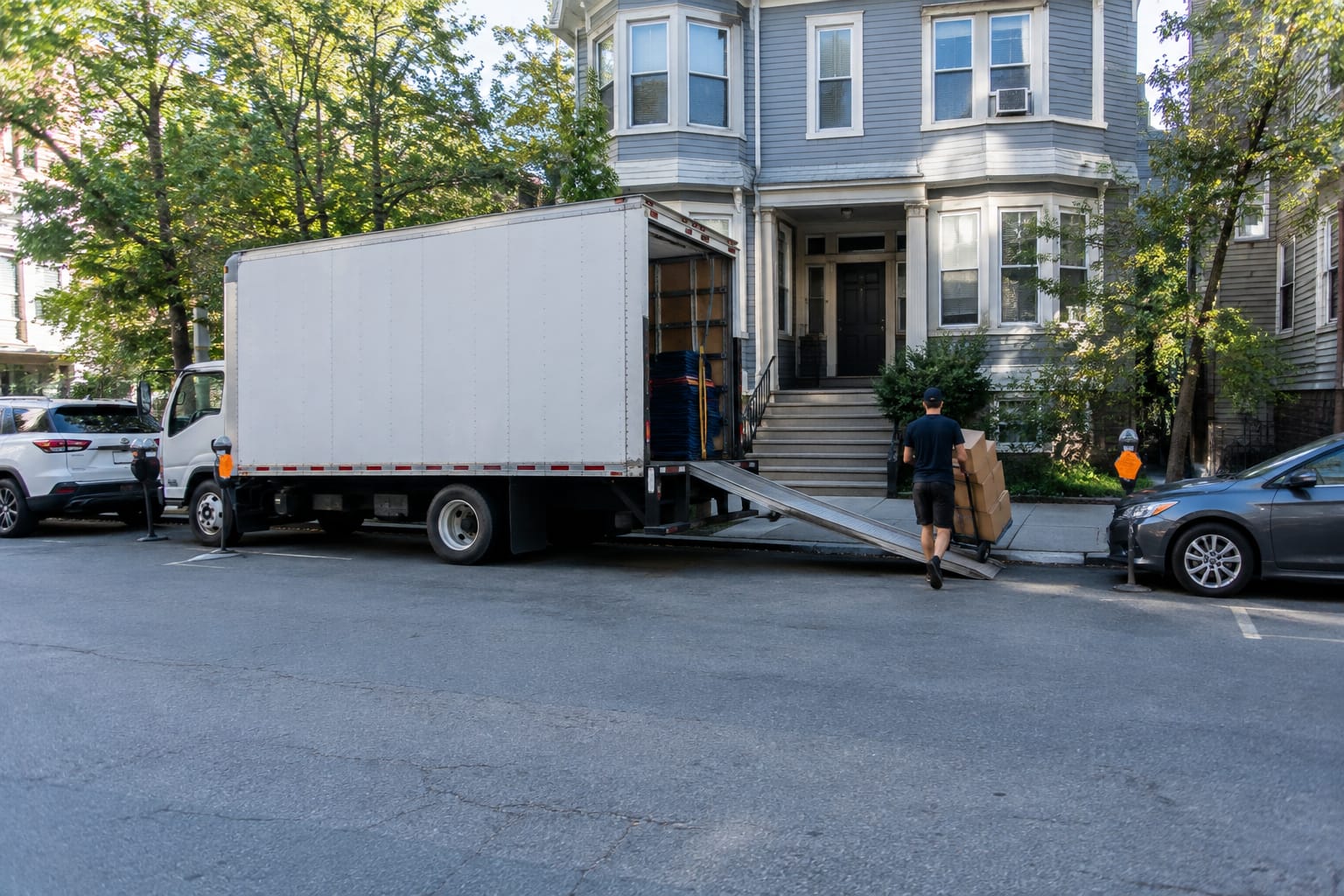
Local geography drives some of these. In dense cities, long-carry and parking fees are routine; finding legal truck parking in Boston alone can determine whether you pay a carry charge. The goal is transparent moving pricing—every potential add-on disclosed up front.
Pro Tip: Before moving day, measure the distance from the likely truck spot to your door. Anything over 75 feet often triggers a long-carry fee, so flag it during the quote, not after.
How Packing, Storage, and Specialty Items Affect Your Total

Packing is the single biggest swing factor in a final bill. A full-pack service—where the crew boxes everything—adds labor hours and materials. Booking full-service movers trades a higher price for far less personal effort.

Specialty items carry their own logic. A piano, for example, needs specialized equipment, extra hands, and sometimes a separate flat fee on top of the hourly rate. The mechanics of moving a piano safely explain why crews price it apart from ordinary furniture.
Storage adds a third variable. If your closing dates don't line up, in-transit or monthly storage stacks onto the move, usually billed separately from labor.
Q: How much does a local move cost in a city like Boston?
A: Local moving cost Boston households face depends on crew size, building access, and stairs; a typical two- to three-bedroom move runs several hours of billed labor plus any specialty or material fees.
For a fuller breakdown of the variables, the guide on how much movers cost maps each factor against typical labor time.
Pro Tip: Declutter before the estimate, not after. Movers price on volume and time, so every box you donate or toss directly trims billable hours—often the cheapest way to lower a quote.
Comparing Hourly Versus Flat-Rate Moving Pricing
Hourly and flat-rate (binding) pricing each suit different moves. The right choice depends on distance, volume, and how predictable your building access is.
| Criteria | Hourly Rate | Flat / Binding Rate |
|---|---|---|
| Best for | Short local moves | Long-distance or large moves |
| Cost predictability | Varies with actual time | Locked before move day |
| Risk to customer | Delays raise the bill | Quote stands regardless of hours |
| Common add-ons | Travel, minimums, stairs | Fewer surprises if itemized |
| Transparency check | Confirm what an hour includes | Confirm what the flat fee excludes |
For short, simple local moves, hourly billing usually wins because the job is quick and predictable. For long-distance or large moves, a binding flat rate protects against open-ended hours. The U.S. Bureau of Labor Statistics tracks the material-moving labor that underpins both pricing models.
Questions to Ask So Your Final Price Matches Your Quote

The fastest way to avoid surprises is a short, direct script before booking. Reputable companies welcome these questions; evasive ones reveal themselves fast.
Ask every prospective mover:
- Is this estimate binding or non-binding?
- What exactly does the hourly rate include?
- Is there a minimum number of billable hours?
- How is travel time calculated?
- What triggers stair, long-carry, or bulky-item fees?
- What does the basic liability coverage actually pay?
- Are packing materials billed separately?
The Better Business Bureau recommends getting at least three written estimates and verifying licensing before you commit. Cross-checking quotes exposes outliers in both directions.
Verify credentials too. For any interstate move, you can check a mover's US DOT number through federal records to confirm the company is properly registered. The FMCSA's Ready to Move tips outline what documentation a legitimate mover should provide.
Get every answer in writing. A quote that matches your invoice starts with a company willing to document what it charges—the essence of no hidden fees movers and honest pricing.
How many hours does a local move usually take?
Most local moves are measured in hours, not days, and the count tracks closely with home size and access. A studio or one-bedroom often finishes within a half-day of billed labor, while a two- to three-bedroom home with stairs can run a full workday for a two- or three-person crew. Building access matters as much as square footage: elevators, long carries, and narrow stairwells all add time. Because hourly billing rewards efficiency, an accurate walkthrough or video survey beforehand gives the most realistic estimate. Always confirm the minimum-hour requirement, since a quick job may still be billed at the company's floor.
Is it cheaper to hire movers by the hour or a flat rate?
For short, predictable local moves, hourly pricing usually costs less because the job finishes fast and you pay only for time used. For long-distance hauls or large homes, a binding flat rate often wins, since it caps your exposure if the work runs long. The deciding factors are distance, volume, and access predictability. If stairs, parking, or packing could balloon the hours, a locked flat rate removes that risk. If the move is straightforward and the crew is fast, hourly billing rewards that speed. Request both formats in writing and compare the realistic total, not just the advertised rate.
Can a moving company charge more than the estimate?
Yes—and whether it is allowed depends on the estimate type. A non-binding estimate is only a prediction; the final charge can legally exceed it based on actual time, weight, or services added on move day. A binding estimate locks the price for the listed items, while a binding not-to-exceed estimate protects you if the real cost comes in lower. The single most important question is which type you signed. Reading the document before move day, confirming inclusions in writing, and keeping a copy of the inventory all protect you if the invoice climbs unexpectedly above the quoted figure.
Related Articles
- How Much Do Movers Cost — Learn the main factors that shape a moving quote and typical labor time.
- Full-Service Movers Explained — Understand what a full-pack service includes and when it is worth the cost.
- How to Find an Honest, Reliable Local Mover — Spot the credentials and red flags that separate trustworthy crews from the rest.
Recommended
- What to Look For in a Moving Company
- How to Check a Mover's US DOT Number
- Where Can I Park My Moving Truck in Boston
- Tips for Moving a Piano
- What Is a Good Tip for Movers
Frequently Asked Questions