Boston moving day is September 1, when a large share of the city's apartment leases end and begin at the same time. Renters across Allston, Brighton, Cambridge, Somerville and Fenway all move within a day or two. They compete for the same trucks, crews, curb space and elevators. Getting through it depends on order: lock in permits, building rules, routes and storage before the week of the move. This guide covers seven steps in sequence, from both the renter's side and the mover's side.
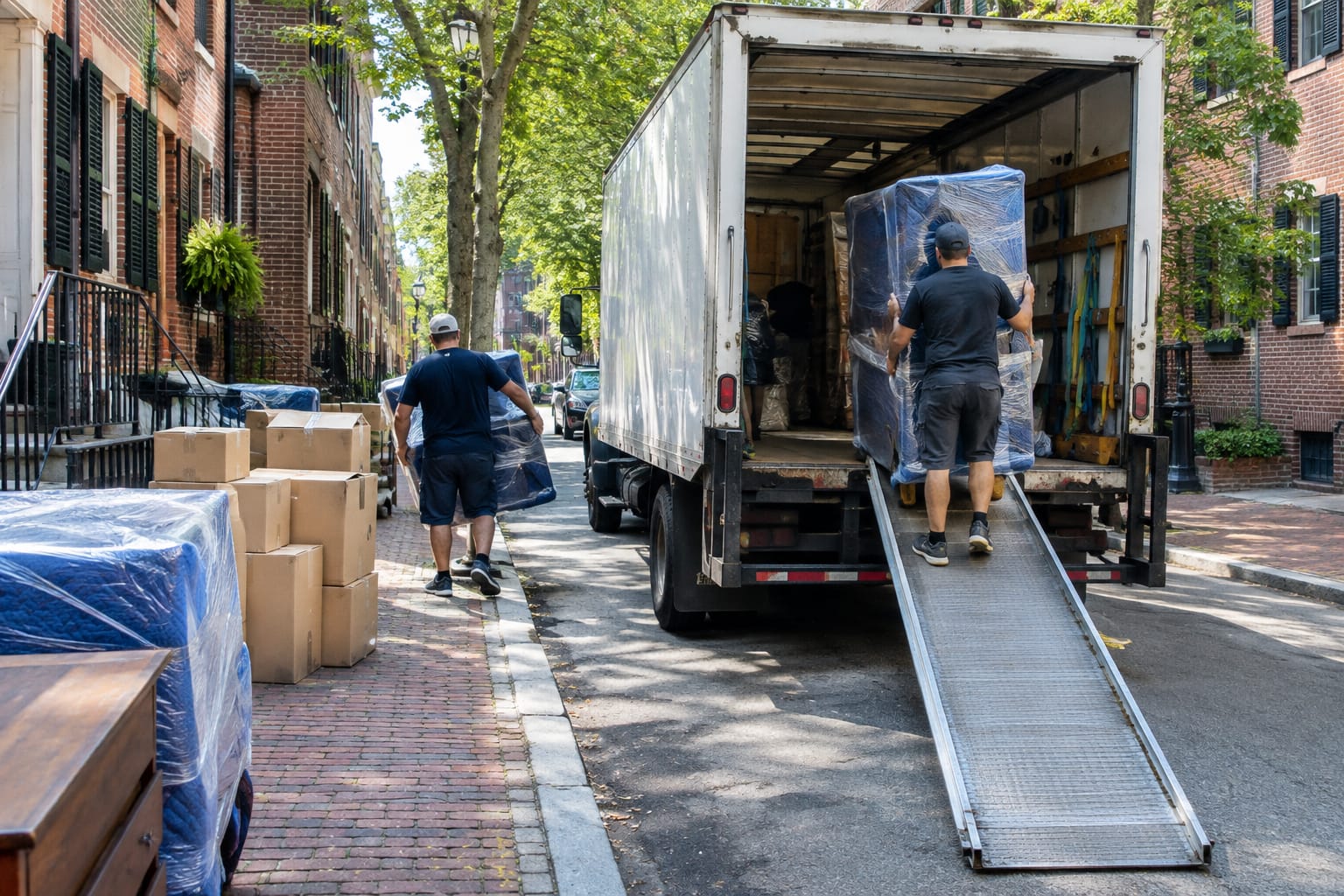
Key Takeaways
- Book first. Reserve a crew or rental truck as soon as lease dates are in writing; open slots shrink quickly as September 1 approaches.
- Permits at both ends. Boston issues its own street occupancy permits, and Cambridge, Somerville and Brookline each run separate processes. Check current fees and lead times on the official page.
- Elevator plus COI. Managed buildings usually require a booked elevator slot and a Certificate of Insurance naming the building before movers can enter.
- Stay off Storrow.
- Plan for lease gaps. If leases do not overlap, arrange self-storage, mover-held storage or a container well before the end of August.
September 1 at a Glance: The Seven Steps
Here is the whole playbook in seven lines. Each step gets its own section below.
- Book a moving crew or rental truck as soon as your lease dates are confirmed.
- Apply for a street occupancy permit so the truck has a legal place to park.
- Reserve elevators at both buildings and send each one a Certificate of Insurance.
- Map a truck route that avoids Storrow Drive and low overpasses.
- Arrange short-term storage if your old and new leases do not overlap.
- Stage everything the day before so loading starts the minute the crew arrives.
- Run the day on fixed time windows with one contact person at each address.
| Task | When to start | Who to contact |
|---|---|---|
| Movers or rental truck | As soon as lease end and start dates are in writing | A licensed moving company or a truck rental location |
| Street occupancy permit | Before the City's minimum lead time (check the official page) | City of Boston, or the city that covers each address |
| Elevator reservation | Right after you book the move | Property manager or condo association at both buildings |
| Certificate of Insurance | When you reserve the elevator | Your moving company, sent directly to building management |
| Truck route | The week before the move | Your mover's dispatch, or your own truck-aware route check |
| Short-term storage | As soon as you spot a gap between leases | A storage facility or a mover that offers storage |
| Final staging | The day before | You, or a hired packing crew |
For the 2027 cycle, September 1 falls on a Wednesday and August 31 on a Tuesday. A midweek date means moving trucks share the road with commuter rush hours, so morning and evening time windows matter more than usual.
Step 1: Lock In Movers or a Truck Weeks Ahead of September 1
Book the moment your lease dates are in writing. Crews and rental trucks are in demand all year, but around September 1 the open slots disappear quickly. Waiting until August narrows your choice of times, crew sizes and truck sizes.
Start by choosing a model. There are three common approaches:
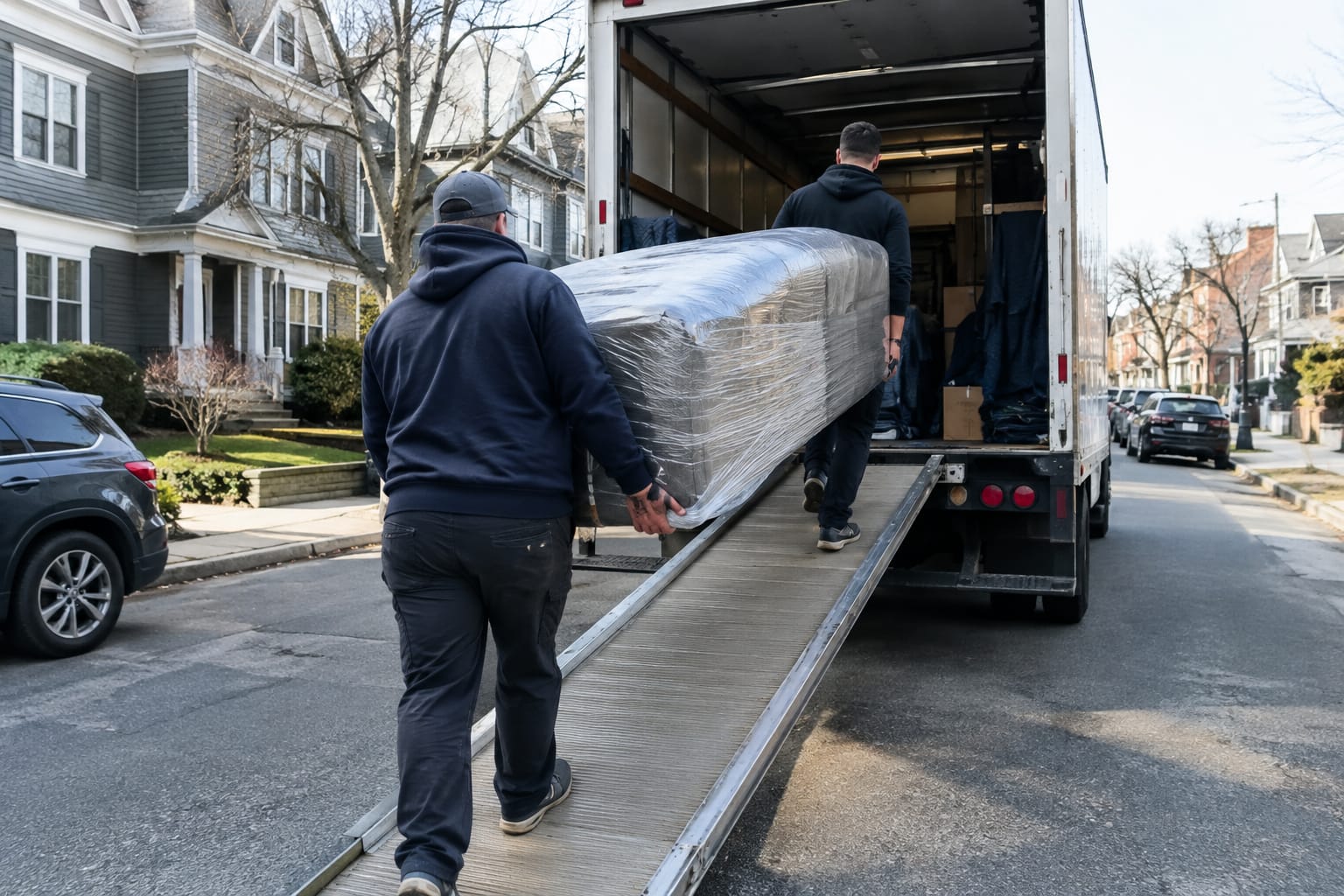
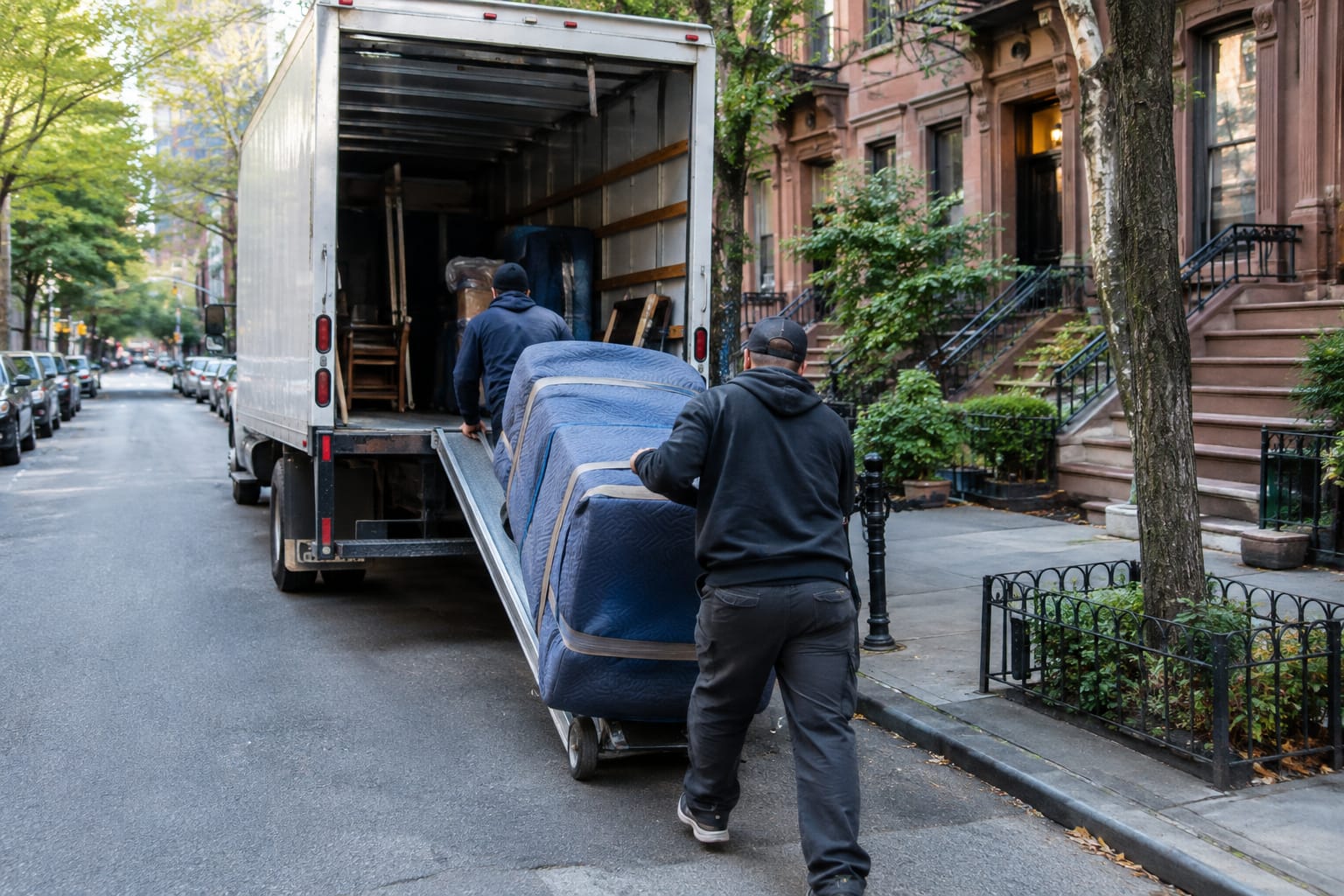
- Full service: a crew brings the truck, pads, dollies and labor, and handles loading, driving and unloading.
- Hybrid: you rent the truck and hire a crew to load and unload it. This suits people who are comfortable driving but not carrying a sofa up a triple-decker staircase.
- DIY: you rent a truck or container and recruit friends. It costs the least in cash and carries the most risk on a day when everything runs late.
Whichever you choose, get the terms in writing. That means the arrival window, crew size, how travel time is billed, any hourly minimum and what packing supplies cost.
Check the license before you pay a deposit. Our walkthrough on how to check a moving company's USDOT number shows what to look for.
Pro Tip: On September 1, crews often run back-to-back jobs. A first-of-the-day morning slot carries less risk of delays rolling over from an earlier job than a mid-afternoon start.
For broader context on the date itself, see our overview of moving in Boston on September 1 or August 31.
Step 2: Get Your Street Occupancy Permit for the Moving Truck
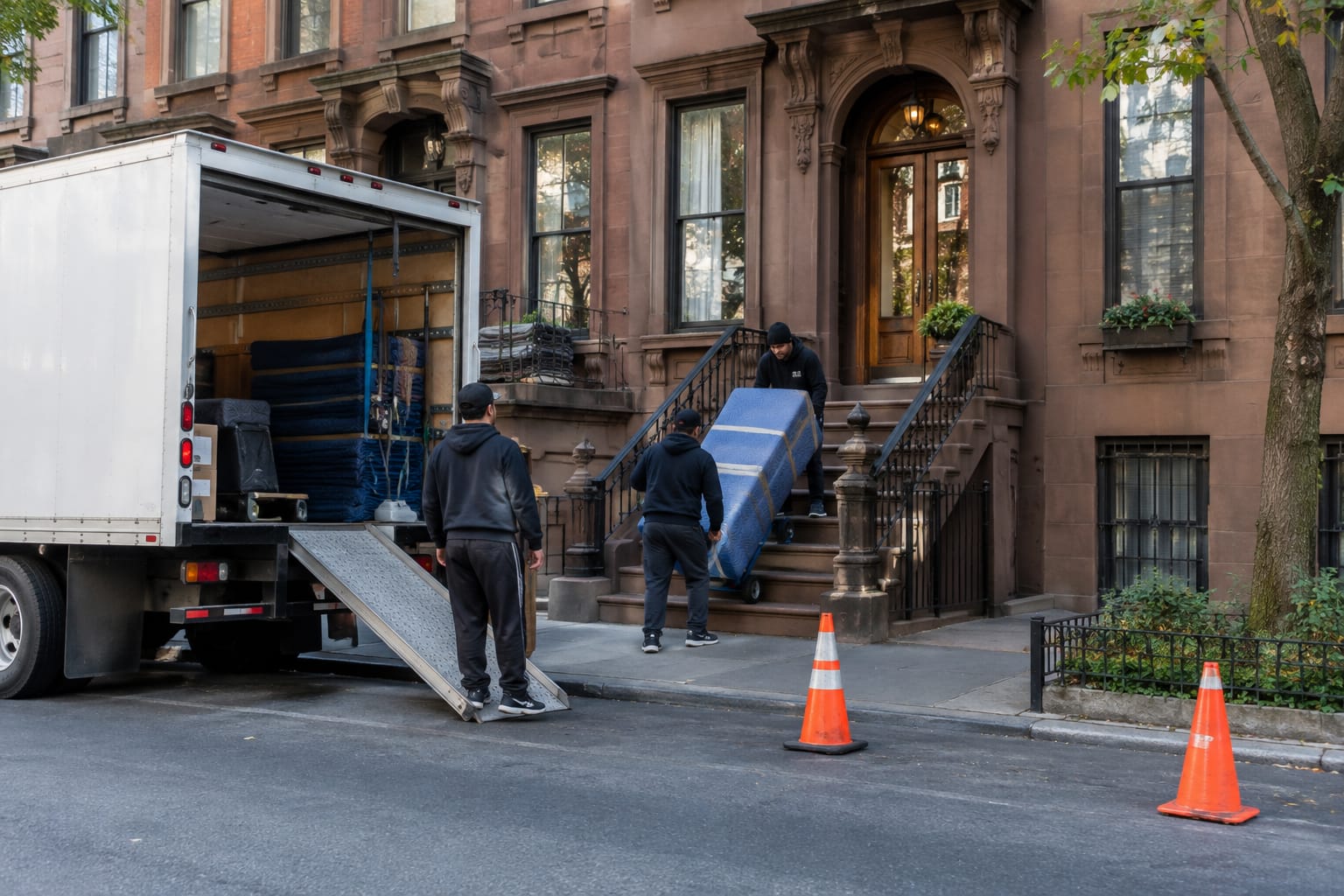
A street occupancy permit reserves curb space for your truck on moving day. In Boston, you apply to the City. Once the permit is approved, temporary No Parking signs go up so the space is clear when the truck arrives. It lists the current fee, the minimum lead time and the sign-posting rules.
Two details trip people up every year. First, you need curb space at both ends. Second, fees and lead times change, so check the official page when you apply rather than relying on last year's numbers.
What happens without a permit? The truck double-parks or circles the block. The crew carries everything farther. On an hourly move, every extra minute of carrying shows up on the bill, and a parking ticket can come on top of it. See our guide to where to park a moving truck in Boston.
Q: Does a rental truck need a street occupancy permit in Boston?
A: To reserve curb space for a U-Haul, Penske or Budget truck, confirm the current permit requirements with the City of Boston. Without one, the truck can only use whatever legal parking happens to be open on the street.
Step 3: Reserve Elevators and Confirm Building COI Rules
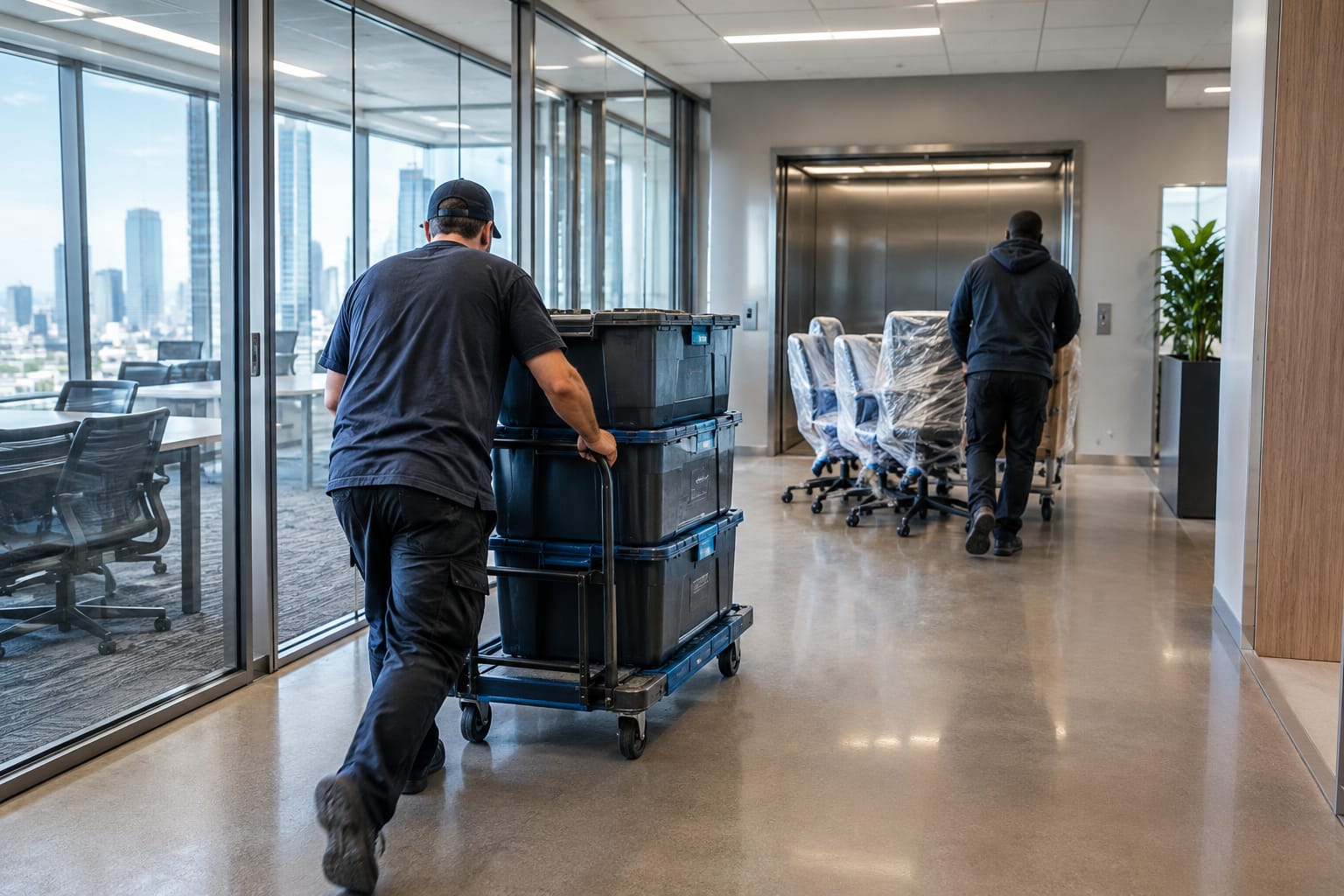
Most managed apartment buildings and condos require two things before movers can come in: a booked elevator time slot and a Certificate of Insurance (COI). A COI is a one-page document from the moving company's insurer. It shows the mover's liability coverage and names the building, or its management company, as the certificate holder.
Contact the property manager at both buildings as soon as the move is booked. Ask these questions:
- Which time slots are open on your date, and how long does each one last?
- Does the building supply elevator pads, or must the movers bring them?
- Is there a loading dock, and does it need a separate reservation?
- What coverage limits and certificate holder wording must the COI show?
- Is a refundable move-in or move-out deposit required?
Send the building's COI requirements to your mover in writing. Ask them to send the certificate directly to management several days before the move. On September 1, a building that has not received an acceptable COI can turn a crew away at the door. See our step-by-step guide to reserving a building elevator.

Walk-ups need a different kind of preparation. Measure stairwell turns and doorways against your largest pieces, such as the sofa, box spring and dresser, before the day. If something will not make the turn, you can plan for disassembly or hoisting in advance instead of discovering it at 9 a.m.
Step 4: Plan a Truck Route That Avoids Low Bridges and Storrow Drive
Never drive a box truck on Storrow Drive. Its stone overpasses sit lower than a typical rental box truck. Every September, drivers who follow car navigation onto these roads hit bridges. Locals call it getting Storrowed.

Here is how to plan a safe route:
- Know your truck's height. It is printed on the rental agreement and usually posted inside the cab.
- Switch off car-mode navigation. Standard GPS apps route by speed, not clearance. Use a truck-aware routing setting, or plan the route manually.
- Check every overpass on the route. Pay particular attention around Allston, Brighton and the Back Bay, where parkways and low rail bridges are close together.
- Print or screenshot the route. Cell service fails at the worst moments, and a wrong turn near the river is hard to undo in a large truck.
Our movers' guide on how not to get Storrowed maps the most common trouble spots.
Q: Can a U-Haul drive on Storrow Drive?
A: No. Its low overpasses are the reason the restriction exists.
Step 5: Bridge Lease Gaps With Short-Term Storage
If your old lease ends before your new one begins, you need somewhere for your belongings in between. This happens all the time in Boston. Many leases end August 31 and start September 1, and the timing between checkout and move-in rarely works out cleanly. Sometimes the new unit is not ready at all.
There are three common ways to cover the gap:
- Self-storage unit: you load the unit yourself and then reload everything later. It is flexible, but it means double handling.
- Mover-held storage: the crew keeps your goods on the truck overnight or moves them into a warehouse, then delivers once the new unit opens.
- Portable container: the container sits at your old address or at the rental company's facility until you schedule delivery.
When comparing options, ask how items are wrapped, whether every box goes on an inventory list, how access works and how delivery out of storage is scheduled. Arranging short-term storage between leases early is far easier than finding a unit on August 30.
Step 6: Pack and Stage Everything the Day Before
Staging means having every item ready to carry the moment the crew walks in. On an hourly move, time spent emptying drawers or hunting for screws is time you pay for. The evening before should look like this:
- Drawers empty, boxes taped shut and labeled by destination room.
- Bed frames and tables disassembled, with hardware bagged and taped to the frame.
- An essentials box with chargers, medications, toilet paper, a basic toolkit and bedding for the first night.
- Keys, lease papers, cash, jewelry and important documents packed separately to travel with you, not on the truck.
- The refrigerator emptied and defrosting.
- A printed timeline with every phone number on it: the mover, both building managers and your landlord.

Movers don't disconnect gas appliances, so book that separately. Plan for disposal too. Check your city's bulk-item and mattress pickup rules, or call 311 in Boston, instead of leaving them at the curb. For prep by item type, see our guides on how to prepare furniture when relocating and the essential packing materials checklist.
Step 7: Run Moving Day With Clear Time Windows and Contact Points
Treat moving day like a short project. Name one contact person at each address and give the crew that person's number. September 1 is noisy and crowded, and two people giving the crew different instructions slows everything down.
A working schedule follows this order:
- Morning check-in: confirm the crew's arrival window and the elevator slot at the old building.
- Walkthrough: show the crew what goes, what stays and which items are fragile.
- Load and final sweep: check closets, cabinets and the basement storage cage, then photograph each empty room for your security deposit.
- Destination handoff: meet the crew at the new address with keys in hand and the elevator booked.
- Placement and reassembly: direct furniture to its room and check the inventory before the crew leaves.
Late-summer heat makes stair-heavy jobs harder for everyone. Keep water on hand for yourself and the crew. If you plan to tip, our guide on what makes a good tip for movers covers common practice.
Interstate moves follow federal rules.
Common September 1 Mistakes and When to Call in Professional Help
The same mistakes show up every September:
- No permit at one address. The truck has nowhere legal to stop, and the carry distance grows.
- Car GPS on a box truck. One wrong turn onto Storrow Drive or a parkway ends the day.
- An elevator booked at only one building. The destination building refuses entry until a slot opens.
- A missing or incorrect COI. Building management turns the crew away at the door.
- Underestimated walk-ups. Friends who agreed to help are worn out by the third flight of stairs.
- Curbside furniture pickups. Taking unchecked items home from the curb risks bringing bedbugs into a new apartment.
When does it make sense to bring in a professional crew? The usual cases are heavy or oversized furniture, upper-floor walk-ups, tight elevator windows and a lease gap that requires storage. A first-time box truck driver facing Boston streets is another. A hybrid option, where you rent the truck and hire loaders, covers the hardest part of the job without paying for full service.
Our guide on hiring someone to move furniture explains labor-only help. For a full crew, read what full-service movers handle and how to find a reputable moving company. Check reviews and licensing for any movers in Massachusetts before you sign.
Written by Born to Move Team
Useful Links
- Moving and Storage
- Moving in Boston on September 1 or August 31
- Avoid Getting Storrowed in Boston
- Where to Park a Moving Truck in Boston
- How to Reserve the Elevator for Your Move
Need help with this? Last Minute Movers Boston · Get a quote · Call (617) 903-2609
Frequently Asked Questions