'%3E%3Cpath%20fill='%231B2A47'%20d='M1.605%2016.263c.03-1.139.059-2.482.088-3.971.03-1.49.03-2.832.03-4.03%200-.758%200-1.576-.03-2.51%200-.905-.03-1.84-.03-2.803%200-.496-.028-.964-.028-1.43%200-.468%200-.906-.03-1.315h6.858q2.188%200%203.589.35c.963.234%201.663.643%202.13%201.198.496.555.73%201.372.73%202.394%200%20.788-.176%201.46-.497%201.985-.32.526-.846.935-1.575%201.197-.73.292-1.693.468-2.918.526v.263c1.313.087%202.334.263%203.122.525.758.263%201.342.672%201.692%201.197.35.526.525%201.197.525%202.044%200%201.08-.233%201.927-.67%202.57-.468.642-1.139%201.08-2.102%201.343-.933.262-2.159.408-3.705.408H1.605zm6.537-9.197q1.882%200%202.713-.526c.555-.35.817-.934.817-1.752%200-.905-.292-1.547-.846-1.927s-1.459-.554-2.655-.554H4.757v4.759zm.204%206.92c.934%200%201.663-.088%202.217-.263.555-.176.934-.438%201.197-.818s.38-.876.38-1.518c0-.876-.322-1.49-.934-1.84-.643-.35-1.635-.525-3.035-.525H4.757v4.963zM21.038%2016.555c-1.576%200-2.801-.292-3.618-.905-.817-.614-1.284-1.519-1.372-2.745-.087-1.226.205-2.774.847-4.613s1.43-3.358%202.392-4.584c.963-1.226%202.043-2.131%203.298-2.744C23.839.292%2025.24%200%2026.786%200c1.576%200%202.772.321%203.59.934.816.613%201.283%201.548%201.37%202.774s-.203%202.774-.845%204.613c-.642%201.81-1.43%203.358-2.393%204.584s-2.072%202.132-3.297%202.745a9.8%209.8%200%200%201-4.173.905m.788-2.278c.642%200%201.138-.058%201.371-.116.205-.059.496-.117.847-.322.262-.146.437-.292.554-.408.204-.175.32-.292.438-.41.204-.203.35-.408.496-.583.35-.438.642-.876.963-1.402.233-.408.466-.817.67-1.284.205-.438.38-.905.555-1.372.438-1.198.671-2.278.671-3.183s-.204-1.606-.612-2.131c-.409-.497-1.051-.76-1.897-.76-.467%200-.934.059-1.43.205h-.03c-1.02.292-1.925%201.226-2.042%201.372-.116.117-.467.526-.963%201.343a15.5%2015.5%200%200%200-1.342%202.92c-.408%201.197-.642%202.277-.671%203.182-.03.906.175%201.636.584%202.161q.611.788%201.838.788M14.853%2038.54c-1.576%200-2.802-.292-3.619-.905s-1.284-1.518-1.371-2.744c-.088-1.227.204-2.774.846-4.614s1.43-3.357%202.393-4.584%202.042-2.13%203.297-2.744c1.255-.613%202.655-.905%204.173-.905%201.575%200%202.772.321%203.589.934s1.284%201.548%201.371%202.774c.088%201.226-.204%202.774-.846%204.613-.642%201.81-1.43%203.358-2.393%204.584s-2.072%202.131-3.297%202.745c-1.226.613-2.626.846-4.143.846m.787-2.277c.642%200%201.138-.059%201.372-.117.204-.058.496-.117.846-.321.263-.146.438-.292.554-.409.205-.175.321-.292.438-.409.204-.204.35-.408.496-.584a13%2013%200%200%200%201.634-2.686c.204-.438.38-.905.555-1.372.437-1.197.67-2.277.67-3.182%200-.906-.203-1.606-.612-2.132-.409-.496-1.05-.759-1.897-.759-.467%200-.934.058-1.43.204h-.029c-1.021.292-1.925%201.227-2.042%201.373-.117.116-.467.525-.963%201.343a15.5%2015.5%200%200%200-1.342%202.92c-.409%201.196-.642%202.277-.671%203.182s.175%201.635.583%202.16q.613.789%201.838.789'/%3E%3Cpath%20fill='%23FF515E'%20d='M55.966%2038.57c-1.576%200-2.801-.293-3.618-.906s-1.284-1.518-1.372-2.744c-.087-1.227.204-2.774.846-4.613s1.43-3.358%202.393-4.584c.963-1.227%202.043-2.132%203.297-2.745s2.656-.905%204.173-.905c1.576%200%202.772.321%203.589.934s1.284%201.548%201.371%202.774c.088%201.226-.204%202.774-.846%204.613-.642%201.81-1.43%203.358-2.393%204.584s-2.071%202.131-3.297%202.745c-1.225.613-2.626.846-4.143.846m.788-2.249c.642%200%201.138-.058%201.371-.117.204-.058.496-.116.846-.32.263-.147.438-.293.555-.41a7%207%200%200%200%20.437-.408c.205-.205.35-.41.496-.584a13%2013%200%200%200%201.634-2.686c.205-.438.38-.905.555-1.373.438-1.197.671-2.277.671-3.182s-.204-1.606-.613-2.131c-.408-.497-1.05-.76-1.896-.76-.467%200-.934.059-1.43.205h-.03c-1.02.292-1.925%201.226-2.042%201.372-.117.117-.467.526-.963%201.343a15.5%2015.5%200%200%200-1.342%202.92c-.409%201.197-.642%202.277-.671%203.182s.175%201.635.583%202.16q.614.79%201.839.79'/%3E%3Cpath%20fill='%231B2A47'%20d='M33.06%2016.263c0-.35%200-.935.03-1.81.029-1.051.058-2.103.058-3.154s.03-2.073.03-3.007c0-1.606-.03-3.27-.06-4.993%200-.554-.028-1.08-.028-1.606%200-.525-.03-1.021-.03-1.46h6.828c1.46%200%202.685.117%203.59.38q1.4.394%202.1%201.314.7.963.7%202.628c0%20.992-.174%201.81-.554%202.452-.35.643-.904%201.11-1.604%201.431s-1.576.467-2.627.496v.263q2.058.087%203.064.876c.671.525%201.138%201.372%201.43%202.51.087.41.233%201.023.467%201.84.233.818.408%201.431.554%201.84h-3.414a11%2011%200%200%200-.262-1.022c-.321-1.314-.526-2.19-.584-2.628a5%205%200%200%200-.642-1.46%202.13%202.13%200%200%200-.963-.73c-.408-.146-.934-.233-1.605-.233h-3.326v6.0440000000000005H33.06zm6.332-8.292c1.343%200%202.276-.205%202.86-.613.554-.41.846-1.11.846-2.073%200-.73-.146-1.314-.408-1.723-.263-.409-.671-.7-1.197-.876q-.788-.263-2.1-.263h-3.181v5.519h3.18zM49.4%2016.263l.03-2.745c.029-2.452.029-4.905.029-7.416q0-2.101-.088-5.868h4.085l5.924%2010.335c.087.234.204.438.291.643.117.204.205.408.321.613.38.788.613%201.255.672%201.372h.262c0-.058-.03-.146-.03-.204%200-.059-.028-.117-.028-.175a75%2075%200%200%201-.175-1.314%2010%2010%200%200%201-.088-1.285c0-1.547%200-3.737-.029-6.57V1.84c0-.584-.03-1.11-.03-1.576h2.977c-.03%202.482-.058%205.08-.058%207.766%200%201.694%200%204.438.029%208.292h-4.027l-5.573-9.43c-.875-1.81-1.226-2.511-1.05-2.132-.263-.613-.467-1.08-.613-1.46h-.263c.058.35.117.876.175%201.548.059.7.117%201.168.117%201.46%200%202.978%200%206.306.029%209.985H49.4zM4.698%2038.277c.029-2.627.058-5.255.058-7.883%200-1.576%200-3.503-.029-5.752-1.109%200-2.684%200-4.727.03v-2.453h12.664v2.453c-1.955-.03-3.53-.03-4.756-.03%200%20.584-.03%201.227-.03%201.957s0%201.46-.029%202.218v1.84c0%202.57.03%205.11.059%207.62z'/%3E%3Cpath%20fill='%23FF515E'%20d='M29.441%2038.277c.409-1.05.788-2.102%201.168-3.182s.787-2.16%201.167-3.241c.613-1.693%201.05-2.949%201.342-3.766l1.255-3.65c.116-.38.262-.788.379-1.139.117-.38.263-.73.38-1.05h4.61l-.671%2012.904h.262l8.316-12.905h4.669l-.7%201.869c-.876%202.452-1.343%203.766-1.43%204a501%20501%200%200%200-3.385%2010.16h-2.947c.292-.846.788-2.219%201.459-4.087.175-.526.35-1.08.554-1.606.175-.526.38-1.08.555-1.577.642-1.81%201.342-3.825%202.072-6.014h-.234l-8.724%2013.314h-2.86l.554-13.314h-.175c-.175.496-.38.992-.554%201.489-.175.496-.38%201.022-.555%201.547a163%20163%200%200%200-1.08%203.008c-.145.38-.262.759-.408%201.138-.117.38-.262.73-.408%201.11-.7%201.898-1.284%203.59-1.751%205.05h-2.86zM68.047%2038.277c.175-2.19.32-4.525.467-7.007.058-.905.204-3.912.467-9.051h3.151c-.03.438-.058.934-.088%201.46s-.058%201.08-.087%201.693a264%20264%200%200%201-.409%206.657c-.145%201.986-.35%203.591-.583%204.788h.175Q72.147%2034.892%2073.94%2032a562%20562%200%200%201%204.465-7.066c.32-.496.641-.992.933-1.46s.555-.875.817-1.255h3.268q-.568.832-1.138%201.752c-.408.613-.787%201.255-1.196%201.927-3.88%206.014-6.478%2010.131-7.85%2012.35h-5.193zM79.106%2038.277c.32-.788.758-2.014%201.37-3.65a287%20287%200%200%200%201.577-4.32c.437-1.256.904-2.628%201.4-4.088s.934-2.774%201.313-3.97h11.322l-.846%202.364H87.1l-1.664%204.847%207.645-.088-.612%201.694-7.587-.088-1.75%204.934h8.286l-.846%202.365z'/%3E%3C/g%3E%3Cdefs%3E%3CclipPath%20id='a'%3E%3Cpath%20fill='%23fff'%20d='M0%200h96v40H0z'/%3E%3C/clipPath%3E%3C/defs%3E%3C/svg%3E)
U-Haul's own protection plans (SafeMove and SafeMove Plus) cover the rented truck and your belongings, but only the separately offered liability coverage pays for damage you cause to other vehicles. The base SafeMove damage waiver does not include third-party liability. That gap is where most renters get blindsided.
Here's the thing: the truck is not a car, and your policies do not always follow it. This guide breaks down exactly which coverage pays when you hit another vehicle, how personal auto insurance fits in, and what to check before you drive off the lot.
The Short Answer on Third-Party Vehicle Damage
Damage you cause to another person's car is covered only if you add liability protection to your rental. The standard u-haul damage waiver protects the truck itself, not the vehicle you rear-end. Skip liability, and you are personally responsible for the other driver's repair bill.
Q: Does U-Haul cover third party damage?
A: Only through its optional Liability Coverage add-on, which handles bodily injury and property damage to others; the SafeMove and SafeMove Plus waivers do not.
Moving trucks fall into a strange insurance category. According to the Insurance Information Institute's guidance on rental vehicle coverage, personal auto policies frequently exclude large trucks over a set weight class. That single exclusion is why the question of third-party damage matters so much.
So the real answer depends on two things: whether you bought U-Haul's liability add-on, and whether your personal policy extends to trucks at all. Most renters assume one of these covers them automatically. Neither one does by default.
What U-Haul's Insurance Options Actually Cover
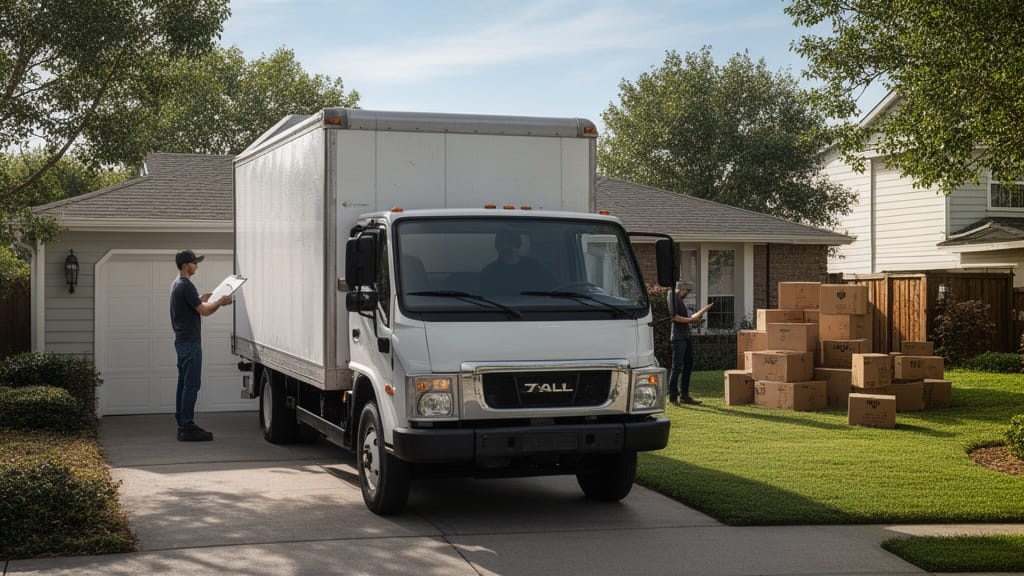
U-Haul does not sell a single "insurance" product. It sells a stack of separate protection plans, each covering a different risk. Understanding the split is the whole game.
Here is the u-haul rental insurance explained in plain terms. There are four main components, and they do not overlap:
- SafeMove / SafeMove Plus — a damage waiver for the truck and cargo protection for your belongings.
- Liability Coverage — pays for injury and property damage you cause to third parties.
- SafeTow — protection tied specifically to towing equipment and trailers.
- Cargo-only or medical add-ons — narrower plans for specific situations.
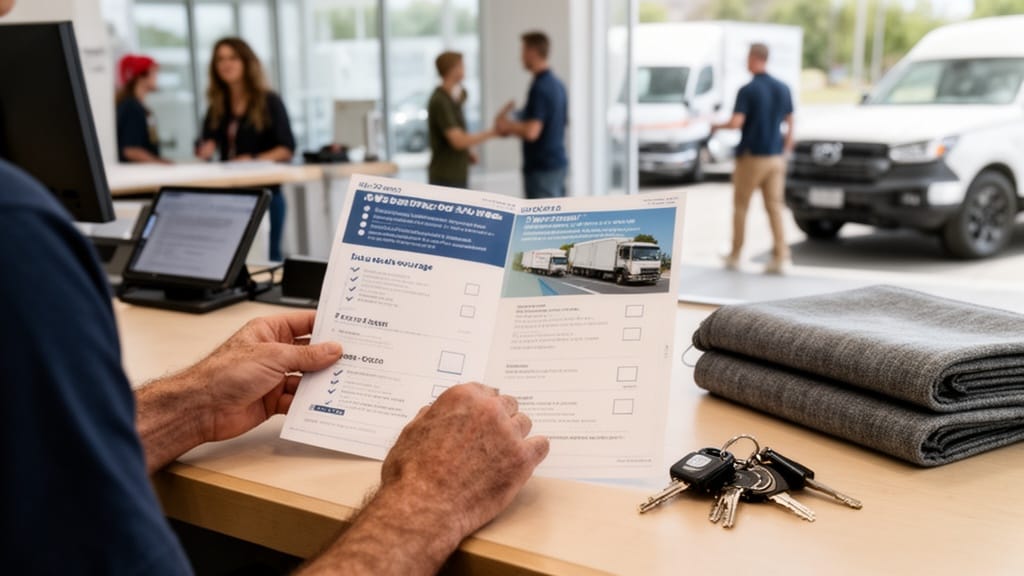
The u-haul liability coverage option is the one that pays another driver. It is legally structured as insurance, unlike the damage waiver, which is technically a contractual waiver rather than a policy. That distinction sounds like fine print, but it changes who pays after a crash.
Pro Tip: At the counter, ask the representative one direct question: "If I hit another car, which line item on this contract pays their bill?" If the answer is not "Liability Coverage," you are unprotected against third parties no matter what else you bought.
Full details on each tier are published on U-Haul's official damage coverage page, which itemizes what each plan includes and excludes. Reviewing it before rental day removes the pressure of deciding on the spot.
SafeMove vs. SafeMove Plus: Key Differences
The safemove vs safemove plus decision comes down to how much cushion you want against the truck's damage and your own liability exposure. Both are damage waivers at their core. SafeMove Plus simply layers on more.
SafeMove covers accidental damage to the truck, cargo protection for your loaded belongings, and a medical and life component. SafeMove Plus keeps all of that and adds a supplemental liability layer plus broader coverage limits.
| Feature | SafeMove | SafeMove Plus |
|---|---|---|
| Damage waiver for the truck | Included | Included |
| Cargo protection for belongings | Included | Included (higher limit) |
| Medical & life coverage | Included | Included |
| Supplemental third-party liability | Not included | Included |
| Overhead/roof and windshield damage | Limited | Broader |
| Best for | Short local moves | Long-distance or highway moves |
The practical takeaway: SafeMove alone still leaves a third-party gap unless you separately add liability. SafeMove Plus folds a liability layer into the package, which is why highway-heavy moves lean toward it. U-Haul's SafeMove damage protection overview lays out the exact limit differences.
Q: What is the difference between SafeMove and SafeMove Plus?
A: SafeMove is a truck-and-cargo damage waiver, while SafeMove Plus adds supplemental liability coverage for third-party injury and property damage plus higher limits.
Think of SafeMove as protecting your rental deposit and SafeMove Plus as protecting your bank account. The upgrade exists specifically to close the third-party hole that trips up so many renters.
Does Your Personal Auto Insurance Cover a U-Haul?
This is the most misunderstood part of the entire process. The question "does my car insurance cover a u-haul" has a frustrating answer: sometimes, and rarely for the truck itself.
Q: Does my personal auto insurance cover a rented U-Haul?
A: Your liability may extend to third-party damage, but most personal policies exclude physical damage to trucks above a certain weight, leaving the rented truck itself uncovered.
Here is the pattern the National Association of Insurance Commissioners explains in its auto insurance basics: personal auto liability often follows you into a rented vehicle, so if you damage someone else's car, your policy may respond. But comprehensive and collision coverage for the truck's own body usually does not apply to a large moving truck.

So the split looks like this. Your personal liability might pay the other driver. Your personal policy almost never pays to fix the U-Haul. That is precisely the gap the damage waiver fills.
Pro Tip: Call your insurer before rental day and ask two things: "Does my liability extend to a rental moving truck?" and "Do I have any physical-damage coverage on a truck this size?" Get the answer by email so you have it in writing if a claim arises.
Credit cards add another wrinkle. Most card rental benefits explicitly exclude moving trucks and cargo vans, so do not assume your card's collision perk applies here. When it comes to rental truck insurance, the moving-truck exclusion is nearly universal across cards and personal policies alike.
What Happens If You Hit Another Car in a U-Haul
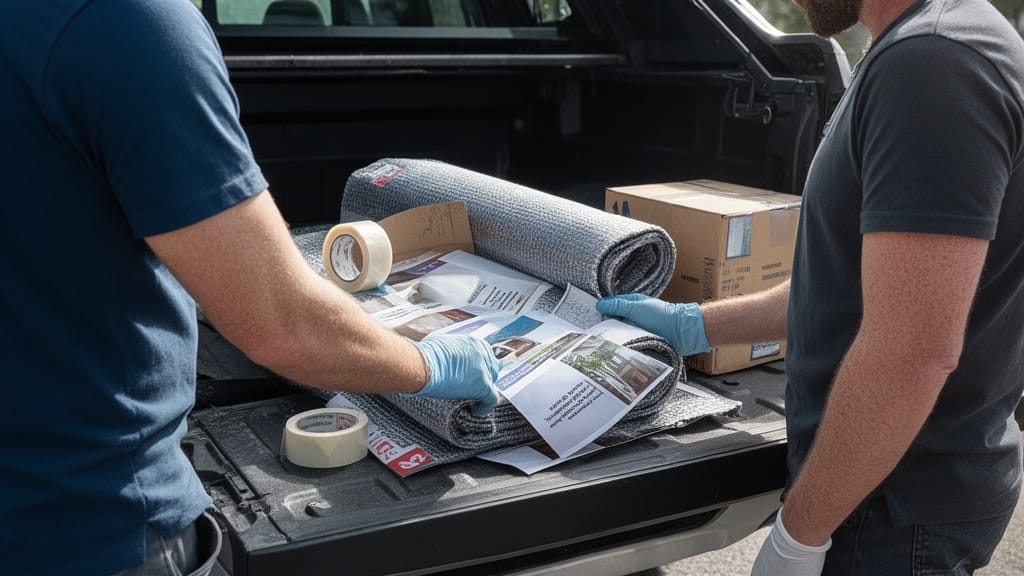
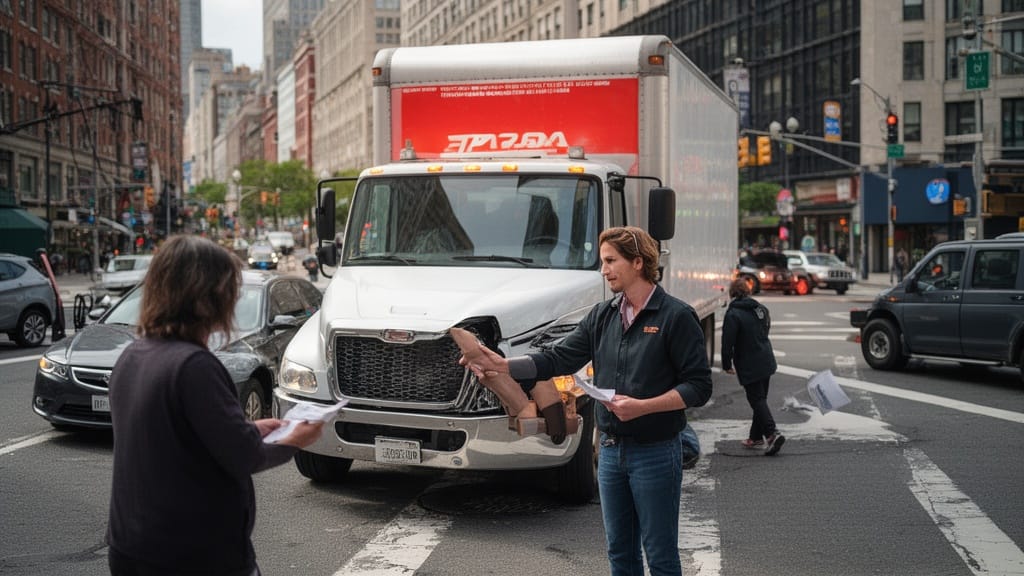
Let's break this down with the exact scenario competitors gloss over: you rear-end the car in front of you at a stoplight while driving a loaded U-Haul.
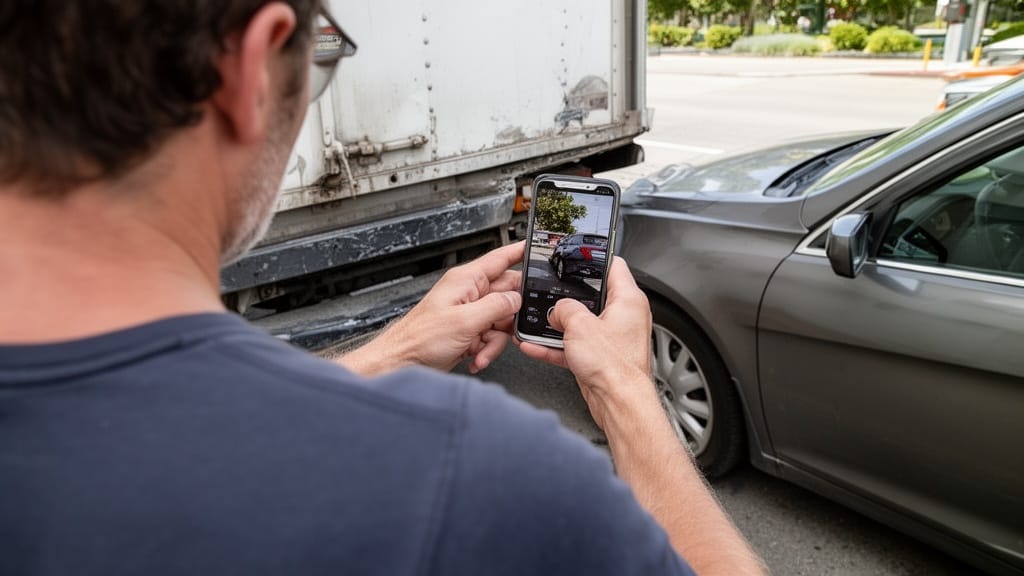
Here is who pays for what, in order:
- The other driver's car — paid by your U-Haul Liability Coverage or your personal auto liability, if either applies. Without liability protection, this comes out of your pocket.
- The U-Haul truck's damage — paid by your SafeMove or SafeMove Plus waiver. Without a waiver, you owe U-Haul for the repair.
- Your injuries — addressed by the medical component of SafeMove or your own health insurance.
- Your cargo — covered by the cargo portion of the damage waiver, not by liability.
That sequence shows why u-haul accident coverage is really several products working together. One plan rarely covers the whole incident. Miss one layer and you absorb that slice of the loss yourself.
Documentation drives every claim. Photograph both vehicles, exchange information, and file a police report. For a full walkthrough of the immediate steps, see this guide on what to do after a U-Haul accident, which covers evidence collection and reporting timelines.
Liability in these crashes can get contested. Personal injury attorneys note that rental-truck accident claims often involve multiple parties, so clean documentation is your strongest protection. The renter who took photos and got the waiver walks away far cleaner than the one who did neither.
Coverage Gaps and Exclusions to Know Before You Rent
Every protection plan has fine print, and the exclusions are where renters lose money. Reading them beforehand takes ten minutes and prevents four-figure surprises.
Common exclusions across u-haul insurance coverage plans include:
- Damage from driving on unauthorized or unpaved roads.
- Overhead clearance accidents if you selected a plan with limited roof coverage.
- Damage caused while the driver is impaired or unlicensed.
- Cargo you packed improperly that shifts and breaks.
- Towing incidents unless you carry the matching u-haul safetow coverage for your trailer or auto transport.
That last point matters for anyone towing a vehicle. SafeTow is separate from SafeMove. Renting a truck with a trailer and buying only truck coverage leaves the towing equipment and towed load exposed.
Pro Tip: If you are towing a car or trailer, confirm SafeTow is on your contract as a distinct line. The truck waiver and the trailer coverage are billed and applied separately, and one does not backfill the other.
Weight-class exclusions also explain why so many personal policies bow out. The Federal Motor Carrier Safety Administration's rules on rental trucks reflect how differently large trucks are treated from passenger cars, and insurers follow that same logic when they exclude heavy vehicles.
Q: Do you legally need insurance to rent a U-Haul?
A: You are not legally required to buy U-Haul's plans, but every state's financial-responsibility law requires you to cover at-fault damage, so you need valid liability from some source.
U-Haul addresses this directly in its explainer on whether it is legal to drive a U-Haul without personal auto insurance. The gist: you must be able to pay for harm you cause. That protection can come from your personal policy or from U-Haul's liability add-on.
The question of whether you need insurance to rent a u-haul really becomes a question of which coverage, not whether. Driving with zero valid liability is both illegal and financially reckless. If your personal policy excludes the truck and you skip the add-on, you are uninsured the moment you pull onto the road.
This is also where the DIY-versus-hired decision surfaces. Comparing full-service movers vs. DIY truck rentals helps clarify whether taking on driver liability is worth the savings for your specific move.
How to Choose the Right Coverage for Your Move
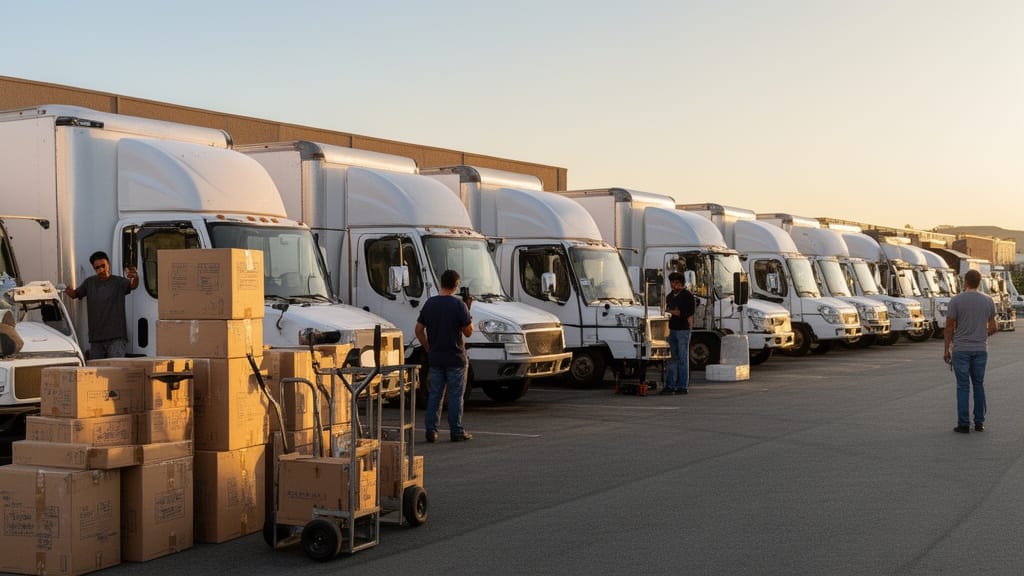
Match your coverage to your route, your load, and your existing policies. A cross-town move and a cross-country haul carry very different risk profiles, and the right plan follows the risk.
Use this quick decision framework:
| Your Situation | Recommended Coverage |
|---|---|
| Short local move, small truck | SafeMove + confirm liability |
| Long-distance highway move | SafeMove Plus |
| Towing a car or trailer | Add SafeTow |
| Strong personal auto policy that covers trucks | Verify in writing, then decide |
| No physical-damage coverage anywhere | Damage waiver is essential |
The u-haul insurance cost scales with the truck size and coverage tier you select, and the plans are priced per rental rather than per year. Because pricing shifts by location and vehicle, confirm the exact figure at booking rather than relying on a quoted average.
Weigh the waiver cost against your deductible and out-of-pocket risk. Paying a modest waiver fee to avoid a large repair or liability bill is straightforward math for most renters. The plans exist precisely because the downside of going bare is so steep.
Whatever you choose, get the coverage decision settled before rental day, not at a busy counter. A calm ten-minute review of the contract beats a rushed choice made while a line forms behind you.
Does U-Haul insurance cover damage to other vehicles?
Not automatically. U-Haul's core protection plans, SafeMove and SafeMove Plus, are damage waivers that cover the rented truck and your cargo. Damage to another person's vehicle is covered only through U-Haul's separately purchased Liability Coverage, or through your personal auto liability if it extends to rental trucks. If you skip liability protection and your personal policy excludes large trucks, you pay the other driver's repair and injury costs yourself. Because personal auto policies frequently exclude heavy trucks, the liability add-on is the most reliable way to guarantee third-party vehicles are covered. Always confirm which specific line item on your rental contract handles third-party damage before driving.
Does my personal auto insurance cover a rented U-Haul?
Partially, and rarely for the truck itself. Many personal auto policies extend liability coverage to a rented moving truck, meaning if you damage someone else's property, your policy may respond. However, comprehensive and collision coverage for physical damage to the truck almost never applies, because insurers commonly exclude vehicles above a certain weight class. Credit card rental benefits usually exclude moving trucks entirely too. The safest approach is to call your insurer before rental day and ask two direct questions: whether your liability follows you into a rental truck, and whether any physical-damage coverage applies to a vehicle that size. Get the answer in writing so you have proof if you later file a claim.
What is the difference between SafeMove and SafeMove Plus?
SafeMove is a damage waiver covering accidental damage to the truck, cargo protection for your belongings, and a medical and life component. SafeMove Plus includes everything in SafeMove and adds a supplemental liability layer plus higher coverage limits and broader protection for areas like roof and windshield damage. The key practical difference is third-party liability: SafeMove alone does not include it, while SafeMove Plus folds it into the package. Short local moves often use SafeMove, while long-distance or highway-heavy moves lean toward SafeMove Plus because the added liability closes the third-party gap. Review U-Haul's official coverage page for the exact limit differences before choosing your tier.
Do you legally need insurance to rent a U-Haul?
You are not legally required to buy U-Haul's protection plans, but you are required to have valid coverage for any damage you cause. Every state's financial-responsibility law obligates at-fault drivers to pay for the harm they cause, whether through a personal auto policy or U-Haul's liability add-on. If your personal policy excludes large trucks and you decline U-Haul's liability coverage, you are effectively uninsured the moment you drive off the lot, which is both illegal and financially risky. The real decision is not whether to have coverage but which source provides it. Confirm your personal policy's truck rules before you rely on it for a rental.
Related Articles
- How to Hire a Moving Company: Step-by-Step — learn the vetting steps that separate reliable movers from risky ones.
- What Is a Full-Service Move? — understand what full-service crews handle so you can weigh it against a DIY truck rental.
- How Do Moving Companies Charge? Pricing Explained — see how movers structure costs so you can compare against renting a truck.
- Local Moving: What It Covers and How It Works — get the essentials on short-distance moves and what services are included.
Recommended Reading
- Moving Cleanout: U-Haul or Dumpster?
- How to Pack a Truck for a Long Distance Move
- How to Avoid Moving Scams
Frequently Asked Questions