'%3E%3Cpath%20fill='%231B2A47'%20d='M1.605%2016.263c.03-1.139.059-2.482.088-3.971.03-1.49.03-2.832.03-4.03%200-.758%200-1.576-.03-2.51%200-.905-.03-1.84-.03-2.803%200-.496-.028-.964-.028-1.43%200-.468%200-.906-.03-1.315h6.858q2.188%200%203.589.35c.963.234%201.663.643%202.13%201.198.496.555.73%201.372.73%202.394%200%20.788-.176%201.46-.497%201.985-.32.526-.846.935-1.575%201.197-.73.292-1.693.468-2.918.526v.263c1.313.087%202.334.263%203.122.525.758.263%201.342.672%201.692%201.197.35.526.525%201.197.525%202.044%200%201.08-.233%201.927-.67%202.57-.468.642-1.139%201.08-2.102%201.343-.933.262-2.159.408-3.705.408H1.605zm6.537-9.197q1.882%200%202.713-.526c.555-.35.817-.934.817-1.752%200-.905-.292-1.547-.846-1.927s-1.459-.554-2.655-.554H4.757v4.759zm.204%206.92c.934%200%201.663-.088%202.217-.263.555-.176.934-.438%201.197-.818s.38-.876.38-1.518c0-.876-.322-1.49-.934-1.84-.643-.35-1.635-.525-3.035-.525H4.757v4.963zM21.038%2016.555c-1.576%200-2.801-.292-3.618-.905-.817-.614-1.284-1.519-1.372-2.745-.087-1.226.205-2.774.847-4.613s1.43-3.358%202.392-4.584c.963-1.226%202.043-2.131%203.298-2.744C23.839.292%2025.24%200%2026.786%200c1.576%200%202.772.321%203.59.934.816.613%201.283%201.548%201.37%202.774s-.203%202.774-.845%204.613c-.642%201.81-1.43%203.358-2.393%204.584s-2.072%202.132-3.297%202.745a9.8%209.8%200%200%201-4.173.905m.788-2.278c.642%200%201.138-.058%201.371-.116.205-.059.496-.117.847-.322.262-.146.437-.292.554-.408.204-.175.32-.292.438-.41.204-.203.35-.408.496-.583.35-.438.642-.876.963-1.402.233-.408.466-.817.67-1.284.205-.438.38-.905.555-1.372.438-1.198.671-2.278.671-3.183s-.204-1.606-.612-2.131c-.409-.497-1.051-.76-1.897-.76-.467%200-.934.059-1.43.205h-.03c-1.02.292-1.925%201.226-2.042%201.372-.116.117-.467.526-.963%201.343a15.5%2015.5%200%200%200-1.342%202.92c-.408%201.197-.642%202.277-.671%203.182-.03.906.175%201.636.584%202.161q.611.788%201.838.788M14.853%2038.54c-1.576%200-2.802-.292-3.619-.905s-1.284-1.518-1.371-2.744c-.088-1.227.204-2.774.846-4.614s1.43-3.357%202.393-4.584%202.042-2.13%203.297-2.744c1.255-.613%202.655-.905%204.173-.905%201.575%200%202.772.321%203.589.934s1.284%201.548%201.371%202.774c.088%201.226-.204%202.774-.846%204.613-.642%201.81-1.43%203.358-2.393%204.584s-2.072%202.131-3.297%202.745c-1.226.613-2.626.846-4.143.846m.787-2.277c.642%200%201.138-.059%201.372-.117.204-.058.496-.117.846-.321.263-.146.438-.292.554-.409.205-.175.321-.292.438-.409.204-.204.35-.408.496-.584a13%2013%200%200%200%201.634-2.686c.204-.438.38-.905.555-1.372.437-1.197.67-2.277.67-3.182%200-.906-.203-1.606-.612-2.132-.409-.496-1.05-.759-1.897-.759-.467%200-.934.058-1.43.204h-.029c-1.021.292-1.925%201.227-2.042%201.373-.117.116-.467.525-.963%201.343a15.5%2015.5%200%200%200-1.342%202.92c-.409%201.196-.642%202.277-.671%203.182s.175%201.635.583%202.16q.613.789%201.838.789'/%3E%3Cpath%20fill='%23FF515E'%20d='M55.966%2038.57c-1.576%200-2.801-.293-3.618-.906s-1.284-1.518-1.372-2.744c-.087-1.227.204-2.774.846-4.613s1.43-3.358%202.393-4.584c.963-1.227%202.043-2.132%203.297-2.745s2.656-.905%204.173-.905c1.576%200%202.772.321%203.589.934s1.284%201.548%201.371%202.774c.088%201.226-.204%202.774-.846%204.613-.642%201.81-1.43%203.358-2.393%204.584s-2.071%202.131-3.297%202.745c-1.225.613-2.626.846-4.143.846m.788-2.249c.642%200%201.138-.058%201.371-.117.204-.058.496-.116.846-.32.263-.147.438-.293.555-.41a7%207%200%200%200%20.437-.408c.205-.205.35-.41.496-.584a13%2013%200%200%200%201.634-2.686c.205-.438.38-.905.555-1.373.438-1.197.671-2.277.671-3.182s-.204-1.606-.613-2.131c-.408-.497-1.05-.76-1.896-.76-.467%200-.934.059-1.43.205h-.03c-1.02.292-1.925%201.226-2.042%201.372-.117.117-.467.526-.963%201.343a15.5%2015.5%200%200%200-1.342%202.92c-.409%201.197-.642%202.277-.671%203.182s.175%201.635.583%202.16q.614.79%201.839.79'/%3E%3Cpath%20fill='%231B2A47'%20d='M33.06%2016.263c0-.35%200-.935.03-1.81.029-1.051.058-2.103.058-3.154s.03-2.073.03-3.007c0-1.606-.03-3.27-.06-4.993%200-.554-.028-1.08-.028-1.606%200-.525-.03-1.021-.03-1.46h6.828c1.46%200%202.685.117%203.59.38q1.4.394%202.1%201.314.7.963.7%202.628c0%20.992-.174%201.81-.554%202.452-.35.643-.904%201.11-1.604%201.431s-1.576.467-2.627.496v.263q2.058.087%203.064.876c.671.525%201.138%201.372%201.43%202.51.087.41.233%201.023.467%201.84.233.818.408%201.431.554%201.84h-3.414a11%2011%200%200%200-.262-1.022c-.321-1.314-.526-2.19-.584-2.628a5%205%200%200%200-.642-1.46%202.13%202.13%200%200%200-.963-.73c-.408-.146-.934-.233-1.605-.233h-3.326v6.0440000000000005H33.06zm6.332-8.292c1.343%200%202.276-.205%202.86-.613.554-.41.846-1.11.846-2.073%200-.73-.146-1.314-.408-1.723-.263-.409-.671-.7-1.197-.876q-.788-.263-2.1-.263h-3.181v5.519h3.18zM49.4%2016.263l.03-2.745c.029-2.452.029-4.905.029-7.416q0-2.101-.088-5.868h4.085l5.924%2010.335c.087.234.204.438.291.643.117.204.205.408.321.613.38.788.613%201.255.672%201.372h.262c0-.058-.03-.146-.03-.204%200-.059-.028-.117-.028-.175a75%2075%200%200%201-.175-1.314%2010%2010%200%200%201-.088-1.285c0-1.547%200-3.737-.029-6.57V1.84c0-.584-.03-1.11-.03-1.576h2.977c-.03%202.482-.058%205.08-.058%207.766%200%201.694%200%204.438.029%208.292h-4.027l-5.573-9.43c-.875-1.81-1.226-2.511-1.05-2.132-.263-.613-.467-1.08-.613-1.46h-.263c.058.35.117.876.175%201.548.059.7.117%201.168.117%201.46%200%202.978%200%206.306.029%209.985H49.4zM4.698%2038.277c.029-2.627.058-5.255.058-7.883%200-1.576%200-3.503-.029-5.752-1.109%200-2.684%200-4.727.03v-2.453h12.664v2.453c-1.955-.03-3.53-.03-4.756-.03%200%20.584-.03%201.227-.03%201.957s0%201.46-.029%202.218v1.84c0%202.57.03%205.11.059%207.62z'/%3E%3Cpath%20fill='%23FF515E'%20d='M29.441%2038.277c.409-1.05.788-2.102%201.168-3.182s.787-2.16%201.167-3.241c.613-1.693%201.05-2.949%201.342-3.766l1.255-3.65c.116-.38.262-.788.379-1.139.117-.38.263-.73.38-1.05h4.61l-.671%2012.904h.262l8.316-12.905h4.669l-.7%201.869c-.876%202.452-1.343%203.766-1.43%204a501%20501%200%200%200-3.385%2010.16h-2.947c.292-.846.788-2.219%201.459-4.087.175-.526.35-1.08.554-1.606.175-.526.38-1.08.555-1.577.642-1.81%201.342-3.825%202.072-6.014h-.234l-8.724%2013.314h-2.86l.554-13.314h-.175c-.175.496-.38.992-.554%201.489-.175.496-.38%201.022-.555%201.547a163%20163%200%200%200-1.08%203.008c-.145.38-.262.759-.408%201.138-.117.38-.262.73-.408%201.11-.7%201.898-1.284%203.59-1.751%205.05h-2.86zM68.047%2038.277c.175-2.19.32-4.525.467-7.007.058-.905.204-3.912.467-9.051h3.151c-.03.438-.058.934-.088%201.46s-.058%201.08-.087%201.693a264%20264%200%200%201-.409%206.657c-.145%201.986-.35%203.591-.583%204.788h.175Q72.147%2034.892%2073.94%2032a562%20562%200%200%201%204.465-7.066c.32-.496.641-.992.933-1.46s.555-.875.817-1.255h3.268q-.568.832-1.138%201.752c-.408.613-.787%201.255-1.196%201.927-3.88%206.014-6.478%2010.131-7.85%2012.35h-5.193zM79.106%2038.277c.32-.788.758-2.014%201.37-3.65a287%20287%200%200%200%201.577-4.32c.437-1.256.904-2.628%201.4-4.088s.934-2.774%201.313-3.97h11.322l-.846%202.364H87.1l-1.664%204.847%207.645-.088-.612%201.694-7.587-.088-1.75%204.934h8.286l-.846%202.365z'/%3E%3C/g%3E%3Cdefs%3E%3CclipPath%20id='a'%3E%3Cpath%20fill='%23fff'%20d='M0%200h96v40H0z'/%3E%3C/clipPath%3E%3C/defs%3E%3C/svg%3E)
Abington long distance movers handle relocations that cross state lines or run beyond roughly 400 miles, pricing each job on shipment weight, total mileage, and access at both ends. Booking six to eight weeks ahead and verifying the carrier's US DOT number keeps the move predictable and protects your budget.
Long-distance planning works differently from a local hourly job. A cross-state move involves federal regulation, weight-based estimates, and a multi-day transit window. This guide breaks down the real cost drivers, a week-by-week timeline, the licensing checks competitors skip, and the questions that separate reputable carriers from rogue operators.
Key Takeaways
| Point | Details |
|---|---|
| What qualifies as long distance | Any move crossing state lines or exceeding ~400 miles falls under interstate rules and federal oversight. |
| What drives cost | Shipment weight and distance set the base; access, packing, and timing adjust the final figure. |
| When to book | Reserve six to eight weeks out — longer during the May–September peak season. |
| Licensing check | Verify the carrier's US DOT number free on the FMCSA SAFER system. |
| Scam protection | A written binding estimate and an itemized bill of lading are your two strongest safeguards. |
What Counts as a Long Distance Move from Abington?
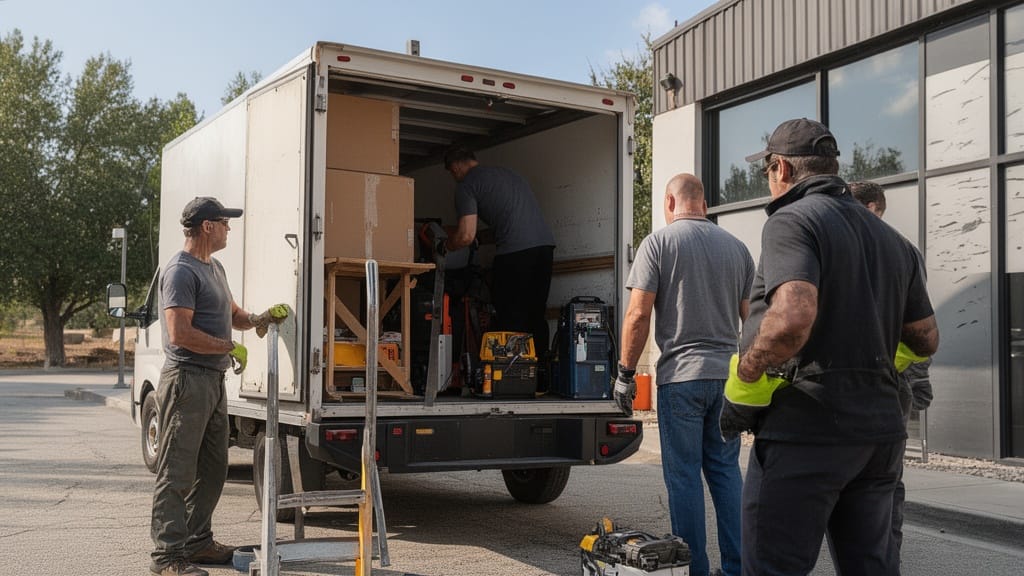
A long distance move is any relocation that crosses a state line or travels more than roughly 400 miles, regardless of state. Once your shipment crosses into another state, it becomes an interstate move governed by the Federal Motor Carrier Safety Administration (FMCSA). That federal layer is the single biggest difference between a local job and hiring abington interstate movers.
From Abington MA, most relocations to New York, New Jersey, the Carolinas, Florida, or anywhere out west fall squarely into this category. The terms overlap, so here is how the industry uses them:
- Local move: Same metro area, billed by the hour, no federal license required.
- Long distance / interstate move: Crosses state lines, billed by weight and mileage, requires a US DOT number.
- Cross-country move: A coast-to-coast subset of interstate moves, often 2,000+ miles.
Q: What is the difference between local and long distance movers?
A: Local movers charge an hourly rate within one metro area, while long distance movers charge by shipment weight and mileage and must hold a federal US DOT number for interstate transport.
Whether you call it abington cross country moving or a regional abington to out of state movers job, the planning fundamentals are identical: confirm the carrier is licensed, get the estimate in writing, and understand how weight and distance shape the price.
How Abington Long Distance Movers Calculate Your Cost
Interstate price is built on two pillars: how much your shipment weighs and how far it travels. Every other line item — packing, stairs, long carries, storage — adjusts that base. The long distance moving cost abington households pay therefore scales with the size of the home and the destination.
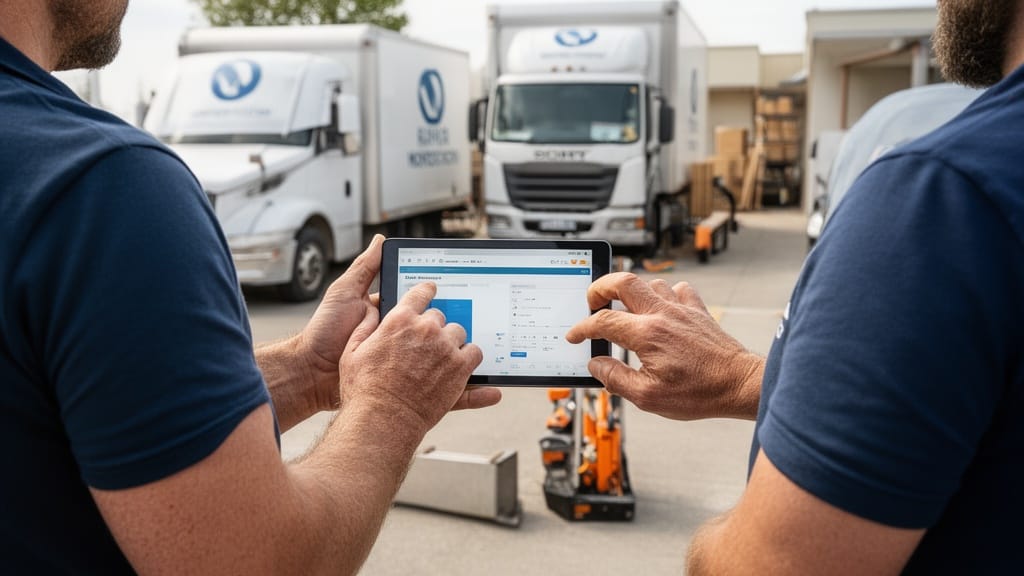
A typical two-bedroom home weighs roughly 5,000 to 6,000 pounds packed. A move of around 1,000 miles for that load commonly lands in the several-thousand-dollar range, depending on services and season, per Forbes. Use that as a planning anchor, not a quote — only a weight-based survey produces a real number.
| Cost factor | How it affects price | Impact on a 2-bedroom Abington move |
|---|---|---|
| Shipment weight | Heavier loads cost more; price is per pound | High — the primary driver |
| Distance / mileage | Longer hauls raise the per-pound rate | High |
| Access & logistics | Stairs, elevators, long carries, shuttle trucks | Moderate |
| Packing services | Full-pack labor and materials add to the bill | Moderate |
| Timing / season | Summer and month-end dates cost more | Moderate |
| Specialty items | Pianos, safes, antiques need extra handling | Low to moderate |
For a deeper breakdown of the formula, this explainer on how interstate movers determine your cost walks through tariffs and surveys step by step.
Pro Tip: Request an in-home or video survey rather than a phone estimate. A walkthrough captures the true weight and access conditions, which is the only way to avoid a revised invoice on delivery day.
Timeline: Planning Your Move Week by Week
The single best predictor of a smooth long-distance move is lead time. Reputable carriers book peak-season slots fast, and a rushed booking limits your ability to compare quotes or verify credentials. Here is a realistic eight-week schedule.

- 8 weeks out: Inventory your home, request three written estimates, and verify each carrier's license.
- 6 weeks out: Book your mover and lock the date. Order packing supplies.
- 4 weeks out: Start packing non-essentials. Notify utilities, schools, and the post office.
- 2 weeks out: Confirm logistics, parking, and elevator reservations at both ends.
- 1 week out: Pack the essentials box. Disassemble large furniture or confirm the crew will.
- Moving day: Review the inventory and bill of lading before the truck departs.
In a representative cross-country relocation, a two-bedroom Abington household that booked seven weeks ahead saw the truck loaded in a single afternoon, with delivery falling inside a five-to-ten-business-day transit window. That spread reflects a normal long-haul schedule, since interstate carriers consolidate shipments along a route.
Pro Tip: Reserve any building elevator and a parking permit at both the origin and destination at least two weeks out. A blocked loading zone is one of the most common causes of same-day delay fees.
Verifying a Long Distance Mover's License and Insurance
Every legitimate interstate carrier holds an active US DOT number and, in most cases, an MC (motor carrier) number issued by the FMCSA. Verifying these takes about three minutes and is the most important step most movers skip. Choosing licensed long distance movers abington residents can trust starts here.
Run the company name or US DOT number through the free FMCSA SAFER Company Snapshot. Confirm the operating authority is active, the entity type lists household goods, and the address matches. This walkthrough on how to check a mover's US DOT number shows exactly what each field means.
Q: Are long distance movers in Abington licensed and insured?
A: Legitimate interstate carriers hold an active US DOT number registered with the FMCSA and carry valuation coverage; you can confirm both free on the SAFER system before booking.
Licensing is only half the picture — coverage is the other half. Federal law requires interstate carriers to offer two valuation options:
- Released value (free): Pays roughly 60 cents per pound per item — minimal protection.
- Full value protection (paid): The carrier repairs, replaces, or reimburses at full value.
The FMCSA Your Rights and Responsibilities When You Move booklet spells out both. Valuation is not the same as insurance, so confirm in writing which option applies to your shipment.
Deciding What to Pack Yourself vs. Leave to the Movers
Splitting the packing workload is the easiest way to control a long-distance budget without cutting corners on safety. The rule of thumb: pack what is durable and cheap to replace yourself, and let professionals handle fragile, heavy, or high-value items where damage claims get complicated.
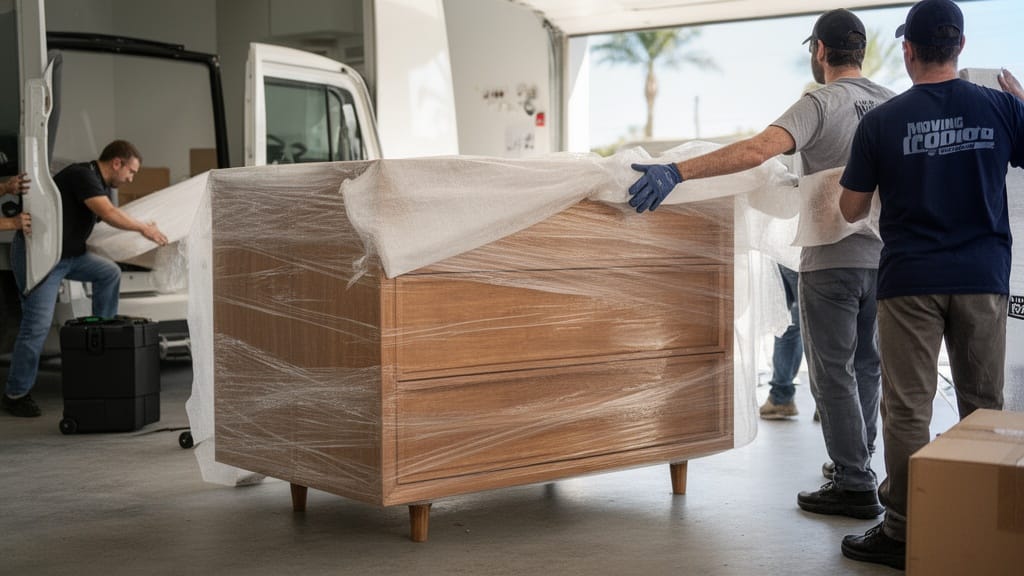
Best to pack yourself:
- Books, linens, and clothing
- Non-fragile kitchen items
- Personal documents, jewelry, and valuables (always carry these)
Best left to the movers:
- Mirrors, artwork, and glass
- Large furniture requiring disassembly
- Pianos, safes, and specialty antiques
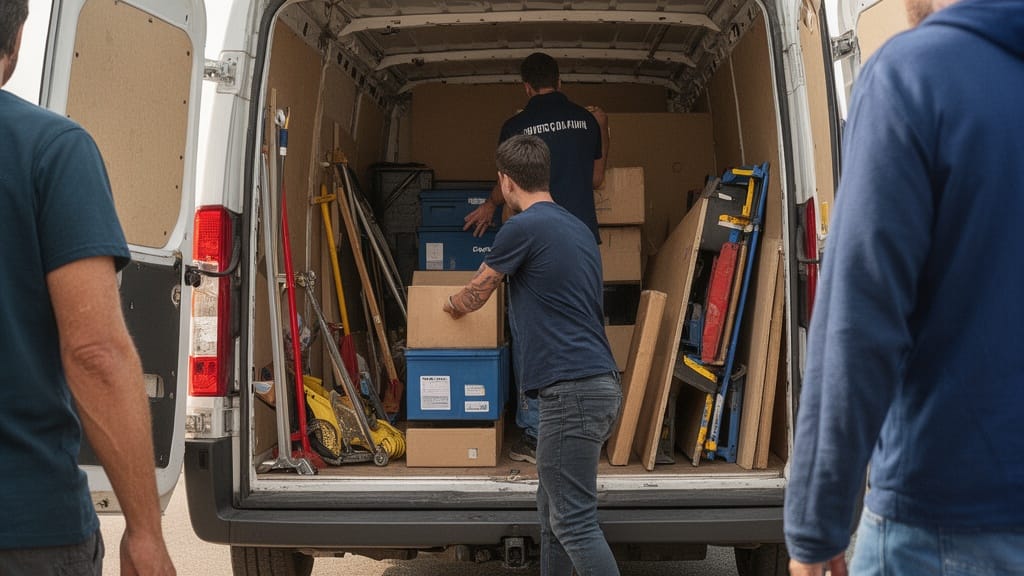
Professional crews load by weight distribution and tie-down, not just stacking. The technique behind packing a truck for a long-distance move — weight low and forward, straps every few feet — is what prevents shifting over hundreds of highway miles.
Pro Tip: Photograph the contents and condition of every high-value item before it is wrapped. Time-stamped photos are the fastest way to resolve a valuation claim if anything arrives damaged.
Questions to Ask Before You Book
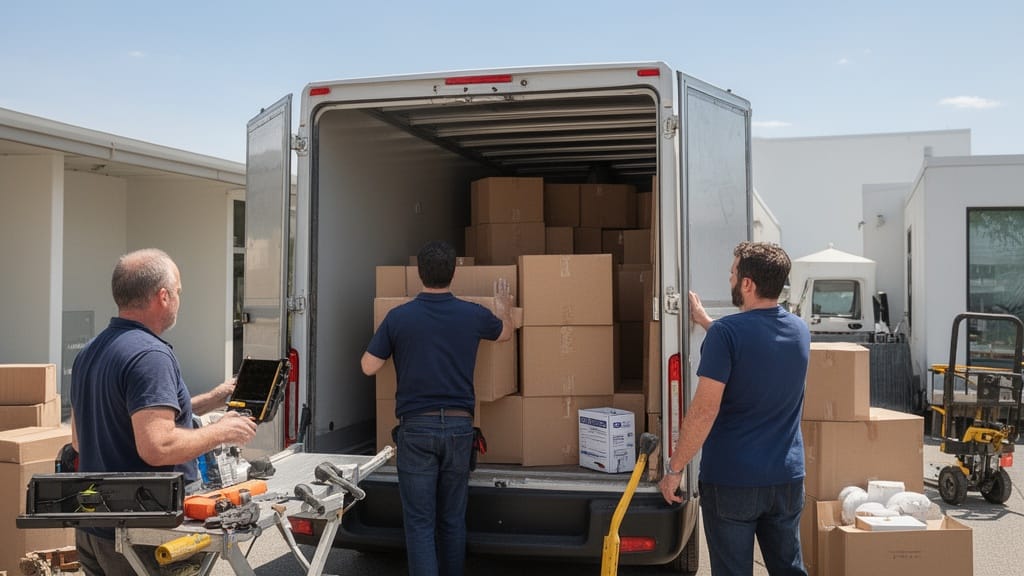
The right questions surface red flags before money changes hands. A reputable long distance moving company abington customers recommend will answer all of these without hesitation and put the answers in writing.
- What is your US DOT and MC number? (Verify it independently.)
- Is the estimate binding, non-binding, or binding not-to-exceed?
- Who actually performs the move — your crew or a broker's subcontractor?
- What valuation coverage is included, and what does full protection cost?
- What is your claims process and average resolution time?
- Are there surcharges for stairs, long carries, or shuttle trucks?
If a company dodges the licensing question or pressures you toward a large deposit, treat that as disqualifying. For a broader checklist, this guide on how to choose a long-distance moving company covers credentials, reviews, and contract terms in detail.
Avoiding Long Distance Moving Scams and Hidden Fees
Moving fraud is real, and the FMCSA fields thousands of consumer complaints about household-goods carriers every year through its National Consumer Complaint Database. The most common scams follow a pattern: a lowball phone quote, a demand for a large cash deposit, then a inflated price once your belongings are on the truck — sometimes held hostage until you pay.
The single strongest defense is a binding written estimate. Understanding the three estimate types tells you exactly how much price risk you carry.
| Estimate type | How it works | Price certainty | Watch out for |
|---|---|---|---|
| Non-binding | Estimate based on expected weight; final price varies | Low | Charges can rise on delivery |
| Binding | Fixed price for listed items and services | High | Added items void the lock |
| Binding not-to-exceed | You pay the estimate or less, never more | Highest | Confirm it is in writing |
Never sign a blank or incomplete bill of lading — it is the legal contract and receipt for your shipment. Comparing several long distance movers near abington ma side by side also exposes outlier quotes that signal either a scam or a hidden upcharge.
Pro Tip: Be wary of any mover that quotes a firm price sight-unseen and asks for more than a small deposit. Legitimate carriers base binding estimates on a survey and typically collect payment on delivery, not weeks in advance.
Choosing the Right Long Distance Mover in Abington
The best carrier for your move is the one that scores highest on three measurable factors, not the one with the lowest phone quote. Weigh active federal licensing, a transparent binding estimate, and verifiable customer reviews together — a weakness in any one is a reason to keep looking.
Use the planning sequence in this guide as a filter. Confirm the move qualifies as interstate, get weight-based written estimates from three carriers, verify each US DOT number on SAFER, and ask the booking questions above. Carriers that clear all four steps are the ones worth your shipment and your deadline.
How much do long distance movers cost from Abington?
Long-distance cost depends on shipment weight and total mileage, not an hourly rate. A two-bedroom home of roughly 5,000 to 6,000 pounds moving about 1,000 miles commonly falls into the several-thousand-dollar range, varying by services and season, per Forbes. Packing services, stairs, shuttle trucks, and storage add to that base. Summer and month-end dates cost more because demand peaks. The only way to get an accurate figure is a weight-based survey — an in-home or video walkthrough — rather than a phone estimate. Always request the quote as a binding or binding not-to-exceed estimate so the price you are quoted is the price you pay.
How far in advance should I book long distance movers in Abington?
Book six to eight weeks before your move date. That lead time lets you collect three written estimates, verify each carrier's federal licensing, and secure your preferred date before it fills. During the busy May-through-September season, reputable carriers book even faster, so aim for the longer end of that window. Booking early also gives you leverage: rushed customers often accept the first available quote without comparing or verifying credentials, which is exactly how rogue operators get business. If you are moving at month-end or around a holiday, add an extra week or two of cushion, since those dates carry the highest demand and the steepest surcharges.
What is the difference between local and long distance movers?
Local movers operate within a single metro area, charge by the hour, and need no federal license. Long distance movers cross state lines or travel hundreds of miles, charge by shipment weight and mileage, and must hold an active US DOT number registered with the FMCSA. The pricing model is the key practical difference: a local move is time-based, while an interstate move is weight-and-distance based. Long-distance moves also involve a multi-day transit window because carriers consolidate shipments along a route, whereas local moves usually finish the same day. The federal oversight on interstate moves is what makes licensing verification essential before you book.
Are long distance movers in Abington licensed and insured?
Legitimate interstate carriers are. Every household-goods mover operating across state lines must hold an active US DOT number, and most also carry an MC number, both issued by the FMCSA. You can verify either free on the SAFER Company Snapshot tool in about three minutes. Carriers are also required to offer valuation coverage — either released value at roughly 60 cents per pound or paid full value protection. Valuation is not identical to insurance, so confirm in writing which option applies to your shipment. If a company cannot produce an active US DOT number or dodges the question, treat it as a disqualifying red flag and move on.
How long does a long distance move from Abington take?
Transit time depends on distance and how the carrier schedules its route. A regional interstate move of a few hundred miles can deliver within one to three days, while a cross-country haul often runs five to ten business days. Carriers consolidate multiple shipments traveling the same direction, which is why delivery is quoted as a window rather than a fixed day. Ask for the estimated delivery spread in writing before booking, and confirm whether expedited or dedicated-truck service is available if you have a hard deadline. Loading itself usually takes a single day for a typical home; the transit window is what extends the overall timeline.
Related Articles
- Abington Movers: Your Complete Local Guide — Learn how local moves are priced and planned within the Abington area.
- Abington Residential Movers: Home Moving Done Right — A room-by-room playbook for a smooth household relocation.
- Abington Commercial Movers: Office & Business Moves — What changes when you relocate an office instead of a home.
- How to Choose a Licensed and Insured Moving Company You Can Trust — A deeper dive into verifying credentials and coverage.
Recommended Reading
- Long-Distance Moving Companies: How to Choose the Right Mover
- How much does interstate moving cost?
- How to Hire an Interstate Moving Company
- 12 Essential Cross-Country Moving Tips
- How to Avoid Moving Scams
Frequently Asked Questions